

What do you think?

Win a free print copy of this book!
0 days and 10:49:10
20 copies available
U.S. only
Die Schönheit der Distanz
Win a free print copy of this book!
0 days and 10:49:10
20 copies available
U.S. only
Ein Mann sitzt in einem Café mit Blick auf den Bahnhof, nippt an einem grünen Saft und beobachtet die Menschen. Das Leben steht für einen Moment still, während er auf den Bus wartet, der ihn zu seiner Frau bringt.
Jeden Tag ist er im Krankenhaus an ihrer Seite, bürstet ihr das Haar und erinnert sich an die prägenden Momente ihrer Beziehung. Und während er spürt, wie ihm die Liebe seines Lebens entgleitet, ringt er damit, wie seltsam der Umgang mit Pflege und Krankheit in der Gesellschaft ist. Er kommt nicht umhin, sich zu fragen, warum es normal ist, Trauerurlaub nach einem Tod zu nehmen, wenn er doch lieber die wenige Zeit, die ihnen noch bleibt, bei seiner Frau verbringen würde. So setzt er alles daran, seiner Frau in ihren letzten gemeinsamen Stunden ein Gefühl von Hoffnung zu geben. Wenn sie den Alltag bewahren möchten, dürfen gewisse Grenzen nicht überschritten werden. Aber liegt nicht genau in dieser Distanz eine große Schönheit?
Nao-Cola Yamazaki erzählt aufrichtig, tiefgründig und bewegend von Fürsorge und Pflege, aber auch von Gemeinschaft und Zusammenhalt in einer Welt, die sich zu schnell dreht.
Jeden Tag ist er im Krankenhaus an ihrer Seite, bürstet ihr das Haar und erinnert sich an die prägenden Momente ihrer Beziehung. Und während er spürt, wie ihm die Liebe seines Lebens entgleitet, ringt er damit, wie seltsam der Umgang mit Pflege und Krankheit in der Gesellschaft ist. Er kommt nicht umhin, sich zu fragen, warum es normal ist, Trauerurlaub nach einem Tod zu nehmen, wenn er doch lieber die wenige Zeit, die ihnen noch bleibt, bei seiner Frau verbringen würde. So setzt er alles daran, seiner Frau in ihren letzten gemeinsamen Stunden ein Gefühl von Hoffnung zu geben. Wenn sie den Alltag bewahren möchten, dürfen gewisse Grenzen nicht überschritten werden. Aber liegt nicht genau in dieser Distanz eine große Schönheit?
Nao-Cola Yamazaki erzählt aufrichtig, tiefgründig und bewegend von Fürsorge und Pflege, aber auch von Gemeinschaft und Zusammenhalt in einer Welt, die sich zu schnell dreht.
119 pages, Kindle Edition
First published July 10, 2016
Ratings & Reviews
Friends & Following
Create a free account to discover what your friends think of this book!
Community Reviews
Displaying 1 - 30 of 181 reviews

July 17, 2026
Ja naprawdę bardzo rzadko płaczę podczas lektury, a tutaj łzy napływały mi do oczu pod koniec książki przy każdej z kilku rund redakcyjnego czytania. Jedna z najpiękniejszych opowieści o miłości. May this love find all of us.
August 10, 2026
Ta książka jednocześnie uzdrawia coś w Tobie jak i łamie serce. Napisana bardzo stonowanym tonem, jak na tak przejmującą historie i chyba to najbardziej mnie urzekło.

January 30, 2026
So far najciekawszy tajfun z 2026!!!
Mocno przekalibrował moje myślenie o chorobach w śmiertelnym stadium
Mocno przekalibrował moje myślenie o chorobach w śmiertelnym stadium

August 23, 2026
2,5/5 ⭐️
No wiadomo, że smutna, ale dla mnie przepraszam, jednak zbiór banałów. Przeszkadzał mi przede wszystkim styl - książka jak kierowana dla przedszkolaka.
No wiadomo, że smutna, ale dla mnie przepraszam, jednak zbiór banałów. Przeszkadzał mi przede wszystkim styl - książka jak kierowana dla przedszkolaka.

August 24, 2026
Chcę, żeby ktoś kochał mnie tak jak ten mężczyzna kochał swoją żonę 😭

May 28, 2026
This book was quietly heartbreaking. The author beautifully mixed everyday life with the heavy feeling of waiting for death. Through these casual everyday moments, it made me think about how strange we are about death — how afraid we are to feel it close, so we fill the silence with small talk and ordinary things instead of facing it as it is just part of life.
June 27, 2026
Though this was somber and quite sad, it also felt very hollow, and I found it hard to really feel the story and the characters. I can see why other people would like it, but I wouldn't recommend it

August 18, 2026
ta książka otwiera oczy w tylu aspektach, że nie jestem w stanie tego zliczyć, urzekła mnie swoją czułością

August 28, 2026
15 Jahre lang haben die beiden eine kinderlose, aber glückliche Beziehung geführt. Nun ist seine Frau unheilbar an Krebs erkrankt, hat nur noch kurze Zeit zu leben und ist pflegedürftig geworden. Während es Frühling in Japan geworden ist und rundherum vieles blüht, geht es ihr zunehmend schlechter. Er ist Anfang 40, studierter Geisteswissenschaftler und arbeitet als Versicherungsangestellter. Um seine Frau jeden Nachmittag im Krankenhaus besuchen zu können, lässt er sich stundenweise freistellen und hat Familienpflegezeit eingereicht.
„Die Schönheit der Distanz“ ist ein Roman von Nao-Cola Yamazaki, der zehn Jahre nach seiner Erstveröffentlichung nun erstmals in einer deutschen Ausgabe erschienen ist.
Erzählt wird im Präsens und in personaler Perspektive aus der Sicht des namenlosen Mannes. Die Handlung umfasst dabei insgesamt einen Zeitraum von mehr als einem Jahr, wobei der Schwerpunkt auf wenigen Monaten liegt.
Der Schreibstil ist angenehm unaufgeregt und größtenteils nüchtern. Immer wieder tauchen allerdings starke Bilder auf. Zudem sind Symbole und wiederkehrende Motive in den Text eingearbeitet.
Der Roman behandelt auf nur rund 150 Seiten die großen menschlichen Themen: Krankheit und Tod, Liebe und Fürsorge, Zusammenhalt und Hoffnung.
Interessant ist, dass der männliche Protagonist einerseits zwar einige gesellschaftliche Konventionen rund ums Kranksein und Sterben in Japan durchaus hinterfragt, andererseits andere zwischenmenschliche Umgangsformen, die auf Westeuropäer ebenfalls bedenklich wirken können, unkritisch weiterführt.
Dies gilt auch dafür, wie die namenlosen Eheleute miteinander umgehen: befangen, distanziert, unsicher, übervorsichtig, beinahe unterkühlt. Mann und Frau wirken angesichts ihrer langen Verbindung nur mäßig vertraut miteinander. Er weiß erstaunlich wenig über sie. In dem ständigen Versuch, sich gegenseitig mit viel Respekt und Würde zu begegnen, bleibt kaum Raum, Gefühle offen zu zeigen. Die Botschaft, dass auch in der Distanz emotionale Nähe entstehen kann, mag zwar grundsätzlich stimmen, wird in der Geschichte aber nur unzureichend dargestellt. Tatsächlich hatte ich beim Lesen den Eindruck, dass die schwere Krankheit die Eheleute sogar weiter voneinander entfernt hat.
Auch die übrigen Figuren werden überwiegend mit ihrer Rolle bezeichnet. Nur wenige Nebencharaktere werden mit ihren Namen genannt. Das hat ebenfalls dazu beigetragen, dass mich die Geschichte leider nicht richtig berühren konnte.
Das unaufdringliche Cover passt sehr gut. Es greift nicht nur das häufig im Roman auftauchende Blumenmotiv auf, sondern illustriert im metaphorischen Sinne die Vergänglichkeit allen Lebens.
Mein Fazit:
Mit „Die Schönheit der Distanz“ hat Nao-Cola Yamazaki einen interessanten und unterhaltsamen Roman geschrieben, der vor allem für westliche Leserinnen und Leser neue kulturelle Einsichten und Ansichten bereithält. Eine Lektüre, die mich zwar bereichert, leider aber nicht emotional erreicht hat.
„Die Schönheit der Distanz“ ist ein Roman von Nao-Cola Yamazaki, der zehn Jahre nach seiner Erstveröffentlichung nun erstmals in einer deutschen Ausgabe erschienen ist.
Erzählt wird im Präsens und in personaler Perspektive aus der Sicht des namenlosen Mannes. Die Handlung umfasst dabei insgesamt einen Zeitraum von mehr als einem Jahr, wobei der Schwerpunkt auf wenigen Monaten liegt.
Der Schreibstil ist angenehm unaufgeregt und größtenteils nüchtern. Immer wieder tauchen allerdings starke Bilder auf. Zudem sind Symbole und wiederkehrende Motive in den Text eingearbeitet.
Der Roman behandelt auf nur rund 150 Seiten die großen menschlichen Themen: Krankheit und Tod, Liebe und Fürsorge, Zusammenhalt und Hoffnung.
Interessant ist, dass der männliche Protagonist einerseits zwar einige gesellschaftliche Konventionen rund ums Kranksein und Sterben in Japan durchaus hinterfragt, andererseits andere zwischenmenschliche Umgangsformen, die auf Westeuropäer ebenfalls bedenklich wirken können, unkritisch weiterführt.
Dies gilt auch dafür, wie die namenlosen Eheleute miteinander umgehen: befangen, distanziert, unsicher, übervorsichtig, beinahe unterkühlt. Mann und Frau wirken angesichts ihrer langen Verbindung nur mäßig vertraut miteinander. Er weiß erstaunlich wenig über sie. In dem ständigen Versuch, sich gegenseitig mit viel Respekt und Würde zu begegnen, bleibt kaum Raum, Gefühle offen zu zeigen. Die Botschaft, dass auch in der Distanz emotionale Nähe entstehen kann, mag zwar grundsätzlich stimmen, wird in der Geschichte aber nur unzureichend dargestellt. Tatsächlich hatte ich beim Lesen den Eindruck, dass die schwere Krankheit die Eheleute sogar weiter voneinander entfernt hat.
Auch die übrigen Figuren werden überwiegend mit ihrer Rolle bezeichnet. Nur wenige Nebencharaktere werden mit ihren Namen genannt. Das hat ebenfalls dazu beigetragen, dass mich die Geschichte leider nicht richtig berühren konnte.
Das unaufdringliche Cover passt sehr gut. Es greift nicht nur das häufig im Roman auftauchende Blumenmotiv auf, sondern illustriert im metaphorischen Sinne die Vergänglichkeit allen Lebens.
Mein Fazit:
Mit „Die Schönheit der Distanz“ hat Nao-Cola Yamazaki einen interessanten und unterhaltsamen Roman geschrieben, der vor allem für westliche Leserinnen und Leser neue kulturelle Einsichten und Ansichten bereithält. Eine Lektüre, die mich zwar bereichert, leider aber nicht emotional erreicht hat.

August 18, 2026
tak mnie poruszyla ze nawet nie wiem co napisac wiecej

August 5, 2026
to książka o czymś zupełnie innym niż się spodziewałam
przede wszystkim o dojrzałej, partnerskiej relacji, ale też o relacjach między jednostką a społeczeństwem; historia, choć dotyka tematów choroby i śmierci, jest też opowieścią o życiu, działaniu i zmianie, a głęboka wrażliwość narratora na gesty i dobór słów to punkt wyjścia do przemyśleń nad intencjami i przyzwyczajeniami w sytuacjach, w których się znajdujemy
bałam się, że dostanę smutną książkę pełną łez, dostałam cichą, spokojną i naprawdę piękną opowieść o wspólnym życiu
i cyk, kolejna osoba autorska do ulubionych
przede wszystkim o dojrzałej, partnerskiej relacji, ale też o relacjach między jednostką a społeczeństwem; historia, choć dotyka tematów choroby i śmierci, jest też opowieścią o życiu, działaniu i zmianie, a głęboka wrażliwość narratora na gesty i dobór słów to punkt wyjścia do przemyśleń nad intencjami i przyzwyczajeniami w sytuacjach, w których się znajdujemy
bałam się, że dostanę smutną książkę pełną łez, dostałam cichą, spokojną i naprawdę piękną opowieść o wspólnym życiu
i cyk, kolejna osoba autorska do ulubionych
July 12, 2026
This is a reflective and emotional story about a husband trying to make the best of his terminally ill wife's final days. There's tension about how best to use her remaining time, whether to reserve it for family or give bits of it away to others, or even whether he/ his MIL should pause their jobs and normal lives to be at her bedside. It's touching how in all things he considers how she would feel or what she would want. I got angry at the insensitive and thoughtless remarks that other characters made. There seems to be a lot that we as a society have not yet figured out when it comes to holding space for this natural occurence, respecting the process, and I think that's because deep down, most people can't accept the fact so they try to rationalise it away.

August 24, 2026
Towarzyszenie osobie najbliższej w procesie odchodzeniu. Etapy pogarszania się zdrowia, etap szpitalny, śmierć, aspekt finansowy, mierzenie się z opiniami innych ludzi na temat przeżywanej żałoby itd. To jest core tej książki.
Autorka rzetelnie wypunktowała to z czym musi się mierzyć osoba, której członek rodziny odchodzi. I to trzeba jej oddać. Tu ciekawymi wątkami były: nieodwracalność decyzji o podpięciu osoby chorej do respiratora, albo czerpanie radości z opieki. Fabularnie miałam poczucie, że przebywam w komiksie, a nie w życiu realnym.
Wątek relacyjny, w moim odczuciu, nie był tu aż tak istotny, pomimo tego, że książka dostarcza co rusz komunikaty w stylu relacje są ważne, rodzina jest ważna. W pewnym momencie słuchając audiobooka miałam poczucie, że jeśli jeszcze raz usłyszę, że relacje są ważne ....
„Dobra powieść nie składa się tylko z tego co napisano wprost. Jej prawdziwa siła tkwi również w tym, co zostało przemilczane.” Jeden z problemów tej książki polega właśnie na tym, że tu dużo rzeczy zostało napisane zbyt wprost.
Po śmierci żony jej ciało ma zostać przygotowane do pochówku, a mąż jest bardzo zdziwiony tym, że chcą jej zrobić makijaż i pyta się czy będzie on delikatny. I to właśnie pokazuje cel tej książki - autorka chciała pokazać poszczególne etapy przygotowywania ciała i potrzebowała w jakiś sposób wprowadzić informację o makijażu, dlatego pojawił się ten dialog. Wydaje mi się, że dla większości dorosłych mężczyzn informacja o makijażu, nie byłaby zaskoczeniem, wiadomo, że trzeba zrobić taki makijaż, jeśli rodzina nie zechce inaczej, to nie będą jej malować jak na dyskotekę.
Rozmowa z urzędnikiem była przerysowana. Pod koniec książki dowiadujemy się jednak, że tak miało być, bo autorka chciała pokazać absurd procedur. Racjonalizacje, których co chwila dopuszcza się narrator, które również służyły szerszemu celowi dydaktycznemu, też zostały wytłumaczone.
„Jedną z największych zalet dobrej powieści jest to, że pozwala spojrzeć na świat inaczej niż przed lekturą. Piękna rozłąka to tego doskonały przykład. To poruszająca książka, która przemówi do każdego czytelnika, bo przecież wszyscy kiedyś staniemy wobec nieuchronności śmierci.” – Nie istnieje taka książka, która przemówi do każdego czytelnika.
Autorka rzetelnie wypunktowała to z czym musi się mierzyć osoba, której członek rodziny odchodzi. I to trzeba jej oddać. Tu ciekawymi wątkami były: nieodwracalność decyzji o podpięciu osoby chorej do respiratora, albo czerpanie radości z opieki. Fabularnie miałam poczucie, że przebywam w komiksie, a nie w życiu realnym.
Wątek relacyjny, w moim odczuciu, nie był tu aż tak istotny, pomimo tego, że książka dostarcza co rusz komunikaty w stylu relacje są ważne, rodzina jest ważna. W pewnym momencie słuchając audiobooka miałam poczucie, że jeśli jeszcze raz usłyszę, że relacje są ważne ....
„Dobra powieść nie składa się tylko z tego co napisano wprost. Jej prawdziwa siła tkwi również w tym, co zostało przemilczane.” Jeden z problemów tej książki polega właśnie na tym, że tu dużo rzeczy zostało napisane zbyt wprost.
Po śmierci żony jej ciało ma zostać przygotowane do pochówku, a mąż jest bardzo zdziwiony tym, że chcą jej zrobić makijaż i pyta się czy będzie on delikatny. I to właśnie pokazuje cel tej książki - autorka chciała pokazać poszczególne etapy przygotowywania ciała i potrzebowała w jakiś sposób wprowadzić informację o makijażu, dlatego pojawił się ten dialog. Wydaje mi się, że dla większości dorosłych mężczyzn informacja o makijażu, nie byłaby zaskoczeniem, wiadomo, że trzeba zrobić taki makijaż, jeśli rodzina nie zechce inaczej, to nie będą jej malować jak na dyskotekę.
Rozmowa z urzędnikiem była przerysowana. Pod koniec książki dowiadujemy się jednak, że tak miało być, bo autorka chciała pokazać absurd procedur. Racjonalizacje, których co chwila dopuszcza się narrator, które również służyły szerszemu celowi dydaktycznemu, też zostały wytłumaczone.
„Jedną z największych zalet dobrej powieści jest to, że pozwala spojrzeć na świat inaczej niż przed lekturą. Piękna rozłąka to tego doskonały przykład. To poruszająca książka, która przemówi do każdego czytelnika, bo przecież wszyscy kiedyś staniemy wobec nieuchronności śmierci.” – Nie istnieje taka książka, która przemówi do każdego czytelnika.
August 9, 2026
4.5
książka o pożegnaniach – piękna, delikatna, smutna.
będę o niej pamiętać🕊️🌼
książka o pożegnaniach – piękna, delikatna, smutna.
będę o niej pamiętać🕊️🌼

August 23, 2026
Popłakałem się
September 21, 2026
I finished this book not really knowing exactly how I felt about it, and I think that’s because I went into it expecting something more like a traditional story about grief.
Instead, reading this felt almost like reading the husband’s diary.
There isn’t a lot of drama or a big plot carrying you through the book. You’re simply spending time inside the perspective of a husband whose wife is terminally ill, watching him go through ordinary life while knowing that she is going to die. It felt surprisingly realistic because of that. Life doesn’t suddenly become one long dramatic scene just because you’re waiting to lose someone.
The part that made me stop and really think was the way the book approaches the body after death. I grew up with the idea that people can be afraid or hesitant to touch someone after they’ve died, so seeing death treated with much less fear around physical touch felt surprisingly refreshing to me. There was still tenderness and respect, but the body didn’t suddenly become something frightening just because life had left it.
I think that’s what I’ll remember most about this book.
It’s very quiet. Sometimes almost too quiet for me, because I kept waiting for something more to happen. But I eventually realized that maybe that was the point. This isn’t really about what happens when someone dies. It’s about what it feels like to continue existing beside someone while knowing death is coming.
I don’t know if I would call this heartbreaking in the way I normally think of a heartbreaking book. It made me more reflective than emotional.
Thank you to SJP Lit/Zando for the eARC.
Instead, reading this felt almost like reading the husband’s diary.
There isn’t a lot of drama or a big plot carrying you through the book. You’re simply spending time inside the perspective of a husband whose wife is terminally ill, watching him go through ordinary life while knowing that she is going to die. It felt surprisingly realistic because of that. Life doesn’t suddenly become one long dramatic scene just because you’re waiting to lose someone.
The part that made me stop and really think was the way the book approaches the body after death. I grew up with the idea that people can be afraid or hesitant to touch someone after they’ve died, so seeing death treated with much less fear around physical touch felt surprisingly refreshing to me. There was still tenderness and respect, but the body didn’t suddenly become something frightening just because life had left it.
I think that’s what I’ll remember most about this book.
It’s very quiet. Sometimes almost too quiet for me, because I kept waiting for something more to happen. But I eventually realized that maybe that was the point. This isn’t really about what happens when someone dies. It’s about what it feels like to continue existing beside someone while knowing death is coming.
I don’t know if I would call this heartbreaking in the way I normally think of a heartbreaking book. It made me more reflective than emotional.
Thank you to SJP Lit/Zando for the eARC.

August 30, 2026
„Po prostu chcę się spotkać. Czy naprawdę osoba chora powinna zamykać się w czterech ścianach? Przecież to absurd… nawet jeśli nie jestem w pełni sił, to wciąż chcę być częścią społeczeństwa. Chorzy to też ludzie.”
Ten fragment jest dla mnie kwintesencją „Pięknej rozłąki”. Nao-cola Yamazaki opowiada o chorowaniu i umieraniu w sposób, który bardzo do mnie trafia, bo nie ma tu wielkiej walki ani wroga, którego trzeba pokonać. Choroba nie jest czymś do wygrania albo przegrania, bo jest czymś, co po prostu trzeba przeżyć. To też właśnie próbuje zrobić to małżeństwo. Próbuje żyć dalej, choć wie, że czasu jest coraz mniej.
Najbardziej poruszyło mnie to, że chorująca żona nie chce przestać być sobą. Nadal chce spotykać się z ludźmi, interesować się światem, mieć swoje zdanie i decydować o sobie. Diagnoza nie odbiera człowiekowi jego tożsamości. Chory to nadal ktoś, kto ma relacje, potrzeby, granice i swoje życie, nawet jeśli to życie zaczyna wyglądać inaczej.
Po połowie książki coraz mocniej czułam, że tytułowa piękna rozłąka jest też opowieścią o pięknym umieraniu. Nie „pięknym” w sensie łatwym czy pozbawionym bólu, ale godnym. Bez odcinania chorego od świata, bez traktowania go wyłącznie przez pryzmat diagnozy i bez tej pożerającej rozpaczy, która czasem odbiera nam zdolność do bycia naprawdę obecnym.
To bardzo spokojna, oszczędna książka, ale właśnie dlatego zostawia po sobie tyle emocji. Nie krzyczy. Nie wymusza łez. Pokazuje, że czasem największą formą miłości jest po prostu być obok nawet wtedy, kiedy wiemy, że nie możemy już niczego naprawić. „Piękna rozłąka” to dla mnie książka nie tyle o śmierci, ile o tym, jak nie przestać widzieć człowieka, kiedy jego życie zbliża się do końca.
Ten fragment jest dla mnie kwintesencją „Pięknej rozłąki”. Nao-cola Yamazaki opowiada o chorowaniu i umieraniu w sposób, który bardzo do mnie trafia, bo nie ma tu wielkiej walki ani wroga, którego trzeba pokonać. Choroba nie jest czymś do wygrania albo przegrania, bo jest czymś, co po prostu trzeba przeżyć. To też właśnie próbuje zrobić to małżeństwo. Próbuje żyć dalej, choć wie, że czasu jest coraz mniej.
Najbardziej poruszyło mnie to, że chorująca żona nie chce przestać być sobą. Nadal chce spotykać się z ludźmi, interesować się światem, mieć swoje zdanie i decydować o sobie. Diagnoza nie odbiera człowiekowi jego tożsamości. Chory to nadal ktoś, kto ma relacje, potrzeby, granice i swoje życie, nawet jeśli to życie zaczyna wyglądać inaczej.
Po połowie książki coraz mocniej czułam, że tytułowa piękna rozłąka jest też opowieścią o pięknym umieraniu. Nie „pięknym” w sensie łatwym czy pozbawionym bólu, ale godnym. Bez odcinania chorego od świata, bez traktowania go wyłącznie przez pryzmat diagnozy i bez tej pożerającej rozpaczy, która czasem odbiera nam zdolność do bycia naprawdę obecnym.
To bardzo spokojna, oszczędna książka, ale właśnie dlatego zostawia po sobie tyle emocji. Nie krzyczy. Nie wymusza łez. Pokazuje, że czasem największą formą miłości jest po prostu być obok nawet wtedy, kiedy wiemy, że nie możemy już niczego naprawić. „Piękna rozłąka” to dla mnie książka nie tyle o śmierci, ile o tym, jak nie przestać widzieć człowieka, kiedy jego życie zbliża się do końca.

September 4, 2026
A beautiful, short literary fiction novel about a man taking care of his dying wife, looking back at the life they built and the love they felt for each other. The prose -- even translated -- was impactful, with heavy themes described in simple words that stuck with you. The grief was raw and prevalent, but almost kind? There was a nice discussion of how people around you are affected by grief, even those who were not as close to the person dying than you were. And the narrator (the husband) had SUCH grace. He protected his wife's humanity and dignity all the way until the end. <3
Favorite Quotes:
"How have I never realized how good it could feel, just to cut the nails of the person you love?"
"Sometimes I hear people say things like 'It's okay if someone's far away, as long as you hold them close in your heart.' I wonder why it's so important for them to feel close to us, though. Perhaps it's an assumption that closeness is the best state between people and that distance is always something sad. Right now, I hate that she's far away, but there will come a day that I won't. That's my hunch, anyway. When I think this way, I can see a sliver of light."
Favorite Quotes:
"How have I never realized how good it could feel, just to cut the nails of the person you love?"
"Sometimes I hear people say things like 'It's okay if someone's far away, as long as you hold them close in your heart.' I wonder why it's so important for them to feel close to us, though. Perhaps it's an assumption that closeness is the best state between people and that distance is always something sad. Right now, I hate that she's far away, but there will come a day that I won't. That's my hunch, anyway. When I think this way, I can see a sliver of light."
September 25, 2026
I haven't finished a book in a long time, nor do I remember the last time a book finished me. I wasn't expecting to give this a four star, because at best it felt like a three. I wasn't sure if it was the translation, or because the characters felt so stiff most of the time. But then the last third of the book came, and the distance I had felt with the book and it's characters grew closer and closer and I couldn't stop crying.
I don't have a husband, but I do have parents. Who will eventually leave me, but also who will eventually leave each other. And the fact that everyday is a step closer to that distance haunts me sometimes, okay, maybe everyday.
Anyways, it feels good to cry from a book again.
I don't have a husband, but I do have parents. Who will eventually leave me, but also who will eventually leave each other. And the fact that everyday is a step closer to that distance haunts me sometimes, okay, maybe everyday.
Anyways, it feels good to cry from a book again.

September 24, 2026
4,5
Nie sądziłam, że ta króciutka książka aż tak mną poruszy. Coś pięknego.
Nie sądziłam, że ta króciutka książka aż tak mną poruszy. Coś pięknego.
June 7, 2026
Heartbreaking. That's the only word I have for this one.
The story follows an unnamed narrator, a husband whose wife is terminally ill and essentially waiting for death. That's it. That's the premise. And somehow, Yamazaki transforms it into one of the most quietly devastating reading experiences I've had in a long time.
The couple are in their forties. They've been happily married for fifteen years and have no children. There's nothing particularly extraordinary about their lives. The husband works as an insurance agent, while the wife runs a small bread business. They're ordinary people living an ordinary, happy life. They had a future planned together, the kind of future you assume you'll have when everything is going well. Growing old side by side. Then cancer arrives and rearranges everything without asking permission.
What I appreciated most about this book is that it refuses to sugarcoat anything. This isn't a sentimental or romanticised portrayal of illness and loss. Instead, it confronts the reality of caring for someone who is dying while the rest of the world, your work, your responsibilities, your obligations, continues moving forward with complete indifference. The husband is navigating all of this in Japan, where a man taking extended time away from work to care for his sick wife is still viewed as unusual. That detail stayed with me long after I finished reading.
This is not a feel-good novel. It isn't gentle, and it certainly isn't easy. But it's honest in a way that many books about grief and terminal illness aren't, and I think that's exactly why it hits so hard.
I almost cried several times near the end. Almost.
The thought that kept breaking me was this: imagine being the wife. Lying there, knowing what's coming. Waiting for death to arrive. I couldn't stop returning to that image, and it unsettled me more than I expected.
I'll also be transparent about something. Death and illness, especially cancer, are subjects that genuinely frighten me. Reading this book triggered a very specific kind of anxiety, the sort that settles heavily in your chest and lingers long after you've closed the book.
And then there was another thought I couldn't shake. If I were in the wife's position, I don't know who would show up for me the way her husband showed up for her. Consistently. Devotedly. Every single day. That realization hit harder than I expected, and I wasn't prepared for it.
Sob sob.
Four stars.
Read it. But maybe keep a box of tissues nearby. And perhaps don't pick it up during a particularly fragile week.
You have been warned.
The story follows an unnamed narrator, a husband whose wife is terminally ill and essentially waiting for death. That's it. That's the premise. And somehow, Yamazaki transforms it into one of the most quietly devastating reading experiences I've had in a long time.
The couple are in their forties. They've been happily married for fifteen years and have no children. There's nothing particularly extraordinary about their lives. The husband works as an insurance agent, while the wife runs a small bread business. They're ordinary people living an ordinary, happy life. They had a future planned together, the kind of future you assume you'll have when everything is going well. Growing old side by side. Then cancer arrives and rearranges everything without asking permission.
What I appreciated most about this book is that it refuses to sugarcoat anything. This isn't a sentimental or romanticised portrayal of illness and loss. Instead, it confronts the reality of caring for someone who is dying while the rest of the world, your work, your responsibilities, your obligations, continues moving forward with complete indifference. The husband is navigating all of this in Japan, where a man taking extended time away from work to care for his sick wife is still viewed as unusual. That detail stayed with me long after I finished reading.
This is not a feel-good novel. It isn't gentle, and it certainly isn't easy. But it's honest in a way that many books about grief and terminal illness aren't, and I think that's exactly why it hits so hard.
I almost cried several times near the end. Almost.
The thought that kept breaking me was this: imagine being the wife. Lying there, knowing what's coming. Waiting for death to arrive. I couldn't stop returning to that image, and it unsettled me more than I expected.
I'll also be transparent about something. Death and illness, especially cancer, are subjects that genuinely frighten me. Reading this book triggered a very specific kind of anxiety, the sort that settles heavily in your chest and lingers long after you've closed the book.
And then there was another thought I couldn't shake. If I were in the wife's position, I don't know who would show up for me the way her husband showed up for her. Consistently. Devotedly. Every single day. That realization hit harder than I expected, and I wasn't prepared for it.
Sob sob.
Four stars.
Read it. But maybe keep a box of tissues nearby. And perhaps don't pick it up during a particularly fragile week.
You have been warned.

July 3, 2026
Kinda devastating

May 26, 2026
This was a tender and sweet lil quick read. Didn’t feel ‘heartbreaking’ or ‘devastating’ to me as the reviews on the back would suggest.

August 17, 2026
Nie ma tu nic co może się nie spodobać; rozdziera serducho, pokazuje realne rozterki kogoś kto traci najbliższą osobę

April 26, 2026
Beautiful Distance is a quiet but deeply moving novel that stays with you because of how honest it feels. The story follows a husband on his way to visit his terminally ill wife in the hospital, and through that simple journey, the novel slowly unfolds memories of their life together-their marriage, everyday routines, moments of closeness, and even the small unspoken things that shape a relationship over time.
The book finds emotion in ordinary moments. The way the husband reflects on their shared life makes the love story feel real, not perfect or idealized, but lived-in, complicated, and deeply human. There’s also sadness, regret, and the painful awareness that time is running out which makes it a little hard to read.
I especially liked how gently the story handles difficult themes like illness and death. It quietly draws you into the character’s thoughts and makes you feel the weight of what he is about to lose. That quietness is what makes it powerful.
Overall, it’s a thoughtful and emotional read about love, memory, and grief. About how the smallest moments in a relationship often become the ones that matter most in the end. It’s the kind of book that leaves a soft ache after you finish and makes you ponder about life and how temporary everything is.
Thank you Netgalley and the publisher for this ARC.
Very well written but rating it a 3 because I don’t like reading sad stories about illness and grief that is sad throughout.
The book finds emotion in ordinary moments. The way the husband reflects on their shared life makes the love story feel real, not perfect or idealized, but lived-in, complicated, and deeply human. There’s also sadness, regret, and the painful awareness that time is running out which makes it a little hard to read.
I especially liked how gently the story handles difficult themes like illness and death. It quietly draws you into the character’s thoughts and makes you feel the weight of what he is about to lose. That quietness is what makes it powerful.
Overall, it’s a thoughtful and emotional read about love, memory, and grief. About how the smallest moments in a relationship often become the ones that matter most in the end. It’s the kind of book that leaves a soft ache after you finish and makes you ponder about life and how temporary everything is.
Thank you Netgalley and the publisher for this ARC.
Very well written but rating it a 3 because I don’t like reading sad stories about illness and grief that is sad throughout.

March 26, 2026
Under 200 pages, it's a quick read but lingering ® about a man taking care of his wife with terminal cancer. Really sad but it's beautiful and tender. It made me cry (that seems happening a lot this week with reading...) Talks about how Japanese care system works, but the themes are universal, so I highly recommend this. If you like Banana Yoshimoto, you will love this one.
5/5 🌟
5/5 🌟

September 17, 2026
𝘼 𝙗𝙚𝙡𝙚𝙯𝙖 𝙙𝙖 𝙙𝙞𝙨𝙩𝙖̂𝙣𝙘𝙞𝙖
Um casal na casa dos 40, que fazia planos para um envelhecimento em conjunto, vê-se forçado a antecipar a despedida quando um diagnóstico de cancro em fase terminal lhes cai como uma pedra no charco. É ela que está doente. Depois da fase de revolta, vem a aceitação e enquanto houver vida, haverá amor “que se vive nos gestos que repetimos sem imaginar que serão os últimos”.
Quando visita a sua mulher, internada em unidade de cuidados paliativos, o marido preocupa-se apenas com o seu bem-estar e recusa-se a pensar que não há futuro. Ela não está a morrer porque morrer é algo que acontece num dia, numa hora, num segundo. Até lá, vive-se. Ele faz planos para um futuro que pode ser só amanhã. Enquanto está ao seu lado, conversa sobre trabalho, recordam episódios do passado, lava-lhe o rosto, entrança-lhe o cabelo, leva-a à janela para ver as cerejeiras em flor.
“𝘈𝘲𝘶𝘪 𝘦𝘴𝘵𝘰𝘶 𝘦𝘶!”
𝘈𝘲𝘶𝘪 𝘦𝘴𝘵𝘢́𝘴 𝘵𝘶!”
Nesta história, o marido é o narrador e as personagens principais não têm nome. São apenas a minha mulher, a mãe da minha mulher, o pai da minha mulher e meu ex-chefe. A escrita é muito simples e os capítulos são quase como passagens de um diário pessoal de um homem que tenta ajustar as suas rotinas aos últimos dias de vida da sua mulher. Tudo isto, enquanto faz malabarismos para não se afastar do trabalho e não deixar resvalar as finanças familiares.
É um relato muito delicado, sereno, mas carregado de emoções e sentimentos por parte de quem se aproxima do final da vida e de quem acompanha de perto esse processo, esforçando-se por estar sempre presente, antes da inevitabilidade da distância.
Há reflexões muito interessantes sobre as dinâmica hospitalar, sobre os cuidados de saúde em final de vida, o papel das equipas de enfermagem e a comunicação entre médico, doente e família. Algumas notas também sobre a forma como as pessoas encaram a doença e a morte dos outros.
É um livro pequeno, com 141 páginas, mas cheio de mensagens bonitas sobre a despedida lenta entre duas pessoas que se amam e que tinham tantos planos ainda por concretizar, sobre o que realmente importa quando nos deparamos com a morte.
Gostei!
Um casal na casa dos 40, que fazia planos para um envelhecimento em conjunto, vê-se forçado a antecipar a despedida quando um diagnóstico de cancro em fase terminal lhes cai como uma pedra no charco. É ela que está doente. Depois da fase de revolta, vem a aceitação e enquanto houver vida, haverá amor “que se vive nos gestos que repetimos sem imaginar que serão os últimos”.
Quando visita a sua mulher, internada em unidade de cuidados paliativos, o marido preocupa-se apenas com o seu bem-estar e recusa-se a pensar que não há futuro. Ela não está a morrer porque morrer é algo que acontece num dia, numa hora, num segundo. Até lá, vive-se. Ele faz planos para um futuro que pode ser só amanhã. Enquanto está ao seu lado, conversa sobre trabalho, recordam episódios do passado, lava-lhe o rosto, entrança-lhe o cabelo, leva-a à janela para ver as cerejeiras em flor.
“𝘈𝘲𝘶𝘪 𝘦𝘴𝘵𝘰𝘶 𝘦𝘶!”
𝘈𝘲𝘶𝘪 𝘦𝘴𝘵𝘢́𝘴 𝘵𝘶!”
Nesta história, o marido é o narrador e as personagens principais não têm nome. São apenas a minha mulher, a mãe da minha mulher, o pai da minha mulher e meu ex-chefe. A escrita é muito simples e os capítulos são quase como passagens de um diário pessoal de um homem que tenta ajustar as suas rotinas aos últimos dias de vida da sua mulher. Tudo isto, enquanto faz malabarismos para não se afastar do trabalho e não deixar resvalar as finanças familiares.
É um relato muito delicado, sereno, mas carregado de emoções e sentimentos por parte de quem se aproxima do final da vida e de quem acompanha de perto esse processo, esforçando-se por estar sempre presente, antes da inevitabilidade da distância.
Há reflexões muito interessantes sobre as dinâmica hospitalar, sobre os cuidados de saúde em final de vida, o papel das equipas de enfermagem e a comunicação entre médico, doente e família. Algumas notas também sobre a forma como as pessoas encaram a doença e a morte dos outros.
É um livro pequeno, com 141 páginas, mas cheio de mensagens bonitas sobre a despedida lenta entre duas pessoas que se amam e que tinham tantos planos ainda por concretizar, sobre o que realmente importa quando nos deparamos com a morte.
Gostei!
August 30, 2026
współpraca barterowa @tajfuny
Bardzo lubię japońskie książki, bo nie są nachalne, nie atakują mnie gwałtowną akcją, tylko powoli i ze spokojem trafiają prosto w moje serce.
“Piękna rozłąka” to historia napisana z perspektywy czterdziestoletniego mężczyzny, którego żona jest chora na raka, bez szans na poprawę. Mężczyzna zajmuje się kobietą w szpitalu, często opuszczając pracę, by móc przy niej być.
Bardzo poruszyło mnie to, z jaką troską i miłością się nią zajmował; jak do końca miał na uwadze jej odczucia i jej komfort. Z wielkim wzruszeniem obserwowałam jego wrażliwość i gotowość do poświęceń. Teoretycznie wiem, że taki obraz powinien być normą, ale coraz rzadziej możemy właśnie tą “normalną miłość” spotkać, a nawet marzenia o niej często uważane są za absurdalne.
Żona chciała pozostać sobą, więc mąż nie ograniczał jej w przyjmowaniu gości. Żona chciała myśleć o swojej pracy aż do końca, więc on zaprosił do szpitala osoby związane z jej karierą. Żona chciała być samodzielna, więc mąż czasem bał się zapytać o to, czy obciąć jej paznokcie lub umyć twarz, by nie naruszyć jej granic.
Książka nie jest długa, a czyta się ją błyskawicznie. Autorka z wielkim wyczuciem podchodzi do tematyki śmierci i żałoby, pokazując wiele sposobów radzenia sobie ze stratą. Jednocześnie podkreśla w wypowiedziach bohaterów, że diagnoza nie sprowadza się tylko do walki, ale też uczy, jak na nowo odkrywać po niej życie i zachować swoją tożsamość. Bo przecież żaden człowiek nie jest swoją chorobą, nadal ma swoje imię, rodzinę, pracę i zainteresowania.
Wrażliwość głównego bohatera “Pięknej rozłąki” wzrusza i skłania do myślenia. Ja po tej lekturze zyskałam całkowicie nowe spojrzenie na małżeństwo i to, jaka powinna być jego funkcja w trudnych momentach życia. Na podstawie tej książki możemy postawić tezę, że związek dwójki ludzi to bliskość bez względu na okoliczności, niezmienna miłość i poszanowanie granic.
Bardzo lubię japońskie książki, bo nie są nachalne, nie atakują mnie gwałtowną akcją, tylko powoli i ze spokojem trafiają prosto w moje serce.
“Piękna rozłąka” to historia napisana z perspektywy czterdziestoletniego mężczyzny, którego żona jest chora na raka, bez szans na poprawę. Mężczyzna zajmuje się kobietą w szpitalu, często opuszczając pracę, by móc przy niej być.
Bardzo poruszyło mnie to, z jaką troską i miłością się nią zajmował; jak do końca miał na uwadze jej odczucia i jej komfort. Z wielkim wzruszeniem obserwowałam jego wrażliwość i gotowość do poświęceń. Teoretycznie wiem, że taki obraz powinien być normą, ale coraz rzadziej możemy właśnie tą “normalną miłość” spotkać, a nawet marzenia o niej często uważane są za absurdalne.
Żona chciała pozostać sobą, więc mąż nie ograniczał jej w przyjmowaniu gości. Żona chciała myśleć o swojej pracy aż do końca, więc on zaprosił do szpitala osoby związane z jej karierą. Żona chciała być samodzielna, więc mąż czasem bał się zapytać o to, czy obciąć jej paznokcie lub umyć twarz, by nie naruszyć jej granic.
Książka nie jest długa, a czyta się ją błyskawicznie. Autorka z wielkim wyczuciem podchodzi do tematyki śmierci i żałoby, pokazując wiele sposobów radzenia sobie ze stratą. Jednocześnie podkreśla w wypowiedziach bohaterów, że diagnoza nie sprowadza się tylko do walki, ale też uczy, jak na nowo odkrywać po niej życie i zachować swoją tożsamość. Bo przecież żaden człowiek nie jest swoją chorobą, nadal ma swoje imię, rodzinę, pracę i zainteresowania.
Wrażliwość głównego bohatera “Pięknej rozłąki” wzrusza i skłania do myślenia. Ja po tej lekturze zyskałam całkowicie nowe spojrzenie na małżeństwo i to, jaka powinna być jego funkcja w trudnych momentach życia. Na podstawie tej książki możemy postawić tezę, że związek dwójki ludzi to bliskość bez względu na okoliczności, niezmienna miłość i poszanowanie granic.
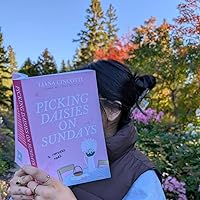
September 27, 2026
I really loved this short story! I found it incredibly real and touching.
Real, because it captured the little details we don’t usually get to see usually in books, like cutting your partner’s nails. But also because the character’s thoughts felt so raw and unfiltered. You could really feel what they were going through, without any kind of barrier between the character and the reader.
And touching, because the story itself was genuinely sad while still being beautiful. This isn’t the kind of book that makes you cry out of despair because the ending is devastating or shocking. Instead, it brings tears to your eyes because you feel grateful to have experienced this story and to have been able to see the beauty in some of life’s more difficult moments.
I know this is a book that won’t be for everyone, especially because the writing style and storytelling can feel different from what we’re used to seeing in American literature. But for me, this was a book that quietly touched my heart. It made me reflect on the way we live our lives and opened my mind to new perspectives, both culturally and personally.
Real, because it captured the little details we don’t usually get to see usually in books, like cutting your partner’s nails. But also because the character’s thoughts felt so raw and unfiltered. You could really feel what they were going through, without any kind of barrier between the character and the reader.
And touching, because the story itself was genuinely sad while still being beautiful. This isn’t the kind of book that makes you cry out of despair because the ending is devastating or shocking. Instead, it brings tears to your eyes because you feel grateful to have experienced this story and to have been able to see the beauty in some of life’s more difficult moments.
I know this is a book that won’t be for everyone, especially because the writing style and storytelling can feel different from what we’re used to seeing in American literature. But for me, this was a book that quietly touched my heart. It made me reflect on the way we live our lives and opened my mind to new perspectives, both culturally and personally.

September 9, 2026
I recieved an ARC of this book via NetGalley in exchange for an honest review.
This being so short, I think the synopsis tries to (unnecessarily) upsell what it is. This is a book about a man accompanying his wife through her last month-ish of life. There's not that much reminiscing about the old days as you'd think, because while he does think about the past, it isn't done in flashbacks so the scene never changes. You're in the hospital with them 95% of the time, as he's visiting her, helping with whatever she needs and interacting with her parents and coworkers. It's a very soft book, even though it's about someone with terminal cancer. I really liked being in the main character's head the whole time, as he questions what society thinks about terminal patients, dying (specially so young), disabled people, etc. I'll definitely be on the hunt for more books like this one.
This being so short, I think the synopsis tries to (unnecessarily) upsell what it is. This is a book about a man accompanying his wife through her last month-ish of life. There's not that much reminiscing about the old days as you'd think, because while he does think about the past, it isn't done in flashbacks so the scene never changes. You're in the hospital with them 95% of the time, as he's visiting her, helping with whatever she needs and interacting with her parents and coworkers. It's a very soft book, even though it's about someone with terminal cancer. I really liked being in the main character's head the whole time, as he questions what society thinks about terminal patients, dying (specially so young), disabled people, etc. I'll definitely be on the hunt for more books like this one.
Displaying 1 - 30 of 181 reviews