A book that takes you on a genuine journey of transformation, healing and new beginnings.
Bloom : The alchemy of seven is a courageous reflections of the side on human emotions that we usually keep under wraps. Be it grief or loss, we don't want to be labelled as weak or unreliable. But through these poetic portions we nuture these emotional vulnerabilities and convert them to understand them as lessons of realisations.
The author invites is to see our struggles as opportunities and every challenge serves a purpose of growth and renewable. A journey of unwavering determination and a blueprint of tomorrow's happiness and purpose. While the main theme of the book are love and renewal, I found myself transversing through various hidden messages that were beautifully incorporated in the poems and prose. Some of them are emotional strength and resilience of accepting self love and appreciation.
The very title of the book made me absolutely curious and I was super happy when I got to explore the book. This is for all the poetry enthusiast who love a resonating and profoundly deep collection of poems and prose that feels like having a conversation with a friend who knows you well enough.
"I learned that closeness is not built from speech, But from the trust that lets the silence fills, What words would only weak if they teach."
"Quiet Commitment does not ask to be witnessed or validated."
If you admire the works of Rupi Kaur and Maya Angelou then I am sure you will find yourself absolutely engaged in Dharti Shethiya Gori's words.
A beautiful and gentle comforting short poetry collection💌
Bloom is a poignant less than 150 pages book that carries such a soft reflective energy that it slowly pulled me in from the very first page.
I absolutely loved how honest & emotionally intimate the poems felt without ever becoming overly dramatic. The writing is simple, calm and deeply relatable. It made me feel comforted in a very quiet way and reminded me that healing does not always look loud or life changing, sometimes it's just learning to breathe easier again.
Things I appreciate about the book- 🌷The soft, tender, peaceful and emotionally comforting writing style 🌷Poems that feel deeply personal yet universally relatable 🌷The gentle exploration of heartbreak, healing, self love and growth 🌷The calm pacing that allows emotions to slowly settle in 🌷Beautiful reflections on trust, boundaries, vulnerability and quiet love 🌷The way the book made me pause, reflect and feel emotionally lighter
I also really love how the poems explored love beyond romance. They speak about trust, emotional safety, vulnerability, boundaries, waiting and slowly returning to yourself.
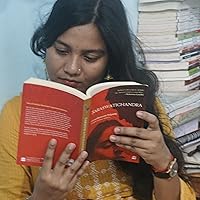
Book Name: Bloom- The Alchemy of Seven by Dharti Shethiya Gori
𝑺𝒐𝒏𝒏𝒆𝒕 𝑿𝑰: 𝑻𝒉𝒆 𝑭𝒊𝒓𝒔𝒕 𝑪𝒂𝒍𝒎
𝑻𝒉𝒆 𝒎𝒐𝒓𝒏𝒊𝒏𝒈 𝒉𝒆𝒍𝒅 𝒊𝒕𝒔 𝒃𝒓𝒆𝒂𝒕𝒉 𝒂𝒏𝒅 𝒕𝒉𝒆𝒏 𝒍𝒆𝒕 𝒈𝒐,
𝑨𝒔 𝒊𝒇 𝒊𝒕 𝒕𝒓𝒖𝒔𝒕𝒆𝒅 𝒉𝒐𝒘 𝒚𝒐𝒖𝒓 𝒑𝒓𝒆𝒔𝒆𝒏𝒄𝒆 𝒔𝒕𝒂𝒚𝒔;
𝑵𝒐 𝒖𝒓𝒈𝒆𝒏𝒕 𝒏𝒆𝒆𝒅 𝒕𝒐 𝒏𝒂𝒎𝒆 𝒐𝒖𝒓 𝒕𝒆𝒏𝒅𝒆𝒓 𝒅𝒂𝒚𝒔,
𝑵𝒐 𝒇𝒆𝒂𝒓 𝒕𝒉𝒂𝒕 𝒕𝒊𝒎𝒆 𝒘𝒐𝒖𝒍𝒅 𝒇𝒐𝒓𝒄𝒆 𝒖𝒔 𝒇𝒂𝒔𝒕 𝒐𝒓 𝒔𝒍𝒐𝒘.
𝑰 𝒎𝒐𝒗𝒆𝒅 𝒕𝒉𝒓𝒐𝒖𝒈𝒉 𝒍𝒊𝒈𝒉𝒕 𝒕𝒉𝒆 𝒘𝒂𝒚 𝒕𝒉𝒆 𝒓𝒊𝒗𝒆𝒓𝒔 𝒇𝒍𝒐𝒘,
𝑵𝒐𝒕 𝒄𝒉𝒂𝒔𝒊𝒏𝒈 𝒂𝒏𝒚𝒕𝒉𝒊𝒏𝒈, 𝒏𝒐𝒕 𝒍𝒐𝒔𝒊𝒏𝒈 𝒘𝒂𝒚𝒔;
𝑻𝒉𝒆 𝒉𝒆𝒂𝒓𝒕 𝒈𝒓𝒆𝒘 𝒒𝒖𝒊𝒆𝒕 𝒊𝒏 𝒚𝒐𝒖𝒓 𝒔𝒊𝒎𝒑𝒍𝒆 𝒈𝒂𝒛𝒆,
𝑨𝒏𝒅 𝒍𝒆𝒂𝒓𝒏𝒆𝒅 𝒕𝒉𝒂𝒕 𝒑𝒆𝒂𝒄𝒆 𝒄𝒂𝒏 𝒉𝒂𝒗𝒆 𝒂 𝒔𝒕𝒆𝒂𝒅𝒚 𝒈𝒍𝒐𝒘.
𝑺𝒐 𝒍𝒐𝒗𝒆 𝒃𝒆𝒄𝒂𝒎𝒆 𝒕𝒉𝒆 𝒄𝒂𝒍𝒎 𝒃𝒆𝒇𝒐𝒓𝒆 𝒕𝒉𝒆 𝒄𝒍𝒂𝒊𝒎,
𝑨 𝒔𝒆𝒕𝒕𝒍𝒆𝒅 𝒘𝒂𝒓𝒎𝒕𝒉 𝒕𝒉𝒂𝒕 𝒅𝒐𝒆𝒔𝒏’𝒕 𝒂𝒔𝒌 𝒇𝒐𝒓 𝒑𝒓𝒐𝒐𝒇;
𝑰𝒕 𝒍𝒊𝒗𝒆𝒔 𝒄𝒐𝒏𝒕𝒆𝒏𝒕 𝒘𝒊𝒕𝒉𝒐𝒖𝒕 𝒂 𝒍𝒐𝒖𝒅𝒆𝒓 𝒇𝒍𝒂𝒎𝒆.
𝑰 𝒇𝒐𝒖𝒏𝒅 𝒕𝒉𝒂𝒕 𝒄𝒂𝒍𝒎 𝒊𝒔 𝒏𝒐𝒕 𝒕𝒉𝒆 𝒆𝒏𝒅 𝒐𝒇 𝒚𝒐𝒖𝒕𝒉,
𝑰𝒕 𝒊𝒔 𝒕𝒉𝒆 𝒕𝒓𝒖𝒆𝒔𝒕 𝒇𝒐𝒓𝒎 𝒐𝒇 𝒆𝒗𝒆𝒓𝒚 𝒇𝒍𝒂𝒎𝒆,
𝑨 𝒉𝒐𝒎𝒆 𝒕𝒉𝒆 𝒉𝒆𝒂𝒓𝒕 𝒄𝒂𝒏 𝒌𝒆𝒆𝒑 𝒃𝒆𝒏𝒆𝒂𝒕𝒉 𝒕𝒉𝒆 𝒓𝒐𝒐𝒇.
Bloom: The Alchemy of Seven is not just to read, but it wraps you in honest feelings. It felt like stepping into a quiet, transformative space within myself. I’d say this book explores healing, personal growth, and the gentle, gradual journey of rediscovering oneself after heartbreak. Dharti blends poetry with short prose, crafted in the form of sonnets, giving the work a refined, structured, and somewhat classical tone while still exploring deeply contemporary emotions.
It explores that delicate phase between the first spark and true commitment. The way it captures the small, meaningful details of connection feels fresh and beautiful, resonating so deeply that I find myself reflecting on how profound and relatable each sonnet is. Blending poetry with prose, the book reads like a quiet surrender to the many seasons within a person—setting boundaries, embracing brave desires, evolving, and ultimately finding my way back to myself, even in moments of vulnerability.
If I had to describe my experience of reading Dharti's book 'Bloom' in one sentence, I’d say: this book doesn’t just talk about nurture and growth with softness—it made me feel like I’m blooming too.
I would wholeheartedly recommend this to anyone who enjoys reflective poetry, especially if you’re in a phase of self-discovery or healing. It’s gentle, it’s meaningful, and it feels like a quiet companion.
𝑺𝒐𝒏𝒏𝒆𝒕 𝑳𝑿𝑽𝑰𝑰: 𝑯𝒐𝒘 𝑬𝒂𝒔𝒆 𝑨𝒓𝒓𝒊𝒗𝒆𝒔
𝑬𝒂𝒔𝒆 𝒅𝒊𝒅 𝒏𝒐𝒕 𝒌𝒏𝒐𝒄𝒌 𝒐𝒓 𝒂𝒔𝒌 𝒕𝒐 𝒃𝒆 𝒂𝒍𝒍𝒐𝒘𝒆𝒅,
𝑰𝒕 𝒆𝒏𝒕𝒆𝒓𝒆𝒅 𝒘𝒉𝒊𝒍𝒆 𝒕𝒉𝒆 𝒅𝒐𝒐𝒓 𝒘𝒂𝒔 𝒍𝒆𝒇𝒕 𝒂𝒋𝒂𝒓;
𝑵𝒐 𝒂𝒏𝒏𝒐𝒖𝒏𝒄𝒆𝒎𝒆𝒏𝒕 𝒕𝒓𝒂𝒄𝒆𝒅 𝒊𝒕𝒔 𝒔𝒖𝒃𝒕𝒍𝒆 𝒔𝒄𝒂𝒓,
𝒀𝒆𝒕 𝒔𝒖𝒅𝒅𝒆𝒏𝒍𝒚 𝒕𝒉𝒆 𝒉𝒆𝒂𝒓𝒕 𝒏𝒐 𝒍𝒐𝒏𝒈𝒆𝒓 𝒃𝒐𝒘𝒆𝒅.
𝒀𝒐𝒖𝒓 𝒑𝒓𝒆𝒔𝒆𝒏𝒄𝒆 𝒕𝒂𝒖𝒈𝒉𝒕 𝒎𝒆 𝒄𝒐𝒎𝒇𝒐𝒓𝒕 𝒏𝒆𝒆𝒅 𝒏𝒐𝒕 𝒄𝒓𝒐𝒘𝒅
𝑻𝒉𝒆 𝒔𝒐𝒖𝒍 𝒘𝒊𝒕𝒉 𝒅𝒆𝒃𝒕 𝒐𝒓 𝒈𝒓𝒂𝒕𝒊𝒕𝒖𝒅𝒆 𝒃𝒊𝒛𝒂𝒓𝒓𝒆;
𝑰𝒕 𝒔𝒕𝒂𝒚𝒆𝒅 𝒃𝒆𝒄𝒂𝒖𝒔𝒆 𝒊𝒕 𝒘𝒂𝒔 𝒏𝒐𝒕 𝒉𝒆𝒍𝒅 𝒂𝒇𝒂𝒓,
𝑨𝒏𝒅 𝒍𝒊𝒗𝒆𝒅 𝒘𝒉𝒆𝒓𝒆 𝒄𝒂𝒓𝒆 𝒉𝒂𝒅 𝒍𝒆𝒂𝒓𝒏𝒆𝒅 𝒕𝒐 𝒃𝒆 𝒖𝒏𝒑𝒓𝒐𝒖𝒅.
𝑺𝒐 𝒃𝒍𝒐𝒐𝒎 𝒆𝒙𝒑𝒍𝒂𝒊𝒏𝒆𝒅 𝒆𝒂𝒔𝒆 𝒃𝒚 𝒏𝒐𝒕 𝒆𝒙𝒑𝒍𝒂𝒊𝒏𝒊𝒏𝒈 𝒊𝒕,
𝑨 𝒈𝒊𝒇𝒕 𝒕𝒉𝒂𝒕 𝒕𝒉𝒓𝒊𝒗𝒆𝒔 𝒘𝒉𝒆𝒏 𝒏𝒐𝒕𝒉𝒊𝒏𝒈 𝒂𝒔𝒌𝒔 𝒇𝒐𝒓 𝒎𝒐𝒓𝒆;
𝑰𝒕 𝒈𝒓𝒆𝒘 𝒃𝒆𝒄𝒂𝒖𝒔𝒆 𝒘𝒆 𝒅𝒊𝒅 𝒏𝒐𝒕 𝒒𝒖𝒆𝒔𝒕𝒊𝒐𝒏 𝒊𝒕.
𝑰 𝒍𝒆𝒂𝒓𝒏𝒆𝒅 𝒕𝒉𝒂𝒕 𝒆𝒂𝒔𝒆 𝒊𝒔 𝒍𝒐𝒗𝒆 𝒘𝒊𝒕𝒉𝒐𝒖𝒕 𝒂 𝒔𝒄𝒐𝒓𝒆:
𝑨 𝒔𝒕𝒂𝒕𝒆 𝒂𝒄𝒉𝒊𝒆𝒗𝒆𝒅 𝒘𝒉𝒆𝒏 𝒔𝒕𝒂𝒚𝒊𝒏𝒈 𝒇𝒆𝒆𝒍𝒔 𝒍𝒆𝒈𝒊𝒕,
𝑨𝒏𝒅 𝒆𝒇𝒇𝒐𝒓𝒕 𝒚𝒊𝒆𝒍𝒅𝒔 𝒕𝒐 𝒕𝒓𝒖𝒔𝒕 𝒂𝒕 𝒍𝒂𝒔𝒕, 𝒐𝒏𝒄𝒆 𝒎𝒐𝒓𝒆
In conclusion, 'Bloom: The Alchemy of Seven' is not just a collection of poems, it’s an experience, a journey inward, and a reminder that transformation doesn’t have to be loud to be powerful.
I wasn’t expecting to pause this often while reading a poetry book, but this book made me stop, think, and sit with my own thoughts more than I anticipated.
What initially drew me in was the title itself; it felt soft, curious, almost promising something personal. And the book truly lives up to that. This collection feels less like something you read and more like something you experience. It gently explores emotions we often keep hidden, grief, vulnerability, love, and the quiet process of healing.
What stood out to me is how effortlessly the author turns emotional weight into something meaningful. There’s no attempt to dramatize pain; instead, it is acknowledged, understood, and slowly transformed. Lines like "Quiet commitment does not ask to be witnessed or validated” stayed with me, and “Closeness is not built from speech, but from the trust that lets silence speak” captures the essence of connection so beautifully.
The sonnets carry a calm, almost meditative stillness. In one of them, “The morning held its breath and then let go… the heart grew quiet in your simple gaze,” and you can actually feel that softness settling within you. The book speaks of love, not as something loud or fleeting, but as a steady presence built on trust, patience, and emotional safety.
It’s not a book you rush through. I found myself rereading certain lines, making quiet mental notes, and reflecting on my own experiences.
To me, this book is more than poetry; it’s a quiet companion that reminds you healing and growth can be gentle yet powerful.
For the girl who thought comfort meant less. It means more. This book will tell you so.🤍
There is a quiet courage in choosing to write about the middle of love. We are drawn to stories of how love begins or how it ends and rarely what happens in between.
This book is structured as a hybrid — 108 sonnets across nine thematic parts, each followed by a reflective prose chapter. The sonnets carry emotional texture: fleeting, sensory, intimate — poems of small gestures, shared mornings and familiar silences. The chapters offer philosophical scaffolding, naming what the sonnets have felt, elevating the personal into the universal without draining either of life.
The book's central idea — that there exists a stage between ignition and full commitment called "The Bloom" — feels like something always true but never properly named. Author describes it as where love "moves out of imagination and into time," where familiarity signals maturation rather than decline. This reframing of ordinariness as devotion is the book's greatest achievement.
The sonnets are restrained and precise. Lines like "wonder does not vanish — it matures" are typical: understated, earned, quietly devastating on reflection. The prose chapters are the work's most original contribution — particularly Chapter Five on silence as intimacy and Chapter Six on trust without proof. The Epilogue closes with both intellectual honesty and genuine emotional resonance.
A minor weakness: with 108 sonnets, some blur into one another and tighter curation would sharpen the impact.
Not every love story needs fire. Some need this — a book that understands the beauty of simply staying. 💌
Bloom: The Alchemy of Seven isn’t a fast, plot-driven read. It’s slower, more reflective… almost like a conversation you have with yourself on days when you finally pause. The kind of book you don’t rush, because every page asks you to sit with a thought a little longer.
It reminds you that becoming isn’t always about doing more; sometimes it’s about unlearning, letting go, and softening into who you already are.
There were moments where it felt like the words were mirroring thoughts I hadn’t fully put into sentences yet… and I think that’s what made it special.
This is the kind of book you pick up when life feels a little too loud, or when you’re in between versions of yourself.
If you’re someone who enjoys slow, introspective reads that feel like a quiet exhale, this one might stay with you for a while 🤍
“Bloom: The Alchemy of Seven” by Dharti Shethiya Gori is a tender, introspective collection that feels less like a book and more like a quiet companion through moments of emotional transition. Rooted in the aftermath of heartbreak and the slow, often unseen process of healing, this work gently reminds us that transformation doesn’t always arrive with noise—it often unfolds in silence.
Written in the form of Petrarchan sonnets, the book beautifully marries structure with vulnerability. Each piece feels deliberate yet deeply personal, exploring themes of self-rediscovery, emotional resilience, and the courage it takes to rebuild oneself after loss. There’s a certain softness in the writing that doesn’t demand attention but instead invites you to pause, reflect, and feel.
What stands out most is how the author captures the “in-between” phases of life—the waiting, the uncertainty, and the subtle shifts within. The verses speak of setting boundaries not as walls, but as acts of self-respect; of desire not as longing alone, but as clarity; and of vulnerability as a quiet strength rather than a weakness
As the first installment in a seven-part series, “Bloom” sets a deeply reflective tone. It’s a perfect read for those who appreciate poetic prose, emotional depth, and stories that don’t just tell—but gently unfold.
A soft, introspective collection that beautifully captures the quiet journey of healing and becoming after heartbreak. This book blends poetry and prose in the form of Petrarchan sonnets, giving it a structured yet deeply emotional feel that lingers with you.
Each piece reflects themes of self discovery, patience, vulnerability, and learning to embrace your own worth. What makes this book stand out is how gently it reminds you that growth is not rushed. It happens slowly, in silence, in moments you often overlook.
The writing feels personal and comforting, almost like a conversation with your own heart. It is not overwhelming, but rather calming, making it perfect for readers who enjoy thoughtful and emotional reads.
“I learned to hear you without needing sound,
To read the tilt of meaning in your eyes;
The heart grew skilled at quiet sympathies,
At holding truths no sentence ever found”
A truly soothing and meaningful read that stays with you, reminding you that even in stillness, you are growing.
A Book That Feels Like a Warm Hug This book came to me at a time when I was learning what it truly means to love myself, and it honestly felt like it understood me. It speaks about self-love in such a raw and comforting way reminding you that it takes pain, growth, and a lot of unlearning to finally choose yourself. What I loved most is how it doesn’t romanticize healing. It shows that healing is quiet, messy, and never really complete it comes in waves, like a constant rise and fall. Reading this during a BTS comeback made it even more special, because they were the first ones who taught me self-love, and this book felt like an extension of that journey. A beautiful, comforting read that feels like someone gently telling you: you’re allowed to choose yourself.
Bloom alchemy of seven is one of the best poetry book I have ever come across, the book consist of collection of sonnet which make you return back to yourself, but also help you to appreciate your own life.
I have read the book I am book is beautifully written by the author, and every will you peicd of poetry is early is elegantly written. I have felt quite peaceful while reading this book, I would recommend everyone to once read it
What's the worst enemy of love? Have you ever thought about it? If your love overcomes the obstacles of societal differences, adamant parents and rumour-mongering relatives, what happens to a relationship that can set rot to the bloom of your flower of love, wilting it in a matter of time? It's mundanity of day to day existence. The routine. The familiarity. In short, life. When life happens to love, its most complicated test/exam/trial-by-fire begins. If you're lucky, you'll survive, your love blooming into an enduring tree. If not, it's destined to wilt and fall off, its memories nothing more than dried husk of a flower pressed between an old notebook. She writes: "Your absence did not wound, but it was known, A slight imbalance in the shape of day; The world still turned, yet something slipped away, As if a tone had left its undertone. I noticed how my thoughts would gravitate, Returning to where presence once had grown; Dependence spoke not loudly, but alone, In missing what had quietly been shown."
I've a sort of love-or-ignore relationship with poetry. I may not pick a poetry book for months but when I do, I fall in love with it, wondering why I came so late to this party. Dharti has imagined the journey of love, comparing it to the bloom of a flower. She writes: "So love began by hearing what was still, By reading spaces left between replies; The truest closeness needs no strength of will. I learned your quiet as the eyes learn skies, Not to possess, but let them fill and fill; Until attention grows where speech denies."
And have a look at this too: "So bloom released the armor love once wore, Allowing trust to move without a test; It proved that peace can ask for nothing more. I learned that love, when freed from constant guard, Becomes a place where effort comes to rest, A kindness strong enough to be unarmed."
It's not just poetry, it's also micro fiction fused in between sonnets. This peculiar combination of poetry and prose stands tall on its feet. Have a look: "So love became the craft of being near, Not always new, but newly understood; A steady script the heart could learn to hear. I welcomed what once seemed too plain for good; For in your ordinary, I found clarity. The rarest kind of joy: a quiet “I Would”
Bloom is a collection of poems that talks about the indelible impressions love and loss leave upon not only our skin but upon our very soul. These words are about shadows and stains, love and loss, memories and pain, hope and resilience, wounds and flaws. Have a look: "The heart grew tired of standing at the gate, Of watching for the signs of leave or loss; It laid its armor down without a cross, And rested where the world grew moderate. Your care arrived not early, nor too late, But at the hour that softened former cost; The past grew quiet, fear no longer boss, And rest became the truest form of state."
These poems are as much about falling down as they are about keeping one's chin up and getting back up. Because to be human is to move on and keep moving on. One foot after another. She writes: "Between our words, another speech took form, Not sound, but something practiced and precise; It lived in glances, gestures, and lowered eyes, A grammar growing quietly warm. No effort bent it into rule or norm, It learned us slowly, patient and concise; The heart grew fluent in a gentler vice, Understanding that required no reform."
But why poetry? Because poetry is water to a scorched soul, a respite of rain to shrivelled soil, a promise of a cloud in a dry village, an oasis of green in a parched desert. Poems are never enough. They make the individual and the world a better place. Dharti writes: "I no longer rehearsed the things I’d say, My thoughts arrived already understood; The heart stood still where once it overstood, And trust replaced the careful need to weigh. Your presence took the edge off of every day, Not by demand, but by its quiet goodness; Love felt like something honest people could Return to without fear of disarray."
Bloom represents the poets' myriad emotions they have tried to capture on their poetic canvas. Mostly the poems have been inspired by our simple day to day emotions but the heft they carry in word and tenor has nothing ordinary about it. The poet writes: "I learned your mornings like a patient art: The way you reach for light, then for your tea, The hush you keep before the day agrees, To open wide and show its inner heart. Your habits softened corners in my part, That used to brace for loss relentlessly; Now even silence tastes of certainty, As if your dawn has taught my dawn to start."
Have a look at the tenderness of these words: An “us” appeared without a clear divide, Not named aloud, yet living in the days; The singular learned plural in small ways, As plans and thoughts no longer stood beside. I felt my life rephrase itself with pride, Not loud, but sure in how it gently sways; Dependence shaped a deeper set of stays, And taught the heart what sharing signifies. So bloom concluded self into the two, Not lost, but widened by a careful seam; A union born of trust, not interview. I learned that “us” begins before it’s claimed: It grows where love has learned to lean on you, And found its singularity renamed."
And now leaving you with one of my favourite lines: "So bloom relied on what no voice could frame, A confidence that lived in measured breath; It knew when not to call itself by name. I learned that stillness is not close to death, It is the pause where closeness takes its aim, And saves the truest things from being said."
Quote "So love moved closer, careful not to rush, And laid its hand where fear had learned to sleep; A blooming does not break, it learns to hush.
There’s something quietly intimate about Bloom: The Alchemy of Seven that makes it feel less like a book and more like a presence. It doesn’t try to impress you instantly. Instead, it lingers—softly, patiently—until you begin to notice how deeply it has settled into your thoughts.
The poetry carries a sense of emotional restraint, which is rare. Rather than pouring everything out in overwhelming intensity, the author chooses to hold back just enough, allowing the reader to step in and complete the feeling. This creates a very personal reading experience, where each line feels slightly different depending on your own mood or memory.
What I found particularly striking is how the book handles closeness. Love here is not loud or dramatic; it is careful, almost hesitant. It approaches slowly, aware of past wounds, and that sensitivity is captured beautifully in the verses. There is a quiet understanding that love and fear often exist side by side, and the poems don’t try to separate them—they simply acknowledge both.
The rhythm of the sonnets adds a gentle structure, but it never feels rigid. Instead, it feels like a steady heartbeat running beneath the words. You don’t rush through these pages. In fact, the book almost resists being read quickly. It asks you to pause, to sit with a line, and to let it unfold in its own time.
Another subtle strength of the book is its honesty about emotional growth. It doesn’t romanticize healing or make it look effortless. There’s an acceptance that growth can be slow, uneven, and sometimes quiet to the point of being almost invisible. And yet, that invisibility is where its beauty lies.
By the end, the book leaves you with a feeling that is difficult to name—something between comfort and reflection. It doesn’t give you answers, but it gently shifts the way you sit with your own emotions.
You held me not by grip or claim or sign, But by the way you did not let me fall;
A home the heart can keep beneath the roof.
A presence felt, but never forced or rushed.
Bloom: The Alchemy of Seven is a soft, reflective blend of poetry and prose that explores healing, self-growth, and the quiet transformation that happens after heartbreak. Written in traditional Petrarchan sonnets, the book feels intimate and personal, like reading pages from someone’s emotional journey while also finding pieces of your own within it.
Why I liked this book:- - The book talks about healing in a soft and realistic way, without making it feel dramatic or rushed. - I loved how it shows that growth can happen quietly—in silence, waiting, and self-reflection. - The blend of poetry and prose makes it emotionally deep yet easy to connect with. - The theme of returning to yourself after heartbreak felt very personal and comforting. - It beautifully explains boundaries, vulnerability, and emotional maturity as signs of strength. - The writing feels calm, graceful, and soothing like reassurance in book form. - It doesn’t just focus on love for others, but also love for self, patience, and trust
What stayed with me:-
- The line “You are not behind. You are blooming.” stayed with me the most because it feels like a reminder to trust your own pace. - The idea that transformation begins by softening, not by forcing change. - Healing is not always loud sometimes the deepest growth happens silently. - Vulnerability is not weakness; it is part of emotional strength. - Love is not just passion, but also patience, boundaries, trust, and resilience. - The reminder that becoming your best self is a gradual process, and that itself is beautiful.
A beautiful and soothing read for anyone going through emotional change, heartbreak, or personal growth.
Overall, Bloom is more than a poetry collection it feels like comfort in book form. It reminds us that becoming better, stronger, and softer at the same time is possible.
Bloom: The Alchemy of Seven felt deeply personal to me from the very beginning. It gave me the sense of entering a quiet emotional space where pain, healing and hope all exist together. What I loved most is that this book never rushes emotions. It moves gently, slowly and honestly, allowing every feeling to unfold naturally. That softness made it feel real, because healing itself is rarely loud or instant.
What stayed with me most was the emotional depth of the book. There is a calmness in the writing, but beneath that calmness is heartbreak, vulnerability, reflection and growth. It made me pause and sit with my own thoughts. For me, this was not just poetry to read, but a space where emotions were allowed to breathe. I could feel the sadness, the healing and the quiet hope flowing through its pages in a way that felt sincere and comforting.
I truly loved the writing style because it feels delicate yet powerful. The poetry never feels forced or overly dramatic. Instead, it feels intimate, graceful and full of heart. Some lines made me stop and reread them slowly, simply because I wanted to absorb them fully. That quiet beauty is what made this reading experience feel so special to me.
What touched me even more is that this book is not only about pain, but about what comes after pain. It speaks about healing, self-understanding, setting boundaries and slowly returning to yourself. I really appreciated how human that journey felt. It understands that growth is not immediate, and sometimes blooming begins in brokenness. That made the book feel both comforting and emotionally empowering.
This book stood out to me because of its tender voice. It speaks softly, but leaves a strong impact. It made me reflect on my own emotions while also leaving me with peace and strength.
For me, Bloom: The Alchemy of Seven was graceful, meaningful and deeply healing. It is the kind of book that stays in the heart long after the final page, blooming quietly but leaving a lasting mark.
Everyone has their own way of defining love… what it means, how it feels, and most importantly, how it endures. Bloom: The Alchemy of Seven by Dharti Shethiya Gori offers a refreshing and deeply thoughtful perspective on love: the kind that doesn’t just begin, but chooses to stay.
In its own gentle and evocative language, this poetry collection focuses on enduring love… the kind found in repetition, comfort, and quiet silences. It explores a softer, more grounded version of love: one that grows in familiarity, shared moments, and emotional presence rather than grand gestures.
Divided into sections, the book takes you through different dimensions of love: its patience, its stillness, and its quiet strength. Each poem invites you to pause and reflect on what it truly means to be with someone, not just in fleeting moments, but over time.
Lines like “I learned the deepest joys are often deep… that love can last by learning how to keep” and “if love is to endure, it must learn to stay” linger long after you’ve finished reading, gently echoing in your thoughts.
The tone of the collection is soft, emotional, and patient. The verses carry a calm rhythm, allowing the emotions to unfold naturally. There is a certain stillness in the writing that makes you slow down and truly absorb each word, making the reading experience both soothing and introspective.
What stood out to me the most is the theme itself. While many poetry collections focus on falling in or out of love, this one centers on staying in love, and that felt both rare and refreshing. The poet’s deep understanding of human emotions and her ability to capture the quiet, everyday aspects of love add a layer of authenticity to the work.
Overall, Bloom: The Alchemy of Seven is a heartfelt and reflective collection. If you enjoy poetry that lingers, that speaks softly yet meaningfully, and that explores love beyond the obvious, this book is definitely worth adding to your reading list.
Bloom is a beautiful poetry collection centered on love, not just its beginning or its end, but what happens after love settles into life. While most books focus on the excitement of falling in love or the pain of losing it, this one gently explores how love evolves over time, where the initial thrill slowly softens into something steadier and deeper, unfolding into silence, trust, comfort, shared moments, and quiet commitment.
One of the first things I loved about this book is its stunning cover, which instantly draws you in and sets the tone for what’s inside, but beyond that, the poems truly shine as they capture raw human emotions with simplicity and honesty, making them feel both personal and universally relatable, while reflecting the quiet, often overlooked aspects of love that grow in everyday moments rather than grand gestures.
This book is the first in a seven-part series on emotional alchemy, and it sets a strong foundation by being divided into nine sections that thoughtfully explore different stages of love, where the author beautifully portrays how relationships move through familiarity, how closeness coexists with routine, and how intimacy requires patience and effort, showing that love is not just a feeling but a lived experience shaped by time, understanding, and emotional growth.
What makes Bloom special is its calm and soothing tone, as it does not rush or overwhelm but instead invites you to pause, reflect, and feel, making it the kind of book you can return to whenever you need a moment of quiet connection with yourself or with someone you love.
This book is perfect for readers who enjoy soft, reflective, and emotionally rich poetry, who appreciate themes of mature and evolving love rather than dramatic romance, who look for calm and comforting reads that feel like a warm conversation, and who are drawn to books that explore emotional growth, self-awareness, and the beauty of slow, meaningful experiences.
BLOOM is a poetry collection that looks at love in a very different way. It explores how love changes over time, how it becomes softer, slower, and more stable. It moves from early connection to familiarity, from words to silence, from effort to ease, and finally to a form of quiet commitment that does not need to be announced.
BLOOM stands out because of its simplicity and depth. It does not depend on heavy language or complex ideas. It uses clear words to express meaningful thoughts. It shows that love is not only about beginnings or endings, but about everything in between. It presents love as something that grows through time, patience, and quiet effort. At first, I felt that the poems were simple and calm. The language was not complicated, and the thoughts were expressed in a direct way. But as I dived deeper, the depth of the work became clear.
I’ve a gut feeling that the structure of the book also has a meaning. It is divided into nine sections, each focusing on a different stage of love. These stages move in a natural order. Love arrives, becomes familiar, learns silence, shares time, builds trust, finds ease, enters quiet commitment, understands dependence, and finally reaches a stage where change is felt before it happens.
Among all these sections, Part Three and Part Four stand out the most for me. The section on learning silence is especially meaningful. It shows that silence is not emptiness. It is a form of connection. In the next section, which focuses on shared time, love is not measured through big events. It is seen in small, repeated moments. The idea that time is not counted but lived becomes central. As the book moves forward, it enters deeper emotional spaces. I’ll not say anything more about the book because the less you know about the book, the more it will be enjoyed by you.
BLOOM will definitely be enjoyed by readers who enjoy calm and reflective poetry.
Bloom: The Alchemy of Seven is a deeply introspective collection that captures the fragile yet beautiful process of healing and self-discovery. Blending poetry with prose, the book moves through emotions like heartbreak, longing, vulnerability, and growth with remarkable gentleness. Rather than portraying transformation as dramatic or sudden, it embraces the quiet, often unseen moments that slowly shape a person from within.
The writing carries a soft and reflective tone that feels comforting throughout. Each piece seems to unfold like a personal confession, exploring the courage it takes to rediscover oneself after emotional loss. Themes of setting boundaries, naming desires, and accepting vulnerability are woven delicately into the narrative, making the reading experience both intimate and relatable.
One of the most striking aspects of the collection is its emotional honesty. The author does not rush healing or romanticize pain; instead, the book acknowledges that growth can be slow, uncertain, and deeply personal. There is a sense of calm wisdom in the way the poems approach love and loss, reminding readers that becoming whole again is not about perfection but about patience with oneself.
The lyrical style adds depth to the emotions, giving the book an almost meditative quality. Many passages feel like quiet reminders meant for anyone who has ever felt lost, left behind, or emotionally exhausted. Yet beneath the melancholy lies hope — the belief that even after difficult seasons, people are still capable of blooming into newer versions of themselves.
Overall, Bloom: The Alchemy of Seven is a tender and emotionally resonant read that offers comfort to those navigating change, heartbreak, or self-healing. It is a collection that lingers softly in the mind, encouraging readers to embrace growth at their own pace.
"Bloom" is a gorgeous poetry book with love as its theme! I loved it so freaking much, I literally started singing the poems & hummed along. I read this within 2hrs. My romance & poetry reader heart rejoiced at this!
It has numerous poems which are divided into 9 parts: Arrival, Familiarity, learning silence, shared time, trust, ease, quiet commitment, early dependence, foreshadowing. Each shows the different stages of love, the affection & care. The change that marks, not the end but a new beginning.
All throughout I felt like "Bloom" itself was like a guide to a love story told. Giving them the tools to sustain their love. I absolutely adore that the poems are gender neutral in nature, most poems are with the POV of "I" or "We" & not a 3rd person. So you can imagine yourself & loved one of any gender.
Something that I found unique was that most poems had similar lengths, I have never seen that in a poetry book before! The vocab used is simple enough but beautifully put.
But along with poem, there's pieces of part introductions & chapters at end (to summarise) which did feel a bit repetitive in their information. Also, while the poems were divided, some of them had a similar vibe despite being in different parts. Especially about love resting in the quiet. But the poems itself more than make up for this!
Reading this felt like seeing love bloom (🤭). I got so invested that I was worried about the end being in betrayal or heartache but as it's about "change", I'll be optimistic. It can be any change after all!
🧡Thank you to the author & organizer for my paperback review copy. I enjoyed it! The pages are thick & nice, not silky but not too rough. My highlighter still bled at some places though it may be due to too much ink.
It is a gentle and reflective book that explores the quiet, often overlooked layers of love, growth, and emotional transformation. From the very beginning, the tone feels calm and introspective, inviting the reader to slow down and experience feelings rather than rush through them.
The book is divided into 9 parts consisting of Sonnets. The poems are reminders of immense love to unbearable pain. Love no longer measures itself by moments, but by the duration. Shared time becomes the substance of intimacy, shaping rhythm and routine.
The prologue sets the foundation beautifully by shifting the usual idea of love. Instead of focusing on dramatic beginnings or painful endings, the book pays attention to what happens in between—the steady, everyday presence of love. It speaks about how love evolves over time, becoming less intense but more meaningful, rooted in patience, routine, and emotional depth.
The language is poetic, filled with thoughtful observations about relationships and inner change. The idea that “transformation begins by softening” inspires the readers to embrace the vulnerability rather than resist it. It teaches that intimacy deepens not when everything is spoken, but when nothing essential needs to be.
The book does not try to give direct answers or solutions. It just creates a space for internal reflection. It focuses on small, quiet moments—shared silence, consistency, emotional endurance—that often define real connections but are rarely celebrated. This makes the reading experience personal, almost like a conversation with one’s own thoughts.
It reminds us that true growth is not loud or sudden—it is quiet, patient, and deeply human. It is a calm and thoughtful book that gently explores love, change, and the power of emotional softness.
BLOOM: The Alchemy of Seven by Dharti Shethiya Gori
BLOOM is a beautiful collection of poems that delicately explores love, emotions, attachment, heartbreak, healing, and personal growth through seven different phases of life and relationships. Each section represents a transition that every lover and every human being experiences while evolving emotionally and spiritually. The poet beautifully illustrates how love slowly blooms over time. It is not just about romance, but also about understanding, longing, pain, acceptance, and transformation. These seven stages feel like a journey where a person gradually discovers themselves while learning to love another soul deeply. By the end of the journey, both the relationship and the person bloom into something stronger, softer, and more meaningful. What makes this collection special is the simplicity and warmth hidden inside the words. Some poems feel like a comforting hug on difficult days, gently wrapping around your heart and making you feel understood. Others quietly shatter you with their raw emotions and honesty. A few poems leave an ache behind, while some heal wounds you didn’t even realize you carried within yourself. The poems are short yet impactful, carrying emotions that linger long after reading. This book reminds us that blooming is a slow process both in love and in life. Every emotion, every heartbreak, and every moment of affection becomes a part of our growth. If you enjoy poetry that speaks about love, healing, emotional transitions, and self-growth in a heartfelt and comforting way, then BLOOM: The Alchemy of Seven is definitely worth reading. “Slowly and steadily, you are blooming… and so is your relationship.”
"The Bloom is the stage where love can how to live."
The book started like a seed but was a bloom of emotions when I read more. The book has new perspectives that struck to my thought. It isn't plot drive but gentle with emotins. It’s a well thought blend of poetry and short prose. The poems are of a classic sonnet style. It felt natural and smooth experience while reading.
The book covers soft emotions of love, heartbreak, waiting and slowly finding your way back to yourself. Every emotion is built quietly, slowly and confusing for real at time. A lot of it is about those in between phases when nothing big is happening but you can feel something inside you changing.
There were quite a few lines where I just paused for a bit. I even reread those lines not that it was complicated but because I found that relatable. This book has 7 parts of which "Bloom" is first. The book is relatable as author has gave words to unexpressed emotion.
“You are not behind. You are blooming.” This line has so much of hidden feeling, emotion, voice and truth.
I also liked how the book touches on things like boundaries, vulnerability and self-worth without overexplaining anything. It just lets you feel and reflect at your own pace. At some places, it did feel a bit repetitive but overall the calm and soothing tone makes up for it.
This is the book I would pick up when I want to read a light but meaningful thought. This is a blend of soft writing, lightweight but meaningful read. Not for binge reading but for reading a few pages at a time. If you enjoy soft, emotional and relatable poetry, this one is definitely worth reading.
Bloom by Dharti Shethiya Gori was such a quiet and comforting reading experience for me. The poems carry a softness that slowly settles into you rather than trying to impress with dramatic emotion or complicated language. What I loved most about this collection is how it portrays love in its gentlest form—not through grand gestures, but through small moments, emotional safety, presence, and understanding.
The poems feel deeply intimate, almost like reading someone’s private thoughts about connection, loyalty, and the comfort of being truly seen by another person. There’s a calm stillness throughout the book that makes the reading experience feel personal and reflective. The writing itself is simple yet meaningful, and many lines stayed with me because of how quietly honest they felt.
I also appreciated how the collection focuses on love as something steady and growing rather than intense and temporary. The poems explore how relationships are built slowly through trust, attention, routine, and silent care. That idea of love becoming something lived every day instead of just passionately felt was beautifully captured throughout the book.
What makes Bloom special is that it never tries too hard. The emotions feel natural, tender, and genuine. It’s the kind of poetry that slowly seeps into your mind after reading, making you reflect on your own relationships and the quiet people who bring peace into your life.
Overall, this collection felt warm, thoughtful, and emotionally comforting. I’d definitely recommend it to readers who enjoy soft, reflective poetry about love, intimacy, and human connection.
Some books don’t feel like they’re trying to tell you a story. They feel like they’re sitting beside you quietly, saying, I know. I’ve been there too.
That’s how this book felt.
Bloom is gentle, but not weak. Soft, but not empty. It carries the kind of emotions that don’t always arrive loudly. The kind that sit in your chest for weeks without fully turning into words.
What I liked is that this doesn’t read like dramatic heartbreak poetry trying too hard to sound profound. It feels much more personal than that. More honest. Like someone writing through healing instead of writing about healing from a safe distance.
Some poems landed instantly. Those lines where you stop for a second because they sound a little too familiar. The thoughts around waiting, emotional boundaries, vulnerability, and slowly finding your way back to yourself felt especially relatable.
And the whole “you are not behind, you are blooming” thought? Simple, yes. But also one of those things people genuinely need to hear.
I also appreciated that the book doesn’t rush transformation. It doesn’t pretend healing is neat or empowering every day. There’s softness here, but there’s also restraint. Growth in this book feels quiet, which honestly feels more believable than dramatic “reinvention” narratives.
Poetry is personal, so not every piece will hit everyone the same way, and that’s okay. But if you’ve ever had one of those phases where life looked normal on the outside while you were quietly rebuilding yourself inside, this book will probably speak to you.
There are some books you read… and then there are some books you sit with. Bloom: The Alchemy of Seven is the latter.
I’m in a phase of my life where I truly needed a book like this something gentle, something that doesn’t rush me, something that understands the quiet chaos within. And this book did exactly that. It didn’t try to fix me, it simply met me where I am.
Through its soft, reflective sonnets, this book unravels thoughts I didn’t even know I was carrying. It speaks about love not the loud, overwhelming kind but the kind that grows silently, patiently, almost like it’s becoming a part of you without asking for attention.
What makes this book special is how it transforms emotions into something tangible. It teaches that closeness is not possession, that love is not urgency, and that growth doesn’t have to be loud to be real.
Somewhere between the pages, I paused… and I felt seen.
And by the end, I realised something so simple yet so powerful you bloomed, no matter what.
🤍 Favorite Lines
“For in your ordinary, I found clarity. The rarest kind of joy: a quiet I would…”
“The truest closeness needs no strength of will. I learned your quiet as the eyes learn skies, Not to possess, but let them fill and fill; Until attention grows where speech denies.”
“Will root affection deeper in the dark, And teach the soul how closeness is sustained.”
“Not by inflating ego into dust, But by making selfhood calm and unplanned.”
“It means the bond has crossed from hope to truth, And life begins to plan with ‘us’ in view.”
You know a poetry book is special when you start underlining lines before you’re even halfway through it. Bloom: The Alchemy of Seven pulled me in so quietly that I didn’t even realise when the poems stopped feeling like words on a page and started feeling personal. The writing carries so much softness and emotional honesty that every poem feels intimate, almost like thoughts and feelings carefully poured onto paper. Some lines were so beautiful and deeply felt that I had to pause for a moment just to sit with them.
What I loved most about this collection was the emotional depth hidden within its simplicity. The poems explore love, heartbreak, healing, vulnerability, and self worth in such a calm and genuine way that nothing ever feels forced or overly dramatic. Dharti Shethiya Gori’s writing is simple yet incredibly powerful because it understands emotions so well. Many poems felt like quiet conversations with myself, while others perfectly captured feelings I could never explain in words. The beauty of this book lies in how relatable and comforting it feels.
I also loved how the collection slowly unfolds through different emotional stages, almost like watching someone bloom through pain, reflection, and healing. The poems carry warmth, vulnerability, and quiet strength throughout. Bloom is the kind of poetry collection you read slowly, underline endlessly, and revisit whenever life feels overwhelming. Soft, heartfelt, and emotionally rich, this book leaves behind feelings long after the final page is turned.
This book feels like something you read when you don’t want anything heavy, but still want something meaningful. It’s soft, calm, and very easy to connect with.
What makes this book different is the way it talks about healing. It’s not dramatic or overcomplicated. Through simple poetry and short prose, it shows how growth happens slowly, especially after heartbreak or waiting for something that didn’t work out. The use of sonnets gives it a nice rhythm, yet it feels easy to read. Written by Dharti Shethiya Gori, the book feels honest and very personal. It feels like the author has actually lived these emotions, not just written about them. Knowing that this is the first part of a seven-book series makes it feel like there’s more to look forward to.
Some sections really stay with you. The parts about setting boundaries and understanding your own worth feel very relatable. The chapters around vulnerability and starting again are simple but comforting. It keeps reminding you that growth doesn’t have to be loud or visible to be real.
This book helps you slow down and accept your own pace. It reminds you that you’re not late in life, you’re just growing in your own time. It’s simple, honest, and something you’ll want to come back to when you need a little reassurance. It’s the kind of book you don’t rush through, but read slowly, a few pages at a time. Sometimes, you might even pause and sit with a thought for a while.
Reading this book was such a quiet, intimate reading experience, the poems themselves carry that same softness. There’s a gentle stillness running through these sonnets, where love is not loud or dramatic, but something that settles, lingers, and quietly transforms. Each poem explores affection not as intensity, but as presence—found in repetition, small gestures, and unspoken understanding. There is a deep emphasis on emotional safety, where being seen and understood becomes the truest form of intimacy. The poems in the book beautifully show love as a slow, steady growth nurtured by attention and daily intimacy rather than bold proclamations.. The writing is simple yet profoundly reflective, allowing each line to settle softly within you. It captures the shift from spark to something more enduring—something lived, not just felt. Themes of loyalty, quiet commitment, and dependence are handled with remarkable tenderness. It’s the kind of poetry that doesn’t overwhelm, but slowly seeps in—reminding you that the most meaningful connections are often the quietest ones.
A very soft, thoughtful read.
Quotes : “No evidence was offered, none required— Your staying spoke where certainty fell short.”
“Grace did not fall like blessings from the sky; It gathered where our simplest actions meet.”
In this quiet, meditative collection by Dharti Shethiya Gori, love emerges not as the loud, ephemeral thing that comes easy but something that lingers, evolves and quietly shifts; like blossom unfurling. This book is unique because the kind of love it covers isn't the big gestures, but instead deep abiding love found in quiet stillness, monotony and emotional presence. Petrarchan sonnets, the poems have a gentle cadence that urges you to pause and fully absorb each feeling. It lingers long after you actually turn the page in lines about love learning to stay and deepen over time.
At the heart of this collection feels like a journey to healing and ever becoming. Here she travels to themes of growth, vulnerability, boundaries and self-discovery with a rare combination of simple grace and gravity. The writing has an intimacy to it, that makes it feel personal, like something you’re reading from thoughts inside your brain you were never quite able to title for yourself. The poems do not beat you over the head, instead they unfold slowly, offering soft reminders about love, patience and change within. You don t read it demanding attention but only slowly earn that of the reader, as quiet and meaningfully lingering.
A hush of a collection redefining love as something gentle, consistent, a marvel that lasts.
Bloom-The Alchemy of Seven sits you down for a quiet conversation about the relationship between love and self. It explores the stage where love “learns to live” in routine, uneventful days rather than spontaneity. Trust and habit replace anxiety as the heart learns to recognize care through action. Bloom teaches us to choose to stay when things seem stagnant, building quiet companionship over loud passion. It prepares the reader for transformation, ending just as change arrives to test the love that bloomed.
The Petrarchan sonnet structure showcases brilliant control over language, supporting the theme of transformation from passion to comfortable routine. The structure forces the reader to slow down, speaking like an inner voice imparting wisdom and gratitude. Each section ends with prose that ties together the emotions explored within that stage — from comfort in repetition to slipping into mundane routines and choosing to stay.
While the thematic consistency and simple diction make the poems easy to consume, they occasionally feel repetitive. Yet, that repetition mirrors the essence of Bloom: that love thrives in familiarity. Overall, these poems speak to a stage of love many overlook. If you pick up this book, sit with it — let each poem breathe, simmer, and settle within you.