FINALIST - 2015 INTERNATIONAL BOOK AWARDSSELF RELATIONSHIPS CATEGORY.Why Is She Acting So Weird? A Guide to Cultivating Closeness When A Friend is In Crisis sets out to address what happens to friendships when one friend faces a major life crisis like cancer, divorce or job loss. Are you at a loss for how to help your friend? Do you worry that you're going to say the wrong thing? If you've ever tried to help a friend cope with a difficult and painful time in her life, then this book is for you.Why is She Acting So Weird? fills in the gap of time between building friendships (ala Shasta Nelson) and ending friendships (ala Dr. Irene S. Levine). When Jenn McRobbie was diagnosed with breast cancer, she found that her friendships changed and morphed in ways that no one could have expected. To honor all of those relationships, Jenn has written this book for all friends; the book she wished she could have given her friends when she was diagnosed. She's walked the path of crisis with her friends and now offers you the valuable insight gained during that journey.Why is She Acting So Weird? aims to give friends ways to navigate the difficult terrain of a crisis. Inside you'll find topics ranging from developing a support system to what to say when you're at a loss for words. You'll learn practical skills about things like helping your friend build a communication plan and how to offer advice without overstepping your friend's boundaries. At the end of the book, you'll have a greater understanding of what your friend is going through and how you can help.
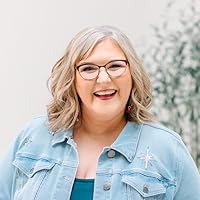
I'm Jenn. I'm a lifestyle coach, writer and speaker. I'm also a breast cancer survivor. I have an insane ability to remember the lyrics of 80s songs, a limitless capacity to see the positive in any situation and have a completely dorky love of science fiction.
I'm the author - so of course I'm going to give my own book 5 stars. The reason I wanted to write a review, though, is to give you a little insight if you're considering reading:
Why is She Acting So Weird? is my heart, in print. This book is really about my friends and how important they are to me. My purpose for this book is to empower friendship through concrete guidance and an acknowledgement that we all screw up sometimes. But more than that, Why is She Acting So Weird? is my treatise on how friends can LIVE, LOVE and BE FREE with each other.
This is a beautifully written, introspective book, offering guidance to anyone who has a friend with cancer.
Jenn was diagnosed with breast cancer, and her life changed irrevocably. She shares the things that worked--and didn't work--when interacting with her friends. Sadly, not all friendships survive cancer. But this book will help, if just a little, in knowing how to ease the burden for your friend who is going through so much.
I stumbled across the title of this book a month ago and immediately put it on my To-Read list. I just finished it last night. Wow!
Jenn is a breast cancer survivor. This book was born out of watching her friendships grow and change while she was in crisis. While she has survived her brush with cancer, in some cases, her friendships didn’t. Jenn says that this book is what she wished her friends could have read when she was diagnosed.
As a Fibromyalgia Coach and support group leader, I hear nearly every day from fibromyalgia patients who ask me, “Does everybody lose friends when they’re diagnosed with fibromyalgia?” The sad answer is yes. I don’t know a single person with fibromyalgia who doesn’t mourn at least one lost friendship.
It’s hard to maintain friendships when you’re sick. You can’t depend on your energy or pain levels, so you often have to cancel or change plans. You can’t physically do the things you used to do. Places that you used to meet for coffee may now be fibromyalgia flare triggers because of noise, uncomfortable chairs, or driving.
The really hard part is that we can’t explain any of this well enough. Our friends try, but they just don’t understand, “why we’re acting so weird.”
Thank God for Jenn McRobbie and her book! I mean that in all seriousness. I fully intend on having every single one of my clients read this book and pass it along to their friends.
In “Why is She Acting So Weird?”, Jenn covers important topics such as:
- How your friend can build a support system for herself so that she can support you. - Simple ways she can show that she cares about you without making you feel guilty. - How your friend should communicate about your illness through social media. (This is a GREAT chapter!) - Ways to help you that add to your life versus subtracting from it. - How to avoid the pitfalls of giving advice. (OMG how many times have we heard, “Have you tried…?”) - What it means and how it feels to accept help.
When you’re going through a crisis, such as living with fibromyalgia, it can be hard to see the ways that we are, “acting so weird.” Jenn’s book is really great for giving that insight. There were several points where I thought, “Huh. Yeah. I didn’t even know I was doing that!” If you’re a patient, read this so that you can see yourself through your friends’ eyes.
If you love someone who is living with fibromyalgia, you particularly need to read this. Jenn will give you insights to what your friend is thinking and several ways you can help that will actually help. She even has some online resources to help you help your friend.
Jenn’s openness about her own relationships — the ones that got stronger and the ones that didn’t — give an honesty to this that is missing from many relationship “self-help” books. She talks about her hurt and anguish, as well as the times she felt well-loved. Her conversational writing style makes this a really easy read.
I call this book a campaign plan for surviving the chaos and uncertainty of cancer-land. With the skill of an experienced soldier navigating a minefield and the aplomb of a seasoned litigator waxing eloquently before the jury, McRobbie entices us to join her on her personal journey through the `REAL WORLD' minefield of a cancer diagnosis and the chaos and bewilderment that follow such a diagnosis.
Having bested Cancer twice myself I can relate to everything in this book. I was particularly fortunate in that no true friendships fell apart around me probably because of the extraordinary strength of those relationships and the small number of same. I was exposed however to the harsh and sometimes insensitive suggestions that family members can make in their desire to help you rid yourself of the scourge of cancer.
They pushed when I wasn't ready to move, they decried my search for more information before making a decision on courses of action, they pleaded and begged and threatened when what I needed was a good listener to help me sound out my possible actions before I made a move.
I'd have given anything for a tutorial such as this book while we were going through this painful exercise in decision making. While telling us of her personal journey Jenn gives a first-person account of the process from the inside. She tells us what worked and what didn't, but most importantly of all she gives us a guide, a technical manual for the future that I sincerely hope none of you ever have to use.
This is not just another "cancer book." It should be required reading for everyone. It provides a framework that fits any and all crises from cancer to divorce to whatever you can name. Kudos to Jenn for having the guts to write it and to bare her soul for the benefit of all of us around her.
The Special Forces motto is De Oppresso Liber, To Liberate the Oppressed. Properly understood and used, McRobbie's work gives us all the opportunity to liberate ourselves and our loved-ones from the most bitter parts of the cancer diagnosis journey. Well done, Jennifer, well done.
DISCLAIMER:
It is only fair that the reader be aware that Jenn McRobbie, aka Jennifer Li Hood Mcrobbie is my daughter. We lived this journey together under the most intense of circumstances, as we had done 10 years ago with my own two diagnoses.
I believe that I was able to divorce myself from our family relationship while reading the book and writing this review.
IF YOU DO NOT BELIEVE THAT IS POSSIBLE, BUY THE BOOK AND PROVE ME WRONG... I DARE YOU!
I am a survivor of two major cancers and two minor ones. I only wish McRobbie had published her book prior to my cancers. Because I didn't have any guidance about how to share my problems, I decided to tell virtually no one. I didn't even tell my own daughter, who lives in another state. I told one friend, only after making him promise to tell no one else about the news I was about to share with him.
McRobbie's book would have been an invaluable resource for me! Not only would it have been comforting to read McRobbie's experiences and thoughts about how to approach this frightening issue, but it would have been extremely helpful for the guidance the book provides about how to approach friends and relatives. The book supplies advice from real life experiences. It even offers guidelines about how to approach the use or non-use of social media, an area very uncomfortable for older people like myself.
Although McRobbie is perhaps half my age, her insights and advise are must reading for cancer patients of any age or even a friend or relative of a cancer patient! This book would be equally valuable as a resource in dealing with any personal crisis, even if it doesn't involve cancer.
I know you buy many books from Amazon. I hope you can share my thoughts about McRobbie's important book with other Amazon customers. Perhaps other Amazon customers have newly diagnosed cancers or are friends or relatives such people. Maybe an Amazon reader is a physician. All would benefit from reading this valuable book!
It seems to happen more and more as we get older, we get sick or someone else close does. Hard times or tragedy strikes a loved one, a friend, a neighbor. Having been sick, I know how incredible it feels to be helped and surrounded by the caring of friends who are there to support you in the worst of times as much as in the best. So, when a dear friend who helped me so much when I needed it seemingly disappeared and started "acting weird" I was at a loss. It turned out that she was dealing with some tough issues and I desperately wanted to be there for her as she was for me. Why is She Acting So Weird really resonated with me for these reasons. It is a sympathetic yet clear discussion of how people can react to adversity and how others, from family members to dear friends to acquaintances can help. Jenn McRobbie has a way of gelling it down so it is easy to understand. Her suggestions are sound and reassuring. Though it didn't deal with helping in a crisis per se, I especially liked the image of our life and friendships as an elevator where some people stay on with you for life and some get off at one floor and others join you in the elevator at another floor or stage in life. Facing a transitional time, I felt this idea to be very comforting. I would strongly recommend Why is She Acting So Weird to anyone who has a friend in need or even just as a positive look at how we can help each other.
Crisis impacts a friendship every bit as much, and as variably, as the friends involved. Sometimes the friendship grows stronger, but other times that which we expect to be a source of support adds stress to an already difficult situation. Jenn McRobbie knows how to navigate this because she's been the friend in crisis and also saw some of her most cherished friendships strained by the circumstances that were thrust upon them. In this book, she shares her experiences and lays out a map that anyone can follow, regardless of which side of the equation you're on. And though the book focuses on female friendships, absolutely anyone will benefit from reading it: men, women, parents, siblings, etc.
I'll admit it, I'm generally not a big reader of non-fiction, since reading is escapism for me. But I couldn't put this book down. Jenn obviously poured her heart into this book and opened herself up. The writing was not only insightful, it made me smile at points and tear up at others. A must read for anyone trying to negotiate the waters of friendship, especially when there is a crisis and you want to help but are paralyzed by not knowing what to do.
I just this minute finished reading this book and I wish I could be so eloquent to express how moving and amazing it is. I loved this book. I will be reading it over and over and passing copies along to everyone I know. It's practical! It's touching! It's real. It has a sucky story behind it but an amazing message has come from it. Thank you Jenn, for writing it. It is going to touch and help so many people.
i was lucky enough to win this book through the goodreads giveaway. Thank you to all involved especially the author.
I thought that this was a great read. I took two days to read through this and it was worth the time. This could easily have been read in a day though.
The author is very inspiring. Her experience has translated well into a book and will help a lot of people out in their own lives.
It was a meaningful quick read! The author tells us her first person experience. This book provides some true and helpful advices and insights. I will pass this book along to my friends and family.
I received a free copy of this book from the Goodreads First Reads program.
A great read even years after seeing a loved one battle Cancer. This book helped put things into perspective that prior to reading confused me. Thank you for so eloquently putting a rather personal perspective on the subject of providing support during a battle with cancer