W swoim nowym eseju Byung-Chul Han z analityczną przenikliwością zgłębia rozkład jednej z podstawowych wartości społecznych: szacunku. To, co kiedyś stanowiło fundament współżycia społecznego, w dzisiejszym świecie, nacechowanym narcyzmem, rywalizacją i cyfrową dehumanizacją, grozi zanikiem.
Han przedstawia wielowymiarową diagnozę naszej współczesności: neoliberalne społeczeństwo osiągnięć tworzy przegranych, którzy nienawidzą samych siebie i gardzą innymi. Walka o szacunek staje się walką o status, tworzy podziały, wznieca przemoc i skutkuje rozpadem więzi. Media społecznościowe szacunek zastąpiły uwagą, uprzejmość – agresją, a wspólnotę – społecznościami, które nie znają solidarności.
Byung-Chul Han pokazuje, w jaki sposób szacunek, poczucie własnej wartości i więzi społeczne łączą się ze sobą oraz jak ich utrata prowadzi do napięć, które niszczą społeczeństwo od wewnątrz. Autor nie poprzestaje jednak na krytyce. Przekonuje, że potrzebujemy nowej polityki przyjaźni opartej na wzajemnym szacunku, wyrozumiałym dystansie i uwadze skierowanej ku innym . To one są kluczowe dla demokracji.
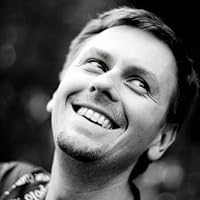
Byung-Chul Han, also spelled Pyŏng-ch'ŏl Han (born 1959 in Seoul), is a German author, cultural theorist, and Professor at the Universität der Künste Berlin (UdK) in Berlin, Germany.
Byung-Chul Han studied metallurgy in Korea before he moved to Germany in the 1980s to study Philosophy, German Literature and Catholic theology in Freiburg im Breisgau and Munich. He received his doctoral degree at Freiburg with a dissertation on Martin Heidegger in 1994.
In 2000, he joined the Department of Philosophy at the University of Basel, where he completed his Habilitation. In 2010 he became a faculty member at the HfG Karlsruhe, where his areas of interest were philosophy of the 18th, 19th and 20th century, ethics, social philosophy, phenomenology, cultural theory, aesthetics, religion, media theory, and intercultural philosophy. Since 2012 he teaches philosophy and cultural studies at the Universität der Künste Berlin (UdK), where he directs the newly established Studium Generale general-studies program.
Han is the author of sixteen books, of which the most recent are treatises on what he terms a "society of tiredness" (Müdigkeitsgesellschaft), a "society of transparency" (Transparenzgesellschaft), and on his neologist concept of shanzai, which seeks to identify modes of deconstruction in contemporary practices of Chinese capitalism.
Han's current work focuses on transparency as a cultural norm created by neoliberal market forces, which he understands as the insatiable drive toward voluntary disclosure bordering on the pornographic. According to Han, the dictates of transparency enforce a totalitarian system of openness at the expense of other social values such as shame, secrecy, and trust.
Until recently, he refused to give radio and television interviews and rarely divulges any biographical or personal details, including his date of birth, in public.
Han has written on topics such as attention deficit hyperactivity disorder, borderline, burnout, depression, exhaustion, internet, love, pop culture, power, rationality, religion, social media, subjectivity, tiredness, transparency and violence.
Cóż, uwielbiam Hana. Nie pisze prostym językiem i nie zawsze się z nim zgadzam, a czasami nawet łapię się na tym, że w moim odczuciu sobie przeczy - ale może nie wszystko jest dla mnie jasne w jego filozofii. Generalnie jednak ma bardzo piękne postulaty i szacunek, uprzejmość do takich zaliczam. Czy będzie możliwy powrót do tych wartości?
czytało mi się przyjemniej, niż Społeczeństwo Zmęczenia, chyba forma była bardziej przystępna. żałowałam też, że nie mam swojej kopii (tę wypożyczyłam w bibliotece), bo miałam ochotę podkreślać dużo fragmentów.
trafiła do mnie szczególnie argumentacja o tym, jak w społeczeństwach neoliberalnych, promujących skrajny indywidualizm, każdy staje się wrogiem każdego w walce o status i podstawowe potrzeby, a zbudowanie świadomości i solidarności klasowej jest w zasadzie niemożliwe.
cytat, do którego będę wracać: "Samowyzysk jest znacznie efektywniejszy niż wyzysk zewnętrzny, ponieważ towarzyszy mu poczucie wolności."
dwa końcowe eseje pozostawiły mnie natomiast z pytaniami. zgadzam się, że żyjemy w świecie uzewnętrznienia, gdzie wszystkie intymne informacje podajemy na tacy poprzez social media, gdzie skupiamy się głównie na sobie. autor jednak sugeruje, że zrezygnowaliśmy z pozorów i gry towarzyskiej (niczym w XVIII-wiecznych salonach). moim zdaniem wciąż gramy i kreujemy się na kogoś, kim nie jesteśmy, w pogoni za statusem i zyskami. po prostu zasady gry się zmieniły.
Tym razem w wyjątkowo wielu kwestiach się z panem Hanem nie zgadzam.
Najbardziej raziła mnie prowadzona przez autora, dychotomiczna narracja wyróżniająca "wulgarną", "obnażoną" i "bezwstydną" autentyczność naprzeciw "pięknym pozorom" i "grze" uprzejmości. Filozof zdawał się sugerować, jakoby prawdziwość, intymność, szczerość - samowyrażanie się jednostki - czyniło okazywanie jej szacunku i uprzejmości niemożliwym. Jednocześnie poczynił - jeśli nie zrozumiałam go źle - założenie, że uprzejmość i szacunek okazywane innym są zawsze pewną grą, pewnym udawaniem, że to jest ich istotą.
Trudno mi się z tym zgodzić, takie przedstawienie tematu jest według mnie zbyt skrajne, zbyt czarno-białe.
Po pierwsze, prawdziwość i autentyczność w żadnej mierze nie powinny uniemożliwiać okazywania i domagania się wobec siebie szacunku. Odwaga, by pokazać innym prawdę o sobie, zwłaszcza w zakresie własnych słabości, moim zdaniem zasługuje na tym większy szacunek i delikatność. Zachwyt nad XVIII-wiecznym "teatrem rytualnych gestów" pozbawionym prawdziwej indywidualności uważam nawet za w pewnej mierze niebezpieczny, bo 1) teatr ten bez wątpienia obowiązywał przede wszystkim wyższe warstwy społeczne i był sam w sobie emanacją eksluzywnej klasy, 2) nostalgia wobec czasów wstydu i tabuizacji pełnego doświadczenia bycia człowiekiem nie wydaje mi się właściwą odpowiedzią na słusznie zauważony przez autora kryzys szacunku w społeczeństwie. Mam wrażenie, że przez te rozważania pobrzmiewają kulturowe korzenie Hana, tzn. kolektywizm, który być może jest dla mnie jako Europejki po prostu niedostatecznie zrozumiały i raczej niepokojący.
Po drugie, obserwowane przez autora i przeze mnie jako czytelniczki powszechne "obnażanie się" przez ludzi w sferze cyfrowej z całą swoją intymnością nie wydaje mi się bynajmniej problemem nadmiernej autentyczności; wręcz przeciwnie, w mediach przecież wciąż udajemy, budujemy określoną personę, przejaskrawiamy własne doświadczenia. Ponadto w obliczu powszechnej komercjalizacji, w której wszystko jest reklamą, nie może być mowy o prawdzie. Tworzymy raczej złudzenia autentyczności. Osoba medialna i osoba prywatna to nadal dwa różne podmioty. Prawdziwość więc nie jest problemem, a kłamstwo rozumiane jako "piękny pozór" nie jest moim zdaniem remedium.
Diagnoza Hana w tym zakresie jest więc konceptualnie ciekawa, ale według mnie nietrafiona.
Niemniej książka jak zawsze zmusiła mnie do myślenia i pomogła mi dookreślić własne poglądy na pewne zagadnienia.
3.5 Całym sercem zgadzam się z głównym postulatem całej jego pracy, lecz w paru kwestiach nie mogę się z nim zgodzić. Wręcz byłem zdziwiony, jak nieczule i zero-jedynkowo potraktowane zostały poszczególne zagadnienia. Mimo trudnego języka książkę czyta się szybko i łapczywie, z chęcią sięgnięcia po więcej.