

What do you think?

Il nazista e lo psichiatra
Nel 1945 Douglas Kelley vegliò sulla salute mentale dei gerarchi nazisti, seguendoli dall'istruzione fino alle prime fasi del processo di Norimberga. Potè studiarli da vicino, li sottopose a un'imponente mole di test e raccolse interi quaderni di appunti rimasti finora inediti, prese nota di vezzi, debolezze e meschinità: dalla falsa amnesia di Rudolf Hess alle farneticazioni mistiche di Alfred Rosenberg, dagli strani effetti personali portati alla luce dalle perquisizioni ai capricci del vero coprotagonista di questo libro: il pachidermico, fatuo, narcisista e magnetico Hermann Göring, il maresciallo del Reich. "La personalità più interessante del carcere", annotò Kelley sul proprio quaderno, il solo detenuto che avrebbe potuto guidarlo verso quell'abisso dell'animo umano che era impaziente di esplorare. Le conclusioni della sua indagine furono sorprendenti: i nazisti non erano fantocci che "obbedivano agli ordini", ma persone ambiziose, aggressive, intelligenti e spietate "come uomini d'affari". Il "germe" nazista che aveva sperato di trovare non esisteva: "Sono certo che anche in America ci siano persone disposte a scavalcare i cadaveri di metà della popolazione americana pur di ottenere il controllo dell'altra metà" concluse, senza mai riuscire a lasciarsi davvero alle spalle quell'esperienza che aveva scosso nel profondo i suoi presupposti e gettato i semi della sua stessa rovina.
349 pages, Hardcover
First published September 10, 2013
About the author
Jack El-Hai
19 books115 followersJack El-Hai is a widely-published journalist who covers history, medicine, and science, and the author of the acclaimed book The Lobotomist. He is the winner of the June Roth Memorial Award for Medical Journalism, as well as fellowships and grants from the McKnight Foundation, the Jerome Foundation, and the Center for Arts Criticism. He lives in Minneapolis.
Ratings & Reviews
Friends & Following
Create a free account to discover what your friends think of this book!
Community Reviews
Displaying 1 - 30 of 666 reviews

February 2, 2025
There are many other books similar to this one that are equally as good.
Imagine being the Dr. trying to get your arms around this .
Kelly's purpose:
A 32-year-old American psychiatrist named Douglas M. Kelley entered a cell for his first of many meetings at Nuremberg. Kelley was among the few people—along with other medical personnel, lawyers and guards—allowed access to Goering. After the horror of the war, Kelley wrote, “the near destruction of modern culture will have gone for naught if we do not draw the right conclusions about the forces that produced such chaos. We must learn the why of the Nazi success so we can take steps to prevent the recurrence of such evil.” Kelley's manuscript describes Göring as "a brilliant, brave, ruthless, grasping, shrewd executive," —characterized Göring as an "intelligent but sadistic egotist"
As the last man standing, Goring showed the world what a coward he was swallowing Cyanide.
Imagine being the Dr. trying to get your arms around this .
Kelly's purpose:
A 32-year-old American psychiatrist named Douglas M. Kelley entered a cell for his first of many meetings at Nuremberg. Kelley was among the few people—along with other medical personnel, lawyers and guards—allowed access to Goering. After the horror of the war, Kelley wrote, “the near destruction of modern culture will have gone for naught if we do not draw the right conclusions about the forces that produced such chaos. We must learn the why of the Nazi success so we can take steps to prevent the recurrence of such evil.” Kelley's manuscript describes Göring as "a brilliant, brave, ruthless, grasping, shrewd executive," —characterized Göring as an "intelligent but sadistic egotist"
As the last man standing, Goring showed the world what a coward he was swallowing Cyanide.

January 1, 2026
Myślę, że jest to mimo wszystko bardziej książka o psychiatrze, który rozmawiał z nazistami, sądzonymi w Norymberdze, niż o procesie samym w sobie, ale nie odbiorę jej tego, że naświetliła mi jego przebieg

October 23, 2013
This book was quick and interesting, but lacked a certain je ne sais quoi for me and, at times, felt a bit "forced" in its attempt to give the relationship between its two titular characters a causal weight in the events that eventually befell the Kelley family.
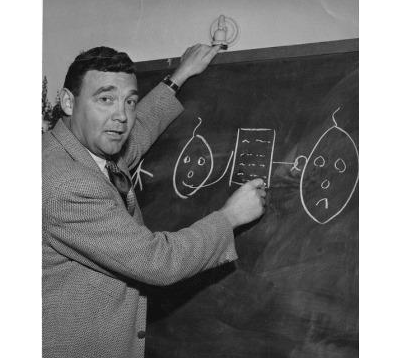
Like Dr. Douglas M. Kelley (below), I am fascinated by the inner workings of the human mind. Likewise, the human capacity for evil revealed in criminology and the study of history (in particular the events of and surrounding WWII) capture my curiosity and desire to understand. Kelley and I are certainly not alone in this, and in the decades since WWII scholars from a variety of fields have sought to unravel the sociological, psychological and historical underpinnings of what happened. All of this is to say, that I did not find Dr. Kelley to as exceptional as the author may have intended.
That notable figures who work with notorious criminals are often somewhat egotistical is not surprising. John E. Douglas, the original "Mindhunter," is an example that stands out (see: Mindhunter: Inside the FBI's Elite Serial Crime Unit ). What author Jack El-Hai refers to as tele-empathy , "the ability to feel what others are feeling and thinking" after carefully examining them" (p.201), seems like it would be requisite for the job. From studies such as the Milgram experiment and the Stanford Prison Study (both of which El-Hai refers to toward the end of the book- including some dubious extrapolations), we have learned more about quotidian obedience to authority. Books such as Martha Stout's The Sociopath Next Door describe that individuals who completely lack conscience are by no means an anomaly.
The most interesting pieces of information in re. the over-the-top character of Hermann Göring , which are almost unfathomably bizarre (his extreme pill addiction, his letter writing campaign to President Truman regarding the inhumane conditions in which he was being kept, his obsession with wild animals etc.), were brushed over too quickly for my liking, in favor of Kelley's family history.
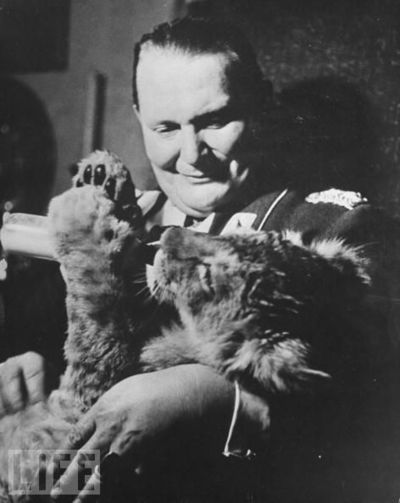
While I enjoyed this book, I feel like it could have done more. Perhaps that was not the author's intention, but somehow the parallels between Göring and Kelley failed to draw me in as stories unto themselves. Furthermore, these characteristics seemed to me less exceptional, less notable than one might believe based on this material alone. Kelley told journalists that:
Like Dr. Douglas M. Kelley (below), I am fascinated by the inner workings of the human mind. Likewise, the human capacity for evil revealed in criminology and the study of history (in particular the events of and surrounding WWII) capture my curiosity and desire to understand. Kelley and I are certainly not alone in this, and in the decades since WWII scholars from a variety of fields have sought to unravel the sociological, psychological and historical underpinnings of what happened. All of this is to say, that I did not find Dr. Kelley to as exceptional as the author may have intended.
That notable figures who work with notorious criminals are often somewhat egotistical is not surprising. John E. Douglas, the original "Mindhunter," is an example that stands out (see: Mindhunter: Inside the FBI's Elite Serial Crime Unit ). What author Jack El-Hai refers to as tele-empathy , "the ability to feel what others are feeling and thinking" after carefully examining them" (p.201), seems like it would be requisite for the job. From studies such as the Milgram experiment and the Stanford Prison Study (both of which El-Hai refers to toward the end of the book- including some dubious extrapolations), we have learned more about quotidian obedience to authority. Books such as Martha Stout's The Sociopath Next Door describe that individuals who completely lack conscience are by no means an anomaly.
The most interesting pieces of information in re. the over-the-top character of Hermann Göring , which are almost unfathomably bizarre (his extreme pill addiction, his letter writing campaign to President Truman regarding the inhumane conditions in which he was being kept, his obsession with wild animals etc.), were brushed over too quickly for my liking, in favor of Kelley's family history.
While I enjoyed this book, I feel like it could have done more. Perhaps that was not the author's intention, but somehow the parallels between Göring and Kelley failed to draw me in as stories unto themselves. Furthermore, these characteristics seemed to me less exceptional, less notable than one might believe based on this material alone. Kelley told journalists that:
"[Göring] is still the same swaggering, vain, conceited braggart he always was. He has made up his mind he's going to be killed anyway, so he's very anxious to be considered the number one Nazi, a curious kind of compensation" (p.116).This desire to rise to the top (one that Kelley, apparently, shared with Göring) seemed, to me, unsurprising. It certainly didn't seem like a trait so noteworthy as to suggest that two men sharing it would somehow be distant reflections of one-another. I'll withhold the other "big" parallel as not to spoil anything, but I, again, thought it was a bit overstated...
August 17, 2026
Although I had high expectations for this book, it was obvious right from the start that the title was way off base. Indeed, despite Nazi Hermann Goring’s name on the front cover, the book was actually a disjointed and often rambling biography of the Nuremberg psychiatrist, Douglas Kelly. For that matter, the book starts off with the Kelly’s early interest in magic, as well as a full description of his illustrious family background. In any event, following a number of chapters concerning Kelly’s psychiatric evaluations of Goring and other top nazis, the author then went on with a lengthy focus on Kelly’s later career as professor at U.C. Berkeley.
While Kelly did some interesting research with the Rorschach Test, early PTSD studies, and criminology, I would have preferred more insights into the minds of the Nazi leaders at Nuremberg. For that matter, if I had wanted to read a book about a psychiatrist, I would have chosen someone other than the alcoholic Kelly, who went on to commit suicide in front of his wife and children on New Years Day in 1958.
While Kelly did some interesting research with the Rorschach Test, early PTSD studies, and criminology, I would have preferred more insights into the minds of the Nazi leaders at Nuremberg. For that matter, if I had wanted to read a book about a psychiatrist, I would have chosen someone other than the alcoholic Kelly, who went on to commit suicide in front of his wife and children on New Years Day in 1958.

July 19, 2013
Dr. Douglas M. Kelley, who served as a psychiatrist for the U.S. Army in World War II, received an order to be the lead psychiatrist and work with the high level Nazis being detained for trial at Nuremberg after the war. He saw it as an opportunity to try to discern if there was there a common flaw among the Nazi leaders? “We must learn they why of the Nazi success so we can take steps to prevent the recurrence of such evil.” “What made these men criminals?” “Were they born with evil tendencies?” “Did they share psychiatric disorders?” “The trial and it run-up served as fascinating laboratories for the study of group dynamics of aggression, criminal motivation, defense mechanisms of the guilty, depression, and the response of deviant personalities to the judicial process.”
His conclusions are as relevant in the United States today, in 2013, as they were in 1947.
Hermann Göring, President of the Reichstag, Hitler’s deputy, Prime Minister of Prussia, Reich Minister of Aviation and Commander in Chief of the Luttwaffe, Minister of Economics, member of the Secret Cabinet Council, director of the Hermann Göring Works manufacturing combine, field marshal, chairman of the Reich Council for National Defense, Reich Forestry and Hunting Master, and Reichsmarshall, was the highest ranking Nazi in detention. After seeing the films taken when the concentration camps were liberated, he stated he didn’t know the extent of the atrocities committed against the victims and thought it was enemy propaganda. Until that point, he wanted all co-defendants to “defend themselves, be proud of their actions, and accept the punishment of the victors as a unified group.” At first, he told his fellows, to expected exile, then a group execution which “would grant them an afterlife as national martyrs.” Unlike the others, he didn’t blame Hitler or the Nazi regime. He considered himself a moving force in the Nazi movement.” Kelley spent a lot of time with Göring, admiring his intelligence but aware of his dark side. In a letter to his wife, Göring suggested that if both of them did not survive the war, their daughter should be sent to live in the US with Kelley and his wife.
The first two pages of THE NAZI AND THE PSYCHIATRIST tell about the suicide of Dr. Kelley on January 1, 1958. The book then moves back to May 6, 1945. Realizing the war was soon ending, Göring sent a letter offering to help the Allies form a new government for the Reich. The Americans captured him but he didn’t get to meet with General Dwight Eisenhower or any other officials. Instead, he was taken into custody as a criminal for his crimes in World War II. At the time, he was addicted to paracodeine, taking forty pills a day. (Five tablets had the narcotic effect of 65 mg of morphine.) An army official found that “Göring’s hoard of [paracodeine] amounted to nearly the world’s entire supply.”
During the war, Kelley recognized “combat neurosis” and “combat exhaustion,” now referred to as PTSD, post-traumatic stress disorder and worked to rehabilitate soldiers and determine who could return to the battlefield or noncombatant duty and who should be returned the US for further treatment. In the early years of the war, only 2% of the its victims in the North Africa campaign could return to duty. After Kelley trained physicians in ways to treat it, more than 95% of the service personnel were able to do so. He was able to use some of techniques when he worked with the Nazi prisoners to help keep them fit for trial. He combined psychiatry with criminology and also developed group therapy as psychiatric tool.
One of Kelley’s co-workers, Captain John Dolibois a welfare official helping detainees with their problems and listening to them observed “they spoke quite freely believing they would never face trial. We sometimes had trouble getting them to shut up. They felt neglected if they hadn’t been interrogated for a several days.” The psychological staff was able to easily get information where traditional interrogation methods failed.
Relying heavily on The Rorschach or Ink Blot Test, he concluded,“These people without Hitler are not abnormal, not pervert[s], not geniuses. They were like any other aggressive, smart, ambitious, ruthless businessman, and their business happened in the setting up of a world government.” Others, working with him, particularly Lieutenant Gustave Mark Gilbert who held a PhD in psychology and wanted to gather information to write a book, came to a different conclusion.
THE NAZI AND THE PSYCHIATRIST presents a detailed picture of the detainees lives before and after Nuremberg, a description of the courtroom itself, the reaction of the Nazis to the testimony and the verdicts, It also tells what happened to each prisoner after the trial. While most of the book deals with Hermann Göring and the relationship between him and Kelley , the book presents information about each of the main defendants, the men at the higher leadership roles in the Nazi regime. For example, Julius Streicher, editor of the exceedingly anti-Jewish Der Stürmer, was considered loathsome, a pariah among the other prisoners. He had a reputation as a sadist, rapist, and collector of pornography. Joachim von Ribbentrop, Hitler’s foreign minister, had only an elementary school education and had worked in the liquor business previously. Kelley questioned whether Hess’s amnesia was real, faked, or somewhere in between (had been faked then turned real) but was able to show he was capable to stand trial.
The book also states that Hitler had gastrointestinal disorders for more than twenty years though no organic cause was ever found by doctors. Because of that, he feared death and acted impulsively. He believed he had stomach cancer and “turned his attention from successful assaults on Great Britain to a campaign in the east that resulted in defeat.”
There were three suicides among the detainees, two by hanging before the trial and one, Göring’s by swallowing a cyanide capsule the night before he was to be hung.
After Kelley returned to the United States, Kelley was urged to write, but he wanted to get away from the detentions and trial. Eventually, did write about his experiences and examination as well as taught and trained law enforcement personnel. His family life was extremely complex with him alternating between kindness and vicious enforcer. He and his wife had major arguments and his children never knew how he would react to anything. He refused to see a psychiatrist because he didn’t want to appear weak before a peer since he was an expert in the field. He was excessively strict with his children, especially his oldest son, because he wanted to train him to not act like the Germans did. He was to be observant and analytical. His son began thinking of killing his father when he was seven years old.
Based on his interpretation of their psychological make-up and trying to answer his original questions about why the Nazis acted as they did, Kelley said. “Unbridled ambition, weak ethics, and excessive patriotism that could justify nearly any action of questionable rightness.” They were “Not monsters, evildoing machines, or automata without soul and feelings.”
He wrote 22 Cells “to influence the thinking of the American people and hoped readers would understand the qualities that allowed a group of men to dominate a country and let them believe they had the right to do so....That America could become Germany.”
Some of the Nazi prisoners compared Germany to the United States and it’s racial bigots and ultranationalists, such as white supremacists Senator Theodore Bilbo, Congressman John E. Rankin, Governor Eugene Talmadge and Huey Long. To prevent people with personalities similar to the Nazis from gaining control of the US, “Kelley advocated:
removing all restrictions on the voting rights of US citizens, convincing as many Americans as possible to vote in elections, and rebuilding the educational system to cultivate students who could think critically and resist using ‘strong emotional reactions’ to make decisions. Finally, he urged his countrymen to refuse to vote for any candidate who made ‘political capital’ of any group’s race and religious beliefs or referred indirectly or directly to the blood, heritage, or morals of opponents. ‘The United States [would] never reach its full stature’ until it has undergone this transformation
Near the end of the book, we read more of Dr. Kelley’s suicide, by cyanide capsule.
At the beginning, NAZI AND THE PSYCHIATRIST presents a list of the principle characters including their job titles. The final book will include eight pages of photos and a full bibliography which includes writings by both Dr. Kelley and Lieutenant Gilbert.
I received an advance copy this book from Goodreads.com and am very glad I had the opportunity to read it. Kelley’s comments about preventing similar experiences in other countries, quoted above, echo strongly in the US political atmosphere today.
His conclusions are as relevant in the United States today, in 2013, as they were in 1947.
Hermann Göring, President of the Reichstag, Hitler’s deputy, Prime Minister of Prussia, Reich Minister of Aviation and Commander in Chief of the Luttwaffe, Minister of Economics, member of the Secret Cabinet Council, director of the Hermann Göring Works manufacturing combine, field marshal, chairman of the Reich Council for National Defense, Reich Forestry and Hunting Master, and Reichsmarshall, was the highest ranking Nazi in detention. After seeing the films taken when the concentration camps were liberated, he stated he didn’t know the extent of the atrocities committed against the victims and thought it was enemy propaganda. Until that point, he wanted all co-defendants to “defend themselves, be proud of their actions, and accept the punishment of the victors as a unified group.” At first, he told his fellows, to expected exile, then a group execution which “would grant them an afterlife as national martyrs.” Unlike the others, he didn’t blame Hitler or the Nazi regime. He considered himself a moving force in the Nazi movement.” Kelley spent a lot of time with Göring, admiring his intelligence but aware of his dark side. In a letter to his wife, Göring suggested that if both of them did not survive the war, their daughter should be sent to live in the US with Kelley and his wife.
The first two pages of THE NAZI AND THE PSYCHIATRIST tell about the suicide of Dr. Kelley on January 1, 1958. The book then moves back to May 6, 1945. Realizing the war was soon ending, Göring sent a letter offering to help the Allies form a new government for the Reich. The Americans captured him but he didn’t get to meet with General Dwight Eisenhower or any other officials. Instead, he was taken into custody as a criminal for his crimes in World War II. At the time, he was addicted to paracodeine, taking forty pills a day. (Five tablets had the narcotic effect of 65 mg of morphine.) An army official found that “Göring’s hoard of [paracodeine] amounted to nearly the world’s entire supply.”
During the war, Kelley recognized “combat neurosis” and “combat exhaustion,” now referred to as PTSD, post-traumatic stress disorder and worked to rehabilitate soldiers and determine who could return to the battlefield or noncombatant duty and who should be returned the US for further treatment. In the early years of the war, only 2% of the its victims in the North Africa campaign could return to duty. After Kelley trained physicians in ways to treat it, more than 95% of the service personnel were able to do so. He was able to use some of techniques when he worked with the Nazi prisoners to help keep them fit for trial. He combined psychiatry with criminology and also developed group therapy as psychiatric tool.
One of Kelley’s co-workers, Captain John Dolibois a welfare official helping detainees with their problems and listening to them observed “they spoke quite freely believing they would never face trial. We sometimes had trouble getting them to shut up. They felt neglected if they hadn’t been interrogated for a several days.” The psychological staff was able to easily get information where traditional interrogation methods failed.
Relying heavily on The Rorschach or Ink Blot Test, he concluded,“These people without Hitler are not abnormal, not pervert[s], not geniuses. They were like any other aggressive, smart, ambitious, ruthless businessman, and their business happened in the setting up of a world government.” Others, working with him, particularly Lieutenant Gustave Mark Gilbert who held a PhD in psychology and wanted to gather information to write a book, came to a different conclusion.
THE NAZI AND THE PSYCHIATRIST presents a detailed picture of the detainees lives before and after Nuremberg, a description of the courtroom itself, the reaction of the Nazis to the testimony and the verdicts, It also tells what happened to each prisoner after the trial. While most of the book deals with Hermann Göring and the relationship between him and Kelley , the book presents information about each of the main defendants, the men at the higher leadership roles in the Nazi regime. For example, Julius Streicher, editor of the exceedingly anti-Jewish Der Stürmer, was considered loathsome, a pariah among the other prisoners. He had a reputation as a sadist, rapist, and collector of pornography. Joachim von Ribbentrop, Hitler’s foreign minister, had only an elementary school education and had worked in the liquor business previously. Kelley questioned whether Hess’s amnesia was real, faked, or somewhere in between (had been faked then turned real) but was able to show he was capable to stand trial.
The book also states that Hitler had gastrointestinal disorders for more than twenty years though no organic cause was ever found by doctors. Because of that, he feared death and acted impulsively. He believed he had stomach cancer and “turned his attention from successful assaults on Great Britain to a campaign in the east that resulted in defeat.”
There were three suicides among the detainees, two by hanging before the trial and one, Göring’s by swallowing a cyanide capsule the night before he was to be hung.
After Kelley returned to the United States, Kelley was urged to write, but he wanted to get away from the detentions and trial. Eventually, did write about his experiences and examination as well as taught and trained law enforcement personnel. His family life was extremely complex with him alternating between kindness and vicious enforcer. He and his wife had major arguments and his children never knew how he would react to anything. He refused to see a psychiatrist because he didn’t want to appear weak before a peer since he was an expert in the field. He was excessively strict with his children, especially his oldest son, because he wanted to train him to not act like the Germans did. He was to be observant and analytical. His son began thinking of killing his father when he was seven years old.
Based on his interpretation of their psychological make-up and trying to answer his original questions about why the Nazis acted as they did, Kelley said. “Unbridled ambition, weak ethics, and excessive patriotism that could justify nearly any action of questionable rightness.” They were “Not monsters, evildoing machines, or automata without soul and feelings.”
He wrote 22 Cells “to influence the thinking of the American people and hoped readers would understand the qualities that allowed a group of men to dominate a country and let them believe they had the right to do so....That America could become Germany.”
Some of the Nazi prisoners compared Germany to the United States and it’s racial bigots and ultranationalists, such as white supremacists Senator Theodore Bilbo, Congressman John E. Rankin, Governor Eugene Talmadge and Huey Long. To prevent people with personalities similar to the Nazis from gaining control of the US, “Kelley advocated:
removing all restrictions on the voting rights of US citizens, convincing as many Americans as possible to vote in elections, and rebuilding the educational system to cultivate students who could think critically and resist using ‘strong emotional reactions’ to make decisions. Finally, he urged his countrymen to refuse to vote for any candidate who made ‘political capital’ of any group’s race and religious beliefs or referred indirectly or directly to the blood, heritage, or morals of opponents. ‘The United States [would] never reach its full stature’ until it has undergone this transformation
Near the end of the book, we read more of Dr. Kelley’s suicide, by cyanide capsule.
At the beginning, NAZI AND THE PSYCHIATRIST presents a list of the principle characters including their job titles. The final book will include eight pages of photos and a full bibliography which includes writings by both Dr. Kelley and Lieutenant Gilbert.
I received an advance copy this book from Goodreads.com and am very glad I had the opportunity to read it. Kelley’s comments about preventing similar experiences in other countries, quoted above, echo strongly in the US political atmosphere today.

August 28, 2024
I read this book for two reasons.
Like the other 99.9% of everyone who picked it up, it sounds fascinating to read firsthand accounts from a psychologist on what cord snapped in a mass collective to shed the skin of morality and step in line inflicting vile, monstrous acts with indifference.
Everyone one in the world has a perspective and answer to that question, but what about the nazis themselves? Once they’re staring at the aftermath and into their own graves? What's the psychology behind why that remorse or guilt didn't start creeping in?
The second is that I normally read holocaust survivors' stories and the history leading up to the rise and Hitler's inner circle. But I’ve never spent time looking into the “after.”
My knowledge of the Nuremberg trials is limited at best, so this was a chance to learn more.
But this book is so…. Blah..
I would have retained more information by doing my research on the studies and reading the interviews.
To me, there’s so much filler regarding the psychologists themselves. It felt superficial and had nothing to do with the “inner workings of nazis' brain” I would have rather read the notes from the psychologists themselves or first-hand accounts without the narrator. Also I don’t know why the author spent so much time info dumping about Rorschach Inkblot Test throughout the book.
I tuned it out because it didn’t add anything to understanding these men other than lo and behind... Not crazy. Just a crazy evil ideology. But this is my taste/opinion, and there are so many books on this subject that match what I’m after.
Like the other 99.9% of everyone who picked it up, it sounds fascinating to read firsthand accounts from a psychologist on what cord snapped in a mass collective to shed the skin of morality and step in line inflicting vile, monstrous acts with indifference.
Everyone one in the world has a perspective and answer to that question, but what about the nazis themselves? Once they’re staring at the aftermath and into their own graves? What's the psychology behind why that remorse or guilt didn't start creeping in?
The second is that I normally read holocaust survivors' stories and the history leading up to the rise and Hitler's inner circle. But I’ve never spent time looking into the “after.”
My knowledge of the Nuremberg trials is limited at best, so this was a chance to learn more.
But this book is so…. Blah..
I would have retained more information by doing my research on the studies and reading the interviews.
To me, there’s so much filler regarding the psychologists themselves. It felt superficial and had nothing to do with the “inner workings of nazis' brain” I would have rather read the notes from the psychologists themselves or first-hand accounts without the narrator. Also I don’t know why the author spent so much time info dumping about Rorschach Inkblot Test throughout the book.
I tuned it out because it didn’t add anything to understanding these men other than lo and behind... Not crazy. Just a crazy evil ideology. But this is my taste/opinion, and there are so many books on this subject that match what I’m after.
September 17, 2026
My low rating is partially based on how poorly this is written compared to the brilliant Netflix movie, Nuremberg which stars Russel Crowe in the part made for him as Hermann Goring.
The book fixates on the father of Doug Kelly who is the psychiatrist tasked to interview the Nazis after World War 2. Spends 18% pages on his father hobbies of his fascination with the cannibalistic Donner Party and catching butterflies(yawn).
As if that wasn't bad enough, 59% of pages is after the Nuremburg trials about Kelly's career. (Yawn, Yawn)
In the movie the focus is on the trial of the century, Nuremberg trials in which Kelly wasn't even present in the book but is in the movie. The movies' climax is when the Allies get Goring to admit to his atrocities. When Goring commits suicide & the rest of the condemned Nazis are hung & throw naked into an Allies truck to be buried in unmark graves, the movie rates 5 stars.
I seldom say this, watch the movie, ditch the book,
The book fixates on the father of Doug Kelly who is the psychiatrist tasked to interview the Nazis after World War 2. Spends 18% pages on his father hobbies of his fascination with the cannibalistic Donner Party and catching butterflies(yawn).
As if that wasn't bad enough, 59% of pages is after the Nuremburg trials about Kelly's career. (Yawn, Yawn)
In the movie the focus is on the trial of the century, Nuremberg trials in which Kelly wasn't even present in the book but is in the movie. The movies' climax is when the Allies get Goring to admit to his atrocities. When Goring commits suicide & the rest of the condemned Nazis are hung & throw naked into an Allies truck to be buried in unmark graves, the movie rates 5 stars.
I seldom say this, watch the movie, ditch the book,
This entire review has been hidden because of spoilers.

January 5, 2021
This was honestly a pretty disappointing read. The book jacket bills it as the story of two great, dangerous minds coming together in a flash of tension and influence such that you can't tell where one ends and the other begins as the heroic American psychiatrist seeks to understand the evil and secrets of the Nazi mind. But instead what you get is a rather plodding history of Nazi imprisonment and the casual relationship that existed not just between Kelley and Göring but between Kelley and a whole host of Nazi prisoners. There's some psychiatric research that goes on, to be sure, and some frank conversations between the varied characters of the drama, but none of it amounts to anything approaching the "fatal meeting of the minds" that the title promises (even if some people do die along the way). The book's epilogue reveals that the author befriended and was greatly informed by Kelley's surviving son; this ends up meaning a lot in terms of the content of the book, such that this really ends up reading like a congenial biography of Kelley that had to be given a little rhetorical flair at the book's outset and in the marketing to sell it...which is ironically the same kind of fate that one of Kelley's own books met, according to a chapter in this book. Ultimately I felt like I learned a bit about Kelley, but still didn't get inside his head; the rest of the book's content I could have learned from other, probably more engaging histories.

December 4, 2013
From a historical perspective, this is a hugely informative and compelling book. Unfortunately, it's greatest weakness is that it features very little of the actual conversations between Dr. Kelley and Hermann Goering. Their face-to-face should have been the most riveting delivery of the premise of the book. I suspect those possibilities are why this book was optioned for a movie adaptation before it was even published.

June 12, 2013
For more than seven decades, we've been trying to understand the nature of the Nazi mind. Was there something uniquely psychopathic about them, or could their horrors be wreaked by any country's leaders and citizens?
One of the first people to get an opportunity to try to answer this question was Captain Douglas M. Kelley, a 32-year-old psychiatrist in the U.S. Army medical service, who was assigned to attend to the 22 top Nazi defendants being held in Nüremberg, Germany, in the months before their trial began for crimes against humanity. Kelley spent long hours talking to the defendants and administering what were then relatively new psychiatric tests, like Rorschach ink blot testing and Thematic Apperception Tests.
Among the Nazi bigwigs Kelley was responsible for, the top patient was Hermann Göring, former head of the Luftwaffe and Hitler's one-time designated successor. Göring's huge personality and appetites were like a tractor beam for Kelley. He was charming, intelligent and quick-witted, but it soon became clear that he had no regard for anyone outside his small circle of family and close friends.
As the book description tells us, Göring managed to kill himself with a cyanide capsule in his cell the night before he was scheduled to be hanged. Twelve years later, Kelley also killed himself with cyanide, after a long slide into emotional illness and alcoholism. The book description concludes that Kelley's suicide shows "the insidious impact of the Göring-Kelley relationship, providing a cautionary tale about the dangers of coming too close to evil."
I think the book description is misleading. Author Jack El-Hai does not try to make an argument that Kelley's exposure to Göring and the other Nazis somehow tainted him and led to his suicide. He does argue that there are some similarities between Göring's and Kelley's motivations for suicide and for choosing cyanide as a method, but that's the extent of it.
The value of this book is not in some sensationalistic link between Göring and Kelley. Instead, the real value is the inside look at the minds of these Nazi leaders and how they revealed themselves to Kelley, whom many of them came to trust. El-Hai writes a great deal about Göring, but there is also extensive and valuable discussion of Rudolf Hess, Alfred Rosenberg, Robert Ley, Joachim von Ribbentrop, Julius Streicher and others. This should be of interest to many history readers, especially those who enjoyed books like Anthony Read's The Devil's Disciples: Hitler's Inner Circle.
Secondarily, El-Hai gives us an insightful look at the early days of criminal psychology and psychiatric testing. Kelley was active in both fields, including in the years after Nüremberg, when he lectured and consulted, was a professor of psychiatry at Wake Forest University and, in 1949, became the first head of the newly-established department of criminology at the University of California at Berkeley. Many of the concepts we take for granted today were in their infancy during this period, and El-Hai provides a clear and interesting view of what the field was like at that time.
Finally, El-Hai provides a fascinating description of various analysts' views of Kelley's records of the psychoanalytic tests of the Nazi defendants, and their debates about what they revealed about the Nazi psyche.
Rights to The Nazi and the Psychiatrist have been optioned to turn it into both a film and a stage play. I suspect in both cases, the hook will be the same sensationalistic one as in the book description. While that may make a good selling strategy, I hope people will read and appreciate the book for its actual content.
One of the first people to get an opportunity to try to answer this question was Captain Douglas M. Kelley, a 32-year-old psychiatrist in the U.S. Army medical service, who was assigned to attend to the 22 top Nazi defendants being held in Nüremberg, Germany, in the months before their trial began for crimes against humanity. Kelley spent long hours talking to the defendants and administering what were then relatively new psychiatric tests, like Rorschach ink blot testing and Thematic Apperception Tests.
Among the Nazi bigwigs Kelley was responsible for, the top patient was Hermann Göring, former head of the Luftwaffe and Hitler's one-time designated successor. Göring's huge personality and appetites were like a tractor beam for Kelley. He was charming, intelligent and quick-witted, but it soon became clear that he had no regard for anyone outside his small circle of family and close friends.
As the book description tells us, Göring managed to kill himself with a cyanide capsule in his cell the night before he was scheduled to be hanged. Twelve years later, Kelley also killed himself with cyanide, after a long slide into emotional illness and alcoholism. The book description concludes that Kelley's suicide shows "the insidious impact of the Göring-Kelley relationship, providing a cautionary tale about the dangers of coming too close to evil."
I think the book description is misleading. Author Jack El-Hai does not try to make an argument that Kelley's exposure to Göring and the other Nazis somehow tainted him and led to his suicide. He does argue that there are some similarities between Göring's and Kelley's motivations for suicide and for choosing cyanide as a method, but that's the extent of it.
The value of this book is not in some sensationalistic link between Göring and Kelley. Instead, the real value is the inside look at the minds of these Nazi leaders and how they revealed themselves to Kelley, whom many of them came to trust. El-Hai writes a great deal about Göring, but there is also extensive and valuable discussion of Rudolf Hess, Alfred Rosenberg, Robert Ley, Joachim von Ribbentrop, Julius Streicher and others. This should be of interest to many history readers, especially those who enjoyed books like Anthony Read's The Devil's Disciples: Hitler's Inner Circle.
Secondarily, El-Hai gives us an insightful look at the early days of criminal psychology and psychiatric testing. Kelley was active in both fields, including in the years after Nüremberg, when he lectured and consulted, was a professor of psychiatry at Wake Forest University and, in 1949, became the first head of the newly-established department of criminology at the University of California at Berkeley. Many of the concepts we take for granted today were in their infancy during this period, and El-Hai provides a clear and interesting view of what the field was like at that time.
Finally, El-Hai provides a fascinating description of various analysts' views of Kelley's records of the psychoanalytic tests of the Nazi defendants, and their debates about what they revealed about the Nazi psyche.
Rights to The Nazi and the Psychiatrist have been optioned to turn it into both a film and a stage play. I suspect in both cases, the hook will be the same sensationalistic one as in the book description. While that may make a good selling strategy, I hope people will read and appreciate the book for its actual content.

May 31, 2025
Der Autor Jack El-Hai kann sich nicht richtig entscheiden zwischen dem Nazi und dem Psychiater und schreibt deshalb ein Scharnierbuch über einen alkoholkranken genialischen Arzt und einen drogenkranken ausnahmeintelligenten Patienten. Dieser vermag mehr Interesse auf sich zu ziehen als Ersterer.
Im Zentrum der psychiatrisch-kriminologischen Untersuchung steht neben der Befragung der übrigen 20 Hauptangeklagten die inhaltlich ebenso detail- wie fachkenntnisreiche Wiedergabe der zahlreichen Begegnungen zwischen dem US-amerikanischen Psychiater Douglas M. Kelley und dem tiger- und tochterliebenden, zynischen und brutalen, charmanten Schwerverbrecher und Schampus-Connaisseur Hermann Göring im Vorfeld der Nürnberger Prozesse.
Der ehemalige Reichsmarschall des Großdeutschen Reiches hätte sich gewünscht, seine Verteidigung am liebsten auf die 4 Wörter „Leckt uns am Arsch!“ aufzubauen, und beschied Kelley auf dessen Frage nach dem Sinn der nationalsozialistischen Rassenlehre kurz und bündig: „Den Quatsch glaubt doch ohnehin niemand.“
Am 15. Oktober 1946 zerbiss Hermann Wilhelm Göring eine Zyankalikapsel.
Am 1. Januar 1958 zerbiss Douglas McGlashan Kelley eine Zyankalikapsel.
So viel zur Parallelität der Selbsttötungshandlungen.
So viel zum Sensationalistischen der Scharniermechanik.
Im Zentrum der psychiatrisch-kriminologischen Untersuchung steht neben der Befragung der übrigen 20 Hauptangeklagten die inhaltlich ebenso detail- wie fachkenntnisreiche Wiedergabe der zahlreichen Begegnungen zwischen dem US-amerikanischen Psychiater Douglas M. Kelley und dem tiger- und tochterliebenden, zynischen und brutalen, charmanten Schwerverbrecher und Schampus-Connaisseur Hermann Göring im Vorfeld der Nürnberger Prozesse.
Der ehemalige Reichsmarschall des Großdeutschen Reiches hätte sich gewünscht, seine Verteidigung am liebsten auf die 4 Wörter „Leckt uns am Arsch!“ aufzubauen, und beschied Kelley auf dessen Frage nach dem Sinn der nationalsozialistischen Rassenlehre kurz und bündig: „Den Quatsch glaubt doch ohnehin niemand.“
Am 15. Oktober 1946 zerbiss Hermann Wilhelm Göring eine Zyankalikapsel.
Am 1. Januar 1958 zerbiss Douglas McGlashan Kelley eine Zyankalikapsel.
So viel zur Parallelität der Selbsttötungshandlungen.
So viel zum Sensationalistischen der Scharniermechanik.

July 27, 2025
Jack El-Hai’s The Nazi and the Psychiatrist opens with an incredible hook, giving me chills at the end of Chapter 1. The book follows U.S. Army psychiatrist Douglas Kelley as he evaluates the Nazi leaders on trial at Nuremberg and explores both their psychology and his own unraveling. El-Hai’s impressive research into Kelley’s experience and the lives of those on trial is clearly evident. However, my overall interest in this topic was overwhelmed by the level of detail presented. The psychological case studies and historical context were thorough, but the density made it harder for me to stay engaged. The book remains a fascinating account, and I am interested to see how the upcoming film will bring this story to life.
Recommended for: readers who enjoy detailed explorations of psychology, World War II history, or the Nuremberg trials.
Recommended for: readers who enjoy detailed explorations of psychology, World War II history, or the Nuremberg trials.

May 18, 2013
(nb: I received an Advanced Review Copy of this title from the publisher via NetGalley)
Jack El-Hai’s latest book, “The Nazi and the Psychiatrist,” tells one of the lesser-known stories of post-World War 2: the psychological analysis of the infamous Nuremberg Trial defendants. It is a fascinating journey.
The book follows Dr. Douglas M. Kelley, a celebrated Army psychiatrist. As a Captain serving in the European theater, he developed techniques that greatly slashed the detrimental effects of combat fatigue, enabling soldiers to return to their units mentally healthy and able to resume fighting. Always an intellectually curious man, Dr. Kelley was overjoyed to be reassigned to work with the surviving Nazi leaders.
Kelley served as a regular physician as needed, but his specialty was analyzing the psychological fitness of these prisoners. Of particular interest to Kelley was Hermann Göring, Hitler’s Reichsmarschall and choice to take over Germany after his death.
Dr. Kelley performed the psychological evaluations as required, but he went one step further. Under the guise of administering routine tests, Kelley dug deeper into his Nazi “patients,” trying to discover if there was some trait, some gene, some sort of special indicator that facilitated these men becoming Nazis.
His findings may surprise you. So painstakingly thorough was his methodology, that much of Dr. Kelley’s research is still being analyzed over 60 years later.
During his tenure at Nuremberg, Dr. Kelley developed close professional relationships with some of history’s most-feared men. The sheer normalcy, even collegiality, with which Kelley and Göring interacted was especially unexpected: the guy who created the Luftwaffe could be charming, intelligent, and even funny.
Naturally, most of “The Nazi and the Psychiatrist” focuses on this period in Dr. Kelley’s life. However, he was definitely not an ordinary Army doctor. Kelley came from an intellectually driven background, where mental discipline and broad curiosity were taught from a young age. After he left the Army, Kelley took a while to find his bearings, eventually settling at his alma mater, UC Berkeley, where he was the star professor in the school’s new criminology program.
In addition to teaching, Kelley served as a consultant to numerous law enforcement agencies, TV shows, even Hollywood movies.
As his professional life became more hectic, life at home with his wife and three kids began to suffer. And we are left to wonder if there might be a touch of psychosis in the psychiatrist.
“The Nazi and the Psychiatrist” is a fascinating book—with a promising title like that, how could it not be? One risk with historical treatises is that the author sometimes over-reaches, padding what could be an interesting story with endless, dry recitation of facts.
Happily, “The Nazi and the Psychiatrist” avoids this pitfall beautifully. Author Jack El-Hai presents plenty of information; indeed, I came away with a new understanding of both behavioral psychology and psychiatry, as well as the Nuremberg Trials. What El-Hai does so well is keep the story moving. No single part of the story bogs down in minutiae. He presents all manner of salient facts and details, but he does a wonderful job editing.
As the title suggests, at the core is the relationship between a Nazi (Göring) and psychiatrist Kelley. The pre-War and post-War life of Dr. Douglas Kelley bookends his Nuremberg experiences, and this information is crucial. Also, we go inside the Nuremberg Trials, even after Dr. Kelley had returned stateside. This, too, is critical.
The resulting book is a gripping, informative, oddly bittersweet account of two men, and how their extraordinary lives came tangent to one another for a brief moment in time. It is most definitely a story worth reading. That it’s true makes it all the more compelling.
Highly Recommended
Jack El-Hai’s latest book, “The Nazi and the Psychiatrist,” tells one of the lesser-known stories of post-World War 2: the psychological analysis of the infamous Nuremberg Trial defendants. It is a fascinating journey.
The book follows Dr. Douglas M. Kelley, a celebrated Army psychiatrist. As a Captain serving in the European theater, he developed techniques that greatly slashed the detrimental effects of combat fatigue, enabling soldiers to return to their units mentally healthy and able to resume fighting. Always an intellectually curious man, Dr. Kelley was overjoyed to be reassigned to work with the surviving Nazi leaders.
Kelley served as a regular physician as needed, but his specialty was analyzing the psychological fitness of these prisoners. Of particular interest to Kelley was Hermann Göring, Hitler’s Reichsmarschall and choice to take over Germany after his death.
Dr. Kelley performed the psychological evaluations as required, but he went one step further. Under the guise of administering routine tests, Kelley dug deeper into his Nazi “patients,” trying to discover if there was some trait, some gene, some sort of special indicator that facilitated these men becoming Nazis.
His findings may surprise you. So painstakingly thorough was his methodology, that much of Dr. Kelley’s research is still being analyzed over 60 years later.
During his tenure at Nuremberg, Dr. Kelley developed close professional relationships with some of history’s most-feared men. The sheer normalcy, even collegiality, with which Kelley and Göring interacted was especially unexpected: the guy who created the Luftwaffe could be charming, intelligent, and even funny.
Naturally, most of “The Nazi and the Psychiatrist” focuses on this period in Dr. Kelley’s life. However, he was definitely not an ordinary Army doctor. Kelley came from an intellectually driven background, where mental discipline and broad curiosity were taught from a young age. After he left the Army, Kelley took a while to find his bearings, eventually settling at his alma mater, UC Berkeley, where he was the star professor in the school’s new criminology program.
In addition to teaching, Kelley served as a consultant to numerous law enforcement agencies, TV shows, even Hollywood movies.
As his professional life became more hectic, life at home with his wife and three kids began to suffer. And we are left to wonder if there might be a touch of psychosis in the psychiatrist.
“The Nazi and the Psychiatrist” is a fascinating book—with a promising title like that, how could it not be? One risk with historical treatises is that the author sometimes over-reaches, padding what could be an interesting story with endless, dry recitation of facts.
Happily, “The Nazi and the Psychiatrist” avoids this pitfall beautifully. Author Jack El-Hai presents plenty of information; indeed, I came away with a new understanding of both behavioral psychology and psychiatry, as well as the Nuremberg Trials. What El-Hai does so well is keep the story moving. No single part of the story bogs down in minutiae. He presents all manner of salient facts and details, but he does a wonderful job editing.
As the title suggests, at the core is the relationship between a Nazi (Göring) and psychiatrist Kelley. The pre-War and post-War life of Dr. Douglas Kelley bookends his Nuremberg experiences, and this information is crucial. Also, we go inside the Nuremberg Trials, even after Dr. Kelley had returned stateside. This, too, is critical.
The resulting book is a gripping, informative, oddly bittersweet account of two men, and how their extraordinary lives came tangent to one another for a brief moment in time. It is most definitely a story worth reading. That it’s true makes it all the more compelling.
Highly Recommended

April 28, 2026
If there’s a risk in reading The Nazi and the Psychiatrist, it’s that you go in expecting a clinical case study and walk out with something far more disconcerting: a study in proximity. Not just proximity to power, but proximity to the kind of thinking that makes power dangerous.
Having already seen the film adaptation, I expected familiarity. What I didn’t expect was how much deeper the book digs into Dr. Douglas M. Kelley—not just as the man assigned to evaluate Nazi prisoners, but as someone increasingly shaped by the very minds he was studying. You can notice the slow erosion of the professional boundary as his career evolves.
And then there’s Hermann Göring—charismatic in the way that should immediately raise alarms. He’s articulate, self-assured, and completely untethered from anything resembling moral accountability. What’s striking isn’t just his narcissism, but how functional it is. He doesn’t rant; he persuades. He doesn’t deny; he reframes. The book makes it uncomfortably clear how someone like this doesn’t just rise—he thrives.
The behind-the-scenes moments at the Nuremberg Trials add another layer of unease. Prisoners gaming the system, smuggling contraband, performing insanity, or opting out entirely through suicide—it reads less like justice being served and more like a volatile holding pattern before history decides what to do with them. Göring, of course, treats it like a stage.
What lingers most, though, isn’t the historical detail—it’s the implication. The book doesn’t frame these men as anomalies. It frames them as possibilities. The idea that similar personalities could emerge anywhere, even within stable systems, isn’t presented as a warning so much as an inevitability without safeguards.
And Kelley himself becomes part of that cautionary arc. His trajectory suggests that exposure alone—without distance, without grounding—can distort even those tasked with observing. It’s a quiet but effective argument that understanding something deeply doesn’t necessarily protect you from it.
Net takeaway: this isn’t just a historical deep dive. It’s a record of leadership and human-behavior with real implications. The kind that forces you to ask not just how it happened—but how easily it could happen again, under the current conditions.
Having already seen the film adaptation, I expected familiarity. What I didn’t expect was how much deeper the book digs into Dr. Douglas M. Kelley—not just as the man assigned to evaluate Nazi prisoners, but as someone increasingly shaped by the very minds he was studying. You can notice the slow erosion of the professional boundary as his career evolves.
And then there’s Hermann Göring—charismatic in the way that should immediately raise alarms. He’s articulate, self-assured, and completely untethered from anything resembling moral accountability. What’s striking isn’t just his narcissism, but how functional it is. He doesn’t rant; he persuades. He doesn’t deny; he reframes. The book makes it uncomfortably clear how someone like this doesn’t just rise—he thrives.
The behind-the-scenes moments at the Nuremberg Trials add another layer of unease. Prisoners gaming the system, smuggling contraband, performing insanity, or opting out entirely through suicide—it reads less like justice being served and more like a volatile holding pattern before history decides what to do with them. Göring, of course, treats it like a stage.
What lingers most, though, isn’t the historical detail—it’s the implication. The book doesn’t frame these men as anomalies. It frames them as possibilities. The idea that similar personalities could emerge anywhere, even within stable systems, isn’t presented as a warning so much as an inevitability without safeguards.
And Kelley himself becomes part of that cautionary arc. His trajectory suggests that exposure alone—without distance, without grounding—can distort even those tasked with observing. It’s a quiet but effective argument that understanding something deeply doesn’t necessarily protect you from it.
Net takeaway: this isn’t just a historical deep dive. It’s a record of leadership and human-behavior with real implications. The kind that forces you to ask not just how it happened—but how easily it could happen again, under the current conditions.

March 29, 2026
3,5 pierwotnie oczekiwałam czegoś innego od tej książki, myśląc, że głównie będzie to analiza umysłów nazistów, a dostałam coś zupełnie innego, co pod koniec bardzo mnie poruszyło

Read
August 10, 2026Leider nicht das drin, was drauf steht!
Man sollte von der "zum ersten Mal mitgeteilten Geschichte einer erschreckenden Verstrickung" zwischen Göring und seinem Gefängnispsychiater nicht allzu viel erwarten. Stellenweise interessant, aber unsensationell und keineswegs erschreckend.
Das Buch taucht derzeit auf Grund seiner Verfilmung 2025 vermehrt am medialen Radar auf, siehe Nürnberg.
Die insgesamt recht dröge geschriebene Dokumentation umfasst in den ersten Kapiteln die Arbeit des Militärpsychiaters Douglas Kelley mit den führenden Nazigrößen vor und während des Nürnberger Prozesses. Die zweite Hälfte befasst sich mit der weiteren Karriere Kelleys in den USA, die hierzulande von geringem Interesse sein dürfte.
Es war allerdings spannend zu erfahren, wie die NS-Typen ticken und, unter uns gesagt, irgendwie hatten alle einen an der Waffel. Der Psychiater selbst war auch nicht ganz astrein, jedenfalls, so wie auch Göring, ein narzisstischer und ehrgeiziger Manipulator. Das Verhältnis, das sich zwischen diesen beiden Seelenverwandten entwickelte, war sicher erstaunlich. In Kontrast dazu erscheinen einige der anderen Insassen wie Hess, Rosenberg, Ribbentrop, Streicher, ziemlich jämmerlich. Trotzdem war keiner psychisch krank und alle befanden sich innerhalb des Spektrums, das man heute mit dem Begriff Neurodiversität absteckt.
Kelley wechselte nach seiner Rückkehr in die USA in die Kriminologie auf der Suche nach der Ursache des Bösen. Eine Pathologie des Verbrechens, egal ob zivil oder politisch, fand er jedoch nicht und kam zur Ansicht, dass sich das Böse in jedem zeigen könne. Er warnte, dass auch in den USA
"ohne eine wachsame und gebildete Bevölkerung der Faschismus jederzeit aufkommen könne, da Autoritäten grundsätzlich zum Schlechten neigen".
Damit sah er schon vor 70 Jahren die heutige Entwicklung voraus. Dass der Autor Jack El-Hai Kelleys Warnungen kritisiert und ihm vorwirft, er würde sich damit auf die Seite seiner bigotten Gegner stellen, spricht nicht für ihn und ist in einer Dokumentation ohnehin entbehrlich. Ich habe auch nicht verstanden, warum El-Hai die Ansichten Kelleys im Widerspruch zu Hannah Arendt interpretiert. Denn beide kamen zur Überzeugung, dass nichts Besonderes, Dämonisches in großen Verbrechern stecken muss und auch ganz banale Menschen (wie Eichmann) dazu fähig sein könnten. El-Hay verfolgt diese durchaus kontroverse Diskussion auch nur bis etwa 1980. Das wirkt einigermaßen verstaubt, sein Buch erschien immerhin erst 2013.
Dass Kelley viele Jahre nach seiner Rückkehr in die USA, quasi als Hommage an Göring mit Zyankali Suizid beging, ist bemerkenswert, aber nicht mehr als eine wenig originelle Botschaft eines gescheiterten Selbstdarstellers an seine Nachwelt.
Man sollte von der "zum ersten Mal mitgeteilten Geschichte einer erschreckenden Verstrickung" zwischen Göring und seinem Gefängnispsychiater nicht allzu viel erwarten. Stellenweise interessant, aber unsensationell und keineswegs erschreckend.
Das Buch taucht derzeit auf Grund seiner Verfilmung 2025 vermehrt am medialen Radar auf, siehe Nürnberg.
Die insgesamt recht dröge geschriebene Dokumentation umfasst in den ersten Kapiteln die Arbeit des Militärpsychiaters Douglas Kelley mit den führenden Nazigrößen vor und während des Nürnberger Prozesses. Die zweite Hälfte befasst sich mit der weiteren Karriere Kelleys in den USA, die hierzulande von geringem Interesse sein dürfte.
Es war allerdings spannend zu erfahren, wie die NS-Typen ticken und, unter uns gesagt, irgendwie hatten alle einen an der Waffel. Der Psychiater selbst war auch nicht ganz astrein, jedenfalls, so wie auch Göring, ein narzisstischer und ehrgeiziger Manipulator. Das Verhältnis, das sich zwischen diesen beiden Seelenverwandten entwickelte, war sicher erstaunlich. In Kontrast dazu erscheinen einige der anderen Insassen wie Hess, Rosenberg, Ribbentrop, Streicher, ziemlich jämmerlich. Trotzdem war keiner psychisch krank und alle befanden sich innerhalb des Spektrums, das man heute mit dem Begriff Neurodiversität absteckt.
Kelley wechselte nach seiner Rückkehr in die USA in die Kriminologie auf der Suche nach der Ursache des Bösen. Eine Pathologie des Verbrechens, egal ob zivil oder politisch, fand er jedoch nicht und kam zur Ansicht, dass sich das Böse in jedem zeigen könne. Er warnte, dass auch in den USA
"ohne eine wachsame und gebildete Bevölkerung der Faschismus jederzeit aufkommen könne, da Autoritäten grundsätzlich zum Schlechten neigen".
Damit sah er schon vor 70 Jahren die heutige Entwicklung voraus. Dass der Autor Jack El-Hai Kelleys Warnungen kritisiert und ihm vorwirft, er würde sich damit auf die Seite seiner bigotten Gegner stellen, spricht nicht für ihn und ist in einer Dokumentation ohnehin entbehrlich. Ich habe auch nicht verstanden, warum El-Hai die Ansichten Kelleys im Widerspruch zu Hannah Arendt interpretiert. Denn beide kamen zur Überzeugung, dass nichts Besonderes, Dämonisches in großen Verbrechern stecken muss und auch ganz banale Menschen (wie Eichmann) dazu fähig sein könnten. El-Hay verfolgt diese durchaus kontroverse Diskussion auch nur bis etwa 1980. Das wirkt einigermaßen verstaubt, sein Buch erschien immerhin erst 2013.
Dass Kelley viele Jahre nach seiner Rückkehr in die USA, quasi als Hommage an Göring mit Zyankali Suizid beging, ist bemerkenswert, aber nicht mehr als eine wenig originelle Botschaft eines gescheiterten Selbstdarstellers an seine Nachwelt.

February 19, 2026
3.75/5 — książka bardziej o kelleyu, ale imo dobra na początek; 1 z 3 planowanych książek o norymberdze przeczytana

May 17, 2024
Книга, писана като за сценарий на документален филм. Съдържа доста любопитни факти, за които не бях чувал. За съжаление информацията е разхвърлена и ми беше трудно да се ориентирам в изложението. Ел-Хай все пак успя да ме заинтригува и бих се поразтърсил за книгата на Кели "22 килии в Нюрнберг", в която са описани тестовете и разговорите, които психиатърът провежда с Гьоринг, Хес, Рибентроп и компания.

December 16, 2025
I used an Audible credit for this book after seeing the movie Nuremberg. It was about US Army psychiatrist Dr. Douglas Kelley's experiences with the Nazi war criminals held in Nuremberg- Dr. Kelley was there to study them through interviews and basically keep them alive so they could be tried. I thought the movie was OK but suspected that too much artistic license was taken with the relationship between Dr. Kelley and Göring, and Dr. Kelley's interaction with Göring's wife and daughter. Turns out the movie was probably pretty accurate.
This book was hit and miss with me. I thought the interactions between Dr. Kelley and Göring were the highlight of the book as well as ongoing mystery of Rudolf Hess's odd behavior. The descriptions and analysis of the motivations and personalities other Nazi war criminals incarcerated at Nuremberg was also very interesting. As was the description of the trial and its aftermath. The documented conversations Dr. Kelly had with all the twenty-two Nazis was eye-opening and frankly horrifying. I think most people are familiar with historical event and remember seeing the black and white photos and film clips of these infamous criminals in history class. How could these people orchestrate such horrors? Dr. Kelley shines some light on what made these people tick and follow Hitler blindly.
Dr. Kelley opines that what happened in Nazi Germany could happen in any country given the right set of circumstances and outlines what these circumstances are. Given some of the recent historical events around the world this was sobering commentary.
The parts that dragged for me were the obsession with the inkblot tests and the final two chapters which were set after Dr. Kelley returns from Germany. I can't believe inkblots were ever a thing in psychiatry (which I know very little about) and in the final chapter studies showed that all these inkblot tests conducted in Nuremberg did not reveal anything when compared to two control groups (one being clergy - weird). In the last two chapters, the author takes a deep dive in to Dr. Kelley's postwar life and in the final chapter the author follows the family' lives after Dr. Kelly's death and focuses primarily on the point of view of his son who did not have good relationship with his dad but was fascinated with his work. While I thought the biographical information about Dr. Kelley was fairly interesting, it seemed that there was too much of it and was surprised that there was so much book left after the Nuremberg trials were over, especially given the title of this book.
Overall, I thought this was a good read. There is some really interesting history in this book and I learned a lot about a period of time which I thought I knew better. I would have enjoyed this more had their been less detail about Dr. Kelley, there were parts in the last two chapters where my interest began to wane. 3.5 stars.
This book was hit and miss with me. I thought the interactions between Dr. Kelley and Göring were the highlight of the book as well as ongoing mystery of Rudolf Hess's odd behavior. The descriptions and analysis of the motivations and personalities other Nazi war criminals incarcerated at Nuremberg was also very interesting. As was the description of the trial and its aftermath. The documented conversations Dr. Kelly had with all the twenty-two Nazis was eye-opening and frankly horrifying. I think most people are familiar with historical event and remember seeing the black and white photos and film clips of these infamous criminals in history class. How could these people orchestrate such horrors? Dr. Kelley shines some light on what made these people tick and follow Hitler blindly.
Dr. Kelley opines that what happened in Nazi Germany could happen in any country given the right set of circumstances and outlines what these circumstances are. Given some of the recent historical events around the world this was sobering commentary.
The parts that dragged for me were the obsession with the inkblot tests and the final two chapters which were set after Dr. Kelley returns from Germany. I can't believe inkblots were ever a thing in psychiatry (which I know very little about) and in the final chapter studies showed that all these inkblot tests conducted in Nuremberg did not reveal anything when compared to two control groups (one being clergy - weird). In the last two chapters, the author takes a deep dive in to Dr. Kelley's postwar life and in the final chapter the author follows the family' lives after Dr. Kelly's death and focuses primarily on the point of view of his son who did not have good relationship with his dad but was fascinated with his work. While I thought the biographical information about Dr. Kelley was fairly interesting, it seemed that there was too much of it and was surprised that there was so much book left after the Nuremberg trials were over, especially given the title of this book.
Overall, I thought this was a good read. There is some really interesting history in this book and I learned a lot about a period of time which I thought I knew better. I would have enjoyed this more had their been less detail about Dr. Kelley, there were parts in the last two chapters where my interest began to wane. 3.5 stars.

November 12, 2025
Це було набагато опукліше за фільм! (хоча фільм також вартий уваги, хоча й з інших причин).
🖇 Після оприлюднення маси звірств, що їх скоїли нацисти під час WWII, кожен задався питанням "а чи не є нацизм ознакою, яку можна виявити, як дальтонізм чи якесь захворювання? і якщо так, то чи не допоможе психіатрія це визначити, а значить попередити подібне у майбутньому?"
🖇 До вивчення питання стало багато людей, але особливо серед них виділявся американський психіатр Дуглас Келлі, який провів безліч часу у задушевних розмовах із заарештованою верхівкою Райху. Висновки, до яких прийшов Келлі, сьогодні нікого не дивують — про банальнісь зла він сказав на кільканадцять років раніше за Арендт.
🖇 Джек Ель Хай, автор книги, написав майже біографію Келлі, починаючи від його діда і закінчуючи побіжно життям сина Келлі, з яким дуже багато спілкувався. І саме це робить книгу на порядок ґрунтовнішою та цікавішою за фільм (хоча знову підкреслюю, що фільм вартий уваги!).
🖇 Нащо Хай це зробив? Вчергове довести, що не існує хвороби чи вірусу нацизму — це просто люди. Ось вам Дуглас Келлі, він такий самий як Герінг — самозакоханий, театральний, самовпевнений й амбітний. Тільки один з них спрямував ці риси на геноцид, а інший — на вивчення творців геноциду.
🖇 Ще одна різниця між фільмом та книгою — сильно спотворений образ Келлі. В фільмі він постає таким собі запальним молодиком, який западає то на ефектну блондинку (до речі, суцільні вигадки ця лінія), то на дружину Геринга (взагалі лютий крінж). По книзі — це одружений (!) чоловік, який весь час перебування у Нюрнбергу писав листи своїй молодій дружині, з якою навіть медового місяця не встиг провести, як його витягли до в'язнів Трибуналу.
🖇 По фільму складається враження, що Келлі скоює суїцид після того, що його вигнали з радіо. По книзі — після Трибуналу він став успішним, затребуваним і унікальним спеціалістом, який розробив критерії для відмови конкурсантам на посаду поліцейських, які не пройдуть тестів. Тести ці він також сам розробляв. Він писав книги, читав лекції — настільки цікаві, що за всі роки жоден студент їх не прогуляв, чим Келлі пишався, виступав експертом і так тривало багато років. По фільму ж здається, наче це був якійсь істерик, не здатний впоратися із тим, що його не чують. Келлі якраз таки чули.
✅ Зрештою, #Дафа_радить, це цікавий та корисний нонфік, хоча й трішки якійсь смиканий у викладі, саме тому оцінка знижена на одну зірочку.
🖇 Після оприлюднення маси звірств, що їх скоїли нацисти під час WWII, кожен задався питанням "а чи не є нацизм ознакою, яку можна виявити, як дальтонізм чи якесь захворювання? і якщо так, то чи не допоможе психіатрія це визначити, а значить попередити подібне у майбутньому?"
🖇 До вивчення питання стало багато людей, але особливо серед них виділявся американський психіатр Дуглас Келлі, який провів безліч часу у задушевних розмовах із заарештованою верхівкою Райху. Висновки, до яких прийшов Келлі, сьогодні нікого не дивують — про банальнісь зла він сказав на кільканадцять років раніше за Арендт.
🖇 Джек Ель Хай, автор книги, написав майже біографію Келлі, починаючи від його діда і закінчуючи побіжно життям сина Келлі, з яким дуже багато спілкувався. І саме це робить книгу на порядок ґрунтовнішою та цікавішою за фільм (хоча знову підкреслюю, що фільм вартий уваги!).
🖇 Нащо Хай це зробив? Вчергове довести, що не існує хвороби чи вірусу нацизму — це просто люди. Ось вам Дуглас Келлі, він такий самий як Герінг — самозакоханий, театральний, самовпевнений й амбітний. Тільки один з них спрямував ці риси на геноцид, а інший — на вивчення творців геноциду.
🖇 Ще одна різниця між фільмом та книгою — сильно спотворений образ Келлі. В фільмі він постає таким собі запальним молодиком, який западає то на ефектну блондинку (до речі, суцільні вигадки ця лінія), то на дружину Геринга (взагалі лютий крінж). По книзі — це одружений (!) чоловік, який весь час перебування у Нюрнбергу писав листи своїй молодій дружині, з якою навіть медового місяця не встиг провести, як його витягли до в'язнів Трибуналу.
🖇 По фільму складається враження, що Келлі скоює суїцид після того, що його вигнали з радіо. По книзі — після Трибуналу він став успішним, затребуваним і унікальним спеціалістом, який розробив критерії для відмови конкурсантам на посаду поліцейських, які не пройдуть тестів. Тести ці він також сам розробляв. Він писав книги, читав лекції — настільки цікаві, що за всі роки жоден студент їх не прогуляв, чим Келлі пишався, виступав експертом і так тривало багато років. По фільму ж здається, наче це був якійсь істерик, не здатний впоратися із тим, що його не чують. Келлі якраз таки чули.
✅ Зрештою, #Дафа_радить, це цікавий та корисний нонфік, хоча й трішки якійсь смиканий у викладі, саме тому оцінка знижена на одну зірочку.

March 27, 2026
Neviem, čo mám o tejto knihe povedať. Nepáčila sa mi.
Veľmi som sa na ňu ale najskôr tešila. Sľubovala vzťah psychiatra s nacistickými väzňami pred procesmi v Norimbergu. Špeciálne s Göringom. Vraj aj zlo má svoj šarm. Táto myšlienka ma opantala. K tomu zisťovanie či majú vrcholní nacisti nejakú spoločnú črtu - wau.
Začalo to sľubne, ale potom to skĺzlo do nudného rozprávania o živote vo väznici. Stále mi len išlo hlavou, že ma nezaujíma, čo tam títo psychopati robia, ani aké mali kariéry. Nezaslúžia si, aby som im venovala svoj čas. Nie v takýchto zbytočných veciach.
Potom sme plynule nadviazali na tribunál v Norimbergu. Tam bolo zas všetko opísané ako z filmu. Premýšľala som, že na čo? Načo sú tu rozpísané všetky pohyby, ktoré ten či onen urobil? Naozaj si o tom radšej pozriem dokument.
Posledná štvrtina sa venovala zvýšnému životu psychiatra dr. Kellyho. Tu som už musela preskakovať pasáže. Neviem o tom, že by som sa podujala na čítanie jeho životopisu??! Neuveriteľným spôsobom ma to nezaujímalo. Nebol to ani trochu sympatický či nejako extra zaujímavý človek. Aj keď na tom, že zomrel rovnako ako Göring je niečo poetické.
Dve hviezdičky za pár svetlých momentov a za to, že sme si odpovedali na otázku či mali vrcholní nacisti zo psychologického hľadiska v sebe niečo špeciálne. Spoiler alert - nemali. Boli to ľudia, ktorí možno vykazovali zvýšený narcizmus, workoholizmus, znížené množstvo empatie a možno náznaky psychopatie, ale na konci dňa len ľudia. Obyčajní. Bez potreby psychiatrickej pomoci. Presne takí, ako mnohí vrcholoví politici, draví podnikatelia a excentrickí umelci. Desivé.
Veľmi som sa na ňu ale najskôr tešila. Sľubovala vzťah psychiatra s nacistickými väzňami pred procesmi v Norimbergu. Špeciálne s Göringom. Vraj aj zlo má svoj šarm. Táto myšlienka ma opantala. K tomu zisťovanie či majú vrcholní nacisti nejakú spoločnú črtu - wau.
Začalo to sľubne, ale potom to skĺzlo do nudného rozprávania o živote vo väznici. Stále mi len išlo hlavou, že ma nezaujíma, čo tam títo psychopati robia, ani aké mali kariéry. Nezaslúžia si, aby som im venovala svoj čas. Nie v takýchto zbytočných veciach.
Potom sme plynule nadviazali na tribunál v Norimbergu. Tam bolo zas všetko opísané ako z filmu. Premýšľala som, že na čo? Načo sú tu rozpísané všetky pohyby, ktoré ten či onen urobil? Naozaj si o tom radšej pozriem dokument.
Posledná štvrtina sa venovala zvýšnému životu psychiatra dr. Kellyho. Tu som už musela preskakovať pasáže. Neviem o tom, že by som sa podujala na čítanie jeho životopisu??! Neuveriteľným spôsobom ma to nezaujímalo. Nebol to ani trochu sympatický či nejako extra zaujímavý človek. Aj keď na tom, že zomrel rovnako ako Göring je niečo poetické.
Dve hviezdičky za pár svetlých momentov a za to, že sme si odpovedali na otázku či mali vrcholní nacisti zo psychologického hľadiska v sebe niečo špeciálne. Spoiler alert - nemali. Boli to ľudia, ktorí možno vykazovali zvýšený narcizmus, workoholizmus, znížené množstvo empatie a možno náznaky psychopatie, ale na konci dňa len ľudia. Obyčajní. Bez potreby psychiatrickej pomoci. Presne takí, ako mnohí vrcholoví politici, draví podnikatelia a excentrickí umelci. Desivé.

January 6, 2026
„Nieposkromiona ambicja, słaba etyka, przesadny patriotyzm.” To zaledwie skrawek tego, co można powiedzieć o cechach nazistów osadzonych we wspólnym więzieniu przed procesem norymberskim. Niejeden psychiatra czy psycholog marzył w swojej akademickiej karierze, by być tak blisko umysłów ludzi odpowiedzialnych za jedne z największych zbrodni XX wieku. Douglas M. Kelley — amerykański psychiatra wojskowy — znalazł się w samym centrum tej historycznej i moralnej próby. Przez miesiące prowadził rozmowy, obserwacje i badania psychologiczne najważniejszych nazistowskich dygnitarzy, próbując odpowiedzieć na pytanie, które nurtowało nie tylko naukowców, ale całe powojenne społeczeństwa: czy zło ma wspólne psychiczne źródło?
Reportaż „Norymberga. Naziści oczami psychiatry” nie przynosi jednak łatwego ukojenia ani prostych diagnoz. Przeciwnie — jego największą siłą jest konsekwentne burzenie komfortowych wyobrażeń. Lektura przeraża właśnie dlatego, że oskarżeni nie okazują się „potworami” oderwanymi od ludzkiego świata. Wielu z nich było troskliwymi ojcami, czułymi mężami, miłośnikami muzyki, poezji czy sztuki. Miewali lęki, neurozy, ambicje i kompleksy — czyli cechy boleśnie znajome. To zderzenie banalnej codzienności z masową zbrodnią rodzi jedno z najbardziej niepokojących pytań książki: jak możliwe było pogodzenie tych dwóch porządków?
Kelley z chirurgiczną precyzją oddziela mit „nazistowskiego szaleństwa” od faktów. Jego badania nie potwierdzają tezy, że zbrodniarzy wojennych łączyła wspólna patologia psychiczna. Wręcz przeciwnie — większość z nich mieściła się w granicach normy. To nie obłęd, lecz splot ambicji, oportunizmu, ideologicznego zaślepienia i moralnej kapitulacji doprowadził do tragedii. Brzmi niepokojąco patrząc na współczesnych rządzących, prawda? Autor pokazuje, jak łatwo inteligencja, wykształcenie i społeczny prestiż mogą stać się narzędziami usprawiedliwiania przemocy.
Reportaż ma przy tym ogromną wartość dokumentalną, ale nie traci literackiej siły. Relacje z rozmów, opisy zachowań więźniów, ich reakcji na wyroki czy własne czyny tworzą gęstą, momentami duszną atmosferę zamknięcia — zarówno fizycznego, jak i mentalnego. Kelley nie moralizuje, nie feruje wyroków zamiast sądu. Pozwala faktom mówić same za siebie, a czytelnika zmusza do samodzielnej konfrontacji z niewygodnymi wnioskami.
„Jak wytłumaczyć ich niewytłumaczalne poczynania?” — to pytanie powraca jak refren. Patrząc na współczesny świat, odradzające się nacjonalizmy, kult siły i retorykę wykluczenia, trudno oprzeć się wrażeniu, że lekcja Norymbergi nie została w pełni odrobiona.To reportaż, który nie tylko dokumentuje historię, ale stawia czytelnika przed lustrem. I choć odbicie jest niewygodne, właśnie w tym tkwi jego największa wartość.
Reportaż „Norymberga. Naziści oczami psychiatry” nie przynosi jednak łatwego ukojenia ani prostych diagnoz. Przeciwnie — jego największą siłą jest konsekwentne burzenie komfortowych wyobrażeń. Lektura przeraża właśnie dlatego, że oskarżeni nie okazują się „potworami” oderwanymi od ludzkiego świata. Wielu z nich było troskliwymi ojcami, czułymi mężami, miłośnikami muzyki, poezji czy sztuki. Miewali lęki, neurozy, ambicje i kompleksy — czyli cechy boleśnie znajome. To zderzenie banalnej codzienności z masową zbrodnią rodzi jedno z najbardziej niepokojących pytań książki: jak możliwe było pogodzenie tych dwóch porządków?
Kelley z chirurgiczną precyzją oddziela mit „nazistowskiego szaleństwa” od faktów. Jego badania nie potwierdzają tezy, że zbrodniarzy wojennych łączyła wspólna patologia psychiczna. Wręcz przeciwnie — większość z nich mieściła się w granicach normy. To nie obłęd, lecz splot ambicji, oportunizmu, ideologicznego zaślepienia i moralnej kapitulacji doprowadził do tragedii. Brzmi niepokojąco patrząc na współczesnych rządzących, prawda? Autor pokazuje, jak łatwo inteligencja, wykształcenie i społeczny prestiż mogą stać się narzędziami usprawiedliwiania przemocy.
Reportaż ma przy tym ogromną wartość dokumentalną, ale nie traci literackiej siły. Relacje z rozmów, opisy zachowań więźniów, ich reakcji na wyroki czy własne czyny tworzą gęstą, momentami duszną atmosferę zamknięcia — zarówno fizycznego, jak i mentalnego. Kelley nie moralizuje, nie feruje wyroków zamiast sądu. Pozwala faktom mówić same za siebie, a czytelnika zmusza do samodzielnej konfrontacji z niewygodnymi wnioskami.
„Jak wytłumaczyć ich niewytłumaczalne poczynania?” — to pytanie powraca jak refren. Patrząc na współczesny świat, odradzające się nacjonalizmy, kult siły i retorykę wykluczenia, trudno oprzeć się wrażeniu, że lekcja Norymbergi nie została w pełni odrobiona.To reportaż, który nie tylko dokumentuje historię, ale stawia czytelnika przed lustrem. I choć odbicie jest niewygodne, właśnie w tym tkwi jego największa wartość.

June 28, 2026
Podtytuł reportażu jest mylący. Bardziej niż o nazistach jest to opowieść o psychiatrze, którego losy splotły się z losami sądzonych zbrodniarzy nazistowskich, i o jego własnych demonach.

December 13, 2019
This book offers some little known information about the Nazi prisoners at Nuremberg, along with differing psychiatrical opinions as to what made them tick, ie, why they did what they did, with the most emphasis on the role of the titular doctor Doug Kelly and what made him tick.
This exemplifies the bogus notion that psychiatrists actually know anything - virtually all they do is postulate opinions they want to have accepted as theories, but since none of what they do is actually science, of course they're inevitably unsuccessful, and the cycle returns to just differing opinions.
And even if there were a consensus, science isn't a subject ruled by what the majority thinks.
Anyway, in this case there is no agreement on why this group of high-level Nazis behaved as they did, so after the trial is over the book swerves to the rest of Kelly's life, from 1946-1958. He became a highly accomplished man in his nebulous field, as well as associated ones, eg., criminology, and ultimately became a noted professor at Berkley. Sadly for him, he was besotted with his own demons, and ends up killing himself by chewing on a cyanide tablet - the same way his most infamous Nuremberg client - Hermann Goering - did. Ha! So, was he crazy (too)?
Then a lot of time is devoted to reading about how Kelly's oldest son felt he was mistreated as a child because his father had high expectations and standards for him. Aww.... Woe is he.
All the characters in this whole historical account are pretty much screwed up, but in reality not so much more than we find in the general public.
If you have a natural skepticism about social 'sciences', and psychiatry in particular, this may just seal the deal for you. There aren't enough pearls to compensate for the lost time reading it takes.
This exemplifies the bogus notion that psychiatrists actually know anything - virtually all they do is postulate opinions they want to have accepted as theories, but since none of what they do is actually science, of course they're inevitably unsuccessful, and the cycle returns to just differing opinions.
And even if there were a consensus, science isn't a subject ruled by what the majority thinks.
Anyway, in this case there is no agreement on why this group of high-level Nazis behaved as they did, so after the trial is over the book swerves to the rest of Kelly's life, from 1946-1958. He became a highly accomplished man in his nebulous field, as well as associated ones, eg., criminology, and ultimately became a noted professor at Berkley. Sadly for him, he was besotted with his own demons, and ends up killing himself by chewing on a cyanide tablet - the same way his most infamous Nuremberg client - Hermann Goering - did. Ha! So, was he crazy (too)?
Then a lot of time is devoted to reading about how Kelly's oldest son felt he was mistreated as a child because his father had high expectations and standards for him. Aww.... Woe is he.
All the characters in this whole historical account are pretty much screwed up, but in reality not so much more than we find in the general public.
If you have a natural skepticism about social 'sciences', and psychiatry in particular, this may just seal the deal for you. There aren't enough pearls to compensate for the lost time reading it takes.

June 25, 2021
¿Qué hizo a esas personas cometer semejantes crímenes? Muchos nos preguntamos eso. Pero la verdad, tal como relata ese libro, es que la maldad está en las personas. No necesitan estar locos, o dementes, sólo deben tener ambición y una brújula moral desviada.
Este libro recopila muchas entrevistas, retazos de vidas de criminales que fueron juzgados por la muerte de miles y miles de personas. Y la verdad es que el final me sorprendió. Siento que ese doctor, era incluso tan malo como ellos.
Este libro recopila muchas entrevistas, retazos de vidas de criminales que fueron juzgados por la muerte de miles y miles de personas. Y la verdad es que el final me sorprendió. Siento que ese doctor, era incluso tan malo como ellos.
November 23, 2025
Książka Jacka El-Haia to wyjątkowe połączenie reportażu historycznego, studium psychologicznego i biografii, które przenosi czytelnika w sam środek jednej z najważniejszych prób zmierzenia się z absolutnym złem XX wieku – procesu norymberskiego. Autor koncentruje się nie na samych rozprawach sądowych, lecz na ich zapleczu psychicznym: na tym, co działo się w umysłach ludzi odpowiedzialnych za machinę Zagłady oraz tych, którzy próbowali ich zrozumieć.
Centralną postacią książki jest major Douglas McGlashan Kelley, wybitnie utalentowany amerykański psychiatra, oddelegowany do zbadania stanu psychicznego najwyższych rangą nazistów osadzonych w norymberskim więzieniu. El-Hai, korzystając z prywatnych notatek Kelleya, jego raportów, korespondencji oraz materiałów archiwalnych, buduje drobiazgowy portret człowieka, który stanął twarzą w twarz z Göringiem, Hessem, Ribbentropem i innymi filarami Trzeciej Rzeszy.
Największą siłą tej książki jest jej psychologiczna głębia. Kelley nie szuka tanich odpowiedzi ani wygodnych uproszczeń. Zadaje pytania, które do dziś pozostają niepokojące:
Czy naziści byli potworami – czy może wstrząsająco „zwyczajnymi” ludźmi?
Czy zło rodzi się w patologii, czy w mechanizmach posłuszeństwa, ambicji i konformizmu?
Wnioski Kelleya okazują się nie tylko niekomfortowe, ale wręcz przerażające w swej prostocie. Według niego większość badanych nie wykazywała cech psychopatii czy ciężkich zaburzeń – byli funkcjonalni, racjonalni, często bardzo inteligentni. To właśnie ta normalność staje się największym źródłem grozy, bo prowadzi do refleksji nad kruchością moralnych granic w każdym społeczeństwie.
Szczególnie interesująco El-Hai opisuje relację Kelleya z Hermannem Göringiem – człowiekiem inteligentnym, narcystycznym, manipulacyjnym, a jednocześnie groteskowo przyzwyczajonym do luksusu i uzależnień. Göring jawi się jako mistrz gry psychologicznej, próbujący zdominować swojego rozmówcę, a jednocześnie desperacko walczący o zachowanie resztek kontroli. Kelley, wpatrzony w niego jak w fascynujący przypadek kliniczny, stopniowo zaczyna tracić zdrowy dystans – i to właśnie ten proces El-Hai opisuje z mistrzowską precyzją.
Równoległym wątkiem jest rywalizacja Kelleya z porucznikiem Gustave’em Gilbertem, psychologiem o zupełnie innym podejściu. Podczas gdy Gilbert kierował się moralnym osądem i humanistycznym współczuciem, Kelley pozostawał chłodnym naukowcem zafascynowanym mechaniką zła. Ta konfrontacja dwóch sposobów patrzenia na człowieka nadaje książce dodatkowy wymiar filozoficzny.
El-Hai nie poprzestaje jednak na historii Norymbergi. Równolegle kreśli osobisty dramat Kelleya, jego narastające wypalenie, obsesję badawczą i powolne osuwanie się w kryzys psychiczny. Tragiczny finał jego życia – nawiązujący ironicznie do losu Göringa – nadaje całej opowieści wymiar niemal antycznej tragedii. Zło, które badał przez całe życie, pozostawiło w nim ślad głębszy, niż mógł przypuszczać.
Styl Jacka El-Haia jest klarowny, precyzyjny i sugestywny. Potrafi pisać jednocześnie jak reporter, historyk i psycholog. Narracja płynie dynamicznie, mimo powagi tematu, a szczegóły – opisy więziennych cel, testów psychologicznych, rozmów i zachowań oskarżonych – budują niemal filmową atmosferę napięcia.
Centralną postacią książki jest major Douglas McGlashan Kelley, wybitnie utalentowany amerykański psychiatra, oddelegowany do zbadania stanu psychicznego najwyższych rangą nazistów osadzonych w norymberskim więzieniu. El-Hai, korzystając z prywatnych notatek Kelleya, jego raportów, korespondencji oraz materiałów archiwalnych, buduje drobiazgowy portret człowieka, który stanął twarzą w twarz z Göringiem, Hessem, Ribbentropem i innymi filarami Trzeciej Rzeszy.
Największą siłą tej książki jest jej psychologiczna głębia. Kelley nie szuka tanich odpowiedzi ani wygodnych uproszczeń. Zadaje pytania, które do dziś pozostają niepokojące:
Czy naziści byli potworami – czy może wstrząsająco „zwyczajnymi” ludźmi?
Czy zło rodzi się w patologii, czy w mechanizmach posłuszeństwa, ambicji i konformizmu?
Wnioski Kelleya okazują się nie tylko niekomfortowe, ale wręcz przerażające w swej prostocie. Według niego większość badanych nie wykazywała cech psychopatii czy ciężkich zaburzeń – byli funkcjonalni, racjonalni, często bardzo inteligentni. To właśnie ta normalność staje się największym źródłem grozy, bo prowadzi do refleksji nad kruchością moralnych granic w każdym społeczeństwie.
Szczególnie interesująco El-Hai opisuje relację Kelleya z Hermannem Göringiem – człowiekiem inteligentnym, narcystycznym, manipulacyjnym, a jednocześnie groteskowo przyzwyczajonym do luksusu i uzależnień. Göring jawi się jako mistrz gry psychologicznej, próbujący zdominować swojego rozmówcę, a jednocześnie desperacko walczący o zachowanie resztek kontroli. Kelley, wpatrzony w niego jak w fascynujący przypadek kliniczny, stopniowo zaczyna tracić zdrowy dystans – i to właśnie ten proces El-Hai opisuje z mistrzowską precyzją.
Równoległym wątkiem jest rywalizacja Kelleya z porucznikiem Gustave’em Gilbertem, psychologiem o zupełnie innym podejściu. Podczas gdy Gilbert kierował się moralnym osądem i humanistycznym współczuciem, Kelley pozostawał chłodnym naukowcem zafascynowanym mechaniką zła. Ta konfrontacja dwóch sposobów patrzenia na człowieka nadaje książce dodatkowy wymiar filozoficzny.
El-Hai nie poprzestaje jednak na historii Norymbergi. Równolegle kreśli osobisty dramat Kelleya, jego narastające wypalenie, obsesję badawczą i powolne osuwanie się w kryzys psychiczny. Tragiczny finał jego życia – nawiązujący ironicznie do losu Göringa – nadaje całej opowieści wymiar niemal antycznej tragedii. Zło, które badał przez całe życie, pozostawiło w nim ślad głębszy, niż mógł przypuszczać.
Styl Jacka El-Haia jest klarowny, precyzyjny i sugestywny. Potrafi pisać jednocześnie jak reporter, historyk i psycholog. Narracja płynie dynamicznie, mimo powagi tematu, a szczegóły – opisy więziennych cel, testów psychologicznych, rozmów i zachowań oskarżonych – budują niemal filmową atmosferę napięcia.

October 9, 2025
Изобщо не знам каква е целта на тая книга - очевидно тя се продава само благодарение на заглавието си, дето е споменат Гьоринг. Авторът НЕ Е психиатърът от заглавието, така че няма какво да каже от първа ръка, а само може да разкаже историята на Дъглас М. Кели и на работата му с арестуваните нацисти в Люксембург.
Не очаквайте нищо нито интересно, нито изненадващо - описанието е плитко и очевидно авторът няма никаква подробна и конкретна информация за ставалото там. По-скоро е сбор от кратки исторически справки за споменатите в нея хора.
Смятам излишно е да казвам, че не се споменават изтезанията, на които са подложени арестуваните, за да направят своите признания пред съда в Нюрнберг. Те и в повечето подробни исторически книги не се споменават...
Не очаквайте нищо нито интересно, нито изненадващо - описанието е плитко и очевидно авторът няма никаква подробна и конкретна информация за ставалото там. По-скоро е сбор от кратки исторически справки за споменатите в нея хора.
Смятам излишно е да казвам, че не се споменават изтезанията, на които са подложени арестуваните, за да направят своите признания пред съда в Нюрнберг. Те и в повечето подробни исторически книги не се споменават...

January 25, 2024
Психиатърът, който изследваше умовете на нацистите: https://knigolandia.info/natsistut-i-...
На първо място това е книга за затворничеството на оцелелите висши нацисти след края на войната до присъдите на Нюрнбергския процес – сред тях, освен маститата фигура на Херман Гьоринг, са гросадмирал Карл Дьониц, командващият въоръжените сили Вилхелм Кайтел и неговият заместник Алфред Йодл, Роберт Лай, психически нестабилният нацистки трудов директор, Ханс Франк, бившият райхсгубернатор на Полша, нацисткият философ Алфред Розенберг, , и Юлиус Щрайхер, издател на прочутия антисемитски вестник „Дер Щюрмер“ и други – общо петдесет и двама високопоставени германски армейски офицери и правителствени представители са задържани в бивш хотел в Люксембург, лишен от всичките си луксове и превърнат в затвор. По привичен маниер „Радио Москва поднася на слушателите си странно и фантастично описание на нацистите, затворени в дворец, в който им се сервират богати ястия и отбрани напитки със сребърни прибори, те се угояват и наедряват, а из територията на затвора ги возят с луксозни автомобили“, нещо, което е крайно далеч от истината, например Айзенхауер заявява, че „на високопоставените германци ще бъдат предоставени само минимално необходимите помещения, които няма да бъдат богато обзаведени, и че всички пленници ще се хранят стриктно с дажбата, която е разрешена за германските пленници от тази конкретна категория.“
На първо място това е книга за затворничеството на оцелелите висши нацисти след края на войната до присъдите на Нюрнбергския процес – сред тях, освен маститата фигура на Херман Гьоринг, са гросадмирал Карл Дьониц, командващият въоръжените сили Вилхелм Кайтел и неговият заместник Алфред Йодл, Роберт Лай, психически нестабилният нацистки трудов директор, Ханс Франк, бившият райхсгубернатор на Полша, нацисткият философ Алфред Розенберг, , и Юлиус Щрайхер, издател на прочутия антисемитски вестник „Дер Щюрмер“ и други – общо петдесет и двама високопоставени германски армейски офицери и правителствени представители са задържани в бивш хотел в Люксембург, лишен от всичките си луксове и превърнат в затвор. По привичен маниер „Радио Москва поднася на слушателите си странно и фантастично описание на нацистите, затворени в дворец, в който им се сервират богати ястия и отбрани напитки със сребърни прибори, те се угояват и наедряват, а из територията на затвора ги возят с луксозни автомобили“, нещо, което е крайно далеч от истината, например Айзенхауер заявява, че „на високопоставените германци ще бъдат предоставени само минимално необходимите помещения, които няма да бъдат богато обзаведени, и че всички пленници ще се хранят стриктно с дажбата, която е разрешена за германските пленници от тази конкретна категория.“

February 25, 2014
a disappointing book, too much is about an unknown psychiatrist who committed suicide in 1958, most of us were born after that date.
He did a mental exam of a dozen nazi's and it's clear it was a sham,
he said Robert Ley was sane enough for trial,
then after Ley commited suicide: p 108
"Kelley's reaction to Ley's death equally lacked empathy.
He called the suicide a fortunate turn of events because Ley"
""could never have successfully been tried..
He was too far gone for that.
So Robert Ley did the world a favor when he hung himself
did me personally a particular favor,
because his was the one brain that I suspected would have organic damage""
If he was too far gone, how could he be sane enough for a trial?
The whole premise of the book is wrong, IMO,
they were looking for some trait peculiar to nazi's that caused
them to act as they did.
I believe their behavior is another example of mob behavior,
If MacKay was to write an updated version of
Extraordinary delusions and the madness of crowds,
He'd include the Armenian, nazi, bosnian, hutu/tutu holocausts
as additional examples.
None of those men would have done anything unusual by themselves,
it was acting as a mob that they did what they did.
He did a mental exam of a dozen nazi's and it's clear it was a sham,
he said Robert Ley was sane enough for trial,
then after Ley commited suicide: p 108
"Kelley's reaction to Ley's death equally lacked empathy.
He called the suicide a fortunate turn of events because Ley"
""could never have successfully been tried..
He was too far gone for that.
So Robert Ley did the world a favor when he hung himself
did me personally a particular favor,
because his was the one brain that I suspected would have organic damage""
If he was too far gone, how could he be sane enough for a trial?
The whole premise of the book is wrong, IMO,
they were looking for some trait peculiar to nazi's that caused
them to act as they did.
I believe their behavior is another example of mob behavior,
If MacKay was to write an updated version of
Extraordinary delusions and the madness of crowds,
He'd include the Armenian, nazi, bosnian, hutu/tutu holocausts
as additional examples.
None of those men would have done anything unusual by themselves,
it was acting as a mob that they did what they did.

January 27, 2021
More about the Psychiatrist than the Nazi AND the Psychiatrist. Not what I expected going into this book but nevertheless it was interesting. My biggest complaint is this books bloat. At least a third of this book could’ve been cut.
Displaying 1 - 30 of 666 reviews