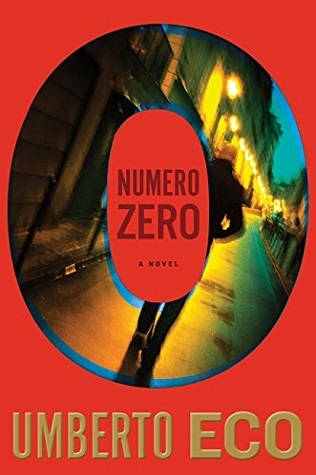
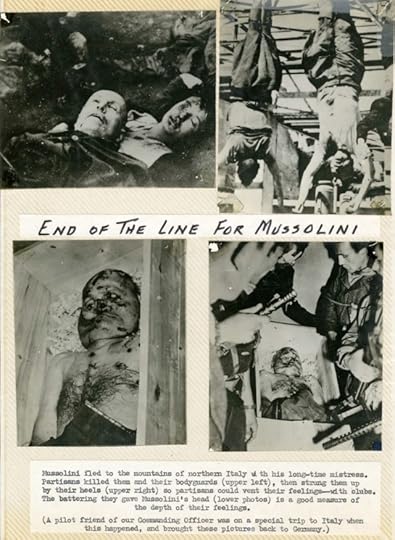
From the best-selling author of "The Name of the Rose" and "The Prague Cemetery, " a novel about the murky world of media politics, conspiracy, and murder A newspaper committed to blackmailandmud slinging, rather than reporting the news. A paranoid editor, walking through the streets of Milan, reconstructing fifty years of history against the backdrop of a plot involving the cadaver of Mussolini's double. The murder of Pope John Paul I, the CIA, red terrorists handled by secret services, twenty years of bloodshed, andevents that seem outlandish until the BBC proves them true. A fragile love story between two born losers, a failed ghost writer, and a vulnerable girl, who specializes in celebrity gossip yet cries over the second movement of Beethoven s Seventh. And then a dead body that suddenly appears in a back alley in Milan. Setin 1992 and foreshadowingthe mysteries and follies of the following twenty years, "Numero Zero"is ascintillating take on our times from the best-selling author of"The Name of the Rose"and"Foucault's Pendulum.""
Umberto Eco was an Italian medievalist, philosopher, semiotician, novelist, cultural critic, and political and social commentator. In English, he is best known for his popular 1980 novel The Name of the Rose, a historical mystery combining semiotics in fiction with biblical analysis, medieval studies and literary theory, as well as Foucault's Pendulum, his 1988 novel which touches on similar themes.
Eco wrote prolifically throughout his life, with his output including children's books, translations from French and English, in addition to a twice-monthly newspaper column "La Bustina di Minerva" (Minerva's Matchbook) in the magazine L'Espresso beginning in 1985, with his last column (a critical appraisal of the Romantic paintings of Francesco Hayez) appearing 27 January 2016. At the time of his death, he was an Emeritus professor at the University of Bologna, where he taught for much of his life. In the 21st century, he has continued to gain recognition for his 1995 essay "Ur-Fascism", where Eco lists fourteen general properties he believes comprise fascist ideologies.