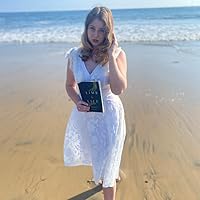
A profound and deeply personal exploration of pain, the body and loss by the beloved author of Bluets and The Argonauts.
This is a dreamlike portrait of a body in struggle to connect with itself and others. As the narrator contends with chronic pain, and with a pandemic raging in the background, she sets out to examine the literal and symbolic role of the mouth in the life of a writer.
Pathemata recounts the narrator’s tragicomic search to alleviate her suffering, a search that eventually becomes a reckoning with various forms of loss – the loss of intimacy, the loss of her father and the loss of a pivotal friend and mentor. In exacting, distilled prose, her account blurs the lines between embodied, unconscious and everyday life.
I do love Maggie Nelson. I really, truly, do. And Pathemata is not a mediocre book by any standards, with its dealing with so many crucial topics of our contemporary society.
However, it is a below-standard book for Nelson. It's not its brevity, we're used to it, it's the impression that at this point, because of Nelson's undeniably sharp intelligence and empathetic, analytical mind, everything that she writes becomes a book no matter what.
This is not a book, it's a dreamlike recollection of moments in the vein of her previous Bluets, but far less cohesive in its scope, and more uncooked.
We need Maggie Nelson more than ever, and I'm glad she's publishing everything that her heart desires, because no matter what she's one of the most relevant, sharp and wildly intelligent writers we have. However, and not out of excessive fastidiousness but out of intellectual honesty, we need to admit it when a book looks more like a collection of abandoned notes than a cohesive work. Acritical adoration wouldn't do her any good either.
3.5 my first maggie nelson! i can’t believe i haven’t got around to reading her work before now, because her writing style is exactly up my street. from reading this we seem to have a few things in common - dealing with chronic pain, being sent to speech therapy as a child for talking too fast (a habit i still have so it clearly didn’t work). excited to read more of her books after this!
Wow wow wow! Maggie Nelson is it. I love her. I love this. It feels very similar to Bluets in some ways but from a more grown up point of view. Nelson's writing is dreamy while also being incredibly grounded and cuts through me like a knife.
Henkilökohtainen suru- ja kipukirja pandemian, ystävän kuoleman ja kroonisen kivun keskeltä. Nelsonin kenties henkilökohtaisin teos, kaunis, surrealistinen, ihanan vino uni-, kipu- ja menetyspäiväkirja. Rakastin.
wat was dit? een koortsdroom die nergens heen ging? een gigantische zonde van het schrijf- en denktalent van Maggie Nelson? hoe uitermate wereldvreemd en toondoof was dit “boek” me. jammer jammer jammer.
Luin Pathematan yhdeltä istumalta Berliinin Vabali-kylpylässä vietetyn lomapäivän aikana. Se oli juuri oikea tapa uppoutua hetkeksi tähän lyhyeen, briljanttiin kirjaan. Pathemata tarkoittaa kärsimystä, kipua, ja Nelson pureutuukin tässä kirjassa omaan krooniseen leukakipuunsa ja kahteen mahdottomuuteen; mahdottomuuteen saada siihen apua ja toisaalta kirjoittaa siitä niin, että kokemus välittyisi. Jo Virginia Woolf kirjoittaa tästä mahdottomuudesta, ”kieli kuivuu” kivun edessä (On being ill, löytyy Kiitäjän kuolema -esseekokoelmasta suomennettuna). Leukakivun lisäksi kirjailijan elämässä tapahtuu/on tapahtumatta paljon muutakin; pandemia muuttaa elämän, parisuhde on ilmeisissä vaikeuksissa, lapsi kasvaaa (ja käy etäkoulua), rakas ystävä kuolee, isän kuolema on käsittelemättä.
Kappaleissa vuorottelevat reaalielämän tapahtumat, haasteet ja mietelmät ja unikuvat, jotka jonkun muun kirjoittamana vaivaannuttaisivat ja väsyttäisivät, mutta Nelson näyttää nerokkaasti, miten unet ovat ja miten niistä tulee luovan prosessin materiaalia. Kroonisen kivun kuvaus ja hoitomenetelmien etsimisen epätoivo on kirjoitettu kauniisti, monipuolisesti ja ymmärtävästi. Väärät profeetat saavat osansa - lääkärinä tätä oli kiehtovaa lukea, ja erityisen ilahtunut olin siitä, miten selkeästi Nelson asettuu tutkitun tiedon ja tieteeseen perustuvan lääketieteen kannalle (sanomatta suoraan tästä asiasta mitään).
Yhden tähden menetys lyhyydestä; Argonauteista alkaen olen toivonut, että Nelson palaisi autofiktiivisen kirjoittamisen pariin, ja vaikka olen nauttinut puhtaamman filosofisista teoksista valtavasti, olisin lukenut tätä kymmenen kertaa pidempään. Toivottavasti kirja suomennetaan pian.
I love intelligent women and I will just keep loving Maggie Nelson’s writing style. We all know by now that I like dream-like writing, so this had potential to be right up my street and it was.
I read the full thing out loud to myself all in one go, and I think that really helped me emerge, understand and feel a bit more than I maybe usually would.
(4.5) always a pleasure to revisit maggie nelson’s life and work! i’ve read enough of her books at this point to feel like i’m returning to the life of a friend.
pathemata is a story of chronic pain and the exhausting journey of trying to find a diagnosis, an answer, or any sort of relief while also trying to raise her child during the pandemic. she also writes about her unstable relationship with her partner and the tragic and sudden death of a close friend. it’s not necessarily an easy read, but a beautiful one, for sure.
this book, like most of her work, is experimental in its structure: formatted in verse, nonlinear, memoir-esque in tone. however, it is unique from her other works in that it includes dreams and nightmares without distinguishing them from her reality. i found this to be a striking representation of how chronic pain infiltrates all aspects of our lives, even while unconscious.
Maybe it’s the books I’ve read in the last year, but I’m struck by how lonely all the authors are. The constant effort to know yourself, the changing of your body and your mind. Unsurprisingly, my takeaway: that talking is the only relief.
“He laughs, ‘So you’re telling me your next book is going to be about your dishwasher? It had sounded potentially interesting in the privacy of my mind; in his mouth, in this mirthful eatery, it sounds like the story of a mom with a sponge, a fun sponge. As I cycle through my shame – visible, as always, on my face – I realise that the magic isn’t in the dishwasher – it’s in the bloodjet, the mortifying abundance of telling. It’s just like Freud’s theory of dreams – it’s not the dream that matters, it’s the telling of the dream – the words you choose, the risks you take in externalising your mind.”
Thank you to the publisher for the advance proof copy.
Maggie Nelson always astounds me with the sheer clarity of her writing; this book weaves dreams and realities so deftly that I felt entranced by each entry in this diary of pain. There is something so enjoyable about Nelson’s emphatically strong writing style, and Pathemata is no exception, being both intellectually and emotionally moving and stimulating.
i can’t really imagine reading and loving this if i was not such a nelson fan, aware of the shape of her life and how this story fits into it from previous autobiography. and yet, i am, and i did read and love this
Finally a Maggie Nelson book I didn't enjoy! She writes as beautifully as ever – on pain, loss, betrayal, alienation, the pandemic – but never quite manages to tie it together. All that suffering and only this to show for it...
goodreads please add half stars to your rating system! this is not a three but not quite a four. anyway. a rumination on pain that flows between fantasy and reality. in this way, it felt kindred to bluets. however, bluets succeeds where this struggles: bluets is limited and precise, whereas pathemata has a lot to say about a lot of things. that could owe to the subject matter itself: pain and suffering are everywhere, effervescent, and consequently inscrutable.
Egal was Maggie Nelson schreibt, es ist immer gut, klug, wohlüberlegt - aber hier einfach nicht kohärent genug. Ich konnte ganz oft nicht interscheiden, was Traum ist und was echt, und zwar so, dass es mein Leseerlebnis bis zum Unverständnis zerklüftet hat. Es ist zu wenig verdichtet, und es fällt auseinander.
i initially struggled with the stream of conscious narrative style but i let myself get carried by her words and i am so glad i saw it till its end. so much about pain (physical and mental) is us being fixated on it and not enjoying the moments we have had before, after but especially between that pain- we always get a chance for relief
this was very good! it really felt like perhaps a sequel to the argonauts in some ways? everything of maggie nelson's that i've read has been incredible, i read this in one sitting and felt so engaged with it the whole time. it's written in a way that the shocking bits really are shocking, and the sad bits are harrowing, and the mundane bits are exciting. highly reccomend.