What do you think?
Rate this book


336 pages, Paperback
First published January 1, 1955
The Issa Valley has the distinction of being inhabited by an unusually large number of devils. It may be that the hollow willows, mills, and thickets lining the riverbanks provide a convenient cover for those creatures who reveal themselves only when it suits them. Those who have seen them say that the devil is rather short, about the size of a nine-year-old; that he wears a green frock coat, a jabot, his hair in a pigtail, white stockings, and tries to conceal his hoofs, which are an embarrassment to him, with high-heeled slippers.
After Thomas’s miraculous escape, she indulged him more than ever, taking from her trunk – which seemed to contain an inexhaustible store of treasure – a slender box full of watercolors and a paintbrush. His first painting was of a bullfinch, the reason being that bullfinches – they were forever husking seeds in the bushes by the house – were a big splotch of red, tinged with streaks of blue, gray, and black.
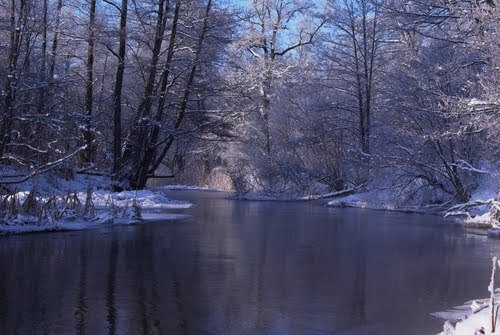
The Issa River

One can easily imagine a parliamentary session being convened in caverns deep inside the earth, so deep that it is warmed by the fires of the earth's molten center. The session is attended by hundreds of thousands of tiny devils in frock coats, who listen solemnly to speakers representing the Central Committee of Infernos. The speakers announce that, in the interest of the cause, all dancing in the forests and meadows will have to cease; that from now on, highly qualified specialists will have to operate in such a way that the minds of mortals will never suspect their presence. There is applause but it is strained, for those present realize that they were necessary only during the preparatory stage, that progress has consigned them to gloomy chasms, and that they will never again witness the setting of the sun, the flight of kingfishers, the glitter of stars, and all the other wonders of the uncircumscribable earth.
What else was there to say? He had been born, he would die, and he would have to bear his burden. Priest or rabbi- it was the same old rigmarole, never getting to the heart of it... Now, if a giant head were to peer out from behind the horizon and huff and puff and suck up everything in one furious rush of air... But nothing doing. So why should he be sore at the Jew? He was just a man, no better and no worse... But show me the man who could do something. A man could have his guts torn apart, could ache like hell, and here they'd come, preaching their words of comfort, blah-blah-blah, the same with all their machines, inventions... But they didn't know anything except "he was born and he died."
Tomui sukako trylika metų, ir jis padarė atradimą: po didelio sielvarto paprastai ateina didelis džiaugsmas, o tuomet žmogus užmiršta, kaip atrodė pasaulis, kai nebuvo to džiaugsmo. (p. 230)
Jei būtų galima vieną akimirką sustabdyti tai, kas vyksta visur, sustingdyti ir pažiūrėti į viską kaip stikliniame rutulyje, atplėšus nuo būtos ir būsimos akimirkos, jei būtų galima laiko liniją pakeisti erdvės okeanu. Ne. (p. 221)
O išpažintis bažnyčioje Tomo netraukė. Jam buvo nemalonus sąžinės perkratinėjimas pagal maldaknygėje surašytus klausimus, į kuriuos reikia atsakyti taip ar ne, tačiau ten praleisti svarbiausi dalykai. Jis savyje nešiojosi kaltę, kuri buvo vientisa, bendra ir nedaloma į atskiras nuodėmes.
Dieve, padaryk, kad aš būčiau toks kaip kiti, - meldėsi Tomas, o demonai klausėsi ištempę ausis ir svarstė, kaip elgtis toliau. Padaryk taip, kad aš mokėčiau gerai šaudyti ir niekuomet neužmirščiau, jog nusprendžiau būti gamtininkas ir medžiotojas. Pagydyk mane nuo tos bjaurios ligos (toje vietoje sunku tvirtai pasakyti, ar Isos pakrančių demonai neprapliupo negirdimu juoku, mat reikia turėti galvoje, kad dauguma jų žemo lygio). Leiski man suprasti - tada, kai teiksiesi mane apšviesti, - Tavąjį pasaulį. Tokį, koks jis yra iš tikrųjų, o ne tokį, kaip man rodosi (demonai paniuro, kadangi dalykas vis dėlto buvo rimtas). (p. 209)
Bronelė Ritter, su dviem gelsvom kasytėm, gaudanti ant lango stiklo drugelį ir ketinanti jį išleisti laukan, žvelgė į vakaro šešėlius, nusidriekusius per lubas, ir dvi jos žilų plaukų sruogos gulėjo ant pagalvio. (p. 150)
Senelė padovanojo jai iš koralų padarytą kryželį, kurio viduryje buvo mažas langelis. Priglaudęs ten akį, įžiūri kambarį, kuriame kaip tik vyksta Paskutinė Vakarienė. Jėzus laužia duoną, ir nežemiški spinduliai pindamiesi sklinda iš jo kaktos, o toliau matyti suskeldėjusios sienos. Dideli ir maži dalykai susilygina: tasai žvilgsnis į koralą su šviesesnėmis gyslelėmis; nuvargęs moters balsas anksti rytą: "Sūnus!"; girgždančios rogių pavažos, erdvės baimė; Kristaus judesiai, kurie ne buvo, o yra; laiko santrumpa, nieko jau nebeskaičiuoja nei laikrodis, nei klepsidroje byrantis smėlis. Lūpos neturi jėgų prasiverti, ir pagalba ateina iš ten, iš išorės: paplotėlis prie liežuvio, atsiveria koralas, ir ji sumažėjusi įeina ten, priešais stalą, o Jėzus pats savo rankomis paduoda jai pusę perlaužtos riekės. Toli toli, kitame krašte, guli jos kojos, kurias liečia kunigas Monkevičius, - platus, didelis artojų, šienpjovių sūnaus bei anūko pirštas patepa jos odą aliejais. (p. 173)
Krapštinėdamas nosį (tai padeda rudeniniams apmąstymams) Tomas pirmąsyk galvojo apie močiutę Misią kaip apie asmenybę ir ėmė griežtai ją vertinti. Ji baisi egoistė, nieko nemyli, išskyrus save. Tačiau kada jau šitaip pasakė, - keistas daiktas - ėmė rastis įvairiausių abejonių. Nes vėlgi: užtenka tik pasižiūrėti į ją, ir matai, kokia ji patenkinta savo sulenktais keliais, ta duobute pagalvyje, kaip ji pasineria į save - nelyginant į jaukią pūkų antklodę (močiutę Misią Tomas jautė iš vidaus, arba jam tik taip atrodė, kad jaučia). O ir jis pats - argi nėra į ją panašus? Argi ir jam, kaip močiutei, nėra užvis maloniausia uostyti savo odą, gūžtis į kamuoliuką, mėgautis tuo, jog jis - tai jis? Ir tada - dėkingumas Viešpačiui Dievui ir malda. Tačiau ar neslypi čia kokia nors apgaulė? Močiutė Misia pamaldi. Gerai, bet, po teisybei, argi ne sau ji meldžiasi? Sakoma - Dievas. O jeigu tai tik meilė sau pačiam, bet kitu apdaru, kad gražiau išrodytų, nes, tiesą sakant, ką gi mes mylime? Savo kūno šilumą, galbūt savo širdies plakimą, apsivyniojimą antklode.
Niekas nepasakys, kad demonai nėra gudrūs. Koks malonus laimikis - atimti iš Tomo pasitikėjimą savo vidiniu balsu, atimti jam ramybę, apeliuojant į jo jautrią sąžinę. Tuomet jis jau nebegalės kreiptis į Dievą, prašydamas apšviesti jam protą. Nebegalės taip pat pulti prieš Dievą ant kelių, nes galvos, jog klaupiasi prieš save patį. Tomas norėjo atsiduoti Tikrojo globai, Jo, o ne miglos, kuri kyla virš mūsų, misdama visu tuo, kas yra mūsų viduje. Ir kai po pasninko šiek tiek primiršo savo kančias ir širdperšą, kai susilaukė keletos palaimingų rytmečių, tuo pat ir vėlei pajuto, kaip jam iš po kojų sprūsta tvirtas pamatas. Trynė nuo stiklo miglą, o jam per skruostus tekėjo vienišumo ašaros.
Tuo tarpu močiutė Misia kasdien apyaušriu skendėdavo savo saldžioj palaimoj, ir jai net į galvą neateidavo, kad kas nors galėtų tuo piktintis. (p. 214-215)
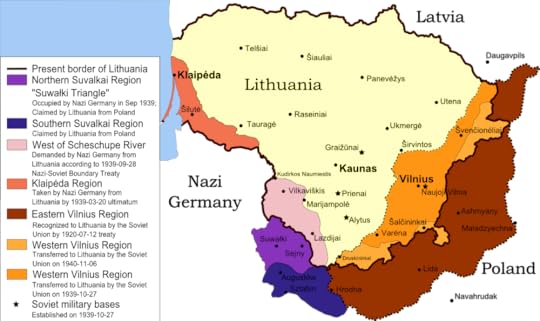
 The place is Poland, but the part of Poland that was formerly the nation of Lithuania.