

What do you think?

Lakota Woman #1
Lakota Woman
The bestselling memoir of a Native American woman's struggles and the life she found in "courageous, impassioned, poetic and inspirational" (Publishers Weekly).
Mary Brave Bird grew up on the Rosebud Indian Reservation in South Dakota in a one-room cabin without running water or electricity. With her white father gone, she was left to endure "half-breed" status amid the violence, machismo, and aimless drinking of life on the reservation. Rebelling against all this--as well as a punishing Catholic missionary school--she became a teenage runaway.
Mary was eighteen and pregnant when the rebellion at Wounded Knee happened in 1973. Inspired to take action, she joined the American Indian Movement to fight for the rights of her people. Later, she married Leonard Crow Dog, the AIM's chief medicine man, who revived the sacred but outlawed Ghost Dance.
Originally published in 1990, Lakota Woman was a national bestseller and winner of the American Book Award. It is a story of determination against all odds, of the cruelties perpetuated against American Indians, and of the Native American struggle for rights. Working with Richard Erdoes, one of the twentieth century's leading writers on Native American affairs, Brave Bird recounts her difficult upbringing and the path of her fascinating life.
Mary Brave Bird grew up on the Rosebud Indian Reservation in South Dakota in a one-room cabin without running water or electricity. With her white father gone, she was left to endure "half-breed" status amid the violence, machismo, and aimless drinking of life on the reservation. Rebelling against all this--as well as a punishing Catholic missionary school--she became a teenage runaway.
Mary was eighteen and pregnant when the rebellion at Wounded Knee happened in 1973. Inspired to take action, she joined the American Indian Movement to fight for the rights of her people. Later, she married Leonard Crow Dog, the AIM's chief medicine man, who revived the sacred but outlawed Ghost Dance.
Originally published in 1990, Lakota Woman was a national bestseller and winner of the American Book Award. It is a story of determination against all odds, of the cruelties perpetuated against American Indians, and of the Native American struggle for rights. Working with Richard Erdoes, one of the twentieth century's leading writers on Native American affairs, Brave Bird recounts her difficult upbringing and the path of her fascinating life.
290 pages, Kindle Edition
First published January 1, 1990
About the author
Mary Crow Dog
8 books95 followersBorn Mary Ellen Moore-Richard in 1954 on the Rosebud Indian Reservation, South Dakota, she was a member of the Sicangu Oyate, also known as the Burnt Thighs Nation or Brulé Band of Lakota. She was raised primarily by her grandparents while her mother studied in nursing school and was working.
Brave Bird was the author of two memoirs, Lakota Woman (1990) and Ohitika Woman (1993). Richard Erdoes, a long-time friend, helped edit the books. Lakota Woman was published under the name Mary Crow Dog and won the 1991 American Book Award. It describes her life until 1977. Ohitika Woman, published under the name Mary Brave Bird, continues her life story.
Her books describe the conditions of the Lakota Indian and her experience growing up on the Rosebud Indian Reservation in South Dakota, as well as conditions in the neighboring Pine Ridge Indian Reservation under the leadership of tribal chairman Richard Wilson. She also covers aspects of the role of the FBI, the U.S. Bureau of Indian Affairs and the treatment of the Native Americans and their children in the mid-1900s. Her work focuses on themes of gender, identity, and race.
Brave Bird was the author of two memoirs, Lakota Woman (1990) and Ohitika Woman (1993). Richard Erdoes, a long-time friend, helped edit the books. Lakota Woman was published under the name Mary Crow Dog and won the 1991 American Book Award. It describes her life until 1977. Ohitika Woman, published under the name Mary Brave Bird, continues her life story.
Her books describe the conditions of the Lakota Indian and her experience growing up on the Rosebud Indian Reservation in South Dakota, as well as conditions in the neighboring Pine Ridge Indian Reservation under the leadership of tribal chairman Richard Wilson. She also covers aspects of the role of the FBI, the U.S. Bureau of Indian Affairs and the treatment of the Native Americans and their children in the mid-1900s. Her work focuses on themes of gender, identity, and race.
Ratings & Reviews
Friends & Following
Create a free account to discover what your friends think of this book!
Community Reviews
Displaying 1 - 30 of 576 reviews

May 18, 2015
When I was a small girl at the St. Francis Boarding School, the Catholic sisters would take a buggy whip to us for what they called "disobedience. " At age ten I could drink and hold a pint of whiskey. At age twelve the nuns beat me for "being too free with my body." All I had been doing was holding hands with a boy. At age fifteen I was raped. If you plan to be born, make sure you are born white and male.
The above paragraph appears on the very second page of Mary Crow Dog’s memoir, Lakota Woman. In a sense, it encapsulates the whole tale.
I do not know when I came across the term ‘subaltern’: most probably it was in the eighties, in a book dealing with Dalit issues in India. This term, popularised by the Subaltern Studies Group of South Asian scholars, is derived from the Italian communist Antonio Gramsci. Wikipedia says “In critical theory and postcolonialism, subaltern refers the populations that are socially, politically and geographically outside of the hegemonic power structure of the colony and of the colonial homeland.” In simple terms, they are people on the margins of the book which describes great colonial epic of civilisation.
We have many such people scattered all over the world: people who have been choked by a much more powerful occupier, pushed along to the fringes of society, and forced to eke out a meagre existence. The American Indians (or Native Americans, as they are called now) are such a people. Until fairly recently, the world as a whole did not know much about them, other than as bloodthirsty savages who rode about with painted faces, let out bloodcurdling shrieks, kidnapped and raped women and tortured men to death – a fiction perpetrated by Western movies and novels. They were the demons – the ‘Injuns’ – whom the ‘brave’ cowboys killed.
I awoke from this myth engendered by the Spaghetti Westerns once I started reading history, and learnt reality was the opposite of what was shown in the movies – the red man was brave, honourable and peaceful; the white man was cowardly, cunning and rapacious. The creation of America was actually a tragedy of gargantuan proportions for the original inhabitants of the continent. For them, the so-called ‘American Dream’ is a never-ending nightmare.
***

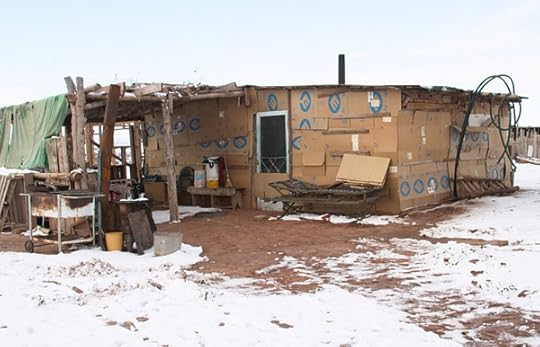
Mary Crow Dog was born piss-poor on the Rosebud Reservation in South Dakota. As with many Indian families, her father was a wastrel who did not take care of his family: she was raised by her grandparents. Mary grew up experiencing racism in its every form. The Indians were openly despised by the white people, and in those days, they did not need to hide it. Their traditional style of living destroyed, their men caught in the vicious circle of drink and despondency, and their women open to exploitation of all forms, the original inhabitants of the land were on a fast downward spiral to oblivion.
The ‘civilising’ forces were at work on all fronts. Denied land and justice, Indians were supplied with the one thing that the white man had in abundance – religion. The traditional religions were all but outlawed, and Christianity was being forced down the throats of the natives. Mary too was born a Catholic; she had the ‘fortune’ to attend a boarding school run by nuns, whose motto was “civilise them with a stick”.
It is almost impossible to explain to a sympathetic white person what a typical old Indian boarding school was like; how it affected the Indian child suddenly dumped into it like a small creature from another world, helpless, defenseless, bewildered, trying desperately and instinctively to survive and sometimes not surviving at all. I think such children were like the victims of Nazi concentration camps trying to tell average, middle-class Americans what their experience had been like…
…The kids were taken away from their villages and pueblos, in their blankets and moccasins, kept completely isolated from their families-sometimes for as long as ten years-suddenly coming back, their short hair slick with pomade, their necks raw from stiff, high collars, their thick jackets always short in the sleeves and pinching under the arms, their tight patent leather shoes giving them corns, the girls in starched white blouses and clumsy, high-buttoned boots-caricatures of white people. When they found out-and they found out quickly-that they were neither wanted by whites nor by Indians, they got good and drunk, many of them staying drunk for the rest of their lives.
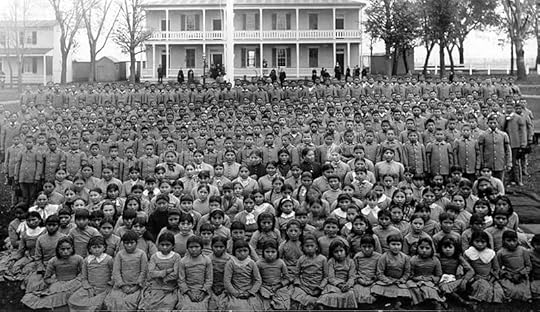
In the school, the Indian children were submerged into a world dominated by guilt and sin. They were made to feel guilty about their bodies and bodily cravings – everything was viewed through the red lens of sin (maybe because the sisters were so steeped in it, to hear it the way Mary tells it) and even the smallest digressions invited severe chastisements.
The kids tried to run away, frequently: they were almost always immediately caught and brought back to the school, and subjected to corporeal punishment. The nuns thought nothing of bending teenaged girls over chairs, lifting their skirts, and whipping them mercilessly with straps – the same treatment was meted out to boys by the male teachers.
Spirited Mary (and many others like her, including her sister Barbara) rebelled. Mary left without completing her course, after punching a priest in the face. Like countless times in history, the desire of the authorities to enforce discipline without justice had created a revolutionary.
***
People talk about the "Indian drinking problem, " but we say that it is a white problem. White men invented whiskey and brought it to America. They manufacture, advertise, and sell it to us. They make the profit on it and cause the conditions that make Indians drink in the first place.
A dropout from school with no aim in life, Mary started drinking and hanging out with similar shiftless youths. A lot of her time was spent in fighting: because, according to her, drinking does not help one forget; rather one remembers “all the old insults and hatreds, real and imagined”. So the next thing to do is pick a fight – and there are always white rednecks who oblige. And the fights are often violent.
I have often thought that given an extreme situation, I'd have it in me to kill, if that was the only way. I think if one gets into an "either me or you" situation, that feeling is instinctive. The average white person seldom gets into such a corner, but that corner is where the Indian lives, whether he wants to or not.
Mary recounts various crimes against Indians, often repeatedly, in her memoir. Her aunt, the powerful ‘turtle woman’, who was found beaten to death in her home, face down with weeds in her hair; Annie Mae Aquash, an activist who was raped and murdered and whose death was reported as natural, from exposure; Indian men were killed and women were raped by white men with impunity, while even the smallest protest by an Indian resulted in arrest and incarceration. The system thus succeeded in criminalising a peaceful people; then prosecuting them for their criminal activities.
The thing to keep in mind is that laws are framed by those who happen to be in power and for the purpose of keeping them in power. That goes for the U. S. A. as well as for Russia or any other country in the world .
Ultimately, the alleged criminality of Indians became a self-fulfilling prophecy. Mistreated by a monstrous system whom they could not confront head on, Native American youth became spit-and-run warriors: a spot of vandalism here, an incident of shoplifting there… Mary says that they did not consider pilferage from shops as theft, because they were only re-appropriating what is theirs by right. And so it would have gone on, unless she had discovered AIM (the American Indian Movement) and literally found an aim in life.
***
The major part of this memoir is structured around a specific event in the history of Native American awakening – the 1973 occupation of Wounded Knee town by a group of AIM members, and their subsequent standoff with the FBI and US Marshalls. This is significant to Mary for two reasons, one political and the other personal – this was the first Indian movement which received massive media coverage and broadcast the condition of the Native American population to the world: and this was where Mary met her husband, Leonard Crow Dog, and gave birth to her first child among the flying bullets.
Wounded Knee, to the American Indian, is a sacred place. It holds the same place of awed reverence that Jallianwala Bagh holds in the mind of Indians. It was here that the U. S. Cavalry massacred over 200 people including children, Lakota Indians who had gathered there to perform the “Ghost Dance” that the government had outlawed. Here’s one telling image from the massacre, as told to Mary by her grandfather:
It was only two miles or so from where Grandfather Fool Bull stood that almost three hundred Sioux men, women, and children were slaughtered. Later grandpa saw the bodies of the slain, all frozen in ghostly attitudes , thrown into a ditch like dogs. And he saw a tiny baby sucking at his dead mother's breast.
The second time around, however, the activists who occupied Wounded Knee were not so many lambs to the slaughter – they were a people who were slowly awakening to their essential mythic roots.
"Our most sacred altar is this hemisphere, this earth we're standing on, this land we're defending. It is our holy place, our green carpet. Our night light is the moon and our director, our Great Spirit, is the sun."
The words above are from a prayer by Leonard Crow Dog, and pretty much sums up what motivated the Indians.
The Wounded Knee incident had its beginnings during the “Trail of Broken Treaties protests in the autumn of 1972, when Native Americans from all over the U.S. A converged on Washington to protest against injustices done to their community. But President Nixon refused to talk; as Mary says sarcastically, maybe he had more important things to do like planning Watergate. So what in effect was planned as a peaceful protest became a full-fledged uprising, and the Indians occupied the BIA (Bureau of Indian Affairs). There was standoff with government forces, forcing a negotiated settlement which was subsequently ignored – predictably. But it was huge moral victory for the Indians. And it indirectly led to the more acrimonious one at Wounded Knee.
Since 1934, Native Americans were governed by titular “tribal” governments – who were virtual lackeys of the bureaucrats at the BIA. This system lead to the creation of tribal presidents who were corrupt and tyrannical, and who staffed their governments with friends and lackeys. According to Mary, President Dicky Wilson of Pine Ridge was one of the worst.
Following the explosive situation created after the killing of an Indian by a white man in Rapid City, AIM teamed up with OSCRO (Oglala Sioux Civil Rights Organization). One of the AIM leaders, Russell Means, an Oglala Sioux, was the political enemy of President Wilson, who once had him severely beaten up. AIM members from all over America travelled to Pine Ridge to help OSCRO against Wilson’s goons, and after a time, all of them wound up at Wounded Knee. It was time for the Great Symbolic Act.
"Finally, on February 27 , 1973 , we stood on the hill where the fate of the old Sioux Nation, Sitting Bull's and Crazy Horse's nation, had been decided, and where we, ourselves, came face to face with our fate. We stood silently, some of uswrapped in our blankets, separated by our personal thoughts and feelings, and yet united, shivering a little with excitement and the chill of a fading winter. You could almost hear our heartbeats.
…Altogether we had twenty-six firearms-not much compared to what the other side would bring up against us. None of us had any illusions that we could take over Wounded Knee unopposed. Our message to the government was: "Come and discuss our demands or kill us!" Somebody called someone on the outside from a telephone inside the trading post. I could hear him yelling proudly again and again, "We hold the Knee!"

The siege went on for seventy-one days, and left behind two dead Indians. Nothing much again was achieved in concrete terms: but what it achieved in metaphorical terms was enormous. The wide media coverage turned the spotlight on Native American issues; more importantly, it allowed the Indian to look inside, and see himself for what he really was.
Mary says, “I was then white outside and red inside, just the opposite of an apple.” This was the case with most Indians. The Wounded Knee incident brought the redness out. Leonard Crow Dog was not a political leader, but a spiritual one: for this reason, he was feared more by the authorities, and persecuted.
He could not understand why the government was after him. He did not consider himself a radical. He was not interested in politics. He never carried a gun. He thought himself strictly a religious leader, a medicine man. But that was exactly why he was dangerous. The young city Indians talking about revolution and waving guns find no echo among the full-bloods in the back country. But they will listen to a medicine man, telling them in their own language: "Don't sell your land, don't sell Grandmother Earth to the strip-mining outfits and the uranium companies. Don't sell your water." That kind of advice is a threat to the system and gets you into the penitentiary.
This was the reason why the British Raj feared Gandhi and the South African apartheid establishment feared Mandela.
***
In the memoir, the most effective part is where Mary describes her awakening into her religion. The smoking of the peyote, a hallucinogenic plant which is an integral part of Native American Rituals; the Sun Dance, where the participants pierce themselves but feel no pain; the music which is derived from nature, which the Indian is almost part of… these are described in words which are almost poetry.
The words we put into our songs are an echo of the sacred root, the voices of the little pebbles inside the gourd rattle, the voices of the magpie and scissortail feathers which make up the peyote fan, the voice from inside the water drum, the cry of the water bird. Peyote will give you a voice, a song of understanding, a prayer for good health or for your people's survival.
---
The peyote staff is a man. It is alive. It is, as my husband says, a "hot line" to the Great Spirit. Thoughts travel up the staff, and messages travel down. The gourd is a brain, a skull, a spirit voice. The water drum is the water of life. It is the Indians' heartbeat. Its skin is our skin. It talks in two voices-one high and clear, the other deep and reverberating. The drum is round like the sacred hoop which has no beginning and no end. The cedar's smoke is the breath of all green, living things, and it purifies, making everything it touches holy. The fire, too, is alive and eternal. It is the flame passed from one generation to the next. The feather fan is a war bonnet. It catches songs out of the air.
And it is in a Peyote dream that the past comes alive for Mary.
In my dream I had been going back into another life. I saw tipis and Indians camping, huddling around a fire, smiling and cooking buffalo meat, and then, suddenly, I saw white soldiers riding into camp, killing women and children, raping, cutting throats. It was so real, much more real than a movie sights and sounds and smells: sights I did not want to see, but had to see against my will; the screaming of children that I did not want to hear, but had to all the same. And the only thing I could do was cry. There was an old woman in my dream. She had a pack on her back-I could see that it was heavy. She was singing an ancient song. It sounded so sad, it seemed to have another dimension to it, beautiful but not of this earth, and she was moaning while she was singing it. And the soldiers came up and killed her. Her blood was soaked up by the grass which was turning red. All the Indians lay dead on the ground and the soldiers left. I could hear the wind and the hoofbeats of the soldiers' horses, and the voices of the spirits of the dead trying to tell me something. I must have dreamed for hours. I do not know why I dreamed this but I think that the knowledge will come to me some day. I truly believe that this dream came to me through the spiritual power of peyote.
This awakening is dangerous: because it cannot be lulled back to sleep with the promise of material comforts. No intoxication provided by alcohol will match the intoxication of the spirit connected to its origin across space and time. For the Native American religion is live: its myth is forever being re-enacted on the temporal as well as spiritual plane.
The hostility of the Christian churches to the Sun Dance was not very logical. After all, they worship Christ because he suffered for the people, and a similar religious concept lies behind the Sun Dance, where the participants pierce their flesh with skewers to help someone dear to them. The main difference, as Lame Deer used to say, is that Christians are content to let Jesus do all the suffering for them whereas Indians give of their own flesh, year after year, to help others. The missionaries never saw this side of the picture, or maybe they saw it only too well and fought the Sun Dance because it competed with their own Sun Dance pole-the Cross.
The Church is afraid with good reason, it seems.
Mary Crow Dog, who symbolically gave birth on the battlefield of Wounded Knee and married the medicine man behind that uprising is no longer with us here on earth. However, I do not think people like her will ever die, as long as the magpie cries in the forest or the brook runs, with her gentle laughter, over the plains.

I pierced too, together with many other women. One of Leonard's sisters pierced from two spots above her collarbone. Leonard and Rod Skenandore pierced me with two pins through my arms. I did not feel any pain because I was in the power. I was looking into the clouds, into the sun. Brightness filled my mind. The sun seemed to speak: "I am the Eye of Life. I am the Soul of the Eye. I am the Life Giver! " In the almost unbearable brightness, in the clouds, I saw people. I could see those who had died. I could see Pedro Bissonette standing by the arbor and, above me, the face of Buddy Lamont, killed at Wounded Knee, looking at me with ghostly eyes. I saw the face of my friend Annie Mae Aquash, smiling at me. I could hear the spirits speaking to me through the eagle-bone whistles. I heard no sound but the shrill cry of the eagle bones. I felt nothing and, at the same time, everything. It was at that moment that I, a white educated half-blood, became wholly Indian. I experienced a great rush of happiness. I heard a cry coming from my lips:
Ho Uway Tinkte.
A Voice I will send .
Throughout the Universe,
Maka Sitomniye,
My Voice you shall hear:
I will live!

January 13, 2021
Read this in college for an American literature class. It was the first book I'd read by a Native American, and it was the first time I thought about the Indigenous outside of the history books I'd been given in high school which probably only had a chapter or two about them.
The original people of this continent went from being intangible to someone in my timeline and someone I could imagine in front of me, speaking with me, laughing with me, crying with me. It sparked my interest in learning more about the many nations that make up the small groups left after the generations of colonialism genocide.
It was also the first time I'd considered generational trauma, and it made me more aware and compassionate of the collective experiences of my fellow students. I had a broader understanding of the baggage we all carry from generation to generation. This was the beginning of my world view growing up into who I am today.
The original people of this continent went from being intangible to someone in my timeline and someone I could imagine in front of me, speaking with me, laughing with me, crying with me. It sparked my interest in learning more about the many nations that make up the small groups left after the generations of colonialism genocide.
It was also the first time I'd considered generational trauma, and it made me more aware and compassionate of the collective experiences of my fellow students. I had a broader understanding of the baggage we all carry from generation to generation. This was the beginning of my world view growing up into who I am today.
May 2, 2007
I can't think of a book from which i've ever learned more. This book is raw, powerful and important.

August 30, 2012
Re-read 18 years later
I met, Mary Crow Dog, in 1994, at her book signing, in Phoenix, Arizona. I was impressed that Mary took the time to not only sign my book, but she wrote a note and drew a picture. Richard Erdoes accompanied Mary, and he also signed his name under Mary’s.
When I read Lakota Woman in 1994, I enjoyed what I learned about the Lakota Sioux Nation’s people, customs, and history. Re-reading the book in 2012, I read for a different purpose. I’m writing a historical novel, and need to validate any facts I might include in my book.
Lakota Woman is just as fascinating a read in 1994 as it was today. Mary grew up as a Lakota Sioux on the Pine Ridge Indian Reservation in South Dakota. Much like today, Pine Ridge was poverty stricken. Mary described her life, but she included other American Indians in her book.
She was raised in a one room shack, filled with many family members, with no amenities, much like camping. She described the daily life of Sioux women, and Sioux men, differentiating their roles. Ignorance was bliss for Mary, as she thought this was how everyone lived. She viewed her childhood as happy because she basically had love in her family. Domestic abuse was rampant in reservations, and there were dysfunctional families, as we call them today.
Indian children were sent to boarding school to ‘become white’, to shed their Indian ways and customs. The students were beaten and punished if they didn’t succeed in the daily attempts to change their traditional values. Mary left and became a street smart Sioux, she drank and shoplifted to survive.
As every teenager looked for something to be a part of, Mary joined the AIM (American Indian Movement). She was empathetic to her people and other Indian’s struggles and was hungry for knowledge. Mary shared the AIM events with her readers. Not all of it is pretty, by any means, but that is what is so fascinating. It’s a first-hand account of what American Indians suffered in the 1970’s.
Mary had a baby during the siege at Wounded Knee. Here she met her husband, Leonard Crow Dog; he was a medicine man and a leader, and also had children of his own. She was a naïve wife and mother, but she learned how to do both well and stood by her husband during his imprisonment and adversities during these tumultuous times.
The book includes sixteen photos that illustrate traditional customs, and put faces to names and places. Whether you read Lakota Woman to learn about the Lakota Sioux in general, or to obtain precise facts for your own research, it is the perfect book.
It is written on a young adult level, so it’s an easy read that any age would enjoy. It’s always fun to learn history through reading a story such as Lakota Woman vs. a textbook.
I met, Mary Crow Dog, in 1994, at her book signing, in Phoenix, Arizona. I was impressed that Mary took the time to not only sign my book, but she wrote a note and drew a picture. Richard Erdoes accompanied Mary, and he also signed his name under Mary’s.
When I read Lakota Woman in 1994, I enjoyed what I learned about the Lakota Sioux Nation’s people, customs, and history. Re-reading the book in 2012, I read for a different purpose. I’m writing a historical novel, and need to validate any facts I might include in my book.
Lakota Woman is just as fascinating a read in 1994 as it was today. Mary grew up as a Lakota Sioux on the Pine Ridge Indian Reservation in South Dakota. Much like today, Pine Ridge was poverty stricken. Mary described her life, but she included other American Indians in her book.
She was raised in a one room shack, filled with many family members, with no amenities, much like camping. She described the daily life of Sioux women, and Sioux men, differentiating their roles. Ignorance was bliss for Mary, as she thought this was how everyone lived. She viewed her childhood as happy because she basically had love in her family. Domestic abuse was rampant in reservations, and there were dysfunctional families, as we call them today.
Indian children were sent to boarding school to ‘become white’, to shed their Indian ways and customs. The students were beaten and punished if they didn’t succeed in the daily attempts to change their traditional values. Mary left and became a street smart Sioux, she drank and shoplifted to survive.
As every teenager looked for something to be a part of, Mary joined the AIM (American Indian Movement). She was empathetic to her people and other Indian’s struggles and was hungry for knowledge. Mary shared the AIM events with her readers. Not all of it is pretty, by any means, but that is what is so fascinating. It’s a first-hand account of what American Indians suffered in the 1970’s.
Mary had a baby during the siege at Wounded Knee. Here she met her husband, Leonard Crow Dog; he was a medicine man and a leader, and also had children of his own. She was a naïve wife and mother, but she learned how to do both well and stood by her husband during his imprisonment and adversities during these tumultuous times.
The book includes sixteen photos that illustrate traditional customs, and put faces to names and places. Whether you read Lakota Woman to learn about the Lakota Sioux in general, or to obtain precise facts for your own research, it is the perfect book.
It is written on a young adult level, so it’s an easy read that any age would enjoy. It’s always fun to learn history through reading a story such as Lakota Woman vs. a textbook.

September 25, 2015
Powerful, heartbreaking and sometimes infuriating story of Mary Crow Dog and her life in her own words. Also interesting, giving a glimpse into traditions and culture of Native Americans and their religious beliefs.

November 26, 2009
I find it difficult to review autobiographies. How does one rate the story of a life? The author may or may not be a professional writer, hence I feel it isn't wholly fair to grade based on writing quality. As for content, a life is what it is and isn't what it isn't - nothing less and nothing more. There can be no "I give your personal tragedies 3 stars for poignancy but your triumphs only 2, as I feel you could have been more elated. I will grant 4 stars to your what-might-have-beens for being authentically sentimental, yet never maudlin. As for your family, well...I related to your Aunt Mabel, but your characterization of your brother Jeffrey was hardly believable. As for you, I found you to be a bit of an unreliable narrator. I could have done without that section on your childhood battle against tuberculosis, but the birth of your twins was a hoot! " So...a reviewing dilemma.
Mary Crow Dog has done a wonderful job of telling the story of her life. Much of that life was tragic, painful to read about, and will enrage the reader on her behalf (and the behalf of her people.) But through it all, she retains a nobility of spirit, a composure that makes it impossible to not care about the things she has seen and experienced. Her voice comes through vivid and pure. She is regal as she is humble, plain-spoken yet eloquent. She is authentic, and she tells her story with truth and clarity. Hers is a story of great injustices suffered, yet of a spirit undiminished. I admired Mary Crow Dog as I was reading, and I admire her even more now, having finished. Her story deserves to be heard, and I hope it will continue to be read, not only so that such troubles as she's seen might be better understood and condemned to not repeat, but so the culture she is part of might rise to thrive anew.
In the pages of her autobiography, Mary Crow Dog gives us her memories, her experiences, thoughts, and feelings - her life, which is all any of us has to give.
Mary Crow Dog has done a wonderful job of telling the story of her life. Much of that life was tragic, painful to read about, and will enrage the reader on her behalf (and the behalf of her people.) But through it all, she retains a nobility of spirit, a composure that makes it impossible to not care about the things she has seen and experienced. Her voice comes through vivid and pure. She is regal as she is humble, plain-spoken yet eloquent. She is authentic, and she tells her story with truth and clarity. Hers is a story of great injustices suffered, yet of a spirit undiminished. I admired Mary Crow Dog as I was reading, and I admire her even more now, having finished. Her story deserves to be heard, and I hope it will continue to be read, not only so that such troubles as she's seen might be better understood and condemned to not repeat, but so the culture she is part of might rise to thrive anew.
In the pages of her autobiography, Mary Crow Dog gives us her memories, her experiences, thoughts, and feelings - her life, which is all any of us has to give.

April 28, 2021
3.75|5
¨ Book Riots 2021 Read Harder Challenge - 22. Read a book set in the Midwest ¨

¨ Book Riots 2021 Read Harder Challenge - 22. Read a book set in the Midwest ¨

November 25, 2013
I didn't realize until just now that Mary Crow Dog (née Mary Brave Bird) died in February this year.
This is her first autobiography describing her life up to 1977. She wrote a second autobiography, Ohitika Woman, a few years after Lakota Woman, and I imagine I'll get around to reading it at some point too. I was interested in reading this now as I'm winding down on Native American literature I'm reading this month. The other books I've read this month have been non-fiction of a different sort - mostly history books written by white men who weren't even alive during the time they wrote about.
This is a book that is modern enough for readers to realize that the United States continue to have difficulty relating to and working with Native American communities. Mary Crow Dog details here her childhood and young adulthood in the 1960s and '70s, about living on a South Dakota reservation, going to a missionary school, and the abuse that was inflicted on her and the other students at the hands of the nuns and the priests, as well as some white neighbors. She left school early on, preferring to become (in her words) a "hobo", as she didn't have a good relationship with her mother and her father was not around. Her travels eventually brought her to the American Indian Movement (AIM) where she met Leonard Crow Dog, her future husband and chief medicine man. She was involved in some of AIM's greatest moments, most impressively (and frighteningly) while she was eight months pregnant. Some of the stories she told made me just want to hide under a blanket. I cannot imagine fighting some of her fights in the condition she was in, or even later while she was trying to protect her newborn son.
I appreciated the different perspective this book brought me in relation to some of the other things I've read this month. This is the first book written by a woman about women's place in the Lakota nation. In a lot of ways this book is harder to read than some of the other books I've read this month, but primarily because it's such a contemporary part of American history, and one that is often overlooked because most American students are taught that US-Indian relations were peachy in the 20th century.
The cover of this book tells me there's a made-for-TV version of this book which I will probably take a look at sometime soon. There's a lot of anger in this story, and I'm curious to see how that translates (if at all) onto the screen.
This is her first autobiography describing her life up to 1977. She wrote a second autobiography, Ohitika Woman, a few years after Lakota Woman, and I imagine I'll get around to reading it at some point too. I was interested in reading this now as I'm winding down on Native American literature I'm reading this month. The other books I've read this month have been non-fiction of a different sort - mostly history books written by white men who weren't even alive during the time they wrote about.
This is a book that is modern enough for readers to realize that the United States continue to have difficulty relating to and working with Native American communities. Mary Crow Dog details here her childhood and young adulthood in the 1960s and '70s, about living on a South Dakota reservation, going to a missionary school, and the abuse that was inflicted on her and the other students at the hands of the nuns and the priests, as well as some white neighbors. She left school early on, preferring to become (in her words) a "hobo", as she didn't have a good relationship with her mother and her father was not around. Her travels eventually brought her to the American Indian Movement (AIM) where she met Leonard Crow Dog, her future husband and chief medicine man. She was involved in some of AIM's greatest moments, most impressively (and frighteningly) while she was eight months pregnant. Some of the stories she told made me just want to hide under a blanket. I cannot imagine fighting some of her fights in the condition she was in, or even later while she was trying to protect her newborn son.
I appreciated the different perspective this book brought me in relation to some of the other things I've read this month. This is the first book written by a woman about women's place in the Lakota nation. In a lot of ways this book is harder to read than some of the other books I've read this month, but primarily because it's such a contemporary part of American history, and one that is often overlooked because most American students are taught that US-Indian relations were peachy in the 20th century.
The cover of this book tells me there's a made-for-TV version of this book which I will probably take a look at sometime soon. There's a lot of anger in this story, and I'm curious to see how that translates (if at all) onto the screen.

January 17, 2020
Lakota Woman is important and even though it was written 30 years ago it is still very much topical and current.
Why?
Because the basic human rights the Lakota people were fighting for 50 years ago they are still fighting for today.
The obvious example is the Dakota Access Pipeline. The original route took it past Bismarck but I guess the good white folks complained about the threat to their water supply and the route was changed taking it along the border of the Standing Rock Indian Reservation. The Native Americans also complained but rather than moving the pipeline they received rubber bullets, tear gas and attack dogs.
And it's always been like this.
To be honest, if you are a white American you need to stand with those for whom the "land of the free" is just a sick joke.
Why?
Because the basic human rights the Lakota people were fighting for 50 years ago they are still fighting for today.
The obvious example is the Dakota Access Pipeline. The original route took it past Bismarck but I guess the good white folks complained about the threat to their water supply and the route was changed taking it along the border of the Standing Rock Indian Reservation. The Native Americans also complained but rather than moving the pipeline they received rubber bullets, tear gas and attack dogs.
And it's always been like this.
To be honest, if you are a white American you need to stand with those for whom the "land of the free" is just a sick joke.
April 1, 2021
Mary Crow Dog writes this autobiography/memoir in an informal way which makes me curious to how Native Americans/Indians tell stories. It doesn’t make the book unreadable though, and it’s generally easy to follow. Generally speaking, I did enjoy the book and learned a lot about Indian customs and particularly Lakota traditions. She also shed a light on the ways of modern reservation life (modern at least in the last 50 years as the time most of the story takes place is in the 70's or prior).
Her writing can be a bit clonky at times? Which I assume is related to her lack of formal education (not saying that’s a bad thing) but at times it’s a little difficult to follow a story line? Because there really isn’t a straight forward one.
Important names and events are mentioned in the book before stories of them are told where I feel like it would just flow more seamlessly if she told it in more of a chronological order, sometimes when she does this it takes you out the story thinking, "wait didn’t she mention so and so earlier and mentioned that they died a tragic death and now we’re formally being introduced to the character knowing this?"
Being that I myself am a black woman with a vague understanding of my own Native ancestry, I couldn't help but wish for more of a link between shared experiences of Black folks and Native folks because many many many of the trials and tribulations she speaks of go hand in hand. Though I understand this is a book written by a Native woman for Native people or people interested. I would love to read something focusing on that. But that’s just me projecting...
Pg. 77 “....the blacks want what the whites have, which is understandable they want in, we Indians want out--”
This generalization.....chile... this is the problem I had with this book that I can’t let go. Crow dog, with all the hate she has for white people even she makes the point (several times in the book) that good white people exist and can show compassion, whatever. Now she doesn’t say particularly “bad things” about black people, she gives credit where it’s due for the Black Panther Movement heavily inspiring the Red Power movement and even borrowing rhetoric, but why the generalization? Black people don’t want OUT? Of course we do. But where is there for us to go? Like natives. Our home was stripped from us, and we were forced to start a new in the US, our African ancestors looking at us judgmentally for how we’ve been shaped by the white man. But what else could we have done? Whites terrorized and killed many Natives and stole land, however they were not mass enslaved. It’s kinda like..which is worse? I don’t really know. I just know this view she has of black people is entirely shaped of either media, and things heard. It’s very obvious. This is not me trying to discredit Mrs. Mary Crow Dog, I just find her choice of verbiage interesting.
Overall, a solid 3 star read.
Her writing can be a bit clonky at times? Which I assume is related to her lack of formal education (not saying that’s a bad thing) but at times it’s a little difficult to follow a story line? Because there really isn’t a straight forward one.
Important names and events are mentioned in the book before stories of them are told where I feel like it would just flow more seamlessly if she told it in more of a chronological order, sometimes when she does this it takes you out the story thinking, "wait didn’t she mention so and so earlier and mentioned that they died a tragic death and now we’re formally being introduced to the character knowing this?"
Being that I myself am a black woman with a vague understanding of my own Native ancestry, I couldn't help but wish for more of a link between shared experiences of Black folks and Native folks because many many many of the trials and tribulations she speaks of go hand in hand. Though I understand this is a book written by a Native woman for Native people or people interested. I would love to read something focusing on that. But that’s just me projecting...
Pg. 77 “....the blacks want what the whites have, which is understandable they want in, we Indians want out--”
This generalization.....chile... this is the problem I had with this book that I can’t let go. Crow dog, with all the hate she has for white people even she makes the point (several times in the book) that good white people exist and can show compassion, whatever. Now she doesn’t say particularly “bad things” about black people, she gives credit where it’s due for the Black Panther Movement heavily inspiring the Red Power movement and even borrowing rhetoric, but why the generalization? Black people don’t want OUT? Of course we do. But where is there for us to go? Like natives. Our home was stripped from us, and we were forced to start a new in the US, our African ancestors looking at us judgmentally for how we’ve been shaped by the white man. But what else could we have done? Whites terrorized and killed many Natives and stole land, however they were not mass enslaved. It’s kinda like..which is worse? I don’t really know. I just know this view she has of black people is entirely shaped of either media, and things heard. It’s very obvious. This is not me trying to discredit Mrs. Mary Crow Dog, I just find her choice of verbiage interesting.
Overall, a solid 3 star read.

July 23, 2021
“The thing to keep in mind is that laws are framed by those who happen to be in power and for the purpose of keeping them in power.”
LAKOTA WOMAN
Lakota Woman by Mary Crow Dog is a powerful memoir about life, injustice, and activism. Mary Brave Bird grew up in South Dakota on the Rosebud Indian Reservation. She was sent to the brutal Reservation schools where the Nuns beat her and her fellow students. Many of those converted to Catholicism just to stay safe and out of the law’s eye. Mary Brave Bird discusses what life was like growing up on the Reservation with no father and being raised by her mother and grandparents. They lived in a small cabin and discusses how the Reservation was rampant with alcohol. However, she thought that everyone lived this way. She goes into in-depth about the social constructs and the daily lives of those who lived around her. Then her life changes at 18 when she joins the American Indian Movement which aimed to address issues such as poverty and police brutality against the Native Americans and also fighting for their rights that they have lost due to Colonialism. In this movement, she meets and marries a Spiritual Leader named Leonard Crow Dog. She participated in the Occupation of Wounded Knee.
I found it impossible to not be moved by Mary Crow Dog’s words and her perspective. In fact, we need more of this perspective. Our nation has often silenced the voices of the Indigenous Peoples of America. Colonialism stripped them of their rights, their cultures, and more often than not…their lives. This book was published in 1991 but is still very relevant today. In fact, where I live there is a residential school that is going to be investigated for the atrocities committed on the Cahuilla and Serrano peoples who were the original inhabitants of the area. This isn’t something that happened ages ago. There are people still alive today who experienced the horrors of these schools.
Mary Crow Dog has a beautiful passion for her culture and sharing it with everyone around her. I found the pace of this novel to moved at a great pace and it left me researching ways I could help in my community. Mary Crow Dog is inspiring and I recommend this book to everyone. I rate this book 5 out of 5 stars.
LAKOTA WOMAN
Lakota Woman by Mary Crow Dog is a powerful memoir about life, injustice, and activism. Mary Brave Bird grew up in South Dakota on the Rosebud Indian Reservation. She was sent to the brutal Reservation schools where the Nuns beat her and her fellow students. Many of those converted to Catholicism just to stay safe and out of the law’s eye. Mary Brave Bird discusses what life was like growing up on the Reservation with no father and being raised by her mother and grandparents. They lived in a small cabin and discusses how the Reservation was rampant with alcohol. However, she thought that everyone lived this way. She goes into in-depth about the social constructs and the daily lives of those who lived around her. Then her life changes at 18 when she joins the American Indian Movement which aimed to address issues such as poverty and police brutality against the Native Americans and also fighting for their rights that they have lost due to Colonialism. In this movement, she meets and marries a Spiritual Leader named Leonard Crow Dog. She participated in the Occupation of Wounded Knee.
I found it impossible to not be moved by Mary Crow Dog’s words and her perspective. In fact, we need more of this perspective. Our nation has often silenced the voices of the Indigenous Peoples of America. Colonialism stripped them of their rights, their cultures, and more often than not…their lives. This book was published in 1991 but is still very relevant today. In fact, where I live there is a residential school that is going to be investigated for the atrocities committed on the Cahuilla and Serrano peoples who were the original inhabitants of the area. This isn’t something that happened ages ago. There are people still alive today who experienced the horrors of these schools.
Mary Crow Dog has a beautiful passion for her culture and sharing it with everyone around her. I found the pace of this novel to moved at a great pace and it left me researching ways I could help in my community. Mary Crow Dog is inspiring and I recommend this book to everyone. I rate this book 5 out of 5 stars.

June 12, 2009
This is an interesting and moving book, capturing the life a women in the midst of the American Indian Movement in the 1970's. She describes life on the reservation as a younger woman and details the harrowing and sordid quality of life, revealing the poverty, struggle and rampant racism of her native South Dakota. Moved by the activism of A.I.M., she gives a first hand accounts of the Trail of Broken Treaties and the seizure of Wounded Knee, the 71 day event in 1973, which, though sadly produced no change for Native circumstances on the reservation afterward, certainly was monumental in putting a face on Native populations and injecting consciousness into some who previously had none. Mary seems like a marginal character in the described events, however little that matters, and I wonder how much of the text is written herself, and how much penned after her descriptions by Richard Erdoes. In the end, these details are not so important, as it is obvious that what may be embellished or written up does not remove the clear history surrounding the events, and we get a great inside view from the book.
Looking online for more photos I found mostly this cover photo of Mary Crow Dog, iconic, young, powerful and beautiful. Sadly, I found a few later photos (though it was difficult to be sure it was her), in which she looks tired and beaten up. I was dying to find concrete information on her life and where she ended up, but I discovered only an "unofficial" website that had a photo of what looked like here in a small apartment, looking sad and tired. One always reads such harrowing tales hoping that its telling would bring them to a higher place.
Looking online for more photos I found mostly this cover photo of Mary Crow Dog, iconic, young, powerful and beautiful. Sadly, I found a few later photos (though it was difficult to be sure it was her), in which she looks tired and beaten up. I was dying to find concrete information on her life and where she ended up, but I discovered only an "unofficial" website that had a photo of what looked like here in a small apartment, looking sad and tired. One always reads such harrowing tales hoping that its telling would bring them to a higher place.

September 9, 2009
I've read this book several times in the past and really, really enjoyed reading it again. Mary Crow Dog's courage, integrity and strength are amazingly inspiring. After having done quite a bit of cultural studies, this time it gave me also a real felt sense of the predicament of Native American culture, and with that large parts of the world population, of the difficult struggle in leap-frogging stages of development and the suffering this creates. And perhaps it was also nagging my Objibway ancestor's fighter spirit - but I really love the spirit of the people and feel great sympathy with their struggle, which is easy to dismiss from a superior Postmodern standpoint.

July 16, 2016
"A nation is not conquered until the hearts of its women are on the ground. Then it is done, no matter how brave its warriors nor how strong their weapons." Cheyenne proverb
The history of the American Indian Movement (AIM) was like a lot of social/racial justice movements, especially in how much fear and loathing such movements evoked from the larger society and from law enforcement. What I've always been fascinated by is the role of women in these movements. Oftentimes their voices and contributions are overlooked or overshadowed in favor of the conventional narrative, but silencing these voices does not mean they will not be heard.
Reading Lakota Woman was like sitting with Mary Brave Bird Crow Dog. She leaves nothing out - her turbulent childhood at the so-called 'Indian School' and her rebellious, aimless teenage years. Yes there was/is violence, poverty and despair on the reservation, which made her journey to transcend it that much more compelling. Unlike Ojibwa Warrior: Dennis Banks and the Rise of the American Indian Movement which seemed to me more about AIM as a whole, Brave Bird's voice is strong and it's unapologetic. There's a sense of power in her words as she speaks of the takeover of the BIA building in Washington as well as the Siege of Wounded Knee. It was easy to see how such a movement could indeed empower not just the Indians but re-empowered in some ways, Indian women. And Brave Bird/Crow Dog does not ignore the fearlessness of Indian women - young and old: "Actually, our women played a major part at Wounded Knesset. We had two or three pistol-packing mamas swaggering around with six-shooters dangling from their hips, taking their turns on the firing line, swapping lead with the feds. The Indian nurses bringing in the wounded under a hail of fire were braver than many warriors."
Much like Dennis Banks, Mary Crow Dog (Brave Bird), they admit AIM was as much a spiritual movement as a political one. That there were attempts to outlaw Indian religious beliefs and practices, one reason medicine man Leonard Crow Dog was feared by authorities.
As far as her relationship with the older Leonard Crow Dog, I had to get out of my mainstream feminist head (a good reason why intersectionality is so very important) and see things through the eyes of a woman whose experiences were far different from mine. And their relationship strengthened her for not just his imprisonment, but for her to become the woman who could speak in front of crowds.
I think the one tragic note, and one that still haunts the legacy of AIM, was the death of Anna Mae Aquash, one of the most formidable of the movement's leaders. Many stories, theories and blame abound. However, the real culprits in my view remains our government, aided by law enforcement - so afraid of an oppressed peoples who only sought due process and equality, that they persecuted and infiltrated the movement in order to retain the status quo. We've seen this tactic many times, and sadly will probably see it again.
The history of the American Indian Movement (AIM) was like a lot of social/racial justice movements, especially in how much fear and loathing such movements evoked from the larger society and from law enforcement. What I've always been fascinated by is the role of women in these movements. Oftentimes their voices and contributions are overlooked or overshadowed in favor of the conventional narrative, but silencing these voices does not mean they will not be heard.
Reading Lakota Woman was like sitting with Mary Brave Bird Crow Dog. She leaves nothing out - her turbulent childhood at the so-called 'Indian School' and her rebellious, aimless teenage years. Yes there was/is violence, poverty and despair on the reservation, which made her journey to transcend it that much more compelling. Unlike Ojibwa Warrior: Dennis Banks and the Rise of the American Indian Movement which seemed to me more about AIM as a whole, Brave Bird's voice is strong and it's unapologetic. There's a sense of power in her words as she speaks of the takeover of the BIA building in Washington as well as the Siege of Wounded Knee. It was easy to see how such a movement could indeed empower not just the Indians but re-empowered in some ways, Indian women. And Brave Bird/Crow Dog does not ignore the fearlessness of Indian women - young and old: "Actually, our women played a major part at Wounded Knesset. We had two or three pistol-packing mamas swaggering around with six-shooters dangling from their hips, taking their turns on the firing line, swapping lead with the feds. The Indian nurses bringing in the wounded under a hail of fire were braver than many warriors."
Much like Dennis Banks, Mary Crow Dog (Brave Bird), they admit AIM was as much a spiritual movement as a political one. That there were attempts to outlaw Indian religious beliefs and practices, one reason medicine man Leonard Crow Dog was feared by authorities.
As far as her relationship with the older Leonard Crow Dog, I had to get out of my mainstream feminist head (a good reason why intersectionality is so very important) and see things through the eyes of a woman whose experiences were far different from mine. And their relationship strengthened her for not just his imprisonment, but for her to become the woman who could speak in front of crowds.
I think the one tragic note, and one that still haunts the legacy of AIM, was the death of Anna Mae Aquash, one of the most formidable of the movement's leaders. Many stories, theories and blame abound. However, the real culprits in my view remains our government, aided by law enforcement - so afraid of an oppressed peoples who only sought due process and equality, that they persecuted and infiltrated the movement in order to retain the status quo. We've seen this tactic many times, and sadly will probably see it again.

June 5, 2018
3.5 stars
This is a raw and eye-opening book, though it’s as much manifesto as it is memoir; it’s partly about the author’s life, with a focus on various injustices she’s experienced or witnessed, and partly about the American Indian Movement (AIM) in the 1970s. The author grew up poor on the Rosebud Reservation in South Dakota, was forced to attend one of those boarding schools meant to eradicate Native American culture, and wound up joining AIM as a teenager and having a baby during the siege at Wounded Knee.
I don’t necessarily know a lot about the author after reading this book, though that doesn’t seem to be her goal. Instead I know a lot about various people getting beaten up, imprisoned or killed and about political protests and religious ceremonies she participated in. The book was worthwhile to me not so much on literary grounds but because it’s a topic I know little about; I grew up in a part of the U.S. without a prominent Native American community and realized through this book that being native in the Dakotas in the 1960s and 70s was a lot like being black in South at the same time. But most Americans know at least a little about the Civil Rights Movement, while I knew nothing about AIM at all.
Overall, interesting book, the writing is fine and accessible (I might have expected more flourishes from a ghostwriter but perhaps he was just being careful to keep it in her voice), and it’s a hard-hitting introduction for those who don’t know much about this slice of history.
This is a raw and eye-opening book, though it’s as much manifesto as it is memoir; it’s partly about the author’s life, with a focus on various injustices she’s experienced or witnessed, and partly about the American Indian Movement (AIM) in the 1970s. The author grew up poor on the Rosebud Reservation in South Dakota, was forced to attend one of those boarding schools meant to eradicate Native American culture, and wound up joining AIM as a teenager and having a baby during the siege at Wounded Knee.
I don’t necessarily know a lot about the author after reading this book, though that doesn’t seem to be her goal. Instead I know a lot about various people getting beaten up, imprisoned or killed and about political protests and religious ceremonies she participated in. The book was worthwhile to me not so much on literary grounds but because it’s a topic I know little about; I grew up in a part of the U.S. without a prominent Native American community and realized through this book that being native in the Dakotas in the 1960s and 70s was a lot like being black in South at the same time. But most Americans know at least a little about the Civil Rights Movement, while I knew nothing about AIM at all.
Overall, interesting book, the writing is fine and accessible (I might have expected more flourishes from a ghostwriter but perhaps he was just being careful to keep it in her voice), and it’s a hard-hitting introduction for those who don’t know much about this slice of history.
April 16, 2021
“Uccidi l’indiano e salva l’uomo”

Mary Ellen Moore-Richard nasce nel 1954 nella riserva indiana di Rosebud, in South Dakota. Era una Sicangu Lakota. Da bambina, come tanti suoi coetanei, viene allontanata dalla sua famiglia e portata nel collegio missionario cattolico di St. Francis, dove viene costretta ad abbandonare la religione della Chiesa dei Nativi Americani e introdotta al cattolicesimo. A causa della rigida disciplina, fugge dalla scuola e per alcuni anni conduce una vita da sbandata. Aderisce poi all’A.I.M. (American Indian Movement) e nel febbraio del 1973, a 18 anni, partecipa al Wounded Knee Incident, nello stesso luogo dove, nel 1890, oltre 300 tra uomini, donne, vecchi e bambini Lakota furono massacrati dai fucili e dalle mitragliatrici del U.S. 7th Cavalry Regiment.
Nel 1990, con il nome di Mary Crow Dog, pubblica Lakota Woman, con il quale vince nel 1991 l’American Book Award.
Il libro racconta della sua vita, strettamente intrecciata con quella di Leonard Crow Dog, leader spirituale dell’AIM e medicine-man della Native American Church, e si sofferma su tradizioni, cultura, medicina, spiritualità dei Nativi Americani e delle loro azioni e rivendicazioni dei diritti negati dalla società dei Wašíču. Mary racconta della lunga incarcerazione di Leonard, dei giorni dell’occupazione di Wounded Knee e del suo parto, mentre i federali assediavano con elicotteri e mitragliatrici il pugno di attivisti che avevano occupato il sito.
Mary, narra anche episodi del vergognoso capitolo della scolarizzazione forzata dei nativi americani, e racconta che al collegio di St. Francis le suore, per correggere le sue ‘disobbedienze’, la battevano con una frusta da calesse.
Il motto di quelle scuole era “Uccidi l’indiano e salva l’uomo”. Taglio di capelli, eliminazione dell’abito tradizionale e imposizione di un’uniforme, il divieto di parlare la lingua nativa e di praticare la Native American Church, queste solo alcune delle regole imposte a bambini e bambine indiani che verso la fine dell’Ottocento furono ‘deportati’ nelle Boarding Schools.

A quindici anni Mary fu violentata. Nelle prime pagine, scrive: «Se avete in mente di nascere, assicuratevi di nascere bianchi e maschi.».
Nel 1994, Jane Fonda (e chi se no?) produce il film Lakota Woman: Siege at Wounded Knee. Il film, basato sull’autobiografia di Mary Crow Dog, ha la particolarità di annoverare tra i protagonisti principali solo Nativi Americani. Ritroveremo così, tra gli altri, Floyd Red Crow Westerman, nella parte del nonno di Mary e Rose Marie "Tantoo" Cardinal (la discreta Black Shawl di Balla coi lupi) nella parte della madre di Mary.

Nel suo interessante commento, @Nandakishore Varma scrive: «The creation of America was actually a tragedy of gargantuan proportions for the original inhabitants of the continent. For them, the so-called ‘American Dream’ is a never-ending nightmare.».
Nel 2013, dopo sei figli e una vita travagliata e generosa, Mary è morta a Crystal Lake in California. Aveva solo 58 anni.
«A Nation is not conquered until the hearts of it’s women are on the ground» (Cheyenne proverb)
Mary Ellen Moore-Richard nasce nel 1954 nella riserva indiana di Rosebud, in South Dakota. Era una Sicangu Lakota. Da bambina, come tanti suoi coetanei, viene allontanata dalla sua famiglia e portata nel collegio missionario cattolico di St. Francis, dove viene costretta ad abbandonare la religione della Chiesa dei Nativi Americani e introdotta al cattolicesimo. A causa della rigida disciplina, fugge dalla scuola e per alcuni anni conduce una vita da sbandata. Aderisce poi all’A.I.M. (American Indian Movement) e nel febbraio del 1973, a 18 anni, partecipa al Wounded Knee Incident, nello stesso luogo dove, nel 1890, oltre 300 tra uomini, donne, vecchi e bambini Lakota furono massacrati dai fucili e dalle mitragliatrici del U.S. 7th Cavalry Regiment.
Nel 1990, con il nome di Mary Crow Dog, pubblica Lakota Woman, con il quale vince nel 1991 l’American Book Award.
Il libro racconta della sua vita, strettamente intrecciata con quella di Leonard Crow Dog, leader spirituale dell’AIM e medicine-man della Native American Church, e si sofferma su tradizioni, cultura, medicina, spiritualità dei Nativi Americani e delle loro azioni e rivendicazioni dei diritti negati dalla società dei Wašíču. Mary racconta della lunga incarcerazione di Leonard, dei giorni dell’occupazione di Wounded Knee e del suo parto, mentre i federali assediavano con elicotteri e mitragliatrici il pugno di attivisti che avevano occupato il sito.
Mary, narra anche episodi del vergognoso capitolo della scolarizzazione forzata dei nativi americani, e racconta che al collegio di St. Francis le suore, per correggere le sue ‘disobbedienze’, la battevano con una frusta da calesse.
Il motto di quelle scuole era “Uccidi l’indiano e salva l’uomo”. Taglio di capelli, eliminazione dell’abito tradizionale e imposizione di un’uniforme, il divieto di parlare la lingua nativa e di praticare la Native American Church, queste solo alcune delle regole imposte a bambini e bambine indiani che verso la fine dell’Ottocento furono ‘deportati’ nelle Boarding Schools.
A quindici anni Mary fu violentata. Nelle prime pagine, scrive: «Se avete in mente di nascere, assicuratevi di nascere bianchi e maschi.».
Nel 1994, Jane Fonda (e chi se no?) produce il film Lakota Woman: Siege at Wounded Knee. Il film, basato sull’autobiografia di Mary Crow Dog, ha la particolarità di annoverare tra i protagonisti principali solo Nativi Americani. Ritroveremo così, tra gli altri, Floyd Red Crow Westerman, nella parte del nonno di Mary e Rose Marie "Tantoo" Cardinal (la discreta Black Shawl di Balla coi lupi) nella parte della madre di Mary.
Nel suo interessante commento, @Nandakishore Varma scrive: «The creation of America was actually a tragedy of gargantuan proportions for the original inhabitants of the continent. For them, the so-called ‘American Dream’ is a never-ending nightmare.».
Nel 2013, dopo sei figli e una vita travagliata e generosa, Mary è morta a Crystal Lake in California. Aveva solo 58 anni.
«A Nation is not conquered until the hearts of it’s women are on the ground» (Cheyenne proverb)

May 31, 2015
I learned a lot about Native American culture and traditions from this book and about the AIM (American Indian Movement) in the 70s. Mary Crow Dog explains in detail the rituals and ceremonies of the Sioux, the spiritual values of their people, their stories and legends, medicine remedies etc. Her story is simply (but effectively) told. One might question whether her retelling of the events at Wounded Knee is entirely objective but one thing is clear: Mary Crow Dog’s anger and reasons are understandable, her wounds are painful and the resentment runs deep.
Favourite quotes:
I was then white outside and red inside, just the opposite of an apple.
My best friend was Annie Mae Aquash, a young, strong hearted woman from the Micmac Tribe with beautiful chil dren. It is not always wise for an Indian woman to come on too strong. Annie Mae was found dead in the snow at the bottom of a ravine on the Pine Ridge Reservation. The police said that she had died of exposure, but there was a .38caliber slug in her head. The FBI cut off her hands and sent them to Washington for fingerprint identification, hands that had helped my baby come into the world.
I did not mind their being afraid of us. It was better than being given a quarter and asked to pose smilingly for their cameras
Supposedly you drink to forget. The trouble is you don't forget, you remember-all the old insults and hatreds, real and imagined. As a result there are always fights. One of the nicest, gentlest men I knew killed his wife in a drunken rage. One uncle had both his eyes put out while he was lying senseless. My sister-in-law Delphine's husband lost one eye. She herself was beaten to death by a drunken tribal police man. Such things are not even considered worth an investigation.
Favourite quotes:
I was then white outside and red inside, just the opposite of an apple.
My best friend was Annie Mae Aquash, a young, strong hearted woman from the Micmac Tribe with beautiful chil dren. It is not always wise for an Indian woman to come on too strong. Annie Mae was found dead in the snow at the bottom of a ravine on the Pine Ridge Reservation. The police said that she had died of exposure, but there was a .38caliber slug in her head. The FBI cut off her hands and sent them to Washington for fingerprint identification, hands that had helped my baby come into the world.
I did not mind their being afraid of us. It was better than being given a quarter and asked to pose smilingly for their cameras
Supposedly you drink to forget. The trouble is you don't forget, you remember-all the old insults and hatreds, real and imagined. As a result there are always fights. One of the nicest, gentlest men I knew killed his wife in a drunken rage. One uncle had both his eyes put out while he was lying senseless. My sister-in-law Delphine's husband lost one eye. She herself was beaten to death by a drunken tribal police man. Such things are not even considered worth an investigation.

June 18, 2018
As someone who shamefully doesn't know a lot about American Indian history, I learned a lot from this book! This is written almost as a transcribed oral history piece, as each chapter seemed to have its own theme (minus the first chapter, which was all over the place) and the timeline wasn't totally linear. The book read as if she were sitting there telling stories of the things that happened in her life, as opposed to the book being crafted and organized on paper. As a result, there were many things that were mentioned in passing that were either expanded upon later, or never mentioned again. I admit I had to look up the Wounded Knee conflict when she started mentioning it (as one of those things she mentioned in passing repeatedly before telling the story about it), as I only knew of the massacre at Wounded Knee in 1890. Because of this, the book proved to be very educational, even if things weren't explained as they are in a traditional history book.
I did find some chapters more interesting than others, and I didn't find myself compulsively reading this book, but I still think it's a very important part of history and I'd recommend it to anyone.
I did find some chapters more interesting than others, and I didn't find myself compulsively reading this book, but I still think it's a very important part of history and I'd recommend it to anyone.

July 3, 2017
just rolled through LAKOTA WOMAN, a memoir/autobiography of mary crow dog, who grew up on the sioux reservation and came of age during the rise and fall of AIM. she married medicine man leonard crow dog, one of the many indians to be targeted by the FBI in the 70's, sent to prison under bunk charges, etc.
i just couldn't put it down - not only am i interested in the subject, but i found the writing to have great immediacy - there's not an ounce of fat in the 240 page narrative. it's an inspiring tale of courage in the face of abject injustice, and offers a good deal of insight into the re-establishing of the indian spiritual movement, ancient practices that were almost singlehandedly rekindled by leonard crow dog and a few other individuals who broke laws that were established nearly a century ago, where religion and language (and other native traditions) were demonized and outlawed.
**************
the book loses no traction or power on a second reading. i just read it with my native american lit students; it seemed a perfect choice as it sums up a lot of things we discussed in previous readings, but in a personal voice that has immediacy that engages the reader from the first page.
i just couldn't put it down - not only am i interested in the subject, but i found the writing to have great immediacy - there's not an ounce of fat in the 240 page narrative. it's an inspiring tale of courage in the face of abject injustice, and offers a good deal of insight into the re-establishing of the indian spiritual movement, ancient practices that were almost singlehandedly rekindled by leonard crow dog and a few other individuals who broke laws that were established nearly a century ago, where religion and language (and other native traditions) were demonized and outlawed.
**************
the book loses no traction or power on a second reading. i just read it with my native american lit students; it seemed a perfect choice as it sums up a lot of things we discussed in previous readings, but in a personal voice that has immediacy that engages the reader from the first page.
April 29, 2011
This book has opened my eyes, it has allowed me to see the history of the American Indian. A history filled with affliction and agony. I was surprised to learn how naive I was about American Indian history; the two weeks spent in High school learning about the American Indians do no justice to all the torture these beautiful people and culture have gone through. This book allowed me to see that manifest destiny was just an excuse for the "white man" to steal land, exploit Indians, rape and kill Indian women, men and children. The American Indian hates no man, just the "white man's" system that committed genocide against them. The system that used unethical tactics to exterminate the American Indian both physically and culturally. This book will having you screaming, angry and most of all happy at the end. Screaming and angry because you want to travel back in time and stop some of the horrific experiences the American Indian had to endure. Happy at the end because this beautiful Lakota Woman has shared with you her story and most importantly, the story of the American Indian. This book is a must-read and will change your paradigm.

November 2, 2010
I might put this book down and try it again later - it has such amazing reviews on Amazon and Goodreads, but I was unable to get into it. If I find that I'm avoiding reading, I know it's time to move on to another book. It's very hard to grasp when in time she is writing about, and I have to keep trying to do the math to decide what year the stories are taking place.
I noticed, both on a documentary I watched about the Trail of Tears and this book, that many of the Native Americans interviewed speak about their history using the pronouns 'We' and 'us' as though the events happened to them personally, versus 'They'. As in "This is what Andrew Jackson did to us" instead of "This is what Andrew Jackson did to them." Definitely an interesting difference between a collective culture and an individualistic one.
I noticed, both on a documentary I watched about the Trail of Tears and this book, that many of the Native Americans interviewed speak about their history using the pronouns 'We' and 'us' as though the events happened to them personally, versus 'They'. As in "This is what Andrew Jackson did to us" instead of "This is what Andrew Jackson did to them." Definitely an interesting difference between a collective culture and an individualistic one.
May 6, 2008
Well, I don't care for how the book is written entirely. It is repetitive at times and jumps all over the place as she remembers her life. It's awfully depressing. But I think it is crucial that people read it because of the truth it contains. People do not know what happened to Native Americans even within our lifetimes. People are taught that the mistreatment of Native Americans is a thing of the past, but it is surprising exactly how badly they have been treated even in the past 50 years. It really shows a negative side of our government, one that is causing problems even now. I worry that what happened with the Native Americans is a bit too much like things having to do with Iraq. I think people should read this book and reflect on that. We do not want this particular part of history to come anywhere close to repeating itself. Genocide. It's something that I still don't understand, but it's something that I learned a lot about by reading this book.

February 18, 2009
This is a really interesting memoir about Mary Crow Dog, who was with the American Indian Movement's siege of Wounded Knee in the 1970's. Amidst gunfire, she chose to stay and give birth to her child. It seems crazy, but she probably would have been arrested upon leaving, then would have been involuntarily sterilized after giving birth. That was the typical practice at the local Pine Ridge Hospital.
From Mary Crow Dog's account, I learned that on the Pine Ridge reservation in the 70's, houses were being blown up and people murdered -- no investigations were ever started. It had become a civil war type of situation on the reservation. AIM took over the Wounded Knee area and the FBI got involved at that point.
The distrust, racism and anger that was so much a part of the social movements of the 70's flares up from time to time in her writing, but it's understandable. Her sense of humor makes some of the scenes laugh-out-loud funny.
From Mary Crow Dog's account, I learned that on the Pine Ridge reservation in the 70's, houses were being blown up and people murdered -- no investigations were ever started. It had become a civil war type of situation on the reservation. AIM took over the Wounded Knee area and the FBI got involved at that point.
The distrust, racism and anger that was so much a part of the social movements of the 70's flares up from time to time in her writing, but it's understandable. Her sense of humor makes some of the scenes laugh-out-loud funny.

September 14, 2016
I wish that I'd kept this book so I could read it again. I gave my copy to a neighbor who was bedridden following surgery, and she passed it on to another friend. More contemporary than many stories of Native Americans, this shows the experiences of one woman who championed her people and her culture.
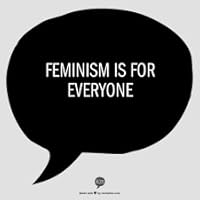
December 3, 2017
German/English review, English review below:
---GERMAN---
Wie ich zu dem Buch gekommen bin:
Ich habe in meinem Twitter Feed einen Link zu dem Film, der auf diesem Buch basiert, gesehen und dann diesen Film ich denke 5-6 Mal gesehen, und war so ergriffen von der Geschichte von Mary Crow Dog, dass ich beschlossen habe, ich muss dieses Buch lesen. Und so kam es, dass ich dieses Buch gelesen habe, was ein einziger Tweet doch so ausrichten kann.
Erster Satz:
A nation is not conquered until
the hearts of its women
are on the ground.
Then it is done, no matter
how brave its warriors
nor how strong their weapons.
-Cheyenne proverb
I am Mary Brave Bird.
Zusatzinformationen:
Autorin: Mary Crow Dog
Reihe: 1/2
Seitenanzahl: 263
Preis: 9,99€
Genre: Memoiren, Autobiographie
ISBN: 978-006-0973-896
Klappentext:
"A powerful autobiography... feisty and determined, warm and even funny, sometimes given to outbursts of rage or sorrow or enthusiasm, always unpretentious and straightforward."
-Chicago Tribune
Mary Crow Dog grew up fatherless in a one-room cabin, without running water or electricity, on a South Dakota reservation. Rebelling against the aimless drinking, punishing missionary school, narrow structures for women, and violence and hopelessness of reservation life, she joined the new movement of tribal pride sweeping Native American communities in the sixties and seventies and eventually married Leonard Crow Dog, the movement's chief medicine man, who revived the sacred but outlawed Ghost Dance. Lakota Woman is a unique document unparalleled in American Indian literature, a story of death, of determination against all odds, and of the cruelties perpetrated against American Indians during the last several decades. It is also a deeply moving account of a woman's triumphant struggle to survive in a hostile world.
Meine Gedanken:
Es gibt zu viele Stellen in diesem Buch die ich zitieren möchte, denn dieses Leben war wahrlich kein gewöhnliches. Mary Crow Dog erzählt von ihrer Zeit in Residential Schools, von ihrer Zeit als Jugendliche wo sie ziellos durchs Leben trieb, bevor sie AIM, dem American Indian Movement, beitrat. Vom Trail of Broken Treaties bis zur Besetzung von Wounded Knee 1973, die 71 Tage lang andauerte und wo sie auch ihr Baby zur Welt brachte.
Wenn man dann noch daran denkt, dass das alles passierte bevor sie 30 wurde - ja, sie hat viel erlebt. Viel Leid, aber auch Stolz, und sie war zu einer entscheidenden Zeit am richtigen Ort.
Ich weiß gar nicht, wie ich meine Gedanken hier zu Papier bringen kann, denn dieses Buch ist die reinste Achterbahnfahrt...
Man liest über die Leiden eines Volkes dem nahezu alles verboten wurde. Die Religion auszuüben, eingepfercht wurde in Reservate, betrogen und wieder betrogen wurde.
Es ist ein Buch über sehr mutige Menschen, die riskierten ihr Leben zu lassen für Selbstbestimmung...
Zu viele Gedanken schwirren in meinem Kopf um sie alle zu Papier zu bringen.
Es gibt von mir nicht nur eine Leseempfehlung, sondern eine Verpflichtung es zu lesen. Ich finde, dass jeder dieses Buch gelesen haben muss. Ein zutiefst feministisches Buch, mein Gott, diese Frau hatte Mut genug für zwei!
Zitate:
The traditional old, full-blood medicine men joined in with us kids. Not the
middle-aged adults. They were of a lost generation which
had given up all hope, necktie-wearers waiting for the Great
White Father to do for them. It was the real old folks who
had spirit and wisdom to give us . The grandfathers and
grandmothers who still remembered a time when Indians
were Indians , whose own grandparents or even parents had
fought Custer gun in hand, people who for us were living
links with a great past.
p.79
I am not afraid to die.
If I die at Wounded Knee,
I will go where Crazy Horse
and Sitting Bull
and our grandfathers are.
-Crow Dog
p. 128
At one time a white volunteer nurse berated us for doing the slave work
while the men got all the glory. We were betraying the cause
of womankind, was the way she put it. We told her that her
kind of women's lib was a white, middle-class thing, and that
at this critical stage we had other priorities . Once our men
had gotten their rights and their balls back, we might start
arguing with them about who should do the dishes . But not
before.
p.131
Buddy received his honorable discharge
from the Marine Corps just about the time a government
bullet killed him. He is buried on the hill by the ditch,
joining the ghosts of all the other Sioux killed at Wounded
Knee. His headstone says: "Two thousand came to
Wounded Knee in 1973 . One stayed. "
p.143
---ENGLISH---
How I came to this book:
I saw a link in my Twitter Feed to the movie that is based on this book, and after having seen it for 5-6 times I was so touched by the story of Mary Crow Dog that I decided I have to read this book. And so it came that I read this book, what a single tweet can make happen, right?
First sentence:
A nation is not conquered until
the hearts of its women
are on the ground.
Then it is done, no matter
how brave its warriors
nor how strong their weapons.
-Cheyenne proverb
I am Mary Brave Bird.
Additional information:
Author: Mary Crow Dog
Series: 1/2
Pages: 263
Price: 9,99€
Genre: Memoir/Autobiography
ISBN: 978-006-0973-896
blurb:
"A powerful autobiography... feisty and determined, warm and even funny, sometimes given to outbursts of rage or sorrow or enthusiasm, always unpretentious and straightforward."
-Chicago Tribune
Mary Crow Dog grew up fatherless in a one-room cabin, without running water or electricity, on a South Dakota reservation. Rebelling against the aimless drinking, punishing missionary school, narrow structures for women, and violence and hopelessness of reservation life, she joined the new movement of tribal pride sweeping Native American communities in the sixties and seventies and eventually married Leonard Crow Dog, the movement's chief medicine man, who revived the sacred but outlawed Ghost Dance. Lakota Woman is a unique document unparalleled in American Indian literature, a story of death, of determination against all odds, and of the cruelties perpetrated against American Indians during the last several decades. It is also a deeply moving account of a woman's triumphant struggle to survive in a hostile world.
My thoughts:
There are too many paragraphs I want to quote in this book, because this life really was no ordinary one. Mary Crow Dog tells about her life in Residential Schools, from the time when she wandered through life aimlessly, before she joined AIM, the American Indian Movement. From the Trail of Broken Treaties, to the Siege at Wounded Knee in 1973, which lasted 71 days and where she had her baby.
When you also think about her being less than 30 when all of this happened, yes, she has experienced a lot. Much pain, much pride, and she was at the right time at the right place.
I don't know how to get my thoughts on the paper, because this book is such a roller-coaster.
It's a book about a People who has had restrictions on nearly everything. To practice religion, locked away in reservations, being lied to again and again.
It's a book about very courageous humans, that have risked to lose their lives for sovereignty.
Too many thoughts are in my head to get them down to paper. Not only a recommendation, but a obligation to read it. A deeply feminist book, my god, this woman had enough courage for two!
Quotes:
The traditional old, full-blood medicine men joined in with us kids. Not the
middle-aged adults. They were of a lost generation which
had given up all hope, necktie-wearers waiting for the Great
White Father to do for them. It was the real old folks who
had spirit and wisdom to give us . The grandfathers and
grandmothers who still remembered a time when Indians
were Indians , whose own grandparents or even parents had
fought Custer gun in hand, people who for us were living
links with a great past.
p.79
I am not afraid to die.
If I die at Wounded Knee,
I will go where Crazy Horse
and Sitting Bull
and our grandfathers are.
-Crow Dog
p. 128
At one time a white volunteer nurse berated us for doing the slave work
while the men got all the glory. We were betraying the cause
of womankind, was the way she put it. We told her that her
kind of women's lib was a white, middle-class thing, and that
at this critical stage we had other priorities . Once our men
had gotten their rights and their balls back, we might start
arguing with them about who should do the dishes . But not
before.
p.131
Buddy received his honorable discharge
from the Marine Corps just about the time a government
bullet killed him. He is buried on the hill by the ditch,
joining the ghosts of all the other Sioux killed at Wounded
Knee. His headstone says: "Two thousand came to
Wounded Knee in 1973 . One stayed. "
p.143
---GERMAN---
Wie ich zu dem Buch gekommen bin:
Ich habe in meinem Twitter Feed einen Link zu dem Film, der auf diesem Buch basiert, gesehen und dann diesen Film ich denke 5-6 Mal gesehen, und war so ergriffen von der Geschichte von Mary Crow Dog, dass ich beschlossen habe, ich muss dieses Buch lesen. Und so kam es, dass ich dieses Buch gelesen habe, was ein einziger Tweet doch so ausrichten kann.
Erster Satz:
A nation is not conquered until
the hearts of its women
are on the ground.
Then it is done, no matter
how brave its warriors
nor how strong their weapons.
-Cheyenne proverb
I am Mary Brave Bird.
Zusatzinformationen:
Autorin: Mary Crow Dog
Reihe: 1/2
Seitenanzahl: 263
Preis: 9,99€
Genre: Memoiren, Autobiographie
ISBN: 978-006-0973-896
Klappentext:
"A powerful autobiography... feisty and determined, warm and even funny, sometimes given to outbursts of rage or sorrow or enthusiasm, always unpretentious and straightforward."
-Chicago Tribune
Mary Crow Dog grew up fatherless in a one-room cabin, without running water or electricity, on a South Dakota reservation. Rebelling against the aimless drinking, punishing missionary school, narrow structures for women, and violence and hopelessness of reservation life, she joined the new movement of tribal pride sweeping Native American communities in the sixties and seventies and eventually married Leonard Crow Dog, the movement's chief medicine man, who revived the sacred but outlawed Ghost Dance. Lakota Woman is a unique document unparalleled in American Indian literature, a story of death, of determination against all odds, and of the cruelties perpetrated against American Indians during the last several decades. It is also a deeply moving account of a woman's triumphant struggle to survive in a hostile world.
Meine Gedanken:
Es gibt zu viele Stellen in diesem Buch die ich zitieren möchte, denn dieses Leben war wahrlich kein gewöhnliches. Mary Crow Dog erzählt von ihrer Zeit in Residential Schools, von ihrer Zeit als Jugendliche wo sie ziellos durchs Leben trieb, bevor sie AIM, dem American Indian Movement, beitrat. Vom Trail of Broken Treaties bis zur Besetzung von Wounded Knee 1973, die 71 Tage lang andauerte und wo sie auch ihr Baby zur Welt brachte.
Wenn man dann noch daran denkt, dass das alles passierte bevor sie 30 wurde - ja, sie hat viel erlebt. Viel Leid, aber auch Stolz, und sie war zu einer entscheidenden Zeit am richtigen Ort.
Ich weiß gar nicht, wie ich meine Gedanken hier zu Papier bringen kann, denn dieses Buch ist die reinste Achterbahnfahrt...
Man liest über die Leiden eines Volkes dem nahezu alles verboten wurde. Die Religion auszuüben, eingepfercht wurde in Reservate, betrogen und wieder betrogen wurde.
Es ist ein Buch über sehr mutige Menschen, die riskierten ihr Leben zu lassen für Selbstbestimmung...
Zu viele Gedanken schwirren in meinem Kopf um sie alle zu Papier zu bringen.
Es gibt von mir nicht nur eine Leseempfehlung, sondern eine Verpflichtung es zu lesen. Ich finde, dass jeder dieses Buch gelesen haben muss. Ein zutiefst feministisches Buch, mein Gott, diese Frau hatte Mut genug für zwei!
Zitate:
The traditional old, full-blood medicine men joined in with us kids. Not the
middle-aged adults. They were of a lost generation which
had given up all hope, necktie-wearers waiting for the Great
White Father to do for them. It was the real old folks who
had spirit and wisdom to give us . The grandfathers and
grandmothers who still remembered a time when Indians
were Indians , whose own grandparents or even parents had
fought Custer gun in hand, people who for us were living
links with a great past.
p.79
I am not afraid to die.
If I die at Wounded Knee,
I will go where Crazy Horse
and Sitting Bull
and our grandfathers are.
-Crow Dog
p. 128
At one time a white volunteer nurse berated us for doing the slave work
while the men got all the glory. We were betraying the cause
of womankind, was the way she put it. We told her that her
kind of women's lib was a white, middle-class thing, and that
at this critical stage we had other priorities . Once our men
had gotten their rights and their balls back, we might start
arguing with them about who should do the dishes . But not
before.
p.131
Buddy received his honorable discharge
from the Marine Corps just about the time a government
bullet killed him. He is buried on the hill by the ditch,
joining the ghosts of all the other Sioux killed at Wounded
Knee. His headstone says: "Two thousand came to
Wounded Knee in 1973 . One stayed. "
p.143
---ENGLISH---
How I came to this book:
I saw a link in my Twitter Feed to the movie that is based on this book, and after having seen it for 5-6 times I was so touched by the story of Mary Crow Dog that I decided I have to read this book. And so it came that I read this book, what a single tweet can make happen, right?
First sentence:
A nation is not conquered until
the hearts of its women
are on the ground.
Then it is done, no matter
how brave its warriors
nor how strong their weapons.
-Cheyenne proverb
I am Mary Brave Bird.
Additional information:
Author: Mary Crow Dog
Series: 1/2
Pages: 263
Price: 9,99€
Genre: Memoir/Autobiography
ISBN: 978-006-0973-896
blurb:
"A powerful autobiography... feisty and determined, warm and even funny, sometimes given to outbursts of rage or sorrow or enthusiasm, always unpretentious and straightforward."
-Chicago Tribune
Mary Crow Dog grew up fatherless in a one-room cabin, without running water or electricity, on a South Dakota reservation. Rebelling against the aimless drinking, punishing missionary school, narrow structures for women, and violence and hopelessness of reservation life, she joined the new movement of tribal pride sweeping Native American communities in the sixties and seventies and eventually married Leonard Crow Dog, the movement's chief medicine man, who revived the sacred but outlawed Ghost Dance. Lakota Woman is a unique document unparalleled in American Indian literature, a story of death, of determination against all odds, and of the cruelties perpetrated against American Indians during the last several decades. It is also a deeply moving account of a woman's triumphant struggle to survive in a hostile world.
My thoughts:
There are too many paragraphs I want to quote in this book, because this life really was no ordinary one. Mary Crow Dog tells about her life in Residential Schools, from the time when she wandered through life aimlessly, before she joined AIM, the American Indian Movement. From the Trail of Broken Treaties, to the Siege at Wounded Knee in 1973, which lasted 71 days and where she had her baby.
When you also think about her being less than 30 when all of this happened, yes, she has experienced a lot. Much pain, much pride, and she was at the right time at the right place.
I don't know how to get my thoughts on the paper, because this book is such a roller-coaster.
It's a book about a People who has had restrictions on nearly everything. To practice religion, locked away in reservations, being lied to again and again.
It's a book about very courageous humans, that have risked to lose their lives for sovereignty.
Too many thoughts are in my head to get them down to paper. Not only a recommendation, but a obligation to read it. A deeply feminist book, my god, this woman had enough courage for two!
Quotes:
The traditional old, full-blood medicine men joined in with us kids. Not the
middle-aged adults. They were of a lost generation which
had given up all hope, necktie-wearers waiting for the Great
White Father to do for them. It was the real old folks who
had spirit and wisdom to give us . The grandfathers and
grandmothers who still remembered a time when Indians
were Indians , whose own grandparents or even parents had
fought Custer gun in hand, people who for us were living
links with a great past.
p.79
I am not afraid to die.
If I die at Wounded Knee,
I will go where Crazy Horse
and Sitting Bull
and our grandfathers are.
-Crow Dog
p. 128
At one time a white volunteer nurse berated us for doing the slave work
while the men got all the glory. We were betraying the cause
of womankind, was the way she put it. We told her that her
kind of women's lib was a white, middle-class thing, and that
at this critical stage we had other priorities . Once our men
had gotten their rights and their balls back, we might start
arguing with them about who should do the dishes . But not
before.
p.131
Buddy received his honorable discharge
from the Marine Corps just about the time a government
bullet killed him. He is buried on the hill by the ditch,
joining the ghosts of all the other Sioux killed at Wounded
Knee. His headstone says: "Two thousand came to
Wounded Knee in 1973 . One stayed. "
p.143

April 23, 2021
This is a great entry point to learning about the experiences of Native Americans. Mary Brave Bird, who was Mary Crow Dog when this book was published, is an engaging storyteller. Her story is the story of colonization and genocide and it is loaded with pathos. But Brave Bird tells it straight and without asking for anyone's pity or opinion.
Favoring candor over compromise allows her to navigate some turbulent waters; especially in the areas of race relations and feminism. Her searing indictment of second wave feminism is echoed in current feminist literature written by BIPOC feminists and other feminists of color. At the same time, she does not shy away from addressing issues of patriarchy on the reservations and bravely leaves them unresolved, even though some writers might have been tempted to tie on bow on it. She approaches all issues in this unflinching manner.
I learned a lot about the hardships of life on the reservations. I have a lot more to learn. That she manages to lay out what seems to be an incredibly complex system in a way that I felt like I understood is a testament to her ability to eschew granularity for clarity.
As U.S. Americans, we have only barely begun the work of confronting what has been done to the indigenous people of the Americas.
Favoring candor over compromise allows her to navigate some turbulent waters; especially in the areas of race relations and feminism. Her searing indictment of second wave feminism is echoed in current feminist literature written by BIPOC feminists and other feminists of color. At the same time, she does not shy away from addressing issues of patriarchy on the reservations and bravely leaves them unresolved, even though some writers might have been tempted to tie on bow on it. She approaches all issues in this unflinching manner.
I learned a lot about the hardships of life on the reservations. I have a lot more to learn. That she manages to lay out what seems to be an incredibly complex system in a way that I felt like I understood is a testament to her ability to eschew granularity for clarity.
As U.S. Americans, we have only barely begun the work of confronting what has been done to the indigenous people of the Americas.

February 9, 2025
Mary Crow Dog tells her story in a stream of consciousness style that gives great insight into indigenous life in the 1960s and 70s. This was raw and powerful, informative and eye opening.
December 25, 2025
Good view into one of the most important yet forgotten events in American politics, the second wounded knee occupation, and an honest look into avenues of indigenous struggle ongoing today.

August 10, 2009
Mary Crow Dog is a half-Native America woman who grew up in the poverty of a South Dakota reservation, near Pine Ridge. Without a father, and uncertain of her identity, Mary Crow Dog tells the story of being a woman in a fiercely macho society intent on raising warriors. She tells of the historical struggle of her people - the Oglala Sioux - against the United States government, and the abuse she suffered in Catholic schools. Mary Crow Dog provides insight into the hopelessness and helplessness of Native Americans in the United States, and how those feelings translate into such high rates of alcoholism and suicide, and what such an identity among a people does to its women. Mary Crow Dog becomes part of the militant American Indian Movement (AIM), immersed in political action. She speaks with pride about the Ghost Dance and her experiences in sweat lodges and the power of her people. Her story is simply told, and while she explains her experiences with some insight - in terms of individual and group psychology - at times it seems a bit too simplistic. What is clear is that Mary Crow Dog has witnessed and survived unspeakable trauma - and she has told a version of her story. While she is a strong woman who wants to speak out against the abuse suffered by Native American women, she is also clearly loyal to her husband and to her tribal way of life. She feels different because of her half-breed status, but other than stating that she is at all times at outsider, she did not adequately articulate the treatment she received because of this. Lakota Woman is an important window into the lives of Native Americas - into their culture and all the traditions that merit so much pride - but also into the destruction and terror caused by the United States government. The book left me with many questions about the Pine Ridge reservation and the Sioux people, and I hope to find other books that will help me to better understand these myriad issues.
Displaying 1 - 30 of 576 reviews