

What do you think?

Mark Rothko: From the Inside Out
“The journey to understand the painting is also the journey to understand Rothko, because the work is so thoroughly suffused with the man.”—Christopher Rothko
Mark Rothko (1903–1970), world-renowned icon of Abstract Expressionism, is rediscovered in this wholly original examination of his art and life written by his son. Synthesizing rigorous critique with personal anecdotes, Christopher, the younger of the artist’s two children, offers a unique perspective on this modern master.
Christopher Rothko draws on an intimate knowledge of the artworks to present eighteen essays that look closely at the paintings and explore the ways in which they foster a profound connection between viewer and artist through form, color, and scale. The prominent commissions for the Rothko Chapel in Houston and the Seagram Building murals in New York receive extended treatment, as do many of the lesser-known and underappreciated aspects of Rothko’s oeuvre, including reassessments of his late dark canvases and his formidable body of works on paper. The author also discusses the artist’s writings of the 1930s and 1940s, the significance of music to the artist, and our enduring struggles with visual abstraction in the contemporary era. Finally, Christopher Rothko writes movingly about his role as the artist’s son, his commonalities with his father, and the terms of the relationship they forged during the writer’s childhood.
Mark From the Inside Out is a thoughtful reexamination of the legendary artist, serving as a passionate introduction for readers new to his work and offering a fresh perspective to those who know it well.
Mark Rothko (1903–1970), world-renowned icon of Abstract Expressionism, is rediscovered in this wholly original examination of his art and life written by his son. Synthesizing rigorous critique with personal anecdotes, Christopher, the younger of the artist’s two children, offers a unique perspective on this modern master.
Christopher Rothko draws on an intimate knowledge of the artworks to present eighteen essays that look closely at the paintings and explore the ways in which they foster a profound connection between viewer and artist through form, color, and scale. The prominent commissions for the Rothko Chapel in Houston and the Seagram Building murals in New York receive extended treatment, as do many of the lesser-known and underappreciated aspects of Rothko’s oeuvre, including reassessments of his late dark canvases and his formidable body of works on paper. The author also discusses the artist’s writings of the 1930s and 1940s, the significance of music to the artist, and our enduring struggles with visual abstraction in the contemporary era. Finally, Christopher Rothko writes movingly about his role as the artist’s son, his commonalities with his father, and the terms of the relationship they forged during the writer’s childhood.
Mark From the Inside Out is a thoughtful reexamination of the legendary artist, serving as a passionate introduction for readers new to his work and offering a fresh perspective to those who know it well.
328 pages, Hardcover
First published November 10, 2015
About the author
Christopher Rothko
17 books4 followersChristopher Rothko, a writer and psychologist, is actively involved in managing the Rothko legacy by organizing and presenting exhibitions of his father's work around the globe.
Ratings & Reviews
Friends & Following
Create a free account to discover what your friends think of this book!
Community Reviews
Displaying 1 - 18 of 18 reviews

January 9, 2016
Mark Rothko was an Abstract Expressionism artist who died in 1970.His son Christopher was six at the time, so with little to draw on in the way of personal experience of his father, he gave up his job as a psychologist to make a full-time, depth study of his father’s work.
I am not an art critic, but there is something about Rothko’s paintings that affects me at a very visceral level and the notion that someone close to such an influential artist should pour so much energy into such a venture fascinated me. I also had an inkling that, as a writer, the book would continue to help me explore concepts that I had encountered when interviewing a poet, his publisher, and an artist who had collaborated with the poetry press and its poets. Because in those three interviews it became evident that there were a great many conceptual similarities in the way a writer and an artist works. So I wondered what Christopher Rothko’s essays on his father’s work would offer me, not only as someone who understands little of Abstract Expressionism, but also someone who wants to reflect on their own creative process.
What emerged from Christopher Rothko’s, elegant and clear writing was remarkable and did indeed take me through an extensive journey of his father’s work. Because it also offered so many parallels to writing, it became not only appreciation of Mark Rothko’s art, but also an extended reflective exercise in the many ways in which the written word might be considered.
The book certainly provided tangible reasons why I can feel Mark Rothko’s paintings tinkering with my emotions as I look at them (as the written word is also capable of doing). Indeed as the explanation of this phenomenon says ‘something is resonating with their inner world. It is an essentially physical process, like a wind through a pipe or a vibration across a string that causes a note to sound’. The author also tells you how to approach the different works. Although rather than being prescriptive it is more a gentle nudge to get you in the right frame of mind before your approach a canvas. But Christopher Rothko’s skilful narrative of his father’s work also met my expectations for being able to reflect on my own craft of writing.
Narrative is one of the key elements to Mark Rothko’s painting, which might seem an odd statement, given that his best known work consists mainly of rectangles. This was not a casual use of the shape. As his son explains this was something you can see developing in his more conventional paintings. Mark Rothko’s experimentation led him to consider the rectangle a powerful medium with which to convey a story to his viewers. Experimentation is also a feature of a writer discovering their favoured form and developing it further.
It is notoriously difficult to reproduce paintings in print. I reviewed this book on an iPad and found it really brought out the luminosity of the paintings. The number of Rothko’s paintings on display in the book is very generous and are accompanied by equally generous and engaging explanations that approach the subject from a variety of viewpoints, such as conversations with the artist’s friends. The story about the choice of picture a close family friend made was particularly thought-provoking and poignant.
I suspect Christopher Rothko background as a psychologist creates another subtle dimension to the interpretation of what is going on, which gave the impression of reading something of substance that also aimed to reach out and draw in readers, much in the same way his father’s work did.
For a writer who wants to continue to develop their work this is a very good book to study, because there are many points of commonality between painting and writing and what it is trying to achieve, for example the effect of a different size in canvas, the lighting and setting of the piece (poem or novel, the way in which the choice of words can create different types of narratives). All of the discussions are fascinating and really made me think about the way words go down on paper.
As with reading, viewing art cannot be a passive activity, if the viewer is to get the most out of it, and of course everyone brings their own interpretation to the work. But it is this activity, regardless of what opinion or emotion a viewer comes away with that is so important. Mark Rothko was someone who wanted his pictures to be seen, because as his son points out ‘His paintings require an active viewer. As he famously pronounced “a picture lives by companionship, expanding and quickening in the eyes of the sensitive observer. It dies by the same token”’. The artist also appears to be the type of creator who took the view that if someone vehemently objected to his work he had at least managed to provoke a response because the viewer had engaged in some sort of dialogue with his painting.
I have made countless notes and will certainly be buying this book. It is something to keep going back to because I have a feeling the more I study it the more I will get out of it, particularly with regards to painting a page with words. I will also be spending more time considering not only Rothko’s paintings, but others I come across because this book has begun to open up a whole new world of art to me.
Mark Rothko. From the Inside Out was courtesy of Yale University Press via NetGalley
I am not an art critic, but there is something about Rothko’s paintings that affects me at a very visceral level and the notion that someone close to such an influential artist should pour so much energy into such a venture fascinated me. I also had an inkling that, as a writer, the book would continue to help me explore concepts that I had encountered when interviewing a poet, his publisher, and an artist who had collaborated with the poetry press and its poets. Because in those three interviews it became evident that there were a great many conceptual similarities in the way a writer and an artist works. So I wondered what Christopher Rothko’s essays on his father’s work would offer me, not only as someone who understands little of Abstract Expressionism, but also someone who wants to reflect on their own creative process.
What emerged from Christopher Rothko’s, elegant and clear writing was remarkable and did indeed take me through an extensive journey of his father’s work. Because it also offered so many parallels to writing, it became not only appreciation of Mark Rothko’s art, but also an extended reflective exercise in the many ways in which the written word might be considered.
The book certainly provided tangible reasons why I can feel Mark Rothko’s paintings tinkering with my emotions as I look at them (as the written word is also capable of doing). Indeed as the explanation of this phenomenon says ‘something is resonating with their inner world. It is an essentially physical process, like a wind through a pipe or a vibration across a string that causes a note to sound’. The author also tells you how to approach the different works. Although rather than being prescriptive it is more a gentle nudge to get you in the right frame of mind before your approach a canvas. But Christopher Rothko’s skilful narrative of his father’s work also met my expectations for being able to reflect on my own craft of writing.
Narrative is one of the key elements to Mark Rothko’s painting, which might seem an odd statement, given that his best known work consists mainly of rectangles. This was not a casual use of the shape. As his son explains this was something you can see developing in his more conventional paintings. Mark Rothko’s experimentation led him to consider the rectangle a powerful medium with which to convey a story to his viewers. Experimentation is also a feature of a writer discovering their favoured form and developing it further.
It is notoriously difficult to reproduce paintings in print. I reviewed this book on an iPad and found it really brought out the luminosity of the paintings. The number of Rothko’s paintings on display in the book is very generous and are accompanied by equally generous and engaging explanations that approach the subject from a variety of viewpoints, such as conversations with the artist’s friends. The story about the choice of picture a close family friend made was particularly thought-provoking and poignant.
I suspect Christopher Rothko background as a psychologist creates another subtle dimension to the interpretation of what is going on, which gave the impression of reading something of substance that also aimed to reach out and draw in readers, much in the same way his father’s work did.
For a writer who wants to continue to develop their work this is a very good book to study, because there are many points of commonality between painting and writing and what it is trying to achieve, for example the effect of a different size in canvas, the lighting and setting of the piece (poem or novel, the way in which the choice of words can create different types of narratives). All of the discussions are fascinating and really made me think about the way words go down on paper.
As with reading, viewing art cannot be a passive activity, if the viewer is to get the most out of it, and of course everyone brings their own interpretation to the work. But it is this activity, regardless of what opinion or emotion a viewer comes away with that is so important. Mark Rothko was someone who wanted his pictures to be seen, because as his son points out ‘His paintings require an active viewer. As he famously pronounced “a picture lives by companionship, expanding and quickening in the eyes of the sensitive observer. It dies by the same token”’. The artist also appears to be the type of creator who took the view that if someone vehemently objected to his work he had at least managed to provoke a response because the viewer had engaged in some sort of dialogue with his painting.
I have made countless notes and will certainly be buying this book. It is something to keep going back to because I have a feeling the more I study it the more I will get out of it, particularly with regards to painting a page with words. I will also be spending more time considering not only Rothko’s paintings, but others I come across because this book has begun to open up a whole new world of art to me.
Mark Rothko. From the Inside Out was courtesy of Yale University Press via NetGalley

May 14, 2020
This is just a great primer for anyone interested in Rothko's work which addresses, in depth the artist's technique as well as the ways the artist creates affect. As the curator of his father's collection, Christopher Rothko is uniquely able to discern a through line in the artist's work, from his first paintings to the last. Further, Yale printed the book on mat paper, which allows for more pictures of the paintings as well as integrating the paintings more with the essays. (A gripe I have with many critical books on art is that the works being discussed are often in glossy pages either in the middle or end of the book, so you have to flip between them and the essays--if they even include a reproduction of the piece being talked about at all). I'm kind of a dilettante when it comes to art, but I found the book very approachable, and Rothko writes in a less formal manner than most critics, frequently having small asides with the reader and dropping funny anecdotes about his father here an there. While I love Rothko's paintings, they are not a good way to know Rothko. This book fills that gap. Recommended for anyone even casually interested.

May 19, 2016
Please check out all of my reviews at http://ultraviolentlit.blogspot.ca!
A comprehensive and insightful biography of Abstract Expressionist Rothko, written by his son. Christopher was a young child when his father passed away, so he tells us, "I lead the reader along the same course I myself followed to learn more about my father's work and why it affects us so." (Loc. 57) Rothko's work, with its hazy rectangles of colour and shadow, is like a portal to another world, and his son is a fantastic tour guide. Dozens of beautiful colour reproductions of Rothko's paintings. Recommended for fans of Rothko, as the content may be a little overwhelming for those who know nothing about the artist or the Abstract Expressionist movement.
I received a copy of this book from NetGalley in exchange for an honest review.
A comprehensive and insightful biography of Abstract Expressionist Rothko, written by his son. Christopher was a young child when his father passed away, so he tells us, "I lead the reader along the same course I myself followed to learn more about my father's work and why it affects us so." (Loc. 57) Rothko's work, with its hazy rectangles of colour and shadow, is like a portal to another world, and his son is a fantastic tour guide. Dozens of beautiful colour reproductions of Rothko's paintings. Recommended for fans of Rothko, as the content may be a little overwhelming for those who know nothing about the artist or the Abstract Expressionist movement.
I received a copy of this book from NetGalley in exchange for an honest review.

January 7, 2016
Christopher Rothko lost his father the artist Mark Rothko when he was just 6 but has devoted much of his life to exploring his father’s legacy, even giving up his career as a clinical psychologist to oversee that legacy and to lecture about his work He has now published this collection of essays exploring Rothko as an artist, the myths that have grown up around him, and his suicide. This is his first collection of critical essay and although obviously a work of some scholarship, not the easiest of reads. I found it too academic to be enjoyable and much of it, I have to admit, went over my head. But it’s obviously an important book and will no doubt be of much interest to Rothko admirers and students of his work.

January 7, 2016
The iconic Master of impressionism
shown as only his son could
An amazing insight to this great artist
shown as only his son could
An amazing insight to this great artist

May 23, 2026
pag.1 Introduzione _______________________________
pag.39 _______________________________
pag.47 _______________________________
pag.87 _______________________________
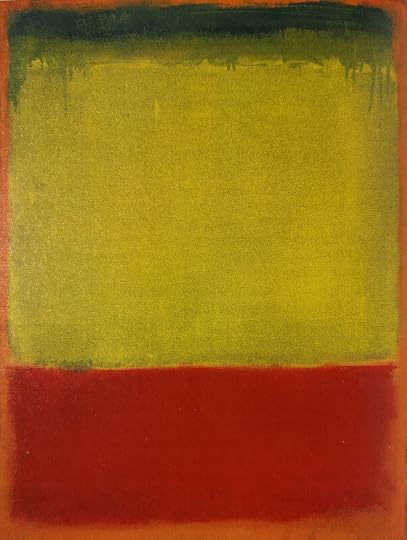
Fig. 53 Untitled, 1949 Olio su tela, 80,7 x 60 cm. Catalogue Raisonné n. 432. Collezione privata
___________________________________
FROM EXHIBITION: Rothko a Firenze (Palazzo Strozzi. Firenze)
___________________________________
WANT TO READ BOOK:
- Arte e percezione visiva (Rudolf Arnheim)
- L'artista e la sua realtà. filosofie dell'arte (Mark Rothko)
Suggerisco percorsi per chiarire ciò che è meno evidente, anche se sta allo spettatore percorrerli. E se, nonostante ciò, l'opera di Rothko ci crea ancora disagio, forse non è la comodità che dovremmo cercare.
pag.39 _______________________________
La Rothko Chapel mi ha chiarito che ciò che avevo imparato lì dentro è vero per tutti i dipinti di Rothko: restituiscono solo quello che noi ci mettiamo. "Funzionano" e parlano solo con il nostro mondo interiore, quando siamo pronti a ricevere il loro invito o le loro proposte. Infine, capire un dipinto di Rothko è capire quello che il dipinto ci fa vedere di noi stessi.
pag.47 _______________________________
Come reagiamo e cosa ci dice di noi stessi il vuoto di rappresentazione nei dipinti di Rothko? Che cosa smuove dentro di noi l'astrazione per essere istintivamente negata? Questa pulsione (o è una fuga?) verso l'immagine cosa ci dice dei nostri bisogni, dei nostri desideri, delle nostre paure?
Senza dubbio un dipinto astratto è più impegnativo che un dipinto figurativo per lo spettatore. L'immagine che presenta richiede di essere capita invece di essere semplicemente riconosciuta. E non solo dobbiamo capire di cosa si tratta in quel dipinto ma anche il motivo per il quale il pittore l'ha fatto. Quando si guarda una marina di Turner c'è, anche nelle opere tarde, un certo grado di contenuto narrativo che ci dà un appiglio per capire il soggetto. Per di più, il mare e il cielo evocano una certa atmosfera che suggerisce qualcosa di simile a un viaggio dell'anima. Questi elementi innescano una crescita di emozioni fondate sull'esperienza vissuta oppure sulla mancanza di quell'esperienza, instillando, per esempio in chi è sempre stato a terra, il desiderio di acque sconosciute. E siamo anche colpiti dalle sfide tecniche dell'artista dal modo in cui l'oggetto potrebbe davvero essere, oppure immaginandolo in un modo tale da spingere la nostra fantasia oltre i limiti della scena dipinta. Lo stesso accade con un ritratto di Goya, dove la resa dei tratti sociali, anche a distanza di duecento anni e di un paio di oceani, ci fa capire qualcosa sulla posizione sociale e di corte della persona ritratta. Possiamo anche capire che dipendeva, da una parte, dal semplice fatto che si trattava di arte su commissione ed è così che Goya si guadagnava da vivere; dall'altra, però, bisogna anche riconoscere che Goya era fiero di rappresentare il risvolto culturale e psicologico dei personaggi sotto la superficie impeccabile della sua formidabile tecnica.
pag.87 _______________________________
Fig. 53 Untitled, 1949 Olio su tela, 80,7 x 60 cm. Catalogue Raisonné n. 432. Collezione privata
La rivoluzione del 1949 non riguardò principalmente le misure ma la mentalità e l'intenzione; dove la crescente fiducia dell'artista si rifletteva in una nuova chiarezza e semplicita dell'opera. Mio padre aveva trovato i mezzi per dire esattamente quello che voleva dire. Tutti questi fattori - quelli interni di mio padre e quelli che sono espressi direttamente sulla tela - sono attivi e strumentali, a prescindere dalle dimensioni dell'opera. Probabilmente la volontà di Rothko si esprime meglio nella declamazione del grande formato, ma quella potente distillazione di contenuto che si trova in un dipinto classico si trova anche nei dipinti piccoli. Quale sia stato il senso di liberazione che sentiva crescere insieme alla dimensione dei suoi dipinti nel momento più alto della sua carriera, non è un fatto attribuibile alla grandezza del dipinto. E infatti bisogna notare che i più piccoli tra i suoi dipinti classici sono datati al periodo trasformativo 1949-1951, ossia agli anni in cui ha dato forma al suo stile classico. E non si guardano per cercarci la bellezza, la forza o l'immediatezza della comunicazione (fig. 53).
Reagiamo diversamente davanti a questi quadri piccoli? Senza dubbio. Non impongono la loro attenzione gia da lontano e non ci coinvolgono immediatamente. Guardandoli da vicino ci sembrano però altrettanto umani ed evocativi quanto i quadri grandi. Se ne restiamo fuori, quel "fuori" non è poi così lontano. E quello che perdono in grandezza lo acquistano in equilibrio compositivo, rendendo più fluida la conversazione tra il dipinto e lo spettatore con la conseguenza di un maggiore impatto emotivo.
Se è vero che i dipinti di Rothko, in generale, crescono molto di misura durante il periodo classico, non vuol dire però che mio padre aveva semplicemente alzato il volume. La voce, come il colore, è intensa, ma non gridata. I colori di Rothko, saturi e non accesi, fanno cadere in profondità lo spettatore dentro il dipinto invece di sopraffarlo. Questi dipinti trasudano vitalità e libertà; la loro energia implosiva trasforma i contenuti in essenze. Quando diventano più grandi, invece di acquistare peso diventano più eterei, compensando con un senso di sollievo la densità e l'intensità del contenuto.
___________________________________
FROM EXHIBITION: Rothko a Firenze (Palazzo Strozzi. Firenze)
___________________________________
WANT TO READ BOOK:
- Arte e percezione visiva (Rudolf Arnheim)
- L'artista e la sua realtà. filosofie dell'arte (Mark Rothko)
June 22, 2026
Bardziej zbiór wykładów niż jedna spójna narracja - dużo powtórzeń, tematy z różnych rozdziałów dublują się. Czuć też pewnego rodzaju political agendę, która nieudolnie chowa się za dobroduszną ideą dbania o spuściznę ojca. Ciężko nie podejrzewać, że syn - prezes fundacji i właściciel ogromnego archiwum dzieł Marka Rothko - próbujący przekonać czytelnika „małe Rothki i Rothki na papierze to większe arcydzieła niż uznane wielkoformaty” nie chce ugrać na tym, jakiejś korzyści dla swojej rodziny. Ale, bez względu na moje podejrzenia, książka jest przede wszystkim kiepsko zredagowana, zawarte w niej informacje i idee można zawrzeć na połowie jej objętości.
Polskie wydanie jest koszmarne jeśli chodzi o reprodukcje dzieł. Autor opisuje zielone na niebieskim, a na przedruku jeden czarny prostokąt.
Zamiast 400 stron wystarczy przeczytać jeden artykuł autorstwa syna, a obrazy po prostu oglądać na żywo.
Polskie wydanie jest koszmarne jeśli chodzi o reprodukcje dzieł. Autor opisuje zielone na niebieskim, a na przedruku jeden czarny prostokąt.
Zamiast 400 stron wystarczy przeczytać jeden artykuł autorstwa syna, a obrazy po prostu oglądać na żywo.
March 1, 2024
“I am almost human. Join me, and I will help you remember all the ways you are human too.”
"My father and I both believe at core that all people are ordinary, even the most accomplished. Sometimes, however, those very people are able to create things that transcend the ordinary, things that are greater than the fallible beings that created them. Those are the things worthy of our attention. Those are the things that live on and inspire us."
"His work is not about beauty, it is not about color, it will not serve as decoration, and it is destroyed if made into wallpaper. His work concerns those aspects of life about which we need to stop and think."
"Not colors, but measures."
"My father and I both believe at core that all people are ordinary, even the most accomplished. Sometimes, however, those very people are able to create things that transcend the ordinary, things that are greater than the fallible beings that created them. Those are the things worthy of our attention. Those are the things that live on and inspire us."
"His work is not about beauty, it is not about color, it will not serve as decoration, and it is destroyed if made into wallpaper. His work concerns those aspects of life about which we need to stop and think."
"Not colors, but measures."
November 28, 2022
Taught me a good bit but I ultimately couldn't finish it- somewhat boring because I think the POV of the son obviously has the most exposure but also so much bias that its hard to imagine hes giving it a fair shake. Also one of the more pretentious writing styles I have seen to date.
January 23, 2023
A true deep-dive and awesome to read his sons take on his fathers work

December 30, 2023
Excellent - I got a lot out of this.

Read
May 8, 2026Whoop very excited to go see the Rothko retrospective in Florence
May 28, 2024
Very academic but very interesting

June 8, 2026
“Viewing a Rothko is a process. It involves rethinking how to look, a quest for understanding, and a recognition of our own inner workings at play in the undertaking. It is an experiential endeavor where the process of interacting with the painting is a large and essential part of what one takes away. It cannot be bypassed or abbreviated, or that elusive thread of understanding will remain elusive.”

November 30, 2015
I picked up this book from Netgalley because once, in Rome, I went to see one of Rothko's exhibition and even if I couldn't explain why, I found it totally fascinating. Now that I can understand his vision a little bit better the magic didn't disappear but this book is not easy and it's better if there are is previous knowledge of the artistic world in general.
Ho scelto questo libro da Netgalley perché tanti anni fa, a Roma, ho visto un'esposizione di Rothko, che non conoscevo per niente, ma che mi é piaciuta molto. Dopo la lettura di questo libro qualcosa é cambiato, ma non la magia che hanno i suoi quadri per me, comunque questo volume non é proprio semplicissimo e magari avere precedenti conoscenze di storia dell'arte puó aiutare.
THANKS TO NETGALLEY AND YALE UNIVERSITY PRESS FOR THE PREVIEW!
Ho scelto questo libro da Netgalley perché tanti anni fa, a Roma, ho visto un'esposizione di Rothko, che non conoscevo per niente, ma che mi é piaciuta molto. Dopo la lettura di questo libro qualcosa é cambiato, ma non la magia che hanno i suoi quadri per me, comunque questo volume non é proprio semplicissimo e magari avere precedenti conoscenze di storia dell'arte puó aiutare.
THANKS TO NETGALLEY AND YALE UNIVERSITY PRESS FOR THE PREVIEW!

April 2, 2019
A very insightful view of the artwork of his father, Mark Rothko, which likely informed the introducing to the posthumously published book "The Artist's Reality". I am most interested in the idea Christopher Rothko articulated that it is possible to have an immersive experience with a small artwork.
September 13, 2024
This is a very useful analysis and explanation of the nature and significance of Rothko's work, and it traces his life-long journey to his breakthrough style. You will certainly understand his work if you read this book. Good reproductions. Pricey though.
February 2, 2025
Massive quality pictures.
Displaying 1 - 18 of 18 reviews