What do you think?
Rate this book


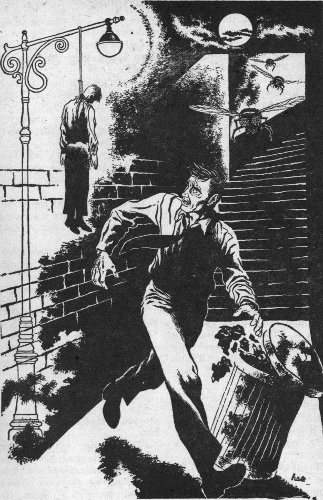
When Ed Loyce heads to work at his TV repair shop, he is startled to find the dead body of a complete stranger hanging from a lamp post outside. But when he calls attention to the morbid display, the strange reactions of his friends and neighbours bring him to a disturbing realization.
Philip K. Dick was an American science-fiction novelist, short-story writer and essayist. His first short story, “Beyond Lies the Wub,” was published shortly after his high school graduation. Some of his most famous short stories were adapted for film, including “The Minority Report,” “Paycheck,” “Second Variety” (adapted into the film Screamers) and “We Can Remember It For You Wholesale” (adapted into the film Total Recall).
HarperCollins brings great works of literature to life in digital format, upholding the highest standards in ebook production and celebrating reading in all its forms. Look for more titles in the HarperCollins short-stories collection to build your digital library.
56 pages, Kindle Edition
First published December 1, 1953
”’There’s a body hanging from the lamppost,’ Loyce said. ‘I’m going to call the cops.’
‘They must know about it,’ Potter said. ‘Or otherwise it wouldn’t be there.’”
”He studied the people around him. Dulled, tired faces. People going home from work. Quite ordinary faces. None of them paid any attention to him. All sat quietly, sunk down in their seats, jiggling with the motion of the bus. The man sitting next to him unfolded a newspaper. He began to read the sports section, his lips moving. An ordinary man. Blue suit. Tie. A businessman, or a salesman. On his way home to his wife and family. Across the aisle a young woman, perhaps twenty. Dark eyes and hair, a package on her lap. Nylons and heels. Red coat and white Angora sweater. Gazing absently ahead of her. A high school boy in jeans and black jacket. A great triple-chinned woman with an immense shopping bag loaded with packages and parcels. Her thick face dim with weariness. Ordinary people. The kind that rode the bus every evening. Going home to their families. To dinner.”


![Profile Image for [ J o ].](https://i.gr-assets.com/images/S/compressed.photo.goodreads.com/users/1673171874i/4639825._UY200_CR4,0,200,200_.jpg)