

What do you think?

The Devil in Love
The Devil in Love is an occult romance by Jacques Cazotte which tells of a demon, or devil, who falls in love with a young Spanish nobleman named Don Alvaro, an amateur human dabbler, and attempts, in the guise of a young woman, to win his affections.
108 pages, Paperback
First published January 1, 1772
About the author
Jacques Cazotte
137 books21 followersBorn at Dijon, he was educated by the Jesuits, and at the age of 27 he obtained a public office at Martinique. It was not till his return to Paris in 1760 with the rank of commissioner-general that he made his public debut as an author. His first attempts, a mock romance and a coarse song, gained so much popularity, both in the Court and among the people, that he was encouraged to try something more ambitious. He accordingly produced his romance, Les Prouesses inimitables d'Ollivier, marquis d'Edesse.
He also wrote a number of fantastic oriental tales, such as his Mille et une fadaises, Contes a dormir debout (1742). His first success was with a "poem" in twelve cantos, and in prose intermixed with verse, entitled Ollivier (2 vols, 1762), followed in 1771 by another romance, the Lord Impromptu. But the most popular of his works was the Diable amoureux (1772), a fantastic tale in which the hero raises the devil. The value of the story lies in the picturesque setting, and the skill with which its details are carried out.
Cazotte possessed extreme facility and is said to have dashed off a seventh canto of Voltaire's Guerre civile de Genève in a single night. About 1775 Cazotte embraced the views of the Illuminati, declaring himself possessed of the power of prophecy. It was upon this event that Jean-François de la Harpe based his famous jeu d'esprit, in which he represents Cazotte as prophesying the most minute events of the French Revolution. On the discovery of some of his counter-revolutionary letters in August 1792, Cazotte was arrested; and though he escaped for a time through the efforts of his daughter, he was beheaded the following month.
A complete edition of his work was published as the Œuvres badines et morales, historiques et philosophiques de Jacques Cazotte (4 vols, 1816-1817), though more than one collection appeared during his lifetime.
He also wrote a number of fantastic oriental tales, such as his Mille et une fadaises, Contes a dormir debout (1742). His first success was with a "poem" in twelve cantos, and in prose intermixed with verse, entitled Ollivier (2 vols, 1762), followed in 1771 by another romance, the Lord Impromptu. But the most popular of his works was the Diable amoureux (1772), a fantastic tale in which the hero raises the devil. The value of the story lies in the picturesque setting, and the skill with which its details are carried out.
Cazotte possessed extreme facility and is said to have dashed off a seventh canto of Voltaire's Guerre civile de Genève in a single night. About 1775 Cazotte embraced the views of the Illuminati, declaring himself possessed of the power of prophecy. It was upon this event that Jean-François de la Harpe based his famous jeu d'esprit, in which he represents Cazotte as prophesying the most minute events of the French Revolution. On the discovery of some of his counter-revolutionary letters in August 1792, Cazotte was arrested; and though he escaped for a time through the efforts of his daughter, he was beheaded the following month.
A complete edition of his work was published as the Œuvres badines et morales, historiques et philosophiques de Jacques Cazotte (4 vols, 1816-1817), though more than one collection appeared during his lifetime.
Ratings & Reviews
Friends & Following
Create a free account to discover what your friends think of this book!
Community Reviews
Displaying 1 - 30 of 230 reviews

January 7, 2016
ilk okumam değil ama en az 16-17 sene oldu..hiçbişii anlamamışım o zaman.
"şeytanın bir adama aşık olması aman da 18. yüzyıl" falan dersek 2-3 yıldız yeter; ama düğüm şurda çözülüyor;
" che vuoi?" yani ne istiyorsun?
aşk üstüne okumayı hiç sevmem ama buna "aşk üstüne bir kitap" falan dersek 1-2 yıldız belki..
"sizi mutlu etmek ancak körleştirerek olabilir" al sana aşk!
ancak aşk bu değil efendim;
alıntılarla özetlersek;
"dünyanın deneyimleriyle kendi kendilerini eğitmiş insanlara ihtiyacı var. İnanın bana, karşı cinsten birisiyle sağlıklı ilişkiler kurun"
bir de;
"Ruh bir savaş alanıdır ve merak savaşı başlattı.."
che vou? hala "aşk" mı? yoksa çok daha fazlası, çok daha başkası mı?
bence küçük kısa ama çok da derinden bişii anlatıyor, ıskalanmış bir kitap bence aynı aşk gibi ıskalanmış. ıskalamışım seneler önce.
"şeytanın bir adama aşık olması aman da 18. yüzyıl" falan dersek 2-3 yıldız yeter; ama düğüm şurda çözülüyor;
" che vuoi?" yani ne istiyorsun?
aşk üstüne okumayı hiç sevmem ama buna "aşk üstüne bir kitap" falan dersek 1-2 yıldız belki..
"sizi mutlu etmek ancak körleştirerek olabilir" al sana aşk!
ancak aşk bu değil efendim;
alıntılarla özetlersek;
"dünyanın deneyimleriyle kendi kendilerini eğitmiş insanlara ihtiyacı var. İnanın bana, karşı cinsten birisiyle sağlıklı ilişkiler kurun"
bir de;
"Ruh bir savaş alanıdır ve merak savaşı başlattı.."
che vou? hala "aşk" mı? yoksa çok daha fazlası, çok daha başkası mı?
bence küçük kısa ama çok da derinden bişii anlatıyor, ıskalanmış bir kitap bence aynı aşk gibi ıskalanmış. ıskalamışım seneler önce.

October 31, 2011
Jacques Cazotte’s novella The Devil in Love (1772) is a story about Alvaro, a cocky and curious youth who brazenly invokes Satan during a capriccio gone awry. Satan is taken aback by Alvaro’s seeming confidence and falls in love with him on the spot, entering his service as a womanly pageboy. Cazotte alternately describes Satan as a male or female, depending on Alvaro’s interpretation at the time – what he wants her/him to be.
Satan wants sex, which s/he finally achieves after pages of painstaking trial and error. Alvaro senses that his virginity is in peril and he begins a long journey back to his mother, who is the only protective force to guard him from a night of hot passion.
On his way back toward the womb, Alvaro is deflowered in a fallen coach by the side of the road. Like any stalker, Satan loses interest in her conquest once she receives Alvaro’s seed. He returns to his mother a mere carcass of the calla lily he used to be.
Cazotte’s tale got me thinking about gender and the devil in literature.
I am currently on a devil-reading spree to find out:
1. What affect has gender had on Western civilization’s conception of evil?
2. Was Satan punished – in fictional imagination – only due to his “masculine” aspirations? Or might we find instances in which his seemingly male desires are relayed in feminine terms? In other words, is Satan’s sin femininity?
Satan wants sex, which s/he finally achieves after pages of painstaking trial and error. Alvaro senses that his virginity is in peril and he begins a long journey back to his mother, who is the only protective force to guard him from a night of hot passion.
On his way back toward the womb, Alvaro is deflowered in a fallen coach by the side of the road. Like any stalker, Satan loses interest in her conquest once she receives Alvaro’s seed. He returns to his mother a mere carcass of the calla lily he used to be.
Cazotte’s tale got me thinking about gender and the devil in literature.
I am currently on a devil-reading spree to find out:
1. What affect has gender had on Western civilization’s conception of evil?
2. Was Satan punished – in fictional imagination – only due to his “masculine” aspirations? Or might we find instances in which his seemingly male desires are relayed in feminine terms? In other words, is Satan’s sin femininity?

Want to Read
January 4, 2011oh hi weird french book

September 4, 2023
Babil Kitaplığı
’nın dördüncü kitabı. Nerede bir yarım akıllı, arsız, manyak var onu bulmaya bayılan
Borges,
bu kez bizi
kafası gidik
bir arkadaş ile tanıştırıyor.
1729’da, bir burjuva olarak Dijon’da doğmuş yazarımız. Cizvit tarafından eğitilmiş, ardından sömürgelerden birine memur olarak atanmış. Ellisine kadar doğru düzgün bir şey yazmamış, emekli olduktan sonra sarmış edebiyata. Çocuklar için peri masalları, şiirler ve mizahi hikayeler yazmayı denemiş, iki romantik hikayesi bir miktar popüler olmuş, Binbir Gece Masalları’nın varyantlarını yayımlatmış ama Aşık Şeytan en kayda değer eseri olmuş.
Buna karşın, değişik bir adam kendisi. Kabalaya, okülte, ine cine, periye kafayı takmış biraz, ne biçim sıkıldıysa artık zenginlikten ve memurluktan. 1775’de İlluminati’yi benimsemiş, kehanetlerde bulunabileceğini ilan etmiş. Fransız Devrimi ile ilgili kehanetleri başarılıymış da üstelik. Hayatının sonuna doğru iyice yakmış balataları, bu sefer Martinistlere katılmış. Martinistler de tam 18. yüzyılın Syntology’si bu arada. Namlı okültistleri toplayan, dönemin “ünlüleri” arasında yavaş yavaş popülerleşen mistik bir akım. Okyanus ötesinde okul açmalı falan illet de bir tarikat bu arada, bazı şeyler hiç değişmiyor demek. Nitekim Cazotte da en son “mistik monarşist” olmuş çıkmış. Mektuplarında da Fransız Devrimi ile ilgili ayarsız atıp tutunca, tık diye alıvermişler kafasını. Giyotinde akıtmışlar bizimkinin hardalını.
Kitap, Alain-René Le Sage’in 1707’de yazdığı Le Diable Boîteux’e (Topal Şeytan) bir karşılık olarak yazılmış. -ki bu da 1614’de Luis Vélez De Guevera - El Diablo Cojuelo’nin tekrar yazımı. Aşık Şeytan sayesinde keşfettiğim bu iki kitabı maalesef henüz okuyamadım, sadece kabaca inceleyebilme şansı yakaladım. Ama Cazotte’un öncüleri kitaplar, hayli komik, hiciv ağırlıklı eserlerdi. De Guevera’nın kitabında öğrenci Cleofás, komik bir sebepten dolayı Madrid çatılarında adaletten kaçıyor. Bir astroloğun çalışma odasında, şişenin içine sıkışmış Topal Şeytan’ı görüyor ve serbest bırakıyor. Birlikte maceraya atılıyorlar. Gülünç olaylara, aristokrasi hicvine, sefalet eleştirilerine yer veriyor kitap. Le sage’in tekrar yazımındaysa hikayenin yapısı korunmakla birlikte eleştiriler Fransızlaşıyor, açgözlülük, şehvet, caka satmaları, ikiyüzlülük gibi bok kaşıklamayı seven sevimli dostlarımızın karakteristik özelliklerine eğiliyor bolca.
Cazotte’un bu Aşık Şeytan’ı ise, diğer iki eserin inceliklerini daha az taşıyor açıkçası. Hafifçe sarkastik, gülünç olmayı hedefleyen bir yaklaşımı var yazarın ama bu bir hiciv eseri olmaktan hayli uzak. Keskin olmayan bir mizah anlayışı etrafına sarılmış abartılı diyaloglar, parodi sınırına yaklaşıyor ama geçmiyor. Eğlenceli, hafifçe gülünç bir atmosfer yaratmakla sınırlı kalıyor. Biraz daha gotik, zaman zaman ürpertici de olabilen üslubu var yazarın. Yine öncüllerine göre daha az girift bir kurgu içeriyor.
Gelelim şeytanlıklara. Kahramanımız Alvaro, hayli dandik, arkadaşları arasında poz kesmeyi seven, züppe bir oğlan, yirmi beş yaşında genç bir subay. Kışlada “felsefe yaparken” arkadaşının ruhlarla konuşabildiğini öğreniyor ve aşırı hevesle “ben de yapacağım,” diye atlıyor ortasından mevzuya. Arkadaşı diyor, “delikanlı emin misin? Bak ben yirmi yıllık mistiğim, dandik Imp çağırdığımda hala götüm başım oynuyor, sakatlık çıkmasın?“ Bizimki diyor “yok abi, ben geçerken önünü ilikler ruhlar, Napoli çocuğuyuz!” Bir anda Alvaro boyunu aşan bir çağırma ritüelinin ortasında buluyor kendini ama yiğitliğe bok sürdürmemek adına geri de basamıyor. Sonra bir yersiz gaza geliyor bu, “madem bana oyun ediyorlar ben daha çok oyun edeceğim” diye gereksiz bir öz güven patlaması yaşıyor, diyor ki “en güzeli ben Beelzebub’u çağırayım...” -yemin ediyorum geri zekalı ya- Korkutuyorlar tabii sonrasında...
Burada bir geek parantezi açıyorum, edebiyat tayfa sonraki paragraftan devam etsin: Size Bedavıya DM tip: Aslında tam mid-level D&D gruplarında, götü fazla kalkan wizard oyuncularla baş etme yoludur bu. Üçüncü dördüncü level büyüleri görünce bu büyücü kısmının ayarı bir bozulur, bir küçük cep evrenlerini ben yarattım tavrı hasıl olur. Barbarınız, efendime söyleyeyim rangerınız, hırsızınız tatlı tatlı maceraya çıkar, prenses kurtarır, goblin kovalar. Ama bu büyücü kısmı biraz güç bulduğu vakit tutturur çok boyutlu evren keşfedeyim, astral boyutlara gideyim, cehenneme kapı açayım, demon çağırayım diye. İşte o vakit, verirsiniz bunların eline şöyle bir Gate büyüsü/scroll’u, bulurlar belalarını. Artık Tanarri’sidr, Baatezu’sudur elinizi korkak alıştırmayacaksınız o noktada. Bir sonraki buluşmada sessiz sessiz yeni karakter kağıdı doldururken düşünsün şerefsiz nerede hata yaptığını!
Neyse, Alvaro diyorduk. Kahramanımız, kendisini zor durumda bırakan kabala tayfasını etkilemek için gelen varlıkla anlaşıyor, ondan çeşitli kılıklara girerek misafirlerini etkilemesini istiyor. Gecenin sonunda uşak Biondetta kılığına bürünmüş olan şeytan, Alvaro’ya kur yapmaya başlıyor ve hikaye gelişiyor.
Öykü boyunca Biıondetta ve Alvaro’nun ilişkilerini, şeytanın adamı elde etme isteğini ve adamın buna tepkilerini izliyoruz. Biondetta, Alvaro ile seks yapmak istiyor, Alvaro ise bunu devamlı reddediyor, bekaretini korumak için çaba harcıyor. Biondetta onu son derece üstü kapalı biçimde baştan çıkarmak istiyor, Alvaro ise mütemadiyen çeşitli bahaneler uyduruyor. Ama bir taraftan Alvaro’nun, Biondetta’yı reddetmesinin nedeni de iblis olması değil, Biondetta ile seks yaparsa onurunun zedeleneceğini düşünmesi.
Ancak hikayenin üzerinde kurulduğu dinamikler ile pratik hali birbirine pek uymuyor. Normal şartlar altında sanırım kem gözlü kadının, asil oğlanı ayartmaya çalışmasını izlememiz, buna göre bir tepki geliştirmemiz gerekiyor; en azından asıl tasarı bu gibi görünüyor. Ancak hikaye pek de iyi yazılmamış ve öykü ilerledikçe, Alvaro karakterinden sapan, tutarsız hareketler yapıyor. Bir argümana aniden ikna olabiliyor veya ortada somut bir sebep yokken saçma şekilde davranmaya başlayabiliyor. Sonra beklentiniz değişiyor, tekrar adapte oluyorsunuz karaktere, “ha, içten pazarlıklı bir yavşak bu demek,” diyorsunuz. Başka bir an geliyor, mendebur Alvo o kadar gereksiz saflıkta portre ediliyor ki bu sefer, olan hikayenin bütünlüğüne oluyor. Kötü yazarlık sebebiyle oluşan belirsizlik ve beklenmedik tavırlar, zaten yapısı itibariyle ve suni diyaloglarla birleştiğinde(tiyatral konuşmalar, parodi sınırında replikler) sonuç sinir bozucu oluyor, okurken insanı sinirlendiriyor.
Hikayenin bitişiyse, ana gövdeden bağımsız olarak başarısız, yazar adına utandıracak seviyede kötü. Toplamda üç ayrı son yazılmış öykü için, okuyucu beğenmedikçe tekrar yazmış. Sonlardan ikisi kitapta yer alıyor ve her biri farklı biçimde öyküyü daha kötü hale getirmeyi başarabiliyor. Orijinal son, özellikle en dandiği; arabaları çok hızlı gidiyor, kontrolden çıkıyor, bu diyor ki “Biondetta sen hiç korkmadın. Sen İblissin galiba...” Cazotte'un kafa gerçekten gitmiş...
Tüm bu dengesizlikler, Alvaro’nun tutarsızlığı, hikayenin bir türlü düzgün bir sonlanmaması sayesinde büyüyen kurgusal çatlaklar, öykünün detaylarını kabullenmeyi zorlaştırıyor. Hikayeyi yazar adına sizin aklınızda düzenlemeniz ve tam bir tutarlılığa kavuşabilmesi için, belli bölümleri yazar adına atmanız gerekiyor. Tabii bu, dahiyane bir deneysel yazarlık sonucu değil beceriksizlikten olduğundan, günün sonunda, beni tutuyor, bana mayış vermiyor hissi uyandırıyor, “ne anlattı bu kafasız(haha) şimdi?” diye kalıyorsunuz kitabın ardından. Eğer Cazotte, “kadınlar şeytandır” demek istiyorsa Alvaro neden tam bir hödük gibi davranıyor? Yok eğer asıl derdi “şeytanlar içimizde“ ise, eh bu kadın Alvaro’yu elde ettikten sonra neden manyaklaşıyor?
Yine de ilginç bir kitap bence Aşık Şeytan. Son derece dağınık, elinden tutsan kolu, kolundan tutsan götü düşen bir olmamışlık var kitapta. Ama hikayeyi aşağı çeken tatsızlıklara rağmen, yine de sevimli bir metin ve okuması zevkli. Tam olarak bunu nasıl yaptığını bilemiyorum. Spesifik olarak “ama şu yönü güzeldi” demekte de zorlandığım bir kitap bu arada. Belki beni uğraştırdığı için hoşuma gitti, belki de karmaşasına rağmen yine de melodik bir anlatı olması biraz ilgimi çekti. Buna rağmen benim için çıtayı dengeledi, onca günahına karşın ibreyi, “idare eder” bir seviyeye çekti. Ne diyeyim, değişiksin şeytan.
Ne oduğunu söylemenin, ne olmadığını söylemekten daha zor olduğu kitaplardan yani. Babil Kitaplığı’nın diğer parçaları gibi, kısacık da ayrıca. Gönül rahatlığıyla öneremiyorum kitabı ama en azından şunu söyleyebilirim, beni okuduğuma pişman etmedi.
(edited)
1729’da, bir burjuva olarak Dijon’da doğmuş yazarımız. Cizvit tarafından eğitilmiş, ardından sömürgelerden birine memur olarak atanmış. Ellisine kadar doğru düzgün bir şey yazmamış, emekli olduktan sonra sarmış edebiyata. Çocuklar için peri masalları, şiirler ve mizahi hikayeler yazmayı denemiş, iki romantik hikayesi bir miktar popüler olmuş, Binbir Gece Masalları’nın varyantlarını yayımlatmış ama Aşık Şeytan en kayda değer eseri olmuş.
Buna karşın, değişik bir adam kendisi. Kabalaya, okülte, ine cine, periye kafayı takmış biraz, ne biçim sıkıldıysa artık zenginlikten ve memurluktan. 1775’de İlluminati’yi benimsemiş, kehanetlerde bulunabileceğini ilan etmiş. Fransız Devrimi ile ilgili kehanetleri başarılıymış da üstelik. Hayatının sonuna doğru iyice yakmış balataları, bu sefer Martinistlere katılmış. Martinistler de tam 18. yüzyılın Syntology’si bu arada. Namlı okültistleri toplayan, dönemin “ünlüleri” arasında yavaş yavaş popülerleşen mistik bir akım. Okyanus ötesinde okul açmalı falan illet de bir tarikat bu arada, bazı şeyler hiç değişmiyor demek. Nitekim Cazotte da en son “mistik monarşist” olmuş çıkmış. Mektuplarında da Fransız Devrimi ile ilgili ayarsız atıp tutunca, tık diye alıvermişler kafasını. Giyotinde akıtmışlar bizimkinin hardalını.
Kitap, Alain-René Le Sage’in 1707’de yazdığı Le Diable Boîteux’e (Topal Şeytan) bir karşılık olarak yazılmış. -ki bu da 1614’de Luis Vélez De Guevera - El Diablo Cojuelo’nin tekrar yazımı. Aşık Şeytan sayesinde keşfettiğim bu iki kitabı maalesef henüz okuyamadım, sadece kabaca inceleyebilme şansı yakaladım. Ama Cazotte’un öncüleri kitaplar, hayli komik, hiciv ağırlıklı eserlerdi. De Guevera’nın kitabında öğrenci Cleofás, komik bir sebepten dolayı Madrid çatılarında adaletten kaçıyor. Bir astroloğun çalışma odasında, şişenin içine sıkışmış Topal Şeytan’ı görüyor ve serbest bırakıyor. Birlikte maceraya atılıyorlar. Gülünç olaylara, aristokrasi hicvine, sefalet eleştirilerine yer veriyor kitap. Le sage’in tekrar yazımındaysa hikayenin yapısı korunmakla birlikte eleştiriler Fransızlaşıyor, açgözlülük, şehvet, caka satmaları, ikiyüzlülük gibi bok kaşıklamayı seven sevimli dostlarımızın karakteristik özelliklerine eğiliyor bolca.
Cazotte’un bu Aşık Şeytan’ı ise, diğer iki eserin inceliklerini daha az taşıyor açıkçası. Hafifçe sarkastik, gülünç olmayı hedefleyen bir yaklaşımı var yazarın ama bu bir hiciv eseri olmaktan hayli uzak. Keskin olmayan bir mizah anlayışı etrafına sarılmış abartılı diyaloglar, parodi sınırına yaklaşıyor ama geçmiyor. Eğlenceli, hafifçe gülünç bir atmosfer yaratmakla sınırlı kalıyor. Biraz daha gotik, zaman zaman ürpertici de olabilen üslubu var yazarın. Yine öncüllerine göre daha az girift bir kurgu içeriyor.
Gelelim şeytanlıklara. Kahramanımız Alvaro, hayli dandik, arkadaşları arasında poz kesmeyi seven, züppe bir oğlan, yirmi beş yaşında genç bir subay. Kışlada “felsefe yaparken” arkadaşının ruhlarla konuşabildiğini öğreniyor ve aşırı hevesle “ben de yapacağım,” diye atlıyor ortasından mevzuya. Arkadaşı diyor, “delikanlı emin misin? Bak ben yirmi yıllık mistiğim, dandik Imp çağırdığımda hala götüm başım oynuyor, sakatlık çıkmasın?“ Bizimki diyor “yok abi, ben geçerken önünü ilikler ruhlar, Napoli çocuğuyuz!” Bir anda Alvaro boyunu aşan bir çağırma ritüelinin ortasında buluyor kendini ama yiğitliğe bok sürdürmemek adına geri de basamıyor. Sonra bir yersiz gaza geliyor bu, “madem bana oyun ediyorlar ben daha çok oyun edeceğim” diye gereksiz bir öz güven patlaması yaşıyor, diyor ki “en güzeli ben Beelzebub’u çağırayım...” -yemin ediyorum geri zekalı ya- Korkutuyorlar tabii sonrasında...
Burada bir geek parantezi açıyorum, edebiyat tayfa sonraki paragraftan devam etsin: Size Bedavıya DM tip: Aslında tam mid-level D&D gruplarında, götü fazla kalkan wizard oyuncularla baş etme yoludur bu. Üçüncü dördüncü level büyüleri görünce bu büyücü kısmının ayarı bir bozulur, bir küçük cep evrenlerini ben yarattım tavrı hasıl olur. Barbarınız, efendime söyleyeyim rangerınız, hırsızınız tatlı tatlı maceraya çıkar, prenses kurtarır, goblin kovalar. Ama bu büyücü kısmı biraz güç bulduğu vakit tutturur çok boyutlu evren keşfedeyim, astral boyutlara gideyim, cehenneme kapı açayım, demon çağırayım diye. İşte o vakit, verirsiniz bunların eline şöyle bir Gate büyüsü/scroll’u, bulurlar belalarını. Artık Tanarri’sidr, Baatezu’sudur elinizi korkak alıştırmayacaksınız o noktada. Bir sonraki buluşmada sessiz sessiz yeni karakter kağıdı doldururken düşünsün şerefsiz nerede hata yaptığını!
Neyse, Alvaro diyorduk. Kahramanımız, kendisini zor durumda bırakan kabala tayfasını etkilemek için gelen varlıkla anlaşıyor, ondan çeşitli kılıklara girerek misafirlerini etkilemesini istiyor. Gecenin sonunda uşak Biondetta kılığına bürünmüş olan şeytan, Alvaro’ya kur yapmaya başlıyor ve hikaye gelişiyor.
Öykü boyunca Biıondetta ve Alvaro’nun ilişkilerini, şeytanın adamı elde etme isteğini ve adamın buna tepkilerini izliyoruz. Biondetta, Alvaro ile seks yapmak istiyor, Alvaro ise bunu devamlı reddediyor, bekaretini korumak için çaba harcıyor. Biondetta onu son derece üstü kapalı biçimde baştan çıkarmak istiyor, Alvaro ise mütemadiyen çeşitli bahaneler uyduruyor. Ama bir taraftan Alvaro’nun, Biondetta’yı reddetmesinin nedeni de iblis olması değil, Biondetta ile seks yaparsa onurunun zedeleneceğini düşünmesi.
Ancak hikayenin üzerinde kurulduğu dinamikler ile pratik hali birbirine pek uymuyor. Normal şartlar altında sanırım kem gözlü kadının, asil oğlanı ayartmaya çalışmasını izlememiz, buna göre bir tepki geliştirmemiz gerekiyor; en azından asıl tasarı bu gibi görünüyor. Ancak hikaye pek de iyi yazılmamış ve öykü ilerledikçe, Alvaro karakterinden sapan, tutarsız hareketler yapıyor. Bir argümana aniden ikna olabiliyor veya ortada somut bir sebep yokken saçma şekilde davranmaya başlayabiliyor. Sonra beklentiniz değişiyor, tekrar adapte oluyorsunuz karaktere, “ha, içten pazarlıklı bir yavşak bu demek,” diyorsunuz. Başka bir an geliyor, mendebur Alvo o kadar gereksiz saflıkta portre ediliyor ki bu sefer, olan hikayenin bütünlüğüne oluyor. Kötü yazarlık sebebiyle oluşan belirsizlik ve beklenmedik tavırlar, zaten yapısı itibariyle ve suni diyaloglarla birleştiğinde(tiyatral konuşmalar, parodi sınırında replikler) sonuç sinir bozucu oluyor, okurken insanı sinirlendiriyor.
Hikayenin bitişiyse, ana gövdeden bağımsız olarak başarısız, yazar adına utandıracak seviyede kötü. Toplamda üç ayrı son yazılmış öykü için, okuyucu beğenmedikçe tekrar yazmış. Sonlardan ikisi kitapta yer alıyor ve her biri farklı biçimde öyküyü daha kötü hale getirmeyi başarabiliyor. Orijinal son, özellikle en dandiği; arabaları çok hızlı gidiyor, kontrolden çıkıyor, bu diyor ki “Biondetta sen hiç korkmadın. Sen İblissin galiba...” Cazotte'un kafa gerçekten gitmiş...
Tüm bu dengesizlikler, Alvaro’nun tutarsızlığı, hikayenin bir türlü düzgün bir sonlanmaması sayesinde büyüyen kurgusal çatlaklar, öykünün detaylarını kabullenmeyi zorlaştırıyor. Hikayeyi yazar adına sizin aklınızda düzenlemeniz ve tam bir tutarlılığa kavuşabilmesi için, belli bölümleri yazar adına atmanız gerekiyor. Tabii bu, dahiyane bir deneysel yazarlık sonucu değil beceriksizlikten olduğundan, günün sonunda, beni tutuyor, bana mayış vermiyor hissi uyandırıyor, “ne anlattı bu kafasız(haha) şimdi?” diye kalıyorsunuz kitabın ardından. Eğer Cazotte, “kadınlar şeytandır” demek istiyorsa Alvaro neden tam bir hödük gibi davranıyor? Yok eğer asıl derdi “şeytanlar içimizde“ ise, eh bu kadın Alvaro’yu elde ettikten sonra neden manyaklaşıyor?
Yine de ilginç bir kitap bence Aşık Şeytan. Son derece dağınık, elinden tutsan kolu, kolundan tutsan götü düşen bir olmamışlık var kitapta. Ama hikayeyi aşağı çeken tatsızlıklara rağmen, yine de sevimli bir metin ve okuması zevkli. Tam olarak bunu nasıl yaptığını bilemiyorum. Spesifik olarak “ama şu yönü güzeldi” demekte de zorlandığım bir kitap bu arada. Belki beni uğraştırdığı için hoşuma gitti, belki de karmaşasına rağmen yine de melodik bir anlatı olması biraz ilgimi çekti. Buna rağmen benim için çıtayı dengeledi, onca günahına karşın ibreyi, “idare eder” bir seviyeye çekti. Ne diyeyim, değişiksin şeytan.
Ne oduğunu söylemenin, ne olmadığını söylemekten daha zor olduğu kitaplardan yani. Babil Kitaplığı’nın diğer parçaları gibi, kısacık da ayrıca. Gönül rahatlığıyla öneremiyorum kitabı ama en azından şunu söyleyebilirim, beni okuduğuma pişman etmedi.
(edited)

September 23, 2020
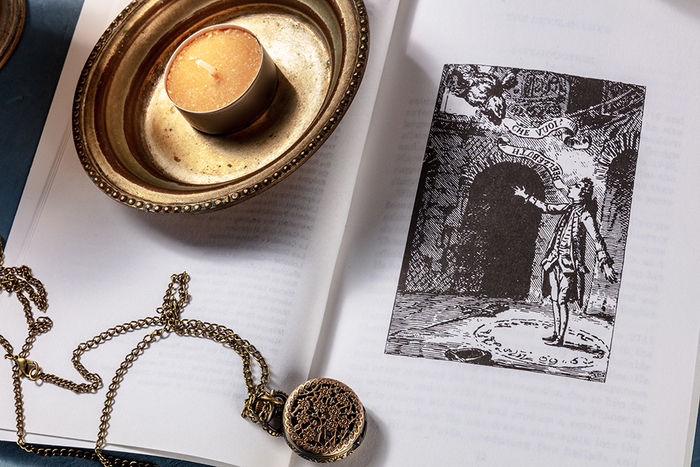 The author did not mean it this way, but as it is, it's a beguiling love story. Very original. Very appropriate for reading in autumn (not scary, but with supernatural occurences).
A brief manual on seduction, too :)
Quote:
'Then he gave me a short, insistent formula for the calling up of spirits, mingled with a few words I shall never forget'.
***
This Dedalus edition has a nice concise explanatory article.

May 27, 2018
Una lettura che può piacere ma che non coinvolge, nonostante la curiosità di sapere come vada a finire. Un compitino ben fatto ma senza pretese. Direi un sei politico.

January 17, 2022
Oh le Diable: mon DIeu!!

Siamo a Napoli, il protagonista Alvaro, è un giovane capitano un po' annoiato dalle noiose serate passate tra donne e bevute.
Un giorno, tuttavia, Alvaro è attirato dall’atteggiamento riservato del più anziano tra loro.
Soberano, questo è il nome di colui che si rivelerà come custode di conoscenze occulte che stuzzicano la curiosità del giovane capitano:
”“E se vi capitasse di vedere il Diavolo?”
“Gli tirerei le orecchie, al gran Diavolo dell’inferno”.
“Bravo! se siete così sicuro di voi, potete anche rischiare, io vi prometto la mia assistenza.
Venerdì prossimo, vi invito a cena con due dei nostri, e porteremo a termine l’avventura”.
Con spavalda superbia Alvaro si presta a quello che crede un gioco col solo scopo di spezzare la monotonia dell’inattiva vita militare.
”... portava una veste modestamente drappeggiata,
un cappello da viaggio e una veletta chiarissima sugli occhi;
depone l’arpa al suo fianco, saluta con disinvoltura, con grazia:
“Signor don Alvaro” dice, “non ero stata avvertita che voi foste in compagnia; non mi sarei mai presentata vestita come sono.
Questi signori vorranno certo scusare una viaggiatrice”
Così entra Biondetta, un’affascinate donna, virtuosa nell’arte musicale, che altro non è se non Belezebù in persona.
Belle le atmosfere gotiche di questo brevissimo romanzo (o racconto lungo) dove l’atteggiamento sprezzante del protagonista è sottomesso alla sottile arte dell’inganno del Diavolo.
L’opera ebbe alla sua uscita (1772) molto successo anche in seguito ad alcune dicerie che alludevano a messaggi nascosti nel testo.
Personalmente l'ho letto senza grande entusiasmo.
⭐⭐½

October 24, 2015
Jacques Cazotte, as the story goes, predicted whom among his friends would be meeting Madame Guillotine as the horrors of the French Revolution unfolded; sadly, his prescience didn't include himself.
Luckily, he's left behind this little gem of a book in which Beelzebub is summoned by a rank amateur (109 pages, 1772), and which although short, is a delight from beginning to end. The ending itself leaves much pause for thought and actually sent me back to the start for a second read. Within that 109 pages issues arise around self/other, gender identity, sexual desire, deception, reality vs. nonreality, all of which make their way through this tale; however, it's also a book that can be read totally just for fun, and one that I can definitely recommend.
You can read plot, etc. here; I must say I was completely captivated by this tale.
Luckily, he's left behind this little gem of a book in which Beelzebub is summoned by a rank amateur (109 pages, 1772), and which although short, is a delight from beginning to end. The ending itself leaves much pause for thought and actually sent me back to the start for a second read. Within that 109 pages issues arise around self/other, gender identity, sexual desire, deception, reality vs. nonreality, all of which make their way through this tale; however, it's also a book that can be read totally just for fun, and one that I can definitely recommend.
You can read plot, etc. here; I must say I was completely captivated by this tale.
October 24, 2017
Jorge Luis Borges'in harikası "Babil Kitaplığı" serisinde yer alan kitap hem yazarı hem de öyküsü sebebi ile özel bir yere sahip. Sevgili Yankı Enki'nin korku edebiyatı üzerine yazdığı önemli eseri "Maskenin Düştüğü Yer"de de aktardığı gibi zamanının, Fransız Devrimi öncesinin gotik kumaşına sahip. Hem de öyle bir kumaş ki yazarının giyotinle idam edildiğini düşünürsek "Aşık Şeytan" başlı başına ilginçleşiyor. Korku, gotik edebiyat severler için harika bir seçenek olduğunu düşünüyorum. Tabii tüm "Babil Kitaplığı" serisini yeniden basan Kırmızı Kedi Yayınları'na ayrıca teşekkür etmek lazım :)

November 20, 2025
Много готина свръхестествена любовна новела. Младият и лекомислен испанец Алваро се влюбва в тайнствената Биондета...

September 21, 2019
Âşık Şeytan, en öncelikle insanın kolayca baştan çıkarılabileceğini, kandırılabileceğini ve ruhunun ele geçirilebileceğini oldukça iyi şekilde gösteren güçlü bir kurguya sahip. Alvaro ile kadın kılığındaki bir şeytanın arasında geçen aşkın, ilişkinin üzerinden ilerleyen kitap, ilgi çekici yönlerle dolu. Tür bakımından fantastik kurguya giren kitap, zaman zaman gotik yanlarıyla da karşımıza çıkıyor. Sonu beni çok tatmin etmese de; kurguyu, akıcılığı, vermek istediği mesajı fazlasıyla başarılı bulduğumu söylemeliyim.

May 22, 2016
Novela sa čistotom i nevinošću klasika, ali prožeta misticizmom, kabalizmom i zabranjenom igrom između polova. Poruka je jasna: ne započinji nešto što nisi kadar dovršiti. I ne dopuštaj da te kroz to vodi bilo ko.

June 15, 2017
Dönemi içinde değerlendirdiğimizde farklı ve heyecanlı bir okuma. Bu yüz yılda, ı-ıh. Yine de Cazotte'yi bize hatırlattığı için Borges'e teşekkürler. Zira gerçekten ilginç biriymiş.

September 16, 2021
saatler içerisinde okunabilecek akıcılıkta ve güzellikte.

December 1, 2021
3,5
Qısa, amma olduqca dərin mövzulara toxunan bir əsər oldu. Adına görə ilk gördüyüm andan bəri diqqətimi çəkirdi kitab. Nəhayət pdf olaraq da olsa oxuya bildim və ümumilikdə sevdiyimi, lakin bəzi əskik gördüyüm yanları olduğunu da bildirməliyəm.
Biz burada bir insanın bitmək tükənməyən arzuları, hərisliyi və acgözlüyü nəticəsində az qala bütün həyatını təhlükəyə atdığının şahid oluruq. Öz müəllimi nəticəsində ruhlarla söhbət edib, onları çağırmağı öyrənir baş obrazımız və bundan sonra bir ruh çağırma ayini edir. Bu zaman bir ruh onun xidmətçisi olmağa razı halda qarşısına çıxır, lakin daha sonra bu ruhun qadın olduğu ortaya çıxır və zamanla baş obrazımız bu qadına aşiq olur.
Bir ruha, imkansız varlığa aşiq olmasını bir kənara qoyaq, çünki burada mövzu sırf eşq deyil. Burada biz ruhunda boşluq olan və bu boşluğu doldurmaq üçün bir şeylərin axtarışında olan insanı görürük, hansı ki o bir yerdə özünə lazım olanı tapdığını düşünür. Lakin işlər gözlədiyi kimi getmir. Xidmətçi qadının onun üzərində zamanla yaratdığı təsir, həyatında və davranışlarında baş verən dəyişikliklər, ağıl qarışıqlıqları və s. onu rahat buraxmır. Əsərin sonunda isə kiçik bir şok yaşadıqdan sonra əslində həm öz yaşamı, onu necə boşa sərf etməsi və lüzumsuz arzuların dalınca qaçıb öz həyatını məhvə sürükləməsini aydın görür obrazımız.
Məncə əsər maraqlı irəliləsə və bitsə də, tam deyilmiş hissi verdi sonda mənə. Yazar olduqca maraqlı əsər yaradıb, maraqlı fikirlər aşılayıb hər kəsə. Amma yenə də yetərincə vurucu yazılmayıb əsər. Və nəsə çatışmırdı əsərdə. Bəlkə də sonu birdən birə bitirilmiş kimi gəldiyi üçün və ya obrazın yaşadıqlarının ifadə edildiyi kimi çətin hadisələr olmamasından irəli gəlirdi. Yenə də yaxşı əsərdir. Hər kəsə tövsiyə edirəm👌🏻
Qısa, amma olduqca dərin mövzulara toxunan bir əsər oldu. Adına görə ilk gördüyüm andan bəri diqqətimi çəkirdi kitab. Nəhayət pdf olaraq da olsa oxuya bildim və ümumilikdə sevdiyimi, lakin bəzi əskik gördüyüm yanları olduğunu da bildirməliyəm.
Biz burada bir insanın bitmək tükənməyən arzuları, hərisliyi və acgözlüyü nəticəsində az qala bütün həyatını təhlükəyə atdığının şahid oluruq. Öz müəllimi nəticəsində ruhlarla söhbət edib, onları çağırmağı öyrənir baş obrazımız və bundan sonra bir ruh çağırma ayini edir. Bu zaman bir ruh onun xidmətçisi olmağa razı halda qarşısına çıxır, lakin daha sonra bu ruhun qadın olduğu ortaya çıxır və zamanla baş obrazımız bu qadına aşiq olur.
Bir ruha, imkansız varlığa aşiq olmasını bir kənara qoyaq, çünki burada mövzu sırf eşq deyil. Burada biz ruhunda boşluq olan və bu boşluğu doldurmaq üçün bir şeylərin axtarışında olan insanı görürük, hansı ki o bir yerdə özünə lazım olanı tapdığını düşünür. Lakin işlər gözlədiyi kimi getmir. Xidmətçi qadının onun üzərində zamanla yaratdığı təsir, həyatında və davranışlarında baş verən dəyişikliklər, ağıl qarışıqlıqları və s. onu rahat buraxmır. Əsərin sonunda isə kiçik bir şok yaşadıqdan sonra əslində həm öz yaşamı, onu necə boşa sərf etməsi və lüzumsuz arzuların dalınca qaçıb öz həyatını məhvə sürükləməsini aydın görür obrazımız.
Məncə əsər maraqlı irəliləsə və bitsə də, tam deyilmiş hissi verdi sonda mənə. Yazar olduqca maraqlı əsər yaradıb, maraqlı fikirlər aşılayıb hər kəsə. Amma yenə də yetərincə vurucu yazılmayıb əsər. Və nəsə çatışmırdı əsərdə. Bəlkə də sonu birdən birə bitirilmiş kimi gəldiyi üçün və ya obrazın yaşadıqlarının ifadə edildiyi kimi çətin hadisələr olmamasından irəli gəlirdi. Yenə də yaxşı əsərdir. Hər kəsə tövsiyə edirəm👌🏻

December 30, 2020
3.5 stars. A very odd Little novela where Satan fells in love with a man and transform himself to a woman to lure in him in a night if passion. I don't know if I liked it but it definitely was a novel worth reading. It had something gothic and mystery feel to it even though I found the posh language a little hard to follow some times, didn't have that flow to it. But it just might be me not understanding every word properly. I have never heard about this or about the author before but I'm glad I've read it.

June 8, 2018
18. yyda geçen bir gotik aşk öyküsü diyebiliriz belki; ama ne tam gotik ne de tam aşk. şeytanın kadın kılığına girip bir insana aşık olmasını konu ediyor. cazotte'un ilginç yaşam öyküsü ve borges'in önsözüyle zenginleşiyor.okuması kolay ve zevkli; ancak sonu tatmin edici değil. çok öne çıkmamış, enteresan metinlere ilgi duyanlara tavsiye edebilirim. hangi kılıkta hangi maske altında olursa olsun şeytanın şeytan olduğunu unutmamamız dileğiyle.

January 26, 2018
Şeytan, ne kılığına bürünürse bürünsün, nerede olursa olsun, ne olursa olsun şeytanlık vazifesini yerine getirir.

February 3, 2020
Her açıdan çılgınca bir dağınıklık.

September 4, 2011
Jacques Cazotte’s The Devil in Love is one of those books whose historical importance possibly outweighs its intrinsic interest. But it’s still an entertaining read.
Don Alvaro is a young Spanish nobleman who dabbles in the occult. He summons a spirit, and gets more than he bargained for. What he gets is Biondetta, a beautiful young woman who claims to be hopelessly in love with him. Biondetta at other times appears as a handsome young page. Don Alvaro can hardy claim that he doesn’t know what he is dealing with, it is clear that Biondetta is not human, but on the other hand she is very charming indeed.
She also solves Alvaro’s financial worries by giving him the ability to win unfailingly at games of chance. His heavy gambling losses are soon made good and he amasses a tidy little sum besides.
Don Alvaro is cautious about becoming involved with Biondetta, and even more cautious when it becomes obvious that she is determined to get him into bed with her. His reluctance to sleep with her actually has more to do with his Spanish pride than any fear of having sexual relations with a woman who is almost certainly a demon. He is unwilling to compromise his honour by sleeping with a woman before they are married, and he will first need his mother’s approval of the union.
Biondetta however is not inclined to give up. And even a Spanish nobleman cannot withstand such a determined siege forever. But can Alvaro succumb to Biondetta’s fleshly charms without risking his immortal soul?
The importance of this novel is of course that we are seeing many ideas that would become commonplace in the literature of the fantastique and of the gothic dealt with for the first time in a work of fiction. While the themes would be explored in greater depth in later works Cazotte’s treatment is interesting in its own right.
Cazotte’s approach to his subject matter is essentially tongue-in-cheek. This is very much an entertainment, a literary bauble created by a witty dilettante.
The book was originally intended to be in two parts but only the first part was ever completed. The second part would have changed the nature of the work rather considerably as it was intended to tell the story of Alvaro’s life as a minion of Beelzebub.
Cazotte pursued a varied but not especially happy career in the Marine Department of the French Civil Service, his health being badly damaged by overseas postings to the West Indies. He became involved with Catholic mystical groups and his support for the Royalist cause led to his being guillotined in 1792.
Don Alvaro is a young Spanish nobleman who dabbles in the occult. He summons a spirit, and gets more than he bargained for. What he gets is Biondetta, a beautiful young woman who claims to be hopelessly in love with him. Biondetta at other times appears as a handsome young page. Don Alvaro can hardy claim that he doesn’t know what he is dealing with, it is clear that Biondetta is not human, but on the other hand she is very charming indeed.
She also solves Alvaro’s financial worries by giving him the ability to win unfailingly at games of chance. His heavy gambling losses are soon made good and he amasses a tidy little sum besides.
Don Alvaro is cautious about becoming involved with Biondetta, and even more cautious when it becomes obvious that she is determined to get him into bed with her. His reluctance to sleep with her actually has more to do with his Spanish pride than any fear of having sexual relations with a woman who is almost certainly a demon. He is unwilling to compromise his honour by sleeping with a woman before they are married, and he will first need his mother’s approval of the union.
Biondetta however is not inclined to give up. And even a Spanish nobleman cannot withstand such a determined siege forever. But can Alvaro succumb to Biondetta’s fleshly charms without risking his immortal soul?
The importance of this novel is of course that we are seeing many ideas that would become commonplace in the literature of the fantastique and of the gothic dealt with for the first time in a work of fiction. While the themes would be explored in greater depth in later works Cazotte’s treatment is interesting in its own right.
Cazotte’s approach to his subject matter is essentially tongue-in-cheek. This is very much an entertainment, a literary bauble created by a witty dilettante.
The book was originally intended to be in two parts but only the first part was ever completed. The second part would have changed the nature of the work rather considerably as it was intended to tell the story of Alvaro’s life as a minion of Beelzebub.
Cazotte pursued a varied but not especially happy career in the Marine Department of the French Civil Service, his health being badly damaged by overseas postings to the West Indies. He became involved with Catholic mystical groups and his support for the Royalist cause led to his being guillotined in 1792.

October 25, 2017
Accetterei tutto, per amore. Ma un Belzebù-testa gigante di cammello, quello no!
Curioso caso in cui le vicende biografiche dell'autore sono più interessanti del testo stesso. Cazotte si rifugiò nelle arti oscure a causa del "tradimento" (truffa sarebbe il termine più appropriato, si veda l'introduzione di Borges) subito da parte dei fidati Gesuiti; il protagonista del suo Il diavolo in amore, per ironico contrappasso, pensa ad un certo punto di trovare il riparo e la salvezza all'ombra di un altare.
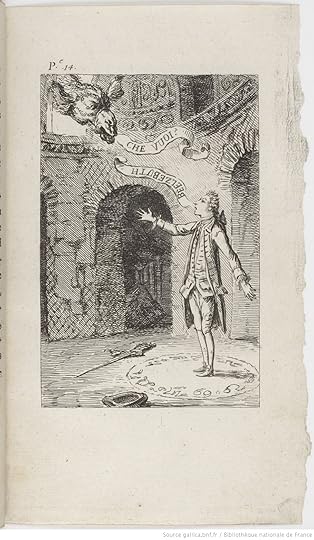
Siamo di fronte a un racconto lungo (o romanzo breve, a scelta) incentrato su un patto col demonio abbastanza inusuale: invocato con una certa leggerezza dal protagonista Alvaro, il diavolo prende forma di affascinante fanciulla e si innamora del "padrone", che inizialmente resiste alla tentazione, ma pian piano si lascia vincere dalle apparenze, dal desiderio di conoscenza e dagli abili inganni di Biondetta, questo il nome dato al demonio incarnato. Amor vincit omnia, dunque? Biondetta sarà poi una silfide innamorata o quel vecchio testa-di-cammello di un Belzebù, alla caccia di una nuova preda? Alvaro resisterà a desideri e tentazioni, oppure perderà l'anima? Materia interessante, si sarebbe portati a pensare. Invece, complice anche lo stile poco coinvolgente di Cazotte e la banalità delle situazioni presentate - senza contare l'imbecillità del protagonista -, la lettura risulta alquanto tediosa. Peccato. Peccato doppio, se si considera che il piano originale dell'opera era diverso, e potenzialmente più interessante, ma l'autore scelse sconsideratamente di seguire il consiglio degli amici a cui aveva sottoposto la prima stesura.
Per inciso, il web informa che l'opera fu alla base del Grafico del desiderio concepito da Lacan, e che ispirò un diversi balletti. Probabilmente ispirò anche commenti misogini e fantasie poco caste nei lettori del tempo: pur sempre di un diavolo con attraenti fattezze femminili si tratta.
Ora, il vero motivo che mi ha spinto a tediare il prossimo con questo commento: ricordare la stupenditudine quasi diabolica di Patti Russo, in compagnia di un certo Polpettone dall'aspetto quasi demoniaco https://www.youtube.com/watch?v=9X_Vi...
Curioso caso in cui le vicende biografiche dell'autore sono più interessanti del testo stesso. Cazotte si rifugiò nelle arti oscure a causa del "tradimento" (truffa sarebbe il termine più appropriato, si veda l'introduzione di Borges) subito da parte dei fidati Gesuiti; il protagonista del suo Il diavolo in amore, per ironico contrappasso, pensa ad un certo punto di trovare il riparo e la salvezza all'ombra di un altare.
Siamo di fronte a un racconto lungo (o romanzo breve, a scelta) incentrato su un patto col demonio abbastanza inusuale: invocato con una certa leggerezza dal protagonista Alvaro, il diavolo prende forma di affascinante fanciulla e si innamora del "padrone", che inizialmente resiste alla tentazione, ma pian piano si lascia vincere dalle apparenze, dal desiderio di conoscenza e dagli abili inganni di Biondetta, questo il nome dato al demonio incarnato. Amor vincit omnia, dunque? Biondetta sarà poi una silfide innamorata o quel vecchio testa-di-cammello di un Belzebù, alla caccia di una nuova preda? Alvaro resisterà a desideri e tentazioni, oppure perderà l'anima? Materia interessante, si sarebbe portati a pensare. Invece, complice anche lo stile poco coinvolgente di Cazotte e la banalità delle situazioni presentate - senza contare l'imbecillità del protagonista -, la lettura risulta alquanto tediosa. Peccato. Peccato doppio, se si considera che il piano originale dell'opera era diverso, e potenzialmente più interessante, ma l'autore scelse sconsideratamente di seguire il consiglio degli amici a cui aveva sottoposto la prima stesura.
Per inciso, il web informa che l'opera fu alla base del Grafico del desiderio concepito da Lacan, e che ispirò un diversi balletti. Probabilmente ispirò anche commenti misogini e fantasie poco caste nei lettori del tempo: pur sempre di un diavolo con attraenti fattezze femminili si tratta.
Ora, il vero motivo che mi ha spinto a tediare il prossimo con questo commento: ricordare la stupenditudine quasi diabolica di Patti Russo, in compagnia di un certo Polpettone dall'aspetto quasi demoniaco https://www.youtube.com/watch?v=9X_Vi...
This entire review has been hidden because of spoilers.

March 28, 2026
belzébuth la diva

November 15, 2014
Birlikte çalıştığı arkadaşlarının oyununa gelip ruh çağırmaya ikna olan Alvaro, ayini yapacağı mağaraya girdiğinde, gelenin kötülüğün en saf hali olacağından habersizdir. Söylemesi gereken sözleri söyleyip korkunç bir deve kafasıyla karşılaştığında korkudan dili tutulur. Gelen ruh ona itaat etmek zorunda olduğundan ona bir uşak kılığına girmesini söyler. Ruh da çok güzel bir kadın kılığına girer. Oysa gelen Belzebuth yani Şeytandır. Alvaro'yu girdiği kadın suretiyle kandırmaya çalışır. Fakat oyunun sonunda aşık olan Şeytan'ın ta kendisi olur ve Alvora için fani hayatı kabullenir.
Olaylar karışır ve her imkansız aşk gibi hüzünle biter.
Hikayeyi çok beğendim. Babil kitaplığını okuduğumdan beri hikayeler bana ilaç gibi geliyor çünkü hayal gücünü zorluyorlar.
Kitabı okurken aklıma çocuk kitabı olan Küçük Deniz Kızı geldi. Aşık Şeytan 1700lü yıllarda yazılmışken, Deniz Kızı 1800lülerde yazılmış. Yani esinlenilmiş olabilir. Neden olmasın diyelim ve bu muhteşem fantastik hikayelere devam edelim.
Olaylar karışır ve her imkansız aşk gibi hüzünle biter.
Hikayeyi çok beğendim. Babil kitaplığını okuduğumdan beri hikayeler bana ilaç gibi geliyor çünkü hayal gücünü zorluyorlar.
Kitabı okurken aklıma çocuk kitabı olan Küçük Deniz Kızı geldi. Aşık Şeytan 1700lü yıllarda yazılmışken, Deniz Kızı 1800lülerde yazılmış. Yani esinlenilmiş olabilir. Neden olmasın diyelim ve bu muhteşem fantastik hikayelere devam edelim.

April 18, 2018
'Erkek biraz çamurdan, biraz da sudan oluşmuştur. Niçin kadın da çiy damlalarından, dünyevi buharlarla ışık huzmelerinden ve sıkıştırılmış bir gökkuşağının kalıntılarından oluşmuş olmasın? Mümkün olanın sınırı nerede?.. Mümkün olmayanın sınırı nerede?' S:69

January 9, 2019
Colonial magistrate writes a pleasant little demonology prior to his decapitation in the French Revolution.
The preface says it all:
The narrator is complimented by an instructor of the mystic arts for his admitted “ignorance” (2) which is placed in preferable relation to “the fancied knowledge of your companions” (3). The narrator, like Faust, has a “thirst for knowledge”: “already has my fancy been roaming towards that exalted sphere” (3). In working out an arrangement, narrator advises that “his decisions agreed more with my desires than my principles” (4), a good example of akrasia (as opposed to akolasia). In deciding to proceed with demon summoning rituals by himself as a novice, in part out of braggadocio, the narrator “summoned all the resolution I was master of, and held counsel with myself” (7), indicating that the first act of summoning demons is internal, a summoning of something forbidden in the mind, something alien with which the subject must consult.
As in Marlowe, the summoner here enjoins the demon to produce “a variety of delicacies—the fruits and confectionary were of the rarest sorts” (11)—sorcery as global market participation, the fructus of colonialism.
Part of the fruits here are the metamorphoses of the summoned demon itself, which begins as a fugly “odious phantom” (that asks “Che-vuoi”) with a “camel’s head” and “ears immeasurably long” (8), who is ordered to transmute into “a form more agreeable”—first a dog (10) (white, though, rather than black as in Goethe) and then a person, a male page (11), but then a female one, “a divinity in disguise” (13). When she sings at narrator’s command, he could “almost forget than the voice and form, which thus transported me, was of my own creation” (15), indicating that a certain amount of perceived alterity is a condition of possibility for his desire.
His friends caution him against a reckless haste in sortilege: “you are young, void of reflection, eager in the extreme, and follow your pleasures too precipitately” (17), which is plenty marlovian. The voidness affects his relation with the infernal servant, who objects “was I the vilest courtesan, you would show some regard to the decency due” (20). He reconsiders, and permits her to avoid the “fear of ridicule” (25), which is a bizarre interest to protect for a creature from the nether realm.
The demonic servant attaches to the narrator, she says, because “unappalled by the appearance of that hideous phantasm, your courage, your intrepidity charmed me” (26); she claims that “to obtain happiness, I must unite myself with a mortal, and take human form” (id.).
Nice determinist doctrine: “No such thing as hazard in the world; everything has been, and ever will be, a series of necessary combinations” (37).
Shadow of Aretino in narrator’s keeping “the company of courtesans” (40); one, he contends, “discovered a partiality toward me” (id.). We know from Aretino that he is taken by theater of the professional, though he is too dumb or invested to see it. The courtesan, acting jealous of the demonic servant, attacks her—at which point narrator swears “I will die, after having sacrificed that vile [courtesan] upon your tomb” (51).
Demon claims to be the “slave to the invocations of the necromancers” (55). A “simple estate of a woman” or spirit (55)? Narrator falls for all of it because he is “born with prejudices that blind you” (61). She objects to meeting his parents because then “I shall receive you from your mother, rather than from your own free will” (62), which is an objection that runs against the grain of the earlier determinism.
Narrator for his part however “had rather die a thousand deaths than forget the obedience” due his mother (65), and claims to be “under the dominion of a tyrannic passion” (id.). He is “in need of extraordinary succours to regulate our conduct” (id.). So, either way, he is to be dominated—though one form of authority is considered legitimate.
“Can you expect a woman to be so constantly mistress of herself as never to be guilty of inconsistency? I am a woman by choice, [narrator], but still I am a woman, and subject to all the weaknesses of one” (70)—dumb.
Demonology and screwing succubi is construed as “the irregularity of my life” (79), whereas the gambling and whoring and whatnot is just fine.
I read this because it is mentioned in Perez-Reverte. A worthwhile diversion as adjunct to that purpose.
The preface says it all:
The author seems to think that a man, whose head is turned with love, deserves much pity. But that when a pretty woman is in love with him, caresses him, besieges him and determines to seduce him, it is all over with him—it is the Devil. (ix)Nevertheless, the preface concludes that “the Devil is very malign, and not always as ugly as they say he is” (x).
The narrator is complimented by an instructor of the mystic arts for his admitted “ignorance” (2) which is placed in preferable relation to “the fancied knowledge of your companions” (3). The narrator, like Faust, has a “thirst for knowledge”: “already has my fancy been roaming towards that exalted sphere” (3). In working out an arrangement, narrator advises that “his decisions agreed more with my desires than my principles” (4), a good example of akrasia (as opposed to akolasia). In deciding to proceed with demon summoning rituals by himself as a novice, in part out of braggadocio, the narrator “summoned all the resolution I was master of, and held counsel with myself” (7), indicating that the first act of summoning demons is internal, a summoning of something forbidden in the mind, something alien with which the subject must consult.
As in Marlowe, the summoner here enjoins the demon to produce “a variety of delicacies—the fruits and confectionary were of the rarest sorts” (11)—sorcery as global market participation, the fructus of colonialism.
Part of the fruits here are the metamorphoses of the summoned demon itself, which begins as a fugly “odious phantom” (that asks “Che-vuoi”) with a “camel’s head” and “ears immeasurably long” (8), who is ordered to transmute into “a form more agreeable”—first a dog (10) (white, though, rather than black as in Goethe) and then a person, a male page (11), but then a female one, “a divinity in disguise” (13). When she sings at narrator’s command, he could “almost forget than the voice and form, which thus transported me, was of my own creation” (15), indicating that a certain amount of perceived alterity is a condition of possibility for his desire.
His friends caution him against a reckless haste in sortilege: “you are young, void of reflection, eager in the extreme, and follow your pleasures too precipitately” (17), which is plenty marlovian. The voidness affects his relation with the infernal servant, who objects “was I the vilest courtesan, you would show some regard to the decency due” (20). He reconsiders, and permits her to avoid the “fear of ridicule” (25), which is a bizarre interest to protect for a creature from the nether realm.
The demonic servant attaches to the narrator, she says, because “unappalled by the appearance of that hideous phantasm, your courage, your intrepidity charmed me” (26); she claims that “to obtain happiness, I must unite myself with a mortal, and take human form” (id.).
Nice determinist doctrine: “No such thing as hazard in the world; everything has been, and ever will be, a series of necessary combinations” (37).
Shadow of Aretino in narrator’s keeping “the company of courtesans” (40); one, he contends, “discovered a partiality toward me” (id.). We know from Aretino that he is taken by theater of the professional, though he is too dumb or invested to see it. The courtesan, acting jealous of the demonic servant, attacks her—at which point narrator swears “I will die, after having sacrificed that vile [courtesan] upon your tomb” (51).
Demon claims to be the “slave to the invocations of the necromancers” (55). A “simple estate of a woman” or spirit (55)? Narrator falls for all of it because he is “born with prejudices that blind you” (61). She objects to meeting his parents because then “I shall receive you from your mother, rather than from your own free will” (62), which is an objection that runs against the grain of the earlier determinism.
Narrator for his part however “had rather die a thousand deaths than forget the obedience” due his mother (65), and claims to be “under the dominion of a tyrannic passion” (id.). He is “in need of extraordinary succours to regulate our conduct” (id.). So, either way, he is to be dominated—though one form of authority is considered legitimate.
“Can you expect a woman to be so constantly mistress of herself as never to be guilty of inconsistency? I am a woman by choice, [narrator], but still I am a woman, and subject to all the weaknesses of one” (70)—dumb.
Demonology and screwing succubi is construed as “the irregularity of my life” (79), whereas the gambling and whoring and whatnot is just fine.
I read this because it is mentioned in Perez-Reverte. A worthwhile diversion as adjunct to that purpose.
October 7, 2022
cok zor okudum ve bostu yani baslik kitabin icini anlatiyor zaten

November 13, 2025
j’ai la vision

December 8, 2024
Książka raczej jako ciekawostka, niż emocjonująca przygoda.

Read
October 24, 2025культова протоготична оповідка про диявола, котрий закохався у пихатого іспанського молодика та обернувся панянкою, щоб було зручніше його ґрумити.
читав англійську версію від Dedalus, де крім новели були ще коментарі плюс-мінус такої самої довжини. загалом корисні, але я дуже сильно вибісився від безапеляційного тону автора передмови. там було шось типу «знаєтє, кніжка в целом харошая, але вапщєто усі СПРАВДІ освічені люди ОДРАЗУ ПОБАЧАТЬ, що сам текст не має якоїсь великої літературної цінності». ой, пішов у сраку, взагалі-то це один із перших ПРИТОМНИХ зразків використання тропу «тут справді відбулася бісовщина, чи то мені все примарилось». як на 1772 рук дуже навіть непогано.
енівей, дякую Артуро Перес-Реверте за референс, жанрову класику треба знати.
читав англійську версію від Dedalus, де крім новели були ще коментарі плюс-мінус такої самої довжини. загалом корисні, але я дуже сильно вибісився від безапеляційного тону автора передмови. там було шось типу «знаєтє, кніжка в целом харошая, але вапщєто усі СПРАВДІ освічені люди ОДРАЗУ ПОБАЧАТЬ, що сам текст не має якоїсь великої літературної цінності». ой, пішов у сраку, взагалі-то це один із перших ПРИТОМНИХ зразків використання тропу «тут справді відбулася бісовщина, чи то мені все примарилось». як на 1772 рук дуже навіть непогано.
енівей, дякую Артуро Перес-Реверте за референс, жанрову класику треба знати.

August 3, 2017
It's the age-old story: Boy summons demon to serve his friends an impressive collation; demon appears as a monstrous camel and terrifies boy; boy complains and demon-camel vomits up a demon-spaniel; demon-spaniel transforms into a comely young woman who - if she dresses up nice - can pass for a pageboy; boy falls in love with demon-pageboy-woman; demon-pageboy-woman something something something your mother's dead, or is she?; demon-pageboy-woman-camel-spaniel-thing disappears; boy finds out mother isn't as dead as she is supposed to be.
Talk about cliche!
Were it not for Cazotte's rather frightening personal story, perhaps this novel would have disappeared without a trace. Just like the demon-pageboy-woman-camel-spaniel-thing.
Bored with being over-privileged and entitled, Cazotte sat down one warm-trousered afternoon and wrote this exciting story of a Sylph that was bored with being over-privileged and entitled, and sought out to make a mess of the life of an over-privileged and entitled Spaniard. It takes the Sylph six months to accomplish this misery, rather than taking ten minutes to use some Sylph powers to turn him into a bubbling saucer of jam.
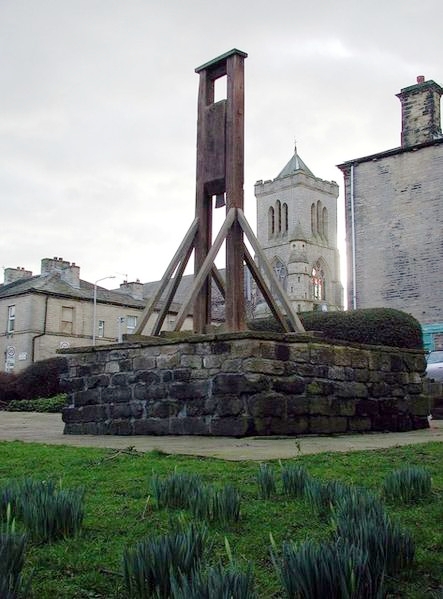
Cazotte having accomplished this literary cul de sac (although there is a novel called The Monk that is apparently a direct ripoff, albeit in English, not French, of same), Cazotte wandered into Paris one day to find the Terrors well under way, was promptly arrested for being over-privileged and entitled, and found himself sentenced to death by the popular method of abstracting his head from his torso. However, his daughter sent an urgent email to La Révolution, and he was released.
Phew!
But then they arrested him again and, without any further ado,they promptly cured him of having an intact spinal column.
Sad.
For him.
Maybe if his mother had sent an email.
In fact, this novel of his would have better been off titled Mère sait meilleur, and surely he should have seen that essential truth in his own life, too.
FINIS
Talk about cliche!
Were it not for Cazotte's rather frightening personal story, perhaps this novel would have disappeared without a trace. Just like the demon-pageboy-woman-camel-spaniel-thing.
Bored with being over-privileged and entitled, Cazotte sat down one warm-trousered afternoon and wrote this exciting story of a Sylph that was bored with being over-privileged and entitled, and sought out to make a mess of the life of an over-privileged and entitled Spaniard. It takes the Sylph six months to accomplish this misery, rather than taking ten minutes to use some Sylph powers to turn him into a bubbling saucer of jam.
Cazotte having accomplished this literary cul de sac (although there is a novel called The Monk that is apparently a direct ripoff, albeit in English, not French, of same), Cazotte wandered into Paris one day to find the Terrors well under way, was promptly arrested for being over-privileged and entitled, and found himself sentenced to death by the popular method of abstracting his head from his torso. However, his daughter sent an urgent email to La Révolution, and he was released.
Phew!
But then they arrested him again and, without any further ado,they promptly cured him of having an intact spinal column.
Sad.
For him.
Maybe if his mother had sent an email.
In fact, this novel of his would have better been off titled Mère sait meilleur, and surely he should have seen that essential truth in his own life, too.
FINIS
Displaying 1 - 30 of 230 reviews