

What do you think?

Stone Lands: A Journey of Darkness and Light Through Britain’s Ancient Places
Journeying across Britain, from West Penwith and Avebury to the Lake District and Orkney, Stone Lands uncovers the magic and rich history of our incredible prehistoric standing stones. It conveys the delight that lies in tracking them down, as well as the solace these ancient places offer in times of darkness.
A few months after discovering that her beloved husband, Stephen, had incurable cancer, Fiona Robertson began to write this book. A long-time megalith enthusiast, she found the ancient stones resonated with her more profoundly than ever as she faced the prospect of losing him. Set upright thousands of years ago, the megaliths are symbols of endurance and survival, standing in contrast to our ephemeral human lives. Infused with folklore, legend and mystery, they enchant the landscape and bring magic to our modern world.
A few months after discovering that her beloved husband, Stephen, had incurable cancer, Fiona Robertson began to write this book. A long-time megalith enthusiast, she found the ancient stones resonated with her more profoundly than ever as she faced the prospect of losing him. Set upright thousands of years ago, the megaliths are symbols of endurance and survival, standing in contrast to our ephemeral human lives. Infused with folklore, legend and mystery, they enchant the landscape and bring magic to our modern world.
416 pages, Paperback
First published June 1, 2025
Ratings & Reviews
Friends & Following
Create a free account to discover what your friends think of this book!
Community Reviews
Displaying 1 - 30 of 58 reviews

May 23, 2026
Fiona Robertson made me feel things against my will. So, if you are looking at picking up Stone Lands because you think you are just going to learn about some old rocks, then you are warned. Have the tissues handy. Robertson is not messing around.
There are two things going on in Stone Lands. First, Robertson loves prehistoric standing stones. For those of us who didn't know (like me), Stonehenge is not a one-and-done thing. There are a ton of standing stones all over England. Robertson is an enthusiast and is going to tell you some super cool facts. So far, so good. Nothing to be worried about here.
Well, this book starts right around the time Robertson's husband, Stephen, is diagnosed with an incurable cancer. They have two kids. The impetus for this book is that Stephen is not about to lock himself in a room while everyone is sad. Instead, he wants to keep up with the rock hunting, mostly while he checks out some birds. This kind of nerdy family is so close to my own dorky heart.
The book slowly weaves the two stories together. A little bit on seeing a new stone site, juxtaposed with Stephen being a little less mobile and energetic each time. Yeah, metaphors abound. The seemingly infinite lives of standing stones against the ticking clock of a human life. Are you scared by how emotional this book will be? Because I for d@mn sure should have been!
Anyway, this is excellent, and you should read it. Now I have to get out of this dusty room.
(This book was provided as a review copy by Pegasus Books.)
There are two things going on in Stone Lands. First, Robertson loves prehistoric standing stones. For those of us who didn't know (like me), Stonehenge is not a one-and-done thing. There are a ton of standing stones all over England. Robertson is an enthusiast and is going to tell you some super cool facts. So far, so good. Nothing to be worried about here.
Well, this book starts right around the time Robertson's husband, Stephen, is diagnosed with an incurable cancer. They have two kids. The impetus for this book is that Stephen is not about to lock himself in a room while everyone is sad. Instead, he wants to keep up with the rock hunting, mostly while he checks out some birds. This kind of nerdy family is so close to my own dorky heart.
The book slowly weaves the two stories together. A little bit on seeing a new stone site, juxtaposed with Stephen being a little less mobile and energetic each time. Yeah, metaphors abound. The seemingly infinite lives of standing stones against the ticking clock of a human life. Are you scared by how emotional this book will be? Because I for d@mn sure should have been!
Anyway, this is excellent, and you should read it. Now I have to get out of this dusty room.
(This book was provided as a review copy by Pegasus Books.)
July 1, 2025
A beautiful, extremely well-researched and ultimately loving account of our relationships with ancient stones and one another. Much more than just a gazetteer of our ancient sites, this is a life affirming tale that reaches out between the ages and connects us to those people who first raised the stones. Heartbreaking, yet funny and inspiring. And I added many new places to my visit list. Wonderful.

May 19, 2026
Fiona Robertson’s, Stone Lands feels like a journey through darkness and light, across Britain’s ancient places and through the landscapes of memory itself. It is part travel writing, part meditation on myth, prehistory, and what it means to be human in a world that is always changing.
Again and again, Robertson returns to the feeling that “there is much wonder in the world.” The standing stones: circles, cairns, barrows, and ancient places remind us that the past is never truly gone. These monuments still stand quietly among us, carrying echoes of lives we can never fully understand. “Why was that particular stone chosen?”What stories, beliefs, fears, or hopes once gathered around it? The mystery remains, and perhaps that is part of their power.
Robertson beautifully captures how prehistoric stones seem tied to the endless “Dance between darkness and light,” the turning of seasons, the movement of planets, and the cycles within our own lives. In a prehistoric world without written records, these monuments set in stone what otherwise might have vanished completely: traces of shared communities, rituals, belonging, identity and meaning.
What moved me most was the sense that these ancient places offer an escape from everyday concerns and modern noise. They reconnect us with mythic landscapes filled with legends, fables, and sacred imagination. Even though we can never truly know what these sites meant to the people who built them, they still speak to us today.
The book also quietly reminds us that our own lives are fragile, subject to “change, decay, and loss.” At any moment, “The illusion of stability can shatter.” Yet the stones endure, even if they too are weathered by time. They become metaphors for “strength, endurance, and hope,” and perhaps the very best qualities of humankind: the desire to create meaning that lasts beyond ourselves.
Stone Lands, left me feeling inspired to look at the world differently, with more mystery, reverence, and gratitude and an awareness of how easily the world can be re-seen with a sense of wonder.
Again and again, Robertson returns to the feeling that “there is much wonder in the world.” The standing stones: circles, cairns, barrows, and ancient places remind us that the past is never truly gone. These monuments still stand quietly among us, carrying echoes of lives we can never fully understand. “Why was that particular stone chosen?”What stories, beliefs, fears, or hopes once gathered around it? The mystery remains, and perhaps that is part of their power.
Robertson beautifully captures how prehistoric stones seem tied to the endless “Dance between darkness and light,” the turning of seasons, the movement of planets, and the cycles within our own lives. In a prehistoric world without written records, these monuments set in stone what otherwise might have vanished completely: traces of shared communities, rituals, belonging, identity and meaning.
What moved me most was the sense that these ancient places offer an escape from everyday concerns and modern noise. They reconnect us with mythic landscapes filled with legends, fables, and sacred imagination. Even though we can never truly know what these sites meant to the people who built them, they still speak to us today.
The book also quietly reminds us that our own lives are fragile, subject to “change, decay, and loss.” At any moment, “The illusion of stability can shatter.” Yet the stones endure, even if they too are weathered by time. They become metaphors for “strength, endurance, and hope,” and perhaps the very best qualities of humankind: the desire to create meaning that lasts beyond ourselves.
Stone Lands, left me feeling inspired to look at the world differently, with more mystery, reverence, and gratitude and an awareness of how easily the world can be re-seen with a sense of wonder.

January 21, 2026
I loved this - gorgeous book and beautifully read as an audiobook. I’ve been savouring listening to this and it doesn’t disappoint - lots of favourite places featured (The Rollrights, Stonehenge, Isles of Scilly and Penwith) and lots of new places to visit (Orkney looking at you!). It’s been a great comfort listen and I’ve also bought the hardback too as it’s got beautiful illustrations.
August 26, 2026
I ugly cried in the middle of this book so I had to take a break for a few weeks… Omg how I feel the love of the author for her husband, for the land, for the deep history hidden beneath the British landscape.
Despite it being really sad it‘s also incredibly hopeful and I loved spending time with the author‘s thoughts :) The way she wrote about their little adventures was so incredibly comforting, definitely a new cozy non-fiction favorite :)
Ps: I bought this in the Lake District on a rainy day right after visiting Castlerigg Stone Circle which has its own chapter in the book🥰 makes this story feel extra special to me
Despite it being really sad it‘s also incredibly hopeful and I loved spending time with the author‘s thoughts :) The way she wrote about their little adventures was so incredibly comforting, definitely a new cozy non-fiction favorite :)
Ps: I bought this in the Lake District on a rainy day right after visiting Castlerigg Stone Circle which has its own chapter in the book🥰 makes this story feel extra special to me
August 6, 2025
Poignant, lyrical, moving and thought-provoking. Also packed with information on ancient places and stone circles. Couldn’t recommend it more highly.

September 27, 2026
My partner bought me this book at a small bookshop in Margate aware that I’ve a keen interest in stone circles, but unaware that this book isn’t an a-z of various stone circles.
It’s a book of darkness, peace, and significance, which isn’t easy to review. While the stone content is great; what I’ll remember and keep this book for is its ability to make me feel totally at peace with my own mortality, grateful for life but also realising that death, fear, and loss is part of the journey. Of course death is scary but wouldn’t it be worse to live forever? time must flow relentlessly onwards. The mystic places that weather time far better than our human lives, link us with the past and help us to realise our place in this world.
It’s a book of darkness, peace, and significance, which isn’t easy to review. While the stone content is great; what I’ll remember and keep this book for is its ability to make me feel totally at peace with my own mortality, grateful for life but also realising that death, fear, and loss is part of the journey. Of course death is scary but wouldn’t it be worse to live forever? time must flow relentlessly onwards. The mystic places that weather time far better than our human lives, link us with the past and help us to realise our place in this world.
May 12, 2026
„Stone Lands“ von Fiona Robertson hat mich tief berührt – ich hätte nie gedacht, dass ein Buch über Steine mich so mitnehmen könnte. Fiona schreibt unglaublich gefühlvoll, und gleichzeitig sind die Fakten zu den Steinen wunderbar und sorgfältig recherchiert. Man spürt in jedem Satz ihre Liebe zu den Steinen und gleichzeitig zu ihrer Familie.
Besonders beeindruckend und herzzerreißns ist die Art, wie sie die Krankheit ihres Ehemannes einbettet: so ehrlich und berührend, dass einem ab und zu wirklich die Tränen kamen. Insgesamt ist es ein wunderschönes Buch, das man zwar nicht in einem Rutsch lesen kann, das man aber immer wieder gerne zur Hand nimmt.
Vielen Dank an die Autorin, den Verlag und NetGalley für das Rezensionsexemplar.
#StoneLands #NetGalley #aufbauverlage
Besonders beeindruckend und herzzerreißns ist die Art, wie sie die Krankheit ihres Ehemannes einbettet: so ehrlich und berührend, dass einem ab und zu wirklich die Tränen kamen. Insgesamt ist es ein wunderschönes Buch, das man zwar nicht in einem Rutsch lesen kann, das man aber immer wieder gerne zur Hand nimmt.
Vielen Dank an die Autorin, den Verlag und NetGalley für das Rezensionsexemplar.
#StoneLands #NetGalley #aufbauverlage
August 27, 2025
I wanted to like this book. I do like this book but for me it's left me unfulfilled. I'd read the pre publication reviews and thought, being interested in ancient sites, this could offer something new. However I began finding myself speed reading chapters to get beyond the mindfulness and emotional suggestions, to unearth the discovery and fact. There's no doubt this is a well researched book, there's no doubt about Robertson's love of the topic, but like many books published today it majors on a personal warts and all journey with the subject being of secondary merit. Of this genera it does a wonderful job. But for me I had hoped for more. I'm not sure what that more was meant to be, maybe I'd misunderstood the premise but having stopped reading it properly and skimmed through it over two nights to the end I struggled to fully engage with it or the many people mentioned who 'deeply connect' with the mystery of ancient stones, searching for something of fulfillment in these modern times.
April 25, 2026
Read the sample on kindle and enjoyed it so much that I am now determined to travel to Avebury for a full investigation and to complete some of The Ridgeway at the other end.
I have now finished the paperback and booked my trip to Avebury in August, stopping off at the Uffington White Horse and Wayland’s Smithy en route.
A truly moving and inspiring book.
I have now finished the paperback and booked my trip to Avebury in August, stopping off at the Uffington White Horse and Wayland’s Smithy en route.
A truly moving and inspiring book.
April 1, 2026
Much more about grief, and less about stones, than anticipated, beautifully interwoven and harrowing but hopeful.

July 6, 2026
As a fellow megalith enthusiast of a similar age, I immediately felt very connected to this book. The author has a wonderful descriptive style, setting the scene brilliantly and communicating how the stones make her (and me) feel.
I did not know, before I began, that this was a story about loss as well as ancient stones, but it was terribly moving without being unremittingly dark. There is such wonder, humour and hope within, much as I find prehistoric burial chambers places of beauty and death.
The book has inspired me to plan visits to so far unvisited stones (especially Scotland which I have not explored) and reminded me why I love the ones I already know. I feel like I want to thank the author for sharing her life and the things the stones have taught her with the readers. I don't think I could be so open, it was a heartening and emotional. Thank you.
I did not know, before I began, that this was a story about loss as well as ancient stones, but it was terribly moving without being unremittingly dark. There is such wonder, humour and hope within, much as I find prehistoric burial chambers places of beauty and death.
The book has inspired me to plan visits to so far unvisited stones (especially Scotland which I have not explored) and reminded me why I love the ones I already know. I feel like I want to thank the author for sharing her life and the things the stones have taught her with the readers. I don't think I could be so open, it was a heartening and emotional. Thank you.

October 9, 2025
The first half of Fiona’s book is a very moving record of her partner’s, Stephen’s, incurable cancer diagnosis intertwined with recollections of the various trips to megalithic stone structures in Britain which they had made. The writing can be powerful, reflecting a personal, subjective response to Stephen’s illness and death, and to visiting megaliths sites.
For me, from Chapter 7 (following Stephen’s death) the book seems to struggle to find a focus, with a record of more visits to megalithic stone structures, both those previously visited and some which were on a wishlist which were tragically never achieved with Stephen. Nevertheless I found this half of the book engaging and informative.
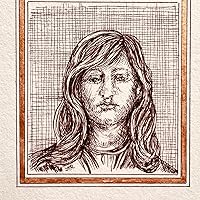
Loved the illustrations by Philip Harris, which added to the book, and the occasional brief plans of megalithic sites.
For me, from Chapter 7 (following Stephen’s death) the book seems to struggle to find a focus, with a record of more visits to megalithic stone structures, both those previously visited and some which were on a wishlist which were tragically never achieved with Stephen. Nevertheless I found this half of the book engaging and informative.
Loved the illustrations by Philip Harris, which added to the book, and the occasional brief plans of megalithic sites.
June 25, 2025
A moving and spiritual book. A story of coping with grief and loss through the ever present magic of ancient stones
August 21, 2026
‘Stone Lands’ is a beautifully touching book that has elements of travel writing, nature writing and a memoir and yet cannot be reduced to any one of those things. It is simply stunning. I don’t cry at many books but this one is a tear-jerker. It will make you view the world differently and it does so masterfully.
In this book, Robertson charts her lifelong adventures across Britain’s megalithic landscape with her husband and two children whilst reflecting on the terminal illness of her husband Stephen that derailed her happiness and made her view the world in a different light. Against this backdrop she walks the reader through some of Britain’s oldest and most enchanting settings, dealing with their history deftly whilst also weaving in the real lived experiences of modern day visitors to the stones, showing how these monuments that are millennia old continue to influence peoples lives today.
In my eyes, books are either entertaining, informative or inspiring. The last category is particularly hard to nail but this book is so wildly inspiring in the best way. The reflections that Robertson drops into her travels across the country on time, grief, and the human condition are brilliant and gave me reason for pause every time. Some of these reflections made me attach my day differently after I’d read them and that is one of the highest compliment a book can get in some respects.
“There is a last time for everything, though when that happens we rarely know it for what it is - and so we should approach each thing as if we’ll never have a chance to experience it again. Remembering always that happiness is one of those things that’s clearest seen when looking back.”
After acknowledging the books inspiring nature, it then also hits that informative category as well to the same heights. Robertson presents such interesting profiles of these megaliths and it’s so seamlessly woven into a tale about how she dealt with this difficult reality of her husband’s cancer. I learnt so much about the history of the stones and the sites. The book doesn’t touch on their actual contextual history very much because their potential spiritual or chronological purpose is lost to time but this shows the book playing to its strengths because it’s not a history of Stone Age Britain, it’s a survey of Britain’s megalithic sites and their histories as sites of spirituality and a means of connecting with nature.
This book provides a really nice comparative read with ‘H is for Hawk’ by Helen Macdonald. Falconry and megaliths were both lifelong passions and things that each woman turned to in their grief.
Their grief manifested itself differently but ultimately they sought the escape of nature as a means of communing with a power far more secure and permanent than anything the material world could offer. Macdonald found solace in the unpredictable and difficult business of taming a hawk, whereas Robertson sought comfort in the megaliths of Britain.
There are parts of this book that are soul-crushing, yet there’s a certain kind of poetry to finding comfort in megaliths. They’re so eternal and unshakeable that it feels as though Robertson took some of their unshakability into herself through her travels to the stones. There’s a quiet beauty to it.
This book isn’t just Robertson’s experiences with the stones; she talks to so many people who have similar experiences or communications with the stones. It’s fascinating to get short looks into peoples lives, learn what led them to interact with the megaliths and what the stones mean to them. It’s a people’s history of Britain’s megalithic sites just as much as it is a travel-nature-memoir.
This book has annihilated me. It’s tragically soul-crushing. Robertson’s dealings with grief remind me that that will be a reality for all of us one day, that people we love will leave us and that we mustn’t take them for granted for fear of the day when they are no longer there to be unappreciated. Adopt the unflinching attitude of the stones and enjoy the life you have, remembering that it is “an infinitesimally tiny flash of wakefulness” in the long lives of Britain’s megaliths.
In this book, Robertson charts her lifelong adventures across Britain’s megalithic landscape with her husband and two children whilst reflecting on the terminal illness of her husband Stephen that derailed her happiness and made her view the world in a different light. Against this backdrop she walks the reader through some of Britain’s oldest and most enchanting settings, dealing with their history deftly whilst also weaving in the real lived experiences of modern day visitors to the stones, showing how these monuments that are millennia old continue to influence peoples lives today.
In my eyes, books are either entertaining, informative or inspiring. The last category is particularly hard to nail but this book is so wildly inspiring in the best way. The reflections that Robertson drops into her travels across the country on time, grief, and the human condition are brilliant and gave me reason for pause every time. Some of these reflections made me attach my day differently after I’d read them and that is one of the highest compliment a book can get in some respects.
“There is a last time for everything, though when that happens we rarely know it for what it is - and so we should approach each thing as if we’ll never have a chance to experience it again. Remembering always that happiness is one of those things that’s clearest seen when looking back.”
After acknowledging the books inspiring nature, it then also hits that informative category as well to the same heights. Robertson presents such interesting profiles of these megaliths and it’s so seamlessly woven into a tale about how she dealt with this difficult reality of her husband’s cancer. I learnt so much about the history of the stones and the sites. The book doesn’t touch on their actual contextual history very much because their potential spiritual or chronological purpose is lost to time but this shows the book playing to its strengths because it’s not a history of Stone Age Britain, it’s a survey of Britain’s megalithic sites and their histories as sites of spirituality and a means of connecting with nature.
This book provides a really nice comparative read with ‘H is for Hawk’ by Helen Macdonald. Falconry and megaliths were both lifelong passions and things that each woman turned to in their grief.
Their grief manifested itself differently but ultimately they sought the escape of nature as a means of communing with a power far more secure and permanent than anything the material world could offer. Macdonald found solace in the unpredictable and difficult business of taming a hawk, whereas Robertson sought comfort in the megaliths of Britain.
There are parts of this book that are soul-crushing, yet there’s a certain kind of poetry to finding comfort in megaliths. They’re so eternal and unshakeable that it feels as though Robertson took some of their unshakability into herself through her travels to the stones. There’s a quiet beauty to it.
This book isn’t just Robertson’s experiences with the stones; she talks to so many people who have similar experiences or communications with the stones. It’s fascinating to get short looks into peoples lives, learn what led them to interact with the megaliths and what the stones mean to them. It’s a people’s history of Britain’s megalithic sites just as much as it is a travel-nature-memoir.
This book has annihilated me. It’s tragically soul-crushing. Robertson’s dealings with grief remind me that that will be a reality for all of us one day, that people we love will leave us and that we mustn’t take them for granted for fear of the day when they are no longer there to be unappreciated. Adopt the unflinching attitude of the stones and enjoy the life you have, remembering that it is “an infinitesimally tiny flash of wakefulness” in the long lives of Britain’s megaliths.
January 18, 2026
I bought this book last year at an independent bookshop in Frome. It’s part personal memoir of the author’s lifetime of being an enthusiastic ancient ‘stone botherer’ but also of her experience of living through her husband Stephen’s terminal cancer diagnosis and his subsequent death, when he was only in his mid 50s leaving her with young children. It’s also a tribute to the UK’s prehistoric standing stones, circles and the landscapes within which they are set. It takes the form of a travelogue to some of the UKs most important Neolithic and Bronze Age archaeological sites. The author had visited some of these sites with her husband before his diagnosis so they held happy memories for her: others she visited for the first time after his death as part of the process of rebuilding her life.
She writes movingly of her experience of supporting Stephen at the end of his life and she writes about her grief and the impact of this on her children - ‘without Stephen’ she writes ‘I’m a stranger in my own life and the things we do seem empty and meaningless’. Later she writes of the ways she found to regain a joy in living in part by interacting again with the ancient stone sites. She speaks of the many different ways these sites are significant to so many people and explains the personal messages she’s drawn from them. ‘Standing stones tell us that the past echos on and that memory is stronger than death. They remind us that the past is still with us, and that every awesome thing we have experienced, all the love we have given and received, is preserved in our past and cannot be taken away from us’.
I’m glad I treated myself to the hardback edition of the book: it has beautiful line drawing illustrations by printmaker Philip Harris. I’ll definitely be re-reading this book at some point and hopefully visiting some of the sites she mentions. I’d recommend it for someone who has been bereaved tough it can be a tough read at times as she does very bravely write about the end of her husband’s life. Overall it’s interesting on the history and archaeology of the Neolithic sites she visits, with a positive message of hope and her reconnection to life to help heal after loss. As one reviewer, Ben Edge put it ‘ the book shows us the power of looking back in order to move forward’ but as the author makes clear, our lost loved ones go forward with us.
She writes movingly of her experience of supporting Stephen at the end of his life and she writes about her grief and the impact of this on her children - ‘without Stephen’ she writes ‘I’m a stranger in my own life and the things we do seem empty and meaningless’. Later she writes of the ways she found to regain a joy in living in part by interacting again with the ancient stone sites. She speaks of the many different ways these sites are significant to so many people and explains the personal messages she’s drawn from them. ‘Standing stones tell us that the past echos on and that memory is stronger than death. They remind us that the past is still with us, and that every awesome thing we have experienced, all the love we have given and received, is preserved in our past and cannot be taken away from us’.
I’m glad I treated myself to the hardback edition of the book: it has beautiful line drawing illustrations by printmaker Philip Harris. I’ll definitely be re-reading this book at some point and hopefully visiting some of the sites she mentions. I’d recommend it for someone who has been bereaved tough it can be a tough read at times as she does very bravely write about the end of her husband’s life. Overall it’s interesting on the history and archaeology of the Neolithic sites she visits, with a positive message of hope and her reconnection to life to help heal after loss. As one reviewer, Ben Edge put it ‘ the book shows us the power of looking back in order to move forward’ but as the author makes clear, our lost loved ones go forward with us.
December 11, 2025
Stone Lands” by Fiona Robertson is an exquisitely rendered memoir that blends personal grief, ancient history, and the quiet magic of the British landscape into a single luminous journey. With poetic sensitivity and profound emotional honesty, Robertson invites the reader into a world where standing stones become companions, witnesses, and spiritual anchors during one of the darkest chapters of her life.
As she travels across Britain, from the windswept cliffs of West Penwith to the mystical rings of Avebury, the rugged peaks of the Lake District, and the timeless majesty of Orkney, Robertson reveals how prehistoric megaliths hold not just historical significance, but healing power. These ancient stones, weathered by millennia yet steadfast, offer a grounding presence as she faces the unbearable reality of her husband Stephen’s terminal illness. In their resilience, she discovers a living metaphor for endurance, hope, and the stubborn beauty of life.
Rich with folklore, legend, and archaeological insight, the book is both an evocative travel narrative and a deeply personal exploration of love, loss, and renewal. Robertson’s prose is tender and clear eyed, capturing the wonder of landscapes where myth and memory converge. She transforms her pain into something radiant, an homage not only to the stones, but to the human spirit’s extraordinary ability to seek light in the shadows.
“Stone Lands” is enthralling, restorative, and quietly transformative, a memoir that lingers long after the final page and reminds us that even in grief, there is ancient magic waiting to guide us home.
As she travels across Britain, from the windswept cliffs of West Penwith to the mystical rings of Avebury, the rugged peaks of the Lake District, and the timeless majesty of Orkney, Robertson reveals how prehistoric megaliths hold not just historical significance, but healing power. These ancient stones, weathered by millennia yet steadfast, offer a grounding presence as she faces the unbearable reality of her husband Stephen’s terminal illness. In their resilience, she discovers a living metaphor for endurance, hope, and the stubborn beauty of life.
Rich with folklore, legend, and archaeological insight, the book is both an evocative travel narrative and a deeply personal exploration of love, loss, and renewal. Robertson’s prose is tender and clear eyed, capturing the wonder of landscapes where myth and memory converge. She transforms her pain into something radiant, an homage not only to the stones, but to the human spirit’s extraordinary ability to seek light in the shadows.
“Stone Lands” is enthralling, restorative, and quietly transformative, a memoir that lingers long after the final page and reminds us that even in grief, there is ancient magic waiting to guide us home.
September 16, 2026
I really enjoyed Stone Lands as an accessible entry point into the world of standing stones and megalithic landscapes. It never feels academically stifling, and the weaving together of history with the author’s present-day life reminds us that the people of history were exactly like us: people, rather than distant, almost immortal-seeming figures.
This was my first real introduction to the subject, and it has opened an entirely new area of interest for me. I came away wanting to learn much more, and I now even plan to visit many of the places mentioned throughout the book.
The deeply personal nature of the book is both one of its strengths and, for me, the reason it loses a star. Fiona and I seem to share worldviews that overlap in a broad sense, but differ in some of the conclusions we draw from them. Where she looks at these remnants of history and is reminded of how precious an individual human life is, I find myself drawn towards almost the inverse: the comfort of recognising how small our individual lives and anxieties are within the immensity of human history. Standing before something that has endured for thousands of years makes the worries that can feel all-consuming in the present suddenly seem much less so.
That isn’t a fault in the book, but simply a difference in perspective between author and reader. In some ways, perhaps that is part of what made Stone Lands so worthwhile for me: it gave me something to think against as well as something to learn from.
This was my first real introduction to the subject, and it has opened an entirely new area of interest for me. I came away wanting to learn much more, and I now even plan to visit many of the places mentioned throughout the book.
The deeply personal nature of the book is both one of its strengths and, for me, the reason it loses a star. Fiona and I seem to share worldviews that overlap in a broad sense, but differ in some of the conclusions we draw from them. Where she looks at these remnants of history and is reminded of how precious an individual human life is, I find myself drawn towards almost the inverse: the comfort of recognising how small our individual lives and anxieties are within the immensity of human history. Standing before something that has endured for thousands of years makes the worries that can feel all-consuming in the present suddenly seem much less so.
That isn’t a fault in the book, but simply a difference in perspective between author and reader. In some ways, perhaps that is part of what made Stone Lands so worthwhile for me: it gave me something to think against as well as something to learn from.

December 28, 2025
This book wasn't what I was expecting but it was more poignant and thought-provoking than I had anticipated, the ideas raised staying with me after I finished each chapter.
I read this slowly over many months and it brought back so many memories of my own adventures with stones, and my own experience of loss. The author tells the hearbreaking story of the death of her husband and her struggles to cope with his terminal diagnosis and dealing with the aftermath.
The longevity of these great stone megaliths in the landscape and their part in celebrations of ancient rituals marking the passage of the year, help the author to work through her feelings and see the greater patterns we all live within.
I read this slowly over many months and it brought back so many memories of my own adventures with stones, and my own experience of loss. The author tells the hearbreaking story of the death of her husband and her struggles to cope with his terminal diagnosis and dealing with the aftermath.
The longevity of these great stone megaliths in the landscape and their part in celebrations of ancient rituals marking the passage of the year, help the author to work through her feelings and see the greater patterns we all live within.
March 1, 2026
I struggled at first to read this book. Read 100 pages and gave up.
Have myself 4 weeks and began again.
It was a hard winter and I was soul deep sad all through Yule.
Dear friends were journeying through their cancer treatments so did I really want to read a book that was full of heartbreaking memories of a Beloved?
I’m really glad did.
This is a thoroughly researched book but more than that, there is real beauty crafted with the stories of personal pilgrimages to the ancient Stones of UK.
Timelines cross and weave past and present into a book written in honour of a Beloved lost and Megaliths found.
I hope the Author has found a kind of Peace as she journeyed, that Granite and Quartz, Circles and Barrows, Avenues and Rows, have become a Sanctuary and a Love Song to her Stephen.
Have myself 4 weeks and began again.
It was a hard winter and I was soul deep sad all through Yule.
Dear friends were journeying through their cancer treatments so did I really want to read a book that was full of heartbreaking memories of a Beloved?
I’m really glad did.
This is a thoroughly researched book but more than that, there is real beauty crafted with the stories of personal pilgrimages to the ancient Stones of UK.
Timelines cross and weave past and present into a book written in honour of a Beloved lost and Megaliths found.
I hope the Author has found a kind of Peace as she journeyed, that Granite and Quartz, Circles and Barrows, Avenues and Rows, have become a Sanctuary and a Love Song to her Stephen.

September 20, 2026
Firstly, an interesting book on all manner of standing stones, stone circles, chambered tombs and other ancient monuments that the author and her family have visited together.
Secondly, a very personal account of the death of the author's husband from cancer and the journey that meant from diagnosis, through treatment and finally his untimely death.
These two narratives are highly personal and interwoven tightly and Fiona Robertson is candid and honest about her struggles both before and after his death.
I would happily give this at times very affecting book 4-stars and recommend it to anyone for whom a visit to such a monument has stirred a feeling of wonder, awe or a sense of deep time and the long history of our islands.
Secondly, a very personal account of the death of the author's husband from cancer and the journey that meant from diagnosis, through treatment and finally his untimely death.
These two narratives are highly personal and interwoven tightly and Fiona Robertson is candid and honest about her struggles both before and after his death.
I would happily give this at times very affecting book 4-stars and recommend it to anyone for whom a visit to such a monument has stirred a feeling of wonder, awe or a sense of deep time and the long history of our islands.

July 31, 2025
Borrowed from the library.
There is a lot to learn here about Britain’s standing stones, megaliths, cairns, burial mounds, and stone circles. It is very clear, the author loves all of these and is drawn to them. However, it is also a personal love story, and a tale of fear, uncertainty, hope, and loss. Writing the book was the author’s way, at first, to distract herself from her husband’s grim diagnosis of incurable cancer, but eventually became the way she worked through her grief. Her great love is everywhere, but also nowhere. She is a brave woman, but she also sets a good example of following our personal passions and living life while we still can.
There is a lot to learn here about Britain’s standing stones, megaliths, cairns, burial mounds, and stone circles. It is very clear, the author loves all of these and is drawn to them. However, it is also a personal love story, and a tale of fear, uncertainty, hope, and loss. Writing the book was the author’s way, at first, to distract herself from her husband’s grim diagnosis of incurable cancer, but eventually became the way she worked through her grief. Her great love is everywhere, but also nowhere. She is a brave woman, but she also sets a good example of following our personal passions and living life while we still can.
April 28, 2026
Incredible. This is a lovely lovely book, part travelogue and part memoir of grief. The author’s husband has cancer, and each of the chapters describes the search for the stones, the location and experience of finding them, and the memory of the visit, whether it is before, during or after his diagnosis and death. While the topic is sad, it also allows the reader to view the stones as witnesses to human life in all its phases, which is, as far as we know, the point of these ancient monuments. The book is really well written, not maudlin, not dismissive, but honest in its suffering and aftermath of the cancer yet quite instructive about the stones at the same time

September 12, 2026
A fascinating story giving a guide to the vast number of sites that may be found offering insight into the meditative and recuperative power that can be gained from the amazing and varied prehistoric constructions throughout our isles. A journey of discovery showing the sites that may be found by those who are interested and willing to try and identify with our distant ancestors mindset. Intriguing, inspiring and probably a great source of solace for those seeking answers to the questions and situations found in modern life, a pilgrimage for the non-established religious. Recommended for contemplation and inward enquiry.
October 6, 2025
I saw a review of this book somewhere and picked it up on a whim. I’m so glad I did. I have learnt so much about the ancient megaliths and burial places that surround us here in the UK, but not in a dry text, but brought alive as a shared experience. There are undoubtedly moments in this book that will make you sad, the journey through a terminal diagnosis, but then the life that she found on the other side of her husband’s death gives some hope. It changed her, and in some ways improved her. It’s a reminder to live every day to the max. Loved this book.

January 12, 2026
"Stone botherers," lol!
I loved this book that managed to be both historic and current, well-researched (the bibliography!) and personal, a bit woo, but at least a little bit of woo is understandable when the topic is the megaliths of Britain.
I picked up the book because I wish I could be a Fiona-level stone botherer, but now that I've read it it's mostly Stephen that I'm thinking about. But the juxtaposition of our own and our loved ones' mortality with these almost immortal creations throughout the book really works.
I loved this book that managed to be both historic and current, well-researched (the bibliography!) and personal, a bit woo, but at least a little bit of woo is understandable when the topic is the megaliths of Britain.
I picked up the book because I wish I could be a Fiona-level stone botherer, but now that I've read it it's mostly Stephen that I'm thinking about. But the juxtaposition of our own and our loved ones' mortality with these almost immortal creations throughout the book really works.

February 2, 2026
This is part memoir about grief and part archaelogy. My favorite chapters were about those places that I have been to or knew about and are on my travel wishlist. The author makes connections between each location and her own grief journey through memories of visiting most of the places as a family or with her spouse. Very good food for thought in thinking about the changes we travel through in life and how memory can triumph over even death. I've experienced some of these feelings at my own magical places connected to geology and family.
May 20, 2026
Wonderfully written book about Britains standing stones (megaliths). I never knew there were so many and new discoveries still being made as well as clues regarding the origins of why they were created. I applaud the author for being able to weave in her life with her partner/husband whose life was take way too soon by cancer. I just felt at times it took away from the description of the various stones as I felt my mind wandering imagining what her husband must have gone through (not a criticism, just something that impacted me while reading the book).

June 15, 2026
This was super interesting - I got it after going to look at a megalith and wishing there was a bit more storytelling around it. Often our educational material is lacking a colour or depth.
It's set against a backdrop of personal tragedy and loss - but without being crude, it complements the story well.
I'd love to visit some more places mentioned in this book, but I feel like this kind of history is best taken with time to spare, slowly and not just a day trip somewhere to tick it off a list.
It's set against a backdrop of personal tragedy and loss - but without being crude, it complements the story well.
I'd love to visit some more places mentioned in this book, but I feel like this kind of history is best taken with time to spare, slowly and not just a day trip somewhere to tick it off a list.

November 16, 2025
A deeply personal book about loss and grief. Fiona Robertson combines her experience of losing her partner with her/their journeys to ancient megalithic sites, showing how these stones can serve as quiet beacons of hope and endurance. The book touched me deeply (I cried more than once) yet it also added fascinating new destinations to my mental holiday map. I fell in love with stone circles all over again and now I kinda want to build one myself.
Displaying 1 - 30 of 58 reviews