Az őz gyilkosok és áldozatok regénye. Gyikolt Józsi, a Három Huszár kocsmárosa, és gyilkolt Encsy Eszter, a történet hőse, a színésznő: ki-ki a maga eszközeivel. De a két gyilkos mögött ott lapul a harmadik is, a legveszedelmesebb: a kor, amelyben a színésznő született, amely iszonyatba fullasztotta gyermekéveit, aknamezőre küldte Emilt, korai sírba a munkára képtelen, virágait babusgató édesapát, s örökre kipusztított Encsy Eszterből minden hitet, bizalmat, örülni tudást. Mindaz, amit az élettől kap, későn érkezik: sem siker, sem elismerés, sem pénz, még szerelem se váltja meg többé iszonyú önmagától. És Encsy Eszter, ahogy attól a társadalomtól tanulta, amelyben él, amely fölnevelte, öl: megöli az egyetlen embert, aki valaha szerette, és tettével halálra ítéli önmagát is.
Az őz megjelenése idején – 1959-ben – úgy robbant, mint a bomba. Hermann Hesse ajánló sorai egyengették külföldi útját, azóta harmincöt nyelven olvasható. Én, aki írtam, ha elkerülhetem, nem olvasom: félek tőle. Pedig a nemzetközi sajtó akkor tanulta meg szülővárosom, Debrecen nevét, mert úgy értékelték: „...míg a történet gyilkosai és áldozatai megfutják pályájukat, a regény lapjairól az irgalmatlan szenvedélyek forróhidege fagyaszt-éget.
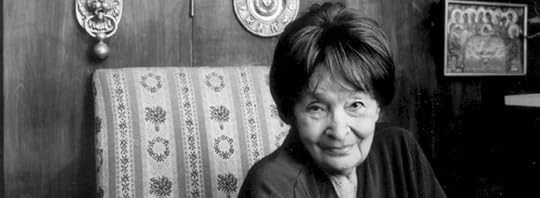
Magda Szabó was a Hungarian writer, arguably Hungary's foremost female novelist. She also wrote dramas, essays, studies, memories and poetry.
Born in Debrecen, Szabó graduated at the University of Debrecen as a teacher of Latin and of Hungarian. She started working as a teacher in a Calvinist all-girl school in Debrecen and Hódmezővásárhely. Between 1945 and 1949 she was working in the Ministry of Religion and Education. She married the writer and translator Tibor Szobotka in 1947.
She began her writing career as a poet, publishing her first book Bárány ("Lamb") in 1947, which was followed by Vissza az emberig ("Back to the Human") in 1949. In 1949 she was awarded the Baumgarten Prize, which was--for political reasons--withdrawn from her on the very day it was given. She was dismissed from the Ministry in the same year.
During the establishment of Stalinist rule from 1949 to 1956, the government did not allow her works to be published. Since her unemployed husband was also stigmatized by the communist regime, she was forced to teach in an elementary school during this period.
Her first novel, Freskó ("Fresco"), written in these years was published in 1958 and achieved overwhelming success among readers. Her most widely read novel, Abigél ("Abigail", 1970), is an adventure story about a schoolgirl boarding in eastern Hungary during the war.
She received several prizes in Hungary, and her works have been published in 42 countries. In 2003, she was the winner of the French literary prize Prix Femina Étranger for the best foreign novel.
Her novel Abigél was popularized through a much-loved television series in 1978. Abigél was also chosen as the sixth most popular novel at the Hungarian version of Big Read. Her three other novels that were in the top 100 are Für Elise, An Old-Fashioned Story, and The Door.
I consider myself very fortunate to have obtained a copy of this book. It’s not Szabo’s first work of adult fiction (Fresko, 1958)...I think it is her second, but it is the first translated into English (translator, Kathleen Szasz). I became a Szabo fan after reading ‘The Door’ and I think within a year had read her three other books available from the New York Review of Books, ‘Katalin Street’, ‘Iza’s Ballad’, and ‘Abigail’.
This is classic Szabo…has her fingerprints all over it. The writing is so good. The “problem” and I put that word into quotation marks is that it is so cold and bleak, and a chilling portrayal of an actress who is consumed by hatred. Nothing really cheery in this novel. If you are looking for a pleasant read, look elsewhere. But if you can take it (bleakness) and you love Szabo’s writing, then this is for you. I hope sincerely it comes out as a re-issue. More about the actual copy of the book below.
Here is a description of the novel for the dust wrapper (and also immediately before the title page): • The Fawn is the story of a woman, Eszter, who has become a leading actress in Budapest. It is addressed to her lost lover. We learn of her upper-class origins; her family’s gradual ruin; the contempt of rich and poor when the family are forced to dwell in the near-slums; the callousness she develops towards practically everybody and especially towards Angela, her rich, beautiful, gentle and successful school-friend; and how her hatred drives her to take away Angela’s fawn and, years later, her husband. • The development of the action on two levels — one, an imaginary apology to her lover about things untold and hidden; the other, the unfolding of her life story — creates an atmosphere of mounting tension. The characterization is beautifully evoked and the atmosphere of the period, before and after the war, is created with great feeling. The war being referred to is WWII in which Hungary has to take sides with Germany near the end of the war.
I couldn’t get over how much Eszter hated Angela. I think in part because of her extreme poverty (extreme to the nth degree), how people treated her and her family because of their poverty (although once her predecessors were well-to-do), how her mother and father loved each other but apparently had no love to give to their daughter…and so along comes Angela into the town and befriends Eszter and Eszter for some reason has an instantaneous blind and fierce hatred towards her. Oh, but she cast a jaundiced eye on everybody else in her universe—she did not trust anybody and thought people only did good because they got something out of it for themselves in the end. Kindness for kindness sake did not exist for her. But the hatred towards Angela…palpable. 😬
It is interesting that Szabo portrayed her as an actress. She as a little girl starred in plays because she was so believable. Never had stage fright. Could cry or could laugh at the drop of a hat if called for. And so therefore, when dealing with people throughout her life, she could pretend to be extremely interested in them or to like them while malevolent thoughts were running through her head…and they were none the wiser. 😐
I estimate Eszter to be in her late 30s or early forties when she was addressing her lover (that is, at the outset of the book to its end where the book takes up the here-and now- but to a larger extent her past, when she was a child and growing up to the present day). I took3.5 pages of notes…I find myself doing that with Szabo’s works.
Just a couple of quotes from the book: • (Angela is nursing wounded soldiers in her town…) “Poor little Angela with her little hands, her little first-aid kit, her lovely little feet — what delightful little bandages she must have made with lint and tape! Everybody had always been polite to Angela all her life; I bet even the dying, the wounded, collapsed with some sort of internal hemorrhage so that she wouldn’t dirty her little hands. • I was not jealous of Angela. I knew that it was me you loved. Not her. Angela nauseated me; when she touched me I shivered and, if I couldn’t avoid offering her something on those rare occasions when she came to see me, I broke the cup from which she had drunk.
I’m probably not doing a good job of pushing this book onto you to want to ever read it, if hopefully it gets re-issued. But it’s the characters in her novel, their unique personalities, the story line, her wonderful writing that make me sing her praises including this book. So there! 🙃
Notes: • Interview with Magda Szabo, 2007: https://hlo.hu/interview/i_don_t_like... • I am grateful to have gotten a copy of it. I had been periodically looking on Abebooks for this book and last year it was there—one copy—for a hefty sum of money. At times I was tempted to buy it but the money was just too much….and eventually it was no longer on the site. Sold. But then 3 weeks ago another copy appeared for a much more reasonable price and I snapped it up. Yesterday I got it in the mail and it was in pristine shape. The dust jacket was protected with a Brodart-like covering, and it was not price-clipped (21 shillings net, Jonathan Cape, 1963). What was really cool was that there was an inscription on the title page, and I just found out it was signed by the author!!!!!!!! I found her signature on another book (Night of the Pig Killing) and it’s a perfect match (very distinctive). It is signed ‘To Evelyn and Alexander with love from Magda Budapest 7th June 1963’. 😮 🙂 🙃 Holy bologna. … And then there was a business card tucked in the book. Ephemera!!! Prof. Dr. med. KROMPECHER, Directeur de I’Institut d’Anatomie, d’Histologie et d’Embryologie, Universite de Debrecen, Hongrie. (Szabo graduated from the University of Debrecen as a teacher of Latin and Hungarian.)
Reviews: • From a blog-site: https://www.themodernnovel.org/europe... • I cannot find a review from Gerald Sykes in 1963 from the Book review of the New York Times….maybe if you are a subscriber to the NYT and have access to their website you can find it. • Wow!!! A treasure trove of synopses of her books, including those not translated into English: http://www.hunlit.hu/szabomagda,en
بچه آهو ، کتابی ایست از ماگدا سابو ، نویسنده سرشناس مجارستانی . کتاب او داستان پر درد زنی به نام استر انچی ایست که درمونولوگی طولانی گذشته سخت خود را در بستر تاریخ پر رنج و درد مجارستان بیان می کند . تاریخی که جنگ جهانی دوم و حکومت کمونیستی مجارستان را در بر می گیرد . کتاب زنانه همانند ایزا و مادرش در کتاب ترانه ایزا یا امرنس و نویسنده جوان کتاب در ، یا گینا ویتایی و ژوژانا در کتاب ابیگیل و یا شخصیت های کتاب خیابان کاتالین ، بچه آهو را هم باید یک کتاب زنانه دانست . اما قهرمان کتاب سابو ، استر ، پیچیده ترین شخصیتی ایست که سابو در میان کتاب هایش آفریده . باز هم همانند دیگر کتاب های خانم سابو ، گذشته و نقش آن در حال و آینده افراد ، جنگ جهانی دوم و زندگی در سایه حکومت کمونیستی نقش بسیار مهمی در داستان سابو دارد . بچه آهو : داستان یک سقوط سقوط شاید بهترین تعریف کتاب خانم سابو باشد . خانواده قهرمان داستان ، خانواده سرشناس و ثروتمندی بوده که جایگاه خود را از دست داده و اکنون با سختی و تنگدستی ، اما بر پایه اخلاق مطلق زندگی می کنند . آنها این گونه از خانواده ای ثروتمند و خوشنام تبدیل به خانواده " آن وکیل خل و چله " شده اند . به موازات سقوط مالی خانواده آنچی ، سابو سقوط اخلاقی مردم مجارستان را هم نشان داده ، رفتار سرشار از طعنه و نادیده گرفتن خانواده ای که بر اصول خود مانده اند ، نقش مهمی در خشم و کینه استر دارد . خشم و نفرت استر از ابتدای داستان تا انتها ادامه دارد ، نفرت او به خصوص دامن یکی از دوستان نزدیکش را می گیرد ، کسی که از او هم زیباتر و هم ثروتمندتر است . گویی استر زندگی خود را به گونه ای تنظیم کرده که بتواند هر لحظه انتقام خود را از او بگیرد . در برداشتی آزاد ، خانم سابو ، ریشه های نفرت و کینه عجیب استر را مشخص نکرده ، اما چه زیبایی خیره کننده دوست استر و یا سختی های دوران کودکی او ، هرچه باشد ، کینه استر ، شخصیت او و چگونگی تعاملش با دنیای اطراف را شکل داده است . توانایی خارق العاده استر در بازیگری ، در کنار نفرت و کینه ، عنصر مهم دیگری ایست که زندگی او را شکل داده . چهره های مختلفی که او به خود می گیرد ، مانند ماسک و هنر او در دروغ گفتن ، پایه و اساس زندگی استر را ساخته :
بهقدری راحت چاخان میکنم که چاخانکردن میتوانست شغلم باشد. تازگیها به این نتیجه رسیدهام که اگر نتوانم پیش تو هم حقیقت را بگویم، دیگر کارم تمام است.
شاید میل انسان برای فرار از گذشته را هم بتوان یکی از تمهای محوری و اساسی کتاب دانست که در شخصیت اِستِر به وضوح به تصویر کشیده شده. اِستِر ، به شدت درگیر گذشتهی خود است و تلاشهای او برای فرار از آن، شکلدهنده بسیاری از کنشها و واکنشهای اوست. جمع بازندگان باز هم مانند بیشتر کتاب های سابو ، تقریبا تمامی شخصیت های کتاب ، فرد ، شی یا مفهومی را از دست داده و فقدان آن را تقریبا در سراسر زندگی خود حس کرده اند . دختری که جنازه مادر خود را دیده ، خانه ای که بر اثر بمباران نابود شده ، منزلت و اعتباری که از دست رفته ، پدری که کار نمی کند و تنها گل پرورش می دهد ، مادری که به علت مشکلات زندگی خشن شده ، " تو " معشوقی که باید از همسر خود جدا شود و شاید خود خانم سابو ، که به سبب اعتقاداتش از کار بر کنار شده همگی از بازندگان هستند . و سرانجام سقوط اخلاق در کنار شخصیت پیچیده استر ، سقوط اخلاقی یک جامعه را هم احتمالا باید هدف خانم سابو دانست . فردی که همسر خود را می کشد ، کسی که با ماسک در جامعه حاضر می شود و نمونه های دیگر همه زوال اخلاقی یک جامعه را نشان می دهد . در این جامعه، ارزشهای اخلاقی به تدریج رنگ باخته و افراد به خاطر منافع شخصی ، ترس یا علاقه، دست به اعمالی میزنند که در شرایط عادی شاید انجام نمیدادند. علاوه بر این، در این جامعه، افراد به تدریج نسبت به یکدیگر بیاعتماد میشوند و احساس تنهایی و انزوا میکنند. این بیاعتمادی و انزوا، خود زمینهساز بروز رفتارهای غیر اخلاقی و ضد اجتماعی میشود. در واقع، خانم سابو این گونه ، نه تنها به بررسی زوایای تاریک روان انسان پرداخته، بلکه به نقد اجتماعی نیز دست زده است . در پایان ، بچه آهو ، کتاب ایست بسیار متفاوت از خانم سابو . کتاب او را باید روایتی پیچیده از کاوش در اعماق و روان انسان دانست .
باز هم ی اثر متفاوت دیگه😍🤩 همیشه باید از ماگدا سابو انتظار داستان های راز آلود با پایان های غیر قابل انتظار و پر احساس داشت. بچه آهو هم مثل بقیه ی آثار سابو از وجود شخصیت های پیچیده ای که زندگی عادی و امنی ندارن ساخته شده ، اینبار داستان، حول محور شخصیت " استر" شکل میگیره که از کودکی با تحقیر شدن ، محرومیت و حسرت هاش دست و پنجه نرم کرده ، اون هم در حالیکه در مقابل چشماش زندگی پر زرق و برق و بی نقص دیگران، بخصوص دختر به نام " آنگلا" قرار گرفته تا درد نداشته ها، استر رو نسبت به تفاوت های زندگی هاشون به موجودی کینه توز تبدیل کنه تا جایی که برای مرهم گذاشتن روی این آسیب های روحی قدیمی و جبران مافات گذشته به هر سقوطی تن بده. در ظاهر استر از پایین ترین سطح جامعه خودش رو به اوج میرسونه، اما هر قدمی که به سمت بالا میره، تنهاتر و نسبت به دستاوردهاش دلزده تر میشه. نفرت اون از آدم هایی که در کودکیش مایه ی حسرت و رنجش شدن تموم نشدنیه، و شاید ناخودآگاه و با احساساتی ناخالص به داشته های اونها دست درازی میکنه، با این حال همه چیز برای اون تا لحظه ی به دست آوردن باارزشه و بعد از هیجانش برای داشتنشون کاسته میشه. حتی عشق برای استر، با نفرت و پس زدن به همراهه، و با انگیزه ی برتری جویی، بهم ریختن زندگی دیگران و حتی نابود کردن روح و روان خودش، وارد رابطه ای میشه، رابطه ای که سرانجامی جز پریشونی براش نداره، هرچند که در نهایت، زندگی عاقبتی نامنتظر تر رو رقم میزنه...! بچه اهو، مونولوگی وهم آلوده که خواننده رو در انتظار رسیدن به مخاطب استر، تا آخرین لحظه مشتاق نگه میداره، اما این انتظار بیهوده ست چون بنظر میرسه استر در حال کاوش زندگیش در درون افکار و قلب خودش هست. سابو به زیرکی باعث میشه که قضاوت در مورد استر و سبک زندگیش تبدیل به کار سختی بشه، از یک طرف ما رو برای درک و همدردی با تروماهای اون آماده میکنه، و از طرف دیگه وجدان ما رو درگیر معذوریت اخلاقی و انسانی برای نفی تاریکی و وحشتناکی شخصیت و تصمیمات استر میکنه...🫠 شاید زندگی " استر " ، قصه ی غمناک بچه آهوی همین کتاب باشه که نه آدم ها براش پناه و دلخوشی شدن ، و نه طبیعت و آزادی اون رو از نابودی در امان نگه داشت... 4.5⭐️
چه غم عجیبی داشت این قصه، و من چقدر قلم سابو رو دوست دارم.. . بعدا اضافه شده: بعد از چندماه وقتی برمیگردم به خوندههام حس میکنم این کتاب تو ذهنم موندگارترینه. اینقدر عمیق شدن به درون انسان با این فرم غیرخطی، فوق العاده است! با قطعیت حالا میگم 5 ستاره.
قبل از اینکه کتاب جدید بچه آهو رو بخونم،رفتم کتابهای در و خیابان کاتالین رو بازخوانی کردم.بقیه وقت نشد بخونم.قبل از خوندن کتاب بچه آهو ،خیابان کاتالین کتاب مورد علاقم بود ولی با خوندن بچه آهو عاشق این کتاب شدم و خیلی دوسش داشتم. بچه آهو که البته با خوندنش پی میبریم چرا عنوان کتاب خیلی عجیبه؟ داستان جوری شروع میشه که انگار راوی داره تمام زندگیشو بصورت اعتراف برای کسی مینویسه،انگار داریم رازهای این راوی رو میخونیم.مترجم در مقدمه نوشته اسامی کشور مجارستان گاهی سخته تشخیص جنسیتشون هست برای همین کمی خوندنش دشوار میشه. بااین همه کتاب واقعا بی نقصه و خیلی قشنگ نوشته شده.استر شخصیت منفوری هست. که از همان ابتدای کتاب تا آخر با نفرت و کینه توزی اتفاقات رو تعریف میکنه .که باعث میشه حتی باهاش همدلی کنیم و دلسوزی کنیم. چون استر از همان بچگی طعم تحقیر شدن ،طرد شدگی و حسرت ها را چشیده و با وجود اینکه بزرگ شده و بازیگر معروف تئاتر شده هنوزم نتونسته از همه ی اتفاقات و آدم ها ببخشد و بگذرد. کلا کتابهای سابو ظاهر آروم و سردی دارند ولی پشت این ظاهر آروم یک طوفانی درون این شخصیت ها هست. مخصوصا استر جوری نفرتشو ابراز میکنه که ناخودآگاه خودمون هم عصبی میشیم. خوشبحال کسایی که هنوز آثار سابو رو نخوندن.:))
Bu kitap hakkında uzun uzun konuşmak istiyorum aslında ancak sözlerime nasıl başlayacağımı bilemiyorum. Zira zaman zaman bir kitap ya da film sizi çok heyecanlandırır, içinizde dalga dalga kabaran bir coşku hissedersiniz ama bunları nasıl sıraya dizip anlatacağınızı bilemeyip “yani böyle…” diye tekrarladığınız bir çıkmaza düşersiniz ya, işte tam o haldeyim. O yüzden bu yorum biraz karışık ilerleyebilir, hoş görünüz.
Kitabın benim üzerimdeki en yıkıcı etkilerinden birisi sayfalar ilerledikçe Eszter’i anlamaya başlamak oldu. Zira bir noktada kendinizden şüpheye düşüp “NASIL ANLAYABİLİRİM?” korkusu yaşamaya başlıyorsunuz. Ancak konu özünde sizin karanlık bir insan olmanızdan ziyade Szabo’nun insan ruhunu muazzam bir şekilde çözen ve bunu da okuruna kusursuzca aktaran bir yazar olmasıyla ilgili. Kendisi hiçbir zaman bir karakterin neden öyle olduğunu sayfalarca anlatma gereği duymuyor. Aksine bütün öykünün içinde birkaç cümle ile Eszter’in içini görebiliyorsunuz. “Şimdiye kadar kimse benim yarınlarımı hazırlamak istememişti. Bedenim geçmişle o kadar çevriliydi ki, düşüncesi bile ürperti vericiydi.Gelecek günler.” Okuduğunuz her sayfada “varlıklı aileden gelip dışlanan lakin birbirlerine duydukları aşktan kendi çocuklarına dahi kör olabilen bir ailede, tarifsiz bir yoksulluğun ve yoksunluğun içinden gelen bir çocuk iyi olmayı nasıl öğrenebilir? İyi bir insan olmak sanıldığı kadar kolay mı ya da zaten iyilikten başka bir şey görmeden kendi kapalı fanusunda büyüyen birinin iyi bir insan olması gerçekten bir meziyet midir?” şeklindeki karanlık soruların içine çekiliyorsunuz ve cevaplarınızdan korkuyorsunuz açıkcası. Hayatında sevilmeyi ve sevmeyi hiç öğrenmemiş, yapılan iyiliklerin arkasında hep bir bedelin gizli olduğuna inanmış bir insanın, kıskançlıkla ve öfkeyle dolu kalbinin aşk ile çok sert bir şekilde karşılaşması, bu duygu karşısında yaşadığı afallama ve o hisse yer açmaya çalışırken kendi içinde düştüğü ikilemleri o kadar güçlü anlatıyor ki bir noktada Eszter’in içinde Magda Szabo’yu da aramaya başlıyorsunuz. Tabii ki bütün kitap aşk, kıskançlık, iyilik ya da kötülük fikirlerinden ibaret değil. Zira aslında her Magda Szabo kitabında yer alan Macaristan’ın komünist dönemine dair eleştirileri bu kitabında en görünür halde. Eszter’in fakir ailesi, -tıpkı Szabo’nun bu dönemde çok büyük sorunlarla uğraşmak zorunda kalan kendi ailesi gibi- sırf bir soyadı ve babasının avukatlığından dolayı burjuvalardan sayılırken, zenginlik içerisinde yüzenlerin, ailelerinden çıkan bir devrimci ismin arkasına sığınıp zengin ve ayrıcalıklı hayatlarına “parti üyesi” olarak devam edip hiç sorgulanmadan yadırganmadan devam etmelerini büyük bir öfkeyle, imgelerin arkasına saklamadan, açık bir dille ifade ediyor. Zaten kitabın yazıldığı tarihe baktığınızda Szabo’nun içindeki öfkenin canlılığını ve büyüklüğünü anlayabiliyorsunuz. Kendisi bu öfkeyi kitaba o kadar muntazam aktarıyor ki her satırda o öfkeyi hissedip karaktere çok uzak bir duruşta olmanıza rağmen bazı noktalarda, küçük adımlarla da olsa onu anlamaya yaklaşıyorsunuz. Yani sizi her konuda; etik ile insanın en ilkel dürtüleri arasında sıkıştıran, karakteri -çok distopik bulsanız da-aslında hayatınızın bir döneminde mutlaka bir şekilde karşılaştığınızı ve o kişinin elinden yaralandığınızı yine de onu da anlamayı öğrendiğinizi hatırlatan çok zorlayıcı bir anlatı bu kitap. Kendisi için “bir kitap okudum hayatım değişti” diyemem elbette ancak benim için çok özel bir yere sahip. Hem Magda Szabo’nun insan ruhunu tasvir etme gücünü arşa taşıdığını görmenin hayranlığı ile hem de hatırlarının ve geçmişinin neredeyse tamamı öfke ve nefretle dolu bir insanın -kendisi farkında olmasa bile- ne kadar büyük bir acıyla hayatta kalmaya çabaladığını göstermesi açısından benim için ufuk açıcıydı. Magda Szabo okumayı seviyorsanız ya da kendinizi ruhsal olarak zorlamaya hazırsanız bu kitabı mutlaka okuyun.
Eszter, a successful actress, had a lousy childhood. Not only has she not gotten over it, but she can’t stop thinking about it, turning it over in her mind until it seems like it will consume her. We could subtitle this book “A Memoir of Unhappiness.”
Eszter grew up in Budapest in the early 1950s, so we imagine things were indeed tough after WW II. She came from such poverty that as her feet grew she had to cut off the front of her shoes so they would fit her.
They were known as ‘the mad lawyer’s people.’ Her father made little money because he gave everyone free legal advice and the other lawyers made fun of him. Her mother gave piano lessons so, from a young age, Eszter felt like the family slave, doing all the cooking, shopping and cleaning.
She never felt loved by her parents and, perhaps because of that, could never love anyone else. Here are two quotes to illustrate that theme and show the style of writing:
“When my father died it was already something I suspected, but when my mother went I knew for certain how utterly insignificant I had been to them: the only important people in their lives were each other. I could sing and recite poems to them, but however desperately I tried to attract their attention I never succeeded for more than a moment: they were interested only in each other, they had no surplus feeling to share with anyone else, and certainly not with me.”
“…nobody loved me; it seemed the most natural thing in the world that no-one should, it never surprised me and I was never offended by the thought; instead I was rather amazed when anyone was drawn to me...”
Eszter hung out with a beautiful best female friend whose family owned a restaurant and had maids. A budding romance ends when a boy tells her “You love Angela.” Actually her relationship with Angela was filled with jealousy and envy of the other girl’s wealth. At times it seems that she hung out with Angela because Angela’s father took pity on her and let her eat decent meals for free at his restaurant.
I liked the writing but not the story. Too much bitching and moaning. As she jumps around, in what I will call this memoir of unhappiness, I found the timeline confusing and I wasn’t sure when events had happened.
This Hungarian author’s books (the four translated into English) all have very high ratings on GR (more than 4.0). But I’ll give this one a ‘3.’ This is my third book by Szabo and I much preferred The Door and Abigail.
This novel was first published in 1959 when post-WW II Hungary was under communist control. Although Szabo (1917-2007) won some Hungarian literary awards, her writings eventually ran afoul of ‘socialist realism.’ She ran into censorship problems, lost her day job, and her literary awards were retracted.
Here are links to my reviews of other books by Magda Szabo:
Magda Szabò è un'autrice straordinaria, di cui si parla troppo, veramente troppo poco. È entrata nella mia vita di lettrice quasi per caso: una bella recensione de "La porta", un ordine dal Libraccio che necessitava di un'aggiunta per raggiungere la soglia di spesa per avere la spedizione gratuita, e mi sono ritrovata fra le mani il suo romanzo più famoso, solo un paio di mesi fa. Ed ecco, leggerla ha significato raggiungere una nuova consapevolezza, aggiungere una pietra fondamentale alla mia strada di lettrice, stabilire nuovi punti fermi e nuove necessità. E non parlo a caso di pietre: le parole della Szabò, pur mantenendo sempre un perfetto equilibrio, pur non perdendo mai di ampiezza e respiro, si abbattono dure e pesanti come macigni sul lettore: leggere Magda Szabò fa male, perché Magda Szabò non fa sconti si suoi personaggi, non li addolcisce, non li giustifica mai. E ne "L'altra Eszter" questo accace in maniera ancora più evidente. Non c'è niente di bello in Eszter, non c'è niente di buono: solo un infinito groviglio di invidia e odio, risentimento, egoismo, ossessione. E tutte le giustificazioni, la comprensione che nelle prime pagine potrebbe sorgere, vedendo una ragazzina vivere nella miseria più nera, costretta a lavorare come una matta, privata di ogni forma di affetto e accettazione da due genitori troppo presi ad amarsi fra di loro per accorgersi dell'inquietudine della figlia, svaniscono col trascorrere delle pagine. "L'altra Eszter" è un enorme flusso di coscienza dalla forma estremamente razionale e rigorosa ma dai contenuti del tutto irrazionali: Eszter si rivolge ad un tu che noi non conosciamo, vi si rivolge in maniera del tutto aperta e diretta, senza mediazioni, senza pietà per il lettore, gettandosi in una vera e propria spirale di ricordi e rimandi che alludono a personaggi e situazioni che il lettore non può conoscere, lasciandolo del tutto smarrito e spiazzato. Ma è impossibile smettere di leggere, impensabile posare il libro, perché questo continuo discendere nell'infanzia e nel presente di Eszter è ipnotico, delirante forse, perturbante, e lentamente la confusione trova un suo ordine, i nomi trovano dei volti, gli episodi narrati in maniera apparentemente casuale diventano improvvisamente chiari e compare il filo temporale e concettuale che li tiene uniti. Ad emergere è allora una figura terribile, una donna estremamente affascinante, ma senza volto, una creatura camaleontica incapace di amare, che si alimenta solo di un odio e un rancore ingiustificato, ossessivo, eppure terribilmente lucido e razionale. Tutta la sua figura potrebbe essere emblematicamente racchiusa nella risata che le esce di gola guardando la sua casa distrutta dalle bombe. Eszter ride, ed è una risata che raggela il sangue proprio per la sua sincerità. Eszter è cinica, è amara, Eszter odia come sembra impossibile poter fare. E allora cosa c'è di così bello, in questo romanzo, verrebbe da chiedersi? L'umanità, risponderei. Una umanità negativa, dolorosa, forse non facile da accettare, ma pur nelle sue assurdità, pur nelle sue inverosimiglianze, nelle sue esasperazioni, Eszter (così come Emerenc ne "La porta") è terribilmente umana. I personaggi di Magda Szabò non sanno amare, eppure i suoi libri parlano d'amore più e meglio di tutte le altre cose che io abbia mai letto. L'amore, nei romanzi della Szabò, è qualcosa di terribilmente complesso, ingestibile, distruttivo. Di umano. E i suoi personaggi sono così reali, così distrutte, così complesse da riempire in maniera assolutizzante la mente del lettore, lasciandolo spaesato, sperduto. Ho avuto paura di Eszter, ad un certo momento. Perché tutto quel groviglio inscindibile di sentimenti negativi che la pervadono mi sono sembrati vicinissimi, semplici, del tutto comprensibili. Quando un libro arriva a turbarti tanto, a mostrarti tanto dell'animo umano, e lo fa senza giudicare, senza emettere sentenze, senza l'intento di insegnare niente a nessuno, allora vuole dire che ci si trova di fronte ad una penna importantissima.
همیشه همه کینه و نفرت و بدخلقی آدمو میبینن، و برچسب ِ بداخلاق و مودی به آدم میزنن. بدون اینکه بدونن دلیل این خشم و تنفر چیه. درصورتی که شاید معنی این خشم، «کمک میخوام» یا «ازت انتظار دارم» یا «بهم توجه کن» باشه.
«استر انچی» شخصیت محبوب منه، همون دختر خانواده که مسئولیت خیلی چیزا باهاشه ولی کسی تلاشهاشو نمیبینه، کسی که توی دوران کودکی خونه و زندگیشو از دست داده و شاهد سقوط مالی و اجتماعی خانوادش در جنگ جهانی دوم بوده، کسی که باید کودک میبود و مثل دوست بچگیش آنگلا کودکی میکرد و دوست داشته میشد ولی شمردن سکه هاش از تدریس خصوصی و آشپزی و کارهای طاقت فرسای خونه نصیبش شد. و حالا که تبدیل به یه بازیگر مشهور تئاتر شده، فراموش کردن همه ی اون ظلم و بدبختی که باهاشون بزرگ شد ممکن نیست.
جایی که آدم ها هیچ احترامی برای تو و رنجت قائل نیستن و دروغ و دورویی رو به حقیقتِ رنجت ترجیح میدن، استر بازیگر شد، تا وقتی که باید گریه میکرد، بخنده. تا وقتی که باید ناامید میشد نقاب امید دروغین به صورتش بزنه. تا وقتی که باید درخواست کمک و عشق میکرد، تنفر و حسادت بورزه.
کسی که انتظار داشت حداقل معشوقش اونو بفهمه و دلیل همه ی این احساسات ضدو نقیضش رو درک کنه و برعکس ِ بقیه اونو زیر نقاب ببینه و دوسش داشته باشه. ولی چی نصیبش شد؟
«- اگر حتی شده یک بار به چیزی مشکوک میشدی، اگر به ذهنت خطور می کرد که فقط یک بار، حتی یک لحظه، نگاهم کنی، واقعا نگاهم کنی، با همان اشتیاقی که به بدنم نگاه می کردی، بدنی که حتی بهتر از خودم میشناختی، احتمالا متوجه می شدی که ناخواسته چقدر آزارم دادی و به احتمال زیاد متوجه می شدی که سعی می کردم از رنج و عذاب مبهم اما بی امانی مطلعت کنم که با خاطرات بی پایانت به من می دادی..
- خنده ام گرفت - گریه بی فایده بود، خندیدن تنها کاری بود که از دستت برمیآمد؛ همان موقع بود که به خودم گفتم دیگر نباید هیچ وقت عاشق خانه ای شوم، خانه ها را درست می کنند که بعدا در آتش بسوزند یا زیر بمباران ویران شوند..
- چه میشد اگر فقط یک بار کسی، هرکسی، مرا آن طور که واقعا هستم، بی قید و شرط، پذیرفته بود، بی اینکه خاله ایرما و خاطرات باراگ را سانسور کنم، بی اینکه حقیقتی را پنهان کنم؟ ولی حتی تو نتوانستی این طور باشی..
- آدم ها هیچوقت تماما از این جهان محو نمی شوند، تا وقتی کسی به یادشان باشد به زندگی ادامه می دهند. »
Bu nedir? Nedir hakikaten? Dişlerimi sıkarak, içimde büyüyen nefessiz kalma duygusuna direnmeye çalışarak ve bir yandan da sonsuz bir hayranlık hissederek okudum Yavru Ceylan'ı. Hayatımda okurken en çok zorlandığım kitaplardan biri oldu kendisi - teknik bir zorluk değil söz ettiğim, içerik. Kitabın anlatıcısı Eszter, hiçbir zaman unutmayacağım bir antikahraman olarak zihnimde yerini aldı.
185 sayfalık bir monolog bu; tiyatro sanatçısı Eszter bizle konuşuyor. Zamanda ileri geri gidiyor, biraz çocukluğunu, biraz bugününü anlatıyor. Ben incinmiş ve haksızlığa uğramış olmaktan doğan öfkenin insanı nasıl zehirlediğini böyle kusursuz anlatan bir metin hiç okumadım. Canı yanmış, hayatta kalmak için çok çabalamış ve yaşamaya ancak başkalarının canını yakarak devam edebileceğini kendine öğretmiş bir insanı dinliyoruz. Soğuk, acımasız, empati yoksunu biri konuşuyor ve yazar öyle yazıyor ki zaman zaman böyle birine bile empati duyabilmenizi sağlıyor.
Kitabın her cümlesine, her kelimesine sinmiş çok yakıcı bir öfke var. Beni nefessiz bırakan da bu oldu. Eszter öyle öfkeli ve bu öfkesi onu öyle yıkıcı birine dönüştürmüş ki, okura dümdüz, sansürsüz, olanca acımasızlığıyla hislerini anlattığında hakikaten okurken insanı boğan, kuşatan bir metin çıkıyor ortaya. Bir yanı sevilmek istiyor çünkü hiç sevilmemiş ancak sonunda o sevgiyi bulduğunda bile hıncından arınamıyor ve ağır ağır o sevgiyi de zehirlemeye başlıyor.
Bu kitabı okurken yaralı insanların kurduğu nevrotik ilişkileri düşündüm sık sık. İlk bakışta müdanasız, çekici, heyecan verici gözüken; yaralarının biri tarafından gerçekten sevilince sarılabileceğini sanan ama aslında bunun mümkün olmadığını ancak deneyimleyince anlayabilen; çocukluklarından getirdikleri öfkelerini her tür ilişkilerine taşıyan, karşılarındakini de yavaş yavaş zehirleyen çok insan var. Bu insanlarla inen çıkan, yükselen alçalan, böyle oldukça "büyük aşk"mış sanrısına kapılınan ilişkiler yaşıyor pek çok kişi, sanıyorum çoğunuzun başına gelmiştir. Bu tür nevrotik, problemli bir ilişki yaşadıysanız ya da Eszter gibi o küskün insanlardan biriyseniz bu olağanüstü kitapta çok tanıdık şeyler bulmanız muhtemel.
وقتی کتاب رو شروع کردم خیلی سردرگم بودم. طبق تجربهم کارهای سابو همیشه شروعی چالشبرانگیز دارن و همراه شدن باهاشون زمانبره. خلاصه که پنجاه صفحهی اول رو با سردرگمی خوندم. فرض کن وسطِ یه بحث و ماجرایی که هیچی ازش نمیدونی از راه رسیدی و همه هم جوری حرف میزنن و انتظار دارن که از همهچی باخبر باشی. نوع روایت هم به شکلیه که یک شخص مورد خطابه و ما به تدریج باهاش آشنا میشیم. شخصیت اصلی همینجور صحبت میکنه و از در و دیوار شخصیتهای مختلف وارد روایتش میکنه. شخصیتهایی با اسمهای ناآشنایی که حتی یه وقتایی تشخیص جنسیتشونم برات مشکله. همینجور میگه و میرسه به کودکیش. از فقر میگه، از جنگ، از بمبارون، از مادر و پدرش... از بیمهری میگه؛ از اینکه انگار هیچجایی توی دنیای پدر و مادرش نداشته. تا اینکه از اولین باری میگه که با دختری به اسم «آنگلا» روبهرو میشه. میگه از همون نگاه اول از آنگلا متنفر شده: «به اطلاعت برسانم که از لحظهی اولی که آنگلا را دیدم ازش متنفر و بیزار شدم، که همیشه، و حتی پس از مرگم، اگر حیاتی پس از مرگ وجود داشته باشد، از او متنفر خواهم بود.» و بعد از این جمله ورق میزنی و با «استر» همراه میشی و از اینجا مسیر کمی هموارتر میشه. آنگلا کیه و چیکار کرده که استر اینجوری ازش کینه داره؟ آیا اصلاً جوابِ این سوال رو میگیریم یا شاید پرسیدنِ این سوال و دنبال جوابش بودن اشتباهه؟
شاید بیاهمیت: پشت جلد در معرفی کتاب نقلقولی آورده که بچهآهو داستان شکلگیری یک عفریت و یک هیولاست. توی مقدمه هم میگه درک این شخصیت و "ضدقهرمان" به شدت مشکله. برام سواله که منظور از اون عفریت و هیولا، نفرت و کینهایه که توی وجود شخصیت اصلیه یا خودِ شخصیت اصلی؟ چون اگه دومی باشه به شدت مخالفم. هرچند از طرفی راوی چندان قابلاعتماد نیست ولی بازم هیولا و عفریت رو نمیتونم بپذیرم. بگذریم. ممنونم خانم سابو. چقدر خوشبخت و خوشحالم که شما وجود داشتین و نوشتین و من فرصت پیدا کردم که با شما آشنا بشم و نوشتههای شما رو بخونم. هر چی نباشه زندگی همیشه هم اونقدرا بد نیست.
I was thinking how utterly immoral you were, with your kindness and good-heartedness; as you made your way down the hill you were no doubt thinking how immoral I was too.
Of the many metaphors The Fawn makes use of, the most accurate and lucid one must be heroine Eszter Encsy’s lumpy foot. Inflicted on her in her poverty-stricken past, she drags her disfigurement through life as an unwelcome reminder of the childhood in which her damage is rooted. Even as an accomplished actress in the 1950s communist Hungary, that past is still very much present, be it in her foot, in the people surrounding her as well as in the way she reacts to a crazy world, pushing her into a tragic affair and a subsequent downward spiral.
Unlike Eszter’s wealthy aunt who gives her the shoes that would deform her feet, my late aunt had nothing but unsolicited advice to give in the form of proverbs, which the Turkish language has aplenty and for every life situation. One of her favorites was “a vinegar too strong will do nothing but damage to the cup it is in”, which is meant as a warning against too intense negative feelings, especially rage and anger, harming one’s own mental and physical health. In this case Eszter’s vinegar has gone way past burning the cup it is in – it has become acid and is dripping through various layers of the floor towards the center of Earth.
… I wear a series of masks rather than a head.
It would be an understatement to call Eszter a complex character; she’s complicated in the truest sense of the word, she’s childish, churlish, spiteful, maybe even somewhat of a bully, she has a sadistic streak, but she’s also relatable and endearing (sometimes) and she’s most of all angry. The main target of her anger is Angéla, who, born with a silver spoon in her mouth, gets all the affection, attention, respect, all the goods of life and the man Eszter loves. Everything Eszter, coming from a fallen household, her mother being an expulsed aristocrat and her father a bourgeois, has been denied. Her own parents treat her like their personal service maid, who, despite their precarious financial and social standing, assures them a somewhat comfortable life, at the expense of her own wellbeing. Angéla represents everything Eszter wanted but can’t have, thus she is hurt and angry, and hates.
The story oscillates between two levels – Eszter’s personal anger is also the anger of the oppressed. The tragic thing about her is that because of the very people who oppress her, her own parents, she is also being denied the support of the likes of her– I may be wrong and may be missing things, I'm open to be corrected :)
The plot unfolds slowly, written in the form of stream of consciousness, addressed to a certain “you”, though not describing the actions of this second person singular. The story also jumps between different time and story lines - All of these are things I usually hate, but it works wonderfully here and succeeds in captivating even a reader like me who dislikes said narrative devices. I was all engaged in this read which I discovered in my search of books for the ShiSha World Tour reads. I’ll be reading a couple of more books from Hungary for this group reading.
این کتاب چند روزی بود که تو مسیر رفت و برگشتای مترویی وقتم رو پر میکرد صب به صب مینداختمش تو کیفم و با خودم میبردمش. انگار دفترچه خاطرات استر رو با خودم حمل میکردم،حرفای استر و نوع بیانش همون حرفاییه که ما خیلی وقتا تو دلمون میزنیم و بعدش شاید از بدجنسی و پلید بودن مغزمون شوکه بشیم. همون حرفایی که هیچوقت به کسی نمیگیم. همون فکر و خیال و گذشته دردناکی که باعث این خودخوری هامون شده، ولی اینکه ما استر باشیم و اجازه بدیم این فکر و عملا تا چه حد پیشروی کنه به خودمون بستگی داره. استر رو دوست داشتم و دلم براش میسوخت، براش ناراحت میشدم، شوکه میشدم یا قضاوتش میکردم ولی هیچوقت از طرف اون بودن دست برنداشتم شاید این نشون بده که چقدر مهمه داستان رو از زبون کی بشنویم نه؟ گفته بودن ناراحت کننده و شاید گریه داره ولی من بجای اشک یه جور سنگینی رو دریافت کردم یه سنگینی و تامل اروم و دردناک
بچهآهو رو بهخاطر اسمش خریدم. و اینکه تا حالا از سابو چیزی نخونده بودم و فهمیدم از نظر تاریخی بین کتابهای ترجمه شده ازش، اولینه. الان که داشتم ریویوها رو میخوندم همه نوشته بودن سابو رو نباید با این کتاب شروع کرد:)) چند باری قبل از این “در” رو ورق زدم ولی توجهم رو جلب نکرد. الان ولی دلم میخواد تکتک کارهای خانم سابو رو آرومآروم بخونم. امیدوارم به قشنگی بچهآهو باشن. چون رفت جزو نویسندههای موردعلاقهم. خوندنش اصلا آسون نیست. از همون اول انگار بین یه مشت آدمی که همه هم رو میشناسن و تنها غریبهی جمع تویی. هِی درباره آدمهای دیگهای حرف میزنن که تو حتی اسم خیلیهاشون رو نمیدونی زن هستن و یا مرد. اون اول خواستم خیلی مسلط و زرنگ باشم و یه هایلایتر گرفتم دستم هرجا یه اسم جدید میدیدم هایلایت میکردم و این کار همیشه تو کتابهای پرشخصیت و خصوصا روس جواب میداد تا الان. ولی اینجا نه! از یه جایی به بعد بیخیالش شدم و خودم رو سپردم به دست نویسنده. چون دیدم تقریبا نصف کتاب رو خوندم و هنوز هیچی نمیدونم. نه میدونم مخاطب کیه، نه اسم شخصیت اصلی چیه، و نه اینکه چه اتفاقی داره میافته. انگار داشتم با چشمهای بسته تو یه مسیر باریک دنبال سابو میرفتم. ولی حتی از همون جملهی اول میدونستم قراره قلبم به درد بیاد. یه غمی تو داستان بود که راوی اگرچه بهش اشاره نمیکرد، یه جاهایی انکارش میکرد ولی تو حسش میکردی. منتظر بدترین اتفاق ممکن بودم. که شوکهم کنه. و اتفاق افتاد. تو یکسوم پایانی کتاب. یه جاهایی برمیگشتم یه پاراگراف رو از اول میخوندم، کتاب رو میبستم و به چیزی که خوندم فکر میکردم. انگار داشت برای من اتفاق میافتاد همهچیز. راستش تمام چیزی که از ادبیات میخوام همینه: غم، روایت آشفته و غیرخطی، لحن شاعرانه، بدبختی، راوی غیرقابل اعتماد و هزار تا چیز دیگه که همهشون یه جا تو بچهآهو بودن. نمیدونم شاید الان خیلی تحتتاثیر کتابم و دارم اغراق میکنم ولی حس الانم اینه. با تمام اینها، کتابی نیست که بشه به همه معرفیش کرد. قبلش شاید چندتا کار راحتتر از نویسنده خونده بشه بهتره. و صبوری صبوری صبوری! اگه قصد دارید بخونیدش باید صبور باشید. نگران اسامی و گیجکننده بودن روایت و اتفاقها نباشید. سرچ نکنید که اسپویل بشه. فقط ادامه بدید. از یه جایی به بعد نمیشه کتاب رو رها کرد چون سیر داستان یهو سریع میشه و همهی گرهها باز میشن. کتاب درباره جنگ، فقر، رفتار والدین و دوستیه. و تاثیرِ تمام اینها با هم رو شکلگیری یه آدمی که شاید همه و حتی پشت جلد کتاب “هیولا” توصیفش کنن ولی وقتی میخونی میبینی خودت هم خیلی جاها همین رفتار رو داشتی. و نه! این تو ذهن من مصداق هیولا نیست. بیشتر فقط دلم میسوزه. و برام سوال پیش میاد که آخه چرا؟! 💔 • یه برنامهای ریختم برای این ۶ماه دوم سال. که چون هنوز اول اولشم نمیخوام خیلی دربارهش بگم و بعدا اگه بهش عمل نکردم، خودم رو سرزنش کنم. ولی تصمیم دارم فقط از نویسندههای زن و دربارهی زنان بخونم. نتیجهش تا همینجا هم عجیبه. اگه مجموعه ناپل و بچهآهو رو نخوندید و به اسپویل حساسید، ریویو رو همینجا رها کنید: حس میکنم بین احساس و رابطهی دوستی استر و آنگلا با النا و لیلا خیلی شباهتها هست. هر دو معشوق مشترک دارن و با وجود انکار و نفرتی که هم النا هم استر بیانش میکنن، مسحور شدن و دوست دارن جای شخصیت مقابل میبودن. در حالیکه تمام زندگیشون فقط تونستن تو سایهی اون شخصیت باشن و هیچوقت به اون رضایت از خود نرسیدن. چون همیشه تو پسِ ذهنشون یه مقایسه وجود داشته. در نهایت ولی یه تفاوت هست برای من. که من هیچوقت دلم برای نینو نسوخت؛ ولی برای لورینس چرا. شاید هم چون تو ناپل خیلی جزئیات بیشتر بود و از بچگی تمام شخصیتها رو میشناختی. اینجا ولی نه. راوی یه حرفهایی، یه اتفاقهایی رو قورت میداد عمدا. و همین، تکلیف خیلی چیزها رو ناتموم گذاشت. ولی خب من دوست دارم. دوست دارم یه چیزهایی رو خودم تو ذهنم تکمیل کنم و شخصیتها و سرنوشتشون تو ذهنم موندگار باشن. در آخر خوشحالم که ادبیات هست. که پناهه. که خونهست. پس زنده باد ادبیات! زنده باد رمان و راستش اینجا باید بگم زنده باد نویسندههای زن. جدای از هر خطکشی جنسیتیای و فقط بهخاطر اینکه با وجود تمام محدودیتها، تونستن بنویسن دردشون رو و رنج انسان بودن رو. …..
اشکها از صورتم سرازیر میشد و صورت تو را هم خیس میکرد و تو هیچوقت نفهمیدی که چون ترسیده بودم گریه میکردم. از این غریبهای که حالا به آن تبدیل شده بودم میترسیدم. ….. با لحنی سرزنشآمیز گفتی:«استر، من جایی ندارم که بهش بگم خونه؛ چقدر دیگه باید منتظرت بشم؟» در آغوشم گرفتمت و چسباندمت به خودم؛ همزمان به این فکر میکردم که من هم خانهای ندارم، هیچ ندارم، هیچی، جز آن دود، و بوسیدمت و گریه کردم، بوسیدمت و اشک ریختم.
"La mia faccia vera è molto più terribile di tutte quelle che mi formo col trucco".
Il mio primo approccio con Magda Szabò si è rivelato una lettura non semplice, anzi. La complessità di cui parlo è presente sin dalle prime righe con alcuni personaggi che sembrano slegati gli uni dagli altri, ma pian piano il mosaico si compone e anche i personaggi trovano una loro collocazione all'interno della trama. L'altra Ester è un monologo, una confessione appassionata, piena di rancore e di odio che Ester indirizza al marito. Un monologo in cui impariamo a conoscere la figura di Ester, tra presente e passato, la sua storia. Una donna che non ha ricevuto molto dalla vita, una donna che non ha ricevuto l'amore dei genitori e che non si è mai sentita amata da nessuno. Magda Szabò scandaglia con attenzione, con precisione una figura rancorosa, odiosa, ma allo stesso tempo affascinante, che fa fatica ad accettare anche se stessa e le sue imperfezioni, al di là delle innumerevoli maschere che il suo lavoro di attrice la porta ad indossare.
3.5? ⭐️ وقتی کتاب رو شروع کردم، احساس کردم با تعداد زیادی کرکتر محاصره شدم. انگار که به اصرار دوستم توی دورهمی حضور پیدا کردم که تنها آشنام دوستمه و باقی همه غریبههاییاند که نه سعی در شناختن تو دارن و نه سعی در معرفی خودشون. حس غریبگی و اضافی بودن و "من اینجا چیکار میکنم" داشت. با این حال به خوندن داستان ادامه میدی و نویسنده بدون تلاش در واضح کردن جامعه و دنیایی که خلق کرده، همچنان به شرح گذشته از زبان "استر" میپردازه. در تمام کتاب، وقایع و خاطرات از زاویه دید استر که اکنون بازیگر تئاتر موفقی هست روایت میشه بنابراین چندان شانسی در شناخت دقیق کرکترها ندارید و کرکترها صرفا تصاویری هستند که استر بهتون نشون میده. با اینکه فضای همیشگی کتابهای سابو رو داشت ولی متفاوت بود. تا انتهای صفحهی 200، کتاب خیلی معمولی و پایینتر از سطح انتظارم بود اما با یک جمله ورق برگشت. جذابیت داستان در نشون دادن حجم زیادی از نفرت و احساسات حقیقی و انکارنشدهی یک کرکتر بود. اکثر اوقات شخصیت اصلی، شخصیت خوبهی داستانه که خشم و نفرت رو نفی میکنه ولی این بار شخصیت اصلی خیلی صریح نفرتشو میکوبه توی صورت خواننده و با تمام وجود خشمش رو فریاد میزنه.
اما آیا برای شروع خوندن کارهای ماگدا سابو مناسبه؟ خیر. آیا کتاب آسونیه؟ خیر. طول میکشه تا داستان دستتون بیاد و اوایل خیلی گیجتون میکنه ولی باید صبر کرد و گاهی به عقب برگشت و آروم پیش رفت. نیمهی دوم کتاب میتونین نفس راحتی بکشین و با شناخت بهتری نسبت به داستان و کرکترها پیش برین.
پ.ن: این سومین کتابی بود که از ماگدا سابو خوندم و اون امتیاز 3.5 در مقایسه به کتابهای قبلی هست که خوندم. یعنی: در ⭐️5 خیابان کاتالین ⭐️4 بچه آهو ⭐️3.5
3.75. I am a Szabó super-fan, and read the new NYRB translations by Len Rix as soon as they're published. But I would rank this, her second novel, below The Door, for which it seems like an early precursor. Here, she's working through similar themes and tones, exploring the emotional extremes of female anger and bitterness and testing the limits of political censorship in Communist Hungary, yet without the pinpoint narrative control of her later work.
The novel unfolds as an inner monologue, with clumsily lurching time-shifts from the mid-1950s back into the 1930s and 40s: these are more likely the result of Szabo learning the fictional ropes than a deliberate flexing of high-modernist technique. More successfully, the novel is addressed to a "you" whose identity isn't clarified until about halfway through, in a stunning emotional reveal.
In an interwar rural Hungarian village, the adolescent Eszter Encsy grows up in genteel poverty as the only child of emotionally distracted and neglectful parents who fecklessly frittered away their wealth, and is haunted by unspoken depths of loneliness and trauma. For entirely fathomable reasons, she viscerally despises the aristocratic and beatifically innocent Angéla from the very first minute, and quietly and silently nurses this jealous hatred for the rest of her life.
Through sheer perversity and malice, Eszter is responsible for the death of Angéla's pet fawn, and this burning secret shapes the trajectory of her adult life as an expert concealer of emotional ugliness. After the Nazis invade Hungary, Angéla's brother is killed as a Communist agitator, and she becomes a slavishly loyal supporter of the postwar regime. Becoming a famous stage actress in 1950s Budapest, Eszter performs her political loyalty to the Communist regime while losing herself in a passionate love affair with a married professor and translator of English. The novel takes the form of a confession, in which she unburdens herself (much too late) of the irreparable damage she's inflicted on herself and everyone around her.
This was eminently worth reading, but if you're reading Szabó for the first time, I'd probably start with The Door, Katalin Street, or Abigail.
The first-person narrator of this novel is an actress, and she's telling this story - her story - to a you. We'll find out who the you is eventually, but Szabó will take her time getting there. I won't tell you who you is, although it isn't shocking when we slowly learn. He will work his way into the story.
Eszter Encsy, that actress, begins her story, however, in later childhood. She jumps around a bit, in the telling, which takes some getting used to. But I noted, early on, that when someone said to her, "So your father was a lawyer . . .", she thinks to herself: And what would have happened if I told him that, properly speaking, in the commonly understood sense of the word, he wasn't? And just a little later, she has this to say of the other parent: My mother was a housewife, it says in my record and all my CVs, but she wasn't one in any sense that the Personnel Department would have understood. And so, this nascent actress already understood that people are not always what they appear to be.
As I said, Eszter jumps around a bit, and that made the early telling seem a bit clunky. I don't mean that as a criticism. In fact, it served a purpose. The reader is tasked with following the narration, often going back to the Dramatis Personae in the front to see who exactly is who. We're treading in literary water. And then - BOOM - it hits us: Angela had a fawn. That's forty-two pages in and no sentence before is so plainly stated. And, of course, we know what the title is. There’s eleven more pages of telling, and then another BOOM: I never meant to kill the fawn. That last is a stand-alone paragraph.
I’m not sure I’ve ever seen symbolism served quite like that, staccato. But it proved very effective, as we learn who you is, that Angela had a fawn.
Magda Szabó hace retratos de las relaciones de mujeres de una manera casi diría que opuesta a lo que ahora llamamos sororidad, pero es interesante porque su punto de vista es totalmente femenino en todo sentido. Acá es una voz que se dirige a un amante en forma de monólogo, moviéndose por recuerdos, pero en realidad habla sobre el personaje femenino que la atormenta durante toda su vida, que es una compañera a quien conoce desde chica, y a quien vuelve a reencontrar, conectada con este amante. Espero no haber soltado mucha información con esto, pero en realidad es un libro sobre mujeres, y me gustó todo menos el final. Sigo recomendando más su otro libro, La puerta.
رمان بچه آهو رمانی است غیر خطی و کمی سخت خوان. راوی اول شخص در رمان، زنی هست به نام استر انچی که از همان ابتدا شروع میکنه از گذشته اش، احساسات واقعیش، کینه ها، نفرت ها، حسادت هاش و حقیقت زندگیش گفتن. در این رمان با استر خشمگینی رو به رو میشیم که در تمام زندگیش مثله شغلی که داره همش نقش بازی کرده، به مرور در طول داستان با توصیف گذشته اش و تجربه هایی که داشته باعث میشه درکش کنیم و باهاش همدلی کنیم. استری که با همه ی کینه ها و نفرت هاش نشون میده که عاشق حیوانات، حشرات و گیاهان هست. استری که ما رو به دنبال خودش میکشونه و در نهایت، حدودا بعد از ۲۰۰ صفحه خود واقعی اش رو نشودن میده ،وقتی عشق رو پیدا میکنه.
I’m torn about how to rate and review this book. Part of me wants to give it a 4-star rating and the other part wants to give it a 2-star.
In The Fawn, Eszter sort of reminisces about events that shaped her life to a ‘you’ that is only disclosed later in the book. The novel is written in a confusing, jumping-from-place-to-place, stream-of-consciousness-like narrative until the last 50 pages when we are (to a degree) more settled in a specific flow and time.
I really liked Eszter. She was born in a household that should’ve been rich and respected but wasn’t. She couldn’t own shoes that fit her or buy her school uniform, and yet she was ‘haunted’ by the one thing that was perfect and constant in her life: Ángela. Perfect, sweet, sanctimonious Ángela. She’s beautiful and has suitors. She is good, generous, and kind because she wants to be, not because she has to be. She has everything Eszter wants to have but when Eszter gets it, it’s never quite the same.
It was very easy to empathize with Eszter’s attitude to life. I keep seeing reviews that describe her as bitter and to a degree, I guess it’s right, but I think she’s frustrated at her life and always living in Ángela’s shadow - Ángela who has it easy. I do think this book shines a light on something obvious, there’s a saying in Catalan that basically says good, innocent people are fools. And this book is an example of that. Not saying Ángela is a fool, but. So, in a way, fools always have it easy because they don’t see what’s wrong. Unlike Eszter who doesn’t have it easy because she 1) doesn’t let herself have good things and 2) has bad luck (life is a bitch and then it kills you).
Anyways. This could’ve been a five-star read but the stream of consciousness made the reading experience DREADFUL. I couldn’t care. Up until the last 50 pages I couldn’t find a flow or story and I just kept skimming trying to see if a plot would somewhat emerge. It felt like the first 85% of the book was constructing the unfair tragedy Eszter’s life is.
PS. I read this because my nemesis Inci said I reminded her of Eszter and I agree 😌😌😌 #flattered
Edit cuz I forgot. Bits I highlighted:
I put up with the caresses like a little whore, watching her to see if she was going to give me money.
--- Everyone in the class loved her, because she was so generous and always so willing to help. On one occasion I really could have strangled her
--- On Saturdays, when I was little, I used to dip my pen in venom and stir it around while I was filling in my Diary of Good Deeds.
--- I have always distrusted good people. I never believed as a child that goodness came naturally. I always suspected that beneath it lay some sort of payment for services past or still to come.
--- In the early days I just laughed at you, and pulled faces at you as soon as the door closed behind you; I laughed at you for being such a “good” person, who always paid your way, and paid up before everyone else did; I wasn’t the least interested in your goodness or your considerateness, I wanted something else from you. I didn’t want you to “be good” to me, and certainly not that you should “really love me”. That was out of the question.
--- I did love you. I haven't told you very often and I have never known how to show it. But I did love you.
Similarly to the main character in The Door, the main character here is a law unto herself. Magda Szabó is good at creating such characters. They may not be lovable—or even entirely believable—but they somehow gain our sympathy.
Scomodare Satana è esagerato ma un pensierino … Comunque la pensiate è un melodramma d’autore
La Szabò non è che si sforzi più di tanto a dare una spiegazione “sociologica” del comportamento della famosa attrice Eszter, ex bambina blasonata caduta in miseria assieme alla sua famiglia. Forse insiste, ma senza troppa convinzione, in una giustificazione psicologica da disturbo disadattivo: Ezster è povera, bruttina, trascurata dai genitori intenti a vivere la loro esclusiva storia d’amore, costretta a responsabilità che le altre bambine, sue compagne di scuola, non si sognano nemmeno: onestamente non può dirsi un bel vivere e senza nemmeno il paracadute del telefono azzurro. Ma da questo a sviluppare un odio viscerale verso un solo oggetto, Angela, colpevole di essere e avere tutto quello che lei non era e non aveva ce ne corre. O siamo di fronte a un vero grande disturbo psichico maniacale o è proprio cattiva dentro ( e fuori).
Non so e non voglio approfondire cosa volesse farne Magda di Eszter. Io l’ho trovata profondamente cattiva, acida, astiosa, invidiosa, rancorosa e gelosa della povera ricca Angela, la cui unica colpa era di non essere intellettualmente all’altezza di tutti i doni che la vita le aveva dato immeritatamente, a insindacabile parere di Ezster. Quella sua particolare capacità di mimesi – vecchi, giovani, bambini, animali non faceva differenza: imitava tutti, il che la porta a diventare una acclamata attrice di regime - è il segno di quanto lei fosse “liquida” e il cui unico nocciolo duro fosse l’odio per la compagna di scuola a cui ruba infine il marito (su quest’ultimo è bene stendere un velo pietoso: un vigliacco fatto di creta malleabile senza il soffio divino che lo avrebbe fatto uomo). L’acme, Ezster, lo raggiunge con la sua melodrammatica e definitiva vittoria sulla rivale quando il moribondo maschio conteso , – a insaputa dell’altra, però, a cui lui non ha mai voluto dire di Eszter –, la preferisce alla moglie e la chiama al suo capezzale: che sia Eszter a raccogliere il suo ultimo respiro e la sua estrema dichiarazione d’amore: più eterna di così…
Mai cattivo letterario è stato più sgradevole, senza attenuanti. Brava la Szabò a non additarla al pubblico ludibrio contrapponendola alla impeccabile bontà di Angela o, al contrario, facendo di questa una stucchevole figurina a cui far preferire la cattiva perché autentica.
Cinque stelle per acclamazione da parte di tutte le mie frattaglie, più o meno nobilitate.
Impressive structurally compared to the other books of her’s I have read. This also made the read much more difficult to follow. The narrator was a super fascinating character, and the story was a nice twist on the other woman trope
The Fawn by the Hungarian novelist, dramatist, essayist and poet Magda Szabó (1917-2007) reads as a confession, a long inner monologue. We are in the head of a popular actress, Eszter Encsy. She addresses her thoughts to her dead lover. He was married to her childhood friend, Angela. Angela is pretty and has plenty of money. Eszter, on the other hand, has in the past led a life of impoverishment, both emotionally and moneywise.
Some state that the tale may also be viewed as a depiction of Hungary during the interwar period and into the mid-1950s.
Being an inner monologue, there is little dialogue. Thoughts, explanations and an outpouring of regrets is what we listen to. Eszter recounts events of her childhood and school years. As a child she lived in a provincial Hungarian town. We learn of her parents’ devotion to each other and their subsequent disregard for the needs of their daughter. Eszter is a single child. Often the reader is confused. Events are not presented in chronological order. Who is speaking to whom is often unclear. We bounce back and forth in time. On the flip side, the prose is lyrical and wonderfully atmospheric! One can say that it is alternately pretty, intriguing and confusing!
The general tone of the novel is one of regrets, misgivings and extreme bleakness. Take this as a warning. This is no cheerful story.
I dislike the confusion that characterizes how the story is told. I have a hard time relating to the central character. Her immense dislike of her friend Angela is in my view inconsistent with her supposed talent as an actress. Her dislike of Angela is too extreme. It is out of proportion and thus unbelievable. The bottom line is that their relationship doesn’t ring true to me. I cannot make sense of it. The book’s central theme is actually how these two women relate to each other.
I listened to this in Swedish. The translation is done by a Hungarian, János Csatlós. The production of the recording is not of high quality. One hears pages being turned. There is an annoying background noise that muffles the narrator’s words. The cut off between chapters is faulty—the last words of a chapter are sometimes omitted. The narrator is Kerstin Karte. Her intonation is melodious, soft and fluid. This fits the atmospheric prose but not Eszter’s indomitable character! Eszter’s anger at Angela is central to the plot and you do not properly hear this in Karte’s intonation. Remember, it is Eszter’s thoughts we are listening to! The narration is pleasant to listen to, but not appropriate given the content of the tale. Two stars for the narration.
One more tidbit—the eponymous fawn was the beloved pet of Angela when she was young. We learn of its fate too. Eszter has a tendency to . I think this is too exaggerated.
I am giving the book a rating of two stars because I cannot honestly state I enjoyed it, even if there are sections of writing that I do find enchanting. I dislike the ambiguity of the prose. This lack of clarity makes it difficult to draw general conclusions related to Hungarian life before and shortly after the Second World War. I see this as a story about one woman and her relationship to another, and I have a difficult time relating to Eszter.
actually one of the most beautiful books i’ve ever read
— Red ribbons, blue bows, plaited brioche and pigtailed hair painfully misshapen feet, cold blooded murder, brotherly soldiers that never come home... The Fawn contains these multitudes, and the jarring juxtaposition of these quaint luxuries and cherished moments alongside traumatizing episodes, fiery hatred, putrid envy, provide to the novel a repeated sense of having the rug ripped out from under you, albeit a rug stained with tears and blood.
Taking place in a small village slightly before the events of World War II, Eszter, our protagonist, is characterized initially by her deformed feet, primarily due to the fact that the only shoes she has to wear are suffocating hand-me-downs from an aunt with a much smaller shoe size. Despite her actual unsteady tread, Eszter nonetheless gracefully pirouettes between the settings and time frames of her lore, chronicling her tragic poverty ridden childhood while also addressing the whole of the work to the man she harbors an affair with and reminiscing on their time together, slowly building for the reader and towards this mysterious man a literary puzzle with no discernible order, but crafted precisely with her own unique technique, personal means, crooked framing.
Eszter, despite her sins, her deathly envy, her inability to forget or forgive, is (subjectively) not an inherently unlikable character; she's multifaceted in her range of metaphorical color: deep green with envy, bright red with rage, dull blue with despair, with a strong memory of a maligned childhood colored akin to the dark yellow purple of an unhealed and still sensitive bruise. Eszter's life is not too unlike her too small shoes with the toes personally cut off, she acrimoniously and spitefully does what she can with what she can get, or what she can steal, even if it disfigures, unfeelingly resigned to the fact that, often due partly to her acts, some things will never be the same.
A fawn doesn't get to stay a fawn, that is if it manages to survive adolescence, and even then, in this violent world, its kind of life is never truly secure, and like Eszter, it never stops looking behind. Ultimately, Eszter and her cavernous, scabby, begrudged soul remind me a lot of the quote by Anne Carson: "You remember too much, my mother said to me recently. Why hold onto all that? And I said, Where can I put it down?" Curiously, like the white knuckled grip we use to hold on to certain memories, I couldn't let myself put this novel down.
Yavru Ceylan'da savaş yılları Macaristan'ının yoksul bir kasabasında, savaş ve yoksulluğun ortasında büyümüş bir kadının iç monoloğunu okuyoruz. Fakat eser sosyolojik olayların yanında ikincil kaldığı, bir kadının hayatında olan bitenlere karşı tutumuna ve onun ruhsal tahliline yoğunlaşıyor.
Yaşadığı fiziksel zorlukların ötesinde başkarakteri tanımlayan şeyin, çocukluğundan beri anne-babasından ve çevresinden göremediği ilgi, sevgi ve fark edilme olduğunu görüyoruz. Böylece yıllarca içinde alaycı bir nefret, kıskançlık ve kin besleyip büyüten; öyle ki, en keyifli anları yakınındaki insanların en mutsuz anlarına rast gelen bir karakter çıkıyor karşımıza.
Szabó, Eszter Encsy ile Dostoyevski'nin çizdiği ruhsal karanlığın bir benzerini çizse de, onun karanlıklarından bir bilinç, anlam ya da ahlaki bir sonuç çıkarılabilen karakterlerinin aksine Eszter'in fazlasıyla yüzeysel kaldığını görüyoruz. Çünkü, öfkesiyle yüzleşmekten kaçınan ve kininin kaynağına inmek istemeyen bir tavra rastlıyoruz onda. Bazı bölümlerde yine bir Dostoyevski karakteri gibi ahlakçılıkla, samimiyetsizlikle bir derdi olduğunu sanıyoruz, fakat en büyük derdinin aslında küçük dünyasında yaşayıp atamadıkları, ta çocukluğuna uzanan kıskançlıkları olduğunu farkediyoruz. Hakikaten ne savaşın absürtlüğü, ne de hayatın fiziksel zorlukları, en yakın arkadaşı Angela'ya duyduğu öfke ve kin kadar ilgilendirmiyor Eszter'i. Hiçbir şey arkadaşının mutluluğu kadar üzüntü, onun mutsuzluğu kadar keyif vermiyor ona. Küçük yaşta maruz kaldığı acımasız sosyal adaletsizlik ve ailesinin sevgisiz tutumunun körüklediği, çocukken doğal olan ve büyüdükçe azalması gereken bu kıskançlık içten içe bir saplantıya dönüşerek Eszter'in bütün hayatına sirayet ediyor. Angela'nın saflığına ve temiz kalpliliğine, karşılık beklemeden iyilik yapmasına, paylaşmasına, kısacası onun varlığına dahi katlanamıyor Eszter. Buralarda hemen onun rahat yaşamının, sınıfsal konumunun ve güzelliğinin getirdiği avantajlardan dem vuruyor; gelgelelim yıllar sonra görüyoruz ki ikisinin sınıfsal durumları ve dış görünüşleri tamamen yer değiştirdiğinde ne Angela ne Eszter değişmiş oluyor. (Bu durum bir bakıma ezikliğin ve mağduriyet hissinin tamamen travmalarla değil, kişinin kendisiyle de alakalı olabileceğini farkettiriyor bize.) Eszter büyük bir kibirle hiç kendisine dönmüyor ve iğneyi hiç kendine batırmıyor, sadece acılarını ve kinini rasyonalize etmekle yetiniyor. Zaten onu başkasının gözünden de göremiyor, sadece kendi sözleri üzerinden gözlemliyoruz. Kısacası hayatın onun içinde yarattığı öfkeye hak versek de, onun bu öfkeye dayandırdığı eylemlerine/düşüncelerine hak veremiyoruz. Tam da bu haklı ve değerli öfkeyi dönüştürememesiyle (dönüştürmek istememesiyle) basit bir karakterden öteye geçemiyor Eszter. Zira hayatın acımasızlıklarını tek başına göğüsleyecek güçte olan bir kadının kendi acımasızlığı konusunda bir ikiyüzlü ve konformist olduğunu farkediyoruz.
Bir çok incelemede okuduğumun aksine Eszter'in ilgi çekici, orijinal bir karakter olduğunu düşünmüyorum. Bilakis travmalarının ve yaşadıklarının arkasına sığınan, bunları eylemlerinin meşruiyeti haline getirmiş etrafımızdaki milyonlarca insanı betimliyor Eszter. Hatta belki çoğundan da kötü bir yerde duruyor, çünkü kendini eğitememiş (hatta aileden eğitimsiz) insanlara kıyasla okumanın, sanatın, eğitimin bile kinini ehlileştiremediği bir insan portresini çiziyor. Öyle ki, geçmişi arkasında bırakma, değişebilme zamanı geldiğinde bile bu kısır döngüden, küçük insanlardan, eski anılardan kopamıyor, daha doğrusu kopmak istemiyor Eszter. Bu açıdan tıpkı köyünden çıkıp sosyal şartlarını iyileştirmiş ama içindeki küçük hesapları, kinini iyileştirememiş insanlara benziyor. Kanımca, kafa olarak büyüyememiş, duygusal olarak olgunlaşamamış biri ne kadar ilgi çekerse Eszter de o kadar ilgi çekiyor.
**
Szabó'nun ana karakteri yaratırken herhangi bir insanın portesini değil de kendisinden izler taşıyan ve bu yüzden kendi ahlaki kurallarıyla sempati bekleyen, sıradışı bir karakter yaratmaya çalıştığına inandığımdan keyifsiz bir okuma yaşasam da, protagonistin ruhsal portresi kadar kitabın da üslup, sadelik ve çeviri açısından kusursuz olduğunu düşünüyor ve kesinlikle tavsiye ediyorum.