Jump to ratings and reviews
Rate this book

Ajan kohina

Rate this book
Suuri venäläinen kirjailija, Osip Mandelstam, joutui 30-luvun poliittisten vainojen kohteeksi ja kuoli keskitysleirillä Siperiassa alle 50-vuotiaana. Mutta hänen teoksensa jäivät elämään, hänen runonsa levisivät salaa kädestä käteen ja hänen kielletyt teoksensa pääsivät rajojen yli. Hänen leskensä muistelmateoksen ”Ihmisen toivo” tultua julkisuuteen Mandelstam tuli myös ihmisenä kaikkien tietoisuuteen.

”Ajan kohina” on sarja omaelämäkerrallista proosaa, jossa tekijä pohtii kirjailijan osallistumisvelvollisuutta. Asia on ajankohtainen myös nyt ja tänään.

Suomalaista lukijaa kiinnostaa erityisesti Mandelstamin suhde Suomeen. Hän toteaa, että Suomella oli pietarilaisille jokin erityinen merkitys, sinne matkustettiin kuin jotain pakoon ja siellä yritettiin ajatella sitä, mitä ei Pietarissa voinut ajatella loppuun saakka.

(takakansiteksti)

127 pages, Paperback

First published January 1, 1925

39 people are currently reading
1685 people want to read

About the author

Osip Mandelstam

302 books246 followers
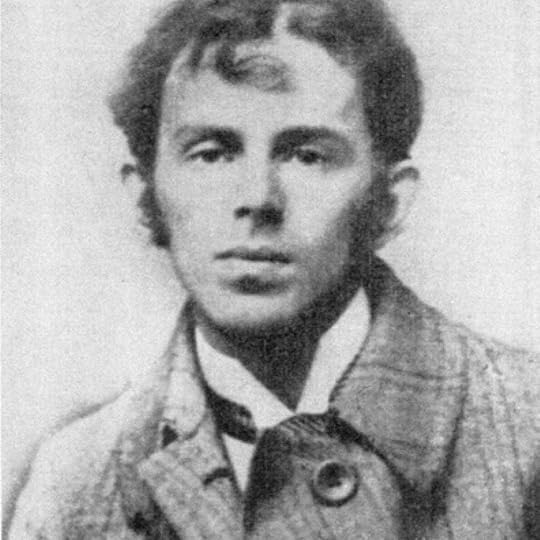
Osip Emilyevich Mandelstam (also spelled Osip Mandelshtam, Ossip Mandelstamm) (Russian: Осип Эмильевич Мандельштам) was a Russian poet and essayist who lived in Russia during and after its revolution and the rise of the Soviet Union. He was one of the foremost members of the Acmeist school of poets. He was arrested by Joseph Stalin's government during the repression of the 1930s and sent into internal exile with his wife Nadezhda. Given a reprieve of sorts, they moved to Voronezh in southwestern Russia. In 1938 Mandelstam was arrested again and sentenced to a camp in Siberia. He died that year at a transit camp.

Ratings & Reviews

What do you think?
Rate this book

Friends & Following

Create a free account to discover what your friends think of this book!

Community Reviews

5 stars
203 (39%)
4 stars
176 (33%)
3 stars
101 (19%)
2 stars
33 (6%)
1 star
5 (<1%)
Displaying 1 - 30 of 54 reviews
Profile Image for Vit Babenco.
1,786 reviews5,799 followers
December 2, 2024
The Noise of Time is a colourful novelette of the poet’s childhood and adolescence, of his awakening consciousness and his coming of age…
The bookcase of early childhood is a man’s companion for life. The arrangement of its shelves, the choice of books, the colors of the spines are for him the color, height, and arrangement of world literature itself. And as for books which were not included in that first bookcase – they were never to force their way into the universe of world literature. Every book in the first bookcase is, willy-nilly, a classic, and not one of them can ever be expelled.

And Osip Mandelstam’s poetic mind paints sharp poetical images all the way through the book.
I was troubled and anxious. All the agitation of the times communicated itself to me. There were strange currents loosed about me – from the longing for suicide to the expectation of the end of the world. The literature of problems and idiotic universal questions had just taken its gloomy malodorous leave, and the grimy hairy hands of the traffickers in life and death were rendering the very words life and death repugnant. That was in very truth the night of ignorance! Literati in Russian blouses and black shirts traded, like grain dealers, in God and the Devil, and there was not a single house where the dull polka from The Life of Man, which had become a symbol of vulgar tawdry symbolism, was not picked out with one finger on the piano. For too long the intelligentsia had been fed on student songs. Now it was nauseated by its universal questions. The same philosophy from a beer bottle!

That was the spirit of the turn of the century. Such was the raucous noise of the tumultuous time…
Theodosia is the travelling sketches of the small town in Crimea:
There’s no disputing it: we should be grateful to Wrangel for letting us breathe the pure air of a lawless sixteenth-century Mediterranean republic. But it was not easy for Attic Theodosia to adjust herself to the severe rule of the Crimean pirates.

The innovative, written in rhythmic prose short story The Egyptian Stamp is taking place in Petersburg in the year 1917, between two revolutions. It is a surrealistic tale of a hollow young daydreamer:
He thought of Petersburg as his infantile disease – one had only to regain consciousness, to come to, and the hallucination would vanish: he would recover, become like all other people, even – perhaps – get married… Then no one would dare call him “young man.” And he would be through with kissing ladies’ hands. They’d had their share! Setting up their own Trianon, damn them! Let some slut, some old bag, some shabby feline stick her paw out to his lips and, by the force of long habit, he would give it a smack! Enough! It was time to put an end to his lapdog youth.

But any nonentity will ever remain a cipher – a whining gnat lost in the noise of time.
And Journey to Armenia is a set of culturological notes:
The cheap vegetable pigments of Van Gogh were bought by accident for twenty sous.
Van Gogh spits blood like a suicide in furnished rooms. The floorboards in the night cafe are tilted and stream like a gutter in their electric fit. And the narrow trough of the billiard table looks like the manger of a coffin.
I never saw such barking colors!
Every epoch needs its chronicler and the poets are the best witnesses of history.
Profile Image for E. G..
1,175 reviews796 followers
July 7, 2017
Acknowledgments & Note on Second Printing
A Note on the Illustrations
A Note on the Transliteration
Introduction: The Prose of Mandelstam
Introduction to the Second Edition & A Note to the 1993 Edition


The Noise of Time
--Music in Pavlovsk
--Childish Imperialism
--Riots and French Governesses
--The Bookcase
--Finland
--The Judaic Chaos
--The Concerts of Hofmann and Kubelik
--The Tenishev School
--Sergey Ivanych
--Yuly Matveich
--The Erfurt Program
--The Sinani Family
--Komissarzhevskaya
--In a Fur Coat above One's Station

Theodosia
--The Harbor Master
--The Old Woman's Bird
--The Royal Mantle of the Law
--Mazesa da Vinci

--The Egyptian Stamp

A Note on 'Fourth Prose' and 'Journey to Armenia'
--Fourth Prose
--Journey to Armenia

Notes
Selected Bibliography
Index of Names
November 17, 2020
Η συγκεκριμένη έκδοση περιέχει τα εξής έργα:

1) Шум времени. Τον Απρίλιο 1925 κυκλοφόρησε από τις εκδόσεις Время (σσ. Χρόνος) η αυτοβιογραφική συλλογή διηγήσεων με τίτλο Шум времени (The Noise of Time). Η συγγραφή του συγκεκριμένου έργου έγινε κατά τα έτη 1923-1924. Στα Ελληνικά το έργο έχει μεταφραστεί από τις εκδόσεις s@mizdαt με τίτλο "Ο αχός της εποχής" το 2016 σε μετάφραση του Δημήτρη Τριανταφυλλίδη.

2) Феодосия (Φεοντοσίγια ή Θεοδοσία) συλλογή διηγήσεων που γράφτηκε μάλλον κατά τα έτη 1923 -1924. Το όνομα του τίτλου αναφέρεται στην ομώνυμη πόλη της Κριμαίας. Η συγκεκριμένη συλλογή περιλαμβάνεται στην πρώτη έκδοση του Шум времени, του 1925.

3) Египетская марка. Η νουβέλα με τίτλο Египетская марка (The Egyptian Stamp) εκδόθηκε στα 1928 από τις εκδόσεις Прибой. Στα Ελληνικά κυκλοφόρησε στα 2016, με τίτλο "Το αιγυπτιακό γραμματόσημο", μετάφραση της Βιργινίας Γαλανοπούλου, εκδόσεις Οροπέδιο.

4) Четвертую прозу (Fourth Prose). Πρόκειται για συλλογή σύντομων διηγήσεων οι οποίες δεν δημοσιεύτηκαν όσο ζούσε ο Mandelstam. Το έργο αυτό το υπαγόρευσε ο συγγραφέας στη σύζυγό του, την Nadezhda, η οποία φρόντισε να μοιράσει κάποια αντίγραφα σε ελάχιστους φίλους. Για πρώτη φορά δημοσιεύτηκε επίσημα στη Ρωσία στα 1989, ωστόσο το συγκεκριμένο κείμενο, κυκλοφορούσε αδιάκοπα, παράνομα και πειρατικά, και η KGB κατέληξε να έχει στο αρχείο της δεκάδες χιλιάδες κατασχεμένες κόπιες (βλέπε Donald Loewen, The Most Dangerous Art: Poetry, Politics, and Autobiography after the Russian Revolution, εκδ. Lexington Books 2007 σελ. 91). Μεταφρασμένο ως "Η τέταρτη πρόζα", μαζί άλλα πεζά κείμενα, κυκλοφόρησε στα Ελληνικά υπό τον γενικό τίτλο "Δοκίμια και πρόζα" σε μετάφραση του Δημήτρη Τριανταφυλλίδη, εκδόσεις s@mizdat το 2016.

5) Путешествие в Армению (Journey to Armenia). Δημοσιεύτηκε το 1933 στο 5ο τεύχος του περιοδικού Звезда. Πρόκειται για ένα ιδιότυπο είδος ταξιδιωτικών αφηγήσεων από το επαγγελματικό ταξίδι (τον έστειλε ο Bukharin) του Mandelstam στην Αρμενία το 1930. Στα Ελληνικά κυκλοφόρησε το 2007, σε μετάφραση του Γιώργου Χαβουτσά από τις εκδόσεις Ίνδικτος, με τίτλο "Ταξίδι στην Αρμενία".

Κατάφερα να διαβάσω με αυξανόμενη συντριβή έως και την Τέταρτη Πρόζα. Με τσάκισε. Ο Mandelstam με έκανε να βιώσω το τι σημαίνει σταλινική ρευστοποίηση. Είναι μια διαδικασία κατά την οποία επιτελείται ένα είδος αποστράγγισης των ζωτικών δυνάμεων ενός ανθρώπου, ψυχικών και σωματικών, ένα είδος εξουθένωσης, λιωσίματος και πολτοποίησης, σταδιακώς αυξανόμενης έντασης, μέχρι που ο άνθρωπος αφανίζεται στην κυριολεξία. Αλλά... το πρόβλημα με τον Mandelstam είναι ακριβώς το ίδιο το οποίο συνάντησα και στον Platonov. Δεν ξέρεις τι είναι αυτό που διαβάζεις όσο διαβάζεις το κείμενο. Νομίζεις πως πλέεις σε μια αναγνωστική νηνεμία, στην πραγματικότητα είσαι απλώς μέσα στο μάτι του κυκλώνα.

Για παράδειγμα τα πρώτα κεφάλαια από τον "Αχό της εποχής" κάνουν λόγω για ανώδυνα πράγματα. Είναι σχετικά βατά και κατανοητά. Μιλά για εντυπώσεις και περιστατικά από την καθημερινότητα στην τσαρική Αγία Πετρούπολη του 19ου αιώνα, την αγάπη του για την κλασική μουσική, το σχολείο, τους γονείς, τους δασκάλους και τους φίλους του. Με λίγη μελέτη κατάφερα να αποκρυπτογραφήσω τις νεανικές του εμμονές και ανησυχίες, ένα παιδί πλούσιου Εβραίου μεγαλεμπόρου χαμένο μέσα σε ένα δυναμικό πεδίο το οποίο ο ίδιος χαρακτηρίζει ως Ιουδαϊκό χάος.

Και οι δύο γονείς του, όντες εκρωσισμένοι Εβραίοι, και δη η μητέρα του, έφεραν το κοινωνικό στίγμα της καταγωγής τους, η οποία λειτουργούσε περιοριστικά και σε νομικό επίπεδο, συχνά έπρεπε να εξασφαλίσουν ειδική άδεια για να μείνουν σε έναν τόπο, να ανοίξουν μια επιχείρηση ή ακόμα και να σπουδάσουν, οπότε η αποξένωση από την Εβραϊκή ταυτότητα αποτελούσε μονόδρομο για την κοινωνική, πνευματική και οικονομική τους εξέλιξη.

Ο Mandelstam περιγράφει - πιο σωστά υπαινίσσεται- την πλήρη αποξένωση της λεγόμενης ρωσικής ιντελιγκέντσιας από την πολιτική και κοινωνική κατάσταση της εποχής τους, στις αρχές του 1900: Συντηρητισμός, κλασικισμός, αστυνομοκρατία και ευδαιμονισμός και καμία διάθεση επίλυσης των σοβαρών κοινωνικών ζητημάτων, πλήρης αδιαφορία απέναντι στα αιτήματα των εργατών και των αγροτών για πολιτικά δικαιώματα και αξιοπρεπέστερες συνθήκες ζωής. Ένα είδος μαρια-αντουανετονισμού ο οποίος ενσταλασσόταν από τους ενήλικες στα παιδιά. Αναφέρει για παράδειγμα μια ανάμνηση από τα σχολικά του χρόνια στη σχολή Τενίσεφ:

"Εκείνη την εποχή ένα στρατιωτικό, προνομιούχο, ορισμένως ευγενές, ρεύμα έβρισκε το δρόμο του ως το σχολείο. Τα παχουλά παιδιά της ιντελιγκέντσιας (σσ. εδώ εννοεί τους μεγαλοαστούς) διακυβερντούνταν από εκείνα που ανήκαν σε οικογένειες με θέσεις εξουσίας και τα οποία είχαν βρεθεί εκεί εξαιτίας ενός παράξενου καπρίτσιου των γονιών τους. Ένας από τους γιους του τσαρικού αξιωματούχου Voevodsky, ένα όμορφο αγόρι με αρχαιοπρεπές προφίλ στο στυλ του Νικολάου του 1ου, αυτοανακηρύχθηκε βοεβόδας και υποχρέωσε όλους μας να του δώσουμε όρκο αφοσίωσης και να φιλήσουμε τον σταυρό και το Ευαγγέλιο".

Ένας μόνο από όλους τους φίλους του Mandelstam διαφέρει. Ένας μικρός επαναστάτης που ξεχωρίζει από τα υπόλοιπα καλοαναθρεμμένα αγόρια:

"Και τέλος ο Boris Sinani ένα νέος της γενιάς που είναι σήμερα στα πράγματα (σσ. εννοεί τους Σοβιετικούς), ώριμης για μεγάλα έργα και ιστορική δράση. Πέθανε λίγο μετά την αποφοίτησή του. Πόσο θα είχε διακριθεί αν είχε προλάβει τα χρόνια της επανάστασης! (σσ. εννοεί την Ρωσική επανάσταση του 1917)"

Ο Boris Sinani μαζί με έναν νεαρό φοιτητή που εργάζεται ως οικοδιδάσκαλος στην οικογένεια Mandelstam, πρόκειται για τον Sergei Ivanovich Belyavsky (1883 - 1953) είναι από τους πρώτους που θα μυήσουν τον Mandelstam στην επαναστατική δράση.

Ο Mandelstam χαρακτηρίζει την επανάσταση του 1905 ως χίμαιρα. Πρόκειται για μια περίοδο γενικευμένων αναταραχών, αιματηρών διαδηλώσεων και απεργιακών κινητοποιήσεων στις οποίες συμμετείχαν και τμήματα του στρατού (πχ εξέγερση του πληρώματος του Θωρηκτού Ποτέμκιν).

Οι δύο μεγάλες αριστερές παρατάξεις της εποχής είναι το λαϊκιστικό κόμμα των Σοσιαλεπαναστατών (γνωστοί και Εσέροι από τα αρχικά с.-р, социалистов-революционеров) και το Ρωσικό Σοσιαλδημοκρατικό Εργατικό Κόμμα (Российская социал-демократическа�� рабочая партия) στο οποίο ο Mandelstam αναφέρεται με συντομία χρησιμοποιώντας τα αρχικά с.-д. Αυτό το δεύτερο θα χωριστεί στην πορεία στους Μπολσεβίκους και τους Μενσεβίκους.

Ο τσάρος υποχρεώθηκε να προβεί σε ορισμένες συνταγματικές υποχωρήσεις ωστόσο επέβαλε μαζικές συλλήψεις και εκτελέσεις των μελών του κινήματος και ενίσχυσε το καθεστώς της αυστηρής επιτήρησης και αστυνόμευσης των πολιτών. Στην ουσία το 1905 είναι, ως ένα βαθμό, η γενική πρόβα της δεύτερης Ρωσικής Επανάστασης του 1917 η οποία θα οδηγήσει τελικά στη δημιουργία της Σοβιετικής Ένωσης.

Η οικογένειά του, θορυβημένη από τις επαναστατικές δραστηριότητες του νεαρού θα τον στείλει συνοδευόμενο από έναν οικογενειακό τους φίλο, τον Yuly Matveich στο Παρίσι. Και εδώ είναι ένα καλό παράδειγμα για να εξηγήσω τον τρόπο με τον οποίο αφήνει νύξεις για τα γεγονότα, χωρίς να τα αφηγείται. Ο Yuly Matveich είναι ένας ηλικιωμένος οικογενειακός φίλος των Mandelstam:

"Η εμφάνισή του στο σπίτι μας σήμαινε είτε ένα οικογενειακό συμβούλιο είτε την έναρξη της ειρηνευτικής διαδικασίας έπειτα από κάποιο καυγά. Κατά κάποιον τρόπο κάθε οικογένεια είναι σαν έναν κράτος. Αγαπούσε τα οικογενειακά προβλήματα με τον ίδιο τρόπο που ένας αληθινός ηγέτης αγαπάει τις πολιτικές δυσκολίες. Δεν είχε δική του οικογένεια και επέλεξε να δουλέψει με τη δική μας γιατί ήμασταν εξαιρετικά δύσκολοι και πολύπλοκοι".

Μέσα στα διάφορα περιστατικά, ο Mandelstam, με ιδιαίτερο χιούμορ, ξεχωρίζει το εξής:

"Στα νιάτα του είχε πάει στο Παρίσι και, τριάντα χρόνια μετά το πρώτο του ταξίδι, ξαναβρέθηκε στο Παρίσι και δεν ήθελε επ' ουδενί να πάει σε κανένα εστιατόριο, μονάχα έψαχνε για ένα συγκεκριμένο ονόματι "Χρυσός κόκορας" (σσ. Coq d’Or), στο οποίο είχε δειπνίσει μια φορά στο παρελθόν. Αλλά ο "Χρυσός Κόκορας" δεν υπήρχε πλέον, βρήκε μόνο ένα που λεγόταν σκέτο "Κόκορας" αλλά δεν το ίδιο και το εντόπισε με μεγάλη δυσκολία. Ο Yuly Matveich ξεκίνησε να διαλέξει φαγητό από τον κατάλογο με ύφος γευσιγνώστη και ο σερβιτόρος κρατούσε την ανάσα του περιμένοντας πως θα λάβει μια περίπλοκη και λεπτεπίλεπτη παραγγελία, αλλά τελικά ο Yuly Matveich διάλεξε μια κούπα ζωμό".

Αυτό που δεν αναφέρεται στο συγκεκριμένο κεφάλαιο ωστόσο, είναι το σημαντικότερο: Ο Yuly Matveich επισκέφθηκε το Παρίσι για δεύτερη φορά προκειμένου να συνοδεύει τον νεαρό Mandelstam ώστε να ξεκινήσει τις σπουδές του στο πανεπιστήμιο της Σορβόννης. Οι έντρομοι γονείς του, φοβούμενοι πως ο γιος τους κινδυνεύει από την επαναστατική του δράση -όχι σπουδαία πράγματα, αλλά ποιος θα έσωζε έναν Εβραίο αν έμπαινε στο στόχαστρο της τσαρικής μυστικής αστυνομίας, κάνουν τα πάντα για τον απομακρύνουν από την Αγία Πετρούπολη. Γι' αυτό ο Yuly Matveich είναι ο οικογενειακός σύμβουλος που βρίσκει τη λύση και συνοδεύει το νεαρό παλικαράκι για να βεβαιωθεί πως θα μείνει μακριά από μπελάδες.

Γιατί; Γιατί δεν αναφέρει τα γεγονότα; Γιατί σε όλα τα κεφάλαια κρύβει την προσωπική του ιστορία πίσω από περιγραφές προσώπων που γνώρισε και συνάντησε στη ζωή του; Στην Φεοντοσίγια αντί να περιγράψει την πολιτική του δραστηριότητα κατά τα χρόνια της μεγάλης αβεβαιότητας που ακολούθησαν την Επανάσταση του 1917, καθώς μαινόταν ο εμφύλιος πόλεμος (1917 – 1923) κάνει κι εκεί το ίδιο. Βιογραφεί τους άλλους, αυτοβιογραφούμενος.

Γιατί ο Mandelstam δεν έχει καμία διάθεση να αντιταχθεί στο καθεστώς του Στάλιν - δεν έχει τη δύναμη και δεν έχει τα μέσα - συμμορφώνεται προκειμένου να τον αφήσουν ήσυχο. Αντιλαμβάνεται το σωστό και το λάθος, αλλά σαν ανθρωπάκος, είναι διατεθειμένος να καταπιεί την όποια δυσαρέσκειά του οπότε σκύβει το κεφάλι και συνεχίζει να παλεύει για την καθημερινή του επιβίωση. Συνεχίζει να προσφέρει υπηρεσίες σε ένα καθεστώς για την επικράτηση του οποίου αγωνίστηκε και ο ίδιος από τα νεανικά του χρόνια. Και όταν αρχίζει να συνειδητοποιεί το λάθος του, όταν βλέπει πως σταδιακά πέφτει σε δυσμένεια και μπαίνει στο στόχαστρο, αντί να κάνει επίκληση στο αγωνιστικό του παρελθόν, αποδέχεται την αποτυχία του.

Είναι κι αυτός μια χίμαιρα, ένας ποιητής, που αντιλαμβάνεται με αυξανόμενη αγωνία πως προκειμένου να μη δυσαρεστήσει το καθεστώς πρέπει να απαρνηθεί την ποίηση του. Όμως όπως και το λογοτεχνικό του alter ego, ο Parnok, στο "Αιγυπτιακό γραμματόσημο", δεν θέλει να χάσει το τελευταίο του πουκάμισο. Ένας ποιητής που του απαγορεύεται να γράφει ποίηση. Μα η ποίηση ήταν εξαρχής αυτό που τον έκανε να αγωνιστεί, αυτή ήταν που του έδωσε μια πατρίδα, έναν τόπο, μια αρμονία, έναν τόνο κι έναν ρυθμό προκειμένου να οργανώσει το χάος που τον περιζώνει εξωτερικά και εσωτερικά. Και η ιστορία, η προσωπική ιστορία του καθενός μας αλλά και η Ιστορία της Ανθρωπότητας σαν σύνολο γράφεται από άτομα, από πρόσωπα από τις ξεχωριστές και ανεξάρτητες υπάρξεις που σαν τον ήχο, όταν συντονίζονται και συνεργάζονται παράγουν την πιο εξαίσια μουσική κι όταν διασπώνται καταλήγουν σε μια αλληλομισούμενη άμορφη μάζα, δυσαρμονία και κακοφωνία.

Είμαι υπερβολικός άνθρωπος στον τρόπο που διαχειρίζομαι τα συναισθήματα που βιώνω στις αναγνωστικές μου διαδρομές. Παίρνω πολύ προσωπικά όσα διαβάζω. Οπότε θα παραθέσω ένα απόσπασμα από μία μελέτη που διάβασα όπου περιγράφει με σαφήνεια, ψυχραιμία και επιστημονική ακρίβεια αυτό που προσπαθώ, αλλά δεν μπορώ να μεταφέρω:

To counter this threat, ideological watchdogs increased their attacks on individualism. Sergei Tretyakov suggested that “poet,” and even the broader notion of “writer,” would soon be replaced by the more anonymous and group-oriented “reporter” as the leading representative of contemporaneity.

The attack on individual creativity took a much more sinister turn in Osip Brik’s article “Against the ‘Creative’ Personality” ( Protiv “tvorcheskoi” lichnosti ) where Brik confronts not just poets but any artist who considers artistic creation to be an act of personal inspiration. The very notion of a “creative personality” cannot exist in Soviet society, Brik warns, because it invariably implies an individual point of view that contradicts Soviet principles. The path of individualism, he warns, is a “false and fatal” path
". (βλέπε: Donald Loewen, The Most Dangerous Art, Poetry, Politics, and Autobiography after the Russian Revolution, σελ. 40 -41)

Η δε "Τέταρτη πρόζα" είναι μια σπαρακτική κραυγή αγωνίας. Είναι το ξέσπασμα της συσσωρευμένης αηδίας του. Γιατί ο Mandelstam συμμορφώθηκε. Έκανε ό,τι ακριβώς του ζήτησαν. Την έστειλε στο διάβολο την ποίηση, έτσι κι αλλιώς οι εργάτες δεν θέλουνε ποιήματα. Φτηνή, μπαλωμένη και ξαναζεσταμένη λογοτεχνία με την σφραγίδα της έγκρισης του καθεστώτος, αυτό τους παρέχεται βάσει ημερησίας διατάξεως. Αλλά ούτε κι αυτό ήταν αρκετό. Και πάλι δεν τον άφησαν σε ησυχία.

Βρήκαν αφορμή από μια υπόθεση λογοκλοπής μιας μετάφρασης και τον ξετίναξαν με εξεταστικές επιτροπές, ανακρίσεις, δημόσια κατηγορητήρια στον τύπο, αυτόν, που θέλοντας και μη κατάντησε ο τελευταίος τροχός της αμάξης ενός συστήματος που είχε φοβερές αδυναμίες και παθογένειες και όλοι φρόντισαν να φορτώσουν τις ευθύνες για τις αβλεψίες τους σε αυτόν. Κι εκεί κάπου επενέβη ο Bukharin, ως άλλος Yuly Matveich και τον έσωσε (προσωρινά) στέλνοντάς τον στην Αρμενία. Αλλά το κακό είχε γίνει. Η ποίηση είναι θεριό κι αν το ξυπνήσεις θα το ακούσεις να βρυχάται.

Ναι, βέβαια, τελικά τον ρευστοποίησαν τον Mandelstam. Ούτε τα κόκαλά του δεν απέμειναν, χάθηκαν κάπου θαμμένα σε έναν ομαδικό τάφο. Ε και; Τον άνθρωπο σκότωσαν. Δεν κατάφεραν όμως να σκοτώσουν τον ποιητή:

За гремучую доблесть грядущих веков - Για την εκρηκτική ανδρεία των επερχόμενων αιώνων

Για την εκρηκτική ανδρεία των επερχόμενων αιώνων,
για την ευγενική φυλή των ανθρώπων, -
έχασα την κούπα στο συμπόσιο των προγόνων μου,
τη χαρά και την τιμή μου.

Ένας αιώνας -λυκόσκυλο πηδάει στους ώμους μου
όμως εγώ δεν είμαι λύκος εξ αίματος.
Χώσε με σαν σκουφί στο μανίκι
ενός ζεστού γούνινου παλτού των Σιβηριανών στεπών.

Έτσι ώστε να μη βλέπω τους δειλούς και αδύναμους βρωμιάρηδες
τα ματωμένα κόκαλα στον τροχό.
Έτσι ώστε να λάμπει ολονυχτίς η γαλάζια αλεπού,
για το χατίρι μου, μέσα στην αρχέγονη ομορφιά της.

Πάρε με στη νύχτα εκεί που ρέει ο Γενισέι
και το πεύκο αγγίζει τα αστέρια
γιατί δεν είμαι λύκος εξ αίματος
και μονάχα ένας όμοιός μου θα με σκοτώσει.
Profile Image for Daniel Chaikin.
593 reviews71 followers
September 6, 2020


A tough and somewhat random book for me. I know very little about this Jewish Soviet poet and his strained and eventually fatal relationship to his state. These essays were written in 1933 when he was sort of politely exiled to Armenia. The main essay, ‘Journey‘, is about Armenia with much extra going on in the subtext. It includes a mixture of classical Greek and Christian references, and a criticism of Darwin in favor Jean-Baptiste Lamarck. It kind of all went right by me. A second essay on Dante was really fascinating about Dante and poetry and, I think, has some interesting embedded criticism of the then Soviet Union.

"If a physicist should conceive of the desire, after taking apart the nucleus of an atom, to put it back together again, he would be like the partisans of descriptive and explanatory poetry, for whom Dante represents, for all time, a plague and a threat."


-----------------------------------------------

45. Journey to Armenia & Conversation about Dante by Osip Mandelstam
translation: from Russian 1977
published: 1933
format: 185-page Notting Hill 2011 hardcover
acquired: 2019
read: Aug 20-29
time reading: 6 hr 12 min, 2 min/page
rating: 4
locations: Armenia
about the author: Polish-born Jewish Soviet poet who grew up in St. Petersburg, and died in a gulag. 1891-1938

Three parts:
'Mandelstam and the Journey' by Henry Gifford, 1979
'Journey to Armenia' translated by Sidney Monas, 1977
'Conversation about Dante' translated by Clarence Brown & Robert Hughes, 1977
Profile Image for Eric Byrd.
624 reviews1,169 followers
April 5, 2022
Clarence Brown states with humility in his translator's introduction that to read Mandelstam (or any author) in translation is to read them bereft of their style. I agree, but the necessity of transmission trumps fastidiousness; as Brodsky said, civilization is made of translations. Bereft of Mandelstam this volume may be, it still projects enormous power. The martyrological mythos around Mandelstam's death can make us think him an ineffectual angel, a beatifically passive victim led to the slaughter; but the man was fierce, and aggressive. No gentle lamb here. His reminiscences, his descriptions, his judgments all have a concentration, a sinewy forcefulness. He's the tough pith of the Russian intelligentsia, the moral core of people the Soviets absolutely had to exile, co-opt or kill if they were to zombify the nation.

I was stopped in the dense Soviet wood by bandits who called themselves my judges.

"Fourth Prose" (1930)
Profile Image for Joselito Honestly and Brilliantly.
755 reviews431 followers
December 26, 2020
Osip Emilievich Mandelstam, a Jew, was said to have died on this date, December 27 in the year 1938, a political prisoner in a camp near Vladivostok, aged 47. His troubles began four years before, probably in the apartment of Boris Pasternak, where he was said to have read an epigram he composed for Josef Stalin which went something like this:

“We live unconscious of the country beneath us,
Our talk cannot be heard ten paces away,
And whenever there is enough for half-a-conversation,
The Kremlin highlander is mentioned.
His thick fingers are fat like worms,
His words hit hard like heavy weights,
His cockroach’s huge moustaches laugh,
And the tops of his boots shine brightly.”


Only about five of his close friends were around when he recited this piece but one of them reported it to the authorities and that was the beginning of his end.

(You’d wonder why this friend did not just keep this to himself, anyway it was not “heard ten paces away” and he could not have been ignorant of the danger of letting Stalin know that his moustaches was compared to a cockroach and his fingers to worms. But this is how things go during that time: if you keep things like this to yourself and SOMEONE reports it to the authorities, the latter would know that you heard it and didn’t report. You’ll be doomed too together with your family. So as a measure of self-protection, you need to report what you’ve unfortunately heard).

But what a pity. Mandelstam was considered a pre-eminent Russian poet of the 20th century and an accomplished and unique prose stylist. He wrote in Russian and his work was suppressed in the Soviet Union so it wallowed in obscurity for a long time until in 1965 when this book, a compilation of his prose writings translated in English by Clarence Brown, was published.

What is a “prose stylist”? And why is Mandelstam a unique prose stylist? Clarence Brown admits that to present a writer’s work in translation “is to present him bereft of his style” but he shares with us the impression Mandelstam’s style makes in the original Russian as follows:


“(Mandelstam) composed word by word, sentence by sentence, paragraph by paragraph. ‘Lapidary’ as a qualifier of style has lately fallen into disrepute, but it is not one which the author of STONE could have rejected. Each of the elements of his prose was carefully polished, hefted for balance, weighed and tested before the next was undertaken. Most paragraphs give the distinct impression of a new start, a fresh adventure, something written in another key. Individual sentences have a grace, rhythm, and wit that render them unforgettable.”


’The Noise of Time’ is the title of one of the essays in this volume consisting of five major prose writings, an autobiographical sketch, a short memoir tied to Crimea, and several other short pieces. Mandelstam wrote about all sorts of subjects including my favourite game: chess—


“Who has not felt envious of chess players? You sense in the room a peculiar field of alienation from which a chill inimical to nonparticipants flows.

“But these little Persian horses made of ivory are immersed in a solution of power. The same thing happens to them as happens to the nasturtium of E.S. Smirnov, the Moscow biologist, and the embryonic field of Professor Gurvich.

“The threat of displacement hangs over each figure throughout the game, during the whole stormy event of the tournament. The chessboard swells up from the concentrated attention. When the rays of a combination focus upon the chess figures they grow like mushrooms in Indian summer.

“The problem is solved not on paper, and not in the camera obscura of causality, but in a live Impressionist milieu in Edouard Manet’s and Claude Monet’s temple of air, light, and glory.

“Is it true that our blood emits mitogenetic rays, which the Germans have captured on a phonographic disc, rays that, I was told, help to intensify the cell division of tissue?

“We are all, without suspecting it, carriers of an immense embryological experiment: for the very process of remembering, crowned with the victory of memory’s effort, is amazingly similar to the phenomenon of growth. In both of them there is a sprout, an embryo, some facial feature, half a character, half a sound, the ending of a name, something labial or palatal, some sweet pea on the tongue—which doesn’t develop out of itself but only answers an invitation, only stretches out, justifying one’s expectation.

“With these belated reflections, B.S., I hope to repay you, if only in part, for having disturbed your chess game in Erevan.”


B.S., of course, couldn’t possibly be Boris Spassky but at least we know Mandelstam played chess! But did he play well? In the second chapter of his work called “The Egyptian Stamp” he somehow expressed irritation with those who insist on playing the game when they know little about it:


“There are indeed people in the world who have never been ill with anything more dangerous than influenza and are somehow hooked on to the present age at the side like artificial corsages at a dance. Such people never feel themselves to be grown up and, at thirty, are still finding someone to be offended by, someone whose apologies they require. They were never particularly spoiled by anyone, and yet they are as corrupt as if they had received the academic ration of sardines and chocolate all their lives. They are muddle-headed people who know nothing more than a few chess moves but are still eager for a game just to see how it will turn out. They ought to spend their whole lives somewhere in a villa among agreeable acquaintances, listening to the chink of cups on the balcony, around the samovar that someone has fired with pine cones, and chatting with crab vendors and letter carriers. I should like to collect them all and settle them in Sestroretsk (since there is no longer anywhere else).”


In the “Fourth Prose”, where Mandelstam wrote with outrage against the regime’s campaign against him, he has this short piece which one can imagine may well apply to any body of state-sponsored censorship existing today the world over:

“In a certain year of my life, grown men from that tribe which I despise with all the strength of my soul, and to which I neither wish to belong nor ever shall, conceived the intention of jointly committing against me an ugly and repellant ritual. The name of this ritual is literary pruning or dishonoring, and it is performed in accordance with the customs and the calendrical needs of the writers’ tribe, the victim being selected by vote of the elders.

“I insist that writerdom, as it has developed in Europe and above all in Russia, is incompatible with the honourable title of Jew, of which I am proud. My blood, burdened with its inheritance from sheep breeders, patriarchs, and kings, rebels against the shifty gypsyishness of the writing tribe. A creaking camp of unwashed Romanies kidnapped me as a child and for a certain number of years dawdled along its obscene routes, vainly striving to teach me its one craft, its one art: theft.

“Writerdom is a race with a revolting smell to its hide and the filthiest known means of preparing its food. It is a race that wanders and sleeps in its own vomit, one that is expelled from cities and hounded in villages, but it is always and everywhere close to the authorities, who grant them a place in red-light districts, as prostitutes. For literature always and everywhere carries out one assignment: it helps superiors keep their soldiers obedient and it helps judges execute reprisals against doomed men.

“A writer is a mixture of parrot and pope. He’s a polly in the very loftiest meaning of that word. He speaks French if his master is French, but, sold into Persia, he will say, ‘Pol’s a fool,’ or, ‘Polly wants a cracker,’ in Persian. A parrot has no age and doesn’t know day from night. If he starts to bore his master he’s covered with a black cloth and that, for literature, is the surrogate of night.”


Mandelstam had embraced the dire consequences of choosing to remain free. He was unequivocal about this in this other little piece, likewise found in his “Fourth Prose”—


“Things have come to the point where I value only the proud flesh around the wound in the word trade, only the insane excrescence:

“‘And the whole ravine was cut
“’To the bone by the falcon’s scream”

“That is what I need.

“I divide all the works of world literature into those written with and without permission. The first are trash, the second—stolen air. As for writers who write things with prior permission, I want to spit in their faces, beat them over the head with a stick and set them all at a table in the Herzen House, each with a glass of police tea in front of him and the analysis of Gornfeld’s urine in his hand.

“I would forbid these writers to marry and have children. After all, children must carry on for us, must say to the end for us what is most important to say. But their fathers have sold out to the pockmarked devil for three generations to come.

“Now that’s a little literary page.”


This “pockmarked devil” was, in all likelihood, Stalin himself. When Mandelstam died, he died. But this “pockmarked devil” seems to resurrect again and again in so many different places.
Profile Image for Steve.
900 reviews275 followers
July 2, 2009
At one point in Clarence Brown’s introduction to The Noise of Time: Selected Writing’s of Osip Mandelstam, Brown quotes from an anonymous 1938 communication reporting upon the extreme condition of the poet, caught within the machinery of the Gulag:

Suspecting that his guards had received orders from Moscow to poison him, he refused to eat any meals (they consisted of bread, herring, dehydrated cabbage soup, and sometimes a little millet). His fellow deportees caught him stealing their bread rations. He was subjected to cruel beating-up until it was realized that he was really insane. In Vladivostok transit camp his insanity assumed a still more acute form. He still feared being poisoned and began again to steal food from his fellow inmates in the barracks, believing that their rations, unlike his, were not poisoned. Once again he was brutally beaten up. In the end he was thrown out of the barracks; he went to live near the refuse heap, feeding on garbage. Filthy, with long, gray hair and a long beard, dressed in tatters, with a mad look in his eyes, he became a veritable scarecrow of the camp.


(P. 29)

However, countering this heartrending picture is later correspondence from Mandelstam himself to his wife and a friend, which though stark enough, hardly sounds insane, and closes with “My dears, I kiss you.” Such is the stuff of any attempt at biography when it comes to Mandelstam. Contradictions, uncertainties, even questions regarding the day of his death. In the realm of his primary art, poetry, the same problem occurs, as translators are bedeviled by texts of poems passed on by memory – due to the fear of Stalin’s wrath. Still, difficulties aside, Mandelstam’s importance remains, on one level as a poetry of witness. In a poem, heard by only half a dozen friends, Mandelstam would seal his fate with Stalin (one of the “friends” was an informer). The famous offending lines:

We live unconscious of the country beneath us,
Our talk cannot be heard ten paces away,
And whenever there is enough for half-a-conversation,
The Kremlin highlander is mentioned.
His thick fingers are fat like worms,
His words hit hard like heavy weights,
His cockroach’s huge moustaches laugh,
And the tops of his boots shine brightly.

(Trans. by George Stuckow)

But Mandlestam’s vision was larger, more mystical, while at the same time filled with detachment and control. The reader senses in Mandlestam, that poet’s terrifying recognition of our time in all of its velocity and terror. Poet and critic Joseph Brodsky, in his introduction to Osip Mandlestam: 50 Poems, notes that such distillation is prophetic in nature, and he likens Mandelstam to Job and Jeremiah. As poetic proof, Brodsky quotes lines from “Verses on the Unknown Soldier” – written a year of Mandlestam’s steeped-in-suffering death:

An Arabian mess and a muddle,
The light of speeds honed into a beam –
And with its slanted soles,
A ray balances on my retina...

In the area of Mandelstam’s prose, the biographer and critics have an easier go of it. The pieces collected The Noise of Time lack the accusatory power of “The Kremlin Highlander,” but it's easy to see their own quiet power, signalling a unique mind. In the collection’s opening essay, “Noise of Time,” the reader finds an Mandelstam experimenting with portraiture and short sketches. The thread is the author’s own life, though each chapter easily stands alone.


Profile Image for Jonfaith.
2,147 reviews1,748 followers
November 23, 2019
Incredibly rich language as one would expect from a titan of verse. Clarence Brown places Mandalstam in the tradition of Gogol, which I find interesting. The influence of Chekhov and Ibsen are also predominant.

The poet notes in the opening pieces how he stumbled into the chaos of the Jewish tradition amidst the brocaded orchestration of Petersburg. The theme of estrangement and wonder is common, perhaps suggesting an imposition of distance, an anthropological reserve. Whatever the cause, the results are amazing: musky portraits of drawing rooms and studies, veritable cabinets of curiosities.

The concluding section detailing his time in Armenia was commissioned to keep the poet on the good side of the NKVD. It didn’t work. One can easily surmise from Mandalstam that the worker’s paradise was a shame built on the terror of mob rule by other means. His preference for Muslim felt slippers speaks volumes in a human economy based on utility. Highly recommended.
Profile Image for S̶e̶a̶n̶.
980 reviews583 followers
December 7, 2017

Due to his public success as a poet with revolutionary sympathies falling on the wrong side of the Bolsheviks, Osip Mandelstam had a particularly rough time before, during, and after the Russian Revolution. His experiences of persecution and banishment are woven into much of his writing, and perhaps even more explicitly so in the bits and pieces of prose he left behind. This volume collects the most significant examples of that prose, which consist of memoirs, travel pieces, and even a novella, The Egyptian Stamp, which the translator Clarence Brown describes as 'one of the few examples of surrealist fiction to be found in all of Russian literature.'

Mandelstam wrote in a densely referential style that to fully appreciate requires a knowledge of Russian culture and history broader than my own. That said, I enjoyed these writings on an aesthetic level, and Brown’s extensive introduction and notes helped deepen the reading experience. The pure joy Mandelstam took in his city of St. Petersburg, for example, easily rises off the page without a need to know all the nuances of which he writes. His personal mythology was very rooted in place, and the precision with which he conveys the nature of these places feels like it was a necessity—that there could be no other way for him to write about them. He portrays individuals in his social sphere with a level of care and detail that shapes them into fully formed figures. He is also darkly humorous at times, as in this description he relates of a typical conversation in the 'Symbolist milieu', taken from the title piece, a collection of personal recollections, anecdotes, and biographical sketches:
'How do you do, Ivan Ivanovich?'
'Oh, all right, Pyotr Petrovich. I live in the hour of my death.'
The novella The Egyptian Stamp is the only extant piece of fiction produced by Mandelstam. The story is told in an absurdly digressive style that tends to obscure the two relatively straightforward narrative arcs, neither of which are of much significance. But there are other layers to the work should one be inclined to dig below the surface. Brown dissects the novella quite thoroughly in his introduction, providing insight into the meaning of the work and postulating that it is actually closer to autobiography than pure fiction, based on his knowledge of Mandelstam’s life, compatriots, and literary antecedents.

One of my favorites in this collection is the final piece in the book, the travel memoir Journey to Armenia. Following a muddy campaign of defamation against him, Mandelstam left Petersburg on a government-sponsored trip, a komandirovka, arranged by a connection of his. The goal of this trip was to produce a propaganda report reflecting the positive yields of Armenia’s new status as a Soviet state. When Mandelstam’s piece was finally published in the journal Zvezda, the editor of said journal was fired for not removing the passages marked by the state censor for deletion, including the closing prose poem—a rather obvious parody of Stalin. It would be the last piece of Mandelstam’s writing to be published in the Soviet Union during his lifetime.

Journey to Armenia includes some of Mandelstam’s lushest prose. It subtly switches back and forth between Armenia and Moscow, illustrating the vast contrast between the two locales, and encysting within its structure Mandelstam's characteristic coded criticisms of the regime in Moscow. As in Noise of Time, Mandelstam devotes significant passages to biographical sketches of people he encounters in his Armenian travels. Then there are sweeping sections of ekphrastic prose written in response to various artistic works. Mandelstam also writes of the natural world here in an appealing personal style:
When I was a child a stupid sort of touchiness, a false pride, kept me from ever going out to look for berries or stooping down over mushrooms. Gothic pinecones and hypocritical acorns in their monastic caps pleased me more than mushrooms. I would stroke the pinecones. They would bristle. They were trying to convince me of something. In their shelled tenderness, in their geometrical gaping I sensed the rudiments of architecture, the demon of which has accompanied me throughout my life.
Mandelstam’s passionate commitment to literature and his love of language results in an unusually strong bond between reader and writer. He is the kind of writer who one comes to think of as a friend. I felt that when I first read his poetry, and I felt it even more acutely as I read his prose. After so long of being silenced, it is good to know that so many of his words are finally out there for the world to read.
And in this wintry period of Russian history, literature, taken at large, strikes me as something patrician, which puts me out of countenance: with trembling I lift the film of waxed paper above the winter cap of the writer. No one is to blame in this and there is nothing to be ashamed of. A beast must not be ashamed of its furry hide. Night furred him. Winter clothed him. Literature is a beast. The furriers—night and winter.
Profile Image for Andrew.
Author 5 books31 followers
October 27, 2011
The temperature of Mandelstam's prose is so astonishingly great on every page that each word and combination of words feels thick and voluptuous. "The atmosphere of the room, having been breathed and smoked for years, was by this time no longer air but some new and unknown substance with a different weight and other chemical properties." His words on the page are as different from other authors' as that description of the air in Sergey Ivanych's dwelling.
His turns of phrase go down your throat like the most exquisite wine: "He ate chestnuts in the street and was terrified of concierges"; "The ice was geometrically whole and salubrious, untouched by death and spring"; "From childhood he had been devoted to whatever was useless, metamorphosing the streetcar rattle of life into events of consequence, and when he began to fall in love he tried to tell women about this, but they did not understand him, for which he revenged himself by speaking to them in a wild, bombastic birdy language and exclusively about the loftiest matters."
A wild, bombastic, birdy language? - wow.

I read this book as slowly as possible to savor all of it
Profile Image for Marina.
163 reviews54 followers
Read
April 6, 2023
"È terribile pensare che la nostra vita sia un romanzo senza trama e senza protagonista, fatta di vuoto e di vetro, dell'ardente balbettio di sole digressioni, del delirio influenzale di Pietroburgo."
Profile Image for Lillian.
89 reviews3 followers
August 28, 2015
"He had a kind of feral relationship to literature, as if it were the only source of animal warmth."

I will be pulling this one up and over me again.
Profile Image for Charlotte.
378 reviews121 followers
December 9, 2024
Ontdekking van de maand!

Niet te veel van te proberen te begrijpen, gewoon genieten.

“Van kind gaf aan, had hij zich gehecht aan alles wat te nutteloos was en daarbij het tram-gestamel van het leven en evenementen omgezet, en toen hij verliefd begon te worden poogde hij dat aan de vrouwen te vertellen, maar die snapte hem niet.”

“Schandaal, zo heet de demon, ontdekt door het Russische proza, het schandaal leeft met een beduimeld, verlopen paspoort, afgegeven door de literatuur, wier broedsel, wier geliefde spruit het is.”

“Literaire toorn! Als jij niet bestond, waarmee zou ik het zout der aarde dan moeten eten? Jij bent de specerij bij het ongedesemde brood van het begrip, jij bent het opgewekte besef van ongelijk, het samenzweerders zout dat met een geniepige buiging van decennium op decennium wordt doorgegeven in een zoutvaatje van geslepen glas, met een servet over de arm.”

“Het is zover gekomen dat ik in de literaire ambacht alleen het wilde vlees waardeer, alleen krankzinnige uitgroeisels.”

Asap de poëzie van Mandelsjtam zoeken!
Profile Image for Tymon.
16 reviews1 follower
May 5, 2022
Zgiełk Czasu - 5/5
Teodozja - 5/5
Znaczek Egipski - najpiękniejszy utwór prozaiczny jaki dotąd udało mi się przeczytać

Jestem zbyt głupi, by w pełni zrozumieć Mandelsztama
Profile Image for Gabriel.
Author 16 books154 followers
September 26, 2008
Four stars for the prose, the volume I have (a 1967 Princeton paperback) comes up lacking in most other areas. For instance, Brown's very long introduction (nearly half the book) might have been replaced, or at the very least leavened, with very little damage to the resulting book, through the inclusion of Mandelstam's essay, "Conversations on Dante," which Brown even quotes during that introduction. I would hazard that either Brown had not yet translated that essay (he did, in any case, translate it), or that the publisher wanted an excuse to publish "The Egyptian Stamp" and "The Noise of Time."

Both of these exceptional works, one clearly autobiography, the other a kind of librobiography, rest upon the solid foundation of Mandelstam's use of surrealist techniques in realist prose. Which sounds rather mundane, but isn't, at all. Mandelstam took the surrealist freedom to play in the sandbox of association and applied it to things that can, despite their transformation, be clearly and precisely seen by the reader. The results are stunning sentences which pile allusions upon allusions in positions allusions are not used to occupying, but fit in nonetheless. When the reader appreciates what is being communicated, the urge to smile cannot be contained, and a wide grin breaks out.
Profile Image for Josh.
89 reviews88 followers
February 4, 2008
If normal essays are flat planes then Mandelstam's are cubes. Not included in this book is the essential "Conversations about Dante," in which he shows how images can act like ventilation shafts/columns/doors - but even without that you can see (in Journey to Armenia, for example) how he uses structures and forms to fuck with our idea of how we should move through a piece of prose. Lungs spread out on a tennis court. I don't know. Forget argument.

Profile Image for Padmin.
991 reviews57 followers
September 15, 2017
“Non è di me che voglio parlare: voglio piuttosto seguire l’ epoca, il rumore e il germogliare del tempo. La mia memoria è nemica di tutto ciò che è personale. Se fosse per me, mi limiterei a storcere il naso pensando al passato. Non li ho mai capiti i Tolstoj, gli Aksakov, i nipoti di Bagrov, innamorati degli archivi di famiglia con le loro epiche memorie domestiche. Lo ripeto, la mia memoria è spinta dall’ ostilità, non dall’ amore, e il suo lavorio rimuove il passato, non lo riproduce. Un raznocinec non ha bisogno della memoria, gli è sufficiente parlare dei libri che ha letto e la sua biografia è bell’ e pronta. Ci sono generazioni fortunate in cui l’ epos si esprime in forma di esametri e di cronache. Al posto di questo, nel caso mio, c’ è un segno di discontinuità, e tra me e la mia epoca si apre un abisso, un baratro riempito dal tempo che rumoreggia, il posto destinato alla famiglia e al suo archivio”
Dunque la Russia prima della rivoluzione bolscevica, prima del secolo da Mandel’stam definito il “secolo dei lupi”.
Da Pavlovsk alla Pietroburgo anterivoluzionaria, l'autore racconta -in una prosa stupendamente poetica- l'infanzia e l'adolescenza: la vita domestica, i riti quotidiani della vita pubblica, i giochi dei bambini al Giardino d’Estate, le uscite in carrozza della famiglia imperiale. E ancora il suo incontro con l’Istituto Tenisev, celebre per i suoi metodi educativi e per un corpo insegnante di eccezionale qualità e i libri ebraici e tedeschi del padre, i libri russi della madre sino a quello che egli definisce il “caos giudaico” che avverte nella sua famiglia (“l'artiglieria di scatoloni e ingombranti salmerie domestiche” di “sapore dolciastro”).
Infine: la questione della lingua. Osip Mandel’stam, ebreo, nato a Varsavia, era giunto in Russia piccolissimo. La madre parlava il russo, il padre (originario della Lituania) un misto di ebraico, tedesco e russo -una specie di lingua inventata. L’yiddish pareva accantonato.
“Durante l’infanzia non ho mai sentito parlare yiddish, solo più tardi ho ascoltato a sazietà questa lingua melodiosa, interrogativa, sempre stupefatta e delusa, con accenti marcati sui semitoni”.
E stupefatto e deluso è anche il sentimento con cui Mandel’stam ricorda il suo vecchio mondo. “Quella schiuma rivoluzionaria del tempo della mia giovinezza, quell’innocente «periferia», era tutta un brulicare di storie d’amore. I ragazzi del 1905 si univano alla rivoluzione con gli stessi sentimenti di Nikolen’ka Rostov che si arruola negli ussari: era una questione d’amore e d’onore. Ciascuno di loro riteneva impossibile vivere senza il fuoco della gloria del tempo a cui apparteneva e respirare senza eroismo. Era il seguito di Guerra e pace, solo che la gloria risiedeva altrove. Non più nel reggimento Semënovskij del colonnello Min e nemmeno nella scorta imperiale di generali con i rigidi stivali di vernice, ma nei comitati centrali stava la gloria, nelle organizzazioni combattenti, e la prodezza cominciava cimentandosi con la propaganda”
Profile Image for Samuel Moss.
Author 7 books72 followers
September 15, 2019
Mandelstam was a Russian poet, at first part of the Symbolist movement which he later got away from. He was pretty well regarded at the time (1920s-1930) and managed to skirt some of Stalin's terror, for a little while.

This is a collection of his prose pieces, which range from a pretty straightforward accounting of his childhood growing up in Jewish St. Petersburg to some pretty nuts surrealists stuff.

There is a big introduction and copious notes from the translator. The translation is good, but it seems like he went a bit loose in an attempt to keep Mandelstam's 'flavor'. So things can be a little confusing at times.

'Journey to Armenia' was, IMO the strongest and most engaging piece, though all of the pieces inside are a little unsatisfying in their own right.
Profile Image for Alina Renko.
179 reviews3 followers
Read
February 27, 2024
. Мне хочется говорить не о себе, а следить за веком, за шумом и
прорастанием времени. Память моя враждебна всему личному. Если бы от меня
зависело, я бы только морщился, припоминая прошлое. Никогда я не мог понять
Толстых и Аксаковых, Багровых внуков, влюбленных в семейственные архивы с
эпическими домашними воспоминаниями. Повторяю - память моя не любовна, а
враждебна, и работает она не над воспроизведением, а над отстранением
прошлого. Разночинцу не нужна память, ему достаточно рассказать о книгах,
которые он прочел, - и биография готова. Там, где у счастливых поколений
говорит эпос гекзаметрами и хроникой, там у меня стоит знак зияния, и между
мной и веком провал, ров, наполненный шумящим временем, место, отведенное
для семьи и домашнего архива. Что хотела сказать семья? Я не знаю. Она была
косноязычна от рождения, - а между тем у нее было что сказать. Надо мной и
над многими современниками тяготеет косноязычие рождения. Мы учились не
говорить, а лепетать - и, лишь прислушиваясь к нарастающему шуму века и
выбеленные пеной его гребня, мы обрели язык.

Революция - сама и жизнь и смерть, и терпеть не может, когда при ней
судачат о жизни и смерти. У нее пересохшее от жажды горло, но она не примет
ни одной капли влаги из чужих рук. Природа - революция - вечная жажда,
воспаленность (быть может, она завидует векам, которые по-домашнему смиренно
утоляли свою жажду, отправляясь на овечий водопой. Для революции характерна
эта боязнь, этот страх получить что-нибудь из чужих рук, она не смеет, она
боится подойти и источникам бытия).

Но что сделали для нее эти "источники бытия"? Куда как равнодушно текли
их круглые волны! Для себя они текли, для себя соединялись в потоки, для
себя закипали в ключ! ("Для меня, для меня, для меня" - говорит революция.
"Сам по себе, сам по себе, сам по себе" - отвечает мир).
Profile Image for João Paulo.
15 reviews2 followers
Read
July 13, 2021
O livro exige um tanto de conhecimento de cultura e história russa do fim do século 19 e começo do 20 que me foge completamente, tornando uma leitura muito truncada quando lendo as tantas notas de rodapé, ou não entender a maior parte do que está sendo dito.
Profile Image for Joel.
Author 13 books28 followers
March 23, 2022
Osip Mandelstam led a tragic life. He was a poet, a writer of tremendous talent cursed to have lived in the days of Stalin’s totalitarianism. He wrote a poem about Stalin, reading it to perhaps six friends at a dinner. One of them was an informer. It was unlucky, and perhaps they were not to be blamed. They likely had some sort of prior record, and were afraid that somebody else would report about the poem and that they were there and they would die tortured in the gulag, so they did the reporting first.

That’s how totalitarianism works. Turns people into that which they say they will never become; and in normal circumstances would never even consider. Fear does that to people – and until you fear being tortured for no good reason, you cannot judge them. But I digress, Osip was betrayed. Stalin decided he should be “isolated but preserved” so he ended up being exiled. With only a few courageous friends willing to try and find him work. Unable to feed himself and his wife. Afraid to write.

Until he was picked up again, randomly, for whatever reason that Stalin decided. And he died, nobody really knew where and when but it was likely December 26th in 1938.

Mandelstam was a Russian writer. Russian writing is so complicated – and it cannot be adequately understood in a foreign language. We don’t understand the Russians – that at least is obvious, especially in these days of war. They are western, but are they? They are sophisticated painters and writers and they love dance music and to drink at parties. They are like us, right? Then out of nowhere, levels of wickedness and brutality that are beyond comprehension. Cue Ukraine right now.

The Black Sea basin is my heartland, somehow. Russia is fascinating, I can’t wait until it is free to get to know it. I will visit the places that Mandelstam wandered. I’ll visit the Hermitage and the Kremlin and commune with Russians and try and understand the sorrow of their ancient story. A story of which Mandelstam was a tiny part – but emblematic.
Profile Image for Bas.
349 reviews5 followers
Read
October 25, 2020
Een heel geconcentreerde tekst, die zich slechts langzaam laat lezen. Het hoofdverhaal (getiteld De Egyptische Postzegel) moest ik zelfs helemaal herlezen voor ik het een beetje begreep. Heeft vrij veel voetnoten, maar ik had er nog wel wat meer bij kunnen gebruiken om alles ten volle te kunnen plaatsen. Het nawoord biedt ook wat meer context. Daardoor ook moeilijk van een beoordeling te voorzien. Zeker de moeite waard voor wie al wat van deze dichter en/of van zijn vrouw heeft gelezen - ik heb dat zelf nog niet gedaan, maar wil dat nu wel gaan doen.
Profile Image for Cooper Renner.
Author 24 books57 followers
March 8, 2015
I enjoyed this collection of prose far more than I've ever enjoyed Mandelstam's verse. Though not uniformly interesting to me, the various pieces show such incredible mastery of thought and imagination, such wit of language, that it's impossible not to call this prose masterful. Elizabeth Bishop is another esteemed poet whose prose seems much better to me than her verse, and it's arguable that Randall Jarrell and WS Merwin fall into the same category.
Profile Image for Beatrice Otto.
Author 2 books3 followers
June 30, 2017
I first reviewed this book alongside Vasily Grossman's Armenian Sketchbook, and ‘Armenia’, in Imperium, by Ryszard Kapuscinski (pp. 42-51).

‘Two Russians and a Pole visit Armenia’ might be the beginning of a joke, but it isn’t. I bought and read the three books randomly and apart, but wanted to review the first two together, with reference to the Armenian chapter of the third one. Since none of these accounts are contemporary, some of the impressions they have left me may have dated, but I emerged with some strong word associations with Armenian language and culture: resilience, endurance, erudition, openness, enchantment.

'Three apples fell from heaven: the first for the one who told the tale, the second for the one who listened, and the third for the one who understood. That is the way most Armenian fairy tales end.' (p. 94)

In chronological order, the Russian poet Osip Mandelstam (1891-1938) visited Armenia for eight months in 1930, where he seems to have rediscovered his poetic voice. Thirty years later, in late 1960, the Russian journalist and novelist Vasily Grossman (1905-1964) went for two months, to re-work a translation of an Armenian novel. Then in 1967 the Polish journalist Ryszard Kapuscinski (1932-2007) travelled around the south of the Soviet Union, including Armenia, as recounted in his wonderful Imperium.

The two Russians had the hardest time of it in the human cog-crushing of ideological machinery. Mandelstam was arrested in 1934 for an epigram about Stalin, and died in the gulag in 1938. Grossman did a turn of hard labour, working in a hellish coal mine for some years which he mentions in his Armenian memoir.

Mandelstam was a poet and his slim Journey to Armenia, a little over 50 pages, is written with such tapestried description and imaginative metaphors, it’s like reading an impressionistic prose-poem, interlaced with snapshot moments and thoughts on writing. It was as if being in Armenia gave him an island of time to let his capacious mind expand and breathe. The excellent introduction (nearly as long as the book it introduces) notes that in Journey to Armenia ‘a mind is at work the range and luminosity of which recall the mind of Goethe’ (p. 18). In some ways, this book isn’t about Armenia, it’s about Armenia’s effects on a mind that needed some space, and that luminosity of mind seems to reflect a luminosity of place.

'Only last year on the island of Sevan in Armenia, as I went strolling in the waist-high grass, I was captivated by the shameless burning of the poppies. Bright to the point of surgical pain … ' (p. 64)

For a full review of this and Grossman's book, together with a richly illustrated mosaic of quotations and metaphors, please visit:

https://www.writingredux.com/reading/...
Profile Image for Andrea.
145 reviews42 followers
February 7, 2023
Mandel´štam, in quanto poeta dei primi del novecento appartenente al movimento dell'acmeismo russo, anche nei suoi racconti prende spunto dalla poesia e da un notevole ermetismo, privilegiando le immagini e i pensieri scollegati (con divagazioni familiari o colte e continui passaggi dalla prima alla terza persona) allo sviluppo del racconto. Tutto ciò, unito a un citazionismo continuo (un quarto del libro è costituito da note esplicative al testo, cosa che lo avvicina, oltre allo sviluppo più legato al pensiero casuale che a una struttura narrativa, all'Ulisse di Joyce) rende la lettura decisamente faticosa, facendo preferire al complicato insieme complessivo i singoli squarci di lirismo, spesso mirabili, come ad esempio il seguente:

Le note di una partitura blandiscono l’occhio non meno che la musica l’orecchio. I neri punti della scala del pianoforte vanno su e giù come lampionai. Ogni battuta è una piccola imbarcazione carica di uva passa e grappoli neri.
Una pagina di note è, innanzitutto, una flottiglia di velieri schierata in ordine di battaglia; e poi è lo schema che segue la notte, ordinata in sequenze di noccioli di prugne, per andare a picco.
Le vertiginose discese concertistiche delle mazurche di Chopin, le ampie scale scampanellanti degli studi di Liszt, i parchi pensili con parterre di Mozart, che vibrano su cinque fili metallici, non hanno niente in comune con il cespuglio nano delle sonate di Beethoven.
Le città-miraggio delle note stanno ritte nella pece bollente come casette per gli uccelli.
La vigna musicale di Schubert è sempre smangiucchiata dagli uccelli fino all’ultimo chicco e flagellata dalla tempesta.
Quando centinaia di lampionai si affannano per strada con le loro scalette, appendendo i bemolle ai ganci arrugginiti, fissando le banderuole dei diesis, tirando giù intere insegne di battute abbrustolite, si tratta naturalmente di Beethoven; ma è Beethoven anche quando la cavalleria delle ottave e dei sedicesimi si lancia all’attacco, inalberando pennacchi di carta con insegne equestri e minuscoli stendardi.
La pagina di uno spartito è una rivoluzione in un’antica città tedesca.
Profile Image for Danny Jacobs.
255 reviews23 followers
August 9, 2023
Op een oververhitte zondagochtend in juni vond ik op de schaduwarme tweedehands boekenmarkt in Gent een boekje dat al lang met stip genoteerd stond. ‘De Egyptische postzegel’ van Osip Mandelstan, in 1978 uitgegeven in de reeks Russische Miniaturen van uitgeverij G.A Van Oorschot.

Mandelstan was dichter, maar schreef tussen 1925 en 1930 ook wel eens wat proza. Net genoeg om in een boekje van 130 pagina’s te passen. Zijn proza staat dicht bij het surrealisme dat na de eerste Wereldoorlog opgang kende in West-Europa. In Rusland vond deze stroming haast geen aanhang, zodat ‘De Egyptische postzegel’ een van de weinigen surrealistische prozawerken uit de Russische geschiedenis is.

Het boekje bestaat uit tientallen verhalen, die men nauwelijks verhalen kan noemen. Het zijn wel literaire pareltjes die je erg traag en soms woord per woord moet in je opnemen. De context van elk verhaal is deels duidelijk, deels moet je er eigen context bij creëren. Hoe maak je zo een boekje verteerbaar? Door er gedurende vele weken af en toe eens een kort stukje in te lezen. Erg genietbaar.

Mandelstan wordt beschouwd als een van de grootste Russische dichters van de twintigste eeuw. Zijn werk was in de Stalin-tijd vrijwel onbekend buiten Rusland en mocht niet of slechts incidenteel gepubliceerd worden. Zijn vrouw wist later, in de tijd dat publicatie vrijwel onmogelijk was geworden en geschreven teksten gevaarlijk waren, veel van de gedichten van haar man te bewaren voor het nageslacht door ze uit het hoofd te leren.

Mandelstam werd in 1934 gearresteerd vanwege het gedicht "de heerser" dat Stalin als een persoonlijke belediging opvatte. In dit gedicht werd Stalin omgeschreven als "Kremlinbewoner uit de bergen, de wurger en boerendoder // zijn dikke vingers vet als wormen // en zijn woorden onwrikbaar als loden gewrichten // zijn kakkerlakkensnor lacht etc". Hij stierf na tal van verbanningen in een Goelagkamp in de buurt van Vladivostok, op 27 december 1938, nauwelijks 47 jaar oud.
Profile Image for Prooost Davis.
346 reviews8 followers
January 11, 2025
This is a difficult book.

Long ago, I read a memoir by Osip Mandelstam's wife, Nadezhda, called Hope Against Hope, so when I saw this in a used bookstore, I picked it up.

Osip Mandelstam was a Russian poet (also Jewish) who grew up in Petersburg, and ran afoul of Stalin's brutal government in what had become the Soviet Union. He perished in a camp in the eastern Soviet Union.

The Noise of Time is a collection of the poet's prose, and the reader really needs to be knowledgeable about life in Petersburg immediately before and after the Soviet revolution, and also have a solid grounding in Russian literature. I have neither of these. In addition, Mandelstam's prose, like his poetry, tends toward the obscure. I'm normally intimidated by poetry anyway, and so much of the writing in this volume was nearly opaque to me. That this is the style of his poetry and prose is partly due to his natural inclinations, and probably partly to his need to say what he wanted and get it past the censors.

When I was finished reading the book, I wanted to find out just what I hadn't understood (a lot). Luckily, this Princeton edition (1965) has a long introduction by its translator Clarence Brown. I could not have given it a four-star rating without the introduction.

I recommend The Noise of Time to those deeply interested in Russian literature, and with the time to read some of the predecessors to the included novella, The Egyptian Stamp, which owes a lot to earlier works by Gogol and Dostoyevsky.
Displaying 1 - 30 of 54 reviews

Can't find what you're looking for?

Get help and learn more about the design.