New York Tendaberry
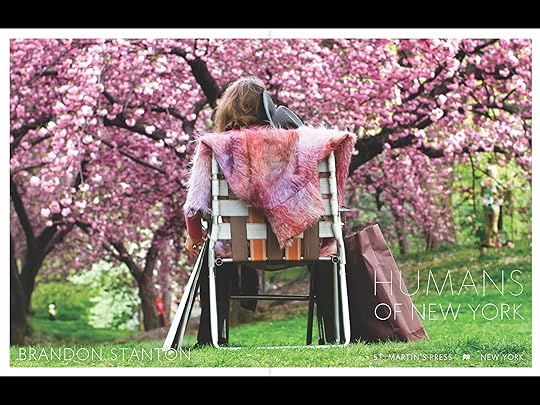
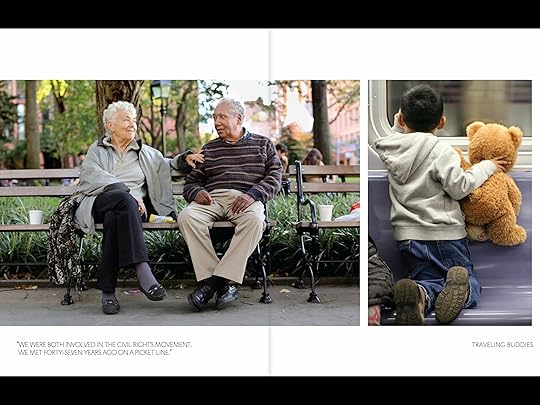
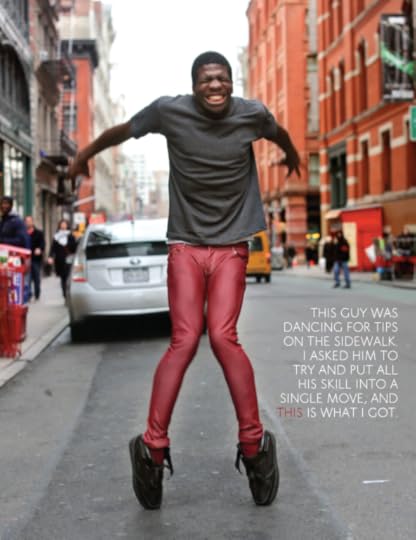
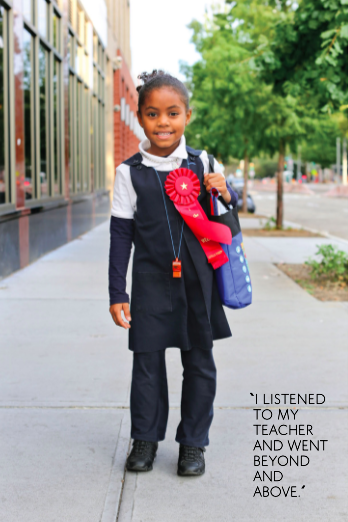
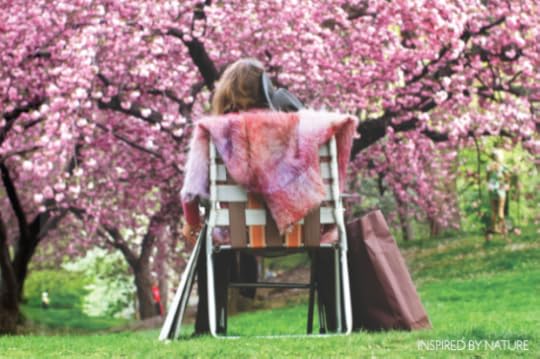
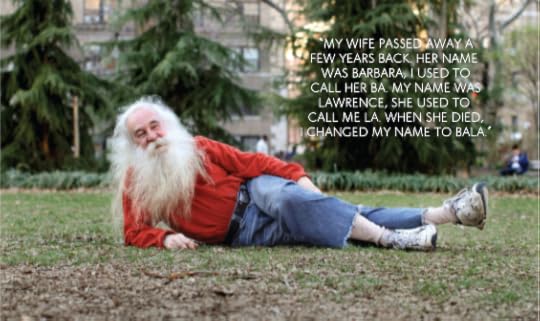
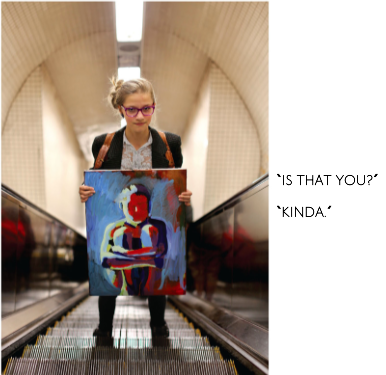
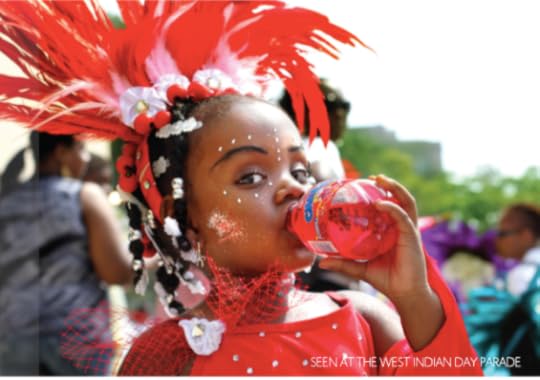
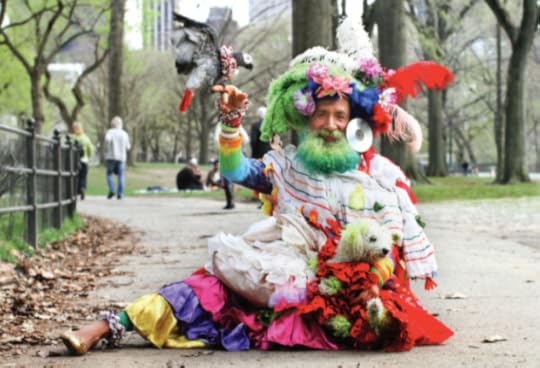
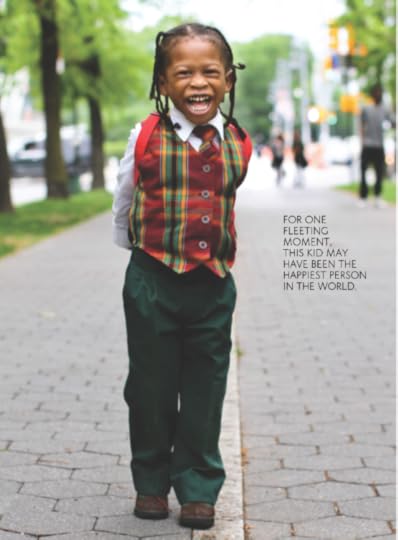
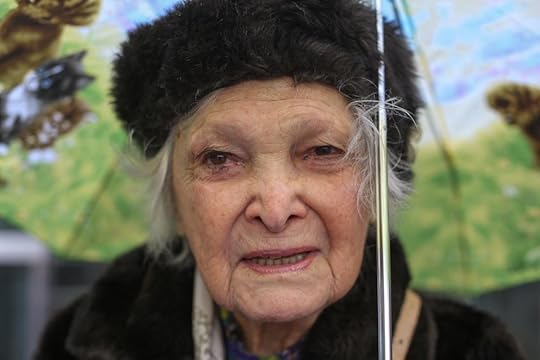
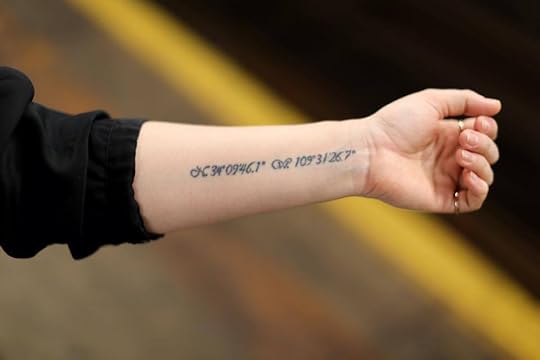
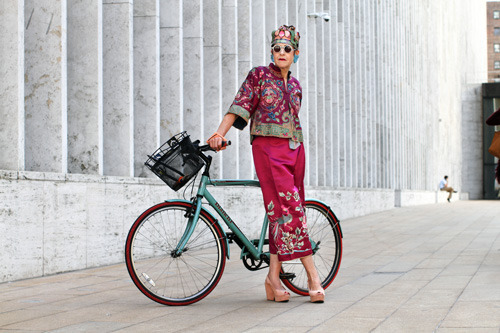
Brandon Stanton’s “Humans of New York” (2013) captures the joy, diversity, and promise of American and New York City life in a book of 400 glossy color photographs. Taken over a three-year period, the photographs show people of all ages, races, economic classes ,religions, and conditions of life. There are photographs of people alone, with their pets, with lovers, or with friends and family. Some of the subjects are homeless street people while others clearly live a life of opulence. People are shown at work and play, dreaming, talking fighting, extroverted and meditative. The photographs in the volume are all taken with the knowledge of the subjects and thus, to a greater or lesser degree, posed rather than candid.
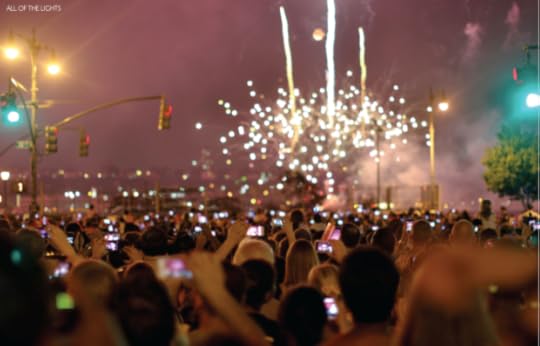
The variety of New York City, with its busy downtown streets, residential areas, apartments, bridges, buildings, parks, and some surprisingly quiet places serve as the background. The focus of the book is on people – on their faces, clothes, hands, and jewelry. The city locations, however, constitute an integral part of each photo. A short caption accompanies most of the photographs. In many cases, the photos are accompanied by a short anecdote or story about the subject.
Many readers came to this book through an extensive blog of an even larger collection of photos that the author took and maintains. I did not know of the blog until I found the book. I was glad of the opportunity to enjoy and respond to the book fresh in seeing it for the first time rather than to come to it with expectations of its content from viewing the blog. I found effective the arrangement of the photos, the use of captions, and the relatively spare use of stories to accompany the pictures. The photographs speak for themselves.
Brandon Stanton the author, developed his talent for photography in an unusual and pressured way. He had been working in the financial markets of Chicago as a bond salesman and received a camera a gift. The gift allowed Stanton to begin taking pictures of buildings and places in Chicago as a hobby and then to branch gradually into photographing people.. When he lost his job, Stanton decided to make a career change. He began to move from city to city, including Pittsburgh and Philadelphia, taking photos with his interest moving to photographing people. Stanton became fascinated with New York City and its opportunities, moved to the City, and began to photograph in earnest. He soon received widespread recognition on media which translated into this book. Thus, Stanton’s photos of a city and its people reinventing themselves parallel s his own reinvention of himself and his path in life.
Many artists, poets, novelists, and photographers have been fascinated by the speed and diversity of America’s greatest city. With all its predecessors, Stanton’s book is poignant and alive. The book speaks of optimism, diversity, and hope for the city and its people.
Of the many allusions this book could suggest, the one that came to mind was “New York Tendaberry” a 1969 album by singer, composer, and pianist Laura Nyro (1947-- 1997). Nyro’s album with its eleven songs is essentially an ode to New York City. In particular, in the title track, Nyro writes of New York:
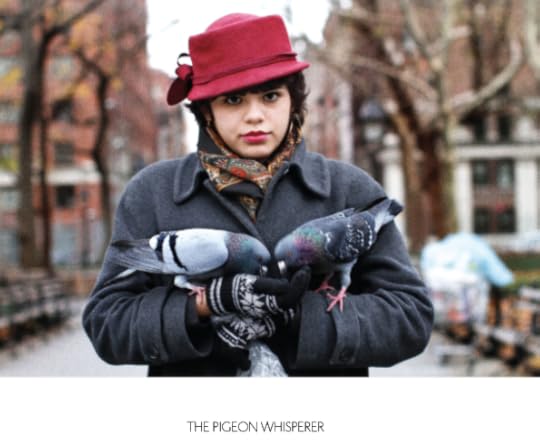
“Sidewalk and pigeon
You look like a city,
But you feel like a religion to me.”
Nyro's song concludes in a paean to the city:
“Where quakers and revolutionaries
Join for life, for precious years
Join for life through silver tears
New York tendaberry.”
Stanton’s photos have the intimate feel of Laura Nyro’s song. The book and the song convey messages of hope about the ideals of American urban life and of the American experience.
Robin Friedman