

What do you think?

Everyday Creativity: Making Genius Accessible | From the Bestselling Author of Design Your Thinking and Design Your Career | Books on Innovation and Problem-Solving
335 pages, Kindle Edition
Published June 22, 2026
Ratings & Reviews
Friends & Following
Create a free account to discover what your friends think of this book!
Community Reviews
Displaying 1 - 14 of 14 reviews

August 15, 2026
Do you consider yourself creative? Creativity is often spoken about as if it belongs to a special category of people: artists, musicians, writers, inventors, or such people. But what if creativity is already a part of all of us, and the real challenge is learning how to recognise, develop and use it?
This book explores creativity through a fascinating mix of stories, ideas, research and practical frameworks. The book asks some genuinely interesting questions: Is creativity connected to intelligence? Can it be learned? Does discipline affect creativity? Does our environment influence the way we think? What role do hobbies, music, humour, movement, rest and even geography play in our creative lives?
The book covers various interesting topics and discusses them well. The most practical part of the book comes through its collection of creative problem-solving methods. Tools such as SCAMPER, Six Thinking Hats, 5W + 2H Analysis, Ishikawa Diagram, Pareto Law, Empathy Maps, Problem Redefinition, Brainwriting, Kano Model and Stakeholder Maps are well explained.
I'm happy that I came across this highly informative book. For me, the biggest takeaway was simple: creativity can be cultivated through curiosity, variety, experimentation, questioning and practice.
This book explores creativity through a fascinating mix of stories, ideas, research and practical frameworks. The book asks some genuinely interesting questions: Is creativity connected to intelligence? Can it be learned? Does discipline affect creativity? Does our environment influence the way we think? What role do hobbies, music, humour, movement, rest and even geography play in our creative lives?
The book covers various interesting topics and discusses them well. The most practical part of the book comes through its collection of creative problem-solving methods. Tools such as SCAMPER, Six Thinking Hats, 5W + 2H Analysis, Ishikawa Diagram, Pareto Law, Empathy Maps, Problem Redefinition, Brainwriting, Kano Model and Stakeholder Maps are well explained.
I'm happy that I came across this highly informative book. For me, the biggest takeaway was simple: creativity can be cultivated through curiosity, variety, experimentation, questioning and practice.

August 4, 2026
Creativity is derived from the Latin term "creare”, which means to bring into being, beget, give birth to, cause to grow.
Everyday Creativity is not something you expect. With stories including master authors, scientists, artists and innovators, this book expands on the definition of creativity as we know it.
3 things that made this book special and easy to use:
✨ An ‘Ideas for Everyday creativity’ highlight at the end of every chapter means you can start actioning from chapter 1
📖 Section 2, exclusively dedicated to the practice, is all about methods. Problem exploration and ideation techniques that you can work with. The ‘Six Thinking Hats’ really made me pause and reflect
✅ There is a checklist at the end of the book - long but very useful. I’m using it by picking one item and working through it. Some take a day or lesser, some take more commitment but I’m sticking with it!
I love books that are like roadmaps and this one is definitely more than just a read - it is a trial and error method to reset your brain to think creatively!
Everyday Creativity is not something you expect. With stories including master authors, scientists, artists and innovators, this book expands on the definition of creativity as we know it.
3 things that made this book special and easy to use:
✨ An ‘Ideas for Everyday creativity’ highlight at the end of every chapter means you can start actioning from chapter 1
📖 Section 2, exclusively dedicated to the practice, is all about methods. Problem exploration and ideation techniques that you can work with. The ‘Six Thinking Hats’ really made me pause and reflect
✅ There is a checklist at the end of the book - long but very useful. I’m using it by picking one item and working through it. Some take a day or lesser, some take more commitment but I’m sticking with it!
I love books that are like roadmaps and this one is definitely more than just a read - it is a trial and error method to reset your brain to think creatively!

July 13, 2026
Everyday Creativity” by Pavan Soni is a thought-provoking book that explores how ordinary people achieve extraordinary breakthroughs. It is important for readers-especially children and young adults-because it shows that creativity is not a rare gift but a skill that can be nurtured daily through curiosity, resilience, and imagination.
The book argues that creativity is not confined to artists or inventors-it is a mindset available to everyone. Through real-life stories of creators across fields, Soni demonstrates how setbacks, rejections, and persistence often fuel innovation.
One example highlighted is J.K. Rowling’s journey: from personal struggles and financial hardship to the creation of Harry Potter, showing how imagination and resilience can transform adversity into global success.
Teaches that creativity is not magic but a process of observation, questioning, and experimentation.
Shows how failures and rejections are stepping stones to breakthroughs.
Introduces inspiring figures whose ordinary lives led to extraordinary contributions.
Offers strategies to cultivate curiosity and problem-solving in everyday life.
Helps children believe that their ideas matter and can shape the world.
Creativity emerges from ordinary experiences.
Struggles often spark innovation.
Case studies of diverse creators provide relatable lessons.
Asking questions and exploring possibilities is central to growth.
Everyday Creativity is a motivational and practical guide that makes creativity accessible to all. For children and young adults, it is a reminder that imagination, persistence, and curiosity can turn everyday experiences into extraordinary achievements. It belongs in classrooms, libraries, and homes as a handbook for nurturing the next generation of innovators.
The book argues that creativity is not confined to artists or inventors-it is a mindset available to everyone. Through real-life stories of creators across fields, Soni demonstrates how setbacks, rejections, and persistence often fuel innovation.
One example highlighted is J.K. Rowling’s journey: from personal struggles and financial hardship to the creation of Harry Potter, showing how imagination and resilience can transform adversity into global success.
Teaches that creativity is not magic but a process of observation, questioning, and experimentation.
Shows how failures and rejections are stepping stones to breakthroughs.
Introduces inspiring figures whose ordinary lives led to extraordinary contributions.
Offers strategies to cultivate curiosity and problem-solving in everyday life.
Helps children believe that their ideas matter and can shape the world.
Creativity emerges from ordinary experiences.
Struggles often spark innovation.
Case studies of diverse creators provide relatable lessons.
Asking questions and exploring possibilities is central to growth.
Everyday Creativity is a motivational and practical guide that makes creativity accessible to all. For children and young adults, it is a reminder that imagination, persistence, and curiosity can turn everyday experiences into extraordinary achievements. It belongs in classrooms, libraries, and homes as a handbook for nurturing the next generation of innovators.

August 3, 2026
For a word we use almost every day, creativity remains surprisingly misunderstood.
Is it an inborn gift? A flash of genius? Or is it something that can be cultivated with intention?
In Everyday Creativity, Pavan Soni takes the mystery out of creativity without taking away its magic. Instead of relying on motivational clichés, he builds his case through an extraordinary range of real-life stories and ideas. From Amir Khusro and Rabindranath Tagore to Leonardo da Vinci, Marie Curie, A.R. Rahman, Haruki Murakami, Steve Jobs and Viswanathan Anand, the book brings together remarkable minds across disciplines to uncover the habits, environments and thought processes that repeatedly nurture creativity.
The book's balance is impeccable. It is as much about questioning assumptions as it is about offering solutions. Can creativity be learned? Does discipline stifle originality? Is intelligence enough? Can innovation thrive within constraints? Rather than settling for simple answers, Soni encourages readers to rethink the way they approach problems, ideas and even failure.
The second half shifts seamlessly from insight to application. Frameworks such as SCAMPER, TRIZ, Six Thinking Hats, Empathy Maps and the Five Whys are presented not as management jargon, but as practical tools that make creative thinking accessible, regardless of your profession.
At a time when artificial intelligence is reshaping the way we work, Everyday Creativity makes a compelling argument that creativity is no longer an optional skill reserved for artists or inventors, it is becoming one of our most valuable human capabilities.
Thoughtfully researched, engagingly written and refreshingly practical, this is a book that doesn't simply ask you to think differently; it shows you how.
Is it an inborn gift? A flash of genius? Or is it something that can be cultivated with intention?
In Everyday Creativity, Pavan Soni takes the mystery out of creativity without taking away its magic. Instead of relying on motivational clichés, he builds his case through an extraordinary range of real-life stories and ideas. From Amir Khusro and Rabindranath Tagore to Leonardo da Vinci, Marie Curie, A.R. Rahman, Haruki Murakami, Steve Jobs and Viswanathan Anand, the book brings together remarkable minds across disciplines to uncover the habits, environments and thought processes that repeatedly nurture creativity.
The book's balance is impeccable. It is as much about questioning assumptions as it is about offering solutions. Can creativity be learned? Does discipline stifle originality? Is intelligence enough? Can innovation thrive within constraints? Rather than settling for simple answers, Soni encourages readers to rethink the way they approach problems, ideas and even failure.
The second half shifts seamlessly from insight to application. Frameworks such as SCAMPER, TRIZ, Six Thinking Hats, Empathy Maps and the Five Whys are presented not as management jargon, but as practical tools that make creative thinking accessible, regardless of your profession.
At a time when artificial intelligence is reshaping the way we work, Everyday Creativity makes a compelling argument that creativity is no longer an optional skill reserved for artists or inventors, it is becoming one of our most valuable human capabilities.
Thoughtfully researched, engagingly written and refreshingly practical, this is a book that doesn't simply ask you to think differently; it shows you how.

August 15, 2026
”A good idea must be relatable to the field and push the field in a new direction—a difficult balance to achieve.”
- Pavan Soni, Everyday Creativity
Everyday Creativity by Pavan Soni dispels the misconceptions and myths about creativity in an era where artificial intelligence is thriving. His rigorous research comprising collected facts and figures is what makes it insightful and a need of the hour.
”It’s tragic when the highly talented and intelligent settle for less than desirable lives, as they often think ‘creativity is not for me.”
The writing style is conversational in nature. The readers feel like they are having heart-to-heart intimate conversation with the author. The book is divided into two parts: Demystifying Creativity and Creativity Methods.
”Creativity is the act of generating ideas, whereas innovation is that of implementing them. Implementation, though, doesn’t mean profiteering.”
The first segment draws inspiration from the well-known people across various industries. The second one, comprises exercises and activities that will boost your creative confidence.
The book illustrates how creativity is not limited to individuals working in fine arts but also applicable to experts in respective fields. Quoting Albert Einstein’s popular statement, “Creativity is intelligence having fun,” Soni’s guide proves to be indispensable.
One of my key takeaways from this guide was, how creativity isn't limited to a particular age group.
”Invest in yourself, continuously; scale your ideas without losing sight of the big picture; and be the change you wish to see.”
- Pavan Soni, Everyday Creativity
Everyday Creativity by Pavan Soni dispels the misconceptions and myths about creativity in an era where artificial intelligence is thriving. His rigorous research comprising collected facts and figures is what makes it insightful and a need of the hour.
”It’s tragic when the highly talented and intelligent settle for less than desirable lives, as they often think ‘creativity is not for me.”
The writing style is conversational in nature. The readers feel like they are having heart-to-heart intimate conversation with the author. The book is divided into two parts: Demystifying Creativity and Creativity Methods.
”Creativity is the act of generating ideas, whereas innovation is that of implementing them. Implementation, though, doesn’t mean profiteering.”
The first segment draws inspiration from the well-known people across various industries. The second one, comprises exercises and activities that will boost your creative confidence.
The book illustrates how creativity is not limited to individuals working in fine arts but also applicable to experts in respective fields. Quoting Albert Einstein’s popular statement, “Creativity is intelligence having fun,” Soni’s guide proves to be indispensable.
One of my key takeaways from this guide was, how creativity isn't limited to a particular age group.
”Invest in yourself, continuously; scale your ideas without losing sight of the big picture; and be the change you wish to see.”

August 15, 2026
I have always found the idea of calling someone “creative” a little strange. We usually reserve the word for people who paint, write, compose music, design things or come up with ideas that make everyone else go, “How did they even think of that?”
But what if creativity isn't a personality trait?
What if it is a way of looking at the ordinary?
That is the question Pavan Soni explores in Everyday Creativity: Making Genius Accessible.
And perhaps the most interesting thing about this book is that it doesn't romanticise creativity. It doesn't tell you to wait for inspiration to strike. Instead, it treats creativity almost like a muscle...a way of thinking that can be observed, practised and strengthened.
Pavan Soni brings together stories of creators from wildly different worlds such as Amir Khusro, A.R. Rahman, Leonardo da Vinci, Haruki Murakami and many others to show that there isn't one fixed definition of a creative person.
I particularly liked that the book moves beyond the usual “think outside the box” advice. It gives creativity some structure, with more than 25 methods for problem exploration and ideation.
As someone who works in marketing and spends a considerable amount of time thinking about campaigns, content and ideas, creativity is often treated like a professional requirement. But the book made me think about creativity beyond work too.
Everyday Creativity is not really about becoming the next Leonardo da Vinci. It is about noticing that you don't have to be one to think differently.
A good pick for anyone who works with ideas—or anyone who has ever said, “I'm just not a creative person.”
But what if creativity isn't a personality trait?
What if it is a way of looking at the ordinary?
That is the question Pavan Soni explores in Everyday Creativity: Making Genius Accessible.
And perhaps the most interesting thing about this book is that it doesn't romanticise creativity. It doesn't tell you to wait for inspiration to strike. Instead, it treats creativity almost like a muscle...a way of thinking that can be observed, practised and strengthened.
Pavan Soni brings together stories of creators from wildly different worlds such as Amir Khusro, A.R. Rahman, Leonardo da Vinci, Haruki Murakami and many others to show that there isn't one fixed definition of a creative person.
I particularly liked that the book moves beyond the usual “think outside the box” advice. It gives creativity some structure, with more than 25 methods for problem exploration and ideation.
As someone who works in marketing and spends a considerable amount of time thinking about campaigns, content and ideas, creativity is often treated like a professional requirement. But the book made me think about creativity beyond work too.
Everyday Creativity is not really about becoming the next Leonardo da Vinci. It is about noticing that you don't have to be one to think differently.
A good pick for anyone who works with ideas—or anyone who has ever said, “I'm just not a creative person.”
August 14, 2026
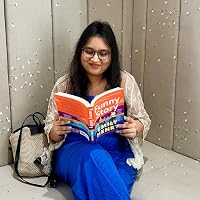
We often think of creativity as something reserved for artists, inventors or a gifted few. Everyday Creativity by Pavan Soni challenges that idea and argues that creativity is a skill that can be cultivated by anyone.
The first half of the book focuses on demystifying creativity through questions many of us have wondered about: Is it innate or learned? How is it linked to intelligence? Does environment matter? Is creativity a solo pursuit or a collaborative one? Drawing on examples from notable figures across art, science, sports and politics, the author challenges common assumptions and offers different perspectives on what creativity looks like in practice. I particularly enjoyed the chapters on how new an idea needs to be and whether creativity works better alone or in groups – both questions I’ve often wondered about myself.
The second part is where the book truly shines. It introduces over 25 creativity techniques divided into two categories: problem exploration and ideation. From defining the right problem to generating better ideas, the methods are explained with diagrams, examples and practical applications that make them easy to understand and use. The visual reference chart included with the book and the moral checklist for everyday creativity segment are thoughtful additions that makes it easy to revisit the techniques later.
More than a book about creativity, this felt like a toolkit for creative thinking. A useful read for creators, professionals and anyone looking to bring a little more structure to their ideas.
The first half of the book focuses on demystifying creativity through questions many of us have wondered about: Is it innate or learned? How is it linked to intelligence? Does environment matter? Is creativity a solo pursuit or a collaborative one? Drawing on examples from notable figures across art, science, sports and politics, the author challenges common assumptions and offers different perspectives on what creativity looks like in practice. I particularly enjoyed the chapters on how new an idea needs to be and whether creativity works better alone or in groups – both questions I’ve often wondered about myself.
The second part is where the book truly shines. It introduces over 25 creativity techniques divided into two categories: problem exploration and ideation. From defining the right problem to generating better ideas, the methods are explained with diagrams, examples and practical applications that make them easy to understand and use. The visual reference chart included with the book and the moral checklist for everyday creativity segment are thoughtful additions that makes it easy to revisit the techniques later.
More than a book about creativity, this felt like a toolkit for creative thinking. A useful read for creators, professionals and anyone looking to bring a little more structure to their ideas.
August 13, 2026
Everyday Creativity is the kind of book that makes you rethink what creativity actually means. I liked how it challenges the idea that creativity belongs only to artists, writers, or a naturally “creative” few.
The examples are one of the book’s biggest strengths. Bringing together people from completely different fields from Amir Khusro and A.R. Rahman to Leonardo da Vinci and Haruki Murakami—shows how creativity can appear in very different forms. It also makes the ideas much easier to connect with.
What I particularly enjoyed was the practical approach. The book doesn't stop at discussing creative people and their habits; it offers more than twenty-five structured methods for creative problem-solving. These are useful not just for professional work but also for everyday situations where we need to look at a problem differently.
The writing is engaging, accessible, and thought-provoking without making creativity sound complicated or intimidating. It left me thinking that perhaps creativity isn't something we either have or don't have it is something we can practise, strengthen, and consciously bring into our everyday lives.
A worthwhile read for anyone who wants to think differently, solve problems more creatively, and unlock a little more of their own creative potential.
The examples are one of the book’s biggest strengths. Bringing together people from completely different fields from Amir Khusro and A.R. Rahman to Leonardo da Vinci and Haruki Murakami—shows how creativity can appear in very different forms. It also makes the ideas much easier to connect with.
What I particularly enjoyed was the practical approach. The book doesn't stop at discussing creative people and their habits; it offers more than twenty-five structured methods for creative problem-solving. These are useful not just for professional work but also for everyday situations where we need to look at a problem differently.
The writing is engaging, accessible, and thought-provoking without making creativity sound complicated or intimidating. It left me thinking that perhaps creativity isn't something we either have or don't have it is something we can practise, strengthen, and consciously bring into our everyday lives.
A worthwhile read for anyone who wants to think differently, solve problems more creatively, and unlock a little more of their own creative potential.

August 21, 2026
If you ever thought to read any Nonfiction, I would suggest you read this book.
Is creativity the same as intelligence? Everyday Creativity explores these questions and more, drawing inspiration and insight from remarkable creators across art, science, politics, sports and even the military. From Amir Khusro to A.R. Rahman, and Leonardo da Vinci to Haruki Murakami, the book distils timeless practices that can help you unlock your own creative potential. Complementing these stories are over twenty-five proven methods of creative problem-solving―designed to move you beyond common sense and towards a more structured, powerful approach to thinking creatively.
☕
Pavan Soni's Everyday Creativity is really a fascinating book. Well articulated thoughts, well explained arguments with candid language that makes it easy and gripping read.
But I felt a lot of things were unnecessary and took space, all chapters are dragging.
Are you creative? Is creativity the preserve of a select few―or is it something we all possess?
With relatable stories this book decoded the myth of Creative Genius, loved this fact check.
Is creativity the same as intelligence? Everyday Creativity explores these questions and more, drawing inspiration and insight from remarkable creators across art, science, politics, sports and even the military. From Amir Khusro to A.R. Rahman, and Leonardo da Vinci to Haruki Murakami, the book distils timeless practices that can help you unlock your own creative potential. Complementing these stories are over twenty-five proven methods of creative problem-solving―designed to move you beyond common sense and towards a more structured, powerful approach to thinking creatively.
☕
Pavan Soni's Everyday Creativity is really a fascinating book. Well articulated thoughts, well explained arguments with candid language that makes it easy and gripping read.
But I felt a lot of things were unnecessary and took space, all chapters are dragging.
Are you creative? Is creativity the preserve of a select few―or is it something we all possess?
With relatable stories this book decoded the myth of Creative Genius, loved this fact check.

July 27, 2026
'Everyday Creativity: Making Genius Accessible' by Pavan Soni starts with a simple chapter "What is creativity?" And follow deeper questions moving forward such as "Does discipline kill creativity?" or "Does your location impact your creativity?"
I picked up this book expecting to read something that creativity is a blessing and is accessible to the selected or blessed ones. The book changed my perspective. Creativity is present in everyone.
I came across the TRIZ technique while reading this book and it caught my attention. And not just this, I came across a few more interesting topics- Five Why analysis, 5W+2H, and Idea Box. One chapter that stood out for me was "What is the dark side of creativity?"
Creative problem solving- That's something new which I have learnt from this book. I loved the map of 'Methods of creative problem solving' given at the end of the book. It helps the readers understand about it at a glance. Curiosity and imagination are the most important aspects that help in nurturing creativity.
I picked up this book expecting to read something that creativity is a blessing and is accessible to the selected or blessed ones. The book changed my perspective. Creativity is present in everyone.
I came across the TRIZ technique while reading this book and it caught my attention. And not just this, I came across a few more interesting topics- Five Why analysis, 5W+2H, and Idea Box. One chapter that stood out for me was "What is the dark side of creativity?"
Creative problem solving- That's something new which I have learnt from this book. I loved the map of 'Methods of creative problem solving' given at the end of the book. It helps the readers understand about it at a glance. Curiosity and imagination are the most important aspects that help in nurturing creativity.
August 13, 2026
Before reading this book, l believed creativity was a gift only a few people had.
Everyday Creativity by @pavansonidr changed that perspective. It reminds us that creativity isn't about being extraordinary but it's about staying curious, observing the world, and practicing it every day.
I loved that this isn't just a book full of ideas but it actually gives you ways to apply them. Through stories of creators like A.R. Rahman, Leonardo da Vinci, and Haruki Murakami, Pavan Soni shows how creativity works in real life. He also shares more than 25 practical methods that help you look at problems from a completely new angle.
I liked how the author keeps things practical. Instead of making creativity feel complicated, he breaks it down into everyday habits and ways of thinking that anyone can adopt. It's an insightful read without ever feeling too heavy.
If you've ever caught yourself saying, "I'm just not creative," give this book a chance. It reminds you that creativity isn't about God gift but it's about being open, curious, and willing to think differently.
Everyday Creativity by @pavansonidr changed that perspective. It reminds us that creativity isn't about being extraordinary but it's about staying curious, observing the world, and practicing it every day.
I loved that this isn't just a book full of ideas but it actually gives you ways to apply them. Through stories of creators like A.R. Rahman, Leonardo da Vinci, and Haruki Murakami, Pavan Soni shows how creativity works in real life. He also shares more than 25 practical methods that help you look at problems from a completely new angle.
I liked how the author keeps things practical. Instead of making creativity feel complicated, he breaks it down into everyday habits and ways of thinking that anyone can adopt. It's an insightful read without ever feeling too heavy.
If you've ever caught yourself saying, "I'm just not creative," give this book a chance. It reminds you that creativity isn't about God gift but it's about being open, curious, and willing to think differently.
July 15, 2026
Reading Everyday Creativity reminded me that creativity isn't reserved for artists, writers, or innovators,it's something we practice through the way we observe, think, and respond to everyday life. The book gently shifts the perspective from waiting for inspiration to intentionally cultivating curiosity and experimentation.
Instead of presenting creativity as an abstract concept, the author offers meaningful ways to approach problems, embrace uncertainty, and look at familiar situations with fresh eyes. It made me realize that creative thinking isn't about being extraordinary; it's about staying open to possibilities.
As someone who loves reading and reflecting, this book encouraged me to slow down and pay attention to the small moments that often go unnoticed.
Everyday Creativity is an inspiring read for anyone who wants to rediscover their creative potential not by making dramatic changes, but by finding new perspectives in everyday life.
Instead of presenting creativity as an abstract concept, the author offers meaningful ways to approach problems, embrace uncertainty, and look at familiar situations with fresh eyes. It made me realize that creative thinking isn't about being extraordinary; it's about staying open to possibilities.
As someone who loves reading and reflecting, this book encouraged me to slow down and pay attention to the small moments that often go unnoticed.
Everyday Creativity is an inspiring read for anyone who wants to rediscover their creative potential not by making dramatic changes, but by finding new perspectives in everyday life.

August 13, 2026
I used to think creativity was something you were either born with or not. Pavan Soni completely changed my mind with Everyday Creativity.
The plot follows the idea that genius is not a rare talent reserved for famous artists or scientists. Instead, it shows how anyone can build a creative mindset using daily habits, curiosity, and over twenty five practical problem solving tools.
I loved the real stories about people like AR Rahman and Murakami. It is super easy to read and actually useful for work or life.
The plot follows the idea that genius is not a rare talent reserved for famous artists or scientists. Instead, it shows how anyone can build a creative mindset using daily habits, curiosity, and over twenty five practical problem solving tools.
I loved the real stories about people like AR Rahman and Murakami. It is super easy to read and actually useful for work or life.

August 18, 2026
Everyday Creativity: Making Genius Accessible by Pavan Soni made me look at creativity in a refreshing way. I loved how this book shows that creativity is not a gift for a few people but a skill that grows with practice. The real stories of creators like A.R. Rahman, Amir Khusro, Leonardo da Vinci , Haruki Murakami make every lesson feel inspiring and real. The practical exercises are easy to understand and encourage you to think differently in everyday life. I closed this book feeling more curious, confident and excited to create in my own way.
Displaying 1 - 14 of 14 reviews