Emilio Renzi ha llegado al campus de una prestigiosa universidad de New Jersey para impartir un seminario sobre los años argentinos de W. H. Hudson. Fue invitado por la directora del departamento, la bella y belicosa Ida Brown.
Pequeños incidentes y extraños equívocos culminan con la trágica muerte de la profesora Brown en un inexplicable accidente. Que incluye un detalle inquietante: Ida tiene la mano quemada, y eso parece conectarla con una serie de atentados contra figuras del mundo académico. Cuando finalmente se descubre al responsable de los atentados, el asombro es mayúsculo. Se trata de Thomas Munk, profesor de matemáticas en Berkeley y autor de un radical Manifiesto sobre el capitalismo tecnológico. Renzi reconstruye el pasado de Munk y viaja a California para entrevistarlo en la cárcel. Intuye que el destino de Ida está en juego y que nada volverá a ser como antes.
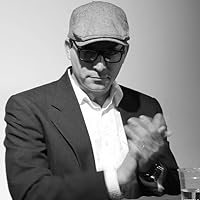
Ricardo Piglia was an Argentine author, critic, and scholar best known for introducing hard-boiled fiction to the Argentine public. Born in Adrogué, Piglia was raised in Mar del Plata. He studied history in 1961-1962 at the National University of La Plata. Ricardo Piglia published his first collection of fiction in 1967, La invasión. He worked in various publishing houses in Buenos Aires and was in charge of the Serie Negra which published well-known authors of crime fiction including Dashiell Hammett, Raymond Chandler, David Goodis and Horace McCoy. A fan of American literature, he was also influenced by F. Scott Fitzgerald and William Faulkner, as well as by European authors Franz Kafka and Robert Musil. Piglia's fiction includes several collections of short stories as well as highly allusive crime novels, among them Respiración artificial (1980, trans. Artificial Respiration), La ciudad ausente (1992, trans. The Absent City), and Blanco nocturno (2010, trans. Nocturnal Target). His criticism has been collected in Criticism and Fiction (1986), Brief Forms (1999) and The Last Reader (2005). Piglia resided for a number of years in the United States. He taught Latin American literature at Harvard as well as Princeton University, where he was Walter S. Carpenter Professor of Language, Literature, and Civilization of Spain from 2001 to 2011. After retirement he returned with his wife to Argentina. In 2013 he was diagnosed with amyotrophic lateral sclerosis; he died of the disease on January 6, 2017, in Buenos Aires, Argentina. During his lifetime Piglia received a number of awards, including the Premio internacional de novela Rómulo Gallegos (2011), Premio Iberoamericano de las Letras (2005), Premio Planeta (1997), and the Casa de las Américas Prize (1967). In 2013 he won Chile's Manuel Rojas Ibero-American Narrative Award, and in 2014 he won the Diamond Konex Award as the best writer of the decade in Argentina. In 2015 Piglia won the Prix Formentor. On January 4, 2018, his memory was honored in New York City at "Modos infinitos de narrar: Homenaje a Ricardo Piglia," an event at which academics discussed the impact of his work on Latin American literature and intellectual history and his legacy as a literary critic and scholar.
عمل الكاتب الأرجنتيني ريكاردو بيجليا كناقد وأستاذ جامعي له أثر واضح في سرد الرواية سرد مختلف وغير نمطي يأخذ القارئ في جولة متشابكة بين أفكار وأحوال وأزمنة مختلفة من خلال محاولة كشف الغموض عن حادث موت إيدا الأستاذة الجامعية ينتقل بيجليا بين السياسة والنظم الاقتصادية والفكرية وبين الأدب والنقد وتحليل الشخصيات كثير من الأدباء لهم حضور في الرواية مع تفسير للنصوص والترابطات بين أفكارهم وواقعهم عرض هادئ للرأسمالية وبعض آثارها على الفكر والمجتمع, واستخدام العنف للتعبير عن القناعات والتوسع والتطور التكنولوجي الهائل وما يقابله من اهتمام بالفكر والبيئة والأخلاقيات سرد يربط بين رؤية الأدب ورؤية العالم
The Way Out is a novel set in the US by one of the giants of Latin American fiction - Ricardo Piglia (1940-2017) from Argentina.
We're in the 1990s with author Emilio Renzi who has accepted a position as visiting scholar at an Ivy League university in New Jersey, an hour train ride from Manhattan.
Emilio, the tale's narrator, develops a relationship with a fellow professor - brilliant, stunningly beautiful Ida Brown. But then the shocker: Emilio receives news Ida died in an automobile crash. The circumstances surrounding the accident, so called, strike him as suspicious. Emilio initiates his own investigation.
In his review of The Diaries of Emilio Renzi: Formative Years, Adam Thirlwell quotes Ricardo Piglia on the way telling a story can relate to actual events: "In Argentine history, politics and fiction are two simultaneously irreconcilable and symmetrical universes."
I cite Adam's review and Ricardo's quote to underscore two important points: 1) throughout his long literary career, Emilio Renzi served as Ricardo Piglia's double, his doppelgänger, his fictional alter ego, not only as the protagonist in a number of Piglia novels but also in three hefty volumes of diaries; 2) although taking place in the US rather than Argentina, The Way Out hits squarely on themes of politics and history.
Since the novel under review takes the form of a murder mystery, I'll avoid spoilers by immediately switching to a highlight reel:
You're from South America? - During his first night in the house where he's staying that's down the street from the university, Emilio receives a phone call from someone offering to sell him cocaine. What? Does the caller think just because he's fresh from South America, he's the perfect target for a cocaine sale? Now that's stereotyping with vengeance!
Omnipresent Idiot Box; Boob Tube Bombardment - "Television is the same everywhere, the only tenet of reality that persists beyond all changes." Emilio Renzi might be a scholar and author of highly literary works but, thanks to the power of TV, whatever he writes can't compete with mass media where anyone can instantly catch the Lakers score or President Bill Clinton speaking at a news conference or the latest deal on a Toyota. As Theodor Adorno explained in The Culture industry back in 1947, television will come to dominate culture by standardization, manipulation and deception, turning people into passive, mindless consumers. And where is literature in all of this? Not a question the almighty boob tube deems worthy of consideration.
Intellectual Superstar - Ida Brow is recognized as one of the top scholars of Charles Dickens and Joseph Conrad. As per Emilio, "She was bent on an all-out-war against the Derridean cells that rules over literature departments in the Northeast and, above all, against the central committee on deconstruction at Yale." Ida is quite the gal, attacking those postmodern approaches to literature from the great tradition of Marxist theory. In everyday terms, many people were both intimidated and just plain pissed off by sweet Ida.
Detective, Postmodern-style - One of the more intriguing parts of the novel: Emilio dealing with a New York City based private detective by the name of Parker. As Parker tells it, in a strict sense there are no longer any private persons investigating crimes; detectives like himself work within vast networks linked by computers and the internet.
It's War - Spending time within the ivy covered walls of academia provides Emilio with a vivid sense of the "terrible violence of well-educated men," individuals who use their intellects as lethal weapons against others within their specialty, expounding theories and ideas as a way to discredit, disgrace, humiliate, turning interactions within the higher echelons of university departments into deadly bloodsport.
Cross-Cultural Cosmopolitan - "I was interested in writers who were tied to some double identity, bound up in two languages and two traditions." My sense is Emilio is not only thinking of other writers steeped in more than a single language and tradition but also thinking of himself as a multilingual writer living both in Argentina and the US.
Personal note: Some of my favorite novels feature other cultures in conflict with our modern West, novels such as Season of Migration to the North by Tayeb Salih, Passage to India by E. M. Forster and Maíra by Darcy Ribeiro.
Racism, American-style - Emilio informs an African American woman he's been interrogated by the FBI. She replies, "All inhabitants of New York (except black people) receive those kinds of visits from the FBI. The black people they don't bother to visit, they just kill them or lock them up straight away. We'd feel more comfortable if they did investigate us." It is now 2021. Are things any better in the US for black people?
The Power of Love - Even at age fifty, Emilio feels the transformative power of love for a woman. "It's the magical thinking of love, the hypnotic state of someone in love, bound to a woman he desires and pursuing her with clumsy, foolish determination." These are Emilio's feelings when Ida Brown is very much alive. If anything, Emilio's love for Ida soars even higher following her tragic death.
The Way Out explores our modern culture and society by way of Emilio Renzi's odyssey through the territory of Eros and Thanatos. Many thanks to Restless Books for publishing and Robert Croll for his fine English translation.
Argentinian author Ricardo Piglia
"There was a crow on the dresser, alive. It had its beak nested under its wing, keeping one eye fixed on me...It was 5:03 a.m. on the illuminated clock. At least I can dream, I thought, and awoke, lying faceup in bed, sweating. Had I been able to dream about her? I couldn't remember the dream, only fragments, Room 341, a blonde woman. What was she doing there? The dream had erased itself, but the feeling that remained was one of squalor and fear." - Ricardo Piglia, The Way Out
The Way Out represents the perfect example of a story starting off as a harmless academic parable and love affair that spirals onward through a tragic episode to culminate finally as a burning testament to political anarchy and violence, and also as a manifesto on leftist ideology. Published in Spanish (in 2013) under the title El Camino de Ida it is the last of the late Argentine writer Ricardo Piglia's novels to be translated, only recently (in 2020), to English. It is at once a campus romance as well as a serious, political novel, and depicts- in the character of the anarchist Thomas Munk- both a brilliant academician as well as a political maverick and dissenter who carried out the assasination of Ida Brown and several other scientists and academician's across the United States. So this book deals with both political anarchy as well as the ideology from which it springs forth. Literary references are drawn to Conrad and his novel The Secret Agent as the binding link in the correspondence between Brown and Munk. As usual the protagonist, as in most of his novels, is Emilio Renzi who comes from Argentina to the United States to fulfill a vacant teaching post. Somehow, while reading parts of the novel, I found semblances of similarity with some vintage novels by Paul Auster viz Leviathan and The Book of Illusions, and I came to think upon the close affinities both writers share.
_الطريق إلى إيدا أو بالأحرى رحلة الذهاب لمعرفة الحقيقة _الكاتب برع فى خلط الأدب البوليسي و السيرة الذاتية(ملامح من حياة المؤلف)و النقد الادبى لبعض الكتّاب فى صورة رائعة و حبكة ممتازة و ترجمة جيدة _تُعٓد هذه الرواية مرجعاً مهماً للكتّاب المنسيون الذين أبهروا العالم بمؤلفاتهم و جرأتهم الفكرية فهم يستحقون الظهور فى حلبة الأدب العالمى مثل(هتشكوك_كونراد_هدسون_ميلفيل_أوراثيو كيروجا)
This entire review has been hidden because of spoilers.
De la mano de Ricardo Piglia acompañamos al profesor argentino Emilio Renzi hasta la Taylor University, ubicada en las afueras de Nueva York, donde se dedicará a impartir unos cursos de doctorado sobre el escritor W.H. Hudson.
Las primeras 80 páginas de la novela las dedica Piglia a retratar el mundo universitario norteamericano: el campus, los estudiantes, las relaciones entre el profesorado, la competitividad desaforada. Este inicio será del agrado de los amantes de la literatura ya que Ricardo Piglia se entretiene citando a muchos autores y planteando interpretaciones de diferentes obras a través de la voz de sus alumnos, además de salpicar el texto con infinidad de términos en inglés que logran situarnos en el escenario en el que nos movemos.
Después ocurre un hecho trágico, la muerte en un aparente accidente de tráfico de la magnética profesora Ida Brown, amiga de Renzi y quien lo ha invitado a realizar su estadía en la universidad. A partir de este suceso la novela toma un giro completamente diferente tornándose en una relato policiaco al sospechar Renzi que la muerte de Ida no ha sido accidental. Para no desvelar más detalles de la trama solo destacaré que Piglia construye un relato muy crítico de la sociedad norteamericana dando protagonismo a los más desfavorecidos (dedica páginas a la comunidad inmigrante latinoamericana establecida en los Estados Unidos), cuestionando los procedimientos utilizados por el FBI al investigar en la ficción la muerte de Ida y, descrito semejante panorama, analizando la posibilidad de alternativas al sistema capitalista, con el que se muestra totalmente desencantado, que puedan conducir a un resultado mejor, aunque finalmente parece que dichas alternativas tampoco resultan ser demasiado alentadoras.
En cualquier caso, Piglia logra con una trama perfectamente hilvanada de ritmo trepidante y sirviéndose de múltiples personajes que tienen sentido en la novela que el lector se haga muchísimas preguntas de carácter ideológico sin dejar de pasar un muy buen rato.
Começa como um campus novel meio sem sal e vira um policial literário à moda Piglia/Auster. Nenhum livro do Piglia é de um gênero, sempre vira outra coisa.
Romanul te fură. Ceea ce e suficient pentru a spune, convins, că este bun!
Recunosc: nu agreez să îmi fie făcută propagandă politică de nici un fel în romanele pe care le citesc. OK, în cartea lui Piglia este vorba despre o formă de anarhism, dar tot politică este. Nu vreau să citesc cărți despre drepturi sau nedreptăți politice, etnice, minoritare sau majoritare. Nici ficțiuni antisistem.
Oi fi limitat de aceste opțiuni intime ale mele, dar prefer cărțile despre drame personale, nu sociale, nu etnice, nu rasiale. Suferim destul din rațiuni personale - este material cât cuprinde pentru mii de cărți în felul cum suferim.
Alt aspect pe care nu l-am gustat: clișeele sau stereotipurile sumare prin care sunt priviți etnicii ruși sau polonezi (un fel de sălbatici cultivați, comuniști, dar nu prea, pasibili să ascundă în pielea lor un nou Tolstoi sau un alt Chopin, dar și un Stalin ori o balerină de Balșoi…) sunt obositoare și, pentru mine grețoase. Caricatuzări (nici măcar voite) demne de desenele animate pentru copii. Și nu spun asta că n-aș mai putea eu de dragul rușilor! Ci pentru că e mediocru să faci asta ca scriitor.
De ce 4 stele? Din pricină că - altfel - e un roman bine scris. Palpitant.
Traducerea este de cristal! Noii traducători sunt atât de tâmpiței încât nu mai știu pune virgulele la incidente. Traducătoarea cărții ăsteia este tobă de gramatică română.
Mult mai bună decât cei mai mulți traducători din engleză pe care îi mai avem. Mult mai bună decât supraevaluata Iulia Gorzo.
تحفة أخرى من الأرجنتين، تتحدث عن استاذ جامعي يدرس في الولايات المتحدة، وما أن يهوى استاذة هناك حتى تحدث جرائم قتل يكون فيها القاتل مهووس بنقد اللبرالية الاستهلاكية العالمية في فلسفات تجمع بين ماركس وشوبنهاور وفوكوياما البحث عن إيدا، المرأة، النفس، الحقيقة، البحث عن القاريء والكاتب في رواية واحدة
Para mi El Camino de Ida explota dos grandes temas que se entrelazan: por un lado, la clandestinidad como mecanismo para vivir vidas simultáneas y radicalmente distintas y, por otro, la violencia endógena y soterrada detrás de la cordialidad profesional obligada de la sociedad norteamericana.
Clandestinidad erótica y clandestinidad política se yuxtaponen metafóricamente en la idea de la construcción de espacios alternativos, de vidas paralelas llevadas por fuera de los esquemas visibles y rutinarios. Y es justamente ese ejercicio de no dejar rastro que entorpece la comprensión y abre un abanico de interrogantes: quién era esa mujer a la que amaba y por qué un hombre de la élite se convierte en terrorista?
Así entonces, Renzi avanza –junto con el lector– como un observador extranjero que descubre, detrás del deslumbrante mundo académico norteamericano, esa violencia eléctrica y anti-sistema. Y, además, esa mirada externa está marcada por la subjetividad del argentino que fue testigo de la violencia política de los ‘70 en Argentina de la mano de sus amigos revolucionarios y sus novias –que guardaban explosivos en pequeñas carteras– hasta la militarización social llevada adelante por el ERP y Montoneros.
Qué distingue una acción política de un acto de demencia? “Ya sabe cómo son las cosas aquí, más de un individuo metido en algo así y hay que hablar de política. Aislado, lo convierten en un caso clínico.”
Un último toque de magia final es que, en clave bovarista y al estilo borgeano de la literatura creadora de mundos, las respuestas están en la ficción. “Un libro en sí mismo no significa nada. Hace falta un lector capaz de establecer un nexo y reponer el contexto.”
Leer a Piglia es siempre sumergirse en una clase de literatura que va desde Kafka hasta Tolstoi pasando por Proust, Chandler, Melville, Kipling, Poe y muchos otros. Pero es también un recorrido histórico por la Argentina de la segunda mitad del siglo XX, marcada por la violencia política, desde la exclusiva intimidad de los círculos literarios. Por eso siempre me gusta mucho Piglia, porque me ayuda a trascender las fronteras de mi intento de formación autodidacta.
Un libro que en principio puede resultar un poco pesado por las referencias literarias académicas, puesto que los personajes son profesores de literatura, y Piglia refleja muy bien ese mundo y sus temas. Recuerda un poco a la parte de los críticos de 2666 de Bolaño. Posteriormente la novela vira hacia lo más detectivesco, sin caer nunca en la novela detectivesca propiamente tal, también recuerda la parte de los crímenes de 2666. Si bien las primeras páginas pueden gustar mucho a los estudiantes de literatura, o los fanáticos de la literatura, en general puede resultar un poco lenta para lectores normales. Sin embargo, desde la página 80 aprox. la historia se vuelve más dinámica, reflexiones más universales, temas políticos y éticos, con ese trasfondo de la búsqueda que mantiene al lector atento.
Muy buen libro, tenia buenas referencias de Piglia, aunque comencé este libro sin mucha esperanza, al no ser considerado uno de sus mejores. Ademas la contratapa me spoileo casi todo el libro (NO LA LEAN). A pesar de todo eso, leí el libro en dos días, disfrute mucho su prosa, sus reflexiones, la intertextualidad, y sin dejar de lado que la historia es entretenida.
Algo de curiosidad, filología y poco más. Eso en el haber. En el debe todo lo demás. Repeticiones, pesadez ambiental, construcciones erráticas, metáforas desmesuradas e infantiles (un tiburón vivo en el estanque, nada menos), presentimientos desbaratados sin ofrecer nada a cambio... Por no hablar del ¿título? Muchos se han quejado de que al apresurado redactor de contras de Anagrama se le ha ido la mano con la sinopsis y lo ha contado TODO. Pues es terrible, pero esa contra funciona mejor que la novela en sí.
No ha sido mi más remarcable primera vez con un autor, la verdad.
Emilio Renzi, a middle-aged Argentine writer arrives at a University in New Jersey to teach a graduate seminar in the Dept. of Cultural Studies. Invited by an attractive, brilliant charismatic scholar, Ida Brown, to teach a course in environmental writing with a focus on WH Hudson and Joseph Conrad. Renzi is a renowned scholar on Hudson who was an Anglo with Argentine roots and wrote at the same time that Conrad was writing his masterpieces; Brown was considered a major expert in Conrad’s studies of the negative impacts of colonialism.
What starts off as a smart insightful campus novel (think DeLillo, Roth, or Chabon) slowly evolves into a detective story involving a mysterious radical figure. The Recycler, as he is called, is a stand in for the Unabomber who mailed bombs to academics he thought complicit in environmental degradations.
Piglia has a long tradition of writing about the dangers of the modern state informed by his living through military juntas (see Absent City and Artificial Respiration)) and detective stories (see Money to Burn and Target in the Night). There are many interesting characters introduced as Renzi takes on the task of discovering any possible connections between the bomber and Ida Brown with whom he develops a casual intimate relationship. The story is fast moving with intelligent insights into radical politics, American culture, and history.
To give a flavor of his writing, here he describes a neighbor who was a retired professor of Russian Literature, 80 year old Nina Andropova, who was writing a monumental biography, Tolstoy, The Novelist: “…[she]still thought the czar and his court were responsible for the catastrophes in Russia and that the revolution had been a fire…destroying its heroes and then terrorizing the whole town…when she took the train to Finland. Ever since she left Russia, she’d lived with the ashen taste of exile on her lips.”
Russian language tended “toward mystical expression…the essential problem was that there were no terms in Russian for the topology of Western thoughts and feelings. Everything is passionate and extreme. It’s impossible to say good afternoon without it sounding like a threat.”
Piglia’s humor becomes evident when Nina comments, “in good novels nothing turns out well”.
Being, in part, a campus novel, Piglia critiques: “positions in remote places, teaching apathetic students, facing the conflicts among colleagues to find a position and survive there until tenure.” A phrase that could have come out a recent essay I skimmed in the Chronicle of Higher Education, entitled “Tenured, Trapped and Miserable in the Humanities” by William Pannapecker.
Or of students; “years as graduate students, when life seems to pass like a long parenthesis before you confront the harsh winter of real experience.”
Of his audience Renzi seems to mock the reader: “a sad group of readers who went on thinking about the enchanting quality of literary texts.” Piglia writes as if his pen were a tongue in his cheek.
Renzi often finds himself insomniac, walking the streets of Princeton at odd hours. He befriends a homeless person, an ex-professor, named Orion, whom he complains to that his ex-wife living in his apartment in Buenos Aires with another writer he dislikes “poking around my books and papers” to which Orion replies, “Monsieur its better to have nothing.”
In the manifesto he publishes, The Recycler quotes Wittgenstein: “It isn’t absurd, that is, to believe that the age of science and technology is the beginning of the end for humanity” ( a theme of Piglia’s The Absent City). The Recycler lives in the middle of nowhere in a cabin he built “his life into autonomous sequences which obeyed the calm and stillness of changes in nature. The question wasn’t how to think about life but rather how to live in order to think.”
AS Renzi makes his way to California to interview the Recycler he finds himself in Berkely filled with characters: failed PhD candidates, barmaids, draft dodgers, ageing hippies and rock groupies one of whom “spoke short and epigrammatic phrases, as if she was spraying graffiti on the walls of the mind…she was a modern girl, spoke in word blocks, not sentences, and let herself be guided by excitement”.
The book is chock full of allusions to various writers: Conrad, Melville, Hudson, Tolstoy, Evan Hunter/Ed McBain, and Daphne Du Maurier, and also films like Hitchcock and Jean Luc-Godard. An enjoyable tour of literature, film, history, political science, and history reflective of the wide grasp of Piglia’s thinking and imagination.
Piglia, taught at Princeton University and his knowledge of campus life is well depicted. This book was published after his recent death. Robert Croll has produced a masterly translation and is also responsible for the magnificent 3 volumes of The Diaries of Emilio Renzi which may be considered Ricardo Piglia’s masterpiece lifelong work.
“Un libro en sí mismo no significa nada. Hace falta un lector capaz de establecer un nexo y responder el contexto.” ⠀⠀⠀⠀⠀⠀⠀⠀⠀ En esta novela, Piglia nos lleva, a través de los ojos de Emilio Renzi a la universidad. Esto permitirá al autor desarrollar sus experiencias como docente y ejercer la crítica sobre todo aquello que conoce. Esclarecedor es el recibimiento de uno de los personajes: "Bienvenido al cementerio donde vienen a morir los escritores". La novela está plagada de reflexiones acerca de la literatura (escribirá sobre W,H. Hudson, sobre la literatura rusa, centrándose en la figura de Tolstoi y, mencionando otros autores de paso), pero también de la sociedad estadounidense. ⠀⠀⠀⠀⠀⠀⠀⠀⠀ Así pues, aunque la universidad es el eje que vertebra la trama, encontramos también un asesino en serie. Piglia escoge aquí a Thomas Munk (Kaczynski en la vida real y asesino que todavía vive) y lo construye a partir de los elementos esenciales del asesino real. En cierto modo, esta parte de la trama se queda corta, me sabe a poco y, de alguna manera, parece poco verosímil. ⠀⠀⠀⠀⠀⠀⠀⠀⠀ Si os interesa, os recomiendo "Manhunt: Unabomber", una serie que se encuentra en @netflixes y que está basada en el caso de Kaczynski (grandísima interpretación de este personaje). A mí me pareció muy interesante, creo que más que esta novela. Yo recomiendo su lectura, muy amena, aunque no me acercaría a ella con grandes expectativas.
Este es un libro complejo y denso, que combina referencias académicas y reflexiones sobre literatura, filosofía y política engarzadas a una búsqueda detectivesca. Un profesor de literatura investiga el “accidente” sucedido a una colega y amiga que parecer estar ligado a actos terroristas hacia otros académicos. Policial y metaliteratura. Se me hizo un poco pesado seguir el hilo, pero deja la mente dando vueltas sobre asuntos importantes.
أعتقد أن المؤلف فقد الزخم الذي بدأ به الرواية قبل منتصفها بقليل، إذ تشعر أنها تكتب بقلم أكاديمي رتيب؛ ما أفقدها تلك الشرارات اللاهبة التي تصدر عن كبار الروائيين..2.5/5
Esta novela tiene como narrador protagonista a Emilio Renzi, profesor universitario, cincuentón, recién separado, que es invitado a pasar un semestre en la prestigiosa Taylor University. De una forma amena y fluida nos adentra en el mundo académico estadounidense, donde conoce a la interesante Ida Brown. Las relaciones entre profesores y alumnos, las temáticas literarias, las relaciones intertextuales dan paso a una investigación que vincula la literatura con el terrorismo y la crítica a la sociedad industrial y tecnológica. La enigmática figura de Thomas Munk (personaje inpirado en el terrorista Theodore John Kaczynski) motiva a Renzi a contratar a un investigador privado. Piglia recrea la novela policial, dándole un trasfondo político y filosófico. Una voz narrativa convincente, atractiva, que a modo de confesión, va tejiendo de manera inteligente una trama que aúna temáticas diversas que permiten reflexionar sobre el mundo contemporáneo y el tipo de sociedad donde vivimos. Excelente novela que se lee con agrado e interés.
No había leído nada de Piglia y no puedo entender cómo nadie me lo recomendó antes. Es una mezcla de novela detectivesca con romántica y psicológica que, a pesar de combinar tantas tramas, logra unirlos a la perfección del estilo rioplatense. No me queda otra que seguir descubriendo más novelas de Piglia.
El camino de Ida adolece de lo que me ha parecido una construcción forzosa. Parece obvio que el maestro Piglia se quedó prendado de la historia de Ted Kazcynski, el terrorista también conocido como unabomber (si no la han visto, la serie de Netflix Manhunt: unabomber merece bastante la pena, ello a pesar del personaje del detective principal y que apenas se detiene en los hechos delictivos), conocido por traer de cabeza al FBI durante décadas por un campaña de bombas enviadas a través del servicio postal y por el manifiesto La sociedad industrial y su futuro.
La versión de Piglia es libre. Si bien, comparte antecedentes y hechos, emplea un nombre distinto para el terrorista, así como otras situaciones. A favor de Piglia, queda como siempre su maestría y la capacidad de introducirse en la mente del terrorista.
La construcción de la novela para justificar el desarrollo del terrorista deja un poco cogido con alfileres al resto de los arcos narrativos. Si bien es cierto que, aun sin ser una novela de la frescura y potencia de Plata quemada, Piglia sabe defenderla y aun cuando no suceda nada, es un gusto pasear por los parajes de las primeras páginas. La novela, en cualquier caso, recompensa la fidelidad del lector. Conforme avanza, mejora considerablemente.
Puntuación: 0.5/5 Lo odié 😷🤢🤮 Reto de lectura 2020 "ATY in 52 books": 31. A book inspired by a leading news story (inspirado por una noticia)
Todo lo que necesita saber lo dice la sinopsis. Es la historia ficcionalizada del Unabomber. Yo no le encuentro ni pies ni cabeza, no se cual es el propósito de la novela, no lo entiendo. Es muy aburrido, no lo recomiendo.
Tras la muerte de Piglia y el visionaje de varios videos de entrevistas, charlas y conferencias suyas, en especial las de Borges para la televisión pública argentina, que recomiendo, me decidí a leer algunos libros suyos. Esta vez tocó el turno a El camino de Ida, que no es tan buena como Blanco nocturno, pero tiene momentos y reflexiones brillantes sobre la literatura. Piglia es un escritor muy afín a la izquierda, pero que se mantuvo a su manera leal a un muy lúcido modo de leer y de desmenuzar los procesos literarios. De hecho su alter ego aquí, Renzi, lanza duros juicios (algunos bastante superficiales) sobre la sociedad norteamericana que dejan en el aire la pregunta de si de verdad se ha llegado a una cabal comprensión de la complejidad de este país. Pero bien, eso sería campo del ensayo propiamente y esto es una novela. Sus apreciaciones sobre el entorno académico norteamericano, que le dio de comer por quince largos años, son muy agudas. Véase como muestra este breve fragmento: "Los campus son pacíficos y elegantes, están pensados para dejar afuera la experiencia y las pasiones, pero corren por debajo altas olas de cólera subterránea: la terrible violencia de los hombres educados." También la frase que le suelta Ida Brown apenas se encuentran por primera vez: "Bienvenido al cementerio donde vienen a morir los escritores." Hay reflexiones interesante también sobre literatura rusa y Tolstoi en particular, que pone en boca de un personaje femenino fascinante que creo merecía más. Así como sobre Hudson y su libro argentino. Lo mejor de la novela son las digresiones en torno a lo literario, pero estimo que en sentido general no es una novela demasiado lograda. Lo menos sólido es el proceder detectivesco de Renzi, pues peca de poco verosímil. Según comenta Paz Soldán: “toda esta sección está narrada por Renzi a partir de un informe sobre Munk, que le hace un detective al que ha contratado; la vida de Munk seduce, pero es la parte más débil de la novela, porque los intereses del detective se parecen demasiado a los de Renzi.” Paz Soldán también cree que la novela de Don DeLillo, Mao II, es una influencia no reconocida por Piglia. Creo, por último, que Piglia nunca pensó la posibilidad de escribir la gran novela o la novela total, pues ésta solo puede ocurrir fuera de los libros, y Piglia es un escritor demasiado "literario" para proponérselo.
al principio me estaba decepcionando. Incluso el Maestro deslizaba una que otra frase cursi, algún guiño fácil a la novela negra de Chandler et al, pero la visita a la cárcel cambia radicalmente el tono de la novela y nos trae de vuelta a esos delirantes personajes de Piglia que van emergiendo en todas sus novelas: el senador de respiración artificial, el doctor de la Ciudad ausente y al gemelo Blanco nocturno. salva así la que sería su última novela publicada en vida pero que espero no sea la última suya que logre ver la luz.
Empecé a leer a Piglia tiempo después de conocerlo. El camino de Ida es una buena novela. Deja un hueco en el pensamiento y en el corazón porque uno desearía que hubiese pasado más. Luego, quizá, así es como se sentía el personaje.
Bueno, es Piglia, está bien escrito y tiene reflexiones interesantes sobre temas diversos. La segunda parte es un toque menos ganchera que la primera en donde hay más intriga y querés saber qué pingo pasa.