
What do you think?
Rate this book


Although he never particularly liked giving interviews, he accepted the demands of his stardom, giving detailed responses about his methods of making movies. He quickly progressed from making two-reel shorts to feature-length masterpieces such as "The Gold Rush", "City Lights", and "Modern Times".
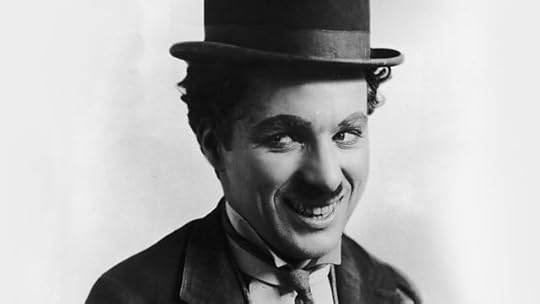
Charlie Chaplin: Interviews offers a complex portrait of perhaps the world's greatest cinematic comedian and a man who is considered to be one of the most influential screen artists in movie history. The interviews he granted, performances in and of themselves, are often as well crafted as his films. Unlike the Little Tramp, Chaplin the interviewee comes across as melancholy and serious, as the titles of some early interviews --- "The Sad Business of Being Funny" or "The Hamlet-Like Nature of Charlie Chaplin" --- make abundantly clear.
His first sound feature, "The Great Dictator" (1940), is a direct condemnation of Hitler. His later films such as "Monsieur Verdoux" (1947) and "Limelight" (1952) obliquely criticize American policy and consequently generated mixed reactions from critics and little response from moviegoers. During this late period of his filmmaking, Chaplin granted interviews less often. The three later interviews included here are thus extremely valuable, offering long, contemplative analyses of the man's life and work.
286 pages, Paperback
First published January 13, 2005


 http://www.bbc.co.uk/programmes/b08mkprs
 1: At the start of his story, however, a sad fate awaits...2: Surviving a school for destitute children. 3: His actor father is forced to take care of him. 4: Early success and failure on the stage. 5: The fate of his father. Read by Nigel Hawthorne.6: Repercussions from the fate of his mother.7: With his mother ill, Charlie Chaplin's stage career begins.8: Honing his stagecraft and falling in love.9: Stage success arouses jealousy and love. 10: Taking stock and a fateful decision.


