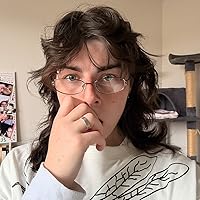
Max Easton is the author of a trilogy of Sydney-based novels that include The Magpie Wing (2021, longlisted for the Miles Franklin Literary Award), Paradise Estate (2023) and Now, Autonomy (2026). He runs Barely Human, a zine and tape label exploring underground music's ties to subculture and counterculture, and has played in several Sydney punk bands including BB & the Blips, Romance and The Baby. His fiction and cultural criticism has appeared in Sydney Review of Books, The Lifted Brow, Meanjin and HEAT.
Now, Autonomy by Max Easton is an incisive and vividly contemporary novel about people trying to build meaningful lives in a city that increasingly seems hostile to the communities and ideals they value. Set in Sydney and moving through underground music scenes, political protest, DIY activism, and experiments in autonomous living, the novel captures the frustrations and possibilities of people searching for something beyond conventional measures of success.
One of the book's strongest qualities is its attention to the lives of its characters and the subcultures that shape them. Helen, Pat, Sunny, and Sio are navigating precarious work, relationships, creative ambitions, and political commitments while trying to maintain some sense of community. Their experiences give the novel an engaging human dimension, while the broader questions surrounding activism, capitalism, generational change, and political solidarity add considerable depth.
Readers interested in contemporary literary fiction, Australian fiction, underground music and punk culture, political fiction, working-class stories, social movements, and character-driven narratives should find Now, Autonomy especially compelling. Easton's long-running engagement with Sydney's subcultures gives the novel a distinctive sense of place, while its examination of disillusionment, solidarity, and the possibility of collective action makes it a particularly timely work.
I really didn’t enjoy this one - while it touched on all the expected modern issues, at best it would read as pessimistic and incisive with regard to left wing stereotypes, but I think it was supposed to be optimistic? Every character seemed like an absolute drainer so I aptly felt physically drained reading this
a self aggrandising portrait of everything wrong with leftist counter cultural movements in Australia that had me scoffing - though I don’t think that was its intent 😭