

What do you think?

A Beautiful Mind
Book by Nasar, Sylvia
459 pages, Paperback
First published June 12, 1998
About the author
Sylvia Nasar
10 books303 followersSylvia Nasar was born to a German mother and Uzbek father. Her family immigrated to the United States in 1951, then moved to Ankara, Turkey in 1960. She graduated from Antioch College in 1970, and earned a masters' degree in economics at New York University in 1976. For four years, she did research with Nobel Laureate Wassily Leontief. She is currently the Knight Chair in Business Journalism at Columbia University. Her husband is economist Darryl McLeod. They have three children and live in Tarrytown, New York.
Ratings & Reviews
Friends & Following
Create a free account to discover what your friends think of this book!
Community Reviews
Displaying 1 - 30 of 1,896 reviews

June 19, 2012
ولأن المصري معروف بجبروته
بتكون نهاية واحد من أعظم علماء الأرض بسبب
سواق تاكسي مصري
قرر ياخد غرزة و يعدي العربية اللي قدامه
فلبس في حاجز
وراحت العبقرية فدا للفهلوة المصرية
:\

ما يهون هذه الفاجعة أنهما رحلا سويا
لتكتمل واحدة من أجمل قصص الحب الواقعية
My quest has taken me through the physical, the metaphysical, the delusional -- and back.
جون ناش هو واحد من أنبغ علماء الرياضيات
ولكن ذلك ليس كل شيء
فناش لم يكن من البداية طبيعيا
كان ناش يحمل في داخله وحشا يهدد بالتهام أجزاء عقله الجميل
وحشا قاسيا اسمه الفصام
فمعظم من رأي الفيلم وجده يعتقد طوال سنوات دراسته في جامعة برنستون أن لديه شريكآ في غرفته.. بينما تثبت الوثائق أنه كان يسكن وحده
ثم هوس الشفرات السرية وتوهمه أنه يعمل مع المخابرات من أجل إنقاذ العالم
وهذه الكائنات التي كانت تحيطه كادت أن تفترسه
ظل ناش يتردد على المستشفيات لمدة ليست بالقصيرة
فيها كادت أن تتدمر حياته من جميع النواحي
بين جرعات الأنسولين وجلسات الكهرباء
ودوامة العقاقير
ولكن كان هناك كائن ضئيل الحجم عظيم الإرادة فياض المحبة
ولأن مثل ذلك الكائن موجود
تخاذل الوحش الكبير وابتعد شيئا فشيئا إلى ركن مهمل
من زوايا العقل الجميل

It is only in the mysterious equations of love that any logic or reasons can be found. I'm only here tonight because of you.
You are the reason I am. You are all my reasons.
هذا الكائن يدعي إليشيا
وبقدرتها العظيمة على الحب
وبنبل روحها
تقبلت غرابة أطواره
واحتضنت مرضه وعلته
وجدلت حبلا طويلا من الصبر
ووقفت عند المخرج تنظره وهو يسترشد بعونها عبر متاهة الهذيان والتوهة

I've always believed in numbers; and the equations and logics that lead to reason.
آمن ناش منذ صغره بسحر الأرقام
وبينما كان الأطفال في مثل عمره يودوا أن يكبروا كي يصبحون جنودا
كان هو يخترع شفرات سرية
في الساحة الجامعية أطلق على ناش لفترة طويلة (شبح قاعة الرياضيات)
(The ghost of Fine Hall)
وفي عام1994
حصل ناش على جائزة نوبل في العلوم الاقتصادية
بسبب إسهاماته فيما أطلق عليه "نظرية الألعاب"
وهى "تحليل رياضى لحالات المكسب والخسارة"
وبمعنى أبسط تحليل جميع المعطيات المتاحة واختيار أفضلها بالنسبة للشخص
واللعبة هنا معناها (مشكلة أو معضلة رياضية يحاول العلم حلها)
*********
هذه هي السيرة التي كتبتها سيلفيا نصار(من أصل أوزبكستاني) وأسمتها هذا الاسم الملهم «عقل جميل»
وفي عام 2001 صدر فيلما عظيما –كما يعلم أغلبنا فقد جابت شهرته الآفاق معتمدا عليها
وهو واحد من أكثر الأفلام تفضيلا لدي
وأدين له بمتعة المشاهدة
وبتعريفي على واحد من ألمع العقول
وأكثرها جمالا
""رجل الظل الذي يخربش معادلات سرية على السبورات في منتصف الليل ...
![Profile Image for Saranya [uni- s.ia.].](https://i.gr-assets.com/images/S/compressed.photo.goodreads.com/users/1788580575i/187457635._UY200_CR5,0,200,200_.jpg)
September 22, 2025
BIOGRAPHY OF JOHN FORBES NASH JR.
the premise:
The book chronicles the life of John Forbes Nash Jr., a mathematical genius who revolutionized game theory before spiraling into decades of "phantom worlds" caused by schizophrenia. It is not just focused on the tragedy but on the eventual, miraculous remission that allowed Nash to accept his Nobel Prize in 1994.
We find out about the high-pressure environment of Princeton and MIT in the 1940s and 50s, where brilliance was expected and eccentricities were the norm.
I have also watched the movie. Unlike the film adaptation (which used visual hallucinations to simplify the experience), the book leans into the reality of Nash’s delusions and the immense burden placed on his wife, Alicia.
The author explained the Nash Equilibrium with enough clarity that it was easily understandable- why it changed the world of economics forever.
the premise:
The book chronicles the life of John Forbes Nash Jr., a mathematical genius who revolutionized game theory before spiraling into decades of "phantom worlds" caused by schizophrenia. It is not just focused on the tragedy but on the eventual, miraculous remission that allowed Nash to accept his Nobel Prize in 1994.
We find out about the high-pressure environment of Princeton and MIT in the 1940s and 50s, where brilliance was expected and eccentricities were the norm.
I have also watched the movie. Unlike the film adaptation (which used visual hallucinations to simplify the experience), the book leans into the reality of Nash’s delusions and the immense burden placed on his wife, Alicia.
The author explained the Nash Equilibrium with enough clarity that it was easily understandable- why it changed the world of economics forever.

December 5, 2016
Highly recommended book.
I loved the movie, I've seen.
Then, I had found it is based on a true event.
Great story.
How a great scientist flows with his intellects wrapped in complex mind.
Epic dialogues and theme.
I'm thankful to read the book and watched the movie.
I loved the movie, I've seen.
Then, I had found it is based on a true event.
Great story.
How a great scientist flows with his intellects wrapped in complex mind.
Epic dialogues and theme.
I'm thankful to read the book and watched the movie.

January 31, 2009
I read very few biographies, so I have trouble evaluating this within its field. That said, I found it fascinating, but a bit drier than I typically like my (recreational) nonfiction.
But it is a fascinating and disturbing story. Nash lived (still is living, I guess) a really complicated life, even aside from his illness. Like many geniuses, he was a "difficult" personality. (He apparently used to stand on the table in the middle of Princeton's math department grad student meetings and put down anybody who might challenge his intellect.) This naturally caused him certain social frictions, but he was apparently forgiven a lot because of his genius. And then, when his schizophrenia struck, he was protected further by colleagues who respected him.
And there was a lot of protecting going on. For example, when he pushed his pregnant wife down the stairs. (Bits that they leave out of shallow, fantasized Hollywood treatments.) Or that he cheated on her. Or the fact that he treated his son like a pariah. Some of this is entangled with his illness, of course, but not all. And a lot of the looking the other way happened before his illness was public knowledge. It makes me reflect on the structure of society in general, and academia specifically, and what we regard as sufficient excuse for bad behavior. (I had a long rant on scientific academia here, but I'm too tired to make it coherently now, and this really isn't the best venue.)
As a math geek, I wish there had been a bit more about his math itself. It's difficult, I guess, because most of what he worked on was extremely abstruse stuff -- even to someone who has studied a reasonable amount of (mostly applied) math. I understand Nash equilibria, but, interestingly enough, even though he won the Nobel for this idea, he and the mathematical community generally felt that this was far from his most interesting and important contribution. And that's probably the most accessible thing he worked on. (Which is probably why it was able to become important in economics circles.) His other works are so involved that I have trouble parsing the statement of the theorems, let alone the proofs.
But really, this is the story of his life. Like all of us, he lived a complicated, difficult life. More complicated and difficult than many, but still a very human life.
But it is a fascinating and disturbing story. Nash lived (still is living, I guess) a really complicated life, even aside from his illness. Like many geniuses, he was a "difficult" personality. (He apparently used to stand on the table in the middle of Princeton's math department grad student meetings and put down anybody who might challenge his intellect.) This naturally caused him certain social frictions, but he was apparently forgiven a lot because of his genius. And then, when his schizophrenia struck, he was protected further by colleagues who respected him.
And there was a lot of protecting going on. For example, when he pushed his pregnant wife down the stairs. (Bits that they leave out of shallow, fantasized Hollywood treatments.) Or that he cheated on her. Or the fact that he treated his son like a pariah. Some of this is entangled with his illness, of course, but not all. And a lot of the looking the other way happened before his illness was public knowledge. It makes me reflect on the structure of society in general, and academia specifically, and what we regard as sufficient excuse for bad behavior. (I had a long rant on scientific academia here, but I'm too tired to make it coherently now, and this really isn't the best venue.)
As a math geek, I wish there had been a bit more about his math itself. It's difficult, I guess, because most of what he worked on was extremely abstruse stuff -- even to someone who has studied a reasonable amount of (mostly applied) math. I understand Nash equilibria, but, interestingly enough, even though he won the Nobel for this idea, he and the mathematical community generally felt that this was far from his most interesting and important contribution. And that's probably the most accessible thing he worked on. (Which is probably why it was able to become important in economics circles.) His other works are so involved that I have trouble parsing the statement of the theorems, let alone the proofs.
But really, this is the story of his life. Like all of us, he lived a complicated, difficult life. More complicated and difficult than many, but still a very human life.

September 17, 2011
At first glance, a biography of a mathematician would seem to make for a read dryer than the Sahara. However, John Nash is no ordinary mathematician and Sylvia Nasar is no ordinary biographer. In her capable hands, the life of John Nash comes to life…in all of its brilliant, dark, pessimistic, extraordinary, callous wonder.
John Forbes Nash, Jr. is a mathematical genius whose extraordinary mind developed the structure for what became known as Game Theory – revolutionizing both mathematics and economics in the second half of the twentieth century. The power of his theories culminated with him being awarded the Nobel Prize for Economics nearly fifty years after his groundbreaking work began. But it came at a heavy price. By the age of thirty, Nash was suffering from his first bouts of paranoid schizophrenia, a disease he would suffer with for three decades. He was institutionalized by his family on several occasions and left for dead by most of the mathematics community.
Left to wander the campus of Princeton University as a “ghost” and a “crazy man,” Nash did the unthinkable – he began recovering from a disease that there was thought to be no recovery from. He even begin to work on mathematics research again. It was a recovery that physiatrists thought was impossible.
A Beautiful Mind is really not about mathematics, but about what it means to be labeled “gifted,” “different” or “sick.” It is about how society treats people who are unusual and how few answers there are for what goes on between someone’s ears. It is also about John’s wife Alicia, who set aside her own desires to try to guide John through a world that had become hostile to him.
Ultimately, Sylvia Nasar succeeds with A Beautiful Mind because she leaves out most of the heavy-handed mathematics and focuses on who John Nash is and what his life represents. Make no mistake, John Nash not a lovable person. He is rude, thoughtless, self-centered and egotistical – all the things we don’t like in a person. His genius is both a gift and a curse.
Yet, we cheer for him the whole way because there is an innocence about him; a childlike quality of someone who doesn’t quite understand other people but has to function within society none-the-less. And it is a society of the 1950s and 1960s with little understanding or tolerance for mental illness. His story also gives us hope that no matter how hopeless a person’s situation may seem, here is an example of someone who was able to climb out of that hole and rejoin life and be happy again. That is what makes John Nash’s story so important – A Beautiful Mind demonstrates that anyone’s life can be turned around. It demonstrates hope. It demonstrates redemption. It is a story well worth your time.
John Forbes Nash, Jr. is a mathematical genius whose extraordinary mind developed the structure for what became known as Game Theory – revolutionizing both mathematics and economics in the second half of the twentieth century. The power of his theories culminated with him being awarded the Nobel Prize for Economics nearly fifty years after his groundbreaking work began. But it came at a heavy price. By the age of thirty, Nash was suffering from his first bouts of paranoid schizophrenia, a disease he would suffer with for three decades. He was institutionalized by his family on several occasions and left for dead by most of the mathematics community.
Left to wander the campus of Princeton University as a “ghost” and a “crazy man,” Nash did the unthinkable – he began recovering from a disease that there was thought to be no recovery from. He even begin to work on mathematics research again. It was a recovery that physiatrists thought was impossible.
“I've made the most important discovery of my life. It's only in the mysterious equation of love that any logic or reasons can be found.”
A Beautiful Mind is really not about mathematics, but about what it means to be labeled “gifted,” “different” or “sick.” It is about how society treats people who are unusual and how few answers there are for what goes on between someone’s ears. It is also about John’s wife Alicia, who set aside her own desires to try to guide John through a world that had become hostile to him.
Ultimately, Sylvia Nasar succeeds with A Beautiful Mind because she leaves out most of the heavy-handed mathematics and focuses on who John Nash is and what his life represents. Make no mistake, John Nash not a lovable person. He is rude, thoughtless, self-centered and egotistical – all the things we don’t like in a person. His genius is both a gift and a curse.
Yet, we cheer for him the whole way because there is an innocence about him; a childlike quality of someone who doesn’t quite understand other people but has to function within society none-the-less. And it is a society of the 1950s and 1960s with little understanding or tolerance for mental illness. His story also gives us hope that no matter how hopeless a person’s situation may seem, here is an example of someone who was able to climb out of that hole and rejoin life and be happy again. That is what makes John Nash’s story so important – A Beautiful Mind demonstrates that anyone’s life can be turned around. It demonstrates hope. It demonstrates redemption. It is a story well worth your time.

November 13, 2020
It is a fascinating biography of John Nash, a brilliant but schizophrenic mathematician. The portrayal is uncompromising, and Nash appears in it in a less pleasing and sympathetic light than in Ron Howard's film with Russell Crowe.

March 13, 2011
I would have never gotten through this book if it wasn't an audiobook. Author Sylvia Nasar presented a comprehensive narrative of John Forbes Nash's life. Unfortunately, she was absent from school the days they taught about engaging your audience, limiting your topic, and just about every other skill related to literature. She is no doubt a wonderful researcher, but includes details so small as to call into question her own sanity, let alone the sanity of her subject.
This book was a lot like watching someone else's home movies. To them, they are interesting; to everyone else they are a drudgery. For about the first 49 chapters you could literally skip all the odd chapters and not really miss anything.
There were a few moments of interesting detail, mostly surrounding the Nobel Prize and applications of Nash's work. Also, I found the details of Princeton in the 50's and 60's interesting since I live near there. Otherwise, it was dull.
Though I usually like Blackstone Audio's production of books, the narration of this one by Anna Fields, was below their standards. The narrator's voice was so expressionless that she seemingly started new chapters mid-sentence.
This is one of those rare cases where the movie was much better than the book. In fact, if the titles weren't the same I'd be hard-pressed to tell you that they were based on the same story.
A true disappointment. I should have listened to the wisdom of my older sister and skipped this one. That is 17 hours of my life that I'll never get back.
This book was a lot like watching someone else's home movies. To them, they are interesting; to everyone else they are a drudgery. For about the first 49 chapters you could literally skip all the odd chapters and not really miss anything.
There were a few moments of interesting detail, mostly surrounding the Nobel Prize and applications of Nash's work. Also, I found the details of Princeton in the 50's and 60's interesting since I live near there. Otherwise, it was dull.
Though I usually like Blackstone Audio's production of books, the narration of this one by Anna Fields, was below their standards. The narrator's voice was so expressionless that she seemingly started new chapters mid-sentence.
This is one of those rare cases where the movie was much better than the book. In fact, if the titles weren't the same I'd be hard-pressed to tell you that they were based on the same story.
A true disappointment. I should have listened to the wisdom of my older sister and skipped this one. That is 17 hours of my life that I'll never get back.

March 21, 2008
The book conveys a convincing portrayal of mental illness; but, it is unpleasant to read. I found that I didn't enjoy spending so much time with a person who, in addition to being a genius, and mentally ill, was basically a creep.
The movie was better - mainly because the screenplay converted Nash into a more likeable guy (helped to be played by Russell Crow). If you haven't read the book or seen the movie - I recommend the latter. But keep in mind it's not a terribly truthful portrayal.
The movie was better - mainly because the screenplay converted Nash into a more likeable guy (helped to be played by Russell Crow). If you haven't read the book or seen the movie - I recommend the latter. But keep in mind it's not a terribly truthful portrayal.

March 10, 2018
3.25|5
(Some Mild Spoilers Ahead)
What I struggled most with in this book was young Nash’s personality. Half of the book I could only think about what a humongous piece of sh!t Nash was. I know he has his illness, but we don’t know for sure how/ if that influenced his personality as a youngster. The way he treated his friends or anyone around, for that matter, even the mother of his child, was unforgiving from where I stand.
Not helping in any way raising his own son, pushing his future wife on the ground and putting his foot on her neck so his friends can see that she belonged to him, I mean.... I can’t get over this kind of actions for anything in the world. If I’ll ever remember Nash for one thing, this is it.
And then, for the rest of the book, I could not help but to pity what he became. Alone, (and for good reasons) his most precious possession ,his mind, was turning against him. His abusive, childish character disappeared but he became a shell of himself.
I don’t believe the movie is better either. I believe that Hollywood did with this story exactly was Hollywood does all the time: it erased big chunks of Nash’s personality in order to fit Hollywood’ standards of moral ‘cleanness’. Crow’s character is merely a shadow of real Nash, for better or for worse.
With all this in mind, I don’t regret reading A Beautiful Mind but I don’t believe I’ll ever come back to the film or this book.
(Some Mild Spoilers Ahead)
What I struggled most with in this book was young Nash’s personality. Half of the book I could only think about what a humongous piece of sh!t Nash was. I know he has his illness, but we don’t know for sure how/ if that influenced his personality as a youngster. The way he treated his friends or anyone around, for that matter, even the mother of his child, was unforgiving from where I stand.
Not helping in any way raising his own son, pushing his future wife on the ground and putting his foot on her neck so his friends can see that she belonged to him, I mean.... I can’t get over this kind of actions for anything in the world. If I’ll ever remember Nash for one thing, this is it.
And then, for the rest of the book, I could not help but to pity what he became. Alone, (and for good reasons) his most precious possession ,his mind, was turning against him. His abusive, childish character disappeared but he became a shell of himself.
I don’t believe the movie is better either. I believe that Hollywood did with this story exactly was Hollywood does all the time: it erased big chunks of Nash’s personality in order to fit Hollywood’ standards of moral ‘cleanness’. Crow’s character is merely a shadow of real Nash, for better or for worse.
With all this in mind, I don’t regret reading A Beautiful Mind but I don’t believe I’ll ever come back to the film or this book.

November 13, 2008
"'How could you,' Mackey asked, 'how could you, a mathematician, a man devoted to reason and logical proof. . . how could you believe that extra terrestrials are sending you messages? How could you believe that you are being recruited by aliens from outer space to save the world? How could you . . .?' "Nash looked up at last and fixed Mackey with an unblinking stare as cool and dispassionate as that of any bird or snake. 'Because,' Nash said slowly in his soft, reasonable southern drawl, as if talking to himself, 'the ideas I had about supernatural beings came to me the same way that my mathematical ideas did. So I took them seriously.'"
A Beautiful Mind by Sylvia Nasar is the biography of John Forbes Nash. Nash was brilliant. (The movie was terrific, but often bore little resemblance to reality.) At twenty-one he had invented a theory of modern human behavior and his contributions to game theory would ultimately win him a Nobel Prize. As a young professor he solved some mathematical problems deemed "impossible" by other mathematicians. He also became insane. This most fascinating book is the story of his descent into schizophrenia and his sudden remission at age sixty-two.
Nash had that spark of genius reserved for the extraordinary few. He could visualize answers to problems that baffled others, often working out proofs later. He worked and learned not by absorbing what others had already accomplished but by rediscovering the concepts on his own. He was "compulsively rational," and envied the emotionless, considering thinking machines superior to humans. He remained aloof from the mundane and was described by his contemporaries as "queer," "spooky," and "isolated." Ironically, he was to revolutionize the theories of social cooperation and conflict. Unlike Von Neumann who had focused on the group, Nash, in his twenty-seven-page dissertation thesis proposed a theory for game "in which there was a possibility of mutual gain. His insight was that the game [economics:] would be solved when every player independently chose his best responses to the other player's best strategies. . . a decentralized decision-making process could, in fact, be coherent."
Princeton probably deserves the Nobel medal as much as anyone for sticking with the genius and putting up with his bizarre behavior as does his family who often sacrificed a great deal in their efforts to help him. Whether an "ordinary" person would have received such special care is perhaps another issue.
What is truly ironic is that Nash's son suffers from the same condition as his father, but despite advances in pharmaceutical treatment for schizophrenia, his son has not displayed the signs of remission that brought his father back.
A Beautiful Mind by Sylvia Nasar is the biography of John Forbes Nash. Nash was brilliant. (The movie was terrific, but often bore little resemblance to reality.) At twenty-one he had invented a theory of modern human behavior and his contributions to game theory would ultimately win him a Nobel Prize. As a young professor he solved some mathematical problems deemed "impossible" by other mathematicians. He also became insane. This most fascinating book is the story of his descent into schizophrenia and his sudden remission at age sixty-two.
Nash had that spark of genius reserved for the extraordinary few. He could visualize answers to problems that baffled others, often working out proofs later. He worked and learned not by absorbing what others had already accomplished but by rediscovering the concepts on his own. He was "compulsively rational," and envied the emotionless, considering thinking machines superior to humans. He remained aloof from the mundane and was described by his contemporaries as "queer," "spooky," and "isolated." Ironically, he was to revolutionize the theories of social cooperation and conflict. Unlike Von Neumann who had focused on the group, Nash, in his twenty-seven-page dissertation thesis proposed a theory for game "in which there was a possibility of mutual gain. His insight was that the game [economics:] would be solved when every player independently chose his best responses to the other player's best strategies. . . a decentralized decision-making process could, in fact, be coherent."
Princeton probably deserves the Nobel medal as much as anyone for sticking with the genius and putting up with his bizarre behavior as does his family who often sacrificed a great deal in their efforts to help him. Whether an "ordinary" person would have received such special care is perhaps another issue.
What is truly ironic is that Nash's son suffers from the same condition as his father, but despite advances in pharmaceutical treatment for schizophrenia, his son has not displayed the signs of remission that brought his father back.

July 18, 2024
A sad examination of a highly flawed man with a brilliant mind and a difficult life due to his illness (at least I think it’s fair to say a lot of it was due to illness). I remember watching the movie many years ago and being moved. The book filled in a lot of gaps in details for me. Story was well told. And it gave me insight into schizophrenia in a way I had not previously understood.

December 21, 2014
A Beautiful Mind
is one of those books that I loved so much, and learned so much from reading that I've yet to actually review it. However, in light of the news that the man behind the eponymous mind,
John Forbes Nash Jr.,
is no longer with us I thought I'd at least take the time to recommend the book, if not to explain why.


June 19, 2022
I definitely wasn't smart enough to understand the Math (although the author does a very good job putting it in layman's terms), but was absolutely riveted by the character of John Nash. Amazing Biography.

March 7, 2016
It seems to be a commonly held belief that genius often goes hand-in-hand with mental illness. I've often wondered if this is actually the case or whether it's just that most people have never heard of most genius level intellects that aren't afflicted in this way. How many of us could honestly say we'd ever have heard of John Nash if it weren't for his prolonged battle with schizophrenia (if 'battle' is even the right word)?
I admit that I'd not heard of him until my wife recommended the movie to me after watching it with friends. I quickly bought it and loved it (I know which side my bread is buttered, folks) and this lead me to read the book the movie is based on.
Having now finished the book, I have to say that it's made me reappraise the film. While I'm sure I'd still enjoy the movie, I now see that it is an extremely idealised version of Nash's life. It has left out large chunks of the less sympathetic aspects of the man's personality. It's almost impossible to say how much of Nash's (how to put this?) dickish behaviour was due to his as-yet-undiagnosed schizophrenia but it is clear (to this reader, anyway) that the man was a rather unlikeable individual long before he became ill.
I don't, however, only want to read about people I'd like to have a drink with and, despite the rather unsavoury aspects of Nash's character, this is undeniably a fascinating book and I'm very glad I read it. It manages to be a 'warts-and-all' autobiography without ever stooping to sensationalism and remains respectful of its subject even while recounting some of his worst facets. I recommend it to anybody who has seen the movie version that would like to know the truth behind the Hollywood fairytale.
It's also made me want to read more about game theory...
I admit that I'd not heard of him until my wife recommended the movie to me after watching it with friends. I quickly bought it and loved it (I know which side my bread is buttered, folks) and this lead me to read the book the movie is based on.
Having now finished the book, I have to say that it's made me reappraise the film. While I'm sure I'd still enjoy the movie, I now see that it is an extremely idealised version of Nash's life. It has left out large chunks of the less sympathetic aspects of the man's personality. It's almost impossible to say how much of Nash's (how to put this?) dickish behaviour was due to his as-yet-undiagnosed schizophrenia but it is clear (to this reader, anyway) that the man was a rather unlikeable individual long before he became ill.
I don't, however, only want to read about people I'd like to have a drink with and, despite the rather unsavoury aspects of Nash's character, this is undeniably a fascinating book and I'm very glad I read it. It manages to be a 'warts-and-all' autobiography without ever stooping to sensationalism and remains respectful of its subject even while recounting some of his worst facets. I recommend it to anybody who has seen the movie version that would like to know the truth behind the Hollywood fairytale.
It's also made me want to read more about game theory...

February 16, 2008
This biography was the basis for the popular film "A Beautiful Mind" a few years ago. It's the fascinating story of an arrogant young mathematician who began his career with genius-level work in mathetmatics, succumbed to paranoid schizophrenia in his thirties, and ultimately experienced a remission in the late 80s and was awarded the Nobel Prize for his early work in game theory.
Reading about Nash's early life and the beginning of his career, I couldn't help but notice that he was always rather an odd duck, even before he became delusional and was diagnosed as schizophrenic. I'm inclined to think that if he were a child now, it's fairly likely he would be diagnosed as having Asperger's or something similar, but that's just my uneducated opinion. His way of relating to the world was always sufficiently different that it took a long time for many of his colleagues to realize that his eccentricities had morphed into delusions. He was a genius, he was expected to behave oddly, and in some ways this both served as a measure of protection for him, and also may have prevented him from getting help earlier.
I have to admit that I actually really disliked John Nash for a lot of the book. Even when he was sane, he was arrogant, self-absorbed, and unkind. He must have had some good qualities, though, other than his genius, because what really saved him in the end was the willingness of his friends and family to stand by him and try to help him. Again and again during his illness, his colleagues arranged work for him, smoothed over scandals caused by his odd behavior, and assisted his wife and mother in providing him with care. At times, his friends were almost too caring -- not having the same intimate contact with Nash that his wife Alice did, many of them believed he was not as ill as he actually was, and were very upset when he was involuntarily committed. The many points of view Nasar provides really bring home what it's like when someone succumbs to mental illness, and the way it affects just about everyone the person comes into contact with, like ripples in a pond.
Nash's return to normality after years of delusional behavior is still something of a mystery to neuroscientists. This is not something that often happens in schizophrenic patients, which led some to posit that Nash may not have been schizophrenic, after all. Yet his behavior and experiences are much more consistent with schizophrenia than with any of the other illnesses, like biopolar disorder, that have been suggested. This leads to the conclusion that Nash is one of the lucky few who experience a near-complete remission after years of illness.
I'd definitely recommend this biography to anyone with an interest in mathematics, mental illness, or who just likes a well-written biography.
Reading about Nash's early life and the beginning of his career, I couldn't help but notice that he was always rather an odd duck, even before he became delusional and was diagnosed as schizophrenic. I'm inclined to think that if he were a child now, it's fairly likely he would be diagnosed as having Asperger's or something similar, but that's just my uneducated opinion. His way of relating to the world was always sufficiently different that it took a long time for many of his colleagues to realize that his eccentricities had morphed into delusions. He was a genius, he was expected to behave oddly, and in some ways this both served as a measure of protection for him, and also may have prevented him from getting help earlier.
I have to admit that I actually really disliked John Nash for a lot of the book. Even when he was sane, he was arrogant, self-absorbed, and unkind. He must have had some good qualities, though, other than his genius, because what really saved him in the end was the willingness of his friends and family to stand by him and try to help him. Again and again during his illness, his colleagues arranged work for him, smoothed over scandals caused by his odd behavior, and assisted his wife and mother in providing him with care. At times, his friends were almost too caring -- not having the same intimate contact with Nash that his wife Alice did, many of them believed he was not as ill as he actually was, and were very upset when he was involuntarily committed. The many points of view Nasar provides really bring home what it's like when someone succumbs to mental illness, and the way it affects just about everyone the person comes into contact with, like ripples in a pond.
Nash's return to normality after years of delusional behavior is still something of a mystery to neuroscientists. This is not something that often happens in schizophrenic patients, which led some to posit that Nash may not have been schizophrenic, after all. Yet his behavior and experiences are much more consistent with schizophrenia than with any of the other illnesses, like biopolar disorder, that have been suggested. This leads to the conclusion that Nash is one of the lucky few who experience a near-complete remission after years of illness.
I'd definitely recommend this biography to anyone with an interest in mathematics, mental illness, or who just likes a well-written biography.

May 26, 2015
I was thinking of this book again because of the deaths of John and Alicia Nash. At this remove, I cannot remember any details. We had this book on audio during a car trip. In 2002 the medium may have been tape. We either had the book as well, or, if not, I was picking my husband's brain on the story's mathematical aspects. The story was well told, very moving; the aspects relating to his schizophrenia passed muster with me. Later we saw the film, and I was appalled; thought the schizophrenia had been reworked to fit public expectations (to conform to some meme). In the news article I read, all references were to the film; it was as though there had never been a book. Again, it was very good; although the details have faded, it possibly was in a class with Simon Winchester's The Professor and the Madman: A Tale of Murder, Insanity and the Making of the Oxford English Dictionary

December 5, 2018
Audiobook #230

January 20, 2023
Biography of brilliant mathematician John Nash, his descent into schizophrenia, and his remarkable (and rare) recovery. It includes his friendships and rivalries with other mathematicians. One of the highlights is his relationship with his wife, who had to deal with both his and their son’s mental illness. Nasar includes what she has discovered over the course of writing the book in terms of the heredity of schizophrenia and available treatments, which have changed over the years. I found it fascinating.

October 19, 2012
Update: 24/05/15
Noble Laureate, Genius Mathematician John Nash is no longer with us. He is killed in a car accident along with his wife.
http://www.nbcnews.com/news/us-news/j...
****
This is the story of John Forbes Nash, Jr. It is a story about the mystery of the human mind, in three acts:
1. GENIUS: Perhaps John Nash was the greatest mathematical genius ever born in his times. He grew up as a child who lacked social skills (which his parents feared the most), days he locked himself up in dark room with books alone, has no close friends etc., all he got was his mother, his sister and his mathematical books. Soon after he grew up into a young man who took up Secret-code breaking jobs at RAND, who gave mind blowing seminars at Princeton & MIT and who invented theories (at Carnegie) which no one could possibly think of. But what author irritates you with in this genius tale is jumping into long and unnecessary back stories of people who inspired John or made friends with or simply he met and long mathematical equations/jargon which I never understood (which proved life achievement otherwise to John of course). As a person John was never liked by anyone but everyone approved that he is a genius.
2. MADNESS: Perhaps this is the worst phase that any human being could get into leave alone John. He often flew off from country alone (only wife was allowed to see him), approached NATO countless times as a refugee. He met horrible treatment days at hospitals (to cope with his delusions). What made his life worse were conflicts between his mistress (who is bearing his son now) and his wife, Alicia Nash who is stubborn enough not to give up on John and stay with him despite of his dangerous conduct towards others and to himself (To me she was more inspiring through-out than her husband). In eye’s blink John lost 25 years which he always regretted. Finally, his wife gave up on him too. Now John is all alone and he has his madness in its peaks.
3. REAWAKENING: I count this book as inspiring not because it’s about a mathematician who solved problems in a snap which took lifetime to his colleagues just to understand them, but because of his determination to deal with his delusions, his will to cope with his illness, his awareness to revitalize his relations with people (who considered him as mad by the time) around him and his remarriage with Alicia Nash again and his reawakening state as a whole (Perhaps this is the best part of the whole book). No wonder people fought for John to nominate him at the Noble in spite of his illness and awkward behavior (his nomination alone can jeopardize the status of the Noble prize and its history you see, this triggered few people at Noble committee to oppose his nomination)
This is the story of John Forbes Nash, Jr. It is a story about the mystery of the human mind. Inspiring, but not perfect in writing (more academic, unnecessarily long and too explanatory at times).
4/5 to this Pulitzer prize nominated, Oscar winning film turned inspiring biography.
Noble Laureate, Genius Mathematician John Nash is no longer with us. He is killed in a car accident along with his wife.
http://www.nbcnews.com/news/us-news/j...
****
This is the story of John Forbes Nash, Jr. It is a story about the mystery of the human mind, in three acts:
1. GENIUS: Perhaps John Nash was the greatest mathematical genius ever born in his times. He grew up as a child who lacked social skills (which his parents feared the most), days he locked himself up in dark room with books alone, has no close friends etc., all he got was his mother, his sister and his mathematical books. Soon after he grew up into a young man who took up Secret-code breaking jobs at RAND, who gave mind blowing seminars at Princeton & MIT and who invented theories (at Carnegie) which no one could possibly think of. But what author irritates you with in this genius tale is jumping into long and unnecessary back stories of people who inspired John or made friends with or simply he met and long mathematical equations/jargon which I never understood (which proved life achievement otherwise to John of course). As a person John was never liked by anyone but everyone approved that he is a genius.
2. MADNESS: Perhaps this is the worst phase that any human being could get into leave alone John. He often flew off from country alone (only wife was allowed to see him), approached NATO countless times as a refugee. He met horrible treatment days at hospitals (to cope with his delusions). What made his life worse were conflicts between his mistress (who is bearing his son now) and his wife, Alicia Nash who is stubborn enough not to give up on John and stay with him despite of his dangerous conduct towards others and to himself (To me she was more inspiring through-out than her husband). In eye’s blink John lost 25 years which he always regretted. Finally, his wife gave up on him too. Now John is all alone and he has his madness in its peaks.
3. REAWAKENING: I count this book as inspiring not because it’s about a mathematician who solved problems in a snap which took lifetime to his colleagues just to understand them, but because of his determination to deal with his delusions, his will to cope with his illness, his awareness to revitalize his relations with people (who considered him as mad by the time) around him and his remarriage with Alicia Nash again and his reawakening state as a whole (Perhaps this is the best part of the whole book). No wonder people fought for John to nominate him at the Noble in spite of his illness and awkward behavior (his nomination alone can jeopardize the status of the Noble prize and its history you see, this triggered few people at Noble committee to oppose his nomination)
This is the story of John Forbes Nash, Jr. It is a story about the mystery of the human mind. Inspiring, but not perfect in writing (more academic, unnecessarily long and too explanatory at times).
4/5 to this Pulitzer prize nominated, Oscar winning film turned inspiring biography.

March 26, 2017
I hardly finished part one of this book, it's too slow, filled with information and details even about John Nash's friends, the writer wanted to give us a full picture about John Nash's life and the people around him , but it seemed as if she wanted to have more pages filled.
I liked the Idea of reading about a Mathematician but it was enough with the writer...
John Nash is an interesting extraordinary man, I liked him through the documentary and the movie but not the novel.
here are people stories living with schizophrenia
https://youtu.be/-8RhNMRyKG0
https://youtu.be/48YJMOcykvc
I liked the movie (3.5 stars) and I watched a documentary about his life which was much better than the book itself.
here is the link to the documentary about John Nash's life
https://youtu.be/96Yb-w7427U
I liked the Idea of reading about a Mathematician but it was enough with the writer...
John Nash is an interesting extraordinary man, I liked him through the documentary and the movie but not the novel.
here are people stories living with schizophrenia
https://youtu.be/-8RhNMRyKG0
https://youtu.be/48YJMOcykvc
I liked the movie (3.5 stars) and I watched a documentary about his life which was much better than the book itself.
here is the link to the documentary about John Nash's life
https://youtu.be/96Yb-w7427U

May 16, 2022
This audiobook ran just over 18 hours, starting with the lives of John Nash’s parents and ending with roughly after he’s awarded the Nobel prize.
To be honest, if I had not seen the movie, which I’ve watched many times, then this would have passed me by as I was going through random searches on Libby, looking for interesting reads. And I wasn’t sure what to expect but this meets more than my expectations, and, compared to the movie. This story is made beautiful as it is tragic as it is hopeful. It’s a heroic tale in how his paranoid schizophrenia didn’t stop his work colleagues, at Princeton or RAND, seeing his lucid, quick thinking, creative mind.
And reading a biography of a maths genius sounds boring but Sylvia Nasar there were also moments of charm and humour, some of my fav are when Sylvia Nasar describes situations where John Nash comes up with ease for solutions of complex maths problems (that dumbfounded his colleagues).
What I loved most about this book is its sensitive handling of a genius who, from childhood, has hung on the periphery of common daily life because of the way he works mentally.
I also liked how Sylvia Nasar also showed John Nash with all his flaws, so at times he was not likeable, and really, really not likeable, especially his treatment of his lovers, family, wife and children but this was balanced with how he won the loyalty of other mathematicians, where a few described him as being gentle and just saw through to his goodness.
The biography also gave a wonderful portrait of his wife, Alicia Nash, who despite their very difficult relationship, is the one who supports him and gets him the help needed. I consider her to be phenomenally brave and amazing as their son, also called John Nash, would also down the line be diagnosed with paranoid schizophrenia, so she had two people to look after, but later John Nash would also help her take care of their son.
Also, by listening to this I come away with a better understanding of game theory (which was really down to how Sylvia Nasar explained it); social politics in the US between the 40s-60s; the purpose and working of the RAND corporation; and the politics involved in awarding the Nobel prize – which I would have never guessed.
At its heart, Sylvia Nasar tells not only a story of a maths genius but also the challenges a family faces when managing and living with mental health.
To be honest, if I had not seen the movie, which I’ve watched many times, then this would have passed me by as I was going through random searches on Libby, looking for interesting reads. And I wasn’t sure what to expect but this meets more than my expectations, and, compared to the movie. This story is made beautiful as it is tragic as it is hopeful. It’s a heroic tale in how his paranoid schizophrenia didn’t stop his work colleagues, at Princeton or RAND, seeing his lucid, quick thinking, creative mind.
And reading a biography of a maths genius sounds boring but Sylvia Nasar there were also moments of charm and humour, some of my fav are when Sylvia Nasar describes situations where John Nash comes up with ease for solutions of complex maths problems (that dumbfounded his colleagues).
What I loved most about this book is its sensitive handling of a genius who, from childhood, has hung on the periphery of common daily life because of the way he works mentally.
I also liked how Sylvia Nasar also showed John Nash with all his flaws, so at times he was not likeable, and really, really not likeable, especially his treatment of his lovers, family, wife and children but this was balanced with how he won the loyalty of other mathematicians, where a few described him as being gentle and just saw through to his goodness.
The biography also gave a wonderful portrait of his wife, Alicia Nash, who despite their very difficult relationship, is the one who supports him and gets him the help needed. I consider her to be phenomenally brave and amazing as their son, also called John Nash, would also down the line be diagnosed with paranoid schizophrenia, so she had two people to look after, but later John Nash would also help her take care of their son.
Also, by listening to this I come away with a better understanding of game theory (which was really down to how Sylvia Nasar explained it); social politics in the US between the 40s-60s; the purpose and working of the RAND corporation; and the politics involved in awarding the Nobel prize – which I would have never guessed.
At its heart, Sylvia Nasar tells not only a story of a maths genius but also the challenges a family faces when managing and living with mental health.

April 6, 2017
The story is quite interesting. I didn't like the style of writing. There are too much information and details that makes it very unpleasant to read. I really struggled to finish the book. Sadly, For the first time, i would say: the movie was better than the book.

September 2, 2008
When it comes to geniuses, a few archetypes generally come to mind. They're often characterized as under appreciated geeks with hearts of gold (think the entire cast of Revenge of the Nerds) or as slightly spaced out but cuddly old men (think Einstein). Or they're quixotic coyotes forever trying to nab that pesky road runner. In any case, the word "noble" probably applies, at some level, to most conceptions of the intellectually gifted.
This is not true of John Nash, the subject of the biography A Beautiful Mind. He's a total a-hole.
In fact, judged by the contents of the quite detailed book, Nash is a grade A jerk, the kind of guy you'd rather punch in the teeth than appreciate or get to know. Here's a guy who constantly belittled those around him, refused to support his illegitimate son in any way, demeaned his wife, harbored jealous grudges against those few who bettered him, periodically erupted in violence when thwarted, and was generally contemptuous of you or anyone like you. Really, his ego, misogyny, racism, arrogance and general prickishness knew no bounds.
Thing is, the same could be said for his intellect and his ambition. He was apparently one of the most brilliant mathematicians of the last century, and his character is made more interesting by the fact that he often went about solving mathematical problems in unique and revolutionary ways that broke new grounds in various fields. I can't imagine what it would be like to be that smart, but it's fun to try. The author of his biography, Sylvia Nasar, does a great job of making his life's story interesting, even before we get to the part where the brilliant mathematician tragically plunges into the dim depths of schizophrenia, only to slowly awaken years later just in time to receive a long-overdue Nobel prize. Though age and mental illness have mellowed him greatly, Nash was an interesting character all through his life (and he is, in fact, still alive). Nasar makes this all accessible by stitching together many fascinating episodes into one whole narrative, repeatedly using themes of "genius, madness, and awakening."
Parenthetically, this book is much more complete than the 2001 movie of the same name. In fact, there's really very little overlap between the two. The movie contrives scenes for the sake of drama and totally glosses over critical aspects of Nash's life, such as his bisexuality, the ignoble way he treated his first family (including an illegitmate son) in Boston, or even that whole "math" thing he was so good at. Also, Nash's general "jerk-ishness" is really toned down in the movie, despite being on center stage in the book. And that whole "imaginary best friend/roomate" thing from the book? Apparently never really happened in the book or real life, dramatic as the reveal was in the movie. So even if you've seen the movie, I recommend the book; there's lots more to learn. The only downside of the book relative to the movie is the conspicuous absence of Jennifer Connelly.
This is not true of John Nash, the subject of the biography A Beautiful Mind. He's a total a-hole.
In fact, judged by the contents of the quite detailed book, Nash is a grade A jerk, the kind of guy you'd rather punch in the teeth than appreciate or get to know. Here's a guy who constantly belittled those around him, refused to support his illegitimate son in any way, demeaned his wife, harbored jealous grudges against those few who bettered him, periodically erupted in violence when thwarted, and was generally contemptuous of you or anyone like you. Really, his ego, misogyny, racism, arrogance and general prickishness knew no bounds.
Thing is, the same could be said for his intellect and his ambition. He was apparently one of the most brilliant mathematicians of the last century, and his character is made more interesting by the fact that he often went about solving mathematical problems in unique and revolutionary ways that broke new grounds in various fields. I can't imagine what it would be like to be that smart, but it's fun to try. The author of his biography, Sylvia Nasar, does a great job of making his life's story interesting, even before we get to the part where the brilliant mathematician tragically plunges into the dim depths of schizophrenia, only to slowly awaken years later just in time to receive a long-overdue Nobel prize. Though age and mental illness have mellowed him greatly, Nash was an interesting character all through his life (and he is, in fact, still alive). Nasar makes this all accessible by stitching together many fascinating episodes into one whole narrative, repeatedly using themes of "genius, madness, and awakening."
Parenthetically, this book is much more complete than the 2001 movie of the same name. In fact, there's really very little overlap between the two. The movie contrives scenes for the sake of drama and totally glosses over critical aspects of Nash's life, such as his bisexuality, the ignoble way he treated his first family (including an illegitmate son) in Boston, or even that whole "math" thing he was so good at. Also, Nash's general "jerk-ishness" is really toned down in the movie, despite being on center stage in the book. And that whole "imaginary best friend/roomate" thing from the book? Apparently never really happened in the book or real life, dramatic as the reveal was in the movie. So even if you've seen the movie, I recommend the book; there's lots more to learn. The only downside of the book relative to the movie is the conspicuous absence of Jennifer Connelly.

July 29, 2015
One of my every now and then favorites,John Nash is a role model & a distinguished spring of inspiration to those who believe in their own worlds,other than moving unconsciously on the roads of the others' ones,
RIP JOHN with your beloved,dedicated wife Alicia Lopez-Harrison de Lardé
who he said about,in his Nobel Prize acceptance Speech:-
"I'm only here tonight because of you,you are the reason I'm,you are all my reasons"
RIP JOHN with your beloved,dedicated wife Alicia Lopez-Harrison de Lardé
who he said about,in his Nobel Prize acceptance Speech:-
"I'm only here tonight because of you,you are the reason I'm,you are all my reasons"

July 2, 2021
A biography of the genius behind game theory, the Nobel prize winner John Nash. The book spends a long time introducing us to Nash in his earlier, pre fame years, as we get to know an arrogant, unlikeable man who has affairs and treats mearlt everyone badly.
It is no secret that when he grew older he lost himself to mental illness and spent many years in and out of hospitals. The startling decline really opened my eyes to the realities of mental illness in some ways.
I don't generally like biographies but this one kept me engaged for 600+ pages. I'd very much recommend this for any fellow scientists or mathematicians who know the basics of Game Theory, but like me, didn't know much about the man behind it.
It is no secret that when he grew older he lost himself to mental illness and spent many years in and out of hospitals. The startling decline really opened my eyes to the realities of mental illness in some ways.
I don't generally like biographies but this one kept me engaged for 600+ pages. I'd very much recommend this for any fellow scientists or mathematicians who know the basics of Game Theory, but like me, didn't know much about the man behind it.

Read
August 6, 2011Well Well, if you want to see a nice film about a nice man conquering a nice mental illness then watch the film. If you want to find out about an awful guy getting an awful disease and ruining the lives of everybody that got close to him, then read the book. Sylvia Nasar paints a painful picture of loss. She describes the mystery world of schizophrenia as seen through the eyes of those people most hurt by it, the family and friends of John Nash. As a reader I couldn’t help but sympathise with Alicia and Eleanor and his children. He won the Nobel prize, but other than that John Nash was a complete failure as a human being. His remarkable recovery from schizophrenia and his ability to solve mathematical problems never quite make up for the awful neglect and selfishness of this man. Sylvia Nasar doesn’t hero worship though, she paints it as she sees it.
The book is written fairly monotonously and is not that easy to read, though I did finish it in two sittings. Sometimes it seems that Sylvia struggles to make sense of her own notes and throws in disjointed quotes and snippets from other sources in a less than homogeneous way. In places this ruins the flow of the story.
Ultimately the book is worth reading simply because of its honesty.
The book is written fairly monotonously and is not that easy to read, though I did finish it in two sittings. Sometimes it seems that Sylvia struggles to make sense of her own notes and throws in disjointed quotes and snippets from other sources in a less than homogeneous way. In places this ruins the flow of the story.
Ultimately the book is worth reading simply because of its honesty.

January 27, 2013
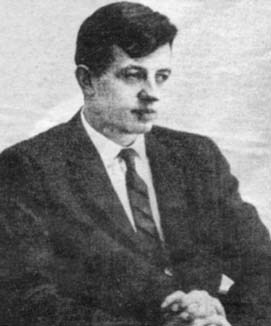
John Nash Nobel Prize Speech:
http://www.youtube.com/watch?v=w5Toct...
"Thank you. I've always believed in numbers; and the equations and logics that lead to reason. But after a lifetime of such pursuits, I ask, "What truly is logic? Who decides reason?" My quest has taken me through the physical, the metaphysical, the delusional -- and back. And I have made the most important discovery of my career, the most important discovery of my life: It is only in the mysterious equations of love that any logic or reasons can be found. I'm only here tonight because of you. (his wife, Alicia) You are the reason I am. You are all my reasons."

Want to Read
April 28, 2017


One cannot avoid the temptation of reading the book, after watching the movie; twice.
The movie is excellent in the way it describes schizophrenia (a form of); better than many textbooks. One can actually see the mind at work of a math genius called Nash and even empathize with his afflictions; his inner struggle.
From nearly the onset of the pathology, to its development, treatment and some recovery (by Nash's free will...and his wife's love), the movie tells a story through time: Nash while a student in college through his several jobs (even those imaginary!) till his final recognition as a Nobel-prize winner for his work in the mathematics and economics fields. Especially poignant are college and family scenes, for the awkwardness inherent to the pathology at stake: schizophrenia, its painful delusions and paranoia. Ron Howard did a great job/movie; Russell Crowe, a terrific acting part.
The music of the film, by James Horner, has been a fantastic feat; how numbers and equations and solutions... and equilibrium ....became delicate, touching musical notes, one wonders.
Well, if you're a mathematician, maybe you'll get curious about psychotherapy; if you're already a psychotherapist, math will tempt you in its beauty, as well.
I owe the second view of the movie to my friend* at GR who had made a review of the book.
Now, I can't let it go, listening to the movie soundtrack.
The sum of a man
in: https://www.theguardian.com/books/200...
“Mathematicians are comparatively sane as a group. It is the people who study logic that are not so sane.”
J. Nash
"Nash was totally spooky. He wouldn’t look at you. He’d take a lot of time answering a question. If he thought the question was foolish he wouldn’t answer at all. He had no affect. It was mixture of pride and something else. He was so isolated but there really was underneath it all a warmth and
appreciation of people”
A fellow student at Princeton

(The real Nash)
But then, was he really a lousy character?
in: https://www.theguardian.com/culture/2...
*https://www.goodreads.com/review/show...

August 15, 2017
This was one of my favorite reads of 2017. I never thought I would be so interested in details about math theorems, math colleges, and history of math.
Apart from the rich setting, I quite enjoyed learning about Nash, and I learned so much more about him than from watching the movie based on this biography (naturally).
Anyways, I love this book so so much. It has been 4 months since I read it, and I still feel fuzzy and warm inside when I spot it on my shelf ♥
Apart from the rich setting, I quite enjoyed learning about Nash, and I learned so much more about him than from watching the movie based on this biography (naturally).
Anyways, I love this book so so much. It has been 4 months since I read it, and I still feel fuzzy and warm inside when I spot it on my shelf ♥

October 26, 2015
A beautiful book (and movie).
Displaying 1 - 30 of 1,896 reviews