

What do you think?

La Comédie Humaine #5
Modeste Mignon
Nous sommes au Havre. Un négociant part refaire sa fortune dans les mers du Sud en laissant derrière lui la plus exquise des filles, Modeste Mignon. Modeste entretient une correspondance avec un écrivain célèbre, Canalis, poète élégiaque et carriériste bigot, à travers lequel Balzac ne s'est pas gêné pour décocher quelques traits à Lamartine et Vigny. Mais c'est le secrétaire de Canalis, Ernest de la Brière, qui répond aux lettres et devient amoureux fou de Modeste. La supercherie est découverte au moment où le père de la jeune fille revient des Indes, fortune faite et plus que faite. Alléché par la dot, Canalis se précipite au Havre, emmenant Ernest avec lui. Cela fait deux prétendants et il y en aura même un troisième : un duc, car Balzac a toujours un duc en réserve dans les manches de son froc. Lequel des trois va l'emporter ?
384 pages, Mass Market Paperback
First published January 1, 1844
About the author
Honoré de Balzac
10.2k books4,557 followersFrench writer Honoré de Balzac (born Honoré Balzac), a founder of the realist school of fiction, portrayed the panorama of society in a body of works, known collectively as
La comédie humaine
.
Honoré de Balzac authored 19th-century novels and plays. After the fall of Napoléon in 1815, his magnum opus, a sequence of almost a hundred novels and plays, entitled, presents life in the years.
Due to keen observation of fine detail and unfiltered representation, European literature regards Balzac. He features renowned multifaceted, even complex, morally ambiguous, full lesser characters. Character well imbues inanimate objects; the city of Paris, a backdrop, takes on many qualities. He influenced many famous authors, including the novelists Marcel Proust, Émile Zola, Charles John Huffam Dickens, Gustave Flaubert, Henry James, and Jack Kerouac as well as important philosophers, such as Friedrich Engels. Many works of Balzac, made into films, continue to inspire.
An enthusiastic reader and independent thinker as a child, Balzac adapted with trouble to the teaching style of his grammar. His willful nature caused trouble throughout his life and frustrated his ambitions to succeed in the world of business. Balzac finished, and people then apprenticed him as a legal clerk, but after wearying of banal routine, he turned his back on law. He attempted a publisher, printer, businessman, critic, and politician before and during his career. He failed in these efforts From his own experience, he reflects life difficulties and includes scenes.
Possibly due to his intense schedule and from health problems, Balzac suffered throughout his life. Financial and personal drama often strained his relationship with his family, and he lost more than one friend over critical reviews. In 1850, he married Ewelina Hańska, his longtime paramour; five months later, he passed away.
Honoré de Balzac authored 19th-century novels and plays. After the fall of Napoléon in 1815, his magnum opus, a sequence of almost a hundred novels and plays, entitled, presents life in the years.
Due to keen observation of fine detail and unfiltered representation, European literature regards Balzac. He features renowned multifaceted, even complex, morally ambiguous, full lesser characters. Character well imbues inanimate objects; the city of Paris, a backdrop, takes on many qualities. He influenced many famous authors, including the novelists Marcel Proust, Émile Zola, Charles John Huffam Dickens, Gustave Flaubert, Henry James, and Jack Kerouac as well as important philosophers, such as Friedrich Engels. Many works of Balzac, made into films, continue to inspire.
An enthusiastic reader and independent thinker as a child, Balzac adapted with trouble to the teaching style of his grammar. His willful nature caused trouble throughout his life and frustrated his ambitions to succeed in the world of business. Balzac finished, and people then apprenticed him as a legal clerk, but after wearying of banal routine, he turned his back on law. He attempted a publisher, printer, businessman, critic, and politician before and during his career. He failed in these efforts From his own experience, he reflects life difficulties and includes scenes.
Possibly due to his intense schedule and from health problems, Balzac suffered throughout his life. Financial and personal drama often strained his relationship with his family, and he lost more than one friend over critical reviews. In 1850, he married Ewelina Hańska, his longtime paramour; five months later, he passed away.
Ratings & Reviews
Friends & Following
Create a free account to discover what your friends think of this book!
Community Reviews
Displaying 1 - 30 of 62 reviews

December 20, 2021
This extremely silly novel must be one of the weakest volumes in La comédie humaine, and its main interest is how it came to be written. It apparently began life as a short story by Balzac's long-time mistress and eventual wife, Ewelina Hańska, who was so dissatisfied with her creation that she burned it. I think this showed good judgement. But Balzac, perhaps because their relationship was going through one of its many rough patches, flattered and cajoled her into reconstituting the text, after which he took it on himself to expand it to novel length and publish it under his own name.
The endnotes in my edition contain extracts from his letters to Hańska, where he rhapsodises about what a wonderful book it is and how much pleasure it has given him to be allowed to do her this little service. Alas, I find it virtually impossible to believe that Balzac was being honest here. By his own admission, Modeste Mignon was written in a few weeks, and it shows. Though to be fair, he probably can't be held responsible for the bizarre plot, in which Modeste, the beautiful daughter of a nobleman and former officer who has lost all his money in a bank crash, whiles away the time while Daddy is overseas searching for a new fortune by starting a correspondence with her favourite author, M. de Canalis, with whom she has convinced herself that she has fallen in love, but unknown to her is actually corresponding with his handsome and charming secretary. I'm guessing that many of the various twists and turns are also due to Hańska (older sister debauched by rake and dies dishonoured, mother goes blind with grief, devoted hunchback dwarf will do anything to help Modeste, father regains fortune in Chinese opium trade, etc etc).
If it were just the plot, there wouldn't be anything to complain about - Othello is famously summarised as a lot of nonsense about a handkerchief. What distresses me is the writing, which at times is just in-your-face careless and bad. The clearest example is the letters. The first dozen or so are reproduced in full; then Balzac tells you that he's cutting the next lot so as not to bore the reader unnecessarily, with an aside that they will perhaps be restored in a future edition; and then, later on, Modeste's conduct in throwing herself at this older man is excused by saying that if we'd read the letters that had been omitted, we'd see that really it wasn't that terrible. Sad to relate, this doesn't come across as someone who's taking great pleasure in elaborating his girlfriend's wonderful idea. It rather has the air of a person who's trying to get the damn thing over with as quickly as possible.
Say what you will though about Modeste Mignon, at least it's not short of edifying morals. Don't try and placate your loved one by writing a book for them; be careful not to send compromising letters to men you've never even met; famous authors are generally pigs; and, last but not least, do what you can to find a cunning hunchbacked dwarf who's desperately and selflessly in love with you. There. If one of these pieces of sage advice turns your life round, remember you read it here first.
The endnotes in my edition contain extracts from his letters to Hańska, where he rhapsodises about what a wonderful book it is and how much pleasure it has given him to be allowed to do her this little service. Alas, I find it virtually impossible to believe that Balzac was being honest here. By his own admission, Modeste Mignon was written in a few weeks, and it shows. Though to be fair, he probably can't be held responsible for the bizarre plot, in which Modeste, the beautiful daughter of a nobleman and former officer who has lost all his money in a bank crash, whiles away the time while Daddy is overseas searching for a new fortune by starting a correspondence with her favourite author, M. de Canalis, with whom she has convinced herself that she has fallen in love, but unknown to her is actually corresponding with his handsome and charming secretary. I'm guessing that many of the various twists and turns are also due to Hańska (older sister debauched by rake and dies dishonoured, mother goes blind with grief, devoted hunchback dwarf will do anything to help Modeste, father regains fortune in Chinese opium trade, etc etc).
If it were just the plot, there wouldn't be anything to complain about - Othello is famously summarised as a lot of nonsense about a handkerchief. What distresses me is the writing, which at times is just in-your-face careless and bad. The clearest example is the letters. The first dozen or so are reproduced in full; then Balzac tells you that he's cutting the next lot so as not to bore the reader unnecessarily, with an aside that they will perhaps be restored in a future edition; and then, later on, Modeste's conduct in throwing herself at this older man is excused by saying that if we'd read the letters that had been omitted, we'd see that really it wasn't that terrible. Sad to relate, this doesn't come across as someone who's taking great pleasure in elaborating his girlfriend's wonderful idea. It rather has the air of a person who's trying to get the damn thing over with as quickly as possible.
Say what you will though about Modeste Mignon, at least it's not short of edifying morals. Don't try and placate your loved one by writing a book for them; be careful not to send compromising letters to men you've never even met; famous authors are generally pigs; and, last but not least, do what you can to find a cunning hunchbacked dwarf who's desperately and selflessly in love with you. There. If one of these pieces of sage advice turns your life round, remember you read it here first.

May 19, 2022
Μια εξαιρετική "ηθογραφία εποχής" από τον Μπαλζάκ με εξαιρετική πρόζα και ένα πολυσήμαντο "κλείσιμο ματιού" στον αναγνώστη, ενώ επιδερμικά διαβάζεται ως μια ερωτική περιπέτεια της μεταναπολεόντειας εποχής δύο αντεπιστελλόντων νέων που ερωτεύονται στη Χάβρη εξ αποστάσεως, στην ουσία είναι μια μοναδική κριτική ματιά του συγγραφέα προς τη λογοτεχνία της εποχής και του και τα ήθη που τη διαμορφώνουν, ενώ εντύπωση κάνει ο διαχρονικός χαρακτήρας του έργου.
Η Μοντέστ -που δίνει και το όνομα στο βιβλίο- αντιμετωπίζει δυσκολίες στην οκογενειακή και προσωπική της ζωή. Έχει μόλις στερηθεί την αδελφή της, η μητέρα της έχει τυφλωθεί και ο πατέρας της απουσιάζει σε επαγγελματικό/επενδυτικό ταξίδι που διαρκεί χρόνια. Καταφύγιό της είναι τα βιβλία, μέσα από τα οποία "γνωρίζει" τον ποιητή Καναλίς. Στη συνέχεια, επικοινωνεί μαζί του με σκοπό να τον γνωρίσει καλύτερα μέσα από τις απαντήσεις του και με την ελπίδα να πετύχει και εκ του σύνεγγυς γνωριμία. Ο Καναλίς αναθέτει στον γραμματέα του Ερνέστ, να απαντήσει αντ΄αυτού και μάλιστα "in loco Canalis", σαν να ήταν, με λίγα λόγια, ο ίδιος. Στην επιστολική επικοινωνία που ακολουθεί, η Μοντέστ, προφανώς και αγνοεί την πραγματική ταυτότητα του συνομιλητή επιστολογράφου, αλλά θεωρεί την προσωπικότητά του ελκυστικότατη. Όμως, στο παιχνίδι της παραπλάνησης, εν αγνοία τους οι δύο εμπλεκόμενοι παίζουν επί ίσοις όροις, καθώς η Μοντέστ δεν αποκαλύπτει την τραγική οικονομική της πραγματικότητα, αλλά παρουσιάζεται ως πλούσια κληρονόμος.
Σε μια απολαυστική έξαρση θεατρικότητας, ο Μπαλζάκ φέρνει πίσω τον απόντα πατέρα, θριαμβευτή και οικονομικά κραταιό, πλούσιο πέρα από κάθε προσδοκία και οι επίδοξοι μνηστήρες που στο μεταξύ έχουν αυξηθεί καλούνται να διαγωνιστούν για την αγάπη της Μοντέστ. Οι μάσκες πίσω από τις οποίες κρύβονταν και λειτουργούσαν χωρίς αναστολές μέχρι τώρα τα πρόσωπα έχουν πέσει, αλλά το παιχνίδι συνεχίζεται μέχρι τελικής... επιλογής της Μοντέστ, σε μια τολμηρή αλλά και απολαυστική χλεύη των ηθών της εποχής (όχι ότι έχουν αλλάξει πολλά έκτοτε), ένα εύγλωττο παρουσιολόγιο των παρογόντων της αποσάθρωσης τους κοινωνικού ιστού.
Η μετάφραση και η ειδικά η επιμέλεια από τις εκδόσεις Gutenberg είναι εξαιρετική, τιμώντας ακόμη περισσότερο το έργο του μεγάλου συγγραφέα.
Η Μοντέστ -που δίνει και το όνομα στο βιβλίο- αντιμετωπίζει δυσκολίες στην οκογενειακή και προσωπική της ζωή. Έχει μόλις στερηθεί την αδελφή της, η μητέρα της έχει τυφλωθεί και ο πατέρας της απουσιάζει σε επαγγελματικό/επενδυτικό ταξίδι που διαρκεί χρόνια. Καταφύγιό της είναι τα βιβλία, μέσα από τα οποία "γνωρίζει" τον ποιητή Καναλίς. Στη συνέχεια, επικοινωνεί μαζί του με σκοπό να τον γνωρίσει καλύτερα μέσα από τις απαντήσεις του και με την ελπίδα να πετύχει και εκ του σύνεγγυς γνωριμία. Ο Καναλίς αναθέτει στον γραμματέα του Ερνέστ, να απαντήσει αντ΄αυτού και μάλιστα "in loco Canalis", σαν να ήταν, με λίγα λόγια, ο ίδιος. Στην επιστολική επικοινωνία που ακολουθεί, η Μοντέστ, προφανώς και αγνοεί την πραγματική ταυτότητα του συνομιλητή επιστολογράφου, αλλά θεωρεί την προσωπικότητά του ελκυστικότατη. Όμως, στο παιχνίδι της παραπλάνησης, εν αγνοία τους οι δύο εμπλεκόμενοι παίζουν επί ίσοις όροις, καθώς η Μοντέστ δεν αποκαλύπτει την τραγική οικονομική της πραγματικότητα, αλλά παρουσιάζεται ως πλούσια κληρονόμος.
Σε μια απολαυστική έξαρση θεατρικότητας, ο Μπαλζάκ φέρνει πίσω τον απόντα πατέρα, θριαμβευτή και οικονομικά κραταιό, πλούσιο πέρα από κάθε προσδοκία και οι επίδοξοι μνηστήρες που στο μεταξύ έχουν αυξηθεί καλούνται να διαγωνιστούν για την αγάπη της Μοντέστ. Οι μάσκες πίσω από τις οποίες κρύβονταν και λειτουργούσαν χωρίς αναστολές μέχρι τώρα τα πρόσωπα έχουν πέσει, αλλά το παιχνίδι συνεχίζεται μέχρι τελικής... επιλογής της Μοντέστ, σε μια τολμηρή αλλά και απολαυστική χλεύη των ηθών της εποχής (όχι ότι έχουν αλλάξει πολλά έκτοτε), ένα εύγλωττο παρουσιολόγιο των παρογόντων της αποσάθρωσης τους κοινωνικού ιστού.
Η μετάφραση και η ειδικά η επιμέλεια από τις εκδόσεις Gutenberg είναι εξαιρετική, τιμώντας ακόμη περισσότερο το έργο του μεγάλου συγγραφέα.

July 22, 2024
This is Balzzc’s fifth in the series of the Scènes de la vie privée (Scenes of Private Life) in La Comédie humaine. It is a story about a young spoiled woman Modeste Mignon whose father Colonel Miignon loses his fortune. He then leaves her in the care of his friend Dumay and goes to China to recoup his losses.
Modeste Mignon is a young provincial woman with a vivid imagination and a romantic temperament. She pretends to be in love imagines with the famous Parisian poet Melchior de Canalis. She writes a letter to him, but he is unmoved by her attentions. Canalis invites his secretary Ernest de la Brière to write to her. Ernest replies to Modeste pretending to be Canalis' and falls in love with her visiting Modeste's home town of Ingouville (near Le Havre) disguised as Canalis.
She finds out he has been pretending to be the poet and is furious. Her father has returned and been successful in recovering his wealth. Canalis and a Duke find out she is an heiress and along with Ernest want her as a wife. Ernest, Canalis and the Duc d'Hérouville are invited to Ingouville to compete for the hand of Modeste. In the end there is no surprise who Modeste chooses.
Its a story based on two fairy tales and apparently Bslzac’s own experiences with young female admirers.
Modeste Mignon is a young provincial woman with a vivid imagination and a romantic temperament. She pretends to be in love imagines with the famous Parisian poet Melchior de Canalis. She writes a letter to him, but he is unmoved by her attentions. Canalis invites his secretary Ernest de la Brière to write to her. Ernest replies to Modeste pretending to be Canalis' and falls in love with her visiting Modeste's home town of Ingouville (near Le Havre) disguised as Canalis.
She finds out he has been pretending to be the poet and is furious. Her father has returned and been successful in recovering his wealth. Canalis and a Duke find out she is an heiress and along with Ernest want her as a wife. Ernest, Canalis and the Duc d'Hérouville are invited to Ingouville to compete for the hand of Modeste. In the end there is no surprise who Modeste chooses.
Its a story based on two fairy tales and apparently Bslzac’s own experiences with young female admirers.


December 21, 2011
Slow beginning, abrupt ending, and all magic in the middle. Balzac is one of those writers like Hardy or Dickens with whom their whole body of work comes into play - not just the individual novel. I love Balzac's examination of character against the vicissitudes of society. This particular novel addresses the relationship between a famous poet and a young admirer. Thoroughly enjoyed it. Maybe not his very best, but as with Hardy or Dickens, there is a wonderful quality in every novel.

February 13, 2021
Η γιορτή των ερωτευμένων και οι αποκριάτικες εκδηλώσεις μας βρίσκουν φέτος σε κάθε άλλο παρά εορταστικό mood, αλλά ένα επίκαιρο ανάγνωσμα παραμένει μια σταθερά ανεξάρτητη από τις επικρατούσες συνθήκες. Πόσο μάλλον όταν πρόκειται για ένα ρομάντζο με βασικό μοτίβο την παραπλάνηση και τις μάσκες που υιοθετούν κάποιοι στο όνομα της αγάπης, πηγαίας ή ψυχρά υπολογισμένης. Και ποιός άλλος θα ήταν καταλληλότερος για τέτοιες αναδιφήσεις, από τον δημιουργό της Ανθρώπινης Κωμωδίας, μιας ανατομίας διεισδυτικής, σαρκαστικής, ιλαροτραγικής, ρομαντικής, των ηθών της Γαλλίας του 19ου αιώνα;
Η Μοντέστ, με ιδιάζουσα ιδιοσυγκρασία, από τις ψυχές εκείνες που κατοικούν σε πολύ ευαίσθητα κελύφη, βυθίζεται στον κόσμο της λογοτεχνίας για να προστατευτεί από τις δυσάρεστες οικογενειακές εξελίξεις και από τους έρωτες που θυμίζουν πιότερο οικονομικό συμβόλαιο, παρά παθιασμένους όρκους αγάπης. Σαν άλλη Αλίκη στην τρύπα του Κούνελου, έρχεται σε επαφή με έναν διάσημο ποιητή της εποχής, με τον οποίο ξεκινά μια επιστολιμιαία επικοινωνία.
Μόνο που στην πραγματικότητα, ο πολυάσχολος δανδής αναθέτει στον γραμματικό του το βαρετό αυτό καθήκον, πυροδοτώντας αμφίδρομα συναισθήματα, κατά το ήμισυ κάλπικα. Ο Έρωτας και η Τέχνη, η εξιδανίκευση των αισθημάτων μέσα από την εμπνευσμένη πρόζα, εμπλέκονται με τα ήθη της γαλλικής Χάβρης, υπό τον ιδιότυπο σαρκασμό του μεγάλου συγγραφέα. Κρυφοί έρωτες, μνηστήρες, επιτιμητικός κοινωνικός περίγυρος, η δεσπόζουσα πατρική φιγούρα, αποτελούν γόνιμο πεδίο για να ξεδιπλώσει ο Μπαλζάκ τη ρεαλιστική οπτική του. Και όλα αυτά, πίσω από μάσκες που φορούν όλοι, υλικές ή άυλες, οι οποίες γεννούν πλήθος παραπλανήσεων, ώσπου ο παντογνώστης αφηγητής, γνωρίζοντας τα ελατήρια όλων των χαρακτήρων, να χτίσει την τελική φάρσα όπου οι μάσκες θα πέσουν, για να αναδυθεί το ατόφιο αίσθημα.
Εκεί που άλλος θα συνέθετε ένα ήδη παρωχημένο ρομάντζο, ο Μπαλζάκ, γνώστης της ανθρώπινης ψυχής, συγγράφει κάτι διαχρονικό. Με έντονα αυτοβιογραφικά στοιχεία (αλληλογραφούσε ο ίδιος με τη σύζυγό του), στήνει μια καλαίσθητη αλλά και τόσο αληθινή μυθοπλασία που, χωρίς να φτάνει τα αριστουργηματικά ύψη της «Ευγενίας Γκραντέ», αποτελεί παρακαταθήκη ψυχο/ηθογραφίας για τις επόμενες γενιές.
Η Μοντέστ, με ιδιάζουσα ιδιοσυγκρασία, από τις ψυχές εκείνες που κατοικούν σε πολύ ευαίσθητα κελύφη, βυθίζεται στον κόσμο της λογοτεχνίας για να προστατευτεί από τις δυσάρεστες οικογενειακές εξελίξεις και από τους έρωτες που θυμίζουν πιότερο οικονομικό συμβόλαιο, παρά παθιασμένους όρκους αγάπης. Σαν άλλη Αλίκη στην τρύπα του Κούνελου, έρχεται σε επαφή με έναν διάσημο ποιητή της εποχής, με τον οποίο ξεκινά μια επιστολιμιαία επικοινωνία.
Μόνο που στην πραγματικότητα, ο πολυάσχολος δανδής αναθέτει στον γραμματικό του το βαρετό αυτό καθήκον, πυροδοτώντας αμφίδρομα συναισθήματα, κατά το ήμισυ κάλπικα. Ο Έρωτας και η Τέχνη, η εξιδανίκευση των αισθημάτων μέσα από την εμπνευσμένη πρόζα, εμπλέκονται με τα ήθη της γαλλικής Χάβρης, υπό τον ιδιότυπο σαρκασμό του μεγάλου συγγραφέα. Κρυφοί έρωτες, μνηστήρες, επιτιμητικός κοινωνικός περίγυρος, η δεσπόζουσα πατρική φιγούρα, αποτελούν γόνιμο πεδίο για να ξεδιπλώσει ο Μπαλζάκ τη ρεαλιστική οπτική του. Και όλα αυτά, πίσω από μάσκες που φορούν όλοι, υλικές ή άυλες, οι οποίες γεννούν πλήθος παραπλανήσεων, ώσπου ο παντογνώστης αφηγητής, γνωρίζοντας τα ελατήρια όλων των χαρακτήρων, να χτίσει την τελική φάρσα όπου οι μάσκες θα πέσουν, για να αναδυθεί το ατόφιο αίσθημα.
Εκεί που άλλος θα συνέθετε ένα ήδη παρωχημένο ρομάντζο, ο Μπαλζάκ, γνώστης της ανθρώπινης ψυχής, συγγράφει κάτι διαχρονικό. Με έντονα αυτοβιογραφικά στοιχεία (αλληλογραφούσε ο ίδιος με τη σύζυγό του), στήνει μια καλαίσθητη αλλά και τόσο αληθινή μυθοπλασία που, χωρίς να φτάνει τα αριστουργηματικά ύψη της «Ευγενίας Γκραντέ», αποτελεί παρακαταθήκη ψυχο/ηθογραφίας για τις επόμενες γενιές.

June 23, 2022
There were parts of this that I quite enjoyed but it’s sooooo longwinded! It would’ve been so much better if it was short and sweet.

July 10, 2023
Η Μοντεστ Μινιόν δεν έχει μια εύκολη ζωή καθώς η μοίρα χτυπάει συνεχώς την οικογένεια της. Εκείνη όμως μέσα σε όλες αυτές τις στενοχώριες θα βρει το θάρρος να στείλει μια επιστολή θαυμασμού στον ποιητή Κανελίς. Εκείνος φυσικά δεν θέλει να ασχοληθεί με κάτι τέτοιο, οπότε θα αναθέσει στον φίλου του Έρνεστ να στείλει μια απάντηση, έτσι θα ξεκινήσει η αλληλογραφία μεταξύ τους και θα τους οδηγήσει στον έρωτα. Όταν ο Καναλίς μαθαίνει τι περιουσία έχει η Μοντεστ θα αλλάξει γνώμη και θα την κυνηγήσει με την γοητεία του. Οι μάσκες θα πέσουν, η αλήθεια θα μαθευτεί και η Μοντεστ θα πρέπει να αποφασίσει ποιος λέει την αλήθεια για τα συναισθήματα του και δεν την θέλει για την περιουσία της.
''Η ποταπότητα μου προκαλεί βαθύτατη απέχθεια. Αν είμαι ελεύθερη, αν είμαι πλούσια και ξέρω ότι είμαι νέα και άμορφη, δεν θα δοθώ σε κάποιον ανόητο μόνο και μόνο επειδή θα είναι γιος ενός ομότιμου της Γαλλίας..''
Μου άρεσε το βιβλίο και ειδικότερα η Μοντεστ, ενώ αρχικά φαίνεται αθώα και ανόητη που θέλει να ζήσει το παραμύθι και να έχει μια καλή θέση στην κοινωνία σαν τα υπόλοιπα κορίτσια της εποχής, ο συγγραφέας αντίθετα την παρουσιάζει έξυπνη, δυναμική, ραδιούργα και με υπομονή. Ακόμα ένα κομμάτι που ξεχώρισα είναι ότι ο πατέρας της ενώ είναι εξόριστος αρκετά χρόνια και δεν την έχει σε επίβλεψη, όταν επιστρέφει της δίνει την ελευθερία να επιλέξει εκείνη από μόνη της, δείχνοντας της απεριόριστη εμπιστοσύνη. Φυσικά οι επιθυμίες τους έρχονται σε αρμονία, με μόνο στόχο να επιλέξει η Μοντέστ έναν καλό σύζυγο και να ζήσει μια ολοκληρωμένη ζωή.
Σε όσους αρέσουν οι επιστολές και το ρομάντζο να το διαβάσουν!!
''Η ποταπότητα μου προκαλεί βαθύτατη απέχθεια. Αν είμαι ελεύθερη, αν είμαι πλούσια και ξέρω ότι είμαι νέα και άμορφη, δεν θα δοθώ σε κάποιον ανόητο μόνο και μόνο επειδή θα είναι γιος ενός ομότιμου της Γαλλίας..''
Μου άρεσε το βιβλίο και ειδικότερα η Μοντεστ, ενώ αρχικά φαίνεται αθώα και ανόητη που θέλει να ζήσει το παραμύθι και να έχει μια καλή θέση στην κοινωνία σαν τα υπόλοιπα κορίτσια της εποχής, ο συγγραφέας αντίθετα την παρουσιάζει έξυπνη, δυναμική, ραδιούργα και με υπομονή. Ακόμα ένα κομμάτι που ξεχώρισα είναι ότι ο πατέρας της ενώ είναι εξόριστος αρκετά χρόνια και δεν την έχει σε επίβλεψη, όταν επιστρέφει της δίνει την ελευθερία να επιλέξει εκείνη από μόνη της, δείχνοντας της απεριόριστη εμπιστοσύνη. Φυσικά οι επιθυμίες τους έρχονται σε αρμονία, με μόνο στόχο να επιλέξει η Μοντέστ έναν καλό σύζυγο και να ζήσει μια ολοκληρωμένη ζωή.
Σε όσους αρέσουν οι επιστολές και το ρομάντζο να το διαβάσουν!!

March 2, 2019
Livro fantástico, que se desenvolve como uma espiral, começando de um centro tímido e interior até atingir a grande sociedade e envolver mesmo o Rei de França. Ou como uma árvore, que começa em semente.
Se Balzac tivesse escrito apenas este livro, seu nome já mereceria figurar no panteão dos grandes autores da literatura em língua francesa.
Se Balzac tivesse escrito apenas este livro, seu nome já mereceria figurar no panteão dos grandes autores da literatura em língua francesa.

February 10, 2020
Another wonderful story from Balzac's La Comedie Humaine, this one deals with money, love and idealised view of artists, which is funny because Balzac is one but in this story poets are put on the spotlight, Lord Byron and others are mentioned but the main of this story is about a girl's fantasy about helping a poet in his work.
How can you tell if someone is only after your money? Young girls writing to strangers without parental permission and the Clarissa effect, Balzac knew the importance of this story to include Richardson's classic, mentioned in the letters exchange. Balzac uses a small portion of the story for the letter exchange. I enjoyed the paternal twist in making his daughter chose her mate.
The one thing ironic is the father trying to regain his lost wealth by opium trading. I am not sure when opium was deemed addicting and harmful but winning a fortune that loses many unknown persons to a hard to break habit.
I wonder if in the conclusion chapter if Balzac intentionally made half of the first part of the chapter, as a kind of teasing the reader before knowing the final ending. What I mean is the mention of the hunt with a list of names who attended, like he was boring us a little.
"The first part of this novel was serialised in the Journal des débats in 1844. A revised and expanded version of the work was later published by Chlenowski in two parts under the titles Modeste Mignon and Les Trois amoureux (The Three Suitors). The third and final edition of the novel appeared in 1846 as part of Furne’s complete edition of La Comédie humaine."
The story in short- A young girl looks to know and love the heart of a poet, her reading novels has put ideas in her head.
"The novel begins with the basis of a folktale known as La fille mal gardée (The Ill-Watched Girl), in which a young woman takes a lover despite the close attentions of her guardians, who are determined to preserve her for a more suitable match. Modeste Mignon, a young provincial woman of romantic temperament, imagines herself to be in love with the famous Parisian poet
Melchior de Canalis, whose works have filled her with passion. She corresponds with him, but he is unmoved by her attentions."
This was in the introduction, I wonder if this was a fan who sent him letters?
I wonder.... 1/5/2025 reading his letters to Madame Hanska, this is her and this book was her idea per his letters. How much unknown.
"To a Polish Lady. Daughter of an enslaved land, angel through love, witch through fancy, child by faith, aged by experience, man in brain, woman in heart, giant by hope, mother through sorrows, poet in thy dreams, — to thee belongs this book, in which thy love, thy fancy, thy experience, thy sorrow, thy hope, thy dreams, are the warp through which is shot a woof less brilliant than the poesy of thy soul, whose expression, when it shines upon thy countenance, is, to those who love thee, what the characters of a lost language are to scholars. De Balzac."
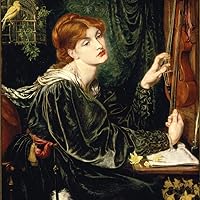
I did not read this edition but a collection of his works, I decided on this edition for the cover art.
"Canalis did not listen to this statement after the opening sentence. The four riders, having now reached a wider road, went abreast and soon reached a stretch of table-land, from which the eye took in on one side the rich valley of the Seine toward Rouen, and on the other an horizon bounded only by the sea. “Butscha was right, God is the greatest of all landscape painters,” said Canalis, contemplating the view, which is unique among the many fine scenes that have made the shores of the Seine so justly celebrated. “Above all do we feel that, my dear baron,” said the duke, “on hunting-days, when nature has a voice, and a lively tumult breaks the silence; at such times the landscape, changing rapidly as we ride through it, seems really sublime."
💢💢💢💢💢💢💢💢💢💢💢💢💢💢💢💢💢💢💢💢💢💢💢💢💢💢💢💢💢💢💢💢💢💢💢💢💢💢💢💢💢💢💢💢💢💢💢💢💢💢💢💢💢💢💢💢💢💢💢💢💢💢💢💢💢💢💢💢💢💢💢💢💢💢💢💢💢💢💢💢💢💢💢💢💢💢💢💢💢💢💢💢💢💢💢💢💢💢💢💢💢💢💢💢💢💢💢💢💢💢💢💢💢💢💢💢💢💢💢SPOILER ALERT 💢💢💢💢💢💢💢💢💢💢💢💢💢💢💢💢💢💢💢💢💢💢💢💢💢💢💢💢💢💢💢💢SPOILER ALERT 💢
I liked Modeste then I was not sure but in the final analysis, I liked her because she chose Ernest. Canalis was annoying but after Ernest told Modeste of the need to give liberal understanding of artist. I liked the father and the dwarf Butscha.
I was happy that Ernest won her heart and she should have valued him from the start but then the story.... A happy ending. Modeste Mignon is a young lady and has a friend in Madame Latournelle and her husband Babylas, the notary wants Modeste to be fooled about somebody coming to the event which the son will state. The Chalet is near a cottage that was leased and not part of the sale which upset the owner, Vilquin. The stage is set to set up Modeste; many who know their part and others ignorant like young Exupere. Dumay has his pistol nearby. Dumay and Mignon meet in Napoleon's army and a friendship is formed. Mignon marries a banker's daughter but money is lost by father in law; to much reliance on government. The money is rebuilt but lost again which causes Mignon to leave his family and seek his fortune again, with Dumay to watch his family. Dumay had married an American but they are childless and love Mignon's daughters. Property sold to make debts and Dumay is told to keep all way from his daughter while he is gone. Madame Mignon is blind but knows her daughter is in love but who could it be? The others think she is mistaken because no stranger could get through and the other daughter's death has caused things doubly serious. Modeste loves to read which brings ideas in her head. The plan is laid to see. Modeste is with her dying sister who gives her advice on life. Modeste was engaged with her father picking out her betrothed but that young men fled after hearing of the loss of money and married another with money. Modeste decides to write to poet, Canalis under anonymous name and his friend thinks he should write back but Canalis, is vain, only wants money and is not interested at all but his friend could write back, Ernest de La Briere writes to bring light in for young girl not to be trapped into trouble and she should cling to her family. The letters are under the maid's name at the post office. Modeste and Ernest have written many letters and now Modeste wants him to go to Havre; church and wear a flower so she knows how he looks. Her father is coming back wealthy but keeping it to only be some not a lot for not to have people looking just for his money. He thinks both daughters are at home though he figures that Bettina's lover has fled. Modeste is to write to her father to prepare him for Bettina's death and her mother's blindness. She tells her other she has not a lover. They hear Modeste preform music which only one in love could preform. The dwarf, Butscha has waited for the mail and starts to ask questions when Modeste stops him and he tells her that he knows she is corresponding and her not wanting him to go to church is because of a reason unknown, he also notices that she has covered herself up to hide herself from Ernest. Butscha obeys not going to church. Prior he wonders if anyone cares for him and is told about his added wealth which he will get some to be rich and asks Modeste questions of her loving him which he finds out that she could not. Modeste is happy after seeing Ernest thinking him Canalis, writes him a letter all about herself. After that was sent Ernest tells her he loves her and her mystery but he tells her he is not a poet which after reading demands an answer. Dumay finds out that Modeste has been writing to Canalis by the letter she gave by mistake. She is upset and tells her mother all worrying about what Dumay will do. Dumay finds Canalis not only a poet but a well off official who denies knowing Modeste. Dumay says he will find this out and sees Canalis is telling the truth. Ernest then see Canalis and tells f his love and her wealth which Canalis is jealous but keeps it from Ernest wishing him the best. Mignon is told by Ernest about his love for his daughter and has given him all the letters, when Mignon tells him that he is not worth so much but Modeste only has a little, Ernest is happy; Mignon wonders if this is the right son in law. Mignon finds that Modeste is not happy to be deceived by the servant-Ernest. Modeste after her melancholy looks at disdain; she wants to embarrass Ernest. Canalis rents a house for him and Ernest; unknown to Ernest, he looks to make a fool of Ernest to Modeste's eyes. Mignon has allowed another suitor in a Duke looking for money. Mignon goes to see the poet and Ernest, lets them know his daughter will decide herself. Canalis shows his acting and Ernest is quite but looking at Modeste with love which she has her disdain. The doctor examined Madame Mignon's eyes and thinks an operation will help. Now Modeste thinks him something superior. Modeste is impressed with her poet and her attitude quite rude; the others were not impressed. Canalis is starting to be seen as nothing especially his self love and he sees that he must ask for her hand especially with the Duchess in Paris not receiving a word from him. Butscha tells Modeste that neither the Duke or the poet would make her happy. That he was to plant a rumor that her father is not rich which finds its way to Canalis who wants out but he proposed. Ernest buys Modeste a riding whip but tells Butscha not to say who it is from. Butscha is made to get drunk by Canalis and tells him that the Mignon fortune is a hoax. And Canalis believes and wants out of his proposal. Canalis shows his true colors after telling Modeste off with her behavior so he can break off. Ernest meanwhile is sick. Modeste thinks of marrying the Duke. The Duchess is happy after earing the letter from Canalis saying that he was there for Ernest and that Modeste is ugly. Then the Duchess finds out that Modeste is beautiful and she wants to go to see for herself; she will not help the poet which after hearing the truth wonders if he can get her back. Ernest was not happy if it is the Modeste not of her letters. Modeste says Ernest has her esteem. Calanis tries to win her back after hearing about the money. The Duke she tells her father he will not marry. Modeste sees the Duchess and the coldness; the Duchess has Canalis by her and tells him if he obeys Modeste, he will be lost to her. Modeste gives the letter back to Canalis that would dam him against te Duchess. She tells the Duke she will help him but can not marry him. Madame Mignon regains her sight and Modeste and Ernest are married.
"LA BASTIE LA BRIERE (Ernest de), member of a good family of Toulouse, born in 1802; very similar in appearance to Louis XIII.; from 1824 to 1829, private secretary to the minister of finances. On the advice of Madame d’Espard, and thus being of service to Eleonore de Chaulieu, he became secretary to Melchior de Canalis and, at the same time, referendary of the Cour des Comptes. He became a chevalier of the Legion of Honor. In 1829 he conducted for Canalis a love romance by correspondence, the heroine of the affair being Marie-Modeste-Mignon de la Bastie (of Havre). He played this part so successfully that she fell in love and marriage was agreed upon. This union, which made him the wealthy Vicomte de la Bastie la Briere, was effected the following February in 1830. Canalis and the minister of 1824 were witnesses for Ernest de la Briere, who fully deserved his good fortune. The Government Clerks. Modeste Mignon.
LA BASTIE LA BRIERE (Madame Ernest de), wife of the preceding, born Marie-Modeste Mignon about 1809, younger daughter of Charles Mignon de la Bastie and of Bettina Mignon de la Bastie — born Wallenrod. In 1829, while living with her family at Havre, with the same love, evoked by a passion for literature, which Bettina Brentano d’Arnim conceived for Goethe, she fell in love with Melchior de Canalis; she wrote frequently to the poet in secret, and he responded through the medium of Ernest de la Briere; thus there sprang up between the young girl and the secretary a mutual love which resulted in marriage. The witnesses for Marie-Modeste Mignon were the Duc d’Herouville and Doctor Desplein. As one of the most envied women in Parisian circles, in the time of Louis Philippe, she became the close friend of Mesdames de l’Estorade and Popinot. Modeste Mignon. The Member for Arcis. Cousin Betty. La Bastie is sometimes written La Batie."
How can you tell if someone is only after your money? Young girls writing to strangers without parental permission and the Clarissa effect, Balzac knew the importance of this story to include Richardson's classic, mentioned in the letters exchange. Balzac uses a small portion of the story for the letter exchange. I enjoyed the paternal twist in making his daughter chose her mate.
The one thing ironic is the father trying to regain his lost wealth by opium trading. I am not sure when opium was deemed addicting and harmful but winning a fortune that loses many unknown persons to a hard to break habit.
I wonder if in the conclusion chapter if Balzac intentionally made half of the first part of the chapter, as a kind of teasing the reader before knowing the final ending. What I mean is the mention of the hunt with a list of names who attended, like he was boring us a little.
"The first part of this novel was serialised in the Journal des débats in 1844. A revised and expanded version of the work was later published by Chlenowski in two parts under the titles Modeste Mignon and Les Trois amoureux (The Three Suitors). The third and final edition of the novel appeared in 1846 as part of Furne’s complete edition of La Comédie humaine."
The story in short- A young girl looks to know and love the heart of a poet, her reading novels has put ideas in her head.
"The novel begins with the basis of a folktale known as La fille mal gardée (The Ill-Watched Girl), in which a young woman takes a lover despite the close attentions of her guardians, who are determined to preserve her for a more suitable match. Modeste Mignon, a young provincial woman of romantic temperament, imagines herself to be in love with the famous Parisian poet
Melchior de Canalis, whose works have filled her with passion. She corresponds with him, but he is unmoved by her attentions."
This was in the introduction, I wonder if this was a fan who sent him letters?
I wonder.... 1/5/2025 reading his letters to Madame Hanska, this is her and this book was her idea per his letters. How much unknown.
"To a Polish Lady. Daughter of an enslaved land, angel through love, witch through fancy, child by faith, aged by experience, man in brain, woman in heart, giant by hope, mother through sorrows, poet in thy dreams, — to thee belongs this book, in which thy love, thy fancy, thy experience, thy sorrow, thy hope, thy dreams, are the warp through which is shot a woof less brilliant than the poesy of thy soul, whose expression, when it shines upon thy countenance, is, to those who love thee, what the characters of a lost language are to scholars. De Balzac."
I did not read this edition but a collection of his works, I decided on this edition for the cover art.
"Canalis did not listen to this statement after the opening sentence. The four riders, having now reached a wider road, went abreast and soon reached a stretch of table-land, from which the eye took in on one side the rich valley of the Seine toward Rouen, and on the other an horizon bounded only by the sea. “Butscha was right, God is the greatest of all landscape painters,” said Canalis, contemplating the view, which is unique among the many fine scenes that have made the shores of the Seine so justly celebrated. “Above all do we feel that, my dear baron,” said the duke, “on hunting-days, when nature has a voice, and a lively tumult breaks the silence; at such times the landscape, changing rapidly as we ride through it, seems really sublime."
💢💢💢💢💢💢💢💢💢💢💢💢💢💢💢💢💢💢💢💢💢💢💢💢💢💢💢💢💢💢💢💢💢💢💢💢💢💢💢💢💢💢💢💢💢💢💢💢💢💢💢💢💢💢💢💢💢💢💢💢💢💢💢💢💢💢💢💢💢💢💢💢💢💢💢💢💢💢💢💢💢💢💢💢💢💢💢💢💢💢💢💢💢💢💢💢💢💢💢💢💢💢💢💢💢💢💢💢💢💢💢💢💢💢💢💢💢💢💢SPOILER ALERT 💢💢💢💢💢💢💢💢💢💢💢💢💢💢💢💢💢💢💢💢💢💢💢💢💢💢💢💢💢💢💢💢SPOILER ALERT 💢
I liked Modeste then I was not sure but in the final analysis, I liked her because she chose Ernest. Canalis was annoying but after Ernest told Modeste of the need to give liberal understanding of artist. I liked the father and the dwarf Butscha.
I was happy that Ernest won her heart and she should have valued him from the start but then the story.... A happy ending. Modeste Mignon is a young lady and has a friend in Madame Latournelle and her husband Babylas, the notary wants Modeste to be fooled about somebody coming to the event which the son will state. The Chalet is near a cottage that was leased and not part of the sale which upset the owner, Vilquin. The stage is set to set up Modeste; many who know their part and others ignorant like young Exupere. Dumay has his pistol nearby. Dumay and Mignon meet in Napoleon's army and a friendship is formed. Mignon marries a banker's daughter but money is lost by father in law; to much reliance on government. The money is rebuilt but lost again which causes Mignon to leave his family and seek his fortune again, with Dumay to watch his family. Dumay had married an American but they are childless and love Mignon's daughters. Property sold to make debts and Dumay is told to keep all way from his daughter while he is gone. Madame Mignon is blind but knows her daughter is in love but who could it be? The others think she is mistaken because no stranger could get through and the other daughter's death has caused things doubly serious. Modeste loves to read which brings ideas in her head. The plan is laid to see. Modeste is with her dying sister who gives her advice on life. Modeste was engaged with her father picking out her betrothed but that young men fled after hearing of the loss of money and married another with money. Modeste decides to write to poet, Canalis under anonymous name and his friend thinks he should write back but Canalis, is vain, only wants money and is not interested at all but his friend could write back, Ernest de La Briere writes to bring light in for young girl not to be trapped into trouble and she should cling to her family. The letters are under the maid's name at the post office. Modeste and Ernest have written many letters and now Modeste wants him to go to Havre; church and wear a flower so she knows how he looks. Her father is coming back wealthy but keeping it to only be some not a lot for not to have people looking just for his money. He thinks both daughters are at home though he figures that Bettina's lover has fled. Modeste is to write to her father to prepare him for Bettina's death and her mother's blindness. She tells her other she has not a lover. They hear Modeste preform music which only one in love could preform. The dwarf, Butscha has waited for the mail and starts to ask questions when Modeste stops him and he tells her that he knows she is corresponding and her not wanting him to go to church is because of a reason unknown, he also notices that she has covered herself up to hide herself from Ernest. Butscha obeys not going to church. Prior he wonders if anyone cares for him and is told about his added wealth which he will get some to be rich and asks Modeste questions of her loving him which he finds out that she could not. Modeste is happy after seeing Ernest thinking him Canalis, writes him a letter all about herself. After that was sent Ernest tells her he loves her and her mystery but he tells her he is not a poet which after reading demands an answer. Dumay finds out that Modeste has been writing to Canalis by the letter she gave by mistake. She is upset and tells her mother all worrying about what Dumay will do. Dumay finds Canalis not only a poet but a well off official who denies knowing Modeste. Dumay says he will find this out and sees Canalis is telling the truth. Ernest then see Canalis and tells f his love and her wealth which Canalis is jealous but keeps it from Ernest wishing him the best. Mignon is told by Ernest about his love for his daughter and has given him all the letters, when Mignon tells him that he is not worth so much but Modeste only has a little, Ernest is happy; Mignon wonders if this is the right son in law. Mignon finds that Modeste is not happy to be deceived by the servant-Ernest. Modeste after her melancholy looks at disdain; she wants to embarrass Ernest. Canalis rents a house for him and Ernest; unknown to Ernest, he looks to make a fool of Ernest to Modeste's eyes. Mignon has allowed another suitor in a Duke looking for money. Mignon goes to see the poet and Ernest, lets them know his daughter will decide herself. Canalis shows his acting and Ernest is quite but looking at Modeste with love which she has her disdain. The doctor examined Madame Mignon's eyes and thinks an operation will help. Now Modeste thinks him something superior. Modeste is impressed with her poet and her attitude quite rude; the others were not impressed. Canalis is starting to be seen as nothing especially his self love and he sees that he must ask for her hand especially with the Duchess in Paris not receiving a word from him. Butscha tells Modeste that neither the Duke or the poet would make her happy. That he was to plant a rumor that her father is not rich which finds its way to Canalis who wants out but he proposed. Ernest buys Modeste a riding whip but tells Butscha not to say who it is from. Butscha is made to get drunk by Canalis and tells him that the Mignon fortune is a hoax. And Canalis believes and wants out of his proposal. Canalis shows his true colors after telling Modeste off with her behavior so he can break off. Ernest meanwhile is sick. Modeste thinks of marrying the Duke. The Duchess is happy after earing the letter from Canalis saying that he was there for Ernest and that Modeste is ugly. Then the Duchess finds out that Modeste is beautiful and she wants to go to see for herself; she will not help the poet which after hearing the truth wonders if he can get her back. Ernest was not happy if it is the Modeste not of her letters. Modeste says Ernest has her esteem. Calanis tries to win her back after hearing about the money. The Duke she tells her father he will not marry. Modeste sees the Duchess and the coldness; the Duchess has Canalis by her and tells him if he obeys Modeste, he will be lost to her. Modeste gives the letter back to Canalis that would dam him against te Duchess. She tells the Duke she will help him but can not marry him. Madame Mignon regains her sight and Modeste and Ernest are married.
"LA BASTIE LA BRIERE (Ernest de), member of a good family of Toulouse, born in 1802; very similar in appearance to Louis XIII.; from 1824 to 1829, private secretary to the minister of finances. On the advice of Madame d’Espard, and thus being of service to Eleonore de Chaulieu, he became secretary to Melchior de Canalis and, at the same time, referendary of the Cour des Comptes. He became a chevalier of the Legion of Honor. In 1829 he conducted for Canalis a love romance by correspondence, the heroine of the affair being Marie-Modeste-Mignon de la Bastie (of Havre). He played this part so successfully that she fell in love and marriage was agreed upon. This union, which made him the wealthy Vicomte de la Bastie la Briere, was effected the following February in 1830. Canalis and the minister of 1824 were witnesses for Ernest de la Briere, who fully deserved his good fortune. The Government Clerks. Modeste Mignon.
LA BASTIE LA BRIERE (Madame Ernest de), wife of the preceding, born Marie-Modeste Mignon about 1809, younger daughter of Charles Mignon de la Bastie and of Bettina Mignon de la Bastie — born Wallenrod. In 1829, while living with her family at Havre, with the same love, evoked by a passion for literature, which Bettina Brentano d’Arnim conceived for Goethe, she fell in love with Melchior de Canalis; she wrote frequently to the poet in secret, and he responded through the medium of Ernest de la Briere; thus there sprang up between the young girl and the secretary a mutual love which resulted in marriage. The witnesses for Marie-Modeste Mignon were the Duc d’Herouville and Doctor Desplein. As one of the most envied women in Parisian circles, in the time of Louis Philippe, she became the close friend of Mesdames de l’Estorade and Popinot. Modeste Mignon. The Member for Arcis. Cousin Betty. La Bastie is sometimes written La Batie."

September 25, 2020
Ich hatte gehofft, Gefallen an MODESTES MIGNON zu finden, wenn ich den Roman mit einem GR=Freund gemeinsam lese, der in Sachen La Comédie humaine sehr gut orientiert ist. Gestoßen war ich auf den Titel schon vor Jahren in Rolf Vollmanns tollem Buch Die wunderbaren Falschmünzer. Ein Roman-Verführer 1800 bis 1930, der ihn als großartige Liebesgeschichte lobt (hoffe, das habe ich noch richtig in Erinnerung).
Leider war ich entweder nicht in der richtigen Stimmung oder das Buch bringt bei mir nichts zum Schwingen, jedenfalls fand ich die Lektüre mühsam und wenig erfreulich. Das Highlight sind für mich die Sätze gewesen, in denen Balzac seine spitzzüngige Formulierungskunst unter Beweis stellt; Handlung und Erzählhaltung haben mich hingegen nicht angesprochen. Tatsächlich finde ich MODESTE MIGNON melodramatisch und pathetisch. Durch manch längere Passage musste ich mich regelrecht durchquälen, so zum Beispiel durch den Briefwechsel zwischen Modeste und Ernest de la Brière.
Balzac deutet an, dass der Prosa=Autor dem Lyriker überlegen ist, weil er den größeren Stoff bewältigen muss (eine Einschätzung, die er mit Arno Schmidt teilt). Trotzdem habe ich mehr als einmal beim Lesen gedacht, dass die bessere Form für diesen Stoff das Schauspiel gewesen wäre, zumal mich Romanpersonal und Handlungsverwicklungen wo nicht an Courths-Mahler doch ans Ohnsorg=Theater denken ließen. Nein, so ganz fair ist diese Behauptung nicht, aber der Roman war auch nicht fair zu mir.
Nicht so ganz fair? Kann ich das denn überhaupt nur ansatzweise begründen?
Aber gerne doch; so findet sich ganz am Ende des Romans, als Modeste nun doch eine gute (=vermögende) Partie geworden ist und den "Richtigen" geheiratet hat und auch die blinde Mutter wieder sehen kann (!), diese Passage:
Als in den letzten Tagen des Monats Dezember die von Desplein operierte Gräfin de la Bastie Ernest de la Brière endlich sehen konnte, nahm sie Modestes Hand und sagte ihrer Tochter ins Ohr:
"Ich hätte ihn auch gewählt ..."
Ende gut, alles gut.
Leider war ich entweder nicht in der richtigen Stimmung oder das Buch bringt bei mir nichts zum Schwingen, jedenfalls fand ich die Lektüre mühsam und wenig erfreulich. Das Highlight sind für mich die Sätze gewesen, in denen Balzac seine spitzzüngige Formulierungskunst unter Beweis stellt; Handlung und Erzählhaltung haben mich hingegen nicht angesprochen. Tatsächlich finde ich MODESTE MIGNON melodramatisch und pathetisch. Durch manch längere Passage musste ich mich regelrecht durchquälen, so zum Beispiel durch den Briefwechsel zwischen Modeste und Ernest de la Brière.
Balzac deutet an, dass der Prosa=Autor dem Lyriker überlegen ist, weil er den größeren Stoff bewältigen muss (eine Einschätzung, die er mit Arno Schmidt teilt). Trotzdem habe ich mehr als einmal beim Lesen gedacht, dass die bessere Form für diesen Stoff das Schauspiel gewesen wäre, zumal mich Romanpersonal und Handlungsverwicklungen wo nicht an Courths-Mahler doch ans Ohnsorg=Theater denken ließen. Nein, so ganz fair ist diese Behauptung nicht, aber der Roman war auch nicht fair zu mir.
Nicht so ganz fair? Kann ich das denn überhaupt nur ansatzweise begründen?
Aber gerne doch; so findet sich ganz am Ende des Romans, als Modeste nun doch eine gute (=vermögende) Partie geworden ist und den "Richtigen" geheiratet hat und auch die blinde Mutter wieder sehen kann (!), diese Passage:
Als in den letzten Tagen des Monats Dezember die von Desplein operierte Gräfin de la Bastie Ernest de la Brière endlich sehen konnte, nahm sie Modestes Hand und sagte ihrer Tochter ins Ohr:
"Ich hätte ihn auch gewählt ..."
Ende gut, alles gut.

July 8, 2023
Η Μοντέστ, μια νεαρή κοπέλα, μετά το χαμό της αδερφής της και τη χρεωκοπία του πατέρα της, βοηθά την τυφλή μητέρα της και τς κρατούν συντροφιά τα βιβλία. Γοητεύεται από τη γραφή του ποιητή Καναλίς και τον προσεγγίζει στέλνοντάς του γράμμα. Λαμβάνει απάντηση και συνεχίζεται η ανταλλαγή επιστολών, μόνο που αυτός που της απαντά είναι ο γραματέας του ποιητή - κάτι το οποίο εκείνη αγνοεί. Οι δυο νέοι ερωτεύονται, και με την επιστροφή του πατέρα από την ξενιτιά, αποκαλύπτεται και η επιστολογραφία. Ο πατέρας, θέλοντας να δει το ποιόν του ποιητή και του γραμματέα και να δει ποιον εν τέλει θα επιλέξει η Μοντέστ, τους προσκαλεί στη Χάβρη. Εκεί, η Μοντέστ θα συνομιλήσει και με τους δύο επίδοξους μνηστήρες. Ποιον θα επιλέξει άραγε? Τον γραμματέα που της είπε ψέματα ή τον ποιητή με την όμορφη γλώσσα?
Ο Balzac σε αυτό το βιβλίο του, μέσω αυτής της ρομαντικής ιστορίας μας βάζει να σκεφτούμε τον ρόλο που μπορεί να έχει το χρήμα σε μια σχέση αγάπης, μας δείχνει για άλλη μια φορά τον τρόπο ζωής εκείνης της εποχής όσον αφορά την κοινωνική θέση/καταξίώση σε συνδυασμό με τις τέχνες και συγκεκριμμένα την ποίηση, όπως επίσης και τις ενέργειες στις οποίες μπορεί να προβεί μια οικογένεια, ώστε να αποφύγει την "σπίλωση" της τιμής των νεαρών κοριτσιών.
Ο Balzac σε αυτό το βιβλίο του, μέσω αυτής της ρομαντικής ιστορίας μας βάζει να σκεφτούμε τον ρόλο που μπορεί να έχει το χρήμα σε μια σχέση αγάπης, μας δείχνει για άλλη μια φορά τον τρόπο ζωής εκείνης της εποχής όσον αφορά την κοινωνική θέση/καταξίώση σε συνδυασμό με τις τέχνες και συγκεκριμμένα την ποίηση, όπως επίσης και τις ενέργειες στις οποίες μπορεί να προβεί μια οικογένεια, ώστε να αποφύγει την "σπίλωση" της τιμής των νεαρών κοριτσιών.

October 18, 2009
Even the lesser-known works of Balzac can turn out to be gems. This story of a beautiful young woman courted by three men is like a Mozart libretto à la The Barber of Seville or Cosi Fan Tutte.
Modeste Mignon begins with a correspondence between the eponymous heroine and a famous poet, Melchior de Canalis. Canalis, very full of himself, lets his secretary Ernest La Brière carry his end of the correspondence. In the process, the two find themselves falling in love with each other.
Enter Modeste's father, the Colonel, alias the Comte de la Bastie, who had gone to the Orient to regain his fortune and comes back rich. It is he who pits Ernest, Canalis (who is now interested because Modeste is an heiress), and the little Duc d'Herouville.
I found the exchange of love letters that marked the first half to be a bit tiring, with their amorous but highly indirect intensity. But once the chase is on, I was enthralled.
As long as I live, I will never tire of Balzac!
Modeste Mignon begins with a correspondence between the eponymous heroine and a famous poet, Melchior de Canalis. Canalis, very full of himself, lets his secretary Ernest La Brière carry his end of the correspondence. In the process, the two find themselves falling in love with each other.
Enter Modeste's father, the Colonel, alias the Comte de la Bastie, who had gone to the Orient to regain his fortune and comes back rich. It is he who pits Ernest, Canalis (who is now interested because Modeste is an heiress), and the little Duc d'Herouville.
I found the exchange of love letters that marked the first half to be a bit tiring, with their amorous but highly indirect intensity. But once the chase is on, I was enthralled.
As long as I live, I will never tire of Balzac!
This entire review has been hidden because of spoilers.

May 18, 2025
Des passages chiants et des passages banger, c'est le Balzac que je connais et que j'aime, finalement. J'ai beaucoup aimé l'intrigue de la fangirl qui écrit à Lamartine Canalis mais en fait ce n'est pas lui qui répond, oh non est-elle amoureuse de Lamartine ou de son obscur secrétaire ? Personnellement, je pense que je mérite d'être Modeste Mignon. Si vous voulez vous faire passer pour Lamartine, mes MPs goodreads sont ouverts.
L'exécution laisse à désirer par moment et Balzac a vraiment eu trop la flemme pour la fin du roman, il en avait marre.
L'exécution laisse à désirer par moment et Balzac a vraiment eu trop la flemme pour la fin du roman, il en avait marre.

October 28, 2017
Honoré de Balzac, Modeste Mignon [1844] 401 pages [in French, on Kindle]
One of the longest, latest, and possibly one of the best of Balzac's novels. Technically it is better than most, in that he begins with the intrigue before portraying the scene and the characters, rather than starting with fifty pages of description of people, architecture, furniture and scenery before anything happens, as in some of his books. The descriptions are spread throughout the novel when the characters are introduced.
Modeste Mignon is a twenty-three year old woman, who at the beginning is kept secluded under strict observation by her relatives because her older sister had eloped with unfortunate consequences. After the situation is set up, there follows a lengthy epistolary section where Modeste and a man are corresponding, and both are misrepresenting themselves, which leads to a possibly comic, possibly tragic situation, followed by a romantic . . . quadrangle? Pentangle? In any case, there is much satire here of nearly all the classes of French life -- rich and middle bourgeoisie, petty bourgeoisie, various layers of the aristocracy -- except of course the peasantry and working class, which aren't much in evidence in any early nineteenth century novel apart from domestic servants. There is also much discussion of love, marriage, and social relationships, as well as the nature of literature and the character of poets.
Because the reader knows that this is Balzac and not a Harlequin, it is not certain until the end whether it will be a comedy or tragedy, and who, if anyone, will end up marrying the girl.
One of the longest, latest, and possibly one of the best of Balzac's novels. Technically it is better than most, in that he begins with the intrigue before portraying the scene and the characters, rather than starting with fifty pages of description of people, architecture, furniture and scenery before anything happens, as in some of his books. The descriptions are spread throughout the novel when the characters are introduced.
Modeste Mignon is a twenty-three year old woman, who at the beginning is kept secluded under strict observation by her relatives because her older sister had eloped with unfortunate consequences. After the situation is set up, there follows a lengthy epistolary section where Modeste and a man are corresponding, and both are misrepresenting themselves, which leads to a possibly comic, possibly tragic situation, followed by a romantic . . . quadrangle? Pentangle? In any case, there is much satire here of nearly all the classes of French life -- rich and middle bourgeoisie, petty bourgeoisie, various layers of the aristocracy -- except of course the peasantry and working class, which aren't much in evidence in any early nineteenth century novel apart from domestic servants. There is also much discussion of love, marriage, and social relationships, as well as the nature of literature and the character of poets.
Because the reader knows that this is Balzac and not a Harlequin, it is not certain until the end whether it will be a comedy or tragedy, and who, if anyone, will end up marrying the girl.

January 16, 2022
An enjoyable read. A story combining the fairytale tropes of "the badly guarded virgin" and "the competing suitors".

January 27, 2024
Η Μοντέστ Μινιόν. Honore De Balzac
📖📖📖
" Γιατί αγαπητε ποιητή, δεν ψάχνετε να βρείτε μια μουγγή, που θα ήταν και τυφλή και λίγο χαζή, για να την κάνετε γυναίκα σας;"
📖📖📖
Ο Μπαλζάκ είναι φλύαρος κι αυτό αποτελεί γεγονός. Είναι κάτι που διαπιστώνει κανείς όταν αποφασίσει να ασχοληθεί με τα κείμενά του. Ενίοτε δε, γίνεται αφόρητα φλύαρος, κι αυτό αποτελεί, εκτός από γεγονός, μια συνθήκη την οποία οφείλεις να αποδεκτείς προκειμένου να αναλάβεις την υποχρέωση της μελέτης των δημιουργιών του, γιατί κακά τα ψέματα, στον Μπαλζάκ δεν μπαίνεις για να κάνεις περίπατο και να βγεις. Μπαίνεις γνωρίζοντας τις αναγνωστικές υποχρεώσεις που το υπέρμετρο ταλέντο του επιβάλλει, τις προσδοκίες που εγείρει το αεικίνητο πνεύμα του στο δικό σου, αλλά και την ύπουλη απόλαυση που μοιράζει χωρίς φειδώ κι αυτό αποτελεί τη μεγάλη αποζημίωσή σου διαβάζοντάς τον. Ναι είναι φλύαρος! Μα τι φλυαρία είναι αυτή ε; Άλλοτε ένας υπέροχος ρεμβασμός στις εύφορες κοιλάδες της πλοκής του, άλλοτε ένας ύμνος στις δυνατότητες της γλώσσας, στην απαράμιλη εκφραστική ακρίβεια που για μένα αγγίζει το τέλειο. Ο Μπαλζάκ είναι ένας αειθαλής δημιουργός που σε παίρνει μαζί του στον Παράδεισο ή στο διάβολο, και τα δύο καλοδεχούμενα, γιατί ο άνθρωπος αυτός γιορτάζει τη συγγραφή, γλεντάει τη γλώσσα, αναδεικνύει και την πιο μικρή λεπτομέρεια του πάθους, προσκυνά τον πόθο, μοιράζει όπλα και λουλούδια ταυτόχρονα.
Στον Μπαλζάκ θα συναντήσει κανείς το πιο λογοτεχνικά δοσμένο κουτσομπολιό, τον πιο αποδοτικό κοινωνικό σχολιασμό για τις συνήθειες μιας εποχής που παραδίδει τη σκυτάλη στην επόμενη διατηρώντας επιφυλακτικά ακόμα τις περγαμηνές της περασμένης αίγλης της. Όσο για τον έρωτα...βρισκόμαστε στις σελίδες ενός δημιουργού που τον αποθεώνει, παντού και πάντα.
Προσέξτε με τι λεπτότητα και ακρίβεια μεταφέρει στο χαρτί ολη του τη γνώση, προϊόν παρατήρησης, αποτέλεσμα με τη σειρά της τής οξυδέρκειας και διορατικότητας αυτού του τεράστιου Λογοτέχνη που υπήρξε ένας πανέξυπνος άνθρωπος. Ο Μπαλζάκ είναι ενα θαύμα και ένας σατανάς.
Η μεταφορική χρήση του λόγου γίνεται εργαλείο υψηλής αισθητικής, καλλιτεχνικής αξίας και άψογης λειτουργικότητας. Οι υπαινιγμοί του ευκρινείς και ξεκάθαροι, ωστόσο φέρουν τόση αλήθεια που καμιά φορά πραγματώνουν βάναυσα τον σκοπό τους.
Η δεινότητα των περιγραφών του, το ψυχολογικό προφίλ των ηρώων του, η αποκάλυψη της ανθρώπινης φύσης κάτω από το βάρος της λεκτικής αποδοτικότητάς του μου φέρνουν στο νου
το στίχο "μήπως ραγίσει και πέσει η αγάπη"• κι έτσι περιμένεις με την αγκαλιά σου ορθάνοιχτη να τον υποδεχτείς. Μια δημιουργία ευφυής, στρατηγικά χαριτωμένη, αστεία και διασκεδαστική που σε σημεία μου θύμιζε την ανέμελη κατεργαριά του ισπανικού πικαρέσκου.
Εν ολίγοις ο Μπαλζάκ σε διδάσκει ζωή!
📖📖📖
" Γιατί αγαπητε ποιητή, δεν ψάχνετε να βρείτε μια μουγγή, που θα ήταν και τυφλή και λίγο χαζή, για να την κάνετε γυναίκα σας;"
📖📖📖
Ο Μπαλζάκ είναι φλύαρος κι αυτό αποτελεί γεγονός. Είναι κάτι που διαπιστώνει κανείς όταν αποφασίσει να ασχοληθεί με τα κείμενά του. Ενίοτε δε, γίνεται αφόρητα φλύαρος, κι αυτό αποτελεί, εκτός από γεγονός, μια συνθήκη την οποία οφείλεις να αποδεκτείς προκειμένου να αναλάβεις την υποχρέωση της μελέτης των δημιουργιών του, γιατί κακά τα ψέματα, στον Μπαλζάκ δεν μπαίνεις για να κάνεις περίπατο και να βγεις. Μπαίνεις γνωρίζοντας τις αναγνωστικές υποχρεώσεις που το υπέρμετρο ταλέντο του επιβάλλει, τις προσδοκίες που εγείρει το αεικίνητο πνεύμα του στο δικό σου, αλλά και την ύπουλη απόλαυση που μοιράζει χωρίς φειδώ κι αυτό αποτελεί τη μεγάλη αποζημίωσή σου διαβάζοντάς τον. Ναι είναι φλύαρος! Μα τι φλυαρία είναι αυτή ε; Άλλοτε ένας υπέροχος ρεμβασμός στις εύφορες κοιλάδες της πλοκής του, άλλοτε ένας ύμνος στις δυνατότητες της γλώσσας, στην απαράμιλη εκφραστική ακρίβεια που για μένα αγγίζει το τέλειο. Ο Μπαλζάκ είναι ένας αειθαλής δημιουργός που σε παίρνει μαζί του στον Παράδεισο ή στο διάβολο, και τα δύο καλοδεχούμενα, γιατί ο άνθρωπος αυτός γιορτάζει τη συγγραφή, γλεντάει τη γλώσσα, αναδεικνύει και την πιο μικρή λεπτομέρεια του πάθους, προσκυνά τον πόθο, μοιράζει όπλα και λουλούδια ταυτόχρονα.
Στον Μπαλζάκ θα συναντήσει κανείς το πιο λογοτεχνικά δοσμένο κουτσομπολιό, τον πιο αποδοτικό κοινωνικό σχολιασμό για τις συνήθειες μιας εποχής που παραδίδει τη σκυτάλη στην επόμενη διατηρώντας επιφυλακτικά ακόμα τις περγαμηνές της περασμένης αίγλης της. Όσο για τον έρωτα...βρισκόμαστε στις σελίδες ενός δημιουργού που τον αποθεώνει, παντού και πάντα.
Προσέξτε με τι λεπτότητα και ακρίβεια μεταφέρει στο χαρτί ολη του τη γνώση, προϊόν παρατήρησης, αποτέλεσμα με τη σειρά της τής οξυδέρκειας και διορατικότητας αυτού του τεράστιου Λογοτέχνη που υπήρξε ένας πανέξυπνος άνθρωπος. Ο Μπαλζάκ είναι ενα θαύμα και ένας σατανάς.
Η μεταφορική χρήση του λόγου γίνεται εργαλείο υψηλής αισθητικής, καλλιτεχνικής αξίας και άψογης λειτουργικότητας. Οι υπαινιγμοί του ευκρινείς και ξεκάθαροι, ωστόσο φέρουν τόση αλήθεια που καμιά φορά πραγματώνουν βάναυσα τον σκοπό τους.
Η δεινότητα των περιγραφών του, το ψυχολογικό προφίλ των ηρώων του, η αποκάλυψη της ανθρώπινης φύσης κάτω από το βάρος της λεκτικής αποδοτικότητάς του μου φέρνουν στο νου
το στίχο "μήπως ραγίσει και πέσει η αγάπη"• κι έτσι περιμένεις με την αγκαλιά σου ορθάνοιχτη να τον υποδεχτείς. Μια δημιουργία ευφυής, στρατηγικά χαριτωμένη, αστεία και διασκεδαστική που σε σημεία μου θύμιζε την ανέμελη κατεργαριά του ισπανικού πικαρέσκου.
Εν ολίγοις ο Μπαλζάκ σε διδάσκει ζωή!
June 16, 2020
Pendantismul secolului XIX este bine înfăţisat în această carte, care este la fel de modestă precum numele personajului eponim.
Absolut, nu contest tehnica narativă a lui Balzac, însă o hiperbolizare ca a lui Modeste Mignon, nu este concordantă pentru un astfel de personaj. Se intuieşte desigur că, din nou, Balzac prezintă femeia ca fiind ideală.
Mi-a plăcut sursa de inspiraţie a romanului : În Saint Petersburg , Balzac a citit traducerea franceză a corespondenței dintre poetul Johann Wolfgang von Goethe şi tânăra Bettina Brentano, de aici pornind dorinţa Modestei de a fi pentru poet ( geniu) refugiul suferinţelor lui.
Comedia umana din " Modeste Mignon" este o fină ironie la adresa societăţii care supunea "tinerele fete" la un program al mariajului.
Nu veţi găsi aici critica profundă a moravurilor care -l caracterizează pe Balzac...
Absolut, nu contest tehnica narativă a lui Balzac, însă o hiperbolizare ca a lui Modeste Mignon, nu este concordantă pentru un astfel de personaj. Se intuieşte desigur că, din nou, Balzac prezintă femeia ca fiind ideală.
Mi-a plăcut sursa de inspiraţie a romanului : În Saint Petersburg , Balzac a citit traducerea franceză a corespondenței dintre poetul Johann Wolfgang von Goethe şi tânăra Bettina Brentano, de aici pornind dorinţa Modestei de a fi pentru poet ( geniu) refugiul suferinţelor lui.
Comedia umana din " Modeste Mignon" este o fină ironie la adresa societăţii care supunea "tinerele fete" la un program al mariajului.
Nu veţi găsi aici critica profundă a moravurilor care -l caracterizează pe Balzac...

December 30, 2012
Free download available at Project Gutenberg.
The original French text is available at La Bibliothèque électronique du Québec.

Opening lines:
Vers le milieu du mois d’octobre 1829, monsieur Simon Babylas Latournelle, un notaire, montait du Havre à Ingouville, bras dessus bras dessous avec son fils, et accompagné de sa femme, près de laquelle allait, comme un page, le premier clerc de l’étude, un petit bossu nommé Jean Butscha.
Quotations:
Le cerveau, ses produits en tous genres, car dans les Arts la main de l'homme continue sa cervelle, sont un monde à part qui fleurit sous le crâne, dans une indépendance parfaite des sentiments, de ce qu'on nomme les vertus du citoyen, du père de famille, de l'homme privé. Ceci n'est cependant pas absolu.
Le talent, chez les hommes est donc à peu près, quant au moral, ce qu'est la beauté chez les femmes, une promesse.
Le vrai poète, dit La Brière, doit alors rester caché comme Dieu dans le centre de ses mondes, n'être visible que par ses créations...
Un poète est la plus triste conquête que puisse faire une jeune personne, il a trop de vanités, trop d'angles blessants qui doivent se heurter aux légitimes vanités d'une femme, et meurtrir une tendresse sans expérience de la vie.
La plupart des hommes confondent le bonheur avec ses moyens, et la fortune est, à leurs yeux, le plus grand élément du bonheur.
La poésie était la préface de l'homme d'Etat.
Scènes de la vie privée :
3* La maison du Chat-qui-pelote (1830)
3* Le bal de Sceaux (1830)
3* La Bourse (1830)
4* La Vendetta (1830)
3* Madame Firmiani (1832)
3* Une Double Famille (1830)
4* La paix du ménage (1830)
3* La Fausse Maîtresse (1842)
3* Étude de femme (1830)
4* Albert Savarus (1842)
4* Mémoires de Deux Jeunes Mariées (1841)
3* Le Colonel Chabert (1844, first published as La transaction, 1832)
4* Une fille d'Eve (1839)
3* La Femme Abandonee (1833)
4* La Grenadière (1832)
3* Le Message (1833)
3* Gobeseck (1830)
3* Autre Etude de Femme (1839-1842)
4* La Femme de Trente Ans (1834)
4* Le Contrat de Marriage (1835)
3* La Messe de L'Athee (1832)
2* Beatrix (1839)
4* La Grande Bretèche (1832)
3* Modeste Mignon (1844)
2* Honorine (1843)
The original French text is available at La Bibliothèque électronique du Québec.
Opening lines:
Vers le milieu du mois d’octobre 1829, monsieur Simon Babylas Latournelle, un notaire, montait du Havre à Ingouville, bras dessus bras dessous avec son fils, et accompagné de sa femme, près de laquelle allait, comme un page, le premier clerc de l’étude, un petit bossu nommé Jean Butscha.
Quotations:
Le cerveau, ses produits en tous genres, car dans les Arts la main de l'homme continue sa cervelle, sont un monde à part qui fleurit sous le crâne, dans une indépendance parfaite des sentiments, de ce qu'on nomme les vertus du citoyen, du père de famille, de l'homme privé. Ceci n'est cependant pas absolu.
Le talent, chez les hommes est donc à peu près, quant au moral, ce qu'est la beauté chez les femmes, une promesse.
Le vrai poète, dit La Brière, doit alors rester caché comme Dieu dans le centre de ses mondes, n'être visible que par ses créations...
Un poète est la plus triste conquête que puisse faire une jeune personne, il a trop de vanités, trop d'angles blessants qui doivent se heurter aux légitimes vanités d'une femme, et meurtrir une tendresse sans expérience de la vie.
La plupart des hommes confondent le bonheur avec ses moyens, et la fortune est, à leurs yeux, le plus grand élément du bonheur.
La poésie était la préface de l'homme d'Etat.
Scènes de la vie privée :
3* La maison du Chat-qui-pelote (1830)
3* Le bal de Sceaux (1830)
3* La Bourse (1830)
4* La Vendetta (1830)
3* Madame Firmiani (1832)
3* Une Double Famille (1830)
4* La paix du ménage (1830)
3* La Fausse Maîtresse (1842)
3* Étude de femme (1830)
4* Albert Savarus (1842)
4* Mémoires de Deux Jeunes Mariées (1841)
3* Le Colonel Chabert (1844, first published as La transaction, 1832)
4* Une fille d'Eve (1839)
3* La Femme Abandonee (1833)
4* La Grenadière (1832)
3* Le Message (1833)
3* Gobeseck (1830)
3* Autre Etude de Femme (1839-1842)
4* La Femme de Trente Ans (1834)
4* Le Contrat de Marriage (1835)
3* La Messe de L'Athee (1832)
2* Beatrix (1839)
4* La Grande Bretèche (1832)
3* Modeste Mignon (1844)
2* Honorine (1843)

September 12, 2017
Die Schwester der Titelheldin ist schon mal vor Gram dahingestorben, da der Auserwählte wegen des finanziellen Ruins des Vaters das Weite gesucht hat. Vater macht sich auf in Übersee ein neues Vermögen zu finden. MM soll nun schön tugendhaft bleiben. Stattdessen aber wirft sie sich per Post einem gefeierten Schriftsteller an den Hals. Canalis heißt die Kanaille. Der lässt aber seinen Sekretär Ernest ran. Es folgt ein unglaublich langer und öder und völlig unglaubwürdiger Briefwechsel. Da deutet sie an, sie habe Millionen, aber vielleicht auch nicht, man will ja nicht des Geldes willen begehrt sein. Er beteuert seine Tugendhaftigkeit. Man fordert sich gegenseitig zur Wahrhaftigkeit auf. Wie fürchterlich. Zum Glück hat Balzac irgendwann ein Einsehen und bricht die Wiedergabe der Korrespondenz mit der Bemerkung ab, das ginge nun noch eine Weile so weiter und der Leser sei inzwischen ohnehin schon gelangweilt, er wäre aber gewillt in einer neuen Auflage die fehlenden Briefe nachzureichen, sollte doch Interesse bestehen. Vielleicht geschieht das eines Tages über Retro-Crowd-Funding, an dem ich mich aber nicht beteiligen würde.
Der Schwindel fliegt auf. Papa, inzwischen zurückgekehrt, wäre mit dem Schwindler einverstanden, aber will auch dem Schriftsteller, der eigentlich mit einer ältlichen Herzogin liiert ist eine Chance geben, dann wird noch irgendein Herzog aus dem Ärmel geschüttelt, der sich für unsere Heldin interessiert und schließlich gibt es einen schlauen Zwerg, der verzweifelt verliebt ist. Am Ende nimmt sie Ernest.
Was wirklich bekümmert ist die Tatsache, dass Balzac auch eine interessante Geschichte zu erzählen in der Lage gewesen wäre. Ein paar Abschnitte über den Vater und dessen Vertrauten lassen mich sofort aus dem Halbschlaf erwachen. Der Mann macht sein zweites Vermögen unter anderem mit Opium-Handel in China. Warum nicht etwas darüber lieber Honoré?
Der Schwindel fliegt auf. Papa, inzwischen zurückgekehrt, wäre mit dem Schwindler einverstanden, aber will auch dem Schriftsteller, der eigentlich mit einer ältlichen Herzogin liiert ist eine Chance geben, dann wird noch irgendein Herzog aus dem Ärmel geschüttelt, der sich für unsere Heldin interessiert und schließlich gibt es einen schlauen Zwerg, der verzweifelt verliebt ist. Am Ende nimmt sie Ernest.
Was wirklich bekümmert ist die Tatsache, dass Balzac auch eine interessante Geschichte zu erzählen in der Lage gewesen wäre. Ein paar Abschnitte über den Vater und dessen Vertrauten lassen mich sofort aus dem Halbschlaf erwachen. Der Mann macht sein zweites Vermögen unter anderem mit Opium-Handel in China. Warum nicht etwas darüber lieber Honoré?
This entire review has been hidden because of spoilers.

September 25, 2020
Liebesgeschichte am Vorabend einer Revolution
Modeste Mignon ist einer der letzten vollendeten Romane von HdB, gleichbedeutend mit zahlreichen Anspielungen auf die vorher entstandenen Werke. Mit anderen Worten: eine Delikatesse für Leser mit entsprechenden Vorkenntnissen aus der Comédie Humaine. Die von mir unlängst gelesene Beatrix (de Rochefide) wird einmal von Canalis (reales Vorbild Lamartine) als negative Vergleichsgröße für die Titelheldin im Rechtfertigungsbrief an seine Dauergeliebte Madame de Chaulieu zitiert, der frömmelnde Poet liefert in seiner Befreiungsaktion im Gespräch mit dem anscheinend doch nicht so solventen Schwiegervater auch eine Referenz auf den Heiratsvertrag, eine der bitterbösesten Erzählung Balzacs über das Ehegeschäft zu Zeiten der Restauration und unter dem Bürgerkönig. Auch Louis Philippe, der ein Jahr später die Macht übernimmt, wird nur einmal als Warnung, dass Canalis und seine Verbindungen zum Hof keine allzu große Haltbarkeit mehr haben werden, vom klugen Buckligen Butcha erwähnt. Der verkrüppelte Anwaltsgehilfe, selbst hoffnungslos in Modeste Mignon verliebt, aber bedingungslos dem Glück seiner stets Angebeteten verpflichtet, führt aber der Hälfte Regie im Verwirrspiel, das sich aus der Fanpost eines jungen Mädchens an einen Autor entwickelt, der bei einer gewissen Altersgruppe den Nerv trifft, aber längst darüber hinweg ist, auf dergleichen Annäherungen zu antworten. Sein Sekretär Ernest schreibt den Absagebrief an die überspannte Person und verliert dabei sein Herz und dann die Geliebte, sobald sein Pseudonym geplatzt ist. Nach der Aufklärung des Missverständnisses schreibt der mit frischen Millionen heimgekehrte Papa Mignon gewissermaßen einen Wettbewerb um die Tochter aus, ein Dreikampf, an dem sich der Ungnade gefallene Ernest, der stets klamme Salonlöwe Canalis und der letzte Spross einer uradeligen Familie beteiligen. Vor dem Hintergrund der sich anbahnenden Revolution sind der königliche Stallmeister und der Dichter mit allerbesten Verbindungen zur (noch) herrschenden älteren Linie der Bourbonen als Männer angezählt, die keine große Zukunft mehr haben, allerdings steht Ernest vor Mignon als Täuscher da, obwohl seine Briefe überhaupt erst ihre ursprünglichen Gefühle ermöglicht haben.
Neben zahlreichen Verweisen und Anspielungen auf das eigene Werk und dessen Personal spinnt Balzac noch jede Menge Referenzen auf vorher gehende Größen der Weltliteratur ein, insbesondere Moliére und Goethe.
Würde der Theaterführer nicht ohnehin permanent griffbereit neben dem Bett liegen, so hätte dieses zweite Netz zumindest mein Gedächtnis glatt überfordert. Dass ein derartig mit Bildungsgut und Binnenreferenzen aufgeladenes emotionales Verwirrspiel das Zeug zum Kritikerliebling hat.
Ich hatte mich während des Briefwechsels und der damit verbundenen Posiererei zwar hin und wieder auch ein wenig gelangweilt, aber bei 90% schien der Roman bei mir auf dem besten Weg zu fünf Sternen, zumal sich mit dem Finale und einer königlichen Jagd mit allen Beteiligten, einschließlich der ziemlich angesäuerten Dauergeliebten Madame de Chaulieu ein Finale furioso à la Figaros Hochzeit andeutete. Doch leider ging dem Autor wohl die Puste aus oder ein vorschnelles Harmoniebedürfnis schlug jeden weiteren künstlerischen Ehrgeiz gnadenlos nieder. Da war mehr drin, andererseits brauchen viele Meisterwerke Balzacs mehrere Jahre bis ein überragendes Finale nachgeliefert wird, vielleicht erfüllt Tante Lisbeth ja diesen Tatbestand.
Im Moment wäre es mir lieber, Balzac hätte lange genug gelebt, um das volle Potenzial der letzten königlichen Herbstjagd mit frischen Kräften und einem Jahrzehnt Abstand zu entwickeln.
Fazit: zum Einstieg in das Balzac-Universum ist Modeste Mignon denkbar ungeeignet, sogar für eingefleischte Goetheaner und Moliére-Experten.
Eugenie Grandet (null Vorkenntnisse erforderlich, minimale personelle Verbindungen zum Zyklus) und Pére Goriot (idealer Türöffner mit zahlreichen personellen Schnittstellen) oder Verlorene Illusionen (Großes gesellschaftliches und wirtschaftliches Panorama) sind sicher die besten Ausgangspunkte, aber gar nicht so unbedingt für das Verständnis von Modeste Mignon erforderlich. In Sachen Konstellation bildet das arme, reiche Provinzmädel Eugenie, das sein geldgeiler Vater als Urahn von Dagobert Duck regelrecht verblöden lässt, eher eine bezeichnende Vergleichsgröße. Die meisten Binnenbezüge in MM gibt es zu Verlorene Illusionen, zumal dessen extrem gut aussehender (Negativ)Held Lucien de Rubempré als Dichter ein Konkurrent zu Canalis ist und den ersten Liebesfrühling des frommen Restaurationspoeten mit Madame de Chaulieu
streift. Tiefere und kritische Einblicke in dieses Verhältnis und den gnadenlosen Umgang mit den Ansprüchen der eigenen Tochter liefern die Briefe zweier Bräute. Als Finale zu diesem Handlungsstrang ist Modeste Mignon eine unverzichtbare Lektüre, entsprechende Pointen auf das seltsame Paar schossen mir oft schon durch den Kopf, bevor sie im Text auftauchten. Trotz gewisser Vorkenntnisse wurde mir auch immer wieder bewusst, dass es genügend Erzählungen gab, deren Kenntnis mein Lesevergnügen sicher noch erhöht hätten. Von daher die Empfehlung: auch wenn die Geschichte der drei Liebenden von Balzac an die fünfte Stelle der CH gestellt wurde, so gibt es mindestens 12 Romane und Erzählungen, die man vorher gelesen haben sollte, um an dieser Hommage an Molieŕe, Goethe und das eigene Werk Geschmack zu finden.
Modeste Mignon ist einer der letzten vollendeten Romane von HdB, gleichbedeutend mit zahlreichen Anspielungen auf die vorher entstandenen Werke. Mit anderen Worten: eine Delikatesse für Leser mit entsprechenden Vorkenntnissen aus der Comédie Humaine. Die von mir unlängst gelesene Beatrix (de Rochefide) wird einmal von Canalis (reales Vorbild Lamartine) als negative Vergleichsgröße für die Titelheldin im Rechtfertigungsbrief an seine Dauergeliebte Madame de Chaulieu zitiert, der frömmelnde Poet liefert in seiner Befreiungsaktion im Gespräch mit dem anscheinend doch nicht so solventen Schwiegervater auch eine Referenz auf den Heiratsvertrag, eine der bitterbösesten Erzählung Balzacs über das Ehegeschäft zu Zeiten der Restauration und unter dem Bürgerkönig. Auch Louis Philippe, der ein Jahr später die Macht übernimmt, wird nur einmal als Warnung, dass Canalis und seine Verbindungen zum Hof keine allzu große Haltbarkeit mehr haben werden, vom klugen Buckligen Butcha erwähnt. Der verkrüppelte Anwaltsgehilfe, selbst hoffnungslos in Modeste Mignon verliebt, aber bedingungslos dem Glück seiner stets Angebeteten verpflichtet, führt aber der Hälfte Regie im Verwirrspiel, das sich aus der Fanpost eines jungen Mädchens an einen Autor entwickelt, der bei einer gewissen Altersgruppe den Nerv trifft, aber längst darüber hinweg ist, auf dergleichen Annäherungen zu antworten. Sein Sekretär Ernest schreibt den Absagebrief an die überspannte Person und verliert dabei sein Herz und dann die Geliebte, sobald sein Pseudonym geplatzt ist. Nach der Aufklärung des Missverständnisses schreibt der mit frischen Millionen heimgekehrte Papa Mignon gewissermaßen einen Wettbewerb um die Tochter aus, ein Dreikampf, an dem sich der Ungnade gefallene Ernest, der stets klamme Salonlöwe Canalis und der letzte Spross einer uradeligen Familie beteiligen. Vor dem Hintergrund der sich anbahnenden Revolution sind der königliche Stallmeister und der Dichter mit allerbesten Verbindungen zur (noch) herrschenden älteren Linie der Bourbonen als Männer angezählt, die keine große Zukunft mehr haben, allerdings steht Ernest vor Mignon als Täuscher da, obwohl seine Briefe überhaupt erst ihre ursprünglichen Gefühle ermöglicht haben.
Neben zahlreichen Verweisen und Anspielungen auf das eigene Werk und dessen Personal spinnt Balzac noch jede Menge Referenzen auf vorher gehende Größen der Weltliteratur ein, insbesondere Moliére und Goethe.
Würde der Theaterführer nicht ohnehin permanent griffbereit neben dem Bett liegen, so hätte dieses zweite Netz zumindest mein Gedächtnis glatt überfordert. Dass ein derartig mit Bildungsgut und Binnenreferenzen aufgeladenes emotionales Verwirrspiel das Zeug zum Kritikerliebling hat.
Ich hatte mich während des Briefwechsels und der damit verbundenen Posiererei zwar hin und wieder auch ein wenig gelangweilt, aber bei 90% schien der Roman bei mir auf dem besten Weg zu fünf Sternen, zumal sich mit dem Finale und einer königlichen Jagd mit allen Beteiligten, einschließlich der ziemlich angesäuerten Dauergeliebten Madame de Chaulieu ein Finale furioso à la Figaros Hochzeit andeutete. Doch leider ging dem Autor wohl die Puste aus oder ein vorschnelles Harmoniebedürfnis schlug jeden weiteren künstlerischen Ehrgeiz gnadenlos nieder. Da war mehr drin, andererseits brauchen viele Meisterwerke Balzacs mehrere Jahre bis ein überragendes Finale nachgeliefert wird, vielleicht erfüllt Tante Lisbeth ja diesen Tatbestand.
Im Moment wäre es mir lieber, Balzac hätte lange genug gelebt, um das volle Potenzial der letzten königlichen Herbstjagd mit frischen Kräften und einem Jahrzehnt Abstand zu entwickeln.
Fazit: zum Einstieg in das Balzac-Universum ist Modeste Mignon denkbar ungeeignet, sogar für eingefleischte Goetheaner und Moliére-Experten.
Eugenie Grandet (null Vorkenntnisse erforderlich, minimale personelle Verbindungen zum Zyklus) und Pére Goriot (idealer Türöffner mit zahlreichen personellen Schnittstellen) oder Verlorene Illusionen (Großes gesellschaftliches und wirtschaftliches Panorama) sind sicher die besten Ausgangspunkte, aber gar nicht so unbedingt für das Verständnis von Modeste Mignon erforderlich. In Sachen Konstellation bildet das arme, reiche Provinzmädel Eugenie, das sein geldgeiler Vater als Urahn von Dagobert Duck regelrecht verblöden lässt, eher eine bezeichnende Vergleichsgröße. Die meisten Binnenbezüge in MM gibt es zu Verlorene Illusionen, zumal dessen extrem gut aussehender (Negativ)Held Lucien de Rubempré als Dichter ein Konkurrent zu Canalis ist und den ersten Liebesfrühling des frommen Restaurationspoeten mit Madame de Chaulieu
streift. Tiefere und kritische Einblicke in dieses Verhältnis und den gnadenlosen Umgang mit den Ansprüchen der eigenen Tochter liefern die Briefe zweier Bräute. Als Finale zu diesem Handlungsstrang ist Modeste Mignon eine unverzichtbare Lektüre, entsprechende Pointen auf das seltsame Paar schossen mir oft schon durch den Kopf, bevor sie im Text auftauchten. Trotz gewisser Vorkenntnisse wurde mir auch immer wieder bewusst, dass es genügend Erzählungen gab, deren Kenntnis mein Lesevergnügen sicher noch erhöht hätten. Von daher die Empfehlung: auch wenn die Geschichte der drei Liebenden von Balzac an die fünfte Stelle der CH gestellt wurde, so gibt es mindestens 12 Romane und Erzählungen, die man vorher gelesen haben sollte, um an dieser Hommage an Molieŕe, Goethe und das eigene Werk Geschmack zu finden.

December 30, 2012
I really liked this one. The characterisation of Modeste is a big improvement on most of Balzac's efforts with women - she is feisty, smart and determined and in the end, though an assortment of men mess with her mind, there's a happy ending.
My summary is at http://balzacbooks.wordpress.com/2014...
My summary is at http://balzacbooks.wordpress.com/2014...
November 24, 2020
If I had to choose one element of Balzac's writing that I dislike most, it's the letters - so there was a fair bit of skimming in this. They just never ring true to either how people really write, or to the characters writing. That aside, I enjoyed this novel, especially in the second half where the truth is out.

Read
August 26, 2024Team Ernest! 💪

September 1, 2024
Η Μοντέστ Μινιόν. - Honore De Balzac Εκδόσεις Gutenberg Μετάφραση Έφη Κορομηλά Το έργο αυτό δημοσιεύτηκε για πρώτη φορά σε συνέχειες στην εφημερίδα Journal des débats το 1844. Είναι το πιο αυτοβιογραφικό μυθιστόρημα του Μπαλζάκ,όπως λέει και στο οπισθόφυλλο.Ο Μπαλζάκ είχε μακροχρόνια σχέση με μια Πολωνή,την κόμισσα Εβελίνα Χάνσκα,με την οποία αντάλλασσαν μακροσκελή γράμματα για δεκαπέντε χρόνια και τελικά παντρεύτηκαν μόνο λίγους μήνες πριν από τον θάνατο του (το 1850) .Η κυρία Εβελίνα Χάνσκα όσα χρόνια αλληλογραφούσε με τον Μπαλζάκ επηρεασμένη από την ερωτική αλληλογραφία της Μπετίνα με τον Γκαίτε,έγραψε μια νουβέλα στην οποία εξελισσόταν ένας έρωτας εξ αποστάσεως, επειδή όμως τελικά δεν έμεινε ευχαριστημένη από το αποτέλεσμα την έκαψε.Το έγραψε αυτό στον Μπαλζάκ και αυτός την παρακαλούσε να το γράψει από την αρχή,να το διαμορφώσει αυτός και να το εκδώσει με το όνομα του. Αυτό δεν έγινε ποτέ, κάθησε όμως ο ίδιος και έγραψε την Μοντέστ Μινιόν που αφορούσε έναν έρωτα εξ αποστάσεως.Η σχέση της Μπετίνα με τον Γκαίτε βλέπουμε ότι ήταν έμπνευση για πολλούς,αφού την χρησιμοποίησε και ο Κούντερα χρόνια αργότερα στην "Αθανασία". Στο μυθιστόρημα του αυτό , με τις πολύ ποιητικές, γλαφυρές και λίγο εξαντλητικές περιγραφές του, σκιαγραφεί όλη την γαλλική κοινωνία.Μετά τους πολέμους του Ναπολέοντα βλέπουμε πως όλοι κυνηγούν το χρήμα , τους τίτλους ευγενείας και θέλουν να ανέλθουν στην γαλλική κοινωνία και από επαρχιώτες να γίνουν δανδήδες .Ο πατέρας της Μοντέστ έχοντας χρεοκοπήσει φεύγει με καράβι για την Ασία όπου εκεί εμπορευόμενος όπιο γίνεται και πάλι πλούσιος και επιστρέφει στην Χάβρη (όπου ζει η οικογένεια του) με σκοπό να τακτοποιήσει τις δύο κόρες του και να πάρει πίσω την περιουσία που έχασε.Στο εντωμεταξύ η μία κόρη έχει πεθάνει και η άλλη (η Μοντέστ) φροντίζει την μητέρα της που έχει τυφλωθεί. Στο βιβλίο αυτό φαίνεται η θέση της γυναίκας στα μέσα του 19ου αιώνα,η οποία είναι μέσα στο σπίτι, υποταγμένη στο θέλημα του πατέρα αφέντη και το πόσο σημαντικό είναι να μείνει η τιμή της, άσπιλη και αμόλυντη .Η Μοντέστ μην έχοντας άλλη διέξοδο ξεχνιέται με τα βιβλία της και ερωτεύεται τον ποιητή Μελκιόρ Καναλίς χωρίς να τον έχει γνωρίσει, απλά θαυμάζει τα ποιήματα του, βλέπει μια γκραβούρα του στην οποία είναι πολύ όμορφος, ενθουσιάζεται και του στέλνει γράμμα υπογράφοντας με αναγραμματισμένο το όνομα της.Ο ποιητής χορτάτος καθώς είναι από τέτοιου είδους εκδηλώσεις θαυμασμού, αναθέτει στον γραμματέα του να απαντήσει και να χειριστεί την ένθερμη θαυμάστρια του.Ο γραμματέας απαντά στο γράμμα και ξεκινά αλληλογραφία μέσα από την οποία οι δύο νέοι επιδίδονται σε ένα υπέροχο φλερτ μέσα από τις πολύ έξυπνες επιστολές που ανταλλάσσουν και τελικά ερωτεύονται . Τελικά ποιον θα διαλέξει όταν πέσουν οι μάσκες, αφού είναι ουσιαστικά ερωτευμένη με ένα άτομο που δεν υπάρχει;Εξαιρετικό και το εξώφυλλο του βιβλίου με τις μάσκες! (Η υπόθεση θα μπορούσε να είναι σύγχρονη αν σκεφτεί κανείς πόσοι εικονικοί έρωτες αναπτύσσονται στο διαδίκτυο και πόσα φανταστικά πρόσωπα που κρύβονται πίσω από ψεύτικα προφίλ,ερωτεύονται οι σημερινοί νέοι, παρακινούμενοι όχι από έξυπνα και ρομαντικά γράμματα, αλλά από ενδιαφέρουσες συζητήσεις που γίνονται γραπτά στο μέσεντζερ ,στο οποίο όλοι φαίνονται πανέξυπνοι,αφού έχουν όλο το χρόνο να σκεφτούν πριν απαντήσουν αυθόρμητα,όπως θα γινόταν δια ζώσης).
Αποσπάσματα από το βιβλίο:
"Μια νέα κοπέλα με ζωηρή φαντασία, κλεισμένη ψηλά σε έναν πυργίσκο, λειώνει από την επιθυμία να τρέξει στο πάρκο όπου περιπλανιέται μόνο με το βλέμμα, βρίσκει έναν τρόπο να ανοίξει τα κάγκελα, πηδάει από το παράθυρο, σκαρφάλωνει στον τοίχο του πάρκου και πηγαίνει να παίξει και να κάνει σκανταλιές στου γείτονα.Το αιώνιο θέμα της κωμωδίας!Ε λοιπόν,το κορίτσι αυτό είναι η ψυχή μου,το πάρκο του γείτονα είναι η διάνοια σας.". <<Είμαστε πραγματικά ευτυχισμένοι,όταν μεταφέρουμε τη ζωή μας στην καρδιά του κόσμου, όταν την βαραίνουμε με χίλιες δυο τεχνητές ανάγκες και με τις υπερβολικά εξημμένες ματαιοδοξίες μας;>>είπε η Μοντέστ, εμπρός στη θέα της σιωπηλής και πλούσιας φύσης,που ήταν μια παρότρυνση σε έναν φιλοσοφημένο και ήρεμο τρόπο ζωής. "
Αποσπάσματα από το βιβλίο:
"Μια νέα κοπέλα με ζωηρή φαντασία, κλεισμένη ψηλά σε έναν πυργίσκο, λειώνει από την επιθυμία να τρέξει στο πάρκο όπου περιπλανιέται μόνο με το βλέμμα, βρίσκει έναν τρόπο να ανοίξει τα κάγκελα, πηδάει από το παράθυρο, σκαρφάλωνει στον τοίχο του πάρκου και πηγαίνει να παίξει και να κάνει σκανταλιές στου γείτονα.Το αιώνιο θέμα της κωμωδίας!Ε λοιπόν,το κορίτσι αυτό είναι η ψυχή μου,το πάρκο του γείτονα είναι η διάνοια σας.". <<Είμαστε πραγματικά ευτυχισμένοι,όταν μεταφέρουμε τη ζωή μας στην καρδιά του κόσμου, όταν την βαραίνουμε με χίλιες δυο τεχνητές ανάγκες και με τις υπερβολικά εξημμένες ματαιοδοξίες μας;>>είπε η Μοντέστ, εμπρός στη θέα της σιωπηλής και πλούσιας φύσης,που ήταν μια παρότρυνση σε έναν φιλοσοφημένο και ήρεμο τρόπο ζωής. "
This entire review has been hidden because of spoilers.

January 26, 2018
Contains spoilers.
The last paragraph of the novel refers to it as a 'long record of our manners'. Despite the fact that at about 250pp, this novel isn't all that long, this is quite an apt description of its story's theme. Yes, it is a love story of an almost-idyllic heroine and the lowly secretary with whom she engages in a months-long torrent of ever-increasingly passionate correspondence only to discover that he is not, after all, the celebrated poet with whom she believed she was corresponding. At twenty years of age, she has golden hair, attractive grey eyes, an comely frame and exquisite manners. She is, until the novel's final sections, dutifully subservient to her blind mother and financially ruined-but-then-recovered father. She is, above all else, a romantic - steeped in the poetry of Byron ad the novels of Walter Scott.
Ernest de la Briere, the secretary who takes it upon herself to answer the introductory epistle of Modeste on behalf of Melchior de Canalis, an egoist of the first order, is well-meaning, unambitious, and truly devout in the affections he develops for the young girl. The hypocrisy of Canalis is very well described. His far too prim and proper poetry is classed as 'feminine'; his long time obligations to the Duchess de Chaulieu, who he hopes will advance him socially and professionally are cast aside when he learns of Modeste's inheritance; his ambitions for a government post and title seem much more important to him than his verses; and above all his mannerisms of dress and elocution point out his exaggerated egoism. He turns these full force on Modeste when he believes her to be an heiress worth millions, then drops his suit abruptly on learning - incorrectly - that she is only worth a few paltry 100,000s, then renews them again upon learning the truth of the situation.
The Duc d'Herouville - a representative of that relatively powerless (he is the Master of Horse - the King's equerry) nobility - is given a full five lines to list all of his titles. However, the poor soul is wife-less now into his 30s, partly because his aunt, a true noble blueblood, will not tolerate any of the middle-class ladies whose wealth makes them the only possible candidates for his marriage. Much more sympathetically drawn than Canalis, he is still a relative lightweight. The contrast is starkly made between the middle class tradesmen and bourgeoisie and the titled, relatively improvident aristocracy in this period of Restoration France after the Napoleonic wars but before the Revolutions of 1830 and 1848 paid the final coup-de-grace to monarchies in France.
Indeed, much of the novel is best read as a contrast between social classes - the old vs. the new, and between the Paris of the Faubourg Sante-Germain of the aristocracy and the provinces of Provence and Brittany, from which two of the novel's older middle class representatives hail. The scene in which the overweight Duchess crosses the room, a process for which Balzac uses the adjectives 'majestic,refined, delicate, harmonized, dignified, noble, holy, supreme' should be paralleled with the scene in which the supposedly drunken hunchback disabuses Canalis of his avarice for Modeste's millions. When representatives of the aristocracy visit Le Havre, the provincial site of the majority of the novel's action, Balzac comments that their lack of familiarity is to be expected since 'the least known thing to a Frenchman, in France, is France.'
An special notice much be given to the character of Jean Buschka, the hunchback clerk in the office of M. Mignon's notary. Balzac argues that each person afflicted with his infirmity at the same time possesses a certain specialiy. In Buschka's case, it is to divine the core of human motivations. Before anyone else in her family is aware of her activities, he realizes that Modeste has fallen in love with a correspondent. He then sees through the posturings of Canalis and ferrets out the true situation between him and his 'protector' Chauleiu. His love for Modeste is as pure and uncomplicated as that of Briere, and this allows him to act on her behalf in exposing the duplicity of at least one of her suitors while giving her sold advice about another of these.
Supposedly based on two traditional folk tales: 'The Ill-Watched Girl' and 'The Rival Suitors' this work is the least depressing and, at times, the most humorous of all the Balzac I've read so far. Indeed, it is mildly uplifting in its right-conquers-all process of working out the romantic destiny of the title heroine.
4 out of 5
The last paragraph of the novel refers to it as a 'long record of our manners'. Despite the fact that at about 250pp, this novel isn't all that long, this is quite an apt description of its story's theme. Yes, it is a love story of an almost-idyllic heroine and the lowly secretary with whom she engages in a months-long torrent of ever-increasingly passionate correspondence only to discover that he is not, after all, the celebrated poet with whom she believed she was corresponding. At twenty years of age, she has golden hair, attractive grey eyes, an comely frame and exquisite manners. She is, until the novel's final sections, dutifully subservient to her blind mother and financially ruined-but-then-recovered father. She is, above all else, a romantic - steeped in the poetry of Byron ad the novels of Walter Scott.
Ernest de la Briere, the secretary who takes it upon herself to answer the introductory epistle of Modeste on behalf of Melchior de Canalis, an egoist of the first order, is well-meaning, unambitious, and truly devout in the affections he develops for the young girl. The hypocrisy of Canalis is very well described. His far too prim and proper poetry is classed as 'feminine'; his long time obligations to the Duchess de Chaulieu, who he hopes will advance him socially and professionally are cast aside when he learns of Modeste's inheritance; his ambitions for a government post and title seem much more important to him than his verses; and above all his mannerisms of dress and elocution point out his exaggerated egoism. He turns these full force on Modeste when he believes her to be an heiress worth millions, then drops his suit abruptly on learning - incorrectly - that she is only worth a few paltry 100,000s, then renews them again upon learning the truth of the situation.
The Duc d'Herouville - a representative of that relatively powerless (he is the Master of Horse - the King's equerry) nobility - is given a full five lines to list all of his titles. However, the poor soul is wife-less now into his 30s, partly because his aunt, a true noble blueblood, will not tolerate any of the middle-class ladies whose wealth makes them the only possible candidates for his marriage. Much more sympathetically drawn than Canalis, he is still a relative lightweight. The contrast is starkly made between the middle class tradesmen and bourgeoisie and the titled, relatively improvident aristocracy in this period of Restoration France after the Napoleonic wars but before the Revolutions of 1830 and 1848 paid the final coup-de-grace to monarchies in France.
Indeed, much of the novel is best read as a contrast between social classes - the old vs. the new, and between the Paris of the Faubourg Sante-Germain of the aristocracy and the provinces of Provence and Brittany, from which two of the novel's older middle class representatives hail. The scene in which the overweight Duchess crosses the room, a process for which Balzac uses the adjectives 'majestic,refined, delicate, harmonized, dignified, noble, holy, supreme' should be paralleled with the scene in which the supposedly drunken hunchback disabuses Canalis of his avarice for Modeste's millions. When representatives of the aristocracy visit Le Havre, the provincial site of the majority of the novel's action, Balzac comments that their lack of familiarity is to be expected since 'the least known thing to a Frenchman, in France, is France.'
An special notice much be given to the character of Jean Buschka, the hunchback clerk in the office of M. Mignon's notary. Balzac argues that each person afflicted with his infirmity at the same time possesses a certain specialiy. In Buschka's case, it is to divine the core of human motivations. Before anyone else in her family is aware of her activities, he realizes that Modeste has fallen in love with a correspondent. He then sees through the posturings of Canalis and ferrets out the true situation between him and his 'protector' Chauleiu. His love for Modeste is as pure and uncomplicated as that of Briere, and this allows him to act on her behalf in exposing the duplicity of at least one of her suitors while giving her sold advice about another of these.
Supposedly based on two traditional folk tales: 'The Ill-Watched Girl' and 'The Rival Suitors' this work is the least depressing and, at times, the most humorous of all the Balzac I've read so far. Indeed, it is mildly uplifting in its right-conquers-all process of working out the romantic destiny of the title heroine.
4 out of 5
November 24, 2025
Published in 1844 after being serialised over three months that same year, ‘Modeste Mignon’ forms one in the Scenes of Private Life in his ‘Human Comedy' series. Essentially a coming-of-age story, ‘Mignon’ is extraordinary in its reach of current and past events, from the Terror in 1794, to fighting in Napoleon's Grande Armée, to the fortunes picked up in America, lost, then picked up again in India and China, down to Restoration France with its glamour of fashionable Parisian life, its theatres, opera and poets contrasting with the quiet life of the country, where Modeste grows up with her mother in comparative poverty after a life of great luxury in her father's halcyon days. Then the government issues a general arrest of soldiers who had fought in Napoleon's army. Quietly Colonel Mignon, Modeste's father, leaves the country to seek a second fortune and to return when it is safe to do so. Modeste had had a sister “who had been imprudent” and whose lover had deserted her the moment he knew that he was to be a father, and simultaneously, that the sweet girl he had ruined was not to be a great heiress with rank and wealth.
While Modeste is more prudent, the additional fact that she lacks a fortune dissuades prospective suitors, so that she has no friends of her own age except a misshapen clerk, Butscha, in the office of her father’s close friend, Latournelle the notary. Just four adults keep Modeste company: her mother, who is nearly blind and who has never ceased mourning her older daughter, Bettina, M. Latournelle and the intensely loyal friends of her parents, M. and Mme Dumay. Modeste finds her solace and her love in literature. She reads poetry, of course, but Butscha makes sure she has much else to read: novels from England and Russia, history and philosophy - in short, Butscha ensures that she has a developed and discerning taste in books and men.
When Modeste does fall in love, her blind mother knows it first. She has no idea who the young man might be, and not even Butscha guesses, though he thinks he identified a dandified young man at church one day as Modeste’s secret admirer.
In fact, Modeste is more in love with the idea of being in love, than with anyone in particular, when one day she writes a fan letter to a leading poet, Melchior de Canalis. Canalis gets such adoring letters everyday that he is thoroughly disenchanted and gives Modeste's letter to his secretary, Ernest de la Brière, to answer.
At this point the novel takes off brilliantly. Her father writes that he is soon to return from his ventures in the Far East a rich man once more, and all of a sudden, Modest has not one but three suitors. She also has three watchdogs by her (Butscha, Dumay and Latournelle) who try to suss out who really loves her and which ones are just after her wealth. Her father does return, perhaps not quite as wealthy as he was rumoured to be, and he takes charge of wife and daughter, arranging for the correction of M. Mignon’s eyesight and keeping a shrewd eye on the suitors.
The novel is remarkable not so much for its plot, which is very simple, as for its realism and the psychological growth of its characters, particularly Modeste herself and of the poet, who is forced to choose between real love and a grand political future.
I found this to be an almost benign Balzac, with great sympathy for an idealistic girl with high flown fantasies. He lets Modeste down very gently, at the same time excoriating people like the Duchess de Chaulieu, the elderly and controlling mistress of Canalis the poet. Canalis himself starts as something of a cad, goes on to feel some admiration for Modeste, before deciding that a political career with the Cross of the Legion of Honour, a highly paid governmental post and the Duchess’s patronage are worth more than a wife with a negligible dowry. He is being practical, as behooves a man of forty, but he is not a villain nor even a scoundrel. In the end we rather commiserate with him for hitching his wagon to rather a fading star.
The great advantage of reading Balzac is that we have so many recurring characters in the ‘Human Comedy’ that, although each novel might be read as a standalone, many of the minor and sometimes the major characters reappear in other books in the series, so that they are like old friends. We already know their weaknesses, the roles they might be expected to play, and we feel a sense of joy in meeting them again. Occasionally they have novels of their own. The powerful and controlling Duchess de Chaulieu has appeared as the bright and frivolous Louise, the driving force of ‘Letters of Two Brides.’ Canalis, de la Briere, Butscha have important parts in other books, and even Eugene Rastignac has been a constant since ‘Père Goriot’.
Balzac admired Walter Scott as a Romantic, but although his writing seems to be as convoluted as Scott’s, it carries so much information that what appears to be extraneous information often actually the long descriptive details themselves are a driving force behind the plot and action. Never overlook a word that Balzac says…
While Modeste is more prudent, the additional fact that she lacks a fortune dissuades prospective suitors, so that she has no friends of her own age except a misshapen clerk, Butscha, in the office of her father’s close friend, Latournelle the notary. Just four adults keep Modeste company: her mother, who is nearly blind and who has never ceased mourning her older daughter, Bettina, M. Latournelle and the intensely loyal friends of her parents, M. and Mme Dumay. Modeste finds her solace and her love in literature. She reads poetry, of course, but Butscha makes sure she has much else to read: novels from England and Russia, history and philosophy - in short, Butscha ensures that she has a developed and discerning taste in books and men.
When Modeste does fall in love, her blind mother knows it first. She has no idea who the young man might be, and not even Butscha guesses, though he thinks he identified a dandified young man at church one day as Modeste’s secret admirer.
In fact, Modeste is more in love with the idea of being in love, than with anyone in particular, when one day she writes a fan letter to a leading poet, Melchior de Canalis. Canalis gets such adoring letters everyday that he is thoroughly disenchanted and gives Modeste's letter to his secretary, Ernest de la Brière, to answer.
At this point the novel takes off brilliantly. Her father writes that he is soon to return from his ventures in the Far East a rich man once more, and all of a sudden, Modest has not one but three suitors. She also has three watchdogs by her (Butscha, Dumay and Latournelle) who try to suss out who really loves her and which ones are just after her wealth. Her father does return, perhaps not quite as wealthy as he was rumoured to be, and he takes charge of wife and daughter, arranging for the correction of M. Mignon’s eyesight and keeping a shrewd eye on the suitors.
The novel is remarkable not so much for its plot, which is very simple, as for its realism and the psychological growth of its characters, particularly Modeste herself and of the poet, who is forced to choose between real love and a grand political future.
I found this to be an almost benign Balzac, with great sympathy for an idealistic girl with high flown fantasies. He lets Modeste down very gently, at the same time excoriating people like the Duchess de Chaulieu, the elderly and controlling mistress of Canalis the poet. Canalis himself starts as something of a cad, goes on to feel some admiration for Modeste, before deciding that a political career with the Cross of the Legion of Honour, a highly paid governmental post and the Duchess’s patronage are worth more than a wife with a negligible dowry. He is being practical, as behooves a man of forty, but he is not a villain nor even a scoundrel. In the end we rather commiserate with him for hitching his wagon to rather a fading star.
The great advantage of reading Balzac is that we have so many recurring characters in the ‘Human Comedy’ that, although each novel might be read as a standalone, many of the minor and sometimes the major characters reappear in other books in the series, so that they are like old friends. We already know their weaknesses, the roles they might be expected to play, and we feel a sense of joy in meeting them again. Occasionally they have novels of their own. The powerful and controlling Duchess de Chaulieu has appeared as the bright and frivolous Louise, the driving force of ‘Letters of Two Brides.’ Canalis, de la Briere, Butscha have important parts in other books, and even Eugene Rastignac has been a constant since ‘Père Goriot’.
Balzac admired Walter Scott as a Romantic, but although his writing seems to be as convoluted as Scott’s, it carries so much information that what appears to be extraneous information often actually the long descriptive details themselves are a driving force behind the plot and action. Never overlook a word that Balzac says…
October 2, 2025
Ce long récit est dédicacé à la maîtresse de l’auteur, Eve Hanska.
Comme toujours, on commence par des descriptions, celle du Havre à cette époque puis la maison puis les personnages. La tension narrative n’arrive qu’à la page 200 sur 280, que c’est long.
De longues lettres d’amoureux à amoureux (et encore, on en les a pas toutes dit le narrateur).
J’ai aimé la jeune fille Modeste qui signe ses lettres au poète Mlle O. d’Este M (Modeste M). Enfin, elle croit qu’elle écrit au poète Canalis alors que c’est son secrétaire qui lui répond et tombe amoureux de la demoiselle.
J’ai aimé qu’ils soient trois prétendants à la course à la dot de Modeste : le poète Canalis, son secrétaire Ernest de la Brière et le duc d’Hérouville qui est moins décrit.
J’ai aimé le nain bossu Jean Butscha, lui aussi amoureux de Modeste, qui intrigue afin qu’elle se rende compte des finalités financières de Canalis, et qu’elle lui préfère son secrétaire.
Pour faire pleurer dans les chaumières, la mère de Modeste est devenue aveugle, sa sœur aînée est morte à 22 ans et son père partie refaire sa fortune en Inde.
Un roman un peu long et une fin un peu précipitée qui se termine bien pour les deux amoureux.
Quelques citations :
Il faut souvent, hélas !, deux hommes pour en faire un amant parfait. (p.106)
Les formes, voilà le seul héritage que conservent les nobles. (…) Les dissipations du règne de Louis XVI, les orgies de ce temps égoïste et funeste ont produit la génération étiolée chez laquelle les manières seules survivent aux grandes qualités évanouies. (p.172)
https://www.alexmotamots.fr/la-comedi...

December 2, 2019
2.5 stars. The least memorable work I’ve read so far from Balzac. The novel is divided into two sections with age-old tropes: the first half is “protect the honor of the virginal daughter,” while the second half is “three suitors vie for the affections of the girl.” Both halves are left with unresolved plot points and character arcs. With an ending that feels rushed and unfinished, we somehow lose both the father and Butscha in the mix. Instead of returning to provide closure for these important characters at the end of the novel, Balzac instead offers a cheesy and heavy-handed scene of “the hunt” in which three hunters are preparing for the game, just as “the hunt” for the daughter concludes. This is a rather dull and uninspired symbolism that adds nothing to our understanding of gender relations or class issues. What Balzac has to say about courting and the marriage "hunt" is nothing new or particularly insightful. However, he does have some clever zingers and one-liners, especially near the end of the novel. (My favorite: “Vanity behaves like Woman. They both believe that they lose something by praise or affection bestowed on another.”) But even these sentiments have been expressed previously in countless literary works. Considering the vast number of quality stories Balzac produced, this one can probably be skipped, unless you’re trying to work through the entire La Comédie Humaine.

September 11, 2026
Szalenie przyjemna rzecz, romansowo-baśniowa, w pewnym sensie teatralna ze względu na przerysowanie niektórych postaci, zwłaszcza nikczemnego łowcy posagów, nieczułego poety Canalisa oraz wiernego totumfackiego, garbusa Butschy. Ale też jest to przerysowanie przepyszne - aż miło czytać tromtadrackie popisy Canalisa i opisy intryg Butschy, skrajnie oddanego tytułowej bohaterce. Sama Modeste budzi sympatię jako postać śmiała, inteligentna i błyskotliwa, czasem po młodzieńczemu naiwna, samowolna i arogancka, ale ostatecznie szlachetna.
Dodatkową warstwą jest temat, który pojawia się też w innych tekstach Balzaca, czyli związek między sztuką a życiem, a w tym przypadku również między poezją pisaną a poezją duszy i serca. Modeste swój plan korespondencyjnej przyjaźni z poetą nazywa poematem. Butscha cieszy się z udanej intrygi jak autor ze sztuki teatralnej. Canalis jest wyrazistym przykładem tego, że poruszająca (choć nie wybitna) twórczość nie idzie w parze z wielkością ducha. Postaci dyskutują na temat funkcji i wartości sztuki (czy należy ją mierzyć jej użytecznością?), aranżują sytuacje w istocie literackie (np. ojciec bohaterki obmyślający zawody dwojga zalotników) i w dialogach nawiązują do baśni. Pod względem przyjemności z lektury, ale także konstrukcyjnej spójności, jest to jedna z bardziej udanych książek Balzaca (zresztą sam był z niej podobno bardzo zadowolony).
Dodatkową warstwą jest temat, który pojawia się też w innych tekstach Balzaca, czyli związek między sztuką a życiem, a w tym przypadku również między poezją pisaną a poezją duszy i serca. Modeste swój plan korespondencyjnej przyjaźni z poetą nazywa poematem. Butscha cieszy się z udanej intrygi jak autor ze sztuki teatralnej. Canalis jest wyrazistym przykładem tego, że poruszająca (choć nie wybitna) twórczość nie idzie w parze z wielkością ducha. Postaci dyskutują na temat funkcji i wartości sztuki (czy należy ją mierzyć jej użytecznością?), aranżują sytuacje w istocie literackie (np. ojciec bohaterki obmyślający zawody dwojga zalotników) i w dialogach nawiązują do baśni. Pod względem przyjemności z lektury, ale także konstrukcyjnej spójności, jest to jedna z bardziej udanych książek Balzaca (zresztą sam był z niej podobno bardzo zadowolony).
Displaying 1 - 30 of 62 reviews