

What do you think?

I Am My Own Laxmi
264 pages, Kindle Edition
Published July 31, 2026
Ratings & Reviews
Friends & Following
Create a free account to discover what your friends think of this book!
Community Reviews
Displaying 1 - 30 of 58 reviews

September 25, 2026
I Am My Own Laxmi by Aarti Gupta begins with a question that feels simple until you really sit with it: how can women be trusted with so many responsibilities, yet still be expected to hand over important decisions about money to someone else? In a culture where women are often called the “ghar ki Laxmi”, the book looks at the gap between being associated with wealth and actually having confidence and agency over it. And that made this feel like much more than a book about finance.
What I appreciated most is how approachable the conversation around money feels. Instead of making finance sound intimidating, Aarti Gupta connects it with everyday choices, family expectations, financial dependence and the hesitation many women have around asking questions or taking charge. The personal stories and practical examples make the subject feel much more human, while topics like insurance, investments, debt and financial planning give the message something concrete to act on.
💰 Makes financial conversations feel less intimidating
🌱 Connects money with confidence, independence and choice
📚 Uses stories and practical examples to explain financial concepts
🧭 Encourages women to take an active role in their own finances
The distinction between earning money and actually understanding it was one of the ideas that stayed with me. Financial independence isn't simply about having an income. It also means knowing what you have, what you're responsible for, what you're investing in and what would happen if circumstances suddenly changed. I particularly liked the emphasis on understanding the difference between protection and wealth creation, because these are areas where simply trusting what someone else recommends can leave you with more questions than answers.
✨ I'd personally recommend I Am My Own Laxmi to any woman who wants to feel more confident about her financial choices. For me, its biggest takeaway wasn't just about growing wealth, but about making sure your own money and your own choices never feel like a language you're not allowed to speak.
What I appreciated most is how approachable the conversation around money feels. Instead of making finance sound intimidating, Aarti Gupta connects it with everyday choices, family expectations, financial dependence and the hesitation many women have around asking questions or taking charge. The personal stories and practical examples make the subject feel much more human, while topics like insurance, investments, debt and financial planning give the message something concrete to act on.
💰 Makes financial conversations feel less intimidating
🌱 Connects money with confidence, independence and choice
📚 Uses stories and practical examples to explain financial concepts
🧭 Encourages women to take an active role in their own finances
The distinction between earning money and actually understanding it was one of the ideas that stayed with me. Financial independence isn't simply about having an income. It also means knowing what you have, what you're responsible for, what you're investing in and what would happen if circumstances suddenly changed. I particularly liked the emphasis on understanding the difference between protection and wealth creation, because these are areas where simply trusting what someone else recommends can leave you with more questions than answers.
✨ I'd personally recommend I Am My Own Laxmi to any woman who wants to feel more confident about her financial choices. For me, its biggest takeaway wasn't just about growing wealth, but about making sure your own money and your own choices never feel like a language you're not allowed to speak.

September 20, 2026
As a woman myself, I have come across enough unsolicited advice when it comes to money matters. And though we are all tagged as the “ghar ki Laxmi” in this country, we are seldom given the autonomy that comes with actually managing our own finances.
So, needless to say, when a book like this presented itself to me, I had to pick it up.
Here, we are not fighting a system, we are facing a mindset. And you know what the most difficult part is? It is not the solution. It is the acknowledgement that this problem even exists.
We talk about education and empowerment, but seldom focus on its day-to-day mechanics. Somehow, money isn’t the first thing we discuss, and when it comes to financial decision-making, the opinion of the opposite gender often seems to supersede our own two cents. Well, not anymore.
I would recommend this one to every woman out there. It is the kind of book that makes you pause, question a few things and, hopefully, take more ownership of your own financial choices.
As for my personal takeaways, the section on the roles of investments vs. insurance was one of the key ones for me.
So, needless to say, when a book like this presented itself to me, I had to pick it up.
Here, we are not fighting a system, we are facing a mindset. And you know what the most difficult part is? It is not the solution. It is the acknowledgement that this problem even exists.
We talk about education and empowerment, but seldom focus on its day-to-day mechanics. Somehow, money isn’t the first thing we discuss, and when it comes to financial decision-making, the opinion of the opposite gender often seems to supersede our own two cents. Well, not anymore.
I would recommend this one to every woman out there. It is the kind of book that makes you pause, question a few things and, hopefully, take more ownership of your own financial choices.
As for my personal takeaways, the section on the roles of investments vs. insurance was one of the key ones for me.

September 27, 2026
They say, the right book comes into your life at the right time and this one came into my life just when I was wondering how to move past RDs & FDs & saving the surplus for emergencies etc..
I was wondering how to start, where to start..
And this book came in.
It raised the fundamental & basic question, why are we told to get the tea while the men in the family sit & discuss the finances?
Even if we earn the money, why are we not the ones taking the investment decisions or atleast involved in them?
We need to cross the threshold & the phobia that money talks are beyond us, beyond our capability.
Women manage homes, expenses, children, their jobs & they can't manage their money, seriously? Break the mould that we have been cast into for centuries. Break it so that our daughters don't have to face it.
This book helps make the first step, simple.
It is written in simple English, with the author's own experience shared off & on, stories of other women are peppered throughout the book plus lots of doable examples are explained to make the process easier.
Ask yourself, where does my money go?
The expenses
The savings
The investments.
Question each unit of money.
A definate read irrespective of your age or whether you earn or not. You need to be a part of the process.
_____
📚
Aarti Gupta's
I AM MY OWN LAXMI: A Woman's Guide to Financial Freedom, Wealth Creation, Personal Finance & Economic Empowerment
.
🏆Best Sellers Rank
599 in Analysis & Strategy
831 in Society & Social Sciences
1,122 in Self-Help
on amazondotin as on 28.09.2026
.
Why do so many women still say, “I can handle everything except money”?
In a country where Lakshmi is worshipped as the Goddess of Wealth, women are rarely taught to own wealth for themselves. Financial decisions are often handed over, delayed, or dismissed, shaped by generations of conditioning that taught women to participate in money, but not claim power through it.
I Am My Own Laxmi is not a finance manual. It is a cultural mirror, a personal awakening, and a reclaiming.
Blending lived experiences, storytelling, and practical insights, this book speaks to the woman who manages everything, yet feels intimidated by finance. The woman who wants financial security, but does not know where to begin. After all, the moment a woman understands her money, she begins to understand her power.
.
About the AUTHOR
Aarti Gupta is an investor, writer and advocate for women’s financial empowerment. Over a decade and a half, she has worked across public markets, start-up investing, boardrooms
and policy platforms, becoming a prominent voice shaping conversations around money and investing in India.
She serves as the chief investment officer of her family office and as managing partner at Anikarth Ventures, where she invests in and mentors early-stage start-ups. She also serves
as an independent director on corporate boards and works at the intersection of finance, governance, entrepreneurship and policy through leadership roles at Harvard GlobalWE and FICCI FLO.
But beyond boardrooms and balance sheets, one question has driven everything she does: Why are women expected to manage everything except money? That question became the foundation of I Am My Own
Laxmi, a financial literacy programme that has grown into a movement. Through workshops, writing, public speaking and her column in Dainik Jagran, one of the world’s most
widely read newspapers, she has worked to simplify money conversations for women across generations and geographies.
Financial literacy is not just about wealth creation. It is about having a voice, dignity and independence and, most importantly, the power to choose. Educated at IIT Kanpur, Harvard University and Northeastern University, she brings a global yet deeply grounded perspective to her work.
This book is an invitation to every woman who has been told not to worry about money: Stop standing on the margins of the conversation. Walk in. Take a seat. It was always your table.
And that awakening changes everything. For her, for her family, for society.
September 20, 2026
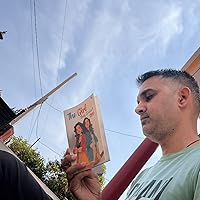
I Am My Own Laxmi by Aarti Gupta is an empowering and eye-opening read that beautifully bridges the gap between everyday financial management and long-term wealth creation for women. Rather than filling pages with dry jargon, the author uses relatable stories and clear, practical insights to unpack essential topics like investing, handling debt, and understanding asset classes. It challenges the long-standing habit of leaving big money decisions to others, demonstrating that financial literacy is truly about independence, dignity, and having the power to choose. Whether you are just starting your financial journey or looking to take full control of your investments, this book serves as a vital guide that every woman should have on her bookshelf.

October 7, 2026
-This Diwali, Invest Your Laxmi-
Review of 'I am my own Laxmi' by Aarti Gupta
"𝐌𝐚𝐧𝐲 𝐰𝐨𝐦𝐞𝐧 𝐥𝐞𝐚𝐫𝐧𝐭 𝐭𝐨 𝐭𝐚𝐤𝐞 𝐩𝐫𝐢𝐝𝐞 𝐢𝐧 𝐧𝐞𝐯𝐞𝐫 𝐛𝐨𝐫𝐫𝐨𝐰𝐢𝐧𝐠, 𝐞𝐯𝐞𝐧 𝐰𝐡𝐞𝐧 𝐢𝐭 𝐦𝐢𝐠𝐡𝐭 𝐡𝐚𝐯𝐞 𝐡𝐞𝐥𝐩𝐞𝐝 𝐭𝐡𝐞𝐦. 𝐅𝐢𝐧𝐚𝐧𝐜𝐢𝐚𝐥 𝐫𝐞𝐬𝐩𝐨𝐧𝐬𝐢𝐛𝐢𝐥𝐢𝐭𝐲 𝐦𝐞𝐚𝐧𝐭 𝐫𝐞𝐬𝐭𝐫𝐚𝐢𝐧𝐭, 𝐧𝐨𝐭𝐡𝐢𝐧𝐠 𝐦𝐨𝐫𝐞.𝐒𝐚𝐟𝐞𝐭𝐲 𝐛𝐞𝐜𝐚𝐦𝐞 𝐭𝐡𝐞 𝐨𝐧𝐥𝐲 𝐦𝐞𝐚𝐬𝐮𝐫𝐞 𝐨𝐟 𝐩𝐫𝐮𝐝𝐞𝐧𝐜𝐞, 𝐞𝐯𝐞𝐧 𝐚𝐬 𝐠𝐫𝐨𝐰𝐭𝐡 𝐟𝐞𝐥𝐥 𝐛𝐞𝐡𝐢𝐧𝐝. 𝐁𝐮𝐭 𝐭𝐡𝐢𝐬 𝐦𝐮𝐜𝐡 𝐢𝐬 𝐭𝐫𝐮𝐞: 𝐀𝐯𝐨𝐢𝐝𝐚𝐧𝐜𝐞 𝐢𝐬 𝐧𝐨𝐭 𝐞𝐦𝐩𝐨𝐰𝐞𝐫𝐦𝐞𝐧𝐭; 𝐭𝐡𝐞 𝐚𝐛𝐢𝐥𝐢𝐭𝐲 𝐭𝐨 𝐜𝐡𝐨𝐨𝐬𝐞 𝐰𝐢𝐬𝐞𝐥𝐲 𝐜𝐞𝐫𝐭𝐚𝐢𝐧𝐥𝐲 𝐢𝐬. 𝐃𝐞𝐛𝐭 𝐢𝐬 𝐚 𝐟𝐢𝐧𝐚𝐧𝐜𝐢𝐚𝐥 𝐭𝐨𝐨𝐥, 𝐚𝐧𝐝 𝐥𝐢𝐤𝐞 𝐚𝐧𝐲 𝐭𝐨𝐨𝐥, 𝐢𝐭𝐬 𝐯𝐚𝐥𝐮𝐞 𝐝𝐞𝐩𝐞𝐧𝐝𝐬 𝐨𝐧 𝐡𝐨𝐰 𝐢𝐭 𝐢𝐬 𝐮𝐬𝐞𝐝, 𝐰𝐡𝐲 𝐢𝐭 𝐢𝐬 𝐮𝐬𝐞𝐝, 𝐚𝐧𝐝 𝐰𝐡𝐚𝐭 𝐢𝐭 𝐞𝐧𝐚𝐛𝐥𝐞𝐬 𝐨𝐯𝐞𝐫 𝐭𝐢𝐦𝐞."
First things firsts. Why should you get any financial advice from Aarti Gupta? A woman giving financial advice? Well, that's unheard of right? (I could have mentioned FM here too but she is not popular with everyone so we won't go there.)
Well, Aarti Gupta is a bachelor’s in economics, has a master’s degree and a postgraduate diploma in business studies from Harvard University. Since these institutes are the epitome of education, I think we are past the stage of suspicion.
That being said, this is not exactly a financial manual. This is a cultural manual. Here money just happens to an elephant in the room. Gupta makes a case for the ordinary housewife. Why doesn't she get to control her purse strings?
She shares an extremely personal experience:
"I will never forget the moment when my father handed over a brown envelope to my husband. Inside were details of my investments, savings and policies, what he referred to as ‘her portfolio’. There was no conversation with me. No briefing. It was just assumed my husband would handle it now. I did not say a word. I am not sure I even noticed what had happened."
She got her first lesson from her mother in compounding, who perhaps didn't even have a bank account. She would keep money in separate boxes, always ready for an emergency. Gupta reminisces:
"My mother was brilliant with hisaab–kitaab and saving. No matter how pressing the demands of a growing business or the rough and tumble of daily life, she always managed to find the money we needed for treats, tuition and the occasional emergency. To us it seemed effortless, a natural part of her magic, but the secret behind this perfect balancing act became clearer only gradually."
Gupta urges all the women to take control of their own money and not leave it to the male members of their families. Learning from her own experience during the financial crash of 2008, she writes:
"Empowerment comes not from earning money alone, but from owning it. That realization eventually shaped my course on financial literacy for women, and now, this book. Because not everyone needs to be an investment banker, nor do they need to be good at math. To invest wisely, you just need to know the basics: why money must grow, the tools available, the risks and returns of each asset class, and most importantly, the purpose of your money."
"Women are often treated as outsiders, not because they lack the ability, but because they have been told it is not their lane. If you do not start running your financial marathon, your daughters may still be trying to be the only women in the race tomorrow."
The author cites widely. She mentions everyone from Leila Seth to Arunima Sinha, Alice in Wonderland to Manu Smriti. She tries to inspire the readers with these examples and shares that not just housewives, but even the ones who command immense respect at workplace also try and avoid money discussions, especially if they are not from economic field.
The author has also added plethora of personal touches to the book. The book is grounded in reality as she has shares lived experiences with the readers. Anecdotes, experiences and stories from her life are dotted throughout the book. The one where her daughter used the money earned from baking cakes is particularly an inspiring one.
Aarti Gupta simplifies a lot of financial jargon and shares intriguing concepts like financial hygiene and magic of compund interest. She takes you smoothly through many terms and explains them patiently. So now you know what's public equity, which you had read about in Economic Times in the passing.
Personally I feel this book is also a subtle hit on patriarchy. I am my own Laxmi is a two book in one. On one hand, it explains you the in and out of managing money. On another hand, this is a simmering tribute to the divine in feminine and a slap on the face of patriarchy. Aarti Gupta is breaking patriarchy one word at a time.
She writes:
"Unconsciously, women have been conditioned to believe that they are not part of the conversation about money. It happens in every household, and it goes something like this: the menfolk, fathers, brothers, fathers-in-law and husbands, are in the midst of discussing an investment. You happen to come in, and someone politely requests you: ‘Chai lekar aao.
Bringing the chai is not the issue. The real issue is this: You are discreetly asked to leave while the men get on with money talk. Such a subtle signal, but the cascade effect is tremendous. You are not invited into the conversation, and over time you begin to believe you do not belong there at all."
Start investing from today. To know how, pick up the book.
Review of 'I am my own Laxmi' by Aarti Gupta
"𝐌𝐚𝐧𝐲 𝐰𝐨𝐦𝐞𝐧 𝐥𝐞𝐚𝐫𝐧𝐭 𝐭𝐨 𝐭𝐚𝐤𝐞 𝐩𝐫𝐢𝐝𝐞 𝐢𝐧 𝐧𝐞𝐯𝐞𝐫 𝐛𝐨𝐫𝐫𝐨𝐰𝐢𝐧𝐠, 𝐞𝐯𝐞𝐧 𝐰𝐡𝐞𝐧 𝐢𝐭 𝐦𝐢𝐠𝐡𝐭 𝐡𝐚𝐯𝐞 𝐡𝐞𝐥𝐩𝐞𝐝 𝐭𝐡𝐞𝐦. 𝐅𝐢𝐧𝐚𝐧𝐜𝐢𝐚𝐥 𝐫𝐞𝐬𝐩𝐨𝐧𝐬𝐢𝐛𝐢𝐥𝐢𝐭𝐲 𝐦𝐞𝐚𝐧𝐭 𝐫𝐞𝐬𝐭𝐫𝐚𝐢𝐧𝐭, 𝐧𝐨𝐭𝐡𝐢𝐧𝐠 𝐦𝐨𝐫𝐞.𝐒𝐚𝐟𝐞𝐭𝐲 𝐛𝐞𝐜𝐚𝐦𝐞 𝐭𝐡𝐞 𝐨𝐧𝐥𝐲 𝐦𝐞𝐚𝐬𝐮𝐫𝐞 𝐨𝐟 𝐩𝐫𝐮𝐝𝐞𝐧𝐜𝐞, 𝐞𝐯𝐞𝐧 𝐚𝐬 𝐠𝐫𝐨𝐰𝐭𝐡 𝐟𝐞𝐥𝐥 𝐛𝐞𝐡𝐢𝐧𝐝. 𝐁𝐮𝐭 𝐭𝐡𝐢𝐬 𝐦𝐮𝐜𝐡 𝐢𝐬 𝐭𝐫𝐮𝐞: 𝐀𝐯𝐨𝐢𝐝𝐚𝐧𝐜𝐞 𝐢𝐬 𝐧𝐨𝐭 𝐞𝐦𝐩𝐨𝐰𝐞𝐫𝐦𝐞𝐧𝐭; 𝐭𝐡𝐞 𝐚𝐛𝐢𝐥𝐢𝐭𝐲 𝐭𝐨 𝐜𝐡𝐨𝐨𝐬𝐞 𝐰𝐢𝐬𝐞𝐥𝐲 𝐜𝐞𝐫𝐭𝐚𝐢𝐧𝐥𝐲 𝐢𝐬. 𝐃𝐞𝐛𝐭 𝐢𝐬 𝐚 𝐟𝐢𝐧𝐚𝐧𝐜𝐢𝐚𝐥 𝐭𝐨𝐨𝐥, 𝐚𝐧𝐝 𝐥𝐢𝐤𝐞 𝐚𝐧𝐲 𝐭𝐨𝐨𝐥, 𝐢𝐭𝐬 𝐯𝐚𝐥𝐮𝐞 𝐝𝐞𝐩𝐞𝐧𝐝𝐬 𝐨𝐧 𝐡𝐨𝐰 𝐢𝐭 𝐢𝐬 𝐮𝐬𝐞𝐝, 𝐰𝐡𝐲 𝐢𝐭 𝐢𝐬 𝐮𝐬𝐞𝐝, 𝐚𝐧𝐝 𝐰𝐡𝐚𝐭 𝐢𝐭 𝐞𝐧𝐚𝐛𝐥𝐞𝐬 𝐨𝐯𝐞𝐫 𝐭𝐢𝐦𝐞."
First things firsts. Why should you get any financial advice from Aarti Gupta? A woman giving financial advice? Well, that's unheard of right? (I could have mentioned FM here too but she is not popular with everyone so we won't go there.)
Well, Aarti Gupta is a bachelor’s in economics, has a master’s degree and a postgraduate diploma in business studies from Harvard University. Since these institutes are the epitome of education, I think we are past the stage of suspicion.
That being said, this is not exactly a financial manual. This is a cultural manual. Here money just happens to an elephant in the room. Gupta makes a case for the ordinary housewife. Why doesn't she get to control her purse strings?
She shares an extremely personal experience:
"I will never forget the moment when my father handed over a brown envelope to my husband. Inside were details of my investments, savings and policies, what he referred to as ‘her portfolio’. There was no conversation with me. No briefing. It was just assumed my husband would handle it now. I did not say a word. I am not sure I even noticed what had happened."
She got her first lesson from her mother in compounding, who perhaps didn't even have a bank account. She would keep money in separate boxes, always ready for an emergency. Gupta reminisces:
"My mother was brilliant with hisaab–kitaab and saving. No matter how pressing the demands of a growing business or the rough and tumble of daily life, she always managed to find the money we needed for treats, tuition and the occasional emergency. To us it seemed effortless, a natural part of her magic, but the secret behind this perfect balancing act became clearer only gradually."
Gupta urges all the women to take control of their own money and not leave it to the male members of their families. Learning from her own experience during the financial crash of 2008, she writes:
"Empowerment comes not from earning money alone, but from owning it. That realization eventually shaped my course on financial literacy for women, and now, this book. Because not everyone needs to be an investment banker, nor do they need to be good at math. To invest wisely, you just need to know the basics: why money must grow, the tools available, the risks and returns of each asset class, and most importantly, the purpose of your money."
"Women are often treated as outsiders, not because they lack the ability, but because they have been told it is not their lane. If you do not start running your financial marathon, your daughters may still be trying to be the only women in the race tomorrow."
The author cites widely. She mentions everyone from Leila Seth to Arunima Sinha, Alice in Wonderland to Manu Smriti. She tries to inspire the readers with these examples and shares that not just housewives, but even the ones who command immense respect at workplace also try and avoid money discussions, especially if they are not from economic field.
The author has also added plethora of personal touches to the book. The book is grounded in reality as she has shares lived experiences with the readers. Anecdotes, experiences and stories from her life are dotted throughout the book. The one where her daughter used the money earned from baking cakes is particularly an inspiring one.
Aarti Gupta simplifies a lot of financial jargon and shares intriguing concepts like financial hygiene and magic of compund interest. She takes you smoothly through many terms and explains them patiently. So now you know what's public equity, which you had read about in Economic Times in the passing.
Personally I feel this book is also a subtle hit on patriarchy. I am my own Laxmi is a two book in one. On one hand, it explains you the in and out of managing money. On another hand, this is a simmering tribute to the divine in feminine and a slap on the face of patriarchy. Aarti Gupta is breaking patriarchy one word at a time.
She writes:
"Unconsciously, women have been conditioned to believe that they are not part of the conversation about money. It happens in every household, and it goes something like this: the menfolk, fathers, brothers, fathers-in-law and husbands, are in the midst of discussing an investment. You happen to come in, and someone politely requests you: ‘Chai lekar aao.
Bringing the chai is not the issue. The real issue is this: You are discreetly asked to leave while the men get on with money talk. Such a subtle signal, but the cascade effect is tremendous. You are not invited into the conversation, and over time you begin to believe you do not belong there at all."
Start investing from today. To know how, pick up the book.
October 6, 2026
“We call women the ‘Ghar ki Laxmi’… but how often do we actually teach them to understand and own their money?”
That question stayed with me while reading I Am My Own Laxmi by Aarti Gupta.
This isn’t just another book telling you how to save more or where to invest your money. What makes it interesting is that it looks at the mindset and conditioning around money, especially for women.
We live in a society where women are encouraged to study, work, earn and build careers — yet when it comes to investments, insurance, property, financial planning or even important documents, the responsibility often gets handed over to a father, husband, brother or someone else.
And the book asks us to question that.
What I particularly enjoyed was how Aarti Gupta takes something that can feel intimidating — personal finance — and makes it much more approachable through real-life stories, simple explanations and practical concepts.
From budgeting, debt and emergency planning to insurance, investments and wealth creation, the book doesn't just tell you what to do. It encourages you to understand why you are doing it.
One of the biggest takeaways for me was the difference between earning money and having financial agency.
As the book puts it:
“Education alone is not empowerment. And making money is not the same as owning it.”
And this line stayed with me too:
“Stop standing on the margins of the conversation. Walk in. Take a seat.”
Because financial independence isn't simply about having a salary.
It is about knowing where your money is going, understanding your investments, having the confidence to ask questions, preparing for uncertainty, and most importantly — having a voice in decisions that affect your own future.
I also liked that the book doesn't make financial literacy feel like something reserved for finance experts. It breaks down complex ideas into things you can actually start thinking about and applying in everyday life.
For me, I Am My Own Laxmi feels less like a finance textbook and more like a conversation we should have been having much earlier.
It is practical, thought-provoking and empowering without being preachy.
A good reminder that earning money is only one part of financial independence. Understanding it, managing it and owning your choices is the other. 📖💰
That question stayed with me while reading I Am My Own Laxmi by Aarti Gupta.
This isn’t just another book telling you how to save more or where to invest your money. What makes it interesting is that it looks at the mindset and conditioning around money, especially for women.
We live in a society where women are encouraged to study, work, earn and build careers — yet when it comes to investments, insurance, property, financial planning or even important documents, the responsibility often gets handed over to a father, husband, brother or someone else.
And the book asks us to question that.
What I particularly enjoyed was how Aarti Gupta takes something that can feel intimidating — personal finance — and makes it much more approachable through real-life stories, simple explanations and practical concepts.
From budgeting, debt and emergency planning to insurance, investments and wealth creation, the book doesn't just tell you what to do. It encourages you to understand why you are doing it.
One of the biggest takeaways for me was the difference between earning money and having financial agency.
As the book puts it:
“Education alone is not empowerment. And making money is not the same as owning it.”
And this line stayed with me too:
“Stop standing on the margins of the conversation. Walk in. Take a seat.”
Because financial independence isn't simply about having a salary.
It is about knowing where your money is going, understanding your investments, having the confidence to ask questions, preparing for uncertainty, and most importantly — having a voice in decisions that affect your own future.
I also liked that the book doesn't make financial literacy feel like something reserved for finance experts. It breaks down complex ideas into things you can actually start thinking about and applying in everyday life.
For me, I Am My Own Laxmi feels less like a finance textbook and more like a conversation we should have been having much earlier.
It is practical, thought-provoking and empowering without being preachy.
A good reminder that earning money is only one part of financial independence. Understanding it, managing it and owning your choices is the other. 📖💰

September 25, 2026
🍀 Book- I Am My Own Laxmi
🍀 Author- Aarti Gupta
🍀 Between the pages -
“When I ask women in my I Am My Own Laxmi classes to bring their investment documents, what they bring along is rarely a neat folio of mutual funds or a list of stocks. Instead, they bring a pile of insurance policies. Thick bundles of Unit Linked Insurance Plans (ULIPs), endowment policies, retirement plans, children's policies, and documents that represent a version of what someone once told them was 'safe? Two things I almost never see in that pile: term and health insurance, the things they actually need”
🍀Review -
In a country where we worship Laxmi as the Goddess of wealth, why do so many women still feel disconnected from their own money?
I Am My Own Laxmi by Aarti Gupta explores exactly this question. Through her financial literacy programmes, the author has met hundreds of capable women—lawyers, teachers, entrepreneurs and homemakers—who manage countless responsibilities but still hesitate when it comes to managing their finances.
➡️ “Why do women fear money? Because we were never taught its language.”
And I think there is so much truth in that.
This book is not a complicated finance manual. It combines the author’s personal experiences, relatable stories and practical case studies to explain how women can understand, manage, protect and grow their money.
From saving and earning to insurance, EMIs, SIPs, PPF, mutual funds, investments, real estate, public equity and financial fraud, the book covers a wide range of topics.
What makes it approachable is the simple language and real-life examples. You don’t need to be a finance expert to understand it.
I also loved how the author shares her own journey and the support she received from her husband, making the book feel personal rather than purely instructional.
For me, the biggest takeaway is that financial hesitation isn’t necessarily about a lack of competence. Sometimes, women simply weren’t taught the language of money.
We have worshipped Laxmi for centuries. Now it’s time to understand what she can represent in our own lives too—financial awareness, confidence and independence.
So, if you earn money but don’t yet know how to manage, protect or grow it, this book is a great place to start and learn to be your own Laxmi.
🍀 Author- Aarti Gupta
🍀 Between the pages -
“When I ask women in my I Am My Own Laxmi classes to bring their investment documents, what they bring along is rarely a neat folio of mutual funds or a list of stocks. Instead, they bring a pile of insurance policies. Thick bundles of Unit Linked Insurance Plans (ULIPs), endowment policies, retirement plans, children's policies, and documents that represent a version of what someone once told them was 'safe? Two things I almost never see in that pile: term and health insurance, the things they actually need”
🍀Review -
In a country where we worship Laxmi as the Goddess of wealth, why do so many women still feel disconnected from their own money?
I Am My Own Laxmi by Aarti Gupta explores exactly this question. Through her financial literacy programmes, the author has met hundreds of capable women—lawyers, teachers, entrepreneurs and homemakers—who manage countless responsibilities but still hesitate when it comes to managing their finances.
➡️ “Why do women fear money? Because we were never taught its language.”
And I think there is so much truth in that.
This book is not a complicated finance manual. It combines the author’s personal experiences, relatable stories and practical case studies to explain how women can understand, manage, protect and grow their money.
From saving and earning to insurance, EMIs, SIPs, PPF, mutual funds, investments, real estate, public equity and financial fraud, the book covers a wide range of topics.
What makes it approachable is the simple language and real-life examples. You don’t need to be a finance expert to understand it.
I also loved how the author shares her own journey and the support she received from her husband, making the book feel personal rather than purely instructional.
For me, the biggest takeaway is that financial hesitation isn’t necessarily about a lack of competence. Sometimes, women simply weren’t taught the language of money.
We have worshipped Laxmi for centuries. Now it’s time to understand what she can represent in our own lives too—financial awareness, confidence and independence.
So, if you earn money but don’t yet know how to manage, protect or grow it, this book is a great place to start and learn to be your own Laxmi.
September 23, 2026
Reading I Am My Own Laxmi: Money, Agency and the Power to Choose by Aarti Gupta felt less like reading a book about money and more like having an honest conversation about life, choices, and independence. What stayed with me was the way the book makes us question something that is often treated as normal—why women are still expected to leave important financial decisions to their parents, husbands, or families. The author beautifully reminds us that knowing how money works and being able to make decisions about it are not luxuries; they are an important part of being independent.
What I really connected with were the stories of women from different backgrounds. Their experiences with financial dependence, societal expectations, fear, self-doubt, and sometimes even the discomfort of talking about money felt incredibly real. These aren't just numbers, investments, or financial lessons on a page. Behind every financial decision, there is a person, a family, a dream, and sometimes a struggle for freedom. The book shows how money can influence the choices we make in relationships, careers, family, and even the way we see ourselves.
For me, the most meaningful part was the idea that financial independence isn't simply about having a salary or earning a certain amount of money. It is about knowing what you own, understanding where your money goes, having the confidence to make decisions, and knowing that you have the freedom to choose your own path. The book made me pause and look at my own relationship with money—something I don't often do consciously.
I also appreciated that the book doesn't make financial independence sound complicated or unreachable. Instead, it encourages us to start with awareness, small decisions, and the willingness to take responsibility for our financial lives. By the time I finished the book, the phrase "I am my own Laxmi" felt much bigger than a statement about wealth. To me, it became a reminder that true independence begins when we believe that our choices, our money, and ultimately our lives deserve to be in our own hands.
What I really connected with were the stories of women from different backgrounds. Their experiences with financial dependence, societal expectations, fear, self-doubt, and sometimes even the discomfort of talking about money felt incredibly real. These aren't just numbers, investments, or financial lessons on a page. Behind every financial decision, there is a person, a family, a dream, and sometimes a struggle for freedom. The book shows how money can influence the choices we make in relationships, careers, family, and even the way we see ourselves.
For me, the most meaningful part was the idea that financial independence isn't simply about having a salary or earning a certain amount of money. It is about knowing what you own, understanding where your money goes, having the confidence to make decisions, and knowing that you have the freedom to choose your own path. The book made me pause and look at my own relationship with money—something I don't often do consciously.
I also appreciated that the book doesn't make financial independence sound complicated or unreachable. Instead, it encourages us to start with awareness, small decisions, and the willingness to take responsibility for our financial lives. By the time I finished the book, the phrase "I am my own Laxmi" felt much bigger than a statement about wealth. To me, it became a reminder that true independence begins when we believe that our choices, our money, and ultimately our lives deserve to be in our own hands.

October 5, 2026
This book was such a pleasant surprise for me because it made something that often feels intimidating money, personal finances, practical, and empowering. I genuinely loved reading it, and I came away with a much better understanding of managing finances, making thoughtful financial decisions, and approaching investments with more confidence.
I especially appreciated that this isn't written like a dry finance manual. It looks at the relationship women have with money and the conditioning that often makes us hesitate to take ownership of our finances. It reminded me that financial independence isn't simply about earning money, it's about knowing where your money goes, understanding your choices, and being confident enough to make them yourself.
One line that really stayed with me was:
> “Every rupee I own has a name, a purpose and a timeline.”
That completely changed how I think about money. Instead of seeing saving and investing as vague things I *should* be doing, it made me think about giving every rupee a job and a reason.
I also loved this reminder:
> “Debt is a tool, not a test. Choose wisely.”
It's such a simple way of looking at something that can otherwise feel frightening or shameful. The book doesn't just tell you what to do with money, it encourages you to understand why you're making a financial decision.
I found myself learning something from almost every chapter, especially around financial planning, saving, investing, and building long-term financial security. More than anything, the book made me feel that understanding money isn't something reserved for finance experts. It is a skill everyone deserves to have.
I finished this book feeling more informed, more confident, and honestly a little more excited about taking charge of my own finances. If you've ever felt intimidated by money or investing, this is a book I'd genuinely recommend picking up.
Highly recommended, especially for women who want to understand their money and build a stronger relationship with it.
I especially appreciated that this isn't written like a dry finance manual. It looks at the relationship women have with money and the conditioning that often makes us hesitate to take ownership of our finances. It reminded me that financial independence isn't simply about earning money, it's about knowing where your money goes, understanding your choices, and being confident enough to make them yourself.
One line that really stayed with me was:
> “Every rupee I own has a name, a purpose and a timeline.”
That completely changed how I think about money. Instead of seeing saving and investing as vague things I *should* be doing, it made me think about giving every rupee a job and a reason.
I also loved this reminder:
> “Debt is a tool, not a test. Choose wisely.”
It's such a simple way of looking at something that can otherwise feel frightening or shameful. The book doesn't just tell you what to do with money, it encourages you to understand why you're making a financial decision.
I found myself learning something from almost every chapter, especially around financial planning, saving, investing, and building long-term financial security. More than anything, the book made me feel that understanding money isn't something reserved for finance experts. It is a skill everyone deserves to have.
I finished this book feeling more informed, more confident, and honestly a little more excited about taking charge of my own finances. If you've ever felt intimidated by money or investing, this is a book I'd genuinely recommend picking up.
Highly recommended, especially for women who want to understand their money and build a stronger relationship with it.
September 28, 2026
"Money follows the same law. If your rupee is not growing faster than inflation, you may be saving, budgeting, even earning more, and yet staying in the same place. The world around you moves forward, prices climb and your money steadily loses ground."
"Down the ages, wise gurus have cited the example of a bargad ka ped, or banyan tree, to bring home the founding principle of life, growth, and, yes, equity. plant a seed and nothing happens for months. Bit by bit, roots take hold, branches spread and eventually you have something substantial."
"It helps that we women are natural planners. We think ahead, balance competing priorities instinctively read timing. We know when to save, when to spend, when a calculated risk makes sense."
I am My Own Laxmi by Aarti Gupta is an insightful read for every women to become more independent about money. This thought-provoking read will keep the readers hooked till the end. The author explains that money talk is not only for men. Unfortunately, women believe they are not part of the conversation about money.
I adored how this book makes us realize the distance between household accounting and portfolio management is shorter. This book teaches us financial literacy. It is an engaging and intriguing read. The fact we can't ignore is that women are natural savers, it comes to them instinctively. But they stop there and rarely push it to grow. We mistake savings as the final goal. But this book teaches us it is the beginning of our financial journey.
I am My Own Laxmi teaches us three investment methods: short-term goals, medium-term goals and long-term goals. The author teaches us to choose wisely. The writing style is unique and flawless. The language used is simple and easy to understand.
This book is a great asset and every woman should preserve it for a greater cause. Overall, I loved this book and would strongly recommend it to all.
"Down the ages, wise gurus have cited the example of a bargad ka ped, or banyan tree, to bring home the founding principle of life, growth, and, yes, equity. plant a seed and nothing happens for months. Bit by bit, roots take hold, branches spread and eventually you have something substantial."
"It helps that we women are natural planners. We think ahead, balance competing priorities instinctively read timing. We know when to save, when to spend, when a calculated risk makes sense."
I am My Own Laxmi by Aarti Gupta is an insightful read for every women to become more independent about money. This thought-provoking read will keep the readers hooked till the end. The author explains that money talk is not only for men. Unfortunately, women believe they are not part of the conversation about money.
I adored how this book makes us realize the distance between household accounting and portfolio management is shorter. This book teaches us financial literacy. It is an engaging and intriguing read. The fact we can't ignore is that women are natural savers, it comes to them instinctively. But they stop there and rarely push it to grow. We mistake savings as the final goal. But this book teaches us it is the beginning of our financial journey.
I am My Own Laxmi teaches us three investment methods: short-term goals, medium-term goals and long-term goals. The author teaches us to choose wisely. The writing style is unique and flawless. The language used is simple and easy to understand.
This book is a great asset and every woman should preserve it for a greater cause. Overall, I loved this book and would strongly recommend it to all.

September 26, 2026
Having judged a book by its cover again, I picked up I Am My Own Laxmi expecting a book about money, investments, savings and probably a few paragraphs that would make me question every impulsive Amazon purchase. 😂
But the book that I got was something much more interesting: a conversation about money, agency and the complicated relationship women are taught to have with financial independence.
Because here’s the thing: as women, we’re often taught how to save money, but not necessarily how to understand it.
We can earn. We can budget. We can run entire households. We can make a hundred tiny financial decisions every day. And yet, when it comes to investments, insurance, property or long-term financial planning, there’s often this unconscious mindset that someone else will handle it.
And I Am My Own Laxmi asks a very important question: why?
It is not a book that makes financial independence sound like becoming a finance bro who wakes up at 5 AM and talks about portfolios over black coffee. 😭
Instead, it slowly instils something far more important: confidence.
You don’t need to know everything about money. You need to be willing to ask questions, learn, participate and make informed decisions about your own life.
The deeper message here isn’t simply that women should invest.
It states in its various ways that women should have a say in what happens to their money.
And in a way, that distinction is what I am taking away from this book.
This book made me look at financial independence less as having more money and more as having more agency.
A thoughtful, accessible and empowering read that left me thinking:
Maybe being your own Laxmi isn’t about having everything figured out. Maybe it’s about finally taking ownership of the figuring-out. 💛
⭐ 4.5/5
But the book that I got was something much more interesting: a conversation about money, agency and the complicated relationship women are taught to have with financial independence.
Because here’s the thing: as women, we’re often taught how to save money, but not necessarily how to understand it.
We can earn. We can budget. We can run entire households. We can make a hundred tiny financial decisions every day. And yet, when it comes to investments, insurance, property or long-term financial planning, there’s often this unconscious mindset that someone else will handle it.
And I Am My Own Laxmi asks a very important question: why?
It is not a book that makes financial independence sound like becoming a finance bro who wakes up at 5 AM and talks about portfolios over black coffee. 😭
Instead, it slowly instils something far more important: confidence.
You don’t need to know everything about money. You need to be willing to ask questions, learn, participate and make informed decisions about your own life.
The deeper message here isn’t simply that women should invest.
It states in its various ways that women should have a say in what happens to their money.
And in a way, that distinction is what I am taking away from this book.
This book made me look at financial independence less as having more money and more as having more agency.
A thoughtful, accessible and empowering read that left me thinking:
Maybe being your own Laxmi isn’t about having everything figured out. Maybe it’s about finally taking ownership of the figuring-out. 💛
⭐ 4.5/5

September 17, 2026
What stayed with me after reading I Am My Own Laxmi was that this isn’t simply a book about how women should save or invest. It asks a more uncomfortable question: how can a woman earn money and still not truly have agency over it?
Aarti Gupta examines the conditioning around money that begins at home and follows women into adulthood. The book discusses women who are educated, professionally accomplished and financially productive, yet may still defer investment decisions, paperwork, insurance or long term planning to fathers, husbands or other family members.
As the book progresses, it becomes increasingly practical. Gupta covers inflation, debt, emergency preparedness, wills, insurance, financial documentation and different asset classes. I particularly appreciated the “Money Box”, “Debt Compass” and the one page financial map concepts because they translate financial literacy into things a reader can actually do.
The book also makes an important distinction between protection and wealth creation, particularly in its discussion of insurance and investment products.
Some of the numerical comparisons are necessarily illustrative rather than universally applicable, so I would treat the book as a financial literacy guide rather than personalised financial advice. But that doesn’t diminish what I think is its strongest achievement.
It makes participation in your own finances feel less intimidating.
The message I took away wasn’t you must know everything about money.
It was: you should know enough about your own money that your life does not become inaccessible to you when circumstances change.
That is a conversation worth having.
Aarti Gupta examines the conditioning around money that begins at home and follows women into adulthood. The book discusses women who are educated, professionally accomplished and financially productive, yet may still defer investment decisions, paperwork, insurance or long term planning to fathers, husbands or other family members.
As the book progresses, it becomes increasingly practical. Gupta covers inflation, debt, emergency preparedness, wills, insurance, financial documentation and different asset classes. I particularly appreciated the “Money Box”, “Debt Compass” and the one page financial map concepts because they translate financial literacy into things a reader can actually do.
The book also makes an important distinction between protection and wealth creation, particularly in its discussion of insurance and investment products.
Some of the numerical comparisons are necessarily illustrative rather than universally applicable, so I would treat the book as a financial literacy guide rather than personalised financial advice. But that doesn’t diminish what I think is its strongest achievement.
It makes participation in your own finances feel less intimidating.
The message I took away wasn’t you must know everything about money.
It was: you should know enough about your own money that your life does not become inaccessible to you when circumstances change.
That is a conversation worth having.

September 18, 2026
In a country where Lakshmi is worshipped as the Goddess of Wealth, “Why do so many women still say, ‘I can handle everything except money’?”
This book begins with this hard hitting question ...I Am My Own Laxmi by Aarti Gupta feels like a warm, honest, and deeply personal invitation to every woman who has ever been told that money is “too complicated” or “someone else’s job.” this question sets the tone of this book..
The book does not lecture. Instead, it speaks like a trusted friend who has walked the path of money, mistakes, learning, and empowerment. Aarti ji blends her experience as an investor and wealth manager with real-life stories, cultural context, and practical guidance. She makes finance feel human, relatable, and, most importantly, learnable.
As we all know in our society women are encouraged to study, work, and earn, but when it comes to big financial decisions,like investing, insurance, long-term planning,the responsibility often shifts to fathers, husbands, or brothers.
Here in this book you will find the answer of this question ..
if women can lead in every other field, why are they still kept at the margins when it comes to money?
My take aways from this book is
“Financial literacy is not merely about managing money but about agency, independence and the power to make choices.”
“Stop standing on the margins of the conversation. Walk in. Take a seat. It was always your table.”
“The best investment you will ever make is in yourself.”
Overall, I Am My Own Laxmi is more than a personal finance guide. It is a cultural mirror, a personal awakening, and a reclaiming of women’s rightful place in financial conversations and decisions ...
This book begins with this hard hitting question ...I Am My Own Laxmi by Aarti Gupta feels like a warm, honest, and deeply personal invitation to every woman who has ever been told that money is “too complicated” or “someone else’s job.” this question sets the tone of this book..
The book does not lecture. Instead, it speaks like a trusted friend who has walked the path of money, mistakes, learning, and empowerment. Aarti ji blends her experience as an investor and wealth manager with real-life stories, cultural context, and practical guidance. She makes finance feel human, relatable, and, most importantly, learnable.
As we all know in our society women are encouraged to study, work, and earn, but when it comes to big financial decisions,like investing, insurance, long-term planning,the responsibility often shifts to fathers, husbands, or brothers.
Here in this book you will find the answer of this question ..
if women can lead in every other field, why are they still kept at the margins when it comes to money?
My take aways from this book is
“Financial literacy is not merely about managing money but about agency, independence and the power to make choices.”
“Stop standing on the margins of the conversation. Walk in. Take a seat. It was always your table.”
“The best investment you will ever make is in yourself.”
Overall, I Am My Own Laxmi is more than a personal finance guide. It is a cultural mirror, a personal awakening, and a reclaiming of women’s rightful place in financial conversations and decisions ...

September 22, 2026
“Education alone is not empowerment. And making money is not the same as owning it.” — Aarti Gupta, I Am My Own Laxmi
It’s 2026, and I still hear women around me say things like, “He manages the finances,” or “I just can’t deal with money.” And every time I hear it, I find myself wondering: why isn’t financial independence talked about more when we talk about women’s empowerment?
That question is what led me to I Am My Own Laxmi by Aarti Gupta.
The book covers several practical aspects of personal finance while also using real-world examples to make these concepts easier to understand. It goes beyond simply teaching you about money. It explores the culture, conditioning, and societal expectations that have shaped the way women understand, and often distance themselves from, financial knowledge and independence.
What I liked most about the book: it doesn’t feel like an ABC guide that simply tells you what to do with your finances. Instead, it feels more like a guide that sits beside you, helps you navigate the financial world, understand your options, and then encourages you to make informed decisions for yourself.
Because financial independence isn't simply about earning your own money. It is also about understanding it, having a say in what happens to it, and feeling confident enough to make decisions about your financial future.
Overall, I Am My Own Laxmi is an informative, empowering, and thought-provoking read. Whether you’re a working woman, a homemaker, retired, a student, or simply someone who wants to become more financially aware, this is a book worth picking up.
It’s 2026, and I still hear women around me say things like, “He manages the finances,” or “I just can’t deal with money.” And every time I hear it, I find myself wondering: why isn’t financial independence talked about more when we talk about women’s empowerment?
That question is what led me to I Am My Own Laxmi by Aarti Gupta.
The book covers several practical aspects of personal finance while also using real-world examples to make these concepts easier to understand. It goes beyond simply teaching you about money. It explores the culture, conditioning, and societal expectations that have shaped the way women understand, and often distance themselves from, financial knowledge and independence.
What I liked most about the book: it doesn’t feel like an ABC guide that simply tells you what to do with your finances. Instead, it feels more like a guide that sits beside you, helps you navigate the financial world, understand your options, and then encourages you to make informed decisions for yourself.
Because financial independence isn't simply about earning your own money. It is also about understanding it, having a say in what happens to it, and feeling confident enough to make decisions about your financial future.
Overall, I Am My Own Laxmi is an informative, empowering, and thought-provoking read. Whether you’re a working woman, a homemaker, retired, a student, or simply someone who wants to become more financially aware, this is a book worth picking up.
September 24, 2026
In every household, there is an incident happens where each of woman even she is working in a job or business and in return when she gets her salary or money, she does not kept that money with herself. Why? why so many woman still said that she can handle all the things except money? And here is the answer of that question, I am my own Lakxmi written by Aarti Gupta. If you want to read something self worth reminder and a thoughtful, motivating story then this book is for you. It made me questioning about my ability and am really grateful i can found my answers from this.
Here, Aarti speaks about her own life journey in a household. How her mother saving the money and divided into each black and white colour pouch for her school fees, emergencies and all. And she also study in economics and after her so many life experiences she explained every incidents through example and each example is real incidents and so much motivated. One of the part which I loved most the money box and the silent thief Inflation. In 1950s women created microfinance where they organized a kitty parties and to save money together and now, woman used money boxes for saving the money secretly so that they can help families when the income stopped. And the money boxes are beneficial for you can record the inflows and outflows of the money. Another part the silent thief inflation where author explains inflation is an invisible force and reduce the purchasing power of your money. For example, if something is worth 500₹ today then after a decade may be prices is increasing around 1000₹
very interesting, easy to understand and knowledgeable read.
Here, Aarti speaks about her own life journey in a household. How her mother saving the money and divided into each black and white colour pouch for her school fees, emergencies and all. And she also study in economics and after her so many life experiences she explained every incidents through example and each example is real incidents and so much motivated. One of the part which I loved most the money box and the silent thief Inflation. In 1950s women created microfinance where they organized a kitty parties and to save money together and now, woman used money boxes for saving the money secretly so that they can help families when the income stopped. And the money boxes are beneficial for you can record the inflows and outflows of the money. Another part the silent thief inflation where author explains inflation is an invisible force and reduce the purchasing power of your money. For example, if something is worth 500₹ today then after a decade may be prices is increasing around 1000₹
very interesting, easy to understand and knowledgeable read.
September 28, 2026
I am my own Laxmi — a well-written financial guide that revolves around one important idea: money and our awareness about it. 💰
The author's main motive behind writing this book is to educate women and spread awareness about money and wealth. You may ask, why women? And the book explains this beautifully. For generations, matters related to money and finances have often been considered a man's domain. Even women who have managed the finances of some of the biggest empires have often handed over the responsibility of their personal finances to their fathers or husbands.
Talking about the book, I genuinely liked it. The author strongly emphasises the importance of being financially aware as an individual, something I am also strongly in favour of.
What made the book easier to understand was the use of real-life anecdotes, examples and numbers alongside almost every concept and chapter. The language is simple, engaging and doesn't make financial concepts feel intimidating.
One thing I particularly want to highlight is that, along with discussing financial awareness, the author also talks about various financial products available in the market. Insurance policies, the stock market, its fundamentals and how it works are explained through real scenarios, which, as a reader, gives you a clearer understanding of the message the author wants to convey.
This isn't just a book about earning or investing money. It is about understanding your money, being aware of your choices and taking responsibility for your own financial future.
A true guide for anyone looking to become more financially aware and independent.
The author's main motive behind writing this book is to educate women and spread awareness about money and wealth. You may ask, why women? And the book explains this beautifully. For generations, matters related to money and finances have often been considered a man's domain. Even women who have managed the finances of some of the biggest empires have often handed over the responsibility of their personal finances to their fathers or husbands.
Talking about the book, I genuinely liked it. The author strongly emphasises the importance of being financially aware as an individual, something I am also strongly in favour of.
What made the book easier to understand was the use of real-life anecdotes, examples and numbers alongside almost every concept and chapter. The language is simple, engaging and doesn't make financial concepts feel intimidating.
One thing I particularly want to highlight is that, along with discussing financial awareness, the author also talks about various financial products available in the market. Insurance policies, the stock market, its fundamentals and how it works are explained through real scenarios, which, as a reader, gives you a clearer understanding of the message the author wants to convey.
This isn't just a book about earning or investing money. It is about understanding your money, being aware of your choices and taking responsibility for your own financial future.
A true guide for anyone looking to become more financially aware and independent.

September 21, 2026
Some books teach you about money, while some make you question the way you have been taught to think about money. I Am My Own Laxmi falls somewhere in between, and that is what makes it interesting.
Aarti Gupta explores the connection between money, independence and personal choice, especially from a woman’s perspective. What stood out to me was the idea that financial freedom isn’t simply about earning a salary. It is also about knowing what you earn, understanding where it goes, making informed decisions and having the confidence to take charge of your own financial future.
The book touches upon something many women can relate to, the hesitation around discussing money, investing or making major financial decisions independently. Instead of making the subject feel complicated or intimidating, the author approaches it in a conversational and accessible way.
I also liked how the message goes beyond finances. Money here becomes a symbol of agency, the ability to make choices for yourself rather than having your future completely dependent on someone else.
✨ A line that really stayed with me:
“You don’t need to wait for someone else to make you financially secure. You can become your own Laxmi.”
For me, this book is ultimately about replacing hesitation with awareness and dependence with confidence. It is a reminder that understanding money is not just a financial skill, it can be a form of empowerment.
Available next action:  Create a downloadable DOCX file here in this chat containing the editable prose above
Aarti Gupta explores the connection between money, independence and personal choice, especially from a woman’s perspective. What stood out to me was the idea that financial freedom isn’t simply about earning a salary. It is also about knowing what you earn, understanding where it goes, making informed decisions and having the confidence to take charge of your own financial future.
The book touches upon something many women can relate to, the hesitation around discussing money, investing or making major financial decisions independently. Instead of making the subject feel complicated or intimidating, the author approaches it in a conversational and accessible way.
I also liked how the message goes beyond finances. Money here becomes a symbol of agency, the ability to make choices for yourself rather than having your future completely dependent on someone else.
✨ A line that really stayed with me:
“You don’t need to wait for someone else to make you financially secure. You can become your own Laxmi.”
For me, this book is ultimately about replacing hesitation with awareness and dependence with confidence. It is a reminder that understanding money is not just a financial skill, it can be a form of empowerment.
Available next action:  Create a downloadable DOCX file here in this chat containing the editable prose above

September 22, 2026
I Am My Own Laxmi by Aarti Gupta is a productive and practical read, especially for women who want to become financially independent but often find themselves confused about where to begin.
What I liked about this book is that it does not simply talk about earning money or becoming financially free. It makes you think about why financial independence matters, how to work towards it and, more importantly, why you need to be prepared for situations you may not see coming.
One thought from the book that stayed with me was the idea of preparing for a crisis. A crisis does not come with a warning, and financial preparedness is somewhat like having a fire extinguisher at home. You may not get any return from keeping it there, but when you actually need it, you will be glad you had it.
As a woman, I could relate to several things discussed in the book, whether through things I have seen in my own family or around me. There are so many situations where women may earn, save or contribute financially but still leave important financial decisions to someone else.
The book also talks about how our traditional approach to saving needs to change with changing times. Inflation does not stop, and simply saving money may not always be enough. Understanding where and how your money should be managed becomes equally important.
Overall, this felt less like a complicated finance manual and more like a reminder that financial freedom begins with awareness. You do not need to know everything from day one. Sometimes, you just need to start learning and take that first step.
What I liked about this book is that it does not simply talk about earning money or becoming financially free. It makes you think about why financial independence matters, how to work towards it and, more importantly, why you need to be prepared for situations you may not see coming.
One thought from the book that stayed with me was the idea of preparing for a crisis. A crisis does not come with a warning, and financial preparedness is somewhat like having a fire extinguisher at home. You may not get any return from keeping it there, but when you actually need it, you will be glad you had it.
As a woman, I could relate to several things discussed in the book, whether through things I have seen in my own family or around me. There are so many situations where women may earn, save or contribute financially but still leave important financial decisions to someone else.
The book also talks about how our traditional approach to saving needs to change with changing times. Inflation does not stop, and simply saving money may not always be enough. Understanding where and how your money should be managed becomes equally important.
Overall, this felt less like a complicated finance manual and more like a reminder that financial freedom begins with awareness. You do not need to know everything from day one. Sometimes, you just need to start learning and take that first step.

September 26, 2026
Where money is involved, it's rarely discussed in terms of numbers, but I Am My Own Laxmi speaks to some much deeper level—the connection of financial awareness, confidence, and the ability to make choices. In this book Aarti Gupta explains why money literacy transcends being a pursuit of “making money” to also attribute to “making oneself independent” and “having personal agency”. One thing that caught my eye in the book was how the concepts of financial literacy were put into everyday life. It spurs readers to take an active role in financial decisions rather than treat money as a "cumbersome thing" to deal with that's better left to someone else. There was a great amount of engaging discussion that was relatable and useful in regard to financial literacy, long range planning, and personal responsibility for financial health. One thing I liked about the book is that it's not a typical finance book. Rather, it integrates personal viewing, practical illustration and an explanation of the subject matter that is easily understood so it doesn't seem like the greatest mystery. This way the thoughts become more comprehensible and malleable. As an individual, I think that this book gave me insight on the importance of understanding and engaging in financial matters, no matter your background or experience with money. There were a lot of things I learned and came away with a lot more confidence and awareness as a result of it in general. Of course, I would encourage everyone involved in financial education, development and the linkage of money and choice to read it.

Read
September 26, 2026I Am My Own Laxmi is the kind of book that makes you pause and think about how differently women are taught to look at money, independence, and even their own choices.
What I really liked about this book is that it doesn’t treat money as just numbers, savings, or investments. It looks at the emotional and cultural side of financial independence too. The idea that women can manage a hundred things in life but still feel hesitant when it comes to making financial decisions felt incredibly relevant.
The writing is easy to follow and feels conversational rather than intimidating, which makes the subject much more approachable. Through personal experiences, stories, and practical insights, Aarti Gupta explores the relationship women have with money and the conditioning that often makes them step back from taking control of it.
One of my favourite aspects is the larger message behind the book: financial independence isn’t simply about having money. It is also about having the confidence to understand it, make decisions for yourself, and know that your choices matter.
This felt less like reading a traditional finance book and more like having an honest conversation about something many of us should probably talk about more openly.
A thoughtful, empowering and genuinely eye-opening read, especially for anyone who wants to understand money without feeling overwhelmed by it. It definitely left me thinking about how much power can come from simply knowing what belongs to you and how to take charge of it.
What I really liked about this book is that it doesn’t treat money as just numbers, savings, or investments. It looks at the emotional and cultural side of financial independence too. The idea that women can manage a hundred things in life but still feel hesitant when it comes to making financial decisions felt incredibly relevant.
The writing is easy to follow and feels conversational rather than intimidating, which makes the subject much more approachable. Through personal experiences, stories, and practical insights, Aarti Gupta explores the relationship women have with money and the conditioning that often makes them step back from taking control of it.
One of my favourite aspects is the larger message behind the book: financial independence isn’t simply about having money. It is also about having the confidence to understand it, make decisions for yourself, and know that your choices matter.
This felt less like reading a traditional finance book and more like having an honest conversation about something many of us should probably talk about more openly.
A thoughtful, empowering and genuinely eye-opening read, especially for anyone who wants to understand money without feeling overwhelmed by it. It definitely left me thinking about how much power can come from simply knowing what belongs to you and how to take charge of it.

September 27, 2026
Most of us like to think we are independent, but very few women can say they have complete control over their financial future.
I Am My Own Laxmi by Aarti Gupta felt like a huge reality check on how so many of us operate. We work hard, earn our own money, or manage entire households, but the moment it comes to big financial decisions, investments, or legal papers, we just hand the wheel over to the men in our lives.We've been taught to stretch money and hide it away in cash dabbas, but never actually taught how to grow it.
The book also called out how women (most of us) are raised to feel that claiming our fair share of family wealth or inheritance is somehow "bad manners".Someone telling you "don't worry, everything is taken care of" sounds comforting, but it leaves you completely in the dark
The book shares real stories of women who thought they were totally secure until life suddenly changed...through loss or separation. The chapter "The Two Ds That Never Knock" really stuck with me because it talks about how life happens without warning and knowing where your money is isn't about being suspicious, it's just basic self-care and dignity.
Aarti breaks down actual financial terms like inflation, mutual fund folio number, SIP etc in a way that doesn't make your head spin and she addresses the awkwardness women feel when trying to ask about family finances.
It’s such an important read for every woman, whether you have a job or run a home. Truly worth every minute spent reading it.
I Am My Own Laxmi by Aarti Gupta felt like a huge reality check on how so many of us operate. We work hard, earn our own money, or manage entire households, but the moment it comes to big financial decisions, investments, or legal papers, we just hand the wheel over to the men in our lives.We've been taught to stretch money and hide it away in cash dabbas, but never actually taught how to grow it.
The book also called out how women (most of us) are raised to feel that claiming our fair share of family wealth or inheritance is somehow "bad manners".Someone telling you "don't worry, everything is taken care of" sounds comforting, but it leaves you completely in the dark
The book shares real stories of women who thought they were totally secure until life suddenly changed...through loss or separation. The chapter "The Two Ds That Never Knock" really stuck with me because it talks about how life happens without warning and knowing where your money is isn't about being suspicious, it's just basic self-care and dignity.
Aarti breaks down actual financial terms like inflation, mutual fund folio number, SIP etc in a way that doesn't make your head spin and she addresses the awkwardness women feel when trying to ask about family finances.
It’s such an important read for every woman, whether you have a job or run a home. Truly worth every minute spent reading it.

September 19, 2026
I Am My Own Laxmi by Aarti Gupta is a thoughtful and relevant book about a subject that women are often expected to manage, but not always encouraged to understand deeply money. What I appreciated most about the book is that it looks beyond simply earning or saving money. It talks about financial awareness, independence, decision making and the confidence to take ownership of one’s financial future. The book also touches upon the social conditioning that often leads women to leave important financial decisions to their fathers, husbands or other family members, even when they are educated and financially independent themselves. The author makes financial concepts approachable without making the book feel like a complicated finance textbook. Through experiences, examples and practical ideas around saving, investing, insurance, debt and financial planning, she encourages readers to become active participants in their own financial lives. For me, the strongest message of the book is that financial independence is not merely about having money,it is about having the knowledge and confidence to make informed choices about it. A meaningful read for women who want to understand money better, become more financially aware, and take greater ownership of their future. It is also a good reminder that knowing how to earn is only one part of financial independence; knowing how to manage, protect and grow what you earn matters just as much.
September 27, 2026
I Am My Own Laxmi is an insightful and approachable read that encourages women to build a stronger relationship with their finances. What I liked most is that the book does not make money management feel intimidating or overly technical. Instead, it connects financial awareness with everyday life, confidence, and the freedom to make informed choices.
Aarti Gupta uses personal experiences, relatable situations, and simple explanations to explore why many women remain hesitant about handling money, even when they successfully manage so many other responsibilities. The Indian social and cultural context makes these conversations particularly relevant.
The sections on saving, inflation, investing, and creating a personal financial plan are explained in a way that feels practical for someone who is still learning. Rather than suggesting that financial independence means doing everything alone, the book highlights the importance of being aware, asking questions, and staying involved in decisions concerning your own finances.
I also appreciated how the book encourages readers to think beyond earning and focus on preserving, growing, and purposefully using their money.
Overall, this is a meaningful read for women who want to become more comfortable with financial matters and take greater ownership of their future. It leaves you with both useful knowledge and a renewed sense of confidence.
Aarti Gupta uses personal experiences, relatable situations, and simple explanations to explore why many women remain hesitant about handling money, even when they successfully manage so many other responsibilities. The Indian social and cultural context makes these conversations particularly relevant.
The sections on saving, inflation, investing, and creating a personal financial plan are explained in a way that feels practical for someone who is still learning. Rather than suggesting that financial independence means doing everything alone, the book highlights the importance of being aware, asking questions, and staying involved in decisions concerning your own finances.
I also appreciated how the book encourages readers to think beyond earning and focus on preserving, growing, and purposefully using their money.
Overall, this is a meaningful read for women who want to become more comfortable with financial matters and take greater ownership of their future. It leaves you with both useful knowledge and a renewed sense of confidence.
September 28, 2026
𝗕𝗼𝗼𝗸 𝗥𝗲𝘃𝗶𝗲𝘄 : I Am My Own Laxmi by Aarti Gupta 📚
𝑻𝒉𝒆 𝑺𝒕𝒐𝒓𝒚 👁️ :
This book is a repository of information for anything & everything about finances. When you finish this book, you'd definitely learn about atleast one new topic which you were unaware of.
What I really enjoyed the most is the way the author has explained the complex terms about wealth in simple language & the stories of the women in the book are high relatable & inspiring, be it about the author moving abroad for her higher education & learning to be independent, her mother's simpls ways of categorizing money & the ₹5 investments, her daughter's bakery story at just 11 years really stood with me.
The book questions every stereotypes from having the name board of the house in a man's name despite the women also being an earning member of the family, snide comments & stares in boardrooms, independence of choices, inclusion & permission in decision making.
𝑾𝒉𝒚 𝒚𝒐𝒖'𝒍𝒍 𝒍𝒐𝒗𝒆 𝒊𝒕 ♥️
• Motivational & Informative
• Niche themes like women empowerment, inclusion, budgeting & finance techniques
• Detailed Information
• Easy to read
• Complex & Well written
• Relatable short stories.
𝑨𝒃𝒐𝒖𝒕 𝒕𝒉𝒆 𝑨𝒖𝒕𝒉𝒐𝒓 ✍🏻
Aarti Gupta is an investor, writer & advocate for women's empowerment. She holds leadership roles at Harward Global WE & FICCI FLO. She completed her education from IIT Kanpur & pursued higher education abroad.
𝑻𝒉𝒆 𝑺𝒕𝒐𝒓𝒚 👁️ :
This book is a repository of information for anything & everything about finances. When you finish this book, you'd definitely learn about atleast one new topic which you were unaware of.
What I really enjoyed the most is the way the author has explained the complex terms about wealth in simple language & the stories of the women in the book are high relatable & inspiring, be it about the author moving abroad for her higher education & learning to be independent, her mother's simpls ways of categorizing money & the ₹5 investments, her daughter's bakery story at just 11 years really stood with me.
The book questions every stereotypes from having the name board of the house in a man's name despite the women also being an earning member of the family, snide comments & stares in boardrooms, independence of choices, inclusion & permission in decision making.
𝑾𝒉𝒚 𝒚𝒐𝒖'𝒍𝒍 𝒍𝒐𝒗𝒆 𝒊𝒕 ♥️
• Motivational & Informative
• Niche themes like women empowerment, inclusion, budgeting & finance techniques
• Detailed Information
• Easy to read
• Complex & Well written
• Relatable short stories.
𝑨𝒃𝒐𝒖𝒕 𝒕𝒉𝒆 𝑨𝒖𝒕𝒉𝒐𝒓 ✍🏻
Aarti Gupta is an investor, writer & advocate for women's empowerment. She holds leadership roles at Harward Global WE & FICCI FLO. She completed her education from IIT Kanpur & pursued higher education abroad.
September 21, 2026
This book is what every Indian women needed. This is a must read one. It is an empowering and insightful book about financial independence, about money and the power of making our own choices. This is written amazingly about practical way of financials.
How often women are underestimated in financing and only look after home is broken here. We are capable of handling those finances. Which gives us confidence, independence, and the future control power.
Its not about lecturing but a guidence to choose our path and be confident in financing. Simply moving away from it won't help in future but learning even through mistakes makes our future be a free one with our choice.
Some lines from the book ✨️
✨️ Saving alone is not enough. Reality is harsh. While your money sits noiselessly in your bank account or in your cupboard lockers, it is not iust resting. It is shrinking, quietly.
✨️ You need different products in your basket for different goals. Know what each asset class is for, match it to the appropriate goal and sit back. Our moms did a good job with what they had. We need to go a step further.
✨️ There is no age to understand the value of money, how it enters the family kitty and how much things cost.
Who wants to read an motivational, independent and finacial read this will be really great to everyone. An self confidence boosting book.
How often women are underestimated in financing and only look after home is broken here. We are capable of handling those finances. Which gives us confidence, independence, and the future control power.
Its not about lecturing but a guidence to choose our path and be confident in financing. Simply moving away from it won't help in future but learning even through mistakes makes our future be a free one with our choice.
Some lines from the book ✨️
✨️ Saving alone is not enough. Reality is harsh. While your money sits noiselessly in your bank account or in your cupboard lockers, it is not iust resting. It is shrinking, quietly.
✨️ You need different products in your basket for different goals. Know what each asset class is for, match it to the appropriate goal and sit back. Our moms did a good job with what they had. We need to go a step further.
✨️ There is no age to understand the value of money, how it enters the family kitty and how much things cost.
Who wants to read an motivational, independent and finacial read this will be really great to everyone. An self confidence boosting book.

September 25, 2026
Reading this book made me reflect on how every women are often capable offer handling so many responsibilities, yet financial decision can still feel like something we live to others. The book explores financial awareness, saving, investing, insurance and building long term financial security in a way that connects everyday life. What I liked is how it doesn't focus only on earning of saving money but also on understanding it and having a say in a decisions that affect your future. While reading, it also makes you think about the things we see around us and how financial knowledge is something we should all make an effort to develop.
I loud how the author uses the personal experience and practical explanation, which makes the subject feel more approachable. Some parts makes you cause and think about your own understanding of money and how much more there is to learn. I also liked the reminder that we don't need to know everything before beginning to take an interesting our finances. The book feels like a meaning full starting point for reflecting on financial independent, confidence and being better prepared for the future. A relevant and worthwhile read that leaves you with a greater appreciation for the importance of women understanding and participating in their own financial decisions.
I loud how the author uses the personal experience and practical explanation, which makes the subject feel more approachable. Some parts makes you cause and think about your own understanding of money and how much more there is to learn. I also liked the reminder that we don't need to know everything before beginning to take an interesting our finances. The book feels like a meaning full starting point for reflecting on financial independent, confidence and being better prepared for the future. A relevant and worthwhile read that leaves you with a greater appreciation for the importance of women understanding and participating in their own financial decisions.

September 29, 2026
Laxmi is usually used for women or Goddess Laxmi, who initiates the wealth in the home. Women are so powerful and intelligent enough to earn as much money as they can. But they fail to manage money. Why? Is it their incapability or lack of sufficient knowledge?
These questions are answered in an adroit manner by the author. She shares about her journey of learning valuable lessons about managing money from his mother during childhood. She talks about how her mother managed the boardroom meetings along with money well. She received her initial lessons from her.
Through inspiring and thought-provoking stories, the author asks a general question: If women are capable of drawing lakhs of money every month, then Why do they hand over their hard-earned money to the male counterparts without a second thought? Why don't they trust themselves? Is it their incapability or conditioning that prevents them from acting for themselves?
I liked the "Snowball Method" and "The Avalanche Method" of getting out of debt, if any. She shares how death can create chaos in the lives of women after their spouse's death, making it hard for them to survive with family.
Each chapter ends with a valuable, life-changing thought that reminds you to take action and change your lives. This book acts like a must-read for all women.
Overall, "I am my own Laxmi" is a thought-provoking read.
These questions are answered in an adroit manner by the author. She shares about her journey of learning valuable lessons about managing money from his mother during childhood. She talks about how her mother managed the boardroom meetings along with money well. She received her initial lessons from her.
Through inspiring and thought-provoking stories, the author asks a general question: If women are capable of drawing lakhs of money every month, then Why do they hand over their hard-earned money to the male counterparts without a second thought? Why don't they trust themselves? Is it their incapability or conditioning that prevents them from acting for themselves?
I liked the "Snowball Method" and "The Avalanche Method" of getting out of debt, if any. She shares how death can create chaos in the lives of women after their spouse's death, making it hard for them to survive with family.
Each chapter ends with a valuable, life-changing thought that reminds you to take action and change your lives. This book acts like a must-read for all women.
Overall, "I am my own Laxmi" is a thought-provoking read.

September 29, 2026
I picked up I Am My Own Laxmi by Aarti Gupta because the whole idea behind the title immediately made sense to me. We call women "ghar ki Laxmi" all the time, but somehow that rarely translates into women actually being comfortable making decisions about their own money and that contradiction is exactly what made this book interesting for me.
This isn't one of those finance books that throws complicated terms at you and expects you to figure it out. Gupta talks about money through things that actually show up in everyday life - saving, insurance, investments, debt, inflation, financial planning and even the uncomfortable habit of letting someone else handle the "serious" money decisions.
I especially liked the distinction between insurance and investment because it made me rethink how easily we can confuse “safe" with “suitable". The sections around financial dependence also hit differently because earning your own money and actually understanding what happens to it are two very different things.
I also liked that the book doesn't pretend financial confidence magically appears once you start earning. Sometimes you simply weren't taught this stuff.
For me, I Am My Own Laxmi felt less like "become a finance expert" and more like "stop treating your own money like a language you're not supposed to speak." And honestly, every woman should get comfortable speaking it.
This isn't one of those finance books that throws complicated terms at you and expects you to figure it out. Gupta talks about money through things that actually show up in everyday life - saving, insurance, investments, debt, inflation, financial planning and even the uncomfortable habit of letting someone else handle the "serious" money decisions.
I especially liked the distinction between insurance and investment because it made me rethink how easily we can confuse “safe" with “suitable". The sections around financial dependence also hit differently because earning your own money and actually understanding what happens to it are two very different things.
I also liked that the book doesn't pretend financial confidence magically appears once you start earning. Sometimes you simply weren't taught this stuff.
For me, I Am My Own Laxmi felt less like "become a finance expert" and more like "stop treating your own money like a language you're not supposed to speak." And honestly, every woman should get comfortable speaking it.
September 15, 2026
How many of us have watched the sharpest, most capable women in our families hand over financial decisions to someone else without a second thought?
I Am My Own Laxmi by Dr. Aarti Gupta hits uncomfortably close to home in the best way possible. In a culture where Laxmi is revered as the goddess of abundance, women are routinely conditioned to manage household budgets but never truly claim economic power or build long-term wealth.
What makes this read stand out from typical dry, jargon-heavy finance books:
It’s cultural commentary first, financial guide second. Before diving into the ‘how-to’, it unravels the generational conditioning and guilt women carry around negotiating salaries, investing, and talking numbers openly.
No intimidating Wall Street talk. Aarti breaks down personal finance with grounded storytelling and lived experiences, making it feel less like a lecture and more like a candid conversation with an older sister who actually wants you to win.
Focuses on agency, not just savings. It shifts the perspective from merely cutting costs and saving pennies to actively owning your financial trajectory and building independent security.
It’s an empowering, reflective read especially if finance has ever made you feel out of your depth or intimidated.
I Am My Own Laxmi by Dr. Aarti Gupta hits uncomfortably close to home in the best way possible. In a culture where Laxmi is revered as the goddess of abundance, women are routinely conditioned to manage household budgets but never truly claim economic power or build long-term wealth.
What makes this read stand out from typical dry, jargon-heavy finance books:
It’s cultural commentary first, financial guide second. Before diving into the ‘how-to’, it unravels the generational conditioning and guilt women carry around negotiating salaries, investing, and talking numbers openly.
No intimidating Wall Street talk. Aarti breaks down personal finance with grounded storytelling and lived experiences, making it feel less like a lecture and more like a candid conversation with an older sister who actually wants you to win.
Focuses on agency, not just savings. It shifts the perspective from merely cutting costs and saving pennies to actively owning your financial trajectory and building independent security.
It’s an empowering, reflective read especially if finance has ever made you feel out of your depth or intimidated.

September 18, 2026
I Am My Own Laxmi by Aarti Gupta
Pages: 232
“Education alone is not empowerment, and making money is not the same as owning it. The distance between knowing and doing is where most women get stuck. This book is about closing that distance.”
I Am My Own Laxmi by Aarti Gupta is a must-read book for every woman.
In Indian households, women can manage the whole house, but when it comes to making big financial decisions, they are often not included. Here, the author gives many examples of women who are financially intelligent and capable, but when it comes to their financial portfolio, they often leave the responsibility to the men in their lives.
Women who can manage the whole family smoothly can certainly handle other things too, including their finances.
We give the main responsibilities to Devi Lakshmi (finance), Saraswati (education), and Shakti (defence).But when it comes to women, we often underestimate their abilities. Women should learn about investments so they can manage their money, make important decisions, and secure their future. They are capable of anything—they just need to take the first step forward.
This book is worth reading because it inspires self-confidence, independence, and the courage to dream bigger.
Pages: 232
“Education alone is not empowerment, and making money is not the same as owning it. The distance between knowing and doing is where most women get stuck. This book is about closing that distance.”
I Am My Own Laxmi by Aarti Gupta is a must-read book for every woman.
In Indian households, women can manage the whole house, but when it comes to making big financial decisions, they are often not included. Here, the author gives many examples of women who are financially intelligent and capable, but when it comes to their financial portfolio, they often leave the responsibility to the men in their lives.
Women who can manage the whole family smoothly can certainly handle other things too, including their finances.
We give the main responsibilities to Devi Lakshmi (finance), Saraswati (education), and Shakti (defence).But when it comes to women, we often underestimate their abilities. Women should learn about investments so they can manage their money, make important decisions, and secure their future. They are capable of anything—they just need to take the first step forward.
This book is worth reading because it inspires self-confidence, independence, and the courage to dream bigger.
Displaying 1 - 30 of 58 reviews