

What do you think?

Houses
Building can be seen as a master metaphor for modernity, which some great irresistible force, be it fascism or communism or capitalism, is always busy building anew, and Houses is a book about a man, Arseniev Negoyan, who has devoted his life and his dreams to building.
Bon vivant, Francophile, visionary, Negoyan spent the first half of his life building houses he loved and even gave names to—Juliana, Christina, Agatha—making his hometown of Belgrade into a modern city to be proud of. The second half of his life, after World War II and the Nazi occupation, he has spent in one of those houses, being looked after by his wife and a nurse, in hiding. Now, on the last day of his life, Negoyan has decided to go out at last to see what he has wrought.
Negoyan is one of the great characters in modern fiction, a charming monster of selfishness and self-delusion. And for all his failings, his life poses a question for the rest of us: Where in the modern world is there a home except in illusion?
Bon vivant, Francophile, visionary, Negoyan spent the first half of his life building houses he loved and even gave names to—Juliana, Christina, Agatha—making his hometown of Belgrade into a modern city to be proud of. The second half of his life, after World War II and the Nazi occupation, he has spent in one of those houses, being looked after by his wife and a nurse, in hiding. Now, on the last day of his life, Negoyan has decided to go out at last to see what he has wrought.
Negoyan is one of the great characters in modern fiction, a charming monster of selfishness and self-delusion. And for all his failings, his life poses a question for the rest of us: Where in the modern world is there a home except in illusion?
224 pages, Paperback
First published January 1, 1970
About the author
Borislav Pekić
88 books326 followersBorislav Pekić was a Serbian/Montenegrin political activist and writer. He was born in 1930, to a prominent family in Montenegro, at that time part of the Kingdom of Yugoslavia. From 1945 until his immigration to London in 1971, he lived in Belgrade. A staunch anti-communist throughout his life, he was the founding member of the Democratic Party during the post-Tito era and is considered one of the greats of 20th century literature.
Ratings & Reviews
Friends & Following
Create a free account to discover what your friends think of this book!
Community Reviews
Displaying 1 - 30 of 59 reviews

June 17, 2018

Statue of Borislav Pekić in Flower Square, Belgrade, Serbia
Imagine an American movie buff going into a deep sleep Rip Van Winkle-style in 1941 and finally waking up in 1968. The first thing on the agenda, of course, is a trip to the local movie house expecting a variation on the 1941 musical comedy You'll Never Get Rich featuring Fred Astaire and Rita Hayworth. So happens there’s a double feature: Bullett starring Steve McQueen and 2001: A Space Odyssey. Whoa! We can imagine the level of instant future shock.
Something along similar lines transpires in Houses, Serbian author Borislav Pekić’s 1970 novel about a kingpin Belgrade building owner, who, after having been knocked down, beaten up and traumatized during a riot in the city back in 1941, has sealed himself off in a high-rise apartment for twenty-seven years where he has been zeroing in on his beloved buildings through binoculars.
Oh, and there’s also the absence of news reports – since property mogul Arsénie Negovan’s heart and health could take a nosedive if he suffers further trauma, his wife, nurse and lawyer make sure he does not receive bulletins or news releases (usually bad news) about his properties, his city of Belgrade, his country or the world. In other words, Arsénie Negovan is completely uninformed of events between the Nazis having been forced out of Belgrade at the end of World War ll and the prevailing modern Communist government in the year 1968.
Then crisis hits: Arsénie overhears his wife and lawyer talking in whispers about the impending destruction of one of his apartment houses. What, his dear Simonida is to be torn down! (Mr. Negovan gives women’s names to his properties - Sophia, Eugénie, Christina, Emilia, Serafina, Agatha, Barbara, Daphne, Anastasia, Juliana, Theodora, Irina, Xenia, Eudoxia, Angelina - and looks lovingly on each one of them as an urban goddesses). Arsénie will not let it happen; he resorts to drastic measures. Unbeknownst to his wife and everyone else, he dips into his closet and puts on his very formal suit complete with tuxedo tails, his 1940s top hat, grabs his cane with a handle in the form of a silver greyhound's muzzle and hits the Belgrade 1968 streets – a seventy-seven year old man on a mission.
Arsénie Negovan cuts quite the figure – what the formally attired old man sees and hears, the reactions to his demands about his building (actually the building has been taken over by the state many years ago) makes for one of the more humorous bits of the novel. At one point the wife of his former building caretaker takes him to task: ““Get out of here, and tell those who sent you that the Martinovići have nothing more for you to confiscate. You can still get this!” She brandished her clenched fist. “Just look at him, all dressed up with a hat and a tie! Don’t you think I can tell a secret policeman when I see one?”” For the one and only Arsénie Negovan, prime builder of this very city, to be spoken to in such a manner. Outrageous! More than outrageous since never in his life has he ever been remotely associated with lowly organizations such as the police.
The entire novel consists of Arsénie Negovan’s written account of his own life and events stretching back to 1919, the year this man of houses witnessed another ugly riot with a mob carrying scythes, hammers, placards and red banners, this time in the Ukraine. Up there in his apartment, in self-imposed exile, his extensive notes, including a last will and testament, are written on the back of rent receipts and accounting forms. Quite the irony here since author Borislav Pekić was reduced to writing his novels on toilet paper while serving a five year prison term for his involvement in the Union of Democratic Youth in Yugoslavia.
As perhaps to be expected, at the heart of Arsénie's account is his very personal relationship with his houses. Not only does he bestow a feminine name to each but his houses are his very sense of identity. Indeed, in his case “the Possessor becomes the Possessed without losing any of the traditional function of Possession, and the Possessed becomes the Possessor, without in any way losing its characteristics of the Possessed.”
The more we read it becomes clear this is a tale of obsession. And with a tragicomic dimension in that Arsénie is blind to the way ownership of property is inextricably bound to the forces of politics and economics. Arsénie proclaims: “A man who builds houses or owns them cannot be party to a war. For him all wars are alien.” Yet again another instance of irony, since, as Barry Schwabsky points out in his Introduction to this New York Review Books edition: “Pekić considered Communism to be one of those delusions, yet from a Marxist viewpoint, his novel can be considered a study of bourgeois self-deception.”
Houses is an absorbing first-person narrative with many highly dramatic episodes. There’s the time Arsénie refuses to leave his window to go to the cellar when bombs are exploding all over Belgrade - his houses are in danger and through a sheer act of will he offers them courage by remaining at his post. Months later he’s elated and turns into a giddy little boy watching German tanks leave Belgrade, leaving his Agatha, Jillana, Christina and other houses in peace. Then again caught in another riot, this time in 1968, along the very same streets of that detestable 1941 riot. Arsénie words of passion: “They always demanded the same thing. They wanted my houses. They wanted them in March 1941 and They wanted them now in June of 1968!”
Widening the lens, Houses is a deeply penetrating insight into the clash of ideologies in those tumultuous mid-twentieth century years of Yugoslavian history, a novel with a special appeal for anyone interested in the fate of Eastern Europe. Borislav Pekić maintained an unflinching skepticism respecting notions of “progress” or “advancement” of “improvement” attained through the march of history. His perspective comes through loud and clear in Houses. Highly recommend. Special thanks to translator Bernard Johnson for rendering the Serbo-Croatian into a fluid, readable English.

Serbian author Borislav Pekić, 1930-1992
Arsénie Negovan on Simonida, his much-loved apartment building: “My last-born, the lovely Greek Simonida with her fine dark countenance, her milky complexion beneath deep blue eyelids, and her full-blooded lips pierced by a bronze chain, African style. Simonida with her old-fashioned perfumes, penetrating, heavy, moist like musk, hung about with the ornaments given her by her spiritual father, the War Ministry engineer and architect Danilo Vladisavljević, and with those whitish streaks across her body characteristic of both convalescents from kidney disease and old houses."

Read
February 2, 2024Kao i gotovo svaki Pekić, i Hodočašće... je urnebesno smešno štivo čak i onda kad se graniči s tragikom. Arsenije je klasični monomanski Njegovan i u svakom pogledu dostojna pobočna grana Zlatnog runa. Pouzdan je nepouzdani pripovedač, u smislu da ga je lako prozreti i, naročito, u smislu da je 100% čitalaštva u trenutku pojavljivanja ovog romana znalo sve ono što siroma Arsenije nije znao od 20. oktobra 1944. do 5. juna 1968. kad se njegov autobiografski testament okončava. Tada je knjiga morala biti još smešnija... na jedan određen način. (Sve ono što Arsenije zapaža na svom hodočašću, a što se usput i na brzinu dalo proveriti, odgovara topografiji Beograda tih dana, sve do reklame za BOAC na podvožnjaku.) Aktuelnost knjige ipak nije dnevnopolitička: Arsenijevo viđenje arhitekture, njegov čisti eros kućevlasništva i uzajamnog posedovanja, i niz književnih medaljona posvećenih pojedinačnim zgradama, što realnim što imaginarnim, istinski su predivni i bezvremeni.
Vredi napomenuti (rekla bih da ne vredi jer je toliko očigledno ali me opovrgava savremena recepcija) da Pekićeva satira jednako šiba i po kapitalistima i po komunistima, u njegovom opisu buržoaskog života, mentaliteta i delatnosti nema ič ružičaste idealizacije predratne građanske klase koja se u našoj književnosti pojavila negde od osamdesetih i otada samo rajta. On ih, naime, u dušu zna :)
Vredi napomenuti (rekla bih da ne vredi jer je toliko očigledno ali me opovrgava savremena recepcija) da Pekićeva satira jednako šiba i po kapitalistima i po komunistima, u njegovom opisu buržoaskog života, mentaliteta i delatnosti nema ič ružičaste idealizacije predratne građanske klase koja se u našoj književnosti pojavila negde od osamdesetih i otada samo rajta. On ih, naime, u dušu zna :)
July 15, 2017
Мој наклон, господине Пекићу. Мој дубоки наклон.

November 29, 2022
Има неколико дана да сам, најзад и хвала звездама које су се поклопиле, прочитао Ходочашће и то онда када треба, у правом тренутку, онда када ће ми ова књига пријати, када ћу о њој мислити ево данима, а верујем о Арсенију ћу мислити занавек. Неухватљив је мени тај лик господина Арсенија, увек ћу се премишљати је ли он морална или аморална личност, да ли је он пример за или пример против, да ли је он јунак или антијунак, али сигурно равнодушан нећу бити никада. А према Пекићу дефинитивно нећу бити равнодушан, тај човек је писао по мојим нотама и неизмерно сам уживао у овој књизи, иако ми је Одбрана нешто дража, и с тога не могу да појмим да се поред имена Борислава Пекића као знак једнакости ставља Беснило, дело које својом аргументованом рекламом скрива праве књижевне бисере.
Арсеније је градитељ и његов живот и једину истинску љубав представљају заправо куће, виле, градитељске монументалне грађевине, зграде грађене са укусом, са складним орнаментима, украсима, са уредним собама, ходницима, прочељима, хаусторима, магичним крововима и класичним архитектонским решењима. Он своје куће воли, брине се о њима, негује их и у сновима дозива, оне су његове љубавнице, оне су његове миљенице Симонида, Ника, Теодора, Агата, оне имају душу и живе кроз његове очи, руке и нове грађевинске подухвате. Он је образован, диплому је стекао у Греноблу, Француска, у тренуцима узбуђења или страха под језик му долазе француске речи или чак и читави изрази, он је онај који представља ноблес, старо грађанство које одише стилом, културом, али и наивношћу за време у коме се нашао. А његово време је време од тренутка када је боље било бити гроб него роб, када је народ срушио издајничку владу у својим протестима, када су Немци кренули ка краљевини, па све до тренутка када су кренуле студентске демонстрације са крваво црвеним барјацима, када је тражена једнакост, као да је једнакост уопште могућа по принципу ти стварај ја ћу да користим, али тај период није био његов период, то није била Арсенијева брига и мора, Немци њему нису представљали опипљив појам, као ни ратови или страдања, осим уколико је то угрожавало безбедност његових грађевина, његова брига била је Ника, аукција, банкарски кредити, његова брига била је грађевина, цигла, скела, пројекти, време, његова брига били су господски шешири.
„Што се тиче новина, е ту сам био безбеднији: пошто сам могао да бирам шта ћу читати, новине нису представљале опасност за мој душевни мир. Нажалост, само с почетка. Касније су и оне све више биле обузете ратом, његове разорне последице све дубље су се увлачиле у наоко мирољубиве чланке, па читајући ма који лист нисам више могао избећи обеспокојавајућем сазнању како се све око мене руши, распада и мрви, како све одлази у суноврат. А када сам у фусноти једног резимеа о немачком предратном грађевинарству прочитао колику су штету савезничка бомбардовања нанела берлинским стамбеним блоковима, отказао сам претплату на све новине, и тако био ослобођен обавезе да патим због лудила у коме нисам имао никаквог удела. Ако би ми ипак устребало обавештење о нечему што се тамо напољу дешавало, гости би ми га љубазно пружали. Али, мене ништа мимо мојих кућа није привлачило.“
И зато је он био несхваћен, он није био човек кога је било могуће разумети, он своје време није разумео. Када је завршио у сливник, из куће није излазио, па није схватио да је своје љубимице изгубио, што у бомбардовањима, преуређењима простора и национализацији. Арсеније пише тестамент у коме дели своја блага, своје љубимице које више нису његове, које више нису ни младе ни лепотице као што су некада биле, даје их човеку који више није у свету живих. Његове Нике више нема, његова Симонида је оронула, на зградама стоје безукусне светлеће рекламе, људи ходају са одећом без укуса, без господских шешира, они гледају у земљу, а не у грађевине које их окружују, њихове мисли су рушилачке, а он је градитељ, он тежи савршенству без обзира на жртву, на људе који га окружују, његове грађевине имају душу, уз неизбежно питање које Арсеније поставља себи, да ли и Арсеније има душу. Скоро тридесет година скривања у четири зида, две револуције, два изгажена шешира и батине, за несрећног и несхваћеног Арсенија, који дарује своју исповест у виду тестамента, и жали бесповратно жали што је хтео наследника, а не сина, па ни тај случај није урадио како треба. Арсеније је свој век провео у страху, без стварних пријатеља и непријатеља, са пуно бриге и укуса једино према грађевинама, према својим лепотицама, без којих је на крају остао, и не знајући то.
„А што се тиче душе, све су је моје куће поседовале у највећој мери, те сам са те стране могао да будем миран.
Али, питам се, јесам ли ја имао душе?
Без имало двоумљења изјављујем да сам куће љубио преданије од ма ког кућегазде, да моја приврженост посустајала није чак ни кад ми нису доносиле прихода, да сам са својим поседима имао не само меркантилан и службен већ и најчистији душеван однос (подсећам се само патње због Агатиног рушења и Симонидине оронулости или сентименталне историје са Нике), и да сам им жртвовао све време које сам као други могао да проћердам на друштво и уживање. А шта је то него душа, душа у дејству?“
Арсеније је градитељ и његов живот и једину истинску љубав представљају заправо куће, виле, градитељске монументалне грађевине, зграде грађене са укусом, са складним орнаментима, украсима, са уредним собама, ходницима, прочељима, хаусторима, магичним крововима и класичним архитектонским решењима. Он своје куће воли, брине се о њима, негује их и у сновима дозива, оне су његове љубавнице, оне су његове миљенице Симонида, Ника, Теодора, Агата, оне имају душу и живе кроз његове очи, руке и нове грађевинске подухвате. Он је образован, диплому је стекао у Греноблу, Француска, у тренуцима узбуђења или страха под језик му долазе француске речи или чак и читави изрази, он је онај који представља ноблес, старо грађанство које одише стилом, културом, али и наивношћу за време у коме се нашао. А његово време је време од тренутка када је боље било бити гроб него роб, када је народ срушио издајничку владу у својим протестима, када су Немци кренули ка краљевини, па све до тренутка када су кренуле студентске демонстрације са крваво црвеним барјацима, када је тражена једнакост, као да је једнакост уопште могућа по принципу ти стварај ја ћу да користим, али тај период није био његов период, то није била Арсенијева брига и мора, Немци њему нису представљали опипљив појам, као ни ратови или страдања, осим уколико је то угрожавало безбедност његових грађевина, његова брига била је Ника, аукција, банкарски кредити, његова брига била је грађевина, цигла, скела, пројекти, време, његова брига били су господски шешири.
„Што се тиче новина, е ту сам био безбеднији: пошто сам могао да бирам шта ћу читати, новине нису представљале опасност за мој душевни мир. Нажалост, само с почетка. Касније су и оне све више биле обузете ратом, његове разорне последице све дубље су се увлачиле у наоко мирољубиве чланке, па читајући ма који лист нисам више могао избећи обеспокојавајућем сазнању како се све око мене руши, распада и мрви, како све одлази у суноврат. А када сам у фусноти једног резимеа о немачком предратном грађевинарству прочитао колику су штету савезничка бомбардовања нанела берлинским стамбеним блоковима, отказао сам претплату на све новине, и тако био ослобођен обавезе да патим због лудила у коме нисам имао никаквог удела. Ако би ми ипак устребало обавештење о нечему што се тамо напољу дешавало, гости би ми га љубазно пружали. Али, мене ништа мимо мојих кућа није привлачило.“
И зато је он био несхваћен, он није био човек кога је било могуће разумети, он своје време није разумео. Када је завршио у сливник, из куће није излазио, па није схватио да је своје љубимице изгубио, што у бомбардовањима, преуређењима простора и национализацији. Арсеније пише тестамент у коме дели своја блага, своје љубимице које више нису његове, које више нису ни младе ни лепотице као што су некада биле, даје их човеку који више није у свету живих. Његове Нике више нема, његова Симонида је оронула, на зградама стоје безукусне светлеће рекламе, људи ходају са одећом без укуса, без господских шешира, они гледају у земљу, а не у грађевине које их окружују, њихове мисли су рушилачке, а он је градитељ, он тежи савршенству без обзира на жртву, на људе који га окружују, његове грађевине имају душу, уз неизбежно питање које Арсеније поставља себи, да ли и Арсеније има душу. Скоро тридесет година скривања у четири зида, две револуције, два изгажена шешира и батине, за несрећног и несхваћеног Арсенија, који дарује своју исповест у виду тестамента, и жали бесповратно жали што је хтео наследника, а не сина, па ни тај случај није урадио како треба. Арсеније је свој век провео у страху, без стварних пријатеља и непријатеља, са пуно бриге и укуса једино према грађевинама, према својим лепотицама, без којих је на крају остао, и не знајући то.
„А што се тиче душе, све су је моје куће поседовале у највећој мери, те сам са те стране могао да будем миран.
Али, питам се, јесам ли ја имао душе?
Без имало двоумљења изјављујем да сам куће љубио преданије од ма ког кућегазде, да моја приврженост посустајала није чак ни кад ми нису доносиле прихода, да сам са својим поседима имао не само меркантилан и службен већ и најчистији душеван однос (подсећам се само патње због Агатиног рушења и Симонидине оронулости или сентименталне историје са Нике), и да сам им жртвовао све време које сам као други могао да проћердам на друштво и уживање. А шта је то него душа, душа у дејству?“

Read
July 16, 2019The protagonist builds or buys houses in Belgrade and personalizes each of them, even giving them names. He does this out loud, too. Which annoys the other Yugoslavs.
"And as for your habit of talking about houses as if they were human beings, and usually women at that," he added with mocking concern, "with that in mind, I advise you sincerely, as a cousin, to have your head examined."
And so on this, the last day of his life (we are told at book's opening page), he reminisces about Agatha, Christina and Juliana and many others. The reader knows, of course, these houses with female names stand for other things, the usual suspects like fascism and communism. Some readers would care more than others.
You'd think I'd have cared more, since I name my books after women. Yes, it's true. Barbara was a book about China, for example. Babe was a baseball book. Karen made me laugh out loud with playful erudition. Janet was a Victorian novel that was anything but old-fashioned. It's possible I read Alissa for the "good parts," if you know what I mean. I underlined Susan and regretted it afterwards. And I have Stephanie in a box somewhere. I lent Carol to a friend and she came back all wet and wrinkled, but I was too much the gentleman to ask her what happened.
This book I named Ally Gorey. She was alluring. She dressed smartly and had an air of confidence about her. When she spoke, I heard an accent, Eastern European I thought. To put it delicately, I made certain assumptions about our future together. But then she went on a peroration, only snippets of which I can remember: to set out before you the economic life of Belgrade, I shall take in the economic factors of the whole country and indeed of the whole continent . . . The very last moment has arrived for us to speak without ambiguity or prevarication . . . Better the grave than be a slave . . . the complete absence of regulatory plans and any kind of urbanist ideas. . .
Sadly some relationships that seem to have promise do not work out. And so it was with Ally and me. When she finally lit a cigarette I picked her up and slid her between two others on a shelf I have for nyrb-classics.
And then I rubbed my finger along Alissa's spine.
"And as for your habit of talking about houses as if they were human beings, and usually women at that," he added with mocking concern, "with that in mind, I advise you sincerely, as a cousin, to have your head examined."
And so on this, the last day of his life (we are told at book's opening page), he reminisces about Agatha, Christina and Juliana and many others. The reader knows, of course, these houses with female names stand for other things, the usual suspects like fascism and communism. Some readers would care more than others.
You'd think I'd have cared more, since I name my books after women. Yes, it's true. Barbara was a book about China, for example. Babe was a baseball book. Karen made me laugh out loud with playful erudition. Janet was a Victorian novel that was anything but old-fashioned. It's possible I read Alissa for the "good parts," if you know what I mean. I underlined Susan and regretted it afterwards. And I have Stephanie in a box somewhere. I lent Carol to a friend and she came back all wet and wrinkled, but I was too much the gentleman to ask her what happened.
This book I named Ally Gorey. She was alluring. She dressed smartly and had an air of confidence about her. When she spoke, I heard an accent, Eastern European I thought. To put it delicately, I made certain assumptions about our future together. But then she went on a peroration, only snippets of which I can remember: to set out before you the economic life of Belgrade, I shall take in the economic factors of the whole country and indeed of the whole continent . . . The very last moment has arrived for us to speak without ambiguity or prevarication . . . Better the grave than be a slave . . . the complete absence of regulatory plans and any kind of urbanist ideas. . .
Sadly some relationships that seem to have promise do not work out. And so it was with Ally and me. When she finally lit a cigarette I picked her up and slid her between two others on a shelf I have for nyrb-classics.
And then I rubbed my finger along Alissa's spine.

April 14, 2016
Yet another wonderful find by NYRB Classics. I love their books and own over 150 of them.
Pekic was born in what was then Yugoslavia, and this book was first published in 1970. It's a relatively short novel and a fairly unusual one at that. For one thing there is virtually no discernible plot, and really only one important character, the narrator himself (and of course, his houses).
The book is called Houses because his houses are all that matters to him. They are all named, and all with female names (all 49 of them). He actually treats them and cares for them as if they were women. When they fall into disrepair, he says they are ill. His wife, who is really a secondary character compared to the houses, is jealous of them, as he spends way more time dealing with them than he does with her.
I can't really say too much else, without ruining it for any prospective readers, so I will just say that I really enjoyed it, and if you like literature in translation, or just feel like reading something different, I would highly recommend this book.
Pekic was born in what was then Yugoslavia, and this book was first published in 1970. It's a relatively short novel and a fairly unusual one at that. For one thing there is virtually no discernible plot, and really only one important character, the narrator himself (and of course, his houses).
The book is called Houses because his houses are all that matters to him. They are all named, and all with female names (all 49 of them). He actually treats them and cares for them as if they were women. When they fall into disrepair, he says they are ill. His wife, who is really a secondary character compared to the houses, is jealous of them, as he spends way more time dealing with them than he does with her.
I can't really say too much else, without ruining it for any prospective readers, so I will just say that I really enjoyed it, and if you like literature in translation, or just feel like reading something different, I would highly recommend this book.

Read
January 4, 2021Arsenije Njegovan, pripadnik slavnog klana Njegovana, je kućevlasnik, rentijer i veleposednik. Zaljubljen je u svoje kuće i na ovom svetu samo one postoje za njega. Zaplet počinje kada se tog 27. marta 1941. godine našao na ulici i tokom demonstracija „Bolje grob nego rob“ dobio batine i završio u slivniku. Posle toga se vadio na loše zdravlje, te nije ni izlazio iz svoje kuće na Kosančićevom vencu. Elem, znao je da je rat okončan, ali su mu članovi porodice, brinući se za njegovo krhko zdravlje, tajili ko je pobedio u tom ratu. Arsenije nema pojma da su komunisti na vlasti. Zato će njegov konačni, mada tajni, izlazak iz kuće, u julu 1968, biti komičniji i bizarniji jer on, kao i pripadnici građanske klase (tada, a i sada) ne percipiraju stvarnost već žive u nekim svojim iluzijama („ovo je njegov kraj“, „evo, samo što nije pao“, „Beograd je već izgubio“…) koje samo osnažuju i učvršćuju postojeće stanje stvari.
U suštini Arsenije je simbol građanskog društva koji se tokom rata i nakon njega zatvorio u svoju ljušturu, ignorisao stvarnost i ništa nije hteo da preduzima povodom stanja u zemlji već je očekivao da će se neka iznenadna sila pojaviti i promeniti stvari, sistem, režim…
Sve ono što je onda frustriralo mladog Pekića i što sada frustrira mene i sve misleće ljude.
Zanimljivo je da je Pekićeva prvobitna ideja bila da „Hodočašće Arsenija Njegovana“ bude deo knjige „Graditelji“ (nedovršene sage o Isidoru, poslednjem Njegovanu), tako da u ovoj knjizi ima dosta stvari na osnovu kojih možemo da naslutimo u kom bi pravcu mogla da ide radnja nedovršene knjige.
E, da. Na početku „Hodočašća“ Pekić piše nekim nenormalno dugačkim rečenicama (na jednom mestu sam našao tri rečenice koje zauzimaju celu stranu), tako da je malo naporno za čitanje. Ali nakon tog početka, ako preživite, roman dobija na dinamici i kratkim rečenicama. 🙂
Mnogo zabavna knjiga. Slatko sam se zabavio i cinično smejuljio dok sam je čitao. Ovo je drugi put da je čitam, što dosta govori o njoj.
U suštini Arsenije je simbol građanskog društva koji se tokom rata i nakon njega zatvorio u svoju ljušturu, ignorisao stvarnost i ništa nije hteo da preduzima povodom stanja u zemlji već je očekivao da će se neka iznenadna sila pojaviti i promeniti stvari, sistem, režim…
Sve ono što je onda frustriralo mladog Pekića i što sada frustrira mene i sve misleće ljude.
Zanimljivo je da je Pekićeva prvobitna ideja bila da „Hodočašće Arsenija Njegovana“ bude deo knjige „Graditelji“ (nedovršene sage o Isidoru, poslednjem Njegovanu), tako da u ovoj knjizi ima dosta stvari na osnovu kojih možemo da naslutimo u kom bi pravcu mogla da ide radnja nedovršene knjige.
E, da. Na početku „Hodočašća“ Pekić piše nekim nenormalno dugačkim rečenicama (na jednom mestu sam našao tri rečenice koje zauzimaju celu stranu), tako da je malo naporno za čitanje. Ali nakon tog početka, ako preživite, roman dobija na dinamici i kratkim rečenicama. 🙂
Mnogo zabavna knjiga. Slatko sam se zabavio i cinično smejuljio dok sam je čitao. Ovo je drugi put da je čitam, što dosta govori o njoj.

June 13, 2026
I devoured the first third of this book and found Pekic’s writing to be immensely articulate and creative, all this despite the very one dimensional subject matter, the incessant fascination with houses, with architecture and construction, this small, almost autistic obsession given to the reader with such dense and intricate language. It was rather impressive, at least to begin with.
The book is set in 1968 and concerns the fixation of our narrator, Arsenie Negovan, an elderly Serbian man with heart problems, with the buildings he owns and architecture in general. Arsenie goes on tangents as he describes his obsession, the war years in particular (these explaining his acquired agoraphobia (not leaving the house since 1941) and his general distaste for the outside world). He tells us about his wife, his brother, and a handful of other distractions, but the bulk of the novel is concerned, first and foremost, with the houses he loves, owns, once owned, and the streets and environments of these buildings in general. It ultimately overwhelms the book and while there are times when you marvel at Pekic and his writing, especially his myopic ability to take such a minimalist concept and never let it go, I did personally find it hard going after the midway point. The subject matter becomes so dense and heavy-handed, a profoundly one-note topic which is hard to remain invested in as a result. It was reminiscent of Krasznahorkai in the sense that you get some exquisite language, rich and finely tuned, but here detailing a rather dry subject matter. I tried to keep myself interested but struggled as the narrative went along. I mean, just how interesting can houses be?
The trigger for his endeavour to step outside for the first time in decades is the news of his house Simonida (he gives them women’s names) and her potential destruction, this the catalyst for yet more romanticising of these properties and an occasional wander into the past of his mind (the fascism and communism of these earlier years becoming a theme), until his heart struggles to cope. Again, it’s all very impressive, and Pekic produces so much beauty and profundity across the canvas of such a minor subject (literal objects), you can’t help but be impressed. And yet, as I have alluded, it isn't always massively fun to read. Or more precisely, it’s difficult to maintain total immersion and engagement. This might be one of those books where you should only read a few pages at a time and savour the experience. As much as I found my interest gradually waning but I was always very aware that this was my fault, not the books.
Speaking of which, Pekic, like Krasznahorkai, employs that horrible style of not having any chapters of paragraph, just walls of text where it’s difficult to find a place to rest. I’ve always hated that and wonder why so many authors do it, even here, where I found the writing to be of high quality, it irritated me. I know some people say life doesn’t have chapters but that’s because those people are idiots. Life, in fact, does have chapters. Waking up is a chapter, going to work is a chapter, telling Doris to bugger off is a chapter. Additionally, I’m not sure if you’re aware but books aren't life, they’re books. Anyway...
I would highly recommend this, but with the caveat that you ingest the work slowly and methodically, only dipping in, here and there, perhaps while reading something else. Despite my struggles, I was always aware that I was reading something of a very high calibre, the literature here accomplished and with great depth. I’d be keen to find more of his work which is easier said than done given that English translations of his work are hard to come by (I’m especially keen on How to Quiet a Vampire). Ultimately, this is one of those books which is objectively superb but not always easy to read.
The book is set in 1968 and concerns the fixation of our narrator, Arsenie Negovan, an elderly Serbian man with heart problems, with the buildings he owns and architecture in general. Arsenie goes on tangents as he describes his obsession, the war years in particular (these explaining his acquired agoraphobia (not leaving the house since 1941) and his general distaste for the outside world). He tells us about his wife, his brother, and a handful of other distractions, but the bulk of the novel is concerned, first and foremost, with the houses he loves, owns, once owned, and the streets and environments of these buildings in general. It ultimately overwhelms the book and while there are times when you marvel at Pekic and his writing, especially his myopic ability to take such a minimalist concept and never let it go, I did personally find it hard going after the midway point. The subject matter becomes so dense and heavy-handed, a profoundly one-note topic which is hard to remain invested in as a result. It was reminiscent of Krasznahorkai in the sense that you get some exquisite language, rich and finely tuned, but here detailing a rather dry subject matter. I tried to keep myself interested but struggled as the narrative went along. I mean, just how interesting can houses be?
The trigger for his endeavour to step outside for the first time in decades is the news of his house Simonida (he gives them women’s names) and her potential destruction, this the catalyst for yet more romanticising of these properties and an occasional wander into the past of his mind (the fascism and communism of these earlier years becoming a theme), until his heart struggles to cope. Again, it’s all very impressive, and Pekic produces so much beauty and profundity across the canvas of such a minor subject (literal objects), you can’t help but be impressed. And yet, as I have alluded, it isn't always massively fun to read. Or more precisely, it’s difficult to maintain total immersion and engagement. This might be one of those books where you should only read a few pages at a time and savour the experience. As much as I found my interest gradually waning but I was always very aware that this was my fault, not the books.
Speaking of which, Pekic, like Krasznahorkai, employs that horrible style of not having any chapters of paragraph, just walls of text where it’s difficult to find a place to rest. I’ve always hated that and wonder why so many authors do it, even here, where I found the writing to be of high quality, it irritated me. I know some people say life doesn’t have chapters but that’s because those people are idiots. Life, in fact, does have chapters. Waking up is a chapter, going to work is a chapter, telling Doris to bugger off is a chapter. Additionally, I’m not sure if you’re aware but books aren't life, they’re books. Anyway...
I would highly recommend this, but with the caveat that you ingest the work slowly and methodically, only dipping in, here and there, perhaps while reading something else. Despite my struggles, I was always aware that I was reading something of a very high calibre, the literature here accomplished and with great depth. I’d be keen to find more of his work which is easier said than done given that English translations of his work are hard to come by (I’m especially keen on How to Quiet a Vampire). Ultimately, this is one of those books which is objectively superb but not always easy to read.

Read
August 17, 2017Houses is a wonderful book and Borislav Pekić is a wonderful writer. While telling, or perhaps one should say, revealing, a simple but affecting plot, Pekić gives the reader much to ponder, about ownership and those who oppose it, and the heartbreaking way history keeps repeating itself. And all is couched in a witty and engaging way. What an achievement!
A warning: the attractive NY Books edition I read has an introduction by the painter Barry Schwabsky, which absolutely must be avoided until the book itself is read, and possibly even then. In the course of telling the story in such detail that all turns and surprises the author carefully fashioned are ruined, Mr. Schwabsky makes many assertions that were alien to my experience of the book, and I was grateful not to have heard them before having lived through it on my own. My rule is: be careful reading about a book in advance, even what's written on the covers, and never, ever, read an introduction to fiction.
Among the many enticing perceptions Pekić gives his readers, I especially liked a character's architectural analysis of Le Corbusier's church at Ronchamp, and the protagonist's love of the buildings he possesses and which support him not merely as a commodity to buy and sell for a profit or as the source of his income but for their individual beauty, and the uselessness of a will or any legal documents in a world without laws and a way to enforce them.
Centuries of war and cruel domination by a succession of ideological or just opportunistic conquerors gives a cynical yet melancholy tinge to everything. "The former Yugoslavia," where Borislav Pekić was born, was the former something else before Yugoslavia and yet something else before that. The backdrop of this heartbreaking history is in the end what the novel is about.
March 29, 2021
Odbijam da poverujem da postoji osoba koja će pročitati ovu knjigu, a da se kasnije neće usuditi na plovidbu Pekićevim "Zlatnim runom". Ukoliko postoji, savetujem da takvu odluku preispita. Čarobna knjiga. Pekić je majstor pripovedanja, samim tim i kreiranja narativnog okvira, ali i majstor detalja. Veoma bi umešan glumac morao da čita ovaj roman zarad pretakanja u audio verziju, zbog baroknih rečenica koje se protežu i na po nekoliko strana, ali je svaka njihova reč funkcionalna kako u pripovedanju, tako i u karakterizaciji neobične književne figure Arsenija Njegovana koji nam se predstavlja što kroz svoj testament, tako i kroz svoje ispovesti. Arsenije je, međutim, nepouzdani pripovedač. On progovara iz same završnice svog života o najvažnijim, prekretnim tačkama tog istog života. Ono što suštinski određuje Arsenija je njegova ideologija kućebrižništva, otuda on ispoljava oklevanje da se na samom početku romana administrativno odredi kao rentijer ili kućevlasnik. Kućebrižništvo predstavlja poseban odnos uzajamnosti između poseda i posednika, njegovansku strast koja, budući premda svetlo zamišljena, ume da isklizne u svoju negaciju. Tamnu stranu ličnosti Arsenija Njegovana vidimo iz očiju drugih - recimo, Fedora Njegovana na sahrani Konstantina Njegovana i tako dolazimo u dilemu vezanu za Arsenijevu psihološku sliku. Pekić se, dakle, uspostavlja ne samo kao majstor pripovesti i vešt slikar opisa, već i kao znalac u kreiranju prikaza psiholoških slojeva čoveka, a, priznaćete, same te tri veštine već nisu mala stvar. Ako im pridodamo i filozofski i istoriografski horizont koji se u romanu razvija, već vidimo da smo uvučeni u polemiku koja daleko prevazilazi granice naših očekivanja i tera nas da učimo i saznajemo još dalje kako bismo se gorostasnoj misli približili.
Kuće kao žene, odnos sa sopstvenom ženom. Nike. Arsenije kao otac i ljubavnik svojih kuća, psihoanaliza. Simonida. Odnos sa kućepaziteljem. Nemogućnost da se testament izvrši. Isidor Njegovan. Preminuli sin, prećutano, uloga priređivača. Mrtvac koji ispada iz kovčega. Ironija. Parodija. Arhitektura kao umetnost. Verodostojnost Arsenijevih iskaza - samoubistvo stanarke. Porodica Njegovan. Njegovanske strasti. Graditeljsko : rušilačko, Arsenije i Đorđije, kućebrižnik i general. Francuski jezik. Građanski roman. Nezavršenost, smrtni čas. Šešir. Tri vremenske okosnice (1919, 1941, 1968), tri revolucije. Odlazak kod Martinovića - komunizam, pitanje ko je izdajnik. Hodočašće. Obrnuti obred prelaza. Sveza sa situacijom u "K.M. po drugi put među Srbima". Pisanje po poleđini priznanica. Testament ili ispovest. Katalozi, nabrajanja, spisak knjiga.
Kuće kao žene, odnos sa sopstvenom ženom. Nike. Arsenije kao otac i ljubavnik svojih kuća, psihoanaliza. Simonida. Odnos sa kućepaziteljem. Nemogućnost da se testament izvrši. Isidor Njegovan. Preminuli sin, prećutano, uloga priređivača. Mrtvac koji ispada iz kovčega. Ironija. Parodija. Arhitektura kao umetnost. Verodostojnost Arsenijevih iskaza - samoubistvo stanarke. Porodica Njegovan. Njegovanske strasti. Graditeljsko : rušilačko, Arsenije i Đorđije, kućebrižnik i general. Francuski jezik. Građanski roman. Nezavršenost, smrtni čas. Šešir. Tri vremenske okosnice (1919, 1941, 1968), tri revolucije. Odlazak kod Martinovića - komunizam, pitanje ko je izdajnik. Hodočašće. Obrnuti obred prelaza. Sveza sa situacijom u "K.M. po drugi put među Srbima". Pisanje po poleđini priznanica. Testament ili ispovest. Katalozi, nabrajanja, spisak knjiga.

April 23, 2011
Arsénie Negovan, property-owner, is seventy-seven years old. It is the 3rd of June 1968 and he has not stepped outside his front door since the 27th of March 1941. For the past twenty-seven years he has run his business empire with the aid of his wife, Katarina, and the family lawyer, Mr Golovan, while he sits at his window peering at his women through a selection of binoculars: Simonida, Theodora, Emilia, Christina, Juliana, Sophia, Eugénie, Natalia, Barbara, Anastasia, Angelina . . . and those he could not see though his lenses he could picture in his mind’s eye. To each one he had been devoted and had been for many, many years. His wife knows all about them. How could she not? He has photos of them on the wall of his study. And scale models even! Freud said it was sex; Jung, belonging; Viktor Frankl, meaning and Adler, power. In one of his essays, however, Pekić singled out “the will to possess” as one of the most powerful driving forces in our world, a phenomenon which inevitably influences even the “spiritual and moral side of man.”
The ‘women’ are, of course, houses, the things Arsénie Negovan prizes over everything else. Says Arsénie: “Houses are like people: you can’t foresee what they’ll offer until you’ve tried them out, got into their souls and under their skins.”
The book really focuses on the two dates above, the last two times he steps outside and yet by comparing these two times the author presents a curious and unique perspective on the history of Belgrade. You can read my full review on my blog here.
The ‘women’ are, of course, houses, the things Arsénie Negovan prizes over everything else. Says Arsénie: “Houses are like people: you can’t foresee what they’ll offer until you’ve tried them out, got into their souls and under their skins.”
The book really focuses on the two dates above, the last two times he steps outside and yet by comparing these two times the author presents a curious and unique perspective on the history of Belgrade. You can read my full review on my blog here.

September 12, 2020
Ubedljivo najbolja Pekićeva knjiga, ovo mi je četvrti put da je čitam i još uvek sam oduševljena.
February 26, 2026
Originalnije i lucidnije iz tog perioda nemamo.

August 18, 2019
ספרו זה של בוריסלב פקיץ' - אחד מסופריה הבולטים של יוגוסלביה במחצית השנייה של המאה ה-20, לוחם למען הדמוקרטיה וגולה חלק גדול משנותיו, נקרא במקור "מסע הצליינות של ארסני נגובן". לא מצאתי תרגום שלו (או של ספרים אחרים משלו) לעברית. בהוצאה באנגלית תורגם השם פעם כ"בתי בלגרד" ופעם, במהדורת NYRB המצוינת שקראתי אני, פשוט כ"בתים". שני השמות קולעים במידה מרובה לתוכנו. ניתן לומר כי כל תוכנו של הספר נסוב סביב דמותו של גיבורו – ארסני נגובן – וכי כל אישיותו וקורותיו של זה מתמצים באובססיה שלו לבתים.
נגובן הוא דמות מודרנית לעילא, דהיינו מלא בכפילויות וסתירות. מצד אחד נוגע מעט ללב בעליבותו ומצד שני אדם ממש בלתי נסבל אנוכי ואובססיבי. בורגני מן היישוב המצליח לרשת גיהנום (הזכיר לי קצת את דמות אבי המשפחה הנרקסיסט ב"פקעת הצפעונים" לפרנסואה מוריאק). לכאורה נגובן (לפחות עד שלב מסויים בחייו) הוא איש עסקים מצליח וביתר דיוק מי ששייך למעמד בעלי הרכוש – בבעלותו בתים רבים ברחבי בלגרד המניבים לו רווחים בעיקר מדמי שכירות שמשולמים לו. הוא נושא איתו גם טראומה, הקשורה במעמדו החברתי – אירוע מעברו רודף אותו – רודף וגם חוזר ומתרחש (לפחות מבחינתו של נגובן) עוד פעמיים בימי חייו בווריאציות מסויימות. הארוע המקורי מעורר בו פחד עמוק עד כדי פארנויה מפני הבולשביקים ומאוחר יותר מפני ברית המועצות הקומוניסטית החומדים את נכסיו ומבקשים לנשלו מהם. הארוע השני פוגש אותו בנקודת מפתח בחייו (ובחיי האומה היוגוסלבית), מספר ימים לפני הכיבוש הגרמני של בלגרד ב 1941. הטראומה החוזרת מערערת אותו ומחוללת מפנה בחייו. הוא מפקיד את עסקיו בידי אשתו ועורך דינו ומסתגר בביתו למשך עשרים ושבע שנים. במשך הזמן בריאותו מידרדרת, הוא אינו מתעניין באקטואליה ואישתו וקרובי משפחתו המבקשים לגונן עליו מסתירים ממנו את המתרחש בעולם החיצון. נגובן הנרקסיסט מצליח בכל זאת להשיג מידע חלקי בנוגע לאי אלו אירועים אישיים ולכן מדמה בנפשו כי הוא דווקא יודע את אשר מתרחש מסביבו.
האובססיה של ארסני נגובן היא מיוחדת במינה. הוא אוהב בתים. אוהב לא רק במובן של בעל נדל"ן שהבתים הם בעבורו מחוללי רווח אלא אוהב ממש. לכל בית הוא מעניק שם של אישה. בינו לבין בתיו שוררת ממש אהבה אירוטית. (זהו הספר הראשון שקראתי בו מתואר מעשה ניאוף של אדם עם בית). כל זה מוביל אותו לפתח פילוסופיה מיוחדת של יחסי קניין – הבתים הם רכושו והוא רכושם של הבתים. הבתים המיוחדים שהוא אוהב מגדירים אותו. הוא נמשך אל הבתים עצמם והוא בז לבעלי ממון שבעבורם הרכוש הוא רק שורה הכתובה במאזן.
הבתים הם העיקר בחייו והתעסקותו ההחריגה והאובססיבית בבתיו היא זו שמעוררת בנו עניין והערכה אך גם תיעוב וסלידה. נגובן הוא איש "טוב". הוא משכיר את בתיו לא רק לצרכי רווח אלא כי להשקפתו בית ללא דיירים הוא בית ללא נשמה. לעיתים, אם הדייר נקלע לקשיים הוא מפחית מדמי השכירות או דוחה את תשלומם ובלבד שהדייר ידאג לתחזוקת הבית האהוב. אך הדיירים נשארים בעבורו תמיד חסרי פנים, נתונים משתנים שהם חסרי ערך יחסית לבתים שהם מושא אהבתו. הוא אינו אוהב למשל את הגרמנים הכובשים מטעמים פטריוטים. אלה אף מאימים על שלמות בתיו בפצצות שהם ממטירים על בלגרד ומאוחר יותר בההפצצות של בעלות הברית שהביא על בלגרד כיבושה בידם. אך הם נסבלים בעיניו. לטעמו הם דווקא שומרים על משטר מסודר וכל פינוי של דיירים נרשם ומוסדר על ידם. מה עלה בגורל הדיירים המפונים – על כך הוא אינו נותן אפילו את דעתו.
לאחר עשרים ושבע שנות בידוד מחליט נגובן לשוב ולצאת את ביתו. תאור יציאתו ושיטוטיו בבלגרד משתלב בזכרונותיו וקורות ימיו. למרות שבפתח הסיפור הוא דוחה כל התעסקות בחקירה עצמית הרי שאופיו האובססיבי הופך את כל המתואר על ידו לחקירה אחת ארוכה בנבכי נפשו, לנסיונות הצטדקות בלתי נגמרים. נגובן הוא בעל יכולת התבוננות – הן פנימית והן חיצונית ובעל מידה מסויימת של כנות, אך טרופו והעובדה שהתנתק זמן כה רב מן העולם אינם מניחים לו כמובן לפרש את המציאות בצורה מדוייקת. כל זה גורם להתרחשויות בעלות אופי אירוני (בראש ובראשונה נגובן אינו מודע לכך כי יגוסלביה מאז סיום מלחמת העולם נתונה כבר לשלטון עריצות סוציאליסטי וכי רוב רכושו ובתיו כבר הולאמו בעצם) ובעיקר מוביל אל סוף טראגי.
אנו מוצאים כאן ביקורת מתוחכמת על המשטר היגוסלבי, דמות טראגית קומית בעלת יחוד, הרבה הרהורים על בתים וארכיטקטורה ושוב בתים.
נגובן הוא דמות מודרנית לעילא, דהיינו מלא בכפילויות וסתירות. מצד אחד נוגע מעט ללב בעליבותו ומצד שני אדם ממש בלתי נסבל אנוכי ואובססיבי. בורגני מן היישוב המצליח לרשת גיהנום (הזכיר לי קצת את דמות אבי המשפחה הנרקסיסט ב"פקעת הצפעונים" לפרנסואה מוריאק). לכאורה נגובן (לפחות עד שלב מסויים בחייו) הוא איש עסקים מצליח וביתר דיוק מי ששייך למעמד בעלי הרכוש – בבעלותו בתים רבים ברחבי בלגרד המניבים לו רווחים בעיקר מדמי שכירות שמשולמים לו. הוא נושא איתו גם טראומה, הקשורה במעמדו החברתי – אירוע מעברו רודף אותו – רודף וגם חוזר ומתרחש (לפחות מבחינתו של נגובן) עוד פעמיים בימי חייו בווריאציות מסויימות. הארוע המקורי מעורר בו פחד עמוק עד כדי פארנויה מפני הבולשביקים ומאוחר יותר מפני ברית המועצות הקומוניסטית החומדים את נכסיו ומבקשים לנשלו מהם. הארוע השני פוגש אותו בנקודת מפתח בחייו (ובחיי האומה היוגוסלבית), מספר ימים לפני הכיבוש הגרמני של בלגרד ב 1941. הטראומה החוזרת מערערת אותו ומחוללת מפנה בחייו. הוא מפקיד את עסקיו בידי אשתו ועורך דינו ומסתגר בביתו למשך עשרים ושבע שנים. במשך הזמן בריאותו מידרדרת, הוא אינו מתעניין באקטואליה ואישתו וקרובי משפחתו המבקשים לגונן עליו מסתירים ממנו את המתרחש בעולם החיצון. נגובן הנרקסיסט מצליח בכל זאת להשיג מידע חלקי בנוגע לאי אלו אירועים אישיים ולכן מדמה בנפשו כי הוא דווקא יודע את אשר מתרחש מסביבו.
האובססיה של ארסני נגובן היא מיוחדת במינה. הוא אוהב בתים. אוהב לא רק במובן של בעל נדל"ן שהבתים הם בעבורו מחוללי רווח אלא אוהב ממש. לכל בית הוא מעניק שם של אישה. בינו לבין בתיו שוררת ממש אהבה אירוטית. (זהו הספר הראשון שקראתי בו מתואר מעשה ניאוף של אדם עם בית). כל זה מוביל אותו לפתח פילוסופיה מיוחדת של יחסי קניין – הבתים הם רכושו והוא רכושם של הבתים. הבתים המיוחדים שהוא אוהב מגדירים אותו. הוא נמשך אל הבתים עצמם והוא בז לבעלי ממון שבעבורם הרכוש הוא רק שורה הכתובה במאזן.
הבתים הם העיקר בחייו והתעסקותו ההחריגה והאובססיבית בבתיו היא זו שמעוררת בנו עניין והערכה אך גם תיעוב וסלידה. נגובן הוא איש "טוב". הוא משכיר את בתיו לא רק לצרכי רווח אלא כי להשקפתו בית ללא דיירים הוא בית ללא נשמה. לעיתים, אם הדייר נקלע לקשיים הוא מפחית מדמי השכירות או דוחה את תשלומם ובלבד שהדייר ידאג לתחזוקת הבית האהוב. אך הדיירים נשארים בעבורו תמיד חסרי פנים, נתונים משתנים שהם חסרי ערך יחסית לבתים שהם מושא אהבתו. הוא אינו אוהב למשל את הגרמנים הכובשים מטעמים פטריוטים. אלה אף מאימים על שלמות בתיו בפצצות שהם ממטירים על בלגרד ומאוחר יותר בההפצצות של בעלות הברית שהביא על בלגרד כיבושה בידם. אך הם נסבלים בעיניו. לטעמו הם דווקא שומרים על משטר מסודר וכל פינוי של דיירים נרשם ומוסדר על ידם. מה עלה בגורל הדיירים המפונים – על כך הוא אינו נותן אפילו את דעתו.
לאחר עשרים ושבע שנות בידוד מחליט נגובן לשוב ולצאת את ביתו. תאור יציאתו ושיטוטיו בבלגרד משתלב בזכרונותיו וקורות ימיו. למרות שבפתח הסיפור הוא דוחה כל התעסקות בחקירה עצמית הרי שאופיו האובססיבי הופך את כל המתואר על ידו לחקירה אחת ארוכה בנבכי נפשו, לנסיונות הצטדקות בלתי נגמרים. נגובן הוא בעל יכולת התבוננות – הן פנימית והן חיצונית ובעל מידה מסויימת של כנות, אך טרופו והעובדה שהתנתק זמן כה רב מן העולם אינם מניחים לו כמובן לפרש את המציאות בצורה מדוייקת. כל זה גורם להתרחשויות בעלות אופי אירוני (בראש ובראשונה נגובן אינו מודע לכך כי יגוסלביה מאז סיום מלחמת העולם נתונה כבר לשלטון עריצות סוציאליסטי וכי רוב רכושו ובתיו כבר הולאמו בעצם) ובעיקר מוביל אל סוף טראגי.
אנו מוצאים כאן ביקורת מתוחכמת על המשטר היגוסלבי, דמות טראגית קומית בעלת יחוד, הרבה הרהורים על בתים וארכיטקטורה ושוב בתים.

November 2, 2012
Wonderful narrative about the changing social atmosphere of post WWII Yugoslavia. The book parallels the Belgrade student riots of 1968 with the unrest caused by the Hitler/Yugo pact of 1941 and the Bolshevik uprising in 1919. It's framed as a confession/will by an insane bourgeois house owner. Pekic's language is mesmerizing, and the book grips you as he traces the slow deterioration of the narrator's sanity.

Read
November 5, 2015„Naši gradovi su ti dušu dali za građanske ratove, kao da su pravljeni da se na ulicama koljemo: poslovni centar sa trgovinama i nadleštvima, pa zaštitni pojas građanskih domova, a onda radnički kvartovi, ali i oni su opkoljeni gradskim letnjikovcima, iza kojih opet vrebaju seljaci. U tim koncentričnim krugovima živi se jedan drugom iza leđa, red po red smenjuju se bogatstvo i nemaština, red gospode – red fukare, pa opet red gospode i unedogled tako, kao godovi u drvetu, kao kriške... kriške zatrovanog voća.“

June 24, 2018
Narrated through property owner Arsénie Negovan as he reflects on he’s life and love of buildings whilst he’s nearing the end of he’s life.
He lovely cared for all of he’s houses, even to the point where he individually names them all.
Set through the majority of the 20th century. I practically liked how this was the core of the novel, with the numerous wars and conflicts being the back drop.
It’s a fascinating read set in a wonderful region in Europe.
He lovely cared for all of he’s houses, even to the point where he individually names them all.
Set through the majority of the 20th century. I practically liked how this was the core of the novel, with the numerous wars and conflicts being the back drop.
It’s a fascinating read set in a wonderful region in Europe.

April 11, 2018
It can be hard for English reader to catch up with all (ideological, political, esthetic...) layers of this wonderful novel. Even though narration is quite simple - given through the perspective of only one narrator, the clash between the reality (well known to local readers) and the delusion of the main character is what brings the beauty of the tragedy and what makes this book complex and worthy of reading again.
Smart humor is given here through a parody of the headline of Erich Fromm's book "To Be or to Have". A man, a capitalist, a ruthless house-owner, not knowing that communist revolution has happened more than 20 years ago, and that he is "freed" of his ownership, still believes that "to be is to have" and "to have is to be". His eloquence and his don-quijotesque, delusional relationship towards reality makes him likable even though his deeds present him as a real anti-hero.
This is what only great writers can do.
Pardon my English.
Smart humor is given here through a parody of the headline of Erich Fromm's book "To Be or to Have". A man, a capitalist, a ruthless house-owner, not knowing that communist revolution has happened more than 20 years ago, and that he is "freed" of his ownership, still believes that "to be is to have" and "to have is to be". His eloquence and his don-quijotesque, delusional relationship towards reality makes him likable even though his deeds present him as a real anti-hero.
This is what only great writers can do.
Pardon my English.

September 6, 2020
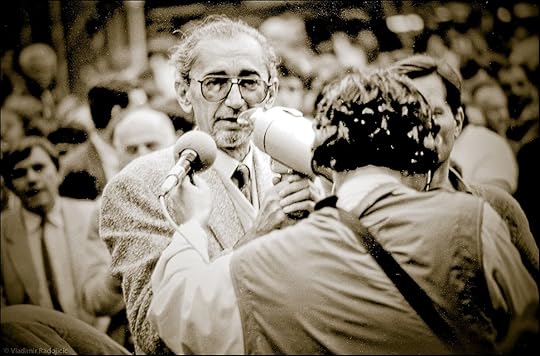
Houses è il secondo romanzo di Borislav Pekić, scrittore e sceneggiatore serbo nato nel 1930 in Montenegro e morto a Londra nel 1992. Pubblicato il 1970, il libro è valso al suo autore il premio NIN come miglior romanzo dell'anno e, in seguito, la possibilità di ottenere un passaporto per lasciare la Jugoslavia, col cui governo Pekić era in aperto contrasto. A diciotto anni, infatti, era stato condannato a quindici di lavori forzati con l'accusa di far parte di un'associazione clandestina anti comunista; graziato dopo cinque anni, continuerà ad avere rapporti complicati con le autorità jugoslave e, nel 1989, diventa uno dei fondatori di Demokratska stranka, il partito democratico serbo, che si convertirà in uno dei principali partiti di opposizione alla presidenza di Milošević. Qui lo vediamo ad una manifestazione contro Milošević tenutasi nel 1991 (fonte: wikimedia):
Nella traduzione inglese, il romanzo perde il suo titolo originale, Hodočašće Arsenija Njegovana (Il pellegrinaggio di Arsenije Njegovan) per concentrarsi sull'ossessione del suo protagonista: le case. Con mio grande dispiacere, perde anche la maggior parte dei nomi serbi, che vengono sostituiti con il loro equivalente inglese o, nel caso del protagonista, con una bizzarra francesizzazione (per quanto Arsenije sia vicino alla cultura e alla lingua francese, mi sembra difficile che si faccia chiamare Arsénie invece di Arsène). Immagino debba essere faticoso, per alcuni lettori, accettare che esitano nomi anche in lingue diverse dalla propria... Anche il cognome di Arsenije va incontro ad un piccolo cambiamento e perde la sua consonante iniziale.
Tornando al romanzo in sé, come dicevo, il suo fulcro sono le case: Arsenije Njegovan è un orgoglioso possessore di case, da cui è a sua volta posseduto, che tratta come persone, dando loro nomi di donne. La storia si apre nel giugno del 1968, quando un anziano Arsenije, dopo ventisette anni di reclusione nella sua abitazione, decide di uscire di casa, spinto dagli ultimi resoconti poco convincenti che moglie e collaboratore gli hanno fornito sulle sue proprietà. Quello che leggiamo è il racconto della gita fuori porta di Arsenjie, insieme al suo testamento, un racconto non lineare perché spesso interrotto dalle memorie di Arsenije. Solo verso la metà del romanzo scopriremo perché, nel 1941, Arsenije ha deciso di isolarsi dal mondo e vivere tra i modellini e i ricordi delle sue donne, le case che tanto ama e che tratta come fossero veramente delle persone, spesso e volentieri a scapito delle persone in carne ed ossa. Il lettore contemporaneo, che sa cos'è la seconda guerra mondiale e che la Jugoslavia è stata un paese comunista, nutre dei sospetti sul destino delle case di Arsenije, che, ignaro di tutto (per sua volontà prima e per volontà altrui poi, anche se sempre in nome della sua salute), ha preferito isolarsi nella sua bolla e continuare a vivere della sua infatuazione e dei suoi ricordi
Questo è il mio primo incontro con Pekić, che ho conosciuto grazie a questo libro, scovato casualmente mesi fa tra i suggerimenti di Amazon, e sono rimasta piacevolmente colpita da questo libro. Anche se breve, non è sempre facile stare dietro ai pensieri di Arsenije, ma ho apprezzato molto la narrazione in prima persone e la versione del narratore inaffidabile di Pekić: si capisce subito che Arsenije ci sta raccontando la sua visione e la sua versione dei fatti, ma attraverso i suoi ricordi e le parole altrui si riesce a capire fino a che punto bisogna credere alla versione di Arsenije o, più semplicemente, che la verità è (quasi) sempre nel mezzo. E' un vero peccato che in italiano siano state tradotte solo una manciata delle sue opere (due, se vogliamo affidarci a Wikipedia) e che Hodočašće Arsenija Njegovana non sia tra queste, ma Pekić sembra uno scrittore e una figura interessante che merita più traduzioni e più presenze negli scaffali delle nostre librerie. Chi volesse approfondire, come la sottoscritta, troverà sicuramente utile questo sito a lui dedicato, disponibile in serbo e in inglese: http://www.borislavpekic.com/
Nella traduzione inglese, il romanzo perde il suo titolo originale, Hodočašće Arsenija Njegovana (Il pellegrinaggio di Arsenije Njegovan) per concentrarsi sull'ossessione del suo protagonista: le case. Con mio grande dispiacere, perde anche la maggior parte dei nomi serbi, che vengono sostituiti con il loro equivalente inglese o, nel caso del protagonista, con una bizzarra francesizzazione (per quanto Arsenije sia vicino alla cultura e alla lingua francese, mi sembra difficile che si faccia chiamare Arsénie invece di Arsène). Immagino debba essere faticoso, per alcuni lettori, accettare che esitano nomi anche in lingue diverse dalla propria... Anche il cognome di Arsenije va incontro ad un piccolo cambiamento e perde la sua consonante iniziale.
Tornando al romanzo in sé, come dicevo, il suo fulcro sono le case: Arsenije Njegovan è un orgoglioso possessore di case, da cui è a sua volta posseduto, che tratta come persone, dando loro nomi di donne. La storia si apre nel giugno del 1968, quando un anziano Arsenije, dopo ventisette anni di reclusione nella sua abitazione, decide di uscire di casa, spinto dagli ultimi resoconti poco convincenti che moglie e collaboratore gli hanno fornito sulle sue proprietà. Quello che leggiamo è il racconto della gita fuori porta di Arsenjie, insieme al suo testamento, un racconto non lineare perché spesso interrotto dalle memorie di Arsenije. Solo verso la metà del romanzo scopriremo perché, nel 1941, Arsenije ha deciso di isolarsi dal mondo e vivere tra i modellini e i ricordi delle sue donne, le case che tanto ama e che tratta come fossero veramente delle persone, spesso e volentieri a scapito delle persone in carne ed ossa. Il lettore contemporaneo, che sa cos'è la seconda guerra mondiale e che la Jugoslavia è stata un paese comunista, nutre dei sospetti sul destino delle case di Arsenije, che, ignaro di tutto (per sua volontà prima e per volontà altrui poi, anche se sempre in nome della sua salute), ha preferito isolarsi nella sua bolla e continuare a vivere della sua infatuazione e dei suoi ricordi
Questo è il mio primo incontro con Pekić, che ho conosciuto grazie a questo libro, scovato casualmente mesi fa tra i suggerimenti di Amazon, e sono rimasta piacevolmente colpita da questo libro. Anche se breve, non è sempre facile stare dietro ai pensieri di Arsenije, ma ho apprezzato molto la narrazione in prima persone e la versione del narratore inaffidabile di Pekić: si capisce subito che Arsenije ci sta raccontando la sua visione e la sua versione dei fatti, ma attraverso i suoi ricordi e le parole altrui si riesce a capire fino a che punto bisogna credere alla versione di Arsenije o, più semplicemente, che la verità è (quasi) sempre nel mezzo. E' un vero peccato che in italiano siano state tradotte solo una manciata delle sue opere (due, se vogliamo affidarci a Wikipedia) e che Hodočašće Arsenija Njegovana non sia tra queste, ma Pekić sembra uno scrittore e una figura interessante che merita più traduzioni e più presenze negli scaffali delle nostre librerie. Chi volesse approfondire, come la sottoscritta, troverà sicuramente utile questo sito a lui dedicato, disponibile in serbo e in inglese: http://www.borislavpekic.com/

April 20, 2019
This is a finely-crafted, meticulously structured work. It purports to be the last will and testament, memoir and confession of Arsenie Negovan, one time landlord of Belgrade. Written in his final days, Arsenie’s stimulus to write came during the first week of June 1968, when he finally ventured out of his barricaded house for the first time in twenty-seven years.
By the conspiracy of his wife, his nurse, lawyer and complicit others, Arsenie had remained in his home since 1941, fixed in the delusion that the King still ruled Yugoslavia and that he, Arsenie, still owned several dozen houses around the city. Each of these houses had a character, a soul; Arsenie gave them names (women’s names) and regarded them with more affection than he did most people. Perched in his eyrie, he looked through his binoculars across the Sava River at the “soulless” mass housing buildings of post-war Belgrade. Late in his memoir, Arsenie realised that the binoculars “had cunningly convinced me that I knew and understood the objects they had brought near to me, whereas in fact those objects had remained just as distant as before.” It is as if Arsenie had been looking at the world through the wrong end of his binoculars.
The novel rests upon the notion that an intelligent man of wide experience and inquiring mind can remain deluded and deceived for more than a quarter of a century. Full credit is due to Pekić for having made such an improbable scenario plausible. The reader is subtly nudged into sympathy with Arsenie – he is, at first, likeable enough, but as his true history emerges we glimpse something more sinister. When, in June 1968, he suspects one of his beloved houses is in danger of demolition and he sneaks out during his wife’s absence, Arsenie runs into demonstrators protesting against the Communist Government. Completely misunderstanding the situation, seeing it through the lens of events in 1941, he thinks the protesters are Communists against the King, and becomes involved in the fracas, perhaps even killing one of the young protesters.
Although grounded in Belgrade and its history, the novel transcends those particulars and offers a compelling portrait of self-deception, a vista of delusion that opens out at every turn of the plot.
By the conspiracy of his wife, his nurse, lawyer and complicit others, Arsenie had remained in his home since 1941, fixed in the delusion that the King still ruled Yugoslavia and that he, Arsenie, still owned several dozen houses around the city. Each of these houses had a character, a soul; Arsenie gave them names (women’s names) and regarded them with more affection than he did most people. Perched in his eyrie, he looked through his binoculars across the Sava River at the “soulless” mass housing buildings of post-war Belgrade. Late in his memoir, Arsenie realised that the binoculars “had cunningly convinced me that I knew and understood the objects they had brought near to me, whereas in fact those objects had remained just as distant as before.” It is as if Arsenie had been looking at the world through the wrong end of his binoculars.
The novel rests upon the notion that an intelligent man of wide experience and inquiring mind can remain deluded and deceived for more than a quarter of a century. Full credit is due to Pekić for having made such an improbable scenario plausible. The reader is subtly nudged into sympathy with Arsenie – he is, at first, likeable enough, but as his true history emerges we glimpse something more sinister. When, in June 1968, he suspects one of his beloved houses is in danger of demolition and he sneaks out during his wife’s absence, Arsenie runs into demonstrators protesting against the Communist Government. Completely misunderstanding the situation, seeing it through the lens of events in 1941, he thinks the protesters are Communists against the King, and becomes involved in the fracas, perhaps even killing one of the young protesters.
Although grounded in Belgrade and its history, the novel transcends those particulars and offers a compelling portrait of self-deception, a vista of delusion that opens out at every turn of the plot.

March 29, 2025
Očekivan, fascinirajuć stilski poduhvat sa, podjednako očekivanim, fantastičnim svršetkom. Sa svakom Pekićevom pročitanom knjigom osećam sve veće i veće pravo da ga ustoličim na pobednički pijedastal naše, a možda i svetske, književnosti. Čovek je, par excellence, velemajstor svih mogućih proznih književnih postupaka.
Ge-ni-jal-šti-na!
Ge-ni-jal-šti-na!
February 8, 2019
Već sam dva puta počinjao i odustajao, tek iz trećeg pokušaja pročitah do kraja, jedva.
Inače sa Pekićevim predugačkim rečenicama prilično lako izlazim na kraj, ali ovoga puta to nije slučaj. Ideja odlična, realizacija malo slabija. Ipak, s obzirom na kontekst i vrijeme nastanka, jedan od smjelijih romana. Možda ne najbolji Pekićev, ali svakako jedan od najboljih svog vremena.
Inače sa Pekićevim predugačkim rečenicama prilično lako izlazim na kraj, ali ovoga puta to nije slučaj. Ideja odlična, realizacija malo slabija. Ipak, s obzirom na kontekst i vrijeme nastanka, jedan od smjelijih romana. Možda ne najbolji Pekićev, ali svakako jedan od najboljih svog vremena.
December 27, 2017
Bit of a miss for me, though I generally enjoy unreliable and often nasty narrators. This one just wasn’t engaging.
Also that may be the record for longest period of time it’s taken me to get through 200 pages. Eat it, grad school.
Also that may be the record for longest period of time it’s taken me to get through 200 pages. Eat it, grad school.

March 11, 2019
Škrt na rečima Pekić svakako nije.
Ideja posedništva kao međusobnog posedovanja me zanima, ali odbio me je način na koji je istraživana (narativ gusto prožet naizgled bezazlenim činjenicama i neprimamljivim, karakterističnim jezikom).
Ideja posedništva kao međusobnog posedovanja me zanima, ali odbio me je način na koji je istraživana (narativ gusto prožet naizgled bezazlenim činjenicama i neprimamljivim, karakterističnim jezikom).

August 21, 2022
An alternate title for this book would be “The Man Who Loved Houses.” A man in Belgrade is in love with houses. He’s independently wealthy and he buys the fanciest houses in town, or he commissions architects to build them. Then he rents them out.
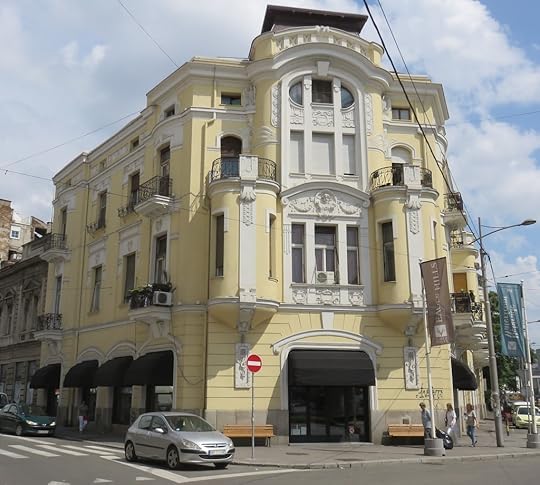
He tells us about architects – you have to keep a tight rein on them because they will try to build what they want to build, not what you hired them to do.
And he understands about form and function and how a diagram or a model can’t tell you what the house will feel like from the inside. He has this idea that you can’t be a true homeowner until you love your house and that a house can’t be a true home until someone loves it. The possessor and the possessed become unity.
He has enough houses to fill his soul - 49 of them - all with feminine names and all loved – Simonida, Aspasia, Eugenie, Katarina, Nike. (I didn’t know the last was a Greek goddess. Was she the goddess of expensive footwear?) He has disdain for other investors who buy and sell houses like stocks and bonds.
He understands too about the mutual symbiosis of houses and neighborhoods. Although he doesn’t tell us this, it reminds me of the old adage for first-time homebuyers: buy the least expensive house in the most expensive neighborhood you can afford. Houses and neighborhoods can form another unity.
Now, if you start to think this guy is a bit eccentric, you’re right. He hasn’t been out of his house for 27 years.
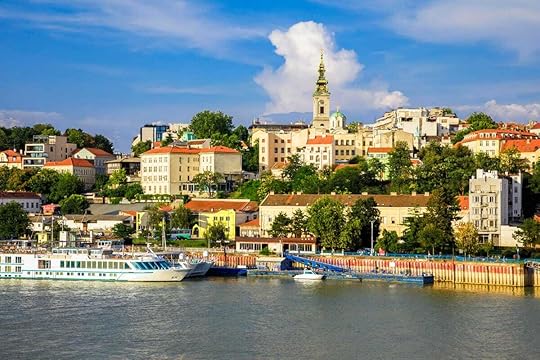
I was a bit confused by the time frame because twice the narrator tells us it is 1968, even though the book was published in Yugoslavia in 1965. Anyway, 1968 fits the story because he went into isolation at the start of WW II, so that would mean 1941. We’re also told right in the first few pages that he’s 77 years old and he’s telling us this story as he writes out his will, so we know the end is coming right at the beginning.
But we also know, very early in the story, that he knows his wife and manager lie to him. Our narrator is a bright guy, but not all that bright because it doesn’t occur to him to ask ‘what else are they lying to me about?’
He spends his days looking over the housing paperwork and playing with his miniature wooden models of each house (teak, mahogany and ivory!) but mostly he looks out over his kingdom from his picture window. His house is on a hill but, while he has quite a view of Belgrade’s Sava River plain, he can’t really see any of his houses even with his expensive binoculars, He mostly looks out over an abandoned suburban development of cheap, identical, ‘faceless’ houses, lying half-built because of the latest economic crash.
He's a harsh capitalist but he thinks he has a soft heart. He’s a political reactionary (he probably wants the monarchy back!) but he takes no interest in day-to-day politics – that’s for the rabble. He can’t stand to listen to war news on the radio because it’s all about bombings destroying houses.
We get some beautifully detailed, descriptive writing, such as this passage when a housing emergency forces him to finally leave the house. What is he going to find out after 27 years?
“First I checked if the outer door was properly locked, and as a further precaution I latched the chain. Then I went into the bedroom to choose the suit in which to go out. Opening the creaking doors of the oiled walnut wardrobe, I expected to see before me the dim contours of seventeen once powerful Arsenie Negovans [his name] hanging on an iron rod. Their smooth, crumpled shoulders would be drooping down dejectedly so that the heart skeletons of the coat hangers could be made out beneath, glistening with the transparent crystals of naphthalene, soft as hoarfrost. The sharp smell would sting my nostrils; coughing, I would fan the wardrobe doors back and forth several times to disperse smell, though this would achieve nothing, since the smell certainly penetrated the wood. The ghostly ranks of cloth would tremble with the sharp swinging of the doors, and quite clearly I wouldn't be able to bring myself to touch them since inevitably, if I put one of the suits on, it would look unreal, like a dried human skin from which the flesh had been shaken.”
The book is structured with paragraph breaks, but no chapter breaks. I enjoyed the story but occasionally I thought that some sections were dragged out – four pages of how he selects his suit after not having left the house for 27 years. And the descriptions of events the two times he was caught in street demonstrations were too drawn-out the first time; more so the second. (20 pages – really too much!) There’s black humor too in all this and the story of his houses is a metaphor for political decay.
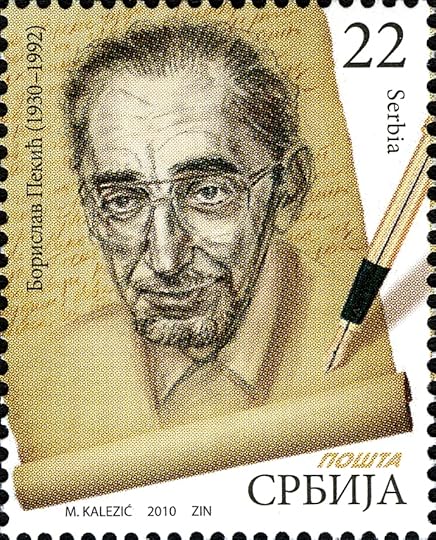
The author (1930-1992) born in Montenegro, became known as a Yugoslavian and then a Serbian author. Once he became famous in his homeland he was criticized by both ethnic groups for not being (fill in the ethnic group) enough. He was exiled to London during communist rule in Yugoslavia and his books were banned. He wrote a half-dozen novels, three translated into English, but none are well-known among English readers. How to Quiet a Vampire and The Time of Miracles have the most ratings on GR, followed by this book, Houses.
Top photo, house in Belgrade by courthouselover on flickr.com
Belgrade, where the Sava River meets the Danube, from forbes.com
The author on a Serbian stamp from Wikipedia commons
He tells us about architects – you have to keep a tight rein on them because they will try to build what they want to build, not what you hired them to do.
And he understands about form and function and how a diagram or a model can’t tell you what the house will feel like from the inside. He has this idea that you can’t be a true homeowner until you love your house and that a house can’t be a true home until someone loves it. The possessor and the possessed become unity.
He has enough houses to fill his soul - 49 of them - all with feminine names and all loved – Simonida, Aspasia, Eugenie, Katarina, Nike. (I didn’t know the last was a Greek goddess. Was she the goddess of expensive footwear?) He has disdain for other investors who buy and sell houses like stocks and bonds.
He understands too about the mutual symbiosis of houses and neighborhoods. Although he doesn’t tell us this, it reminds me of the old adage for first-time homebuyers: buy the least expensive house in the most expensive neighborhood you can afford. Houses and neighborhoods can form another unity.
Now, if you start to think this guy is a bit eccentric, you’re right. He hasn’t been out of his house for 27 years.
I was a bit confused by the time frame because twice the narrator tells us it is 1968, even though the book was published in Yugoslavia in 1965. Anyway, 1968 fits the story because he went into isolation at the start of WW II, so that would mean 1941. We’re also told right in the first few pages that he’s 77 years old and he’s telling us this story as he writes out his will, so we know the end is coming right at the beginning.
But we also know, very early in the story, that he knows his wife and manager lie to him. Our narrator is a bright guy, but not all that bright because it doesn’t occur to him to ask ‘what else are they lying to me about?’
He spends his days looking over the housing paperwork and playing with his miniature wooden models of each house (teak, mahogany and ivory!) but mostly he looks out over his kingdom from his picture window. His house is on a hill but, while he has quite a view of Belgrade’s Sava River plain, he can’t really see any of his houses even with his expensive binoculars, He mostly looks out over an abandoned suburban development of cheap, identical, ‘faceless’ houses, lying half-built because of the latest economic crash.
He's a harsh capitalist but he thinks he has a soft heart. He’s a political reactionary (he probably wants the monarchy back!) but he takes no interest in day-to-day politics – that’s for the rabble. He can’t stand to listen to war news on the radio because it’s all about bombings destroying houses.
We get some beautifully detailed, descriptive writing, such as this passage when a housing emergency forces him to finally leave the house. What is he going to find out after 27 years?
“First I checked if the outer door was properly locked, and as a further precaution I latched the chain. Then I went into the bedroom to choose the suit in which to go out. Opening the creaking doors of the oiled walnut wardrobe, I expected to see before me the dim contours of seventeen once powerful Arsenie Negovans [his name] hanging on an iron rod. Their smooth, crumpled shoulders would be drooping down dejectedly so that the heart skeletons of the coat hangers could be made out beneath, glistening with the transparent crystals of naphthalene, soft as hoarfrost. The sharp smell would sting my nostrils; coughing, I would fan the wardrobe doors back and forth several times to disperse smell, though this would achieve nothing, since the smell certainly penetrated the wood. The ghostly ranks of cloth would tremble with the sharp swinging of the doors, and quite clearly I wouldn't be able to bring myself to touch them since inevitably, if I put one of the suits on, it would look unreal, like a dried human skin from which the flesh had been shaken.”
The book is structured with paragraph breaks, but no chapter breaks. I enjoyed the story but occasionally I thought that some sections were dragged out – four pages of how he selects his suit after not having left the house for 27 years. And the descriptions of events the two times he was caught in street demonstrations were too drawn-out the first time; more so the second. (20 pages – really too much!) There’s black humor too in all this and the story of his houses is a metaphor for political decay.
The author (1930-1992) born in Montenegro, became known as a Yugoslavian and then a Serbian author. Once he became famous in his homeland he was criticized by both ethnic groups for not being (fill in the ethnic group) enough. He was exiled to London during communist rule in Yugoslavia and his books were banned. He wrote a half-dozen novels, three translated into English, but none are well-known among English readers. How to Quiet a Vampire and The Time of Miracles have the most ratings on GR, followed by this book, Houses.
Top photo, house in Belgrade by courthouselover on flickr.com
Belgrade, where the Sava River meets the Danube, from forbes.com
The author on a Serbian stamp from Wikipedia commons


January 24, 2026
3.5. If you liked this, you should watch Good Bye, Lenin!
July 28, 2026
perfectly encapsulates how i feel about my properties when playing monopoly

March 27, 2019
A man talks about houses and sorts out his will.
This book didn't hit the mark.
Reading time around three hours.
This book didn't hit the mark.
Reading time around three hours.

December 30, 2020
With the publication of “Houses” (originally “The Houses of Belgrade,” and published in 1970) by Borislav Pekic, New York Review of Books continues its legacy of republishing sometimes wonderfully successful and sometimes abysmally bad books and saving them from the dumpster heap of literary history. Thankfully, this particular act of salvage is a well-chosen one. “Houses” is one of a cycle of seven novels that Pekic wrote that explores the deep intermingling of the personal and the political, akin to Zola’s own twenty-volume “Les Rougon-Macquart” cycle.
While Pekic’s novel is largely a success, his life serves as a great foil for the passive observance of his protagonist, Arsenie Negovan. In 1948, at the age of 18, Pekic was found guilty of associating with the Association of Democratic Youth of Yugoslavia and was imprisoned until 1953. Before the end of the decade, he started taking notes on a series of novel that had two constant throughlines: a deep suspicion for dogmatism or authoritarianism of any form and, in equal measure, a healthy pessimism toward the idea of human progress. (Living through the regime of Slobodan Milosevic will have such effects on a person.) After his 1971 self-imposed exile to London, he continued to write and have his work published and translated into multiple languages. In 1989, he became one of the first members of the Serbian Democratic Party, and in 1990 became its Vice President. He died in London in 1992 from lung cancer.
It is the riotous year of 1968, pushing on toward eighty years old, Arsenie Negovan finally decides to write out his will and testament. To do this would require him to leave the comforts of his home to set out and survey the dozens of houses that he has acquired over the years. However, Arsenie hasn’t left his house since March 27, 1941 - a date then fresh as a wound in his readers’ minds as the day of the coup d’etat after Yugoslavia’s signing of the Tripartite Pact with the Axis Powers. Instead, Negovan occupies the window seat of his apartment where he fantasizes and passionately invigilates over his holdings from afar. For nearly the last three decades, he has left his wife and attorney to deal with his real estate affairs. To compound historical irony upon historical irony, once he finally leaves his house and enters 1968 Belgrade (contemporary Belgrade – the Belgrade of the Prague Spring), he finally realizes that his world isn’t as he remembered it and his houses are no longer his. Much like “The Remains of the Day” written nearly twenty years later, “Houses” is about someone holding onto a world which no longer exists and the tragi-comedy that can result.
The real driving force behind the story is Arsenie’s obsessive love for his houses, each of which he has endowed with feminine names. They are “a chronicle of his life,” his “sole authentic history.” To say that he anthropomorphizes his houses would be an understatement: he even endows them with an anatomy all their own: “I was schooled in houses’ physiology, their circulatory system, their epidermic defensive envelope, even their stomachs, their sensitive stomachs, not to mention their life process.” But despite their brute physicality, the houses and their place in Arsenie’s imagination rest on the border of memory and hallucination.
While Pekic’s novel is largely a success, his life serves as a great foil for the passive observance of his protagonist, Arsenie Negovan. In 1948, at the age of 18, Pekic was found guilty of associating with the Association of Democratic Youth of Yugoslavia and was imprisoned until 1953. Before the end of the decade, he started taking notes on a series of novel that had two constant throughlines: a deep suspicion for dogmatism or authoritarianism of any form and, in equal measure, a healthy pessimism toward the idea of human progress. (Living through the regime of Slobodan Milosevic will have such effects on a person.) After his 1971 self-imposed exile to London, he continued to write and have his work published and translated into multiple languages. In 1989, he became one of the first members of the Serbian Democratic Party, and in 1990 became its Vice President. He died in London in 1992 from lung cancer.
It is the riotous year of 1968, pushing on toward eighty years old, Arsenie Negovan finally decides to write out his will and testament. To do this would require him to leave the comforts of his home to set out and survey the dozens of houses that he has acquired over the years. However, Arsenie hasn’t left his house since March 27, 1941 - a date then fresh as a wound in his readers’ minds as the day of the coup d’etat after Yugoslavia’s signing of the Tripartite Pact with the Axis Powers. Instead, Negovan occupies the window seat of his apartment where he fantasizes and passionately invigilates over his holdings from afar. For nearly the last three decades, he has left his wife and attorney to deal with his real estate affairs. To compound historical irony upon historical irony, once he finally leaves his house and enters 1968 Belgrade (contemporary Belgrade – the Belgrade of the Prague Spring), he finally realizes that his world isn’t as he remembered it and his houses are no longer his. Much like “The Remains of the Day” written nearly twenty years later, “Houses” is about someone holding onto a world which no longer exists and the tragi-comedy that can result.
The real driving force behind the story is Arsenie’s obsessive love for his houses, each of which he has endowed with feminine names. They are “a chronicle of his life,” his “sole authentic history.” To say that he anthropomorphizes his houses would be an understatement: he even endows them with an anatomy all their own: “I was schooled in houses’ physiology, their circulatory system, their epidermic defensive envelope, even their stomachs, their sensitive stomachs, not to mention their life process.” But despite their brute physicality, the houses and their place in Arsenie’s imagination rest on the border of memory and hallucination.
Displaying 1 - 30 of 59 reviews