

What do you think?

Mr Weston's Good Wine
Mr Weston's Good Wine is the unusual tale of the struggle between the forces of good and evil in a small Dorset village. Its action is limited to one winter's evening when Time stands still and the bitter-sweet gift of awareness falls upon a dozen memorable characters. During the book a child knocked down by his car is miraculously brought back to life; the sign 'Mr Weston's Good Wine' lights up the sky; and the villagers soon discover that the wine he sells is no ordinary wine.
240 pages, Paperback
First published January 1, 1927
About the author
T.F. Powys
52 books27 followersTheodore Francis Powys, published as T. F. Powys, was born in Shirley, Derbyshire, the son of the Reverend Charles Francis Powys (1843–1923), vicar of Montacute, Somerset, for 32 years, and Mary Cowper Johnson, grand-daughter of Dr John Johnson, cousin and close friend of the poet William Cowper. He was one of eleven talented siblings, including the novelist John Cowper Powys (1872–1963) and the novelist and essayist Llewelyn Powys (1884–1939).
A sensitive child, Powys was not happy in school and left when he was 15 to become an apprentice on a farm in Suffolk. Later he had his own farm in Suffolk, but he was not successful and returned to Dorset in 1901 with plans to be a writer. Then, in 1905, he married Violet Dodd. They had two sons and later adopted a daughter. From 1904 until 1940 Theodore Powys lived in East Chaldon but then moved to Mappowder because of the war.
During the Spanish Civil War (1936–39), Powys was one of several UK writers who campaigned for aid to be sent to the Republican side.
Powys was deeply, if unconventionally, religious; the Bible was a major influence, and he had a special affinity with writers of the 17th and 18th centuries, including John Bunyan, Miguel de Cervantes, Jeremy Taylor, Jonathan Swift, and Henry Fielding. Among more recent writers, he admired Thomas Hardy, Sigmund Freud, and Friedrich Nietzsche.
He died on 27 November 1953 in Mappowder, Dorset, where he was buried. [from wikipedia, adapted]
A sensitive child, Powys was not happy in school and left when he was 15 to become an apprentice on a farm in Suffolk. Later he had his own farm in Suffolk, but he was not successful and returned to Dorset in 1901 with plans to be a writer. Then, in 1905, he married Violet Dodd. They had two sons and later adopted a daughter. From 1904 until 1940 Theodore Powys lived in East Chaldon but then moved to Mappowder because of the war.
During the Spanish Civil War (1936–39), Powys was one of several UK writers who campaigned for aid to be sent to the Republican side.
Powys was deeply, if unconventionally, religious; the Bible was a major influence, and he had a special affinity with writers of the 17th and 18th centuries, including John Bunyan, Miguel de Cervantes, Jeremy Taylor, Jonathan Swift, and Henry Fielding. Among more recent writers, he admired Thomas Hardy, Sigmund Freud, and Friedrich Nietzsche.
He died on 27 November 1953 in Mappowder, Dorset, where he was buried. [from wikipedia, adapted]
Ratings & Reviews
Friends & Following
Create a free account to discover what your friends think of this book!
Community Reviews
Displaying 1 - 30 of 52 reviews

Read
October 18, 2020This is a combined review of Mr Weston's Good Wine from 1927 and Unclay from 1931 as these two Powys novels share the same allegorical style as well as some characters, locations and themes. I read them one after the other in the order they were written and that was the perfect way to savour both to the maximum.
These are books full of contrasts, some of them exceedingly marked as in the contrast between good and evil. But they are also very funny books which is not what you'd expect in novels that focus so closely on good and evil. However the dose of fun in each of them is balanced by a small dose of the tragic, just as the measure of evil is balanced by a generous measure of good so that the overall impression is very pleasing.
The characters in these funny tragic books are often compared to animals, and sometimes we don't know which are the humans and which are the animals. To add to the heady mixture, inanimate objects become animate from time to time. It might be an oak tree or it might be a mountain but they come alive and they play a role in reminding us of the age-old nature of the world.
Everything in these stories plays a role so that the finished product is a harmonious whole, for all the world like a good wine, a Medoc for example where up to five different grapes are combined in different amounts, each playing its part to add aroma, colour, elegance, structure and longevity. I wasn't surprised that there was a brief mention in each of these novels of Balbuc, the ancient oracle François Rabelais characterized in the form of a giant bottle of wine: La dive bouteille!
When I finished these two novels, I started a third Powys but soon realised it wasn't by T F Powys but by his brother J C Powys. Though a little disappointed, I've decided to stick with Wolf Solent. The style is very different but early on I came upon a reference to good and evil, and then there was a reference to the goddess Balbuc followed by a reference to Rabelais so I will continue. It's a very long book though, and I'm not yet sure if its particular combination of themes will suit me but I'm sipping away for the moment and will likely post some tasting notes in a week or two...
These are books full of contrasts, some of them exceedingly marked as in the contrast between good and evil. But they are also very funny books which is not what you'd expect in novels that focus so closely on good and evil. However the dose of fun in each of them is balanced by a small dose of the tragic, just as the measure of evil is balanced by a generous measure of good so that the overall impression is very pleasing.
The characters in these funny tragic books are often compared to animals, and sometimes we don't know which are the humans and which are the animals. To add to the heady mixture, inanimate objects become animate from time to time. It might be an oak tree or it might be a mountain but they come alive and they play a role in reminding us of the age-old nature of the world.
Everything in these stories plays a role so that the finished product is a harmonious whole, for all the world like a good wine, a Medoc for example where up to five different grapes are combined in different amounts, each playing its part to add aroma, colour, elegance, structure and longevity. I wasn't surprised that there was a brief mention in each of these novels of Balbuc, the ancient oracle François Rabelais characterized in the form of a giant bottle of wine: La dive bouteille!
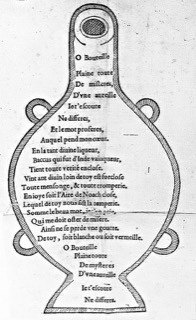
When I finished these two novels, I started a third Powys but soon realised it wasn't by T F Powys but by his brother J C Powys. Though a little disappointed, I've decided to stick with Wolf Solent. The style is very different but early on I came upon a reference to good and evil, and then there was a reference to the goddess Balbuc followed by a reference to Rabelais so I will continue. It's a very long book though, and I'm not yet sure if its particular combination of themes will suit me but I'm sipping away for the moment and will likely post some tasting notes in a week or two...

September 4, 2012
This is a remarkable book; I wasn’t expecting a great deal from it, but despite my low expectations I was impressed. I must admit I knew little of Theodore Powys, apart from the fact that he was John Cowper Powys’s brother. He was the son of a clergyman, born in 1875. He tried and failed at farming and eventually settled to writing in rural Dorset. He was a voracious reader and was influenced by the Bible, Bunyan, Hardy, Nietzsche and Freud amongst others. There are spoilers ahead; inevitable I'm afraid to review this book adequately.
The book is allegorical and on the surface seems to be a Christian allegory, but any story that treats Christianity as myth has much more going on. The story is a simple one, set in one evening in the village of Folly Down in Dorset. It is uncomfortable and makes one uneasy. It has been compared to the film “A Wonderful Life”, the rural characters are brilliantly drawn and remind one of Hardy, there is a strong vein running through it which is pure Hammer House of Horror, Nietzsche’s influence stands out a mile.
Mr Weston is a wine merchant who drives a Ford van, travelling round to sell his wares with his assistant Michael. Mr Weston is actually the creator of the world, God, and his assistant is an angel. Mr Weston sells two wines; the light, sweet, white wine of love and the dark, rich red wine of death. Mr Weston seems very fond of the villagers of Folly Down, but he envies them mortality; God wishes that he could die and says that he will drink his own wine of death one day.
The villagers are a set of very colourful characters; the vicar Revd Nicholas Grobe, does not believe in God since the death of his wife in childbirth, his daughter Tamar is an innocent who wishes nothing more than to be loved by an angel; preferably the one in blue trousers on the sign of the local pub. Mrs Vosper is probably one of the nastiest creations in literature. Together with Squire Mumby’s two sons, Martin and John, she plots the downfall of virtuous young women. She befriends young women from the village and lures them to the old oak at night, where Martin and John rape them whilst Mrs Vosper watches on. This has happened to the three Kiddle sisters. The eldest Ada became pregnant and killed herself by throwing herself into the village pond (at Mrs Vosper’s suggestion). Jenny Bunce is the landlord of the pubs daughter, who is young and innocent and next on Mrs Vosper’s list. Luke Bird is a young man who believes he is called to preach the gospel and believing men to have no soul, he preaches to animals. Mr Grunter is the gravedigger and general handyman at the church; Mrs Vosper blames him for deflowering the women, a charge he doesn’t deny as he quite likes the notoriety. There are various other worthies in the local pub. Time stops at 7pm when Mr Weston arrives.
There is sensuality in the writing; Powys is very open about sex as he is about the place of women and relations between the sexes; in society and in Christianity. A sort of justice is meted out. Luke Bird discovers love and sex with Jenny Bunce (after she is saved from the Mumby’s and Mrs Vosper) and so stops preaching. Revd Grobe drinks the heavy wine of death and is at peace. Tamar finds her angel (Michael) and consummates her love and in doing so dies. Mrs Vosper’s demise is chilling (I saw a rather bad horror movie called Drag Me to Hell recently and the very last scene of that film was brought to mind when Mrs Vosper is judged. The remaining Kiddle sisters suddenly find the Mumby brothers are entirely at their beck and call and they marry them. As for Ada Kiddle; Mr Grunter is instructed to dig her up. He speaks to her remains;
“Ada,” he said, stepping to the coffin again, “’tain’t I that have moulded ‘ee, ‘tain’t I that have rotted thee’s merry ways wi’ wormy clay. I bain’t to be talked of no more.”
God is on trial here; and is found guilty, as is much of the panoply of religion and its patriarchalism. The messages here are complex and there is lots of symbolism. At the end of the book Mr Weston sits in his van and asks Michael to put a match into the petrol tank. Does God die; you decide. Clearly Powys does not believe in immortality and here wrestles with myth, spirituality, philosophy and theology and comes up with as many questions as answers.
Leavis, the doyen of literary critics approved of Powys and he has been called England’s Tolstoy. On this reading I will look out more of his work. This is an excellent and thought provoking novel.
The book is allegorical and on the surface seems to be a Christian allegory, but any story that treats Christianity as myth has much more going on. The story is a simple one, set in one evening in the village of Folly Down in Dorset. It is uncomfortable and makes one uneasy. It has been compared to the film “A Wonderful Life”, the rural characters are brilliantly drawn and remind one of Hardy, there is a strong vein running through it which is pure Hammer House of Horror, Nietzsche’s influence stands out a mile.
Mr Weston is a wine merchant who drives a Ford van, travelling round to sell his wares with his assistant Michael. Mr Weston is actually the creator of the world, God, and his assistant is an angel. Mr Weston sells two wines; the light, sweet, white wine of love and the dark, rich red wine of death. Mr Weston seems very fond of the villagers of Folly Down, but he envies them mortality; God wishes that he could die and says that he will drink his own wine of death one day.
The villagers are a set of very colourful characters; the vicar Revd Nicholas Grobe, does not believe in God since the death of his wife in childbirth, his daughter Tamar is an innocent who wishes nothing more than to be loved by an angel; preferably the one in blue trousers on the sign of the local pub. Mrs Vosper is probably one of the nastiest creations in literature. Together with Squire Mumby’s two sons, Martin and John, she plots the downfall of virtuous young women. She befriends young women from the village and lures them to the old oak at night, where Martin and John rape them whilst Mrs Vosper watches on. This has happened to the three Kiddle sisters. The eldest Ada became pregnant and killed herself by throwing herself into the village pond (at Mrs Vosper’s suggestion). Jenny Bunce is the landlord of the pubs daughter, who is young and innocent and next on Mrs Vosper’s list. Luke Bird is a young man who believes he is called to preach the gospel and believing men to have no soul, he preaches to animals. Mr Grunter is the gravedigger and general handyman at the church; Mrs Vosper blames him for deflowering the women, a charge he doesn’t deny as he quite likes the notoriety. There are various other worthies in the local pub. Time stops at 7pm when Mr Weston arrives.
There is sensuality in the writing; Powys is very open about sex as he is about the place of women and relations between the sexes; in society and in Christianity. A sort of justice is meted out. Luke Bird discovers love and sex with Jenny Bunce (after she is saved from the Mumby’s and Mrs Vosper) and so stops preaching. Revd Grobe drinks the heavy wine of death and is at peace. Tamar finds her angel (Michael) and consummates her love and in doing so dies. Mrs Vosper’s demise is chilling (I saw a rather bad horror movie called Drag Me to Hell recently and the very last scene of that film was brought to mind when Mrs Vosper is judged. The remaining Kiddle sisters suddenly find the Mumby brothers are entirely at their beck and call and they marry them. As for Ada Kiddle; Mr Grunter is instructed to dig her up. He speaks to her remains;
“Ada,” he said, stepping to the coffin again, “’tain’t I that have moulded ‘ee, ‘tain’t I that have rotted thee’s merry ways wi’ wormy clay. I bain’t to be talked of no more.”
God is on trial here; and is found guilty, as is much of the panoply of religion and its patriarchalism. The messages here are complex and there is lots of symbolism. At the end of the book Mr Weston sits in his van and asks Michael to put a match into the petrol tank. Does God die; you decide. Clearly Powys does not believe in immortality and here wrestles with myth, spirituality, philosophy and theology and comes up with as many questions as answers.
Leavis, the doyen of literary critics approved of Powys and he has been called England’s Tolstoy. On this reading I will look out more of his work. This is an excellent and thought provoking novel.

March 20, 2014
I was surprised to find out while reading that this is a Christian allegory book. In the same league as The Chronicles of Narnia or the The Lord of the Rings (5 stars). It's just that this is not set in a magical world where there are elves, warriors, wizards, etc. Rather, the setting is in England in 1923.
The story opens with Mr. Weston getting off from his delivery vehicle containing wine. There are children on the street and they are thinking of stealing some bottles. There is also Miss Gipps who is dreaming of getting married someday. Then we also meet Michael, the assistant of Mr. Weston. When he (Mr. Weston) enters the nearby bar, he meets several characters whose lives unfold one-by-one to us like giving us a glimpse of various types of people: good, bad and in-between. So, where is the allegory? Here it is: later in the story is it revealed that Mr. Weston is actually himself and the two types of wine he is selling is the light wine of love and the dark wine of death. that makes me think that Mr. Weston is making us decide, using our own freewill, what kind of life we want.
There are just too many characters and there was a part in my reading when I felt bored because I felt I no longer care who are some of them. The English is surprisingly, easy to understand akin to the language of Charles Dickens. T. F. Powys (1875-1953) was a British novelist and a son of a vicar so maybe that explains the heavy use of religious allegory. What is surprising, though, is Powys' openness to sex that makes this book, in my opinion, still quite unconventional. Or maybe Powys' just thought that he was showing what was the practice in English during the 20's. Were they open to sex then? I have no idea so I checked Wiki and it says that among the recent writers that he admired were Thomas Hardy, Sigmund Freud, and Friedrich Nietzsche. So maybe, he got the sex part from Freud and his being unconventional from Nietzsche.
According to Wiki, this modernist book is an example of allegorical fictional meditation. I am not sure what that means but it is nice to know that there is also this sub-genre and this book is an example of it.
The story opens with Mr. Weston getting off from his delivery vehicle containing wine. There are children on the street and they are thinking of stealing some bottles. There is also Miss Gipps who is dreaming of getting married someday. Then we also meet Michael, the assistant of Mr. Weston. When he (Mr. Weston) enters the nearby bar, he meets several characters whose lives unfold one-by-one to us like giving us a glimpse of various types of people: good, bad and in-between. So, where is the allegory? Here it is: later in the story is it revealed that Mr. Weston is actually himself and the two types of wine he is selling is the light wine of love and the dark wine of death. that makes me think that Mr. Weston is making us decide, using our own freewill, what kind of life we want.
There are just too many characters and there was a part in my reading when I felt bored because I felt I no longer care who are some of them. The English is surprisingly, easy to understand akin to the language of Charles Dickens. T. F. Powys (1875-1953) was a British novelist and a son of a vicar so maybe that explains the heavy use of religious allegory. What is surprising, though, is Powys' openness to sex that makes this book, in my opinion, still quite unconventional. Or maybe Powys' just thought that he was showing what was the practice in English during the 20's. Were they open to sex then? I have no idea so I checked Wiki and it says that among the recent writers that he admired were Thomas Hardy, Sigmund Freud, and Friedrich Nietzsche. So maybe, he got the sex part from Freud and his being unconventional from Nietzsche.
According to Wiki, this modernist book is an example of allegorical fictional meditation. I am not sure what that means but it is nice to know that there is also this sub-genre and this book is an example of it.

December 4, 2017
“Il 20 novembre 1923, alle tre e mezzo del pomeriggio, un furgone Ford di quelli comunemente usati in Inghilterra per consegnare merci nei distretti rurali, sostava davanti al Rod and Lion Hotel di Maidenbridge.”
Un incipit semplice e diretto, che ci proietta in un villaggio della campagna inglese, in cui tutti si conoscono e conoscono i segreti di tutti. La scrittura di Powys, raffinata e ironica, ci fa subito comprendere che qualcosa di strano sta per accadere e ci svela un’umanità varia, con le sue debolezze, i suoi sogni, i suoi peccati. In una lunga ora dilatata, in cui il tempo è fermo, regalando agli abitanti di Folly Down un assaggio di eternità, il misterioso signor Weston, accompagnato da Michael, suo fedele assistente, darà a ognuno il vino di sua produzione, un vino speciale, che sembra adattarsi a ogni esigenza. Un tempo sospeso, in cui il fuoco nel camino non si consuma e l’orologio segna sempre la stessa ora, “La durata stessa è incline alla danza o a reggersi su una sola gamba, perché una sera d’inverno, qui, viene spesso percepita come un intervallo di tempo lungo come tutta una vita e ancora più di quest’ultima sembra ricca di improbabili eventi.”
L’unico tempo in cui tutto è possibile, dal momento che “So che qui nulla vi è di certo finché il tempo scorre. Ciò in cui crediamo, i nostri amori, le nostre speranze... tutto, insomma, passa e va come foglie d’autunno, e a noi non restano che ore di infelicità assoluta.”
Il bene e il male coesistono da sempre, al punto che spesso gli uomini non riescono più a distinguerli e la fede si manifesta in modo imprevedibile, in un intreccio di malinconia, mistero e amore. Dice il signor Weston “non c’è morte al mondo che non vorrei fosse la mia, e vorrei che chiunque muore sapesse che il mio desiderio sarebbe di morire con lui”
E significativamente il racconto si svolge di sera, perché “Con l’accensione della prima lampada, l’amore e l’odio, che soli governano la vita umana, assumono una nuova forma e un nuovo colore. L’amore diventa più irreale quando fa buio, e il rancore meno logico, e l’uno e l’altro si riempiono della strana materia di cui sono fatti i sogni.”
Un romanzo intrigante, in cui satira sociale e humour nero si fondono fin dalle prime righe a un’atmosfera soprannaturale, la cui magia si gusta pagina dopo pagina.
Un incipit semplice e diretto, che ci proietta in un villaggio della campagna inglese, in cui tutti si conoscono e conoscono i segreti di tutti. La scrittura di Powys, raffinata e ironica, ci fa subito comprendere che qualcosa di strano sta per accadere e ci svela un’umanità varia, con le sue debolezze, i suoi sogni, i suoi peccati. In una lunga ora dilatata, in cui il tempo è fermo, regalando agli abitanti di Folly Down un assaggio di eternità, il misterioso signor Weston, accompagnato da Michael, suo fedele assistente, darà a ognuno il vino di sua produzione, un vino speciale, che sembra adattarsi a ogni esigenza. Un tempo sospeso, in cui il fuoco nel camino non si consuma e l’orologio segna sempre la stessa ora, “La durata stessa è incline alla danza o a reggersi su una sola gamba, perché una sera d’inverno, qui, viene spesso percepita come un intervallo di tempo lungo come tutta una vita e ancora più di quest’ultima sembra ricca di improbabili eventi.”
L’unico tempo in cui tutto è possibile, dal momento che “So che qui nulla vi è di certo finché il tempo scorre. Ciò in cui crediamo, i nostri amori, le nostre speranze... tutto, insomma, passa e va come foglie d’autunno, e a noi non restano che ore di infelicità assoluta.”
Il bene e il male coesistono da sempre, al punto che spesso gli uomini non riescono più a distinguerli e la fede si manifesta in modo imprevedibile, in un intreccio di malinconia, mistero e amore. Dice il signor Weston “non c’è morte al mondo che non vorrei fosse la mia, e vorrei che chiunque muore sapesse che il mio desiderio sarebbe di morire con lui”
E significativamente il racconto si svolge di sera, perché “Con l’accensione della prima lampada, l’amore e l’odio, che soli governano la vita umana, assumono una nuova forma e un nuovo colore. L’amore diventa più irreale quando fa buio, e il rancore meno logico, e l’uno e l’altro si riempiono della strana materia di cui sono fatti i sogni.”
Un romanzo intrigante, in cui satira sociale e humour nero si fondono fin dalle prime righe a un’atmosfera soprannaturale, la cui magia si gusta pagina dopo pagina.
October 14, 2013
When friends ask me about my favourite novels there are two that never fail to get a dumbfounded look in response. One is Lanark by Alasdair Gray. The other, about life, death, and hidden secrets in rural England, is Mr Weston's Good Wine.
Written before World War 2, it reads curiously fresh. It is underscored by Christian mythology yet built on a grimly logical premise. And I'm not spoiling it for you.
I don't know if Joanne Harris ever read this novel before writing Chocolat; she seems to owe Powys a large debt.
Written before World War 2, it reads curiously fresh. It is underscored by Christian mythology yet built on a grimly logical premise. And I'm not spoiling it for you.
I don't know if Joanne Harris ever read this novel before writing Chocolat; she seems to owe Powys a large debt.

January 21, 2015
Mr. Weston's Good Wine is an extraordinary novel, combining the moral generosity of G.K. Chesterton, the fearless theology of Charles Williams, the blasé acknowledgement of the supernatural of Mikhail Bulgakov and the fleeting, heart-rending touch of the numinous found in the novels of Ray Bradbury. Finding this novel after wandering into a second-hand bookshop in York was like walking down an unfamiliar street at dusk, stooping to pick up a silver object in the hope it might be a coin and then discovering one of the world's rarest orchids growing between the paving stone. The style is earthy and transcendent, the story powerful and frightening.
A wine-seller, Mr. Weston, arrives with his assistant Michael at the village of Folly-Down, a small English village populated by an atheist vicar, his teenage daughter, in love with an angel she once saw painted on an inn signboard, an allegedly promiscuous gravedigger, a mystical young man who wanders the fields converting bulls and geese to Christianity and a variety of other colourful and often very unpleasant rural eccentrics. Mr. Weston is here to sell them wine, and so begins a night of judgement and revelation for Folly Down.
Powys quickly dispenses with ambiguity as to Mr. Weston's identity. Though apparently an unremarkable-looking elderly wine salesman, he casually raises a child from the dead, stops time at will and keeps a chained demon in the boot of his car. He also carefully asks if an inn he passes has a stable.
Mr. Weston is God (the Christian one), but a rather iconoclastic portrait of that deity. He doesn't like to be reminded of the cross, and claims he has never bothered to enter a church, preferring to be "In a condemned cell, in a brothel, in the kennels of a vast city, [where] our wine is drunk to the dregs... in church they merely sip." His wine is rich with allegory, but perhaps not the most obvious kind. What follows is a story carnal and irreverent, often horrifying and sometimes beautiful.
Like many truly memorable books, Mr. Weston's Good Wine is often hard to read. Though the writing style is laconic and sharp-witted, the subject matter is gruelling: it's definitely an adult novel, being full of sexuality, violence and sexual violence. A young woman drowns herself to avoid the disgrace of becoming an unmarried mother and two farmer's sons attempt to rape a servant girl, encouraged by an elderly woman who finds it hilarious. But this material is not gratuitous. Though depressing to read, these scenes are imbued with rage at rape culture and the irrational sexual double standards that rewarded men for the same behaviour that resulted in punishment and ostracisation for women.
Mr Weston's Good Wine is a dark book, but never a bleak one. Powys takes a long, judging look at humans and at their creator, and airs out questions which have remained unanswered since the days of Job. But it perhaps the very unflinching nastiness of some of the earlier material that makes the concluding chapters so beautiful: only the darkest night sky allows the stars to shine.
A wine-seller, Mr. Weston, arrives with his assistant Michael at the village of Folly-Down, a small English village populated by an atheist vicar, his teenage daughter, in love with an angel she once saw painted on an inn signboard, an allegedly promiscuous gravedigger, a mystical young man who wanders the fields converting bulls and geese to Christianity and a variety of other colourful and often very unpleasant rural eccentrics. Mr. Weston is here to sell them wine, and so begins a night of judgement and revelation for Folly Down.
Powys quickly dispenses with ambiguity as to Mr. Weston's identity. Though apparently an unremarkable-looking elderly wine salesman, he casually raises a child from the dead, stops time at will and keeps a chained demon in the boot of his car. He also carefully asks if an inn he passes has a stable.
Mr. Weston is God (the Christian one), but a rather iconoclastic portrait of that deity. He doesn't like to be reminded of the cross, and claims he has never bothered to enter a church, preferring to be "In a condemned cell, in a brothel, in the kennels of a vast city, [where] our wine is drunk to the dregs... in church they merely sip." His wine is rich with allegory, but perhaps not the most obvious kind. What follows is a story carnal and irreverent, often horrifying and sometimes beautiful.
Like many truly memorable books, Mr. Weston's Good Wine is often hard to read. Though the writing style is laconic and sharp-witted, the subject matter is gruelling: it's definitely an adult novel, being full of sexuality, violence and sexual violence. A young woman drowns herself to avoid the disgrace of becoming an unmarried mother and two farmer's sons attempt to rape a servant girl, encouraged by an elderly woman who finds it hilarious. But this material is not gratuitous. Though depressing to read, these scenes are imbued with rage at rape culture and the irrational sexual double standards that rewarded men for the same behaviour that resulted in punishment and ostracisation for women.
Mr Weston's Good Wine is a dark book, but never a bleak one. Powys takes a long, judging look at humans and at their creator, and airs out questions which have remained unanswered since the days of Job. But it perhaps the very unflinching nastiness of some of the earlier material that makes the concluding chapters so beautiful: only the darkest night sky allows the stars to shine.

December 6, 2017
Titolo: Il buon vino del signor Weston
Autore: britannico (1875-1953). Romanzo.
Concordo in toto con Umberto che l’ha già ben recensito..
Una bella sorpresa. Anche se, in effetti, un altro testo di Powys venne pubblicato da Adelphi nel 1977. Quello me lo persi, ma questo fortunatamente no.
Figlio di un pastore e in compagnia di altri 10 o 11 fratelli. Famiglia che ha dato altri nomi importanti alla letteratura inglese. Meglio che niente persino una sorella che fu un fenomeno nella creazione di pizzi e merletti.
E’ definito romanzo metafisico e sicuramente la definizione ci sta.
Ma ci sta anche che è un racconto felice ovvero ben riuscito e appagante.
Folly Down è un villaggio archetipo di tante piccole aggregazioni umane, dove i desideri, le debolezze, i dubbi e i dolori sono quelli di sempre come peraltro le corruttele, le violenze, le aspirazioni, i vizi.
In questo villaggio arriva un visitatore: da alcune dichiarazioni di potrebbe pensare a Dio, accompagnato dall’arcangelo Michele, che è venuto a vendere il suo buon vino. Quale sia e quali sano i suoi effetti lo scopriamo leggendo.
In un’atmosfera sospesa si dipanano le trame di una lunga sera durante la quale molto accade.
E poiché è anglosassone, l’ombra di un sorriso ci accompagna in quel tempo che per un po’ è stato eternità.
Un ringraziamento ad Adelphi per il coraggio di ripescare questo racconto e questo autore (ricordo L’astore, per esempio), sapendo che il bacino di lettori sarà molto risicato.
2.12.2017
Autore: britannico (1875-1953). Romanzo.
Concordo in toto con Umberto che l’ha già ben recensito..
Una bella sorpresa. Anche se, in effetti, un altro testo di Powys venne pubblicato da Adelphi nel 1977. Quello me lo persi, ma questo fortunatamente no.
Figlio di un pastore e in compagnia di altri 10 o 11 fratelli. Famiglia che ha dato altri nomi importanti alla letteratura inglese. Meglio che niente persino una sorella che fu un fenomeno nella creazione di pizzi e merletti.
E’ definito romanzo metafisico e sicuramente la definizione ci sta.
Ma ci sta anche che è un racconto felice ovvero ben riuscito e appagante.
Folly Down è un villaggio archetipo di tante piccole aggregazioni umane, dove i desideri, le debolezze, i dubbi e i dolori sono quelli di sempre come peraltro le corruttele, le violenze, le aspirazioni, i vizi.
In questo villaggio arriva un visitatore: da alcune dichiarazioni di potrebbe pensare a Dio, accompagnato dall’arcangelo Michele, che è venuto a vendere il suo buon vino. Quale sia e quali sano i suoi effetti lo scopriamo leggendo.
In un’atmosfera sospesa si dipanano le trame di una lunga sera durante la quale molto accade.
E poiché è anglosassone, l’ombra di un sorriso ci accompagna in quel tempo che per un po’ è stato eternità.
Un ringraziamento ad Adelphi per il coraggio di ripescare questo racconto e questo autore (ricordo L’astore, per esempio), sapendo che il bacino di lettori sarà molto risicato.
2.12.2017

July 10, 2023
“Questa è la prima chiesa in cui io sia mai entrato” disse il signor Weston, voltandosi verso il signor Grunter, che lo seguiva da presso.
“Non sarà mica un pagano, spero,” disse il signor Grunter, per il quale la chiesa rappresentava tutto ciò che vi era di rispettabile nella vita umana “e confido che lei non sia un dissidente come Luke Bird, che va a parlare della crocifissione di san Pietro ai conigli intrappolati e feriti.”
“No,” rispose il signor Weston “non sono un dissidente e neanche un pagano. Sono solo un mercante di vino.”
Ma come fa questo strano mercante a conoscere vita morte e miracoli di tutti gli abitanti del piccolo villaggio? C’è la signorina che sogna di sposare il sindaco, c’è il giardiniere che maledice le foglie che non cadono tutte insieme, l’oste che fa ricadere su Dio tutte le colpe dei mali nel mondo e il reverendo che in Dio non ci crede proprio, mentre sua figlia attende l’angelo azzurro. Per non parlare del sacrestano, accusato di aver fatto perdere l’onore alle fanciulle del villaggio. Molti di loro assaggeranno il buon vino del signor Weston quando, alle sette di sera, tutti gli orologi si fermeranno.
“Il tempo si è fermato” annunciò allarmato il signor Bunce.
“Ed è cominciata l’eternità” aggiunse il signor Grunter.
Di Theodore Francis Powys mi era piaciuto di più il racconto “La gamba sinistra” ma anche questa favola nera del 1927 si fa apprezzare per la visione non così ortodossa della religione e dell'eterna lotta tra Bene e Male, per la caratterizzazione dei personaggi e per gli sprazzi di humour inglese.
Si diceva a Folly Down che in origine il signor Bunce, per lavoro, sterilizzasse le scrofe – un mestiere che già il padre aveva praticato con onore – sennonché in seguito, per un senso di rispetto nei confronti della chiesa, aveva preso servizio come maggiordomo presso un ricco decano.
“Occorre far da padri alle fanciulle” gli aveva detto il decano Ashborne, una volta, quando Bunce era appena entrato al suo servizio “perché, sebbene Dio sia buono, temo che le donne siano molto cattive: la loro malizia va tenuta sotto controllo.”
“Ora, con i maiali …” aveva cominciato a dire Bunce, ma il decano lo aveva interrotto pacatamente.
“Non sarà mica un pagano, spero,” disse il signor Grunter, per il quale la chiesa rappresentava tutto ciò che vi era di rispettabile nella vita umana “e confido che lei non sia un dissidente come Luke Bird, che va a parlare della crocifissione di san Pietro ai conigli intrappolati e feriti.”
“No,” rispose il signor Weston “non sono un dissidente e neanche un pagano. Sono solo un mercante di vino.”
Ma come fa questo strano mercante a conoscere vita morte e miracoli di tutti gli abitanti del piccolo villaggio? C’è la signorina che sogna di sposare il sindaco, c’è il giardiniere che maledice le foglie che non cadono tutte insieme, l’oste che fa ricadere su Dio tutte le colpe dei mali nel mondo e il reverendo che in Dio non ci crede proprio, mentre sua figlia attende l’angelo azzurro. Per non parlare del sacrestano, accusato di aver fatto perdere l’onore alle fanciulle del villaggio. Molti di loro assaggeranno il buon vino del signor Weston quando, alle sette di sera, tutti gli orologi si fermeranno.
“Il tempo si è fermato” annunciò allarmato il signor Bunce.
“Ed è cominciata l’eternità” aggiunse il signor Grunter.
Di Theodore Francis Powys mi era piaciuto di più il racconto “La gamba sinistra” ma anche questa favola nera del 1927 si fa apprezzare per la visione non così ortodossa della religione e dell'eterna lotta tra Bene e Male, per la caratterizzazione dei personaggi e per gli sprazzi di humour inglese.
Si diceva a Folly Down che in origine il signor Bunce, per lavoro, sterilizzasse le scrofe – un mestiere che già il padre aveva praticato con onore – sennonché in seguito, per un senso di rispetto nei confronti della chiesa, aveva preso servizio come maggiordomo presso un ricco decano.
“Occorre far da padri alle fanciulle” gli aveva detto il decano Ashborne, una volta, quando Bunce era appena entrato al suo servizio “perché, sebbene Dio sia buono, temo che le donne siano molto cattive: la loro malizia va tenuta sotto controllo.”
“Ora, con i maiali …” aveva cominciato a dire Bunce, ma il decano lo aveva interrotto pacatamente.

April 20, 2024
3.5 stars. An unusual, unique, tragic character based novel about the struggle between the forces of good and evil in the village of Folly Down, England. During a winter’s evening, time stands still in 1923. There are a number of memorable characters.
The story begins with Mr Weston and his younger colleague Michael driving their Ford van to the top of a hill overlooking the village of Folly Down. Michael reads from a book the names and background of some of the village’s inhabitants, with Mr Weston considering the pros and cons of each person described in whether they will purchase his wine.
There are a number of incidents told such as the description of when Martin and John Mumby rape Ada Kindle one summer under the oak tree on the green, with encouragement of Mrs Vosper. Ada drowns herself when winter came. Mrs. Vosper, an old spinster, who likes to see that girls are taken by men under the oak tree. Mr Grunter, the parish clerk, has a reputation as the village’s lover, and is blamed when village girls are ravished.
Lots happen and Mr Weston seems to represent ‘God’s.
An odd novel with interesting characters that dramatizes the interrelationship of the mystical and the real.
This book was first published in 1927.
The story begins with Mr Weston and his younger colleague Michael driving their Ford van to the top of a hill overlooking the village of Folly Down. Michael reads from a book the names and background of some of the village’s inhabitants, with Mr Weston considering the pros and cons of each person described in whether they will purchase his wine.
There are a number of incidents told such as the description of when Martin and John Mumby rape Ada Kindle one summer under the oak tree on the green, with encouragement of Mrs Vosper. Ada drowns herself when winter came. Mrs. Vosper, an old spinster, who likes to see that girls are taken by men under the oak tree. Mr Grunter, the parish clerk, has a reputation as the village’s lover, and is blamed when village girls are ravished.
Lots happen and Mr Weston seems to represent ‘God’s.
An odd novel with interesting characters that dramatizes the interrelationship of the mystical and the real.
This book was first published in 1927.

September 5, 2018
Meh--
I learned about this book from one of John Gray's wonderful books, and so I stuck to it even when the first 140 pages out of the 239 pages are pretty dull—in fact, dull enough to put you to quarter (not full! or even half!) asleep. Narratively, it's structured so clumsily (to me at least) that I question the importance and necessity of the first 4 chapters that take place in Maidenbridge (which is not where the story takes place) as well as the LONG exposition that is the conversation between Mr. Weston and his companion, Michael that 1) makes unnecessarily overt hints at Mr. Weston's real nature (God) and introduces each and every character of Folly Down. And though characterization is quite good and funny, it's not good enough to carry the story on its own, and I really had a hard time getting into the story. That's partly because there's no real protagonist (apart from Mr. Weston, but then he's just one of the characters imo) and the story focuses on a lot of characters one by one without much narrative thrust so the effect is, well, you really don't care much about any of the characters (though I did like poor Luke Bird and Reverend Grove by the end). The story REALLY begins when Mr. Weston enters the inn on page 112 (Chapter 20), and it picks up a little bit and plateaus for a while and sort of ends with a whimper.
The conceit of the book is really interesting—a(n anti-) Christian allegory that is also a farce—but the execution at the story level wasn't there for me at all (though I have to admit that at the sentence and paragraph levels, he is a deceptively simple writer who is really good at quick and dirty characterization).
Overall, meh.
I learned about this book from one of John Gray's wonderful books, and so I stuck to it even when the first 140 pages out of the 239 pages are pretty dull—in fact, dull enough to put you to quarter (not full! or even half!) asleep. Narratively, it's structured so clumsily (to me at least) that I question the importance and necessity of the first 4 chapters that take place in Maidenbridge (which is not where the story takes place) as well as the LONG exposition that is the conversation between Mr. Weston and his companion, Michael that 1) makes unnecessarily overt hints at Mr. Weston's real nature (God) and introduces each and every character of Folly Down. And though characterization is quite good and funny, it's not good enough to carry the story on its own, and I really had a hard time getting into the story. That's partly because there's no real protagonist (apart from Mr. Weston, but then he's just one of the characters imo) and the story focuses on a lot of characters one by one without much narrative thrust so the effect is, well, you really don't care much about any of the characters (though I did like poor Luke Bird and Reverend Grove by the end). The story REALLY begins when Mr. Weston enters the inn on page 112 (Chapter 20), and it picks up a little bit and plateaus for a while and sort of ends with a whimper.
The conceit of the book is really interesting—a(n anti-) Christian allegory that is also a farce—but the execution at the story level wasn't there for me at all (though I have to admit that at the sentence and paragraph levels, he is a deceptively simple writer who is really good at quick and dirty characterization).
Overall, meh.

February 16, 2013
I love 19th century fiction, and this was in the general style, but oh my, there the similarity ended. Plodding stodgy prose with little or no real character building. Possibly one of the most tedious books I have ever given up on.

January 4, 2016
The Mouth of Hell; Folly Down revisited.
It was well over thirty years ago that I first read 'Mr. Weston’s good wine' and in those days I was a fairly conventional Christian believer, of the Methodist persuasion. The book seemed to me then to be shot through with truth and hope and beauty, to sing a hymn of praise rather than telling a story. Returning to it in a Post-Christian frame of mind, I still find it compelling, and want to bring it to the attention of those who may not yet have discovered it, for its many strengths and insights. However, it is far less simple to me now, and in places terrifying, with hope and despair woven eloquently through its pages. It resembles nothing so much as a Mediaeval Morality Play, in which Hellmouth gapes open to receive the blasphemers, and Heaven shines above, a promised reward for the faithful. The location of these in, respectively, the back of a Ford van and the lights of an advertising slogan, does nothing to lessen that terror.
“…. one of the most penetrating statements on the role of the Christian God in the post-Constantinian era.”
This closing sentence of Ronald Blythe’s introduction to the 1984 Hogarth reprint of Mr. Weston’s good wine may perhaps be something of a discouragement to a keen fiction reader, seeking to discover the nature of Powys’ book. Yet, replete with theological subtleties though it be, Mr. Weston remains just that - a work of fantasy, or mythopoeic, fiction. What are its pleasures, then, and what are its distinctive qualities? Why should the modern reader find anything of interest in this “least modern of writers” ?
From the first, it is clear that we are not in a novelistic world, despite Powys’ choice of a title from that most novelistic of writers, Jane Austen. Although the book opens with a description of a “Ford car, of a type that is commonly used,” parked in the high street of a country town in 1923, the story soon carries the reader beyond the commonplaces of historical time and geographical location. “Writing as an allegorist or fabulist rather than any sort of conventional realist” , Powys lays before us the unfolding of a cosmic event; the visit of the Creator to His creation, the passing of a night in an English country village that extends into Eternity.
What readerly pleasures can be found in this?
Firstly, that delight in discovering the threads of the well-woven Allegory – always a clever device for an author to employ, as it draws the reader in by boosting his or her own sense of cleverness. The plot and its symbolisms are all worked out so satisfactorily. Mr. Weston, the silver-haired wine-merchant purveying Dark and Light wine, is God, the purveyor of death and of love. His travelling companion and assistant, Michael, who “had risen to high distinction in the firm, having once, by his strength and courage, quelled a mutiny that arose amongst the workers in Mr. Weston’s bottling department” , is of course Michael the Archangel, overthrower of Lucifer. Mr Weston “had once written a prose poem that he had divided into many books” and so on.
Secondly, there is the pleasure that may be found in less esoteric forms of Fantasy writing; the triumph after perilous struggles, of Good over Evil. And thirdly, the humour. For surely no work of pure Theology was ever so packed with humour as is Mr. Weston’s good wine.
Turning first to the eternal struggle between Good and Evil; it soon strikes the reader that the boundaries between these are not set where a mainstream Christian believer might be expected to set them. Nor are they closely correspondent to what a 21st century reader might believe 1920s sensibilities and public morality to be. Powys has his own unique take on this battle.
At the time of Mr. Weston’s visit, the village of Folly Down lies in a sort of moral mist like the valley’s meteorological mists that sometimes hide it from sight. Within it the characters blunder and stumble about, influenced now by “good” and now by “evil”. The Rector, Nicholas Grobe, has lost his faith following the death of his wife, and although he continues to treat his parishioners in a “gentle and loving” manner, there is some sense that it is this vacuum in his soul which has in part led to the moral vacuum in the community.
Of the commonplace temptations of country village life, the two predominant ones – drink and carnality – are omnipresent, but both imbibing and sexuality are presented in a deeply ambivalent way. The unnaturally long evening passed in the Pub is almost sacramental in its effect on the people who experience it, while the symbolism of drinking wine is replete with goodness and salvation. Sexual appetite and physical congress are not seen as depraved in themselves but may in the right circumstances be holy and pure. Indeed, when we are shown in Mr. Grobe’s memory the nature of his lost beloved wife, she is far from the traditional “Vicar’s wife” stereotype and exudes an earthy and innocent sexuality that is transformed in her daughter to a spiritual intensity.
She had with her all the wild, naughty ways of a spoilt child that knew nothing, only love, and he loved her the more, of course, because that was all that she cared for. She was never tired of laughing at him, and he, good man, liked to be laughed at.
However, the exploitative and cruel aspects of sexual demands and of the abuse of power are clearly present, employed as traps and snares by the maleficent and treated too casually by the thoughtless and selfish.
The three characters most clearly on the side of “good”, in that Mr. Weston’s approval of them is obvious, are the Rector; his daughter Tamar; and Luke Bird. These run a gamut of types of religion. Mr. Grobe is the professional, with his painful secret at his heart. Luke Bird is the holy fool, striving to model himself on St. Francis and preaching to the rather surprised beasts of the local fields. Tamar is the mystic, seeking always the apotheosis of ecstasy; she “knows” that one day her Angel will come to her.
On the side of evil, the most pernicious and cruel, exultant in the depths of her own evil-doing, is Mrs. Vosper. Her own disappointment with life has curdled within her and grown into hatred of all young and innocent girls; she gives over her parlour to the young Squires so that they may debauch the village maidens, and dispatches her neglected husband to the pub in order to do so. One of the young women, Ada Kiddle, has killed herself in despair after her betrayal. Tamar’s maid, Jenny Bunce, loved by Luke Bird, is in grave danger of falling into Mrs. Vosper’s clutches. Yet Mrs. Vosper is not held in contempt in the village. Instead she has managed to deflect the blame for the seduction of the young women onto the Parish Clerk, Mr. Grunter. Since this unjust notion of himself as an inveterate seducer of young girls gives him a certain cachet among the other villagers, he does not seek to deny it.
Into this tangle of conflict come Mr. Weston and Michael. Through their actions, good comes to many who suffer and yearn; though in two cases, the good is brought by Death. After a visit from Mr. Weston, Mr. Grobe sits in his study during the artificially lengthened evening brought about by the intrusion of eternity into time. He passes that evening “Drinking the light wine”; this is explicitly shown to be an allegorical reference to reading the Bible. “The wine filled him with a gentle melancholy - a mood in which one could live graciously, in which one could die contentedly.” After re-acquainting himself with the text that was formerly central to his faith, he regains his vanished belief that after death he will see his lost wife Alice again, and on Mr. Weston’s return visit Mr. Grobe asks for a draught of the Dark Wine – he dies.
Meanwhile, under the oak tree in the centre of the village where so many young girls have been dishonoured, Tamar too has entered into her longed-for ecstasy, embracing Michael and drinking some of Mr Weston’s wine – we are not told whether the Light or the Dark. The pair are then married in the parish church by Mr. Weston himself, and return to the oak tree. Later it is struck by lightening and split in two. Tamar is caught in the lightening and dies in her new-wed ecstasy – two angels come and carry her directly to heaven. It remains unclear whether the bonding between Tamar and Michael is in fact physical or sexual in any way, or rather a spiritual equivalent of passionate physical love.
By contrast, Mr. Weston saves Luke from loneliness, and Jenny from corruption, by a liberal application of his Light wine. Mr Bunce swears that Luke shall not have his daughter in marriage until the well outside Luke’s cottage door is filled with wine instead of water. Fortunately this declaration is made at an apposite time, since Mr. Weston is at hand and has only to repeat an already well-known miracle. He extracts from Luke a promise to drink more of his good wine, the wine of love, for he has perceived that the simple Luke has need of Jenny’s commonsense to partner him through life. They are married by Mr. Weston in the parlour, and sent off to the most conventional of the three “Happy endings” in the book.
Mr. Weston’s judgements upon the deserved fates of the wicked and venial are largely tempered with mercy; except for that of Mrs. Vosper, who is dragged down to Hell by the Lion kept in the back of Mr. Weston’s van. The two young squires, John and Martin Mumby, are chased by the Lion but spared to make amends to the young women they have wronged. Powys devotes only a brief paragraph to Mrs. Vosper’s end. While the Lion prowls the lanes outside her cottage, she
- - began to moan, she threw herself about in her chair, she struggled, she fought the air with her hands, as if she were trying to prevent a hideous beast from tearing out her heart. . . . “He’s dragging me down,: she cried, “ he’s dragging me lower than the grave, he’s dragging me down to hell.”
Unlike Tamar, whom we see in a physical embrace with her supernatural lover, Mrs. Vosper struggles alone with her evil fate – we are not presented with the spectacle of the Lion’s direct presence at any point in the book, and the symptoms described here could easily be those of a heart attack, although she herself equates what is happening with her own damnation. Powys seems reluctant to foreground the fantastical manifestation of the Lion; when he draws the attention of the young squires to the truths of mortality and of their own guilt, he does it by taking them to the village churchyard and forcing them to confront their responsibility for the death of Ada Kiddle. The Lion remains an unseen, although effective, threat.
However, Powys devotes far more lavish and loving description to the various redemptive events of the evening.
Of these, the strangest, and the source of much of the humour in the book, is the supernaturally lengthened evening in the Angel Inn. In his own surrealistic way, Powys plays with the mundane, with what is rooted in the chatter of ordinary people. The overt commonplaces of this part of the tale are the sort of remarks that have been made in pubs for as long as pubs have existed: “Just a quick one”; “Best get back, the wife’ll be waiting.” It is even possible to imagine lurking in the background the figure of Flo Capp waiting with the rolling–pin. With an attention to circumstantial detail and to peculiarities of character that is remarkably tender in its tone, Powys conveys the importance of the companionable hour in the pub to the working men of his day, both the bold talkers and the quiet listeners. He no doubt heard, in his own visits to the village pubs of Dorset, the wish frequently expressed that this time of rest and company might last forever. And so he brings it about in Folly Down, by the entrance of God into the parlour, in the unexceptionable form of Mr. Weston. As soon as he enters, each one present begins to feel stirred, to recall old memories and hopes, to feel comforted by his presence. Even the fire burns more brightly. Then time stops.
“There is no need for you to hurry this evening,” replied Mr. Weston, looking at the grandfather clock.
“No, no, there bain’t no need to hurry,” said Dealer Kiddle and Mr. Vosper in one voice, “for time be stopped.”
“And eternity be come,” muttered Mr. Grunther.
The rest of the events of the book are played out in this unnatural bubble of present eternity, and curiously enough the characters, particularly those in the pub, seem well aware that this is happening. The respite from time, and the presence of Mr. Weston, work together to bring about an unusually introspective and revelatory conversation in the Angel. None of the men is untouched by the experience of the night, and many old wrongs and enmities are laid to rest forever. Before Mr. Weston and Michael vanish from the earth, literally in a puff of smoke, much in Folly Down has been changed forever.
So, beneath the allegorical and mystical, one aspect of this tale is its illustration of how extraordinary events can change a community forever. In modern television drama, the equivalent might be the dropping of an aeroplane upon a village or the sudden eruption of fire in a hospital, to enable the producers conveniently to revolutionise the characters of their series. This comparison does not run very deep, but serves to emphasise that for all its oddness and mysticism and theological emphasis, Mr. Weston’s good wine offers insights into the human heart that are at least as true as, and maybe truer than, the more familiar presentations of “realistic” fiction.
It was well over thirty years ago that I first read 'Mr. Weston’s good wine' and in those days I was a fairly conventional Christian believer, of the Methodist persuasion. The book seemed to me then to be shot through with truth and hope and beauty, to sing a hymn of praise rather than telling a story. Returning to it in a Post-Christian frame of mind, I still find it compelling, and want to bring it to the attention of those who may not yet have discovered it, for its many strengths and insights. However, it is far less simple to me now, and in places terrifying, with hope and despair woven eloquently through its pages. It resembles nothing so much as a Mediaeval Morality Play, in which Hellmouth gapes open to receive the blasphemers, and Heaven shines above, a promised reward for the faithful. The location of these in, respectively, the back of a Ford van and the lights of an advertising slogan, does nothing to lessen that terror.
“…. one of the most penetrating statements on the role of the Christian God in the post-Constantinian era.”
This closing sentence of Ronald Blythe’s introduction to the 1984 Hogarth reprint of Mr. Weston’s good wine may perhaps be something of a discouragement to a keen fiction reader, seeking to discover the nature of Powys’ book. Yet, replete with theological subtleties though it be, Mr. Weston remains just that - a work of fantasy, or mythopoeic, fiction. What are its pleasures, then, and what are its distinctive qualities? Why should the modern reader find anything of interest in this “least modern of writers” ?
From the first, it is clear that we are not in a novelistic world, despite Powys’ choice of a title from that most novelistic of writers, Jane Austen. Although the book opens with a description of a “Ford car, of a type that is commonly used,” parked in the high street of a country town in 1923, the story soon carries the reader beyond the commonplaces of historical time and geographical location. “Writing as an allegorist or fabulist rather than any sort of conventional realist” , Powys lays before us the unfolding of a cosmic event; the visit of the Creator to His creation, the passing of a night in an English country village that extends into Eternity.
What readerly pleasures can be found in this?
Firstly, that delight in discovering the threads of the well-woven Allegory – always a clever device for an author to employ, as it draws the reader in by boosting his or her own sense of cleverness. The plot and its symbolisms are all worked out so satisfactorily. Mr. Weston, the silver-haired wine-merchant purveying Dark and Light wine, is God, the purveyor of death and of love. His travelling companion and assistant, Michael, who “had risen to high distinction in the firm, having once, by his strength and courage, quelled a mutiny that arose amongst the workers in Mr. Weston’s bottling department” , is of course Michael the Archangel, overthrower of Lucifer. Mr Weston “had once written a prose poem that he had divided into many books” and so on.
Secondly, there is the pleasure that may be found in less esoteric forms of Fantasy writing; the triumph after perilous struggles, of Good over Evil. And thirdly, the humour. For surely no work of pure Theology was ever so packed with humour as is Mr. Weston’s good wine.
Turning first to the eternal struggle between Good and Evil; it soon strikes the reader that the boundaries between these are not set where a mainstream Christian believer might be expected to set them. Nor are they closely correspondent to what a 21st century reader might believe 1920s sensibilities and public morality to be. Powys has his own unique take on this battle.
At the time of Mr. Weston’s visit, the village of Folly Down lies in a sort of moral mist like the valley’s meteorological mists that sometimes hide it from sight. Within it the characters blunder and stumble about, influenced now by “good” and now by “evil”. The Rector, Nicholas Grobe, has lost his faith following the death of his wife, and although he continues to treat his parishioners in a “gentle and loving” manner, there is some sense that it is this vacuum in his soul which has in part led to the moral vacuum in the community.
Of the commonplace temptations of country village life, the two predominant ones – drink and carnality – are omnipresent, but both imbibing and sexuality are presented in a deeply ambivalent way. The unnaturally long evening passed in the Pub is almost sacramental in its effect on the people who experience it, while the symbolism of drinking wine is replete with goodness and salvation. Sexual appetite and physical congress are not seen as depraved in themselves but may in the right circumstances be holy and pure. Indeed, when we are shown in Mr. Grobe’s memory the nature of his lost beloved wife, she is far from the traditional “Vicar’s wife” stereotype and exudes an earthy and innocent sexuality that is transformed in her daughter to a spiritual intensity.
She had with her all the wild, naughty ways of a spoilt child that knew nothing, only love, and he loved her the more, of course, because that was all that she cared for. She was never tired of laughing at him, and he, good man, liked to be laughed at.
However, the exploitative and cruel aspects of sexual demands and of the abuse of power are clearly present, employed as traps and snares by the maleficent and treated too casually by the thoughtless and selfish.
The three characters most clearly on the side of “good”, in that Mr. Weston’s approval of them is obvious, are the Rector; his daughter Tamar; and Luke Bird. These run a gamut of types of religion. Mr. Grobe is the professional, with his painful secret at his heart. Luke Bird is the holy fool, striving to model himself on St. Francis and preaching to the rather surprised beasts of the local fields. Tamar is the mystic, seeking always the apotheosis of ecstasy; she “knows” that one day her Angel will come to her.
On the side of evil, the most pernicious and cruel, exultant in the depths of her own evil-doing, is Mrs. Vosper. Her own disappointment with life has curdled within her and grown into hatred of all young and innocent girls; she gives over her parlour to the young Squires so that they may debauch the village maidens, and dispatches her neglected husband to the pub in order to do so. One of the young women, Ada Kiddle, has killed herself in despair after her betrayal. Tamar’s maid, Jenny Bunce, loved by Luke Bird, is in grave danger of falling into Mrs. Vosper’s clutches. Yet Mrs. Vosper is not held in contempt in the village. Instead she has managed to deflect the blame for the seduction of the young women onto the Parish Clerk, Mr. Grunter. Since this unjust notion of himself as an inveterate seducer of young girls gives him a certain cachet among the other villagers, he does not seek to deny it.
Into this tangle of conflict come Mr. Weston and Michael. Through their actions, good comes to many who suffer and yearn; though in two cases, the good is brought by Death. After a visit from Mr. Weston, Mr. Grobe sits in his study during the artificially lengthened evening brought about by the intrusion of eternity into time. He passes that evening “Drinking the light wine”; this is explicitly shown to be an allegorical reference to reading the Bible. “The wine filled him with a gentle melancholy - a mood in which one could live graciously, in which one could die contentedly.” After re-acquainting himself with the text that was formerly central to his faith, he regains his vanished belief that after death he will see his lost wife Alice again, and on Mr. Weston’s return visit Mr. Grobe asks for a draught of the Dark Wine – he dies.
Meanwhile, under the oak tree in the centre of the village where so many young girls have been dishonoured, Tamar too has entered into her longed-for ecstasy, embracing Michael and drinking some of Mr Weston’s wine – we are not told whether the Light or the Dark. The pair are then married in the parish church by Mr. Weston himself, and return to the oak tree. Later it is struck by lightening and split in two. Tamar is caught in the lightening and dies in her new-wed ecstasy – two angels come and carry her directly to heaven. It remains unclear whether the bonding between Tamar and Michael is in fact physical or sexual in any way, or rather a spiritual equivalent of passionate physical love.
By contrast, Mr. Weston saves Luke from loneliness, and Jenny from corruption, by a liberal application of his Light wine. Mr Bunce swears that Luke shall not have his daughter in marriage until the well outside Luke’s cottage door is filled with wine instead of water. Fortunately this declaration is made at an apposite time, since Mr. Weston is at hand and has only to repeat an already well-known miracle. He extracts from Luke a promise to drink more of his good wine, the wine of love, for he has perceived that the simple Luke has need of Jenny’s commonsense to partner him through life. They are married by Mr. Weston in the parlour, and sent off to the most conventional of the three “Happy endings” in the book.
Mr. Weston’s judgements upon the deserved fates of the wicked and venial are largely tempered with mercy; except for that of Mrs. Vosper, who is dragged down to Hell by the Lion kept in the back of Mr. Weston’s van. The two young squires, John and Martin Mumby, are chased by the Lion but spared to make amends to the young women they have wronged. Powys devotes only a brief paragraph to Mrs. Vosper’s end. While the Lion prowls the lanes outside her cottage, she
- - began to moan, she threw herself about in her chair, she struggled, she fought the air with her hands, as if she were trying to prevent a hideous beast from tearing out her heart. . . . “He’s dragging me down,: she cried, “ he’s dragging me lower than the grave, he’s dragging me down to hell.”
Unlike Tamar, whom we see in a physical embrace with her supernatural lover, Mrs. Vosper struggles alone with her evil fate – we are not presented with the spectacle of the Lion’s direct presence at any point in the book, and the symptoms described here could easily be those of a heart attack, although she herself equates what is happening with her own damnation. Powys seems reluctant to foreground the fantastical manifestation of the Lion; when he draws the attention of the young squires to the truths of mortality and of their own guilt, he does it by taking them to the village churchyard and forcing them to confront their responsibility for the death of Ada Kiddle. The Lion remains an unseen, although effective, threat.
However, Powys devotes far more lavish and loving description to the various redemptive events of the evening.
Of these, the strangest, and the source of much of the humour in the book, is the supernaturally lengthened evening in the Angel Inn. In his own surrealistic way, Powys plays with the mundane, with what is rooted in the chatter of ordinary people. The overt commonplaces of this part of the tale are the sort of remarks that have been made in pubs for as long as pubs have existed: “Just a quick one”; “Best get back, the wife’ll be waiting.” It is even possible to imagine lurking in the background the figure of Flo Capp waiting with the rolling–pin. With an attention to circumstantial detail and to peculiarities of character that is remarkably tender in its tone, Powys conveys the importance of the companionable hour in the pub to the working men of his day, both the bold talkers and the quiet listeners. He no doubt heard, in his own visits to the village pubs of Dorset, the wish frequently expressed that this time of rest and company might last forever. And so he brings it about in Folly Down, by the entrance of God into the parlour, in the unexceptionable form of Mr. Weston. As soon as he enters, each one present begins to feel stirred, to recall old memories and hopes, to feel comforted by his presence. Even the fire burns more brightly. Then time stops.
“There is no need for you to hurry this evening,” replied Mr. Weston, looking at the grandfather clock.
“No, no, there bain’t no need to hurry,” said Dealer Kiddle and Mr. Vosper in one voice, “for time be stopped.”
“And eternity be come,” muttered Mr. Grunther.
The rest of the events of the book are played out in this unnatural bubble of present eternity, and curiously enough the characters, particularly those in the pub, seem well aware that this is happening. The respite from time, and the presence of Mr. Weston, work together to bring about an unusually introspective and revelatory conversation in the Angel. None of the men is untouched by the experience of the night, and many old wrongs and enmities are laid to rest forever. Before Mr. Weston and Michael vanish from the earth, literally in a puff of smoke, much in Folly Down has been changed forever.
So, beneath the allegorical and mystical, one aspect of this tale is its illustration of how extraordinary events can change a community forever. In modern television drama, the equivalent might be the dropping of an aeroplane upon a village or the sudden eruption of fire in a hospital, to enable the producers conveniently to revolutionise the characters of their series. This comparison does not run very deep, but serves to emphasise that for all its oddness and mysticism and theological emphasis, Mr. Weston’s good wine offers insights into the human heart that are at least as true as, and maybe truer than, the more familiar presentations of “realistic” fiction.

December 19, 2021
Here's a hypothetical. Let's say you're about to put on a folk rock album by some great, dependable band like Fairport Convention or Jethro Tull or something. You have all the reasonable expectations: trembling acoustic instrumentation, moody, dramatic melodies, compelling storytelling about shaggy, down-on-their-luck characters. And for a couple minutes it seems like the album will deliver on all of that, that is, until it starts doing something completely different. There are no choruses. You can't understand the lyrics. You thought you heard an electric guitar on one track but it's hard to tell. In a nutshell, that's what it was like for me to go from the irresistible, accessible Unclay to the difficult, obscure Mr. Weston's Good Wine.
My hypothetical focuses on style because, above all, it's Powys's style decisions that are truly puzzling here. This novel's prose is cramped and disorganized, and its composition is helter-skelter. Stylistic conventions are established and then abandoned. The first quarter or so of the book is composed almost exclusively of dialogue between Mr. Weston and his man Michael. They observe the town of Folly Down, prudently but nonjudgmentally, and opine upon the lives and virtues of the people therein. But then, once we wade into the thick of the novel, we find that its entire project is a chapter-by-chapter, character-by-character exploration of the townsfolk and their moral content. So why did we blow the first quarter of the book on having these characters pre-screened for us?
For the most part, poetry seems to be actively resisted. This book is very dialogue-heavy and most characters speak in a sort of English country jabber that's painstakingly rendered in eye dialect; I had to frequently remind myself what "b'aint" and "thik" meant (they mean "is no" and "this." I think). I often felt like I was reading Chaucer in the original Middle English. Candidly, sometimes I would have not the faintest clue what a specific paragraph or speech meant, would consider reading it again, but then decide not to and move on.
"When a very strange and unlooked-for event suddenly happens, such as that of a judge, who is fond of his joke, divesting himself of wig and gown and changing places with the prisoner in the dock, whom he is hanging, and then seeing the black cap put on for his benefit this time, we expect even the most decorous of famous barristers to stare a little. And, just as in such a court every eye would look, so at the Angel Inn, when Mr. Bunce spoke excitedly, everyone turned to the clock, and all listened and wondered whether its ticking would be renewed." (Ch. XIX, "Time Stops")
I am confounded by passages like this. You may think you get the general sense of this paragraph, and think me a fool for being so put out by it, but I assure you, there are plenty more like this and their cumulative effect is enervating. I too understand the individual words and images and concepts featured in this passage, but I don't know how they relate to each other, or what they contribute to the book in general.
Mr. Weston is not a very compelling character. He is sanctimonious, disconnected, continuously unsurprised and unimpressed. He is God, after all! But a character who never discovers anything and never changes his mind makes for a rather poor protagonist. This is one of the many advantages Unclay has over Mr. Weston's Good Wine. When, in Unclay, the Angel of Death deigns to walk among men, he is constantly taken aback by Man's frequent cruelties and occasional flashes of goodness. In that sense, he discovers the village of Dodder along with us, and contributes to our understanding of it thereby. Weston goes through no such motions; he already knows everything that's going to happen, and doesn't feel moved to bring us along.
Powys, especially in the second half of the book, here and there seems to click into the cock-eyed, rustic English humor that Unclay so wonderfully brimmed with: cherish those chapters with Joe Bird, the simple-minded and well-intentioned parson to animals, because they're the best in the book. Some of that other book's effortless, epigrammatic quality can be found here too.
"When a young man is in love, that meek virgin, nature, weeps and hopes, sighs and longs with him. No movement of a tree stirred by the wind, no hurried scuttle and rush of a rabbit in its hedge, no cloud in the sky, but yearns with him and bids him hope. The little gnats that court in the air tell him that the sport is pleasant." (Ch. XXIV, "The End of a Hare")
Boy, I just live for that stuff. I dug a bit of it out of Mr. Weston's Good Wine, but the effort was considerable. In a way, I'm oddly relieved that I read Unclay before Mr. Weston's Good Wine. If I had read this earlier novel first, I never would've been curious enough about the work of T.F. Powys to go on and try that better, later book. As far as I can tell, Mr. Weston's Good Wine is currently out of print, and Unclay is readily available in a newish New Directions paperback edition. Good; I hope it becomes the better-read book in time to come.
My hypothetical focuses on style because, above all, it's Powys's style decisions that are truly puzzling here. This novel's prose is cramped and disorganized, and its composition is helter-skelter. Stylistic conventions are established and then abandoned. The first quarter or so of the book is composed almost exclusively of dialogue between Mr. Weston and his man Michael. They observe the town of Folly Down, prudently but nonjudgmentally, and opine upon the lives and virtues of the people therein. But then, once we wade into the thick of the novel, we find that its entire project is a chapter-by-chapter, character-by-character exploration of the townsfolk and their moral content. So why did we blow the first quarter of the book on having these characters pre-screened for us?
For the most part, poetry seems to be actively resisted. This book is very dialogue-heavy and most characters speak in a sort of English country jabber that's painstakingly rendered in eye dialect; I had to frequently remind myself what "b'aint" and "thik" meant (they mean "is no" and "this." I think). I often felt like I was reading Chaucer in the original Middle English. Candidly, sometimes I would have not the faintest clue what a specific paragraph or speech meant, would consider reading it again, but then decide not to and move on.
"When a very strange and unlooked-for event suddenly happens, such as that of a judge, who is fond of his joke, divesting himself of wig and gown and changing places with the prisoner in the dock, whom he is hanging, and then seeing the black cap put on for his benefit this time, we expect even the most decorous of famous barristers to stare a little. And, just as in such a court every eye would look, so at the Angel Inn, when Mr. Bunce spoke excitedly, everyone turned to the clock, and all listened and wondered whether its ticking would be renewed." (Ch. XIX, "Time Stops")
I am confounded by passages like this. You may think you get the general sense of this paragraph, and think me a fool for being so put out by it, but I assure you, there are plenty more like this and their cumulative effect is enervating. I too understand the individual words and images and concepts featured in this passage, but I don't know how they relate to each other, or what they contribute to the book in general.
Mr. Weston is not a very compelling character. He is sanctimonious, disconnected, continuously unsurprised and unimpressed. He is God, after all! But a character who never discovers anything and never changes his mind makes for a rather poor protagonist. This is one of the many advantages Unclay has over Mr. Weston's Good Wine. When, in Unclay, the Angel of Death deigns to walk among men, he is constantly taken aback by Man's frequent cruelties and occasional flashes of goodness. In that sense, he discovers the village of Dodder along with us, and contributes to our understanding of it thereby. Weston goes through no such motions; he already knows everything that's going to happen, and doesn't feel moved to bring us along.
Powys, especially in the second half of the book, here and there seems to click into the cock-eyed, rustic English humor that Unclay so wonderfully brimmed with: cherish those chapters with Joe Bird, the simple-minded and well-intentioned parson to animals, because they're the best in the book. Some of that other book's effortless, epigrammatic quality can be found here too.
"When a young man is in love, that meek virgin, nature, weeps and hopes, sighs and longs with him. No movement of a tree stirred by the wind, no hurried scuttle and rush of a rabbit in its hedge, no cloud in the sky, but yearns with him and bids him hope. The little gnats that court in the air tell him that the sport is pleasant." (Ch. XXIV, "The End of a Hare")
Boy, I just live for that stuff. I dug a bit of it out of Mr. Weston's Good Wine, but the effort was considerable. In a way, I'm oddly relieved that I read Unclay before Mr. Weston's Good Wine. If I had read this earlier novel first, I never would've been curious enough about the work of T.F. Powys to go on and try that better, later book. As far as I can tell, Mr. Weston's Good Wine is currently out of print, and Unclay is readily available in a newish New Directions paperback edition. Good; I hope it becomes the better-read book in time to come.

December 9, 2016
Goodreads is so weird with isbns. I have an edition with this # but a different pub date and number of pages. Vexing to my ocd soul....
This is a very odd religious allegory. That it is intended as allegory is obvious from page one, but what the underlying theological points are is less clear. Sure, it is about salvation, but the particular ideas represented by many of the characters and their actions escapes me. I feel in this type of book one really needs to have the details fit with some doctrinal sense. But I've mostly read religious allegory from the Catholic and Anglican tradition; maybe Powys belonged to a sect with which I'm unfamiliar.
Strong point: prose. Powys turns some pretty good lines. The use of dumb-country-people dialect is rather heavy and sometimes becomes irksome, but overall the writing flows pretty well and is interesting.
Weak point: All the characters are hateful. Possibly this was a theological point about how God loves us even though we're undeserving, but it seemed exaggerated that there is not a single decent person in town. When "too self-absorbed to deliberately harm others" is the nicest thing you can say about anyone, you're talking about a bunch of jerks. Even the kindly, "innocent" young pious man without moral qualm considers raping his love interest Which brings me to....
Rape. Don't read this book if you're sensitive about rape, rape culture, or rape apologia. Everyone in this story is a rapist or wants to be a rapist or is conspiring with rapists. Women who aren't attractive like luring other women to get raped and then watching. The author also seems pretty casual about rape, like it would be better if people got married first (the woman doesn't need to consent, you can buy her off her father) but everyone is sex crazed, no big deal, once a girl starts to have a figure if she is out walking unprotected have at her. Especially if she's near an oak because those are for pagans or something.
Torturing animals is also treated pretty lightly. However, stealing is really wrong, as is not paying your bar tab.
This is a very odd religious allegory. That it is intended as allegory is obvious from page one, but what the underlying theological points are is less clear. Sure, it is about salvation, but the particular ideas represented by many of the characters and their actions escapes me. I feel in this type of book one really needs to have the details fit with some doctrinal sense. But I've mostly read religious allegory from the Catholic and Anglican tradition; maybe Powys belonged to a sect with which I'm unfamiliar.
Strong point: prose. Powys turns some pretty good lines. The use of dumb-country-people dialect is rather heavy and sometimes becomes irksome, but overall the writing flows pretty well and is interesting.
Weak point: All the characters are hateful. Possibly this was a theological point about how God loves us even though we're undeserving, but it seemed exaggerated that there is not a single decent person in town. When "too self-absorbed to deliberately harm others" is the nicest thing you can say about anyone, you're talking about a bunch of jerks. Even the kindly, "innocent" young pious man without moral qualm considers raping his love interest Which brings me to....
Rape. Don't read this book if you're sensitive about rape, rape culture, or rape apologia. Everyone in this story is a rapist or wants to be a rapist or is conspiring with rapists. Women who aren't attractive like luring other women to get raped and then watching. The author also seems pretty casual about rape, like it would be better if people got married first (the woman doesn't need to consent, you can buy her off her father) but everyone is sex crazed, no big deal, once a girl starts to have a figure if she is out walking unprotected have at her. Especially if she's near an oak because those are for pagans or something.
Torturing animals is also treated pretty lightly. However, stealing is really wrong, as is not paying your bar tab.
August 13, 2026
God comes to Folly Down and gets the town drunk on wine/the Bible. Starts slow and keeps a stolid pace. Lots of west country vernacular to wade through and a fair number of pages up front are spent in meditative mode. Even so, it develops into an entertaining read with a few droll escapades. A fellow converts a bull to Christianity and marriage is extremely loosely defined. The bad ones get what’s coming to them and the good ones, well, mostly end up…dead (or “married”). It’s a Christian-ish allegory, so dying under the influence of good wine is a reward reserved for the very few. And there’s a lion…but not the kind that protects children from Turkish Delight, you understand. Someone will be dragged into Hell before the book is over. Could have used more lion, IMHO…but I’ll admit I’m a little too quick on that particular trigger. I could probably use a glass or two, even though I’m more of a Dark & Stormy kind of guy.

October 23, 2021
This is one of the Britishest books I've ever read. Partly satire, largely allegory, and entirely British. If C.S. Lewis were a heterodox drunk, or a mad poet, this might be the sort of book he'd write. It's tonally dull, frequently heretical, just as frequently devout, and probably beautiful.
God comes to town as a wine merchant. The townspeople of Folly Down are as motley as a BBC murder mystery- each individual is tortured by their own demons, and has their own quirks- and the populace share a dark past, for a raped girl drowned herself in the town pond. God sells his wine; some drink deeply and find peace, and others refuse the draught, and still others merely sip. God departs, leaving the people no wiser, but perhaps more human.
Obviously, must be read with glass in hand.
God comes to town as a wine merchant. The townspeople of Folly Down are as motley as a BBC murder mystery- each individual is tortured by their own demons, and has their own quirks- and the populace share a dark past, for a raped girl drowned herself in the town pond. God sells his wine; some drink deeply and find peace, and others refuse the draught, and still others merely sip. God departs, leaving the people no wiser, but perhaps more human.
Obviously, must be read with glass in hand.

July 2, 2020
This is an odd little book, and one that I feel I will want to read again sooner rather than later.
In the sphere of Christian allegory, this reminds me more of G.K. Chesterton than C.S. Lewis (why do all these guys use initials instead of their given names?). That is to say, it is obvious but not quite as blatant as Lewis. Though the identity of certain actors is more or less spelled out by the end, it is mostly through (fairly clever) intimations.
The writing style reminds me somewhat of Henry Green. It has the kind of unobtrusive and laconic wit that I fear many readers might not appreciate, even if they notice it. The story unfolds very much at its own pace; if one is willing to indulge the idea that a novel itself has a character, this one is largely indifferent to the reader.
I was not prepared for how preoccupied this book would be with sex. That is not a complaint, mind you, and the book was hardly vulgar in its treatment. Most references were through allusion and delightful euphemisms that have long fallen out of common use.
While it is difficult to speak of endings without spoilers, I will go as far to say that I was ultimately satisfied with the conclusion and the fates of various characters, though not without consideration.
In the sphere of Christian allegory, this reminds me more of G.K. Chesterton than C.S. Lewis (why do all these guys use initials instead of their given names?). That is to say, it is obvious but not quite as blatant as Lewis. Though the identity of certain actors is more or less spelled out by the end, it is mostly through (fairly clever) intimations.
The writing style reminds me somewhat of Henry Green. It has the kind of unobtrusive and laconic wit that I fear many readers might not appreciate, even if they notice it. The story unfolds very much at its own pace; if one is willing to indulge the idea that a novel itself has a character, this one is largely indifferent to the reader.
I was not prepared for how preoccupied this book would be with sex. That is not a complaint, mind you, and the book was hardly vulgar in its treatment. Most references were through allusion and delightful euphemisms that have long fallen out of common use.
While it is difficult to speak of endings without spoilers, I will go as far to say that I was ultimately satisfied with the conclusion and the fates of various characters, though not without consideration.

March 22, 2024
Surprisingly dark, often obscure, sometimes shocking, constantly interesting. Allegorical but not at all simple. I may give this another star if reread or gain a better grasp on the places where I just cannot penetrate what Powys is getting at. Unless, of course, there's not mystery at all, and it's a simple allegory and joyous embrace of a strange kind of Christian atheism.

March 18, 2020
Il romanzo più strano che mi sia mai capitato fra le mani.
Si scopre abbastanza presto per quello che è, una sorta di favola allegorica cristiana: il Bene, il Male, i demoni e l’Onnipotente che si ripresenta in un villaggio inglese del 1923, per dare una sistemata. Poteva essere un’idea interessante. Suggestiva l’atmosfera che si fa via via sempre più irreale: il tempo si è fermato allo scoccare delle sette, nella sera invernale, e sentiamo che tutto può succedere. Ma l’ossessione sessuale che lo pervade dalla prima all’ultima pagina (nel villaggio il Male si verifica sotto un’unica forma, lo stupro delle fanciulle vergini, peraltro spesso lascive e complici) lascia sconcertati. Così come sconcerta l’azzeramento assoluto dell’intelligenza umana: tutti gli abitanti del villaggio sono idioti e animaleschi, talvolta bonari e innocui, talvolta malvagi e viziosi. Fa eccezione l’unica persona istruita, il vicario ateo, che preferirebbe non vivere, e nonostante le sue ragioni siano futili (ha nostalgia della futile moglie morta) Dio finisce col dargli ragione: la vita terrena non è una bella cosa.
La scrittura, proprio come la vicenda, è spesso oscura, prolissa, ambigua, ripetitiva, bizzarra.
Ma sicuramente molto mi è sfuggito: simbologie cristiane, citazioni bibliche, miti della filosofia e della teologia che non so cogliere; e soprattutto non ho capito se il romanzo dà la colpa del Male agli uomini o, come qua e là sembra, a Dio.
Strano, ma abbastanza ipnotico.
Si scopre abbastanza presto per quello che è, una sorta di favola allegorica cristiana: il Bene, il Male, i demoni e l’Onnipotente che si ripresenta in un villaggio inglese del 1923, per dare una sistemata. Poteva essere un’idea interessante. Suggestiva l’atmosfera che si fa via via sempre più irreale: il tempo si è fermato allo scoccare delle sette, nella sera invernale, e sentiamo che tutto può succedere. Ma l’ossessione sessuale che lo pervade dalla prima all’ultima pagina (nel villaggio il Male si verifica sotto un’unica forma, lo stupro delle fanciulle vergini, peraltro spesso lascive e complici) lascia sconcertati. Così come sconcerta l’azzeramento assoluto dell’intelligenza umana: tutti gli abitanti del villaggio sono idioti e animaleschi, talvolta bonari e innocui, talvolta malvagi e viziosi. Fa eccezione l’unica persona istruita, il vicario ateo, che preferirebbe non vivere, e nonostante le sue ragioni siano futili (ha nostalgia della futile moglie morta) Dio finisce col dargli ragione: la vita terrena non è una bella cosa.
La scrittura, proprio come la vicenda, è spesso oscura, prolissa, ambigua, ripetitiva, bizzarra.
Ma sicuramente molto mi è sfuggito: simbologie cristiane, citazioni bibliche, miti della filosofia e della teologia che non so cogliere; e soprattutto non ho capito se il romanzo dà la colpa del Male agli uomini o, come qua e là sembra, a Dio.
Strano, ma abbastanza ipnotico.

March 8, 2018
Un libro che non riesco ancora a definire: può essere una favola, un romanzo allegorico, un noir...non riesco a comprendere.
Inizialmente la vicenda di questo signor Wenston che vende vino per i paesini della campagna inglese, mi ha fatto pensare ad un film di qualche anno fa: Dogville di L. Von Trier, poi mi ha fatto pensare ai romanzi di Poe, e per finire mi sono completamente perso e ancora brancolo alla ricerca di una definizione.
È un libro interessante che permette di riflettere sulla 'debolezze' umane, sui pregiudizi, soprattutto nelle piccole comunità, e su quei comportamenti bigotti tipici di chi, è timorato di Dio, ma poi trasgredisce i dettami del catechismo!
Per il resto ho poco altro da aggiungere per evitare inopportune anticipazioni: c'è un commerciante di vino, un suo preparatissimo e inappuntabile assistente, un vino buonissimo, quasi miracoloso, un paese in cui si attuano comportamenti torbidi e voluttuosi e un final che non ti aspetti.
Inizialmente la vicenda di questo signor Wenston che vende vino per i paesini della campagna inglese, mi ha fatto pensare ad un film di qualche anno fa: Dogville di L. Von Trier, poi mi ha fatto pensare ai romanzi di Poe, e per finire mi sono completamente perso e ancora brancolo alla ricerca di una definizione.
È un libro interessante che permette di riflettere sulla 'debolezze' umane, sui pregiudizi, soprattutto nelle piccole comunità, e su quei comportamenti bigotti tipici di chi, è timorato di Dio, ma poi trasgredisce i dettami del catechismo!
Per il resto ho poco altro da aggiungere per evitare inopportune anticipazioni: c'è un commerciante di vino, un suo preparatissimo e inappuntabile assistente, un vino buonissimo, quasi miracoloso, un paese in cui si attuano comportamenti torbidi e voluttuosi e un final che non ti aspetti.

August 2, 2014
This is a Christian allegory - Mr Weston visits a small country village, offering its inhabitants his wine. During the night, time stands still, and the characters in the village experience a moment of illumination and are faced with choices that determine their fate.
I found this rather slow, there is a lot of time spent introducing the characters in a rather roundabout way, and the dialogue is written in a strange kind of rural dialect that serves to obscure what is actually happening. I'm glad I persevered as the conclusion to the novel is more exciting and I wanted to know the fate of the characters, but it all seemed a bit too preachy and allusive.
An interesting curiosity of a book, but I felt detached from the moral message and the characters.
I found this rather slow, there is a lot of time spent introducing the characters in a rather roundabout way, and the dialogue is written in a strange kind of rural dialect that serves to obscure what is actually happening. I'm glad I persevered as the conclusion to the novel is more exciting and I wanted to know the fate of the characters, but it all seemed a bit too preachy and allusive.
An interesting curiosity of a book, but I felt detached from the moral message and the characters.

January 22, 2014
"The best books have to end unhappily . . ." Mr. Weston

November 29, 2024
An eccentric allegory
My friend picked this little book up on a second-hand stall, and lent it to me after reading it. The only things about it that I recognised initially were that the author was probably related to John Cowper Powys (in fact, he's his brother) and that the title was a quotation from Jane Austen ('Drinking too much of Mr Weston's good wine', from Emma ). Reading it, I was reminded of a more modern story: I mean Salley Vickers' Mr.Golightly's Holiday . In fact, there seem to be so many similarities between them that I'm surprised that this book apparently hasn't been recognised as an inspiration (at least) for the later novel.
Leaving that comparison aside, I liked this story - a somewhat eccentric allegory about redemption, love, death, acceptance and our attempts to make sense of these things. It doesn't take long to read, but the tale (and its message) has stayed in my head since finishing it a few months ago. Worth tracking down, I think.
Originally reviewed 2 October 2007
My friend picked this little book up on a second-hand stall, and lent it to me after reading it. The only things about it that I recognised initially were that the author was probably related to John Cowper Powys (in fact, he's his brother) and that the title was a quotation from Jane Austen ('Drinking too much of Mr Weston's good wine', from Emma ). Reading it, I was reminded of a more modern story: I mean Salley Vickers' Mr.Golightly's Holiday . In fact, there seem to be so many similarities between them that I'm surprised that this book apparently hasn't been recognised as an inspiration (at least) for the later novel.
Leaving that comparison aside, I liked this story - a somewhat eccentric allegory about redemption, love, death, acceptance and our attempts to make sense of these things. It doesn't take long to read, but the tale (and its message) has stayed in my head since finishing it a few months ago. Worth tracking down, I think.
Originally reviewed 2 October 2007

February 3, 2018
Recensione completa sul mio blog: https://ofbooksandmenblogdilibri.word...
È stata una sorpresa. Quando ho preso in mano questo libro mi aspettavo una storia, quando ho iniziato a leggerlo ho capito di essermi sbagliata. Una bellissima, dettagliata ed elegante (quanto brillante) allegoria. Già, ma di cosa? Questo dovete scoprirlo voi. Chi è il signor Weston, cos'ha di speciale il suo vino? Inoltre fra le pagine si ritrova una tagliente descrizione della vita nei villaggi di campagna dell'Inghilterra degli anni '20. Tutti affermano che la vita non potrebbe essere migliore a Folly Down, che tutti sono felici e non ci sono problemi di alcun tipo, ma poi cade la maschera. Donne cattive e manipolatrici, mogli prive di carattere e vitalità che non sanno come impiegare il proprio tempo mentre i mariti sono alla taverna. Uomini misogini e dediti solo al denaro e una bassa borghesia arrogante e violenta di cui l'autore da un ritratto satirico. Sono tutti così nel paesino di Folly Down? Certo che no, qualcuno si salva... o viene salvato.
È stata una sorpresa. Quando ho preso in mano questo libro mi aspettavo una storia, quando ho iniziato a leggerlo ho capito di essermi sbagliata. Una bellissima, dettagliata ed elegante (quanto brillante) allegoria. Già, ma di cosa? Questo dovete scoprirlo voi. Chi è il signor Weston, cos'ha di speciale il suo vino? Inoltre fra le pagine si ritrova una tagliente descrizione della vita nei villaggi di campagna dell'Inghilterra degli anni '20. Tutti affermano che la vita non potrebbe essere migliore a Folly Down, che tutti sono felici e non ci sono problemi di alcun tipo, ma poi cade la maschera. Donne cattive e manipolatrici, mogli prive di carattere e vitalità che non sanno come impiegare il proprio tempo mentre i mariti sono alla taverna. Uomini misogini e dediti solo al denaro e una bassa borghesia arrogante e violenta di cui l'autore da un ritratto satirico. Sono tutti così nel paesino di Folly Down? Certo che no, qualcuno si salva... o viene salvato.

March 3, 2024
I picked up a copy of this book in an Oxfam in Dorking (UK) along with Goethe's Faust Part 1 and A Celtic Miscellany. I was intrigued by the premise and also as someone interested in land-based livelihoods and as a fan of Thomas Hardy, whom Powys has been compared too.
I wasn't disappointed. While the books central mystery over the identity of Mr Weston is quickly dispelled-although never stated outright- I loved this book for the many splendid characters, their intertwined relationships with each other and with the land which, like with Hardy, emerges as another character in the narrative. Folly Down's Oak tree in particular exerts a distinctly earthy, even pagan, pull.
The book is clearly allegorical and sets a moral tone based in Christian faith of that those who do bad deeds and have bad hearts will face a heavenly judgement, but are not without the possibility of redemption. However in this tale, these details, like the landscape itself have a very vernacular expression.
I wasn't disappointed. While the books central mystery over the identity of Mr Weston is quickly dispelled-although never stated outright- I loved this book for the many splendid characters, their intertwined relationships with each other and with the land which, like with Hardy, emerges as another character in the narrative. Folly Down's Oak tree in particular exerts a distinctly earthy, even pagan, pull.
The book is clearly allegorical and sets a moral tone based in Christian faith of that those who do bad deeds and have bad hearts will face a heavenly judgement, but are not without the possibility of redemption. However in this tale, these details, like the landscape itself have a very vernacular expression.

October 28, 2024
It is a novel with an educational intention. The use of magical realism is surprising, which I thought was only of Latin American origin. I loved the idea that God comes to dispense justice, although this justice is a bit twisted. I must say that although I was very intrigued by the style, I don't know if it is a novel that has aged well. It can also be tedious, despite the fact that the plot is dramatic. It was rather an exercise in getting to know a type of literature that is not familiar to me.
Es una buena novela, con intención aleccionante. Sorprende el uso del realismo mágico, que yo pensaba que era solamente de factura hispanoamericana. Me encantó la idea de que Dios lelga a impartir justicia, aunque un poco retorcida. Debo decir que si bien me intrigó mucho el estilo, no sé si es una novela que haya envejecido bien. También llega a ser tediosa, a pesar de que la trama es dramática. Fue mñas bien un ejercicio de conocimiento de un tipo de literatura que no me es familiar.

December 8, 2018
From Ronald Blythe's introduction to the 1983 edition, we learn that "the title comes from the scene in Jane Austen's Emma where the young rector Mr Elton, returning with Emma in her carriage when she knew 'he had been drinking too much of Mr Weston's good wine, and felt sure that he would want to be talking nonsense,' has the nerve to make love to her."
This is a very odd book, written in a fairy-tale style, a fairy-tale set in the English country village of Folly Down, on November 20th, 1923. Mr Weston arrives in his Ford van, with his assistant Michael, to sell his good wine to the villagers, all of whom seem to be spending their time chasing and frolicking with the maidens. On the night of Nov 20th time stands still. Some of the villagers drink the wine, some of them do not. The village is not the same when Mr Weston leaves.
This is a very odd book, written in a fairy-tale style, a fairy-tale set in the English country village of Folly Down, on November 20th, 1923. Mr Weston arrives in his Ford van, with his assistant Michael, to sell his good wine to the villagers, all of whom seem to be spending their time chasing and frolicking with the maidens. On the night of Nov 20th time stands still. Some of the villagers drink the wine, some of them do not. The village is not the same when Mr Weston leaves.
April 22, 2019
God created death on the eighth day: a very strange, dark, novel; set in a (for a time) eternal night of stopped clocks. God is cast as a poet; somewhat vain; and as a purveyor of love, and death; death as solace, as an escape from pain. Suicide too: one through shame; another oddly sudden, insouciant; another administered by God, with love. Death everywhere, not so much as a counterpoint to love, but intwined. Melancholy, sorrow, as the stuff of life. In all, I found it surprisingly moving.
Reminiscent of Ray Bradbury, and The Twilight Zone.
And I should know by now, but I am being constantly thrown by novels of a hundred years ago which confound the received beliefs of what society thought and was comfortable reading at that time. All the Powys brothers wrote strange fair indeed, controversial it is true, but were praised and widely read.
Reminiscent of Ray Bradbury, and The Twilight Zone.
And I should know by now, but I am being constantly thrown by novels of a hundred years ago which confound the received beliefs of what society thought and was comfortable reading at that time. All the Powys brothers wrote strange fair indeed, controversial it is true, but were praised and widely read.

May 18, 2021
Maybe I didn’t understand this religious, anti-religious novel, because while I like God - Satan narratives, I don’t do too well with religion, a social construct I’ve always believed to be far too disastrous than otherwise. Even so, I do like to see other people’s ideas of religion or their relationship with it in books or shows, so that was one of the reasons for picking this up. But mainly, it tempted me by its magical realism antics and promised me a kooky cast of characters in a small village. What I got was lecherous characters, all of them, thinking about sex all the time, sorry that’s the wrong word, rape, that’s the word. Either people were doing it, or wanting to do it in the name of love, or being pushed into it. The only consolation was that the author was condemning it and punishing people for their offences but I really don’t know what it all meant. It has its light and quirky moments, good writing but it’s too sexual, I felt in the wrong kind of ways. 2 stars!

October 1, 2019
The photograph of T.F. Powys on the back cover of this old Penguin edition is severe in the extreme. He looks like someone who considered reading novels almost as ungodly as dancing…let alone writing them.
Yet Mr Weston’s Good Wine is a fantasy novel, not a tract: undoubtedly religious and partly allegorical – but featuring what seems to me (though I’m no expert) a highly unorthodox and eccentric Christianity of the author’s own devising. Who is having their wicked way with Folly Down’s maidens? According to the villagers, it’s either Mr Grunter or God – and the former is not much of a contender:
“Mr Grunter was an obscure character; he was queer; he was a cold, clammy old man. He looked as though he had spent all his leisure hours, preferably in the winter-time, in standing in cold and damp lanes looking at nothing and thinking of less.”
God, on the other hand, is an itinerant vintner for whom 'love' is as much carnal as spiritual, with 'death' a not so distant relation. He keeps both vintages in stock. Unlike his archangel companion, Mr Weston may not actively pursue the young women of the village, but he’s not above facilitating liaisons if they meet his approval. Strange stuff for a Christian allegory…and it gets stranger.
This all sounds promising, but unfortunately Powys writes in a slightly precious, sub-jocular, Victorian style that is ok in small doses, but becomes hard to stomach chapter after chapter. Tonally, it reminds me of Sylvia Townsend Warner's Mr Fortune's Maggot which was published in the same year and is also somewhat allegorical and equally hard to stomach. Oddly, the two authors were friends and neighbours.
Mr Weston's Good Wine is interesting, therefore, and certainly original…but not entirely a pleasure to read.
Yet Mr Weston’s Good Wine is a fantasy novel, not a tract: undoubtedly religious and partly allegorical – but featuring what seems to me (though I’m no expert) a highly unorthodox and eccentric Christianity of the author’s own devising. Who is having their wicked way with Folly Down’s maidens? According to the villagers, it’s either Mr Grunter or God – and the former is not much of a contender:
“Mr Grunter was an obscure character; he was queer; he was a cold, clammy old man. He looked as though he had spent all his leisure hours, preferably in the winter-time, in standing in cold and damp lanes looking at nothing and thinking of less.”
God, on the other hand, is an itinerant vintner for whom 'love' is as much carnal as spiritual, with 'death' a not so distant relation. He keeps both vintages in stock. Unlike his archangel companion, Mr Weston may not actively pursue the young women of the village, but he’s not above facilitating liaisons if they meet his approval. Strange stuff for a Christian allegory…and it gets stranger.
This all sounds promising, but unfortunately Powys writes in a slightly precious, sub-jocular, Victorian style that is ok in small doses, but becomes hard to stomach chapter after chapter. Tonally, it reminds me of Sylvia Townsend Warner's Mr Fortune's Maggot which was published in the same year and is also somewhat allegorical and equally hard to stomach. Oddly, the two authors were friends and neighbours.
Mr Weston's Good Wine is interesting, therefore, and certainly original…but not entirely a pleasure to read.
Displaying 1 - 30 of 52 reviews