

What do you think?

A Murder Over a Girl: Justice, Gender, Junior High
A psychologist's gripping, troubling, and moving exploration of the brutal murder of a possibly transgender middle school student by an eighth grade classmate
On Feb. 12, 2008, at E. O. Green Junior High in Oxnard, CA, 14-year-old Brandon McInerney shot and killed his classmate, Larry King, who had recently begun to call himself "Leticia" and wear makeup and jewelry to school.
Profoundly shaken by the news, and unsettled by media coverage that sidestepped the issues of gender identity and of race integral to the case, psychologist Ken Corbett traveled to LA to attend the trial. As visions of victim and perpetrator were woven and unwoven in the theater of the courtroom, a haunting picture emerged not only of the two young teenagers, but also of spectators altered by an atrocity and of a community that had unwittingly gestated a murder. Drawing on firsthand observations, extensive interviews and research, as well as on his decades of academic work on gender and sexuality, Corbett holds each murky facet of this case up to the light, exploring the fault lines of memory and the lacunae of uncertainty behind facts. Deeply compassionate, and brimming with wit and acute insight, A Murder Over a Girl is a riveting and stranger-than-fiction drama of the human psyche.
On Feb. 12, 2008, at E. O. Green Junior High in Oxnard, CA, 14-year-old Brandon McInerney shot and killed his classmate, Larry King, who had recently begun to call himself "Leticia" and wear makeup and jewelry to school.
Profoundly shaken by the news, and unsettled by media coverage that sidestepped the issues of gender identity and of race integral to the case, psychologist Ken Corbett traveled to LA to attend the trial. As visions of victim and perpetrator were woven and unwoven in the theater of the courtroom, a haunting picture emerged not only of the two young teenagers, but also of spectators altered by an atrocity and of a community that had unwittingly gestated a murder. Drawing on firsthand observations, extensive interviews and research, as well as on his decades of academic work on gender and sexuality, Corbett holds each murky facet of this case up to the light, exploring the fault lines of memory and the lacunae of uncertainty behind facts. Deeply compassionate, and brimming with wit and acute insight, A Murder Over a Girl is a riveting and stranger-than-fiction drama of the human psyche.
288 pages, Hardcover
First published April 19, 2016
About the author
Ken Corbett
11 books10 followersKen Corbett is Clinical Assistant Professor at the New York University Postdoctoral Program in Psychoanalysis and Psychotherapy. He maintains a private practice in New York City and consults internationally. His writings and interviews about gender, sexuality, art, and psychotherapy appear in academic journals as well as in magazines, newspapers, websites, and on television. He is the author of the critically acclaimed Boyhoods: Rethinking Masculinities and the forthcoming A Murder Over a Girl.
Praise for A Murder Over a Girl
“Profound and disturbing, this heartbreaking testimony of our culture’s worst fissures suggests that understanding is the only way to heal.”
—Publishers Weekly (starred review)
“Harrowing, humane, and utterly engaging, A Murder Over a Girl is a triumph of storytelling, delivering deep insight into gender and adolescence while drawing us into a fascinating narrative. It is a book very much of the moment, but at its heart it is a classic tale of human emotion.”
—Susan Orlean, New York Times bestselling author of The Orchid Thief
“Ken Corbett was put on earth to write this stunning book, now, at a moment in our history when we need him to be our secret agent, our witness, our guide inside the maelstrom of this mad hatter court.”
—Peter Carey, Booker Prize-winning author of Oscar and Lucinda and The True History of the Kelly Gang
“With great compassion, insight, and care, Corbett takes us to the scene in which one transgendered child’s daring and vibrant bid to become a girl met with the murderous rage of a boy well-taught in holding and using a gun. A murdered girl is gone, a nearly undocumented life, yet her spectre lives on in this remarkable book, a narration that enters us into the minds of those who make hatred into a form of pernicious reasoning. A Murder Over a Girl is about youth culture, gender, school, and the failures of the legal system, about cunning reversals in argument whereby murderers are cast as victims, and the traces of the dead are nearly effaced. Corbett does justice to this death and to this life precisely on the occasion, the trial, when legal justice failed her, with a book both intelligent and loving, exposing a world tragically lacking in those very qualities, calling upon us all to intervene to halt gender violence before it begins.”
—Judith Butler, author of Gender Trouble
“Ken Corbett corrals the chaos and trauma of the King murder trial into a riveting story of the “cratered minds” that result from, and perpetrate, violence. With an analyst’s attunement, he also takes us beyond the courtroom, imagining his way into the lives and minds of Brandon McInerney and Leticia King with nuance and tremendous compassion. He gives a devastating account of the emotional landscapes of the school, the families, and the communities in which both murderer and victim were and were not held. Corbett’s determination that this crime be named and these lives be told results in a powerful and heartbreaking book.”
—Gayle Salamon, author of Assuming a Body: Transgender and Rhetorics of Materiality
“There are events that break out of a culture as illness breaks out of a body. Ken Corbett has written an account of a crime yes, a trial yes, a tragedy, but he has also perceived a way for us to comprehend the gender dis-ease just below our cultural skin. This is a brilliant and necessary book.”
—Marie Howe, author of What the Living Do and The Kingdom of Ordinary Time
Praise for A Murder Over a Girl
“Profound and disturbing, this heartbreaking testimony of our culture’s worst fissures suggests that understanding is the only way to heal.”
—Publishers Weekly (starred review)
“Harrowing, humane, and utterly engaging, A Murder Over a Girl is a triumph of storytelling, delivering deep insight into gender and adolescence while drawing us into a fascinating narrative. It is a book very much of the moment, but at its heart it is a classic tale of human emotion.”
—Susan Orlean, New York Times bestselling author of The Orchid Thief
“Ken Corbett was put on earth to write this stunning book, now, at a moment in our history when we need him to be our secret agent, our witness, our guide inside the maelstrom of this mad hatter court.”
—Peter Carey, Booker Prize-winning author of Oscar and Lucinda and The True History of the Kelly Gang
“With great compassion, insight, and care, Corbett takes us to the scene in which one transgendered child’s daring and vibrant bid to become a girl met with the murderous rage of a boy well-taught in holding and using a gun. A murdered girl is gone, a nearly undocumented life, yet her spectre lives on in this remarkable book, a narration that enters us into the minds of those who make hatred into a form of pernicious reasoning. A Murder Over a Girl is about youth culture, gender, school, and the failures of the legal system, about cunning reversals in argument whereby murderers are cast as victims, and the traces of the dead are nearly effaced. Corbett does justice to this death and to this life precisely on the occasion, the trial, when legal justice failed her, with a book both intelligent and loving, exposing a world tragically lacking in those very qualities, calling upon us all to intervene to halt gender violence before it begins.”
—Judith Butler, author of Gender Trouble
“Ken Corbett corrals the chaos and trauma of the King murder trial into a riveting story of the “cratered minds” that result from, and perpetrate, violence. With an analyst’s attunement, he also takes us beyond the courtroom, imagining his way into the lives and minds of Brandon McInerney and Leticia King with nuance and tremendous compassion. He gives a devastating account of the emotional landscapes of the school, the families, and the communities in which both murderer and victim were and were not held. Corbett’s determination that this crime be named and these lives be told results in a powerful and heartbreaking book.”
—Gayle Salamon, author of Assuming a Body: Transgender and Rhetorics of Materiality
“There are events that break out of a culture as illness breaks out of a body. Ken Corbett has written an account of a crime yes, a trial yes, a tragedy, but he has also perceived a way for us to comprehend the gender dis-ease just below our cultural skin. This is a brilliant and necessary book.”
—Marie Howe, author of What the Living Do and The Kingdom of Ordinary Time
Ratings & Reviews
Friends & Following
Create a free account to discover what your friends think of this book!
Community Reviews
Displaying 1 - 30 of 97 reviews

January 22, 2020
This story broke my heart as well as enraged me.
A boy junior high aged boy who had been pushed and pulled through the system his entire life finally found peace and acceptance at a teens group home. He accepted he was gay and transsexual. He had a crush on a boy at school. He started wearing girls shoes, accessories, and finally a dress to school. And someone shot him.
A boy junior high aged boy who had been pushed and pulled through the system his entire life finally found peace and acceptance at a teens group home. He accepted he was gay and transsexual. He had a crush on a boy at school. He started wearing girls shoes, accessories, and finally a dress to school. And someone shot him.

April 27, 2016
I wanted this book to be better than it was. It's good, and a searing look at LGBT violence, hatred, guns, and kids of a certain age and how completely fucked as a group our attitudes toward most of these things are, and how far into the cocked hat things go when they're all combined into one case. It could have been excellent, if it weren't for Dr. Ken's florid-to-melodramatic prose often sucks the emotional resonance out of things, and while I respect his place in his own story, his perspective, which should be explicitly fueled by his counseling experiences, is often only informed by a campy sense of irony and humor. Will disappoint you by turns when it's not angering and depressing you because people suck.

November 1, 2016
A Murder Over a Girl: Justice, Gender, Junior High - Ken Corbett
The title suggests two people fighting over someone they both like. But no. A fourteen-year-old boy brings a gun to school and shoots a fifteen-year-old girl in the back of the head in class. It was a hate crime: Brandon murdered Leticia because she was Black and because she had only recently begun transitioning from a boy, a transition which the school actively fought. Black lives matter. Trans lives matter. I’ll just keep on with this until everyone else agrees and there are no more murders of trans girls and women, and no more damn HB 2 bills.
Library copy
The title suggests two people fighting over someone they both like. But no. A fourteen-year-old boy brings a gun to school and shoots a fifteen-year-old girl in the back of the head in class. It was a hate crime: Brandon murdered Leticia because she was Black and because she had only recently begun transitioning from a boy, a transition which the school actively fought. Black lives matter. Trans lives matter. I’ll just keep on with this until everyone else agrees and there are no more murders of trans girls and women, and no more damn HB 2 bills.
Library copy

March 8, 2016
Devastating. Gender, cultural, racial, and socioeconomic concerns aside, this is an incredibly tragic story of one deeply messed-up kid murdering another messed-up kid and a community's utter failure at understanding the event in any sort of meaningful way. Essentially the book deals with how the murder of a transgender teen of color by a violent, troubled classmate with white supremacist sympathies was processed by the media, the court, and the citizens of a small beach community as the understandable actions of an everyday kid panicked over being harassed by a gay kid. To an outsider, that justification seems ignorant and unconscionable, but here it's presented fairly charitably as the inevitable result of motivated reasoning and echo chamber allegiance.
Author Ken Corbett is a psychologist, which leads to a bit of psychobabble and a lot more metaphorical thinking about the crime than one would find in a true crime book written by a more or less objective journalist, but this is rarely to the detriment of the book. There's also a lot of identity politics jargon and neologisms that may confuse readers unfamiliar with the evolving way in which LGBT people refer to themselves and others. Again, this doesn't make the book an unsuccessful one, but it may limit its impact on certain audiences. Finally, Corbett includes a lot of his own first-person experiences of leaving court to go swimming at his hotel, which doesn't add much to the book beyond portraying the case's impact on him in a way that isn't crucial or overly compelling. Again, a true crime writer might've avoided these tangents.
What the book ultimately does really well is psychoanalyze an entire town in a way that should encourage readers to examine their own community's values. While this might not lead to a checking of collective privilege, it might make people more aware of the skeletons that are overlooked in the places they live. Finally, the book at least implicitly reinforces the importance of mental health services to children who've come from abusive households. The intersection of these two boys who endured violence and neglect at the hands of drug-addicted parents is a warning, and the response of institutions and community to a gender variant child and a stewing psychopath is a savage indictment of child-rearing and socialization.
Author Ken Corbett is a psychologist, which leads to a bit of psychobabble and a lot more metaphorical thinking about the crime than one would find in a true crime book written by a more or less objective journalist, but this is rarely to the detriment of the book. There's also a lot of identity politics jargon and neologisms that may confuse readers unfamiliar with the evolving way in which LGBT people refer to themselves and others. Again, this doesn't make the book an unsuccessful one, but it may limit its impact on certain audiences. Finally, Corbett includes a lot of his own first-person experiences of leaving court to go swimming at his hotel, which doesn't add much to the book beyond portraying the case's impact on him in a way that isn't crucial or overly compelling. Again, a true crime writer might've avoided these tangents.
What the book ultimately does really well is psychoanalyze an entire town in a way that should encourage readers to examine their own community's values. While this might not lead to a checking of collective privilege, it might make people more aware of the skeletons that are overlooked in the places they live. Finally, the book at least implicitly reinforces the importance of mental health services to children who've come from abusive households. The intersection of these two boys who endured violence and neglect at the hands of drug-addicted parents is a warning, and the response of institutions and community to a gender variant child and a stewing psychopath is a savage indictment of child-rearing and socialization.

Read
November 24, 2015Review forthcoming in Library Journal. Psychologist Corbett bears witness to the trial of Brandon McInerney for the murder of junior high school classmate Larry/Leticia King, exploring the psychological and social fault-lines of masculinity, racism, and anxieties around gender and sexual expression. Absent the voices of the two main players -- Leticia/Larry was dead and Brandon McInerney never told his own story in court or elsewhere --Corbett is left to piece together the psychology of McInerney's act and how the survivors made sense of it through trial testimony and interviews he conducted with many key players (adults and teens alike). This is a difficult read, with no easy resolution -- no ending to the story, after all, can bring the murdered child back from the dead. Particularly upsetting was the way in which McInerney's actions were normalized, even justified, in both the trial setting and within the community as an expected -- if extreme -- response to Larry/Leticia's explorations of a nascent transgender and/or queer self. The events of this story, taking place between roughly 2008-2011, remind us that despite increased acceptance of (certain kinds of) gender and sexual variance in mainstream society, the majority of Americans are still extremely uncomfortable with non-normative gender expression, perhaps particularly in school settings, and that their discomfort places queer, particularly black and brown, children at daily risk of violence.

March 3, 2017
Maybe 3.5? 3.75? Corbett leads us through the crime itself (Leticia/Larry King's murder) and the complexities of the trial with clarity and compassion for both the victim and the perpetrator (though his compassion for Brandon has its limits (as does my own)); connecting and disentangling the various issues at play: i.e., the ways in which Brandon McInerney's killing of Leticia/Larry King was motivated by, or at least supported by, white supremacy and its foundations in white cisheteromasculinity and its attendant transphobia and homophobia. Though McInerney was charged with a hate crime, race was not included as a factor in this charge. I have been wanting to read this for a while and it hits heavy in the Tr*mp/B*nnon era.
One of the most difficult/maddening aspects of this case is the reminder how far Americans will go to protect white cishet boys. After the end of the trial, after the jury had determined they could not reach a verdict, some jury members were appearing on media shows wearing Save Brandon wristbands and claiming that, basically, Larry/Leticia should be blamed for his own murder. From their perspective, in killing Larry/Leticia, Brandon was responding to the expression of gay desire like any normal boy would. "By their account," Corbett writes, "an ordinary, reasonable boy killed an unordinary, unreasonable girl. And this reasonable boy did so because he was provoked, not because he hated. The category of 'reasonable boy' appeared to include a boy who would shoot someone in response to what the jurors variously called 'teasing,' 'bullying,' or 'harassment.'" (Also, the two teachers (one of them a lesbian) who supported Leticia's gender identity were vilified by the community, blamed for creating the conditions of her murder.) And, despite Brandon's drawings of swastikas and other symbols of white supremacy, nobody would call him racist. He was just a boy, a normal boy, bringing a gun to school and shooting a classmate twice in the back of the head.
One of the most difficult/maddening aspects of this case is the reminder how far Americans will go to protect white cishet boys. After the end of the trial, after the jury had determined they could not reach a verdict, some jury members were appearing on media shows wearing Save Brandon wristbands and claiming that, basically, Larry/Leticia should be blamed for his own murder. From their perspective, in killing Larry/Leticia, Brandon was responding to the expression of gay desire like any normal boy would. "By their account," Corbett writes, "an ordinary, reasonable boy killed an unordinary, unreasonable girl. And this reasonable boy did so because he was provoked, not because he hated. The category of 'reasonable boy' appeared to include a boy who would shoot someone in response to what the jurors variously called 'teasing,' 'bullying,' or 'harassment.'" (Also, the two teachers (one of them a lesbian) who supported Leticia's gender identity were vilified by the community, blamed for creating the conditions of her murder.) And, despite Brandon's drawings of swastikas and other symbols of white supremacy, nobody would call him racist. He was just a boy, a normal boy, bringing a gun to school and shooting a classmate twice in the back of the head.

March 30, 2016
Ken Corbett's "A Murder Over A Girl" is required reading for anyone who wants to better his or her understanding of our inability to overcome our pre-determined biases and prejudices. This is a true story about a young boy, Larry, who is struggling with his gender identification. And the hate that is bred by another young boy at their Junior High School who is threatened and frightened by Larry, who he identifies as gay, a fag and a faggot. His hate eventually leads to murder in the classroom. But the story that Ken Corbett tells is edifying in that he looks at it as the psychoanalyst/psychologist that he is and through the prism of what happens when the murdered boy is on trial as much, if not more so, than the murderer. Ken Corbett's work here is brilliant.

February 26, 2016
~ARC provided by NetGalley in exchange for an honest review~
Ken Corbett recounts the 2008/2011 trial of Brandon McInerney for shooting his 15-year-old classmate Larry King during their middle-school English class in 2008. He analyses the shooter, Brandon, chronicling the events of the courtroom as they reveal information that Brandon was exhibiting white supremacist ideals that led him to shoot Larry King.
Ken Corbett recounts the 2008/2011 trial of Brandon McInerney for shooting his 15-year-old classmate Larry King during their middle-school English class in 2008. He analyses the shooter, Brandon, chronicling the events of the courtroom as they reveal information that Brandon was exhibiting white supremacist ideals that led him to shoot Larry King.

June 17, 2017
I was far more interested in the trial and the event itself, than the author's personal experience. The reactions and statements from some of the teachers and jury members are infuriating. The murderer should have been charged with first-degree murder. This was not Leticia's fault. She did not cause her own death.

January 24, 2016
This book examines the murder of 15-year-old Larry King, a black teen who shortly before his death had began dressing with feminine touches to his school uniform and asking to be called Leticia, by 14-year-old white student Brandon McInerney. Making this murder even more shocking is the fact that Brandon took a gun from home, hid it in his backpack to take to school the next day, transferred in without being seen in school to the pocket of his sweatshirt and later took it out when in a computer class with Larry. He then used this gun to shoot Larry twice in the back of the head at close range. Larry did not die instantly, but succumbed to those injuries later in the hospital. These are the indisputable facts of this case. The author takes a close look at both the prosecution and the defense to try to help us understand what really happened and why. He is in a unique position to do so as a clinical assistant professor in psychoanalysis and psychotherapy, as well as a practicing psychologist who specializes in cases involving gender identity and boys. The prosecution sought to convict Brandon on first-degree murder as an adult based on the facts of the case, as well as testimony involving Brandon’s overt hatred of Larry and testimony that he in fact said prior to the event that he wanted to either hurt or kill Larry. The defense painted a different picture, one in which Brandon had been abused all of his life and was sexually harassed by Larry at school, forcing Brandon to resort to violence to make such humiliating behavior end. While testimony did not seem to support this position, many in the jury believed it to be true, hanging the jury. While a plea deal was ultimately reached, what makes this book so compelling is the author’s conversations with those involved in the case behind the scenes and his insights into why people testified as they did. This is a thought provoking look at murder in our society that is made even more horrific because of the ages of those involved.
March 10, 2016
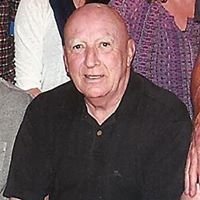
Book event at Skylight Books in Los Angeles featuring Ken Corbett and his newly released Social Science Book “A Murder Over A Girl”. Ken and I spent almost nine weeks in the same courtroom for this trial not knowing or speaking to each other due to Court Jury Rules. I was there as a Juror for this trial and he was always sitting in the visitor section compiling information for the book. We met for the first time Friday night at this book discussion and signing. Great experience for me because of the way we both mostly saw the Justice System and it’s “INJUSTICE” in the same way regarding this tragic case. Ken is a clinical assistant professor at New York University Post-doctoral Program in Psychoanalysis and Psychotherapy. He has a private practice in New York.

July 11, 2016
This is the fascinating and horrific case of Brandon McInerney who shot and killed his classmate Larry King. Living in the UK this is not something I remember hearing about in the news.
Written by a psychologist, Corbett tries to unravel the motives behind the shooting. Larry had begun to attend school sporting female accessories and was supposedly chatting up other boys. This 'sexual harassment' led Brandon to commit a pre-meditated public execution.
The jury's decision in this case and the underlying prejudice it exposes is deeply troubling. Reading the account of the defense made my blood boil.
This story is going to stay with me for a long time and it should be compulsory reading for anyone working in a school.
Written by a psychologist, Corbett tries to unravel the motives behind the shooting. Larry had begun to attend school sporting female accessories and was supposedly chatting up other boys. This 'sexual harassment' led Brandon to commit a pre-meditated public execution.
The jury's decision in this case and the underlying prejudice it exposes is deeply troubling. Reading the account of the defense made my blood boil.
This story is going to stay with me for a long time and it should be compulsory reading for anyone working in a school.

April 18, 2017
This book was okay, at first it was very interesting as the details of the case came out and thinking through what could have happened or should have happened and how we can make this world a better place going forward. However, the book didn't always follow a chronological pattern and when it jumped back and forth, I found it hard to figure out how it was organized. I think it would have made more sense if it just worked it's way through the trial in the order that the trial was taking place. The author definitely has an agenda so it isn't just factual accounting of the case. Though I felt that book was just okay - I do think the topics and discussions it brings up are good ones to talk about and figure out and discuss.

March 19, 2018
SUCH a heartbreaking book. This death was so so tragic. I hated reading about people defending the murderer. I hated reading about the justification. All of it was just heartbreaking. Very well written. I don't have a lot to say about this book because the overall impression it left me with was one of sorrow. One of unnecessary tragedy. Read it. I'm glad her story is being told. Its an important one.

December 21, 2021
Beautifully done. Both a close examination of this terrible crime's trial, a thoughtful look at many sorts of trauma, and a compassionate lifting up of Letitia, who got so little time to spread her wings.
"Stories such as these dressed Larry up. He wore a gossamer gown spun in the collective imagination, made with needles of rumor and play. It was as if birds rustled his crown, but not the pastel sort that find princesses. These were more like grackles."
"Stories such as these dressed Larry up. He wore a gossamer gown spun in the collective imagination, made with needles of rumor and play. It was as if birds rustled his crown, but not the pastel sort that find princesses. These were more like grackles."

July 21, 2016
I'm rounding up from 4 1/2 stars. The empathy exhibited by Corbett for Leticia warms my heart even though this is such a tragic account.

June 13, 2016
A Murder Over a Girl: Justice, Gender, Junior High by Ken Corbett. Henry Holt & Company: New York (2016).
Becoming Nicole: The Transformation of an American Family by Amy Ellis Nutt. Random House: New York (2015).
Friday afternoon I started reading these two books, beginning with Becoming Nicole. Before dawn Sunday morning while I was about half way through A Murder Over a Girl, I went online to check my email and found that what was to become the largest mass shooting in America had just occurred and the victims were targeted because they were LGBT. Coincidentally, I had just read the chapter in Murder Over a Girl describing Brandon McInerney walking up behind Leticia King and shooting her twice in the back of the head because she was a trans girl. I decided to take a break from reading precisely because the graphic description of the brutal murder was very disturbing and I had to process the horror of it. I did not know the new horror that awaited me as I opened my browser. Anyone who wants to understand what happened in Orlando must read these two books. As a matter of fact, everyone has a duty, an obligation, to understand why there is world-wide increasing violence against LGBT people. It is critical to understand the role of religious leaders, politicians, educators, and how the vilest elements of our popular culture create an environment that encourages and tolerates violence against LGBT people. I particularly call upon educators to include these two books in their curriculum.
In addition to the need to address a culture of violence, there are a number of pedagogical reasons to integrate these texts into any number of academic courses. Amy Ellis Nutt is a Pulitzer Prize winning journalist and Ken Corbett is a clinical assistant professor at New York University’s Post-doctoral Program in Psychoanalysis and Psychotherapy. Ms. Nutt’s book is an example of the best qualities of non-fiction writing and investigative journalism. Although there is not a “works cited” included in the text, there is substantive catalogue of “sources” and “resources.” I personally look forward to reading the story from the family’s perspective, particularly Nicole’s, but for the purposes of exploring and explicating the genre of non-fiction writing and investigative journalism this is an exemplary text. It is written in third-person narrative. Third person narrative, especially when that narrative is not particularly or consistently sympathetic towards the subjects of the narrative is something that is challenging to most readers. Of course, this is also a rationale for teaching the text in a learning environment. Likewise, Professor Corbett’s digressive attempts to psychoanalyze the subjects of his text without ever having interviewed either subject (Leticia King was murdered and Brandon McInerney refused to talk to him) is problematic for a number of reasons that a competent explicator/teacher will address—another learning opportunity! Nevertheless, Professor Corbett provides invaluable insight and in-depth information about the circumstances of Leticia King’s murder as well as how and why our society so completely failed to nurture and protect Leticia’s young life.
The complimentary nature of the plot elements makes the study of these two books an excellent choice for literary analysis as well as a critical analysis of the structural inequalities of our country. I originally found fault with Ms. Nutt’s opening chapter that revealed that Nicole was adopted. In fact, as a stand-alone text I still have reservations about the advisability of including that very personal information in the text—the relevance of the information, in my opinion, is outweighed by the subject’s right to privacy. However, Leticia King was also adopted. Thus, the two protagonists have a unique beginning that is statistically improbable. Being adopted is the first challenge both of these young trans people had to face and integrate into their sense of self and belonging. You have two trans babies—one found a home in an upper middle-class, educated family and the other in a working-class, uneducated family. The educated parents did not understand Nicole’s behavior and assertion of her girlhood but they had the skills to educate themselves and were open-minded (albeit at first reluctant) enough to break through their own ignorance and prejudices to provide the nurturing and protective environment Nicole needed to thrive. Leticia’s parents did not have the skills, resources, or connections to educate themselves and responded with scorn, anger, and rejection of Leticia’s need to be her authentic self. “They did not believe (sic) he was transgender. They were vocal and adamant about not wanting (sic) him to cross-dress or speak of (sic) himself as transgender . . . They repeatedly dismissed the fact that (sic) Larry had been repeatedly diagnosed with gender identity disorder” (Corbett 38). Leticia “was ushered into the offices of seven therapists in ten years . . . from one banged-up clinic to the next” (32). There is little evidence that Leticia received “much, if any, truly therapeutic care” (32). Nicole, by contrast, had consistent therapy in welcoming environments: “Dr. Norman Spack’s office is located in a sleek building with an atrium and wide windows, as open and relaxed as Spack himself” (Nutt 104). There is also a stark contrast between the quality of the school counselors at Leticia’s and Nicole’s schools. When Nicole’s mother, Kelly, visited the school counselor, Lisa Erhardt, the counselor pulled a copy of the DSM-V from the shelf, opened it to the section on gender dysphoria and carefully explained it to her (28). The personnel at Leticia’s school, such as Ms. Boldrin, “and her fellow teachers were not working with the idea of (sic) Larry as transgender. Lacking ways to think about or distinguish gender identity from sexuality, the teachers collapsed (sic) Larry’s ‘obvious femininity’ . . . with what they presumed to be a gay identity” (87). Leticia’s school, E.O. Green, is described as a “poor broken-down school in a poor neighborhood” (169). While Nicole’s schools were solidly middle and upper-class with her matriculating from high school at an expensive private school. As a matter of fact, a major point of contention with Nicole’s first school was their requirement that she use a private bathroom instead of the girls’ restroom. At Leticia’s school, she pleaded to be allowed permission to use a private bathroom (she knew there was simply no possibility that she would be granted the right to use the girls’ restroom). This example provides a clear illustration of the difference in expectations of civil and human rights based on one’s class status. Next, there is a threatening antagonist in both texts. In Leticia’s case it is Brandon McInerney, who would later murder her; in Nicole’s case, it was Jacob Melanson. When Nicole’s school failed to protect her from Jacob’s bullying, they relocated to a new and more accepting school district. Leticia had no escape from her tormentor. Leticia was shot two times in the back of the head. The text discloses the very distressing detail that Leticia did not die immediately but endured many hours of horrific suffering before she finally died (insert tears here). On the other hand, Nicole thrived, graduated from high school, and is now pursuing a theater and arts degree at the University of Maine. She also had the privilege granted to the prosperous to have sex confirmation surgery the summer before she enrolled at the University. These two books document the outcomes of two trans children—one who by sheer luck found a home in an upper-middle class home and the other in a poor household. One child received the support and protection she needed in society to thrive and the other lost her life because we, as a society, failed her. We can and must do better.
Becoming Nicole: The Transformation of an American Family by Amy Ellis Nutt. Random House: New York (2015).
Friday afternoon I started reading these two books, beginning with Becoming Nicole. Before dawn Sunday morning while I was about half way through A Murder Over a Girl, I went online to check my email and found that what was to become the largest mass shooting in America had just occurred and the victims were targeted because they were LGBT. Coincidentally, I had just read the chapter in Murder Over a Girl describing Brandon McInerney walking up behind Leticia King and shooting her twice in the back of the head because she was a trans girl. I decided to take a break from reading precisely because the graphic description of the brutal murder was very disturbing and I had to process the horror of it. I did not know the new horror that awaited me as I opened my browser. Anyone who wants to understand what happened in Orlando must read these two books. As a matter of fact, everyone has a duty, an obligation, to understand why there is world-wide increasing violence against LGBT people. It is critical to understand the role of religious leaders, politicians, educators, and how the vilest elements of our popular culture create an environment that encourages and tolerates violence against LGBT people. I particularly call upon educators to include these two books in their curriculum.
In addition to the need to address a culture of violence, there are a number of pedagogical reasons to integrate these texts into any number of academic courses. Amy Ellis Nutt is a Pulitzer Prize winning journalist and Ken Corbett is a clinical assistant professor at New York University’s Post-doctoral Program in Psychoanalysis and Psychotherapy. Ms. Nutt’s book is an example of the best qualities of non-fiction writing and investigative journalism. Although there is not a “works cited” included in the text, there is substantive catalogue of “sources” and “resources.” I personally look forward to reading the story from the family’s perspective, particularly Nicole’s, but for the purposes of exploring and explicating the genre of non-fiction writing and investigative journalism this is an exemplary text. It is written in third-person narrative. Third person narrative, especially when that narrative is not particularly or consistently sympathetic towards the subjects of the narrative is something that is challenging to most readers. Of course, this is also a rationale for teaching the text in a learning environment. Likewise, Professor Corbett’s digressive attempts to psychoanalyze the subjects of his text without ever having interviewed either subject (Leticia King was murdered and Brandon McInerney refused to talk to him) is problematic for a number of reasons that a competent explicator/teacher will address—another learning opportunity! Nevertheless, Professor Corbett provides invaluable insight and in-depth information about the circumstances of Leticia King’s murder as well as how and why our society so completely failed to nurture and protect Leticia’s young life.
The complimentary nature of the plot elements makes the study of these two books an excellent choice for literary analysis as well as a critical analysis of the structural inequalities of our country. I originally found fault with Ms. Nutt’s opening chapter that revealed that Nicole was adopted. In fact, as a stand-alone text I still have reservations about the advisability of including that very personal information in the text—the relevance of the information, in my opinion, is outweighed by the subject’s right to privacy. However, Leticia King was also adopted. Thus, the two protagonists have a unique beginning that is statistically improbable. Being adopted is the first challenge both of these young trans people had to face and integrate into their sense of self and belonging. You have two trans babies—one found a home in an upper middle-class, educated family and the other in a working-class, uneducated family. The educated parents did not understand Nicole’s behavior and assertion of her girlhood but they had the skills to educate themselves and were open-minded (albeit at first reluctant) enough to break through their own ignorance and prejudices to provide the nurturing and protective environment Nicole needed to thrive. Leticia’s parents did not have the skills, resources, or connections to educate themselves and responded with scorn, anger, and rejection of Leticia’s need to be her authentic self. “They did not believe (sic) he was transgender. They were vocal and adamant about not wanting (sic) him to cross-dress or speak of (sic) himself as transgender . . . They repeatedly dismissed the fact that (sic) Larry had been repeatedly diagnosed with gender identity disorder” (Corbett 38). Leticia “was ushered into the offices of seven therapists in ten years . . . from one banged-up clinic to the next” (32). There is little evidence that Leticia received “much, if any, truly therapeutic care” (32). Nicole, by contrast, had consistent therapy in welcoming environments: “Dr. Norman Spack’s office is located in a sleek building with an atrium and wide windows, as open and relaxed as Spack himself” (Nutt 104). There is also a stark contrast between the quality of the school counselors at Leticia’s and Nicole’s schools. When Nicole’s mother, Kelly, visited the school counselor, Lisa Erhardt, the counselor pulled a copy of the DSM-V from the shelf, opened it to the section on gender dysphoria and carefully explained it to her (28). The personnel at Leticia’s school, such as Ms. Boldrin, “and her fellow teachers were not working with the idea of (sic) Larry as transgender. Lacking ways to think about or distinguish gender identity from sexuality, the teachers collapsed (sic) Larry’s ‘obvious femininity’ . . . with what they presumed to be a gay identity” (87). Leticia’s school, E.O. Green, is described as a “poor broken-down school in a poor neighborhood” (169). While Nicole’s schools were solidly middle and upper-class with her matriculating from high school at an expensive private school. As a matter of fact, a major point of contention with Nicole’s first school was their requirement that she use a private bathroom instead of the girls’ restroom. At Leticia’s school, she pleaded to be allowed permission to use a private bathroom (she knew there was simply no possibility that she would be granted the right to use the girls’ restroom). This example provides a clear illustration of the difference in expectations of civil and human rights based on one’s class status. Next, there is a threatening antagonist in both texts. In Leticia’s case it is Brandon McInerney, who would later murder her; in Nicole’s case, it was Jacob Melanson. When Nicole’s school failed to protect her from Jacob’s bullying, they relocated to a new and more accepting school district. Leticia had no escape from her tormentor. Leticia was shot two times in the back of the head. The text discloses the very distressing detail that Leticia did not die immediately but endured many hours of horrific suffering before she finally died (insert tears here). On the other hand, Nicole thrived, graduated from high school, and is now pursuing a theater and arts degree at the University of Maine. She also had the privilege granted to the prosperous to have sex confirmation surgery the summer before she enrolled at the University. These two books document the outcomes of two trans children—one who by sheer luck found a home in an upper-middle class home and the other in a poor household. One child received the support and protection she needed in society to thrive and the other lost her life because we, as a society, failed her. We can and must do better.

March 19, 2026
I watched Valentine Road and picked this up as a companion Overall, a compelling read - though I could have done without the narrator's swimming scenes.

March 28, 2016
Full review with images here: http://brownbooksandgreentea.com/2016...
Rating: 4 out of 5 stars
Short Review: Ken Corbett transplants readers into the Courtroom 41, to track Brandon McInerney, a teenager on trial for murdering his trans classmate. It’s a fascinating, yet emotionally taxing, examination of how identity informs and shapes courtroom politics.
In 2008, 14-year-old Brandon McInerney shot his classmate twice in the head at close range while in the computer lab. The classmate, Lawrence “Larry” King, was a flamboyant brown skinned student who had recently made the decision to go by the name Leticia. Flaunting his gender exploration within the strict bounds of a school dress code, Larry had begun recently wearing makeup to school, and baby-heeled boots along with his shirt and slacks.
After hearing about Letrice’s story, Ellen Degeneres had the following to say: https://youtu.be/KSE6kjJK6nc
The facts are somewhat jumbled (likely because this is soon after the shooting), but the emotions are quite real—it’s a theme that will follow throughout the trial as well. First hand accounts of Brandon and Larry’s interactions remained limited, as Brandon refused to discuss anything pertaining to the shooting during or after the trial. Brandon’s homophobia, however, was undisputed. He’d stated repeatedly that he specifically hated Larry, reciting a lengthy list of threats against him to friends and classmates.
For this reason, Ken Corbett, a well-published gender scholar, took interest in the case. In A Murder Over a Girl: Justice, Gender, and Junior High, Corbett is a uniquely qualified guide through the extended (and endlessly frustrating) trial. A psychotherapy and psychoanalysis expert by training, he’s able to weed through testimonies rife with pandering in order to help the reader discern the facts. As a gender scholar focused on exhibitions of traditional masculinity, Corbett is further qualified to discuss how the fragility of masculinity and heteronomativity played pivotal roles in McInerney’s trial.
Regardless of one’s views on transgender rights, it’s a frustrating trial for an endless number of reasons. Corbett’s supplemental coffeehouse interviews with those close to the victim and the murderer illustrate the degree to which both boys were failed by the teachers, parents, and friends surrounding them. Using the perspective provided by each witness, Corbett forms a narrative critical of not only Brandon’s role, but of society’s as well. Like all great books, A Murder Over a Girl is not solely about the characters within its pages—eight years removed from the crime, it continues to point fingers at a society that still cannot seem figure out where trans people should use the restroom.It continues to point fingers at a society that continues to excuse lynchings motivated by the hyperbolic fear of an “other.”
Trans Bathroom
Coincidentally, this came up on my Facebook timeline yesterday.
It’s unfortunate that I hadn’t finished reading Ken Corbett’s A Murder Over a Girl: Justice, Gender, Junior High before publishing my list of 6 Best Reads of 2016 (so far) on Tuesday, because it would have been a strong contender. Timely and extensively researched, the only negative aspects were the unnecessary personal anecdotes Corbett inserted. Even those, however, served to humanize an author with a deeply intimate connection to the story he watched unfold. I gave this book 4/5 stars, and have already recommended it to friends who are deeply entrenched in gender studies. I’d even recommend it to book clubs willing to take on a heavy read that will stick around for long minutes after it’s placed back on the shelf.
For those who would like to learn more about the case, I also refer you to the Newsweek longread about it here, and Janet Mock’s commentary here.
*I chose to use the name Larry for the sake of continuity.
Disclaimer: I was given this book in exchange for an honest review.
Rating: 4 out of 5 stars
Short Review: Ken Corbett transplants readers into the Courtroom 41, to track Brandon McInerney, a teenager on trial for murdering his trans classmate. It’s a fascinating, yet emotionally taxing, examination of how identity informs and shapes courtroom politics.
In 2008, 14-year-old Brandon McInerney shot his classmate twice in the head at close range while in the computer lab. The classmate, Lawrence “Larry” King, was a flamboyant brown skinned student who had recently made the decision to go by the name Leticia. Flaunting his gender exploration within the strict bounds of a school dress code, Larry had begun recently wearing makeup to school, and baby-heeled boots along with his shirt and slacks.
After hearing about Letrice’s story, Ellen Degeneres had the following to say: https://youtu.be/KSE6kjJK6nc
The facts are somewhat jumbled (likely because this is soon after the shooting), but the emotions are quite real—it’s a theme that will follow throughout the trial as well. First hand accounts of Brandon and Larry’s interactions remained limited, as Brandon refused to discuss anything pertaining to the shooting during or after the trial. Brandon’s homophobia, however, was undisputed. He’d stated repeatedly that he specifically hated Larry, reciting a lengthy list of threats against him to friends and classmates.
For this reason, Ken Corbett, a well-published gender scholar, took interest in the case. In A Murder Over a Girl: Justice, Gender, and Junior High, Corbett is a uniquely qualified guide through the extended (and endlessly frustrating) trial. A psychotherapy and psychoanalysis expert by training, he’s able to weed through testimonies rife with pandering in order to help the reader discern the facts. As a gender scholar focused on exhibitions of traditional masculinity, Corbett is further qualified to discuss how the fragility of masculinity and heteronomativity played pivotal roles in McInerney’s trial.
Regardless of one’s views on transgender rights, it’s a frustrating trial for an endless number of reasons. Corbett’s supplemental coffeehouse interviews with those close to the victim and the murderer illustrate the degree to which both boys were failed by the teachers, parents, and friends surrounding them. Using the perspective provided by each witness, Corbett forms a narrative critical of not only Brandon’s role, but of society’s as well. Like all great books, A Murder Over a Girl is not solely about the characters within its pages—eight years removed from the crime, it continues to point fingers at a society that still cannot seem figure out where trans people should use the restroom.It continues to point fingers at a society that continues to excuse lynchings motivated by the hyperbolic fear of an “other.”
Trans Bathroom
Coincidentally, this came up on my Facebook timeline yesterday.
It’s unfortunate that I hadn’t finished reading Ken Corbett’s A Murder Over a Girl: Justice, Gender, Junior High before publishing my list of 6 Best Reads of 2016 (so far) on Tuesday, because it would have been a strong contender. Timely and extensively researched, the only negative aspects were the unnecessary personal anecdotes Corbett inserted. Even those, however, served to humanize an author with a deeply intimate connection to the story he watched unfold. I gave this book 4/5 stars, and have already recommended it to friends who are deeply entrenched in gender studies. I’d even recommend it to book clubs willing to take on a heavy read that will stick around for long minutes after it’s placed back on the shelf.
For those who would like to learn more about the case, I also refer you to the Newsweek longread about it here, and Janet Mock’s commentary here.
*I chose to use the name Larry for the sake of continuity.
Disclaimer: I was given this book in exchange for an honest review.

March 21, 2016
A sorry disappointment. I expected insightful analysis, not maundering narcissism. Perhaps he might have been more in the ballpark if he had understood a thing or two about the relatives whom he misidentifies as Mulhardts instead of Maulhardts, a German founding family of the city in which the events occurred. He picks out the father and his family for special indictment without admitting that the mother's family also contributed to the outcome. He has no clue about the community in which the events occurred conflating ideas with facts. Improbably, he was even out to lunch with regard to his own expertise. [I at least expected an accurate refutation and discussion of dissociation given the extensive discussion of the defense expert's testimony and the author's alleged expertise and that was not present; worse it was obvious the author did not know.] Is the book a complete waste of time? No, but neither is it worth a special investment of time if you are seeking knowledge in an area that requires accurate elucidation. The author occasionally shows some accurate and beneficial insight, but the moments are too rare to be of use and broken up by long didos of misinformation or personal information [who cares about his hotel or his weekend getaways to Santa Barbara to swim in a salt water pool or his escape to Ptown and his airport shower at the hung jury verdict]. All of this is frustrating whether this story is parsed as the murder of a gay child or the murder of a transsexual child because society as a whole so needs to have a frame of processing similar crimes so as to understand why it happened and what can be done to prevent it in the future. The time has come to address the issues of school and gender violence, but this book leaves us nearly as ignorant after it is read as we were before. The positive? For some brief moments in time the reader sees the victim empathetically. The negative? We never get a clear picture of the killer through the eyes of anyone or through the alleged expertise of the author. The clearest picture provided was in the closing arguments of the prosecutor which focused on fact, not the emotional blather that made up the bulk of this book.

December 29, 2015
Wanted to read this book by a psychologist in order to better understand gender identity. Is about two young guys, one black one white, who are at odds due to not understanding each other. Larry is a boy thinking he is meant to be a girl. Brandon is a boy who murders Larry. We humans tend to destroy that which is different and that which we dont understand., Mr. Corbett is attending the trial for research to write this book. The trial was a farce as the jury is manipulated by the attorneys who want to win. How does one defend a 14 year old boy who murders a 15 year old boy/girl. Is premeditated murder and defense council wants manslaughter. Dont understand gender identity any more than I did before reading. Do see justice system as very flawed as have seen for years. The gist of this trial brings home the loss of values being taught in our country and the lack of seeking to understand those who are different. Dont understand a lot about different people but seek to understand. Is a good book for all to be led tom thinking. Thanks to Goodreads and Mr. Corbett

May 31, 2016
This is an extremely sad, but compelling book about the murder and subsequent erasure of 15 year old Larry King. 9 days before his murder Larry, a boy who had experienced a troubled and abusive childhood, had been exploring gender expression (accessorizing his school uniform with pink belts, high heeled boots, and earrings. Trying on the name Leticia.) He was murdered by 14 year old Brandon McInerney, a boy who had experienced a troubled and abusive childhood and who was also exploring white supremacy. Corbett, a psychologist, has written an incredible book examining the justice system, the unreliability of memory in the face of trauma, and the idea that the denial of bigotry in any form is a fundamental aspect of bigotry. The interviews that Corbett conducts were so vivid I felt like I was watching this book as opposed to reading it. It made me considered gender in ways that I never have before.

November 2, 2015
The subject of this book, the premeditated murder of 15 year old trans teen Letitia (Larry) King by 14 year old Brandon McInerney, is interesting, and the writing is at times very good. But the non-linear exposition of the murder and subsequent trial and disposition of the case was very off-putting and made it difficult for me to follow the themes. It really angered me the way the so-called "activist jurors" and King's parents blamed the school for Letitia's murder, and the fact that the killer has yet to express any remorse or understanding of his acts is just cold-blooded. When McInerney leaves prison at age 36, I doubt he will stay out long.

March 7, 2022
It was good. I really liked how the author handled the intersection of race and gender, and that it was included at all. It had a lot of really good insights about race, gender, and the justice system. But I also feel like it didnt go deep enough. The witnesses and teachers said so much fucked up shit during the trial, and there was never any analysis of it. There needs to be deeper analyze in a book like this, because in its absence its like, why even read this book when I can just read about it on Wikipedia. Still, it was an important story and I’m glad it was told.

December 27, 2015
3.5 stars
True story of the murder of teenage Larry "Leticia" King by classmate Brandon McIerney. Written by the psychologist who follows and attends the court proceedings. The book unfolds as the court case proceeds with interviews and casual conversations with all the people who coke together as a result of this terrible act. The author explores race, gender identity, sexuality as they play into the course b of events.
True story of the murder of teenage Larry "Leticia" King by classmate Brandon McIerney. Written by the psychologist who follows and attends the court proceedings. The book unfolds as the court case proceeds with interviews and casual conversations with all the people who coke together as a result of this terrible act. The author explores race, gender identity, sexuality as they play into the course b of events.
May 31, 2016
Riveting story that both shocked and angered me. I still cannot believe what happened in that courtroom and after the trial was over. The book continues to haunt me. I really liked the style though at times the constant psychoanalysis of all of the parties involved got to be a bit much. I would recommend it.

November 8, 2016
Heartbreaking trial of the murder, by a teenager, of another teenager. Ken Corbett studies boys, their minds, their masculinity, and even he seems to be left with unanswered questions. A tough story to read, but important that we do so in our ever evolving culture and how we define ourselves and one another.

March 13, 2017
Very well researched and thought provoking. This book discusses the murder of 14 year old Larry King and the subsequent trial of his fellow classmate that shot and killed him. All over a dress, feminine accessories, and sexual orientation. It's beyond sad but I'm glad this event is still being discussed - it's so important, especially given our current political climate.

February 11, 2018
This particular recounting of a very sad event should have been a long article rather than a book. The author fleshed it out with repetitive prose and the fact that it took me weeks to finish a book with fewer than 300 pages says a lot.
Popsugar challenge prompt: true crime
Popsugar challenge prompt: true crime

March 12, 2016
I expected much more.
Displaying 1 - 30 of 97 reviews