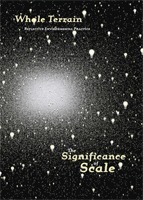
Beyond Ecophobia speaks to teachers, parents, and others interested in nurturing in children the ability to understand and care for nature. This expanded version of one of Orion Magazine’s most popular articles includes descriptions of developmentally appropriate environmental education activities and a list of related children’s books.
Im all here for a quick read, but the brevity wasn’t appropriate for the depth of the topics he covered in the book. I would’ve liked to see more elaboration/studies and less anecdotes. Overall came away with some new knowledge so a win is a win.
Müjdat Ataman'ın '112 Öğretmenliğime Notlar' kitabında okunması tavsiye edilen kitaplardandı. Kitabı bitirince şimdiye kadar niye okumadım diye düşündüm . Kitabı okurken bir öğrencimin sorduğu soru geldi hep aklıma : 'Ben küresel ısınmadan çok korkuyorum. Bir şeyler yapmak istiyorum ama ne yapabilirim ki tek başıma ?' Bu soruyu ilk duyduğumda küresel ısınma ile ilgili bilgi verilirken bir şeylerin atlandığını düşündüm . Bu kitap o eksik kısmın ne olduğunu fark ettirdi bana . Bence tüm öğretmenler ve ebeveynler okumalı .
An interesting essay for educators (and likely parents too). I especially appreciated the way in which David Sobel addresses the cognitive readiness regarding when younger generations should be introduced to environmental concerns.
A great essay focusing on the practical ways educational organizations and schools can facilitate connection with nature and authentic engagement with environmental issues.
This is really more of an essay than a book (only 36 pages) but important nonetheless as it explores environmental education for children, connecting different types of activities to different ages. The basic message of the book is to not overburden very young children with the problems of the world but rather allow them to fall in love and then explore nature. Activism beyond the local is something more appropriate for adolescence.
There are some great examples of activities conducted with kids of different ages as well as a few studies sighted. Reading the book gave me ideas that I can use with kids I teach at a local farm where I’m the Education Coordinator.
Book #48 of 2024. "Beyond Ecophobia" by David Sobel. 3/5 rating. 39 p.
This is a very short book about teaching kids about nature.
"What's important is that children have an opportunity to bond with the natural world, to learn to love it, before being asked to heal its wounds."
David is bothered by what he sees as the well-intentioned, but destructive act of informing young kids about the damage we are causing to the natural world. This is important and must be stopped, but he states: "If we want children to flourish, to become truly empowered, then let us allow them to love the earth before we ask them to save it."
He lays out ideas of what would be appropriate at the age groups of 4-7, 8-11, and 12-15, mostly focused on local impacts. - From 4-7, foster a sense of wonder and connection with nature - From 8-11, focus on exploration and beginning to work in nature - like taking care of animals or gardening - From 12-15, begin social action and allow students to work towards "saving the world" with their love of nature that you've fostered
There were some good ideas in here, but even in such a short book, it became pretty repetitive.
Quotes: "The key is in allowing for a close relationship to develop between children and the nature near home before laying the weight of the world's plight on their shoulders." "But wouldn't it be easier, and healthier, to both think and act locally at this age? Wouldn't it make more sense to have this child feel protective of the muskrats in the pond across the street?" "Most environmentalists attributed their commitment to a combination of two sources: 'many hours spent outdoors in a keenly remembered wild or semi-wild place in childhood or adolescence, and an adult who taught respect for nature.' Not one of the conservationists surveyed explained his or her dedication as a reaction against exposure to an ugly environment." "Authentic environmental commitment emerges out of firsthand experiences with real places on a small, manageable scale."
Sobel offers pragmatic, concise insights on the how to connect children to nature in a way that aligns with their developmental stage. He includes examples at every turn. This is one of the most memorable and uplifting books I have read on nature based education. The detailed example of the autonomous Elementary School Forts was particularly memorable.
The biggest take away for me was the aligning scope to developmental stage: (A) Start; up to ~11 yo educate to nourish a personal connection with local nature, do not introduce problems yet. (B) Next; ~12-14 yo is when children can use abstract thinking and are beginning to carve out an identity (aligns with rites of passages around the world). At this stage introduce local environment problems that a child can assert agency over (many excellent examples in the book). (C) Finally; 14yo+ connects regional or global climate projects. Built on the confidence to make an impact from projects in the last stage, students will be able to retain sense of agency when bringing in the breadth of the issues.
I highly recommend buying the book for parents, teachers, and nature lovers a like.
Çocukların çevre farkındalığını nasıl sağlamamız gerektiğini, henüz küçük yaşlarda duygusal gelişimi ve soyut düşünme becerisi gelişmemiş olan çocuklara okulda büyük çevre felaketlerinden söz etmek yerine arka bahçesinde veya kasabasında bulunan doğayı keşfetmesini sağlamanın öneminden bahseden zihin açıcı bir kitap. “Eğer çocukların gelişmesini, gerçekten güçlenmelerini istiyorsak, o zaman dünyayı kurtarmalarını istemeden önce onu sevmelerine izin verelim”
A very important book in the environmental education canon. Using children’s developmental levels to prescribe the appropriate curriculum for learning about nature is the focus of this short text. It’s foundational and essential.
This book is a little out of date now, but still has a lot of good information about dealing with difficult subjects at developmentally appropriate ages. This is a great tool for anyone who is going into education but particularly environmental education.
This is a must read for anyone who works with children, works outdoors, plays outdoors, has a child, is a child, etc. A lot of the information is common sense, but is presented in a way that's really gripping. I use quotes and excerpts from this in training my summer camp staff team.
An expanded writing from an Orion article that talks about how exposing kids to frightening concepts like fore a sense of love for nature is actually more harmful to the environmental movement.
Very quick read (more like a pamphlet). But it makes very compelling points about connecting children with nature before educating them. And being mindful of when to introduce global initiatives.
Not a long read but powerful and interesting. Speaks to the importance of children connecting to local nature before being able to care about far-away nature.
If you love the earth and love children, this is a must read! David Sobel writes with clarity how children are being denied what used to be taken for granted as part of childhood--being comfortable with nature and identifying with it.
It is a very short book, more like a long essay. I loved it.
Beyond Ecophobia is a very quick read, but it packs a pretty powerful punch into those few pages. Sobel's ideas about how to expose children to the wonders and concerns of our natural world are inspiring. I've learned some valuable lessons on how I'd like my children to experience and appreciate nature as they grow.
ALL ADULTS, PLEASE READ THIS BOOK! Only 39 pages. I own it and will loan it out. "With a clear message that effective nature education gets kids outside to explore the place where they live, this extremely powerful and readable book raises hard questions about teaching practices and puts into words what many of us feel." Green Teacher
Very short read. Impactful ideas to ponder on how we teach science, but mainly how we foster stewardship of the earth in future generations. The premise is summed up with this quote from the book:
“What is important is that children have an opportunity to bond with the natural world, to learn to love it and feel comfortable in it, before being asked to heal its wounds.”
Teaching the world's problems to our students overwhelms them and causes the to disengage. Here, Sobel identifies ways to teach students to connect to their local earth so they are prepare to tackle the world's problems at a more developmentally appropriate time. Quick read.
I am enjoying the "empathy, exploration" aspects of David Sobel's book, compared with "standards-based curriculum" books that tend to have a narrower, scientific scope.