

What do you think?

Stefan Zweig vid världens ände
Stefan Zweig var en av världens mest berömda och översatta författare under mellankrigstiden. Ändå blev denne firade författare och intellektuelle, på bara några få år efter Hitlers maktövertagande, alltmer isolerad i sin exil. Efter uppehåll i bl.a. London, Bath, New York och slutligen Petrópolis i Brasilien, tog han 1942 sitt liv efter att ha fullbordat Världen av i går, hans berömda skildring av det gamla Europa . Georg Prochniks biografi är berättelsen om Stefan Zweigs fantastiska framgång och tragiska fall. Prochnik skildrar avgrunden mellan Europas och Amerikas intellektuella liv och hemlösheten hos dem som tvingades överge den värld som skapat dem. Han visar också hur Zweig i tanke, verk och handling gestaltade Europas sammanbrott som förebild för kultur och civilisation.
326 pages, Hardcover
First published May 1, 2014
About the author
George Prochnik
14 books62 followersGeorge Prochnik’s essays, poetry, and fiction have appeared in numerous journals. He has taught English and American literature at Hebrew University in Jerusalem, is editor-at-large for Cabinet magazine, and is the author of In Pursuit of Silence: Listening for Meaning in a World of Noise and Putnam Camp: Sigmund Freud, James Jackson Putnam, and the Purpose of American Psychology. He lives in New York City.
Ratings & Reviews
Friends & Following
Create a free account to discover what your friends think of this book!
Community Reviews
Displaying 1 - 30 of 84 reviews

July 13, 2022
Ultimul an din viața lui Stefan Zweig. Și ultima zi.
Pînă în 1934, cînd părăsește Austria, Zweig călătorise pretutindeni fără mari probleme: India, Rusia, America de Sud, Statele Unite. Abia din acest an, exilul devine pentru el o povară și un chin. Simte că și-a pierdut căminul, că nu mai are un loc al lui în care să se simtă protejat. Cînd pleca, știa că există o casă în Salzburg, unde era așteptat de rude și prieteni. Călătorea ca Ulysse pentru a cunoaște oameni noi (mai ales, editori), pentru a ține conferințe, pentru a se întîlni cu publicul, dar era sigur că undeva există un refugiu final, un punct fix, o insulă numită Ithaka..
După 1934, refugiul dispare. Trăiește o vreme la Londra, dar nu e mulțumit, englezii nu-i apreciază cărțile. Se mută în New York, unde exista deja o numeroasă comunitate de exilați, mulți dintre ei evrei. Observă cu amărăciune că exilul e fărîmițat. Mulți sînt extrem de săraci (Zweig îi va ajuta cu mărinimie), cei bogați dau dovadă de un egoism atroce. Autorul Exilului imposibil notează desfășurarea unei acțiuni de „binefacere”. Colecta eșuează, unii lasă în pălărie cîteva monede de un cent. Invidia se manifestă pretutindeni. Fiecare cu viața lui.
Mai mult: Zweig e blamat (de Thomas Mann și alți directori de conștiință) că nu a rupt prietenia cu Richard Strauss, „compozitorul lui Hitler”, că nu are idei politice tăioase, că ezită să denunțe situația cumplită a evreilor din Germania.
Stefan Zweig era un ins sociabil. În New York, îi lipseau cafenelele și întîlnirile cu prietenii. Toți erau risipiți prin orașe îndepărtate, la Princetown, în localitățile din California. Stilul de viață american nu-i plăcea. Prin iunie 1941, Klaus Mann îl întîlnește pe stradă și constată că are o privire rătăcită, de om hăituit. În cazul lui Zweig, depresia e recurentă. Exact acum, prozatorul ia o decizie bizară și nefericită. Se va muta în Brazilia (care ara o dictatură) și „va duce o viață vegetativă într-o zonă cu multă vegetație”. Închiriază o casă în Petrópolis, o așezare situată nu departe de Rio de Janeiro. E vizitat rar, primește tot mai puține scrisori. Se simte singur și amenințat, deși are alături pe a doua lui soție, Lotte Altmann, mai tînără cu 27 de ani decît el și bolnavă de astm. În 1939, divorțase de Friederike von Winternitz.
Tînăra femeie nu-i putea da un sfat înțelept, nu avea nici autoritatea și nici curajul. Adorația nu e critică. Cu Friederike ar fi fost altceva. Ceea ce frapează în drama lui Stefan Zweig a fost faptul că sinuciderea nu a constituit un gest impulsiv, ci unul pregătit din vreme. George Prochnik afirmă că, odată ajuns în Brazilia, sinuciderea devenise inevitabilă. Săptămîni în șir, cei doi au scris epistole de adio. Și-au donat cărțile, manuscrisele, straiele. Nici unul dintre ei nu a mai pus în discuție hotărîrea.
Ziua aleasă a fost duminică, 22 februarie 1942. Stefan Zweig a scris o scurtă „declarație” (în care nu o numește pe Lotte), s-a îmbrăcat elegant (cămașă impecabilă, cravată) și a băut supradoza de Veronal. Lotte a amînat gestul. A făcut baie și s-a îmbrăcat într-un chimono. Probabil că s-a plimbat pe verandă. Probabil că l-a contemplat pe bărbatul iubit, fără suflare. A stat pe gînduri. Apoi a luat doza, s-a întins alături de Zweig și l-a îmbrățișat. Abia a doua zi, pe la ora 16, o servitoare a îndrăznit să intre în cameră...
Pînă în 1934, cînd părăsește Austria, Zweig călătorise pretutindeni fără mari probleme: India, Rusia, America de Sud, Statele Unite. Abia din acest an, exilul devine pentru el o povară și un chin. Simte că și-a pierdut căminul, că nu mai are un loc al lui în care să se simtă protejat. Cînd pleca, știa că există o casă în Salzburg, unde era așteptat de rude și prieteni. Călătorea ca Ulysse pentru a cunoaște oameni noi (mai ales, editori), pentru a ține conferințe, pentru a se întîlni cu publicul, dar era sigur că undeva există un refugiu final, un punct fix, o insulă numită Ithaka..
După 1934, refugiul dispare. Trăiește o vreme la Londra, dar nu e mulțumit, englezii nu-i apreciază cărțile. Se mută în New York, unde exista deja o numeroasă comunitate de exilați, mulți dintre ei evrei. Observă cu amărăciune că exilul e fărîmițat. Mulți sînt extrem de săraci (Zweig îi va ajuta cu mărinimie), cei bogați dau dovadă de un egoism atroce. Autorul Exilului imposibil notează desfășurarea unei acțiuni de „binefacere”. Colecta eșuează, unii lasă în pălărie cîteva monede de un cent. Invidia se manifestă pretutindeni. Fiecare cu viața lui.
Mai mult: Zweig e blamat (de Thomas Mann și alți directori de conștiință) că nu a rupt prietenia cu Richard Strauss, „compozitorul lui Hitler”, că nu are idei politice tăioase, că ezită să denunțe situația cumplită a evreilor din Germania.
Stefan Zweig era un ins sociabil. În New York, îi lipseau cafenelele și întîlnirile cu prietenii. Toți erau risipiți prin orașe îndepărtate, la Princetown, în localitățile din California. Stilul de viață american nu-i plăcea. Prin iunie 1941, Klaus Mann îl întîlnește pe stradă și constată că are o privire rătăcită, de om hăituit. În cazul lui Zweig, depresia e recurentă. Exact acum, prozatorul ia o decizie bizară și nefericită. Se va muta în Brazilia (care ara o dictatură) și „va duce o viață vegetativă într-o zonă cu multă vegetație”. Închiriază o casă în Petrópolis, o așezare situată nu departe de Rio de Janeiro. E vizitat rar, primește tot mai puține scrisori. Se simte singur și amenințat, deși are alături pe a doua lui soție, Lotte Altmann, mai tînără cu 27 de ani decît el și bolnavă de astm. În 1939, divorțase de Friederike von Winternitz.
Tînăra femeie nu-i putea da un sfat înțelept, nu avea nici autoritatea și nici curajul. Adorația nu e critică. Cu Friederike ar fi fost altceva. Ceea ce frapează în drama lui Stefan Zweig a fost faptul că sinuciderea nu a constituit un gest impulsiv, ci unul pregătit din vreme. George Prochnik afirmă că, odată ajuns în Brazilia, sinuciderea devenise inevitabilă. Săptămîni în șir, cei doi au scris epistole de adio. Și-au donat cărțile, manuscrisele, straiele. Nici unul dintre ei nu a mai pus în discuție hotărîrea.
Ziua aleasă a fost duminică, 22 februarie 1942. Stefan Zweig a scris o scurtă „declarație” (în care nu o numește pe Lotte), s-a îmbrăcat elegant (cămașă impecabilă, cravată) și a băut supradoza de Veronal. Lotte a amînat gestul. A făcut baie și s-a îmbrăcat într-un chimono. Probabil că s-a plimbat pe verandă. Probabil că l-a contemplat pe bărbatul iubit, fără suflare. A stat pe gînduri. Apoi a luat doza, s-a întins alături de Zweig și l-a îmbrățișat. Abia a doua zi, pe la ora 16, o servitoare a îndrăznit să intre în cameră...

Read
January 20, 2022This is not a biography but an artful portrait of the writer Stefan Zweig in his last wanderings as a refugee and up to his suicide in Brazil after carnival in 1942.
I say portrait rather than biography because the book is non-linear and only begins in the last couple of years of his life, it is coy and deliberately so; unlike many refugees Zweig had plenty of money my impression was that it was mostly inherited, but obviously it was well invested and managed as he seemed to have access to money where ever he went, there's no hint in the text that he was threatened by or at risk of Nazis seizing his assets. Plainly there is a story there, but not one that we are told. but this was important as money meant that Zweig was freer than his contemporaries and in a position to dole out money to others, I had the sense that this was not just or simply charitable but part of his way of being sociable.
Coyness is also shown in regard to Zweig's erotic life. Time and again the book hints and suggests, but backs away from stating that Zweig was bisexual and that going to big cities to buy sex was an important part of his life.
There is a more troubling coyness in the unlabelled black and white photographs that illustrate the text and the way that interpretation and anecdote slide into authorial narrative with no evaluation of whether information is reliable or not -there are notes to each chapter, but no references to that in the text.
All in all it is an interesting picture of a literary star of his day though the author has a higher opinion of Zweig as a writer than Zweig professed to have of himself, and interestingly the author seems to like Zweig even though the text left me feeling a bit uneasy about him- perhaps his first wife relating that he told her more about his extra-marital escapades than she wanted to know pushed me over the edge, certainly I had the sense that psychologically there was a lot going on and a certain repetitive element to his behaviour.
Spoiler alert, his suicide seemed a bit curious, the author linked it to fears of a Nazi victory, I couldn't help wondering if there was something more going on - certainly the loss of a social circle and maybe a fear of ageing further. If you are an extrovert and a social chameleon then retreating to rural Brazil is possibly not the best idea. Hard not to think that Zweig was a bit silly, then again a lack of self knowledge is not the rarest trait among people.
As an opening book for fans of Zweig's writing I would guess it does not have enough about his writing, this is more about Zweig in society touching on Viennese coffee-house culture, his early friendship with Theodor Herzl, a picture of a man who needed a circle of acquaintances and an urbane environment to thrive in. It is a nice piece of cultural historical writing, which is not afraid to show how he reinvented himself in his autobiography .
I say portrait rather than biography because the book is non-linear and only begins in the last couple of years of his life, it is coy and deliberately so; unlike many refugees Zweig had plenty of money my impression was that it was mostly inherited, but obviously it was well invested and managed as he seemed to have access to money where ever he went, there's no hint in the text that he was threatened by or at risk of Nazis seizing his assets. Plainly there is a story there, but not one that we are told. but this was important as money meant that Zweig was freer than his contemporaries and in a position to dole out money to others, I had the sense that this was not just or simply charitable but part of his way of being sociable.
Coyness is also shown in regard to Zweig's erotic life. Time and again the book hints and suggests, but backs away from stating that Zweig was bisexual and that going to big cities to buy sex was an important part of his life.
There is a more troubling coyness in the unlabelled black and white photographs that illustrate the text and the way that interpretation and anecdote slide into authorial narrative with no evaluation of whether information is reliable or not -there are notes to each chapter, but no references to that in the text.
All in all it is an interesting picture of a literary star of his day though the author has a higher opinion of Zweig as a writer than Zweig professed to have of himself, and interestingly the author seems to like Zweig even though the text left me feeling a bit uneasy about him- perhaps his first wife relating that he told her more about his extra-marital escapades than she wanted to know pushed me over the edge, certainly I had the sense that psychologically there was a lot going on and a certain repetitive element to his behaviour.
Spoiler alert, his suicide seemed a bit curious, the author linked it to fears of a Nazi victory, I couldn't help wondering if there was something more going on - certainly the loss of a social circle and maybe a fear of ageing further. If you are an extrovert and a social chameleon then retreating to rural Brazil is possibly not the best idea. Hard not to think that Zweig was a bit silly, then again a lack of self knowledge is not the rarest trait among people.
As an opening book for fans of Zweig's writing I would guess it does not have enough about his writing, this is more about Zweig in society touching on Viennese coffee-house culture, his early friendship with Theodor Herzl, a picture of a man who needed a circle of acquaintances and an urbane environment to thrive in. It is a nice piece of cultural historical writing, which is not afraid to show how he reinvented himself in his autobiography .

November 6, 2022
Umanist, prozator de mare forță, Stefan Zweig ne-a lasat o galerie de portrete memorabile, in stilul sau unic ce surprinde, cu un profund spirit analitic, caracterul uman, rezultat al unei vaste culturi si al iubirii pentru oameni.
George Prochnik a pornit pe urmele scriitorului si ni l-a daruit pe Zweig si "Lumea de ieri" a sa, intr-o biografie exceptional documentata.
Cartea mai are marele merit de a reconstitui atmosfera acelor timpuri si de a explica diferenta uriasa intre spiritul Europei si cel american.
Intelegem astfel mai bine de ce Zweig s-a simtit un “barbat deceptionat, care incerca disperat sa se agate de mirajul unei Europe care nu mai exista, dar a carei disparitie refuza cu incapatanare sa o jeleasca”.
Odata cu teroarea nazista, locul mustind de cultura, cel in care cafeneaua fusese o institutie unica pe planeta, un laborator de idei si generator de inspiratie, Viena, devine o amintire.
Scriitorul pierde lucrul esențial pentru un spirit creator, acele radacini care l-au fixat adanc in spatiul natal, locul magic unde isi gasea armonia.
Poate in Anglia ar fi trait mai impacat, insa trece Atlanticul si nu se va regasi nici la New York, nici la Ossining , simtind ca “intre limba lui si sensul ei se produsese o ruptura”, se transformase intr-o anomalie imposibila, “vorbind si gandind intr-o limba care ne-a fost luata, traind intr-o tara…in care suntem doar tolerati. Evrei fara credinta religioasa si fara vointa de a fi evrei”.
I s-au adus reprosuri, in special de catre Hannah Arendt, cum ca el trebuia sa faca mai mult, fiind un privilegiat fata de milioane de alti, insa el era un pacifist care ajutase sute de oameni si atat putea face :
„Tot ce fac încerc să fac în liniște… Nu am nimic așa-zis eroic în mine. M-am născut conciliant și trebuie să acționez în conformitate cu firea mea.“
Stefan Zweig a pierdut rafinamentul cultural al Europei si nu a putut accepta o viata banala. Nici macar linistea si echilibrul care pareau sa-l multumeasca la Petropolis, in Brazilia, nu au reusit sa ii dea un sens vietii, era “epuizat de lungii ani in care am ratacit fara sa am un camin”.
In plus, reiese ca el nu mai avea nici o speranta ca lumea va scapa de Hitler in acel februarie 1942. Era convins ca acesta va cuceri toata lumea... si totusi mai era atat de putin pana la infrangerea Germaniei la Stalingrad.
"Viata generatiei noastre este pecetluita, nu avem puterea sa influentam cursul evenimentelor si nici dreptul de a da sfaturi urmatoarei generatii, din moment ce noi am esuat."
Socant, sau poate dovada unei iubiri fara limite, este ca Lotte, a doua si mult mai tanara sa sotie a ales sa mearga impreuna cu Stefan intr-o alta lume, poate mai buna.
P.S. Mi-a placut scrisoarea lui Andrei Craciun catre Stefan Zweig :
htps://www.ziarulmetropolis.ro/scrisoare-cat...
Consider ca poza sotilor Zweig, asa cum au fost gasiti, nu trebuia sa apara in carte. Merita sa ii fie repectata intimitatea, mai ales dupa moarte.
George Prochnik a pornit pe urmele scriitorului si ni l-a daruit pe Zweig si "Lumea de ieri" a sa, intr-o biografie exceptional documentata.
Cartea mai are marele merit de a reconstitui atmosfera acelor timpuri si de a explica diferenta uriasa intre spiritul Europei si cel american.
Intelegem astfel mai bine de ce Zweig s-a simtit un “barbat deceptionat, care incerca disperat sa se agate de mirajul unei Europe care nu mai exista, dar a carei disparitie refuza cu incapatanare sa o jeleasca”.
Odata cu teroarea nazista, locul mustind de cultura, cel in care cafeneaua fusese o institutie unica pe planeta, un laborator de idei si generator de inspiratie, Viena, devine o amintire.
Scriitorul pierde lucrul esențial pentru un spirit creator, acele radacini care l-au fixat adanc in spatiul natal, locul magic unde isi gasea armonia.
Poate in Anglia ar fi trait mai impacat, insa trece Atlanticul si nu se va regasi nici la New York, nici la Ossining , simtind ca “intre limba lui si sensul ei se produsese o ruptura”, se transformase intr-o anomalie imposibila, “vorbind si gandind intr-o limba care ne-a fost luata, traind intr-o tara…in care suntem doar tolerati. Evrei fara credinta religioasa si fara vointa de a fi evrei”.
I s-au adus reprosuri, in special de catre Hannah Arendt, cum ca el trebuia sa faca mai mult, fiind un privilegiat fata de milioane de alti, insa el era un pacifist care ajutase sute de oameni si atat putea face :
„Tot ce fac încerc să fac în liniște… Nu am nimic așa-zis eroic în mine. M-am născut conciliant și trebuie să acționez în conformitate cu firea mea.“
Stefan Zweig a pierdut rafinamentul cultural al Europei si nu a putut accepta o viata banala. Nici macar linistea si echilibrul care pareau sa-l multumeasca la Petropolis, in Brazilia, nu au reusit sa ii dea un sens vietii, era “epuizat de lungii ani in care am ratacit fara sa am un camin”.
In plus, reiese ca el nu mai avea nici o speranta ca lumea va scapa de Hitler in acel februarie 1942. Era convins ca acesta va cuceri toata lumea... si totusi mai era atat de putin pana la infrangerea Germaniei la Stalingrad.
"Viata generatiei noastre este pecetluita, nu avem puterea sa influentam cursul evenimentelor si nici dreptul de a da sfaturi urmatoarei generatii, din moment ce noi am esuat."
Socant, sau poate dovada unei iubiri fara limite, este ca Lotte, a doua si mult mai tanara sa sotie a ales sa mearga impreuna cu Stefan intr-o alta lume, poate mai buna.
P.S. Mi-a placut scrisoarea lui Andrei Craciun catre Stefan Zweig :
htps://www.ziarulmetropolis.ro/scrisoare-cat...
Consider ca poza sotilor Zweig, asa cum au fost gasiti, nu trebuia sa apara in carte. Merita sa ii fie repectata intimitatea, mai ales dupa moarte.

August 10, 2014
Everything we forget about our own lives was really condemned to oblivion by an inner instinct long ago. - Stefan Zweig
It is easy to lose oneself in this text. The Impossible Exile is well written and avoids annotation all the while projecting perosnal experiences into isolated threads. The author explores the three principal locations of Zweig's post-Anschluss exile: England, the US and Brazil. Prochnik details the broader context of the wartime European refugee, the obstacles and the reception. The letters and memoirs of Brecht, Bruno Walter, Hermann Broch and others are mined. That is a delightful touch on such a sorrowful subject. Interspersed are photographs of Zweig, his second wife Lotte and the locales of their means of escape.
There is a measure of literary criticism of Zweig's work, especially his autobiography. Such is fine but it is the study of the dispossessed's plight which make this such an engrossing endeavor.
It is easy to lose oneself in this text. The Impossible Exile is well written and avoids annotation all the while projecting perosnal experiences into isolated threads. The author explores the three principal locations of Zweig's post-Anschluss exile: England, the US and Brazil. Prochnik details the broader context of the wartime European refugee, the obstacles and the reception. The letters and memoirs of Brecht, Bruno Walter, Hermann Broch and others are mined. That is a delightful touch on such a sorrowful subject. Interspersed are photographs of Zweig, his second wife Lotte and the locales of their means of escape.
There is a measure of literary criticism of Zweig's work, especially his autobiography. Such is fine but it is the study of the dispossessed's plight which make this such an engrossing endeavor.

July 14, 2021
George Prochnik's The Impossible Exile: Stefan Zweig at the End of the World merges the later life of author Stefan Zweig with that of Prochnik's own family heritage, for both Zweig & the Prochnik family were ultimately forced into exile by the Nazis, with both traveling by ship to New York, Zweig via England & author Prochnik's grandparents from Italy, at a time of intensifying antisemitism in Hitler's Reich.

Stefan Zweig was an acclaimed writer, one of the foremost novelists in the world & from a wealthy Jewish family in Vienna but when Nazism began to cast a spell over Europe in the mid-1930s, his books were both banned & burned. He fled Vienna for London & then Bath but finding his name & even his address in England on a list maintained by the Nazis, destined for roundup when Germany invaded Great Britain, he had to once again take refuge elsewhere.
Neither New York City nor the small town of Ossining were seen as proper havens by Zweig, with the author feeling that the "cultural Americanization" of the world was almost as threatening as European fascism, this at a point before the onset of the war. Eventually, he & his young 2nd wife Lotte booked passage for Brazil, finally taking up residence in a small town north of Rio de Janeiro, a place he felt the couple could live "like turtle doves". According to author Prochnik, Stefan Zweig, who had always been a confirmed internationalist, had become an "eternal pilgrim who had long embraced a preemptive exile."

However, the sense of alienation from the culture & ferment of Vienna & his life there became deep-seated, in time causing an overwhelming depressive state. George Prochnik's contention is that it was impossible for Stefan Zweig to thoroughly acclimatize to a new setting, though he seemed to love the Brazilian people, sensing racial harmony there, unlike anywhere else he'd been. He felt initially at peace, particularly since there was a cluster of German-speakers in the small town of Petropolis where Stefan & his wife found a home, delighting in its garden & the slow pace of life there, a suitable place for a writer to craft his thoughts into further books.
As indicated, George Prochnik also embeds the story of how his own family escaped from Germany to Switzerland & then via family connections & the sheerest of luck, sailed on the grand Italian liner, the S.S. Rex for New York, where again, they had some very helpful benefactors. Unlike for Stefan Zweig, life in America represented a golden ring, a chance for a new life, one to be embraced & even enjoyed.
Prochnik travels to Europe to revisit the sites that had been important to both Stefan Zweig & his own family. Included is commentary on visits to former homes of the Prochnik Family & the Zweigs, even including an appearance at the art school in Vienna that twice refused admission to a young Adolf Hitler. However, the interspersing of these details, while of some interest, causes the book to seem quite discursive at times.
I am personally distressed by the thought of suicide by a distinguished intellectual, a world-class writer like Stefan Zweig at the age of 60, especially after gaining safety that was denied to so many European Jews, among others, during WWII; I am even more distressed by the shared self-annihilation of his wife Lotte, some 30 years younger than Zweig. As Prochnik comments: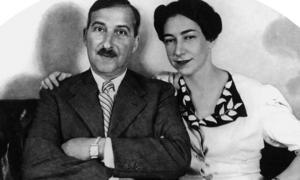
I read The Impossible Exile while reading Stefan Zweig's The Post Office Girl, interested in finding possible keys to Zweig's identity & the milieu that surrounded his exile. There may indeed be better biographies of Stefan Zweig but this one was readily at hand at my local library and it was time well-spent, even if seeming somewhat muddled in places. Still, I would recommend it to anyone with an interest in the life of Stefan Zweig.
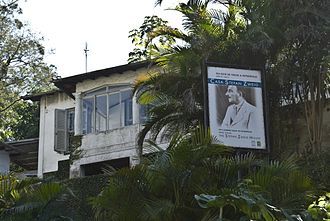
*Within my review are photo images of: the book's author George Protnik; Stefan Zweig; the place of final exile at Petropolis, Brazil; Stefan Zweig & his 2nd wife Lotte.
Stefan Zweig was an acclaimed writer, one of the foremost novelists in the world & from a wealthy Jewish family in Vienna but when Nazism began to cast a spell over Europe in the mid-1930s, his books were both banned & burned. He fled Vienna for London & then Bath but finding his name & even his address in England on a list maintained by the Nazis, destined for roundup when Germany invaded Great Britain, he had to once again take refuge elsewhere.
Neither New York City nor the small town of Ossining were seen as proper havens by Zweig, with the author feeling that the "cultural Americanization" of the world was almost as threatening as European fascism, this at a point before the onset of the war. Eventually, he & his young 2nd wife Lotte booked passage for Brazil, finally taking up residence in a small town north of Rio de Janeiro, a place he felt the couple could live "like turtle doves". According to author Prochnik, Stefan Zweig, who had always been a confirmed internationalist, had become an "eternal pilgrim who had long embraced a preemptive exile."
However, the sense of alienation from the culture & ferment of Vienna & his life there became deep-seated, in time causing an overwhelming depressive state. George Prochnik's contention is that it was impossible for Stefan Zweig to thoroughly acclimatize to a new setting, though he seemed to love the Brazilian people, sensing racial harmony there, unlike anywhere else he'd been. He felt initially at peace, particularly since there was a cluster of German-speakers in the small town of Petropolis where Stefan & his wife found a home, delighting in its garden & the slow pace of life there, a suitable place for a writer to craft his thoughts into further books.
All his life, Zweig had venerated two things: The dream of human unity on earth and the capacity of art to induce a sense of earthly transcendence--all woes & petty factionalism sublimated in aesthetic rapture. Within Brazil, in the small town of Petropolis & in the Carnival of Rio, he saw those two lifelong ideals playing out harmoniously around him.But he'd ceased by this time to believe in his own existence. While reading Tolstoy, Balzac & Goethe helped to temporarily relieve his fears, in the midst of such fleeting joy, there were newspaper reports each day detailing new horrors in Austria, Germany & elsewhere in Europe, with the couple anxiously awaiting the postman & the latest newspaper updates.
As indicated, George Prochnik also embeds the story of how his own family escaped from Germany to Switzerland & then via family connections & the sheerest of luck, sailed on the grand Italian liner, the S.S. Rex for New York, where again, they had some very helpful benefactors. Unlike for Stefan Zweig, life in America represented a golden ring, a chance for a new life, one to be embraced & even enjoyed.
Prochnik travels to Europe to revisit the sites that had been important to both Stefan Zweig & his own family. Included is commentary on visits to former homes of the Prochnik Family & the Zweigs, even including an appearance at the art school in Vienna that twice refused admission to a young Adolf Hitler. However, the interspersing of these details, while of some interest, causes the book to seem quite discursive at times.
I am personally distressed by the thought of suicide by a distinguished intellectual, a world-class writer like Stefan Zweig at the age of 60, especially after gaining safety that was denied to so many European Jews, among others, during WWII; I am even more distressed by the shared self-annihilation of his wife Lotte, some 30 years younger than Zweig. As Prochnik comments:
Zweig never felt at home anywhere & felt that the overriding motive for his suicide was his sense that he was already doing so, against his will--leading in Keats's phrase, a posthumous existence, part of an inner crisis consisting in his not being able to identify himself with the person on his passport, the self of exile. This caused Zweig to feel that he was trapped in someone else's narrative, with the falsity of this position, far worse than the prospect of his complete erasure from the world.
I read The Impossible Exile while reading Stefan Zweig's The Post Office Girl, interested in finding possible keys to Zweig's identity & the milieu that surrounded his exile. There may indeed be better biographies of Stefan Zweig but this one was readily at hand at my local library and it was time well-spent, even if seeming somewhat muddled in places. Still, I would recommend it to anyone with an interest in the life of Stefan Zweig.
*Within my review are photo images of: the book's author George Protnik; Stefan Zweig; the place of final exile at Petropolis, Brazil; Stefan Zweig & his 2nd wife Lotte.

May 10, 2014
I hesitate to admit that I read this sort-a-biography with great pleasure; the writing is fluent and the anecdotes fascinating, and of course the subject is of great interest. And what perfect timing: While Zweig's enjoying the vogue of rediscovery, the secondary literature on him is still manageable, and new translations are just now coming out to make him accessible in English. (Imagine trying to write on Thomas Mann: three lifetimes just to plow through the books and diaries, another six to get an overview on the secondary literature.) But while reading through "Impossible Exile" in a couple hours with enjoyment of a sort, I had the feeling that the pages got dropped and mixed up. There is no coherent sequence, Prochnik skips back and forth constantly in time and place. Prochnik shares with his subject a serious case of Attention Deficit Disorder along with the capacity for fluent writing. There is very little in the book about Zweig's works, the reason he was friends with many of the greatest thinkers of the age, Einstein was a fan, and the reason for his popularity and huge book sales. I myself find the work that made his fame in his lifetime rather dependent on the Zeitgeist of the time, short pieces, a couple plays no longer produced, popular biographies that are half sketch, half speculation. SZ is more serious than Vicki Baum, but not in the same league with his friends Rilke and Thomas Mann. Zweig's most luminous and enduring work, Die Welt von gestern, Schachnovella, and Rausch der Verwandlung, were written (or polished) in exile and published posthumously. He was smart, I'm sure it was deliberate. Prochnik's thesis, that Zweig's life was over once he went into impossible exile is something I question. Exile is when he did his most lasting and universal writing. Beyond Prochnik's ADD, I find his sweeping generalizations about history misleading. (Something Zweig also did in his book on Brazil, a country he didn't know well at all, but still described at length.) Also, I miss the literary context for Zweig's career. Then GP makes veiled allegations (eg about Zweig's alleged weakness for boys) without any evidence. Then there is the book itself, no index, unclear and incomplete sources, and the photos don't have captions attached. Photos I thought were of Zweig's family turn out upon getting to the the photo list at the very end of the book to be from Prochnik's own family.
In GP's defense, he does capture Zweig's personality well, his restlessness, constant travel. In one pattern SZ first cultivates fame and a dazzling social circle, then flees from the resulting company only to suffer from isolation. The worst cycle of that pattern ended his life. GP does, I think, explain the otherwise baffling double suicide. The book provides insightful portraits of Zweig's two marriages, the long but oddly detached marriage to Friderike, and the short tragic marriage to Lotte. This personal information is totally and deliberately missing from Zweig's autobiography, and with good reason. So this volume is a more accessible read than the scholarly biography by Oliver Matuschek, but I think it is misleading on several levels. Maybe it needs a warning label "Read and Enjoy but with Caution."
In GP's defense, he does capture Zweig's personality well, his restlessness, constant travel. In one pattern SZ first cultivates fame and a dazzling social circle, then flees from the resulting company only to suffer from isolation. The worst cycle of that pattern ended his life. GP does, I think, explain the otherwise baffling double suicide. The book provides insightful portraits of Zweig's two marriages, the long but oddly detached marriage to Friderike, and the short tragic marriage to Lotte. This personal information is totally and deliberately missing from Zweig's autobiography, and with good reason. So this volume is a more accessible read than the scholarly biography by Oliver Matuschek, but I think it is misleading on several levels. Maybe it needs a warning label "Read and Enjoy but with Caution."

June 9, 2014
Ever had that experience of picking up a pair of binoculars to get a better look only to find that you’ve held them up to your eyes backwards and can’t see a thing? Such was my experience with Prochnik’s The Impossible Exile, a seemingly straightforward recounting of Zweig’s exile with the Nazi uprising. Scholarly, undoubtedly well-researched but peppered with trailing references, suppositions that didn’t tally and all those caption-less photos that made for a trip down the rabbit hole. The juxtaposition of Prochnik's relatives' arc with that of Zweig added little to the narrative.
Without question, Zweig is having a moment. Which is the more curious? That such an illustrious writer ever dropped off the radar or that references to him seem to appear everywhere these days? Can his photo on the cover of National Enquirer be far behind? A couple years ago I read Beware the Pity and was so completely blown away by it I couldn’t even review it. Yes, he’s that good. An Austrian Jew born into wealthy intelligentsia he was a vanguard of Vienna’s coffeehouse culture. A prolific writer known nearly as much for his charisma and generosity as he was for his writing he was so recognizable that he is described as “an extrovert who liked to fantasize about being an introvert.”
Exile is defined as ‘the state of being barred from one's native country, typically for political or punitive reasons’. For Zweig, exile traversed both physical and metaphysical geographies. Despite desperate peripatetic ramblings that took him to England, the US and finally Brazil he was increasingly uncomfortable everywhere. His profound guilt over the plight of European Jews coupled with feelings of powerlessness/isolation and fears of aging and marginalization by a culture that respected only money and power spiraled him deeper into depression. In sum, as fascism advanced he and his world receded. In response he did what he did best: he wrote – letters, short stories, non-fiction and his biography, The World Before Yesterday.
On February 23, 1942 in Brazil he lay down his pen and took an overdose of barbiturates – he was 60 years old. Tragic but not nearly as haunting as the death of his young wife, Lotte who was still warm when their bodies were discovered.
Without question, Zweig is having a moment. Which is the more curious? That such an illustrious writer ever dropped off the radar or that references to him seem to appear everywhere these days? Can his photo on the cover of National Enquirer be far behind? A couple years ago I read Beware the Pity and was so completely blown away by it I couldn’t even review it. Yes, he’s that good. An Austrian Jew born into wealthy intelligentsia he was a vanguard of Vienna’s coffeehouse culture. A prolific writer known nearly as much for his charisma and generosity as he was for his writing he was so recognizable that he is described as “an extrovert who liked to fantasize about being an introvert.”
Exile is defined as ‘the state of being barred from one's native country, typically for political or punitive reasons’. For Zweig, exile traversed both physical and metaphysical geographies. Despite desperate peripatetic ramblings that took him to England, the US and finally Brazil he was increasingly uncomfortable everywhere. His profound guilt over the plight of European Jews coupled with feelings of powerlessness/isolation and fears of aging and marginalization by a culture that respected only money and power spiraled him deeper into depression. In sum, as fascism advanced he and his world receded. In response he did what he did best: he wrote – letters, short stories, non-fiction and his biography, The World Before Yesterday.
On February 23, 1942 in Brazil he lay down his pen and took an overdose of barbiturates – he was 60 years old. Tragic but not nearly as haunting as the death of his young wife, Lotte who was still warm when their bodies were discovered.

July 22, 2014
The best biography I've read this year, all the better for skipping the usual boring "Childhood" chapters. Prochnik begins at the end of the world – with Zweig in Petropolis, Brazil, 1941, in his final stage of exile. Thanks to the heroic efforts of Pushkin Press, I've been reading Zweig's little books for years, the novellas and the curious overheated interpretation of Kleist and Nietzche in The Struggle with the Daemon, without ever knowing what to make of the author. Now I have the context.
Prochnik provides an apt counterpoint to the quirky nostalgia of The Grand Budapest Hotel. In this account, Zweig is a privileged, tragic, not quite sympathetic figure. There are many wry moments of humor:
Also worth noting: Other Press has done a fine job publishing this book – the binding is a rich violet to match the color of the ink Zweig famously used, and the typeface feels as luxurious as its subject. That craft made this biography all the more pleasurable to read.
Prochnik provides an apt counterpoint to the quirky nostalgia of The Grand Budapest Hotel. In this account, Zweig is a privileged, tragic, not quite sympathetic figure. There are many wry moments of humor:
Zweig was an extrovert who liked to fantasize about being an introvert. (106)This is funny, and then again it isn't. The Epilogue opens with a photograph of Zweig and his young wife dead on their bed.
Again and again, Zweig's life reversed the order of Marx's famous comment about history repeating itself, the first time as tragedy, the second time as farce. In Zweig's case it was always farce first and tragedy the second time around. (44)
Also worth noting: Other Press has done a fine job publishing this book – the binding is a rich violet to match the color of the ink Zweig famously used, and the typeface feels as luxurious as its subject. That craft made this biography all the more pleasurable to read.

Read
March 4, 2014When I read biography - and I do almost exclusively - I respond both to the subject and to the biographical narrative itself. Moreover, I do not think of my remarks as a "review" but rather an assembly of highly personal responses that I enter into my reading journal, which I maintain in order to know what I think at all and then to understand how I arrive at my thoughts, to observe myself observing, as it were.
Regarding the author's narrative strategy and design.
Prochnik's book is really quite peculiar - and peculiar is good. The peculiar jars; it unsettles expectations; it brings to mind the one and only commandment that I've levied on my life of reading and scribbling: "Thou shalt NOT believe what thou thinkest."
Nonetheless, I found the first few chapters of "The Impossible Exile" confusing, not entirely but annoyingly so. I expected to be confused given the very little I knew about Zweig's compulsively nomadic and harum-scarum existence over the last eight or ten years of his life. Yet finally it seemed a bit much when I read of Zweig's "return to Brazil" before I learned that he had ever traveled there. Then I noticed that Prochnik appears not to be concerned with chronology at all. In one paragraph after another he adduces a jumble of evidence from one decade or another without even ordering his bits and pieces in chronological sequence within the scope of a few sentences. Then I concluded that Prochnik's narrative would defeat any reasonable attempt to enter into Zweig's experience of the events of his exile as he experienced them.
Obviously Prochnik's design served other purposes - but what might those be? Then it occurred to me that Prochnik hadn't written biography in any sense that I understood the designation - before I read his book. He's presenting a portrait, as it were. So he stands before his canvas, paints daubed at random over the palette he holds, and as he works a particular section of his portrait, he fills his brush with color from little heaps scattered here and there as he needs it. So just as a portraitist needn't bother with a particular arrangement or ordering of color on his palette as he paints, Prochnik needn't bother with time-ordered sequences of events as he creates his narrative.
And with that thought Prochnik's account became considerably less confusing. Prochnik was presenting a fixed image of his subject, telling us through his narrative design that during his years of exile Zweig learned nothing, developed not at all, rejected any possibility of development, in fact, ended his life in exile exactly as he had entered into it.
But then again, that wasn't exactly the case that Prochnik presents. Prochnik does covey the essentials of Zweig's emotional and psychological deterioration over his years of exile. And so I settled upon another analogy: that I was viewing the portrait of another Dorian Gray as it morphed.
But perhaps that analogy is a bit overwrought. I could also compare the experience of reading Prochnik's narrative to turning the pages of a photo album, in which someone had assembled snapshots of a particular person in no particular order, without inscription of dates or explanations. One can discern, of course, that the same face, approximately, appears in each photo, and if one cared sufficiently, one might even identify the location and other persons in any particular image, etc., by consulting other sources, and so with the results of research in hand, one could construct a conventional biographical narrative. If one cared ...
And that brings me to my point. I don't. I care much more about biographical narrative than I care about the subject of this volume, and so I simply can't not grapple with a text of this kind without establishing in my own mind, how it works - or doesn't. And I think, that in this case, it does work. A bit exasperating after 300 pages or so, but it succeeds much more than it annoys.
Of course, I do not attribute any specific intent to the "author" [as depicted in literary theory], who, after all, died decades before the publication of Prochnik's text.
Regarding Stefan Zweig.
Zweig was exactly the sort of person whom I cannot abide. In the main, a shallow literary celebrity, rich and pampered, a persona, a projection, a performance, always ready for his closeups. And of course, when the Nazis blew his favorite venues and stages to little tiny bits and the cheering of adoring, star-struck audiences stopped, Zweig couldn't cope - precisely because there was nothing to him at all except shell and surface. [Again - form and content cohere.]
This summary judgement isn't entirely true. There was Zweig's well-known generosity and his tireless efforts to enhance the literary success and material well-being of certain artists and writers, etc. And I do think that these exertions of his arose from authentically benevolent motives. And yet I can't imagine spending any more time in his company than I already have. None of this is the fault of the author, of course.
I will say that Prochnik's prose is musical, beautifully melodic and cadenced, his imagery highly effective in its evocation of people and places. He establishes Zweig's world in sufficient detail, and makes it sufficiently attractive that I enter into it, believe it to be real, walk about a bit, and then leave with relief - and gratitude that I hadn't ever encountered Stefan Zweig.
Regarding the author's narrative strategy and design.
Prochnik's book is really quite peculiar - and peculiar is good. The peculiar jars; it unsettles expectations; it brings to mind the one and only commandment that I've levied on my life of reading and scribbling: "Thou shalt NOT believe what thou thinkest."
Nonetheless, I found the first few chapters of "The Impossible Exile" confusing, not entirely but annoyingly so. I expected to be confused given the very little I knew about Zweig's compulsively nomadic and harum-scarum existence over the last eight or ten years of his life. Yet finally it seemed a bit much when I read of Zweig's "return to Brazil" before I learned that he had ever traveled there. Then I noticed that Prochnik appears not to be concerned with chronology at all. In one paragraph after another he adduces a jumble of evidence from one decade or another without even ordering his bits and pieces in chronological sequence within the scope of a few sentences. Then I concluded that Prochnik's narrative would defeat any reasonable attempt to enter into Zweig's experience of the events of his exile as he experienced them.
Obviously Prochnik's design served other purposes - but what might those be? Then it occurred to me that Prochnik hadn't written biography in any sense that I understood the designation - before I read his book. He's presenting a portrait, as it were. So he stands before his canvas, paints daubed at random over the palette he holds, and as he works a particular section of his portrait, he fills his brush with color from little heaps scattered here and there as he needs it. So just as a portraitist needn't bother with a particular arrangement or ordering of color on his palette as he paints, Prochnik needn't bother with time-ordered sequences of events as he creates his narrative.
And with that thought Prochnik's account became considerably less confusing. Prochnik was presenting a fixed image of his subject, telling us through his narrative design that during his years of exile Zweig learned nothing, developed not at all, rejected any possibility of development, in fact, ended his life in exile exactly as he had entered into it.
But then again, that wasn't exactly the case that Prochnik presents. Prochnik does covey the essentials of Zweig's emotional and psychological deterioration over his years of exile. And so I settled upon another analogy: that I was viewing the portrait of another Dorian Gray as it morphed.
But perhaps that analogy is a bit overwrought. I could also compare the experience of reading Prochnik's narrative to turning the pages of a photo album, in which someone had assembled snapshots of a particular person in no particular order, without inscription of dates or explanations. One can discern, of course, that the same face, approximately, appears in each photo, and if one cared sufficiently, one might even identify the location and other persons in any particular image, etc., by consulting other sources, and so with the results of research in hand, one could construct a conventional biographical narrative. If one cared ...
And that brings me to my point. I don't. I care much more about biographical narrative than I care about the subject of this volume, and so I simply can't not grapple with a text of this kind without establishing in my own mind, how it works - or doesn't. And I think, that in this case, it does work. A bit exasperating after 300 pages or so, but it succeeds much more than it annoys.
Of course, I do not attribute any specific intent to the "author" [as depicted in literary theory], who, after all, died decades before the publication of Prochnik's text.
Regarding Stefan Zweig.
Zweig was exactly the sort of person whom I cannot abide. In the main, a shallow literary celebrity, rich and pampered, a persona, a projection, a performance, always ready for his closeups. And of course, when the Nazis blew his favorite venues and stages to little tiny bits and the cheering of adoring, star-struck audiences stopped, Zweig couldn't cope - precisely because there was nothing to him at all except shell and surface. [Again - form and content cohere.]
This summary judgement isn't entirely true. There was Zweig's well-known generosity and his tireless efforts to enhance the literary success and material well-being of certain artists and writers, etc. And I do think that these exertions of his arose from authentically benevolent motives. And yet I can't imagine spending any more time in his company than I already have. None of this is the fault of the author, of course.
I will say that Prochnik's prose is musical, beautifully melodic and cadenced, his imagery highly effective in its evocation of people and places. He establishes Zweig's world in sufficient detail, and makes it sufficiently attractive that I enter into it, believe it to be real, walk about a bit, and then leave with relief - and gratitude that I hadn't ever encountered Stefan Zweig.

January 29, 2021
Yazarın stili oldukça yorucu ve kafa karıştırıcı. Halbuki böylesine renkli bir konu kaynağı nasıl da hakkınca değerlendirilebilir, tekrarlara düşülmeden okuyucunun ilgisi canlı tutulabilirdi.

September 2, 2026
După “Freud-ul” lui Peter Gay, această extrem de cuprinzătoare biografie - compusă de George Prochnik în onoarea unui alt mare contemporan de-ai lui Freud, Stefan Zweig - mi-a fost hrană pentru minte și inimă în vara ce trecu.
Un enorm spirit întrupat al epocii sale - Zweig! Un vizionar. Un filantrop și un idealist până la epuizarea de sine.
Volumul este și o carte de istorie. Impecabil documentat, alcătuit, ilustrat, dozat ca o operă de ficțiune.
Un enorm spirit întrupat al epocii sale - Zweig! Un vizionar. Un filantrop și un idealist până la epuizarea de sine.
Volumul este și o carte de istorie. Impecabil documentat, alcătuit, ilustrat, dozat ca o operă de ficțiune.

Did Not Finish
July 17, 2026Nu știu dacă și în original sună atât de bolovănos, de pretențios și împiedicat în același timp, dar nu pot trece de pagina 150 de câteva luni. Așa că mă opresc, cu regret pentru cât de simpatic și de interes îmi e Zweig.
June 24, 2014
Maybe skip the beginning of my ‘review’ to the last three paragraphs as I have written, or rambled on initially about Stefan Zweig in my reading life instead of giving a critique of George Prochnik’s excellent book.
I read many of Zweig's books when I was a teenager. With their beautiful covers they stood out from the other books in my father's shelves. Written in English, published by Cassell in 1955, Zweig was not forgotten at that time, ten years after the Second World War. The first Zweig I read was "Letter from an Unknown Woman". A woman’s love for a man who does not know she exists. I also read Marie Antoinette"and still remember where I read it and my pleasure in reading it at a time I should have been studying for exams.
By chance, in the late seventies I lived in Vienna. I didn't think then that I would be living in a city whose people scared me - I did not like their fascist past. It was a grim place. Grey buildings -these have been cleaned since - and a depressing old population; seventy percent of it was over the age of sixty. There was a predominance of old women. Stefan Zweig's mother was not allowed to rest on the benches in the parks in Vienna. When I was there, I remember the rose garden near Heldenplatz where the benches were filled with these miserable war widows. Woe betide you if you sat next to them. They did not want you there.
I found "The World of Yesterday" at the British Council library, where I borrowed books. Somehow my memories have became entangled with it and living in Vienna then, felt that Zweig’s ghost haunted the city.
Apart from "The World of Yesterday"I did not read any of Z's work since my teenage years. Perhaps this was due to a teacher at school who described his prose as elaborate and long winded. I started seeing his writing as too romantic. Whether this was because the fashion had changed to leaner prose or Zweig ‘s style suffered from bad translation which rendered it more melodramatic and weaker in English, I do not know.
I rarely go to movies but I wanted to see "The Grand Budapest Hotel" . I was intrigued that it was based on SZ's life and stories taken from his books.
Initially I liked the film because it was good visually; the pink hotel, the tiled baths, though I wished he had filmed the baths in the grand Budapest Hotel Gellert. But I wished this only because I had gone there and remembered its grand shabby hotel lobby and the cakes on display. Two-thirds through, like in most American films, it fell apart and I was disappointed.
I discovered George Prochnik when I looked up the movie on the internet. He was interviewing its director Wes Andersen and I learned that he had recently written a book about Zweig's life. Looking him up on amazon.com. I couldn't resist buying my first e-book, his writing was so good. I loved it - I'm just amazed that he liked the Wes Andersen film.
Below I have put a few random thoughts about Prochnik's book. I have not written any praise though I should have, because my enjoyment of P’s book far outweighs my question marks. He made Stefan Zweig live again for a while. I suppose I just wanted more.
P writes about Sandra Kogut's ambivalence towards Zweig because of the melodrama in his work. I wish he had written about this, and in which way she influenced him in shaping his ideas. I would also have liked more about what Prochnik thought of Zweig's writing style. Elias Canetti among many others thought he was a mediocre writer -did Prochnik think this was sour grapes? He writes about Canetti but I would have liked more.
I did not get a clear picture of whether Prochnik thought that Zweig was a first rank writer, I think that he avoided this. Though he was extremely fond of Z's writing - he only touched lightly on its weaknesses- I was not sure whether he thought Zweig was as good a writer as, say , Robert MusiI or Thomas Mann. Canetti thought Musil was a great writer, the best of his contemporaries. I found Musil a disappointment and incomprehensible .When P takes excerpts of Zweig's writing, the writing shown is exquisite.
I have read that Zweig may have been bi-polar. P writes about his depression but does not speculate about this though he has written a psychological portrait of him.
I read many of Zweig's books when I was a teenager. With their beautiful covers they stood out from the other books in my father's shelves. Written in English, published by Cassell in 1955, Zweig was not forgotten at that time, ten years after the Second World War. The first Zweig I read was "Letter from an Unknown Woman". A woman’s love for a man who does not know she exists. I also read Marie Antoinette"and still remember where I read it and my pleasure in reading it at a time I should have been studying for exams.
By chance, in the late seventies I lived in Vienna. I didn't think then that I would be living in a city whose people scared me - I did not like their fascist past. It was a grim place. Grey buildings -these have been cleaned since - and a depressing old population; seventy percent of it was over the age of sixty. There was a predominance of old women. Stefan Zweig's mother was not allowed to rest on the benches in the parks in Vienna. When I was there, I remember the rose garden near Heldenplatz where the benches were filled with these miserable war widows. Woe betide you if you sat next to them. They did not want you there.
I found "The World of Yesterday" at the British Council library, where I borrowed books. Somehow my memories have became entangled with it and living in Vienna then, felt that Zweig’s ghost haunted the city.
Apart from "The World of Yesterday"I did not read any of Z's work since my teenage years. Perhaps this was due to a teacher at school who described his prose as elaborate and long winded. I started seeing his writing as too romantic. Whether this was because the fashion had changed to leaner prose or Zweig ‘s style suffered from bad translation which rendered it more melodramatic and weaker in English, I do not know.
I rarely go to movies but I wanted to see "The Grand Budapest Hotel" . I was intrigued that it was based on SZ's life and stories taken from his books.
Initially I liked the film because it was good visually; the pink hotel, the tiled baths, though I wished he had filmed the baths in the grand Budapest Hotel Gellert. But I wished this only because I had gone there and remembered its grand shabby hotel lobby and the cakes on display. Two-thirds through, like in most American films, it fell apart and I was disappointed.
I discovered George Prochnik when I looked up the movie on the internet. He was interviewing its director Wes Andersen and I learned that he had recently written a book about Zweig's life. Looking him up on amazon.com. I couldn't resist buying my first e-book, his writing was so good. I loved it - I'm just amazed that he liked the Wes Andersen film.
Below I have put a few random thoughts about Prochnik's book. I have not written any praise though I should have, because my enjoyment of P’s book far outweighs my question marks. He made Stefan Zweig live again for a while. I suppose I just wanted more.
P writes about Sandra Kogut's ambivalence towards Zweig because of the melodrama in his work. I wish he had written about this, and in which way she influenced him in shaping his ideas. I would also have liked more about what Prochnik thought of Zweig's writing style. Elias Canetti among many others thought he was a mediocre writer -did Prochnik think this was sour grapes? He writes about Canetti but I would have liked more.
I did not get a clear picture of whether Prochnik thought that Zweig was a first rank writer, I think that he avoided this. Though he was extremely fond of Z's writing - he only touched lightly on its weaknesses- I was not sure whether he thought Zweig was as good a writer as, say , Robert MusiI or Thomas Mann. Canetti thought Musil was a great writer, the best of his contemporaries. I found Musil a disappointment and incomprehensible .When P takes excerpts of Zweig's writing, the writing shown is exquisite.
I have read that Zweig may have been bi-polar. P writes about his depression but does not speculate about this though he has written a psychological portrait of him.

September 5, 2014
This is not a conventional chronological biography of Stefan Zweig, but something rather more complex and interesting. It focusses on the later stages of Zweig’s life – his wanderings to Britain, the US and finally Brazil, and his attempts to recreate the sort of intellectual life he had been so much part of in Vienna – and from a strictly biographical point of view is indeed interesting and illuminating. Any biography, of course, does at least that – tells of the life of its subject. But here George Prochnik breaks out of the bounds of an ordinary biography to look at the wider picture. He examines how emigration and exile impacted on Zweig and those around him, including his niece, but also discusses emigration and exile in more general terms. Some of the chapters feel more like essays than anything else – there is one particularly interesting one in which he talks about the coffee house culture of Vienna and Europe in general, as well as its importance to Zweig himself. Prochnik’s own family was very similar to the Zweigs and he refers to their experience of emigration to the US. This inclusion of his personal story is well integrated to the narrative of Zweig’s own odyssey and makes for a richer tale about those years of turmoil after the rise of Hitler. All in all I found this a compelling and extremely readable book and I very much enjoyed its multi-faceted approach.

October 18, 2020
Biyografi yazarının edebi kudreti, hayatı yazılan kişinin dili ile yarışacak düzeyde olduğunda okumaya doyum olmuyor. Stefan Zweig'ın sürgün yıllarındaki hayatını kaleme alan George Prochnik müthiş bir eser çıkarmış. Yalnızca Zweig'ın hayatını değil aynı zamanda Savaş yılları dünyasının siyasi ve sosyolojik çerçevesini çok başarılı bir işçilikle çatmış. Zweig'ın sürgün yılları kitabın kozasını oluşturuyor. Kozanın içinde ise, ABD'nin Savaş yıllarında Yahudilere yönelik ikiyüzlü tutumu, Avusturya'nın üzerindeki ağarmayan leke, İngiltere ve Fransa'nın siyasi konumlanması ve benzeri pek çok konu var. Dönemim kültür dünyasına bakarken de cihanşümul bir tarih yazımı denenmiş. Zweig'a duyduğu sempatiyi başarıyla gizleyerek yazarın kişiliğinde ve tutumundaki zayıflıkları nezaket içinde dile getirmekten kaçınmamış.
George Prochnic adeta Proustyen bir üslup benimsemiş. İyi çiğnenmesi gereken çok akıcı olmayan bir yazım benimsemiş. Bu tercih kitabın bir solukta okunmasına engel oluyor ki bu durum okuru pek çok şeyi es geçebileceği bir dikkat dağınıklığından koruyor.
Nihayet, kitabı çeviren Yeşim Seber'e de bir selam vermek gerekir. Pürüzsüz ve süslemesiz yalın bir Türkçe ile kitaba girmeyi mümkün kılan kapıyı açmış.
George Prochnic adeta Proustyen bir üslup benimsemiş. İyi çiğnenmesi gereken çok akıcı olmayan bir yazım benimsemiş. Bu tercih kitabın bir solukta okunmasına engel oluyor ki bu durum okuru pek çok şeyi es geçebileceği bir dikkat dağınıklığından koruyor.
Nihayet, kitabı çeviren Yeşim Seber'e de bir selam vermek gerekir. Pürüzsüz ve süslemesiz yalın bir Türkçe ile kitaba girmeyi mümkün kılan kapıyı açmış.

November 4, 2022
❝ Stefanas Zweigas- turtingas Austrijos pilietis, vietoje nenustygstantis Amžinasis žydas, neįtikėtinai produktyvus rašytojas, nenuilstantis paneuropietiško humanizmo skelbėjas, atkaklus ryšių puoselėtojas, svečiams- nepriekaištingas šeimininkas, namuose- isterikas, kilnus pacifistas, pigus populistas, išrankus hedonistas, šunų mylėtojas, kačių priešas, knygų kokekcininkas, aligatoriaus odos batais avintis puošeiva, depresijos kamuojamas kavinių entuziastas, jaučiantis simpatiją vienišoms širdims, retkarčiais- mergininkas, blizginantis akis į vyrus, įtariamas ekshibicionizmu, nepataisomas prasimanėlis, pataikūnas galingiesiems, silpnų gynėjas, pasigaikėtinai bijantis senatvės negandų, be baimės ir stojiškai žiūrintis į mirties paslaptis

September 13, 2017
Zweig studied Zionism almost literally at Herzl's feet. And he took Herzl's teachings to heart, meditating on them for years afterward. Yet the conclusions he drew from the early Zionist scene were precisely the opposite of those Herzl sought to disseminate. In a fascinating letter Zweig wrote to Martin Buber in 1917 -- at the very moment Zweig felt he was discovering his own higher life-task in the cause of pan-European pacifism -- Zweig asserted that he had "never wanted the Jews to become a nation again and thus to lower itself to taking part with the other sin the rivalry of reality. I love the Diaspora and affirm it as the meaning of Jewish idealism, as Jewry's cosmopolitan human mission." Expanding on this position as the exchange with Buber grew more heated, Zweig announced that ten years of avid foreign travel had confirmed for him "the value of absolute freedom to choose among nations, to feel oneself a guest everywhere, to be both participant and mediator. This supranational feeling of freedom from the madness of a fanatical world has saved me psychologically during these trying times, and I feel with gratitude that it is Judaism that has made this supranational feeling possible for me."
When Buber parried these thrusts with a recital of his Zionist ideals, Zweig grew only more unequivocal. "I am quite clear in my mind," he wrote, that "the more the dream threatens to become a reality, the dangerous dream of a Jewish state with cannons, flags, medals, the more than ever am I resolved to love the painful idea of the Diaspora, to cherish the Jewish destiny more than the Jewish well-being. In well-being, in fulfillment, the Jews were never with anything."
....
....His correspondence with Buber reveals that he saw Judaism's exemplary role not in its promotion of adaptability, but in the call to empathy. Individual Jews were enjoined by their historical Jewish consciousness to identify beyond Judaism with a spectrum of the world's people. The present condition of the Jews, he wrote Buber, was for this reason "the most glorious in all of mankind: this oneness without language, without ties, without a homeland, solely out of the essence of our beings... And the one point where we have to strengthen ourselves is to feel this condition not as a humiliation, but with love and awareness as I do." It was the Jews' sacred mission, in their capacity as eternal foreigners, to serve as "the gadfly which plagues the 'mangy beast of nationalism'" until nationalism lost its intellectual composure. The dissolution of nationalist tendencies thus "helps us to rid ourselves of the dead past, of the 'eternal yesterday,'" Zweig wrote. "These Jews without a country are the best assistants of the 'good Europeans' of the future."
When Buber parried these thrusts with a recital of his Zionist ideals, Zweig grew only more unequivocal. "I am quite clear in my mind," he wrote, that "the more the dream threatens to become a reality, the dangerous dream of a Jewish state with cannons, flags, medals, the more than ever am I resolved to love the painful idea of the Diaspora, to cherish the Jewish destiny more than the Jewish well-being. In well-being, in fulfillment, the Jews were never with anything."
....
....His correspondence with Buber reveals that he saw Judaism's exemplary role not in its promotion of adaptability, but in the call to empathy. Individual Jews were enjoined by their historical Jewish consciousness to identify beyond Judaism with a spectrum of the world's people. The present condition of the Jews, he wrote Buber, was for this reason "the most glorious in all of mankind: this oneness without language, without ties, without a homeland, solely out of the essence of our beings... And the one point where we have to strengthen ourselves is to feel this condition not as a humiliation, but with love and awareness as I do." It was the Jews' sacred mission, in their capacity as eternal foreigners, to serve as "the gadfly which plagues the 'mangy beast of nationalism'" until nationalism lost its intellectual composure. The dissolution of nationalist tendencies thus "helps us to rid ourselves of the dead past, of the 'eternal yesterday,'" Zweig wrote. "These Jews without a country are the best assistants of the 'good Europeans' of the future."

February 20, 2014
I received an ARC of this book from the publisher as part of the Goodreads First Read program.
In the early 20th century, Vienna, with its music, art, philosophy, literature, and architecture, was a center of modernist culture. An amazing number of thinkers gathered at Vienna’s famous coffeehouses.
Stephen Zweig was a part of this scene as a best-selling author of fiction and biography and mentor to younger authors. All this was turned upside down for the Viennese intellectuals and businessmen- especially Jews like Zweig- with the rise of Hitler. Zweig went into exile, first to England and the south of France, then to New York, and finally to Brazil in a tragic downhill spiral of a man who’s homeland was forever lost to him.
In The Impossible Exile, George Prochnik eloquently traces Zweig struggles with living away from Vienna and the intellectual scene that no longer existed. Prochnik draws on his own family’s experience in exile from Austria to give a broad picture of what Zweig left behind. While this book concentrates on Zweig’s life in exile, there is enough background material about his family and early life to make the reader, even one unfamiliar with Zweig, understand just how lost he was in exile and what lead to the final tragedy in Brazil.
An excellent read that brings to attention to this sometimes forgotten author and to the more general problem of people living in exile.
My only problem with this book was that it has no index. This was an advanced review copy; perhaps the finished edition has one. Non-fiction is enhanced by indexing, particularly a book like this that jumps around a bit in its chronology. I want to go back and see what it said about Freud or Marx, or the part about the house Zweig had in Salzburg without having to flip through the entire book. Wish I could withdraw a half a star for lack of index, but I’ll give it five.
In the early 20th century, Vienna, with its music, art, philosophy, literature, and architecture, was a center of modernist culture. An amazing number of thinkers gathered at Vienna’s famous coffeehouses.
Stephen Zweig was a part of this scene as a best-selling author of fiction and biography and mentor to younger authors. All this was turned upside down for the Viennese intellectuals and businessmen- especially Jews like Zweig- with the rise of Hitler. Zweig went into exile, first to England and the south of France, then to New York, and finally to Brazil in a tragic downhill spiral of a man who’s homeland was forever lost to him.
In The Impossible Exile, George Prochnik eloquently traces Zweig struggles with living away from Vienna and the intellectual scene that no longer existed. Prochnik draws on his own family’s experience in exile from Austria to give a broad picture of what Zweig left behind. While this book concentrates on Zweig’s life in exile, there is enough background material about his family and early life to make the reader, even one unfamiliar with Zweig, understand just how lost he was in exile and what lead to the final tragedy in Brazil.
An excellent read that brings to attention to this sometimes forgotten author and to the more general problem of people living in exile.
My only problem with this book was that it has no index. This was an advanced review copy; perhaps the finished edition has one. Non-fiction is enhanced by indexing, particularly a book like this that jumps around a bit in its chronology. I want to go back and see what it said about Freud or Marx, or the part about the house Zweig had in Salzburg without having to flip through the entire book. Wish I could withdraw a half a star for lack of index, but I’ll give it five.

August 2, 2023
Zweig’ı okuma serüvenim “Satranç” isimli novellasıyla başladı. Eser; New York’tan Buenos Aires’e yolculuk yapan bir gemide satranç şampiyonu Czentovic ile Dr. B arasındaki satranç müsabakasını ve bu aykırı karakterlerin psikolojik harbini ustalıkla anlatır. Onun son dönem ve en popüler eserlerinden biri olan yapıt dönemin başarılı bir alegorisi olarak belleklere kazınır.
Bu okuma deneyimi Zweig’ın telif süresinin dolması ve eserlerinin yaygınlaşmasıyla diğer yapıtlarına da yönelmemi sağladı haliyle. Yapıtlarında Freud hayranlığını perçinler biçimde giriştiği ruhsal tahliller ile kahramanlarla özdeşlik kurmayı kolaylaştırır. Hemen her kısa veya uzun öyküsünde insanoğlunun aydınlık ve karanlık yönlerini başarıyla ele alır. Bir başkasını okuma hissi uyandırır. Külliyatını henüz tamamlayamadığım bir dönemde karşıma çıkan bu kısmi biyografi kişisel hayatını fazlasıyla merak ettiğim yazarın derinliklerle dolu dünyasına keşif yapmak için cazip bir fırsattı. Bu nedenle erteleyemezdim.
Yazarın tüm hayatından ziyade özellikle son 10 yılının daha detaylıca incelendiği kitabı son derece etkileyici buldum. Zweig’ın naif kişiliği, gezgin ruhu, endişeli ve sıkıntılı halleri kitabın tamamına dengeli bir biçimde yansıtılmış. 1.Dünya Savaşı öncesindeki hayatı ve sonrasında yaşadığı değişim, yahudi cemaatinin genel kalıplarının dışında sürdürdüğü uyumsuz yaşamı, Nazilerin iktidara gelmesiyle düştüğü gerilim, Salzburg’dan Viyana’ya, Londra’ya, New York’a ve son olarak Petropolis’e uzanan kaygı dolu yolculukları pek çok anı, mektup, tanıklık, yazışmalar ve fotoğraflarla desteklenerek metinler arası güçlü bir yapı inşa edilmiş.
Sürgün durakları ve günlerinde katıldığı toplantılar, gerçekleştirdiği ziyaretler, dostlarıyla yaptığı sohbetleri farklı bakış açıları ve Zweig’ın kendi yapıtlarıyla sentezlenerek eşsiz bir anlatı dünyası kurulmuş. Zweig’ın “Dünün Dünyası”na bolca referans verilen eserde onun Avrupa medeniyeti ve insanlığın kardeşliği rüyasının faşizm kabusuna adım adım teslimiyeti trajik bir biçimde resmedilmiş.
Eşleri, sevgilileri, tercihleri, zevkleri, korkuları ve zaaflarıyla Zweig tekrardan hayata döndürülmüş. Attığı adımlar ve uğradığı mekanlar dedektif titizliğiyle takip edilerek geçmişin tekrardan canlandırılmasına çalışılmış. Bu zorlu tercih bazı satırların tekrar tekrar okunmasını sağlayan titiz ve zorlu bir okumayı da beraberinde getirmiş.
Bu kitaba başlamadıysanız eğer hemen öncesinde, Zweig’ın dostlarından Joseph Roth ile diğer yazar ve sanatçılarla Belçika’nın küçük bir yazlık kasabasında bir araya geldiği 1936 yazında geçen kısa bir kesite yer veren Volker Weidermann’ın kaleme aldığı “Karanlıktan Önceki Yaz” eserini okumanızı öneririm. Aydın bunalımını, yersiz yurtsuzluk duygusunu ve zamanın ruhunu en az bu eser kadar tesirli verdiğini belirtmek isterim.
Bu okuma deneyimi Zweig’ın telif süresinin dolması ve eserlerinin yaygınlaşmasıyla diğer yapıtlarına da yönelmemi sağladı haliyle. Yapıtlarında Freud hayranlığını perçinler biçimde giriştiği ruhsal tahliller ile kahramanlarla özdeşlik kurmayı kolaylaştırır. Hemen her kısa veya uzun öyküsünde insanoğlunun aydınlık ve karanlık yönlerini başarıyla ele alır. Bir başkasını okuma hissi uyandırır. Külliyatını henüz tamamlayamadığım bir dönemde karşıma çıkan bu kısmi biyografi kişisel hayatını fazlasıyla merak ettiğim yazarın derinliklerle dolu dünyasına keşif yapmak için cazip bir fırsattı. Bu nedenle erteleyemezdim.
Yazarın tüm hayatından ziyade özellikle son 10 yılının daha detaylıca incelendiği kitabı son derece etkileyici buldum. Zweig’ın naif kişiliği, gezgin ruhu, endişeli ve sıkıntılı halleri kitabın tamamına dengeli bir biçimde yansıtılmış. 1.Dünya Savaşı öncesindeki hayatı ve sonrasında yaşadığı değişim, yahudi cemaatinin genel kalıplarının dışında sürdürdüğü uyumsuz yaşamı, Nazilerin iktidara gelmesiyle düştüğü gerilim, Salzburg’dan Viyana’ya, Londra’ya, New York’a ve son olarak Petropolis’e uzanan kaygı dolu yolculukları pek çok anı, mektup, tanıklık, yazışmalar ve fotoğraflarla desteklenerek metinler arası güçlü bir yapı inşa edilmiş.
Sürgün durakları ve günlerinde katıldığı toplantılar, gerçekleştirdiği ziyaretler, dostlarıyla yaptığı sohbetleri farklı bakış açıları ve Zweig’ın kendi yapıtlarıyla sentezlenerek eşsiz bir anlatı dünyası kurulmuş. Zweig’ın “Dünün Dünyası”na bolca referans verilen eserde onun Avrupa medeniyeti ve insanlığın kardeşliği rüyasının faşizm kabusuna adım adım teslimiyeti trajik bir biçimde resmedilmiş.
Eşleri, sevgilileri, tercihleri, zevkleri, korkuları ve zaaflarıyla Zweig tekrardan hayata döndürülmüş. Attığı adımlar ve uğradığı mekanlar dedektif titizliğiyle takip edilerek geçmişin tekrardan canlandırılmasına çalışılmış. Bu zorlu tercih bazı satırların tekrar tekrar okunmasını sağlayan titiz ve zorlu bir okumayı da beraberinde getirmiş.
Bu kitaba başlamadıysanız eğer hemen öncesinde, Zweig’ın dostlarından Joseph Roth ile diğer yazar ve sanatçılarla Belçika’nın küçük bir yazlık kasabasında bir araya geldiği 1936 yazında geçen kısa bir kesite yer veren Volker Weidermann’ın kaleme aldığı “Karanlıktan Önceki Yaz” eserini okumanızı öneririm. Aydın bunalımını, yersiz yurtsuzluk duygusunu ve zamanın ruhunu en az bu eser kadar tesirli verdiğini belirtmek isterim.
October 10, 2022
George Prochnik is slowly becoming one of my favorite writers because he is able to delve beneath the superficiality of historical events and the find the real story there. Stefan Zweig was a popular Austrian writer and a quirky autodidactic. He was a Jewish celebrity and friends with Sigmund Freud, Gershon Sholem and Thomas Herzl. Zweig was a dapper little fellow that thrived on his position in a vibrant society, and when he was exiled because of the Nazi invasion he never was able to transition and eventually committed suicide. The book makes a strong point about the difficulty adjusting to a new environment when you don't speak the language and you are seen as German when are Austrian, which was the first country invaded by the Nazis. Zweig spoke German, and was not able like Herschel was to get past that barrier. Zweig notably was a strong influence on Wes Anderson's style and his film The Grand Budapest Hotel is homage to Zweig and his writing.

June 10, 2026
Strange fellow, that Zweig.
May 12, 2015
The subject of a recent revival of interest, for instance as author of the short story on which the Oscar-winning novel, "The Grand Budapest Hotel" was based ("Beware of Pity" or "The Post Office Girl" give a better idea of his talent), Stefan Zweig was for decades a phenomenally prolific and popular writer, mainly of novellas and biographies: he preferred to write about "the defeated" rather than successful people - "it is the task of the artist to picture those...who resisted the trend of their time and fell victim to their convictions". For him, literature was not an end in itself, but, to quote George Prochnik, "a bridge to some hazy higher mission on humanity's behalf".
This kaleidoscopic take on Zweig's life which often reads more like a novel than a biography, focuses mainly on the experience of exile, when the rise of Hitler forced him to leave the cultural hothouse of Vienna in search of a refuge which he always hoped might be temporary but which, whatever its advantages, never quite met his needs. In Bath he found the society too cliquey and suspected that British calmness denoted a lack of imagination- he was not confident that the UK could defeat Hitler. In New York, he deplored the commercialisation which pressed everyone to look and behave the same, the education system which emphasised learning facts rather than understanding them. At first, he loved Brazil for its racial tolerance (ironically overlooking some of its overt anti-semitism) and open attitudes to sex compared with his uptight Viennese upbringing before he became jaded by the monotony and isolation of his days, waiting for the mail to arrive. He was horrified by events in Europe, felt guilty over having survived, old at sixty with nothing more to give future generations. Zweig ended up improbably in the Brazilian tropical mountain winter resort of Petrópolis where he committed suicide with his much younger first wife Lotte who was devoted to him and his writing. Zweig's "work orginated in friendships.. and it was lack of personal contact with friends, homesickness for human companionship.. that brought him to his end."
His inability to cope with exile was continually evident in his writing: "We are just ghosts - or memories.....The abyss of despair in which, half-blinded, we grope about with distorted and broken souls.... .The predicaments of exile which aren't resolved when freedom is gained". This seems at odds with his view that the Jewish Diaspora was preferable to founding a Jewish homeland, and that Judaism had given him "the absolute freedom to choose among nations, to feel a guest everywhere, to be both participant mediator" - a highly rose-tinted view of what was the reality for the majority of the less privileged Jews.
Prochnik suggests that despite his privileged background, great success and outward urbane confidence, Zweig did not really know how to be himself. He was a product of the Viennese gaiety "always mistaken as the self-expression of a vivacious, life-loving people, while, in fact, it was but a mask behind which people were hiding in their Schwermut - hopelessness , despair, and a feeling of insecurity and abandonment - the true Austrian philosophy of fatalism."
An innate tendency to depression must have added to his problems. Lotte came to understand that "writers, owing to their imagination and on account of the fact that they are free to indulge in pessimism instead of their work, are more liable to be affected by these depressions than others." Yet she too was also eventually worn down by illness, isolation and his influence, although one can never know how much he might be blamed for this.
The author's own family history of enforced flight to the United States - his grandfather adapted well, but not his grandmother - has stimulated in him a strong interest in the nature and effects of exile. This book reminds me a great deal of Sebald's "The Emigrants", even down to the small, often amateurish black-and-white photos inserted into the text, which do not need captions, although a list of these is supplied at the end.
I admit that the lack of a chronological approach or an index may make it hard to grasp the sequence of events in Zweig's life, but the well-chosen quotations, often amusing anecdotes, sharp insights and sense of past time and place make this book far more informative than many traditional biographies which attempt a more systematic and comprehensive coverage.
On a positive note, the shock of Zweig's suicide "provoked a surge of life-affirming unity" amongst many of his friends in exile, whilst his philosophical biography "The World of Yesterday" on "what it meant to be alive between 1881 and 1942" was one of the few books about the past which slipped into the post-war Austrian school curriculum, ironically in a literature rather than a history class.
This kaleidoscopic take on Zweig's life which often reads more like a novel than a biography, focuses mainly on the experience of exile, when the rise of Hitler forced him to leave the cultural hothouse of Vienna in search of a refuge which he always hoped might be temporary but which, whatever its advantages, never quite met his needs. In Bath he found the society too cliquey and suspected that British calmness denoted a lack of imagination- he was not confident that the UK could defeat Hitler. In New York, he deplored the commercialisation which pressed everyone to look and behave the same, the education system which emphasised learning facts rather than understanding them. At first, he loved Brazil for its racial tolerance (ironically overlooking some of its overt anti-semitism) and open attitudes to sex compared with his uptight Viennese upbringing before he became jaded by the monotony and isolation of his days, waiting for the mail to arrive. He was horrified by events in Europe, felt guilty over having survived, old at sixty with nothing more to give future generations. Zweig ended up improbably in the Brazilian tropical mountain winter resort of Petrópolis where he committed suicide with his much younger first wife Lotte who was devoted to him and his writing. Zweig's "work orginated in friendships.. and it was lack of personal contact with friends, homesickness for human companionship.. that brought him to his end."
His inability to cope with exile was continually evident in his writing: "We are just ghosts - or memories.....The abyss of despair in which, half-blinded, we grope about with distorted and broken souls.... .The predicaments of exile which aren't resolved when freedom is gained". This seems at odds with his view that the Jewish Diaspora was preferable to founding a Jewish homeland, and that Judaism had given him "the absolute freedom to choose among nations, to feel a guest everywhere, to be both participant mediator" - a highly rose-tinted view of what was the reality for the majority of the less privileged Jews.
Prochnik suggests that despite his privileged background, great success and outward urbane confidence, Zweig did not really know how to be himself. He was a product of the Viennese gaiety "always mistaken as the self-expression of a vivacious, life-loving people, while, in fact, it was but a mask behind which people were hiding in their Schwermut - hopelessness , despair, and a feeling of insecurity and abandonment - the true Austrian philosophy of fatalism."
An innate tendency to depression must have added to his problems. Lotte came to understand that "writers, owing to their imagination and on account of the fact that they are free to indulge in pessimism instead of their work, are more liable to be affected by these depressions than others." Yet she too was also eventually worn down by illness, isolation and his influence, although one can never know how much he might be blamed for this.
The author's own family history of enforced flight to the United States - his grandfather adapted well, but not his grandmother - has stimulated in him a strong interest in the nature and effects of exile. This book reminds me a great deal of Sebald's "The Emigrants", even down to the small, often amateurish black-and-white photos inserted into the text, which do not need captions, although a list of these is supplied at the end.
I admit that the lack of a chronological approach or an index may make it hard to grasp the sequence of events in Zweig's life, but the well-chosen quotations, often amusing anecdotes, sharp insights and sense of past time and place make this book far more informative than many traditional biographies which attempt a more systematic and comprehensive coverage.
On a positive note, the shock of Zweig's suicide "provoked a surge of life-affirming unity" amongst many of his friends in exile, whilst his philosophical biography "The World of Yesterday" on "what it meant to be alive between 1881 and 1942" was one of the few books about the past which slipped into the post-war Austrian school curriculum, ironically in a literature rather than a history class.

August 18, 2022
I have been on a binge of reading works by and about Stefan Zweig and Joseph Roth. The two were friends and each is reliably mentioned when reading about the other. They were both writers, Jews, and exiles and their works bring to vivid life Austria at the end of the Habsburg empire and the decline of Europe through both world wars. The novel, The Pages, that I finished just before The Impossible Exile, focused on Roth, specifically his novel Rebellion. It told two interwoven stories, one largely factual about the miseries of Roth’s life and the other a story of the fate of a copy of Rebellion, saved from the Nazi book burnings and passed down to the present day. The Pages is narrated by this salvaged copy Roth’s Rebellion.
The Impossible Exile is more straightforwardly biographic though shaped by the author’s inquiry into Zweig’s exile and why it was so consequential for his life and writing. Why was Zweig incapable of settling, in England, in the US, in Brazil? Other Jews fleeing Europe and the Nazis did. But for Zweig, Brazil—and a beautiful, peaceful rural outpost there which he loved—was the end of the line for him. He planned for and took a fatal dose of barbiturates to end his life.
I write these reviews largely for myself, so I remember something of what I have read. Of course, I love it when others read them. But I am struggling with this review of Prochnik’s book. I think it is because Zweig resonates with me so personally. It has something to do with his never feeling at home anywhere, his constant self analysis, his taking-himself-a-wee-bit-too-seriously, his passionate faith in his own opinions, his maybe naive idealism, etc. etc. Suffice to say, if it’s your jam, I highly recommend Stefan Zweig for all of his interesting life passed through interesting times in interesting places. His writing as well. Roth too. And both of these books.

July 22, 2014
Prochnik, George. The Impossible Exile: Stefan Zweig at the End of the World,
Other Press, New York, 2014 (390pp.$27.95)
Relentlessly middlebrow pop-intellectual Stefan Zweig, in the 1920s and 1930s, was the world’s most widely read and broadly translated writer of biographies, novellas and short-stories. For whatever reason, his easily accessible histories of figures like Marie Antoinette, Mary Stuart, and French idol Henri Balzac, still fill European bookstore windows like candy cane on Christmas trees. Oddly enough, he was, during his lifetime, hardly known in North America, though after 1934, on the run from Nazis and anti-Semites, Zweig lectured widely in both north and South America.
The story of Zweig’s wanderings (he was a restless and unhappy traveler) is deftly told in poet and essayist George Prochnik’s new book from Other Press, a work replete with excellent photographs and a fine index, and printed on lovely paper beautifully cut. Born to an ultra-wealthy Jewish textile manufacturing clan, Zweig became part of Vienna café society, living with his first wife part-time in a “castle” above Salzburg, but spending much of his working life traveling from one European city to another in a relentless and almost compulsive search for an inner peace which never appeared. Popular in South America, Zweig lectured in Brazil, and wrote a paean-style exposition of Brazil’s economy and government, which was then under the control of a fascist dictatorship,
an effort which left Zweig in the uncomfortable position of mouthpiece for the Right Wing.
Prochnik focuses not on Zweig’s incurable prolixity, but on exile—the state of homelessness forced on many Jewish writers, artists and intellectuals after the ascension of Hitler and the Austrian Anschluss. Zweig was, at once, an affluent Austrian citizen, pan-European opponent of Zionism, impeccable host, chronic depressive, subtle womanizer (he dumped his dowdy wife for a younger, more pliable woman), dandy, fabulist, fawner after the powerful and champion of the powerless and, most importantly, coward in the face of old age. The evidence is clear that Zweig was invariably generous to his less fortunate exiles, lending money, marshaling housing, organizing benefits. To this day, Zweig’s work is popular in Europe in numerous cheap editions; to this day he is hardly known outside that continent, his work having fallen into obscurity even in Brazil, where he died, a suicide in 1941, having dragged his young wife into a suicide’s grave as well.
Two grand and imposing mysteries rise up in Prochnik’s book. Firstly, the very prevalence of anti-Semitism in Vienna (the Austrians were worse than the Germans, in fact) should have raised a red flag that things were about to turn dark. Instead, most Jews were anesthetized to the notion that anti-Jewish sentiment could become dangerous. Jews often described Austria as “an isolation cell in which screaming is allowed”. An epigram common in Vienna went: “Germans make lousy anti-Semites but terrific Nazis, while Austrians make terrific anti-Semites but lousy Nazis.” Sadly, it did not turn out to be true. They all made terrific Nazis.
The second mystery is less earthly, but equally compelling. Zweig’s sexuality had an ambiguity at its heart, as did his endless wandering. He seemed to take no pleasure in either, but kept at both with the doggedness of a cat scratching fleas. Before Zweig arrived at one destination, he was already planning his departure.
The Impossible Exile, while not written in the most compelling style, nevertheless presents a readable profile of intellectual homelessness, a problem faced by other twentieth century artists and writers like Brecht, Joyce and Hemingway. As the twenty-first century progresses into increasing chaos, as borders break down, and as civil wars and religious conflicts produce increasing numbers of refugees--- and as un-crossable political lines are drawn with barbed wire, drone surveillance, and “self-sorting”, many of us have come to know a kind of de facto exile, a metaphysical state as much as anything else. We come to share Zweig’s pain.
Other Press, New York, 2014 (390pp.$27.95)
Relentlessly middlebrow pop-intellectual Stefan Zweig, in the 1920s and 1930s, was the world’s most widely read and broadly translated writer of biographies, novellas and short-stories. For whatever reason, his easily accessible histories of figures like Marie Antoinette, Mary Stuart, and French idol Henri Balzac, still fill European bookstore windows like candy cane on Christmas trees. Oddly enough, he was, during his lifetime, hardly known in North America, though after 1934, on the run from Nazis and anti-Semites, Zweig lectured widely in both north and South America.
The story of Zweig’s wanderings (he was a restless and unhappy traveler) is deftly told in poet and essayist George Prochnik’s new book from Other Press, a work replete with excellent photographs and a fine index, and printed on lovely paper beautifully cut. Born to an ultra-wealthy Jewish textile manufacturing clan, Zweig became part of Vienna café society, living with his first wife part-time in a “castle” above Salzburg, but spending much of his working life traveling from one European city to another in a relentless and almost compulsive search for an inner peace which never appeared. Popular in South America, Zweig lectured in Brazil, and wrote a paean-style exposition of Brazil’s economy and government, which was then under the control of a fascist dictatorship,
an effort which left Zweig in the uncomfortable position of mouthpiece for the Right Wing.
Prochnik focuses not on Zweig’s incurable prolixity, but on exile—the state of homelessness forced on many Jewish writers, artists and intellectuals after the ascension of Hitler and the Austrian Anschluss. Zweig was, at once, an affluent Austrian citizen, pan-European opponent of Zionism, impeccable host, chronic depressive, subtle womanizer (he dumped his dowdy wife for a younger, more pliable woman), dandy, fabulist, fawner after the powerful and champion of the powerless and, most importantly, coward in the face of old age. The evidence is clear that Zweig was invariably generous to his less fortunate exiles, lending money, marshaling housing, organizing benefits. To this day, Zweig’s work is popular in Europe in numerous cheap editions; to this day he is hardly known outside that continent, his work having fallen into obscurity even in Brazil, where he died, a suicide in 1941, having dragged his young wife into a suicide’s grave as well.
Two grand and imposing mysteries rise up in Prochnik’s book. Firstly, the very prevalence of anti-Semitism in Vienna (the Austrians were worse than the Germans, in fact) should have raised a red flag that things were about to turn dark. Instead, most Jews were anesthetized to the notion that anti-Jewish sentiment could become dangerous. Jews often described Austria as “an isolation cell in which screaming is allowed”. An epigram common in Vienna went: “Germans make lousy anti-Semites but terrific Nazis, while Austrians make terrific anti-Semites but lousy Nazis.” Sadly, it did not turn out to be true. They all made terrific Nazis.
The second mystery is less earthly, but equally compelling. Zweig’s sexuality had an ambiguity at its heart, as did his endless wandering. He seemed to take no pleasure in either, but kept at both with the doggedness of a cat scratching fleas. Before Zweig arrived at one destination, he was already planning his departure.
The Impossible Exile, while not written in the most compelling style, nevertheless presents a readable profile of intellectual homelessness, a problem faced by other twentieth century artists and writers like Brecht, Joyce and Hemingway. As the twenty-first century progresses into increasing chaos, as borders break down, and as civil wars and religious conflicts produce increasing numbers of refugees--- and as un-crossable political lines are drawn with barbed wire, drone surveillance, and “self-sorting”, many of us have come to know a kind of de facto exile, a metaphysical state as much as anything else. We come to share Zweig’s pain.
March 17, 2014
Zweig was a member of the Viennese intelligencia, who before World War 1 spent their time on philosophical and intellectual pursuits. Everything was to be looked at from all sides and debated, nothing was sacrosanct except for the Empire. After the war with Vienna, no longer the capital of a mighty Empire, was the home to a hodge-podge of people left over from the Hapsburg administrative machinery with nowhere to go. Many were unemployable because the Republic of Austria was too small to need so many bureaucrats.
The coffee houses, where the intelligencia lived out their lives and dreams could no longer cover up the morass that was left of the “Austrian” culture. Zweig and his compatriots now began to look to create a pan-European humanistic community where pacifism and ‘good deeds’ would be the driving force. Nationalism was to be put into the trash can of history. Unfortunately for Zweig, unemployment in Austria after the war and exacerbated by the Crash in 1929, did not lead to a more social society.
Fascism was making headway in most of Central Europe and in Germany and Austria. When the attempted coup d’etat by the left in Austria in 1934 was harshly put down, it left no one to stand against the onslaught from Nazi Germany. Zweig was accused by many of having his head in the clouds and living in an ivory tower where he looked down at society with rose colored glasses. He had little understanding of the plight of the average man and spent his time on the outside of society’s problems looking in like a scientist observing bacteria through a microscope.
Like many exiles, Zweig could not get passed his cultural upbringing and was a ship cut loose from its’ mooring when he had to leave the Germanic culture behind when he went into exile. Like many, Zweig couldn’t reason in any language but German and this prevented him from understanding American, English and Brazilian society. Zweig was so acculturated to Vienna that he couldn’t understand how Americans could be so provincial and ignorant of what was happening in Europe. The propensity of Americans to be happy with their society and the ‘protection’ of its’ two oceans, left most with little reason to worry about what went on ‘over there’.
This left Zweig with the dilemma that he no place in this ‘happy’ society. He was like a specter wandering around this country of plenty but not part of it. As he had left England because he feared a German invasion, he left the US because he feared being an alien enemy citizen. He saw the irony in that he was a stateless person, not a citizen of his native country but seen as an enemy citizen by his country of refuge.
In Brazil he lived in a far suburb of Rio de Janiero where he could live and almost European life. But he never felt comfortable even there. Just after his sixtieth birthday and the day after having sent the final revised copy of his autobiography “The World of Yesterday”, Zweig and his second wife Lotte, committed suicide. The title of his autobiography says exactly how he felt from being an exile, he no longer belonged to this world.
This is an odd type of biography. The author, who is the child of an exile himself, puts in many anecdotes from his own family of being uprooted from his/her home and forced to go to a ‘new’ society. The book is in no way chronological (though it does end with Zweig’s suicide) and bounces from one era in Vienna to another. Zweig is shown in an anecdotal style in which each scenario is analyzed for its’ psychological meaning. For me I found this to be off-putting. I felt that much of Zweig’s life an accomplishments were missed by this style of biography.
Zeb Kantrowitz
The coffee houses, where the intelligencia lived out their lives and dreams could no longer cover up the morass that was left of the “Austrian” culture. Zweig and his compatriots now began to look to create a pan-European humanistic community where pacifism and ‘good deeds’ would be the driving force. Nationalism was to be put into the trash can of history. Unfortunately for Zweig, unemployment in Austria after the war and exacerbated by the Crash in 1929, did not lead to a more social society.
Fascism was making headway in most of Central Europe and in Germany and Austria. When the attempted coup d’etat by the left in Austria in 1934 was harshly put down, it left no one to stand against the onslaught from Nazi Germany. Zweig was accused by many of having his head in the clouds and living in an ivory tower where he looked down at society with rose colored glasses. He had little understanding of the plight of the average man and spent his time on the outside of society’s problems looking in like a scientist observing bacteria through a microscope.
Like many exiles, Zweig could not get passed his cultural upbringing and was a ship cut loose from its’ mooring when he had to leave the Germanic culture behind when he went into exile. Like many, Zweig couldn’t reason in any language but German and this prevented him from understanding American, English and Brazilian society. Zweig was so acculturated to Vienna that he couldn’t understand how Americans could be so provincial and ignorant of what was happening in Europe. The propensity of Americans to be happy with their society and the ‘protection’ of its’ two oceans, left most with little reason to worry about what went on ‘over there’.
This left Zweig with the dilemma that he no place in this ‘happy’ society. He was like a specter wandering around this country of plenty but not part of it. As he had left England because he feared a German invasion, he left the US because he feared being an alien enemy citizen. He saw the irony in that he was a stateless person, not a citizen of his native country but seen as an enemy citizen by his country of refuge.
In Brazil he lived in a far suburb of Rio de Janiero where he could live and almost European life. But he never felt comfortable even there. Just after his sixtieth birthday and the day after having sent the final revised copy of his autobiography “The World of Yesterday”, Zweig and his second wife Lotte, committed suicide. The title of his autobiography says exactly how he felt from being an exile, he no longer belonged to this world.
This is an odd type of biography. The author, who is the child of an exile himself, puts in many anecdotes from his own family of being uprooted from his/her home and forced to go to a ‘new’ society. The book is in no way chronological (though it does end with Zweig’s suicide) and bounces from one era in Vienna to another. Zweig is shown in an anecdotal style in which each scenario is analyzed for its’ psychological meaning. For me I found this to be off-putting. I felt that much of Zweig’s life an accomplishments were missed by this style of biography.
Zeb Kantrowitz

August 6, 2017
When does leaving one country for another become an "exile" as opposed to just plain "emigration"? It can't just be a matter of a forced leaving, because how many Jews who left Germany and other European countries in the 1930's felt they were going into exile? I'd assume most realised they were going to new lives in countries of safety. But for some - like famed author Stefan Zweig - leaving the land of their birth and of their family history, life outside Austria became an exile. Ultimately, in 1942, after living in England and the United States, he and his much-younger second wife committed suicide in their Brazilian village home.
Author George Prochnik's new book, "The Impossible Exile: Stefan Zweig at the End of the World", is not strictly a biography. It covers in depth the years from the 1930's to Zweig's death as he left all he loved and held dear - his life in Vienna - to live in England (London and Bath), then to the United States, and finally, to Brazil. (If you're not familiar with Stefan Zweig - and I wasn't - I'd advise reading the Wiki entry on him to acquaint yourself with the basics his life and works.)
Prochnik does an excellent job in detailing the emotional anguish Zweig felt as he left Austria for the last time. Although Vienna had been his home for most of his life, he had lived with his first wife and her daughters in a large house outside of Salzburg. But to leave Austria - even knowing the Nazis would make official the already rampant anti-Semitism embedded in Austrian society - to leave his German language, to leave what he knew and accepted, was, in the end, too much for Zweig.
Prochnik follows the Zweigs - Stefan and his first wife - to England, and then to New York. Even though his work was widely published and appreciated, Zweig found it difficult to adjust to life in the United States. As a literary lion, he was feted everywhere, but never seemed to feel settled. He went to Ossining, a small town north of New York City but finally fled to Petropolis, a mountain village north of Rio. It was there he ended his life, seemingly numbed by the terrible war news of late 1941 and early 1942. Would he have committed suicide - at the age of 60 - if he had any inkling that the war would be won by the Allies and that - possibly, he could have returned to his beloved Austria?
George Prochnik adds a bit of his own personal history to the book. His family, also Austrian Jewish immigrants during the 1930's, were similar to the Zweigs. I received the impression that Prochnik's family made lives for themselves in the United States. Clearly Stefan Zweig did not. And maybe that's the difference between "emigration" and "exile".
I didn't mind his putting his family in the book, but some readers don't like an author's intrusion into a book. Also, and I am not taking any stars away from my rating, but the publisher of the book did not label any of the pictures included in the text. Sometimes it's easy to know the identity of the figure is, but other times it's not. For instance, there's a picture of a young woman who was clearly Zweig's second wife, but a few pages on there's a picture of three women. I have no idea who the women were. Please - Mr Publisher - label the pictures in the next edition!!
Author George Prochnik's new book, "The Impossible Exile: Stefan Zweig at the End of the World", is not strictly a biography. It covers in depth the years from the 1930's to Zweig's death as he left all he loved and held dear - his life in Vienna - to live in England (London and Bath), then to the United States, and finally, to Brazil. (If you're not familiar with Stefan Zweig - and I wasn't - I'd advise reading the Wiki entry on him to acquaint yourself with the basics his life and works.)
Prochnik does an excellent job in detailing the emotional anguish Zweig felt as he left Austria for the last time. Although Vienna had been his home for most of his life, he had lived with his first wife and her daughters in a large house outside of Salzburg. But to leave Austria - even knowing the Nazis would make official the already rampant anti-Semitism embedded in Austrian society - to leave his German language, to leave what he knew and accepted, was, in the end, too much for Zweig.
Prochnik follows the Zweigs - Stefan and his first wife - to England, and then to New York. Even though his work was widely published and appreciated, Zweig found it difficult to adjust to life in the United States. As a literary lion, he was feted everywhere, but never seemed to feel settled. He went to Ossining, a small town north of New York City but finally fled to Petropolis, a mountain village north of Rio. It was there he ended his life, seemingly numbed by the terrible war news of late 1941 and early 1942. Would he have committed suicide - at the age of 60 - if he had any inkling that the war would be won by the Allies and that - possibly, he could have returned to his beloved Austria?
George Prochnik adds a bit of his own personal history to the book. His family, also Austrian Jewish immigrants during the 1930's, were similar to the Zweigs. I received the impression that Prochnik's family made lives for themselves in the United States. Clearly Stefan Zweig did not. And maybe that's the difference between "emigration" and "exile".
I didn't mind his putting his family in the book, but some readers don't like an author's intrusion into a book. Also, and I am not taking any stars away from my rating, but the publisher of the book did not label any of the pictures included in the text. Sometimes it's easy to know the identity of the figure is, but other times it's not. For instance, there's a picture of a young woman who was clearly Zweig's second wife, but a few pages on there's a picture of three women. I have no idea who the women were. Please - Mr Publisher - label the pictures in the next edition!!

March 17, 2014
If you’re looking for a real-life horror story, this one is for you. It is the story of Stefan Zweig, a writer and collector of original musical scores, very well known in Vienna and throughout Europe prior to the rise of the Third Reich. It’s also a Holocaust survivor’s story, to a degree. When one surveys it objectively, his fate seems so much more sanguine than so many others who were unable to escape, or who suffered terrible physical and material misfortune before doing so. And yet it isn’t. Zweig makes it out of Vienna in time…and yet, he doesn’t.
Prochnik is an able writer, and he balances Zweig’s perspective with world events well in most instances; it is a highly literate, well documented biography. It is hard to rate a book like this, because while the writer is proficient, I finished the book not knowing why Zweig’s story was important. The man cut himself off from political resistance, and while he initially helped other Jews who needed to escape, eventually he was so overwhelmed by their need that he not only turned them away, but spoke of them in contempt as “schnorrers” (Yiddish which literally means ‘beggars’) who had not had the prescience to get out in time.
At one point, he is said to have thrown one giant party in order to discharge all of his social obligations in one extravagant evening. He supposedly embraced “all classes”, but the single “working class poet” is the only member of the working class ever mentioned as a guest or friend, and the poetry arguably inches that man toward the intelligentsia and professional crowd that Zweig embraced, when he was embracing anyone.
Depression and mental illness were not understood well in that time, and that had to be the key to his terrible end, which otherwise seems so unnecessary. Without it, the reader may have a difficult time sympathizing with a man who was able to travel the world after his escape and afford servants upon his arrival. I had a hard time liking this protagonist.
Before reading The Impossible Exile, I had never heard of Zweig, but I have read hundreds of biographies, autobiographies, and memoirs, and often they are by or about strangers (or both). Often I find myself seeking out the protagonist’s work after I have read about them, because they have endeared themselves to me as I read their stories. Not so with Zweig. But again, those who have spent any amount of time with a depressed individual know that depression doesn’t merely imbue sorrow; depressives are often angry, moody, or appear lazy when they just won’t get out of bed. Thus, I can understand his difficult nature to that degree (and Prochnik also recognizes it).
My recommendation, then, is for a niche audience only. If you are interested specifically in Stefan Zweig, read Prochnik’s book; I cannot imagine the subject in better hands. If you seek a wide cross section of Holocaust refugee stories, this one is likely atypical enough that it should be included.
If you are looking for a story in which a survivor rises triumphant against adversity, or dedicates himself to helping others after a narrow escape, this is not your story. It is instead, almost unbearably tragic.
Prochnik is an able writer, and he balances Zweig’s perspective with world events well in most instances; it is a highly literate, well documented biography. It is hard to rate a book like this, because while the writer is proficient, I finished the book not knowing why Zweig’s story was important. The man cut himself off from political resistance, and while he initially helped other Jews who needed to escape, eventually he was so overwhelmed by their need that he not only turned them away, but spoke of them in contempt as “schnorrers” (Yiddish which literally means ‘beggars’) who had not had the prescience to get out in time.
At one point, he is said to have thrown one giant party in order to discharge all of his social obligations in one extravagant evening. He supposedly embraced “all classes”, but the single “working class poet” is the only member of the working class ever mentioned as a guest or friend, and the poetry arguably inches that man toward the intelligentsia and professional crowd that Zweig embraced, when he was embracing anyone.
Depression and mental illness were not understood well in that time, and that had to be the key to his terrible end, which otherwise seems so unnecessary. Without it, the reader may have a difficult time sympathizing with a man who was able to travel the world after his escape and afford servants upon his arrival. I had a hard time liking this protagonist.
Before reading The Impossible Exile, I had never heard of Zweig, but I have read hundreds of biographies, autobiographies, and memoirs, and often they are by or about strangers (or both). Often I find myself seeking out the protagonist’s work after I have read about them, because they have endeared themselves to me as I read their stories. Not so with Zweig. But again, those who have spent any amount of time with a depressed individual know that depression doesn’t merely imbue sorrow; depressives are often angry, moody, or appear lazy when they just won’t get out of bed. Thus, I can understand his difficult nature to that degree (and Prochnik also recognizes it).
My recommendation, then, is for a niche audience only. If you are interested specifically in Stefan Zweig, read Prochnik’s book; I cannot imagine the subject in better hands. If you seek a wide cross section of Holocaust refugee stories, this one is likely atypical enough that it should be included.
If you are looking for a story in which a survivor rises triumphant against adversity, or dedicates himself to helping others after a narrow escape, this is not your story. It is instead, almost unbearably tragic.

November 4, 2014
Es normal que lo primero que conozcamos de un autor sean sus obras. A partir de ellas intuimos aspectos de su vida que creemos descifrar en las entrelíneas de lo que vemos y leemos; títulos, géneros, tramas, frases, personajes, etc. nos sirven de pistas para que a tientas nos hagamos una idea, aunque con seguridad vaga e imprecisa, de la mano que mueve la pluma.
De ahí que las biografías de escritores famosos resulten en extremo interesantes, porque al ahondar en sus vidas nos proveen de marcos de referencia para conocerlos y entender la génesis de sus obras, en especial, aquellas que resultaron señeras.
Desde esa perspectiva, El exilio imposible de George Prochnik nos permite adentrarnos en la vida de una de los principales escritores de la primera mitad del siglo XX, el austriaco Stefan Zweig, cuya extensa obra abarcó una amplia variedad de géneros: novelista, ensayista, biógrafo, periodista, dramaturgo y libretista de óperas. Además amigo, entre otros, de Freud, Richard Strauss, Thomas Mann.
Sin embargo, como lo admite Prochnik, El exilio imposible no se ajusta por completo al canon de una biografía, porque él introduce cuestiones de carácter personal que tienen que ver con la vida de su padre que, como Zweig fue un judío y germanohablante que debió emigrar para salvarse de los nazis. Por ello, Prochnik usa con frecuencia paralelismos para inferir y explicarse, las sensaciones que debió experimentar Zweig en su calidad de un refugiado que tenía la singularidad de hablar el mismo idioma de quien en ese momento atacaba al mundo.
Por ello, aun cuando la obra de Prochnik abarca desde la infancia Zwieg hasta su suicidio, el aspecto medular que trata de dilucidar es cómo el obligado exilio de Zweig que entre otras naciones lo llevó por Inglaterra, Estados Unidos y Brasil, equivalió a un proceso imparable de pérdidas y desprendimientos que aunado a lo que en esa época parecía un avance imparable de Hitler, lo fue poco a poco arrinconando hasta que junto con su segunda esposa, decidió en su casa de Petrópolis, Brasil quitarse la vida. Por ende, podría decirse que en la muerte encontró su último exilio.
Para quienes gustan de la obra de Stefan Zweig la lectura de El exilio imposible es un libro muy recomendable y más aún, si antes o en paralelo leen su autobiografía, “El mundo de ayer”.
De ahí que las biografías de escritores famosos resulten en extremo interesantes, porque al ahondar en sus vidas nos proveen de marcos de referencia para conocerlos y entender la génesis de sus obras, en especial, aquellas que resultaron señeras.
Desde esa perspectiva, El exilio imposible de George Prochnik nos permite adentrarnos en la vida de una de los principales escritores de la primera mitad del siglo XX, el austriaco Stefan Zweig, cuya extensa obra abarcó una amplia variedad de géneros: novelista, ensayista, biógrafo, periodista, dramaturgo y libretista de óperas. Además amigo, entre otros, de Freud, Richard Strauss, Thomas Mann.
Sin embargo, como lo admite Prochnik, El exilio imposible no se ajusta por completo al canon de una biografía, porque él introduce cuestiones de carácter personal que tienen que ver con la vida de su padre que, como Zweig fue un judío y germanohablante que debió emigrar para salvarse de los nazis. Por ello, Prochnik usa con frecuencia paralelismos para inferir y explicarse, las sensaciones que debió experimentar Zweig en su calidad de un refugiado que tenía la singularidad de hablar el mismo idioma de quien en ese momento atacaba al mundo.
Por ello, aun cuando la obra de Prochnik abarca desde la infancia Zwieg hasta su suicidio, el aspecto medular que trata de dilucidar es cómo el obligado exilio de Zweig que entre otras naciones lo llevó por Inglaterra, Estados Unidos y Brasil, equivalió a un proceso imparable de pérdidas y desprendimientos que aunado a lo que en esa época parecía un avance imparable de Hitler, lo fue poco a poco arrinconando hasta que junto con su segunda esposa, decidió en su casa de Petrópolis, Brasil quitarse la vida. Por ende, podría decirse que en la muerte encontró su último exilio.
Para quienes gustan de la obra de Stefan Zweig la lectura de El exilio imposible es un libro muy recomendable y más aún, si antes o en paralelo leen su autobiografía, “El mundo de ayer”.

March 17, 2018
I really rather enjoyed The Impossible Exile. It was not a strict biography, which is admittedly why it kept my attention. There was something Odyssey-like about Zweig's endless travel and his yearning for the home he could not return to under Nazi rule: it felt as if he, like Odysseus, would at times have within reach what he was searching for only to be blown miles off course in an instant. Bitter irony for the frequent traveler to become endless refugee! I thought the parallels Zweig himself invoked - and Prochnik perpetuated - about the state of Europe and his own mental and physical status were fascinating and lent a certain poignancy to Zweig's fate.
I regret the loss of this gentle-spirited, if high-strung, writer. It is true, for Stefan Zweig and so many others like him, that - to paraphrase Shakespeare - there was no world without Vienna walls. It had been, if not untouched by World War I, then at least left whole, and in the manic rush of the 20s and 30s, it was a vital, albeit genteel place with strict social rules regarding everything (unlike, say, Berlin, where during the Weimar Republic you had sin and splendor living cheek-to-jowl). Vienna formed Zweig, and Zweig and his friends formed Vienna. When he was sundered from Vienna, he lost the primary tether keeping him to earth. It took a long time to get to suicide, but I think, given the temperament Prochnik describes, Stefan Zweig was destined for an abrupt end. How could he not have been? How do you survive when you lose not only your home but the very thing which tethers you to yourself?
I regret the loss of this gentle-spirited, if high-strung, writer. It is true, for Stefan Zweig and so many others like him, that - to paraphrase Shakespeare - there was no world without Vienna walls. It had been, if not untouched by World War I, then at least left whole, and in the manic rush of the 20s and 30s, it was a vital, albeit genteel place with strict social rules regarding everything (unlike, say, Berlin, where during the Weimar Republic you had sin and splendor living cheek-to-jowl). Vienna formed Zweig, and Zweig and his friends formed Vienna. When he was sundered from Vienna, he lost the primary tether keeping him to earth. It took a long time to get to suicide, but I think, given the temperament Prochnik describes, Stefan Zweig was destined for an abrupt end. How could he not have been? How do you survive when you lose not only your home but the very thing which tethers you to yourself?
Displaying 1 - 30 of 84 reviews