The Cold War dominated international life from the end of World War II to the fall of the Berlin Wall in 1989. But how did the conflict begin? Why did it move from its initial origins in Postwar Europe to encompass virtually every corner of the globe? And why, after lasting so long, did the war end so suddenly and unexpectedly? Robert McMahon considers these questions and more, as well as looking at the legacy of the Cold War and its impact on international relations today. The Cold A Very Short Introduction is a truly international history, not just of the Soviet-American struggle at its heart, but also of the waves of decolonization, revolutionary nationalism, and state formation that swept the non-Western world in the wake of World War II. McMahon places the Hot Wars that cost millions of lives in Korea, Vietnam, and elsewhere within the larger framework of global superpower competition. He shows how the United States and the Soviet Union both became empires over the course of the Cold War, and argues that perceived security needs and fears shaped US and Soviet decisions from the beginning--far more, in fact, than did their economic and territorial ambitions. He unpacks how these needs and fears were conditioned by the divergent cultures, ideologies, and historical experiences of the two principal contestants and their allies.
A specialist in the history of U.S. foreign relations, Robert J. McMahon is professor of history at Ohio State University. He previously taught at the University of Florida and has held visiting positions at the University of Virginia and University College Dublin.
لعل ما وصلت إليه الولايات المتحدة وروسيا من عظمة وتصدّر لدول العالم أساسه هو هذه الحرب..
باختصار يتحدث الكاتب عن بدايات الحرب الباردة بعد انتهاء الحرب العالمية الثانية.. عن أثرها الذى امتد ليشمل دول العالم جميعًا تقريبًا.. عن ثورات الأحزاب الشيوعية ووأدها بقوى الرأسمالية الأمريكية.. عن الحرب فى فيتنام والثورة فى أنجولا وعن دول الحياد وعن تفكك الاتحاد السوفيتى وعن الرجل العظيم ميخائيل جورباتشوف..
لطالما تبادر إلى مسمعي مصطلح الحرب الباردة , هذا المصطلح الذي يتباهى الكثير بإستخدامه في كل حوار او محاججة عامة و في الحقيقة لم أكن أعرف عنه الكثير سوى الخطوط العريضة , و لكن كتاب الحرب الباردة من سلسلة مقدمة قصيرة جداً للكاتب روبرت جيه ماكمان استطاع أن يقدم لي ملخصاً وافيا عن مصطلح الحرب الباردة إذ يفكك هذا الكتاب مصطلح الحرب الباردة إلى مجموعة من الصراعات و التوترات الصغيرة بين الولايات المتحدة والاتحاد السوفيتي منذ الحرب العالمية الثانية إلى انهيار الاتحاد السوفيتي و يسير هذا الكتاب تقريبًا حسب التسلسل الزمني لتلك الصراعات والتوترات ويضيف على ذلك السرد الجوانب الاستراتيجية الكبرى للصراع ، وما هي الأهداف العامة لكل جانب و كيف دفعت تلك الاستراتيجيات دول كثيرة من العالم الثالث الى ساحات المعركة وكيف انخرط بعضها في انعاش سباق التسلح و تحريك الميزانيات العسكرية لكل الطرفين , فالكتاب خصص باباً للصراع في أوروبا و آخر في أسيا وكان كل باب غني بما يكفي لتبين مدى تأثير هذه الحرب على دول تلك المناطق هذا من جهة , من جهة أخرى اشار الكاتب على نحو ما على ان الصراع في الحرب الباردة كان صراع ايديولوجي في الاساس وكان محركه الرئيسي الاختلاف الفلسفي لرؤية الامور في الحياة العامة , في الختام الكتاب مميز جدا وسلسل و غني لأقصى حدا و تقيمي له 5/5 وانصح كل من تستهويه العلاقات العامة بين الدول ان يشرع بقراءته
مقتطفات من كتاب الحرب الباردة للكاتب روبرت جيه ماكمان ---------------------- إن الدمار الرهيب الذي شهده العالم بين عامي ١٩٣٩ و ١٩٤٥ كان شاملًا وعميقًا لدرجة انقلب العالم معها رأسًا على عقب. ليس فقط عالم البشر بعماله ومزارعيه وتجاره وموسريه ومفكريه الأصحاء المنتجين، ليس فقط ذلك العالم الآمن بعائلاته ومجتمعاته المتماسكة، ليس فقط ذلك العالم العسكري بقوات العاصفة التابعة للنازي وطياري الكاميكازي اليابانيين الانتحاريين، بل كل هذا معًا وأكثر , وبزعزعة عالم السياسات الراسخة والحكم والتقاليد الموروثة والمؤسسات والتحالفات والولاء والتجارة والطبقات الاجتماعية خلقت الحرب ظروفًا جعلت صراع القوى العظمى محتمل الحدوث بدرجة كبيرة، إن لم يكن حتميٍّا. ------------------ تسببت الحرب العالمية الثانية في مقتل نحو ٦٠ مليون شخص، قرابة ثلثيهم من المدنيين. تكبد الطرف الخاسر للحرب؛ دول المحور المكونة من ألمانيا واليابان وإيطاليا، أكثر من ٣ ملايين قتيل من المدنيين، وتكبد الطرف المنتصر؛ الحلفاء، أكثر من هذا الرقم بكثير: إذ لقي نحو ٣٥ مليون مدني حتفهم جراء الحرب. كانت نسبة الضحايا مذهلة؛ إذ لقي نحو ١٠ إلى ٢٠ بالمائة من إجمالي سكان الاتحاد السوفييتي وبولندا ويوغوسلافيا حتفهم، وتراوحت النسبة بين ٤ و ٦ بالمائة من إجمالي سكان ألمانيا وإيطاليا والنمسا والمجر واليابان والصين. ------------------- في الحرب العالمية الثانية سُوي ٩٠ بالمائة من مباني كولونيا ودوسلدورف وهامبورج بالأرض جراء قصف طائرات الحلفاء، وتهدم ٧٠ بالمائة من المباني الموجودة بوسط فيينا ----------------- تكمن الجذور المباشرة للحرب الباردة، على الأقل على المستوى البنيوي الواسع، في التقاطع بين العالم المنهك بفعلصراع عالمي مدمر، والرؤى المتعارضة للنظام الدولي التي سعت واشنطن وموسكو لفرضها على العالم الهش الذي مزقته الحرب ---------------- يذكر وزير الخارجية كوردل هَل فإن الخبرة علمتهم أن التجارة الحرة تعدشرطًا أساسيٍّا للسلام، وأن الأمور التي ميزت عقد الكساد كالاكتفاء الذاتي والاتفاقات التجارية المغلقة والحواجز الوطنية أمام الاستثمار الأجنبي وتقلب سعر صرف العملة كانت تشجع على التناحر والصراع بين الدول. أما في العالم المفتوح، وفق الوصفة الأمريكية، فسيكون أكثر ازدهارًا، والعالم الأكثر ازدهارًا سيكون بالتبعية أكثر استقرارًا وسلامًا. ولتحقيق هذه الغايات،ضغطت الولايات المتحدة بشدة في المجالسالدبلوماسية خلال سنوات الحرب من أجل إقامة نظام اقتصادي متعدد الجوانب للتجارة الحرة وفرصالاستثمار المتساوية لكل الدول وأسعارصرف مستقرة وإمكانية التحويل التامة للعملة. ----------------- إن الحاجة القاهرة للدفاع عن الأراضي السوفييتية تمثل أساس جميع الخطط السوفييتية لعالم ما بعد الحرب ----------------- أدرك الزعماء السوفييت أنه ينبغي تجنب حدوث انفصال تام عن الغرب، على الأقل في المستقبل المنظور. ففي ظل الخسائر الرهيبة في الطاقة البشرية والموارد والقدرة الصناعية للبلاد بسبب الحرب، من شأن أي صراع مبكر عن أوانه مع الولايات المتحدة والمملكة المتحدة أن يضع الاتحاد السوفييتي في موقف . ضعف شديد، خاصة بعد أن أظهرت الولايات المتحدة قدراتها الذرية في أغسطس ١٩٤ -------------- كان الاتحاد السوفييتي يسعى لأن يُنظر إليه كقوة محترمة مسئولة بعد أن ظل منبوذًا لفترة طويلة. ومن قبيل المفارقة أن السوفييت كانوا يسعون للحصول على احترام الدول الرأسمالية عينها التي علمتهم قناعاتهم الأيديولوجية أن يحتقروها. لم يكن الروس، بالطبع، يريدون الاحترام وحسب، بل أصروا على أن يكون لهم صوت مساوٍ في المجالس الدولية وأن يحظوا بقبول لمشروعية مصالحهم. والأهم من ذلك أنهم سعوا للحصول على اعتراف غربي رسمي بحدودهم المتوسعة إلى جانب القبول، أو على الأقل الإذعان، لمجال نفوذهم البازغ في أوروبا الشرقية. كل تلك الاعتبارات عملت على كبح أي ميول متهورة لابتلاع أي أراضٍتسمح القوة العاتية للجيش الأحمر بابتلاعها ----------------- أثرت الأيديولوجية الماركسية اللينينية التي قامت عليها الدولة السوفييتية على تطلعات وسياسات ستالين وكبار رفاقه، وإن كان على نحو معقد يصعب تحديده. فالإيمان المترسخ بتعاليم ماركس ولينين بثت فيهم إيمانًا عقائديٍّا بالمستقبل؛ إحساسًا مطمئنًا بالثقة في أنه بصرف النظر عن أي آلام قد تواجهها موسكو على المدى القصير، فإن التاريخ سيقف إلى جوارهم. ---------------- لقد أظهرت الولايات المتحدة عداوة متواصلة للدولة السوفييتية منذ اندلاع الثورة البلشفية التي جاءت بها إلى الوجود. ومن جانبهم، نظر قادة الكرملين إلى الولايات المتحدة بوصفها زعيمة القوى الرأسمالية التي سعت لوأد نظامهم وهو في مهده --------------------- تدفق ما يزيد عن أحد عشر مليار دولار من المساعدات العسكرية من الولايات المتحدة إلى الاتحاد السوفييتي خلال الحرب، وهو ما يمثل أكبر تجسيد ملموس لحس المصلحة المشتركة الجديد الذي جمع بين واشنطن وموسكو. في الوقت ذاته، جاهدت الآلة الدعائية الحربية التابعة للحكومة الأمريكية للتخفيف من صورة العم جو ستالين والنظام البغيض الذي أبغضته فترة طويلة --------------------- استفادة الاتحاد السوفييتي من الضغوط الاقتصادية الاجتماعية، وما يصاحبها من حراك سياسي، التي استمرت في الهيمنة على عالم ما بعد الحرب. مهدت هذه الظروف السبيل لبزوغ نجم اليسار حول العالم، وهي الظاهرة التي انعكست على نحو مثير للضيق في الشعبية المتزايدة للأحزاب الشيوعية في أوروبا الغربية، بل تجسدت أيضًا في الظهور القوي للحركات القومية الثورية المناهضة للاستعمار في شتى أنحاء العالم الثالث. ------------- كانت الضغوط الاجتماعية والاقتصادية التي سببتها الحرب تجعل الشيوعية تبدو بديلًا جذابًا في نظر الكثير من شعوب العالم. خشي وزراء خارجية ودفاع الدول الغربية من تحالف الأحزاب الشيوعية المحلية والحركات الثورية الوطنية مع الاتحاد السوفييتي وإذعانها له، خاصة وأن الدور المحوري الذي لعبه في مكافحة الفاشية منحه شرعية ونفوذًا بالغين. ومن ثم، سيكون بوسع الكرملين أن يزيد قوته ويوسع مداه دون الحاجة إلى المخاطرة بعمل عسكري مباشر. -------------- قدم مشروع مارشال ١٣ مليار دولار كمساعدات لأوروبا الغربية، وهو ما ساعد على البدء في التعافي الاقتصادي هناك، وتشجيع التكامل الاقتصادي الأوروبي، واستعادة سوق مهمة للسلع الأمريكية. إلا أن ستالين، المتخوف من أن يُستخدم برنامج التعافي الأوروبي في إرخاء قبضة روسيا على الدول التابعة لها، منع دول أوروبا الشرقية من المشاركة بالبرنامج و هذا قسم اوروبا الى قسمين ------------- في سبتمبر ١٩٤٩ ، أسست القوى الغربية جمهورية ألمانيا الاتحادية. بعدها بشهر واحد أسس الاتحاد السوفييتي جمهورية ألمانيا الديمقراطية في المنطقة التي يحتلها. صارت خطوط الحرب الباردة في أوروبا محددة على نحو واضح، وبات تقسيم ألمانيا بين الغرب والشرق يعكس تقسيم أوروبا بين معسكر غربي تحت لواء الولايات المتحدة وآخر شرقي تحت لواء الاتحاد السوفييتي. ------------- قتل قرابة ٦ ملايين جندي ومدني في صراعات مرتبطة بالحرب الباردة في كوريا والهند الصينية -------------- منح فراغ السلطة الناتج عن الاستسلام الياباني السريع في الرابع عشر من أغسطس ١٩٤٥ القوميين الطموحين الوقت لتنظيم أنفسهم وحشد قواهم وكسب الدعم الشعبي لإقامة نظم الحكم الوطنية التي سعوا لإرسائهاسريعًا بدلًا من السيطرة اليابانية والغربية. -------------- رأى المخططون الأمريكيون أنه من الحتمي ألا يسمح لليابان مجددًا بتهديد أمن المنطقة. ولتحقيق هذا الهدف، عقدت واشنطن العزم، بمفردها، على الإشراف على عملية احتلال اليابان وإعادة الإعمار في فترة ما بعد الحرب. كان هدف الولايات المتحدة بسيطًا مثلما كان طَموحًا؛ استخدام قوتها لإعادة تشكيل المجتمع الياباني بواسطة تدمير أي بقايا للروح العسكرية وفي الوقت نفسه التشجيع على نمو المؤسسات الديمقراطية الليبرالية. -------------- رأى المخططون الاستراتيجيون الأمريكيون أن وجود اليابان كدولة مستقرة، قوية اقتصاديٍّا، موالية لأمريكا أمر ضروري لتحقيق أهداف السياسة الأمريكية الشاملة في آسيا ما بعد الحرب، تمامًا كما كان وجود ألمانيا المستقرة، القوية اقتصاديٍّا، الموالية لأمريكا ضروريٍّا لتحقيق أهداف السياسة الأمريكية الشاملة في أوروبا ما بعد الحرب. وفي كلتا الحالتين، كانت الأهداف الجيوسياسية والأهداف الاقتصادية تُنسجان معًا في شبكة متجانسة --------------- نظر المراقبون الأوروبيون والآسيويون إلى نتيجة الحرب الأهلية الصينية بوصفها هزيمة كبرى للغرب وانتصارًا ملحميٍّا للاتحاد السوفييتي والعالم الشيوعي على السواء. ------------- آمن الزعيم الصيني بأنه عن طريق تقوية الشيوعيين الفيتناميين سيكون بمقدوره حماية الحدود الجنوبية للصين، وتقليل التهديد القادم من جهة الأمريكان وحلفائهم، ولَعِبُ دورٍ رئيسي في الصراع ضد الاستعمار في آسيا ------------- كان للحرب الكورية أبلغ الأثر على الحرب الباردة. فلم يؤدِّ القتال في كوريا إلى اشتداد الحرب الباردة وتوسعها الجغرافي، والتهديد بصراع أوسع بين الولايات المتحدة والقوى الشيوعية، وإذكاء العداوة بين الشرق والغرب؛ لم يؤدِّ إلى كل هذا فقط، بل أدى أيضًا إلى زيادة مهولة في الإنفاق الدفاعي الأمريكي، وعلى نطاق أوسع إلى إضفاء الطابع العسكري على السياسة الخارجية الأمريكية وعولمتها. -------------- في الرابع عشر من مارس ١٩٥٥ أسبغ الاتحاد السوفييتي الطابع الرسمي على علاقاته الأمنية بدول أوروبا الشرقية الحليفة له جمهورية ألمانيا الديمقراطية وبولندا والمجر وتشيكوسلوفاكيا ورومانيا وبلغاريا وألبانيا — بتشكيل حلف وارسو. وقد رمز حلف وارسو؛ ذلك التحالف العسكري الفضفاض الذي جاء كرد فعل دفاعي لمبادرات الغرب في ألمانيا وداخل حلف شمال الأطلسي، إلى تقوية خطوط الانقسام داخل القارة الأوروبية ----------------- ولدت الأزمة بسبب الصراع بين النظام القومي المصمم على السيطرة على اقتصاد البلاد وقوة غربية غير مستعدة لإعادة التفاوض حول امتيازات النفط المجزية للغاية. أشعل الزعيم القومي محمد مصدق فتيل الأزمة حين أمم حقول ومصافي النفط التابعة لشركة النفط الأنجلو إيرانية في ربيع عام ١٩٥١ . كان رئيس الوزراء الإيراني يرغب في انتزاع المزيد من الأرباح لبلاده من احتياطيات النفط الهائلة التي تمثل أعلى موارد البلاد قيمة، وهو المورد الذي طالما خضع للاحتكار من طرف شركة النفط البريطانية العملاقة. تسبب رفض بريطانيا العظمى المتعنت للتفاوض بإخلاص مع حكومة مصدق، ثم لجوؤها إلى مقاطعة النفط الإيراني، في رفع مستوى التوتر، الذي سريعًا ما ألقت الحرب الأهلية بظلالها عليه. وعلى الرغم من تعاطف الولايات المتحدة في البداية مع ما اعتبرته، هي الأخرى، بمنزلة تحدٍّ غير مرحب به من جانب إحدى دول العالم الثالث للقواعد غير المكتوبة، التي حكمت فترة طويلة الترتيبات التجارية بين الدول الصناعية وسواها من الدول الأقل تقدمًا، فإنها استشعرت تهديدًا أخطر من الجارة الانتهازية الواقعة شمال إيران. عرضت إدارة ترومان خدماتها للوساطة لأنها خشيت بالأساس نشوب مواجهة تخل باستقرار المنطقة يكون الاتحاد السوفييتي هو المستفيد منها. لكن الرفضالبريطاني للتسوية وأد الجهود الأمريكية، وحث مصدق على الترحيب بالمساعدة السوفييتية وعلى التماس الدعم الداخلي من حزب توده الموالي للاتحاد السوفييتي. واستجابة لذلك، دشنت إدارة ترومان، بالاشتراك مع البريطانيين، عملية سرية هدفت من ورائها إلى الإطاحة بمصدق، واستعادة نظام الحكم الملكي بزعامة شاه إيران، محمد رضا بهلوي، الموالي للغرب. ----------------- رفضت مصر الانضمام إلى أي منظمات دفاعية مناهضة للسوفييت سعى الأمريكيون والبريطانيون لتكوينها في بدايات وأواسط الخمسينيات. ----------------- في الشرق الأوسط وجنوبشرق آسيا، وفي أرجاء العالم الثالث كافة، تحولت الولايات المتحدة بوتيرة متزايدة نحو العمليات الاستخباراتية السرية خلال عقد الخمسينيات من أجل تحقيق أهداف سياستها الخارجية. في واقع الأمر، صارت وكالة المخابرات المركزية الأداة المفضلة وقت الحرب الباردة لواضعي السياسات الأمريكيين، وذلك لأنها كانت تعد بإنجاز أعمال فعالة بتكلفة قليلة وأغنت عن الحاجة لوجود القوات المسلحة التقليدية ويمكن بسهولة إنكارها إذا كُشف نقاب سريتها ---------------- نمت الترسانة النووية الأمريكية الإجمالية من قرابة ألف رأس نووي في عام ١٩٥٣ ، وهو أول أعوام أيزنهاور في الحكم، إلى ١٨ ألف رأس في عام ١٩٦٠ ؛ آخر أعوامه بالحكم. وبحلول ذلك الوقت كانت القيادة الجوية الاستراتيجية تتباهى بامتلاك ١٧٣٥ قاذفة استراتيجية قادرة علىضرب أهداف سوفييتية بالأسلحة النووية. -------------- مع أن الغزو الأمريكي الشامل لكوبا كان له مناصروه، ومن بينهم هيئة الأركان المشتركة، شأنه شأن الضربة الجوية المحدودة للقضاء على الصواريخ، فإن كينيدي اختار مسارًا أكثر حصافة وأقل مخاطرة بكثير. فقد قرر حصار كوبا بحريٍّا لمنع وصول أي شحنات عسكرية إضافية للجزيرة. وفي الثاني والعشرين من أكتوبر ظهر الرئيس على التليفزيون الوطني لتوضيح مدى خطورة التهديد، وقراره بالحصار البحري، للشعب الأمريكي. وقد أكد كينيدي على أنه لو أطلق أي صاروخ من الأراضي الكوبية نحو أي هدف في نصف الكرة الأرضية الغربي فإن الولايات المتحدة ستعتبر هذا هجومًا من جانب الاتحاد السوفييتي على الولايات المتحدة يستلزم ردٍّا انتقاميٍّا كاملًا على الاتحاد السوفييتي ---------------- بمجرد أن امتلك الطرفان القدرة على إيقاع ضرر غير مقبول بالآخر، ذهب تفكير المحللين الاستراتيجيين النوويين، أنه عندئذٍ لن يقدم أي من الطرفين على المخاطرة بنشوب صراع نووي. وفق هذا المنطق المتفائل، الذي سريعًا ما سمي بعقيدة التدمير المتبادل المؤكد، فإن امتلاك كل قوة عظمى لمخزون ضخم من الأسلحة النووية عزز الأمن العالمي بأن جعل الصراع النووي مدمرًا للذات على نحو غير منطقي من منظور كلا الطرفين. ----------------- تعلم بعض شركاء الولايات المتحدة في حلف شمال الأطلسي، وعلى الأخص فرنسا وألمانيا الغربية، الدرس غير المريح الذي مفاده أن واشنطن تتصرف على الدوام بدافع من مصالحها الخاصة في أي مواجهة مع الاتحاد السوفييتي، حتى لو كانت الأرواح الأوروبية على الخطوط الأولى للمواجهة. ----------------- يعد ارتقاء ميخائيل جورباتشوف في مارس ١٩٨٥ لمنصب الأمين العام للحزب الشيوعي السوفييتي نقطة التحول الأهم في المرحلة الأخيرة من الحرب الباردة؛ إذ إنه كان العامل الأهم، دون منازع، الذي عجل بنهاية الحرب الباردة وما صاحبها من تحول جذري في العلاقات السوفييتية الأمريكية. لقد قدم الزعيم السوفييتي النشيط البالغ من العمر ٥٤ عامًا كل التنازلات الكبرى التي أدت إلى اتفاقيات التخفيض النووي التاريخية في أواخر الثمانينيات. ومن خلال سلسلة من العروض والتنازلات غير المتوقعة بالكامل، والأحادية الجانب في المعتاد، نجح هذا الزعيم في تغيير اتجاه العلاقات السوفييتية الأمريكية بالكامل، وفي النهاية تخليص الولايات المتحدة من العدو الذي ظلت تسعى لإحباط خططه التوسعية المزعومة طيلة السنوات الخمس والأربعين الماضية. ودون هذا الشخص الاستثنائي، لصار من المستحيل تقريبًا استيعاب التغيرات المذهلة التي وقعت . بين عامي ١٩٨٥ و ١٩٩٠ ---------------- في الثاني عشر من يونيو ١٩٨٢ تظاهر ما يقارب المليون شخصفي سنترال بارك بنيويورك دعمًا لتجميد الترسانة النووية لكل من القوتين العظميين. وإلى الآن لا تزال هذه المظاهرة هي الأضخم في تاريخ الولايات المتحدة -------------- من أجل بناء البلاد على أساس متين من جديد، علينا أن نخلصها من عبء سباق التسلح، الذي يستنزف ما هو أكثر من الاقتصاد ------------- أكبر الأحداث تجسيدًا لانهيار النظام القديم كان فتح جدار برلين في التاسع من نوفمبر. لقد كان هذا الحاجز الخرساني الشهير البالغ طوله ٢٩ ميلًا رمزًا ليس فقط لتقسيم العاصمة الألمانية السابقة وحسب، بل أيضًا لانقسام أوروبا ككل. ومع هدم الجدار، انتهى بالمثل انقسام أوروبا بين شرق و غرب ---------------- كان هدم جدار برلين وما تبعه من انهيار ليس فقط لحكومات أوروبا الشرقية الشيوعية وحسب، بل أيضًا للنظام الذي قام عليه حلف وارسو بالكامل؛ يعني انتهاء الحرب الباردة. لقد انتهى الصراع الأيديولوجي. ولم تعد الشيوعية أو الدولة السوفييتية تمثل خطرًا على أمن الولايات المتحدة أو حلفائها. ومن ثم، يعتبر العديد من المراقبين عام ١٩٨٩ بمنزلة نهاية الحرب الباردة -----------------
مقدمة أخرى ثمينة حول الحرب الباردة، منذ نهاية الحرب العالمية الثانية وحتى سقوط الاتحاد السوفييتي، تتعرض لكل الشد والجذب الذي مرت به العلاقة بين القوتين العظميين في ذلك الوقت الولايات المتحدة والاتحاد السوفييتي على مدى 45 عاماً.
تصادفت قراءتي للكتاب مع مشاهدتي لسلسلة الأفلام الوثائقية التي صنعها أوليفر ستون تحت عنوان (التاريخ غير المحكي للولايات المتحدة)، بدى أن الكتاب ذو صدى مشابه لرأي أوليفر حول تاريخ الحرب الباردة، وحقيقة أن الأمريكان والسوفييت كانوا يتعاملون بحذر وشكوك زائدة جداً عن اللازم، أوصي بالكتاب والسلسلة المشار إليها للقارئ المهتم بتلك الحقبة.
Takes you from the end of WWII and all its anxieties to the reunification of Germany in the early 90s. I was deeply moved by the remarkable shift in attitude that Gorbachev and Reagan ultimately exhibited, but we must not forget the tens of millions of those who lost their lives or homelands in the proxy wars of this era. There are generational scars that live on in those survivors and their children. The cost of ideology is always a devastating one.
This is a great read which outlines well the philosophies and security dilemmas faced by both the United States and the USSR, respectively. It also, tangentially, informatively explains how the many independence movements throughout the Global South in the 20th century were influenced in some sense by the Cold War—or how it altered the calculations made by each country.
As the Cold War is the most recent experience we have observing the dynamics of a bipolar global system until contemporary day, it should be useful for any observer of politics today to be somewhat familiar with the key events, players, and themes of the Cold War so as to detect similarities and differences in the 21st-century rendition.
The question I would raise to the reader: how important are individual personalities in the tension-building or easing of a bipolar global order? Would the USSR have capitulated as it did without the softening of posture potentially brought about by Gorbachev's disposition?
Nonetheless, I was happy to read this and thought it was well done!
helped me so much in class it's actually mindboggling. also made me get more enthusiastic for my Tok essay. Only the part about vietnam seems to me a bit unclear.
This book was exactly what I hoped it would be: a brief summary of an event about which I knew almost nothing. This aptly-named "short introduction" is a great starting point for anyone looking to learn a bit about the Cold War. You won't learn every little detail about a 45-year conflict in a 165-page book, but it's a good place to start.
I would have liked to see a few more supplementary materials, such as lists of important dates, key players, more maps, etc. Being able to reference such materials would have been very helpful, given the scope and complexity of the topic at hand. Regardless, no complaints about the information that is included.
القرن الـ 20 قرن عبثي جداً قصة سخيفة من إخراج بوليود من اول الحرب العالمية الأولى كل دولة اعلنت الحماية علي دولة تانية وكل دولة حركت الجيوش في تدابير احترازية من اتجاها خوفاً من الدول الآخرى وفجأة اشعل فتيل الحرب! كيف ولماذا بدأت وكيف ولماذا انتهت!؟ علامات استفهام بلا إجابة
علي نفس النهج الحرب الباردة 45 عام من التخلف حقاً يستعمل في كتب التاريخ مصطلح القوى العظمى كتعبير المقصود منه الدول الكبرى وانا اعبر عنه بأخر هو الحمقى العظماء لو كانوا يريدون السلام حقاً فكان يكفي 1/100 من تلك الجهود التي بذلت! لكنهم زعموا الرغبة في السلام ولم يرغبوه قد
Very analytical in style. Felt like reading a historic report. Didn't have the charm of a book like "One minute to midnight". But still interesting enough.
بدايًة من إنتهاء الحرب العالمية الثانية وسقوط الحكم النازي، ومرورًا بأزمات شبه الجزيرة الكورية والهند الصينية (فيتنام) وأزمات القارة الإفريقية والشرق الأوسط وبالطبع أزمة الصواريخ الكوبية التي كانت ذروة الحرب، وبعدها سياسات الوفاق واخيرًا الظهور الاستثنائي لميخائيل غورباتشوف الذي يعتبر من انهى الصراع البارد بين القوتين العُظميين.. هذا الكتاب يتحدث بتفصيل مختصر عن كل مرحلة مرت بها الحرب الباردة وبشكل مبسط غير معقد يجعل من فهم هذا الحدث التاريخي امرًا سهلًا..
An excellent start to this Oxford series! I found this series through BooksWithEmily on YouTube and literally purchase 8 (yup) books in this 200+ part series because the premise is EXACTLY what I’ve been looking for: a short introduction to a ton of different topics, ranging from science to the humanities to… anything, really.
This was the first book that I ordered to come in, so I read it first. Keeping it simple, idk.
I thought it was great! Would have given it 5 stars, but oddly I caught 3 spelling errors?? No joke, I was so confused seeing them and it took me out of the information. Tell me how I’m catching errors in an Oxford text? (Take that Michigan and UT Austin, do you regret denying my application now or what 😛)
Can’t wait to read more in this series! Very cool premise and a great way for me to learn more about topics without being forced to doomscroll.
كتاب رائع يتناول بسلاسة فترة من أحرج فترات الإنسانية، فترة الحرب الباردة بين الولايات المتحدة الأمريكية والاتحاد السوفييتى التى بدأت بانتهاء الحرب العالمية الثانية عام 1945 وانتهت بسقوط الاتحاد السوفييتى عام 1990، كانت فترات عسيرة فى تاريخ الإنسانية وقف الناس فيها ينتظرون نشوب الحرب النووية بين الدولتين النوويتين بين لحظة وأخرى وانتهاء الحياة على الكرة الأرضية.
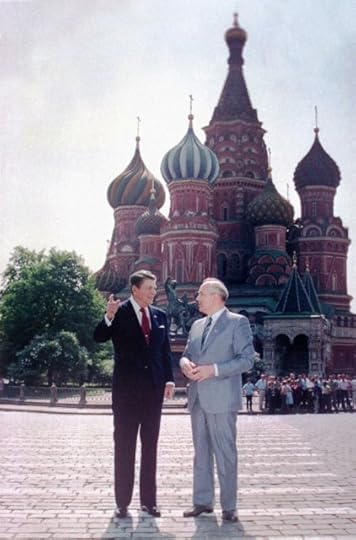
الصورة لريجان وجروباتشوف يسيران معاً عبر الميدان الأحمر بموسكو إبان زيارة ريجان فى مايو 1988 إلى موسكو
الكتاب رائع وملخص جميل بالنسبة لشخص مثلي كان يريد معرفة الكثير من الامور المتعلقة بالحرب الباردة مثل متي بدأت وكيف حدث الانشقاق فى المانيا بعد احتلالها من قبل الحلفاء وغيرها من تلك الاسئلة ناهيك ان الكتاب ينحاز لامريكا لكنه بشكل عام لا بأس به وهو كتاب جيد
I really enjoyed this book, it really established the trends and themes of the Cold War well. It summarized the drive of the United States to prevent communism from overtaking the Enlightenment ideal of liberty. I felt like the final chapter on the end of the Cold War was too brief, I wish that it went into greater depth on how the Cold War ended and who was involved in addition to Gorbachev and Reagan. A good line from the book describes the reasons behind the large change in Soviet foreign policy: "Gorbachev and Shevardnadze had reached the conclusion that the arms race was self-defeating; it added nothing to the nation's security while burdening an already strapped economy." The book also mentioned the fall of the Soviet Union, but only briefly. I feel like a larger discussion on how the Soviet Union itself collapsed would have been a better way to properly end a book about the Cold War. I chose this book because I have a fascination with recent history, and I am interested in what historical events led to the current status of nations around the globe. My dad has an interest in military history, so from a young age I learned to love history as I watched war documentaries with him.
دائماً ما يصل إلى الأسماع مصطلح الحرب الباردة في أي نقاشٍ سياسيٍ تقريباً، لكنني لم أكن أعرف إلا القليل عن هذا الموضوع، ولهذا توجهت إلى سلسلة "مقدمة قصيرة جداً" لأتعرف على الموضوع، ولم يخب رجائي، فالكتاب جيد جداً. يأخذنا الكاتب في جولة تاريخية من بداية الحرب العالمية إلى نهايتها، محاولاً إعطاء تقريرٍ تاريخي لأهم الأحداث التاريخية لاسيما في أوربا وجنوب شرق آسيا ويجيب -أو يحاول الإجابة- عن أهم الأسئلة التاريخية، من قبل لماذا حدث ما حدث؟
هناك الكثير من الأحداث التي تُحُدِثَ عنها بعجالة أو لم يتطرق إليها، لكن هناك ما يعذر الكاتب، فالكتاب "مقدمة قصيرة جداً" وهو في الواقع من أكبر كتب هذه السلسلة.
لغة الكتاب سلسلة والترجمة جيدة جداً، ما مكنني من قراءة الكتاب بسهولة ومتعة وكان الانتقال بين فقرةً وأخرى رشيقاً.
أنصح به من لا يعرف أو لا يعرف إلا القليل عن الحرب البا��دة.
I’m increasingly not sure how I feel about the ‘A very short introduction’ series, the author tries his best to add a bit of excitement but overall comes across a bit dry and dull - potentially because he is trying to cover so much and doesn’t have space to contextualise?
Still a good start for anyone interested/ who’s already watched a few documentaries about the cold war.
a great overview of the cold war but for my specific course (History of Vietnam Wars) didn't offer a lot of information on Vietnam and focused a lot more on U.S. involvement and countering a communist insurgency globally
تسلسل الاحداث في الكتاب مرتب و يتيح للقارئ استيعاب و فهم مجريات التاريخ جيدا ، بدأ الكتاب بِسرده لتفاصيل التعاون بين المعسكرين السوفيتي و الامريكي حتى نهاية الحرب العالمية ثم تطرقه لمرحلة ما قبل الحرب و بدايتها و كل تفاصيلها حتى انهيار الاتحاد السوفيتي ، يفضل ان يكون قارئء الكتاب على علم مسبق باحداث الحرب العالمية الثانية و الثورة الشيعوية الروسية .
The Cold War is one of the best Very Short Introductions I have read. The book is easy to read but not simplistic, focusing on the superpower conflict between the USA and the Soviet Union as well as touching on events in the wider Cold War. The book also includes a detailed further reading section, index, and photographs throughout that accompany the text.
McMahon's book is an interesting work and worth reading. Those unfamiliar with the Cold War or in need/want of a quick refresh of the topic will find this a valuable book.
يصعب أن يتم تلخيص تاريخ نصف قرن من الحرب الباردة لكن المؤلف أجاد هنا في الإلمام بأهم مواضيع وأحداث الحرب الباردة بطريقة ممتعة وتقسيم ممتاز للفصول بالإضافة إلى عدد كبير من المراجع في نهاية الكتاب تساعد الراغبين في التوسع في قراءة الموضوع
كتاب دسم ولكنه سهل الهضم كذلك وطبعًا يجب الإشارة لجودة ترجمة أ/محمد فتحي خضر دائمًا أميز الترجمة الجيدة من الرديئة بإنها تلك التي تقعني بإنها اللغة الأصلية التي كتب بها النص، وهذا ما شعرت به حقًا.
A solid overview that judiciously chooses points of emphasis. Probably not the only book you should read on the Cold War, but an excellent starting place or referesher.
This books does exactly what it promises to do, provide a very short introduction to the Cold War. Having read larger works about the period, it was refreshing to listen to such a succinct and well written narrative of the conflict. As most books about the Cold war, however, it is very "start-heavy", it focuses a lof on the start of the Cold War and the period up to the Cuban missile crisis and then Vietnam, but the period of detenté and the build up in the 80's is covered in less detail. This is a logical structure as the beginning is more crucial in understanding the phenomenon. However, I would have liked a greater focus and more detail about these other periods as well, mainly because I know less about them and would like to learn more. On a positive note, I really liked his designation of key characters during this period as "Cold warriors", that's an amusing name that I will probably use myself.
All in all, a good book that provides a good overview, even though it is a bit tilted towards the start of the Cold War.
Robert J McMahon’s The Cold War: A Very Short Introduction is - ironically - one of the longer books in the Very Short Introduction series. By necessity a whistle-stop tour of the subject, McMahon is a thoughtful writer who provides a good overview of the subject and triggers interest in further areas of exploration.
The book is as good as any 164 page book on the Cold War could really be. It really is only an introduction, so it can be excused in not going more in-depth. I would still recommend a somewhat longer book, if you want to know more
The Cold War began as a conflict between the US and the Soviet Union’s competing visions for a new international order after World War Two. The conflict centered around the two superpowers’ national security concerns and geopolitical ambitions. Beginning in Europe, it soon spread to Southeast Asia and the rest of the world.
---
The Cold War arose from the ashes of World War Two.
The year was 1945, and much of Europe and Asia lay in ruins.
After six years of global conflict, World War Two had finally ended. Sixty million people were dead. Another almost 60 million had been left homeless or uprooted. Large swaths of major cities had been reduced to rubble – including over 50 percent of Tokyo, 70 percent of Vienna, 80 percent of Manila, and 90 percent of Cologne, Düsseldorf, and Hamburg.
Meanwhile, the world’s international order was also in disarray. For 500 years, it had been dominated by Western European nations. In a historical blink of an eye, the war had knocked them off their pedestal. In their place had risen two rival, continent-spanning superpowers: the United States and the Soviet Union.
The key message here is: The Cold War arose from the ashes of World War Two.
Tension and hostility ran between the US and the Soviet Union both before and during the second World War. As champions of capitalism, the US and its Western European allies viewed the Soviets’ communist ideology as a virus that needed to be contained. To that end, they had subjected the Soviet Union to nearly two decades of economic pressure and diplomatic isolation, starting right from the state’s inception in 1917.
World War Two brought the US, UK, and Soviet Union into an alliance against their common enemy: Nazi Germany. But the relationship between the US and the Soviets was more like a marriage of convenience than a genuine partnership.
The two nations couldn’t even agree on how to fight the war. The Soviet Union wanted the US and UK to open a front against Germany as soon as possible. Pushing back a massive German invasion of their territory, the Soviets were bearing the brunt of the Nazi war machine, and they wanted their allies to provide relief.
But much to the Soviets’ chagrin, the US and UK instead chose to focus first on North Africa and Italy in 1942 and ’43. By the time the US and UK finally invaded German-occupied Normandy in 1944, the Soviets alone were holding back over 80 percent of the Nazis’ military divisions.
Unable to see eye to eye when facing a common foe, the two sides became even more at odds with each other once that enemy was defeated – leaving a power vacuum to fill, a broken world to rebuild, and little agreement on how to proceed.
The Cold War was about to begin.
---
The US sought a favorable balance of power in Eurasia, a global sphere of influence, and superior military strength.
What would the postwar international order look like?
As the leaders of the US, UK, and Soviet Union met in a series of conferences at the end of World War Two, that was the question they faced.
Both the Soviets and the US agreed that international stability needed to be reestablished. But how? That was the sticking point. Each side envisioned the new world order through the lens of its own history, values, ideology, interests, and objectives. The resulting visions were at cross purposes with each other, leading to more and more conflict as the two superpowers began to pursue them.
So to understand the cause of that conflict, you need to understand where the two sides were coming from and what they wanted to achieve as they entered the postwar era. Let’s start with the US.
Here’s the key message: The US sought a favorable balance of power in Eurasia, a global sphere of influence, and superior military strength.
US strategists took away three main lessons from World War Two.
First, the US needed to prevent any other nation or alliance of nations from dominating Eurasia – particularly the so-called Eurasian heartland spanning the territory between Europe and East Asia. With its combination of abundant natural resources, industrial infrastructure, skilled labor, and military facilities, this region was the most economically and strategically important “prize” in the world. It was the fulcrum on which global power rested.
The Axis powers had seized control over most of it in the early 1940s. To prevent anything like that from happening again, the US and its allies had to maintain a favorable balance of power in the region.
Second, the Japanese attack on the American naval base at Pearl Harbor, Hawaii, had demonstrated that the US could no longer rely on the Pacific and Atlantic Oceans to protect it from enemies abroad. Advancements in military technology had rendered the US vulnerable to long-distance attacks.
In the view of American strategists, the best way to counter this threat was to expand their nation’s sphere of influence by creating a global network of US-controlled air and naval bases. That way, the United States could project its military power around the world and snuff out enemies long before they had a chance to attack US territory.
But to do all that, the US needed to maintain superior military strength; that was the third lesson US strategists learned, and what we’ll look at next.
---
The Soviet Union sought to protect itself by keeping Germany weak and creating a buffer zone in Eastern Europe.
Even before World War Two ended, the US was already starting to pursue its vision of the postwar international order.
In late 1944, it struck a series of economic agreements with its allies at the Bretton Woods Conference, which also laid the foundation for establishing the International Monetary Fund and the World Bank. By 1946, the US State Department had drafted an extensive list of “essential” sites for US military bases, which included locations in Ecuador, Panama, Peru, Cuba, Canada, Greenland, Iceland, Senegal, Liberia, Morocco, Burma, New Zealand, and Fiji.
Most of the world’s major powers were falling in line with the US’s global vision – either voluntarily, as with allies like the UK and France, or involuntarily, as with defeated and occupied enemies like Germany and Japan. There was just one main obstacle remaining: the Soviet Union, which had its own vision.
The key message here is: The Soviet Union sought to protect itself by keeping Germany weak and creating a buffer zone in Eastern Europe.
The Soviet Union suffered huge losses during World War Two. At least 25 million Soviets died – many of them in the Nazi invasion of their territory. During that invasion, the Nazis occupied nine out of 15 Soviet Republics and destroyed 1,700 Soviet cities and towns, 70,000 villages and hamlets, 31,000 factories, and millions of acres of crops.
Just 25 years earlier, the same regions had been invaded during World War One, back when they were part of the Russian Empire. Both times, the invader was Germany. And both times, the invasion route was Poland.
Given this history, Soviet strategists had two main objectives in mind with their vision of the postwar international order in Europe. First, they wanted to keep Germany weak so it could never threaten them again. Second, to prevent any future invasions, they wanted to create a buffer zone around their territory – including Poland in particular, but also the other Eastern European countries surrounding the Soviet Union.
In the end, this pair of objectives led the Soviet Union to install or promote communist regimes in East Germany, Poland, and a number of other Eastern European countries, such as Bulgaria, Romania, and Hungary, which became the Soviets’ so-called “satellite states.” It also brought the Soviet vision of the postwar order into conflict with the American vision, giving rise to the Cold War – a story we’ll turn to next.
---
The Cold War was largely fought in and over the so-called “Third World.”
What made Southeast Asia so important to the Soviet Union and the US from the 1950s onward?
Well, by this point, the two sides already viewed each other as enemies, thanks to what had happened in Europe. As the conflict expanded to Asia, each side followed the logic that a setback for their enemy was an opportunity for them.
The US wanted its vision of the postwar order to extend to East Asia – particularly Japan, which relied on Southeast Asia for trading partners. If most of the region turned communist and aligned itself with the Soviet Union and China, this vision would be jeopardized. Japan might even align itself with the communists.
Both sides knew this, which motivated one of them to promote communism and the other to push back against it in the region. But there was also a larger context to this story.
The key message here is: The Cold War was largely fought in and over the so-called “Third World.”
Some of the terms are now considered outdated, but during the Cold War, the US and its allies were called the “First World,” or “the West,” while the Soviet Union and its allies were the “Second World,” or “the East.” The rest of the planet – most of Africa, Asia, and Latin America – was the “Third World.”
Before World War Two, much of the Third World was ruled by Western nations as colonies. After the war, more and more of those colonial governments were being overthrown and replaced by independent nations. As these new nations and movements emerged, they faced a pivotal question: Should they align themselves with the West or the East?
Of course, the US and Soviet Union had their own rather biased opinions on the matter. Throughout the 1950s, ’60s, ‘70s, and ‘80s, they made those opinions known in a variety of economic, political, militaristic, and clandestine ways. They sent military trainers, equipment, and funding to the movements and nations they wanted to court. They orchestrated coups and assassinations against the ones they wanted to undermine. Sometimes they even went to war against them, as the US did in Vietnam and the Soviets did in Afghanistan. In fact, almost all of the actual wars that happened during the Cold War took place in the Third World.
To the victors of these conflicts went the spoils: economic resources, military bases, allies, and prestige for the Soviets or Americans, depending on which side won. But it was the people of the Third World who largely paid the price. Of the estimated 20,000,000 human beings who died during Cold War conflicts, 19,800,000 of them lived in the Third World.
---
The Cold War ended where it began: Europe.
To make a long story short, the rest of the Cold War played out as a series of variations on the themes we’ve already covered. In Southeast Asia and the Third World as a whole, the Soviet Union and the US continued to duke it out with each other indirectly by supporting pro-Soviet or pro-US regimes and movements.
From the 1950s to the ‘80s, the conflict ebbed and flowed, as tensions heated and cooled between the superpowers. Sometimes it boiled over into crises that nearly brought them to the brink of war. In the 1950s and ‘60s alone, flashpoints arose in Iran, Guatemala, Indochina, the Taiwanese Strait, the Suez Canal, Lebanon, Indonesia, Cuba, and the Congo.
Notice how the list doesn’t include a single European nation? What happened to Europe? That brings us to the end of the story.
Here’s the key message: The Cold War ended where it began: Europe.
The initial flashpoint of the Cold War was Europe – particularly Germany. But starting in the 1950s, it became the most stable arena of the conflict. There were a couple of crises centering on Berlin, but otherwise, things were relatively calm, if chilly.
Basically, each side was resigned to letting the other have its sphere of influence in its half of Europe. The two superpowers and their European allies were so heavily armed that any direct conflict would lead to devastating death and destruction for both of them.
That became increasingly true after the Soviets developed nuclear weapons and the two sides entered an arms race in the 1950s and ‘60s. In addition to greatly expanding their conventional military forces, each side built up more and more nuclear missiles to catch up with or stay ahead of the other.
By the end of the 1960s, each of them had thousands of nuclear missiles. If a direct war broke out between them, they’d annihilate each other – a grim prospect that became known as Mutually Assured Destruction.
With this in mind, neither side wanted to risk a direct conflict, and the idea of either side invading the other in Europe became increasingly unthinkable. In the 1980s, Soviet leader Mikhail Gorbachev decided it was pointless to continue pouring resources into defending the Soviet Union against an invasion that would never happen. In 1988, he scaled back the Soviet Union’s armed forces, reduced its military presence in Eastern Europe, and loosened its grip on the region.
Within a year, its former satellite nations began to declare independence, and by 1990, Germany was reunited. The Cold War was over, and the Soviet Union itself collapsed the next year.
Should be read by anyone as these events shaped our landscape so dramatically after WW2. And Robert MacMahon has done an excellent job! I read this to calibrate what I understand about the Cold War from books, seminars and conversations. This is an excellent summary and recommended to all, as the events of 1945 - 1991 affect us all.