آیا کار، به آن معنایی که ما میشناسیم، دیگر دارد از بین میرود؟ اگر اینطور است، چرا چنین مسئلهای باید برایمان مهم باشد؟ در این کتاب موجز و درعینحال جامع، ریموند گویس با بهرهگیری از تحلیل نظری، تأملات تاریخی، روایتهای شخصی و شرح و تفسیر اجتماعی میکوشد به این پرسشها پاسخ دهد. او با مروری بر فهم ما از کار و خاستگاه آن در تولید صنعتی، به بررسی مشوقها و فشارهایی میپردازد که جوامع با استفاده از آنها انسانها را به کارکردن وامیدارند و نشان میدهد که وجدان کاری چه تأثیر پرقدرتی بر زندگی بسیاری از ما دارد. گویس همچنین بهسراغ معضل دیرینهٔ نارضایتی از کار میرود و ازسویدیگر به رشد ظاهراً برگشتناپذیر بیکاری در نتیجهٔ ماشینیشدن میپردازد. در این مسیر میبینیم که چگونه مفهوم کار در طول تاریخ تغییر کرده است، رابطهٔ ما با آن چه فرازوفرودهایی داشته و چطور در بخش عمدهٔ سیر حیات بشر، کار بخشی جداییناپذیر از زندگی و گاهی تمام معنای آن بوده است.
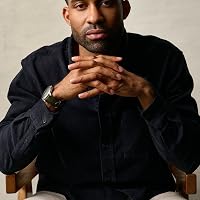
ریموند گویس، استاد فلسفهٔ دانشگاه کمبریج، تألیفات بسیاری در حوزههای نظریهٔ سیاسی و انتقادی، اخلاقیات و تاریخ فلسفه داشته است که واقعیت و رؤیاها، سیاست و تخیل و جهانبینی به چهکار میآید؟ از آن جملهاند.
ریموند گویس در میان فیلسوفان معاصر حوزهٔ اخلاق و سیاست، جستارنویسی است کمنظیر با زبانی پرشور، گیرا و روشن. او با استدلالهایی صریح و بجا اصل مطلب را نشانه میرود و با دعوت از ما برای بازنگری در مفاهیمی که بدیهی میپنداشتیم، نهتنها این یا آن فرض فلسفی، بلکه مسائل و اقدامات مهمتری را هم که با آنها درگیریم به چالش میکشد. الستر مکاینتایر
Raymond Geuss, Emeritus Professor in the Faculty of Philosophy, University of Cambridge, is a political philosopher and scholar of 19th and 20th century European philosophy.
A delightful and insightful treatment of the subject that, though brief, for its lucidity and wit, and for the easy grace of its writing, is refreshing.
Geuss is clear and wide-ranging as usual, but what this book shows clearest is how very little philosophers seem capable of contributing to thinking about work (as opposed to the various anthropologists, sociologists, etc., whom Geuss draws from)
Raymond Geuss does a great job of expressing original thoughts, and observations, of the modern working life together, to provide a deeper understanding of the past, present and perhaps the future of work.
Usually I find it difficult to connect with modern philosophical text, however, Raymond Geuss' understanding and truth, is in my opinion, aligned with the honest foundation of philosophical thinking - free and unbiased observation and communication of 'truth'.
I personally appreciate his developed insight on the state of 'Nirvana', as it pertains to work and human society, he says, "One can take Nirvana to be the ultimate form of bliss if one wishes, and many have', I also do. He continues, "but there is no passion, desire, disappointment, frustration, triumph, or failure in Nirvana. That is one of the reasons why it seems so attractive to many, but also why it is not a good model for understanding human life and a hopeless one for understanding human society."
A book full of witty insights, deeper on a second inspection, as usual with Geuss’ work. A bit light on the analysis of the impact of technological development on work and how that affects the nature of work itself, I had high hopes it would attack the ontological question of whether digital work counts as work and if that means that digital counts as real life.