

What do you think?

The Story Map: A Proven Storytelling System That Makes Your Audience Listen, Believe and Act
Ratings & Reviews
Friends & Following
Create a free account to discover what your friends think of this book!
Community Reviews
Displaying 1 - 30 of 111 reviews
September 11, 2026
I too, personally feel that we, as a generation, have romanticized storytelling into a genetic lottery.
We look at boardrooms, stages or viral posts and almost assume that the people holding our attention were simply handed a microphone at birth, blessed with the talent around words.
Mr. Sandeep Nair has written something radical to cut through that illusion...that it takes a scalpel to it!!
Gracefully drawing on hard earned battles scaling multi million dollar brands from P&G to Swiggy, rather than sitting in some fancy academic tower, Mr. Nair has treated communication not as some mystical art form, but as a piece of precision engineering!!
The book has the craft, organised into a lean, three pillared blueprint...Soul, Body and Spirit🤌
It has been kept away from being theoretical and that makes the framework, all the more unique🤩
Most of the books on the subject tell us to "be engaging," but Sandeep Nair has handed over a structural scaffolding.
✨The Soul anchors our metrics and emotional intent for our message to actually have a heartbeat.
✨The Body provides the tension tactics and narrative architecture, like the classic story pattern loop, so as to stop our audience's minds from wandering.
✨The Spirit makes the dealing with the situational awareness, recognizing that a pitch to a skeptical venture capitalist, requires an entirely different frequency than a chat with a creative team!
The best thing about "The Story Map" is that it recognises that most brilliant ideas die silent deaths simply because their creators couldn't smuggle them out of their own heads.
By treating communication as a repeatable system complete with diagnostic paths, chapter summaries and action loops, Mr. Nair has wonderfully turned an elusive soft skill into a hard operational tool.
It definitely is an essential read for anyone tired of watching lesser ideas win simply because they were packaged better!
We look at boardrooms, stages or viral posts and almost assume that the people holding our attention were simply handed a microphone at birth, blessed with the talent around words.
Mr. Sandeep Nair has written something radical to cut through that illusion...that it takes a scalpel to it!!
Gracefully drawing on hard earned battles scaling multi million dollar brands from P&G to Swiggy, rather than sitting in some fancy academic tower, Mr. Nair has treated communication not as some mystical art form, but as a piece of precision engineering!!
The book has the craft, organised into a lean, three pillared blueprint...Soul, Body and Spirit🤌
It has been kept away from being theoretical and that makes the framework, all the more unique🤩
Most of the books on the subject tell us to "be engaging," but Sandeep Nair has handed over a structural scaffolding.
✨The Soul anchors our metrics and emotional intent for our message to actually have a heartbeat.
✨The Body provides the tension tactics and narrative architecture, like the classic story pattern loop, so as to stop our audience's minds from wandering.
✨The Spirit makes the dealing with the situational awareness, recognizing that a pitch to a skeptical venture capitalist, requires an entirely different frequency than a chat with a creative team!
The best thing about "The Story Map" is that it recognises that most brilliant ideas die silent deaths simply because their creators couldn't smuggle them out of their own heads.
By treating communication as a repeatable system complete with diagnostic paths, chapter summaries and action loops, Mr. Nair has wonderfully turned an elusive soft skill into a hard operational tool.
It definitely is an essential read for anyone tired of watching lesser ideas win simply because they were packaged better!

September 26, 2026
The Story Map by Sandeep Nair is quite an unexpected find for me, as I have been thinking about such projects a lot lately. I liked the following quote from the book: “How well you tell a story decides how far your ideas travel and how well they are received.”
I think the main advantage of this book is that the author claims that storytelling is not a talent but a skill that can be learned. Moreover, he offers some valuable advice and explains the underlying principles of a story using an accessible three-layered framework of Soul, Body, and Spirit. The last aspect is brilliantly demonstrated in the quotation “Soul is the meaning of your story.”
To my mind, the most attractive feature of the book under review is that it provides readers with concrete examples that illustrate how the story’s elements of character, conflict, connection, audience, and emotion can be used in daily communication to improve the effectiveness of any message. At the same time, the author emphasizes that the discussed frameworks are not meant to kill creativity but help learners understand how successful storytelling can be achieved.
The book is a real revelation, and I am highly impressed by the author’s ability to identify the basic patterns in the narrative and explain his ideas with the help of concrete stories. Therefore, if someone loves reading and wants to improve their knowledge and skills in storytelling, this book is for them.
I think the main advantage of this book is that the author claims that storytelling is not a talent but a skill that can be learned. Moreover, he offers some valuable advice and explains the underlying principles of a story using an accessible three-layered framework of Soul, Body, and Spirit. The last aspect is brilliantly demonstrated in the quotation “Soul is the meaning of your story.”
To my mind, the most attractive feature of the book under review is that it provides readers with concrete examples that illustrate how the story’s elements of character, conflict, connection, audience, and emotion can be used in daily communication to improve the effectiveness of any message. At the same time, the author emphasizes that the discussed frameworks are not meant to kill creativity but help learners understand how successful storytelling can be achieved.
The book is a real revelation, and I am highly impressed by the author’s ability to identify the basic patterns in the narrative and explain his ideas with the help of concrete stories. Therefore, if someone loves reading and wants to improve their knowledge and skills in storytelling, this book is for them.

September 24, 2026
The Story Map was a really interesting and useful read. I honestly liked how the author explains storytelling in such a simple way. I always thought storytelling was something you either naturally knew how to do or you didn’t, but this book shows that it is actually a skill that can be learned and improved with practice.
What I enjoyed most was the Soul, Body and Spirit framework. It made the whole idea of storytelling much easier to understand. The examples and stories used throughout the book also made the concepts feel practical instead of just being theories.
I also liked that the book is not only useful for writers. I feel it can help anyone who wants to communicate their ideas better, whether it is for work, presentations, social media or even everyday conversations.
The writing is simple and easy to follow, and I never felt like I was reading something too complicated or textbook-like. Overall, it was a practical and insightful read that made me look at storytelling a little differently. Definitely worth picking up if you want to become better at expressing your ideas.
What I enjoyed most was the Soul, Body and Spirit framework. It made the whole idea of storytelling much easier to understand. The examples and stories used throughout the book also made the concepts feel practical instead of just being theories.
I also liked that the book is not only useful for writers. I feel it can help anyone who wants to communicate their ideas better, whether it is for work, presentations, social media or even everyday conversations.
The writing is simple and easy to follow, and I never felt like I was reading something too complicated or textbook-like. Overall, it was a practical and insightful read that made me look at storytelling a little differently. Definitely worth picking up if you want to become better at expressing your ideas.
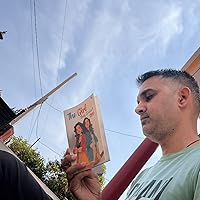
September 3, 2026
Sandeep Nair’s The Story Map shatters the belief that compelling storytelling is an innate talent, presenting it instead as a practical, repeatable system honed over fifteen years of building multi-million-dollar brands across India, the UK, and Southeast Asia. Built around the core framework of Soul (what to say through precise goals and clear intent), Body (how to structure messages using master frameworks and tension tactics), and Spirit (tuning delivery to specific audiences and mediums), the book turns vague pitches into actionable, persuasive narratives. Its brilliant modular design featuring a "Maps Only" path that lets professionals find and apply targeted frameworks in just ten minutes makes it an indispensable guide for founders, managers, and marketers looking to make their audience listen, believe, and act.

September 28, 2026
The Story Map by Sandeep Nair
The Story Map is a practical and easy-to-understand book about the power of storytelling. What I liked most is that it doesn’t make storytelling feel complicated or limited to writers and speakers. The ideas can be useful for anyone who wants to communicate more clearly and connect better with an audience.
The book explains how a good story can make people listen, remember an idea, believe in it, and even take action. The examples and framework make the concepts easier to understand and apply in real situations.
I also liked the focus on structure rather than simply telling us to “be a good storyteller.” It gives a clearer way to think about how stories are built and delivered.
Overall, this is a useful read for people interested in communication, marketing, presentations, business, or personal storytelling. Simple, practical, and thought-provoking.
The Story Map is a practical and easy-to-understand book about the power of storytelling. What I liked most is that it doesn’t make storytelling feel complicated or limited to writers and speakers. The ideas can be useful for anyone who wants to communicate more clearly and connect better with an audience.
The book explains how a good story can make people listen, remember an idea, believe in it, and even take action. The examples and framework make the concepts easier to understand and apply in real situations.
I also liked the focus on structure rather than simply telling us to “be a good storyteller.” It gives a clearer way to think about how stories are built and delivered.
Overall, this is a useful read for people interested in communication, marketing, presentations, business, or personal storytelling. Simple, practical, and thought-provoking.

September 20, 2026
Did you believe anyone who simply says Storytelling isn't an inborn trait?.. nah! Won't ,right?
But here the author explains the ways to master it . And that what makes it convincing to read and follow the whole idea in the book. You didn't got the idea , right? Let me explain..
This one literally teaches you to even understand the audience. Every story became successful only when it reaches the audience properly. For reaching audience properly, the establishment of the story is the key thing every writer focus on while writing. What if this book tells you how to do this ....
From the" 2am interview" towards everything gets into track and I loved how beautiful executed the book was.
The ideas like " three categories of challenges like :- personal,internal, external" really well established.
Each point was well explained but those one explaining - personal fears gave my thoughts a new dimension 🩷
🩷"Personal Fears: These are the internal barriers that hold you back. Stories built on personal fears instantly create tension. Every audience member has experienced fear of failure, rejection, inadequacy or exposure. Personal fears humanize you instantly."
And lines like these... Purely entertained the reader in me
✨"Hero's journey:The Pattern: Ordinary world →Call to adventure →Trials Transformation → Return with wisdom.
This is the oldest trick in the book. Like, Odyssey-level old".😅
The idea of nested loop also astonished me.you guys thinking what's that, remember the iconic "Nolan"
🩷"Christopher Nolan's Inception is the cleanest example of Nested Loops I know.To plant the idea deep enough, the team has to go into a dream. Then into a dream within that dream. Then another level down. And one more. Four layers deep, each with its own timeline, its own stakes, its own rules.
Nolan opens these loops in sequence"
I personally liked the three layer part of audience understanding.
The question "what if" part personally connected my inner thoughts because of the person who I am ,who have plenty of questions for everything I pass through. Like look how it works...
🩷Here's how it works:
It floats a new idea before it's fully defensible: You're just wondering aloud at this point.It disarms resistance by framing the idea as a question: Questions feel less threatening than declarations.
🩷Many other ideas like" ADAPT framework","the 6 arenas","anecdote anchor ","ripple effect "... made me to brainstorm every single thought while writing a thing🩷✨.
It literally teaches how to improve the skill using several toolkits .such a brainstorming read it is.
But here the author explains the ways to master it . And that what makes it convincing to read and follow the whole idea in the book. You didn't got the idea , right? Let me explain..
This one literally teaches you to even understand the audience. Every story became successful only when it reaches the audience properly. For reaching audience properly, the establishment of the story is the key thing every writer focus on while writing. What if this book tells you how to do this ....
From the" 2am interview" towards everything gets into track and I loved how beautiful executed the book was.
The ideas like " three categories of challenges like :- personal,internal, external" really well established.
Each point was well explained but those one explaining - personal fears gave my thoughts a new dimension 🩷
🩷"Personal Fears: These are the internal barriers that hold you back. Stories built on personal fears instantly create tension. Every audience member has experienced fear of failure, rejection, inadequacy or exposure. Personal fears humanize you instantly."
And lines like these... Purely entertained the reader in me
✨"Hero's journey:The Pattern: Ordinary world →Call to adventure →Trials Transformation → Return with wisdom.
This is the oldest trick in the book. Like, Odyssey-level old".😅
The idea of nested loop also astonished me.you guys thinking what's that, remember the iconic "Nolan"
🩷"Christopher Nolan's Inception is the cleanest example of Nested Loops I know.To plant the idea deep enough, the team has to go into a dream. Then into a dream within that dream. Then another level down. And one more. Four layers deep, each with its own timeline, its own stakes, its own rules.
Nolan opens these loops in sequence"
I personally liked the three layer part of audience understanding.
The question "what if" part personally connected my inner thoughts because of the person who I am ,who have plenty of questions for everything I pass through. Like look how it works...
🩷Here's how it works:
It floats a new idea before it's fully defensible: You're just wondering aloud at this point.It disarms resistance by framing the idea as a question: Questions feel less threatening than declarations.
🩷Many other ideas like" ADAPT framework","the 6 arenas","anecdote anchor ","ripple effect "... made me to brainstorm every single thought while writing a thing🩷✨.
It literally teaches how to improve the skill using several toolkits .such a brainstorming read it is.

September 26, 2026
I used to think a storytelling book would be the last place I'd want a framework. Stories are messy, emotional, unpredictable things. The moment someone starts dividing them into formulas, I expect the magic to disappear. This book made me question that assumption.
"The Story Map" approaches storytelling almost like a system you can learn, practise and eventually internalise. Its central idea is simple: before worrying about how to tell a story, understand what the story is trying to do. From there, Sandeep Nair builds the framework around three pillars — Soul, Body and Spirit — with Character, Goal and Challenge forming the foundation.
What I liked most was how often the book made me pause over things that seem obvious until you actually examine them. A character needs a goal, but the goal isn't the activity they are doing. A challenge isn't simply a problem; it needs tension. And perhaps my favourite idea was the reminder that the person telling the story isn't automatically the person the story is about. The Kodak example explains this beautifully.
The book is also very generous with examples. Kodak, Dettol, Head & Shoulders, Frederick Douglass, Bach and several business cases make the concepts much easier to grasp. It gives you something practical to work with instead of leaving you with vague advice about “being a better storyteller.”
At times, though, the sheer number of categories, patterns and frameworks can feel a little too structured. I can imagine some readers finding it restrictive, especially if they come to storytelling for its spontaneity. For me, that tension is actually what makes the book interesting. The framework isn't really asking you to replace instinct with rules. It is trying to give your instinct something to stand on.
I wouldn't say this book suddenly turned me into a storyteller. It did something more useful: it made me look at stories differently. Once you start asking who the protagonist really is, what they actually want, and what stands in their way, even an ordinary story starts revealing more underneath.
Maybe good storytelling isn't about escaping the rules. Maybe it's about knowing them well enough to forget they're there.
"The Story Map" approaches storytelling almost like a system you can learn, practise and eventually internalise. Its central idea is simple: before worrying about how to tell a story, understand what the story is trying to do. From there, Sandeep Nair builds the framework around three pillars — Soul, Body and Spirit — with Character, Goal and Challenge forming the foundation.
What I liked most was how often the book made me pause over things that seem obvious until you actually examine them. A character needs a goal, but the goal isn't the activity they are doing. A challenge isn't simply a problem; it needs tension. And perhaps my favourite idea was the reminder that the person telling the story isn't automatically the person the story is about. The Kodak example explains this beautifully.
The book is also very generous with examples. Kodak, Dettol, Head & Shoulders, Frederick Douglass, Bach and several business cases make the concepts much easier to grasp. It gives you something practical to work with instead of leaving you with vague advice about “being a better storyteller.”
At times, though, the sheer number of categories, patterns and frameworks can feel a little too structured. I can imagine some readers finding it restrictive, especially if they come to storytelling for its spontaneity. For me, that tension is actually what makes the book interesting. The framework isn't really asking you to replace instinct with rules. It is trying to give your instinct something to stand on.
I wouldn't say this book suddenly turned me into a storyteller. It did something more useful: it made me look at stories differently. Once you start asking who the protagonist really is, what they actually want, and what stands in their way, even an ordinary story starts revealing more underneath.
Maybe good storytelling isn't about escaping the rules. Maybe it's about knowing them well enough to forget they're there.

September 6, 2026
“Every story serves a mission. Decide what you're trying to accomplish before you decide how to tell the story.” - Sandeep Nair, The Story Map
Do you ever struggle to put your thoughts into words? You have a great story to tell, an interesting idea to share, or something you really want people to understand, but the moment you start speaking, everything gets jumbled up and you can't quite figure out how to say what you mean.
If you've ever felt this way, The Story Map by Sandeep Nair is a perfect recommendation for you.
Divided into different sections and chapters, The Story Map explores the art and craft of storytelling, breaking down the techniques, structures, and thought processes that can help us communicate our ideas more effectively. It looks at how we can use narrative structures in our everyday lives: to present an idea, make a point, hold someone's attention, or simply communicate something in a way that stays with them.
It isn't just about what you say, but also about why you're saying it and how you choose to tell it. And that's probably what I enjoyed most about this book.
The Story Map challenges the idea that great storytellers are simply born with an innate talent for storytelling. Instead, it makes storytelling feel much more approachable. Sometimes, what you need is a clear thought, a strong purpose, and the right structure to bring that thought to life.
As someone who loves stories and spends a lot of time writing, I particularly enjoyed the way the book makes you think about storytelling beyond just writing fiction. It made me look at something we do every day, communicating, and realise how much of it comes down to knowing what story you're actually trying to tell.
Overall, The Story Map is a thoughtful and practical guide for anyone who wants to become a better storyteller, communicator, or simply get better at expressing their ideas. Whether you're a writer, content creator, student, professional, or someone who often finds themselves thinking “I know what I want to say, I just don't know how to say it”, this book has something valuable to offer.
Do you ever struggle to put your thoughts into words? You have a great story to tell, an interesting idea to share, or something you really want people to understand, but the moment you start speaking, everything gets jumbled up and you can't quite figure out how to say what you mean.
If you've ever felt this way, The Story Map by Sandeep Nair is a perfect recommendation for you.
Divided into different sections and chapters, The Story Map explores the art and craft of storytelling, breaking down the techniques, structures, and thought processes that can help us communicate our ideas more effectively. It looks at how we can use narrative structures in our everyday lives: to present an idea, make a point, hold someone's attention, or simply communicate something in a way that stays with them.
It isn't just about what you say, but also about why you're saying it and how you choose to tell it. And that's probably what I enjoyed most about this book.
The Story Map challenges the idea that great storytellers are simply born with an innate talent for storytelling. Instead, it makes storytelling feel much more approachable. Sometimes, what you need is a clear thought, a strong purpose, and the right structure to bring that thought to life.
As someone who loves stories and spends a lot of time writing, I particularly enjoyed the way the book makes you think about storytelling beyond just writing fiction. It made me look at something we do every day, communicating, and realise how much of it comes down to knowing what story you're actually trying to tell.
Overall, The Story Map is a thoughtful and practical guide for anyone who wants to become a better storyteller, communicator, or simply get better at expressing their ideas. Whether you're a writer, content creator, student, professional, or someone who often finds themselves thinking “I know what I want to say, I just don't know how to say it”, this book has something valuable to offer.

September 10, 2026
The Story Map by Sandeep Nair made me question one of the biggest assumptions I’ve had about storytelling: that some people are simply born good at it. We all know those people who can turn the most ordinary experience into something everyone wants to hear. I used to think that kind of ability was instinctive. This book made me realise there’s much more intention and structure behind it.
What I enjoyed most is how Nair takes storytelling out of the world of fiction and places it firmly in everyday communication. The Soul, Body and Spirit framework gives you a simple way to think about what you're saying, how you're structuring it, and who you're saying it to. Whether it's a presentation, a business pitch, a piece of content, or even a conversation where you really need to get your point across, the ideas feel surprisingly relevant.
🗺️ A simple framework that makes storytelling easier to understand
🎯 Strong focus on purpose, structure and audience
💡 Practical lessons for work, writing and everyday conversations
🧠 Makes storytelling feel like a skill you can actually practise
What stayed with me was the reminder that having a good idea isn't enough if you can't make someone care about it. The sections on conflict, structure and the Hero's Journey helped explain why some messages hold our attention while others quickly disappear. I also liked the emphasis on adapting a story to the moment rather than relying on one formula every time.
For me, this was one of those books that made me look at a familiar skill differently. I found myself thinking about my own writing and the way I communicate, especially the moments when I know exactly what I mean but struggle to express it clearly. If you're a writer, content creator, professional, student, or simply someone who wants to communicate ideas better, I'd genuinely recommend giving this one a try. ✨ I came away from The Story Map not just wanting to tell better stories, but wanting to be more intentional about how I make my ideas heard.
What I enjoyed most is how Nair takes storytelling out of the world of fiction and places it firmly in everyday communication. The Soul, Body and Spirit framework gives you a simple way to think about what you're saying, how you're structuring it, and who you're saying it to. Whether it's a presentation, a business pitch, a piece of content, or even a conversation where you really need to get your point across, the ideas feel surprisingly relevant.
🗺️ A simple framework that makes storytelling easier to understand
🎯 Strong focus on purpose, structure and audience
💡 Practical lessons for work, writing and everyday conversations
🧠 Makes storytelling feel like a skill you can actually practise
What stayed with me was the reminder that having a good idea isn't enough if you can't make someone care about it. The sections on conflict, structure and the Hero's Journey helped explain why some messages hold our attention while others quickly disappear. I also liked the emphasis on adapting a story to the moment rather than relying on one formula every time.
For me, this was one of those books that made me look at a familiar skill differently. I found myself thinking about my own writing and the way I communicate, especially the moments when I know exactly what I mean but struggle to express it clearly. If you're a writer, content creator, professional, student, or simply someone who wants to communicate ideas better, I'd genuinely recommend giving this one a try. ✨ I came away from The Story Map not just wanting to tell better stories, but wanting to be more intentional about how I make my ideas heard.

September 18, 2026
“How well you tell a story decides how far your ideas travel and how well they are received.”
Here is a book "The Story Map" by Sandeep Nair feels like a practical, human, and surprisingly emotional guide to something we all do-but rarely think about seriously:
Telling stories that actually work. The book is not about fancy writing or dramatic performances. It is about everyday communication: pitching an idea, leading a team, explaining a concept, motivating people, or simply making someone listen when it matters most.
Sandeep ji is a brand strategist and storyteller who has spent fifteen years building brands worth hundreds of millions of dollars across India, the UK, and Southeast Asia. His experience gives the book credibility, but the writing remains accessible and human. He does not drown the reader in jargon. Instead, he uses metaphors, thought experiments, and real-world examples to make complex ideas feel relatable.
“Facts don’t move people. Stories do.” hai naa so What I liked most is the simplicity of the framework.
Author breaks storytelling into three clear parts: Soul, Body, and Spirit.
Soul asks the deep questions: Who is this story about? What do they want? What’s standing in their way?
Body deals with structure: how to build tension, create connection, and keep the audience engaged.
Spirit brings in the audience and context: who you are talking to, what they should feel, and where the story is being told. Together, these three elements create 81 storytelling patterns, making the whole process feel learnable rather than magical.
So if you are a storyteller or want to be this is a guide for you...
Overall, this book is more than a communication book. It is a toolkit for making your ideas matter. It turns storytelling from a vague talent into a repeatable skill, and that shift alone can change how you lead, persuade, and connect with people.
“Storytelling is not an innate gift, but a skill that can be learnt.”
This book is must for all story teller
Here is a book "The Story Map" by Sandeep Nair feels like a practical, human, and surprisingly emotional guide to something we all do-but rarely think about seriously:
Telling stories that actually work. The book is not about fancy writing or dramatic performances. It is about everyday communication: pitching an idea, leading a team, explaining a concept, motivating people, or simply making someone listen when it matters most.
Sandeep ji is a brand strategist and storyteller who has spent fifteen years building brands worth hundreds of millions of dollars across India, the UK, and Southeast Asia. His experience gives the book credibility, but the writing remains accessible and human. He does not drown the reader in jargon. Instead, he uses metaphors, thought experiments, and real-world examples to make complex ideas feel relatable.
“Facts don’t move people. Stories do.” hai naa so What I liked most is the simplicity of the framework.
Author breaks storytelling into three clear parts: Soul, Body, and Spirit.
Soul asks the deep questions: Who is this story about? What do they want? What’s standing in their way?
Body deals with structure: how to build tension, create connection, and keep the audience engaged.
Spirit brings in the audience and context: who you are talking to, what they should feel, and where the story is being told. Together, these three elements create 81 storytelling patterns, making the whole process feel learnable rather than magical.
So if you are a storyteller or want to be this is a guide for you...
Overall, this book is more than a communication book. It is a toolkit for making your ideas matter. It turns storytelling from a vague talent into a repeatable skill, and that shift alone can change how you lead, persuade, and connect with people.
“Storytelling is not an innate gift, but a skill that can be learnt.”
This book is must for all story teller
September 25, 2026
This idea of having a purpose, a challenge, and an audience connection for each 'big story' is reviewed in depth throughout The Story Map. In this book, Sandeep Nair brings together the best of storytelling and shares it as a craft that can be learned, accepted and practiced over time.
I was captivated by the notions and ideas of ‘Character' and ‘Goal' and ‘Challenge' – these ideas provide insight into why some stories have stayed with me and others have ‘gone away'. The concept of performing stories with different missions and how it can be applied to persuade, connect, motivate, explain and inspire in different scenarios is also included in the book. The concepts underlying the book are not only theoretical, but also practical.
One of the other things which really hit me, the wow factor, was being able to hear the listeners. The chapters on being aware of the audience, concerned with emotion, and communicating the story are informative on how the message can be shared in different ways according to the audience. I also enjoyed various parts of the book discussing the importance of building attention and trust, two essential components of effective communication.
The most interesting thing that I learned when reading this book was the impact of stories on real life communication, and how the book made me think more on this. It was a great lesson in the power of storytelling, not just a book or at a lecture, but also in meeting new people, in sharing ideas, and in being remembered for.
In general, this is a well-considered and engaging book. I found it took me a while to read through it, but as I went, I had some thoughts that I wanted to think differently on, from a communication standpoint. The book is highly recommended for students, professionals, creators and for those who want to walk the extra mile to self-improvement in this realm of communication or storytelling.
I was captivated by the notions and ideas of ‘Character' and ‘Goal' and ‘Challenge' – these ideas provide insight into why some stories have stayed with me and others have ‘gone away'. The concept of performing stories with different missions and how it can be applied to persuade, connect, motivate, explain and inspire in different scenarios is also included in the book. The concepts underlying the book are not only theoretical, but also practical.
One of the other things which really hit me, the wow factor, was being able to hear the listeners. The chapters on being aware of the audience, concerned with emotion, and communicating the story are informative on how the message can be shared in different ways according to the audience. I also enjoyed various parts of the book discussing the importance of building attention and trust, two essential components of effective communication.
The most interesting thing that I learned when reading this book was the impact of stories on real life communication, and how the book made me think more on this. It was a great lesson in the power of storytelling, not just a book or at a lecture, but also in meeting new people, in sharing ideas, and in being remembered for.
In general, this is a well-considered and engaging book. I found it took me a while to read through it, but as I went, I had some thoughts that I wanted to think differently on, from a communication standpoint. The book is highly recommended for students, professionals, creators and for those who want to walk the extra mile to self-improvement in this realm of communication or storytelling.

August 29, 2026
“The people who seem like natural storytellers, the ones who hold rooms effortlessly, who make it look like a gift they were born with, almost all of them are relying on structures.”
— Sandeep Nair, The Story Map
The Story Map by Sandeep Nair is a series of sharp frameworks designed to make the story heard rather than dissipate on the stage and in boardrooms. Recounting his personal experience as a schoolboy who fumbled on the stage, Nair offers a tangible toolkit that succeeds in finding relevant stories in the unlikeliest of situations.
Deriving inspiration from historical accounts and his own vast experience of fifteen years, he categorises the book into coherent chapters under the labels: Soul, Body, and Spirit. The section that truly stood out for me is where he enacts how conflicts are necessary for a story. Segregating them into personal, internal, and external challenges, Nair has portrayed how curveballs are indispensable. The Hero's Journey successfully illustrates this.
“Without tension, there’s no story—you just have a sequence of events.”
The writing style is candid and approachable. There's no feeding of copious amounts of information. The actionable insights and the logical maps contribute to the authenticity of the findings. The content in each section is distilled and presented as points after each chapter.
One of the takeaways from the book was how one has to curate stories according to the situation, whether it's in boardroom meetings, customer acquisition, or even a simple family gathering. I also liked how he correlated Disney's tried-and-tested formula to emphasise how conflicts are necessary.
“The best storytellers don't rely on a single technique. They combine urgency with contrast, or perspective shifts with rhythm—each tactic reinforcing the others.”
— Sandeep Nair, The Story Map
The Story Map by Sandeep Nair is a series of sharp frameworks designed to make the story heard rather than dissipate on the stage and in boardrooms. Recounting his personal experience as a schoolboy who fumbled on the stage, Nair offers a tangible toolkit that succeeds in finding relevant stories in the unlikeliest of situations.
Deriving inspiration from historical accounts and his own vast experience of fifteen years, he categorises the book into coherent chapters under the labels: Soul, Body, and Spirit. The section that truly stood out for me is where he enacts how conflicts are necessary for a story. Segregating them into personal, internal, and external challenges, Nair has portrayed how curveballs are indispensable. The Hero's Journey successfully illustrates this.
“Without tension, there’s no story—you just have a sequence of events.”
The writing style is candid and approachable. There's no feeding of copious amounts of information. The actionable insights and the logical maps contribute to the authenticity of the findings. The content in each section is distilled and presented as points after each chapter.
One of the takeaways from the book was how one has to curate stories according to the situation, whether it's in boardroom meetings, customer acquisition, or even a simple family gathering. I also liked how he correlated Disney's tried-and-tested formula to emphasise how conflicts are necessary.
“The best storytellers don't rely on a single technique. They combine urgency with contrast, or perspective shifts with rhythm—each tactic reinforcing the others.”
September 24, 2026
The Story Map by Sandeep Nair serves as practical guide to storytelling. It has refreshing tips and techniques for professionals who want their ideas to be understood and remembered as well as acted upon and not just sound good. What I appreciated most is the book’s central argument that storytelling is not just a natural talent. Nair develops the skill into a learnable one the Soul-Body-Spirit framework. Soul analyses the essence of a story, Body examines its structure, and Spirit explores the audience, the emotions and the context. It feels like you’re more intentional and mindful of what's being made.
The book is inspired by Nair’s various experiences of building brands and communicating in different environments and discusses real-world examples for a better insight into how stories work. I especially appreciated the focus on character, objectives, challenges, tension and connection, as those elements come in handy far beyond storytelling. They can be implemented in presentations, pitches, leadership branding and even conversations. Another advantage is its practical aspect. The book provides frameworks and patterns that readers can use in virtually any communication situation without drowning them in theory. Considering that the same story may need to change depending on audience and purpose is especially useful today, when we are bombarded by information.
The writing is clear, accessible and engaging, making its concepts easy to absorb and revisit. Sometimes the episodic framework structure feels repetitive but that can also be a plus in that it allows the book to serve as reference. Ultimately, The Story Map is a good read for writers, marketers, entrepreneurs, leaders, content creators and anyone else who wants to communicate ideas more clearly and powerfully.
The book is inspired by Nair’s various experiences of building brands and communicating in different environments and discusses real-world examples for a better insight into how stories work. I especially appreciated the focus on character, objectives, challenges, tension and connection, as those elements come in handy far beyond storytelling. They can be implemented in presentations, pitches, leadership branding and even conversations. Another advantage is its practical aspect. The book provides frameworks and patterns that readers can use in virtually any communication situation without drowning them in theory. Considering that the same story may need to change depending on audience and purpose is especially useful today, when we are bombarded by information.
The writing is clear, accessible and engaging, making its concepts easy to absorb and revisit. Sometimes the episodic framework structure feels repetitive but that can also be a plus in that it allows the book to serve as reference. Ultimately, The Story Map is a good read for writers, marketers, entrepreneurs, leaders, content creators and anyone else who wants to communicate ideas more clearly and powerfully.

September 24, 2026
For Every Writer Staring at a Blank Page.
This book is a fantastic guide that really changes the way you look at storytelling and sharing your ideas.
So many of us believe that being a great storyteller is something you are either born with or you're not. But this book made me realise that storytelling can actually be learned, understood, and improved with the right approach.
At the heart of the book is a simple framework....Soul, Body, and Spirit. The Soul helps you understand what you really want to say, the Body helps you structure it, and the Spirit helps you shape your message according to your audience and the author explains these ideas through diagrams, examples, and case studies instead of making them feel like complicated theories.
It isn't only useful if you're working in marketing or building a brand. The ideas can be applied to everyday communication too.....whether you're pitching an idea, creating content, leading a team, or simply trying to make someone understand what you are trying to say.
The chapter summaries, quotes, and practical takeaways also make it the kind of book you can come back to whenever you feel stuck. You can read it once, take what you need, and then return to it when you need a little direction.
As an aspiring author myself, I think this book can be especially helpful for writers who are stuck...whether they are staring at a blank page, struggling to write that very first word, or somewhere in the middle of their story wondering how to bring all their ideas together.
We don't lack ideas. We just don't know how to shape them into something that connects with people. And I feel The Story Map is a good reminder of exactly that.
If you are an aspiring writer, creator, entrepreneur, or simply someone who wants to communicate their ideas better, this is definitely a book I'd recommend keeping close.
This book is a fantastic guide that really changes the way you look at storytelling and sharing your ideas.
So many of us believe that being a great storyteller is something you are either born with or you're not. But this book made me realise that storytelling can actually be learned, understood, and improved with the right approach.
At the heart of the book is a simple framework....Soul, Body, and Spirit. The Soul helps you understand what you really want to say, the Body helps you structure it, and the Spirit helps you shape your message according to your audience and the author explains these ideas through diagrams, examples, and case studies instead of making them feel like complicated theories.
It isn't only useful if you're working in marketing or building a brand. The ideas can be applied to everyday communication too.....whether you're pitching an idea, creating content, leading a team, or simply trying to make someone understand what you are trying to say.
The chapter summaries, quotes, and practical takeaways also make it the kind of book you can come back to whenever you feel stuck. You can read it once, take what you need, and then return to it when you need a little direction.
As an aspiring author myself, I think this book can be especially helpful for writers who are stuck...whether they are staring at a blank page, struggling to write that very first word, or somewhere in the middle of their story wondering how to bring all their ideas together.
We don't lack ideas. We just don't know how to shape them into something that connects with people. And I feel The Story Map is a good reminder of exactly that.
If you are an aspiring writer, creator, entrepreneur, or simply someone who wants to communicate their ideas better, this is definitely a book I'd recommend keeping close.
September 26, 2026
We usually think rules and limitations stop us from being creative. But sometimes, having a little structure can actually help us do better. We see this even in normal life. We may have something important to say, but the way we explain it can completely change how the other person understands it. The same story can feel interesting, boring, emotional or confusing depending on how we tell it. This made me realise how much storytelling is actually a part of our everyday lives.
The Story Map by Sandeep Nair talks about storytelling in a very practical way. I liked how the book explains it through three simple ideas.. Soul, Body and Spirit. Soul is about who the story is about, what they want and what is stopping them. Body is about how we structure the story and keep people interested. Spirit is about knowing who we are talking to, what we want them to feel and where the story is being told. I also liked the idea that using a framework doesn't mean every story will sound the same. Once we understand the patterns, we can use them in our own way.
What i liked most about this book is that it doesn't feel like something you have to read and remember word by word. You can actually use it whenever you need help telling a story, whether it's for a presentation, an important conversation, a pitch or even something as simple as explaining an experience to someone. The example of Bach especially shows how a limitation can sometimes bring out our creativity instead of stopping it. Overall, The Story Map made me look at storytelling differently and understand that telling a good story isn't just about what we say, but also how, why and to whom we say it. 📚
If you work with presentations, content, business, teaching, communication or simply want to understand storytelling better this is a book worth exploring.
The Story Map by Sandeep Nair talks about storytelling in a very practical way. I liked how the book explains it through three simple ideas.. Soul, Body and Spirit. Soul is about who the story is about, what they want and what is stopping them. Body is about how we structure the story and keep people interested. Spirit is about knowing who we are talking to, what we want them to feel and where the story is being told. I also liked the idea that using a framework doesn't mean every story will sound the same. Once we understand the patterns, we can use them in our own way.
What i liked most about this book is that it doesn't feel like something you have to read and remember word by word. You can actually use it whenever you need help telling a story, whether it's for a presentation, an important conversation, a pitch or even something as simple as explaining an experience to someone. The example of Bach especially shows how a limitation can sometimes bring out our creativity instead of stopping it. Overall, The Story Map made me look at storytelling differently and understand that telling a good story isn't just about what we say, but also how, why and to whom we say it. 📚
If you work with presentations, content, business, teaching, communication or simply want to understand storytelling better this is a book worth exploring.

September 28, 2026
I picked this up expecting a book about storytelling.But it is more like a manual for understanding why some things stay with us and some don't!
The most useful thing about The Story Map is also its simplest idea: facts alone rarely move people. We like to believe that if something is logical, well-researched and objectively correct, people will automatically care. They don't. We remember what gives us a reason to feel, connect or see ourselves in it. Nair takes that very human truth and turns it into a framework!
I liked the practicality of it.There are no grand claims about becoming a brilliant storyteller overnight. Instead, the book breaks communication down into elements you can actually work with-context, conflict, emotion, structure and purpose.It made me think about how often we have something worthwhile to say but completely lose people because we don't know how to make them care about it.(Honestly,I go through this a lot)
Sometimes the framework in the book felt too formulaic.People aren't audiences sitting there waiting to be taken through the correct sequence of emotional beats. Sometimes a story works because it is messy, uncomfortable or completely unpredictable. You can't put every human reaction on a map.
But perhaps that's not the point.
The value of this book isn't that it gives you the formula for storytelling. It’s not possible to teach something so intrinsic anyway.It gives you a way to think about communication more consciously.And for anyone who speaks publicly, teaches, leads, sells, writes or simply wants to be understood better, that's useful.
Not a book I would call profound. Not one that changed how I see stories. But definitely one that made me more aware of how I tell them.
And honestly, that's enough for a book like this.
The most useful thing about The Story Map is also its simplest idea: facts alone rarely move people. We like to believe that if something is logical, well-researched and objectively correct, people will automatically care. They don't. We remember what gives us a reason to feel, connect or see ourselves in it. Nair takes that very human truth and turns it into a framework!
I liked the practicality of it.There are no grand claims about becoming a brilliant storyteller overnight. Instead, the book breaks communication down into elements you can actually work with-context, conflict, emotion, structure and purpose.It made me think about how often we have something worthwhile to say but completely lose people because we don't know how to make them care about it.(Honestly,I go through this a lot)
Sometimes the framework in the book felt too formulaic.People aren't audiences sitting there waiting to be taken through the correct sequence of emotional beats. Sometimes a story works because it is messy, uncomfortable or completely unpredictable. You can't put every human reaction on a map.
But perhaps that's not the point.
The value of this book isn't that it gives you the formula for storytelling. It’s not possible to teach something so intrinsic anyway.It gives you a way to think about communication more consciously.And for anyone who speaks publicly, teaches, leads, sells, writes or simply wants to be understood better, that's useful.
Not a book I would call profound. Not one that changed how I see stories. But definitely one that made me more aware of how I tell them.
And honestly, that's enough for a book like this.

September 3, 2026
Some books teach you something and you move on. Some make you look at something you thought you already understood in a completely different way. The Story Map was the latter for me.
I have always thought storytelling was something you were either naturally good at or you simply weren’t. You know those people who can tell even the most ordinary story and somehow make everyone around them listen? I used to think they just had that gift. This book completely changed that idea for me.
What I loved most about The Story Map is that it takes something that can feel complicated and makes it practical. Sandeep Nair breaks storytelling down into three simple ideas: Soul, Body and Spirit. Soul is about what you are actually trying to say, Body is about giving your story structure, and Spirit is about understanding who you are speaking to and what the moment calls for.
It sounds simple, but that is exactly what makes it useful. The book made me think about how often we have good ideas but struggle to communicate them in a way that makes people care. Sometimes the problem isn’t the idea itself. It is the way we tell it.
I also really appreciated that this isn’t a book that tells you to become a naturally gifted storyteller. Instead, it treats storytelling as something you can learn, practise and get better at.
If you work in marketing, content, business or any field where you need people to understand and remember your ideas, I think this is worth picking up. Even outside of work, knowing how to communicate your thoughts clearly is such an underrated skill.
A thoughtful, practical read that made me rethink the way I communicate. And honestly, I closed the book wanting to tell better stories.
I have always thought storytelling was something you were either naturally good at or you simply weren’t. You know those people who can tell even the most ordinary story and somehow make everyone around them listen? I used to think they just had that gift. This book completely changed that idea for me.
What I loved most about The Story Map is that it takes something that can feel complicated and makes it practical. Sandeep Nair breaks storytelling down into three simple ideas: Soul, Body and Spirit. Soul is about what you are actually trying to say, Body is about giving your story structure, and Spirit is about understanding who you are speaking to and what the moment calls for.
It sounds simple, but that is exactly what makes it useful. The book made me think about how often we have good ideas but struggle to communicate them in a way that makes people care. Sometimes the problem isn’t the idea itself. It is the way we tell it.
I also really appreciated that this isn’t a book that tells you to become a naturally gifted storyteller. Instead, it treats storytelling as something you can learn, practise and get better at.
If you work in marketing, content, business or any field where you need people to understand and remember your ideas, I think this is worth picking up. Even outside of work, knowing how to communicate your thoughts clearly is such an underrated skill.
A thoughtful, practical read that made me rethink the way I communicate. And honestly, I closed the book wanting to tell better stories.
September 9, 2026
This book will make you question yourself about your understanding on delivering a story. We usuallu think story telling is a gift and it is blessed while birth itself. This book changed the perspective of it. What if I say, that is not a gift but a an art of excelling in that cield. This book has made it.
Soul, Body, Spirit are the types the author breaks down the story telling. Where Soul is about what we actually wanted to deliver. Body is about giving the structure to our story. And Spirit is about whom actually we are delivering to.
From the start with example this book explains how people listen to story which they didn't accept before due to the way it was delivered. Some time they ask for evidence and all. So the way we deliver and how matters.
I liked how this book helps understanding story telling and how to practice on that. This may seem simple but it have way more into it. If you want to dekuver your points in any kind of meetings and struggling on that. Then this book will really help you.
Some lines from the book ✨️
✨️ Fear is the feeling of 'something bad will happen if I don't act' or 'I'll lose something I value'. It's perhaps the most powerful motivator we have because it magnifies the severity of obstacles and shows the cost of failure clearly.
✨️ As I mentioned before, personal goals often hide inside professional ones.
✨️ For Structure, Hero's Journey gives you the full arc of transformation. You're calling them to adventure, acknowledging the dragons they'|l face, and showing what's waiting on the other side.
✨️ Spirit is the final gate. It's what separates a good story from the right story for this specific moment.
Its an usefull and great one for every kind of person in any kind of stages.
Soul, Body, Spirit are the types the author breaks down the story telling. Where Soul is about what we actually wanted to deliver. Body is about giving the structure to our story. And Spirit is about whom actually we are delivering to.
From the start with example this book explains how people listen to story which they didn't accept before due to the way it was delivered. Some time they ask for evidence and all. So the way we deliver and how matters.
I liked how this book helps understanding story telling and how to practice on that. This may seem simple but it have way more into it. If you want to dekuver your points in any kind of meetings and struggling on that. Then this book will really help you.
Some lines from the book ✨️
✨️ Fear is the feeling of 'something bad will happen if I don't act' or 'I'll lose something I value'. It's perhaps the most powerful motivator we have because it magnifies the severity of obstacles and shows the cost of failure clearly.
✨️ As I mentioned before, personal goals often hide inside professional ones.
✨️ For Structure, Hero's Journey gives you the full arc of transformation. You're calling them to adventure, acknowledging the dragons they'|l face, and showing what's waiting on the other side.
✨️ Spirit is the final gate. It's what separates a good story from the right story for this specific moment.
Its an usefull and great one for every kind of person in any kind of stages.

September 10, 2026
Do you believe storytelling is a gift that only some people are born with? Or do you believe that it is an art that can be learnt?
If you fall in the latter category, then you will love The Story Map by Sandeep Nair. As the name suggests, it provides a "map" to tell your stories.
Wait a minute? What stories? What stories can an average person like you and me tell?
Well, what about your next presentation? Isn't that a story in nutshell? Think about it, you are creating a presentation to either update your progress to your leader or your team's progress to a VP or maybe you are a startup founder pitching to an investor to get funding or maybe you are appearing for an interview.
All of these situations demand us to be storytellers.
This book opened my eyes to the storytelling patterns which can help us convince or explain or lead as the situation demands. The best thing is every chapter began with a story (see how beautiful the author’s mind works) to help drive the meaning of that chapter.
Not only that, even the concepts in the chapter were well explained through case studies and anecdotes from the author's personal life.
I sincerely recommend readers of non-fiction and fiction alike to give this book a chance. You would be truly surprised by the depth of matter presented here, that too, in a deeply engaging manner.
Although the entire book is full of collectable quotes, below arw some of my favorites:
"Without a challenge, you don't have a story. You have a report."
"Audiences get put off by companies explaining how great they are. They instead connect with the characters they can become."
"Facts alone don't move people facts combined with structure and emotions do."
If you fall in the latter category, then you will love The Story Map by Sandeep Nair. As the name suggests, it provides a "map" to tell your stories.
Wait a minute? What stories? What stories can an average person like you and me tell?
Well, what about your next presentation? Isn't that a story in nutshell? Think about it, you are creating a presentation to either update your progress to your leader or your team's progress to a VP or maybe you are a startup founder pitching to an investor to get funding or maybe you are appearing for an interview.
All of these situations demand us to be storytellers.
This book opened my eyes to the storytelling patterns which can help us convince or explain or lead as the situation demands. The best thing is every chapter began with a story (see how beautiful the author’s mind works) to help drive the meaning of that chapter.
Not only that, even the concepts in the chapter were well explained through case studies and anecdotes from the author's personal life.
I sincerely recommend readers of non-fiction and fiction alike to give this book a chance. You would be truly surprised by the depth of matter presented here, that too, in a deeply engaging manner.
Although the entire book is full of collectable quotes, below arw some of my favorites:
"Without a challenge, you don't have a story. You have a report."
"Audiences get put off by companies explaining how great they are. They instead connect with the characters they can become."
"Facts alone don't move people facts combined with structure and emotions do."
September 20, 2026
It is easy to assume that master storytellers are simply born with an effortless gift, but The Story Map by Sandeep Nair completely shatters that misconception. Nothing about captivating an audience is rocket science once you realize that compelling narratives are not innate traits, but practical, learnable skills. If you have ever watched someone command a room and wondered how they pull it off, Nair proves that you can achieve the exact same impact by building the habit, understanding the right mechanics, and committing to the craft.
Drawing from fifteen years of experience building brands worth hundreds of millions of dollars across India, the UK, and South Asia, Nair approaches storytelling not as abstract creative flair, but as an intentional, proven system. The core mission of this book is to give you a reliable method to make people genuinely listen, believe, and act on your ideas. Rather than skimming the surface of generic communication advice, it provides a comprehensive toolkit filled with detailed narrative structures, recurring patterns, and foundational pillars essential for anyone working in a creative or professional field.
To truly absorb the value packed into these pages, you cannot simply rush through it in a single sitting. Nair sets expectations right from the start by outlining how to approach each individual chapter, essentially treating the reading experience like an active masterclass. It demands your time, deliberate focus, and a notebook by your side to study the frameworks thoroughly. When approached with patience and dedicated practice, The Story Map becomes an indispensable guide for anyone ready to transform their ideas into messages that truly matter.
Drawing from fifteen years of experience building brands worth hundreds of millions of dollars across India, the UK, and South Asia, Nair approaches storytelling not as abstract creative flair, but as an intentional, proven system. The core mission of this book is to give you a reliable method to make people genuinely listen, believe, and act on your ideas. Rather than skimming the surface of generic communication advice, it provides a comprehensive toolkit filled with detailed narrative structures, recurring patterns, and foundational pillars essential for anyone working in a creative or professional field.
To truly absorb the value packed into these pages, you cannot simply rush through it in a single sitting. Nair sets expectations right from the start by outlining how to approach each individual chapter, essentially treating the reading experience like an active masterclass. It demands your time, deliberate focus, and a notebook by your side to study the frameworks thoroughly. When approached with patience and dedicated practice, The Story Map becomes an indispensable guide for anyone ready to transform their ideas into messages that truly matter.
September 23, 2026
The Story Map by Sandeep Nair is a refreshing look at storytelling that knocks over the idea that some people are just born great storytellers. Drawing on fifteen years developing large brands, Nair describes storytelling as a learnable, structured and deliberately honed skill, which applies to brands equally as it does to individuals. What I liked most is the Soul-Body-Spirit framework of the book. The Soul tells us what we need to say, the Body tells us how to structure it, and the Spirit tells us to whom, to what effect, and in what context. Because it takes the mystique out of storytelling, and makes it much more ‘doable’ whether you are writing, presenting, pitching or simply communicating in everyday life.
The techniques, frameworks and real-world examples in this book are very useful. New concepts like tension, connection, conflict or the Hero's Journey, Nested loops; audience understanding enabled me to reconsider familiar stories/presentations in a completely different light. The stress conflict is useful for movement and purpose of the story was something I personally really enjoyed. Nair’s simple and natural writing style makes the content feel organised rather than overloaded with theoretical difficult ideas. The concepts are easy to understand and apply due to examples from business, brands and daily life.
What I remember most is that having a good idea is only half the battle. The real challenge is to construct an idea that cuts through; one that people will listen to, relate to and remember. In general, The Story Map is a handy read for writers, marketers, entrepreneurs, leaders, presenters and anyone who wants to communicate ideas more effectively. It makes storytelling a skill that can be learned instead of an ability.
The techniques, frameworks and real-world examples in this book are very useful. New concepts like tension, connection, conflict or the Hero's Journey, Nested loops; audience understanding enabled me to reconsider familiar stories/presentations in a completely different light. The stress conflict is useful for movement and purpose of the story was something I personally really enjoyed. Nair’s simple and natural writing style makes the content feel organised rather than overloaded with theoretical difficult ideas. The concepts are easy to understand and apply due to examples from business, brands and daily life.
What I remember most is that having a good idea is only half the battle. The real challenge is to construct an idea that cuts through; one that people will listen to, relate to and remember. In general, The Story Map is a handy read for writers, marketers, entrepreneurs, leaders, presenters and anyone who wants to communicate ideas more effectively. It makes storytelling a skill that can be learned instead of an ability.

August 29, 2026
There is nothing more powerful than storytelling. The way it leaves a lasting impression on us & shape our emotions, perspectives and forever remains with us. Characters carry on with their lives & plot continues, but stories remain deep in our hearts.
But most of us are oblivious to the actual framework of storytelling. Author has explained it in three pillars; soul, body and spirit. Soul determines the meaning of story, the body determines the journey, connection and how story will continue. While spirit determines emotions and your audience. It is essential to understand your audience so that your story touch the depth of their emotions and reach to their souls. But meaning, challenges, journey, structure & forming connections are equally important. What I learned from this book is that If we are good at establishing soul and body to the story, sometimes our stories lack the spirit.
If you ever got stuck at some point in writing or if you have questions and doubts, everything will vanish as soon as you will start reading this book. From very beginning to end, author has explained and kept his points very precisely. Author has explored depths of writing that we often neglect or refuse to go in deep so this book was worth reading.
As a writer, this book cleared my doubts and gave answers of my questions. Some people are born with a gift of storytelling while some need to learn the art of storytelling so this book is a clear and concise guide of writing. I highly recommend this book to both those who are born with a talent of storytelling and those who are not but wish to become a storyteller.
But most of us are oblivious to the actual framework of storytelling. Author has explained it in three pillars; soul, body and spirit. Soul determines the meaning of story, the body determines the journey, connection and how story will continue. While spirit determines emotions and your audience. It is essential to understand your audience so that your story touch the depth of their emotions and reach to their souls. But meaning, challenges, journey, structure & forming connections are equally important. What I learned from this book is that If we are good at establishing soul and body to the story, sometimes our stories lack the spirit.
If you ever got stuck at some point in writing or if you have questions and doubts, everything will vanish as soon as you will start reading this book. From very beginning to end, author has explained and kept his points very precisely. Author has explored depths of writing that we often neglect or refuse to go in deep so this book was worth reading.
As a writer, this book cleared my doubts and gave answers of my questions. Some people are born with a gift of storytelling while some need to learn the art of storytelling so this book is a clear and concise guide of writing. I highly recommend this book to both those who are born with a talent of storytelling and those who are not but wish to become a storyteller.

September 11, 2026
This is one interesting book especially for people who are keen on the subject, marketing.
If you cook a delicious meal but serve it in the pan itself, would it appeal to the customer? How you present your point, is very crucial.
A fact presented through a story appeals more to the audience, it can relate better, connect with it because humans love stories, don't we..
The little titbits from the author's experience, sneak peaks into his career, his story was what worked for me. I love the (little case studies) examples peppered throughout the book. Examples from real life help you better understand what the author is trying to convey.
The author has left no stone unturned, writing the book in a simple readable, easy to understand language, systematically organising the entire content in major parts, further bifurcated into chapters, systematically sorted into points & explained further with pictures & pushing the reader to ask questions for better clarity.
I also liked the idea that the author is very calm with the thought that the reader maynot read the entire book in one go, in a chronological order.
Infact he himself asks the reader to choose what relates to you at this point of time, skip to that content & work on it.
According to my personal experience, I was so entertained & invested in the book that I decided to read the entire book & as we readers do, we take days to read the first few pages & then consume 3/4th of the book in one go, please donot do that.
This book is not supposed to be treated like that.
Read few pages, pause, reflect, work on it & come back later.
I am going to come back to this book again & again for reference.
September 2, 2026
There is a school of thought that says framework kills creativity, that real storytelling cannot be stuffed into boxes.”
The Story Map is a non-fiction book where Sandeep Nair shares his own experiences, taking us from his early days as a schoolboy to his journey of getting a job and beyond. The book is divided into four parts.One of the things I really enjoyed about this book is its simple and easy to understand language. It never feels rushed, and the author takes his time to explain how storytelling is not necessarily something you have to be born with. It is a skill, a system that can be learned and improved—and that is exactly what this book demonstrates. There is so much practical knowledge packed into these pages, and I genuinely enjoyed discovering it.
My favourite framework from the book was the ADAPT framework, which talks about Acknowledge, Density, Align, Proof, and Timing. The line, “Different audience, different settings. Adapt before you deliver,” really stood out to me . It’s the kind of book that makes you pause, understand things differently, and apply what you learn. Whether you are working, starting something new, or simply going through a different phase of life, there is something here for you to take away.
Another line I loved was: “What if is the question that creates permission to think differently, to consider options that weren’t on the table before.” And I think that perfectly captures what this book encourages us to do think differently, adapt, and tell better stories
The Story Map is a non-fiction book where Sandeep Nair shares his own experiences, taking us from his early days as a schoolboy to his journey of getting a job and beyond. The book is divided into four parts.One of the things I really enjoyed about this book is its simple and easy to understand language. It never feels rushed, and the author takes his time to explain how storytelling is not necessarily something you have to be born with. It is a skill, a system that can be learned and improved—and that is exactly what this book demonstrates. There is so much practical knowledge packed into these pages, and I genuinely enjoyed discovering it.
My favourite framework from the book was the ADAPT framework, which talks about Acknowledge, Density, Align, Proof, and Timing. The line, “Different audience, different settings. Adapt before you deliver,” really stood out to me . It’s the kind of book that makes you pause, understand things differently, and apply what you learn. Whether you are working, starting something new, or simply going through a different phase of life, there is something here for you to take away.
Another line I loved was: “What if is the question that creates permission to think differently, to consider options that weren’t on the table before.” And I think that perfectly captures what this book encourages us to do think differently, adapt, and tell better stories
September 5, 2026
Is a wonderful orator a good storyteller too? Most of us will say yes, but sometimes it is not. Storytelling is not something that can be learnt within a few seconds or just by giving a speech in front of a mass audience.
I agree completely with what the author mentioned. The visibility of any idea will only be heightened only when we can tell a story in an understandable manner. The very first chapter is a personal favorite of mine. It highlights how the framework or pre-planned structure destroys creativity. But in reality, every big person or famous one has already ingrained their mind so well with patterns that they don't even know that they are using them.
The story map is one of the vital areas in this book. That every story has three pillars: Soul, Body, and Spirit. And, if anyone of these fails, then no story is built. All praise to that author for bringing in such a concept that is very little talked about. Just quoting a few lines from the book about Soul: "Soul is the meaning of your story. It's what makes people care even before you've told them anything..."
The Soul answers questions like who this story is about, what they want, and what's standing in their way. When I tell stories or structure something, these questions keep revolving within my head. Similarly, many fail to connect the dots and build a concrete map using the pillars.
This book is not only a piece, but a kind of mind workshop, in which everything about storytelling is just a cup of tea.

September 8, 2026
I thought storytelling was a talent. This book showed me it is also a craft.
I have loved telling stories since childhood. I’ve always been the person who could sit with friends and tell them stories, and I genuinely enjoy it. But when it comes to standing on a stage and telling a story, I get nervous. That was one of the reasons I chose The Story Map, and I’m so glad I did.
Before reading this book, I thought good storytelling was mostly something you were born with. You either naturally knew how to tell a story or you didn’t. This book completely changed that perspective.
What I loved most is that the author doesn’t talk about storytelling vaguely. The book is methodical, detailed and packed with techniques and practical frameworks. It breaks storytelling down into different elements and explains how goals, characters, structure, tension, connection and audience all play a role.
There were so many moments when I found myself thinking, I never realised there was this much involved in telling a simple story!
I especially loved the way the book uses real examples to explain its ideas. The opening story of Semmelweis and Pasteur stayed with me because it perfectly demonstrates the book’s central idea: having the facts is not always enough. You also need to know how to make people understand and connect with them.
This book made storytelling feel learnable, rather than something mysterious that only naturally gifted storytellers can do.
I genuinely loved it. It is the kind of book I would want to keep nearby and revisit whenever I need to tell an important story well.
I have loved telling stories since childhood. I’ve always been the person who could sit with friends and tell them stories, and I genuinely enjoy it. But when it comes to standing on a stage and telling a story, I get nervous. That was one of the reasons I chose The Story Map, and I’m so glad I did.
Before reading this book, I thought good storytelling was mostly something you were born with. You either naturally knew how to tell a story or you didn’t. This book completely changed that perspective.
What I loved most is that the author doesn’t talk about storytelling vaguely. The book is methodical, detailed and packed with techniques and practical frameworks. It breaks storytelling down into different elements and explains how goals, characters, structure, tension, connection and audience all play a role.
There were so many moments when I found myself thinking, I never realised there was this much involved in telling a simple story!
I especially loved the way the book uses real examples to explain its ideas. The opening story of Semmelweis and Pasteur stayed with me because it perfectly demonstrates the book’s central idea: having the facts is not always enough. You also need to know how to make people understand and connect with them.
This book made storytelling feel learnable, rather than something mysterious that only naturally gifted storytellers can do.
I genuinely loved it. It is the kind of book I would want to keep nearby and revisit whenever I need to tell an important story well.

September 9, 2026
The Story Map by Sandeep Nair is a thoughtful and practical guide to the art of storytelling, especially for anyone who has good ideas but struggles to express them effectively. The book challenges the common belief that great storytellers are simply born with a natural talent and instead presents storytelling as a skill that can be understood, practiced, and improved.
What I particularly enjoyed is the book’s simple framework of Soul, Body, and Spirit. Soul focuses on what you want to say and the deeper meaning behind the story. The body gives the story structure, shaping its journey and flow. Spirit brings in the audience, emotions, and context, helping the story connect with the people listening or reading. Together, these three elements provide a clear way to understand why some stories stay with us while others fail to make an impact.
The book goes beyond fiction and shows how storytelling is part of everyday communication. Whether you are presenting an idea, writing content, speaking at work, pitching something, or simply trying to make someone understand your perspective, knowing what story you are trying to tell can make all the difference.
As someone interested in writing, I found the book especially useful because it addresses many of the doubts that writers and aspiring storytellers often face. The author explains the techniques and thought processes behind effective storytelling in a clear and accessible manner, without making the subject feel unnecessarily complicated.
What I particularly enjoyed is the book’s simple framework of Soul, Body, and Spirit. Soul focuses on what you want to say and the deeper meaning behind the story. The body gives the story structure, shaping its journey and flow. Spirit brings in the audience, emotions, and context, helping the story connect with the people listening or reading. Together, these three elements provide a clear way to understand why some stories stay with us while others fail to make an impact.
The book goes beyond fiction and shows how storytelling is part of everyday communication. Whether you are presenting an idea, writing content, speaking at work, pitching something, or simply trying to make someone understand your perspective, knowing what story you are trying to tell can make all the difference.
As someone interested in writing, I found the book especially useful because it addresses many of the doubts that writers and aspiring storytellers often face. The author explains the techniques and thought processes behind effective storytelling in a clear and accessible manner, without making the subject feel unnecessarily complicated.
September 11, 2026
What if storytelling wasn’t just a talent, but something you could actually learn and practise?
That’s what I liked about The Story Map by Sandeep Nair.
Whether you’re building a brand, selling a product, sharing an idea, or simply trying to make people listen, the way you tell your story matters.
What stood out to me was how the book turns storytelling into a system rather than leaving it as something vague or instinctive.
The Soul–Body–Spirit framework was one of my favourites:
Soul — What should I say?
Body — How should I structure it?
Spirit — Who am I saying it to, and when?
I also liked how the book introduces different storytelling motives and gives you frameworks you can actually practise.
It’s an easy, well-structured read that feels more like a handbook you can come back to whenever you have something to say.
As someone who creates content, this definitely made me think a little more about how I communicate.
Sometimes, it’s not just about having something to say. It’s about knowing how to make people listen.
Quotes time
The stated goal is what they say.
The real goal is what they’re actually after.
The underlying motivation is why it matters personally.
The beginning introduces who they were or where they started.
The middle shows what they did and what it cost.
The end lands on who they have become or what they have left behind.
This arc gives shape to what might otherwise feel like a random collection of nice things to say.
That’s what I liked about The Story Map by Sandeep Nair.
Whether you’re building a brand, selling a product, sharing an idea, or simply trying to make people listen, the way you tell your story matters.
What stood out to me was how the book turns storytelling into a system rather than leaving it as something vague or instinctive.
The Soul–Body–Spirit framework was one of my favourites:
Soul — What should I say?
Body — How should I structure it?
Spirit — Who am I saying it to, and when?
I also liked how the book introduces different storytelling motives and gives you frameworks you can actually practise.
It’s an easy, well-structured read that feels more like a handbook you can come back to whenever you have something to say.
As someone who creates content, this definitely made me think a little more about how I communicate.
Sometimes, it’s not just about having something to say. It’s about knowing how to make people listen.
Quotes time
The stated goal is what they say.
The real goal is what they’re actually after.
The underlying motivation is why it matters personally.
The beginning introduces who they were or where they started.
The middle shows what they did and what it cost.
The end lands on who they have become or what they have left behind.
This arc gives shape to what might otherwise feel like a random collection of nice things to say.
September 11, 2026
"That's when Tension Tactics come in. Starting in the middle of the action. Introducing a ticking clock. Setting up a David-versus-Goliath dynamic. These are the moves that grab attention and hold it."
"The patterns in the Story Map, similar to Alexander's patterns, are repeatable moves, that when combined in different ways, can form multiple types of stories."
"Facts alone don't move people. Facts combined with structure do. Two speakers can have the same evidence, the same experiences and even the same cause but only one gets remembered. The difference is rarely the content. It's how the content is organized."
The Story Map by Sandeep Nair is an insightful read which keeps the readers hooked till the end. This book is useful for those who want to become a good communicator.
The writing style is unique and engaging. The language used is simple and easy to understand. The author explains that storytelling is a skill that can be learned and mastered with the right practice.
The author flawlessly teaches us a storytelling system that makes our audience listen, believe and act. It is a thought-provoking and informative read. This is a practical and simple read with quick examples. The ideas are explained in a simple and easy way to understand. The author explains storytelling through three simple ideas: Soul, Body, and Spirit. The soul tells you what to say. The body shows you how to organize it. Spirit tunes it to your audience and the moment. Overall, I loved this book and would strongly recommend it to all.
"The patterns in the Story Map, similar to Alexander's patterns, are repeatable moves, that when combined in different ways, can form multiple types of stories."
"Facts alone don't move people. Facts combined with structure do. Two speakers can have the same evidence, the same experiences and even the same cause but only one gets remembered. The difference is rarely the content. It's how the content is organized."
The Story Map by Sandeep Nair is an insightful read which keeps the readers hooked till the end. This book is useful for those who want to become a good communicator.
The writing style is unique and engaging. The language used is simple and easy to understand. The author explains that storytelling is a skill that can be learned and mastered with the right practice.
The author flawlessly teaches us a storytelling system that makes our audience listen, believe and act. It is a thought-provoking and informative read. This is a practical and simple read with quick examples. The ideas are explained in a simple and easy way to understand. The author explains storytelling through three simple ideas: Soul, Body, and Spirit. The soul tells you what to say. The body shows you how to organize it. Spirit tunes it to your audience and the moment. Overall, I loved this book and would strongly recommend it to all.

September 23, 2026
Some books teach you something, and some make you look at something you already know in a completely different way. The Story Map felt like the latter for me. It takes storytelling, something we often think depends on natural talent, and makes it feel much more approachable and learnable.
What I really liked is how the book breaks storytelling into the simple framework of Soul, Body and Spirit. Soul focuses on what you want to say, Body helps you understand how to structure and organize it, and Spirit brings in the audience, timing and context. It sounds simple, but the way these ideas come together makes the whole process much easier to understand.
The book also goes beyond telling us that stories are important. It focuses on how stories can make people listen, connect with an idea and actually remember it. That made it especially interesting because storytelling is not limited to writers. It can be useful in presentations, communication, branding, business and even everyday conversations.
I also appreciated the practical approach. Instead of making storytelling feel like some mysterious gift that only a few people possess, Sandeep Nair presents it as something that can be understood, practiced and improved.
The Story Map is the kind of book I would pick up whenever I need to communicate an idea better or simply want to understand why some stories stay with us long after we hear them. It is thoughtful, practical and genuinely interesting, especially for anyone who wants their words to leave an impact.
What I really liked is how the book breaks storytelling into the simple framework of Soul, Body and Spirit. Soul focuses on what you want to say, Body helps you understand how to structure and organize it, and Spirit brings in the audience, timing and context. It sounds simple, but the way these ideas come together makes the whole process much easier to understand.
The book also goes beyond telling us that stories are important. It focuses on how stories can make people listen, connect with an idea and actually remember it. That made it especially interesting because storytelling is not limited to writers. It can be useful in presentations, communication, branding, business and even everyday conversations.
I also appreciated the practical approach. Instead of making storytelling feel like some mysterious gift that only a few people possess, Sandeep Nair presents it as something that can be understood, practiced and improved.
The Story Map is the kind of book I would pick up whenever I need to communicate an idea better or simply want to understand why some stories stay with us long after we hear them. It is thoughtful, practical and genuinely interesting, especially for anyone who wants their words to leave an impact.
Displaying 1 - 30 of 111 reviews