

What do you think?

Galactic Empire #1-3
Trilogía del Imperio
Entre las novelas de Robots y la serie de la Fundación se encuentra la Trilogía del Imperio: tres clásicas obras de Isaac Asimov donde se trazan los inicios de la expansión humana por la Galaxia hasta llegar al auge del Imperio Galáctico con capital en Trantor.
En Polvo de estrellas, un ranchero de un mundo agrícola y la princesa de un sofisticado reino nebular deben unir sus fuerzas para tratar de encontrar el mundo rebelde que supone la última esperanza contra el tiránico imperio que los oprime.
En Las corrientes del espacio, el descubrimiento de un espacioanalista pone en peligro la relación de dependencia entre Florina, el único planeta donde se cultiva el preciado kyrt, y sus amos de Sark, en un conflicto que afecta a la expansión del Imperio de Trantor.
En Un guijarro en el cielo, un hombre de nuestros días se ve catapultado al futuro lejano, cuando el Imperio abarca la Galaxia y la Tierra no es más que una mota perdida entre millones de mundos habitados, que se mofan de sus pretensiones de ser el origen de la humanidad. Pero la Tierra prepara su venganza...
En Polvo de estrellas, un ranchero de un mundo agrícola y la princesa de un sofisticado reino nebular deben unir sus fuerzas para tratar de encontrar el mundo rebelde que supone la última esperanza contra el tiránico imperio que los oprime.
En Las corrientes del espacio, el descubrimiento de un espacioanalista pone en peligro la relación de dependencia entre Florina, el único planeta donde se cultiva el preciado kyrt, y sus amos de Sark, en un conflicto que afecta a la expansión del Imperio de Trantor.
En Un guijarro en el cielo, un hombre de nuestros días se ve catapultado al futuro lejano, cuando el Imperio abarca la Galaxia y la Tierra no es más que una mota perdida entre millones de mundos habitados, que se mofan de sus pretensiones de ser el origen de la humanidad. Pero la Tierra prepara su venganza...
480 pages, Paperback
First published January 1, 1952
About the author
Isaac Asimov
4,431 books28.8k followersWorks of prolific Russian-American writer Isaac Asimov include popular explanations of scientific principles,
The Foundation Trilogy
(1951-1953), and other volumes of fiction.
Isaac Asimov, a professor of biochemistry, wrote as a highly successful author, best known for his books.
Asimov, professor, generally considered of all time, edited more than five hundred books and ninety thousand letters and postcards. He published in nine of the ten major categories of the Dewey decimal classification but lacked only an entry in the category of philosophy (100).
People widely considered Asimov, a master of the genre alongside Robert Anson Heinlein and Arthur Charles Clarke as the "big three" during his lifetime. He later tied Galactic Empire and the Robot into the same universe as his most famous series to create a unified "future history" for his stories much like those that Heinlein pioneered and Cordwainer Smith and Poul Anderson previously produced. He penned "Nightfall," voted in 1964 as the best short story of all time; many persons still honor this title. He also produced well mysteries, fantasy, and a great quantity of nonfiction. Asimov used Paul French, the pen name, for the Lucky Starr, series of juvenile novels.
Most books of Asimov in a historical way go as far back to a time with possible question or concept at its simplest stage. He often provides and mentions well nationalities, birth, and death dates for persons and etymologies and pronunciation guides for technical terms. Guide to Science, the tripartite set Understanding Physics, and Chronology of Science and Discovery exemplify these books.
Asimov, a long-time member, reluctantly served as vice president of Mensa international and described some members of that organization as "brain-proud and aggressive about their IQs." He took more pleasure as president of the humanist association. The asteroid 5020 Asimov, the magazine Asimov's Science Fiction, an elementary school in Brooklyn in New York, and two different awards honor his name.
http://en.wikipedia.org/wiki/Isaac_As...
Isaac Asimov, a professor of biochemistry, wrote as a highly successful author, best known for his books.
Asimov, professor, generally considered of all time, edited more than five hundred books and ninety thousand letters and postcards. He published in nine of the ten major categories of the Dewey decimal classification but lacked only an entry in the category of philosophy (100).
People widely considered Asimov, a master of the genre alongside Robert Anson Heinlein and Arthur Charles Clarke as the "big three" during his lifetime. He later tied Galactic Empire and the Robot into the same universe as his most famous series to create a unified "future history" for his stories much like those that Heinlein pioneered and Cordwainer Smith and Poul Anderson previously produced. He penned "Nightfall," voted in 1964 as the best short story of all time; many persons still honor this title. He also produced well mysteries, fantasy, and a great quantity of nonfiction. Asimov used Paul French, the pen name, for the Lucky Starr, series of juvenile novels.
Most books of Asimov in a historical way go as far back to a time with possible question or concept at its simplest stage. He often provides and mentions well nationalities, birth, and death dates for persons and etymologies and pronunciation guides for technical terms. Guide to Science, the tripartite set Understanding Physics, and Chronology of Science and Discovery exemplify these books.
Asimov, a long-time member, reluctantly served as vice president of Mensa international and described some members of that organization as "brain-proud and aggressive about their IQs." He took more pleasure as president of the humanist association. The asteroid 5020 Asimov, the magazine Asimov's Science Fiction, an elementary school in Brooklyn in New York, and two different awards honor his name.
http://en.wikipedia.org/wiki/Isaac_As...
Ratings & Reviews
Friends & Following
Create a free account to discover what your friends think of this book!
Community Reviews
Displaying 1 - 30 of 57 reviews

October 15, 2025
„Галактическа империя“ съдържа три отлични научнофантастични романа на големия Азимов, които са част от вселената на „Фондацията“ и представляват предистория на великата поредица! Впечатленията ми от отделните части от книгата са следните:
„Звезди като прах“:
https://www.goodreads.com/review/show...
„Космически течения“:
https://www.goodreads.com/review/show...
„Камъче в небето“:
https://www.goodreads.com/review/show...
„Звезди като прах“:
https://www.goodreads.com/review/show...
„Космически течения“:
https://www.goodreads.com/review/show...
„Камъче в небето“:
https://www.goodreads.com/review/show...

October 15, 2025
Bulgarian review first, followed by the English translation below
Айзък Азимов е в най-добрата си форма в трите романа в този том. Те са подвеждащо кратки, сякаш наивни и истински чистосърдечни. Доброто е добро, и никога не се отказва от битката, саможертвите в името на висока кауза са винаги оправдани, заблудата отстъпва пред истината… Как да не обича човек стария фантаст, който е заразителен в следвоенния оптимизъм на 50-те, когато хоризонтът мами човечеството към неизследвани дълбини!
—————
Isaac Asimov is in his best form in the three novels in this volume. They are deceptively short, seemingly naive, and truly sincere. Good is good and never gives up the fight, sacrifices for a high cause are always justified, delusion gives way to truth... How can one not love the old science fiction writer, who is contagious in his post-war 1950s optimism, when the horizon beckoned humanity toward unexplored depths!
Айзък Азимов е в най-добрата си форма в трите романа в този том. Те са подвеждащо кратки, сякаш наивни и истински чистосърдечни. Доброто е добро, и никога не се отказва от битката, саможертвите в името на висока кауза са винаги оправдани, заблудата отстъпва пред истината… Как да не обича човек стария фантаст, който е заразителен в следвоенния оптимизъм на 50-те, когато хоризонтът мами човечеството към неизследвани дълбини!
—————
Isaac Asimov is in his best form in the three novels in this volume. They are deceptively short, seemingly naive, and truly sincere. Good is good and never gives up the fight, sacrifices for a high cause are always justified, delusion gives way to truth... How can one not love the old science fiction writer, who is contagious in his post-war 1950s optimism, when the horizon beckoned humanity toward unexplored depths!

October 28, 2018
Ovaj serijal je sacinjen iz tri kako vremenom tako i prostorom odvojene price. Medjutim svaka se tice Galaktickog Carstva i neke krize u koju ono zapada. Heroji su neretko veliki protivnici samog Carstva ali zbog covecnosti koju nose u sebi i mogucnosti da sagledaju siru sliku ljudske civilizacije i budu humani spasavaju Galakticko carstvo razaranja i bede koju bi to razaranje donelo svakom zivom coveku u svemiru. Prva i druga prica govore o dobu kada je Carstvo bilo jos u procesu formiranja i kolonizacije ostalih svetova. Dok poslednja govori o tome kako je imperija spletom cudnih okolnosti izbegla najsmrtonosniji moguci udarac koji je mogao doci sa planete Zemlje, odbacene i izolovane kolevke citave ljudske civilizacije. Serijal dalje napreduje ka knjigama o Zaduzbini, vrhu Asimovljeve spisalacke karijere.

September 22, 2020
A distanza di quasi 30 anni, sono stata più che lieta di rileggermi e godermi questo trittico di romanzi, conosciuto come Ciclo dell'Impero, che – cronologicamente – si pongono prima (molto prima, in realtà) della serie sulla Fondazione e dopo l’altro Ciclo dei Robot, diventando un po’ il collegamento tra i romanzi con Elijah Baley e R. Daneel Olivaw e il grande Hari Sheldon.
In realtà, ammetto che me ne ricordavo soltanto uno (Paria dei Cieli, perché anche da giovincella mi era piaciuta la storia romantica), mentre per gli altri è stata praticamente una nuova lettura…
I tre romanzi sono:
- Le correnti dello spazio (The currents of space, 1952)
- Il tiranno dei mondi (Thestars, like dust, 1951)
- Paria dei cieli (Pebble in the Sky, 1950)
e potete vedere che non sono stati scritti in ordine esatto.
In origine, infatti, erano storie autonome, poi allungate e adattate per farle combaciare in una piccola parentesi “imperiale” che ruota attorno al cuore dell’Impero galattico, ovvero Trantor.
Trantor è il comune denominatore della trilogia, anche se i vari mondi colonizzati sono comunque dispersi e in lotta tra loro: nel primo romanzo, Trantor è una potenza nascente, ma ancora uno staterello, mentre nel terzo, l’Impero è ormai realtà da quasi nove secoli e la Terra un pianeta avvolto nella leggenda, di cui si sono perse le tracce.
***
LE CORRENTI DELLO SPAZIO è forse il romanzo che più ricorda l’Asimov giallista (vedi Il club dei Vedovi neri).
Si parte con un incipit misterioso, un malvagio senza volto, e il tentativo di eliminare un’informazione scomoda. In seguito, un uomo viene ritrovato in stato di ritardo mentale e aiutato/protetto/custodito dall’operaia Valona (la “grande” Valona), finché comincia a rammentare frammenti della sua vita (e delle sue conoscenze) precedenti.
Molto interessante l’ambientazione a Sark, con una struttura feudale, dove governano signorotti locali in lotta tra loro, e la coltivazione del kyrt. Lo scioglimento del mistero è uno dei tanti passi per l’avanzata di Trantor a primo pianeta nella galassia.
***
IL TIRANNO DEI MONDI: per mio gusto personale è quello che ho gradito di meno.
Simboleggia molto bene i temi della cosiddetta fantascienza “eroica” anni ’50, con fughe e inseguimenti in astronave, complotti e eroi senza paura, però i personaggi sono tratteggiati in modo superficiale ed è difficile affezionarsi.
L’inizio è accattivante: Biron si salva per caso da un attentato e deve scoprire chi gli ha ucciso il padre. Nel frattempo si sviluppa un’intricata lotta e competizione tra vari pianeti (Rhodia, Lingane) e tra differenti fazioni, i Tirannici e un misterioso Mondo ribelle di cui è ignota l’ubicazione. La parte centrale rallenta molto (troppo per i gusti moderni), anche se vi sono buoni colpi di scena sul finale.
Gli aspetti che mi sono piaciuti meno sono
1) l’intreccio amoroso, che in ogni caso non è il punto forte in tutti i romanzi di Asimov. L’autore sembrava inserito più per accontentare i lettori, magari per attirare il pubblico femminile (che in quegli anni doveva essere piuttosto scarso), che non per precisa volontà;
2) la simbologia politica, che si riduce banalmente al bene, ovvero la democrazia (USA?), contro tutto il resto = il male.
***
In PARIA DEI CIELI Asimov affronta ancora un volta il tema della radioattività, ammettendo però che nel 1949 non si conoscevano ancora appieno gli effetti della bomba atomica (Hiroshima era troppo recente), per cui poteva essere credibile l’idea di un pianeta radioattivo e comunque ancora vivibile (o curabile semplicemente importando terreno non contaminato…).
Il tranquillo Joseph Schwarz, sarto in pensione, viene catapultato da un esperimento nucleare sbagliato dalla Chicago del 1949 a svariati secoli dopo, e qui risulta molto inquietante l’ambientazione in una società del futuro, sotto il controllo degli Anziani, dove la popolazione è rigidamente contenuta, mediante l’eliminazione obbligatoria di chi supera una certa età, e dove vengono comunque compiuti test sui cosiddetti disabili mentali, anche se per “aiutarli”.
Non so, quando Asimov scrive, la seconda guerra mondiale era appena terminata, l’orrore dei campi di concentramento e lo sterminio di ebrei, disabili e altri soggetti diversi, stava lentamente venendo alla luce… per me è stato inevitabile fare un raffronto, anche se l’autore utilizza l’escamotage della fantascienza per spostare la realtà.
E comunque, da questo punto in poi, la Terra inizia a scomparire nella memoria collettiva dei coloni, tanto che all’epoca della Fondazione ci si chiede se sia mai esistita questa fantomatica culla dell’umanità.
***
Nel complesso: una pietra miliare della fantascienza, una trilogia imperdibile nell’universo di Asimov, un’occasione per recuperarla.
In realtà, ammetto che me ne ricordavo soltanto uno (Paria dei Cieli, perché anche da giovincella mi era piaciuta la storia romantica), mentre per gli altri è stata praticamente una nuova lettura…
I tre romanzi sono:
- Le correnti dello spazio (The currents of space, 1952)
- Il tiranno dei mondi (Thestars, like dust, 1951)
- Paria dei cieli (Pebble in the Sky, 1950)
e potete vedere che non sono stati scritti in ordine esatto.
In origine, infatti, erano storie autonome, poi allungate e adattate per farle combaciare in una piccola parentesi “imperiale” che ruota attorno al cuore dell’Impero galattico, ovvero Trantor.
Trantor è il comune denominatore della trilogia, anche se i vari mondi colonizzati sono comunque dispersi e in lotta tra loro: nel primo romanzo, Trantor è una potenza nascente, ma ancora uno staterello, mentre nel terzo, l’Impero è ormai realtà da quasi nove secoli e la Terra un pianeta avvolto nella leggenda, di cui si sono perse le tracce.
***
LE CORRENTI DELLO SPAZIO è forse il romanzo che più ricorda l’Asimov giallista (vedi Il club dei Vedovi neri).
Si parte con un incipit misterioso, un malvagio senza volto, e il tentativo di eliminare un’informazione scomoda. In seguito, un uomo viene ritrovato in stato di ritardo mentale e aiutato/protetto/custodito dall’operaia Valona (la “grande” Valona), finché comincia a rammentare frammenti della sua vita (e delle sue conoscenze) precedenti.
Molto interessante l’ambientazione a Sark, con una struttura feudale, dove governano signorotti locali in lotta tra loro, e la coltivazione del kyrt. Lo scioglimento del mistero è uno dei tanti passi per l’avanzata di Trantor a primo pianeta nella galassia.
***
IL TIRANNO DEI MONDI: per mio gusto personale è quello che ho gradito di meno.
Simboleggia molto bene i temi della cosiddetta fantascienza “eroica” anni ’50, con fughe e inseguimenti in astronave, complotti e eroi senza paura, però i personaggi sono tratteggiati in modo superficiale ed è difficile affezionarsi.
L’inizio è accattivante: Biron si salva per caso da un attentato e deve scoprire chi gli ha ucciso il padre. Nel frattempo si sviluppa un’intricata lotta e competizione tra vari pianeti (Rhodia, Lingane) e tra differenti fazioni, i Tirannici e un misterioso Mondo ribelle di cui è ignota l’ubicazione. La parte centrale rallenta molto (troppo per i gusti moderni), anche se vi sono buoni colpi di scena sul finale.
Gli aspetti che mi sono piaciuti meno sono
1) l’intreccio amoroso, che in ogni caso non è il punto forte in tutti i romanzi di Asimov. L’autore sembrava inserito più per accontentare i lettori, magari per attirare il pubblico femminile (che in quegli anni doveva essere piuttosto scarso), che non per precisa volontà;
2) la simbologia politica, che si riduce banalmente al bene, ovvero la democrazia (USA?), contro tutto il resto = il male.
***
In PARIA DEI CIELI Asimov affronta ancora un volta il tema della radioattività, ammettendo però che nel 1949 non si conoscevano ancora appieno gli effetti della bomba atomica (Hiroshima era troppo recente), per cui poteva essere credibile l’idea di un pianeta radioattivo e comunque ancora vivibile (o curabile semplicemente importando terreno non contaminato…).
Il tranquillo Joseph Schwarz, sarto in pensione, viene catapultato da un esperimento nucleare sbagliato dalla Chicago del 1949 a svariati secoli dopo, e qui risulta molto inquietante l’ambientazione in una società del futuro, sotto il controllo degli Anziani, dove la popolazione è rigidamente contenuta, mediante l’eliminazione obbligatoria di chi supera una certa età, e dove vengono comunque compiuti test sui cosiddetti disabili mentali, anche se per “aiutarli”.
Non so, quando Asimov scrive, la seconda guerra mondiale era appena terminata, l’orrore dei campi di concentramento e lo sterminio di ebrei, disabili e altri soggetti diversi, stava lentamente venendo alla luce… per me è stato inevitabile fare un raffronto, anche se l’autore utilizza l’escamotage della fantascienza per spostare la realtà.
E comunque, da questo punto in poi, la Terra inizia a scomparire nella memoria collettiva dei coloni, tanto che all’epoca della Fondazione ci si chiede se sia mai esistita questa fantomatica culla dell’umanità.
***
Nel complesso: una pietra miliare della fantascienza, una trilogia imperdibile nell’universo di Asimov, un’occasione per recuperarla.

November 16, 2019
The only things I had read by Asimov so far were his short stories, but had never tackled Foundation. Instead of doing the normal thing and reading Foundation, I decided to start with his Galactic Empire trilogy, the one he used to join the Robots and Foundation.
And after having finished this, I would recommend starting with Robots or Foundation, not here. I absolutely loved the Asimov short stories I have read, especially I, Robot, and know that Foundation is a classic for a reason. But honestly, the Galactic Empire trilogy can be easily skipped without anything being lost. I have learned that I actually prefer reading series in order of publication rather than internal chronological - the changes in authorial style give me whiplash.
The Stars, Like Dust
Published in 1951, a year after I, Robot. So far I don't see how anything is related to anything, but it has been a fun space romp. The writing is very, very simplistic and it's kinda full of clichés.
Everything feminine is treated with a bit of scorn, and so Gillbreth Oth Hinriada, who literally starts the hero, Biron, on his rebellion path, is ignored and bypassed partly because he isn't very traditionally masculine. Although he finally gets a very heroic and tragic ending. And the way Biron and others speak of Artemisia is definitely infuriating to read nowadays: how women are volatile, prone to crying, unreliable in a space ship, need makeup and pretty dresses to go to space... It was written in the 1950s, so I understand it's a historical vision that can't be judged by modern views, but it wouldn't be so infuriating if it hadn't had such a lasting impact. Only this year was the first all-female EVA walk achieved, because until 2019 the ISS only had a medium-sized spacesuit.
The love story is shoehorned into the overall rebellion because if there is a man and a woman in a story, the law mandates a romance. It's not developed at all, one moment they hate each other's guts, the next they're so madly in love they would die if separated. But it also reminded me of the love story between another space princess and a gunslinger in this case, instead of rancher from a rural world. In general, the whole plot could have been in a novel of the Star Wars expanded universe. There are rebels and there's the Tyranni Empire and they're bad because they're bringing order and uniformity. In spite of its simplicity, the story manages to create interesting evil figures () and even a final twist ().
It would work really well in other media, as an action/thriller film, but it's only a passable novel. I was expecting more.
The Currents of Space
I thought the Empire novels were going to have some sort of continuity or overarching plot, but The Currents of Space jumps quite far ahead in the future after The Stars, Like Dust. There is no longer a Tyranni Empire, but Trantor now controls quite a lot of worlds. There is no mention of how this came to happen, so we could understand Trantor is supposedly what became of Biron's ideas of a new people based off the Constitution of the US. The action instead is set on Florina, which is treated as a world-sized plantation for kyrt, fancy cotton that cannot be grown anywhere else in the Universe. The white-skinned, blond Florina natives are treated almost as slaves by the Sarkites. Not entirely sure of what Asimov meant to say by reversing racism here, so not entirely sure it works. Their saviour ends up being a black man from a distant land, so the theme is kept, but not sure to what effect.
The novel is really entertaining. Not especially good, but definitely a page turner, like a Christie-style whodunnit but make it scifi. The downside is that most things happen off screen - most characters find relevant information that we never get to see as a scene fades to black, which is annoying in a mystery. It is a very cheap trick to keep you reading, although it worked. Characters are pretty flat, with a single motivation or defining trait. Women are still generally more stupid than any male character, but then it is Asimov in the 50s, so sadly not that surprising. I would not go out of my way to read this, but it came at the right time and I quite enjoyed it.
Pebble in the Sky
Finally, the last novel in the Empire trilogy, and sadly the least accomplished. It was the first ever novel written by Asimov and it shows. It is light and fast-paced, but with a convoluted plot that would have improved with more editing and clunky at times. For example, the "scientific" exposition is not particularly well integrated in dialogues - it definitely stands out as exposition. And obviously, all of it painfully wrong to read in 2025. Interestingly, there is no author's note commenting on the errors in light of new discoveries, like in the Currents of Space. I was hoping for a note of Asimov's on the central role of DNA in mutation and infection!
But what is the novel about? The Earth is part of the Trantorian Empire, which now encompasses the whole galaxy, but Earth wishes it weren't so. Everyone is massively racist against people from Earth because they live among radiation and might be lower-tier mutants. However, an archaeologist thinks Earth might be the birthplace of humanity and goes to excavate ancient radiation sites, now hold as sacred. Sounds good in theory, but the plot itself has too many threads with too many POVs - an accidental time traveller who gets superpowers (not the main character), a scientist capable of altering the human mind and who knows about a planetary conspiracy (not the main character), the Galactic Empire representative on Earth (not the main character), Earth's prime minister (not the main character), and finally the archaeologist who is the main character... but doesn't appear until midway through. Villains expose plot points like L and Kira from Deathnote memes, twirl their mustaches and wildly speculate about each other's actions. Following all of this, having someone storm off in the middle of the night to end the conspiracy while everyone else monologues is actually pretty funny, but clearly unintentionally so. And the romance is pretty bad, I would say worse than in The Stars, Like Dust, but hey it was the 1950s in the States, so not the most progressive. I am glad Asimov kept writing, because this ain't it.
The thing I actually found interesting about it are the incredible parallels between Earthlings and the Jewish community at the time, and not only because of all the stereotypes and racism. Asimov himself said that the Earth was inspired by old Judea (nowadays Israel) and he was a well known anti-Zionist. When this was written, Israel was being established as an ethnostate, and Asimov was not happy about this. Interestingly, his authorial voice sides with Joseph Schwartz, the super-smart time traveller who is no longer at home but is trying to do as best he can to integrate himself in his new community. While Schwartz briefly considers joining the Earth nationalists, he ends up siding with the more moderate Earthlings that want to be part of the Empire, rather than ghetto themselves or eliminate everyone else who opposes them. Unexpectedly, a politically relevant read again in 2025.
And after having finished this, I would recommend starting with Robots or Foundation, not here. I absolutely loved the Asimov short stories I have read, especially I, Robot, and know that Foundation is a classic for a reason. But honestly, the Galactic Empire trilogy can be easily skipped without anything being lost. I have learned that I actually prefer reading series in order of publication rather than internal chronological - the changes in authorial style give me whiplash.
The Stars, Like Dust
Published in 1951, a year after I, Robot. So far I don't see how anything is related to anything, but it has been a fun space romp. The writing is very, very simplistic and it's kinda full of clichés.
Everything feminine is treated with a bit of scorn, and so Gillbreth Oth Hinriada, who literally starts the hero, Biron, on his rebellion path, is ignored and bypassed partly because he isn't very traditionally masculine. Although he finally gets a very heroic and tragic ending. And the way Biron and others speak of Artemisia is definitely infuriating to read nowadays: how women are volatile, prone to crying, unreliable in a space ship, need makeup and pretty dresses to go to space... It was written in the 1950s, so I understand it's a historical vision that can't be judged by modern views, but it wouldn't be so infuriating if it hadn't had such a lasting impact. Only this year was the first all-female EVA walk achieved, because until 2019 the ISS only had a medium-sized spacesuit.
The love story is shoehorned into the overall rebellion because if there is a man and a woman in a story, the law mandates a romance. It's not developed at all, one moment they hate each other's guts, the next they're so madly in love they would die if separated. But it also reminded me of the love story between another space princess and a gunslinger in this case, instead of rancher from a rural world. In general, the whole plot could have been in a novel of the Star Wars expanded universe. There are rebels and there's the Tyranni Empire and they're bad because they're bringing order and uniformity. In spite of its simplicity, the story manages to create interesting evil figures () and even a final twist ().
It would work really well in other media, as an action/thriller film, but it's only a passable novel. I was expecting more.
The Currents of Space
I thought the Empire novels were going to have some sort of continuity or overarching plot, but The Currents of Space jumps quite far ahead in the future after The Stars, Like Dust. There is no longer a Tyranni Empire, but Trantor now controls quite a lot of worlds. There is no mention of how this came to happen, so we could understand Trantor is supposedly what became of Biron's ideas of a new people based off the Constitution of the US. The action instead is set on Florina, which is treated as a world-sized plantation for kyrt, fancy cotton that cannot be grown anywhere else in the Universe. The white-skinned, blond Florina natives are treated almost as slaves by the Sarkites. Not entirely sure of what Asimov meant to say by reversing racism here, so not entirely sure it works. Their saviour ends up being a black man from a distant land, so the theme is kept, but not sure to what effect.
The novel is really entertaining. Not especially good, but definitely a page turner, like a Christie-style whodunnit but make it scifi. The downside is that most things happen off screen - most characters find relevant information that we never get to see as a scene fades to black, which is annoying in a mystery. It is a very cheap trick to keep you reading, although it worked. Characters are pretty flat, with a single motivation or defining trait. Women are still generally more stupid than any male character, but then it is Asimov in the 50s, so sadly not that surprising. I would not go out of my way to read this, but it came at the right time and I quite enjoyed it.
Pebble in the Sky
Finally, the last novel in the Empire trilogy, and sadly the least accomplished. It was the first ever novel written by Asimov and it shows. It is light and fast-paced, but with a convoluted plot that would have improved with more editing and clunky at times. For example, the "scientific" exposition is not particularly well integrated in dialogues - it definitely stands out as exposition. And obviously, all of it painfully wrong to read in 2025. Interestingly, there is no author's note commenting on the errors in light of new discoveries, like in the Currents of Space. I was hoping for a note of Asimov's on the central role of DNA in mutation and infection!
But what is the novel about? The Earth is part of the Trantorian Empire, which now encompasses the whole galaxy, but Earth wishes it weren't so. Everyone is massively racist against people from Earth because they live among radiation and might be lower-tier mutants. However, an archaeologist thinks Earth might be the birthplace of humanity and goes to excavate ancient radiation sites, now hold as sacred. Sounds good in theory, but the plot itself has too many threads with too many POVs - an accidental time traveller who gets superpowers (not the main character), a scientist capable of altering the human mind and who knows about a planetary conspiracy (not the main character), the Galactic Empire representative on Earth (not the main character), Earth's prime minister (not the main character), and finally the archaeologist who is the main character... but doesn't appear until midway through. Villains expose plot points like L and Kira from Deathnote memes, twirl their mustaches and wildly speculate about each other's actions. Following all of this, having someone storm off in the middle of the night to end the conspiracy while everyone else monologues is actually pretty funny, but clearly unintentionally so. And the romance is pretty bad, I would say worse than in The Stars, Like Dust, but hey it was the 1950s in the States, so not the most progressive. I am glad Asimov kept writing, because this ain't it.
The thing I actually found interesting about it are the incredible parallels between Earthlings and the Jewish community at the time, and not only because of all the stereotypes and racism. Asimov himself said that the Earth was inspired by old Judea (nowadays Israel) and he was a well known anti-Zionist. When this was written, Israel was being established as an ethnostate, and Asimov was not happy about this. Interestingly, his authorial voice sides with Joseph Schwartz, the super-smart time traveller who is no longer at home but is trying to do as best he can to integrate himself in his new community. While Schwartz briefly considers joining the Earth nationalists, he ends up siding with the more moderate Earthlings that want to be part of the Empire, rather than ghetto themselves or eliminate everyone else who opposes them. Unexpectedly, a politically relevant read again in 2025.

October 29, 2025
Сборникът „Галактическа империя“ на Айзък Азимов, издаден от „Бард“ като част от поредицата „Велики майстори на фентъзи и фантастика“, събира трите класически романа – „Звезди като прах“, „Космически течения“ и „Камъче в небето“ – и по този начин представя на българските читатели нова възможност да се докоснат до ранните корени на една от най-мащабните и влиятелни научнофантастични вселени в литературата. Това е своеобразен пролог към монументалната „Фондация“ – вселена, в който се раждат първите очертания на Трантор, бъдещия център на Галактическата империя, и темите за власт, морал и човешка отговорност, които ще се развият в пълния си блясък в по-късните книги. Прочетете ревюто на "Книжни Криле": https://knijnikrile.wordpress.com/202...

August 16, 2021
15/08/2021 (****)
Tre romanzi assai famosi, che Mondadori raccoglie meritoriamente insieme in un volume unico, che abbastanza correttamente è stato intitolato Ciclo dell'Impero.
In realtà, nei 3 romanzi sono nel primo e nel terzo si parla dell'Impero (galattico, ovviamente, ossia quello con capitale il pianeta Trantor e sul cui collasso Asimov si occuperà più avanti con il Ciclo delle Fondazioni). Nel secondo, Il tiranno dei mondi, dell'Impero non si parla per nulla, anche se il periodo dell'ambientazione quello è.
Giusto per precisare.
Asimov scrisse questi tre romanzi fra il 1950 e il 1952, ossia pressapoco nello stesso periodo dell'altro trittico, quello centrale del Ciclo delle Fondazioni. Nonostante la prossimità temporale e le somiglianze stilistiche, il livello qualitativo è leggermente inferiore.
Manca, in tutti e tre i romanzi, l'ampiezza di respiro della trilogia centrale, quel senso che - almeno io - ho provato durante la lettura di trovarmi di fronte a un saggio storico-politico di straordinaria complessità e raffinatezza, che andava ben al di là delle pur interessanti avventure dei singoli protagonisti. D'altra parte, il Ciclo della fondazioni è un gigantesco affresco che abbraccia secoli dell'ipotetica storia della galassia, con protagonisti che appaiono e scompaiono con rimandi continui nelle pagine, mentre le avventure narrate nel Ciclo dell'Impero sono autoconclusive, e riguardano personaggi fra loro completamente slegati.
Emergono allora alcune ingenuità nella trama, in cui spesso Asimov cade nel prevedibile: alcune parti, in particolare ne Il tiranno dei mondi scadono nel romanzo d'avventura più smaccato, con sviluppi, anche se tortuosi, tutto sommato scontati. Idem ne Paria dei cieli, che pure fra i tre è il racconto dalla trama più interessante e avvincente, data anche l'ambientazione sulla Terra devastata di una imprecisata epoca futura, con rimandi ben costruiti al dogmatismo ideologico tipico degli anni Cinquanta.
Le correnti dello spazio, per stile e impostazione, è quello che più si avvicina al Ciclo delle Fondazioni, dove l'avventura si piega e tende a annullarsi in una più ampia costruzione fanta-politica a carattere storico e pragmatico. E' insomma in linea con l'incredibile intuizione di Asimov che lo condurrà a creare quella anomala commistione fra racconto storico-politico e saga fantascientifica che è il ciclo centrale della Fondazione, prendendo spunto dalla storia romana per tracciare un formidabile affresco sulla natura umana che prescinde dal tempo e dallo spazio, e che rimane sempre valido.
Non siamo a quel livello mostruoso, e sarebbe difficile pretendere diversamente, ma tranquillamente posso dire che ho divorato tutti e tre i romanzi, che si fanno leggere con grande piacevolezza. Tutti e tre si mantengono su un ottimo livello, nonostante un americano-centrismo un pò fastidioso (sul finale de Il tiranno dei mondi, mi sono cadute le braccia) e un pò troppa accademia. Tuttavia, gli anni trascorsi dalla pubblicazione si sentono davvero poco.
Asimov invecchia davvero bene.
Tre romanzi assai famosi, che Mondadori raccoglie meritoriamente insieme in un volume unico, che abbastanza correttamente è stato intitolato Ciclo dell'Impero.
In realtà, nei 3 romanzi sono nel primo e nel terzo si parla dell'Impero (galattico, ovviamente, ossia quello con capitale il pianeta Trantor e sul cui collasso Asimov si occuperà più avanti con il Ciclo delle Fondazioni). Nel secondo, Il tiranno dei mondi, dell'Impero non si parla per nulla, anche se il periodo dell'ambientazione quello è.
Giusto per precisare.
Asimov scrisse questi tre romanzi fra il 1950 e il 1952, ossia pressapoco nello stesso periodo dell'altro trittico, quello centrale del Ciclo delle Fondazioni. Nonostante la prossimità temporale e le somiglianze stilistiche, il livello qualitativo è leggermente inferiore.
Manca, in tutti e tre i romanzi, l'ampiezza di respiro della trilogia centrale, quel senso che - almeno io - ho provato durante la lettura di trovarmi di fronte a un saggio storico-politico di straordinaria complessità e raffinatezza, che andava ben al di là delle pur interessanti avventure dei singoli protagonisti. D'altra parte, il Ciclo della fondazioni è un gigantesco affresco che abbraccia secoli dell'ipotetica storia della galassia, con protagonisti che appaiono e scompaiono con rimandi continui nelle pagine, mentre le avventure narrate nel Ciclo dell'Impero sono autoconclusive, e riguardano personaggi fra loro completamente slegati.
Emergono allora alcune ingenuità nella trama, in cui spesso Asimov cade nel prevedibile: alcune parti, in particolare ne Il tiranno dei mondi scadono nel romanzo d'avventura più smaccato, con sviluppi, anche se tortuosi, tutto sommato scontati. Idem ne Paria dei cieli, che pure fra i tre è il racconto dalla trama più interessante e avvincente, data anche l'ambientazione sulla Terra devastata di una imprecisata epoca futura, con rimandi ben costruiti al dogmatismo ideologico tipico degli anni Cinquanta.
Le correnti dello spazio, per stile e impostazione, è quello che più si avvicina al Ciclo delle Fondazioni, dove l'avventura si piega e tende a annullarsi in una più ampia costruzione fanta-politica a carattere storico e pragmatico. E' insomma in linea con l'incredibile intuizione di Asimov che lo condurrà a creare quella anomala commistione fra racconto storico-politico e saga fantascientifica che è il ciclo centrale della Fondazione, prendendo spunto dalla storia romana per tracciare un formidabile affresco sulla natura umana che prescinde dal tempo e dallo spazio, e che rimane sempre valido.
Non siamo a quel livello mostruoso, e sarebbe difficile pretendere diversamente, ma tranquillamente posso dire che ho divorato tutti e tre i romanzi, che si fanno leggere con grande piacevolezza. Tutti e tre si mantengono su un ottimo livello, nonostante un americano-centrismo un pò fastidioso (sul finale de Il tiranno dei mondi, mi sono cadute le braccia) e un pò troppa accademia. Tuttavia, gli anni trascorsi dalla pubblicazione si sentono davvero poco.
Asimov invecchia davvero bene.

August 22, 2022
Going through this book again is like having a long lunch with a friend you haven't seen for 20 years. Different; yet completely familiar. Yeah, there are some eyeroll moments, but far more often are insightful observations and genuine warmth.
The 3 novels are set chronologically, but were actually written out of order.
The 1st, “The Stars, Like Dust” was written in 1951, and its protagonist, Biff Bigmuscle, I mean, Biron Farrill, is something of a caricature of the typical ‘50s manly man. In between the heroic antics of Biron and his reluctant love interest, Artemisia, we actually get some interesting scientific considerations regarding the radioactive contamination of Earth. It is also the one, if the first novel to discuss the incipient galactic empire of Trantor. A crucial part of the plot has our heroes traveling to the Horsehead Nebula. I especially enjoyed that section given the recent photos from the James Webb Telescope.
The 2nd novel is called “The Currents of Space” was the last of the trilogy to be written in 1952, but is easily the best. While the characters are better than the somewhat unidimensional figures in “The Stars, Like Dust”, the plot involves some weighty themes including the exploitation of an entire planet and its inhabitants by another planet. The racial message of injustice is unmistakable. The main character has had his memory wiped, but as it starts to return, he realizes that he is (was) a “spacio-analyst”. “We analyze Nothing.” Considering that the cosmos is mostly empty space, it is a remarkable observation for 1952 Asimov speculates about exactly what is contained in these mostly empty vastness. We eventually learn that Rik was born on Earth and therefore had to deal with the remnants of radioactive decay thousands of years since “The Stars, Like Dust” took place. Very satisfying ending too.
Finally, the 3rd and final novel, “Pebble in the Sky” was originally written in the late 1940s before being published in serial form. The story is set on Earth which is still radioactive, and thousands of years since “The Currents of Space”. Earth is ruled by religious zealots under the Galactic Empire set in far away Trantor. Asimov employs a time travel sub plot that never really is explained very well as a way to reach a conclusion between the religious nuts and the Empire. Not as enjoyable as “The Currents of Space”, but still fast paced with a nice level of intellectual drama for context.
These 3 novels are not a prerequisite for starting Asimov’s “Foundation” opus, but provide some good background if one wants to get a bit of pre history if you will. Fun and entertaining. A bit old fashioned. Hope you enjoyed catching up with your old lunch date friend.
The 3 novels are set chronologically, but were actually written out of order.
The 1st, “The Stars, Like Dust” was written in 1951, and its protagonist, Biff Bigmuscle, I mean, Biron Farrill, is something of a caricature of the typical ‘50s manly man. In between the heroic antics of Biron and his reluctant love interest, Artemisia, we actually get some interesting scientific considerations regarding the radioactive contamination of Earth. It is also the one, if the first novel to discuss the incipient galactic empire of Trantor. A crucial part of the plot has our heroes traveling to the Horsehead Nebula. I especially enjoyed that section given the recent photos from the James Webb Telescope.
The 2nd novel is called “The Currents of Space” was the last of the trilogy to be written in 1952, but is easily the best. While the characters are better than the somewhat unidimensional figures in “The Stars, Like Dust”, the plot involves some weighty themes including the exploitation of an entire planet and its inhabitants by another planet. The racial message of injustice is unmistakable. The main character has had his memory wiped, but as it starts to return, he realizes that he is (was) a “spacio-analyst”. “We analyze Nothing.” Considering that the cosmos is mostly empty space, it is a remarkable observation for 1952 Asimov speculates about exactly what is contained in these mostly empty vastness. We eventually learn that Rik was born on Earth and therefore had to deal with the remnants of radioactive decay thousands of years since “The Stars, Like Dust” took place. Very satisfying ending too.
Finally, the 3rd and final novel, “Pebble in the Sky” was originally written in the late 1940s before being published in serial form. The story is set on Earth which is still radioactive, and thousands of years since “The Currents of Space”. Earth is ruled by religious zealots under the Galactic Empire set in far away Trantor. Asimov employs a time travel sub plot that never really is explained very well as a way to reach a conclusion between the religious nuts and the Empire. Not as enjoyable as “The Currents of Space”, but still fast paced with a nice level of intellectual drama for context.
These 3 novels are not a prerequisite for starting Asimov’s “Foundation” opus, but provide some good background if one wants to get a bit of pre history if you will. Fun and entertaining. A bit old fashioned. Hope you enjoyed catching up with your old lunch date friend.
May 30, 2023
La primera novela de esta trilogía ocurre antes de la formación del Imperio Galáctico, Polvo de estrellas ilustra una intriga política para derrotar al gobierno Tirannio que ha oprimido a los mundos durante 50 años, para ello se busca un documento antiguo y la ubicación de un planeta rebelde. Hay romance y aventura en la trama, algunos datos interesantes como la terminología griega para describir cargos políticos, los detalles del hípersalto, el vasto y complejo universo descrito.
« Nada estaba librado al azar »
En la segunda novela, Las corrientes del espacio, nos ponen en el planeta Florina único productor de kyrt de la galaxia, una fibra vegetal de propiedades únicas. Dicho recurso es explotado por el planeta Sark, y Trantor abarca la mitad de los mundos habitados de la galaxia. Por otro lado, Rik es un espacioanalista a quien le han borrado la memoria con una sonda psíquica para ocultar su descubrimiento sobre el riesgo de destrucción del planeta Florina. La trama es detectivesca, los enigmas y conspiraciones la mantienen viva. Se enlaza perfectamente con el futuro imperio de Trantor, justificando muchos aspectos de la saga de la fundación.
« Pax Trantorica »
La última novela de esta saga, Un guijarro en el cielo, donde producto de una reacción nuclear que se realizaba en alguna parte de Chicago, Joseph Schwartz viaja accidentalmente por un agujero de gusano al año 827 EG (Era Galáctica), donde el planeta Tierra es radioactivo y su población está controlada a 20 millones de personas por un evento conocido y aceptado como “los sesenta”. También es sometido al sinapsificador, un procedimiento experimental que acelera el aprendizaje. El Imperio abarca toda la galaxia y una conspiración en la Tierra planea adueñarse de ella. Una historia interesante que no pierde interés al presentar viajes en el tiempo, imaginando futuros distantes, y artilugios que brindan indicios de las peculiaridades de la segunda fundación entre otros.
« La Tierra es solo un guijarro en el cielo »
« Nada estaba librado al azar »
En la segunda novela, Las corrientes del espacio, nos ponen en el planeta Florina único productor de kyrt de la galaxia, una fibra vegetal de propiedades únicas. Dicho recurso es explotado por el planeta Sark, y Trantor abarca la mitad de los mundos habitados de la galaxia. Por otro lado, Rik es un espacioanalista a quien le han borrado la memoria con una sonda psíquica para ocultar su descubrimiento sobre el riesgo de destrucción del planeta Florina. La trama es detectivesca, los enigmas y conspiraciones la mantienen viva. Se enlaza perfectamente con el futuro imperio de Trantor, justificando muchos aspectos de la saga de la fundación.
« Pax Trantorica »
La última novela de esta saga, Un guijarro en el cielo, donde producto de una reacción nuclear que se realizaba en alguna parte de Chicago, Joseph Schwartz viaja accidentalmente por un agujero de gusano al año 827 EG (Era Galáctica), donde el planeta Tierra es radioactivo y su población está controlada a 20 millones de personas por un evento conocido y aceptado como “los sesenta”. También es sometido al sinapsificador, un procedimiento experimental que acelera el aprendizaje. El Imperio abarca toda la galaxia y una conspiración en la Tierra planea adueñarse de ella. Una historia interesante que no pierde interés al presentar viajes en el tiempo, imaginando futuros distantes, y artilugios que brindan indicios de las peculiaridades de la segunda fundación entre otros.
« La Tierra es solo un guijarro en el cielo »

April 26, 2021
Isaac Asimov is widely remembered as the grandmaster of science fiction, and books like this prove why.

June 15, 2012
I have read a lot of Asimov's work, and I've always liked it. But when I finished the first two books (Stars, like dust and Currents of space), the first thing that came to my mind was: wow, this must have been the worst Asimov books I've ever read.
Don't get me wrong, they're not bad books, but they're short ones, and I got the feeling that nothing really happened on them.
The characters are very simple, very predictable, and I wasn't able to identify myself with any of them.
The same thing happened with the stories.
Pebble in the sky is different. It's the last book of the "trilogy", and also, in my opinion, the best one.
I would highly recommend reading only Pebble in the sky, but if you want to know how the first Galactic Empire evolved trough time you should read them all.
English is not my mother tongue so I'm sorry if the "review" isn't grammatically perfect.
Don't get me wrong, they're not bad books, but they're short ones, and I got the feeling that nothing really happened on them.
The characters are very simple, very predictable, and I wasn't able to identify myself with any of them.
The same thing happened with the stories.
Pebble in the sky is different. It's the last book of the "trilogy", and also, in my opinion, the best one.
I would highly recommend reading only Pebble in the sky, but if you want to know how the first Galactic Empire evolved trough time you should read them all.
English is not my mother tongue so I'm sorry if the "review" isn't grammatically perfect.

October 29, 2023
Tres novelas interesantes, personajes muy humanos en torno a los grandes problemas de una galaxia qué se encamina al gran Imperio Galáctico.
August 14, 2025
Está bien, sin más.
Una trilogía que no está a la altura de otras obras de Asimov. Se nota que en este caso el autor escribía para cumplir con lo que le pedía la editorial y vender libros, y no por auténtica inspiración, como en la trilogía Fundación.
Le falta profundidad a los personajes y a la creación de los mundos.
Además no encuentras giros sorprendentes como es típico en otras obras de Asimov.
Por otro lado, hay algunos pequeños fallos de traducción. Como un uso excesivo del “por cierto” como traducción a diversas expresiones inglesas que no significan lo mismo. Eso junto a pequeños errores de concordancia despistan bastante.
En resumen, ha sido interesante leerlo, pero esperas más de una obra de Asimov.
Una trilogía que no está a la altura de otras obras de Asimov. Se nota que en este caso el autor escribía para cumplir con lo que le pedía la editorial y vender libros, y no por auténtica inspiración, como en la trilogía Fundación.
Le falta profundidad a los personajes y a la creación de los mundos.
Además no encuentras giros sorprendentes como es típico en otras obras de Asimov.
Por otro lado, hay algunos pequeños fallos de traducción. Como un uso excesivo del “por cierto” como traducción a diversas expresiones inglesas que no significan lo mismo. Eso junto a pequeños errores de concordancia despistan bastante.
En resumen, ha sido interesante leerlo, pero esperas más de una obra de Asimov.

January 25, 2021
Asimov, che ho scoperto per caso una sera di un’estate di tanti anni fa, è stato molto prolifico. Chi è del “campo” lo sa bene e per chi se lo stesse domandando, tra romanzi e saggi scientifici, contiamo all’incirca 95 pubblicazioni.
Con tutto quello che avrei potuto trovare di suo, caso volle che uno dei primi libri letti fosse proprio “Paria dei cieli”. In pratica, per me è come tornare alle origini.
Rispetto alla Fondazione, questi tre titoli possono esser letti anche slegati l’uno con l’altro.
---Continua su Red Kedi---
https://redkedi.it/2020/09/asimov-cic...
Con tutto quello che avrei potuto trovare di suo, caso volle che uno dei primi libri letti fosse proprio “Paria dei cieli”. In pratica, per me è come tornare alle origini.
Rispetto alla Fondazione, questi tre titoli possono esser letti anche slegati l’uno con l’altro.
---Continua su Red Kedi---
https://redkedi.it/2020/09/asimov-cic...

June 2, 2017
Tenía pendiente este trozo de la cronología de Asimov. Interesantes pero al ser cortos, algunas cosas parecían apuradas. Un "must" para los fans de Fundación y Robots.

July 21, 2026
This book is an omnibus containing three complete novels by Isaac Asimov: The Currents of Space (originally published in 1952), Pebble in the Sky (1950), and The Stars, Like Dust (1951). This review covers Pebble in the Sky and The Currents of Space. I read
The Stars Like Dust
, separately before I discovered this omnibus.
These three books are so old, the only copies I could find were at the Internet Archive.
These three novels are collectively referred to as Asimov's "Galactic Empire" novels, set in the period between his more famous robot stories and his Foundation stories. The Empire stories are apparently not meant to form a consistent, coherent fictional universe. They simply used some common place names and a few common details.
There appears to be disagreement as to the order in which these three books should be read. Triangle presents them in the order Currents, Pebble, and Stars. I read them in the exact reverse order. These are all standalone stories, so it doesn't really matter. The main points of agreement are that Earth is radioactive, Earth may be the origin planet of the human race, and the Galaxy is divided into several political entities, the largest of which is the Empire controlled from the planet Trantor.
With that out of the way, on to the reviews, in the order in which I read them.
The Stars, Like Dust: Completed 16 July 2026. See my review here.
Pebble in the Sky: Completed 19 July 2026. This is Asimov's first published full-length novel (his Foundation novellas were serialized in SF magazines in the '40s, but re-published as a trilogy of books between 1951 and 1953). I was surprised to find it's a much better story than The Stars, Like Dust. This tells me the problems with The Stars, Like Dust were not because Asimov was unused to novel-length stories.
The story opens with 1950s-era Joseph Schwartz teleported tens of thousands of years into the future by an atomic science accident. This future Earth is a backwater outpost of the Galactic Empire, hobbled by widespread radiation from a past great war. Imperial citizens consider Earthmen to be brutish, sickly, and ignorant. Some think they're a species distinct from and maybe even less evolved than other humans in the galaxy. The racism against Earthmen is rampant and explicit. As a result, Earth's leaders are conspiring to take their revenge on the rest of the galaxy.
Schwartz understands none of this at first, of course. He can't even understand the language. But he eventually finds himself volunteered into participating in a scientific experiment to boost his brainpower (mainly because the people who first find him think he's a moron). The experiment works, and Schwartz makes huge strides in learning about his new world and deducing what has happened to him. Earth's leaders learn about Schwartz and suspect him of being an Imperial spy sent to foil their plot. Aided by the scientists who boosted his brain and a visiting Imperial archaeologist trying to prove his theory that Earth is the original home of all humans, Schwartz must try to use his growing mental ability to save the galaxy.
The writing is in Asimov's trademark simple, transparent style. There are no long, digressive descriptions of settings and characters. It's all plot and dialogue. The story moves along quickly as poor Schwartz finds himself drawn into the Earth leaders' plot. The climax is drawn out a bit too long, dampening the suspense, but it's still an exciting story.
Quite a bit of the story is told from the viewpoint of the Imperial archaeologist, Bel Arvardan, but he's a less sympathetic character than Schwartz. Arvardan is arrogant and has anger management issues. But he's familiar with contemporary Imperial and Earth cultures, so he's a necessary character to give us context without long stretches of pure exposition (even then, there's more exposition that I recall reading in other Asimov works). There are a few other viewpoint characters, but their time in the spotlight is limited.
I'm not aware of Asimov as an "issues" author, but there are some scenes of bigotry and racism that reflect poorly on all the characters concerned. It seems that Asimov felt that racism simply breeds more racism and is illogical and pointless. Given that Asimov was writing in the years just before the civil rights movement, racism was probably in the news a lot, so I can see why he may have felt a need to address the issue here. There are some '50s character stereotypes here, like pretty, young women and strong-jawed men. Pebble in the Sky is a product of its time.
Although it's dated in some ways, this novel is still a fun, engaging read about a fish out of water (and time) dropped into a galaxy-threatening conspiracy.
The Currents of Space: Completed 6 August 2026. In the novel's prologue, two unnamed men are arguing. One is a "spatio-analyst" from Earth and the other appears to be some kind of government official. The spatio-analyst has information that relates to the impending destruction of a planet called Florina. He wants to pass his calculations on to the agency that oversees his work, but the other man has been stalling him. Finally, the other man uses a device called a psychic probe to alleviate the spatio-analyst's increasing anxiety, but something goes wrong. "Darkness thickened and collapsed about him [the spatio-analyst]. Some of it never lifted again. It took a year for even parts of it to lift."
A year later, a man named Rik is a worker on the agricultural planet Florina. He has no memory of his past or anything else, really. Even his name is one that was picked for him after he was found months earlier wandering in a field. But now, he's beginning to remember things, like that he used to have a different job. Along with his friend Valona, a woman who has been protecting, teaching, and nurturing Rik since he was found, Rik reaches out to officials who might be able to help him.
Readers will understand that Rik is the spatio-analyst from the prologue. This is a problem on Florina, because it's a world rigidly divided into native-born workers and a ruling class from the planet Sark. Florina is the only source in the galaxy of a valuable and highly-prized fabric. Sark controls the production, sale, and distribution of this fabric throughout the galaxy and has become very wealthy in the process. The Florinian workers, however, live a subsistence life. They are slaves in all but name and are kept ignorant of anything not related to their jobs. Having a worker who remembers being a highly educated spatio-analyst is a problem for Sark, especially since representatives of the spatio-analysis governing board and the far-off empire of Trantor have been looking for a missing spatio-analyst for a year. Rumours abound that the missing spatio-analyst had a message about the future of Florina and its unique fabric.
Aided by a low-level Florinian government functionary who has some Sarkian education, Rik and Valona go on the run, with multiple factions looking for them. Rik and Valona stay, just barely, one step ahead of all the factions. A final confrontation that consists mostly of false accusations and counter-arguments occurs on Sark.
The main theme of the story, to me, is class inequality. The Sarkians exploit the Florinians pretty ruthlessly and Asimov does not make them sympathetic at all. Florinian resistance is unsurprising. The added insecurity of having an entire economy based on one precarious product adds to all the plots and counter-plots that the factions devise.
Unfortunately, I read this in small bursts, which gave it a choppy feel for me that is probably unwarranted. There is quite a bit of expository dialogue as characters try to reason out who would want to use a psychic probe on a spatio-analyst and why. The plot holds up, though, and it makes me wonder whether this novel inspired later works like Frank Herbert's Dune (about a limited resource) or the Star Trek episode "The Cloud Minders" (about rulers in a floating city exploiting poor miners on the surface of a planet). Asimov's description of the Lower and Upper Cities of Florina is compelling.
The Currents of Space is a decent adventure/thriller, although it is of course dated in its vocabulary, outlook, and plot devices. It was nice to finally read these Galactic Empire novels, just to say I've completed the set.
These three books are so old, the only copies I could find were at the Internet Archive.
These three novels are collectively referred to as Asimov's "Galactic Empire" novels, set in the period between his more famous robot stories and his Foundation stories. The Empire stories are apparently not meant to form a consistent, coherent fictional universe. They simply used some common place names and a few common details.
There appears to be disagreement as to the order in which these three books should be read. Triangle presents them in the order Currents, Pebble, and Stars. I read them in the exact reverse order. These are all standalone stories, so it doesn't really matter. The main points of agreement are that Earth is radioactive, Earth may be the origin planet of the human race, and the Galaxy is divided into several political entities, the largest of which is the Empire controlled from the planet Trantor.
With that out of the way, on to the reviews, in the order in which I read them.
The Stars, Like Dust: Completed 16 July 2026. See my review here.
Pebble in the Sky: Completed 19 July 2026. This is Asimov's first published full-length novel (his Foundation novellas were serialized in SF magazines in the '40s, but re-published as a trilogy of books between 1951 and 1953). I was surprised to find it's a much better story than The Stars, Like Dust. This tells me the problems with The Stars, Like Dust were not because Asimov was unused to novel-length stories.
The story opens with 1950s-era Joseph Schwartz teleported tens of thousands of years into the future by an atomic science accident. This future Earth is a backwater outpost of the Galactic Empire, hobbled by widespread radiation from a past great war. Imperial citizens consider Earthmen to be brutish, sickly, and ignorant. Some think they're a species distinct from and maybe even less evolved than other humans in the galaxy. The racism against Earthmen is rampant and explicit. As a result, Earth's leaders are conspiring to take their revenge on the rest of the galaxy.
Schwartz understands none of this at first, of course. He can't even understand the language. But he eventually finds himself volunteered into participating in a scientific experiment to boost his brainpower (mainly because the people who first find him think he's a moron). The experiment works, and Schwartz makes huge strides in learning about his new world and deducing what has happened to him. Earth's leaders learn about Schwartz and suspect him of being an Imperial spy sent to foil their plot. Aided by the scientists who boosted his brain and a visiting Imperial archaeologist trying to prove his theory that Earth is the original home of all humans, Schwartz must try to use his growing mental ability to save the galaxy.
The writing is in Asimov's trademark simple, transparent style. There are no long, digressive descriptions of settings and characters. It's all plot and dialogue. The story moves along quickly as poor Schwartz finds himself drawn into the Earth leaders' plot. The climax is drawn out a bit too long, dampening the suspense, but it's still an exciting story.
Quite a bit of the story is told from the viewpoint of the Imperial archaeologist, Bel Arvardan, but he's a less sympathetic character than Schwartz. Arvardan is arrogant and has anger management issues. But he's familiar with contemporary Imperial and Earth cultures, so he's a necessary character to give us context without long stretches of pure exposition (even then, there's more exposition that I recall reading in other Asimov works). There are a few other viewpoint characters, but their time in the spotlight is limited.
I'm not aware of Asimov as an "issues" author, but there are some scenes of bigotry and racism that reflect poorly on all the characters concerned. It seems that Asimov felt that racism simply breeds more racism and is illogical and pointless. Given that Asimov was writing in the years just before the civil rights movement, racism was probably in the news a lot, so I can see why he may have felt a need to address the issue here. There are some '50s character stereotypes here, like pretty, young women and strong-jawed men. Pebble in the Sky is a product of its time.
Although it's dated in some ways, this novel is still a fun, engaging read about a fish out of water (and time) dropped into a galaxy-threatening conspiracy.
The Currents of Space: Completed 6 August 2026. In the novel's prologue, two unnamed men are arguing. One is a "spatio-analyst" from Earth and the other appears to be some kind of government official. The spatio-analyst has information that relates to the impending destruction of a planet called Florina. He wants to pass his calculations on to the agency that oversees his work, but the other man has been stalling him. Finally, the other man uses a device called a psychic probe to alleviate the spatio-analyst's increasing anxiety, but something goes wrong. "Darkness thickened and collapsed about him [the spatio-analyst]. Some of it never lifted again. It took a year for even parts of it to lift."
A year later, a man named Rik is a worker on the agricultural planet Florina. He has no memory of his past or anything else, really. Even his name is one that was picked for him after he was found months earlier wandering in a field. But now, he's beginning to remember things, like that he used to have a different job. Along with his friend Valona, a woman who has been protecting, teaching, and nurturing Rik since he was found, Rik reaches out to officials who might be able to help him.
Readers will understand that Rik is the spatio-analyst from the prologue. This is a problem on Florina, because it's a world rigidly divided into native-born workers and a ruling class from the planet Sark. Florina is the only source in the galaxy of a valuable and highly-prized fabric. Sark controls the production, sale, and distribution of this fabric throughout the galaxy and has become very wealthy in the process. The Florinian workers, however, live a subsistence life. They are slaves in all but name and are kept ignorant of anything not related to their jobs. Having a worker who remembers being a highly educated spatio-analyst is a problem for Sark, especially since representatives of the spatio-analysis governing board and the far-off empire of Trantor have been looking for a missing spatio-analyst for a year. Rumours abound that the missing spatio-analyst had a message about the future of Florina and its unique fabric.
Aided by a low-level Florinian government functionary who has some Sarkian education, Rik and Valona go on the run, with multiple factions looking for them. Rik and Valona stay, just barely, one step ahead of all the factions. A final confrontation that consists mostly of false accusations and counter-arguments occurs on Sark.
The main theme of the story, to me, is class inequality. The Sarkians exploit the Florinians pretty ruthlessly and Asimov does not make them sympathetic at all. Florinian resistance is unsurprising. The added insecurity of having an entire economy based on one precarious product adds to all the plots and counter-plots that the factions devise.
Unfortunately, I read this in small bursts, which gave it a choppy feel for me that is probably unwarranted. There is quite a bit of expository dialogue as characters try to reason out who would want to use a psychic probe on a spatio-analyst and why. The plot holds up, though, and it makes me wonder whether this novel inspired later works like Frank Herbert's Dune (about a limited resource) or the Star Trek episode "The Cloud Minders" (about rulers in a floating city exploiting poor miners on the surface of a planet). Asimov's description of the Lower and Upper Cities of Florina is compelling.
The Currents of Space is a decent adventure/thriller, although it is of course dated in its vocabulary, outlook, and plot devices. It was nice to finally read these Galactic Empire novels, just to say I've completed the set.
March 19, 2008
These are my FAVORITE science fiction books. They link to the robot books and the prefoundation and the book that comes after. Every few years I do a Foundation reading fest. It is about the changes in society and civilzations over thousands of years. Extremely interesting and insightful.
October 31, 2024
Las 3 novelas contenidas en esta obra son bastante originales para su época. Sorprende sobre todo la segunda al ser un pequeño resumen de Dune 15 años antes de Dune. Muy recomendable si son ustedes seguidores de la obra de Asimov.

June 2, 2023
This book contains three novels, all of which are less than 200 pages. There are only trace amounts of overlap, and each could be read alone with no confusion. Written in the 1950s, you almost have to forgive the blatant chauvinism and wide-eyed American patriotism that seeps into the prose. There is a similarity in the stories, as each of these novels uncovers a conflict that is multifaceted because of multiple interests that are at times unsuspected. Asimov clearly delights in each new twist of the intrigue.
Asimov’s writing reads like the classic sci-fi it is: a rather flat narrative that treats the possibilities of a multi-world universe with apparent awe and a freshness that is less apparent in more recent sci-fi novels … which, to be fair, are much richer in nuance and character development.
In general, Asimov writes like a scientist, that is with precision and an emphasis on technical physical detail rather than psychological intrigue. (For example, the romances are laughably simple.) But the stories do read quickly, there is an intelligent humor to the rampant misunderstandings, and the action is fun. Asimov assumes the intelligence of his reader which lends a certain gravitas to otherwise unspectacular space operas.
__________________
My quick impression from each of the stories follows:
***Stars, Like Dust. Unlikely heroes team up to find a legendary rebellion planet while being pursued by the Tyranni overlords. There is endless intrigue as the main players run conspiratorial circles around one other with mental gymnastics. An interesting point made here is that “ancient” Earth, at a time when real estate and resources were limited, turned inward and developed the social sciences. In the future, where inhabitable planets are numerous, and resources practically infinite, interests turn outward towards exploration and technological development, and little is understood of the humanities. A negative to this story is the portrayal of Anastasia, the only female character, who has no lack of passion but fails in all physical heroics—not to mention that the male characters are overly concerned with providing her clothing, makeup, and perfume to ease her interstellar voyage. Also, the ending was cringingly “American.”
***The Currents of Space. As a spatio-analyst regains his memory, galactic peace is threatened while Sark and Trantor diplomatically vie for the production of kyrt on the subjugated planet of Florina. This one has less space travel, so the reader gains a real understanding of one temperate planet and its plight of class oppression. For instance, the ruling Sarks live in luxury literally above the Lower City. As light reaches the Lower City only by passing through a grid-work of holes above, we get a stylized vision of tiny beams of light spaced in intervals through an otherwise dark city.Again the plot is revealed slowly through entangled conspiracies that guess at the truth. The characters here have a little more variety than in the previous story, and female characters have a bit more power. Asimov delivers here a critique of injustice towards fellow humans based on birthright and the perpetuation of bigotry, probably an assessment of Jim Crow America.
***Pebble in the Sky. This one is an even more direct commentary on racism, as it describes a planet (that happens to be Earth) of people looked down on by the rest of the galactic empire, who are treated unfairly by such, and thus, almost by necessity, hold onto their own sense of inherent superiority to the rest of the human race. When an Outsider falls in love with an Earthgirl, they both feel indoctrinated shame and even disgust at the idea, yet their love triumphs in the end (and – spoiler – saves the galaxy!). This novel posits the interesting idea that thousands of years from now, no one will know whether humans all came from Earth or spontaneously evolved on several habitable planets, or even whether Earth was ever not radioactive. Considering how much debate we have over history less than a century old, this confusion rings true.
Asimov’s writing reads like the classic sci-fi it is: a rather flat narrative that treats the possibilities of a multi-world universe with apparent awe and a freshness that is less apparent in more recent sci-fi novels … which, to be fair, are much richer in nuance and character development.
In general, Asimov writes like a scientist, that is with precision and an emphasis on technical physical detail rather than psychological intrigue. (For example, the romances are laughably simple.) But the stories do read quickly, there is an intelligent humor to the rampant misunderstandings, and the action is fun. Asimov assumes the intelligence of his reader which lends a certain gravitas to otherwise unspectacular space operas.
__________________
My quick impression from each of the stories follows:
***Stars, Like Dust. Unlikely heroes team up to find a legendary rebellion planet while being pursued by the Tyranni overlords. There is endless intrigue as the main players run conspiratorial circles around one other with mental gymnastics. An interesting point made here is that “ancient” Earth, at a time when real estate and resources were limited, turned inward and developed the social sciences. In the future, where inhabitable planets are numerous, and resources practically infinite, interests turn outward towards exploration and technological development, and little is understood of the humanities. A negative to this story is the portrayal of Anastasia, the only female character, who has no lack of passion but fails in all physical heroics—not to mention that the male characters are overly concerned with providing her clothing, makeup, and perfume to ease her interstellar voyage. Also, the ending was cringingly “American.”
***The Currents of Space. As a spatio-analyst regains his memory, galactic peace is threatened while Sark and Trantor diplomatically vie for the production of kyrt on the subjugated planet of Florina. This one has less space travel, so the reader gains a real understanding of one temperate planet and its plight of class oppression. For instance, the ruling Sarks live in luxury literally above the Lower City. As light reaches the Lower City only by passing through a grid-work of holes above, we get a stylized vision of tiny beams of light spaced in intervals through an otherwise dark city.Again the plot is revealed slowly through entangled conspiracies that guess at the truth. The characters here have a little more variety than in the previous story, and female characters have a bit more power. Asimov delivers here a critique of injustice towards fellow humans based on birthright and the perpetuation of bigotry, probably an assessment of Jim Crow America.
***Pebble in the Sky. This one is an even more direct commentary on racism, as it describes a planet (that happens to be Earth) of people looked down on by the rest of the galactic empire, who are treated unfairly by such, and thus, almost by necessity, hold onto their own sense of inherent superiority to the rest of the human race. When an Outsider falls in love with an Earthgirl, they both feel indoctrinated shame and even disgust at the idea, yet their love triumphs in the end (and – spoiler – saves the galaxy!). This novel posits the interesting idea that thousands of years from now, no one will know whether humans all came from Earth or spontaneously evolved on several habitable planets, or even whether Earth was ever not radioactive. Considering how much debate we have over history less than a century old, this confusion rings true.
January 20, 2021
Isaac Asimov avrebbe compiuto cent'anni in questo 2020 tutto da dimenticare. Dubito che avrebbe raggiunto un tale traguardo, anche se non fosse incappato per uno stupidissimo incidente medico in una trasfusione di sangue infetto HIV nel 1992
Col "Buon Dottore" ho avuto nei decenni un rapporto dinamico: un'incontrastata adorazione infantile affascinato dai racconti dei robot; una ribellione quasi violenta adolescenziale, quando non potevo accettare (beh, quasi nulla che mi fosse piaciuto nell'infanzia ma nello specifico) il controllo "globale" tanto caro alla Fondazione; un quasi rifiuto politico giovanile con la scoperta di altri autori decisamente differenti e meno positivisti (il Dolorama di Ellison fu una sorta di epifania); una lenta riappacificazione adulta e senile, durante la quale gli ho "perdonato" anche il tentativo di legare tutte le sue storie in un unico grande affresco. E confesso che ho pianto quando appunto lessi della sua morte in quella primavera del 92 nella quale progettavo una vacanza all'Expo Colombiano di Siviglia che aveva fregato a Genova il riconoscimento (e i soldi europei) come sede ufficiale dell'evento
Riappacificazione che però non mi impedisce di notare che questi romanzi del trentenne Isaac, scritti negli anni 50, ahimé confessano la propria età (anche perché temo che nel volume Mondadori si siano utilizzate le traduzioni originali degli Urania anni 60, magari appena appena svecchiate)
Posso anche accettare che in un romanzo "di quel tempo" ci sia sempre il classico eroe giovane e bello magari un filo imbranato ma destinato a cambiare le sorti del mondo anzi dell'universo, che incontra la bella anzi bellissima che inizialmente lo detesta e poi... pazienza, lo accetto in mille storie dell'epoca, film o libri che siano, uno più uno meno... oltretutto Asimov veniva chiamato "l'uomo con cento mani" per come si comportava con le donne per cui difficile aspettarsi un diverso approccio (anche se, come ho scoperto da poco, ebbe modo di pentirsene quasi pubblicamente: durante l'orazione funebre per l'amico e collega scrittore Alfred Bester, Asimov rivelò che il de cuius aveva l'abitudine di salutarlo in pubblico con abbracci stritolanti, baci sulle guance e pure cameratesche palpate di sedere; e siccome il Buon Dottore era tutt'altro che stupido, cominciò a riflettere domandandosi se il proprio imbarazzo durante queste manifestazioni non richieste di affetto "tattile" non fosse provato anche dalle ragazze che abbrancava piovrescamente quando gli venivano presentate; giungendo pure a sospettare che Bester si comportasse in quel modo proprio per "fargli capire la lezione")
Tornando ai romanzi, a parte questa "difesa postuma dal #Metoo" di Asimov, posso pure accettare le storie con l'eroe e la bella se la trama "fantascientifica" mi acchiappa; ma come ho già confessato l'eccessivo "positivismo", la fiducia a lungo termine nell'umanità di queste storie, come di quelle della Fondazione non mi convince: c'è poco da fare, io ho sempre preferito le distopiche assenze di speranza 😁 dei film tipo la prima trilogia del Pianeta delle Scimmie, il Soylent Verde, l'ultimo uomo sulla Terra che è Leggenda...
Col "Buon Dottore" ho avuto nei decenni un rapporto dinamico: un'incontrastata adorazione infantile affascinato dai racconti dei robot; una ribellione quasi violenta adolescenziale, quando non potevo accettare (beh, quasi nulla che mi fosse piaciuto nell'infanzia ma nello specifico) il controllo "globale" tanto caro alla Fondazione; un quasi rifiuto politico giovanile con la scoperta di altri autori decisamente differenti e meno positivisti (il Dolorama di Ellison fu una sorta di epifania); una lenta riappacificazione adulta e senile, durante la quale gli ho "perdonato" anche il tentativo di legare tutte le sue storie in un unico grande affresco. E confesso che ho pianto quando appunto lessi della sua morte in quella primavera del 92 nella quale progettavo una vacanza all'Expo Colombiano di Siviglia che aveva fregato a Genova il riconoscimento (e i soldi europei) come sede ufficiale dell'evento
Riappacificazione che però non mi impedisce di notare che questi romanzi del trentenne Isaac, scritti negli anni 50, ahimé confessano la propria età (anche perché temo che nel volume Mondadori si siano utilizzate le traduzioni originali degli Urania anni 60, magari appena appena svecchiate)
Posso anche accettare che in un romanzo "di quel tempo" ci sia sempre il classico eroe giovane e bello magari un filo imbranato ma destinato a cambiare le sorti del mondo anzi dell'universo, che incontra la bella anzi bellissima che inizialmente lo detesta e poi... pazienza, lo accetto in mille storie dell'epoca, film o libri che siano, uno più uno meno... oltretutto Asimov veniva chiamato "l'uomo con cento mani" per come si comportava con le donne per cui difficile aspettarsi un diverso approccio (anche se, come ho scoperto da poco, ebbe modo di pentirsene quasi pubblicamente: durante l'orazione funebre per l'amico e collega scrittore Alfred Bester, Asimov rivelò che il de cuius aveva l'abitudine di salutarlo in pubblico con abbracci stritolanti, baci sulle guance e pure cameratesche palpate di sedere; e siccome il Buon Dottore era tutt'altro che stupido, cominciò a riflettere domandandosi se il proprio imbarazzo durante queste manifestazioni non richieste di affetto "tattile" non fosse provato anche dalle ragazze che abbrancava piovrescamente quando gli venivano presentate; giungendo pure a sospettare che Bester si comportasse in quel modo proprio per "fargli capire la lezione")
Tornando ai romanzi, a parte questa "difesa postuma dal #Metoo" di Asimov, posso pure accettare le storie con l'eroe e la bella se la trama "fantascientifica" mi acchiappa; ma come ho già confessato l'eccessivo "positivismo", la fiducia a lungo termine nell'umanità di queste storie, come di quelle della Fondazione non mi convince: c'è poco da fare, io ho sempre preferito le distopiche assenze di speranza 😁 dei film tipo la prima trilogia del Pianeta delle Scimmie, il Soylent Verde, l'ultimo uomo sulla Terra che è Leggenda...

January 20, 2021
Isaac Asimov avrebbe compiuto cent'anni in questo 2020 tutto da dimenticare. Dubito che avrebbe raggiunto un tale traguardo, anche se non fosse incappato per uno stupidissimo incidente medico in una trasfusione di sangue infetto HIV nel 1992
Col "Buon Dottore" ho avuto nei decenni un rapporto dinamico: un'incontrastata adorazione infantile affascinato dai racconti dei robot; una ribellione quasi violenta adolescenziale, quando non potevo accettare (beh, quasi nulla che mi fosse piaciuto nell'infanzia ma nello specifico) il controllo "globale" tanto caro alla Fondazione; un quasi rifiuto politico giovanile con la scoperta di altri autori decisamente differenti e meno positivisti (il Dolorama di Ellison fu una sorta di epifania); una lenta riappacificazione adulta e senile, durante la quale gli ho "perdonato" anche il tentativo di legare tutte le sue storie in un unico grande affresco. E confesso che ho pianto quando appunto lessi della sua morte in quella primavera del 92 nella quale progettavo una vacanza all'Expo Colombiano di Siviglia che aveva fregato a Genova il riconoscimento (e i soldi europei) come sede ufficiale dell'evento
Riappacificazione che però non mi impedisce di notare che questi romanzi del trentenne Isaac, scritti negli anni 50, ahimé confessano la propria età (anche perché temo che nel volume Mondadori si siano utilizzate le traduzioni originali degli Urania anni 60, magari appena appena svecchiate)
Posso anche accettare che in un romanzo "di quel tempo" ci sia sempre il classico eroe giovane e bello magari un filo imbranato ma destinato a cambiare le sorti del mondo anzi dell'universo, che incontra la bella anzi bellissima che inizialmente lo detesta e poi... pazienza, lo accetto in mille storie dell'epoca, film o libri che siano, uno più uno meno... oltretutto Asimov veniva chiamato "l'uomo con cento mani" per come si comportava con le donne per cui difficile aspettarsi un diverso approccio (anche se, come ho scoperto da poco, ebbe modo di pentirsene quasi pubblicamente: durante l'orazione funebre per l'amico e collega scrittore Alfred Bester, Asimov rivelò che il de cuius aveva l'abitudine di salutarlo in pubblico con abbracci stritolanti, baci sulle guance e pure cameratesche palpate di sedere; e siccome il Buon Dottore era tutt'altro che stupido, cominciò a riflettere domandandosi se il proprio imbarazzo durante queste manifestazioni non richieste di affetto "tattile" non fosse provato anche dalle ragazze che abbrancava piovrescamente quando gli venivano presentate; giungendo pure a sospettare che Bester si comportasse in quel modo proprio per "fargli capire la lezione")
Tornando ai romanzi, a parte questa "difesa postuma dal #Metoo" di Asimov, posso pure accettare le storie con l'eroe e la bella se la trama "fantascientifica" mi acchiappa; ma come ho già confessato l'eccessivo "positivismo", la fiducia a lungo termine nell'umanità di queste storie, come di quelle della Fondazione non mi convince: c'è poco da fare, io ho sempre preferito le distopiche assenze di speranza
Col "Buon Dottore" ho avuto nei decenni un rapporto dinamico: un'incontrastata adorazione infantile affascinato dai racconti dei robot; una ribellione quasi violenta adolescenziale, quando non potevo accettare (beh, quasi nulla che mi fosse piaciuto nell'infanzia ma nello specifico) il controllo "globale" tanto caro alla Fondazione; un quasi rifiuto politico giovanile con la scoperta di altri autori decisamente differenti e meno positivisti (il Dolorama di Ellison fu una sorta di epifania); una lenta riappacificazione adulta e senile, durante la quale gli ho "perdonato" anche il tentativo di legare tutte le sue storie in un unico grande affresco. E confesso che ho pianto quando appunto lessi della sua morte in quella primavera del 92 nella quale progettavo una vacanza all'Expo Colombiano di Siviglia che aveva fregato a Genova il riconoscimento (e i soldi europei) come sede ufficiale dell'evento
Riappacificazione che però non mi impedisce di notare che questi romanzi del trentenne Isaac, scritti negli anni 50, ahimé confessano la propria età (anche perché temo che nel volume Mondadori si siano utilizzate le traduzioni originali degli Urania anni 60, magari appena appena svecchiate)
Posso anche accettare che in un romanzo "di quel tempo" ci sia sempre il classico eroe giovane e bello magari un filo imbranato ma destinato a cambiare le sorti del mondo anzi dell'universo, che incontra la bella anzi bellissima che inizialmente lo detesta e poi... pazienza, lo accetto in mille storie dell'epoca, film o libri che siano, uno più uno meno... oltretutto Asimov veniva chiamato "l'uomo con cento mani" per come si comportava con le donne per cui difficile aspettarsi un diverso approccio (anche se, come ho scoperto da poco, ebbe modo di pentirsene quasi pubblicamente: durante l'orazione funebre per l'amico e collega scrittore Alfred Bester, Asimov rivelò che il de cuius aveva l'abitudine di salutarlo in pubblico con abbracci stritolanti, baci sulle guance e pure cameratesche palpate di sedere; e siccome il Buon Dottore era tutt'altro che stupido, cominciò a riflettere domandandosi se il proprio imbarazzo durante queste manifestazioni non richieste di affetto "tattile" non fosse provato anche dalle ragazze che abbrancava piovrescamente quando gli venivano presentate; giungendo pure a sospettare che Bester si comportasse in quel modo proprio per "fargli capire la lezione")
Tornando ai romanzi, a parte questa "difesa postuma dal #Metoo" di Asimov, posso pure accettare le storie con l'eroe e la bella se la trama "fantascientifica" mi acchiappa; ma come ho già confessato l'eccessivo "positivismo", la fiducia a lungo termine nell'umanità di queste storie, come di quelle della Fondazione non mi convince: c'è poco da fare, io ho sempre preferito le distopiche assenze di speranza
May 24, 2020
Trying to catch up on Asimov I missed in my first ravenous wave many years ago, I read through these books after the Robot series. The novels are in chronological order and at roughly the same time period of the origins of the Galactic Empire, but they are unrelated in story and characters. The style, however, remains consistent throughout.
All three of them have pretty flat characters, but all deal with similar themes common to Asimov: great power conflicts, an oppressed or weaker society/political unit seeking to break free from an oppressive greater power, the future of mankind as a space-going political unit, and people trying to solve a mystery.
The Stars, Like Dust -- This was a bit of a cheesy space adventure, with a dashing but somewhat naive hero on the run, a snappy princess, and the assorted secondary characters. The mystery element is interesting, and the surprise ending make me laugh the first time I read it.
The Currents of Space -- A slightly more serious look at political intrigue, balance of economic and military power, and what rights certain races, society, or plants should have, wrapped in a mystery of someone who has his memories erased because he knew something dangerous.
Pebble in the Sky -- With a time-travel element to start, this began very differently from the first two, but slowly moved into the same groove: Earth is regressive and resentful of bigotry against it, while also maintaining a pseudo-religious cult of its ancient history.
The shift in how Earth is perceived throughout these three novels was a neat benefit to reading all three simultaneously. In all, I'm glad I read them (especially the last two, which I had missed earlier and was glad to finally check off), but I wouldn't not suggest they are the best starting place to enjoy ASimov's work.
All three of them have pretty flat characters, but all deal with similar themes common to Asimov: great power conflicts, an oppressed or weaker society/political unit seeking to break free from an oppressive greater power, the future of mankind as a space-going political unit, and people trying to solve a mystery.
The Stars, Like Dust -- This was a bit of a cheesy space adventure, with a dashing but somewhat naive hero on the run, a snappy princess, and the assorted secondary characters. The mystery element is interesting, and the surprise ending make me laugh the first time I read it.
The Currents of Space -- A slightly more serious look at political intrigue, balance of economic and military power, and what rights certain races, society, or plants should have, wrapped in a mystery of someone who has his memories erased because he knew something dangerous.
Pebble in the Sky -- With a time-travel element to start, this began very differently from the first two, but slowly moved into the same groove: Earth is regressive and resentful of bigotry against it, while also maintaining a pseudo-religious cult of its ancient history.
The shift in how Earth is perceived throughout these three novels was a neat benefit to reading all three simultaneously. In all, I'm glad I read them (especially the last two, which I had missed earlier and was glad to finally check off), but I wouldn't not suggest they are the best starting place to enjoy ASimov's work.

April 26, 2025
Sin palabras. incluso en sus origenes, el autor pudo mostrar lo increible que puede llegar a ser.
este libro contiene las tres novelas del Imperio:
- las corrientes del espacio:
me ha parecido una novela ligera e intrigante. la novedad, en comparación con otras novelas de Asimov, fue la forma de interacción entre los personajes, la desesperación de los mismos y el desenlace magistral.
la única queja que tengo, y que le bajó la nota, fue que el autor añadía "mini spoilers" de lo que iba a suceder, dandolo a entender sin ser spoiler en si. ese intento de meter emoción... me enerva por momentos...
⭐⭐⭐⭐
-en la arena estelar:
este ha sido mi preferido de los tres. fue una aventura que disfruté como "los limites de la fundación" o "fundación y tierra". Es mas, no podía dejar de pensar en Trevize mientras leía este otro.
Tiene un comienzo digno de pelicula e incluso me pareció un libro de terror en un momento dado, con toques de patriotismo americano e intriga.
⭐⭐⭐⭐
-Un guijarro en el cielo:
Me dijeron que este es el peor libro de Asimov para mucha gente... pero se equivocan.
Fue su primera novela publicada y da muestras de genialidad desde el primer momento. Lo único es que los personajes son algo estáticos, estereotipados. Pero dentro de lo normal.
Aqui el autor ya daba indicios de lo que iba a acontecer en libros posteriores. Los inicios de Trantor como centro del imperio y mucho más. Es muy notable, pese a las malas criticas.
⭐⭐⭐⭐
He disfrutado bastante de las tres novelas. No puedo decir nada malo de ninguna, salvo algunos detalles y por gusto propio. recomendaría las tres por igual, aunque siguen sin ser mejor que "Robots e imperio"
este libro contiene las tres novelas del Imperio:
- las corrientes del espacio:
me ha parecido una novela ligera e intrigante. la novedad, en comparación con otras novelas de Asimov, fue la forma de interacción entre los personajes, la desesperación de los mismos y el desenlace magistral.
la única queja que tengo, y que le bajó la nota, fue que el autor añadía "mini spoilers" de lo que iba a suceder, dandolo a entender sin ser spoiler en si. ese intento de meter emoción... me enerva por momentos...
⭐⭐⭐⭐
-en la arena estelar:
este ha sido mi preferido de los tres. fue una aventura que disfruté como "los limites de la fundación" o "fundación y tierra". Es mas, no podía dejar de pensar en Trevize mientras leía este otro.
Tiene un comienzo digno de pelicula e incluso me pareció un libro de terror en un momento dado, con toques de patriotismo americano e intriga.
⭐⭐⭐⭐
-Un guijarro en el cielo:
Me dijeron que este es el peor libro de Asimov para mucha gente... pero se equivocan.
Fue su primera novela publicada y da muestras de genialidad desde el primer momento. Lo único es que los personajes son algo estáticos, estereotipados. Pero dentro de lo normal.
Aqui el autor ya daba indicios de lo que iba a acontecer en libros posteriores. Los inicios de Trantor como centro del imperio y mucho más. Es muy notable, pese a las malas criticas.
⭐⭐⭐⭐
He disfrutado bastante de las tres novelas. No puedo decir nada malo de ninguna, salvo algunos detalles y por gusto propio. recomendaría las tres por igual, aunque siguen sin ser mejor que "Robots e imperio"
April 30, 2025
Despues de mucho aplazarlo logre terminar esta obra clásica de la ciencia ficción, base para muchas otras. Si bien Asimov no es el mejor de los escritores, decir que tuvo la imaginación, o mejor dicho, la visión a futuro para describir tecnología, sin estar tan al futuro, que tenemos hoy en día al alcance de nuestra mano me parece fascinante.
A diferencia de "Yo, Robot", el primer libro que lei de el, estos 3 ocurren con un mismo ritmo. Al principio algo lento, para mi gusto, pero luego a medida que llegamos al problema y el desenlace los hechos comienzan a viajar a la velocidad de la luz. Esto causo que me demore mucho en leer la mitad de cada uno, pero cuando pasaba ese punto de quiebre casi que no podia frenar hasta llegar al final, queria saber que iba a suceder a continuación con desesperación.
A fin de cuentas termine disfrutando mucho cada uno de los cuentos Y para finalizar me quedo con la frase final de "Un guijarro en el cielo"
Simplemente maravilloso, me deja una sensación agradable luego de finalizarlo.
A diferencia de "Yo, Robot", el primer libro que lei de el, estos 3 ocurren con un mismo ritmo. Al principio algo lento, para mi gusto, pero luego a medida que llegamos al problema y el desenlace los hechos comienzan a viajar a la velocidad de la luz. Esto causo que me demore mucho en leer la mitad de cada uno, pero cuando pasaba ese punto de quiebre casi que no podia frenar hasta llegar al final, queria saber que iba a suceder a continuación con desesperación.
A fin de cuentas termine disfrutando mucho cada uno de los cuentos Y para finalizar me quedo con la frase final de "Un guijarro en el cielo"
Envejece conmigo.
Lo mejor aún no ha llegado:
el final de la vida, para el cual se hizo el principio.
Simplemente maravilloso, me deja una sensación agradable luego de finalizarlo.

October 13, 2020
https://lalettricesullenuvole.blogspo...
Questi tre libri, che possono essere tranquillamente letti da soli e senza un ordine preciso, vengono connessi al ciclo delle Fondazioni, perché trattano la nascita dell'impero, quindi sono ambientati in un'epoca antecedente alle Fondazioni. I collegamenti sono deboli, ma fa piacere trovarli; possono essere letti anche singolarmente, hanno storie autoconclusive.
La trilogia ha una connotazione più politica rispetto a quella dei libri delle Fondazioni, con una corrente distopica. Mi è piaciuto molto come Asimov ha trattato gli intrighi politici, il potere e le conseguenze dell'uso di quest'ultimo. Nonostante questi libri siano stati scritti agli inizi degli anni '50, il tema è sempre attualissimo e l'autore pone gran risalto all'ingiustizia della tirannia di un popolo rispetto a un altro, facendolo però in maniera non esagerata e sempre con una connotazione di fantascienza. Credo che il termine che spesso hanno usato, fantapolitca, sia azzeccatissimo.
Mi è piaciuta la parte scientifica, con Asimov io riesco a capirla sempre ed è una gioia.
... continua sul blog
Questi tre libri, che possono essere tranquillamente letti da soli e senza un ordine preciso, vengono connessi al ciclo delle Fondazioni, perché trattano la nascita dell'impero, quindi sono ambientati in un'epoca antecedente alle Fondazioni. I collegamenti sono deboli, ma fa piacere trovarli; possono essere letti anche singolarmente, hanno storie autoconclusive.
La trilogia ha una connotazione più politica rispetto a quella dei libri delle Fondazioni, con una corrente distopica. Mi è piaciuto molto come Asimov ha trattato gli intrighi politici, il potere e le conseguenze dell'uso di quest'ultimo. Nonostante questi libri siano stati scritti agli inizi degli anni '50, il tema è sempre attualissimo e l'autore pone gran risalto all'ingiustizia della tirannia di un popolo rispetto a un altro, facendolo però in maniera non esagerata e sempre con una connotazione di fantascienza. Credo che il termine che spesso hanno usato, fantapolitca, sia azzeccatissimo.
Mi è piaciuta la parte scientifica, con Asimov io riesco a capirla sempre ed è una gioia.
... continua sul blog

January 4, 2026
una trilogía sin conexión aparente , sin 3 historias autoconclusivas cada una que transcurren en diferentes épocas, con cientos de años de diferencia entre ellas, el nexo entre ellas es la evolución de la tierra que es un planeta algo radiactivo, a un lugar en el que solo viven los desgraciados y también la evolución del imperio trantoriano, que en el primer libro es un imperio que domina algunos planetas, y para el último es quien controla toda la galaxia, las historias estan bien a secas, ninguna resalta o sobre sale, tienen muchos puntos lentos y una que otra parte que atrapa.
Creo que si los recomendaría, pero los veo como un bemol a todo lo que fue la saga de los robots.
Creo que si los recomendaría, pero los veo como un bemol a todo lo que fue la saga de los robots.

March 10, 2024
Non ho molto da dire, Asimov mi ha stregata anche questa volta. Tre storie totalmente separate ma affascinanti, a volte in contrasto con quelle del ciclo della fondazione, altre esplicative e anticipatorie. Un po' illusorio il titolo, mi aspettavo di vivere nuovamente nella grandezza di Trantor o nei mondi centrali, questa volta nei periodi più importanti, invece le storie sono ambientate in mondi di provincia, dove l'impero non è che una flebile voce, spesso quasi una minaccia lontana.
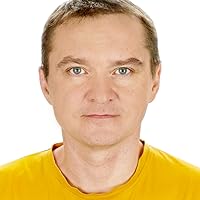
July 2, 2018
Трилогия о Галактической империи заметно уступает двум другим известным сериям романов Азимова (Роботы и Основание). Но это и не удивительно, ведь это были одни из первых крупных произведений автора, в которых он только пробовал перо, чтобы спустя несколько лет засиять на небосклоне научной фантастики.

February 10, 2019
Todas las obras tienen un estilo muy cuidado (propio de Asimov) y harán las delicias de cualquier aficionado a la ciencia ficción, pero en ocasiones se hacen un tanto pesadas, como si la acción se desarrollase de forma más lenta de lo normal.
Aún así las tres obras son muy recomendables, siendo mi favorita "Un guijarro en el cielo" tal vez por la mayor implicación que tiene la Tierra en la misma.
Aún así las tres obras son muy recomendables, siendo mi favorita "Un guijarro en el cielo" tal vez por la mayor implicación que tiene la Tierra en la misma.

September 8, 2026
Аз съм живото доказателство, че ако четеш някоя книга мнооого бавно, това не значи, че не ти харесва. Дойдох заради изграждането на световете, останах заради политическите интриги. Определено ме изненада колко бяха заплетени и убедителни. Романтичните линии бяха най-слабото звено, но на кой му трябва романтика, когато може да има борба за власт над цялата галактика!
Displaying 1 - 30 of 57 reviews