Pek çoğumuz acı yoksa mutluluk da yok mottosuyla yaşıyoruz. Ancak bu yaklaşım içimize korku, hayal kırıklığı ve kendinden şüphe tohumlarını atmaktadır. Peki acı çekmeden de mutlu olabileceğinizi biliyor musunuz? Bunu anlamak ve mutluluğu ıskalamamak için bilinçaltının sesine kulak verin çünkü bilinçaltı düşüncenin toprağı gibidir. Ve farkı yaratan, nasıl düşündüğünüzdür. Düşünme biçiminizi değiştirerek hayatınızın yönünü belirleyebilirsiniz. Mutluluk ve başarı nasıl alışkanlığınız haline geliyorsa mutsuzluk ve başarısızlık da peşinizi bırakmayan alışkanlıklara dönüşebilir...
Kendiniz olma gücünü ve cesaretini gösterme için bugün çok geç değil.
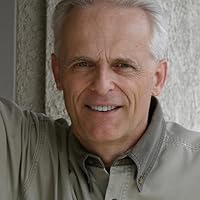
MAXWELL MALTZ psikoloji alanında bugün kitleleri peşinden sürükleyen pek çok yazara ilham kaynağı olmuş, uluslararası çapta önemli profesörlerden biridir. Zihin ve beden ilişkisini ortaya koyan çok sayıda psikolojik metot bu kitaptaki fikirlere dayanmaktadır. (arka kapak)
Maxwell Maltz was an American cosmetic surgeon and author of Psycho-Cybernetics, which was a system of ideas that he claimed could improve one's self-image leading to a more successful and fulfilling life.
Ne znam da li je trebalo pre ovoga da pročitam čistu Psihokibernetiku, ne bih rekla da je povezano, nego čisto da se upoznam sa razmišljanjima pisca bolje i detaljnije. Svakako posle ovoga želim da pročitam i tu knjigu. Jako mi se dopadaju njegove metode i primeri na kojima pokazuje šta je ispravno a šta pogrešno.
I read this book many years ago and decided to pick it up and read it again. It is interesting the insight that Maxwell Maltz had when the book was written more than 50 years ago. Today we have more information on how the brain works, yet he knew from working with people some truths that still seem to apply today. I would recommend this book to anyone who wants more insight into themselves.
Given the fact that this book was written more than 50 years ago and considering the many timeless advices that were given, I found it to be both enriching and helpful. Nonetheless, I would recommend other books about the topic more due to poor structure and in part weak lines of reasoning.
I liked this book so much that I can't help but post a review. The book offers a lot of insights in the human mind and how we learn. It is sad that I just picked it out now when it was written years ago. The test of it's importance is it's enduring relevance.
I liked the content and it wasn't as whacky as I had anticipated given the name [which is a good thing]. The wording and rhythm place this book in the mid-1900s so it reminds of listening to my grandparents talk when they get in lecture/speech mode.
"Psycho-Cybernetics and Self Fulfillment" by Maxwell Maltz is a self-help book that has had a profound impact on the lives of many people since its original publication in 1960. The book explores the idea of the mind as a cybernetic system that can be programmed for success or failure, depending on the messages we send it.
At the heart of the book is the concept of self-image, which Maltz defines as "the conception we have of ourselves." He argues that our self-image is the key factor that determines our success or failure in life, and that it is something that can be changed through conscious effort.
One of the key insights of the book is that our self-image is not fixed, but can be changed through deliberate action. Maltz explains that our self-image is formed by our experiences, and that we can change it by consciously choosing new experiences and focusing on our positive qualities.
To illustrate this point, Maltz gives several examples of people who were able to overcome their self-limiting beliefs and achieve great success. He tells the story of a woman who was convinced she was too old to start a new career, but was able to overcome this belief and become a successful business owner. He also tells the story of a man who was able to overcome his fear of public speaking and become a successful motivational speaker.
Maltz also emphasizes the importance of visualization in achieving success. He argues that by vividly imagining our desired outcomes, we can program our minds to work towards them. He provides a number of techniques for visualization, including creating mental movies and using affirmations.
One of the most interesting parts of the book is Maltz's discussion of the relationship between the conscious and unconscious mind. He argues that our conscious mind is like the captain of a ship, while our unconscious mind is like the crew. If the captain gives the crew the wrong instructions, the ship will go off course. Similarly, if our conscious mind sends the wrong messages to our unconscious mind, we will experience failure and frustration.
Maltz provides a number of exercises and techniques for programming our unconscious mind for success. These include focusing on positive affirmations, using mental imagery, and practicing relaxation techniques.
Overall, "Psycho-Cybernetics and Self Fulfillment" is a thought-provoking and inspiring book that offers a fresh perspective on the relationship between the mind and success. While some of the techniques and language may seem dated to modern readers, the underlying principles remain as relevant as ever.
One potential downside of the book is that it can be somewhat repetitive at times. Maltz spends a lot of time emphasizing the importance of self-image and visualization, which can become a bit tedious for readers who are already familiar with these concepts.
Another potential criticism of the book is that it can be overly simplistic in its approach to achieving success. While Maltz provides a number of useful techniques for visualization and self-improvement, he does not address the structural or systemic barriers that can prevent people from achieving their goals.
Despite these limitations, "Psycho-Cybernetics and Self Fulfillment" is a valuable resource for anyone who is interested in personal growth and self-improvement. The book provides practical tools and techniques for changing your self-image and achieving your goals, and it is written in an engaging and accessible style that makes it easy to understand and apply.
A great book thinks I've always thought about but Maxwell opens my eyes about the action point, I am sharing some headline with you below:
- What happened has happened whether it was good or a disaster, they were lessons that you should learn from them, not a thing that makes you scared anymore. - I've always said that if you want to learn something or want to get the challenge, be there in the middle of everything, the worst-case scenario you already paid it before, this is the best way to learn. - I will always ask my self if my fears are in the right place, what If someone else was in my place how I can be honest with him and advise him ?? - As the cranberries say, it's in your head - Don't go deep into useless details, you will waste your time and efforts. - Don't go too much for the idealism, you have to have a part of it but having more than 80% meaning that there's something wrong in you. - No Action = No Lesson = No Results - Wear other shoes before judging them.
Le daría un 3,5 ⭐ porque al final el libro pierde peso y se vuelve para mi gusto más espiritual (ojo, no tiene nada de malo esto, pero abusar de las referencias a Dios para sostener una teoría me suele generar rechazo) El inicio y la propuesta me enganchó, en una tarde me había leído 100 páginas sin darme cuenta.
Lo valoro de forma positiva porque después de leer bastante hacía tiempo que no leía ningún libro de desarrollo personal que realmente dijera algo nuevo y que ofreciera un punto de vista distinto al refrito y reciclaje que solemos encontrar en otros libros de este tipo, que en realidad solo condensan con otras palabras las teorías y propuestas de los grandes libros de desarrollo personal.
Una pena que al final del libro los ejemplos se me hiciesen pesados y perdiese el interés. Una vez que has entendido los conceptos principales, el resto puede resultar algo repetitivo o incluso "paja". Igualmente lo recomiendo. Es muy guay que un cirujano plástico ofrezca una teoría sobre la autoimagen tan sólida.
This is one of the books that seemed to have already noted down my thoughts.
The writing style is simple and very little complex language is used. This is a key point for me. The exercises given in the book are also superb for reflection.
If you were to add in today's information on emotional intelligence and neuroscience, you will see how it fits neatly into what the book is trying to teach you. This line "In order to feel something for someone, you have to stop and think." is one of the many that made me do just that, throughout the book.
This book is for anyone who is interested in seriously developing themselves deeply, possibly beyond the readers of Seven habits and similar books. I suggest you take your time when reading, and not try to finish it quickly.
I'll be repeatedly referring to this book for a long while.
It is one of the best books I have ever read in personal development. Connection between fear and lack of self-respect brings it all home. The ideas are very motivational and uplifting. Strangely enough the book has nothing to do with computers, but promotes gaining total control over one's self-image, emotions and future. I enjoyed the book immensely, and will work on applying wisdom gained from the author.
I got the wrong book. I meant to get Psycho-Cybernetics, no subtitle. This felt like it relied on context of another book. It had a listicle format in the first half and then common questions the author received from readers of Psycho-Cybernetics. So, I gleaned some value, but I definitely need to read the original book! And I will. This one--felt like he was reliant and stretching out and elaborating based on success of original book.
Fascinating read - it unravels the depth and complexity of the human mind through the lens of different belief systems in action. While the author is concise, the depth of knowledge shared through his personal encounters with his patients is unmatched. Much like an onion, it unravels the layers that compose a self image which influences the way one thinks, forms social relationships and interacts with the world within and outside.
Uma aula sobre mentalidade. As viradas de chave presentes neste livro são transformadoras. O autor apresenta ferramentas de altíssimo valor para que possamos ter uma vida melhor, mais plena, e, principalmente, mais autônoma.
Top tier book for self-development and becoming a better person. It is particularly about developing a healthy self-image and using it to become a better person. I'll think about this stuff for a while.
Libro interessante il cui contenuto risulta ancora oggi valido ed attuale sull'importanza della propria considerazione di sé per raggiungere la propria realizzazione. Avendo ascoltato l'audio libro unica pecca è stata la lettura dei frequenti acronimi ed elenchi puntuali un po' tediante
No saben cuanto me ayudo este libro a entender como poder hacer funcionar mi disciplina en muchos aspectos. Y como acarrear mis objetivos poco a poco 9/10.
This was one of the first self help books that I ever read, it made a powerful impression on me. It was my starter for a lifetime of searching for ways to improve my own performances. Above the entrance to the Oracle of Delphi there is an inscription that reads, "Know thyself." That has been my life's work and this book was largely responsible for setting me off on the journey. It made me realise that I needed a powerful self image if I was to become what I could become.
David Ferrers, Author of SWAP, The Best Way to Make Your Dreams Come True
If you have ever wondered, but don't understand, why Michael Jackson got so many surgeries read this book. Maxwell Maltz was not only an American cosmetic surgeon he also had his doctorate in psychology.
Twenty-seven years ago, in 1986 my son was diagnosed at sick kids hospital with ADHD. Self-esteem is one of the many struggles encountered by children and young adults (especially those with disabilities). I bought and read anything and everything for self improvement and positive thinking that I could get my hands on. This book explains how the mind operates.
This book is excellent for anyone who has a family member who is convinced what isn't is. Anyone who has read this book will understand the following sentence: I do not recommend this book for someone suffering from such a dilemma as they won't believe a word it says.