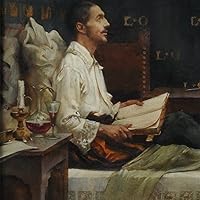
The world of the first half of the sixteenth century was exceptionally dynamic. Voyages of discovery made the world larger; science and technology were revolutionized; Christian thought underwent a powerful renewal; the population and economy grew. And in the midst of this constellation of change, one man - the Emperor Charles V - ruled a conglomeration of territory more extensive than that previously held by any ruler in European history. What can one person, given an inordinate amount of power by quirk of fate, achieve? How much freedom did he in fact have? Did it help him reach his objectives? What unwanted results ensued from his actions? The relationship between the will of an individual and the power of structures in times of such mutability is at the core of Blockman's enquiry. He brings to the task a range of languages - without which it is scarcely possible to do justice to Charles's widespread, linguistically diverse imperium - a keen awareness of the most recent findings in modern scholarship, and the fruits of a professional lifetime's reflection.
Willem Pieter Blockmans was Professor of Medieval History at Leiden University between 1987 and 2010. He earned a PhD from the University of Ghent. He has been Rector of the Netherlands Institute for Advanced Study since September 2002. He has published extensively on late medieval and early modern state power.
Synthese met focus op wat Karel met de hem toegevallen enorme macht heeft gedaan. Snel geschreven, nog niet rijp, eerste deel is nagenoeg onnavolgbaar vanwege dynastiek labyrint; weinig aandacht voor het beleid in de Nieuwe Wereld.
El hecho de que esté organizado temáticamente y no cronológicamente dificulta un poco la lectura, aunque como obra de consulta sobre las diferentes facetas del gobierno del emperador es muy útil.
Blockmans weet bijzonder veel over dit onderwerp. Helaas is hij niet in staat dit helder op papier te zetten. Dit boek lijkt eerder op een stapel aantekeningen over een boek met als onderwerp Karel V dan op het daadwerkelijke eindproduct. De schrijver springt van de hak op de tak met (waarschijnlijk) als bedoeling verbanden te leggen metaalsector resultaat dat de lezer in opperste verwarring wordt gebracht. Er worden, zonder nadere introductie, bergen feiten en feitjes over de lezer uitgestort, waarbij het onduidelijk is of het om zijlijnen of de grote lijn gaat. Het was ook een verwarrende tijd, waarbij iedereen zo’n beetje familie was van iedereen. Met enige voorkennis valt er nog wel een touw aan vast te knopen, maar de ongeïnitieerde lezer wordt wel op de proef gesteld.
Dit las eerder als een onafgewerkt product van een goed geinformeerde professor dan als een effectief boek. Interessante invalshoeken en gedachtepistes maar slordig in structuur.
The first article by Rodriguez-Salgado is the best of the whole collection - her style is concise and to the point. However, a lot of the other articles seemed to focus mainly on the peripheral points of Charles' reign.