

What do you think?

우리는 사랑일까
In this witty, innovative novel of a modern relationship, de Botton explores the progress of a love affair from first meeting to breaking up, intercut with musings on the nature of art and love. "A cross between Milan Kundera and Erich Segal, with some Vonnegut thrown in for spice."--Kirkus Reviews.
412 pages, Paperback
First published January 1, 1994
About the author
Alain de Botton
164 books15.9k followersAlain de Botton is a writer and television producer who lives in London and aims to make philosophy relevant to everyday life. He can be contacted by email directly via www.alaindebotton.com
He is a writer of essayistic books, which refer both to his own experiences and ideas- and those of artists, philosophers and thinkers. It's a style of writing that has been termed a 'philosophy of everyday life.'
His first book, Essays in Love [titled On Love in the US], minutely analysed the process of falling in and out of love. The style of the book was unusual, because it mixed elements of a novel together with reflections and analyses normally found in a piece of non-fiction. It's a book of which many readers are still fondest.
Bibliography:
* Essays In Love (1993)
* The Romantic Movement (1994)
* Kiss and Tell (1995)
* How Proust Can Change Your Life (1997)
* The Consolations of Philosophy (2000)
* The Art of Travel (2002)
* Status Anxiety (2004)
* The Architecture of Happiness (2006)
* The Pleasures and Sorrows of Work (2009)
He is a writer of essayistic books, which refer both to his own experiences and ideas- and those of artists, philosophers and thinkers. It's a style of writing that has been termed a 'philosophy of everyday life.'
His first book, Essays in Love [titled On Love in the US], minutely analysed the process of falling in and out of love. The style of the book was unusual, because it mixed elements of a novel together with reflections and analyses normally found in a piece of non-fiction. It's a book of which many readers are still fondest.
Bibliography:
* Essays In Love (1993)
* The Romantic Movement (1994)
* Kiss and Tell (1995)
* How Proust Can Change Your Life (1997)
* The Consolations of Philosophy (2000)
* The Art of Travel (2002)
* Status Anxiety (2004)
* The Architecture of Happiness (2006)
* The Pleasures and Sorrows of Work (2009)
Ratings & Reviews
Friends & Following
Create a free account to discover what your friends think of this book!
Community Reviews
Displaying 1 - 30 of 201 reviews

September 21, 2010
Fantastic! In case you can't tell, I love all of this guy's stuff. Fascinating, insightful, deliciously well-written. This guy GETS relationships. Their complexity, their imbalance, their transient natures. And this particular book, more than any of his others thus far, captures certain concepts that I have often experienced, and thought about, but felt certain were unique to me. He understands my (and probably many other people's) approach to feelings. Why we like who we like, though we often shouldn't. Why we're liked by who we're liked by, though we wish we weren't. And the whole time he is both FUNNY and BRILLIANT. I could not recommend it more highly!

May 26, 2025
Alain de Botton'un Aşk Dersleri'ni çok, Aşk Üzerine'sini daha az sevmiştim, Romantik Hareket'ini daha da az sevdim. Diğer iki kitabı da anıyorum burada çünkü benzer sularda yüzüyor yazar yine. 24 yaşındaki Alice ve 31 yaşındaki Eric'in ilişkisinin başlamasını ve bitmesini okuyoruz bu romanda. Roman diyorum ama Alain de Botton her zaman yaptığı gibi sık sık araya girip okurla konuşuyor; türlü düşünürlerden, edebiyattan örnekler iliştiriyor, romanı denememsileştiriyor. Ancak bu kez bence bunu çok fazla yapıyor. Öyle ki, anlattığı hikaye üzerinden akıl yürütmüyor da, hikayeyi akıl yürütmesi için araçsallaştırıyor gibi hissettim okurken.
İlk aşkıyla evlenmeyen her 21. yüzyıl insanının deneyimlediği, üzerine akıl yürüttüğü tanıdık yakınlaşma açmazlarını izliyoruz kitap boyunca. Alice türlü nedenlerle özgüvensiz, Eric'in cazibesine kapılıyor - ki zaten Eric gibi karizmatik bir figürün onu beğenmesi bile yeterli Alice için. İlişki ilerledikçe Alice Eric'in kendisinden çok Eric'e dair kafasındaki fikri sevdiğini fark ediyor; çok güçlü gözüken Eric'in aslında son derece zayıf olduğunu, gerçek bir yakınlık kuracak derinlikten nasıl uzak olduğunu, kırılmayı bilen biri olarak asıl güçlü tarafın kendisi olduğunu...
Açıkçası kitaba bayılmamamın sebeplerinin başında her iki karakteri de pek sevememiş olmam geliyor sanırım. İkisi de gayet inandırıcı karakterler, ona sözüm yok ama bir şekilde ilişkilenemedim ikisiyle de. Bir de yazarın çok kendinden emin konuşması, tespitlerini sürekli "çünkü bu böyledir" tavrıyla sunması, her şeyi sistemize / kategorize etmesi rahatsız edici ve zaman zaman aşırı geldi. Bir de birkaç ilişkisi olmuş bir insanın pekala bileceği şeyleri sanki çok ufuk açıcı bir perspektif sunuyormuş gibi anlatması da aynı şekilde hoşuma gitmedi. Belki 10 sene önce okusam daha farklı hissederdim, bilemiyorum.
Ezcümle, biraz çerez buldum. Alain de Botton zaten biraz çerezdir hep ama bazen çok ufuk açıcı şeyler de söyler, çok sevdiğim kitapları var malum. Romantik Hareket'te de zaman zaman sevdiğim, düşündüren kısımlar olsa da, bu o çok sevdiğim kitaplarından biri olamadı maalesef.
İlk aşkıyla evlenmeyen her 21. yüzyıl insanının deneyimlediği, üzerine akıl yürüttüğü tanıdık yakınlaşma açmazlarını izliyoruz kitap boyunca. Alice türlü nedenlerle özgüvensiz, Eric'in cazibesine kapılıyor - ki zaten Eric gibi karizmatik bir figürün onu beğenmesi bile yeterli Alice için. İlişki ilerledikçe Alice Eric'in kendisinden çok Eric'e dair kafasındaki fikri sevdiğini fark ediyor; çok güçlü gözüken Eric'in aslında son derece zayıf olduğunu, gerçek bir yakınlık kuracak derinlikten nasıl uzak olduğunu, kırılmayı bilen biri olarak asıl güçlü tarafın kendisi olduğunu...
Açıkçası kitaba bayılmamamın sebeplerinin başında her iki karakteri de pek sevememiş olmam geliyor sanırım. İkisi de gayet inandırıcı karakterler, ona sözüm yok ama bir şekilde ilişkilenemedim ikisiyle de. Bir de yazarın çok kendinden emin konuşması, tespitlerini sürekli "çünkü bu böyledir" tavrıyla sunması, her şeyi sistemize / kategorize etmesi rahatsız edici ve zaman zaman aşırı geldi. Bir de birkaç ilişkisi olmuş bir insanın pekala bileceği şeyleri sanki çok ufuk açıcı bir perspektif sunuyormuş gibi anlatması da aynı şekilde hoşuma gitmedi. Belki 10 sene önce okusam daha farklı hissederdim, bilemiyorum.
Ezcümle, biraz çerez buldum. Alain de Botton zaten biraz çerezdir hep ama bazen çok ufuk açıcı şeyler de söyler, çok sevdiğim kitapları var malum. Romantik Hareket'te de zaman zaman sevdiğim, düşündüren kısımlar olsa da, bu o çok sevdiğim kitaplarından biri olamadı maalesef.

April 14, 2009
I read this book in one sitting, and it reminds me of spending a day with a particularly insightful friend, who casually sizes up the motives at play between people of a particular character, throwing light on common experiences in the process. Similar to Milan Kundera, Alain de Botton uses fiction in order to build on his ideas. Only for de Botton, the narrator muffles the life between the characters with his more pressing need to dissect their psychological motives. The storyline mainly concerns the protagonist Alice's love life, (although it tries to shift the camera to other characters that, in protection of Alice's point of view, it doesn't portray with respect) but this is really a backdrop for de Botton's aptitude for defining the factors at play in a typical 24 year old's romantic scenario. I particularly enjoyed the interplay of brief symbolic images into the text, which meshed well with the way in which de Botton writes in order to catalogue and unpack the motives at play in people. Despite the perhaps ill-suited form which the book took, every other sentence gave an "ah hah" moment, and reminded me of something de Botton wrote about Stendhal:
"Stendhal once compared introducing ideas into a novel to letting a gun go off in a concert hall, and even outside the genteel world of the concert hall-novel, it is still thought best to cloak advice as other things - to render it abstract enough to become Sartrean philosophy, Symbolist poetry or a Scandinavian motion picture."
Other quotes I enjoyed from the book, chosen from a hundred other options:
"To have a sexual history did not only imply one had made love to a succession of people, it also suggested one had either rejected or been rejected by these same bedroom companions. A more melancholy way of looking at the history of sexual technique was to read in it a history of disappointment."
"What is good fiscal policy may be bad amorous policy - for part of love is to fall into debt and yet tolerate the uncertainty arising from owing someone something, trusting them with the ensuing power, the choice it gives them of how and when to claim their dues....The word power typically signifies a capacity for action...But in love, the issue appears to depend on a far more passive, negative definition; instead of looking at power as a capacity to do something, one may come to think of it as the capacity to do nothing...power in love arises from the ability not to give a damn."
"Stendhal once compared introducing ideas into a novel to letting a gun go off in a concert hall, and even outside the genteel world of the concert hall-novel, it is still thought best to cloak advice as other things - to render it abstract enough to become Sartrean philosophy, Symbolist poetry or a Scandinavian motion picture."
Other quotes I enjoyed from the book, chosen from a hundred other options:
"To have a sexual history did not only imply one had made love to a succession of people, it also suggested one had either rejected or been rejected by these same bedroom companions. A more melancholy way of looking at the history of sexual technique was to read in it a history of disappointment."
"What is good fiscal policy may be bad amorous policy - for part of love is to fall into debt and yet tolerate the uncertainty arising from owing someone something, trusting them with the ensuing power, the choice it gives them of how and when to claim their dues....The word power typically signifies a capacity for action...But in love, the issue appears to depend on a far more passive, negative definition; instead of looking at power as a capacity to do something, one may come to think of it as the capacity to do nothing...power in love arises from the ability not to give a damn."

February 28, 2019
Pentru ca am tot citit carti mai profunde zilele astea, seara trecută am vrut sa-mi aleg o carte relaxanta si amuzanta. Am vrut! N-am nimerit!
Povestea de fata este oricum, dar nu amuzanta. Si nici relaxanta. Este o radiografie a relatiilor din ziua de astazi, dar scrisa intr-un mod atat de greoi incat lecturarea a devenit putin obositoare.
Autorul pune sub lupa o relatie moderna, ii adauga niste insertii filozofice (nu niste, ci o gramada) semnate de Platon, Nietzsche Proust, Wittgenstein si Descartes, ii adauga si ceva ironie si gata povestea.
Alice este o tanara atragatoare de 24 de ani, ce lucreaza in publicitate. Este singura, dar nu pentru ca asa isi doreste, ci pentru ca nu a intalnit pe nimeni. Nici macar nu este in stare sa recunoasca acest lucru fata de prietenii sai, si nici fata de ea (cui ii e usor sa recunoasca ca e singura cuc?).
Eric este un tanar bancher, independent financiar, rational si destul de dorit de femeile din jurul sau.
Cei doi se intalnesc la o petrecere, si dupa ce petrec o noapte impreuna, incep ceea ce s-ar putea numi o relatie. Mie insa nu mi s-a parut chiar asa. Lupta mi s-a parut tot timpul inegala pentru ca in timp ce Alice isi facea visuri si planuri, Eric ramanea indiferent, chiar condamnand nevoia ei de afectiune.
Trebuie sa recunosc ca mi s-a parut un misogin care critica orice iesea din tiparele lui destul de stricte.
Era indiferent la tot ceea ce Alice isi dorea, iar asta m-a enervat teribil. Eu n-as fi rezistat langa o asemenea persoana nicio secunda, il dadeam de-a dura cat ai zice peste, dar Alice... Alice este o persoana visatoare, ce nu stie sa spuna nu prea des, si care accepta tacit ideile si dorintele partenerului.
Ce mi s-a parut ironic este faptul ca desi la inceput fuge de tipul de relatie in care se multumeste cu primul ``individ pocit peste care dai din intamplare la piscina``, ajunge sa-i tolereze lui Eric o gramada de rahaturi.
Este o poveste in care iubirea nu raspunde decat de propriile reguli si nu se inscrie decat in parametrii pe care ea insasi ii stabileste, facand abstractie de tot ceea ce cunoastem sau avem impresia ca stim despre iubire.
Romanul este plin de inserarile filozofice ce aduc un plus de greutate povestii. De la Madame Bovary pana la revistele glossy, autorul include in viata protagonistilor secole de gandire pentru a explica toate chichitele indragostirii.
Nu se citeste usor, pentru ca are unele cuvinte si expresii de care eu personal n-am auzit si nu le-am mai intalnit in carti. (Astfel am tot facut plimbare intre carte si dex) Are si desene grafice menite parca sa usureze intelegerea textelor, dar nu ajuta cine stie ce, devine mai repede o chestie amuzanta.
Inchei seara cu o poveste ce nu m-a impresionat, ci m-a enervat. Personajele, or fi ele cat se poate de reale (pt ca stiu ca exista genul asta de relatii), dar nu le accept si nu ma identific cu cazul lor. Nici nu stiu ce nota sa-i dau. Nu este o carte rea, doar ca nu a fost pe gustul meu. Mie imi plac lucrurile simple, povestile lejere, trairi intense, nu teorii si filozifii obositoare, cum este aceasta. Daca as scoate aceste insertii filozofice povestea ar deveni un roman clasic romance, asa... nu stiu ce este. O poveste de iubire cu multa filozifie :)))))) . In fine, 2/5 pt ca nu mi-a placut.
Povestea de fata este oricum, dar nu amuzanta. Si nici relaxanta. Este o radiografie a relatiilor din ziua de astazi, dar scrisa intr-un mod atat de greoi incat lecturarea a devenit putin obositoare.
Autorul pune sub lupa o relatie moderna, ii adauga niste insertii filozofice (nu niste, ci o gramada) semnate de Platon, Nietzsche Proust, Wittgenstein si Descartes, ii adauga si ceva ironie si gata povestea.
Alice este o tanara atragatoare de 24 de ani, ce lucreaza in publicitate. Este singura, dar nu pentru ca asa isi doreste, ci pentru ca nu a intalnit pe nimeni. Nici macar nu este in stare sa recunoasca acest lucru fata de prietenii sai, si nici fata de ea (cui ii e usor sa recunoasca ca e singura cuc?).
Eric este un tanar bancher, independent financiar, rational si destul de dorit de femeile din jurul sau.
Cei doi se intalnesc la o petrecere, si dupa ce petrec o noapte impreuna, incep ceea ce s-ar putea numi o relatie. Mie insa nu mi s-a parut chiar asa. Lupta mi s-a parut tot timpul inegala pentru ca in timp ce Alice isi facea visuri si planuri, Eric ramanea indiferent, chiar condamnand nevoia ei de afectiune.
Trebuie sa recunosc ca mi s-a parut un misogin care critica orice iesea din tiparele lui destul de stricte.
Era indiferent la tot ceea ce Alice isi dorea, iar asta m-a enervat teribil. Eu n-as fi rezistat langa o asemenea persoana nicio secunda, il dadeam de-a dura cat ai zice peste, dar Alice... Alice este o persoana visatoare, ce nu stie sa spuna nu prea des, si care accepta tacit ideile si dorintele partenerului.
Ce mi s-a parut ironic este faptul ca desi la inceput fuge de tipul de relatie in care se multumeste cu primul ``individ pocit peste care dai din intamplare la piscina``, ajunge sa-i tolereze lui Eric o gramada de rahaturi.
Este o poveste in care iubirea nu raspunde decat de propriile reguli si nu se inscrie decat in parametrii pe care ea insasi ii stabileste, facand abstractie de tot ceea ce cunoastem sau avem impresia ca stim despre iubire.
Romanul este plin de inserarile filozofice ce aduc un plus de greutate povestii. De la Madame Bovary pana la revistele glossy, autorul include in viata protagonistilor secole de gandire pentru a explica toate chichitele indragostirii.
Nu se citeste usor, pentru ca are unele cuvinte si expresii de care eu personal n-am auzit si nu le-am mai intalnit in carti. (Astfel am tot facut plimbare intre carte si dex) Are si desene grafice menite parca sa usureze intelegerea textelor, dar nu ajuta cine stie ce, devine mai repede o chestie amuzanta.
Inchei seara cu o poveste ce nu m-a impresionat, ci m-a enervat. Personajele, or fi ele cat se poate de reale (pt ca stiu ca exista genul asta de relatii), dar nu le accept si nu ma identific cu cazul lor. Nici nu stiu ce nota sa-i dau. Nu este o carte rea, doar ca nu a fost pe gustul meu. Mie imi plac lucrurile simple, povestile lejere, trairi intense, nu teorii si filozifii obositoare, cum este aceasta. Daca as scoate aceste insertii filozofice povestea ar deveni un roman clasic romance, asa... nu stiu ce este. O poveste de iubire cu multa filozifie :)))))) . In fine, 2/5 pt ca nu mi-a placut.

November 14, 2009
After reading a few of De Botton's other books geared toward history and philosophy, I have to believe that this book was written on a dare or was a personal challenge to himself. Then again, De Botton specializes in exploring the mundane facets of life and rediscovering them for his reader's benefit… so perhaps modern romantic fling shouldn't be off limits for cultural analysis. The strength of this story is the fact that these characters and their relationship are so typical and common place.. Most urban women have likely have been through one of these relationships and will be able to relate easily to the protagonist, Alice. However, if Alice was your friend and was looking to you for a listening ear, you would probably find her boring and her naivety irritating. Everyone has heard a girl on her cell phone, bragging, complaining, or just relating to someone else about a relationship. I think my first instinct to this kind of narcissism is an embarrassment because I have been this woman at one point…but I react to other women who do this by rolling my eyes. De Botton take this sort of relationship seriously and manages to unpack the trivial and connect aspects of the relationship and these typical characters to our modern culture...that constitutes the "sex, shopping, and the novel" part of the title.
That said, I have complaints too. He definitely borrows a lot from Milan Kundera for the structure of the novel. He mixes straight story telling with the voice of a narrator who analyzes the characters and events through historical and philosophical perspective. However, I think his structure failed here...Where Kundera's narrative and analytical voice creates rhythms with the story line, De Botton seems to interrupt his own story to lecture and over demonstrate. (Although I liked the analysis and appreciated the diagrams.) Details of the story line seem fabricated just to provide an excuse or segue in analysis...and at that point you aren't sure if he's writing to convince you or himself...The organic feeling you get while reading Kundera is not there.
...But, I liked it and I didn't expect De Botton to be much of a fiction writer. I might try reading some of his straight novels after this. I think this book was an experiment in mixing two genres. As a voice and as a lyrical read, the experiment was not successful. For the information it imparts and for the intermittent moments of brilliance, I liked it and have to respect it.
I think I'm going to reread The Unbearable Lightness of Being next though. I recommend this book to anyone who liked the Romantic Movement.
That said, I have complaints too. He definitely borrows a lot from Milan Kundera for the structure of the novel. He mixes straight story telling with the voice of a narrator who analyzes the characters and events through historical and philosophical perspective. However, I think his structure failed here...Where Kundera's narrative and analytical voice creates rhythms with the story line, De Botton seems to interrupt his own story to lecture and over demonstrate. (Although I liked the analysis and appreciated the diagrams.) Details of the story line seem fabricated just to provide an excuse or segue in analysis...and at that point you aren't sure if he's writing to convince you or himself...The organic feeling you get while reading Kundera is not there.
...But, I liked it and I didn't expect De Botton to be much of a fiction writer. I might try reading some of his straight novels after this. I think this book was an experiment in mixing two genres. As a voice and as a lyrical read, the experiment was not successful. For the information it imparts and for the intermittent moments of brilliance, I liked it and have to respect it.
I think I'm going to reread The Unbearable Lightness of Being next though. I recommend this book to anyone who liked the Romantic Movement.

January 6, 2026
daha once hicbir karakterde kendimi alice'de gordugum kadar gormemistim, inanilmaz akici ve zeki bi anlatimi vardi ve bu karakteri nasil bi erkek yazabilir hala inanamiyorum. iliskiler, arkadasliklar, isteklerimizin ve tepkilerimizin altinda yatan sebepler cok guzel anlatilmisti, cok cok sevdigim bi kitap oldu bana oneren kadina minnettarim

June 29, 2025
Alice had ook Lies kunnen heten en het boek had evenzeer, zo niet nog meer, steek gehouden

March 31, 2013
Well, the only reason I bestow somewhat poor rating for The Romantic Movement is that it was not fitting for my personal taste. It is a fine book. It is an amazing demonstration of how inner spectrum of love from two opposite sides work. It's vast- how much the book offers. I see why Alain de Botton is praised as one of the most intellectual minds of this era.
But the problem is that all he does is lecturing. He explains every tiny move that is made within a relationship between Alice and Eric. It's exhausting after awhile- de Botton speaks as he shall present this eureka-like truth beneath the countless philosophical demonstrations, but really all he does is analyzing, nothing more. After reading, there is this discomfort..like something is not resolved when It had been promised to me.
It was quite marvelous how he fluently guided a journey of ever-changing Alice's attitude. But the book stayed way too long on the 'ah I love him - I love him more than he loves me - but he loves me too so it's alright' part. de Button literally vexed me so much that I almost gave up reading twice.
As an analysis of love - , I guess the book is phenomenal. As a novel, as a work of literature - it was a bit of torture. There was no ambiguity. There was no abstract about it. There is no romance because endless analysis killed it. There was no love in this book, because love was extinguished by sharp and detailed reasoning. There were only these tiny movements that happened on each page that tested my tolerance over and over.
But the problem is that all he does is lecturing. He explains every tiny move that is made within a relationship between Alice and Eric. It's exhausting after awhile- de Botton speaks as he shall present this eureka-like truth beneath the countless philosophical demonstrations, but really all he does is analyzing, nothing more. After reading, there is this discomfort..like something is not resolved when It had been promised to me.
It was quite marvelous how he fluently guided a journey of ever-changing Alice's attitude. But the book stayed way too long on the 'ah I love him - I love him more than he loves me - but he loves me too so it's alright' part. de Button literally vexed me so much that I almost gave up reading twice.
As an analysis of love - , I guess the book is phenomenal. As a novel, as a work of literature - it was a bit of torture. There was no ambiguity. There was no abstract about it. There is no romance because endless analysis killed it. There was no love in this book, because love was extinguished by sharp and detailed reasoning. There were only these tiny movements that happened on each page that tested my tolerance over and over.

March 30, 2019
“sohbet potansiyelinin yapısı,kişinin beraber olduğu insana göre dallanıp budaklanan bir ağaca benzetilebilir.”
“kişi bir krizin ortasındayken seni seviyorum cümlesini büyük bir güvenle paketinden çıkarır ve mucizevi bir etki yaratacağına,bu sözü sarf ettiği anda eleştirel gücün bir anda ortadan kalkacağına ve karşısındakinin pürneşe bir gülümseyişe teslim olacağına inanır.”
“kişi bir krizin ortasındayken seni seviyorum cümlesini büyük bir güvenle paketinden çıkarır ve mucizevi bir etki yaratacağına,bu sözü sarf ettiği anda eleştirel gücün bir anda ortadan kalkacağına ve karşısındakinin pürneşe bir gülümseyişe teslim olacağına inanır.”
March 26, 2020
aşk üzerine kitabında da bu kadar belirgin miydi, emin değilim ama alain de botton'ın netliği, kendinden eminliği ve anlatım dili beni rahatsız etti. anlatılan ilişki de rahatsız edici olsa da tüm çıplaklığıyla başarılı bir şekilde yansıtıldığını düşünüyorum. yine de değindiği iyi kısımlar olsa da, güzel birkaç tespit barındırsa da yetersizdi.

June 5, 2007
This writer is BRILLIANT!! So insightful, funny, erudite. He analyzes the complete cycle of a relationship from lust to bitter breakup. He is SO emphatically on the woman's side, which I liked ;) Oh, and he also uses diagrams and drawings to make his points - very original.

August 3, 2021
آلن دوباتن دوباره به سراغ نقد نگاه رمانتیک رفته و اون رو در قالب روایت رابطه دو زوج به نام آلیس و اریک مطرح کرده. کالبد شکافی شخصیتی خوبی داشت اما به نظرم سیر عشق قوی تر روی این موضوع کار کرده بود. ترجمه هم در بخش داستانی خوب بود اما در بخش فلسفی کتاب اصلا روان نبود و مخاطب رو گیج می کرد

October 28, 2024
“Her şeyden önce yaşam tekrarlara dayanıyor ve varoluş bitmez tükenmez döngülerden oluşuyordu.”
Alice ve Eric çifti üzerinden ilişkilerin başlangıcını, bitişini ve bu noktalar arasında geçirdiği tüm evreleri inceleyen, bu incelemeyi yaparken okuru kendi duygularının ve içinde daha önce ya da şimdi bulunduğu ilişki durumlarının gerçekliğiyle mizahi bir tonda yüzleştiren hoş bir roman ‘Romantik Hareket’. Kolay okunan, akıcı ve yer yer yüzde tebessüm oluşturacak bir kitaba ihtiyaç duyanlara öneririm.
“Mizah duygusundan yoksun olmalarına rağmen, kendilerini fazlasıyla ciddiye alan insanların kahkaha atabilme gibi bir özellikleri vardı. Aslında bu insanlar diğerlerinden çok daha yüksek sesle ve şiddetle gülebiliyorlardı; ancak gülüşleri, mizahın en zengin kaynağından, kendi absürdlüklerinin farkındalığından yoksundu.”
Alice ve Eric çifti üzerinden ilişkilerin başlangıcını, bitişini ve bu noktalar arasında geçirdiği tüm evreleri inceleyen, bu incelemeyi yaparken okuru kendi duygularının ve içinde daha önce ya da şimdi bulunduğu ilişki durumlarının gerçekliğiyle mizahi bir tonda yüzleştiren hoş bir roman ‘Romantik Hareket’. Kolay okunan, akıcı ve yer yer yüzde tebessüm oluşturacak bir kitaba ihtiyaç duyanlara öneririm.
“Mizah duygusundan yoksun olmalarına rağmen, kendilerini fazlasıyla ciddiye alan insanların kahkaha atabilme gibi bir özellikleri vardı. Aslında bu insanlar diğerlerinden çok daha yüksek sesle ve şiddetle gülebiliyorlardı; ancak gülüşleri, mizahın en zengin kaynağından, kendi absürdlüklerinin farkındalığından yoksundu.”

August 26, 2014
I wonder why, although written in a practically identical style, On Love really struck a chord while The Romantic Movement bordered on being hard to chew and swallow.
If I were to review this book rationally, I'd say it took on an inherently interesting subject and was VERY well written: Alain's sentences are so distinctive that I could recognize it at once had it been mixed with other authors' writings in a messy hodgepodge. But precisely because of the exact same reason, his books are abstruse (the philosophical musings are accessible but the complicatedly wrought sentences make it a very taxing experience to read and understand it immediately). I often had to read a sentence several times to grasp its straight-forward meaning. Alain's double negatives are interesting only when the reader takes the time to study the structures. But I'm afraid its overuse verges on pretentious.
Let's talk about the characters. No doubt Eric is an egoistic selfish jerk while Alice, who starts off as every other girl, which inevitably evokes a natural kinship from the readers, ends up being too neurotic
to be relateable. Her tendencies to victimize herself as the abused and her obsessive need to glorify her weakness as an indicator of an all-giving lover in an ill-balanced relationship, by the end of the book, come off as irksome.
And allow me to complain lightly about the title. The sub-titles "Sex" and "Shopping" are not sufficiently substantiated in the text; I don't suppose one or two chapters of lightly touching the subjects provides the requisite validation for them to be included in a book's lengthy title. When it comes to literary allusions, having read only two of Alain's books, it has already become noticeable that he LOVES Gustave Flaubert's Madame Bovary and Sophocles's Oedipus the King to bits. I'm glad in The Romantic he extended the list a little bit to include Franz Kafka's The Trial. Always good to have a refreshing example.
Despite all the ramblings above, I still think The Romantic is a book I'd like to return to sometime in the future. I feel it'd be an enjoyable book had the reader approached it in a certain mood.
I'm also happy to see some fellow readers have made the connection between Alain de Botton and Milan Kundera. That was my first thought when I started reading On Love. But Milan seems to be more invested in developing his characters while Alain more focused on the philosophical explanations.
If I were to review this book rationally, I'd say it took on an inherently interesting subject and was VERY well written: Alain's sentences are so distinctive that I could recognize it at once had it been mixed with other authors' writings in a messy hodgepodge. But precisely because of the exact same reason, his books are abstruse (the philosophical musings are accessible but the complicatedly wrought sentences make it a very taxing experience to read and understand it immediately). I often had to read a sentence several times to grasp its straight-forward meaning. Alain's double negatives are interesting only when the reader takes the time to study the structures. But I'm afraid its overuse verges on pretentious.
Let's talk about the characters. No doubt Eric is an egoistic selfish jerk while Alice, who starts off as every other girl, which inevitably evokes a natural kinship from the readers, ends up being too neurotic
to be relateable. Her tendencies to victimize herself as the abused and her obsessive need to glorify her weakness as an indicator of an all-giving lover in an ill-balanced relationship, by the end of the book, come off as irksome.
And allow me to complain lightly about the title. The sub-titles "Sex" and "Shopping" are not sufficiently substantiated in the text; I don't suppose one or two chapters of lightly touching the subjects provides the requisite validation for them to be included in a book's lengthy title. When it comes to literary allusions, having read only two of Alain's books, it has already become noticeable that he LOVES Gustave Flaubert's Madame Bovary and Sophocles's Oedipus the King to bits. I'm glad in The Romantic he extended the list a little bit to include Franz Kafka's The Trial. Always good to have a refreshing example.
Despite all the ramblings above, I still think The Romantic is a book I'd like to return to sometime in the future. I feel it'd be an enjoyable book had the reader approached it in a certain mood.
I'm also happy to see some fellow readers have made the connection between Alain de Botton and Milan Kundera. That was my first thought when I started reading On Love. But Milan seems to be more invested in developing his characters while Alain more focused on the philosophical explanations.

July 7, 2018
A simple, clearly written book. This is the kind of book that makes me complain my reading speed.. I guess the reason I am not a big fan of this kind of books any more is that there is nothing to contemplate on, I read it once and get the idea and that's it.
Alain de Botton in this book tried to philosophize and rationalize the feelings of love. He reads well - this book is full of quotes from other philosophers and writers, and has some witty comments. But the affectionate feeling between man and women, to me, is nothing special but delusions and hormone-driven passions. It only becomes something more meaningful with conscious effort and mutual awareness and willingness to grow within it.
I witness my own feelings evolving while reading this book. It rationalizes a lot of my seemingly "out-of-nowhere" feelings, the crush, the desire to be in a relationship, the doubts, and finally a clearer view of why I have those doubts and what I really want in a relationship. Ehhh, "why would anyone would wish to exchange a 'peaceful' life for the emotional turbulence of a relationship?" Ha, maybe there will be less emotional turbulent ones.
Let me answer this question using another book's review "...it is the fear of uncertainty to our life that make us a living organism with heart. What’s amazing to me is no matter how uncertain or fearful we are, sometimes we are still brave enough to step our toes in the ocean of uncertainties and discover that it is beautiful."
Alain de Botton in this book tried to philosophize and rationalize the feelings of love. He reads well - this book is full of quotes from other philosophers and writers, and has some witty comments. But the affectionate feeling between man and women, to me, is nothing special but delusions and hormone-driven passions. It only becomes something more meaningful with conscious effort and mutual awareness and willingness to grow within it.
I witness my own feelings evolving while reading this book. It rationalizes a lot of my seemingly "out-of-nowhere" feelings, the crush, the desire to be in a relationship, the doubts, and finally a clearer view of why I have those doubts and what I really want in a relationship. Ehhh, "why would anyone would wish to exchange a 'peaceful' life for the emotional turbulence of a relationship?" Ha, maybe there will be less emotional turbulent ones.
Let me answer this question using another book's review "...it is the fear of uncertainty to our life that make us a living organism with heart. What’s amazing to me is no matter how uncertain or fearful we are, sometimes we are still brave enough to step our toes in the ocean of uncertainties and discover that it is beautiful."

October 15, 2024
''İnsanın bir başkasıyla, bakışlarının zenginliği ya da zekasının derinliği için değil, yalnızca ve yalnızca tek başına geçirilmiş akşamların anlatıldığı bir günceyi dayanılmaz bulduğu için ilişkiye girebilmesi romantik aşk kavramıyla hiç uyuşmayacak bir düşüncedir. Kendi ruhumuzun derinliklerinde kaybolmaktan korkup, bir başkasının ruhuna hapsolmayı seçmekten daha berbat ne olabilir?''
Her kitabını tekrar tekrar okumalı.
Daha fazlası için: https://www.instagram.com/p/DA_N0QIi0...
Her kitabını tekrar tekrar okumalı.
Daha fazlası için: https://www.instagram.com/p/DA_N0QIi0...

January 7, 2015
Another insightful book by de Botton into the plight of the middle class (in the West) on the nature of relationships, in particular those with unequal power dynamics. The second half of the book picks up at a better pace, with lots of "aha I've noticed this but never analysed it to this extreme" moments as de Botton unpacks the thoughts of Alice/Eric/Phillip.
Recommended for those in a relationship rut, or anyone interested in relationship dynamics generally
Recommended for those in a relationship rut, or anyone interested in relationship dynamics generally

January 27, 2021
Bir ilişkinin anatomisi boylu boyunca nasıl ele alınır, hastalıklı yanları nasıl teşhis edilir yine çok iyi işlenmiş. Kendinizden ya da ilişkilerinizden illa ki yansımalar bulabileceğiniz kitapları var yazarın. Belki de bu yönüyle sevenlerinin ilgisini çekip, hayranlığa sürükleyen bir yazar. İlişkiler üzerine okumayı, düşünmeyi seviyorsanız mutlaka okuyun derim.

December 28, 2015
C'est après avoir entendu Maïwenn dire qu'elle s'était inspirée de ce livre pour réaliser le film "Mon roi" que j'ai eu envie de le lire. Et comme j'ai bien fait! Le roman raconte une histoire d'amour éclairée par une touche philosophique et analytique, du jamais (ou rarement) vu!

November 2, 2010
Pretentious and clunky.

March 26, 2023
Alain de Botton
Sex, shopping și un roman
Humanitas fiction, 2016, 299p.
„Sex, shopping și un roman” este o carte scrisă de Alain de Botton, care explorează intersecția dintre literatură și viața de zi cu zi. Cartea este împărțită în trei secțiuni, fiecare din care corespunde unuia dintre subiectele titulare.
În prima secțiune, „Sex”, de Botton discută despre modul în care sexul este portretizat în literatură și despre modul în care acesta se leagă de propriile noastre experiențe de sexualitate. El examinează diferitele moduri în care autorii au scris despre sex, de la eufemismele lui Jane Austen până la descrierile grafice ale lui Henry Miller, și modul în care aceste descrieri ne pot modela înțelegerea sexualității.
A doua secțiune, „Shopping”, explorează cultura noastră consumeristă și modul în care aceasta se reflectă în literatură. De Botton examinează modul în care actul de a face cumpărături poate fi văzut ca o formă de povestire, fiecare achiziție reprezentând o narațiune despre cine suntem și ce prețuim. El ia în considerare, de asemenea, rolul publicității în modelarea dorințelor noastre și modalitățile în care literatura ne poate ajuta să reflectăm critic asupra propriilor obiceiuri de consum.
A treia secțiune, „Romanul”, este o explorare mai amplă a rolului pe care îl joacă literatura în viața noastră. De Botton susține că romanele ne pot oferi o modalitate de a ne înțelege pe noi înșine și lumea din jurul nostru, oferind perspective asupra comportamentului uman și emoțiilor care pot fi dificil de exprimat sub alte forme. El ia în considerare și modul în care literatura ne poate ajuta să dezvoltăm empatia și să ne conectăm cu ceilalți.
În general, „Sex, shopping și un roman” este o carte care provoacă gândirea, care provoacă cititorii să ia în considerare modurile în care literatura și viața de zi cu zi se intersectează. Prin analiza sa asupra acestor trei subiecte, de Botton oferă un argument convingător pentru importanța literaturii în a ne ajuta să ne înțelegem pe noi înșine și lumea din jurul nostru.
Sex, shopping și un roman
Humanitas fiction, 2016, 299p.
„Sex, shopping și un roman” este o carte scrisă de Alain de Botton, care explorează intersecția dintre literatură și viața de zi cu zi. Cartea este împărțită în trei secțiuni, fiecare din care corespunde unuia dintre subiectele titulare.
În prima secțiune, „Sex”, de Botton discută despre modul în care sexul este portretizat în literatură și despre modul în care acesta se leagă de propriile noastre experiențe de sexualitate. El examinează diferitele moduri în care autorii au scris despre sex, de la eufemismele lui Jane Austen până la descrierile grafice ale lui Henry Miller, și modul în care aceste descrieri ne pot modela înțelegerea sexualității.
A doua secțiune, „Shopping”, explorează cultura noastră consumeristă și modul în care aceasta se reflectă în literatură. De Botton examinează modul în care actul de a face cumpărături poate fi văzut ca o formă de povestire, fiecare achiziție reprezentând o narațiune despre cine suntem și ce prețuim. El ia în considerare, de asemenea, rolul publicității în modelarea dorințelor noastre și modalitățile în care literatura ne poate ajuta să reflectăm critic asupra propriilor obiceiuri de consum.
A treia secțiune, „Romanul”, este o explorare mai amplă a rolului pe care îl joacă literatura în viața noastră. De Botton susține că romanele ne pot oferi o modalitate de a ne înțelege pe noi înșine și lumea din jurul nostru, oferind perspective asupra comportamentului uman și emoțiilor care pot fi dificil de exprimat sub alte forme. El ia în considerare și modul în care literatura ne poate ajuta să dezvoltăm empatia și să ne conectăm cu ceilalți.
În general, „Sex, shopping și un roman” este o carte care provoacă gândirea, care provoacă cititorii să ia în considerare modurile în care literatura și viața de zi cu zi se intersectează. Prin analiza sa asupra acestor trei subiecte, de Botton oferă un argument convingător pentru importanța literaturii în a ne ajuta să ne înțelegem pe noi înșine și lumea din jurul nostru.

February 11, 2022
"Sensiz yitik bir insan olduğumu, her ne kadar öyle görünmek istesem de aslında bağımsız bir kişi olmadığımı, tam aksine, yaşamın akışı ya da anlamı üzerine hiçbir ipucu yakalayamamış bir sürüngen olduğumu söylersem, yani sana ihtiyaç duyduğumu itiraf edersem, duygusal açıdan soyunmuş olurum. Karşında ağlarsam, "başkaları bunları duyarsa mahvolurum" diyerek ve her şeyin aramızda kalacağına güvenerek sana yığınla şey anlatırsam, partilerde etrafa mavi boncuk dağıtmaktan vazgeçersem ve önem verdiğim tek insanın sen olduğunu söylersem, dahice biçimlendirilmiş bir "yıkılmadım ayaktayım" kisvesinden soyunmuş olurum. İşte o zaman bir sirk numarasındaki gibi bir tahtaya mıhlanmışımdır, karşımdakine kendi irademle bir yığın bıçak vermişimdir tenime teğet geçen bıçak atışları karşısında korunmasızımdır."
Alain de Botton'u her okuduğumda bazı hislerin bu kadar güzel tanımlanmasını ve çözümlenmesini tekrar tekrar takdir ediyorum... Bence yine mutlaka okunması gereken bir kitap.
Alain de Botton'u her okuduğumda bazı hislerin bu kadar güzel tanımlanmasını ve çözümlenmesini tekrar tekrar takdir ediyorum... Bence yine mutlaka okunması gereken bir kitap.

August 29, 2022
Yazarın "Statü Endişesi"ni okuduğumdan beri Alain de Botton benim favori yazarım..
Yazar "Romantik Hareket: Seks, Alışveriş, Roman" kitabında Alice ve Eric'in romantik ilişkisini ele alıyor ve bu ilişkinin geçmiş olduğu süreçleri irdeliyor. Bunu yaparken hem harike denecek derecede akıcı bir dil kullanmış hem de "Madame Bovary" gibi klasik eserlere atıfda bulunmuş. Bir nevi aşkın hallerini yazmış. Gerçi Eric erkeklerin sadece bir türünü temsil ediyor ama Alice kadınların genelini temsil ediyormuş gibi geldi bana. Zira kadınların aşka ve ilişkiye yaklaşımı bana göre küçük farklılıklar barındırmış olsa bile benzerdir. Bir kadının aşık olmasından aşık olduğu adama karşı olan hislerinin soğumasına, bir zamanlar büyük aşkla bakmış olduğu adamın kadının gözünde bayağılaşmasına giden süreci harika şekilde analiz etmiş yazarımız.
Yazar "Romantik Hareket: Seks, Alışveriş, Roman" kitabında Alice ve Eric'in romantik ilişkisini ele alıyor ve bu ilişkinin geçmiş olduğu süreçleri irdeliyor. Bunu yaparken hem harike denecek derecede akıcı bir dil kullanmış hem de "Madame Bovary" gibi klasik eserlere atıfda bulunmuş. Bir nevi aşkın hallerini yazmış. Gerçi Eric erkeklerin sadece bir türünü temsil ediyor ama Alice kadınların genelini temsil ediyormuş gibi geldi bana. Zira kadınların aşka ve ilişkiye yaklaşımı bana göre küçük farklılıklar barındırmış olsa bile benzerdir. Bir kadının aşık olmasından aşık olduğu adama karşı olan hislerinin soğumasına, bir zamanlar büyük aşkla bakmış olduğu adamın kadının gözünde bayağılaşmasına giden süreci harika şekilde analiz etmiş yazarımız.
October 1, 2020
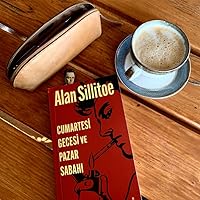
Okuduğum her Botton kitabında “Favorim bu!” diyorum. Her kitapta kendimden bir parça buluyorum. İçimdeki çekişmeleri okuyorum sanki. Zaten kendi söylediğine göre de bir kitapta olması gereken özelliklerden birisi de bu: Size “yazar beni nereden tanıyor?” sorusunu sordurtmak. Kendi düşüncelerini ve bilgi birikimini bize yoğurarak anlatıyor. Harika bir okumaydı. Bu kitapta da Eric ve Alice’in ilişkilerini okuyoruz. Romantik Alice ve sessiz, her şeyin düzenli olmasını isteyen bir Eric. İlişkilerinin yükselişi ve düşüşü...

July 14, 2018
Contrar a ce se poate crede din titlu, nu e vb deloc despre sex, vhiar 0 erotism, nu face referiri la sex decat f putin. In schimb, face referire la o doamna si stilul de viata a ei despre care am mai citit recent in Elif Shafak - Lapte negru.
Romanul nu se axeaza pe actiune, pe descriere peisaj sau chestii de genul, ci arata relatia de la inceput pana la sfarsitul ei a unui cuplu, intr-o maniera total interesanta si captivanta, filozofica. Cititul a fost mai greoi, tocmai din cauza asta - te pune pe ganduri, iar stilul e de multe ori intortocheat.
Ce mi-au placut inca mult sunt ilustratiile din carte.
4,5*
Romanul nu se axeaza pe actiune, pe descriere peisaj sau chestii de genul, ci arata relatia de la inceput pana la sfarsitul ei a unui cuplu, intr-o maniera total interesanta si captivanta, filozofica. Cititul a fost mai greoi, tocmai din cauza asta - te pune pe ganduri, iar stilul e de multe ori intortocheat.
Ce mi-au placut inca mult sunt ilustratiile din carte.
4,5*
This entire review has been hidden because of spoilers.

October 29, 2022
3.5 ⭐
اریک: تو احتمالا به آدمهای همتیپ من اصلا اعتماد نمیکنی.
+چرا؟
_چون تو آدمیهستی که ضربه خوردی.
+نه چندان.
_چرا؛ فقط اینکه تو مشکلاتت رو سبک میکنی، شاید چون هیچوقت اجازه نداشتی جدی بگیریشون. تو چیزهایی رو حس میکنی که بقیه نمیکنن. احساساتت عمیقن و به خاطر همین هم سپر دفاعی داری. بخش زیادی از انرژیت صرف این مسئله میشه. اینو از حالت شونههات میشه دید.
اریک: تو احتمالا به آدمهای همتیپ من اصلا اعتماد نمیکنی.
+چرا؟
_چون تو آدمیهستی که ضربه خوردی.
+نه چندان.
_چرا؛ فقط اینکه تو مشکلاتت رو سبک میکنی، شاید چون هیچوقت اجازه نداشتی جدی بگیریشون. تو چیزهایی رو حس میکنی که بقیه نمیکنن. احساساتت عمیقن و به خاطر همین هم سپر دفاعی داری. بخش زیادی از انرژیت صرف این مسئله میشه. اینو از حالت شونههات میشه دید.

January 20, 2022
Felsefe maalesef ki benim ilgi alanıma girmiyor. Okuma yapması beni zorluyor ve yoruyor. Fakat bu kitap o kadar tatlı ki, Alain de Bottom gündelik konuları felsefeyle o kadar güzel harmanlamış ki hiç yorulmadan ve zorlanmadan okudum.

Read
August 14, 2025جنبش رمانتیک کتابیاست در نقد روابط مدرن، احساس میکنم در بهترین زمان در زندگیام مطالعهاش کردم. کمکم کرد درک بهتری نسبت به تحولات درونیام در رابطه با رابطه عاطفی داشته باشم. کتاب را با ترجمه شقایق نظرزاده مطالعه کردم و اصلا از ترجمه راضی نبودم.

January 24, 2018
Yine tanıdık bir hikaye, yine cuk oturan tespitler. Alain de Botton yazsın, ben okuyum :)

May 1, 2018
Not his best.
Displaying 1 - 30 of 201 reviews