

What do you think?

Девическият оркестър в Освиенцим
„Тази книга посвещавам на оцелелите от Биркенау - лагери на смъртта."
Фаниа Фенелон
Освиенцим - един от лагерите за масово унищожение на хора от „малоценните” раси. Но ето и още един „феномен”: музиката в съзнанието на нациста. В Освиенцим-Биркенау е създаден дамски оркестър, чиито „задачи” са обект на изследване в книгата на Фаниа Фенелон, както и цялата нечовешка действителност, законите и „изобретателността” на есесовците. Авторката подлага на дълбок психологически анализ епохата чрез отделни нейни представители, действащи лица, разглежда въпроса за моралната деградация и разрухата, за предателството пред личното „аз” и пред родината, извършвано съзнателно и несъзнателно под въздействието на фанатична човеконенавист, в „съвършените” условия за дехуманизация и оскотяване.
Фаниа Фенелон
Освиенцим - един от лагерите за масово унищожение на хора от „малоценните” раси. Но ето и още един „феномен”: музиката в съзнанието на нациста. В Освиенцим-Биркенау е създаден дамски оркестър, чиито „задачи” са обект на изследване в книгата на Фаниа Фенелон, както и цялата нечовешка действителност, законите и „изобретателността” на есесовците. Авторката подлага на дълбок психологически анализ епохата чрез отделни нейни представители, действащи лица, разглежда въпроса за моралната деградация и разрухата, за предателството пред личното „аз” и пред родината, извършвано съзнателно и несъзнателно под въздействието на фанатична човеконенавист, в „съвършените” условия за дехуманизация и оскотяване.
340 pages, Paperback
First published May 5, 1955
Ratings & Reviews
Friends & Following
Create a free account to discover what your friends think of this book!
Community Reviews
Displaying 1 - 30 of 101 reviews
January 10, 2020
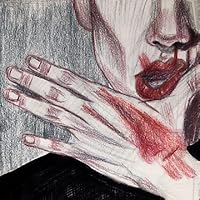
„Четири часà на разсъмване, най-отвратителното време, когато на човек никак не му се ще да се събужда. Въртележката започва да се върти, мировата скръб е платила два гроша за вълшебството на житейския театър и деструктивните мисли започват отново да кръжат.“
Помня времето, когато най-страшните книги, минали през очите и ума ми, са били „Джейн Еър“ и „Брулени хълмове“ (някой засмя ли се там, на последния ред?). Съгласете се, че побърканата жена на господин Рочестър (превеждан в ония стари издания като „мистър Рочестър“) и пъклената любов на Хийтклиф към присмехулната Катрин на фона на пустош, блата и загадъчни заболявания могат да накарат едно полудетско съзнание да потръпне. После, както често се случва в приказките, пораснах. В ония романи недомълвеното кара въображението да се страхува, защото малката свещица хвърля исполински сенки. В книги като „Девическият оркестър от Освиенцим“ няма свещи. Има немигащи прожектори, които осветяват всяко зверство, и няма къде да се скриеш. Няма как и да затвориш очи, защото параванът с картини от ада остава прогорен зад клепачите, както когато си се взирал в слънцето.
Често съм си мислила, че човек всъщност не знае как ще реагира в определена ситуация, докато не попадне в нея. Колко пъти сте смятали, четейки книга или гледайки филм, как някой е пълен страхливец и вие никога няма да постъпите така? Всъщност това си го мислим, защото сме се подпрели на всички житейски опори, които и колкото имаме – любов, семейство, уважение, човешки права. Какво остава от нас и кои сме ние, ако ни отнемат всичко, което ни крепи? Дали ако ожулят достойнството ни до кръв и ни тикнат в казан с врящ страх, ще сме толкова сигурни в моралните си избори? Ако единственото, което ни отличава от масата болни, зъзнещи, ужасѐни същества, е инкрустиран с мастило номер по тялото, размазан от потриване, за да се стоплим, размазан като надраскано с мек молив, което скоро никой няма да помни?
„Аз казах на госпожа Крамер: „Тази кожа е много хубава, каква е тя?“ Тя ми обясни: „Това е кожа, човешка кожа, моето дете, с татуировка. Изключителна рядкост!“
В такива моменти изкристализира онова, което ни харесва да наричаме човешка природа. Когато съществото ти е изрязано до живец, не ти остава друго освен да се опреш на есенцията на вярванията си за оцеляване. Семейството ти се кълби на облаци мръсен пушек край теб и всеки ден очакваш и ти да се понесеш така към небето. Може би пееш, мислиш за музика, за книгите, които си чел. Може би се продаваш за къшей твърд мухлясал хляб. Може би ти доставя удоволствие да мачкаш сънещастниците си, защото си мислиш, че само така се остава жив – ако наподобяваш всичко онова, което ненавиждаш и мачка теб самия. А после как ли живееш със себе си? Ако изобщо има после. Ако изобщо живееш.
Фаниа оцелява. Оцеляват и други момичета от Аушвиц. Мала и Едек обаче не оцеляват. От тях остават само кичури коса, които и досега са в музея в Освиенцим. Фаниа не казва дали трудът я е направил свободна. Мисля, че по-скоро са били англичаните. Част от офицерите на Шуцщафел вероятно са гледали на концентрационните лагери като на симпатична буфонада с малко музика, някое и друго представление на джуджета и изпълнение на висш дълг, което приключва с газовите камери. Предполагам евреите са възприемали тези събития по малко по-различен начин. Винаги е въпрос на гледна точка. По един или друг начин ще напуснем гротеската, наречена живот, и много от нас дори няма да разберат как в бъдеще ще оценят изпълнението ни. Всички сме прашни страници, откъснати от тефтера на историята, но просто не ни се ще да го признаем.
„Както за любовта се търсят винаги съвсем нови, собствени думи, така би трябвало и за омразата да измислят думи, които още никога не са били използвани, които не са се изхабили, които не са служили още на ничия омраза!“
Помня времето, когато най-страшните книги, минали през очите и ума ми, са били „Джейн Еър“ и „Брулени хълмове“ (някой засмя ли се там, на последния ред?). Съгласете се, че побърканата жена на господин Рочестър (превеждан в ония стари издания като „мистър Рочестър“) и пъклената любов на Хийтклиф към присмехулната Катрин на фона на пустош, блата и загадъчни заболявания могат да накарат едно полудетско съзнание да потръпне. После, както често се случва в приказките, пораснах. В ония романи недомълвеното кара въображението да се страхува, защото малката свещица хвърля исполински сенки. В книги като „Девическият оркестър от Освиенцим“ няма свещи. Има немигащи прожектори, които осветяват всяко зверство, и няма къде да се скриеш. Няма как и да затвориш очи, защото параванът с картини от ада остава прогорен зад клепачите, както когато си се взирал в слънцето.
Често съм си мислила, че човек всъщност не знае как ще реагира в определена ситуация, докато не попадне в нея. Колко пъти сте смятали, четейки книга или гледайки филм, как някой е пълен страхливец и вие никога няма да постъпите така? Всъщност това си го мислим, защото сме се подпрели на всички житейски опори, които и колкото имаме – любов, семейство, уважение, човешки права. Какво остава от нас и кои сме ние, ако ни отнемат всичко, което ни крепи? Дали ако ожулят достойнството ни до кръв и ни тикнат в казан с врящ страх, ще сме толкова сигурни в моралните си избори? Ако единственото, което ни отличава от масата болни, зъзнещи, ужасѐни същества, е инкрустиран с мастило номер по тялото, размазан от потриване, за да се стоплим, размазан като надраскано с мек молив, което скоро никой няма да помни?
„Аз казах на госпожа Крамер: „Тази кожа е много хубава, каква е тя?“ Тя ми обясни: „Това е кожа, човешка кожа, моето дете, с татуировка. Изключителна рядкост!“
В такива моменти изкристализира онова, което ни харесва да наричаме човешка природа. Когато съществото ти е изрязано до живец, не ти остава друго освен да се опреш на есенцията на вярванията си за оцеляване. Семейството ти се кълби на облаци мръсен пушек край теб и всеки ден очакваш и ти да се понесеш така към небето. Може би пееш, мислиш за музика, за книгите, които си чел. Може би се продаваш за къшей твърд мухлясал хляб. Може би ти доставя удоволствие да мачкаш сънещастниците си, защото си мислиш, че само така се остава жив – ако наподобяваш всичко онова, което ненавиждаш и мачка теб самия. А после как ли живееш със себе си? Ако изобщо има после. Ако изобщо живееш.
Фаниа оцелява. Оцеляват и други момичета от Аушвиц. Мала и Едек обаче не оцеляват. От тях остават само кичури коса, които и досега са в музея в Освиенцим. Фаниа не казва дали трудът я е направил свободна. Мисля, че по-скоро са били англичаните. Част от офицерите на Шуцщафел вероятно са гледали на концентрационните лагери като на симпатична буфонада с малко музика, някое и друго представление на джуджета и изпълнение на висш дълг, което приключва с газовите камери. Предполагам евреите са възприемали тези събития по малко по-различен начин. Винаги е въпрос на гледна точка. По един или друг начин ще напуснем гротеската, наречена живот, и много от нас дори няма да разберат как в бъдеще ще оценят изпълнението ни. Всички сме прашни страници, откъснати от тефтера на историята, но просто не ни се ще да го признаем.
„Както за любовта се търсят винаги съвсем нови, собствени думи, така би трябвало и за омразата да измислят думи, които още никога не са били използвани, които не са се изхабили, които не са служили още на ничия омраза!“

March 21, 2019
includes a harrowing description of the author's first days at Birkenau ... before she was "rescued" by the orchestra
... after half an hour's walk we arrived at the entrance to Birkenau ... we stood there naked, our clothes on the ground around us … along with handbags and jewels … furtive shadows with shaven heads picked up our belongings and took them away … I felt less than human … an ineffectual scissors hacked at my hair, which fell to the ground ... she used a rusty nicked blade to attack my head, armpits, and pubic hair ... no soap or water ... she clawed and scraped ... it should have hurt but I could scarcely feel a thing ... tattooing came next … the number 74862 appeared on my forearm ... an icy shower … arms pressed to our sides … having no hair was the real humiliation … our heads covered with crimson scratches
... after half an hour's walk we arrived at the entrance to Birkenau ... we stood there naked, our clothes on the ground around us … along with handbags and jewels … furtive shadows with shaven heads picked up our belongings and took them away … I felt less than human … an ineffectual scissors hacked at my hair, which fell to the ground ... she used a rusty nicked blade to attack my head, armpits, and pubic hair ... no soap or water ... she clawed and scraped ... it should have hurt but I could scarcely feel a thing ... tattooing came next … the number 74862 appeared on my forearm ... an icy shower … arms pressed to our sides … having no hair was the real humiliation … our heads covered with crimson scratches

March 23, 2014
At Auschwitz (Birkenau camp), there was a women's orchestra directed by Alma Rosé, daughter of the quartet leader Arnold Rosé and niece of Gustav Mahler. Fania Goldstein (a.k.a. Fénelon) was part of this orchestra in which she sang and wrote musical arrangments. She is one of the few survivors. It's this story she wrote in this book based on her diary from the concentration camps. It's remarkably frank on many sensitive topics: the degrading compromises survivors had to make, the black humor of inmates (the orchestra women are often depicted as laughing hysterically over gruesome subjects), the religious and national tensions among inmates, and the normality of prostitution and lesbian relationships.
Fania and Alma Rosé face the necessity of saving their own and their colleagues' lives through the corruption of everything they hold most sacred: their music. Alma thinks that if her orchestra plays badly, they will be gassed. All the women survive as best they can, their moral worlds gradually collapsing. Fania's friend Marianne barters sex for food. Alma lives for her music alone, insisting on the most rigorous standards among her players, even striking one of them for playing a wrong note. For her, it's art that matters, not its audience. The orchestra has to play special concerts for the sinister Dr Josef Mengele and Heinrich Himmler. But Fania finds herself in a spiritual abyss when she realizes that her singing has moved Mengele, whom one imagines between two experiments ensuring that the orchestra welcomes in music trains carrying new convoys of deportees; or the commander of the camp in tears listening to Schuman's "Rêverie" even after sending a contingent of prisoners to the gas chambers.
And they have to play stirring tunes to jolly along the new arrivals. Their services might be called upon by Mengele in his experiments to gauge the effects of music on the mad. They might see members of their own family entering the camp as they bashed out enlivening pieces precariously re-orchestrated for the motley collection of instruments to hand. And it would be their job to lift the spirits and massage the sensibilities of the SS after another hard day of trying to enslave the rest of the world.
It’s a book that makes us think of life and death, what defines us as human beings and who we are. The loss of a sense of who we are, both as an individual and as a human being, began the moment we entered the camp. We become alien to the natural order, we fall out of any order of values that might define who we are.
And with the bits of oneself goes one’s identity. With the malnourishment, the women lost their menstrual cycles. No longer part of life, they could no longer bear life; there would be no new life to bear their memory or their names.
Were Mendele and Himmler human beings? Were the other Nazis at Birkenau Camp human beings? The prisoners who brought prisoners’ corpse to give them to eat to their guardians’ dogs, were they still human beings? The musicians of the Birkenau’s orchestra who played marching music while prisoners were going to the gas chamber, were they human beings? At what moment do we stop to be a human being and do we become a monster?
We can extract a lot of morals from this story. But the general conclusion is that it’s not because you’re more educated or you love classical music that you’re more human. An appreciation for great music does not preclude murder.
If I finished reading the book, this is because it was interesting. It made me think, but... I didn’t like the way the author pictured herself as a saint and the others as villains. As she recounted it, this is more the story of small wickedness, meanness and other nasty tricks between prisoners than about the Nazi's cruelty. And I felt as if I’d already read it. Did I saw the series based on this book? I think not. Perhaps this impression is due to all the other movies, television reports or documentary series about the same subject that I saw. I don’t know. Anyway, I give it 4 stars.
Fania Fénelon
Alma Rosé
Fania and Alma Rosé face the necessity of saving their own and their colleagues' lives through the corruption of everything they hold most sacred: their music. Alma thinks that if her orchestra plays badly, they will be gassed. All the women survive as best they can, their moral worlds gradually collapsing. Fania's friend Marianne barters sex for food. Alma lives for her music alone, insisting on the most rigorous standards among her players, even striking one of them for playing a wrong note. For her, it's art that matters, not its audience. The orchestra has to play special concerts for the sinister Dr Josef Mengele and Heinrich Himmler. But Fania finds herself in a spiritual abyss when she realizes that her singing has moved Mengele, whom one imagines between two experiments ensuring that the orchestra welcomes in music trains carrying new convoys of deportees; or the commander of the camp in tears listening to Schuman's "Rêverie" even after sending a contingent of prisoners to the gas chambers.
And they have to play stirring tunes to jolly along the new arrivals. Their services might be called upon by Mengele in his experiments to gauge the effects of music on the mad. They might see members of their own family entering the camp as they bashed out enlivening pieces precariously re-orchestrated for the motley collection of instruments to hand. And it would be their job to lift the spirits and massage the sensibilities of the SS after another hard day of trying to enslave the rest of the world.
It’s a book that makes us think of life and death, what defines us as human beings and who we are. The loss of a sense of who we are, both as an individual and as a human being, began the moment we entered the camp. We become alien to the natural order, we fall out of any order of values that might define who we are.
“I was no longer anything, not even a slave. For me there was no longer either code or law.” (p. 20)
“In Birkenau, bits of oneself rotted and fell off without one’s knowing they’d gone” (p. 106)
And with the bits of oneself goes one’s identity. With the malnourishment, the women lost their menstrual cycles. No longer part of life, they could no longer bear life; there would be no new life to bear their memory or their names.
Were Mendele and Himmler human beings? Were the other Nazis at Birkenau Camp human beings? The prisoners who brought prisoners’ corpse to give them to eat to their guardians’ dogs, were they still human beings? The musicians of the Birkenau’s orchestra who played marching music while prisoners were going to the gas chamber, were they human beings? At what moment do we stop to be a human being and do we become a monster?
We can extract a lot of morals from this story. But the general conclusion is that it’s not because you’re more educated or you love classical music that you’re more human. An appreciation for great music does not preclude murder.
If I finished reading the book, this is because it was interesting. It made me think, but... I didn’t like the way the author pictured herself as a saint and the others as villains. As she recounted it, this is more the story of small wickedness, meanness and other nasty tricks between prisoners than about the Nazi's cruelty. And I felt as if I’d already read it. Did I saw the series based on this book? I think not. Perhaps this impression is due to all the other movies, television reports or documentary series about the same subject that I saw. I don’t know. Anyway, I give it 4 stars.

October 18, 2019
"Αναβολή για την ορχήστρα" ή το "λιγότερο γνωστό ημερολόγιο της Άννας Φρανκ". Το λοιπόν, τέτοια βιβλία μην μπεις στον κόπο να τα συζητήσεις με τα συμβατικά κριτήρια. Σε επίπεδο γραφής δεν έχει να πει κάτι, μαρτυρία είναι και ο σκοπός της δεν είναι να αναγνωριστεί για την λογοτεχνική αξία της αλλά να θυμίσει..και πόσο το έχουμε ανάγκη, εμείς τα ζώα των καλών σοδειών να θυμόμαστε, εμείς που ξεχνάμε τόσο εύκολα και αποζητάμε περασμένες εποχές που ελπίζω ποτέ να μην συνειδητοποιήσουμε την φρίκη που περιείχαν.
Η λογοτεχνία δεν είναι πάντα όμορφη. Δεν είναι καλαίσθητη, δεν είναι αμερόληπτη. Αλλά είναι γραμμένη, για όποιον θέλει να την βρει. Η "Αναβολή για την ορχήστρα" απευθύνεται τόσο σε αυτόν που θέλει κάτι παραπάνω από τα στρογγυλεμένα ντοκυμαντέρ του BBC και του NatGeo, όσο και σε αυτόν που μελετά την κατασκευή των στρατοπέδων συγκέντρωσης και τις συνθήκες που επικρατούσαν εκεί. Τέλος, απευθύνεται σε αυτόν που αποζητά σκιαγράφηση των χαρακτήρων των ανθρώπων που "έζησαν εκεί", ή μάλλον καλύτερα στον χαρακτήρα που αναγκάστηκαν να σμιλέψουν εκεί μέσα για να επιβιώσουν. Το συγκεκριμένο βιβλίο δεν στρογγυλεύει γωνίες και το ευχαριστώ για αυτό και μόνο. Για παραπάνω ψάξιμο στα "κορίτσια της ορχήστρας" του Μπιρκενάου, προτείνω το "One of the Girls in the Band. The Memoirs of a Violinist from Birkenau." της Helena Dunicz Niwińska, μιας από τις βιρτουόζες βιολίστριες της ορχήστρας. Το βρίσκετε μόνο μέσω παραγγελίας από το σάιτ του μουσείου του Άουσβιτς.
One of the Girls in the Band. The Memoirs of a Violinist from Birkenau.
Μια σημείωση: Η Φάνια έδωσε συχνά την αίσθηση πως οι κοπέλες τις ορχήστρας (ελληνίδες, γαλλίδες, πολωνές και γερμανίδες εβραίες, πολωνέζες άριες κλπ) ζούσαν σε ένα κλίμα αντιπάθειας και καχυποψίας μεταξύ τους. Επίσης, κάτι που με ξένισε, ήταν η μόνιμη, έστω ευγενικά, απαξίωση των υπολοίπων κοριτσιών ως αδύναμα, παρορμητικά και μιας Φάνιας που βρισκόταν εκεί ως μητέρα φαμίλια για να τις καθοδηγήσει. Στο ίντερνετ από διάφορες πηγές διάβασα πως άλλες κοπέλες που διάβασαν το βιβλίο της το 1976 που πρωτοβγήκε στα γαλλικά διέψευσαν κάμποσα πράγματα που έγραφε μέσα, τονίζοντας πως παρά τις αναμενόμενες συγκρούσεις και την ένταση που γεννούσε η εξαθλίωση της ζωής τους, τα κορίτσια μεταξύ τους (τουτέστιν ο πυρήνας των δύο Ιρέν, της Μάρτα, της Φάνια, της Εύας, της Μαρί, της Φλορέτα και της Τζένη) πάντα αλληλοπροστατεύονταν. Επίσης αμφισβήτησαν τουλάχιστον δύο (η Helena Dunicz και η Anita Lasker-Wallfisch (της οποίας η Φενελόν άλλαξε το όνομα από Ανίτα σε Μάρτα) την σημαντικότητα που είχε η Φάνια για την ορχήστρα λέγοντας πως ναι μεν ήταν σημαντικό μέλος λόγω της ικανότητας να ενορχηστρώνει αλλά πραγματικά η Alma Rose ήταν αρχηγός της ορχήστρας και αυτή που τις προστάτευε πολλές φορές από τα SS. Μικρή σημασία βέβαια όλα αυτά, μιας και τέτοιες αναμνήσεις το λιγότερο που κάνουν είναι να σε κάνουν να αμφισβητείς την πραγματικότητα.
Η λογοτεχνία δεν είναι πάντα όμορφη. Δεν είναι καλαίσθητη, δεν είναι αμερόληπτη. Αλλά είναι γραμμένη, για όποιον θέλει να την βρει. Η "Αναβολή για την ορχήστρα" απευθύνεται τόσο σε αυτόν που θέλει κάτι παραπάνω από τα στρογγυλεμένα ντοκυμαντέρ του BBC και του NatGeo, όσο και σε αυτόν που μελετά την κατασκευή των στρατοπέδων συγκέντρωσης και τις συνθήκες που επικρατούσαν εκεί. Τέλος, απευθύνεται σε αυτόν που αποζητά σκιαγράφηση των χαρακτήρων των ανθρώπων που "έζησαν εκεί", ή μάλλον καλύτερα στον χαρακτήρα που αναγκάστηκαν να σμιλέψουν εκεί μέσα για να επιβιώσουν. Το συγκεκριμένο βιβλίο δεν στρογγυλεύει γωνίες και το ευχαριστώ για αυτό και μόνο. Για παραπάνω ψάξιμο στα "κορίτσια της ορχήστρας" του Μπιρκενάου, προτείνω το "One of the Girls in the Band. The Memoirs of a Violinist from Birkenau." της Helena Dunicz Niwińska, μιας από τις βιρτουόζες βιολίστριες της ορχήστρας. Το βρίσκετε μόνο μέσω παραγγελίας από το σάιτ του μουσείου του Άουσβιτς.
One of the Girls in the Band. The Memoirs of a Violinist from Birkenau.
Μια σημείωση: Η Φάνια έδωσε συχνά την αίσθηση πως οι κοπέλες τις ορχήστρας (ελληνίδες, γαλλίδες, πολωνές και γερμανίδες εβραίες, πολωνέζες άριες κλπ) ζούσαν σε ένα κλίμα αντιπάθειας και καχυποψίας μεταξύ τους. Επίσης, κάτι που με ξένισε, ήταν η μόνιμη, έστω ευγενικά, απαξίωση των υπολοίπων κοριτσιών ως αδύναμα, παρορμητικά και μιας Φάνιας που βρισκόταν εκεί ως μητέρα φαμίλια για να τις καθοδηγήσει. Στο ίντερνετ από διάφορες πηγές διάβασα πως άλλες κοπέλες που διάβασαν το βιβλίο της το 1976 που πρωτοβγήκε στα γαλλικά διέψευσαν κάμποσα πράγματα που έγραφε μέσα, τονίζοντας πως παρά τις αναμενόμενες συγκρούσεις και την ένταση που γεννούσε η εξαθλίωση της ζωής τους, τα κορίτσια μεταξύ τους (τουτέστιν ο πυρήνας των δύο Ιρέν, της Μάρτα, της Φάνια, της Εύας, της Μαρί, της Φλορέτα και της Τζένη) πάντα αλληλοπροστατεύονταν. Επίσης αμφισβήτησαν τουλάχιστον δύο (η Helena Dunicz και η Anita Lasker-Wallfisch (της οποίας η Φενελόν άλλαξε το όνομα από Ανίτα σε Μάρτα) την σημαντικότητα που είχε η Φάνια για την ορχήστρα λέγοντας πως ναι μεν ήταν σημαντικό μέλος λόγω της ικανότητας να ενορχηστρώνει αλλά πραγματικά η Alma Rose ήταν αρχηγός της ορχήστρας και αυτή που τις προστάτευε πολλές φορές από τα SS. Μικρή σημασία βέβαια όλα αυτά, μιας και τέτοιες αναμνήσεις το λιγότερο που κάνουν είναι να σε κάνουν να αμφισβητείς την πραγματικότητα.

February 17, 2010
In 2009, my mother was a part of a program called "Desperate Times", which was a recreation of the women's Birkenau Orchestra. She played mandolin in an orchestra with lay musicians as well as symphonic musicians. They played in New York City at St. John the Divine Cathedral, then took their performance to several former camp sites in Germany for Liberation Day celebrations and ceremonies.
All of this sparked my interest in reading a first-hand account of life in the camps.
Some of the other reviews here disparage Fania Fenelon for her opinions and her romanticizing of life in the Birkenau camp, but they fail to realize that the few chosen to be musicians were living a life much more romantic than those forced to labor or who were simply not chosen to be among the few.
Given the choice to sing for your captors or to die; slowly, painfully and with no music available, what would you choose? It's a hard choice for anyone to make, but with the glimmer of hope to sing ones way to freedom, it seems like a no-win situation. Can you compromise yourself and your beliefs to gain a measure of hope and the ability to retain your music? Fenelon tries to explain her rationale and to tell a story that is uncommon and little known.
To address some of the points in the other reviews:
There are absolutely conflicting stories, but if you dig into them, mostly the differences are personal and perspective-based. While Person A may have personal issues with Person B, it doesn't invalidate the perspective of Person C that Person A was a nice lady. All of the contradictions that can be found in documentaries or other writings are of the personal perspective sort. It seems to me that many of the issues that others who were interred with Fenelon stem from her book becoming the most famous and, therefore, considered the most definitive. No single book should ever be given the credibility to have told the whole story.
All of this sparked my interest in reading a first-hand account of life in the camps.
Some of the other reviews here disparage Fania Fenelon for her opinions and her romanticizing of life in the Birkenau camp, but they fail to realize that the few chosen to be musicians were living a life much more romantic than those forced to labor or who were simply not chosen to be among the few.
Given the choice to sing for your captors or to die; slowly, painfully and with no music available, what would you choose? It's a hard choice for anyone to make, but with the glimmer of hope to sing ones way to freedom, it seems like a no-win situation. Can you compromise yourself and your beliefs to gain a measure of hope and the ability to retain your music? Fenelon tries to explain her rationale and to tell a story that is uncommon and little known.
To address some of the points in the other reviews:
There are absolutely conflicting stories, but if you dig into them, mostly the differences are personal and perspective-based. While Person A may have personal issues with Person B, it doesn't invalidate the perspective of Person C that Person A was a nice lady. All of the contradictions that can be found in documentaries or other writings are of the personal perspective sort. It seems to me that many of the issues that others who were interred with Fenelon stem from her book becoming the most famous and, therefore, considered the most definitive. No single book should ever be given the credibility to have told the whole story.
January 16, 2010
I'm a fan of Holocaust survivor stories. This one however, rubbed me the wrong way. I didn't like Fania, her story seemed twisted to put her in a good light at all times. I actually watched a documentary that interviewed some of the survivors of this band, and many of them disagreed with her on several points. While this story did actually happen in it bare bones, her retelling of it made it fictitious and dismissible.

January 31, 2023
Vejam a minha opinião em vídeo, AQUI.

April 5, 2011
I remember seeing this as a "made for TV" movie back when I was 11 or 12. My mom and I watched it together, and I remember when I was at school the next day, most of my classmates had watched it as well. It was our first experience with a Holocaust related movie, and it certainly left an impression on us. I've never forgotten that movie, and I recently found out that it was based on this book. The book was excellent. It, of course, had much more detail than the movie and details that just would not have been appropriate in the early 1980s for a network movie. I'm always amazed at the strength people find when they are in the midst of traumatic and horrific circumstances. I'm glad Fenelon lived to tell her story and the story of those in Birkenau and then Bergen-Belsen.

January 25, 2026
Quando comecei a ler este livro pensei seria algo ficcionado sobre uma mulher real. Não fazia ideia que era não-ficção. Sim, às vezes, compro os livros sem ler verdadeiramente as sinopses. Na verdade, aprendi muito com a história de Fania Fénelon. Não fazia ideia de que existia uma orquestra em Auschwitz-Birkenau composta por mulheres que " eram resgatadas" dos campos e obrigadas a tocar para os altos oficiais nazis e, até para os outros prisioneiros mesmo quando estes estavam a ser alvo das mais cruéis atrocidades.
A música pode ser um escape mas também, uma prisão dentro de uma prisão. Alma Rosé dirige a orquestra e, ela crê piamente que se tocarem mal serão colocadas na câmara de gás. É impressionante vivenciar como verdadeiros monstros nazis como Mengele e Himmler se comovem com belas melodias todavia, são capazes das maiores atrocidades contra outro ser humano. Apreciar a beleza da música clássica não exclui ser detestável e desumano.
A história de Fania e das suas companheiras é dolorosa faz nos pensar na vida e na morte. Face ao mais cruel dos cenários continuaremos a ter bondade em nós? Ou para sobreviver faremos tudo? Fecharemos os olhos e se esbaterá a nossa própria humanidade?
Contudo, Fania descreve-se como uma santa, incapaz de fazer o que as outras companheiras fariam além de exaltar as suas qualidades como música acima das restante. Posso estar a ser injusta pois, não consigo sequer imaginar o que ela passou. Porém, foi este o sentimento que fiquei: que ela não quis manchar a sua reputação.
PS: Ao pesquisar descobri que as suas companheiras também questionaram Fania quando o seu livro saiu e não concordaram com certas passagens da sua memória.
-----------------------------------------------------------
When I started reading this book, I thought it would be something fictional about a real woman. I had no idea it was nonfiction. Yes, sometimes I buy books without actually reading the synopses. In fact, I learned a lot from Fania Fénelon's story. I had no idea that there was an orchestra in Auschwitz-Birkenau made up of women who were "rescued" from the camps and forced to play for high-ranking Nazi officials and even for other prisoners, even when they were being subjected to the most cruel atrocities.
Music can be an escape, but also a prison within a prison. Alma Rosé conducts the orchestra, and she firmly believes that if they play badly, they will be put in the gas chamber. It's impressive to experience how true Nazi monsters like Mengele and Himmler are moved by beautiful melodies, yet are capable of the greatest atrocities against another human being. Appreciating the beauty of classical music doesn't exclude you from being detestable and inhuman.
The story of Fania and her companions is painful and makes us think about life and death. Faced with the cruelest of scenarios, will we continue to have goodness within us? Or will we do anything to survive? Will we close our eyes and let our own humanity be blurred?
However, Fania describes herself as a saint, incapable of doing what her companions would do, besides exalting her qualities as a musician above the rest. I may be being unfair because I can't even imagine what she went through. However, this was the feeling I was left with: that she didn't want to tarnish her reputation.
PS: While researching, I discovered that her companions also questioned Fania when her book came out and disagreed with certain passages in her memoir.
A música pode ser um escape mas também, uma prisão dentro de uma prisão. Alma Rosé dirige a orquestra e, ela crê piamente que se tocarem mal serão colocadas na câmara de gás. É impressionante vivenciar como verdadeiros monstros nazis como Mengele e Himmler se comovem com belas melodias todavia, são capazes das maiores atrocidades contra outro ser humano. Apreciar a beleza da música clássica não exclui ser detestável e desumano.
A história de Fania e das suas companheiras é dolorosa faz nos pensar na vida e na morte. Face ao mais cruel dos cenários continuaremos a ter bondade em nós? Ou para sobreviver faremos tudo? Fecharemos os olhos e se esbaterá a nossa própria humanidade?
Contudo, Fania descreve-se como uma santa, incapaz de fazer o que as outras companheiras fariam além de exaltar as suas qualidades como música acima das restante. Posso estar a ser injusta pois, não consigo sequer imaginar o que ela passou. Porém, foi este o sentimento que fiquei: que ela não quis manchar a sua reputação.
PS: Ao pesquisar descobri que as suas companheiras também questionaram Fania quando o seu livro saiu e não concordaram com certas passagens da sua memória.
-----------------------------------------------------------
When I started reading this book, I thought it would be something fictional about a real woman. I had no idea it was nonfiction. Yes, sometimes I buy books without actually reading the synopses. In fact, I learned a lot from Fania Fénelon's story. I had no idea that there was an orchestra in Auschwitz-Birkenau made up of women who were "rescued" from the camps and forced to play for high-ranking Nazi officials and even for other prisoners, even when they were being subjected to the most cruel atrocities.
Music can be an escape, but also a prison within a prison. Alma Rosé conducts the orchestra, and she firmly believes that if they play badly, they will be put in the gas chamber. It's impressive to experience how true Nazi monsters like Mengele and Himmler are moved by beautiful melodies, yet are capable of the greatest atrocities against another human being. Appreciating the beauty of classical music doesn't exclude you from being detestable and inhuman.
The story of Fania and her companions is painful and makes us think about life and death. Faced with the cruelest of scenarios, will we continue to have goodness within us? Or will we do anything to survive? Will we close our eyes and let our own humanity be blurred?
However, Fania describes herself as a saint, incapable of doing what her companions would do, besides exalting her qualities as a musician above the rest. I may be being unfair because I can't even imagine what she went through. However, this was the feeling I was left with: that she didn't want to tarnish her reputation.
PS: While researching, I discovered that her companions also questioned Fania when her book came out and disagreed with certain passages in her memoir.

May 5, 2022
"Faz-me muitas perguntas, atira para o ar títulos de trechos, nomes de compositores, opus, movimentos . Nem uma vez lhe respondo "não ". Tanto pior, atiro-me de cabeça. Se a vida da orquestra depende disso, digo que sou capaz de orquestrar seja o que for, que consigo fazer tudo, tudo! "
Fania Fenelon foi uma sobrevivente do Holocausto salva pela sua arte, salva pelo seu amor pela música. Dentro do Campo de Concentração de Auschwitz/Birkenau, Fania e as companheiras de orquestra tinham várias regalias : tomavam banho diariamente, tinham uma cama com colchão e lençóis, roupas quentes e sapatos e até uma escova de dentes , mas mesmo assim sabiam perfeitamente que podiam morrer a qualquer momento. Para evitar a morte tocavam no bloco da música com toda a sua alma e tanto podiam tocar para os maiores carrascos, como Heinrich Himmler, Joseph Mengele e Josef Kramer, como tocavam para os prisioneiros que marchavam para as câmaras de gás.
A Pianista de Auschwitz é mais um testemunho verdadeiro, poderoso e chocante do que o ser humano está disposto a fazer para sobreviver no Inferno na Terra.
Fania Fenelon foi uma sobrevivente do Holocausto salva pela sua arte, salva pelo seu amor pela música. Dentro do Campo de Concentração de Auschwitz/Birkenau, Fania e as companheiras de orquestra tinham várias regalias : tomavam banho diariamente, tinham uma cama com colchão e lençóis, roupas quentes e sapatos e até uma escova de dentes , mas mesmo assim sabiam perfeitamente que podiam morrer a qualquer momento. Para evitar a morte tocavam no bloco da música com toda a sua alma e tanto podiam tocar para os maiores carrascos, como Heinrich Himmler, Joseph Mengele e Josef Kramer, como tocavam para os prisioneiros que marchavam para as câmaras de gás.
A Pianista de Auschwitz é mais um testemunho verdadeiro, poderoso e chocante do que o ser humano está disposto a fazer para sobreviver no Inferno na Terra.

May 14, 2022
Imprescindível! Fania Fénelon foi juntamente com outras mulheres uma das privilegiadas da Orquestra Feminina de Auschwitz, mas muito longe de isso significar boas condições e muito melhores tratos. Sofreram e sentiram-se numa posição extremamente hipócrita.
O que a muitos incomodou, a mim agradou-me: o azedume e a voz ácida desta mulher, a escrita crua e muitas vezes bruta, a ironia constante. Foi talvez sua forma de sobrevivência, de se manter viva (por dentro) até ao último momento.
Vou agora procurar o filme inspirado na sua história de vida, "Playing for time" de 1980.
O que a muitos incomodou, a mim agradou-me: o azedume e a voz ácida desta mulher, a escrita crua e muitas vezes bruta, a ironia constante. Foi talvez sua forma de sobrevivência, de se manter viva (por dentro) até ao último momento.
Vou agora procurar o filme inspirado na sua história de vida, "Playing for time" de 1980.

February 9, 2013
I first read this story when I was only around 10 y.o. Had I rsted it then, there is no question in my mind I would have given it 5 stars. As an adult I realize she is portraying herself in an overly flattering light; practically as a saint among heathens. Still, this book made quite an impact. These girls went though Hell and survived. 4 gut-wrenching stars.


March 6, 2011
Vanessa Redgrave ... Fania Fenelon
Jane Alexander ... Alma Rose
Maud Adams ... Mala
Christine Baranski ... Olga
Robin Bartlett ... Etalina
Marisa Berenson ... Elzvieta
Verna Bloom ... Paulette
Donna Haley ... Katrina
Lenore Harris ... Charlotte
Mady Kaplan ... Varya
I think Fania did herself some favours in this memoir and mainly at the expense of Alma Rosé. Now that that has been said, I can tell you that this was breathtaking and Vanessa was superb.
Jane Alexander ... Alma Rose
Maud Adams ... Mala
Christine Baranski ... Olga
Robin Bartlett ... Etalina
Marisa Berenson ... Elzvieta
Verna Bloom ... Paulette
Donna Haley ... Katrina
Lenore Harris ... Charlotte
Mady Kaplan ... Varya
I think Fania did herself some favours in this memoir and mainly at the expense of Alma Rosé. Now that that has been said, I can tell you that this was breathtaking and Vanessa was superb.

July 11, 2014
written well after the face and it is fairly obvious that she has made her self look better than she probably acted. This makes her come off as more of a caricature and less a real person. Good story though and fairly gripping. I read it in Calais France sitting next to a German bunker from WWII and that really made the story that much more poignant.

August 4, 2015
It is an autobiography about a Paris cabinet singer who happens to be a Jew during the Holocaust. She gets caught and thrown into an internment camp. Out of hundreds, she becomes one of the lucky girls, few in numbers, who gets to be in an all woman orchestra. Now she must sing minuet to get minutes.


February 20, 2019
Wow. Wow. Such a great story. And Vanessa Redgrave did an excellent job portraying Fania in the TV movie adaptation.

October 31, 2022
Ainda estou sem palavras para descrever este livro.
Não foi o primeiro livro que li sobre Auschwitz, mas foi sem dúvida o mais pesado. Tem passagens tão fortes, agressivas, que dói tanto saber o que aquelas pessoas passaram.
Fania Fénelon escreveu este livro para dar a conhecer e lembrar às novas gerações o que aconteceu realmente num dos momentos mais terríveis da história, e cumpriu o seu objetivo. Quem lê este livro, nunca mais esquecerá tudo o que foi narrado.
O meu ❤ está com todas estas pessoas que sofreram horrores que para mim eram inimagináveis.
Não foi o primeiro livro que li sobre Auschwitz, mas foi sem dúvida o mais pesado. Tem passagens tão fortes, agressivas, que dói tanto saber o que aquelas pessoas passaram.
Fania Fénelon escreveu este livro para dar a conhecer e lembrar às novas gerações o que aconteceu realmente num dos momentos mais terríveis da história, e cumpriu o seu objetivo. Quem lê este livro, nunca mais esquecerá tudo o que foi narrado.
O meu ❤ está com todas estas pessoas que sofreram horrores que para mim eram inimagináveis.

April 23, 2019
This book had been one of the most depressing, yet eye opening books that document the life of those that survived one of the darkest hours of human history. I had never heard about the orchestra until I had read this book. I consider it a must read for those that want to grasp an experience that few people lived to tell the story. I had been asked to read this for a class, but I am glad that this was a part of our cirriculum for my college course on European Women's History.
February 4, 2023
shout out za nedeva, koqto mi dade knigata>>
obicham tazi jena <333
obicham tazi jena <333
June 11, 2026
L'auteure a su décrire les effroyables conditions de détention des femmes dans un camp de concentration. Et cela car ces femmes étaient Juives, Tziganes, communistes, lesbiennes,...

January 28, 2021
„Das Mädchenorchester in Auschwitz“ von Fania Fénelon erzählt die wahre und grausame Geschichte von gut 40 jungen Frauen unterschiedlicher Nationalität, die aufgrund ihrer jüdischen Wurzeln oder ihrer Gesinnung (aktiv im Widerstand) als Inhaftierte das Mädchenorchester in Auschwitz bildeten und sowohl für die Arbeitskommandos als auch für die Kommandanten, SS-Aufseherinnen und einige bekannte Nazi-Größen mit ihrer Musik unterhalten mussten. Dieses „Privileg“ hat vielen von ihnen das Leben gerettet, was man gleich zu Beginn erfährt.
Der Rückblick auf ihre Zeit im KZ, von dem die französische Chanson-Sängerin Fania Fénelon in diesem Buch berichtet, ist nur sehr schwer zu ertragen, aber wie so viele Tatsachenberichte aus den Tagen des Zweiten Weltkrieges, ist auch dieses Buch ein wichtiger Beitrag, der zeigt, dass die Gräueltaten nicht vergessen werden dürfen. Ich gebe an dieser Stelle gerne zu, dass ich selbst erst vor 2-3 Jahren damit angefangen habe, mehr Bücher und Geschichten aus dieser Zeit zu lesen. Ich kannte zwar „Das Tagebuch der Anne Frank“, aber ansonsten habe ich das Thema gemieden, weil Lesen und das Abtauchen in die Bücherwelten für mich vorrangig Entspannung und Ablenkung vom Alltag bedeuteten und in dieses Thematik konnte und wollte ich nicht abtauchen.
Die Tatsache, dass es sich hierbei um einen Tatsachenbericht über schlimme Zeiten handelt macht es für mich auch schwer, das Buch zu beurteilen. Ich bin immer noch am zögern, ob man so einem Buch eine Note vergeben kann, denn rein literarisch, vom Erzählstil, vom Ausdruck hat es mir nicht so gut gefallen. Das fing mit ständigen Verniedlichungen mit der Endsilbe „chen“ an und endete mit der Frage, ob die Übersetzung immer so glücklich war bzw. ob es manche Begriffe wirklich so gibt, wie sie hier verwendet wurden. Und dennoch hatte ich auch bei diesem Buch Gänsehautmomente, habe großartige Sätze und Gedanken markiert und habe angesichts des Todes einer bestimmten Musikerin die ein oder andere Träne verdrücken müssen. Und trotzdem hatte ich mitunter das Gefühl, dass die das Verhalten, die Sprüche und den „Humor“ der Mädchen des Orchesters mitunter befremdlich fand. Kann man z.B. wirklich von einem Dr. Mengele fast schon „schwärmen“ wie gut er aussieht? Auf der anderen Seite, kann wirklich ich, die ich Mitte der 70er Jahre geboren bin, mir überhaupt ein Urteil über das Verhalten von KZ-Insassen erlauben, und über was man als KZ-Insasse lachen kann? Wohl eher nicht.
Deshalb bin ich eigentlich auch der Meinung, dass ich das Buch nicht mit einer Note bewerten sollte, was ich aber - allein für die Statistik - trotzdem gemacht habe. Vergleichbar ist es letztendlich mit keinem der von mir in meinem Leben gelesenen Bücher. Aber wichtig ist es und auf jeden Fall eine Leseempfehlung, auch wenn man für diese wahre Geschichte bereit sein sollte. Sicherlich kein Buch für jede Zeit und jede Stimmung.
Der Rückblick auf ihre Zeit im KZ, von dem die französische Chanson-Sängerin Fania Fénelon in diesem Buch berichtet, ist nur sehr schwer zu ertragen, aber wie so viele Tatsachenberichte aus den Tagen des Zweiten Weltkrieges, ist auch dieses Buch ein wichtiger Beitrag, der zeigt, dass die Gräueltaten nicht vergessen werden dürfen. Ich gebe an dieser Stelle gerne zu, dass ich selbst erst vor 2-3 Jahren damit angefangen habe, mehr Bücher und Geschichten aus dieser Zeit zu lesen. Ich kannte zwar „Das Tagebuch der Anne Frank“, aber ansonsten habe ich das Thema gemieden, weil Lesen und das Abtauchen in die Bücherwelten für mich vorrangig Entspannung und Ablenkung vom Alltag bedeuteten und in dieses Thematik konnte und wollte ich nicht abtauchen.
Die Tatsache, dass es sich hierbei um einen Tatsachenbericht über schlimme Zeiten handelt macht es für mich auch schwer, das Buch zu beurteilen. Ich bin immer noch am zögern, ob man so einem Buch eine Note vergeben kann, denn rein literarisch, vom Erzählstil, vom Ausdruck hat es mir nicht so gut gefallen. Das fing mit ständigen Verniedlichungen mit der Endsilbe „chen“ an und endete mit der Frage, ob die Übersetzung immer so glücklich war bzw. ob es manche Begriffe wirklich so gibt, wie sie hier verwendet wurden. Und dennoch hatte ich auch bei diesem Buch Gänsehautmomente, habe großartige Sätze und Gedanken markiert und habe angesichts des Todes einer bestimmten Musikerin die ein oder andere Träne verdrücken müssen. Und trotzdem hatte ich mitunter das Gefühl, dass die das Verhalten, die Sprüche und den „Humor“ der Mädchen des Orchesters mitunter befremdlich fand. Kann man z.B. wirklich von einem Dr. Mengele fast schon „schwärmen“ wie gut er aussieht? Auf der anderen Seite, kann wirklich ich, die ich Mitte der 70er Jahre geboren bin, mir überhaupt ein Urteil über das Verhalten von KZ-Insassen erlauben, und über was man als KZ-Insasse lachen kann? Wohl eher nicht.
Deshalb bin ich eigentlich auch der Meinung, dass ich das Buch nicht mit einer Note bewerten sollte, was ich aber - allein für die Statistik - trotzdem gemacht habe. Vergleichbar ist es letztendlich mit keinem der von mir in meinem Leben gelesenen Bücher. Aber wichtig ist es und auf jeden Fall eine Leseempfehlung, auch wenn man für diese wahre Geschichte bereit sein sollte. Sicherlich kein Buch für jede Zeit und jede Stimmung.
March 16, 2024
THE STORY OF THE WOMEN’S ORCHESTRA AT AUSCHWITZ (LATER MADE INTO A MOVIE)
The Preface to this 1976 book tells of three women meeting in the Grand Palace in Brussels: “one of them was Fania, a central figure in the music block, a catalyst, a person of merciless recall; the other two know that she has forgotten almost nothing… Fania states, ‘There weren’t any [orchestras] in the women’s camp… Ours was the only female orchestra.’ One of the three women observes, ‘That orchestra saved our lives, didn’t it?’ She says to Fania, ‘You told us that you were going to write this book about our orchestra and we believed you; you were the only one who could… I’ve forgotten too much.’” (Pg. vii-ix)
Fania begins her tale of the situation in the camp when they were liberated: “I was horribly thirsty. The SS had cut off the water. It was days since we’d had anything to eat… Above me, over my face, I felt a breath of air… A voice cut through the layers of fog, stilled the buzzing in my ears: ‘Meine Kleine Sängerin.’ ‘Little singer,’ that was what the SS called me… She shook me. ‘Stirb nicht! Deine englischen Freunde sind da!’ … I repeated automatically: ‘Don’t die. Your friends the English are here.’” (Pg. 1-3)
She continues, “We had been liberated by the infantry, and now the motorized units were arriving… Someone handed me a microphone… The microphone holder insisted: ‘Please, miss, it’s for the BBC.’ I sang ‘God Save the King,’ and tears filled the British solders’ eyes. I sang the Internationale and the Russian deportees joined in… A few months later I learned that on that day… in London, my cousin heard me sing on the radio and fainted with shock: simultaneously she learned that I had been deported and that I’d just been liberated.” (Pg. 6-7)
She recounts, “In Auschwitz, January 23, 1944… a Polish woman was shrieking…. ‘What is she saying?’ I asked my neighbors ‘She’s looking for musicians… For the orchestra.’ An orchestra here? I must have misunderstood… ‘I can play the piano… and sing Madame Butterfly. I studied with Germaine Martinelli.’ ‘Well, go and tell her.’ … The impossible was happening…” (Pg. 8-9) She continues, “After half an hour’s walk, we arrive at the entrance to Birkenau, the extermination camp of the Auschwitz prison complex… We were driven towards a brick building marked ‘Reception Block.’ … Sitting round a big table, comfortably dressed girls were chatting in Polish. They seemed well-pleased with their life of luxury.” (Pg. 17-18)
She goes on, “Tattooing came next. Indifferently I watched the number 74862 appearing on my forearm… I was no longer anything, not even a slave. For me there was no longer either code or law. I was alone, abandoned, consigned to the executioner. We had arrived at the journey’s end: hell.” (Pg. 19)
She was asked, “‘Do you play the piano?’… Well then, go to the piano and accompany yourself to ‘Madame Butterfly.’ Barefoot, I went over to the piano… Lovingly, my hands made the familiar contact with the black and white keys… Against a background of pregnant silence the verdict fell in German: ‘Ja, gut!’ Then… ‘I’ll have you in the orchestra.’ A comforting warmth swept over me. I basked in its sweetness. I was in the orchestra.” (Pg. 28-29)
Returning to the original discussion of the three women, one explains, “[The orchestra] was started by Höss, the kommandant of the camp at Auschwitz, as marching music for the work groups that leave Birkenau each morning to work outside and come back at night. Before that, only the men had an orchestra. Höss must have thought that it would make a good impression on the bosses when they visited… [We played] Outside for the deportees, inside for the SS.” (Pg. 38)
Fania recalls, “It was only now that I began to grasp the insanity of the place I was in… I became aware of the extermination camp of Birkenau, and of the farcical nature of this orchestra conducted by this elegant woman, these comfortably dressed girls … playing to these virtual skeletons, shadows showing us faces which were faces no longer.” (Pg. 49)
Ordered to sing Madame Butterfly to SS officers, she reflects, “For me, singing was a free act, and I was not 'free’ ... it was above all a way of giving pleasure, giving love, and I felt a frantic desire to see those three SS men stuck like pigs, right here, at my feet. Standing in front of those men… with that parody of an orchestra behind me, I felt as though I were living through one of those nightmares in which you want to cry out and can’t… Suddenly I had a vision of the nightclubs where I used to sing… But that was in another country…” (Pg. 100)
She recalls, “our orchestra [was] rehearsing the first movement of Beethoven’s Fifth, which I’d rewritten from memory… the SS… saw no connection with the signature turn of the Free French broadcasts on the BBC. For them it was Beethoven, a god, a monument to German music, and they listened to it in respectful rapture… There was intense jubilation when our orchestra played the piece.” (Pg. 114)
The orchestra’s conductor Alma recounted being told by the Nazi administrator, “You’ll take over conducting. You’ll be ‘kapo’… the orchestra must play pieces other than marches; we want concerts for ourselves and the prisoners. We want music!” (Pg. 129) She adds, “Proud as a peacock, she wallowed in the idea of conducting that unique group. Her pride was leading her astray.” (Pg. 131)
Fania remembers, “We had never played so much; there were two or three concerts every Sunday. Every day, and often several nights on end, the SS came to our block to demand endless musical desserts. Hell has many faces, and for us this was one of them.” (Pg. 134) Later, she adds, “this was the first time we’d given a concert in the infirmary. I was pleased really: to play for sick people seemed to me a perfect justification of our existence.” (Pg. 137)
She notes, “In our block overt religious practices were usually badly received, with jibes or snarled invective. Apart from these moments of stormy piety, the most powerful manifestation of religion here was a degree of intolerance which would certainly have made a thoroughgoing atheist of me if I hadn’t been one already. The Aryans had not the slightest hint of Christian charity and the blinkered Jews rejected everything which was not Jewish. For the Zionists, there was no salvation outside Israel.” (Pg. 191)
She reports, “all I felt now was disgust and great weariness. It was true that Alma had dreamed of receiving a compliment from Himmler. The stupidity, the childishness of it all when one thought of the millions of murdered, was so clear to me that I now had only one desire---to be alone, out of earshot, and to cry my full, pent-up tears of weeks.” (Pg. 204)
After they were liberated, “The camp was in a constant state of flux: our liberators left it to continue their advance and others replaced them… Oddly enough, we were no longer in such a rush to get back. Normal life worried us; we no longer had the words or gestures for it. Worse still, who would be waiting for us at the station? Were those for whom we had kept ourselves alive themselves still alive? We didn’t want to talk about these things, we just savored the hiatus we were experiencing between two forms of life. It was a present which reassured us.” (Pg. 284)
This book is a welcome portrait of a hardly-known aspect of the Holocaust.
The Preface to this 1976 book tells of three women meeting in the Grand Palace in Brussels: “one of them was Fania, a central figure in the music block, a catalyst, a person of merciless recall; the other two know that she has forgotten almost nothing… Fania states, ‘There weren’t any [orchestras] in the women’s camp… Ours was the only female orchestra.’ One of the three women observes, ‘That orchestra saved our lives, didn’t it?’ She says to Fania, ‘You told us that you were going to write this book about our orchestra and we believed you; you were the only one who could… I’ve forgotten too much.’” (Pg. vii-ix)
Fania begins her tale of the situation in the camp when they were liberated: “I was horribly thirsty. The SS had cut off the water. It was days since we’d had anything to eat… Above me, over my face, I felt a breath of air… A voice cut through the layers of fog, stilled the buzzing in my ears: ‘Meine Kleine Sängerin.’ ‘Little singer,’ that was what the SS called me… She shook me. ‘Stirb nicht! Deine englischen Freunde sind da!’ … I repeated automatically: ‘Don’t die. Your friends the English are here.’” (Pg. 1-3)
She continues, “We had been liberated by the infantry, and now the motorized units were arriving… Someone handed me a microphone… The microphone holder insisted: ‘Please, miss, it’s for the BBC.’ I sang ‘God Save the King,’ and tears filled the British solders’ eyes. I sang the Internationale and the Russian deportees joined in… A few months later I learned that on that day… in London, my cousin heard me sing on the radio and fainted with shock: simultaneously she learned that I had been deported and that I’d just been liberated.” (Pg. 6-7)
She recounts, “In Auschwitz, January 23, 1944… a Polish woman was shrieking…. ‘What is she saying?’ I asked my neighbors ‘She’s looking for musicians… For the orchestra.’ An orchestra here? I must have misunderstood… ‘I can play the piano… and sing Madame Butterfly. I studied with Germaine Martinelli.’ ‘Well, go and tell her.’ … The impossible was happening…” (Pg. 8-9) She continues, “After half an hour’s walk, we arrive at the entrance to Birkenau, the extermination camp of the Auschwitz prison complex… We were driven towards a brick building marked ‘Reception Block.’ … Sitting round a big table, comfortably dressed girls were chatting in Polish. They seemed well-pleased with their life of luxury.” (Pg. 17-18)
She goes on, “Tattooing came next. Indifferently I watched the number 74862 appearing on my forearm… I was no longer anything, not even a slave. For me there was no longer either code or law. I was alone, abandoned, consigned to the executioner. We had arrived at the journey’s end: hell.” (Pg. 19)
She was asked, “‘Do you play the piano?’… Well then, go to the piano and accompany yourself to ‘Madame Butterfly.’ Barefoot, I went over to the piano… Lovingly, my hands made the familiar contact with the black and white keys… Against a background of pregnant silence the verdict fell in German: ‘Ja, gut!’ Then… ‘I’ll have you in the orchestra.’ A comforting warmth swept over me. I basked in its sweetness. I was in the orchestra.” (Pg. 28-29)
Returning to the original discussion of the three women, one explains, “[The orchestra] was started by Höss, the kommandant of the camp at Auschwitz, as marching music for the work groups that leave Birkenau each morning to work outside and come back at night. Before that, only the men had an orchestra. Höss must have thought that it would make a good impression on the bosses when they visited… [We played] Outside for the deportees, inside for the SS.” (Pg. 38)
Fania recalls, “It was only now that I began to grasp the insanity of the place I was in… I became aware of the extermination camp of Birkenau, and of the farcical nature of this orchestra conducted by this elegant woman, these comfortably dressed girls … playing to these virtual skeletons, shadows showing us faces which were faces no longer.” (Pg. 49)
Ordered to sing Madame Butterfly to SS officers, she reflects, “For me, singing was a free act, and I was not 'free’ ... it was above all a way of giving pleasure, giving love, and I felt a frantic desire to see those three SS men stuck like pigs, right here, at my feet. Standing in front of those men… with that parody of an orchestra behind me, I felt as though I were living through one of those nightmares in which you want to cry out and can’t… Suddenly I had a vision of the nightclubs where I used to sing… But that was in another country…” (Pg. 100)
She recalls, “our orchestra [was] rehearsing the first movement of Beethoven’s Fifth, which I’d rewritten from memory… the SS… saw no connection with the signature turn of the Free French broadcasts on the BBC. For them it was Beethoven, a god, a monument to German music, and they listened to it in respectful rapture… There was intense jubilation when our orchestra played the piece.” (Pg. 114)
The orchestra’s conductor Alma recounted being told by the Nazi administrator, “You’ll take over conducting. You’ll be ‘kapo’… the orchestra must play pieces other than marches; we want concerts for ourselves and the prisoners. We want music!” (Pg. 129) She adds, “Proud as a peacock, she wallowed in the idea of conducting that unique group. Her pride was leading her astray.” (Pg. 131)
Fania remembers, “We had never played so much; there were two or three concerts every Sunday. Every day, and often several nights on end, the SS came to our block to demand endless musical desserts. Hell has many faces, and for us this was one of them.” (Pg. 134) Later, she adds, “this was the first time we’d given a concert in the infirmary. I was pleased really: to play for sick people seemed to me a perfect justification of our existence.” (Pg. 137)
She notes, “In our block overt religious practices were usually badly received, with jibes or snarled invective. Apart from these moments of stormy piety, the most powerful manifestation of religion here was a degree of intolerance which would certainly have made a thoroughgoing atheist of me if I hadn’t been one already. The Aryans had not the slightest hint of Christian charity and the blinkered Jews rejected everything which was not Jewish. For the Zionists, there was no salvation outside Israel.” (Pg. 191)
She reports, “all I felt now was disgust and great weariness. It was true that Alma had dreamed of receiving a compliment from Himmler. The stupidity, the childishness of it all when one thought of the millions of murdered, was so clear to me that I now had only one desire---to be alone, out of earshot, and to cry my full, pent-up tears of weeks.” (Pg. 204)
After they were liberated, “The camp was in a constant state of flux: our liberators left it to continue their advance and others replaced them… Oddly enough, we were no longer in such a rush to get back. Normal life worried us; we no longer had the words or gestures for it. Worse still, who would be waiting for us at the station? Were those for whom we had kept ourselves alive themselves still alive? We didn’t want to talk about these things, we just savored the hiatus we were experiencing between two forms of life. It was a present which reassured us.” (Pg. 284)
This book is a welcome portrait of a hardly-known aspect of the Holocaust.

January 26, 2014
Fania Fenelonin omaelämäkerrallinen muistelmateos keskittyy omakohtaisiin kokemuksiin keskitysleireiltä toisen maailmansodan aikana. Kirjan suomennetusta nimestä huolimatta kirjoittaja ei ollut Auschwitzin pääleirillä vaan muutaman kilometrin päässä olevalla Birkenaun tuhoamiskeskuksessa.
Kirja alkaa orkesterin naisten tapaamisesta kolmenkymmenen vuoden kuluttua. Sen jälkeen mennään junavaunuilla Birkenauhun ja lopulta sodan loppupuolella Bergen-Belseniin. Lopuksi on vielä epilogi, jossa kerrotaan lyhyesti, mitä tapahtui elossa selvinneille.
Rakenteeltaan teos on onnistunut ja jonkin verran taustoitetaan henkilöhahmoja ja sopivassa määrin kerrotaan, mitä tapahtui sodan jälkeen, esim. mitä tapahtui sadistisille SS-upseereille jne. Myös Fanian ja monien muiden kohtalotoverien vangitsemissyyt käydään läpi. Esim. pariisilainen kabaree- ja kapakkalaulaja Fenelon joutui vastarintaliikkeen toimintaan osallistumisen takia tuhoamisleirille. Hänen ja muidenkin musikaalisten vankien pelastukseksi koitui orkesteri.
Suurin osa kirjasta koostuu leirin päivittäisten tapahtumien tallentamisesta. Harjoittelu oli kovaa, samoin konsertoiminen. Kepeillä ja patukoilla kapot eli luottovangit pakottivat orkesterin jäsenet soittamaan ja laulamaan. SS-miehistö halusi iltaisin kuulla niin Dvorakia kuin Brahmsia, Rigoletosta muihin oopperoihin. Yleisönä oli välillä leirin komentajia ja muita aina pahamaineiseen Mengeleen, toisaalta kaasukammioihin vietäville mustalaisille ja juutalaisille soitettiin pihalla.
Vasta teoksen loppupuolella tunnelma muuttuu lohduttomaksi kaiken tuhon keskellä. Sadistiset piirteet korostuvat Saksan sotaonnen käännyttyä kohti lopullista tuhoa. Alkutalvesta 1945 orkesterin rippeet on siirretty toiselle leirille, ja julmuuksiin syyllistyvät niin SS-naisvirkailijat kuin vangitkin, jotka ovat kapoja. Vallankäyttö on raakaa niin käymäläkapon kuin parakin pomon taholta. Pienimmistäkin rikkeistä rangaistaan epäinhimillisesti. Kirjan lopussa riutuneet ja nälkiintyneet vangit menettävät lähes viimeiset rippeet ihmisyydestään kaiken anarkian keskellä ennen vapautustaan.
Kirja alkaa orkesterin naisten tapaamisesta kolmenkymmenen vuoden kuluttua. Sen jälkeen mennään junavaunuilla Birkenauhun ja lopulta sodan loppupuolella Bergen-Belseniin. Lopuksi on vielä epilogi, jossa kerrotaan lyhyesti, mitä tapahtui elossa selvinneille.
Rakenteeltaan teos on onnistunut ja jonkin verran taustoitetaan henkilöhahmoja ja sopivassa määrin kerrotaan, mitä tapahtui sodan jälkeen, esim. mitä tapahtui sadistisille SS-upseereille jne. Myös Fanian ja monien muiden kohtalotoverien vangitsemissyyt käydään läpi. Esim. pariisilainen kabaree- ja kapakkalaulaja Fenelon joutui vastarintaliikkeen toimintaan osallistumisen takia tuhoamisleirille. Hänen ja muidenkin musikaalisten vankien pelastukseksi koitui orkesteri.
Suurin osa kirjasta koostuu leirin päivittäisten tapahtumien tallentamisesta. Harjoittelu oli kovaa, samoin konsertoiminen. Kepeillä ja patukoilla kapot eli luottovangit pakottivat orkesterin jäsenet soittamaan ja laulamaan. SS-miehistö halusi iltaisin kuulla niin Dvorakia kuin Brahmsia, Rigoletosta muihin oopperoihin. Yleisönä oli välillä leirin komentajia ja muita aina pahamaineiseen Mengeleen, toisaalta kaasukammioihin vietäville mustalaisille ja juutalaisille soitettiin pihalla.
Vasta teoksen loppupuolella tunnelma muuttuu lohduttomaksi kaiken tuhon keskellä. Sadistiset piirteet korostuvat Saksan sotaonnen käännyttyä kohti lopullista tuhoa. Alkutalvesta 1945 orkesterin rippeet on siirretty toiselle leirille, ja julmuuksiin syyllistyvät niin SS-naisvirkailijat kuin vangitkin, jotka ovat kapoja. Vallankäyttö on raakaa niin käymäläkapon kuin parakin pomon taholta. Pienimmistäkin rikkeistä rangaistaan epäinhimillisesti. Kirjan lopussa riutuneet ja nälkiintyneet vangit menettävät lähes viimeiset rippeet ihmisyydestään kaiken anarkian keskellä ennen vapautustaan.
March 1, 2015
Playing For Time is by Fania Fenelon and she writes this book because she wants everyone to know the horror that she had to encounter. This book is based off a true story of her real encounter in Auschwitz. She wrote this book so that we could see what she had to suffer even though she might have been treated better than other because she was in the Auschwitz women’s orchestra. But she still had to be starved almost to the point of death. And she had to survive sickness after sickness without any treatment.
The theme of this book is fighting till the end and not giving up. “Fania and forty other inmates who stayed within the camp has a special position, with also special clothing, shelter, and also toiler privileges” (frank). They had to watch and encounter the smell of burning flesh and hope that it wasn’t a relative but they also had to hope that if or when they ever get out that they could have a home and a family to go back to.
The style of this book is description. This book makes you feel like your back in Auschwitz while this whole thing is taking place. It takes you back in time and makes you feel horrible and think how could something like that ever happen? Fania and her forty inmates watched many of their friends within the orchestra die and suffer which didn’t make it easy to see an empty chair where one of your friends used to sit.
I loved this book it kept me on my toes the whole time I was reading it. You never knew what was going to happen next. I wish that they ending could have changed. I wish that I could go back in time and somehow change how things could have happened. I have read many other books like this because I love learning about the Holocaust and the events that took place within that time. It makes you happy to see that we don’t live in a world like that here in America. But in other places around the world people are still starving and fighting for their lives because they don’t have a ruler who cares enough to give the help that they deserve.
The theme of this book is fighting till the end and not giving up. “Fania and forty other inmates who stayed within the camp has a special position, with also special clothing, shelter, and also toiler privileges” (frank). They had to watch and encounter the smell of burning flesh and hope that it wasn’t a relative but they also had to hope that if or when they ever get out that they could have a home and a family to go back to.
The style of this book is description. This book makes you feel like your back in Auschwitz while this whole thing is taking place. It takes you back in time and makes you feel horrible and think how could something like that ever happen? Fania and her forty inmates watched many of their friends within the orchestra die and suffer which didn’t make it easy to see an empty chair where one of your friends used to sit.
I loved this book it kept me on my toes the whole time I was reading it. You never knew what was going to happen next. I wish that they ending could have changed. I wish that I could go back in time and somehow change how things could have happened. I have read many other books like this because I love learning about the Holocaust and the events that took place within that time. It makes you happy to see that we don’t live in a world like that here in America. But in other places around the world people are still starving and fighting for their lives because they don’t have a ruler who cares enough to give the help that they deserve.

November 15, 2013
I believe that this book was originally written in French and the translation doesn't make for a smooth read. I've read lots of Holocaust survivor books, however this is the first one where I've not particularly liked the author. She conveyed everybody around her in a very negative light whilst portraying herself as the only one will morals and a conscience. Fania Fenelon paints a very unattractive image of the musician Alma Rose but I've read that other survivors saw her in a much more positive light and have questioned the authors version of events. The author also seemed to put high value on her own petite build (4ft 11). I lost count of the number of descriptions of other inmates as being obese, fat, built like a man or having rolls of fat etc. I can't imagine they were that big as they were subsisting on starvation rations. Most characters in this book are painted as ugly on the inside and out. This book has got me googling like mad trying to find out more about Fania Fenelon and other people's opinion of her i.e survivors and many question her version of events.
I once read a survivors book that had a question and answers session at the end. The author commented that if you are a holocaust survivor then people view you as having a greater moral insight into the world evils. However, he disputed this saying if anything places like Auschwitz taught you how to lie, cheat, be selfish and were not places that taught you morality. I'm guilty myself of viewing all survivors as like saints. I can't believe that Fania Fenelon would write about the inmates in such a negative light, particularly 25 years after the event which would surely make you empathise more with what they endured especially the ones that didn't survive like Alma Rose.
An interesting book but only three stars because of the above reasons.
I once read a survivors book that had a question and answers session at the end. The author commented that if you are a holocaust survivor then people view you as having a greater moral insight into the world evils. However, he disputed this saying if anything places like Auschwitz taught you how to lie, cheat, be selfish and were not places that taught you morality. I'm guilty myself of viewing all survivors as like saints. I can't believe that Fania Fenelon would write about the inmates in such a negative light, particularly 25 years after the event which would surely make you empathise more with what they endured especially the ones that didn't survive like Alma Rose.
An interesting book but only three stars because of the above reasons.

July 10, 2016
PLAYING FOR TIME is the autobiography of FANIA (Goldstein) FENELONE, a french singer and musician, and survivor of the holocaust from Auschwitz Birkenau concentration camp. It tells of the circumstances, the Nazi's, the selections, the women's camps and gives an incredible overview of those awful times and terrible tortures, but in a deeply personal way. Fania takes you inside 'The Huts' of the camp in a way that makes you feel you have been there. The book is a true testament to a woman of character, who exposes elements of human weakness in herself and in the others around her, under the extremes of circumstance.
Fania's story moved me so very deeply, her circumstances horrified me, and I fell in love with her.
I would have loved to meet her before she died in 1983. The very first copy I ever bought, I read it so many times, (Pre 2004), it fell apart. I have bought this book ten times since, and always re-read it, then given it away to others to read. I will buy it again.
PLAYING FOR TIME was made into a movie of the same title starring Vanessa Redgrave. It was also made into a stage play by Arthur Miller. In my view both of these did not capture the essence of the book nor of Fania. (So sorry, but that is what I think).
AFTER you have read it, go on to read COMMANDANT OF AUSCHWITZ. The autobiography of the Commandant of Auschwitz Birkenau concentration camp. A truly evil man. (See my review).
I was so deeply moved by FANIA, and so incensed by HOESS, I wrote a movie feature screenplay called SISTERS IN TIME. I'm still waiting to identify the correct home for that screenplay, with a producer and director who can do it justice.
Fania's story moved me so very deeply, her circumstances horrified me, and I fell in love with her.
I would have loved to meet her before she died in 1983. The very first copy I ever bought, I read it so many times, (Pre 2004), it fell apart. I have bought this book ten times since, and always re-read it, then given it away to others to read. I will buy it again.
PLAYING FOR TIME was made into a movie of the same title starring Vanessa Redgrave. It was also made into a stage play by Arthur Miller. In my view both of these did not capture the essence of the book nor of Fania. (So sorry, but that is what I think).
AFTER you have read it, go on to read COMMANDANT OF AUSCHWITZ. The autobiography of the Commandant of Auschwitz Birkenau concentration camp. A truly evil man. (See my review).
I was so deeply moved by FANIA, and so incensed by HOESS, I wrote a movie feature screenplay called SISTERS IN TIME. I'm still waiting to identify the correct home for that screenplay, with a producer and director who can do it justice.

August 16, 2015
This is the first holocaust story I have read. I didn't really expect that book to be as emotional and captivating as it was. It kept me thinking over the terrible things, that have happened in my own country, for a very long time. More than any history class our trips to the concentration camps, this book helped me to understand. I started to google certain names, that were mentioned in the book.
As I have read some of the reviews on goodreads after finishing the book, I noticed some people accusing Fania to present herself in a very positive light. It doesn't make any sense to me how peole can say something like that about a woman who has endured so much suffer. In fact in my opinon it is very remarkable how she kept her humanity the whole time ( in contrast we could also see the loss of humanity on Clara's side ).
Another thing to appretiate is how Fania obviously pointed out, that she indeed was part of the more priveledged orchestra, but also showed th cruelty and inhumanity at the concentration camps. So she deffnitly made me shiver in horror!
Morover what I really like was how she told all the background stories of her mates and called them all by there names. This made that book so much more personal and emotional. Especially the chapter "Mala" made me cry.
All in all I have to say thank to that exceptional woman, who decided to share her story with us to make us understand and prevent something like that to happen again.
As I have read some of the reviews on goodreads after finishing the book, I noticed some people accusing Fania to present herself in a very positive light. It doesn't make any sense to me how peole can say something like that about a woman who has endured so much suffer. In fact in my opinon it is very remarkable how she kept her humanity the whole time ( in contrast we could also see the loss of humanity on Clara's side ).
Another thing to appretiate is how Fania obviously pointed out, that she indeed was part of the more priveledged orchestra, but also showed th cruelty and inhumanity at the concentration camps. So she deffnitly made me shiver in horror!
Morover what I really like was how she told all the background stories of her mates and called them all by there names. This made that book so much more personal and emotional. Especially the chapter "Mala" made me cry.
All in all I have to say thank to that exceptional woman, who decided to share her story with us to make us understand and prevent something like that to happen again.
Displaying 1 - 30 of 101 reviews