

What do you think?

The Encyclopedia of the Dead
An entrancing, otherworldly collection of short stories from one of Europe's most accomplished 20th century writers, new to Penguin Modern Classics
A counter-prophet attempts the impossible to prove his power; a girl sees the hideous fate of her sisters and father in a mirror bought from a gypsy; the death of a prostitute causes an unanticipated uprising; and the lives of every ordinary person since 1789 are recreated in the almighty Encyclopedia of the Dead. These stories about love and death, truth and lies, myth and reality range across many epochs and settings. Brilliantly combining fact and fiction, epic and miniature, horror and comedy, this was Danilo Kiš final work, published in Serbo-Croatian in 1983.
Kiš is one of the great European writers of the post-war period - Guardian
Compulsively readable - Daily Telegraph
Fantasy chases reality and reality chases fantasy. Pirandello and Borges are not far away. But these names are intended as approximate references. Kiš is a new, original writer - Times Literary Supplement
Intense and exotic, his mysteries hint at unspeakable secrets that remain forever beyond the story-teller's grasp - Boyd Tonkin
Danilo Kiš was born in the then Kingdom of Yugoslavia in 1935. After an unsettled childhood during the Second World War, in which several of his family members were killed, Kiš studied literature at the University of Belgrade where he lived for most of his adult life. He wrote novels, short stories and poetry and went on to receive the prestigious NIN Award for his novel Pešcanik. He died in Paris in 1989.
A counter-prophet attempts the impossible to prove his power; a girl sees the hideous fate of her sisters and father in a mirror bought from a gypsy; the death of a prostitute causes an unanticipated uprising; and the lives of every ordinary person since 1789 are recreated in the almighty Encyclopedia of the Dead. These stories about love and death, truth and lies, myth and reality range across many epochs and settings. Brilliantly combining fact and fiction, epic and miniature, horror and comedy, this was Danilo Kiš final work, published in Serbo-Croatian in 1983.
Kiš is one of the great European writers of the post-war period - Guardian
Compulsively readable - Daily Telegraph
Fantasy chases reality and reality chases fantasy. Pirandello and Borges are not far away. But these names are intended as approximate references. Kiš is a new, original writer - Times Literary Supplement
Intense and exotic, his mysteries hint at unspeakable secrets that remain forever beyond the story-teller's grasp - Boyd Tonkin
Danilo Kiš was born in the then Kingdom of Yugoslavia in 1935. After an unsettled childhood during the Second World War, in which several of his family members were killed, Kiš studied literature at the University of Belgrade where he lived for most of his adult life. He wrote novels, short stories and poetry and went on to receive the prestigious NIN Award for his novel Pešcanik. He died in Paris in 1989.
199 pages, Paperback
First published January 1, 1983
About the author
Danilo Kiš
92 books552 followersDanilo Kiš was born in Subotica, Danube Banovina, Kingdom of Yugoslavia, the son of Eduard Kiš (Kis Ede), a Hungarian Jewish railway inspector, and Milica Kiš (born Dragićević) from Cetinje, Montenegro. During the Second World War, he lost his father and several other family members, who died in various Nazi camps. His mother took him and his older sister Danica to Hungary for the duration of the war. After the end of the war, the family moved to Cetinje, Montenegro, Yugoslavia, where Kiš graduated from high school in 1954.
Kiš studied literature at the University of Belgrade, and graduated in 1958 as the first student to complete a course in comparative literature. He was a prominent member of the Vidici magazine, where he worked until 1960. In 1962 he published his first two novels, Mansarda and Psalam 44. Kiš received the prestigious NIN Award for his Peščanik ("Hourglass") in 1973, which he returned a few years later, due to a political dispute.
During the following years, Kiš received a great number of national and international awards for his prose and poetry.
He spent most of his life in Paris and working as a lecturer elsewhere in France.
Kiš was married to Mirjana Miočinović from 1962 to 1981. After their separation, he lived with Pascale Delpech until his early death from lung cancer in Paris.
A film based on Peščanik (Fövenyóra) directed by the Hungarian Szabolcs Tolnai is currently in post-production.
Kiš was nominated for the Nobel Prize in Literature and was due to win it, were it not for his untimely death in 1989.
Kiš studied literature at the University of Belgrade, and graduated in 1958 as the first student to complete a course in comparative literature. He was a prominent member of the Vidici magazine, where he worked until 1960. In 1962 he published his first two novels, Mansarda and Psalam 44. Kiš received the prestigious NIN Award for his Peščanik ("Hourglass") in 1973, which he returned a few years later, due to a political dispute.
During the following years, Kiš received a great number of national and international awards for his prose and poetry.
He spent most of his life in Paris and working as a lecturer elsewhere in France.
Kiš was married to Mirjana Miočinović from 1962 to 1981. After their separation, he lived with Pascale Delpech until his early death from lung cancer in Paris.
A film based on Peščanik (Fövenyóra) directed by the Hungarian Szabolcs Tolnai is currently in post-production.
Kiš was nominated for the Nobel Prize in Literature and was due to win it, were it not for his untimely death in 1989.
Ratings & Reviews
Friends & Following
Create a free account to discover what your friends think of this book!
Community Reviews
Displaying 1 - 30 of 335 reviews

July 28, 2017
There is truth and there is faith and they don’t mix – like oil and water…
The Encyclopedia of the Dead is an obvious attempt to follow in Jorge Luis Borges’ footsteps, and although the stories are good and mostly inventive they lie on the other plane.
Simon Magus is a gnostic tale with an apparent sympathy for the advocates of Gnosticism. Last Respects is a flowery fable of a cocotte’s interment. The Encyclopedia of the Dead is an ironic variation on the library of Babel. The Legend of the Sleepers is a dreamlike parable of dream, life and death…
Red Stamps with Lenin’s Head, which Danilo Kiš called a pure fiction, I enjoyed most, it is a sarcastic story erasing the borderline between reality and myth.
All the stories are united with the subject of death.
Death is a final metaphysical act of life…
When a lie is repeated long enough, people start believing it. Because people need faith.
The Encyclopedia of the Dead is an obvious attempt to follow in Jorge Luis Borges’ footsteps, and although the stories are good and mostly inventive they lie on the other plane.
Simon Magus is a gnostic tale with an apparent sympathy for the advocates of Gnosticism. Last Respects is a flowery fable of a cocotte’s interment. The Encyclopedia of the Dead is an ironic variation on the library of Babel. The Legend of the Sleepers is a dreamlike parable of dream, life and death…
Who can draw a sharp line between sleep and death?
Who, O Lord, can draw a sharp dividing line between present, past, and future?
Who, O Lord, can separate the joy of love from the sadness of memory?
Red Stamps with Lenin’s Head, which Danilo Kiš called a pure fiction, I enjoyed most, it is a sarcastic story erasing the borderline between reality and myth.
All the stories are united with the subject of death.
Death is a final metaphysical act of life…

May 13, 2021
’My definition of literature, is an attempt at a global vision pf reality and its simultaneous destruction’
-Danilo Kiš
R: what are you writing about?
r: let me complete it?
R: but what is it?
r: nothing, just random thoughts.
R: oh I see, you are writing about a book, hmm…..
r: yeah, now let me…..
R: but why are you writing it, what is the whole point?
r: nothing, let me…..
R: why do we write about what we read?
r: is it to help others or ourselves in the guise of others?
R: are we troubled souls too, under the influence of some demon?
r: but what do we get from it?
R: satisfaction…….
r: ah! you fool, the utter dissatisfaction perhaps kept the humanity alive, without getting insane….
R: let’s play a game….
r: bullshit! you write….you write bullshit…

link: source
Why does an author write? Is it due to troubled soul, he is? What solace would he get from it? Who would find solace- the reader or the author? Does the author want to share something with the readers? Does he really have the authority to share? Isn’t it whatever has to be shared, has already been shared? What do authors write for then? And what do we read for, in the first place? Does it help us to find ourselves, to visit the deepest crevices of our psyche, which may be unknown to our conscious self? Or does it help the one who writes, to find oneself? Does one write so as to assimilate the rippling, pulsating, and randomly occurring fragments of thoughts, to makes sense of them? And why do we want to make sense of them in the first place? Does sanity prevail? Is the world sane? Or do we write to keep ourselves from getting insane? And why read then? Does history have the power to dissolve our madness? Could we turn our into literature, by weaving it through the tapestry of emotions and expressions, by the fabric of words?
R: oh! cut the crap and come to it
The book inevitably reminds me of Borges, I guess perhaps everyone would associate it with Borges, due to the structure of it. The book consists of a set of short stories which are connected with a common theme through each one of them is unique and different from others, both in structure and emotions. Whenever we come across such books, we often grappled with distinctive and amusing problems- how to classify these books and more importantly, how to describe them. Perhaps due to our traditional acclimatization, we find ourselves in the same situation, time and again. We need to ask ourselves the very basic question that what is the need to classifying books like The Encyclopedia of the Dead since we need to broaden our limit horizon to accept new sort of literature and essentially, it’s a futile exercise as well. Rather, we should come up with Avant-grade nomenclatures for them, as literary criticism needs to evolve too with the literature.
r: when will you talk about the book, what nonsense who have written, who would read it?
R: One who is reading these very words, would read it.
r: who do you write for?
R: Perhaps I don't know, probably for myself but certainly not for those who have come here to just have a flavor of the book.
r: no one read it then...
R: perhaps.......
r: why are/ am we/ I writing then?
R: probably for myself.......
r: damn you!
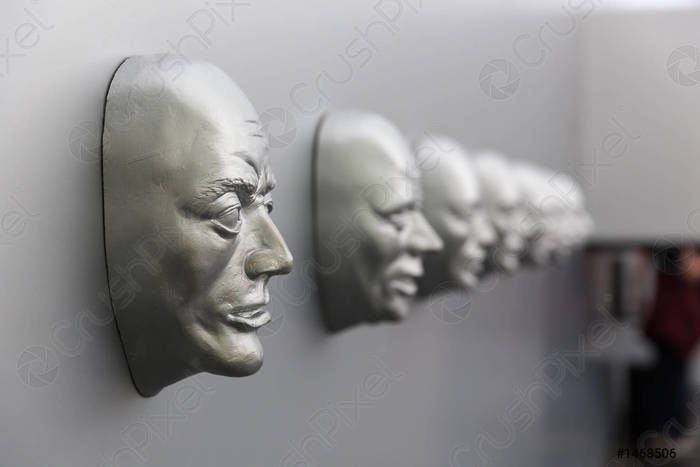
We need to look at The Encyclopedia of the Dead, aside from the shadow of Borges, for the author has been able to create a niche of his own, through it. One of the most sought-after questions which catch hold of contemporary readers, is the difference between a short story and a novel. Is it only the length of the literary creations or their scopes too and is the scope sufficient enough? The question becomes all the obvious in the case of books like this, for these are not uncomplicated and straightforward stories, otherwise, why would we be discussing so much about them. Generally, it is believed the short stories are written with the element of thrill which accentuates itself as the climax of a story reaches so it may appear like that to those who may follow a certain empirically tested curve. But those are the stories of bygone days, we may say that nowadays the stories are becoming self-sufficient, which means they contain most of the elements, a full-length novel is associated with and perhaps that’s why they are being called short novels by Mark Thompson in the introduction to the book. The short stories portray a particular emotion or act of a complete tale however a novel may deal with multiple emotions or acts, moreover, in a novel, the journey through the tale is more important since it encompasses so many emotions, probabilities, and possibilities.
link: source
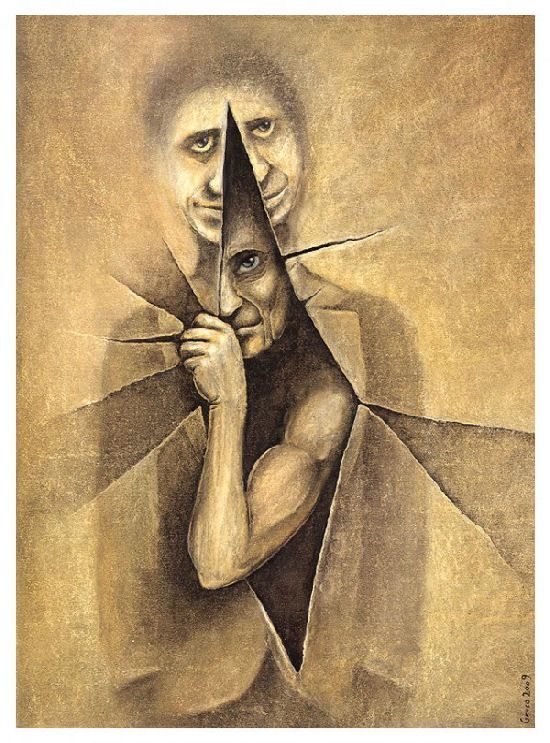
The stories of Danilo Kiš exist somewhere between reality and the space of fancy, they can’t be said to typical fantastical stories, however, they differ from the usual realist ones in a way that these stories build their reality through the background of fantasy, which reminds me of Kafka- the Kafkaesque world. But the subjects Danilo Kiš deals with are altogether different as he takes upon historical subjects such as the holocaust and various authoritarian political regimes. Nonetheless, you do not need to have knowledge of these cataclysms to understand these tales, as any great author, Danilo Kiš has been able to woven tales upon historical allusions using elements of ingenuity, which stand alone on their own, self-sufficient, without any reference required; having said that one needs to accept the benefits of knowing all these allusions. In contemporary literature, we have seen that short stories are moving towards adopting postmodern elements as they distance themselves from confirming or denying anything since there is no such thing as universal meaning in the postmodern art space. So, these short stories are like dynamic spaces on the fabric of literature which may act divergently to every reader. These stories are like different versions or rather perspectives of a single universe which is made up of all these, in a way they complement each other to produce a holistic effect, weaved around the same themes and emotions.
The first story- Simon Magus is about an antagonist or counter-prophet who falls into the same trap he is preaching against. The story represents the political and religious meaning, as Magus may represent the revolutionary who eventually falls into the hand of power, owing to his acceptance of an arrogant dare from his competitor. The literature of Danilo Kiš may come across as blasphemous, shocking especially in the times it has been set- innocuously setting up something blasting through a simple, naïve tale.
This is yet further proof of the truth of his teaching. Man’s life is a Fall, and hell and the world are in the hands of tyrants.
The ‘Last Respects’ reflects the universality of humanity against various biases and prejudices. It satires various social and political systems of our civilization, which have graced planet earth. Mariette, a prostitute, is the epitome of integrity as she does not differentiate among men, she defies the (un)godly rules of humanity and gives everyone equal treatment, in a way available to all, underlying the themes of the universality of the art.

link: source
The titular The Encyclopedia of the Dead is perhaps magnum opus of the author, at least of the collection, it is work of religious organization or sect which portrays an egalitarian vision of the world of the dead- perhaps to readdress the human injustices and to grant all god’s creatures equal places in eternity. The story has elements of meta-fiction as it gives birth to a possibility of improbable scope towards political and social idealism. The encyclopedia may represent a summation of human destinies, the totality of ephemeral happenings to record every action, every thought, the universality of human condition irrespective of nation, regions, or times, to value human existence, to give names to the nameless. It is also a great example of creating literature out of our profound loss/es as it tries to give voice to those who we have been silenced, unjustly and untimely by 'great' deeds of their 'supposedly' brothers and sisters. It also touches upon an intriguing aspect that the author does not want his reader to believe in an impossible encyclopedia so ends it with a cataclysmic dream since dreams are real.
For The Encyclopedia of the Dead, history is the sum of human destinies, the totality of ephemeral happenings. That is why it records every action, every thought, every creative breath, every spot height in the survey, every shovelful of mud, every motion that cleared a brick from the ruins.
The ’Legend of the Sleepers’ talks about a nightmare or dream in which some noblemen find themselves impotent and helpless to do anything among the slumbering pagans or sleepwalkers. They fall into death-like sleep only to be awakened in a completely different world and then return to the anguish of the spirit and darkness of time, the eventual lifeless sleep of the dead. It questions the importance of faith, tyrannical role it may take in our life. The ‘Mirror of the Unknown’ takes you to a fantastical world in which a chronicle of death is foreseen. Perhaps it allegories towards the killings of Hungarian Jews in the name of 'god' during the second world war. We see the vehement act of violence- as seen by the girl-Bertha in the mirror, only to find an aimless act of murder that shows the danger of such ‘religious’ acts.
Confronted with the evidence, they admitted their guilt. They added that they recognized the hand of God in the speedy discovery of the crime and asked for a priest to hear their confession.
The Story of The Master and the Disciple says that stupidity combines with ambition is more dangerous than any kind of madness. It emphasizes the potency of gossips, lies to underlines that demands of art and morality can’t be reconciled, which reminds me of John Rushkin’s essay on art and morality, I was reading the other day in ‘Days of Reading’ by Proust. Pro Patria Mori is about political myth, built upon ambiguity and betrayal so as to misleads the rebels to unknowingly and surreptitiously falling into the hands of oppressors. The story ends with the universal phrase-‘history is written by victors’, which underlines the biasness and suppression, the all other perspectives which could never make into history. The Book of Kings and Fools inevitably and unknowingly pops up ‘The Book of Law’ by Aleister Crowley in my conscious space, which got quite infamous over the years, obviously due to its misinterpretation. It reflects upon the tension between history and literature as the literary hoaxes may be used by people to fulfill their propaganda and to further air terrorism through religious myth.
Owning to its mysterious origins and the need people have to give history meaning in our godless world, The Conspiracy soon became a kind of bible, teaching that there is a ‘mysterious, dark, and dangerous force’ lurking behind all history’s defeats, a force that holds the fate of the world in its hands, draws on arcane sources of power, triggers wars and riots, revolutions and dictatorships- ‘the source of all evil’.
The last tale in the book- Red Stamps with Lenin head has a quite unique and captivating name, it portrays human jealously and rage which find their voices through the literature, as to What the terrible ‘sword of the revolution’ failed to destroy was destroyed by the frenzy of love.
A ‘transparent twilight’ is all he would have needed to illuminate the face of the woman by the window, and the red stamps with Lenin’s head would have sufficed to highlight the red seal of ‘imperial blood’.
These seemingly fantastical tales (of course to an incautious reader) are entwined around the similar emotions of humanity- which have been alluring every piece of literature since time immemorial, the concerns of love, death, jealously, oppression, delusion, faith, grief, guilt, myth, lie, and truth are explored in these tales of human existence with the deft of a pure artist, somewhat like a painter who actually shows these tales to you rather than makes you read. Danilo Kiš maintains that fiction has to reckon with history, not shun or flatter it (as mentioned by Mark Thompson). History, the way we see it, its truth, and infinite approaches to the truth, as put by post-modernists such as Michel Foucault who rejected traditional historian's tendency to read straightforward narratives of progress in the historical record. His fiction is infinitely recurring and reflective in nature which creates ‘stories within stories, where ‘reading, writing, interpreting, and perhaps writing about reading, reading about writing about reading’ are intrinsic to the plot.
The collection The Encyclopedia of the Dead signifies and portrays what was left with the author, having survived wars that annihilate his country and even his language, (un)fortunately to rise above the national reach to encompass the world literary span. He found that writing is that domain which may give turn his silent voices, tongue-tied over the loss and years of brutality, into literary cry which the whole world would listen to, with utmost attention, and perhaps that’s why we read him.
R: it is as bad as your last one was…
r: perhaps that’s why I keep writing, you know the great dissatisfaction keep …………….
R: bullshit!
r: each one of those is a crap…..
R: probably, that’s why I would write another one
(P.S.: - the roles of R/r are interchangeable and may represent reader/ writer or different version of any of them or both)
link: source
-Danilo Kiš
R: what are you writing about?
r: let me complete it?
R: but what is it?
r: nothing, just random thoughts.
R: oh I see, you are writing about a book, hmm…..
r: yeah, now let me…..
R: but why are you writing it, what is the whole point?
r: nothing, let me…..
R: why do we write about what we read?
r: is it to help others or ourselves in the guise of others?
R: are we troubled souls too, under the influence of some demon?
r: but what do we get from it?
R: satisfaction…….
r: ah! you fool, the utter dissatisfaction perhaps kept the humanity alive, without getting insane….
R: let’s play a game….
r: bullshit! you write….you write bullshit…
link: source
Why does an author write? Is it due to troubled soul, he is? What solace would he get from it? Who would find solace- the reader or the author? Does the author want to share something with the readers? Does he really have the authority to share? Isn’t it whatever has to be shared, has already been shared? What do authors write for then? And what do we read for, in the first place? Does it help us to find ourselves, to visit the deepest crevices of our psyche, which may be unknown to our conscious self? Or does it help the one who writes, to find oneself? Does one write so as to assimilate the rippling, pulsating, and randomly occurring fragments of thoughts, to makes sense of them? And why do we want to make sense of them in the first place? Does sanity prevail? Is the world sane? Or do we write to keep ourselves from getting insane? And why read then? Does history have the power to dissolve our madness? Could we turn our into literature, by weaving it through the tapestry of emotions and expressions, by the fabric of words?
R: oh! cut the crap and come to it
The book inevitably reminds me of Borges, I guess perhaps everyone would associate it with Borges, due to the structure of it. The book consists of a set of short stories which are connected with a common theme through each one of them is unique and different from others, both in structure and emotions. Whenever we come across such books, we often grappled with distinctive and amusing problems- how to classify these books and more importantly, how to describe them. Perhaps due to our traditional acclimatization, we find ourselves in the same situation, time and again. We need to ask ourselves the very basic question that what is the need to classifying books like The Encyclopedia of the Dead since we need to broaden our limit horizon to accept new sort of literature and essentially, it’s a futile exercise as well. Rather, we should come up with Avant-grade nomenclatures for them, as literary criticism needs to evolve too with the literature.
r: when will you talk about the book, what nonsense who have written, who would read it?
R: One who is reading these very words, would read it.
r: who do you write for?
R: Perhaps I don't know, probably for myself but certainly not for those who have come here to just have a flavor of the book.
r: no one read it then...
R: perhaps.......
r: why are/ am we/ I writing then?
R: probably for myself.......
r: damn you!
We need to look at The Encyclopedia of the Dead, aside from the shadow of Borges, for the author has been able to create a niche of his own, through it. One of the most sought-after questions which catch hold of contemporary readers, is the difference between a short story and a novel. Is it only the length of the literary creations or their scopes too and is the scope sufficient enough? The question becomes all the obvious in the case of books like this, for these are not uncomplicated and straightforward stories, otherwise, why would we be discussing so much about them. Generally, it is believed the short stories are written with the element of thrill which accentuates itself as the climax of a story reaches so it may appear like that to those who may follow a certain empirically tested curve. But those are the stories of bygone days, we may say that nowadays the stories are becoming self-sufficient, which means they contain most of the elements, a full-length novel is associated with and perhaps that’s why they are being called short novels by Mark Thompson in the introduction to the book. The short stories portray a particular emotion or act of a complete tale however a novel may deal with multiple emotions or acts, moreover, in a novel, the journey through the tale is more important since it encompasses so many emotions, probabilities, and possibilities.
link: source
The stories of Danilo Kiš exist somewhere between reality and the space of fancy, they can’t be said to typical fantastical stories, however, they differ from the usual realist ones in a way that these stories build their reality through the background of fantasy, which reminds me of Kafka- the Kafkaesque world. But the subjects Danilo Kiš deals with are altogether different as he takes upon historical subjects such as the holocaust and various authoritarian political regimes. Nonetheless, you do not need to have knowledge of these cataclysms to understand these tales, as any great author, Danilo Kiš has been able to woven tales upon historical allusions using elements of ingenuity, which stand alone on their own, self-sufficient, without any reference required; having said that one needs to accept the benefits of knowing all these allusions. In contemporary literature, we have seen that short stories are moving towards adopting postmodern elements as they distance themselves from confirming or denying anything since there is no such thing as universal meaning in the postmodern art space. So, these short stories are like dynamic spaces on the fabric of literature which may act divergently to every reader. These stories are like different versions or rather perspectives of a single universe which is made up of all these, in a way they complement each other to produce a holistic effect, weaved around the same themes and emotions.
The first story- Simon Magus is about an antagonist or counter-prophet who falls into the same trap he is preaching against. The story represents the political and religious meaning, as Magus may represent the revolutionary who eventually falls into the hand of power, owing to his acceptance of an arrogant dare from his competitor. The literature of Danilo Kiš may come across as blasphemous, shocking especially in the times it has been set- innocuously setting up something blasting through a simple, naïve tale.
This is yet further proof of the truth of his teaching. Man’s life is a Fall, and hell and the world are in the hands of tyrants.
The ‘Last Respects’ reflects the universality of humanity against various biases and prejudices. It satires various social and political systems of our civilization, which have graced planet earth. Mariette, a prostitute, is the epitome of integrity as she does not differentiate among men, she defies the (un)godly rules of humanity and gives everyone equal treatment, in a way available to all, underlying the themes of the universality of the art.
link: source
The titular The Encyclopedia of the Dead is perhaps magnum opus of the author, at least of the collection, it is work of religious organization or sect which portrays an egalitarian vision of the world of the dead- perhaps to readdress the human injustices and to grant all god’s creatures equal places in eternity. The story has elements of meta-fiction as it gives birth to a possibility of improbable scope towards political and social idealism. The encyclopedia may represent a summation of human destinies, the totality of ephemeral happenings to record every action, every thought, the universality of human condition irrespective of nation, regions, or times, to value human existence, to give names to the nameless. It is also a great example of creating literature out of our profound loss/es as it tries to give voice to those who we have been silenced, unjustly and untimely by 'great' deeds of their 'supposedly' brothers and sisters. It also touches upon an intriguing aspect that the author does not want his reader to believe in an impossible encyclopedia so ends it with a cataclysmic dream since dreams are real.
For The Encyclopedia of the Dead, history is the sum of human destinies, the totality of ephemeral happenings. That is why it records every action, every thought, every creative breath, every spot height in the survey, every shovelful of mud, every motion that cleared a brick from the ruins.
The ’Legend of the Sleepers’ talks about a nightmare or dream in which some noblemen find themselves impotent and helpless to do anything among the slumbering pagans or sleepwalkers. They fall into death-like sleep only to be awakened in a completely different world and then return to the anguish of the spirit and darkness of time, the eventual lifeless sleep of the dead. It questions the importance of faith, tyrannical role it may take in our life. The ‘Mirror of the Unknown’ takes you to a fantastical world in which a chronicle of death is foreseen. Perhaps it allegories towards the killings of Hungarian Jews in the name of 'god' during the second world war. We see the vehement act of violence- as seen by the girl-Bertha in the mirror, only to find an aimless act of murder that shows the danger of such ‘religious’ acts.
Confronted with the evidence, they admitted their guilt. They added that they recognized the hand of God in the speedy discovery of the crime and asked for a priest to hear their confession.
The Story of The Master and the Disciple says that stupidity combines with ambition is more dangerous than any kind of madness. It emphasizes the potency of gossips, lies to underlines that demands of art and morality can’t be reconciled, which reminds me of John Rushkin’s essay on art and morality, I was reading the other day in ‘Days of Reading’ by Proust. Pro Patria Mori is about political myth, built upon ambiguity and betrayal so as to misleads the rebels to unknowingly and surreptitiously falling into the hands of oppressors. The story ends with the universal phrase-‘history is written by victors’, which underlines the biasness and suppression, the all other perspectives which could never make into history. The Book of Kings and Fools inevitably and unknowingly pops up ‘The Book of Law’ by Aleister Crowley in my conscious space, which got quite infamous over the years, obviously due to its misinterpretation. It reflects upon the tension between history and literature as the literary hoaxes may be used by people to fulfill their propaganda and to further air terrorism through religious myth.
Owning to its mysterious origins and the need people have to give history meaning in our godless world, The Conspiracy soon became a kind of bible, teaching that there is a ‘mysterious, dark, and dangerous force’ lurking behind all history’s defeats, a force that holds the fate of the world in its hands, draws on arcane sources of power, triggers wars and riots, revolutions and dictatorships- ‘the source of all evil’.
The last tale in the book- Red Stamps with Lenin head has a quite unique and captivating name, it portrays human jealously and rage which find their voices through the literature, as to What the terrible ‘sword of the revolution’ failed to destroy was destroyed by the frenzy of love.
A ‘transparent twilight’ is all he would have needed to illuminate the face of the woman by the window, and the red stamps with Lenin’s head would have sufficed to highlight the red seal of ‘imperial blood’.
These seemingly fantastical tales (of course to an incautious reader) are entwined around the similar emotions of humanity- which have been alluring every piece of literature since time immemorial, the concerns of love, death, jealously, oppression, delusion, faith, grief, guilt, myth, lie, and truth are explored in these tales of human existence with the deft of a pure artist, somewhat like a painter who actually shows these tales to you rather than makes you read. Danilo Kiš maintains that fiction has to reckon with history, not shun or flatter it (as mentioned by Mark Thompson). History, the way we see it, its truth, and infinite approaches to the truth, as put by post-modernists such as Michel Foucault who rejected traditional historian's tendency to read straightforward narratives of progress in the historical record. His fiction is infinitely recurring and reflective in nature which creates ‘stories within stories, where ‘reading, writing, interpreting, and perhaps writing about reading, reading about writing about reading’ are intrinsic to the plot.
The collection The Encyclopedia of the Dead signifies and portrays what was left with the author, having survived wars that annihilate his country and even his language, (un)fortunately to rise above the national reach to encompass the world literary span. He found that writing is that domain which may give turn his silent voices, tongue-tied over the loss and years of brutality, into literary cry which the whole world would listen to, with utmost attention, and perhaps that’s why we read him.
R: it is as bad as your last one was…
r: perhaps that’s why I keep writing, you know the great dissatisfaction keep …………….
R: bullshit!
r: each one of those is a crap…..
R: probably, that’s why I would write another one
(P.S.: - the roles of R/r are interchangeable and may represent reader/ writer or different version of any of them or both)
link: source

September 3, 2020
A collection of nine short stories, fables, and almost-essays by a Serbian writer. In an unusual Postscript (in my Penguin Books edition), the author gives us a detailed description of how each story or essay and came about and what it meant.
The title story, “The Encyclopedia of the Dead,” is the best-known work in the book. In a Borges-like fantasy a young woman leans about her father from a one-volume encyclopedia that somehow contains all the details of the lives of common people. Well-known persons who have biographies are excluded. The point is “…redressing human injustices and granting all God’s creatures an equal place in eternity.” The volume gives intimate details of each person’s entire life in a way that becomes almost cinema-like as it is read. She learns the secret of her father’s late-in-life acquisition of drawing skill and how it coincided with his death from cancer.

The story “Simon Magus” is set in Samara 15 years after Christ was crucified. Simon performs magic tricks to draw crowds in villages and competes with apostles Perter and John for the attention of the crowds. He argues with Peter about why he is promoting such a nasty God – just look around you. God violates all his own commandments such as Thou Shall Not Kill: “Killing is his vocation.”
In The “Mirror of the Unknown” a young girl’s father and two sisters are traveling by coach. She sees in advance their murder by highway bandits in her mirror bought from a “Gypsy.”
The story “The Book of Kings and Fools” is an extensive imaginative essay, partly based in fact, about how the notorious anti-Semitic book “The Protocols of the Elders of Zion” came about and how much damage it caused through the ages. And it continues to cause damage: the author adds a personal note that the book was “…directly responsible for a hunting rifle’s being fired at the windows of our house.” [He had Jewish ancestry from his father.]
“To Die for One’s Country is Glorious” tells the story of an imprisoned main awaiting execution for his part in a political uprising. “History is written by the victors. Legends are woven by the people. Writers fantasize. Only death is certain.”
In “Red Stamps with Lenin’s Picture” the author has some fun with the literary establishment. An elderly woman attends a lecture about a famous poet given by a man who wrote a biography of the poet. The speaker expounds about the tragedy of a collection of the poet’s lost letters and he goes on about interpretations of his poems by a famous literary critic. Afterwards, the elderly lady, who went unnoticed in the audience, writes to the biographer telling him how she was the poet’s life-long mistress and that SHE burned the letters. She points out the foolishness of all the interpretations of his poems that she knows were odes to HER.
Good stories and good writing.

Kis (1935-1989) was of multiple backgrounds. Ethnically, he was a Hungarian-Montenegrin-Serb and Jewish but was raised as an Orthodox Christian. He wrote in Serbo-Croatian, the official language of the former Yugoslavia. The authors primarily influencing his work were Borges, Nabokov and Bruno Schultz. (Coincidentally the last GR review I posted was of my first Bruno Schultz work: The Street of Crocodiles.)
Photo of a library in Lisbon by Ivo Rainha, Upslash, posted on discoverwalks.com
A stamp from Montenegro honoring the author, from Wikipedia
The title story, “The Encyclopedia of the Dead,” is the best-known work in the book. In a Borges-like fantasy a young woman leans about her father from a one-volume encyclopedia that somehow contains all the details of the lives of common people. Well-known persons who have biographies are excluded. The point is “…redressing human injustices and granting all God’s creatures an equal place in eternity.” The volume gives intimate details of each person’s entire life in a way that becomes almost cinema-like as it is read. She learns the secret of her father’s late-in-life acquisition of drawing skill and how it coincided with his death from cancer.
The story “Simon Magus” is set in Samara 15 years after Christ was crucified. Simon performs magic tricks to draw crowds in villages and competes with apostles Perter and John for the attention of the crowds. He argues with Peter about why he is promoting such a nasty God – just look around you. God violates all his own commandments such as Thou Shall Not Kill: “Killing is his vocation.”
In The “Mirror of the Unknown” a young girl’s father and two sisters are traveling by coach. She sees in advance their murder by highway bandits in her mirror bought from a “Gypsy.”
The story “The Book of Kings and Fools” is an extensive imaginative essay, partly based in fact, about how the notorious anti-Semitic book “The Protocols of the Elders of Zion” came about and how much damage it caused through the ages. And it continues to cause damage: the author adds a personal note that the book was “…directly responsible for a hunting rifle’s being fired at the windows of our house.” [He had Jewish ancestry from his father.]
“To Die for One’s Country is Glorious” tells the story of an imprisoned main awaiting execution for his part in a political uprising. “History is written by the victors. Legends are woven by the people. Writers fantasize. Only death is certain.”
In “Red Stamps with Lenin’s Picture” the author has some fun with the literary establishment. An elderly woman attends a lecture about a famous poet given by a man who wrote a biography of the poet. The speaker expounds about the tragedy of a collection of the poet’s lost letters and he goes on about interpretations of his poems by a famous literary critic. Afterwards, the elderly lady, who went unnoticed in the audience, writes to the biographer telling him how she was the poet’s life-long mistress and that SHE burned the letters. She points out the foolishness of all the interpretations of his poems that she knows were odes to HER.
Good stories and good writing.
Kis (1935-1989) was of multiple backgrounds. Ethnically, he was a Hungarian-Montenegrin-Serb and Jewish but was raised as an Orthodox Christian. He wrote in Serbo-Croatian, the official language of the former Yugoslavia. The authors primarily influencing his work were Borges, Nabokov and Bruno Schultz. (Coincidentally the last GR review I posted was of my first Bruno Schultz work: The Street of Crocodiles.)
Photo of a library in Lisbon by Ivo Rainha, Upslash, posted on discoverwalks.com
A stamp from Montenegro honoring the author, from Wikipedia

Read
December 2, 2018
Internationally acclaimed Serbian author Danilo Kiš and his family lived through some of the harshest and nightmarish years of the twentieth century. His best-known books are the novel Hourglass and two collections of short stories: A Tomb for Boris Davidovich and the collection under review. All nine tales in The Encyclopedia of the Dead are stunning, highly literary and deeply moving. But rather than offer observations of a general nature, I'll focus on the title piece since my heart softened and became progressively more tender with each sentence - nay, I'll go further: in all the many works of fiction I've read over the years, I've not encountered one more heartfelt.
THE ENCYCLOPEDIA OF THE DEAD
During his visit to Sweden at the invitation of the Institute for Theater Research, one evening following a performance of August Strindberg's Ghost Sonata, the narrator's host escorts him to the Royal Library. It's nearly midnight and the building is closed but no matter - his host, Kristina Johansson, flashes a special pass to the disgruntled guard at the door permitting him entry. At this point Mrs. Johanssen bids her guest goodnight, leaving him to conduct his visitation solo.
What follows leads a reader to suspect this twenty-five page tale of Danilo Kiš might be more akin to Borges dreamtiger than Balzac realism since the library strikes the narrator as a dungeon, the guard a Cerberus and each of the rooms houses books arranged alphabetically - after visits to the A, B, C and D rooms, following a premonition, the narrator breaks into a run, wherein we read: "Agitated and out of breath, I arrived at the letter M and with a perfectly clear goal in mind opened one of the books. I had realized - perhaps I had read about it somewhere - that this was the celebrated Encyclopedia of the Dead."
The first thing he sees is the text's one and only illustration, exactly the same one he keeps on his desk, a photograph of his father taken in 1936 immediately following his discharge from military service with his father's name and the years 1910-1979 in parenthesis underneath. And to think his father died just weeks prior to his Sweden trip. One big reason he took this visit in the first place was to escape his grief, a futile gesture, he admits, since travel doesn't help - we bear our grief within ourselves.
I wish I could mail a copy of this book to everyone reading my review so the story could be read in its entirety. Since this is not possible, I'll shift to commenting on particular passages as a way of spotlighting the actual words of Danilo Kiš:
"When I saw that I might go on reading until dawn and be left without any concrete trace of what I had read for either me or my mother, I decided to copy out several of the most important passages and make a kind of summary of my father's life."
Isn't that what we all do with the loved ones in our life that have passed on? We assemble our memories into a tapestry of scenes, some vivid, others that fade around the edges, some other that are difficult to bring into focus and remain blurs, creating our own mini version of the Encyclopedia.
"What makes the Encyclopedia unique (apart from its being the only existing copy) is the way it depicts human relationships, encounters, landscapes - the multitude of details that make up a human life."
This is precisely why biographies are critically important and are frequently bestsellers. Herodotus writes his highly readable, entertaining and insightful Histories, however with Plutarch and Suetonius there is a giant step forward in appreciating the details of a single human life. And again beginning with Boswell's Life of Samuel Johnson such appreciation is brought more in accord with modern sensibilities.
"The only condition - something I grasped at once, for inclusion in The Encyclopedia of the Dead is that no one whose name is recorded here may appear in any other encyclopedia."
Ah, Danilo Kiš recognizes those people living ordinary lives, so called, have their own dramas worthy of being recorded and appreciated, even honored and revered.
"The sea he glimpsed, for the first time, at twenty-five, from the slopes of the Velebit on April 28, 1935, would reside within him - a revelation, a dream sustained for some forty years with undiminished intensity, a secret, a vision never put into words."
The Encyclopedia explicates not only the facts of his father's life, but equally or even more importantly, his fathers dreams and visions. In this way, the Encyclopedia expands out to the vistas of imaginative literature, most appropriate since Danilo himself is a spinner of language chimeras we term fiction.
"By the same token, and in keeping with the logic of their program (that there is nothing insignificant in a human life, no hierarchy of events), they entered all our childhood illnesses - mumps, tonsillitis, whooping cough, rashes - as well as a bout of lice and my father's lung trouble."
The Encyclopedia does not overlook or thoughtlessly cast aside those all-consuming bouts of pain and illness. Thus, Danilo's Encyclopedia even outpaces a conventional biography.
"For The Encyclopedia of the Dead, history is the sum of human destinies, the totality of ephemeral happenings. That is why it records every action, every thought, every creative breath, every spot height in the survey, every shovelful of mud, every motion that cleared a brick from the ruins."
That's why I have never been attracted to history textbooks - too general. What textbook on twentieth century history would begin to document the daily suffering of my own father who grew up in an orphanage, hit the Normandy beach the first day of D-Day and toiled as a shift worker at a chemical factory for thirty years?
"He would curse God, heaven, earth, the Russians, the Americans, the Germans, the government, and all those responsible for granting him such a miserable pension after he had slaved a lifetime, but most of all he cursed television, which, insolent to the point of insult, filled the void of his evenings by bringing into the house the grand illusion of life."
Quite the telling observation by a sensitive literary artist - as torturous, humiliating and demanding as his father's life was over the years, the biggest insult dad must deal with is that cultural cesspool, the ever-present television with its unending stream of drivel.

“Thanks to suffering and madness, I have had a finer, richer life than any of you, and I wish to go to my death with dignity, as befits the great moment after which all dignity and majesty cease. Let my body be my ark and my death a long floating on the waves of eternity." - Danilo Kiš

Danilo Kiš, 1935-1989

May 27, 2019
If the blurb had said "Overwritten, pompous sub-Borgesian spooky-ookums waffle with very few discernable points" then I would not have bothered to read this, but I have found out that a lot of the time blurbs do not tell the truth. Somebody should do something about that.
September 27, 2012
С времена на време, готово у терапијске сврхе, узмем и прочитам причу "Енциклопедија мртвих". На тих неколико страница Киш је о животу југословенског човека и приликама у југословенском друштву, али и животу човека уопште написао више него неки у томовима књига. Маестрално!
Дефинитивно једна од најбољих збирки прича написаних српским језиком.
Дефинитивно једна од најбољих збирки прича написаних српским језиком.

February 2, 2019
Данило Киш је име поезије, оне врхунске поезије која сваким својим откуцајем и сваком својом речју дира најскривеније мисли свог читаоца. Рећи да је Киш један од најбољих који је писао на језику наших народа и народности је уско ограничавање на један простор. А Киш је био све само није био за ограничавање, он је писац света, свих људи света и зато представља једног од најбољих који се бавио књижевном уметношћу.
„Ко може повући оштру линију између сна и смрти? Ко Господине може повући оштру раздвојену линију између садашњости, прошлости и будућности? Ко, Господе може одвојити радост љубави од туге сећања?“
Централни лајтмотив Енциклопедије мртвих је смрт и повезаност живота са истом. Као што каже Киш истина и вера се не мешају, попут уља и воде, али шта смо онда у том случају, уколико немамо вере, уколико смо веру изгубили, осим животиња које се боре за егзистенцију. Ова збирка представља симфонију књижевности састављену од религије, филозофије, фолклора и историје. У средиште сваке приче стављено је по једно људско биће простодушно, обично, пуно страхова, животне несретности, испуњено стварним врлинама и пороцима, опредељено да ствара да би уништавало. То је људско биће које трага за знањем и љубављу иако је крај ка коме идемо непознат и непоуздан. Свет у коме влада обмана, свет чији су житељи препуни заблуда, узалудног чекања и надања, склони насиљу и преласку из светла у таму. Одлазимо ка тами коју смо сами створили својим рушилачким менталитетом и садизмом и поделили је са животима људи које волимо.
„Историју пишу победници. Традиције ткају људи. Писци фантазирају. Само смрт је сигурна.“
Цитат извучен из Кишове Енциклопедије предтсавља Суштину рушилачког и крволочног света који смо стварали вековима и створили у коначној, али не и крајњој верзији. Шта преостаје обичном човеку у том ужасном свету са својим минорним животом, осим да се посвети вери и да цео тај прелаз из живота ка смрти, преко снова и сновиђења, Јунгове свести и подсвести, пређе са мислима окренутим себи, уздигнуте главе, апсолутне и чисте љубави и потпуног поверења у оно што надолази.
„Шта је било било је. Прошлост живи у нама и не можемо је избрисати. Пошто су снови слика онога света, и доказ његовог постојања, сусрећемо се у сновима (...) Кад је врло материјалистички Дидро могао да се заноси фантазијама, зашто не бих могла и ја, изван сваке материјалности, да се надам да ћемо се срести на оном свету. И уздам се у Бога да нећу наћи крај њега сену неке друге.“
„Ко може повући оштру линију између сна и смрти? Ко Господине може повући оштру раздвојену линију између садашњости, прошлости и будућности? Ко, Господе може одвојити радост љубави од туге сећања?“
Централни лајтмотив Енциклопедије мртвих је смрт и повезаност живота са истом. Као што каже Киш истина и вера се не мешају, попут уља и воде, али шта смо онда у том случају, уколико немамо вере, уколико смо веру изгубили, осим животиња које се боре за егзистенцију. Ова збирка представља симфонију књижевности састављену од религије, филозофије, фолклора и историје. У средиште сваке приче стављено је по једно људско биће простодушно, обично, пуно страхова, животне несретности, испуњено стварним врлинама и пороцима, опредељено да ствара да би уништавало. То је људско биће које трага за знањем и љубављу иако је крај ка коме идемо непознат и непоуздан. Свет у коме влада обмана, свет чији су житељи препуни заблуда, узалудног чекања и надања, склони насиљу и преласку из светла у таму. Одлазимо ка тами коју смо сами створили својим рушилачким менталитетом и садизмом и поделили је са животима људи које волимо.
„Историју пишу победници. Традиције ткају људи. Писци фантазирају. Само смрт је сигурна.“
Цитат извучен из Кишове Енциклопедије предтсавља Суштину рушилачког и крволочног света који смо стварали вековима и створили у коначној, али не и крајњој верзији. Шта преостаје обичном човеку у том ужасном свету са својим минорним животом, осим да се посвети вери и да цео тај прелаз из живота ка смрти, преко снова и сновиђења, Јунгове свести и подсвести, пређе са мислима окренутим себи, уздигнуте главе, апсолутне и чисте љубави и потпуног поверења у оно што надолази.
„Шта је било било је. Прошлост живи у нама и не можемо је избрисати. Пошто су снови слика онога света, и доказ његовог постојања, сусрећемо се у сновима (...) Кад је врло материјалистички Дидро могао да се заноси фантазијама, зашто не бих могла и ја, изван сваке материјалности, да се надам да ћемо се срести на оном свету. И уздам се у Бога да нећу наћи крај њега сену неке друге.“

January 14, 2020
Ostave li se tanatološke obuzetosti po strani, jer se u svim povestima "Enciklopedije", izuzev "Priče o Majstoru i njegovom učeniku" koja sadrži i svoje stvarnosno-prethodeće žaoke,* umire na neprirodne (u onom smislu da je put u smrt bolan i ponižavajuć) i nasilne načine, odnosno prenebregnu li se erotološke ukosnice, jer se u ovoj zbirci i voli pa se u takvoj ljubavi sagoreva (onda i "rukopisi" gore) ili se mrzi pa mahnitost otvara smrti prozor u dvorište (izrekô nam već Bataj u epigramu), i svi oni parabolično-alegorijski ili metapoetski fragmenti o pisanju i čitanju (obično se ne obelodanjuje ili se bar nedovoljno ističe unutrašnja interpretacijska sučeljenost svake pripovesti**, iako je jasno da je Kiš uveliko na terenu postmodernizma pa uveliko dekonstruiše velike narative od Biblije, Kurana, oficijelne istorije koja povlači enciklopedijska (sa)znanja o važnom, velikom i velikima, realizma i kao formacije i kao postupka, i unekoliko manje legende i mitove, primerice, onaj o građanskoj časti ili teorijama zavere), elem, ostavimo li sve to po strani, uvidećemo da je pitanju još promišljenija i znatno uvezanija Knjiga no što se u prvi mladalački mah moglo pomisliti, kao što se tako i mislilo nekih 15ak godina unazad, u prvom susretu s poslednjom Kišovom pripovednom zbirkom.
*Priča je prvi put objavljena '76, pre polemike oko "Grobnice", pa je štos, recimo, u gulašu koji će postati dupli.
**Primerice, apokrifnog i biblijskog, proleterskog i buržoaskog, spiritizma i pozitivizma,...
Na šta se tačno misli?
I na to da mu se knjiga protivstavlja "Sveopštoj istoriji beščašća" koja je i po borhesovskom priznanju barokno-hiperbolisana - otud je kompoziciono ustrojstvo 9+1, a opet i stalno Kišovo insistiranje na po-etičkom, zarad čega figurira kao angažovano nastrojeni postmodernista - i na to da se ironično-parodijski igra preko Getea (s prvobitno namerenim podnaslovom "Zapadno-istočni divan", knjiga bi brojala 12 priča, dve otpisane mesto su pronašle u "Lauti i ožiljcima"), ali prevashodnije i na to da kada "prst umočite" u jednu povest istodobno stupate u vezu sa (1)zbirkom u celosti - aleksandrijska metaforika ogledala i ogledanja (naslovne zbirke i naslova, i svih drugih priča i pripovedaka), potom i motivsko premrežavanje s precizno ispuštenim detaljima-okidačima - (2)sa čitavim Kišovim opusom - zato čitanje iziskuje bezmalo džojsovsko usredsređivanje ("idealnu nesanicu"), jer je i pisanje do tančina skoncentrisano - i (3)sa širokom aluzivno-citatnim poljem ka književnosti uopšte (bibliocentrizam).
Enciklopedijska paradigma zato se ne odnosi samo na poetiku komprimovanja romana, ujedno i života - nije li jedan od podnaslova "Čitav život", ne proklamuje li se načelo zgušnjavanja s toma na paragraf - u priču, sliku, scenu ili alineju, odnosno najposle u leksikografsku odrednicu - "Hazari" dolaze godinu kasnije - nego i na ono ulančavanje odrednica koje dolazi s maloprepomenutim motivskim premrežavanjem. Dakle, na dato enciklopedijsko upućivanje "Vidi pod" koje je tako na izvestan način doznačeno, a da se ne govori o tome kako je ciklus već i etimološki utkan u glavnu reč naslovne sintagme. Pa opet nema ustavljanja, jer završni "Post scriptum", pored toga što prirasta uz epistolarno "Crvenih marki s likom Lenjina" ili aludira na skraja pomeren pismotvorni prolog "Peščanika", ne računa samo na borhesovska navođenja građe ili trikovanje s dokumentima, već, unoseći oprečne ili skeptičke valere ili pak dopunjujući matrice gotovih pripovesti, na načelnu nedovršivost ili otvorenost enciklopedijskog koncepta ma koliko sveobuhvatan i demokratičan bio, i...
...I da se ujedemo za rep prvog pasusa: za konstantu paklenog užasa na zemlji - vidi se to već od prvog "Simona Čudotvorca" do poslednjih "Crvenih marki", bez obzira na fakturu i intonaciju - i metafiziku pogleda u kom se zrcali nepoznato, sopstvena punoća nad tuđom prazninom, "grobnica večnosti" i "urna blaženstva" i "sve ono što živ čovek o smrti već može znati"...
*Priča je prvi put objavljena '76, pre polemike oko "Grobnice", pa je štos, recimo, u gulašu koji će postati dupli.
**Primerice, apokrifnog i biblijskog, proleterskog i buržoaskog, spiritizma i pozitivizma,...
Na šta se tačno misli?
I na to da mu se knjiga protivstavlja "Sveopštoj istoriji beščašća" koja je i po borhesovskom priznanju barokno-hiperbolisana - otud je kompoziciono ustrojstvo 9+1, a opet i stalno Kišovo insistiranje na po-etičkom, zarad čega figurira kao angažovano nastrojeni postmodernista - i na to da se ironično-parodijski igra preko Getea (s prvobitno namerenim podnaslovom "Zapadno-istočni divan", knjiga bi brojala 12 priča, dve otpisane mesto su pronašle u "Lauti i ožiljcima"), ali prevashodnije i na to da kada "prst umočite" u jednu povest istodobno stupate u vezu sa (1)zbirkom u celosti - aleksandrijska metaforika ogledala i ogledanja (naslovne zbirke i naslova, i svih drugih priča i pripovedaka), potom i motivsko premrežavanje s precizno ispuštenim detaljima-okidačima - (2)sa čitavim Kišovim opusom - zato čitanje iziskuje bezmalo džojsovsko usredsređivanje ("idealnu nesanicu"), jer je i pisanje do tančina skoncentrisano - i (3)sa širokom aluzivno-citatnim poljem ka književnosti uopšte (bibliocentrizam).
Enciklopedijska paradigma zato se ne odnosi samo na poetiku komprimovanja romana, ujedno i života - nije li jedan od podnaslova "Čitav život", ne proklamuje li se načelo zgušnjavanja s toma na paragraf - u priču, sliku, scenu ili alineju, odnosno najposle u leksikografsku odrednicu - "Hazari" dolaze godinu kasnije - nego i na ono ulančavanje odrednica koje dolazi s maloprepomenutim motivskim premrežavanjem. Dakle, na dato enciklopedijsko upućivanje "Vidi pod" koje je tako na izvestan način doznačeno, a da se ne govori o tome kako je ciklus već i etimološki utkan u glavnu reč naslovne sintagme. Pa opet nema ustavljanja, jer završni "Post scriptum", pored toga što prirasta uz epistolarno "Crvenih marki s likom Lenjina" ili aludira na skraja pomeren pismotvorni prolog "Peščanika", ne računa samo na borhesovska navođenja građe ili trikovanje s dokumentima, već, unoseći oprečne ili skeptičke valere ili pak dopunjujući matrice gotovih pripovesti, na načelnu nedovršivost ili otvorenost enciklopedijskog koncepta ma koliko sveobuhvatan i demokratičan bio, i...
...I da se ujedemo za rep prvog pasusa: za konstantu paklenog užasa na zemlji - vidi se to već od prvog "Simona Čudotvorca" do poslednjih "Crvenih marki", bez obzira na fakturu i intonaciju - i metafiziku pogleda u kom se zrcali nepoznato, sopstvena punoća nad tuđom prazninom, "grobnica večnosti" i "urna blaženstva" i "sve ono što živ čovek o smrti već može znati"...

May 15, 2019
History is written by the victors. Legends are woven by the people. Writers fantasize. Only death is certain.
A vitally important book of short stories that deserves to be ranked alongside Borges finest, translated by Michael Henry Heim, and with an illuminating postscript by the author Danilo Kiš himself.
This review from Nick Lezard (Guardian - bring him back!) sums it up well:
https://www.theguardian.com/books/201...
and Wikipedia (sorry!) has a good overview of the stories
https://en.wikipedia.org/wiki/The_Enc...
The title story is a masterpiece but my personal favourites were Simon Magus and the shortest of them all, Pro Patria Mori, which, featuring in Javier Cercas's Lord of All the Dead initially drew me to this collection.
A vitally important book of short stories that deserves to be ranked alongside Borges finest, translated by Michael Henry Heim, and with an illuminating postscript by the author Danilo Kiš himself.
This review from Nick Lezard (Guardian - bring him back!) sums it up well:
https://www.theguardian.com/books/201...
and Wikipedia (sorry!) has a good overview of the stories
https://en.wikipedia.org/wiki/The_Enc...
The title story is a masterpiece but my personal favourites were Simon Magus and the shortest of them all, Pro Patria Mori, which, featuring in Javier Cercas's Lord of All the Dead initially drew me to this collection.

June 4, 2015
Introduction
--Simon Magus
--Last Respects
--The Encyclopedia of the Dead
--The Legend of the Sleepers
--The Mirror of the Unknown
--The Story of the Master and the Disciple
--Pro Patria Mori
--The Book of Kings and Fools
--Red Stamps with Lenin's Head
Postscript
--Simon Magus
--Last Respects
--The Encyclopedia of the Dead
--The Legend of the Sleepers
--The Mirror of the Unknown
--The Story of the Master and the Disciple
--Pro Patria Mori
--The Book of Kings and Fools
--Red Stamps with Lenin's Head
Postscript

January 6, 2018
A robust panoply of erudite stories, each plump with historical/ religious allusions told with a shading of mischief. A Borgesian bouillabaisse.

February 25, 2021
Non vengo da nessun luogo
“[...] mentono sempre, in ogni istante, in ogni circostanza; e poiché mentono sempre, non sanno nemmeno più di mentire. E quando ognuno mente, nessuno più mente mentendo... La menzogna è un elemento naturale della società pseudosovietica... Le assemblee, i congressi: teatro, messinscena. La dittatura del proletariato: colossale mistificazione. La spontaneità delle masse: accurata organizzazione. La destra, la sinistra: menzogna. Stachanov: menzogna. Stachanovismo: menzogna. La gioia della vita: una lugubre farsa. L'uomo nuovo: l'antico gorilla. La cultura: incultura. Il capo geniale: un ottuso tiranno”.
Enciclopedia dei morti è un libro incantevole e spaventoso e riflette come penetrando al di là di uno specchio assoluto lo sdoppiamento radicale dell'essere umano, eroismo e abominio di fronte all'ineluttabile, e lo scrittore in esso vi esprime liberamente un'ansiosa e ironica sfiducia nella possibilità di salvarsi dalla tragicità della storia. Specie nelle parole e nei simboli, non possiamo più avere fiducia, perché esse ci ingannano e ci illudono, come nostre emanazioni ambivalenti e circolari. Gli ammiratori di questo testo sono numerosi, e tra questi frequentatori Luciano Funetta cerca di ritrarne un tema o un carattere, mettendosi nella condizione di estrarre una sintesi dal canto collettivo dei racconti, che Kis ha composto alla finestra del lettore, tutti dedicati al tema della morte, vecchia o giovane, religiosa o persecutoria, materica o fantasmatica, sempre illusoria verità nello scorrere irreparabile del tempo. Non ci sono dubbi che Kis sia magistrale nel mettere in scena la tradizione gnostica e apocrifa, le leggende eretiche, le cronache dei massacri, l'oralità che attraversa la dimensione intersoggettiva, per gettare un ponte verso il metafisico, verso l'ultraterreno. Forse la narrazione assume qui una forma di eloquenza polisemantica e rivela uno stato di grazia che attinge all'invisibile, quella speciale grazia letteraria disseminata in queste pagine, tanto da avvicinare chi legge a una condizione di conflitto, di compenetrazione tra bene e male, di una sequenza di contatti interni tra eros e thanatos, tra luce e tenebra. Lo scrittore Kis propone una poetica eclettica e comprensiva, interpretando non solo il lato tragico e doloroso della morte, ma insieme il suo apparire mendace e beffarda, oltre i confini, unica nostra verità in un fluire di residui, memorie, ceneri e figure, in un discorrere talvolta oscuro e rumoroso, caratterizzato da forte frammentarietà e pluralità di voci. È per la natura “residuale” del suo scrivere che Luciano Funetta ha usato l'espressione filologia della morte, in uno scritto che si legge in rete. Kis ha memoria e coltiva memoria, ma percorre con lettrici e lettori strade che non conosce. Ad ogni capoverso, cerca di tradurre in parole l'ignoto, la soglia dell'immaginazione, facendone documento, e conoscenza. La traccia del suo scrivere cerca ciò che manca, e lì va ad aggiungere; esplora un vuoto, un'assenza, e ne crea un dettaglio, un contorno, un'ombra. I racconti di Kis parlano della morte nel solo modo possibile, nascondendola. Così, Kis capovolge i destini immersi nell'oblio, racconta l'angoscia dei morti senza tomba e senza nome, ama la tristezza silenziosa, la preghiera disperata che invoca il caso, invoca la logica, la logica del caso, di fronte al nulla. In giorni tragici, sembra suggerire Kis, una ideale volontà universale si deposita, a tempo debito e come in un continuo e in una ripetizione, nell'archivio del nulla del reale.
“Era un sogno? Era il sogno di un sonnambulo, un sogno nel sogno, e perciò più reale di un semplice sogno, perché non verificabile in base alla coscienza, giacché da un sogno simile ci si sveglia di nuovo in un sogno? O era magari un sogno divino, il sogno dell’eternità e del tempo? Un sogno senza illusioni e senza dubbi, un sogno con una sua lingua e con i suoi sensi, un sogno non solo dell’anima ma anche del corpo, un sogno della coscienza e del corpo a un tempo, un sogno dai confini chiari e netti, con una sua lingua e una sua sonorità, un sogno che si può palpare, un sogno che si può verificare con il gusto, con l’olfatto e con l’udito; un sogno più forte della veglia, un sogno quale fanno forse solo i morti, un sogno che non si lascia smentire dal rasoio con cui ti tagli il mento, perché ti uscirà subito il sangue e tutto quello che fai non fa che confermare lo stato di veglia, nel sogno sanguina la pelle e sanguina il cuore, in esso si rallegra il corpo e si rallegra l’anima, in esso non ci sono altri miracoli all’infuori della vita; da quel sogno non ci si risveglia che nella morte”.
“[...] mentono sempre, in ogni istante, in ogni circostanza; e poiché mentono sempre, non sanno nemmeno più di mentire. E quando ognuno mente, nessuno più mente mentendo... La menzogna è un elemento naturale della società pseudosovietica... Le assemblee, i congressi: teatro, messinscena. La dittatura del proletariato: colossale mistificazione. La spontaneità delle masse: accurata organizzazione. La destra, la sinistra: menzogna. Stachanov: menzogna. Stachanovismo: menzogna. La gioia della vita: una lugubre farsa. L'uomo nuovo: l'antico gorilla. La cultura: incultura. Il capo geniale: un ottuso tiranno”.
Enciclopedia dei morti è un libro incantevole e spaventoso e riflette come penetrando al di là di uno specchio assoluto lo sdoppiamento radicale dell'essere umano, eroismo e abominio di fronte all'ineluttabile, e lo scrittore in esso vi esprime liberamente un'ansiosa e ironica sfiducia nella possibilità di salvarsi dalla tragicità della storia. Specie nelle parole e nei simboli, non possiamo più avere fiducia, perché esse ci ingannano e ci illudono, come nostre emanazioni ambivalenti e circolari. Gli ammiratori di questo testo sono numerosi, e tra questi frequentatori Luciano Funetta cerca di ritrarne un tema o un carattere, mettendosi nella condizione di estrarre una sintesi dal canto collettivo dei racconti, che Kis ha composto alla finestra del lettore, tutti dedicati al tema della morte, vecchia o giovane, religiosa o persecutoria, materica o fantasmatica, sempre illusoria verità nello scorrere irreparabile del tempo. Non ci sono dubbi che Kis sia magistrale nel mettere in scena la tradizione gnostica e apocrifa, le leggende eretiche, le cronache dei massacri, l'oralità che attraversa la dimensione intersoggettiva, per gettare un ponte verso il metafisico, verso l'ultraterreno. Forse la narrazione assume qui una forma di eloquenza polisemantica e rivela uno stato di grazia che attinge all'invisibile, quella speciale grazia letteraria disseminata in queste pagine, tanto da avvicinare chi legge a una condizione di conflitto, di compenetrazione tra bene e male, di una sequenza di contatti interni tra eros e thanatos, tra luce e tenebra. Lo scrittore Kis propone una poetica eclettica e comprensiva, interpretando non solo il lato tragico e doloroso della morte, ma insieme il suo apparire mendace e beffarda, oltre i confini, unica nostra verità in un fluire di residui, memorie, ceneri e figure, in un discorrere talvolta oscuro e rumoroso, caratterizzato da forte frammentarietà e pluralità di voci. È per la natura “residuale” del suo scrivere che Luciano Funetta ha usato l'espressione filologia della morte, in uno scritto che si legge in rete. Kis ha memoria e coltiva memoria, ma percorre con lettrici e lettori strade che non conosce. Ad ogni capoverso, cerca di tradurre in parole l'ignoto, la soglia dell'immaginazione, facendone documento, e conoscenza. La traccia del suo scrivere cerca ciò che manca, e lì va ad aggiungere; esplora un vuoto, un'assenza, e ne crea un dettaglio, un contorno, un'ombra. I racconti di Kis parlano della morte nel solo modo possibile, nascondendola. Così, Kis capovolge i destini immersi nell'oblio, racconta l'angoscia dei morti senza tomba e senza nome, ama la tristezza silenziosa, la preghiera disperata che invoca il caso, invoca la logica, la logica del caso, di fronte al nulla. In giorni tragici, sembra suggerire Kis, una ideale volontà universale si deposita, a tempo debito e come in un continuo e in una ripetizione, nell'archivio del nulla del reale.
“Era un sogno? Era il sogno di un sonnambulo, un sogno nel sogno, e perciò più reale di un semplice sogno, perché non verificabile in base alla coscienza, giacché da un sogno simile ci si sveglia di nuovo in un sogno? O era magari un sogno divino, il sogno dell’eternità e del tempo? Un sogno senza illusioni e senza dubbi, un sogno con una sua lingua e con i suoi sensi, un sogno non solo dell’anima ma anche del corpo, un sogno della coscienza e del corpo a un tempo, un sogno dai confini chiari e netti, con una sua lingua e una sua sonorità, un sogno che si può palpare, un sogno che si può verificare con il gusto, con l’olfatto e con l’udito; un sogno più forte della veglia, un sogno quale fanno forse solo i morti, un sogno che non si lascia smentire dal rasoio con cui ti tagli il mento, perché ti uscirà subito il sangue e tutto quello che fai non fa che confermare lo stato di veglia, nel sogno sanguina la pelle e sanguina il cuore, in esso si rallegra il corpo e si rallegra l’anima, in esso non ci sono altri miracoli all’infuori della vita; da quel sogno non ci si risveglia che nella morte”.

April 7, 2019
Μετά τα δύο πρώτα διηγήματα που ήταν εξαιρετικά, ειδικά το πρώτο που μου θύμησε Σαραμάγκου στις αιρετικές, θρησκευτικού περιεχομένου, ιστορίες του, έχασα το ενδιαφέρον μου.
Η γραφή του απλή, ύφος φιλικό, δεξιοτέχνης του διηγήματος.
Η γραφή του απλή, ύφος φιλικό, δεξιοτέχνης του διηγήματος.

September 6, 2008
I’ve not previously read Mr Kis’s work and I was not sure what to expect. I read this collection in translation (by Michael Henry Heim). This was the first book I could obtain, and I was totally swept up in the beauty of the prose from beginning to end. This collection of nine stories touches on a number of facets of life: relationships, encounters and experiences. Each is unique. Each illustrates a different aspect of existence, including questioning the notion of divine order.
‘Everything a living man can know of death.’
Because of these differences, I suspect that each story could be my favourite on a different day or read. Each provides food for thought and the language is exquisite. On this read, I particularly enjoyed ‘Simon Magus’ and his questioning of divine order, ‘To Die for One’s Country Is Glorious’ describing the final hours of Esterhazy, and the reading journey of the bereaved daughter in the title story.
In fewer than 200 pages, Mr Kis has managed to evoke a set of experiences and reactions that linger on in the mind. Where does life end, and death begin? Are the boundaries mutable or immutable? We will each have (or form) our own private views on this question. For myself, I am delighted to have read this book and will be looking to read more of Mr Kis in translation.
‘History is written by victors. Legends are woven by people. Writers fantasize. Only death is certain.’
And now, I need to read more.

December 4, 2020
4.5 / 5
Εννέα διηγήματα του φανταστικού Γιουγκοσλάβου Ντανίλο Κις με κοινό στοιχείο, όπως ο ίδιος γράφει στο υστερόγραφο, το μεταφυσικό, περιέχει το βιβλίο Η Εγκυκλοπαίδεια Των Νεκρών με το ομότιτλο διήγημα να ξεχωρίζει, όχι όμως με διαφορά από τα άλλα αφού και τα εννιά είναι εξαίσια.
Στο συγκεκριμένο διήγημα, Η Εγκυκλοπαίδεια των νεκρών, διαβάζουμε τις σημειώσεις της αφηγήτριας η οποία είχε ταξιδέψει έναν χρόνο πριν στην Σουηδία μετά από πρόσκληση του Ινστιτούτου Θεατρικών Σπουδών.
Η οικοδέσποινα της εκεί, μετά από μερικές θεατρικές παραστάσεις και επισκέψεις σε αξιοθέατα, την πηγαίνει στην Βασιλική Βιβλιοθήκη όπου και ανακαλύπτει το Βιβλίο των Νεκρών ή καλύτερα την Εγκυκλοπαίδεια των Νεκρών.
Μοναδικός όρος για να μπορέσει κάποιος να γραφτεί στην Εγκυκλοπαίδεια των Νεκρών είναι να μην έχει αναφερθεί σε καμία άλλη εγκυκλοπαίδεια το όνομα του με σκοπό να διορθωθεί η επίγεια ανθρώπινη αδικία και να δοθεί σε όλα τα πλάσματα του Θεού μια θέση ισοτιμίας στην αιωνιότητα όπως ακριβώς γράφει ο Κις.
Ανοίγοντας το στο λήμμα του πρόσφατα χαμένου πατέρα της, η αφηγήτρια, μαθαίνει όλα όσα θα ήθελε κανείς να γνωρίζει για την ζωή αλλά και για τα όνειρα, τις κρυφές σκέψεις, τις ονειροπολήσεις, τις αποφάσεις και τα σταυροδρόμια των ανθρώπων που αγαπά.
Αν μπορούσα θα το τύπωνα και θα το μοίραζα αυτό το διήγημα. Κορυφαίος Κις!
Εννέα διηγήματα του φανταστικού Γιουγκοσλάβου Ντανίλο Κις με κοινό στοιχείο, όπως ο ίδιος γράφει στο υστερόγραφο, το μεταφυσικό, περιέχει το βιβλίο Η Εγκυκλοπαίδεια Των Νεκρών με το ομότιτλο διήγημα να ξεχωρίζει, όχι όμως με διαφορά από τα άλλα αφού και τα εννιά είναι εξαίσια.
Στο συγκεκριμένο διήγημα, Η Εγκυκλοπαίδεια των νεκρών, διαβάζουμε τις σημειώσεις της αφηγήτριας η οποία είχε ταξιδέψει έναν χρόνο πριν στην Σουηδία μετά από πρόσκληση του Ινστιτούτου Θεατρικών Σπουδών.
Η οικοδέσποινα της εκεί, μετά από μερικές θεατρικές παραστάσεις και επισκέψεις σε αξιοθέατα, την πηγαίνει στην Βασιλική Βιβλιοθήκη όπου και ανακαλύπτει το Βιβλίο των Νεκρών ή καλύτερα την Εγκυκλοπαίδεια των Νεκρών.
Μοναδικός όρος για να μπορέσει κάποιος να γραφτεί στην Εγκυκλοπαίδεια των Νεκρών είναι να μην έχει αναφερθεί σε καμία άλλη εγκυκλοπαίδεια το όνομα του με σκοπό να διορθωθεί η επίγεια ανθρώπινη αδικία και να δοθεί σε όλα τα πλάσματα του Θεού μια θέση ισοτιμίας στην αιωνιότητα όπως ακριβώς γράφει ο Κις.
Ανοίγοντας το στο λήμμα του πρόσφατα χαμένου πατέρα της, η αφηγήτρια, μαθαίνει όλα όσα θα ήθελε κανείς να γνωρίζει για την ζωή αλλά και για τα όνειρα, τις κρυφές σκέψεις, τις ονειροπολήσεις, τις αποφάσεις και τα σταυροδρόμια των ανθρώπων που αγαπά.
Αν μπορούσα θα το τύπωνα και θα το μοίραζα αυτό το διήγημα. Κορυφαίος Κις!

April 10, 2021
Imbattendomi quasi per caso nel nome di Danilo Kis, sono stati principalmente due i motivi che mi hanno spinto ad approfondire la sua conoscenza: l'accostamento a Borges e la sua terra natale, la Voivodina, una terra di confine tra Serbia, Ungheria, Romania, Croazia e Bosnia, un crocevia di popoli che ho visitato un paio di anni fa scoprendone il lato più fiero, genuino e schietto dei suoi abitanti.
Ho iniziato a leggere Kis con questa incantevole e magnetica raccolta di racconti. Come suggerisce il titolo, al centro delle narrazioni è l'ossessione dell'uomo per la morte, una condizione tragica che da sempre si cerca di scandagliare, un destino ineluttabile il cui mistero si vuole penetrare. Secondo l'autore, “tutti i racconti di questo libro nascono, in misura maggiore o minore, sotto il segno di un tema che chiamerei metafisico; a partire dall'epopea di Gilgamesh, la questione della morte è uno dei temi ossessivi della letteratura”.
Come è stato per la lettura di Borges, di Kis colpiscono la prosa lirica e raffinata, lo stile elegantissimo e poetico, la fantasia visionaria e la cultura sconfinata. Andando ad attingere alle più disparate fonti della sapienza umana di ogni tempo e luogo, Kis riesce a contestualizzare ed attualizzare storie antiche, miti e leggende, episodi tratti dalla Bibbia e dal Corano, ma anche ricostruzioni di falsi storici più recenti, come i famigerati Protocolli dei Savi di Sion, e memorie degli ultimi, dei reietti e dei dimenticati, come prostitute di città portuali, uomini comuni o piccoli eroi che operano dietro le quinte della Storia. Accanto al tema della morte, dunque, c'è il tema della vita, dell'amore carnale e di quello platonico (in un racconto c'è anche un chiaro rimando al Cantico dei Cantici), della memoria e dell'oblio, della Storia e delle storie, del vero e del falso, della realtà e della finzione, del sogno e dell'apparenza, dell'illusione, della menzogna e dell'inganno, della magia e del mistero, del dogma e dell'eresia, del superamento di Dio e dell'eterna lotta tra Bene e Male.
Quasi tutti i racconti contenuti in questa raccolta lasciano il segno in modo indelebile: anche se Kis in alcuni casi si limita a riscrivere ciò che è già accaduto, ciò che è già stato scritto da altri in passato, la dimensione intima e il taglio moderno sortiscono un effetto unico, originale e memorabile. Di seguito, scriverò brevemente dei racconti che mi hanno colpito maggiormente.
In “Simon Mago” viene rivisitata la figura carismatica, molto simile a quella di un secondo Zarathustra, del Mago Simone, con la sua dottrina gnostica, contestata ed osteggiata dagli Apostoli e dai seguaci di Gesù Cristo. In uno dei suoi bellissimi e suggestivi discorsi al popolo di Samaria, Simone inveisce contro gli Apostoli: “Essi mentono a ogni piè sospinto e, presi in questo enorme groviglio di menzogne, non sanno più nemmeno loro di mentire. Dove tutti mentono, nessuno mente. Dove tutto è menzogna, nulla è menzogna”. Si potrebbe leggere il discorso di Simone contro i cristiani anche in chiave politica, rapportando l'invettiva al regime totalitario di stampo sovietico che ai tempi di Kis affliggeva l'Europa dell'Est.
In “Onoranze funebri” vengono invece descritti i seguaci, ben più carnali, della più amata prostituta del porto di Amburgo: la sua morte scuote a tal punto le loro coscienze che, durante le onoranze funebri, inizia una rivoluzione popolare e proletaria.
Nel racconto che dà il titolo alla raccolta, “L'Enciclopedia dei morti”, la voce narrante descrive la riscoperta della vita del padre scomparso, durante un viaggio a Stoccolma, all'interno di una enorme biblioteca labirintica, l'Enciclopedia dei morti per l'appunto, che ospita un numero infinito di volumi, ciascuno dedicato a una persona che apparentemente non ha lasciato traccia della sua presenza nella Storia.
“La leggenda dei dormienti” è invece la riscrittura della leggenda, condivisa da cristiani e islamici, dei Sette Dormienti di Efeso, dal punto di vista di uno dei dormienti.
Ne “La storia del Maestro e del discepolo” viene narrata, quasi in forma di cronaca, il tentativo da parte di un allievo di distruggere, dopo aver da lui imparato l'arte della retorica, le tesi del suo antico maestro, arrivando persino ad utilizzare gli strumenti della calunnia e dell'intrigo. Una storia non priva di una certa allegoria.
“È glorioso morire per la patria” è invece la libera stesura di una leggenda orale moderna, in cui si narra che il capo di una rivolta contro l'Impero Asburgico viene giustiziato: il caduto per la patria diventa eroe del proprio popolo, la lotta contro l'oppressore, anche se vana, lo glorifica e lo riscatta. I dominatori soffocano la rivolta e cancellano il suo nome dalla Storia per impedire la nascita di una leggenda. Ma nulla può la damnatio memoriae contro la memoria degli oppressi: “I vincitori scrivono la storia. Il popolo tesse la tradizione. Gli scrittori fantasticano. Certa è solo la morte”.
Ne “Il libro dei re e degli sciocchi” vi è la ricostruzione dettagliata, che mescola il saggio storico alla finzione letteraria, a causa di “quel bisogno barocco dell'intelligenza che la spinge a colmare i vuoti” (per dirla con Cortazar), della nascita dei Protocolli dei Savi Anziani di Sion, una storia “fantastica fino all'inverosimile” eppure terribilmente vera, una esemplare parabola del male, un falso documento che ha esercitato pessime influenze sui lettori successivi, avvelenati dal fanatismo e macchiatisi di follia, infamia e malvagità, con tutte le ben note e tragiche conseguenze di dolore, morte e distruzione, fino alla vicenda dell'infelice Kurt Gerstein, che decide di sconfiggere i nazisti infiltrandosi a tal punto dal venire scambiato per uno di loro. Nel racconto, Kis si prende la libertà autoriale di rinominare i Protocolli come “Congiura”, ma il riferimento alla realtà storica è evidente. A proposito del racconto, commenta Kis nel Post Scriptum: “Il mio intento era di mettere in dubbio, con un esempio storicamente verificato, l'idea generalmente accettata che i libri sono sempre e unicamente al servizio del bene. I libri sacri, invece, così come le opere canonizzate dei maestri del pensiero, sono la fonte sia della morale che dell'empietà, sia della grazia che del crimine. I molti libri non sono pericolosi. Pericoloso è un libro solo”.
Questi racconti sono costellati da figure controverse e ambigue, come eretici, maghi e falsi profeti, da storie d'amore, di padri e di figli, di maestri e di discepoli, di eroi e di cospiratori, da biblioteche che sono labirinti, da libri immaginari che raccolgono tutto ciò che può essere dimenticato, come fossero parte di un'enciclopedia dei fatti, dei luoghi e delle persone che non rientrano in alcuna altra enciclopedia, da storie tramandate oralmente che subiscono l'influsso del tempo, fragili come la vita umana, che possono essere cancellate da un momento all'altro, che possono far perdere le proprie tracce.
Il passaggio dall'allegorico al realistico, dal fantastico al documentato, è breve; il confine tra queste due sfere che si influenzano reciprocamente è labile. Fatti e cronache si mescolano all'immaginazione, verità alla finzione. Separare queste due dimensioni è impresa difficile, non confonderle è arduo. Dopo aver scritto il racconto “L'Enciclopedia dei morti”, Kis scopre che “dentro una montagna di granito delle Montagne Rocciose, a est di Salt Lake City, capitale dello Stato dello Utah, si trova uno dei più straordinari archivi degli Stati Uniti d'America. Quattro gallerie scavate nella roccia portano ad alcune sale sotterranee, collegate tra loro da corridoi labirintici, nelle quali è sistemato l'archivio […]. In esso si conservano i nomi di diciotto miliardi di persone, vive e defunte […]. I nomi riportati in questo incredibile archivio sono stati raccolti in tutto il mondo, trascrivendo con cura tutti i registri possibili, e il lavoro continua regolarmente. Lo scopo finale di questa impresa gigantesca è di catalogare l'intero genere umano, sia la parte vivente sia quella già passata nell'aldilà”.
Ho iniziato a leggere Kis con questa incantevole e magnetica raccolta di racconti. Come suggerisce il titolo, al centro delle narrazioni è l'ossessione dell'uomo per la morte, una condizione tragica che da sempre si cerca di scandagliare, un destino ineluttabile il cui mistero si vuole penetrare. Secondo l'autore, “tutti i racconti di questo libro nascono, in misura maggiore o minore, sotto il segno di un tema che chiamerei metafisico; a partire dall'epopea di Gilgamesh, la questione della morte è uno dei temi ossessivi della letteratura”.
Come è stato per la lettura di Borges, di Kis colpiscono la prosa lirica e raffinata, lo stile elegantissimo e poetico, la fantasia visionaria e la cultura sconfinata. Andando ad attingere alle più disparate fonti della sapienza umana di ogni tempo e luogo, Kis riesce a contestualizzare ed attualizzare storie antiche, miti e leggende, episodi tratti dalla Bibbia e dal Corano, ma anche ricostruzioni di falsi storici più recenti, come i famigerati Protocolli dei Savi di Sion, e memorie degli ultimi, dei reietti e dei dimenticati, come prostitute di città portuali, uomini comuni o piccoli eroi che operano dietro le quinte della Storia. Accanto al tema della morte, dunque, c'è il tema della vita, dell'amore carnale e di quello platonico (in un racconto c'è anche un chiaro rimando al Cantico dei Cantici), della memoria e dell'oblio, della Storia e delle storie, del vero e del falso, della realtà e della finzione, del sogno e dell'apparenza, dell'illusione, della menzogna e dell'inganno, della magia e del mistero, del dogma e dell'eresia, del superamento di Dio e dell'eterna lotta tra Bene e Male.
Quasi tutti i racconti contenuti in questa raccolta lasciano il segno in modo indelebile: anche se Kis in alcuni casi si limita a riscrivere ciò che è già accaduto, ciò che è già stato scritto da altri in passato, la dimensione intima e il taglio moderno sortiscono un effetto unico, originale e memorabile. Di seguito, scriverò brevemente dei racconti che mi hanno colpito maggiormente.
In “Simon Mago” viene rivisitata la figura carismatica, molto simile a quella di un secondo Zarathustra, del Mago Simone, con la sua dottrina gnostica, contestata ed osteggiata dagli Apostoli e dai seguaci di Gesù Cristo. In uno dei suoi bellissimi e suggestivi discorsi al popolo di Samaria, Simone inveisce contro gli Apostoli: “Essi mentono a ogni piè sospinto e, presi in questo enorme groviglio di menzogne, non sanno più nemmeno loro di mentire. Dove tutti mentono, nessuno mente. Dove tutto è menzogna, nulla è menzogna”. Si potrebbe leggere il discorso di Simone contro i cristiani anche in chiave politica, rapportando l'invettiva al regime totalitario di stampo sovietico che ai tempi di Kis affliggeva l'Europa dell'Est.
In “Onoranze funebri” vengono invece descritti i seguaci, ben più carnali, della più amata prostituta del porto di Amburgo: la sua morte scuote a tal punto le loro coscienze che, durante le onoranze funebri, inizia una rivoluzione popolare e proletaria.
Nel racconto che dà il titolo alla raccolta, “L'Enciclopedia dei morti”, la voce narrante descrive la riscoperta della vita del padre scomparso, durante un viaggio a Stoccolma, all'interno di una enorme biblioteca labirintica, l'Enciclopedia dei morti per l'appunto, che ospita un numero infinito di volumi, ciascuno dedicato a una persona che apparentemente non ha lasciato traccia della sua presenza nella Storia.
“La leggenda dei dormienti” è invece la riscrittura della leggenda, condivisa da cristiani e islamici, dei Sette Dormienti di Efeso, dal punto di vista di uno dei dormienti.
Ne “La storia del Maestro e del discepolo” viene narrata, quasi in forma di cronaca, il tentativo da parte di un allievo di distruggere, dopo aver da lui imparato l'arte della retorica, le tesi del suo antico maestro, arrivando persino ad utilizzare gli strumenti della calunnia e dell'intrigo. Una storia non priva di una certa allegoria.
“È glorioso morire per la patria” è invece la libera stesura di una leggenda orale moderna, in cui si narra che il capo di una rivolta contro l'Impero Asburgico viene giustiziato: il caduto per la patria diventa eroe del proprio popolo, la lotta contro l'oppressore, anche se vana, lo glorifica e lo riscatta. I dominatori soffocano la rivolta e cancellano il suo nome dalla Storia per impedire la nascita di una leggenda. Ma nulla può la damnatio memoriae contro la memoria degli oppressi: “I vincitori scrivono la storia. Il popolo tesse la tradizione. Gli scrittori fantasticano. Certa è solo la morte”.
Ne “Il libro dei re e degli sciocchi” vi è la ricostruzione dettagliata, che mescola il saggio storico alla finzione letteraria, a causa di “quel bisogno barocco dell'intelligenza che la spinge a colmare i vuoti” (per dirla con Cortazar), della nascita dei Protocolli dei Savi Anziani di Sion, una storia “fantastica fino all'inverosimile” eppure terribilmente vera, una esemplare parabola del male, un falso documento che ha esercitato pessime influenze sui lettori successivi, avvelenati dal fanatismo e macchiatisi di follia, infamia e malvagità, con tutte le ben note e tragiche conseguenze di dolore, morte e distruzione, fino alla vicenda dell'infelice Kurt Gerstein, che decide di sconfiggere i nazisti infiltrandosi a tal punto dal venire scambiato per uno di loro. Nel racconto, Kis si prende la libertà autoriale di rinominare i Protocolli come “Congiura”, ma il riferimento alla realtà storica è evidente. A proposito del racconto, commenta Kis nel Post Scriptum: “Il mio intento era di mettere in dubbio, con un esempio storicamente verificato, l'idea generalmente accettata che i libri sono sempre e unicamente al servizio del bene. I libri sacri, invece, così come le opere canonizzate dei maestri del pensiero, sono la fonte sia della morale che dell'empietà, sia della grazia che del crimine. I molti libri non sono pericolosi. Pericoloso è un libro solo”.
Questi racconti sono costellati da figure controverse e ambigue, come eretici, maghi e falsi profeti, da storie d'amore, di padri e di figli, di maestri e di discepoli, di eroi e di cospiratori, da biblioteche che sono labirinti, da libri immaginari che raccolgono tutto ciò che può essere dimenticato, come fossero parte di un'enciclopedia dei fatti, dei luoghi e delle persone che non rientrano in alcuna altra enciclopedia, da storie tramandate oralmente che subiscono l'influsso del tempo, fragili come la vita umana, che possono essere cancellate da un momento all'altro, che possono far perdere le proprie tracce.
Il passaggio dall'allegorico al realistico, dal fantastico al documentato, è breve; il confine tra queste due sfere che si influenzano reciprocamente è labile. Fatti e cronache si mescolano all'immaginazione, verità alla finzione. Separare queste due dimensioni è impresa difficile, non confonderle è arduo. Dopo aver scritto il racconto “L'Enciclopedia dei morti”, Kis scopre che “dentro una montagna di granito delle Montagne Rocciose, a est di Salt Lake City, capitale dello Stato dello Utah, si trova uno dei più straordinari archivi degli Stati Uniti d'America. Quattro gallerie scavate nella roccia portano ad alcune sale sotterranee, collegate tra loro da corridoi labirintici, nelle quali è sistemato l'archivio […]. In esso si conservano i nomi di diciotto miliardi di persone, vive e defunte […]. I nomi riportati in questo incredibile archivio sono stati raccolti in tutto il mondo, trascrivendo con cura tutti i registri possibili, e il lavoro continua regolarmente. Lo scopo finale di questa impresa gigantesca è di catalogare l'intero genere umano, sia la parte vivente sia quella già passata nell'aldilà”.

March 26, 2021
Un Borges balcanico e metafisico
Ottimo incontro, il mio primo con questo celebrato autore serbo, nella mia esplorazione sempre soddisfacente della letteratura dell'Est Europa.
Questa raccolta di racconti di diversa lunghezza è prova delle assolute capacità di scrittura di Kis, che riesce ad adattare il suo stile di scrittura ai diversi ambiti e atmosfere dei racconti: dal funerale di una prostituta olandese narrato in con motivi fiamminghi tra Bruegel e Rubens, per il racconto gnostico-esoterico dedicato a Simon Mago in cui sembra spirare un antico e asciutto vento medio-orientale, passando per la meravigliosa e onirica rivisitazione della leggenda dei Sette Dormienti di Efeso dove la scrittura fitta di ripetizione sembra quella di un salmodiante antico o di un sapiente della Chiesa primitiva.
Questa abilità ed adattabilità di Kis lo rende diverso e più flessibile del maestro argentino Borges: è come se il sangue vibrante della balcanica narrazione esuberante ed affabulatoria si fossero uniti all'enciclopedismo e all'immaginazione colta.
Il libro in sè risulta a tratti disomogeneo, trattandosi di una raccolta di testi diversi ed eterogenei - al punto che sembra di sentire un sottile rimpianto dell'autore per non aver portato alla forma romanzo il racconto più lungo "Il libro del re e degli sciocchi" (tra i migliori della raccolta)
In ogni caso un grande scrittore con chiare influenze dalla migliore letteratura sudamericana con quel bisogno barocco dell'intelligenza che la spinge a colmare i vuoti (Cortazar) - e presto mi dedicherò al suo capolavoro Clessidra.
Ottimo incontro, il mio primo con questo celebrato autore serbo, nella mia esplorazione sempre soddisfacente della letteratura dell'Est Europa.
Questa raccolta di racconti di diversa lunghezza è prova delle assolute capacità di scrittura di Kis, che riesce ad adattare il suo stile di scrittura ai diversi ambiti e atmosfere dei racconti: dal funerale di una prostituta olandese narrato in con motivi fiamminghi tra Bruegel e Rubens, per il racconto gnostico-esoterico dedicato a Simon Mago in cui sembra spirare un antico e asciutto vento medio-orientale, passando per la meravigliosa e onirica rivisitazione della leggenda dei Sette Dormienti di Efeso dove la scrittura fitta di ripetizione sembra quella di un salmodiante antico o di un sapiente della Chiesa primitiva.
Questa abilità ed adattabilità di Kis lo rende diverso e più flessibile del maestro argentino Borges: è come se il sangue vibrante della balcanica narrazione esuberante ed affabulatoria si fossero uniti all'enciclopedismo e all'immaginazione colta.
Il libro in sè risulta a tratti disomogeneo, trattandosi di una raccolta di testi diversi ed eterogenei - al punto che sembra di sentire un sottile rimpianto dell'autore per non aver portato alla forma romanzo il racconto più lungo "Il libro del re e degli sciocchi" (tra i migliori della raccolta)
In ogni caso un grande scrittore con chiare influenze dalla migliore letteratura sudamericana con quel bisogno barocco dell'intelligenza che la spinge a colmare i vuoti (Cortazar) - e presto mi dedicherò al suo capolavoro Clessidra.
March 7, 2017
Garden, Ashes is a major favorite (one of the few novels I've re-read more than twice) but others I've tried (A Tomb For Boris Davidovich, Hourglass) haven't really done it for me. I had a similarly split reaction with this one. Loved the first few stories but midway through the one about the sleepers I found myself literally falling asleep and wasn't able to enter the last few. Tried a couple times but kept zoning out -- couldn't concentrate. I might return to the last three stories later on when able to read while walking (so often helps me get through things I can't read while supine/sedentary) but they're impossible at this point to read in bed.

March 30, 2023
Šķiet banāli piesaukt Borhesu, jo grāmatā tas ir izdarīts vairākkārt, bet tas laikam tomēr vienkāršākais atskaites punkts. Barokālāks par B. un brīžiem vairāk iestieg atkārtojumos, bet jaunai grāmatai vienmēr ir grūtāk sacensties ar atmiņām.

June 25, 2018
Yorumdan ziyade kitaptan günün mana ve ehemmiyetine bir alıntıyla noktalıyorum bu güzel öyküleri:
"... her an, her zaman, her durumda yalan söylüyorlar ve öyle çok yalan söylüyorlar ki sonunda yalan söyleyip söylemediklerini tartamaz hale geliyorlar. Herkes yalan söyler olunca, yalan söylese de, kimse yalan söylememiş oluyor. Her şeyin yalan olduğu yerde hiçbir şey yalan değil..."
"... her an, her zaman, her durumda yalan söylüyorlar ve öyle çok yalan söylüyorlar ki sonunda yalan söyleyip söylemediklerini tartamaz hale geliyorlar. Herkes yalan söyler olunca, yalan söylese de, kimse yalan söylememiş oluyor. Her şeyin yalan olduğu yerde hiçbir şey yalan değil..."

September 18, 2021
Ne znam šta da kažem povodom Enciklopedije mrtvih a da nije već ispričano. Mogu samo da kažem da posle čitanja svake Kišove knjige poželim da mogu da sednem sa njim da se ispričamo. I rastuži me to što znam da ne mogu. Možda je to što biste poželeli da upoznate pisca ipak dovoljno dobra recenzija nekog dela. Smatrajte da sam njom dodala još 5 zvezdica na ovih 5 što što stoje.

November 1, 2012
November 1, 2012 All Saints' Day. Death looks very much like the ending of a book. It is inevitable, inescapable, final, often unpredictable yet necessary and common to all. Each human life that ends is like a book that has been read, and was loved, and is kept in at least one other person's memory. For a book, its author or its first reader; for a person, his/her mother or someone who had loved him/her most.
All Saints' Day is a celebration and commemoration of sequels, or the possibility thereof, based on the conviction or hope that a life story does not end after its last page. Stories are immortal. Books end and people, die but their stories go on. Heroes and martyrs were less potent when they were alive than after they had died. In life, they were just of ordinary flesh and blood; in death, they become legends which become stronger as the passing time makes them more dead.
Death is, in fact, itself a story which can be told in many ways. Danilo Kis did it here, in this collection of nine short death-themed stories. This triumph of the unkillable over the one who kills inspired me to create my own mini-tale: Death--the arrogant champion--was so angry at Danilo Kis for making It like just a mere prop for stories that when Kis was about to be awarded the Nobel Prize for Literature he died. What a pain in the ass! It is unlikely that Death reads, or listens to, stories. Out of disdain, perhaps, to the one It cannot conquer. Or maybe It is just a moron completely devoid of logic, morals, compassion or practicability. It blindly strikes anywhere, anytime. Thus sometimes it's horrific, dramatic, serene, brutal, senseless, sudden, silent, screaming, timely, heroic, holy, historic and even sometimes unknown. Spiteful, too, for there can be no other explanation why Kis--so deserving of the Nobel--was not given a bit more life to be justly honored.
Ironically, this collection is practically a paean to Death. My favorite is the one entitled "To Die for One's Country is Glorious", having just read the biography of Dietrich Bonhoeffer (his biographer briefly wonders if Bonhoeffer, on the eve of his execution, was able to sleep) and having Jose Rizal as my country's national hero (before his brief walk towards the place of his execution by firing squad a Spanish doctor examined his his pulse and was amazed that it was normal). Here, we have a condemned man, a young count named Esterhazy (I'm sure he was one of the illustrious forebears Peter Esterhazy mentioned in his Celestial Harmonies, a 1001 book).On his last night, just before his execution, he couldn't sleep but pretends to sleep. In the morning, he steels himself and grits his teeth to show control and outward calmness. He makes sure his hands do not tremble and reins in "the cowardly behavior of his intestines and solar plexus." He wants to show a brave front because he belongs to a family with a glorious name and with a long line of heroes before him.
A few days before, his mother paid him a last visit. Secretly, she told him that she will beg the Emperor for a last-minute pardon. She will be there at his scheduled hanging. If she's wearing black, that means she had failed; but if she's in white, that would mean he will be saved at the last minute.
As Esterhazy marches along the boulevard with his guards, a hate-filled crowd jeers him and threw a couple of stones at him. Crushed, he was forced into the posture of the defeated. Seeing that his courage seems to be leaving him, the crowd cheers. But then, in a balcony, he sees his mother wearing a family heirloom, an all-white dress worn as a wedding dress of one of their ancestors in an Imperial wedding. Immediately, almost insolently, he straightens up and shows the crowd how brave an Esterhazy he is in the face of a certain death. Up to the last minute, as the hangman finally removes the stool from under his feet, he was still expecting a more dramatic reprieve (which never came). Danilo Kis summed everything up as follows:
"There are two possible conclusions. Either the young aristocrat died a brave and noble death, fully conscious of the certainty thereof, his head held high, or the whole thing was merely a clever bit of playacting directed by a proud mother. The first, heroic, version was upheld and promulgated--orally, and then in writing, in their chronicles--by the sans-culottes and Jacobins; the second, according to which the young man hoped to the very end for some magical sleight of hand, was recorded by the official historians of the powerful Habsburg dynasty to prevent the birth of a legend. History is written by the victors. Legends are woven by the people. Writers fantasize. Only death is certain."
Only death is certain. Bravery and heroism can be doubted. But not Death.
"Simon Magus," like Peter of the New Testament, was a preacher and the setting of the story bearing his name is seventeen years after Jesus Christ's death and resurrection. He performs his own miracles. But he preaches the exact opposite of Peter's gospel: that God is a tyrant and the author of all the world's ills. In a debate with Peter--again with two versions--it is once more demonstrated that even in matters of faith nothing is written in stone. Only Death is certain.
A beloved whore dies of pneumonia in "Last Respects." During her burial, in a cemetery for the poor, the reader feels the valiant effort of her Ukrainian sailor-lover to give her a final glowing tribute losing out to the inexorable annihilation that Death brings.
In "The Legend of the Sleepers" three Christian martyrs lay inside a dark cave: Dionysius, his friend Malchus and John with his dog Qitmir. After several centuries Dionysius awakens. The past, present and future assault his senses and all he could do is to ask repeatedly: are these just dreams? Towards the end of the story one sees Death triumphant, Dionysius still in the darkness of the cave--
"vainly straining his eyes, vainly calling to his friend Malchus, vainly calling to John, the saintly shepherd, vainly calling to the green-eyed dog Qitmir, vainly calling to the Lord his God: the darkness was as thick as tar, the silence--the silence of the tomb of eternity."
No person dies in "The Story of the Master and the Disciple" but one sees here the teachings and reputation of a master slain by his own disciple whom he had unwittingly misled by his own philosophies. Satire at its best, and the funniest of all the pieces here.
"The Book of Kings and Fools" would get one into thinking how so-called ancient books, with uncertain origins (most likely mundane), are given supernatural auras and become catalysts for wars, revolutions and similar self-righteous false crusades which feed Death with a rich harvest of souls, mostly innocent ones.
"Red Stamps with Lenin's Pictures" is a parody of literary critics and scholars especially those who like to pick on works left by dead writers. Death seems to be an impregnable wall here and anyone who attempts to pass through it suffers ridicule.
In "The Mirror of the Unknown" a young girl watches her father and two sisters murdered in the woods as it happens through a mirror bought from a Gypsy, another aspect of the mystery of Death, as it is roughly based on a true story like the other stories in this compilation(so the postscript says).
Lastly, the title story, "The Encyclopedia of the Dead." The massive Encyclopedia here is a record of everything about each person who had ever lived: "every action, every thought, every creative breath, every spot height in the survey, every shovelful of mud, every motion that cleared a brick from the ruins." But what for? Its mysterious compiler seems to have a central message: that each individual is unique and sacred, and that we are all novel, unrepeatable masterpieces of creation.
Yet Death will claim us all.
All Saints' Day is a celebration and commemoration of sequels, or the possibility thereof, based on the conviction or hope that a life story does not end after its last page. Stories are immortal. Books end and people, die but their stories go on. Heroes and martyrs were less potent when they were alive than after they had died. In life, they were just of ordinary flesh and blood; in death, they become legends which become stronger as the passing time makes them more dead.
Death is, in fact, itself a story which can be told in many ways. Danilo Kis did it here, in this collection of nine short death-themed stories. This triumph of the unkillable over the one who kills inspired me to create my own mini-tale: Death--the arrogant champion--was so angry at Danilo Kis for making It like just a mere prop for stories that when Kis was about to be awarded the Nobel Prize for Literature he died. What a pain in the ass! It is unlikely that Death reads, or listens to, stories. Out of disdain, perhaps, to the one It cannot conquer. Or maybe It is just a moron completely devoid of logic, morals, compassion or practicability. It blindly strikes anywhere, anytime. Thus sometimes it's horrific, dramatic, serene, brutal, senseless, sudden, silent, screaming, timely, heroic, holy, historic and even sometimes unknown. Spiteful, too, for there can be no other explanation why Kis--so deserving of the Nobel--was not given a bit more life to be justly honored.
Ironically, this collection is practically a paean to Death. My favorite is the one entitled "To Die for One's Country is Glorious", having just read the biography of Dietrich Bonhoeffer (his biographer briefly wonders if Bonhoeffer, on the eve of his execution, was able to sleep) and having Jose Rizal as my country's national hero (before his brief walk towards the place of his execution by firing squad a Spanish doctor examined his his pulse and was amazed that it was normal). Here, we have a condemned man, a young count named Esterhazy (I'm sure he was one of the illustrious forebears Peter Esterhazy mentioned in his Celestial Harmonies, a 1001 book).On his last night, just before his execution, he couldn't sleep but pretends to sleep. In the morning, he steels himself and grits his teeth to show control and outward calmness. He makes sure his hands do not tremble and reins in "the cowardly behavior of his intestines and solar plexus." He wants to show a brave front because he belongs to a family with a glorious name and with a long line of heroes before him.
A few days before, his mother paid him a last visit. Secretly, she told him that she will beg the Emperor for a last-minute pardon. She will be there at his scheduled hanging. If she's wearing black, that means she had failed; but if she's in white, that would mean he will be saved at the last minute.
As Esterhazy marches along the boulevard with his guards, a hate-filled crowd jeers him and threw a couple of stones at him. Crushed, he was forced into the posture of the defeated. Seeing that his courage seems to be leaving him, the crowd cheers. But then, in a balcony, he sees his mother wearing a family heirloom, an all-white dress worn as a wedding dress of one of their ancestors in an Imperial wedding. Immediately, almost insolently, he straightens up and shows the crowd how brave an Esterhazy he is in the face of a certain death. Up to the last minute, as the hangman finally removes the stool from under his feet, he was still expecting a more dramatic reprieve (which never came). Danilo Kis summed everything up as follows:
"There are two possible conclusions. Either the young aristocrat died a brave and noble death, fully conscious of the certainty thereof, his head held high, or the whole thing was merely a clever bit of playacting directed by a proud mother. The first, heroic, version was upheld and promulgated--orally, and then in writing, in their chronicles--by the sans-culottes and Jacobins; the second, according to which the young man hoped to the very end for some magical sleight of hand, was recorded by the official historians of the powerful Habsburg dynasty to prevent the birth of a legend. History is written by the victors. Legends are woven by the people. Writers fantasize. Only death is certain."
Only death is certain. Bravery and heroism can be doubted. But not Death.
"Simon Magus," like Peter of the New Testament, was a preacher and the setting of the story bearing his name is seventeen years after Jesus Christ's death and resurrection. He performs his own miracles. But he preaches the exact opposite of Peter's gospel: that God is a tyrant and the author of all the world's ills. In a debate with Peter--again with two versions--it is once more demonstrated that even in matters of faith nothing is written in stone. Only Death is certain.
A beloved whore dies of pneumonia in "Last Respects." During her burial, in a cemetery for the poor, the reader feels the valiant effort of her Ukrainian sailor-lover to give her a final glowing tribute losing out to the inexorable annihilation that Death brings.
In "The Legend of the Sleepers" three Christian martyrs lay inside a dark cave: Dionysius, his friend Malchus and John with his dog Qitmir. After several centuries Dionysius awakens. The past, present and future assault his senses and all he could do is to ask repeatedly: are these just dreams? Towards the end of the story one sees Death triumphant, Dionysius still in the darkness of the cave--
"vainly straining his eyes, vainly calling to his friend Malchus, vainly calling to John, the saintly shepherd, vainly calling to the green-eyed dog Qitmir, vainly calling to the Lord his God: the darkness was as thick as tar, the silence--the silence of the tomb of eternity."
No person dies in "The Story of the Master and the Disciple" but one sees here the teachings and reputation of a master slain by his own disciple whom he had unwittingly misled by his own philosophies. Satire at its best, and the funniest of all the pieces here.
"The Book of Kings and Fools" would get one into thinking how so-called ancient books, with uncertain origins (most likely mundane), are given supernatural auras and become catalysts for wars, revolutions and similar self-righteous false crusades which feed Death with a rich harvest of souls, mostly innocent ones.
"Red Stamps with Lenin's Pictures" is a parody of literary critics and scholars especially those who like to pick on works left by dead writers. Death seems to be an impregnable wall here and anyone who attempts to pass through it suffers ridicule.
In "The Mirror of the Unknown" a young girl watches her father and two sisters murdered in the woods as it happens through a mirror bought from a Gypsy, another aspect of the mystery of Death, as it is roughly based on a true story like the other stories in this compilation(so the postscript says).
Lastly, the title story, "The Encyclopedia of the Dead." The massive Encyclopedia here is a record of everything about each person who had ever lived: "every action, every thought, every creative breath, every spot height in the survey, every shovelful of mud, every motion that cleared a brick from the ruins." But what for? Its mysterious compiler seems to have a central message: that each individual is unique and sacred, and that we are all novel, unrepeatable masterpieces of creation.
Yet Death will claim us all.
February 18, 2021
This is the final book from famed Serbian author Danilo Kiš, a collection of 9 short stories all revolving around death which appeared in various stages throughout his career and published shortly before his own untimely shedding of this mortal coil. Beautifully written and expertly translated, there is a lot to digest in this short but meaty work.
My favorites of the bunch include the titular selection, about an encyclopedia that captures in exacting detail the lives of everyday people. Persons of any kind of notoriety who have had anything published about them in other media are disqualified from appearing in the Encyclopedia of the Dead. A scholar is invited to explore a fantastic library where she finds the Encyclopedia and reads the entry on her recently deceased father, with the expected emotional results for the reader. I would revisit this story anytime.
I also immensely enjoyed "The Book of Kings and Fools," about the real-life mysterious and anti-semitic manuscript purportedly revealing a Jewish conspiracy to undermine world governments and civilizations, a text which has been discovered to be a forgery and a hoax, but which had been taken seriously by legions of readers and unfortunately became the basis for many harmful philosophies and social policies throughout history since it's appearance. The book is given a fictional title, much of the history comes from the author's imagination, and some of the characters are actual historic figures thinly disguised, but overall much of the story is based on fact. This is a great example of how Kiš blends history and fantasy throughout the entire collection.
"The Mirror of the Unknown" comes close to resemble "weird fiction," a fantasy tale about a girl who witnesses the brutal murder of her father and sister by highwaymen in a mirror. No explanation for the supernatural phenomenon is provided, thus leaving the reader with a sense of wonder as well as horror, especially when Kiš later explains in his postscript that this was based on actual events.
All of the stories presented here are beautifully written and thoughtful. The collection as a whole loses a star for me as it can become quite self-consciously pretentious and dry at times, and even Kiš himself seems unsure that the stories can stand on their own merit, thus requiring him to explain to the reader his chosen themes and meanings. And unfortunately, it is books like this tend to attract a lot of so-called scholarly commentary from internationally recognized purveyors of bovine feces. In deciding whether or not this book was worth the read for me, I looked at several articles about this work, and almost all of them made no sense, full of smart-sounding but flatly contradictory statements sometimes within the same paragraph.
So I quit reading the academic blowhards and decided to go straight to the source. I'm glad I did. A strong recommendation for those of you hungry to expand your understanding of slavic history and culture, as well as Eastern Orthodoxy, and for anyone anxious to sink your teeth into true haute literature.
My favorites of the bunch include the titular selection, about an encyclopedia that captures in exacting detail the lives of everyday people. Persons of any kind of notoriety who have had anything published about them in other media are disqualified from appearing in the Encyclopedia of the Dead. A scholar is invited to explore a fantastic library where she finds the Encyclopedia and reads the entry on her recently deceased father, with the expected emotional results for the reader. I would revisit this story anytime.
I also immensely enjoyed "The Book of Kings and Fools," about the real-life mysterious and anti-semitic manuscript purportedly revealing a Jewish conspiracy to undermine world governments and civilizations, a text which has been discovered to be a forgery and a hoax, but which had been taken seriously by legions of readers and unfortunately became the basis for many harmful philosophies and social policies throughout history since it's appearance. The book is given a fictional title, much of the history comes from the author's imagination, and some of the characters are actual historic figures thinly disguised, but overall much of the story is based on fact. This is a great example of how Kiš blends history and fantasy throughout the entire collection.
"The Mirror of the Unknown" comes close to resemble "weird fiction," a fantasy tale about a girl who witnesses the brutal murder of her father and sister by highwaymen in a mirror. No explanation for the supernatural phenomenon is provided, thus leaving the reader with a sense of wonder as well as horror, especially when Kiš later explains in his postscript that this was based on actual events.
All of the stories presented here are beautifully written and thoughtful. The collection as a whole loses a star for me as it can become quite self-consciously pretentious and dry at times, and even Kiš himself seems unsure that the stories can stand on their own merit, thus requiring him to explain to the reader his chosen themes and meanings. And unfortunately, it is books like this tend to attract a lot of so-called scholarly commentary from internationally recognized purveyors of bovine feces. In deciding whether or not this book was worth the read for me, I looked at several articles about this work, and almost all of them made no sense, full of smart-sounding but flatly contradictory statements sometimes within the same paragraph.
So I quit reading the academic blowhards and decided to go straight to the source. I'm glad I did. A strong recommendation for those of you hungry to expand your understanding of slavic history and culture, as well as Eastern Orthodoxy, and for anyone anxious to sink your teeth into true haute literature.

April 27, 2022
Aunque su temprana muerte con sólo 54 años —producto de un cáncer al pulmón— cortó una notable carrera literaria, el escritor serbio Danilo Kiš (1935-1989) nos dejó, al menos, un par de obras maestras.
Su obra más famosa es “Una tumba para Boris Davidovich” (1976), y por la que fue acusado de plagiar a autores como Borges, Solzhenitsyn y Joyce. Esto le terminó haciendo abandonar Belgrado y se instaló en París (Francia), donde finalmente alcanzó el reconocimiento internacional y publicó su última obra: “Enciclopedia de los muertos”.
•
Aunque el ataque a Kiš deba encontrarse realmente en motivos políticos, y sin negar su enorme originalidad, es evidente la influencia de estos autores en toda su prosa. Y me parece especialmente importante la presencia de Borges en este último libro.
•
“Enciclopedia de los muertos” reúne 9 cuentos en los que Kiš mezcla historia con ficción. En su epílogo incluso señala las fuentes, entre las que encontramos trabajos documentales y mitos, pero también referencias y alusiones literarias.
En su literatura, el autor se preocupó de salvaguardar la memoria y el honor de las víctimas de los totalitarismo: así hace en “Salmo 44” con las del nazismo o en “Una tumba para Boris Davidovich” con las del estalinismo. Pero en estos cuentos parece ir más allá, como si proyectara sus esfuerzos a toda la historia.
•
Tal afán se descubre desde el primer relato, “Simón el mago”, trasladándonos al s. I. Allí vemos a este hechicero que se confronta a un tiránico San Pedro y sus cristianos seguidores y que Kiš resuelve presentándonos dos finales alternativos.
Pero el relato que mejor capta la esencia del libro es el que da su nombre: “La enciclopedia (toda una vida)”. Aquí, su protagonista accede en una biblioteca en Suecia a una enorme y extraña enciclopedia donde se registra la vida detallada de cada persona común fallecida —la Enciclopedia de los Muertos—, en la que busca a su padre.
•
Sorprendentemente, la que creo que es la obra más ambiciosa de Kiš, me es también la más fácil de leer —lo que parece lograr por un dominio técnico perfecto. Un maestro que no tiene aún el reconocimiento que merece.
“[…] este libro le salvó la vida a un joven suboficial en el frente ruso: la bala disparada por un fusil de precisión fue a colocarse entre las páginas, justo encima del corazón. Este libro le hace sentir seguro.”
Su obra más famosa es “Una tumba para Boris Davidovich” (1976), y por la que fue acusado de plagiar a autores como Borges, Solzhenitsyn y Joyce. Esto le terminó haciendo abandonar Belgrado y se instaló en París (Francia), donde finalmente alcanzó el reconocimiento internacional y publicó su última obra: “Enciclopedia de los muertos”.
•
Aunque el ataque a Kiš deba encontrarse realmente en motivos políticos, y sin negar su enorme originalidad, es evidente la influencia de estos autores en toda su prosa. Y me parece especialmente importante la presencia de Borges en este último libro.
•
“Enciclopedia de los muertos” reúne 9 cuentos en los que Kiš mezcla historia con ficción. En su epílogo incluso señala las fuentes, entre las que encontramos trabajos documentales y mitos, pero también referencias y alusiones literarias.
En su literatura, el autor se preocupó de salvaguardar la memoria y el honor de las víctimas de los totalitarismo: así hace en “Salmo 44” con las del nazismo o en “Una tumba para Boris Davidovich” con las del estalinismo. Pero en estos cuentos parece ir más allá, como si proyectara sus esfuerzos a toda la historia.
•
Tal afán se descubre desde el primer relato, “Simón el mago”, trasladándonos al s. I. Allí vemos a este hechicero que se confronta a un tiránico San Pedro y sus cristianos seguidores y que Kiš resuelve presentándonos dos finales alternativos.
Pero el relato que mejor capta la esencia del libro es el que da su nombre: “La enciclopedia (toda una vida)”. Aquí, su protagonista accede en una biblioteca en Suecia a una enorme y extraña enciclopedia donde se registra la vida detallada de cada persona común fallecida —la Enciclopedia de los Muertos—, en la que busca a su padre.
•
Sorprendentemente, la que creo que es la obra más ambiciosa de Kiš, me es también la más fácil de leer —lo que parece lograr por un dominio técnico perfecto. Un maestro que no tiene aún el reconocimiento que merece.
“[…] este libro le salvó la vida a un joven suboficial en el frente ruso: la bala disparada por un fusil de precisión fue a colocarse entre las páginas, justo encima del corazón. Este libro le hace sentir seguro.”

November 19, 2020
"After all—and this is what I consider the compilers' central message—nothing in the history of mankind is ever repeated, things that at first glance seem the same are scarcely even similar; each individual is a star unto himself, everything happens always and never, all things repeat themselves endlessly and unrepeatably. (This is why the authors of the majestic monument to diversity that is The Encyclopedia of the Dead insist on individuality; this is why every human being is sacred to them.)" (41)
![Profile Image for Hon Lady Selene [on a hiatus].](https://i.gr-assets.com/images/S/compressed.photo.goodreads.com/users/1777646425i/51675144._UY200_CR9,0,200,200_.jpg)
August 8, 2024
“History is written by the victors. Legends are woven by the people. Writers fantasize. Only death is certain."
A respectable Borgesian attempt but perhaps I find it a tad too blatantly Borgesian or a tad too Joycean, although as I understand the latter was attributed more to his A Tomb for Boris Davidovich.
But then there's Danilo himself taking this problem further in Čas anatomije where he divides the concept of Short Story in two eras: pre-Borges and post-Borges; more on Danilo preferring a court cause and to die on this hill here.
He loved Borges and this is all fair enough but being able to write just like Borges doesn't make it Good Writing, it merely makes it just like Borges , which the old man has already done rather all too successfully for Danilo to be copy-paste-printing.
Danilo Kiš was born in present Serbia, his mother was a Montenegrin Serb and his father a Hungarian-speaking Jew born in Austria-Hungary with the surname Kohn, but changed to Kiš as part of Magyarization (see here). Eduard Kiš suffered from anxiety neurosis and had spent time in a psychiatric hospital. During a family visit, Danilo hears his father asking his mother for a pair of scissors with which to commit suicide.
On 20 January 1942, Nazi troops invaded Novi Sad. Eduard Kiš was among a large group of people rounded up and taken by the gendarmes to the banks of the frozen Danube to be shot. Eduard managed to survive, only because the hole in the ice where the gendarmes were dumping the bodies of the dead became so clogged with bodies that the commanders called for the officers to stop the killing.
The family relocated to the safety of southwest Hungary but Eduard Kiš was deported to Auschwitz in 1944 where he died along with many relatives. Danilo with his sisters and mother were only saved from deportation by their baptism certificates. Kiš described his father as a "mythical figure" whose death influenced much of his writings.
Kiš was diagnosed with metastatic lung cancer in September 1989. He died a month later in Paris, at the age of 54, the same age that his father had been when he was sent to Auschwitz.
I shall go back for other writings, as I find him to be a good writer when he isn't pretending to be someone else:
“And now let me collect my strength and my thoughts and focus with everything I have on the horror of our earthly existence, on the imperfection of the world, on the myriad lives torn asunder, on the beasts that devour one another, on the snake that bites a stag as it grazes in the shade, on the wolves that slaughter sheep, on the mantises that consume their males, on the bees that die once they sting, on the mothers who labour to bring us into the world, on the blind kittens children toss into rivers, on the terror of the fish in the whale's entrails and the terror of the beaching whale, on the sadness of an elephant dying of old age, on the butterfly's fleeting joy, on the deceptive beauty of the flower, on the fleeting illusion of a lover's embrace, on the horror of spilt seed, on the impotence of the aging tiger, on the rotting of teeth in the mouth, on the myriad dead leaves lining the forest floor, on the fear of the fledgling when its mother pushes it out of the nest, on the infernal torture of the worm baking in the sun as if roasting in living fire, on the anguish of a lover's parting, on the horror known by lepers, on the hideous metamorphoses of women's breasts, on wounds, on the pain of the blind...”
A respectable Borgesian attempt but perhaps I find it a tad too blatantly Borgesian or a tad too Joycean, although as I understand the latter was attributed more to his A Tomb for Boris Davidovich.
But then there's Danilo himself taking this problem further in Čas anatomije where he divides the concept of Short Story in two eras: pre-Borges and post-Borges; more on Danilo preferring a court cause and to die on this hill here.
He loved Borges and this is all fair enough but being able to write just like Borges doesn't make it Good Writing, it merely makes it just like Borges , which the old man has already done rather all too successfully for Danilo to be copy-paste-printing.
Danilo Kiš was born in present Serbia, his mother was a Montenegrin Serb and his father a Hungarian-speaking Jew born in Austria-Hungary with the surname Kohn, but changed to Kiš as part of Magyarization (see here). Eduard Kiš suffered from anxiety neurosis and had spent time in a psychiatric hospital. During a family visit, Danilo hears his father asking his mother for a pair of scissors with which to commit suicide.
On 20 January 1942, Nazi troops invaded Novi Sad. Eduard Kiš was among a large group of people rounded up and taken by the gendarmes to the banks of the frozen Danube to be shot. Eduard managed to survive, only because the hole in the ice where the gendarmes were dumping the bodies of the dead became so clogged with bodies that the commanders called for the officers to stop the killing.
The family relocated to the safety of southwest Hungary but Eduard Kiš was deported to Auschwitz in 1944 where he died along with many relatives. Danilo with his sisters and mother were only saved from deportation by their baptism certificates. Kiš described his father as a "mythical figure" whose death influenced much of his writings.
Kiš was diagnosed with metastatic lung cancer in September 1989. He died a month later in Paris, at the age of 54, the same age that his father had been when he was sent to Auschwitz.
I shall go back for other writings, as I find him to be a good writer when he isn't pretending to be someone else:
“And now let me collect my strength and my thoughts and focus with everything I have on the horror of our earthly existence, on the imperfection of the world, on the myriad lives torn asunder, on the beasts that devour one another, on the snake that bites a stag as it grazes in the shade, on the wolves that slaughter sheep, on the mantises that consume their males, on the bees that die once they sting, on the mothers who labour to bring us into the world, on the blind kittens children toss into rivers, on the terror of the fish in the whale's entrails and the terror of the beaching whale, on the sadness of an elephant dying of old age, on the butterfly's fleeting joy, on the deceptive beauty of the flower, on the fleeting illusion of a lover's embrace, on the horror of spilt seed, on the impotence of the aging tiger, on the rotting of teeth in the mouth, on the myriad dead leaves lining the forest floor, on the fear of the fledgling when its mother pushes it out of the nest, on the infernal torture of the worm baking in the sun as if roasting in living fire, on the anguish of a lover's parting, on the horror known by lepers, on the hideous metamorphoses of women's breasts, on wounds, on the pain of the blind...”

October 18, 2021
Borges tarafından yazılmamış en iyi Borges öyküleri.

April 27, 2024
„Istoriju pišu pobednici. Predanja ispreda puk. Književnici fantaziraju. Izvesna je samo smrt.”

January 1, 2022
Ντανίλο Κις, ο Μάγος
Μερικές φορές συναντάς συγγραφείς που έχουν απίστευτες δυνάμεις. Θα έλεγε κανείς, ότι έχουν μαγικές δυνάμεις τις οποίες εξωτερικεύουν με μεγάλη ορμή προς πάσα κατέυθυνση με στόχο να δημιοργήσουν.
Μια τέτοια περίπτωση είναι και ο Ντανίλο Κις, με το έργο του οποίου ήρθα για πρώτη φορά σε επαφή. ‘Η Εγκυκλοπαίδεια των Νεκρών’ είναι μια συλλογή διηγημάτων που περιστρέφονται γύρω απο τις θεματικές που χαρακτηρίζουν τον ίδιο τον Κις: ο διάλογος με τη χριστιανική θρησκεία, η ζωή, ο θάνατος, η ιστορία της Σερβίας. Όλα αυτά όμως ενδύονται με ένα μοναδικό μεταφυσικό πέπλο, μια άυρα που τείνει να προκαλεί σύγχυση και εντυπώσεις στον αναγνώστη, σε σημείο να αμφιβάλει για αυτό που διαβάζει.
Είναι ξεκάθαρα μια ιδαίτερη γραφή που παρόλες τις προφανείς επιρροές του (Μπόρχες, Κάφκα, Μπουζάτι, ίσως Καλβινο) ξεχωρίζει και στέκεται αυτόνομα. Το δυνατό μεταφυσικό στοιχείο στη γραφή προσδίδει τελειώς διαφορετικό χαρακτήρα σε γεγονότα που ήταν η θα μπορούσαν να είναι αληθινά και έκει έγκειται τόσο η μοναδικότητα όσο και η δυσκολία της γραφής. Γιατί όντως υπήρξαν σημεία όπου αν δεν ήμουν προσεκτικός μπορούσε να εκτροχιαστεί ολόκληρο το νόημα της ιστορίας.
Έχω παρατηρήσει πως τα τελευταία χρόνια με ελκύουν πολύ τέτοιου είδους συγγραφείς, που αντλουν απο διαφορετικές θεματικές και τις φιλτράρουν με τις δικές τους σκέψεις και τη δική τους γραφή, δημιουργώντας κάτι πραγματικά ξεχωριστό. Ο Κις είναι ξεκάθαρα ένας απο αυτούς και χαίρομαι που ετοιμάζονται και άλλα βιβλία του στα ελληνικά.
Μερικές φορές συναντάς συγγραφείς που έχουν απίστευτες δυνάμεις. Θα έλεγε κανείς, ότι έχουν μαγικές δυνάμεις τις οποίες εξωτερικεύουν με μεγάλη ορμή προς πάσα κατέυθυνση με στόχο να δημιοργήσουν.
Μια τέτοια περίπτωση είναι και ο Ντανίλο Κις, με το έργο του οποίου ήρθα για πρώτη φορά σε επαφή. ‘Η Εγκυκλοπαίδεια των Νεκρών’ είναι μια συλλογή διηγημάτων που περιστρέφονται γύρω απο τις θεματικές που χαρακτηρίζουν τον ίδιο τον Κις: ο διάλογος με τη χριστιανική θρησκεία, η ζωή, ο θάνατος, η ιστορία της Σερβίας. Όλα αυτά όμως ενδύονται με ένα μοναδικό μεταφυσικό πέπλο, μια άυρα που τείνει να προκαλεί σύγχυση και εντυπώσεις στον αναγνώστη, σε σημείο να αμφιβάλει για αυτό που διαβάζει.
Είναι ξεκάθαρα μια ιδαίτερη γραφή που παρόλες τις προφανείς επιρροές του (Μπόρχες, Κάφκα, Μπουζάτι, ίσως Καλβινο) ξεχωρίζει και στέκεται αυτόνομα. Το δυνατό μεταφυσικό στοιχείο στη γραφή προσδίδει τελειώς διαφορετικό χαρακτήρα σε γεγονότα που ήταν η θα μπορούσαν να είναι αληθινά και έκει έγκειται τόσο η μοναδικότητα όσο και η δυσκολία της γραφής. Γιατί όντως υπήρξαν σημεία όπου αν δεν ήμουν προσεκτικός μπορούσε να εκτροχιαστεί ολόκληρο το νόημα της ιστορίας.
Έχω παρατηρήσει πως τα τελευταία χρόνια με ελκύουν πολύ τέτοιου είδους συγγραφείς, που αντλουν απο διαφορετικές θεματικές και τις φιλτράρουν με τις δικές τους σκέψεις και τη δική τους γραφή, δημιουργώντας κάτι πραγματικά ξεχωριστό. Ο Κις είναι ξεκάθαρα ένας απο αυτούς και χαίρομαι που ετοιμάζονται και άλλα βιβλία του στα ελληνικά.
September 24, 2026
A couple of good short stories here and there, but too often mistaking provocation for substance
Displaying 1 - 30 of 335 reviews