

What do you think?

L.A. Woman
Eve Babitz is a writer like no other--she "is to prose what Chet Baker is to jazz" ("Vanity Fair)--"and she has influenced a generation of writers and readers with her sophisticated, witty, and delightful work. "L.A. Woman "is quintessential Babitz, the story of Sophie, a twenty-something blonde Jim Morrison groupie gliding through a golden existence in L.A. and Lola, a German immigrant who settles in Hollywood in the twenties to drive Pierce Arrows recklessly down Sunset Boulevard and who knows that Maybelline mascara cakes and Rudolph Valentino are the essence of life.
Sophie and Lola, like the many other women who move in and out of this electric saga know that while L.A. is constantly changing it is essentially eternal; through their eyes we see the mixture of high culture and low, the promises of youth and the fulfillment of nostalgia, the pink sunsets and the palm trees that "are" L.A. And through this fantastic tale, Babitz shares what it is to be a woman in what she convinces us is the capital of civilization.
Sophie and Lola, like the many other women who move in and out of this electric saga know that while L.A. is constantly changing it is essentially eternal; through their eyes we see the mixture of high culture and low, the promises of youth and the fulfillment of nostalgia, the pink sunsets and the palm trees that "are" L.A. And through this fantastic tale, Babitz shares what it is to be a woman in what she convinces us is the capital of civilization.
160 pages, Paperback
First published April 1, 1982
About the author
Eve Babitz
13 books3,865 followersBabitz was born in Hollywood, California, the daughter of Mae, an artist, and Sol, a classical violinist on contract with 20th Century Fox.Her father was of Russian Jewish descent and her mother had Cajun (French) ancestry.Babitz's parents were friends with the composer Igor Stravinsky, who was her godfather.
In 1963, her first brush with notoriety came through Julian Wasser's iconic photograph of a nude, twenty-year-old Babitz playing chess with the artist Marcel Duchamp, on the occasion of his landmark retrospective at the Pasadena Art Museum. The show was curated by Walter Hopps, with whom Babitz was having an affair at the time. The photograph is described by the Smithsonian Archives of American Art as being “among the key documentary images of American modern art”.
Because of her ideas about sexuality, both in writing and life, much of the press over the years has emphasized her various romantic associations with famous men, including singer/poet Jim Morrison, artists (and brothers) Ed Ruscha and Paul Ruscha, and Hopps, amongst others. Babitz appears in Ed Ruscha’s artist book Five 1965 Girlfriends. Eve Babitz had affairs with comedian/writer Steve Martin, actor Harrison Ford, and writer Dan Wakefield, among others. She has been compared favorably with Edie Sedgwick, the protegee of Andy Warhol at The Factory in New York City.
Eve Babitz began her independent career as an artist, working in the music industry for Ahmet Ertegun at Atlantic Records, making album covers. In the late 1960s, she designed album covers for Linda Ronstadt, The Byrds, and Buffalo Springfield. Her most famous cover was a collage for the 1967 album Buffalo Springfield Again.
Her articles and short stories have appeared in Rolling Stone, Vogue, Cosmopolitan, and Esquire magazines. She is the author of several books including Eve's Hollywood; Slow Days, Fast Company; Sex and Rage; Two By Two; and L.A. Woman. Transitioning to her particular blend of fiction and memoir beginning with Eve's Hollywood, Babitz’s writing of this period is indelibly marked by the cultural scene of Los Angeles during that time, with numerous references and interactions to the artists, musicians, writers, actors, and sundry other iconic figures that made up the scene in the 1960s, 70s, and 80s.
In 1997, Babitz was severely injured when ash from a cigar she was smoking ignited her skirt, causing life-threatening third-degree burns over half her body. Because she had no health insurance, friends and family organized a fund-raising auction to pay her medical bills. Friends and former lovers donated cash and artworks to help pay for her long recovery. Babitz became somewhat more reclusive after this incident, but was still willing to be interviewed on occasion.
Babitz died of Huntington's disease at Ronald Reagan UCLA Medical Center in Los Angeles on December 17, 2021, at age 78.
In 1963, her first brush with notoriety came through Julian Wasser's iconic photograph of a nude, twenty-year-old Babitz playing chess with the artist Marcel Duchamp, on the occasion of his landmark retrospective at the Pasadena Art Museum. The show was curated by Walter Hopps, with whom Babitz was having an affair at the time. The photograph is described by the Smithsonian Archives of American Art as being “among the key documentary images of American modern art”.
Because of her ideas about sexuality, both in writing and life, much of the press over the years has emphasized her various romantic associations with famous men, including singer/poet Jim Morrison, artists (and brothers) Ed Ruscha and Paul Ruscha, and Hopps, amongst others. Babitz appears in Ed Ruscha’s artist book Five 1965 Girlfriends. Eve Babitz had affairs with comedian/writer Steve Martin, actor Harrison Ford, and writer Dan Wakefield, among others. She has been compared favorably with Edie Sedgwick, the protegee of Andy Warhol at The Factory in New York City.
Eve Babitz began her independent career as an artist, working in the music industry for Ahmet Ertegun at Atlantic Records, making album covers. In the late 1960s, she designed album covers for Linda Ronstadt, The Byrds, and Buffalo Springfield. Her most famous cover was a collage for the 1967 album Buffalo Springfield Again.
Her articles and short stories have appeared in Rolling Stone, Vogue, Cosmopolitan, and Esquire magazines. She is the author of several books including Eve's Hollywood; Slow Days, Fast Company; Sex and Rage; Two By Two; and L.A. Woman. Transitioning to her particular blend of fiction and memoir beginning with Eve's Hollywood, Babitz’s writing of this period is indelibly marked by the cultural scene of Los Angeles during that time, with numerous references and interactions to the artists, musicians, writers, actors, and sundry other iconic figures that made up the scene in the 1960s, 70s, and 80s.
In 1997, Babitz was severely injured when ash from a cigar she was smoking ignited her skirt, causing life-threatening third-degree burns over half her body. Because she had no health insurance, friends and family organized a fund-raising auction to pay her medical bills. Friends and former lovers donated cash and artworks to help pay for her long recovery. Babitz became somewhat more reclusive after this incident, but was still willing to be interviewed on occasion.
Babitz died of Huntington's disease at Ronald Reagan UCLA Medical Center in Los Angeles on December 17, 2021, at age 78.
Ratings & Reviews
Friends & Following
Create a free account to discover what your friends think of this book!
Community Reviews
Displaying 1 - 30 of 810 reviews

June 3, 2022
eve babitz you will always be funny!!!
https://emmareadstoomuch.substack.com...
this was not quite as good as slow days, fast company, but what is.
also it had some really good lines about how boring it must be to be married to a man and, as a hater who lives her life by the adage that women are more interesting than men...what a pleasure.
the most interesting character in this is sophie from the first half, which makes up roughly 25% of this dual focus story, a not ideal breakdown by any estimation, but the whole thing is written by eve babitz so how bad of a time can we have!
bottom line: every day is a struggle against exclusively reading babitz and didion.
3.5
https://emmareadstoomuch.substack.com...
this was not quite as good as slow days, fast company, but what is.
also it had some really good lines about how boring it must be to be married to a man and, as a hater who lives her life by the adage that women are more interesting than men...what a pleasure.
the most interesting character in this is sophie from the first half, which makes up roughly 25% of this dual focus story, a not ideal breakdown by any estimation, but the whole thing is written by eve babitz so how bad of a time can we have!
bottom line: every day is a struggle against exclusively reading babitz and didion.
3.5

January 28, 2023
L.A. Woman is the first book I've read without realizing it was fiction. Published in 1982, it's the first person account of Sophie Lubin, daughter of a film studio violinist who grows up in Los Angeles of the 1960s and devotes herself to partying on the Sunset Strip. Author Eve Babitz, writing about herself. But rather than indulging in sex, drugs and rock 'n roll (hi-jinks would be the technical term), Babitz is all about the lo-jinks, sketched as if she were your Auntie Eve, and with panache, taste and several glasses of champagne tells us about her family and friends, slipping in her own exploits, just not very cohesively. I loved it.
-- Just bothering to go someplace other than Santa Monica was incomprehensible when I could just wake up every morning at dawn, yank on my bathing suit still on the floor from the night before when I'd yanked it off, hurry down to Hollywood and Gower to catch the 91S bus down to Hollywood Boulevard and then Santa Monica Boulevard to Beverly Hills and transfer to the 83 going straight out to the beach until finally there I'd be, at 8:00 A.M. or so, able to feel the cool sand get warm as the morning sun glazed over the tops of the palm trees up on the palisades while waves of ocean crashed down day after day so anyone could throw himself into the tides and bodysurf through eternity.
-- In my day, growing up in Southern California meant you didn't grow up, at least not like girls did elsewhere. Having not grown up myself, like Lola, I know what it was exactly -- what it is -- to be a woman-looking person in your twenties with none of the trials and tribulations bogging down your whole life, driving you from one predictable crisis of adult life to the next until it's too late. I, like Lola, was unable to take adult life seriously in my twenties at all and in fact sometimes I wonder, when I look at adult life even now, how on earth I got myself anywhere past my teens.
-- When Lola first went to live in San Francisco with Sam, she married into a time and place which had nothing to do with her. It was WWII and she had to completely abstain from speaking German--any German at all--since the whole country including herself couldn't hear it without boiling over, and though she was used to occasionally dropping German flourishes into her everyday speech, she no longer dared even for fun. Plus, in San Francisco, a woman from L.A. had to resign herself to hats and gloves and stockings because no woman could go out wearing a belly dancer outfit for fun. Women were respectable.
Perhaps the real reason Lola married Sam wasn't to be polite or to oblige her mother, but really because she thought she ought to do something that wasn't fun -- to strengthen her character -- something womanly like sacrificing her life. But then I still couldn't see why anyone would marry Sam just to get character.
-- The truth was, I couldn't act at all, because anytime I had to say someone else's words, they turned into marshmellows sticking my mouth into lumpy resistance, refusing to blithely tumble into the air like they should even in Beckett and not just Shakespeare or Noel Coward, for whenever I had to speak anyone else's words I put up a fight. My word, I deep down thought, were just as brilliant and original as theirs (more original inf act, since everybody had heard their words, whereas they were just finding out mine that very moment). I was just a lousy actress, in other words.
-- The Oriental was a "neighborhood" theater, only since the neighborhood was West Hollywood, the neighbors were Jack Nicholson and Stravinsky. I ran into nuns from Immaculate Heart in line too, and married couples, people on dates, lonely movie stars sneaking in to see themselves fourteen times a week, artists wrecked on mescaline who came for the cartoons, people of "the industry" and kids from Hollywood High just down Sunset a few blocks.
Before my bell jar gazebo passed the best minds of my generation, to say nothing of the cars. Lotuses and Rolls-Royces and chopped Plymouths and immense convertibles went back and forth, back and forth, before my eyes, with people inside--Afghans, ladies with blonde hair spread a yard on either side of them, and men--elegant men, crisp sophisticated originals (including Cary Grant), James Dean slouchers, mad Marlons, confidential smoothies, awkward European guys who wore sandals with socks, slinky invisible guys whom girls committed suicide over.
If you asked me, for the first year or two it was enough. I mean, plus they paid me.
-- Sheila, a girl my age who went to L.A. High and lived next to me in the court, worked part time in a travel agency and looked like a Botticelli--and she was worse than me. I mean, when I moved into that court and had tea with Sheila the first day, we decided to list all the men we had slept with--we were both not twenty-one yet--only I forgot their names counting to 50 I remembered, and Sheila got to 150 (she could even remember last names) before she got confused.
Stuff like jealousy and outrage and sexual horror tactics like that, which had been used to squash girls like us and keep us from having fun for thousands of years, now suddenly didn't stand a chance because Sheila and the rest of us weren't going to get pregnant, die of syphilis, or get horrible reputations around L.A. -- where an L.A. woman had always pretty much painted the town anything she wanted.
The commercial way to write a novel like L.A. Woman would have been to sort everything into conventional "funny women's fiction": Sophie is a Hollywood princess who works at a movie theater box office by day, parties by night, has a fling with hot rock star/ cute movie star while loyal friend who's a writer or some serious person waits for her to grow up (or more accurately, settle down). I think there's AI that can generate a novel like that in the time it takes to watch the most recent Sex and the City reunion and eat a Ben & Jerry's Mini Cup.
Sophie Lubin is absolutely a passive character and that does hold the novel back a step for me. She's in the running for the least ambitious person in Los Angeles County, dedicated neither to fame or fortune, or to bottoming out. Either would be "something." The story never "takes off" or "goes anywhere." It won't be for everyone. But as keen as I am for a story, I'm also big on Los Angeles based fiction, and if I take L.A. Woman at face value as a mediation on what an L.A. woman believes an L.A. woman to be, the novel sings.
I had guys coming out of my ears like streetcars. Only instead of one coming by every ten minutes, like they were supposed to, the old ones never left so my life grew dense with simultaneous romance. Lovers were like the lantana before the trellis caved in.
What separates Eve Babitz from writers who've monetized their address book into a publishing career is that tell-all authors tend to focus on the rats. Babitz is more interested in the maze. Her characters live and breathe, though. These inevitably fall into three categories: actresses or dancers who the industry must replenish, boy geniuses who need care and handling, and the women who support the boy geniuses. Many have used the term "groupie" to describe Babitz but rather than sleep their way through contrived plots and lazy prose, but Babitz's writing is alive.
-- Just bothering to go someplace other than Santa Monica was incomprehensible when I could just wake up every morning at dawn, yank on my bathing suit still on the floor from the night before when I'd yanked it off, hurry down to Hollywood and Gower to catch the 91S bus down to Hollywood Boulevard and then Santa Monica Boulevard to Beverly Hills and transfer to the 83 going straight out to the beach until finally there I'd be, at 8:00 A.M. or so, able to feel the cool sand get warm as the morning sun glazed over the tops of the palm trees up on the palisades while waves of ocean crashed down day after day so anyone could throw himself into the tides and bodysurf through eternity.
-- In my day, growing up in Southern California meant you didn't grow up, at least not like girls did elsewhere. Having not grown up myself, like Lola, I know what it was exactly -- what it is -- to be a woman-looking person in your twenties with none of the trials and tribulations bogging down your whole life, driving you from one predictable crisis of adult life to the next until it's too late. I, like Lola, was unable to take adult life seriously in my twenties at all and in fact sometimes I wonder, when I look at adult life even now, how on earth I got myself anywhere past my teens.
-- When Lola first went to live in San Francisco with Sam, she married into a time and place which had nothing to do with her. It was WWII and she had to completely abstain from speaking German--any German at all--since the whole country including herself couldn't hear it without boiling over, and though she was used to occasionally dropping German flourishes into her everyday speech, she no longer dared even for fun. Plus, in San Francisco, a woman from L.A. had to resign herself to hats and gloves and stockings because no woman could go out wearing a belly dancer outfit for fun. Women were respectable.
Perhaps the real reason Lola married Sam wasn't to be polite or to oblige her mother, but really because she thought she ought to do something that wasn't fun -- to strengthen her character -- something womanly like sacrificing her life. But then I still couldn't see why anyone would marry Sam just to get character.
-- The truth was, I couldn't act at all, because anytime I had to say someone else's words, they turned into marshmellows sticking my mouth into lumpy resistance, refusing to blithely tumble into the air like they should even in Beckett and not just Shakespeare or Noel Coward, for whenever I had to speak anyone else's words I put up a fight. My word, I deep down thought, were just as brilliant and original as theirs (more original inf act, since everybody had heard their words, whereas they were just finding out mine that very moment). I was just a lousy actress, in other words.
-- The Oriental was a "neighborhood" theater, only since the neighborhood was West Hollywood, the neighbors were Jack Nicholson and Stravinsky. I ran into nuns from Immaculate Heart in line too, and married couples, people on dates, lonely movie stars sneaking in to see themselves fourteen times a week, artists wrecked on mescaline who came for the cartoons, people of "the industry" and kids from Hollywood High just down Sunset a few blocks.
Before my bell jar gazebo passed the best minds of my generation, to say nothing of the cars. Lotuses and Rolls-Royces and chopped Plymouths and immense convertibles went back and forth, back and forth, before my eyes, with people inside--Afghans, ladies with blonde hair spread a yard on either side of them, and men--elegant men, crisp sophisticated originals (including Cary Grant), James Dean slouchers, mad Marlons, confidential smoothies, awkward European guys who wore sandals with socks, slinky invisible guys whom girls committed suicide over.
If you asked me, for the first year or two it was enough. I mean, plus they paid me.
-- Sheila, a girl my age who went to L.A. High and lived next to me in the court, worked part time in a travel agency and looked like a Botticelli--and she was worse than me. I mean, when I moved into that court and had tea with Sheila the first day, we decided to list all the men we had slept with--we were both not twenty-one yet--only I forgot their names counting to 50 I remembered, and Sheila got to 150 (she could even remember last names) before she got confused.
Stuff like jealousy and outrage and sexual horror tactics like that, which had been used to squash girls like us and keep us from having fun for thousands of years, now suddenly didn't stand a chance because Sheila and the rest of us weren't going to get pregnant, die of syphilis, or get horrible reputations around L.A. -- where an L.A. woman had always pretty much painted the town anything she wanted.
The commercial way to write a novel like L.A. Woman would have been to sort everything into conventional "funny women's fiction": Sophie is a Hollywood princess who works at a movie theater box office by day, parties by night, has a fling with hot rock star/ cute movie star while loyal friend who's a writer or some serious person waits for her to grow up (or more accurately, settle down). I think there's AI that can generate a novel like that in the time it takes to watch the most recent Sex and the City reunion and eat a Ben & Jerry's Mini Cup.
Sophie Lubin is absolutely a passive character and that does hold the novel back a step for me. She's in the running for the least ambitious person in Los Angeles County, dedicated neither to fame or fortune, or to bottoming out. Either would be "something." The story never "takes off" or "goes anywhere." It won't be for everyone. But as keen as I am for a story, I'm also big on Los Angeles based fiction, and if I take L.A. Woman at face value as a mediation on what an L.A. woman believes an L.A. woman to be, the novel sings.
I had guys coming out of my ears like streetcars. Only instead of one coming by every ten minutes, like they were supposed to, the old ones never left so my life grew dense with simultaneous romance. Lovers were like the lantana before the trellis caved in.
What separates Eve Babitz from writers who've monetized their address book into a publishing career is that tell-all authors tend to focus on the rats. Babitz is more interested in the maze. Her characters live and breathe, though. These inevitably fall into three categories: actresses or dancers who the industry must replenish, boy geniuses who need care and handling, and the women who support the boy geniuses. Many have used the term "groupie" to describe Babitz but rather than sleep their way through contrived plots and lazy prose, but Babitz's writing is alive.

September 9, 2022
Audiobook….. read by Mia Barron
…..5 hours and 40 minutes
This is my 3rd Eva Babitz book in a short period of time —
I’m ready for a break — but will continue to read her other books. She was a fascinating woman.
“L A Woman” is a novel that feels like a biography.
We meet Sophie and Lola — both who grew up in Los Angeles during the 70’s…
Love, Sex, and Rock n Roll —
There was Vietnam and Watergate — but the 70’s was also an innocent era.
Vinyl, cassette tapes, 8 tracks, — life felt safer than it does today. It was possible to open up junk mail without worrying about getting a virus.
People were obsessed with Farrah Fawcett— Jim Morrison—and nobody was cooler than the Fonz in his black leather jacket.
No movie was more terrifying than Jaws.
There were shag carpets — and kids were allowed to play outside without parental supervision.
And then there was Eve Babitz — the brilliant an L. A. single party girl icon. (designed music album covers, wrote fresh unguarded short stories, memoirs, novels, was associated with Jim Morrison and other musicians and famous Hollywood actors —
Eve Babitz embraced spontaneity- rejected conformity- and lived her life in an unconventional way.
Uninhabited free-spirit —
she died too young (complications with Huntington’s disease)
Not my favorite Eve Babitz book — but still engaging.
…..5 hours and 40 minutes
This is my 3rd Eva Babitz book in a short period of time —
I’m ready for a break — but will continue to read her other books. She was a fascinating woman.
“L A Woman” is a novel that feels like a biography.
We meet Sophie and Lola — both who grew up in Los Angeles during the 70’s…
Love, Sex, and Rock n Roll —
There was Vietnam and Watergate — but the 70’s was also an innocent era.
Vinyl, cassette tapes, 8 tracks, — life felt safer than it does today. It was possible to open up junk mail without worrying about getting a virus.
People were obsessed with Farrah Fawcett— Jim Morrison—and nobody was cooler than the Fonz in his black leather jacket.
No movie was more terrifying than Jaws.
There were shag carpets — and kids were allowed to play outside without parental supervision.
And then there was Eve Babitz — the brilliant an L. A. single party girl icon. (designed music album covers, wrote fresh unguarded short stories, memoirs, novels, was associated with Jim Morrison and other musicians and famous Hollywood actors —
Eve Babitz embraced spontaneity- rejected conformity- and lived her life in an unconventional way.
Uninhabited free-spirit —
she died too young (complications with Huntington’s disease)
Not my favorite Eve Babitz book — but still engaging.

September 11, 2010
I give this book 5 stars not because it is the best book I have ever read, but because it satisfied the appetite I had for it---when I must read Eve, I MUST read Eve, and nothing can stop me, and I can do nothing until the book is done. I will say it again and again, Eve gets L.A. I read her to know that the reasons I live here are understood. I read her for lines like: "I was like Dillinger, surrounded by men out to get me." I read her because she is dead serious when she writes: "I mean, how could someone expect you to vote when you were beautiful and had so many different outfits to wear?" I am absolutely nothing like her, and I love her for everything about her that I adore and admire but have never wanted to be.

June 21, 2019
L.A. Woman is a novel by Eve Babitz first published in 1982 and re-published in the UK in 2019 by Canongate Books with an eye-catching funky bright yellow cover that screams for attention.
Eve Babitz was not known to me prior reading this book, but after googling her I think she is an extraordinary woman, artist and novelist with a very interesting life. After learning about Eve's background, the book felt autobiographical to me but it's hard to say to what extend is the book based on her real life. She was friends with Jim Morrison who also features in the book.
L.A. Woman reads like a few different stories tied in together but without any main plot. The book is narrated by Sophie who refuses to marry and settle down and chooses to become a photographer, living a glamorous extravagant life in Hollywood with plenty of men to date. The book is easy to read and I flew through it in just two sittings. There are quite a few different characters thrown in and it took me a moment to figure out and remember who was who. Overall this was an entertaining and wild read and it's hard to believe this is a book from 1982! Eve Babitz was for sure ahead of her time.
"Ophelia confessed to me, 'I never knew what to do either, so I got married.'
'I'm saving that as a last resort,' I said.
'But you know so many men,' Ophelia said, 'isn't there even one for you?'
'They're all adjectives,' I said, 'they all make me feel modified; even a word like girl friend gives me this feeling I've been cut in half. I'd rather just be a car or a big one, than sit there for the rest of my life being stuck with some adjective.'"
Many thanks to NetGalley and Canongate Books for my review copy.
Eve Babitz was not known to me prior reading this book, but after googling her I think she is an extraordinary woman, artist and novelist with a very interesting life. After learning about Eve's background, the book felt autobiographical to me but it's hard to say to what extend is the book based on her real life. She was friends with Jim Morrison who also features in the book.
L.A. Woman reads like a few different stories tied in together but without any main plot. The book is narrated by Sophie who refuses to marry and settle down and chooses to become a photographer, living a glamorous extravagant life in Hollywood with plenty of men to date. The book is easy to read and I flew through it in just two sittings. There are quite a few different characters thrown in and it took me a moment to figure out and remember who was who. Overall this was an entertaining and wild read and it's hard to believe this is a book from 1982! Eve Babitz was for sure ahead of her time.
"Ophelia confessed to me, 'I never knew what to do either, so I got married.'
'I'm saving that as a last resort,' I said.
'But you know so many men,' Ophelia said, 'isn't there even one for you?'
'They're all adjectives,' I said, 'they all make me feel modified; even a word like girl friend gives me this feeling I've been cut in half. I'd rather just be a car or a big one, than sit there for the rest of my life being stuck with some adjective.'"
Many thanks to NetGalley and Canongate Books for my review copy.

August 14, 2017
Like a dirty Joan Didion.

June 15, 2021
this book called me poor and boring but i loved it

August 6, 2024
"𝘈𝘯𝘺𝘸𝘢𝘺, 𝘪𝘧 𝘺𝘰𝘶 𝘤𝘢𝘯'𝘵 𝘣𝘦 𝘔𝘢𝘳𝘪𝘭𝘺𝘯 𝘔𝘰𝘯𝘳𝘰𝘦 𝘵𝘩𝘦𝘳𝘦 𝘮𝘪𝘨𝘩𝘵 𝘣𝘦 𝘴𝘰𝘮𝘦𝘵𝘩𝘪𝘯𝘨 𝘦𝘭𝘴𝘦 𝘺𝘰𝘶 𝘤𝘢𝘯 𝘥𝘰. 𝘈𝘯𝘥 𝘪𝘧 𝘢 𝘨𝘪𝘳𝘭 𝘪𝘯 𝘣𝘭𝘶𝘦 𝘤𝘰𝘶𝘭𝘥 𝘭𝘦𝘢𝘷𝘦 𝘚𝘰𝘶𝘳 𝘓𝘢𝘬𝘦, 𝘛𝘦𝘹𝘢𝘴, 𝘴𝘪𝘮𝘱𝘭𝘺 𝘵𝘰 𝘣𝘦 𝘢𝘳𝘰𝘶𝘯𝘥 𝘮𝘰𝘷𝘪𝘦𝘴 𝘸𝘩𝘦𝘯 𝘏𝘰𝘭𝘭𝘺𝘸𝘰𝘰𝘥 𝘸𝘢𝘴 𝘏𝘰𝘭𝘭𝘺𝘸𝘰𝘰𝘥, 𝘵𝘩𝘦𝘯 𝘫𝘶𝘴𝘵 𝘣𝘦𝘪𝘯𝘨 𝘢𝘯 𝘓.𝘈. 𝘸𝘰𝘮𝘢𝘯, 𝘪𝘧 𝘺𝘰𝘶 𝘢𝘴𝘬 𝘮𝘦, 𝘸𝘢𝘴 𝘢𝘭𝘸𝘢𝘺𝘴 𝘸𝘩𝘢𝘵 𝘏𝘰𝘭𝘭𝘺𝘸𝘰𝘰𝘥 𝘥𝘪𝘥 𝘣𝘦𝘴𝘵."
Sadly not great, not great at all. And after reading Anolik's recent Didion and Babitz, I realize how sad of a book this was to Babitz.
It’s 60% exposition with directions in dud relationships that thins the plot. It then becomes litter of punchy dialogue and little thoughts on living in LA. Nothing comes together. It’s not even in the first draft. All scattered notes.
But if anyone knows LA like I do, it’s the Santa Ana winds that pick up the bougainvilleas and jacarandas to drift them off to the feet of every pedestrian trying to make it in a vast dry sea full of faded faces.
The novel then is not just a love letter to both Jim Morrison and Marilyn Monroe, but also a love letter to LA.
At the height of LA’s gloom and grime, Babitz presents the city through rose-tinted glasses, but only because she knew how to get by. You have to remember that being a woman during this time was no easy task. And you see all the tricks and teases. All the fun little ways Babitz or the LA woman has gotten by. Past studios and studs, past Hollywood and having no money. It was never about not having money. It was about having your name out there. Grouping your name with others to make a place in the world, to mark your place in a city, 𝘵𝘩𝘦 city. Babitz was only every trying to make you love the place she was from.
In my love-hate relationship with LA, I’ve always tried to do the same. Because it’s quite the place with the naive melody. How does the song go? About being numb with a weak heart? Oh yeah,
𝘛𝘩𝘦 𝘭𝘦𝘴𝘴 𝘸𝘦 𝘴𝘢𝘺 𝘢𝘣𝘰𝘶𝘵 𝘪𝘵 𝘵𝘩𝘦 𝘣𝘦𝘵𝘵𝘦𝘳
𝘔𝘢𝘬𝘦 𝘪𝘵 𝘶𝘱 𝘢𝘴 𝘸𝘦 𝘨𝘰 𝘢𝘭𝘰𝘯𝘨
Sadly not great, not great at all. And after reading Anolik's recent Didion and Babitz, I realize how sad of a book this was to Babitz.
It’s 60% exposition with directions in dud relationships that thins the plot. It then becomes litter of punchy dialogue and little thoughts on living in LA. Nothing comes together. It’s not even in the first draft. All scattered notes.
But if anyone knows LA like I do, it’s the Santa Ana winds that pick up the bougainvilleas and jacarandas to drift them off to the feet of every pedestrian trying to make it in a vast dry sea full of faded faces.
The novel then is not just a love letter to both Jim Morrison and Marilyn Monroe, but also a love letter to LA.
At the height of LA’s gloom and grime, Babitz presents the city through rose-tinted glasses, but only because she knew how to get by. You have to remember that being a woman during this time was no easy task. And you see all the tricks and teases. All the fun little ways Babitz or the LA woman has gotten by. Past studios and studs, past Hollywood and having no money. It was never about not having money. It was about having your name out there. Grouping your name with others to make a place in the world, to mark your place in a city, 𝘵𝘩𝘦 city. Babitz was only every trying to make you love the place she was from.
In my love-hate relationship with LA, I’ve always tried to do the same. Because it’s quite the place with the naive melody. How does the song go? About being numb with a weak heart? Oh yeah,
𝘛𝘩𝘦 𝘭𝘦𝘴𝘴 𝘸𝘦 𝘴𝘢𝘺 𝘢𝘣𝘰𝘶𝘵 𝘪𝘵 𝘵𝘩𝘦 𝘣𝘦𝘵𝘵𝘦𝘳
𝘔𝘢𝘬𝘦 𝘪𝘵 𝘶𝘱 𝘢𝘴 𝘸𝘦 𝘨𝘰 𝘢𝘭𝘰𝘯𝘨

May 12, 2022
3.5
read this in one sitting on the train and had to stop myself laughing out loud at several points. eve babitz you will ALWAYS be effortlessly funny and cool (and if people forget i will remind them)
read this in one sitting on the train and had to stop myself laughing out loud at several points. eve babitz you will ALWAYS be effortlessly funny and cool (and if people forget i will remind them)

March 22, 2024
She so funny I stg

August 26, 2020
I absolutely loved Eve's Hollywood (1974), but apparently Babitz's style doesn't translate well to fiction, at least in this one. Plotless and meandering novels are fine, but the bright and perceptive voice has turned dull and introspective. One minute you're reading choppy reminiscences, and next there's a barrage of long sentences without punctuation marks. There's no cohesion or charm in the mess.
Eve's Hollywood is dreamy and breezy and has pink sunsets, rock stars, and best taquitos in the world. L.A. Woman is stiff, goes through the motions, and doesn't hold its shape. Even worse, I couldn't care less about Sophie and her navel-gazing. Gets one extra star purely because the parts about Jim Morrison at the end were pretty good.
Eve's Hollywood is dreamy and breezy and has pink sunsets, rock stars, and best taquitos in the world. L.A. Woman is stiff, goes through the motions, and doesn't hold its shape. Even worse, I couldn't care less about Sophie and her navel-gazing. Gets one extra star purely because the parts about Jim Morrison at the end were pretty good.
Want to Read
January 7, 2026i can’t not think about the song by the doors

July 12, 2017
Dreamy wander around 70s LA with cocktails, hot men, the movies and friendships. Babitz has such a wonderful style - funny, bohemian, privileged, rich, dismissive and that wonderful mixture of frothy and truly great.
Loved that Sam took heroin for his migraines, loved the stories about her mom, loved the stuff about men and marriage... It was all a bit baggy tho, and kinda ran away with itself at times. The intro is great too - it was her idea for Steve Martin to wear a white suit!
Eve Babitz is a dream - I'm reading all of her books.
Loved that Sam took heroin for his migraines, loved the stories about her mom, loved the stuff about men and marriage... It was all a bit baggy tho, and kinda ran away with itself at times. The intro is great too - it was her idea for Steve Martin to wear a white suit!
Eve Babitz is a dream - I'm reading all of her books.
February 19, 2026
Zabavno, možete da osjetite čaroliju Holivuda na ovim stranicama! 4⭐️ za ovu neukrotivu LA ženu!

September 18, 2022
I actually couldn’t finish this book. Babitz clearly didn’t have an editor or something for this one, her sentences are paragraphs long and by the end of them you don’t remember why they started. Found myself constantly rereading passages and got totally frustrated trying to translate what felt like nostalgic ramblings into a coherent sentiment. This woman loves a comma.
I recognized some of the same stories in this book re told with some much-welcome conciseness in Eve’s Hollywood, which I totally loved and would recommend to anyone.
I recognized some of the same stories in this book re told with some much-welcome conciseness in Eve’s Hollywood, which I totally loved and would recommend to anyone.

March 13, 2024
Sharp, witty and fun like you’d come to expect from Babitz. Like others have mentioned, it’s moreso a collection of anecdotes and memories of Hollywood more than a true novel. At times the style worked for me, but as the cast of characters and references grew, I had a bit of trouble keeping up. It is not quite episodic nor a short story collection - it’s a bit of a weird style!
The book is a summery no-plot-just-vibes meandering of young women in Hollywood embracing freedom, rebelling against convention and draws up so many classic Americana symbols & people. I liked how unapologetic and crass Sophie was as a narrator - some of her snippets are quite iconic. You can really tell where Babitz has infused her own perspectives and memories, which was a fun touch.
It might be the edition I have, but this is a lot more dense than I expected given the page count. Not necessarily a bad thing, but with how it’s printed it feels a lot longer than 160 pages as a result of small margins and minimal white space. But nonetheless, a solid read and a true period piece of an iconic era.
The book is a summery no-plot-just-vibes meandering of young women in Hollywood embracing freedom, rebelling against convention and draws up so many classic Americana symbols & people. I liked how unapologetic and crass Sophie was as a narrator - some of her snippets are quite iconic. You can really tell where Babitz has infused her own perspectives and memories, which was a fun touch.
It might be the edition I have, but this is a lot more dense than I expected given the page count. Not necessarily a bad thing, but with how it’s printed it feels a lot longer than 160 pages as a result of small margins and minimal white space. But nonetheless, a solid read and a true period piece of an iconic era.

June 17, 2020
L.A. Woman isn't so much a novel as series of anecdotes and aperçus. The narrator, Sophie, is a proto-feminist good time gal living in 1950s/'60s haute bohemian L.A. She has a dry sense of humor and a hilarious trick of twisting her words in a manner that sounds stupid but is actually brilliant. (I'd be very surprised if Babitz wasn't a fan of Anita Loos's Lorelei Lee). At times Sophie's syntax gets so baroque its incomprehensible, and she can get a little navel-gaze-y, but her zest for life is always palpable and refreshing. Her eccentric family and odd friends are also fun, not least the character "Jim" who if I'm not very much mistaken is the lead singer of The Doors.

October 16, 2023
This will likely not be for everyone. Maybe only for established fans of Eve Babitz.
Now, for my own speculation… Having read enough of Babitz’s work to mildly understand the workings of her mind and her life, I really wouldn’t be surprised to find out that a lot of this book was inspired by very real events from her own life. That being said, this one was difficult for me to click with because it was labeled “fiction” and there was a lack of a true storyline, plot, or climax (ok, maybe there were climaxes but not in the literary sense). What makes Babitz’s non-fiction work so special is her presence because she truly is the L.A. It Girl. Because of my experience with her past non-fiction writings, I was able to imagine Eve playing the role of Sophie which increased my enjoyment, I think.
Without a doubt though, Babitz’s fiction is just as chaotic, funny, and delicious as her non-fiction. And, as is always the case with her writing, I loved the ride through the streets of old L.A.
Now, for my own speculation… Having read enough of Babitz’s work to mildly understand the workings of her mind and her life, I really wouldn’t be surprised to find out that a lot of this book was inspired by very real events from her own life. That being said, this one was difficult for me to click with because it was labeled “fiction” and there was a lack of a true storyline, plot, or climax (ok, maybe there were climaxes but not in the literary sense). What makes Babitz’s non-fiction work so special is her presence because she truly is the L.A. It Girl. Because of my experience with her past non-fiction writings, I was able to imagine Eve playing the role of Sophie which increased my enjoyment, I think.
Without a doubt though, Babitz’s fiction is just as chaotic, funny, and delicious as her non-fiction. And, as is always the case with her writing, I loved the ride through the streets of old L.A.
August 4, 2026
no plot, just vibes
Ne znam da li je pohvalno ili ne kad se knjiga ovako brzo čita – jednostavno, pitko, to the point, ali istovremeno mršavo, not that deep. Ne mogu da dokučim dokle ide foliranje, jer ne možete da me ubedite da ga nema, koliko god glorifikovali L.A. šezdesetih. Očekivano je ovo bilo special snowflake meets sex, drugs and rock n roll.
Ono što moram da priznam jeste da kad Babic sklopi kvalitetnu rečenicu, onda je to stvarno jedna vau rečenica.
Primećuje se kod nje i određeni elitistički momenat, bitnost popularne američke devojke i samostalna procena da je sve što izađe iz njenih usta pametno i zanimljivo.
Mene ne loži što je Džim (koji se inače baš slabo spominje u odnosu na ostale likove) "mirisao na kožu, alkohol i noćne klubove".
Ipak, dovoljno me zainteresovala da nekad u budućnosti istražim još njenih dela jer je devojkama povremeno potreban It Girl performans.
Ne znam da li je pohvalno ili ne kad se knjiga ovako brzo čita – jednostavno, pitko, to the point, ali istovremeno mršavo, not that deep. Ne mogu da dokučim dokle ide foliranje, jer ne možete da me ubedite da ga nema, koliko god glorifikovali L.A. šezdesetih. Očekivano je ovo bilo special snowflake meets sex, drugs and rock n roll.
Ono što moram da priznam jeste da kad Babic sklopi kvalitetnu rečenicu, onda je to stvarno jedna vau rečenica.
Primećuje se kod nje i određeni elitistički momenat, bitnost popularne američke devojke i samostalna procena da je sve što izađe iz njenih usta pametno i zanimljivo.
Mene ne loži što je Džim (koji se inače baš slabo spominje u odnosu na ostale likove) "mirisao na kožu, alkohol i noćne klubove".
Ipak, dovoljno me zainteresovala da nekad u budućnosti istražim još njenih dela jer je devojkama povremeno potreban It Girl performans.

March 25, 2021
I suppose that Eve Babitz keeps rewriting the same book over and over again. The problem is, I don't mind. It has become such a cultural truism -- especially for those of the Eastern persuasion -- that there is something fundamentally wrong with L.A. I used to buy into that myth, but half a century of living here has made me see different.
L.A. Woman is more fictionalized than Eve's Hollywood, but it's the same basic book. Eve's power is in her positivity:
L.A. Woman is more fictionalized than Eve's Hollywood, but it's the same basic book. Eve's power is in her positivity:
And I was an L.A. woman. In fact, looking back on those one-night stands, I must have been crazy. Yet there were thousands of girls living between Sunset and Santa Monica in between La Brea and La Cienega who painted the town red like me -- and who got away with it too.I first arrived in L.A. from Cleveland (yechhhh!) at the tail end of 1966 -- right around the time the place seemed to be really getting interesting. I'm glad I stuck with it, and I'm glad Eve Babitz is there to be its muse.

May 28, 2025
As an L.A. woman, I was just meant to read this book. It’s quintessential L.A. city girl vibes of the 60s. Some lines made me laugh, and I can imagine East Coasters rolling their eyes at how shamelessly obnoxious it is. But that’s part of the fun.
There isn’t much of a plot to hold onto here. The story reads more like a collage or a mosaic of people, places, and moments that have shaped Sophie’s life in the city. It somehow feels both aimless and purposeful all at once. Eve Babitz makes the Los Angeles of decades past feel alive, if a little mythic.
Super witty and charming!
There isn’t much of a plot to hold onto here. The story reads more like a collage or a mosaic of people, places, and moments that have shaped Sophie’s life in the city. It somehow feels both aimless and purposeful all at once. Eve Babitz makes the Los Angeles of decades past feel alive, if a little mythic.
Super witty and charming!
February 8, 2024
this is the bible

July 10, 2024
not my fav eve babitz but i still love her

October 7, 2018
I feel strongly that the word "novel" printed on the cover of this book is a stretch, an unearned badge. Too mature for the Young Adult section perhaps, too false to be considered memoir, but also too simple and unimaginative to hold a place on any shelf containing works of quality fiction. Let's call it romance. Let's call it a guilty pleasure. A quick read and remotely entertaining, the only thing I can say that I have learned from Babitz is that women in Los Angeles might love Tennessee Williams and that they might, at times, be minutely inspiring.

August 22, 2019
There's literally zero plot to this book but it's great fun and there are some very memorable lines.
It took me far too long to realise the Jim in the book is actual real-life Jim Morrison.
It took me far too long to realise the Jim in the book is actual real-life Jim Morrison.

December 24, 2019
Every time I finish an Eve Babitz book I am convinced it is my favorite, but I love this one for the sly communist humor.

May 12, 2022
It’s a “no plot, just vibes” kinda book that I’m actually 100% here for
September 3, 2024
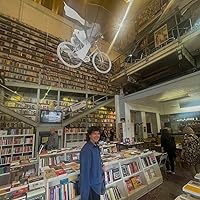
A book for the hot art girls who like to drink coffee and sit in the sun. Preferably those who don’t like men.

August 4, 2024
One gossip session with Eve Babitz could have cured me of all ailments, I am sure of it. What a writer, what a woman.
April 4, 2022
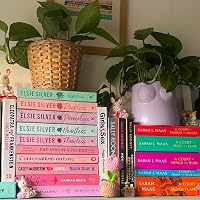
0/5
i gave up on this on page 75. idk if Babitz was on something when she wrote this but I could not deal with the lack of punctuation. there was a concerning absence of full stops (periods), so i have no idea how it got past the editors. it was AWFUL!!!
there was no plot and too many characters to keep track of. it’s a stream of consciousness almost and i hated every minute of it. obviously i didn’t finish it so take this with a pinch of salt but i did read summaries and also the last page.
was so excited to read some of Babitz’s work but idk if i can bring myself to give anything else a go :(
i gave up on this on page 75. idk if Babitz was on something when she wrote this but I could not deal with the lack of punctuation. there was a concerning absence of full stops (periods), so i have no idea how it got past the editors. it was AWFUL!!!
there was no plot and too many characters to keep track of. it’s a stream of consciousness almost and i hated every minute of it. obviously i didn’t finish it so take this with a pinch of salt but i did read summaries and also the last page.
was so excited to read some of Babitz’s work but idk if i can bring myself to give anything else a go :(
Displaying 1 - 30 of 810 reviews