

What do you think?

Le ombre delle idee: Il canto di Circe - Il sigillo dei sigilli
In questo testo vengono raccolti tre importanti saggi in cui l’autore, confrontandosi con tradizioni filosofiche diverse, affronta una serie di temi, in particolare quello della memoria, che ritorneranno, sia pure in forma mutata, nelle sue opere successive. Le ombre delle idee (1582) analizza la memoria dapprima da un punto di vista teorico, soprattutto neoplatonico, per proporre poi delle regole pratiche. Il canto di Circe (1582) affronta lo stesso tema - affiancato a quello della decadenza universale - interessandosi questa volta alle componenti fisiologiche della conoscenza. Il sigillo dei sigilli (1583) studia il valore di alcune immagini-simbolo, utili a fissare i ricordi, fino a modificare la percezione stessa del reale.
553 pages, Kindle Edition
First published January 1, 1582
About the author
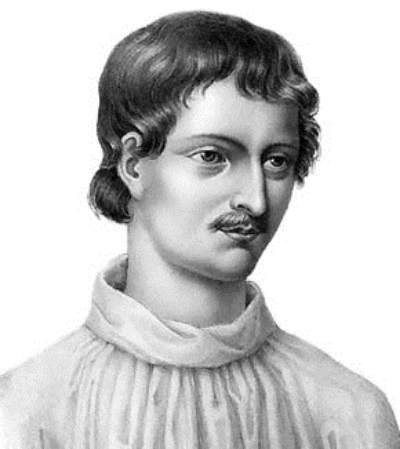
Giordano Bruno
508 books297 followersGiordano Bruno (1548 – February 17, 1600), born Filippo Bruno, was an Italian Dominican friar, philosopher, mathematician and astronomer, who is best known as a proponent of the infinity of the universe. His cosmological theories went beyond the Copernican model in identifying the Sun as just one of an infinite number of independently moving heavenly bodies: he is the first European man to have conceptualized the universe as a continuum where the stars we see at night are identical in nature to the Sun. He was burned at the stake by authorities in 1600 after the Roman Inquisition found him guilty of heresy. After his death he gained considerable fame; in the 19th and early 20th centuries, commentators focusing on his astronomical beliefs regarded him as a martyr for free thought and modern scientific ideas. Recent assessments suggest that his ideas about the universe played a smaller role in his trial than his pantheist beliefs, which differed from the interpretations and scope of God held by Catholicism.[1][2] In addition to his cosmological writings, Bruno also wrote extensive works on the art of memory, a loosely organized group of mnemonic techniques and principles. More recent assessments, beginning with the pioneering work of Frances Yates, suggest that Bruno was deeply influenced by the astronomical facts of the universe inherited from Arab astrology, Neoplatonism and Renaissance Hermeticism.[3] Other recent studies of Bruno have focused on his qualitative approach to mathematics and his application of the spatial paradigms of geometry to language.[4]
Ratings & Reviews
Friends & Following
Create a free account to discover what your friends think of this book!
Community Reviews
Displaying 1 - 16 of 16 reviews

November 4, 2014
I first heard about this book many years ago while reading Frances Yates' The Art of Memory. I was surprised that no one had come out with an English version, and spent a couple of years trying to find someone willing to do a translation. Eventually, if no one else steps forward, you have to try for yourself.
It's great to see so many people reading and enjoying it. Thanks for all the comments and reviews.
It's great to see so many people reading and enjoying it. Thanks for all the comments and reviews.

May 13, 2014
This beautiful book is a chunk of history at your fingertips. Giordano Bruno writes on the art of memory, a loosely organized group of mnemonic techniques and principles often referred to as loci.��
de Umbris Idearum chronicles Bruno's methods of loci as well as other pertinent documentation. Bruno was well known and encountered endless meetings with noblemen, kings as well as the scorn and envy of academics leading to his ultimate death. Skeptics attributed his elaborate system of mnemonics to magical powers. King Henry III summoned Bruno to investigate whether his talent was natural or acquired by magical art. Resulting in his successful meeting with King Henry III, Bruno wrote a series of books, thus de Umbris Idearum being the first authored.
This book is a treasure - it is the first complete English translation in its original form.��
Bruno's influence on later philosophy, especially that of Spinoza and Leibniz, was profound, and he is widely considered a forerunner of modern science. Philosophy and Science admirers will undoubtedly appreciate this masterpiece.
A copy of de Umbris Idearum provided by CreateSpace Independent Publishing Platform
de Umbris Idearum chronicles Bruno's methods of loci as well as other pertinent documentation. Bruno was well known and encountered endless meetings with noblemen, kings as well as the scorn and envy of academics leading to his ultimate death. Skeptics attributed his elaborate system of mnemonics to magical powers. King Henry III summoned Bruno to investigate whether his talent was natural or acquired by magical art. Resulting in his successful meeting with King Henry III, Bruno wrote a series of books, thus de Umbris Idearum being the first authored.
This book is a treasure - it is the first complete English translation in its original form.��
Bruno's influence on later philosophy, especially that of Spinoza and Leibniz, was profound, and he is widely considered a forerunner of modern science. Philosophy and Science admirers will undoubtedly appreciate this masterpiece.

A copy of de Umbris Idearum provided by CreateSpace Independent Publishing Platform

May 11, 2019
Estamos ante el primer mecanismo de la memoria que publicó Bruno, al menos de los que han sobrevivido. No necesita más presentación que la que Frances Yates le da en el imprescindible El arte de la memoria.
En cuanto a la propuesta de esta edición, sólo hay que recalcar dos cosas:
1) Estamos muy poco avanzados en la comprensión del funcionamiento de las artes de la memoria de Bruno, ya que hace 400 años que el último maestro de la memoria murió. Aparte de esto, la mentalidad para abordar este tipo de cosas no puede ser la mentalidad moderna, que tiende a racionalizarlo todo. Quizás no sea tan complicado, quizás lo tenemos todo el rato delante de nuestras narices, quizás es una simple conversión de fe, pero lleva tiempo adaptarse. Lo que parece claro es que los escritos de Yates y los posteriores de Ignacio Gómez de Liaño marcan ya la ruta de viaje necesaria. Es sólo cuestión de tiempo que nos acostumbremos a estas rarezas que no deberían serlo tanto. Eduardo Vinatea, que es el encargado de introducir y anotar esta edición, hace referencias continuas a Liaño. Esto se entiende ya que éste es el único que se ha dedicado en exclusiva, aparte de Yates, a sacar de su ostracismo al Bruno mnemónico. Por tanto, de la mano de Eduardo Vinatea vamos a comprender mejor al Bruno mnemónico.
2) Parece que hay una disputa respecto a lo que es el artefacto mnemónico en cuestión. A primera vista, según Vinatea, nos encontramos ante un mecanismo que ayuda a la memoria de palabras, esto es, para memorizar palabras sueltas o en todo caso pequeñas frases. A parte de esto, Vinatea está a favor, al igual que lo hizo Liaño, de que el artefacto es un talismán mágico que sirve para reordenar la mente y que se eleve a los arquetipos astrales y por ende facilitar una automorfosis de la persona que practica. El éxito de esta empresa se llevaría acabo en base a combinar la rueda con 30 segmentos en que aparecen las imágenes astrales con otras ruedas que representan objetos de la naturaleza y a los inventores de las artes. O sea, una enciclopedia mágica de la historia humana y arquetípica. Si bien Yates, Liaño y ahora Vinatea apoyan esta interpretación, a lo largo de los años han salido detractores de esta teoría. Yo soy de los que piensa que la teoría de Yates-Liaño-Vinatea es bastante válida, y eso es porque yo soy un astrólogo practicante y he visto lo necesario para darme cuenta de que el mundo no se presta siempre a un gélido racionalismo que probablemente ha hecho mucho daño a nuestros queridos académicos, incluso actualmente a los de la casa Warburg, donde una genio como Yates nació. En cualquier caso, todavía es pronto para sacar conclusiones. Se tiene que poner en práctica el mecanismo para ver si la propuesta de Yates es rotundamente válida o sólo parcialmente o es válida o no según cómo se mire.
En cuanto a la propuesta de esta edición, sólo hay que recalcar dos cosas:
1) Estamos muy poco avanzados en la comprensión del funcionamiento de las artes de la memoria de Bruno, ya que hace 400 años que el último maestro de la memoria murió. Aparte de esto, la mentalidad para abordar este tipo de cosas no puede ser la mentalidad moderna, que tiende a racionalizarlo todo. Quizás no sea tan complicado, quizás lo tenemos todo el rato delante de nuestras narices, quizás es una simple conversión de fe, pero lleva tiempo adaptarse. Lo que parece claro es que los escritos de Yates y los posteriores de Ignacio Gómez de Liaño marcan ya la ruta de viaje necesaria. Es sólo cuestión de tiempo que nos acostumbremos a estas rarezas que no deberían serlo tanto. Eduardo Vinatea, que es el encargado de introducir y anotar esta edición, hace referencias continuas a Liaño. Esto se entiende ya que éste es el único que se ha dedicado en exclusiva, aparte de Yates, a sacar de su ostracismo al Bruno mnemónico. Por tanto, de la mano de Eduardo Vinatea vamos a comprender mejor al Bruno mnemónico.
2) Parece que hay una disputa respecto a lo que es el artefacto mnemónico en cuestión. A primera vista, según Vinatea, nos encontramos ante un mecanismo que ayuda a la memoria de palabras, esto es, para memorizar palabras sueltas o en todo caso pequeñas frases. A parte de esto, Vinatea está a favor, al igual que lo hizo Liaño, de que el artefacto es un talismán mágico que sirve para reordenar la mente y que se eleve a los arquetipos astrales y por ende facilitar una automorfosis de la persona que practica. El éxito de esta empresa se llevaría acabo en base a combinar la rueda con 30 segmentos en que aparecen las imágenes astrales con otras ruedas que representan objetos de la naturaleza y a los inventores de las artes. O sea, una enciclopedia mágica de la historia humana y arquetípica. Si bien Yates, Liaño y ahora Vinatea apoyan esta interpretación, a lo largo de los años han salido detractores de esta teoría. Yo soy de los que piensa que la teoría de Yates-Liaño-Vinatea es bastante válida, y eso es porque yo soy un astrólogo practicante y he visto lo necesario para darme cuenta de que el mundo no se presta siempre a un gélido racionalismo que probablemente ha hecho mucho daño a nuestros queridos académicos, incluso actualmente a los de la casa Warburg, donde una genio como Yates nació. En cualquier caso, todavía es pronto para sacar conclusiones. Se tiene que poner en práctica el mecanismo para ver si la propuesta de Yates es rotundamente válida o sólo parcialmente o es válida o no según cómo se mire.

March 11, 2025
De Umbris Idearum (On the Shadows of Ideas) by Giordano Bruno is a complex but fascinating work, which, of course, someone like me—who is not an expert in philosophy—cannot fully comprehend, even though I’ve done my best (with the help of some research and a vague memory of philosophy from my high school days).
The book explores how we gain knowledge, how we perceive the world, and how our minds shape reality. Written in the late 16th century, Bruno introduces the idea of “shadows” as imperfect reflections of higher truths or realities that exist beyond our understanding. This concept is influenced by Neoplatonism, a philosophy that believes the physical world is just a shadow or an imperfect copy of a more perfect, higher reality. According to Neoplatonism, true knowledge comes from understanding this higher world, which is often linked to spiritual or divine truths.
Bruno argues that the mind is not just a passive receiver of information but an active participant in shaping the way we understand the world. He challenges traditional views that knowledge comes solely from our senses, suggesting instead that deeper truths lie beyond what we can physically perceive. His ideas also touch on the nature of the universe, proposing an infinite, non-earth-centered cosmos — a groundbreaking idea that would later influence great thinkers like Spinoza and Leibniz, as well as early scientists like Galileo.
Bruno’s ideas also challenge the religious beliefs of his time, advocating for a more personal and universal understanding of the divine, rather than one confined to traditional religious doctrines. This bold stance eventually led to his execution for heresy.
The book explores how we gain knowledge, how we perceive the world, and how our minds shape reality. Written in the late 16th century, Bruno introduces the idea of “shadows” as imperfect reflections of higher truths or realities that exist beyond our understanding. This concept is influenced by Neoplatonism, a philosophy that believes the physical world is just a shadow or an imperfect copy of a more perfect, higher reality. According to Neoplatonism, true knowledge comes from understanding this higher world, which is often linked to spiritual or divine truths.
Bruno argues that the mind is not just a passive receiver of information but an active participant in shaping the way we understand the world. He challenges traditional views that knowledge comes solely from our senses, suggesting instead that deeper truths lie beyond what we can physically perceive. His ideas also touch on the nature of the universe, proposing an infinite, non-earth-centered cosmos — a groundbreaking idea that would later influence great thinkers like Spinoza and Leibniz, as well as early scientists like Galileo.
Bruno’s ideas also challenge the religious beliefs of his time, advocating for a more personal and universal understanding of the divine, rather than one confined to traditional religious doctrines. This bold stance eventually led to his execution for heresy.

February 26, 2014
" Creemos que el arte subsiste a la sombra de las ideas siempre que, precediéndola, aviva la naturaleza entumecida, la dirige y la guía cuando ésta se desvía y se separa de su camino, le da fuerzas cuando las necesita, la sostiene cuando está exhausta y la endereza cuando se tuerce..."
era... el arte de la memoria.
era... el arte de la memoria.

March 5, 2020
This is a difficult book full of ideas and theories of the early modern period that can be hard to get your head around. However, I am still really glad that I read it. I find reading Bruno's work is incredible especially getting little glimpses of what he was really like as a person and see the radical, intelligent and witty man that he was.

March 1, 2021
This is a must have for any astrotheologist. The book itself I am finding is out of order in the way zodiacal positions have been placed in accordance with the dodecahedrons but it is fun to synchronize it with Manilus Astronomica.

July 15, 2019
Absolutely brilliant book. I'm fascinated by Giordano Bruno. He is what encompasses the meaning of being a human who seeks knowledge for its own sake.
February 28, 2024
Un mondo ordinato, ma allo stesso tempo offuscato, un'uniformità da combattere e una verietà da proteggere. Riflettendo sul fatto che la memoria venisse utilizzata precedentemente per ostentare il sapere, adesso , con Giordano Bruno, è sorprendente notare come sia imprescindibile per accedere al luminoso ideale di conoscenza.
Inoltre, di numerose dottrine filosofiche Giordano Bruno è a conoscenza (prima di tutte il neoplatonismo), dal momento che sono citate spesso per avvalorare e spiegare il metodo conoscitivo proposto.
Consigliato in particolar modo ai nerd di questi argomenti
Inoltre, di numerose dottrine filosofiche Giordano Bruno è a conoscenza (prima di tutte il neoplatonismo), dal momento che sono citate spesso per avvalorare e spiegare il metodo conoscitivo proposto.
Consigliato in particolar modo ai nerd di questi argomenti
September 4, 2021
This was fascinating, but I'm a bit baffled as to how to use his ideas. I can tell by how he wrote that this was a practical system that he used on a day to day basis, but I have no idea how a modern person would use these ideas without training from a person who was experienced in this system.

May 15, 2022
More of a grimoire than an actual book
Good for memorizing the complexity of the cosmological universe but reads like a grimoire, an occult tome of undisclosed knowledge
Good for memorizing the complexity of the cosmological universe but reads like a grimoire, an occult tome of undisclosed knowledge
March 14, 2023
extremely esoteric and hard to read. but if you already know about memory techniques this is very good

April 16, 2024
The subject matter is something that is very interesting to me. The translation, however, is so bad that I feel like I'm having a mild stroke every time I try to read this book.

December 7, 2013
In the distant past Giordano Bruno penned in Latin "De Umbris Idearum & Ars Memoriae” (On The Shadows of Ideas & The Art of Memory), a complete dissertation on the philosophy of our memories and how to better memorize items. Translator, Scott Gosnell, has given us an excellent modern day translation of this 16th century text. The life of Bruno could be an entire volume, but Gosnell has provided an appropriately brief introduction to the lasting effects the life of Giordano Bruno, and the importance of this text, has had on the past 500 years of history without being overwhelming.
Bruno presented and formalized the idea of using a sequence of visualizations, such as mentally walking through a room, and using the mental visualizations to help in the recall of information. Bruno’s command of this ability ultimately led to his persecution and execution, but the implications of this practice are so far reaching that the reader is most likely already familiar with the basics of the ideas presented in the second half of the book, The Art of Memory. The ideas in this text are as valuable today as they were centuries before.
This modern day translation reads like old Latin at times and the thought process behind the text is from a dedicated academic. This is no tome of light reading – it is on the same level as higher level text books and pulls no punches when assuming the capabilities of the reader. It is not completely esoteric though and should be accessible to most capable readers. While this is a translation, it is obvious Scott Gosnell has kept true to the feel and rhythm of the original text without venturing into undue creative license.
This is must read for any intellectual, but it is likewise a must read for anyone interested in improving their memory and ability of informational recall.
Disclaimer: This book was a free copy from the author and reviewed in Kindle format.
Bruno presented and formalized the idea of using a sequence of visualizations, such as mentally walking through a room, and using the mental visualizations to help in the recall of information. Bruno’s command of this ability ultimately led to his persecution and execution, but the implications of this practice are so far reaching that the reader is most likely already familiar with the basics of the ideas presented in the second half of the book, The Art of Memory. The ideas in this text are as valuable today as they were centuries before.
This modern day translation reads like old Latin at times and the thought process behind the text is from a dedicated academic. This is no tome of light reading – it is on the same level as higher level text books and pulls no punches when assuming the capabilities of the reader. It is not completely esoteric though and should be accessible to most capable readers. While this is a translation, it is obvious Scott Gosnell has kept true to the feel and rhythm of the original text without venturing into undue creative license.
This is must read for any intellectual, but it is likewise a must read for anyone interested in improving their memory and ability of informational recall.
Disclaimer: This book was a free copy from the author and reviewed in Kindle format.

April 3, 2019
I can't really say much about the context of this book. It was dense by the standard of Bruno's time and these days it can't simply be read - it requires acquiring a good deal of knowledge about the context it was written in and the text can only be digested one little bit at a time. It's a book for studying and it might require years to process its messages properly.
What I wanted to comment on is the translation. I love John Michael Greer for the lucidity of his writing style coupled with meticulousness of approach. The parts of 'On the Shadow of the Ideas', that I was able to understand in the first brief look through, were made almost easy by the translation. The book is sprinkled with footnotes for the places where Bruno's vocabulary gets particularly outlandish and there are plenty of hints on what other sources could be studied to make the text more understandable. What makes this edition particularly interesting is the closing chapter by the translator on how to put Bruno's ideas to use in this day and age. And this way, for those of us who are going to put time into doing the exercises, it makes it possible to reflect 'On the Shadow of Ideas' through the first hand experience. That alone deserves at least 6 stars!
What I wanted to comment on is the translation. I love John Michael Greer for the lucidity of his writing style coupled with meticulousness of approach. The parts of 'On the Shadow of the Ideas', that I was able to understand in the first brief look through, were made almost easy by the translation. The book is sprinkled with footnotes for the places where Bruno's vocabulary gets particularly outlandish and there are plenty of hints on what other sources could be studied to make the text more understandable. What makes this edition particularly interesting is the closing chapter by the translator on how to put Bruno's ideas to use in this day and age. And this way, for those of us who are going to put time into doing the exercises, it makes it possible to reflect 'On the Shadow of Ideas' through the first hand experience. That alone deserves at least 6 stars!

May 7, 2016
Fascinating piece on why the shadows contain basic elements, yet at the same time the deepest "truths".
Displaying 1 - 16 of 16 reviews