‘Neither the old man nor Boga ever said more than was needed. And yet they understood each other perfectly.’ Over the course of a season, Boga and the old man work side by side on the sandbanks of the Paraná Delta, cutting reeds to sell to local basketweavers. But when the old man falls sick and dies, Boga abandons himself entirely to the river and the life of solitary drifting he has long yearned for. Echoes of John Berger sound throughout the evocative prose of this great Argentinan writer. A twentieth-century classic, Southeaster is a central work in Haroldo Conti’s oeuvre.
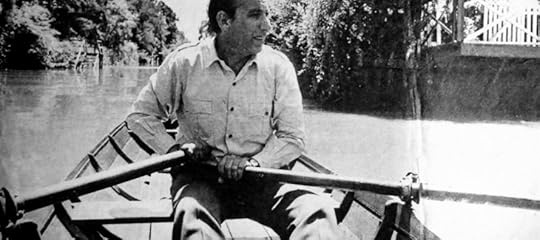
Haroldo Pedro Conti (Chacabuco, 25 de mayo de 1925 - secuestrado y desaparecido en Buenos Aires el 5 de mayo de 1976) fue un escritor y docente argentino, considerado uno de los más destacados de la generación del sesenta, junto con Rodolfo Walsh, Antonio Di Benedetto, Héctor Tizón y Juan José Saer. En 1975 fue galardonado con el Premio Casa de las Américas por su novela Mascaró el cazador americano.
Conti became a secondary-school teacher of Latin, but his passion was for writing, especially for the cinema, and considered putting aside fiction for this at one stage; South-East was first conceived as a cinematic script, and film directors have brought other of his literary work to the screen, taking advantage of its preference for visual strength in the narrative.
Each of Conti’s four novels was awarded a literary prize, culminating in the prestigious Casa de las Américas prize for his last novel, Mascaró, el cazador americano [Mascaró, the American Hunter] (1975). To date, only South-East appears in English translation. Conti also wrote short stories.
Politics forces its way into the story of Conti’s life, but his political instinct was an expression of his interest in ordinary folk: to men as individuals, not to man in the abstract. Conti’s interest in the lives of others wasn’t merely intellectual: he became a keen fisherman, and decided to build a boat; he spent a lot of time with an otter-hunter at one point – and all of this investigation went into his writing, of which South-East was the first important published expression.
Political repression in Argentina intensified following the military coup of March 1976, and Conti was warned by someone with links to the military that his life was in danger. But he decided against exile, and offered his home in the capital as a place of refuge for others under threat of kidnap and murder. Until he was taken from the streets in the early hours of May 5 1976, and is since then listed amongst the many thousands of the "disappeared".
Sudeste è il racconto della vita del Boga, di qualche manciata di stagioni della sua vita di ragazzo attraversando a remi il Paranà e il suo delta, Argentina, appena a nord-est di Buenos Aires.
Il grande fiume è il protagonista, la scrittura di Conti ce lo rende vivo, ne annusiamo gli odori, ne vediamo i colori (cielo, albe, tramonti, pesci), lo assaporiamo (il pesce), percepiamo i suoni (di altre barche, degli aerei che lo sorvolano, del vento, degli uccelli, delle sirene), sentiamo gli elementi (il vento che spira da Sud-este, il fango delle paludi, i mille rivoli delle acque, il fruscio dei canneti, la nebbia), facciamo conoscenza con la sua fauna - in primis le diverse specie di pesci, fonte primaria di lavoro e sostentamento della popolazione del fiume, ma anche creature mitiche da cacciare (il “dorado”). È lo spettacolo della natura, a cui tornare, in cui rifugiarsi. Quasi compenetrarsi.
“L’acqua stava coprendo la terra. Poteva sentirla. E se ne stava disteso in quel capanno, in mezzo a una spopolata immensità. In un certo senso, era come stare sdraiati su una zattera che andava alla deriva. Questa sensazione gli dava una soddisfazione unica. Si sentiva respirare e muoversi leggermente fra i mille movimenti e crepitii dei suoi vestiti umidi, duri e sudici; si odorava e si sentiva in cento modi diversi, in tutta l’estensione del suo corpo. L’intero suo essere pesava su di lui come qualcosa di latente, caldo e molto solitario. Era lui, in quel momento, il centro di quel mondo annegato nelle acque. Un sopravvissuto. Il silenzio, la notte, le acque tracimate, la solitudine di quel fiume simile al mare, venivano a morire intorno a lui. Non l’idea, ma il sentimento di tutto ciò gli provocava una strana allegria e una rara sensazione di sicurezza. Non era obbligato ad andare da nessuna parte. Adesso tutto convergeva su di lui.”
E poi Sudeste è il racconto degli uomini del fiume - ed anche dei loro cani - che il Boga incontra nel suo viaggio lungo il fiume. Quello con il Viejo, con cui condividerà la raccolta ed il commercio dei giunchi, occupa la prima parte del libro ed è il più riuscito e toccante. La seconda parte è invece incentrata sulla banda di outsider che si raccoglieranno attorno al Boga e le loro fatali scorribande.
“La gente di questo fiume somiglia in tutto e per tutto all’uomo che sta osservando le acque con i suoi occhi da pesce moribondo, sospesi sulle acque come due lenti sospese nell’aria. Per questo gli uomini del fiume ancora sopravvivono. Per questo sembrano tanto vecchi, distanti, e solitari. Non è che amino il fiume, ma non possono vivere senza. Sono lenti e instancabili come il fiume. Soprattutto, sono indifferenti come il fiume. Sembra che capiscano di appartenere a un tutto inesorabile che avanza sotto l’impulso di una determinata fatalità. E non si ribellano affatto. Neanche quando il fiume distrugge le loro capanne, le loro barche, e perfino loro stessi. Anche per questo sembrano cattivi.” ________________________________
Sudeste è un libro in cui è trasfusa l’esperienza personale di Conti, originario dell’interno dell’Argentina, successivamente trasferitosi nella capitale, e grande frequentatore del delta, dove aveva la sua seconda casa (oggi museo) e navigava come il Boga.
Haroldo Conti, tra i migliori scrittori argentini, è un desaparecido della dittatura argentina (1976-1983). Scomparve una sera d’estate. Al ritorno a casa dal cinema con la sua compagna - videro Il Padrino II - lo attendevano gli sgherri di Videla. Brutalmente interrogato e pestato seduta stante, gli fu concesso l’ultimo bacio all’amata Marta, dopodiché di lui non si seppe più nulla. Borges e Sabato incontrarono Videla nell’immediatezza del sequestro chiedendone la liberazione. Verosimilmente condivise il triste destino di tanti intellettuali, artisti, dissidenti, studenti e giovani argentini, di coloro che non hanno avuto la possibilità o volontà di fuggire all’estero (Cortazar, Mercedes Sosa ad esempio): torture nei centri di detenzione fino al giorno del “volo”, la “soluzione finale” latinoamericana che prevedeva di narcotizzare il soggetto, caricarlo su un aereo, aprire il portellone sull’oceano Atlantico, scaricare. Gabriel Garcia Marquez (La última y mala noticia sobre Haroldo Conti, El Pais, 21 aprile 1981, si trova in rete) ci ha raccontato le ultime ore di Conti prima della scomparsa e ne ha annunciato la (probabile) morte.
Leggere Sudeste è un omaggio alla memoria di Haroldo Conti e alla bellezza che ha saputo creare con le parole. Leggere Sudeste è un atto di resistenza e opposizione ai tanti dittatori e torturatori che ancora infestano il mondo, uomini immondi, damnatio memoriae. Leggere Sudeste è solidarietà per tutti coloro che sono torturati o imprigionati o altrimenti limitati per le loro pacifiche idee.
Sudeste è la storia del Boga, tagliatore di giunchi sul delta del Paranà che alla morte del vecchio che lavorava con lui decide di abbandonare la capanna nella quale vive ed inizia a vagabondare sul grande fiume, mosso dall'"ansia che spinge l'uomo verso l'orizzonte". Un viaggio senza uno scopo preciso, per sopravvivere ma soprattutto perché il legame con quel corso d'acqua è una catena che il Boga non sa e non vuole sciogliere. Un viaggio che non prevede nessun punto di arrivo perché alla foce del Paranà "le distanze si dilatano e il traguardo si allontana insieme a te". Come un Suttree ante litteram, l'uomo scivola lentamente dentro al suo destino. Quello del Boga è un modo consapevole di andare alla deriva, sentendosi parte del fiume e indifferente a tutto il resto. "Il fiume è splendido e l'uomo se ne sente misteriosamente attratto. Questo è tutto ciò che può dire". Un girovagare da un posto all'altro con la prua diretta verso nord, lottando con il vento di Sudeste che sferza il corpo ed i pensieri. Vivere nella pancia del fiume come unica aspirazione, sentirsi accolto da quella Natura, farne parte lasciando che le cose vadano come devono andare. In Sudeste ci sono Boga, il fiume e il vento. E poi ci sono gli altri: figure di contorno, abbozzi di un'umanità che Conti tratteggia con contorni volutamente sfumati, persone senza passato e dal futuro quantomeno incerto. Il Bastos, Il Colorado Chico, il Lungo… ma soprattutto un omino "che sembra il Cabecita" con il suo cane Capi e un paio di brutti ceffi, uno senza nome e l'altro chiamato "Chino" ma conosciuto anche come "la Bionda", due delinquenti che con le loro malefatte cambieranno il corso della vita del Boga che si lascerà cadere dentro alla situazione senza far nulla per tirarsene fuori. "Era come uno spettatore. Vedeva trafficare se stesso e gli altri come da una distanza incredibile e affaticante. L'aveva trascinato il fiume. L'estate. Un giorno o l'altro sarebbe finito tutto. Con un piccolo sforzo avrebbe potuto tirarsene fuori. Ma non era capace di fare uno sforzo, piccolo o grande. In qualche modo le cose si erano ingarbugliate e lui era rimasto lì."
Sudeste è un libro lento come il corso del fiume che descrive, un libro di silenzi, pensieri, descrizioni e pochi dialoghi. Un grande romanzo sul legame tra l'uomo e la natura, legame che Conti è ben attento a dipingere in maniera tutt'altro che idilliaca. Il Boga 'appartiene' alla natura, ed in nome di questa appartenenza accetta fatiche e sofferenze in cambio di quei pochi istanti di felicità che nascono dal sentirsi in armonia con il fiume ("A partire da quel momento, sulla spiaggia deserta, cucinando i pesci, poteva considerarsi un vagabondo. Non fu proprio questo ciò che pensò, ma improvvisamente si sentì invadere da una strana serenità, una placidità mai provata, e qualcosa di simile a una sorridente allegria. Finalmente si trovava nella situazione che aveva sempre desiderato."
Ogni stagione ha il suo fascino, ogni stagione ha i suoi pesci
La scrittura di Conti è sensoriale. I personaggi sono silenti, muti - nel senso umano del termine - ma dialogano costantemente con la natura che racchiude i suoni e gli odori del creato. Le isole prendono vita, il fiume prende vita. E sarà il fiume ad attrarre il Boga grazie a quel vento titolo dell'opera. Il richiamo dell'inquietudine smuove il rappresentante di un popolo semplice (ma in realtà vessato). Sono rimasto disorientato dalla lettura. In questo oggi così frenetico, anche i libri si ancorano alla modernità dei nuovi input. Ritrovarmi, assieme al Boga, in una distesa di acqua e legna, con pochi dialoghi e artifici consolidati per avvinghiare l'attenzione del lettore, mi ha costretto ad ascoltare il ritmo delle stagioni. leggere "Sudest" è stata una scoperta. Non per il Boga, che parla la lingua della natura e si armonizza all'incedere degli eventi naturali.
"In realtà, se mai fosse stato possibile, avrebbe voluto afferrarlo nel cuore del fiume, quando è al massimo delle sue risorse e non quando è stanco, proprio nel momento in cui il dorado non è che un barbaglio giallo, un guizzo d’oro nell’acqua oscura, un brillare furtivo. Ma non era possibile, naturalmente. In fondo, forse avrebbe voluto fondersi con il pesce, essere pesce in qualche modo."
"Dapprincipio se la prese col fiume. Si domandò come avrebbe potuto uscirne vivo. Poi non pensò più a niente. Il vento che gli girava intorno alla testa e il ronzio di mille diavoli, come un denso assedio di vespe, lo stordivano. Sentiva soltanto il vento. Quello e il suo corpo, teso e inzuppato, con i piedi in acqua e le mani afferrate, o legate, ai remi che sembravano muoversi da soli, al ritmo di quel rumore. E intanto andava su e giù. Una volta vide una luce. Non riuscì a calcolare la distanza, ma non poteva essere una luce del canale. Tutto questo finì per apparirgli la cosa più strana che avesse mai visto, così immerso nell’ombra: in certi momenti era soffocato da una sensazione ubriacante, e in certi altri nemmeno sapeva dov’era e cosa stava facendo. Finché la corrente lo gettò su una spiaggia. Si era affidato al fiume. E non c’è cosa che faccia infuriare il fiume più di questa."
Nulla potrà contro l'imprevedibilità dell'uomo che, in fondo, non conosce mai appieno neanche se stesso.
Sudeste es una novela cuyo protagonista es un río. No un tempestuoso río de montaña, sino la húmeda mansedumbre del río Paraná y su laberíntico delta, solo alterado por su reflujo y desborde cuando sopla el viento del sudeste. Así, los protagonistas viven el día, y van conformando un grupo al que sólo une la coincidencia en el tiempo y el espacio, como los amigos de la infancia. Una historia de las orillas; Borges llamaba "orilleros" a los marginales. Y toda esta deriva incluye la caminata por los márgenes urbanos del río, zona franca creada para albergar lo que la ley y las costumbres no permiten.
Me encantó. Empecé a leerlo sin saber nada sobre el libro, porque mi edición no tiene ningún tipo de prólogo o sinopsis, y ni siquiera se por qué lo tengo en mi biblioteca (nunca lo compré, apareció solo). En fin, me sorprendió totalmente. Una vida bastante tranquila dentro de todo, una historia que se toma su tiempo, muy descriptiva de todo lo que pasa alrededor. Me pude imaginar cada cosa y sentirme parte del lugar. Este tipo de libros son de mis favoritos. No hizo falta hacer grandes revueltos o líos, ni apresurar o exagerar nada, para hacer una gran historia.
Un relato de personajes improbables con una forma de contar cercana y maravillosa. El río y el delta como protagonistas en una historia donde se existe en la naturaleza y bajo sus designios. La cadencia serena y tristona atrapa. Postales de un rincón de Argentina que ya no existe. Todo eso y más es éste libro.
Fiumi che sembrano mari, fitti canneti, pesci smisurati, imbarcazioni di fortuna, tanta solitudine, qualche traffico losco, la vita che scorre senza orologi né calendari, finché ci si arrende alla morte o per una indefinibile malattia o per l’esito infausto di un’avventura bislacca in cui ci si ritrova avviluppati come in una lenza aggrovigliata: non succede quasi niente in questo libro, in cui gli uomini sono pochissimi e pochissimo importanti. Che ci siano oppure no, meno di un’unità per chilometro quadrato, non cambia il corso delle cose. Il vento soffia quando vuole soffiare, le canne tagliate ricrescono ancora più rigogliose, i pesci nuovamente si moltiplicano in questo ombelico del mondo lento, lentissimo, inesorabile. C’è chi vi ha ravvisato tanta poesia, magari alla lunga un tantino noiosa; per me è l’esplosione della consapevolezza dell’insignificanza del singolo nell’economia della natura.
Una edición crítica de la hoy célebre novela argentina, que probablemente sea la mejor disponible a punta de los diversos ensayos, cronologías y complementos varios. Magnífico estudio para tan señera novela, que naveha entre estilos literarios a la manera de su protagonista en las aguas del Paraná.
Sudeste es el libro perfecto para entender la complejidad del río: es nostálgico, alegre y, por momentos, aburrido, pero te mantiene constantemente en vilo y te invita a seguir leyéndolo.
En esta obra maestra está la simpleza del hombre al que la vida le pasa por al lado, mientras busca algo en la soledad. Está Heráclito, está el capitán Ahab, está Robinson Crusoe.
Podría ser esta, una historia contada en primera persona por el delta, que es el verdadero protagonista de esta novela. Una novela sobre la soledad, sobre la paciencia, sobre el rio, sobre la nada.
Gran libro. Retrata perfectamente la vida de una persona que abandona todo para vivir nuevas experiencias, guiado —en parte— por lo que él cree que es un sueño. Pero, como todo, cuando se vuelve rutina, pierde el encanto. Me gusta cómo avanza la historia y las distintas etapas que atraviesa el protagonista hasta llegar a lo que, para mí, fue un final sublime. Todo el libro es él dejándose llevar por la corriente, como si fuera uno mismo con el río que recorre.
Una novela de atmósfera densa y lenguaje cuidado que propone un viaje hacia lo esencial, lo salvaje y lo primitivo. Sudeste despliega el río como espacio simbólico, donde el protagonista se disuelve en la naturaleza y en una forma de existencia marginal. Aunque la prosa de Conti es poética y poderosa, la experiencia puede sentirse distante, repetitiva o poco envolvente en ciertos tramos. Una lectura que deja huella por su propuesta estética, pero que no logra conmover del todo en esta lectura.
primer libro de Haroldo Conti, y el primero que leo de él. Bueno, me gustó leer un libro donde el protagonista fuera el río. Perono terminé de engancharme. quizás me faltó a mi como lectora poner algo más de mi
Una valutazione complicata. Un libro complicato per una storia dura e semplice, figlia di un altro mondo. Sensoriale ma a volte impenetrabile, con il ritmo lento del fiume che ristagna sulle rive.
I'm really sorry but I just find this book so incredibly boring. This is a book for men who dream of fishing everyday and leaving society behind. Feels pretty similar to Hemingway and I just cannot
Neither the old man nor Boga said more than was needed. And yet they understood each other perfectly. At dawn, they walked into this green and humming solitude that swayed with every gust of wind. Each one made his own path, stepping through the water. At times it reached their thighs, but they didn’t seem to notice. Beyond the wall of green, out towards the open sea, they heard the water murmur as it rolled tirelessly across the sandbank. The distant, sorry screaming of a limpkin. The suffocated din of a motor launch, still further off. (p12)
Southeaster is a curious, embracing and languid read. The story is set in the Paraná Delta just north of Buenos Aires, Argentina, and follows a man, Boga, who lives his life on the river. After his boss and companion ‘the old man’ dies, Boga leaves his work of cutting reeds and ventures forth into the Argentine Delta.
The wonder of this book is its atmosphere: while at times verging on the sentimental, the water and the sky and the landscape around Boga fill its pages. Boga remains humbled but not belittled by these giants and while author Haroldo Conti makes it clear that the masters of destiny are the elements, it is Boga’s human response to them that is where Conti’s real interest lies: when the river turns grey and Boga no longer cares what he catches, and no longer nurtures the boats he so tenderly stewards, we feel his spirits sink. Later, as he settles back into his much-longed for solitude he is noticeably satisfied and calmed by the water and sky around him.
The natural elements are big characters in this book. At the beginning of the story we are told of the sun setting:
‘this brilliant little point drew a longer line, before it sank back in the darkness and left there behind it just the briefest reddish wake’ (p52).
The reflected ‘reddish wake’ glinting on the water allows Boga – and us the reader – time to contemplate his situation, relative to the encroaching darkness around him.
Later, as the sun rises, Boga ‘saw the water in the fullness of its reach, he thought the sea had halted and turned into something solid, a sea of sand that puckered into millions of points’ (p123).
This time it is light that fills the space, with the impression that the sun achieves something just short of miraculous as it heralds the new day.
While there is a lot of this description, it isn’t tiring. Conti’s pace echoes that of a current, sweeping us along with enough stop offs and interruptions to provide human, filmic plot diversions (Conti worked on film projects with the Gente de Cine prior to writing his novels, and his attention to images, forms, colours, sounds and ‘cut’ and ‘edited’ narrative has been observed by critics).
The language and form of this book keeps us travelling along with Boga: long sentences of heavy punctuation mimic the meandering river, its repetitive currents and bend after bend of water upon water. Short words, or what Jon Lindsay Miles refers to as the "flexible bricks” of Conti's sentences in his wonderful translator's note, and a heavily rhythmic style pull you into the daily lapping reality of Boga’s existence. As the river turns cold and harsh, Conti’s sentences turn staccato:
'July was long and cruel. July killed off all hopes. A sullen irritation gripped them. The river and the sky were one, a grey and muddy wall.’ (p148)
Conti’s description of the elements is enveloping, ever changing and – through Boga – human, and there is a sense that Jon Lindsay Miles translates exactly what Conti's language was trying to do: it takes you to the river to meander along its surface, curious and on edge, but ultimately a little in awe.
El libro es un conjunto de artes visuales y sonoras. De forma muy genial y original, Haroldo Conti escribe en su primera novela Sudeste de tal manera que cada letra impresa parece un píxel, una parte de un cuadro o imagen que se desarrolla a medida que avanza la historia. En realidad, se trata más bien de una secuencia ampliada en vez de una historia, pero que muestra que la vida y la muerte forman parte de una imagen más amplia, cíclica y cada una de ellas es un pequeño píxel en el esquema más grande, sin finales que encontrar. No importa si todos los personajes humanos aparecen, el río y sus corrientes, las islas, el sedimento y los juncos y camalotes no dejarán de aparecer, interactuar, marchitarse e influir en cada ser del Delta. Así es el libro, la persona que lo lea no podrá evitar las crecidas, las calmas, los remolinos, las corrientes, y cada bicho acuático que las aguas dejen acercarse, todo esto es lo que esta novela ofrece al lector.
I feel like I should justify why I gave this one star. I would have enjoyed reading this novel more if I wasn't being forced to read it in such a short amount of time for my degree. It wouldn't have been a book which I would have bought myself, although I've heard it was a best seller. I feel like most of the book was repetitive, and even when I was 150 pages in, I still wasn't sure on where the plot was going or if there was a solid plot. I'm sire others would love to read this novel, but it really wasn't my kind of genre. I maybe didn't get into it because I couldn't find a character in which I could relate to as they were old men.
The wonderful thing about reading is to be able to vicariously experience other places, other times. This book did this for me.
Written in Spanish, this is a translation of the Argentinian author Haroldo Conti, the setting - the rivers of the Parana Delta.
Boga abandons himself to travelling on the river, the book is his meanderings and thoughts as he drifts through the delta. The prose is beautiful, and probably even more so in the original spanish.
This is an account of marginalized people who live on their wits and exist in a lawless and subsistence society in 1940s Argentina. The descriptions of the delta and river are beautifully written.