

What do you think?
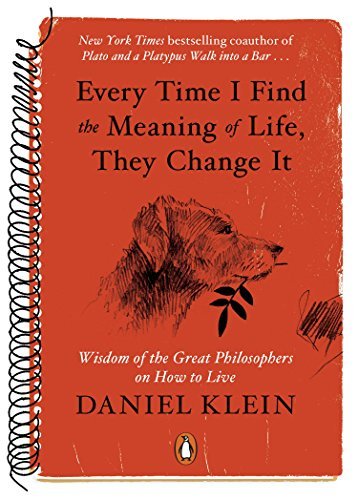
Every Time I Find the Meaning of Life, They Change It: Wisdom of the Great Philosophers on How to Live
A humorous and philosophical trip through life, from the New York Times–bestselling coauthor of Plato and a Platypus Walk into a Bar . . . Daniel Klein’s fans have fallen in love with the warm, humorous, and thoughtful way he shows how philosophy resonates in everyday life. Readers of his popular books Plato and a Platypus Walk into a Bar . . . and Travels with Epicurus come for enlightenment and stay for the entertainment.As a young college student studying philosophy, Klein filled a notebook with short quotes from the world’s greatest thinkers, hoping to find some guidance on how to live the best life he could. Now, from the vantage point of his eighth decade, Klein revisits the wisdom he relished in his youth with this collection of philosophical gems, adding new ones that strike a chord with him at the end of his life. From Epicurus to Emerson and Camus to the theologian Reinhold Niebuhr—whose words provided the title of this book—each pithy extract is annotated with Klein’s inimitable charm and insights. In these pages, our favorite jokester–philosopher tackles life’s biggest questions, leaving us chuckling and enlightened.
211 pages, Kindle Edition
First published January 1, 2015
About the author
Daniel Klein
106 books247 followersDaniel Klein is the co-author of the international bestseller Plato and a Platypus Walk into a Bar. He is a Harvard graduate in philosophy and an acclaimed writer of both fiction and nonfiction. When not enjoying the slow life on Greek islands, he lives in Massachusetts with his wife. He is seventy-five years old.
Ratings & Reviews
Friends & Following
Create a free account to discover what your friends think of this book!
Community Reviews
Displaying 1 - 30 of 736 reviews

November 25, 2019
Me: How I should live my life?
Epicurus: Just be happy with what you have instead of ruining it by desiring what you don’t. Just remember, what you have today was something you used to desire.
Aristippus: I second you Epicurus. I would add that we’d be better off if we only indulge in bodily pleasures and completely sidestepping morality. Hedonism is the way to go.
David Pearce: Very well said Aristippus. In fact, we should strive to eliminate pain from and implant happiness in human mind with the help of genetic engineering. Not just hedonism, but high-tech hedonism! Pleasure is all we live for.
Arthur Schopenhauer: Before deciding what we live for, we should decide what life really is. Sure, happiness is life’s ultimate goal, but we can’t get there. All we do is keep oscillating between boredom and pain.
Albert Camus: Good point Arthur. Meaning of life is the first (and hardest) question of philosophy. Everything is secondary. Until we find the meaning of life, we are unable to find the meaning of anything associated with life. The worst part? We don’t know if life has any meaning. Meaning of life is something to create, not to look for.
William James: Just an auxiliary point Camus. Before we can talk about the meaning of life itself, or the exploration of it, or creation of it, we should first ask whether we have the free will to do it. I believe we do. Because although it is hard to prove the existence of free will, the moment we choose something, it means we are acting on free will.
Jean-Paul Sartre: Well, whatever William. Coming back to Camus’ point, I must say that existence precedes essence. In order for us to talk about our essence or meaning, we first have to exist. Unlike objects of the world, which have predefined objectives, humans do not. There is no way to prove that we have predefined objectives. Objectives are something we should define for ourselves. The moment we believe that we are working on premeditated plans, we reduce ourselves to worldly objects like toasters and knives.
Friedrich Nietzsche: I think we can agree that essence follows existence, but the question remains: how should we live? I’d say that the best way to live is to live dangerously. Why live an ordinary life when we can live extraordinarily? True act of free will is to break all chains of predetermined moralities, dogmas and beliefs, and to deny every authority who give us not only rules, but also false comforts.
Giacomo Leopardi: What’s point in all that? We can’t learn how to live until the reason for living is taken from us. We cannot truly please ourselves until we become incapable of vivid pleasure. I’d say Schopenhauer is right. Happiness is unattainable. Once we realize that we’ll meet with disappointment every time, we can live freely. Free from the burden to attain happiness. Just live in the present, do whatever you want to for temporary pleasures and die. That’s it.
Jean-Paul Sartre: I think you’re right Giacomo. Look at this world. Nothing changes, days turn into nights and nights into days. People come and go. It’s all monotonous. It’s all meaningless.
David Hume: Who cares what we think or feel? Our lives are no more important than that of an oyster.
Gorgias of Leontini: Screw it all man! Nothing is important; nothing exists; it’s all meaningless.
Samuel Beckett: Yet, we always find something to live for, some impression to make us believe that we exist. We are magicians!
Aldous Huxley: By the way, come to think of it, Absurd is not a metaphysical problem. In fact, it is not a problem at all. It is liberation. When you come to believe that life’s meaning can’t be found, every choice is as good as the other. Do whatever you want to.
John Barth: Speaking of choices, don’t you ever wonder how difficult it is to make a choice. Every choice seems inferior when it’s compared with the aggregate desirability of all the rest!
Bertrand Russell: Well, before this discourse turns into utter pessimism, allow me to change course. I’d say that bodily pleasures is not the only thing to live for. Pleasure of mind, of intellect are as important as bodily pleasures if not more. I find extreme pleasures in trying to solve the riddles of philosophy even if I know I won’t be able to actually solve them.
Ralph Waldo Emerson: Ah! Some optimism at least. Talking of pleasure, I find immense pleasure in the companionship of old friends.
Paul Tillich: But being alone has its merits too. You can enjoy your own company. Don’t call it loneliness, for loneliness is the pain of being alone. Call it solitude, for it is the pleasure of being alone.
Me: This is all so confusing. What about morality? I mean, how about thinking of life as nothing but making moral choices all the time?
John Stuart Mill: The Golden Rule “to do as you would be done by” is nothing but a utilitarian concept. If everyone follow the Golden Rule, it will promote the greatest good for greatest number of people.
Peter Singer: These are just empty words unless one transforms them into actions. There is no point in pondering about the state of the world if you can’t do anything to improve it.
Niccolo Machiavelli: “Doing good” is overrated. A man who strives after goodness in all his acts is sure to come to ruin, since there are so many men who are not good.
Joshua Greene: Before talking about good and bad, and about how people ought to behave, we first need to determine how people usually do behave when making moral decisions. Like physical characteristics, psychological also evolved on the basis of survival of the fittest. And perhaps altruism also evolved as the survival characteristic for our species. For survival reason, we have evolved to look after our own, and to fear and fight the others. But in today’s world we cannot fight with other tribes, because we encounter others in almost every walk of life. Therefore, what we usually do is to apply instinctive moral reasoning while dealing with our own, and apply careful thinking when dealing with others. This is how it is. This is how we are. Therefore, Mr. Singer’s argument that we should give our money for foreign aid, though sounds wonderful, is counterintuitive.
Me: Shouldn’t I seek religion’s help to understand the meaning of life?
Sam Harris: Religion is bad. It brought so many sufferings.
Daniel Klein: well, so did nationalism, racism and political ideologies. All of these work on law of non-contradiction: my view is correct, so yours cannot be.
Reinhold Niebuhr: We can’t contemplate transcendence, because we remain stuck with a finite mind.
A. J. Ayer: My venture into logical positivism shows me that no every philosophical problem can be solved by logic, only the empirical propositions about existence, properties, movements of things etc. Logic cannot solve ethical, aesthetical or metaphysical propositions (including questions about God). Therefore, saying something is “bad”, or saying “life is meaningful” cannot be verified by logic. They simply portray what the speaker is feeling.
Ludwig Wittgenstein: We all know that time is infinite. But what does it really mean? To me, the infinite temporal duration of time means timelessness. When time becomes immeasurable, it ceases to exist. There only remains now; an infinite steam of now. Just live in now. Embrace it and do something worthy in it.
Viktor Frankl: “Live as if you were living a second time, and as though you had acted wrongly the first time”. Despite bad experiences and events you can’t control, find a meaning to live your life. This freedom to choose the meaning of life is something that nobody can take away from you.
Adam Phillips: Modern man is so preoccupied with the lives he has not lived that he misses out on appreciating the one life he actually has. Why live like you’re living for the second time? Why not living as though you are living for the first time?
Reinhold Niebuhr: Why can’t man rid himself of sin if he has the radical freedom to create himself and his values? This is because we have a finite mind that can never comprehensively understand transcendent values. We possess the ability to ponder our morality and the meaning of life, but we are unable to really see the big picture. We just don’t have the equipment for it.
Me: My head is spinning! This is all so confusing. One simple question, so many answers. Can somebody please sum it up?
Reinhold Niebuhr: You are confused because you can’t see the big picture. You see, we possess the ability to ponder about the meaning of life but what we do not possess is the equipment to solve the mystery.
Daniel Klein: Forget it all mate. Existential hedonism. That’s the way to live. Everything starts from you. So, live in the present. Create your own meaning. And have fun!
Epicurus: Just be happy with what you have instead of ruining it by desiring what you don’t. Just remember, what you have today was something you used to desire.
Aristippus: I second you Epicurus. I would add that we’d be better off if we only indulge in bodily pleasures and completely sidestepping morality. Hedonism is the way to go.
David Pearce: Very well said Aristippus. In fact, we should strive to eliminate pain from and implant happiness in human mind with the help of genetic engineering. Not just hedonism, but high-tech hedonism! Pleasure is all we live for.
Arthur Schopenhauer: Before deciding what we live for, we should decide what life really is. Sure, happiness is life’s ultimate goal, but we can’t get there. All we do is keep oscillating between boredom and pain.
Albert Camus: Good point Arthur. Meaning of life is the first (and hardest) question of philosophy. Everything is secondary. Until we find the meaning of life, we are unable to find the meaning of anything associated with life. The worst part? We don’t know if life has any meaning. Meaning of life is something to create, not to look for.
William James: Just an auxiliary point Camus. Before we can talk about the meaning of life itself, or the exploration of it, or creation of it, we should first ask whether we have the free will to do it. I believe we do. Because although it is hard to prove the existence of free will, the moment we choose something, it means we are acting on free will.
Jean-Paul Sartre: Well, whatever William. Coming back to Camus’ point, I must say that existence precedes essence. In order for us to talk about our essence or meaning, we first have to exist. Unlike objects of the world, which have predefined objectives, humans do not. There is no way to prove that we have predefined objectives. Objectives are something we should define for ourselves. The moment we believe that we are working on premeditated plans, we reduce ourselves to worldly objects like toasters and knives.
Friedrich Nietzsche: I think we can agree that essence follows existence, but the question remains: how should we live? I’d say that the best way to live is to live dangerously. Why live an ordinary life when we can live extraordinarily? True act of free will is to break all chains of predetermined moralities, dogmas and beliefs, and to deny every authority who give us not only rules, but also false comforts.
Giacomo Leopardi: What’s point in all that? We can’t learn how to live until the reason for living is taken from us. We cannot truly please ourselves until we become incapable of vivid pleasure. I’d say Schopenhauer is right. Happiness is unattainable. Once we realize that we’ll meet with disappointment every time, we can live freely. Free from the burden to attain happiness. Just live in the present, do whatever you want to for temporary pleasures and die. That’s it.
Jean-Paul Sartre: I think you’re right Giacomo. Look at this world. Nothing changes, days turn into nights and nights into days. People come and go. It’s all monotonous. It’s all meaningless.
David Hume: Who cares what we think or feel? Our lives are no more important than that of an oyster.
Gorgias of Leontini: Screw it all man! Nothing is important; nothing exists; it’s all meaningless.
Samuel Beckett: Yet, we always find something to live for, some impression to make us believe that we exist. We are magicians!
Aldous Huxley: By the way, come to think of it, Absurd is not a metaphysical problem. In fact, it is not a problem at all. It is liberation. When you come to believe that life’s meaning can’t be found, every choice is as good as the other. Do whatever you want to.
John Barth: Speaking of choices, don’t you ever wonder how difficult it is to make a choice. Every choice seems inferior when it’s compared with the aggregate desirability of all the rest!
Bertrand Russell: Well, before this discourse turns into utter pessimism, allow me to change course. I’d say that bodily pleasures is not the only thing to live for. Pleasure of mind, of intellect are as important as bodily pleasures if not more. I find extreme pleasures in trying to solve the riddles of philosophy even if I know I won’t be able to actually solve them.
Ralph Waldo Emerson: Ah! Some optimism at least. Talking of pleasure, I find immense pleasure in the companionship of old friends.
Paul Tillich: But being alone has its merits too. You can enjoy your own company. Don’t call it loneliness, for loneliness is the pain of being alone. Call it solitude, for it is the pleasure of being alone.
Me: This is all so confusing. What about morality? I mean, how about thinking of life as nothing but making moral choices all the time?
John Stuart Mill: The Golden Rule “to do as you would be done by” is nothing but a utilitarian concept. If everyone follow the Golden Rule, it will promote the greatest good for greatest number of people.
Peter Singer: These are just empty words unless one transforms them into actions. There is no point in pondering about the state of the world if you can’t do anything to improve it.
Niccolo Machiavelli: “Doing good” is overrated. A man who strives after goodness in all his acts is sure to come to ruin, since there are so many men who are not good.
Joshua Greene: Before talking about good and bad, and about how people ought to behave, we first need to determine how people usually do behave when making moral decisions. Like physical characteristics, psychological also evolved on the basis of survival of the fittest. And perhaps altruism also evolved as the survival characteristic for our species. For survival reason, we have evolved to look after our own, and to fear and fight the others. But in today’s world we cannot fight with other tribes, because we encounter others in almost every walk of life. Therefore, what we usually do is to apply instinctive moral reasoning while dealing with our own, and apply careful thinking when dealing with others. This is how it is. This is how we are. Therefore, Mr. Singer’s argument that we should give our money for foreign aid, though sounds wonderful, is counterintuitive.
Me: Shouldn’t I seek religion’s help to understand the meaning of life?
Sam Harris: Religion is bad. It brought so many sufferings.
Daniel Klein: well, so did nationalism, racism and political ideologies. All of these work on law of non-contradiction: my view is correct, so yours cannot be.
Reinhold Niebuhr: We can’t contemplate transcendence, because we remain stuck with a finite mind.
A. J. Ayer: My venture into logical positivism shows me that no every philosophical problem can be solved by logic, only the empirical propositions about existence, properties, movements of things etc. Logic cannot solve ethical, aesthetical or metaphysical propositions (including questions about God). Therefore, saying something is “bad”, or saying “life is meaningful” cannot be verified by logic. They simply portray what the speaker is feeling.
Ludwig Wittgenstein: We all know that time is infinite. But what does it really mean? To me, the infinite temporal duration of time means timelessness. When time becomes immeasurable, it ceases to exist. There only remains now; an infinite steam of now. Just live in now. Embrace it and do something worthy in it.
Viktor Frankl: “Live as if you were living a second time, and as though you had acted wrongly the first time”. Despite bad experiences and events you can’t control, find a meaning to live your life. This freedom to choose the meaning of life is something that nobody can take away from you.
Adam Phillips: Modern man is so preoccupied with the lives he has not lived that he misses out on appreciating the one life he actually has. Why live like you’re living for the second time? Why not living as though you are living for the first time?
Reinhold Niebuhr: Why can’t man rid himself of sin if he has the radical freedom to create himself and his values? This is because we have a finite mind that can never comprehensively understand transcendent values. We possess the ability to ponder our morality and the meaning of life, but we are unable to really see the big picture. We just don’t have the equipment for it.
Me: My head is spinning! This is all so confusing. One simple question, so many answers. Can somebody please sum it up?
Reinhold Niebuhr: You are confused because you can’t see the big picture. You see, we possess the ability to ponder about the meaning of life but what we do not possess is the equipment to solve the mystery.
Daniel Klein: Forget it all mate. Existential hedonism. That’s the way to live. Everything starts from you. So, live in the present. Create your own meaning. And have fun!

August 5, 2021
یک کلاس دانشگاهی رو تصور کنید که با موضوع "دیدگاه فلسفه دربارهی معنای زندگی" برگزار میشه. این کلاس به خصوص برای دانشجویانی که با فلسفه آشنایی چندانی ندارند مناسبه. البته برای دانشجویان فلسفه هم میتونه جالب باشه، چون ممکنه دید جدیدی بهشون بده.
استاد این کلاس یک پیرمرد خوشصحبت و خوشفکره که هر جلسه یک جمله از یک فیلسوف معروف در رابطه با چیستی و روش زندگی رو روی تخته مینویسه و شروع به صحبت کردن میکنه. از خاطرات خودش میگه و از تجربههای خودش برای ملموس کردن این جملات کمک میگیره. گاهی باهاشون مخالفت میکنه و گاهی با دلایل مختلف به اثباتشون کمک میکنه. خیلی جاها فقط سوالاتی مطرح میکنه که دانشجویان رو به فکر بندازه، در حالی که جوابی بهشون نمیده. در این بین از طریق فلاسفه و طرز فکرشون، دانشجویان با مکاتب فلسفه و جهانبینیهای متفاوت هم آشنا میکنه
این از نظر من بهترین توصیف این کتابه
نشستن سر کلاس های این استاد پیر من رو به فکر انداخت و باعث شد راجع به این جملات و توضیحات دنیل کلاین بارها با آدم های دیگه صحبت کنم و مکالمههای فوقالعادهای شکل گرفت. دلیل این اتفاق هم به نظرم سادهسازی و شخصیسازی این مفاهیم برای منی بود که فلسفه همیشه برام اونقدر بزرگه که فکر میکنم نه میتونم خوب راجع بهش مطالعه کنم و نه میتونم دربارهاش با کسی گفتگو کنم. در نهایت هم مکالمههایی که برپایهی این کتاب شکل گرفت، باعث شد که عمیق تر به این جملات و تحلیلشون فکر کنم و ارتباطشون رو با زندگی شخصیم کشف کنم.
اگر برای یادگرفتن فلسفه، بحثهای فلسفی سنگین یا درک معنای زندگی این کلاس رو برمیدارید، و یا فکر میکنید کلاس سادهایه و زود تموم میشه، به شدت ناامید می شید، در غیراینصورت به شدت از این کلاس و سادگی عمیقش لذت میبرید.
کانال تلگرام ریویوها و دانلود کتابها و صوتیشون
Maede's Books
۱۴۰۰/۵/۱۴

April 17, 2021
خوب بود. نه بیشتر. نه ذرهای کمتر
کتاب یک مرور خیلی سریع و خیلی کلی روی آثار فیلسوفها و اندیشههای مختلف با محوریت معنی زندگی، تو زندگی چه کار کنم، چطور فکر کنم، چه رفتاری پیش بگیرم، و خلاصه اینجور حرفهاست.
مزیتی که کتاب داره اینه که خیلی سریع میتونید با حجم وسیعی از مطالب و طرز فکرهای فیلسوفهای مختلف آشنا بشید و از این جهت برای خود من خیلی مفید بود و با برخی دیدگاهها در این کتاب آشنا شدم که اگر زمانی وقت بشه بدم نمییاد برم راجع بهشون بخونم. حتی ممکنه خود کتاب رو هم برگردم و یکبار دیگه بخونم.
اما از طرف دیگه، اینم لازمه که گفته بشه که کتاب تقریبا هیچ عمقی نداره و از این جهت حتی نمیشه یقین کرد که منظور فلان اندیشمند از جملات نقل شده واقعا همینی که نویسنده میگه بوده یا نه. در واقع این نگرانی وجود داره که در پی سادهسازی زیاد، بخشی از فهوای کلام آسیب دیده باشه. و بنظرم برای درک منظور فلاسفه نمیبایست به این کتاب اکتفا کرد.
اما در مجموع کتاب خوبی بود. ساده و بیریا. بیادعا. مختصر و مفید. و به قول کیانوش، املت ممد آقا!ا
کتاب یک مرور خیلی سریع و خیلی کلی روی آثار فیلسوفها و اندیشههای مختلف با محوریت معنی زندگی، تو زندگی چه کار کنم، چطور فکر کنم، چه رفتاری پیش بگیرم، و خلاصه اینجور حرفهاست.
مزیتی که کتاب داره اینه که خیلی سریع میتونید با حجم وسیعی از مطالب و طرز فکرهای فیلسوفهای مختلف آشنا بشید و از این جهت برای خود من خیلی مفید بود و با برخی دیدگاهها در این کتاب آشنا شدم که اگر زمانی وقت بشه بدم نمییاد برم راجع بهشون بخونم. حتی ممکنه خود کتاب رو هم برگردم و یکبار دیگه بخونم.
اما از طرف دیگه، اینم لازمه که گفته بشه که کتاب تقریبا هیچ عمقی نداره و از این جهت حتی نمیشه یقین کرد که منظور فلان اندیشمند از جملات نقل شده واقعا همینی که نویسنده میگه بوده یا نه. در واقع این نگرانی وجود داره که در پی سادهسازی زیاد، بخشی از فهوای کلام آسیب دیده باشه. و بنظرم برای درک منظور فلاسفه نمیبایست به این کتاب اکتفا کرد.
اما در مجموع کتاب خوبی بود. ساده و بیریا. بیادعا. مختصر و مفید. و به قول کیانوش، املت ممد آقا!ا

June 6, 2019
تا به حال کتاب فلسفی نخوانده بودم و این کتاب به منزله شروع بود .نویسنده جملات قصار بعضی از فلاسفه را زمانی که جوان بوده یادداشت کرده و مثلا پنجاه سال بعد با دید جدید و تازه ای که از زندگی و دنیا به دست آورده حالا آن یاد داشت ها را دوباره می خواند . و به این ترتیب کتاب به صورت خلاصه و مفید مکتبهای فلسفی را نگاهی گذرا انداخته و سعی می کند به سوالاتی از نوع معنای زندگی ، مرگ ، سرنوشت پاسخ دهد .
در کل کتاب مرا به فلسفه کمی علاقه مند کرد و چون نویسنده با نگاهی طنز آلود نوشته ، کتاب خشکی و سنگینی کتاب های فلسفی دیگر را ندارد .
خلاصه این که اگر هنگامی که داشتید اینستا گرام چک می کردید بخشهایی از این کتاب را دیدید که دوستانتان زیر آن را هایلایت کرده و به اشتراک گذاشته و زیر آن نوشته اند این است معنای زندگی یا اسم کتاب را هشتگ کرده اند تعجب نکنید .
کتاب این قابلیت را دارد !!
در کل کتاب مرا به فلسفه کمی علاقه مند کرد و چون نویسنده با نگاهی طنز آلود نوشته ، کتاب خشکی و سنگینی کتاب های فلسفی دیگر را ندارد .
خلاصه این که اگر هنگامی که داشتید اینستا گرام چک می کردید بخشهایی از این کتاب را دیدید که دوستانتان زیر آن را هایلایت کرده و به اشتراک گذاشته و زیر آن نوشته اند این است معنای زندگی یا اسم کتاب را هشتگ کرده اند تعجب نکنید .
کتاب این قابلیت را دارد !!

November 17, 2017
نویسنده ای آشنا و علاقه مند به فلسفه، بریده هایی از فلاسفه و متفکران معروف مرتبط با فهم آنها از معنای زندگی را در دفترچه یادداشت های شخصی می یابد. یادداشت هایی که در طول سالها به مناسبت های مختلف و در مواجهه با اتفاق های گوناگون نوشته شده اند. این بریده ها سرآغازی می شوند برای تامل بیشتر در این متون، از سوی نویسنده ای که در حدود هشتاد سالگی می تواند دوباره افکارش را بازخوانی کند و معنای چنین بریده هایی را با تجربه زندگی اش بازگو کند
تا اینجای قضیه خوب است، متونی شناخته شده از نویسندگانی همچو شوپنهاور و آلبر کامو و سارتر و رواقیون که در چنین انتخابهایی جای ثابت دارند، تا
متفکران جدیدتر مانند جاشوا گرین و پیتر سینگر و درک پارفیت. اما اینجا دقیقا همان جایی است که توانایی فکری و قدرت تحلیل نویسنده اهمیت می یابد. یعنی بعد از این مرحله دیگر با آن فلاسفه روبرو نیستیم، بلکه با روایت نویسنده از آنها مواجه ایم و من فکر نمی کنم دانیل کلاین توانسته باشد از عهده چنین بازخوانی برآید یا به عبارتی بشود به تحلیل هایش اعتماد کرد. گاهی هنگام مطالعه احساس خواندن مجله ای زرد به آدم دست می دهد که برخی از عمیق ترین نوشته ها را تبدیل به اصول اولیه مدیریت زندگی و رفع استرس کرده، کاری که غالبا از نویسندگان آماتور و اخیرا روزنامه نگارانی که علاقه مند به تلفیق تاریخ و فلسفه هستند سراغ دارم، و حتی در بخش هایی خواننده حس می کند نویسنده برداشت نادرست و غیرمرتبط خودش را به دیگران القا می کند بدون اینکه تحلیل مناسبی از آن به دست دهد
مسئله دومی هم که در کتابهایی این چنینی و نویسنده هایی که به معنی نظری کلمه فیلسوف نیستند یا متن تحلیلی فلسفی نمی نویسند، به وجود می آید خلط معنای زندگی با مفاهیم دیگری مانند زندگی خوب و شادی و خوشبختی و مدیریت زندگی است. یعنی شاید می بایست از ابتدا منتظر مواجهه با نظر متفکرین درباره معنا نبود و صرفا مواجهه نویسنده با نظرات آنها را در موقعیت های مختلف زندگی دید که هر کدام می تواند دلیل خاص خودش را داشته باشد و لزوما مرتبط با معنی زندگی، با تعریف مدنظر ما نباشد
اما جدا از این مسائل، برخی بریده ها لذتبخش بودند و دریچه هایی برای آشنایی با متفکرین جدید و نظراتشان گشودند. مثلا مفهوم هدونیسم های تک از دیوید پیرس، دو رویکرد به تکامل غرایز در کارهای جاشوا گرین و نظریه هویت پارفیت از این دسته بودند که احتمالا موجب مطالعات تازه ای خواهند شد
تا اینجای قضیه خوب است، متونی شناخته شده از نویسندگانی همچو شوپنهاور و آلبر کامو و سارتر و رواقیون که در چنین انتخابهایی جای ثابت دارند، تا
متفکران جدیدتر مانند جاشوا گرین و پیتر سینگر و درک پارفیت. اما اینجا دقیقا همان جایی است که توانایی فکری و قدرت تحلیل نویسنده اهمیت می یابد. یعنی بعد از این مرحله دیگر با آن فلاسفه روبرو نیستیم، بلکه با روایت نویسنده از آنها مواجه ایم و من فکر نمی کنم دانیل کلاین توانسته باشد از عهده چنین بازخوانی برآید یا به عبارتی بشود به تحلیل هایش اعتماد کرد. گاهی هنگام مطالعه احساس خواندن مجله ای زرد به آدم دست می دهد که برخی از عمیق ترین نوشته ها را تبدیل به اصول اولیه مدیریت زندگی و رفع استرس کرده، کاری که غالبا از نویسندگان آماتور و اخیرا روزنامه نگارانی که علاقه مند به تلفیق تاریخ و فلسفه هستند سراغ دارم، و حتی در بخش هایی خواننده حس می کند نویسنده برداشت نادرست و غیرمرتبط خودش را به دیگران القا می کند بدون اینکه تحلیل مناسبی از آن به دست دهد
مسئله دومی هم که در کتابهایی این چنینی و نویسنده هایی که به معنی نظری کلمه فیلسوف نیستند یا متن تحلیلی فلسفی نمی نویسند، به وجود می آید خلط معنای زندگی با مفاهیم دیگری مانند زندگی خوب و شادی و خوشبختی و مدیریت زندگی است. یعنی شاید می بایست از ابتدا منتظر مواجهه با نظر متفکرین درباره معنا نبود و صرفا مواجهه نویسنده با نظرات آنها را در موقعیت های مختلف زندگی دید که هر کدام می تواند دلیل خاص خودش را داشته باشد و لزوما مرتبط با معنی زندگی، با تعریف مدنظر ما نباشد
اما جدا از این مسائل، برخی بریده ها لذتبخش بودند و دریچه هایی برای آشنایی با متفکرین جدید و نظراتشان گشودند. مثلا مفهوم هدونیسم های تک از دیوید پیرس، دو رویکرد به تکامل غرایز در کارهای جاشوا گرین و نظریه هویت پارفیت از این دسته بودند که احتمالا موجب مطالعات تازه ای خواهند شد

September 3, 2019
بد نبود. من خیلی شوق داشتم برای این کتاب. ولی "زیست با استفاده از خرد فلاسفۀ بزرگ" در عین اینکه عنوان مناسبیه، یهکمم زیادیه. یه جاهاییش خیلی هیجانزدهم میکرد، ولی خیلی ساده از کنار مفاهیم میگذشت. نگاه طنزش رو دوست داشتم و تفسیرهایی که خودش ارائه میداد، دوست دارم این رو ببینم که یه نفر اگه چیزی میخونه، چیزی هم بهش اضافه کنه و فقط نخونه و توی مغزش نگه داره و هرجا رسید بریزه بیرون. البته گاهی نگاه این یاروی فلسفهخونده هم بسیار اشتباه و غیرفلسفی بود. حتی یه تیکه اصلاً اعصابم رو خرد کرد و دیدم آخ آقای فلسفهخوانده! شما هیچ درکی از جهانسومیها نداری! خجالت بکش با این سنت! منتها، دیدم بهعنوان یک روانشناسیخوانده دارم خیلی قضاوت میکنم. بعد دیدم الان دارم خودم خودم رو قضاوت میکنم. بعد دیدم نه همون چیزی که گفتم با کمی تعدیل، درسته. نویسنده عمری کرده، تجربیاتی داشته و اندیشههایی و دمش گرم که با زبان طنز و جذابی این کتاب رو اینقدر جمع و جور نوشته و برای کسایی که خیلی فلسفه رو نمیشناسن چیز جذابیه. ولی برا ماها جای گیر دادن داره و باعث میشه یکم تلخ شی باهاش.
من واقعاً ممنونم اینقد کم نوشتیش چون اگه زیاد میشد خیلی بیشتر میتونستم قضاوتت کنم. یه جاهایی ظالمانه اصلاً برخورد کرده بود با فلسفه. برای مخاطب عام جذاب و مناسبه، ولی اگه بری تکتک این آرا رو بخونی توی ذوقت میخوره و کتاب در حد یه کمدی دم دستی و شخصی پایین میاد. کتاب جای بحث داره. خوبه این کتابو با یه سری از بچههای علومانسانی یا کسایی که اینطور مطالعاتی دارن، به مطالعۀ گروهی گذاشت تا بحث کنن روی هر بخشش. روی هر بخش میشه بحث کرد و بحثها رو کتاب کرد. :-" بابا من نمیخوام اینقد نیش بزنم چرا اینقد بدبینم :))
خودم یه روز که داشتم اینو میخوندم، شبش با دوستپسرم رفتم بیرون و سر اون بیچاره غر زدم که دارم یه کتاب فلسفی میخونم که هم ذوقزدهم میکنه همم حرصم میده. نتیجه این شد که بعد نیم ساعت داشتیم به همۀ دنیا فحش میدادیم. :)) این بحثه رفت توی مغزم. الان دیگه یه ترسی دارم نسبت به اینطور کتابای فلسفی دیگه. از طرفی وسوسهم میکنن، چون متأسفانه جذابن، و از طرفی میدونم فکرم آروم نمیگیره و یکی باید غرغرهام رو تحمل کنه.
ستاره دادن بهش سخته. خیلی خوشبینانه بخوام نگاه کنم، چار میتونم بدم. ازونجایی که بیشتر آدمِ بدبینیام، دو دادن خیلی برام جذابه. ولی چون نمیخوام کاربرِ منفورِ گودریدز لقب بگیرم (😂) سه میدم که همه راضی باشن. بله ما باید بکوشیم طوری زندگی کنیم که خودمون راضی باشیم، نه برای رضایت دیگران. اما بیایم شعار ندیم و قبول کنیم زندگی همینه. هیچ معنای خاصی نداره. معنای زندگی اینه و چون نمیتونیم بپذیریم، هی یه عده میان عوضش میکنن.

October 10, 2020
خیلی سخته راجع به این کتاب نظر بدم،تقریبا بیشترین کامنت رو واسه این کتاب نوشتم درحین خوندم.
حجم کمی داره ولی من مدت نسبتا زیادی طول کشید تا تمومش کنم دلیلش هم این بود که بعد چند صفحه حس میکردم باید وایسم و فکر کنم ببینم چی گفته.
ولی الان که دارم اینو مینویسم حسی که نسبت به این کتاب دارم مثل غذای فستفود میمونه.هیچ فایدهایی نداشت فقط باعث سیرشدن زود هنگامم شد.همین
حجم کمی داره ولی من مدت نسبتا زیادی طول کشید تا تمومش کنم دلیلش هم این بود که بعد چند صفحه حس میکردم باید وایسم و فکر کنم ببینم چی گفته.
ولی الان که دارم اینو مینویسم حسی که نسبت به این کتاب دارم مثل غذای فستفود میمونه.هیچ فایدهایی نداشت فقط باعث سیرشدن زود هنگامم شد.همین

December 2, 2022
I bought this book totally charmed by the title. Apparantly, that is a quote from the American theologian Reinhold Niebuhr. Humor occupies a prominent place in the work of Daniel Klein (b. 1939), and that is also the case in this book. Starting from about 25 quotes, the author provides a brief introduction to philosophy, focusing on the question of how life is best lived. This kind of "practical philosophy" was once the core of philosophical thought, says Klein. Movements such as Epicureanism, Stoicism, Hedonism and so on are of course reviewed. But the author goes much wider, and also deeper, with even a bit of epistemology (how can we know?). Due to the many examples from his own life and the almost permanent humor, this booklet remains light and pleasant to read, but do not expect great, life-changing insights from it.

December 30, 2022
دنیل کلاین، نویسنده کتاب، در گذشته در یک دفتر جملات مورد علاقه اش از فیلسوفان بزرگ رو نوشته بوده. بعد از مدتها اونو دوباره بررسی کرده و درباره هر جمله دوباره فکر میکنه.
حالا در این کتاب هر جمله رو با توضیحات خودش و با کمک نظرات دیگر فیلسوفان بررسی میکنه.
بعضی قسمتها برام جالب بود و بعضی نه، بنظرم کم توضیح داده بود یا برام متقاعدکننده نبود.
با اینحال، یکبار خوندنش خالی از لطف نیست، پیشنهاد میکنم.
لینک کتاب در طاقچه:
https://taaghche.com/book/61580
حالا در این کتاب هر جمله رو با توضیحات خودش و با کمک نظرات دیگر فیلسوفان بررسی میکنه.
بعضی قسمتها برام جالب بود و بعضی نه، بنظرم کم توضیح داده بود یا برام متقاعدکننده نبود.
با اینحال، یکبار خوندنش خالی از لطف نیست، پیشنهاد میکنم.
لینک کتاب در طاقچه:
https://taaghche.com/book/61580

July 10, 2019
در یک عصرِ بهاری و بارانیِ دل انگیز، پدرو مادرتان تصمیم میگیرند شما را وارد این دنیایِ بیرحم بکنند.(زندگی مانند پاندولی ست که بین رنج و ملال در نوسان است)
به این دلیل که فکر میکنند دنیا ارزش زیستن دارد. پیدا کردن و تجربه کردن عشق میارزد به تحمل همه این سختی ها و ملالت های دنیا
ارسطو میگوید"عشق ینی یکی درون دو تَن، برای داشتن یک رابطه ی طولانی و پایدار باید کسی را پیدا کنید که بتوانید در کنارش خودِ خَرتان باشید و او هم بتواند در کنارشما خودِ خَرش باشد :) "به هرحال پدرو مادر شما در آن لحظه حس میکنند در کنار همدیگر آرامش ابدی را تجربه میکنند و به گذر زمانی که سبب آشکارشدن خودِ حقیقی انسانها میشود، فکر نمیکنند.
امان از گذرِ زمان و آشکار شدن دگرگونیِ آدمها و ثبات خاطره ها :(
در یک عصر دل انگیز و در یک خانواده مذهبیِ(در واقع فلسفی) ایرانی چشم به جهان می گشایید.(عجب کودک بخت برگشته ای😂)
مبارزه با جمله ی "خُب بعدش که چی" از همین حالا برای کودک آغاز میشود. مثلا وقتی گریه میکند و مادر حس میکند بچه گرسنه هست و باید به اوشیر بدهد. دفعه های بعدی هم به همین منوال
[کودکِ متفکر ما میگه:خُب بعنی همش قراره گریه کنم، شیر بخورم، بخوابم و بیدار شم یا شیر بخورم، بخوابم، بیدار شم و گریه کنم؟!]
اینجاست که باید به خودمون بگیم قرار نیست بعدِ"خُب بعدش چی میشه"اتفاق خاصی بیافته.البته ممکنه خوش شانس باشید و اتفاق خاصی هم بیافته :)
ولی در حالت کلی زندگی شامل تعداد نامحدودی احتمالات هست.
کودک بزرگ می شود، اسباب بازیش خراب میشود و می فهمد"فقدان و ازدست دادن ارزش چیزها را برایمان آشکار میکند"
به کودک روبه رشد مان یاد می دهیم همیشه دنبال اول شدن باشد، زیرا نفر دوم از ذهن ها پاک میشود و در گورستان تاریخ دفن میشود؛ ولی همیشه میگویند فلانی اولین نفری بود که به اورست صعود کرد.( به راستی که میدانید چه کسی اولین نفر بود؟ به نظر من حتی اولین نفرها هم در گورستان تاریخ بعد برهه ای از زمان، دفن میشوند)
"با این سخنان به کودک یاد می دهیم: همیشه به دنبال کمال گرایی بودن، سبب عدم رضایت ما از زندگی میشود."
از قضا کودکِ بخت برگشته که در خانواده ای مذهبی و در ایران چشم گشوده، زمان انتخاب رشته اش در مدرسه یا کنکور فرا می رسد!!در همین موقع این واگویهِ درونی"آیا ما واقعا قدرت انتخاب داریم؟ "
معزش را تا حد متلاشی شدن پیش میبرد.
به نظر من50 درصد سرنوشت و تقدیر و جبر، 25درصد شرایط فعلی جامعه و درنهایت 25 درصد اختیار و انتخاب خودِ شخص تعیین کننده است.
انسانِ متفکر ما در برهه ای از زندگیش به این نتیجه میرسد: خُب که چی به این هدف هم رسیدم؟
بله! درست حدس زدید، وقتی به هدفی میرسیم اشتیاق و شور وشوق گذشته را نداریم و درواقع آتش عشقِ ما به هدفمان فروکش کرده و ما با تَلی از خاکستر روبه رو هستیم :)
احساس پوچی روحمان را فرا میگیرد و تصمیم می گیریم برای فرار از این حالن هدف دیگری انتخاب کنیم(افتادن از چاله به چاه)
غافل از اینکه باید از مسیر لذت برد.
یکی از واگویه های شبانه انسانِ غرق شده در آرزوهایش،اینه"چی میشد اگه فلان اتفاق میشد؟ آسمون به زمین میومد مگه؟ "
درواقع یکی از دلایل وجودی خیال و رویا اینه که انسان تلخی و ظلم سرنوشت رو برای مدتی فراموش میکنه :(
کودک دیروز و درواقع انسان متفکر امروز ِ ما به مسائل مهمتری می اندیشد:معنی زندگی چیست؟ چگونه میتوانم زندگی خوب و کاملی داشته باشم؟ به کجای این جهانِ بی پایان میروم؟
فیلسوفان متعددی درباره این سوالها عقاید خودشون رو در این کتاب مطرح کردند که حقیقتا حس میکردم در هر چند صفحه ای، با یک زندگی کاملاً متفاوت از قبلی روبه رو هستم.
درواقع در جست و جوی معنا بودن کاریست بیهوده، زمانی که دریچه نگاهِ هرکس به زندگی متفاوت است چگونه میتوان در جست و جوی معنا واحدی بود؟
معنارا باید ساخت.
معنی زندگیتان را خودتان مختصِ خودتان، خلق کنید:)
انسان متفکر ما وقتی جوان بود می خواست به ابر انسان نیچه تبدیل شود. ولی وقتی پیر شد و پابه سن گذاشت لذت گرایی آرامبخش اپیکور را ترجیح داد.
در سن پیری که وقت زیاد است و توانْ اندک
به این نتیجه میرسید که نباید غم دوران را خورد. نباید خودِ جدیدم را به خاطر اشتباهاتِ خودِ قدیمی ام مجازات کنم.
هویت پدیده ی مطلق و ثابتی نیست و در حال تغییر است. درواقع تراکم تجربیات، علایق ما آدم ها را به جهات مختلف سوق می دهد.
زندگی پایانی ندارد، همانطور که میدان دید ما مرزی ندارد.
زندگی ابدی متعلق به کسانی ست که در حالْ زندگی میکنند.
و بلاخره بازگشت همه به سوی اوست. انسان متفکرِ زاده ذهنم در یک روز بارانی عمرش رو به شما داد:)
بالاخره بعد امتحانات طاقت فرسایی که داشتم ، به آغوش گرم کتابهام برگشتم و بهترین کتاب ممکن بود بعد اون همه درسای مزخرفی که خوندم!
یکی از دلایلی که هر وقت از خرخونا بپرسی چقدر خوندی؟ میگه هیچی نخوندم و بعدش بیست میشه اینه که: ارسطو میگه" هرچه بیشتر بدانی، بیشتر میدانی که نمی دانی "
خلاصه با این قشرِ خرخون کاری نداشته باشید ارسطو هم تاییدشون میکنه
به این دلیل که فکر میکنند دنیا ارزش زیستن دارد. پیدا کردن و تجربه کردن عشق میارزد به تحمل همه این سختی ها و ملالت های دنیا
ارسطو میگوید"عشق ینی یکی درون دو تَن، برای داشتن یک رابطه ی طولانی و پایدار باید کسی را پیدا کنید که بتوانید در کنارش خودِ خَرتان باشید و او هم بتواند در کنارشما خودِ خَرش باشد :) "به هرحال پدرو مادر شما در آن لحظه حس میکنند در کنار همدیگر آرامش ابدی را تجربه میکنند و به گذر زمانی که سبب آشکارشدن خودِ حقیقی انسانها میشود، فکر نمیکنند.
امان از گذرِ زمان و آشکار شدن دگرگونیِ آدمها و ثبات خاطره ها :(
در یک عصر دل انگیز و در یک خانواده مذهبیِ(در واقع فلسفی) ایرانی چشم به جهان می گشایید.(عجب کودک بخت برگشته ای😂)
مبارزه با جمله ی "خُب بعدش که چی" از همین حالا برای کودک آغاز میشود. مثلا وقتی گریه میکند و مادر حس میکند بچه گرسنه هست و باید به اوشیر بدهد. دفعه های بعدی هم به همین منوال
[کودکِ متفکر ما میگه:خُب بعنی همش قراره گریه کنم، شیر بخورم، بخوابم و بیدار شم یا شیر بخورم، بخوابم، بیدار شم و گریه کنم؟!]
اینجاست که باید به خودمون بگیم قرار نیست بعدِ"خُب بعدش چی میشه"اتفاق خاصی بیافته.البته ممکنه خوش شانس باشید و اتفاق خاصی هم بیافته :)
ولی در حالت کلی زندگی شامل تعداد نامحدودی احتمالات هست.
کودک بزرگ می شود، اسباب بازیش خراب میشود و می فهمد"فقدان و ازدست دادن ارزش چیزها را برایمان آشکار میکند"
به کودک روبه رشد مان یاد می دهیم همیشه دنبال اول شدن باشد، زیرا نفر دوم از ذهن ها پاک میشود و در گورستان تاریخ دفن میشود؛ ولی همیشه میگویند فلانی اولین نفری بود که به اورست صعود کرد.( به راستی که میدانید چه کسی اولین نفر بود؟ به نظر من حتی اولین نفرها هم در گورستان تاریخ بعد برهه ای از زمان، دفن میشوند)
"با این سخنان به کودک یاد می دهیم: همیشه به دنبال کمال گرایی بودن، سبب عدم رضایت ما از زندگی میشود."
از قضا کودکِ بخت برگشته که در خانواده ای مذهبی و در ایران چشم گشوده، زمان انتخاب رشته اش در مدرسه یا کنکور فرا می رسد!!در همین موقع این واگویهِ درونی"آیا ما واقعا قدرت انتخاب داریم؟ "
معزش را تا حد متلاشی شدن پیش میبرد.
به نظر من50 درصد سرنوشت و تقدیر و جبر، 25درصد شرایط فعلی جامعه و درنهایت 25 درصد اختیار و انتخاب خودِ شخص تعیین کننده است.
انسانِ متفکر ما در برهه ای از زندگیش به این نتیجه میرسد: خُب که چی به این هدف هم رسیدم؟
بله! درست حدس زدید، وقتی به هدفی میرسیم اشتیاق و شور وشوق گذشته را نداریم و درواقع آتش عشقِ ما به هدفمان فروکش کرده و ما با تَلی از خاکستر روبه رو هستیم :)
احساس پوچی روحمان را فرا میگیرد و تصمیم می گیریم برای فرار از این حالن هدف دیگری انتخاب کنیم(افتادن از چاله به چاه)
غافل از اینکه باید از مسیر لذت برد.
یکی از واگویه های شبانه انسانِ غرق شده در آرزوهایش،اینه"چی میشد اگه فلان اتفاق میشد؟ آسمون به زمین میومد مگه؟ "
درواقع یکی از دلایل وجودی خیال و رویا اینه که انسان تلخی و ظلم سرنوشت رو برای مدتی فراموش میکنه :(
کودک دیروز و درواقع انسان متفکر امروز ِ ما به مسائل مهمتری می اندیشد:معنی زندگی چیست؟ چگونه میتوانم زندگی خوب و کاملی داشته باشم؟ به کجای این جهانِ بی پایان میروم؟
فیلسوفان متعددی درباره این سوالها عقاید خودشون رو در این کتاب مطرح کردند که حقیقتا حس میکردم در هر چند صفحه ای، با یک زندگی کاملاً متفاوت از قبلی روبه رو هستم.
درواقع در جست و جوی معنا بودن کاریست بیهوده، زمانی که دریچه نگاهِ هرکس به زندگی متفاوت است چگونه میتوان در جست و جوی معنا واحدی بود؟
معنارا باید ساخت.
معنی زندگیتان را خودتان مختصِ خودتان، خلق کنید:)
انسان متفکر ما وقتی جوان بود می خواست به ابر انسان نیچه تبدیل شود. ولی وقتی پیر شد و پابه سن گذاشت لذت گرایی آرامبخش اپیکور را ترجیح داد.
در سن پیری که وقت زیاد است و توانْ اندک
به این نتیجه میرسید که نباید غم دوران را خورد. نباید خودِ جدیدم را به خاطر اشتباهاتِ خودِ قدیمی ام مجازات کنم.
هویت پدیده ی مطلق و ثابتی نیست و در حال تغییر است. درواقع تراکم تجربیات، علایق ما آدم ها را به جهات مختلف سوق می دهد.
زندگی پایانی ندارد، همانطور که میدان دید ما مرزی ندارد.
زندگی ابدی متعلق به کسانی ست که در حالْ زندگی میکنند.
و بلاخره بازگشت همه به سوی اوست. انسان متفکرِ زاده ذهنم در یک روز بارانی عمرش رو به شما داد:)
بالاخره بعد امتحانات طاقت فرسایی که داشتم ، به آغوش گرم کتابهام برگشتم و بهترین کتاب ممکن بود بعد اون همه درسای مزخرفی که خوندم!
یکی از دلایلی که هر وقت از خرخونا بپرسی چقدر خوندی؟ میگه هیچی نخوندم و بعدش بیست میشه اینه که: ارسطو میگه" هرچه بیشتر بدانی، بیشتر میدانی که نمی دانی "
خلاصه با این قشرِ خرخون کاری نداشته باشید ارسطو هم تاییدشون میکنه

August 29, 2023
ينتزع هذا العجوز اللا أدريّ نجماته الخمس بجدارة
يتحدّث عن بعض أبرز فلسفات فنّ البقاءِ بسعادة وصواب
بلغة شخصية قصصية ساخرة وبسيطة، يذكّرك بآلان بوتون
يحاول ترك مسافة متساوية مع الأفكار، للاستفادة منها جميعًا
إلا أنه -في النهاية- وإن استطاع الاقتباس من بعض أنوار النبوّات
لا يزال في رحلة تخبط وتقلّب مستمرة وحزينة، ويخسر الرهان النهائيّ
.
«يندر أن يعترف المراهق لنفسه بأن إحدى ذواته الداخلية
-مجرد ذات صغيرة-
قد تسعد بالعيش في منزل مريح، مع زوج، وطفلين، وكلب
صار واجبًا على الإنسان أن يصبح: (كل ما يمكن) أن يكونه
وأن يعيش ما يراه نيتشة: المغامرة الخطيرة، لكن الأصيلة
.
أعترف، في العقود القليلة الماضية فقدت اهتمامي الكبير
باكتشاف أعماق ذاتي، شعرت بأن هذا السعي بلا جدوى
بدا -دائمًا- أن هناك ذاتًا أخرى مختبئة تحت التي أجدها
ذواات على طول الطريق، لقد تبين أنّنا سطحيون؛ حتى النخاع
.
يعين التحليل النفسي على الهرب من المسؤولية
وكأنه صيغة معاصرة للوم الشيطان على الخطأ
(عقلي الباطن وميولي هما من دفعاني لهذا الشعور والعمل)
في المقابل، إذا شعرت بالقلق، تقول زوجتي: توقف عن ذلك
لأنها تميل إلى مدرسة: عليك أن تجتهد حتى تتمالك نفسك
أكثر من مدرسة التهرّب: عليك بفهم وتحليل دوافعك الداخلية
زوجتي لا تؤمن فقط بالإرادة الحرة، بل بالإرادة القوية
.
قال الفيلسوف الفرنسي ميشيل دي مونتين في القرن 16 مازحًا
(كانت حياتي مليئة بالمصائب الرهيبة التي لم يحدث معظمها قط)
-أليست هذه هي حياتك المملوءة بالمخاوف من أحلامك أيضًا؟-»
يتحدّث عن بعض أبرز فلسفات فنّ البقاءِ بسعادة وصواب
بلغة شخصية قصصية ساخرة وبسيطة، يذكّرك بآلان بوتون
يحاول ترك مسافة متساوية مع الأفكار، للاستفادة منها جميعًا
إلا أنه -في النهاية- وإن استطاع الاقتباس من بعض أنوار النبوّات
لا يزال في رحلة تخبط وتقلّب مستمرة وحزينة، ويخسر الرهان النهائيّ
.
«يندر أن يعترف المراهق لنفسه بأن إحدى ذواته الداخلية
-مجرد ذات صغيرة-
قد تسعد بالعيش في منزل مريح، مع زوج، وطفلين، وكلب
صار واجبًا على الإنسان أن يصبح: (كل ما يمكن) أن يكونه
وأن يعيش ما يراه نيتشة: المغامرة الخطيرة، لكن الأصيلة
.
أعترف، في العقود القليلة الماضية فقدت اهتمامي الكبير
باكتشاف أعماق ذاتي، شعرت بأن هذا السعي بلا جدوى
بدا -دائمًا- أن هناك ذاتًا أخرى مختبئة تحت التي أجدها
ذواات على طول الطريق، لقد تبين أنّنا سطحيون؛ حتى النخاع
.
يعين التحليل النفسي على الهرب من المسؤولية
وكأنه صيغة معاصرة للوم الشيطان على الخطأ
(عقلي الباطن وميولي هما من دفعاني لهذا الشعور والعمل)
في المقابل، إذا شعرت بالقلق، تقول زوجتي: توقف عن ذلك
لأنها تميل إلى مدرسة: عليك أن تجتهد حتى تتمالك نفسك
أكثر من مدرسة التهرّب: عليك بفهم وتحليل دوافعك الداخلية
زوجتي لا تؤمن فقط بالإرادة الحرة، بل بالإرادة القوية
.
قال الفيلسوف الفرنسي ميشيل دي مونتين في القرن 16 مازحًا
(كانت حياتي مليئة بالمصائب الرهيبة التي لم يحدث معظمها قط)
-أليست هذه هي حياتك المملوءة بالمخاوف من أحلامك أيضًا؟-»

October 14, 2015
“I am fascinated by the questions philosophers raise and the answers that they offer. They bewitch me. But at the same time, I am skeptical of any philosopher who thinks he knows any absolute answer. I gather that this sequence – question, answer, skeptical response to answer….next question, please – is what professional philosophers do full time. It is like taking a hair-raising spin in a racing car only to discover that the roadway is a Mobuis strip”
Every Time I Find the Meaning of Life, They Change It is the sixth non-fiction book by American author, Daniel Klein. Now in his seventies, Klein examines and comments on the philosophical quotes and aphorisms he wrote in his “Pithies” notebook during his twenties and thirties, when he was searching for guidance on how to live his life.
At this stage of his life, however, “I have to admit that in the past few decades, I don’t seem to have much interest in ferreting out my deepest self…..I know that Nietzsche would admonish me to deal with it, to keep wrestling with this endless regression of internal contradictions, but these days I would rather spend my time making peace with who, for better and for worse, I have become. In the end, instead of aspiring to be an ubermensch, I simply aspire to be a mensch”
Klein wrote the words of many men in his notebook of Pithies: philosophers, but also those better known for other roles in life. His list includes Epicurus, Aristippus, David Pearce, Schopenhauer, Camus, William James, Sartre, Nietzsche, Leopardi, Bertrand Russell, Emerson, Paul Tillich, Aristotle, David Hume, Gorgias of Leontini, Samuel Beckett, Aldous Huxley, John Barth, John Stuart Mill, Peter Singer, Machiavelli, Joshua Greene, Derek Parfit, George Santayana, Ecclesiastes, Sam Harris, Francis Bacon, A.J.Ayer, Thomas Nagel, Isaiah, Blaise Pascal, Frank Close, Ludwig Wittgenstein, Viktor Frankl, Adam Phillips, Marcus Aurelius, and finally, Reinhold Niebuhr (author of the book’s title quote).
A self-admitted agnostic, on religion, Klein tells us: “I know a great number of very bright and knowledgeable people who are believers. It sometimes makes me wonder if the skeptics have it backward: maybe I am just not wise enough to be a believer”. And that a friend once reminded him that “when an agnostic dies, he goes to the Great Perhaps”. He shares some of the mental challenges he has faced: “Being a hedonist with a conscience can be demoralizing. It turns out that this business of feeling good often comes at the price of somebody else’s deprivation, and then I have to consider which is more important to me: feeling good or being good?”
On being present in the moment, he tells us: “…one way we pursue the goal of feeling intensely alive is by tempting death. We jump off cliffs to go hang gliding; we race cars at dangerous speeds; some apparently indulge in the extreme sport of volcano surfing……The payoff of these mortal risks is that they rivet us to the here and now. Facing death, we become supremely alive. Many Existentialist thinkers believe that squarely facing our mortality is the only sure way to become fully alive in the present, although I am pretty sure that Jean-Paul Sartre, with his thick glasses and frail physique, did not have volcano surfing in mind”.
Klein’s commentary touches on a myriad of subjects: happiness, free will, suicide, pessimism, friendship, humour, altruism, the herd mentality, absolute belief systems and intolerance. You would, of course, expect a book on philosophy to be filled with wise words, and this one is, but it also contains plenty of laugh-out-loud observations (even the glossary, which ought to be read at the beginning, is amusing), as well as the odd lump-in-the-throat moment. A very enjoyable read. 4.5★s
Every Time I Find the Meaning of Life, They Change It is the sixth non-fiction book by American author, Daniel Klein. Now in his seventies, Klein examines and comments on the philosophical quotes and aphorisms he wrote in his “Pithies” notebook during his twenties and thirties, when he was searching for guidance on how to live his life.
At this stage of his life, however, “I have to admit that in the past few decades, I don’t seem to have much interest in ferreting out my deepest self…..I know that Nietzsche would admonish me to deal with it, to keep wrestling with this endless regression of internal contradictions, but these days I would rather spend my time making peace with who, for better and for worse, I have become. In the end, instead of aspiring to be an ubermensch, I simply aspire to be a mensch”
Klein wrote the words of many men in his notebook of Pithies: philosophers, but also those better known for other roles in life. His list includes Epicurus, Aristippus, David Pearce, Schopenhauer, Camus, William James, Sartre, Nietzsche, Leopardi, Bertrand Russell, Emerson, Paul Tillich, Aristotle, David Hume, Gorgias of Leontini, Samuel Beckett, Aldous Huxley, John Barth, John Stuart Mill, Peter Singer, Machiavelli, Joshua Greene, Derek Parfit, George Santayana, Ecclesiastes, Sam Harris, Francis Bacon, A.J.Ayer, Thomas Nagel, Isaiah, Blaise Pascal, Frank Close, Ludwig Wittgenstein, Viktor Frankl, Adam Phillips, Marcus Aurelius, and finally, Reinhold Niebuhr (author of the book’s title quote).
A self-admitted agnostic, on religion, Klein tells us: “I know a great number of very bright and knowledgeable people who are believers. It sometimes makes me wonder if the skeptics have it backward: maybe I am just not wise enough to be a believer”. And that a friend once reminded him that “when an agnostic dies, he goes to the Great Perhaps”. He shares some of the mental challenges he has faced: “Being a hedonist with a conscience can be demoralizing. It turns out that this business of feeling good often comes at the price of somebody else’s deprivation, and then I have to consider which is more important to me: feeling good or being good?”
On being present in the moment, he tells us: “…one way we pursue the goal of feeling intensely alive is by tempting death. We jump off cliffs to go hang gliding; we race cars at dangerous speeds; some apparently indulge in the extreme sport of volcano surfing……The payoff of these mortal risks is that they rivet us to the here and now. Facing death, we become supremely alive. Many Existentialist thinkers believe that squarely facing our mortality is the only sure way to become fully alive in the present, although I am pretty sure that Jean-Paul Sartre, with his thick glasses and frail physique, did not have volcano surfing in mind”.
Klein’s commentary touches on a myriad of subjects: happiness, free will, suicide, pessimism, friendship, humour, altruism, the herd mentality, absolute belief systems and intolerance. You would, of course, expect a book on philosophy to be filled with wise words, and this one is, but it also contains plenty of laugh-out-loud observations (even the glossary, which ought to be read at the beginning, is amusing), as well as the odd lump-in-the-throat moment. A very enjoyable read. 4.5★s

August 27, 2019
به دلایلی که در ادامه خواهم گفت من همیشه ترجیح میدمکتابای خارجی رو به زبان انگلیسی بخونم ولی نتپنستم این کتاب رو از جایی پیدا کنم بنابراین باید ایننسخه ترجمه شدش رو می خریدم و البته یک سالم طول کشید تا خودمو راضی کنم و بخرمش چون با توجه به قیمت کتاب خیلی برام مهمه که ارزششو داشته باشه....اما اینم بگم که همون اول که عنوانشو دیدم و توضیحاتشو خوندم حسابی مشتاق شدم برای خوندنش چون تا جایی که یادمه همیشه بزرگترین و مهم ترین پرسش زندگی من موضوع این کتاب بوده: زندکی چیه و چه معنی ای داره. توی این کتاب خیلی مختصر و مفید نظر فلاسفه ی مختلف غرب رو با تفاسیر خود نویسنده در مورد این پرسش ها اورده شده. خوندن این کتاب برای کسی مثل من که یه فیلسوف یا حتی دانشجوی رشته فلسفه نیست و در واقع یک دوستدار فلسفه محسوب میشه که تمرکزش هم فقط رویزندکی و معنی اونه بسیار مفید بود. با کسانی اشنا شدم که قبلا نمی شناختم و کلی ایده برای کتابایی که در اینده باید بخونم بهم داد. همچنین حسابی منو به فکر وا داشت همونطور که خود نویسنده هم گفته بود. متن فوق العاده روانی داشت و اصلا اصراری به قبولوندن چیزی به خواننده نداشت. مختصر بود و مفید (احتمالا اثار دیگه نویسنده رو هم بخونم) و سعی کرده بود مسائل پیچیده تر رو به زبون خیلی ساده توضیح بده. خلاصه که خود متن و کتاب و محتوا بنظرم واقعا دلچسب و خوب بود. اما نکته منفی:
چرا کتابی که چاپ دهمشه و ناشر اون هم چشمه هست( یک انتشارانی پر دبدبه و کبکبه و عالی) باید پر از غلط تایپی و نگارشی باشه؟؟؟ فعل و فاعل بهم نیاد؟ جمله وسطشول بشه؟؟؟ اخه درسته؟؟؟ مگه موقع هر بار چاپ ویرایشنمی کنن؟؟؟ اگه این ویرایش شده باشه پس اولیشچی بوده؟؟؟
چرا کتابی که چاپ دهمشه و ناشر اون هم چشمه هست( یک انتشارانی پر دبدبه و کبکبه و عالی) باید پر از غلط تایپی و نگارشی باشه؟؟؟ فعل و فاعل بهم نیاد؟ جمله وسطشول بشه؟؟؟ اخه درسته؟؟؟ مگه موقع هر بار چاپ ویرایشنمی کنن؟؟؟ اگه این ویرایش شده باشه پس اولیشچی بوده؟؟؟

March 23, 2019
خوندن این کتاب حدودا سه ماه طول کشید. چون از اون دست کتابهایی نبود که دست بگیری و تا آخرش بخونی. یک بخش رو میخوندم و چند روز بعد یا حتی یک هفته بعد دوباره سراغش میومدم.
سنم که کمتر بود دلیلم برای کتاب خوندن این بود که فلسفه و دلیلی برای زندگیم پیدا کنم. میدونستم که کتابی پیدا نمیکنم که مستقیم و مثل لقمه آماده شده چیزی که میخوام رو بهم بده و بگه چطور زندگی کن یا فکر کن. ولی یجورایی دوست داشتم از هر کتاب چیزی پیدا کنم و اینها رو کنار هم بزارم و معنی و فلسفه زندگی خودمو بسازم. ولی چند سالیه فهمیدم حتی اینجوری هم نمیشه.. علاوه بر همه ی کتابهایی که میخونم، همه ی فیلم هایی که میبینم و همه ی آدم هایی که ملاقات میکنم و همه ی اتفاقاتی که پشت سر میزارم، همشون با هم تفکرات منو شکل میدن و میسازن بدون اینکه خودم اونقدر آگاه باشم. شاید بعد هر اتفاق یا خوندن کتاب یا دیدن فیلم بهش فکر کنم که چه چیزی با خودش برام به همراه داشت ولی تاثیر عمیقش رو به مرور زمان متوجه میشم یا حتی شاید متوجه نشم و در طول زمان اونقدر تغییر میکنم که حتی گاهی از تفکرات قبلی خودم تعجب کنم.
خلاصه که میخوام بگم همونجوری که نویسنده کتاب آخرش میگه نمیشه یه فلسفه ثابت برای زندگی داشت. در طول زمان و شرایط آدمی فلسفه های مختلفی برای زندگیش انتخاب میکنه..
سنم که کمتر بود دلیلم برای کتاب خوندن این بود که فلسفه و دلیلی برای زندگیم پیدا کنم. میدونستم که کتابی پیدا نمیکنم که مستقیم و مثل لقمه آماده شده چیزی که میخوام رو بهم بده و بگه چطور زندگی کن یا فکر کن. ولی یجورایی دوست داشتم از هر کتاب چیزی پیدا کنم و اینها رو کنار هم بزارم و معنی و فلسفه زندگی خودمو بسازم. ولی چند سالیه فهمیدم حتی اینجوری هم نمیشه.. علاوه بر همه ی کتابهایی که میخونم، همه ی فیلم هایی که میبینم و همه ی آدم هایی که ملاقات میکنم و همه ی اتفاقاتی که پشت سر میزارم، همشون با هم تفکرات منو شکل میدن و میسازن بدون اینکه خودم اونقدر آگاه باشم. شاید بعد هر اتفاق یا خوندن کتاب یا دیدن فیلم بهش فکر کنم که چه چیزی با خودش برام به همراه داشت ولی تاثیر عمیقش رو به مرور زمان متوجه میشم یا حتی شاید متوجه نشم و در طول زمان اونقدر تغییر میکنم که حتی گاهی از تفکرات قبلی خودم تعجب کنم.
خلاصه که میخوام بگم همونجوری که نویسنده کتاب آخرش میگه نمیشه یه فلسفه ثابت برای زندگی داشت. در طول زمان و شرایط آدمی فلسفه های مختلفی برای زندگیش انتخاب میکنه..

December 1, 2018
کتاب خیلی فوق العاده ای بود. جملات و عباراتی از فلاسفه و انندیشمندان بزرگ در همه سبک و از تمام اعصار که مربوط به سبک زندگی میشد. و بعد تفسیر شخصی یک فیلسوف در سنین هفتاد سالگی که از تجربیات شخصی نویسنده هم بهره برده بود؛ ساده و بیتکلف بود و کمی هم گاهی شوخطبعی آمریکایی ضمیمه شده بود. از اون کتاب ها که لازم نیست بشینید و بخونید و تمومش کنید و ببینید آخرش چی میشه. از اونها که میتونید هرازگاهی برای استراحت دادن به مغزتون، بازش کنید و یکی از فصل ها رو بخونید.
نیاز به سواد فلسفی هم نداشت.
هیچ وقت از این کتابهای انگیزشی خوشم نمیاومد، ولی این یکی رو نمی شد انگیزشی دونست.
نیاز به سواد فلسفی هم نداشت.
هیچ وقت از این کتابهای انگیزشی خوشم نمیاومد، ولی این یکی رو نمی شد انگیزشی دونست.

February 23, 2020
این متنیه که انتهای کتاب نوشتم: "این کتاب خیلی خوبیه. مخصوصا برای کسایی که متعصبند، برای من هم تنلگرهایی زد که بیدار کننده و خوب بود و هم آشنا شدن یکسری تفکرات. همین نداشتن جواب قطعی برام جالب بود."

January 25, 2023
《زندگی ابدی ازآن کسانی است که در حال زندگی میکنند و حالش را میبرند》
📜خلاصهی چیزهایی که هنگام گوش کردن این کتاب تو ذهنم میچرخید:
۱.آه خدایا چقدر ذهنم وقتی دوروبر فلسفه میچرخه حالش بهتره.
اولین بار بود یک کتاب فلسفی رو صوتی گوش میدادم و باید بگم انتخاب درستی بود چون کتاب از زبان نویسنده نوشته شده و "شنیدنش" تجربهی شیرینی بود.فلسفه تو همهی اینجور کتابای متفرقه یکیه فقط نوع بیان هرکدومشون فرق میکنه و هیچوقت هم کافی نیست و تکراری نمیشه،یه غذای روحِ همیشگیه.از عام ترینا تا خاص تریناش،چیزیه که ذهنم برای جمع و جور کردن خودش و از یاد نبردن درست فکر کردن و زندگی کردن بهش نیاز داره.مثل یه دراگ یا قرص مسکنی که از بچگی بهش اعتیاد پیدا کرده؟D:
۲.این میتونه انتخاب واقعا خوبی باشه برای هدیه دادن به کسی که تاحالا چیزی از فلسفه نخونده.
صمیمی و عمیق،شیرین،کوتاه و مفصل.
۳.چقدر چقدر چقدر جامعه/دنیای بهتری میشد اگر آدمای بیشتری به فلسفه اهمیت میدادن و تو زندگیشون ازش کمک میگرفتن.کاش میدونستن مثل فیزیک و ریاضی نیست که فقط برای یه عدهی خاصی باشه-
۴.باید بیشتر تو حال زندگی کنم.
از اینم بیشتر.خیلی بیشتر.
تهش که میدونم چی میشم،میشم یکی مثل این نویسندهی عزیزمون که تو هفتاد سالگی رو صندلی گهوارهایِ کلبهی روستاییم لم میدم و بازی کردن نوههامو تو باغ و حیاطم تماشا میکنم و از جوری که تو کل زندگیم فقط به "لحظه" هام اهمیت دادم افتخار میکنم و داستانامو براشون تعریف میکنم و تا آخرین لحظه دست از خوندن و نوشتن نمیکشم.
اما به شرط اینکه به این 'در لحظه بودن' ادامه بدم.
با اعتماد و خیال راحتِ بیشتر.
۵.فلسفه واقعا ترسناکه.
جوری که با "همهی" فیلسوفا به طور همزمان موافقم واقعا ترسناکه.هلپ.
درمورد کتاب:
اول هر فصل یک نقل قول از فیلسوفهایی که تو دوران جوانی و تحصیلش در رشتهی فلسفه یادداشت کرده رو میگه و درموردشون بحث میکنه.انتخاب نقلقولها رو خیلی دوست داشتم و کلا با طرزبیان و خود نویسنده هم حالم خوب بود و بااینکه بیشترشونو قبلا شنیده بودم،شنیدن تحلیلها و داستانها خیلی کاملترش کردن✨
📜خلاصهی چیزهایی که هنگام گوش کردن این کتاب تو ذهنم میچرخید:
۱.آه خدایا چقدر ذهنم وقتی دوروبر فلسفه میچرخه حالش بهتره.
اولین بار بود یک کتاب فلسفی رو صوتی گوش میدادم و باید بگم انتخاب درستی بود چون کتاب از زبان نویسنده نوشته شده و "شنیدنش" تجربهی شیرینی بود.فلسفه تو همهی اینجور کتابای متفرقه یکیه فقط نوع بیان هرکدومشون فرق میکنه و هیچوقت هم کافی نیست و تکراری نمیشه،یه غذای روحِ همیشگیه.از عام ترینا تا خاص تریناش،چیزیه که ذهنم برای جمع و جور کردن خودش و از یاد نبردن درست فکر کردن و زندگی کردن بهش نیاز داره.مثل یه دراگ یا قرص مسکنی که از بچگی بهش اعتیاد پیدا کرده؟D:
۲.این میتونه انتخاب واقعا خوبی باشه برای هدیه دادن به کسی که تاحالا چیزی از فلسفه نخونده.
صمیمی و عمیق،شیرین،کوتاه و مفصل.
۳.چقدر چقدر چقدر جامعه/دنیای بهتری میشد اگر آدمای بیشتری به فلسفه اهمیت میدادن و تو زندگیشون ازش کمک میگرفتن.کاش میدونستن مثل فیزیک و ریاضی نیست که فقط برای یه عدهی خاصی باشه-
۴.باید بیشتر تو حال زندگی کنم.
از اینم بیشتر.خیلی بیشتر.
تهش که میدونم چی میشم،میشم یکی مثل این نویسندهی عزیزمون که تو هفتاد سالگی رو صندلی گهوارهایِ کلبهی روستاییم لم میدم و بازی کردن نوههامو تو باغ و حیاطم تماشا میکنم و از جوری که تو کل زندگیم فقط به "لحظه" هام اهمیت دادم افتخار میکنم و داستانامو براشون تعریف میکنم و تا آخرین لحظه دست از خوندن و نوشتن نمیکشم.
اما به شرط اینکه به این 'در لحظه بودن' ادامه بدم.
با اعتماد و خیال راحتِ بیشتر.
۵.فلسفه واقعا ترسناکه.
جوری که با "همهی" فیلسوفا به طور همزمان موافقم واقعا ترسناکه.هلپ.
درمورد کتاب:
اول هر فصل یک نقل قول از فیلسوفهایی که تو دوران جوانی و تحصیلش در رشتهی فلسفه یادداشت کرده رو میگه و درموردشون بحث میکنه.انتخاب نقلقولها رو خیلی دوست داشتم و کلا با طرزبیان و خود نویسنده هم حالم خوب بود و بااینکه بیشترشونو قبلا شنیده بودم،شنیدن تحلیلها و داستانها خیلی کاملترش کردن✨

December 27, 2022
یه کتاب خوب و خوشخوان که در قسمت میاد یه بریده و جمله از بزرگان فلسفه رو در ابتدا میاره و بعد اون جمله و عقیده رو کاملا براتون شفاف میکنه و یه جورایی یه دوره ی آموزشی ابتدایی فلسفه ست .
✔️ هایلایت های خیلی زیادی از این کتاب برداشتم ⭐️👌 یه سری از هایلایت ها رو در هایلایت نویسنده میتونید ببینید . اما توصیه میکنم کتاب رو بخونید 👍 با این حجم کم مطالب مفید زیادی براتون خواهد داشت .
✔️ برای آشنایی اولیه با اصول و عقاید فیلسوفان بزرگی چون : #ویتگنشتاین ، #اپیکور ، #افلاطون #فروید #ارسطو ، #آریستیپوس ، #شوپنهاور ، #دیوید_پیرس و .. میتونه خیلی مفیده باشه و شاید یه کتاب خوب برای شروع فلسفه خوانی!
✔️ یه جاهایی این حس بهم القا میشد که نویسنده قصد تحمیل عقاید خودش رو داره اما در کل میتونم بگم خوب و منصفانه نظرات فیلسوفان رو مورد بررسی قرار داده .
✔️ از نظر ترجمه ، ترجمه ای که از آقای یعقوبی خوندم خیلی روان و قابل فهم بود و هیچ مشکلی باهاش نداشتم 👌 حتی یه جاهایی خیلی خوب اصطلاحات بومی سازی شدن .
📖 بریده ای زیبا از کتاب :
من نمیتوانم قدبلند باشم. نمیتوانم کاری کنم که مثلا در مراکش به دنیا بیایم. اما اینها خیلی هم مهم نیست، مهم در مقیاس اینکه مثلا من میخواهم چه کسی باشم، میخواهم دقیقا چگونه زندگی کنم، میخواهم با مدتزمان محدودی که روی کرهی زمین به عنوان طول عمرم در اختیار دارم چه کنم و میخواهم چگونه و براساس چه ایدئالهایی بمیرم. اینها دقیقا چیزهایی است که فردیت مرا میسازد.
💎 بریده ای دیگر :
«ما همیشه در حال آماده کردن خودمان برای زندگی کردن هستیم اما هیچ وقت زندگی نمیکنیم .
🗓 01/10/04
✔️ هایلایت های خیلی زیادی از این کتاب برداشتم ⭐️👌 یه سری از هایلایت ها رو در هایلایت نویسنده میتونید ببینید . اما توصیه میکنم کتاب رو بخونید 👍 با این حجم کم مطالب مفید زیادی براتون خواهد داشت .
✔️ برای آشنایی اولیه با اصول و عقاید فیلسوفان بزرگی چون : #ویتگنشتاین ، #اپیکور ، #افلاطون #فروید #ارسطو ، #آریستیپوس ، #شوپنهاور ، #دیوید_پیرس و .. میتونه خیلی مفیده باشه و شاید یه کتاب خوب برای شروع فلسفه خوانی!
✔️ یه جاهایی این حس بهم القا میشد که نویسنده قصد تحمیل عقاید خودش رو داره اما در کل میتونم بگم خوب و منصفانه نظرات فیلسوفان رو مورد بررسی قرار داده .
✔️ از نظر ترجمه ، ترجمه ای که از آقای یعقوبی خوندم خیلی روان و قابل فهم بود و هیچ مشکلی باهاش نداشتم 👌 حتی یه جاهایی خیلی خوب اصطلاحات بومی سازی شدن .
📖 بریده ای زیبا از کتاب :
من نمیتوانم قدبلند باشم. نمیتوانم کاری کنم که مثلا در مراکش به دنیا بیایم. اما اینها خیلی هم مهم نیست، مهم در مقیاس اینکه مثلا من میخواهم چه کسی باشم، میخواهم دقیقا چگونه زندگی کنم، میخواهم با مدتزمان محدودی که روی کرهی زمین به عنوان طول عمرم در اختیار دارم چه کنم و میخواهم چگونه و براساس چه ایدئالهایی بمیرم. اینها دقیقا چیزهایی است که فردیت مرا میسازد.
💎 بریده ای دیگر :
«ما همیشه در حال آماده کردن خودمان برای زندگی کردن هستیم اما هیچ وقت زندگی نمیکنیم .
🗓 01/10/04

December 15, 2015
I was excited by the premise of this book: a collection of epithets and quotes from the history of philosophy that examines the meaning of life. This hodgepodge, associative use of philosophy is my milieu, and I looked forward to reading the commentary by an experienced academic philosopher of these suited-for-popularization quotes. Unfortunately, I was disappointed. It took me a while to figure out why I didn't like the book, but I sorted it out only a few pages before the author told me: the commentary is full of "herd mentality," repeated popular "wisdom" as espoused by many academics and public figures who offer feel-good messages of empowerment and self-determination. The commentary rarely offered more than a superficial rendering of the quote, presented anecdotes and folksy tales, and bounced back and forth between nihilism and existentialism, as if these were our only two options. At one point, Klein tried to temper his proclivity toward speculation by sharing that his wife, a Dutch Calvinist, reminded him about free will! (Free will is not the first doctrine a Calvinist might advance...) Overall, I found this to reinforce the positive messaging of life as a choose your own adventure story offered on talk shows and self-help manuals, rather than the substantive wisdom of the many philosophical traditions available to us.

June 15, 2019
کتاب"هر بار که معنی زندگی را فهمیدم، عوضش کردند" نوشته ی "دانیل مارتین کلاین" می باشد. وی نویسنده، طنزپرداز و فارغ التحصیل رشته ی فلسفه است.
این کتاب سفری جذاب به جهان فلسفه با چاشنی طنز است. وی با به کارگیری افکار فلاسفه ی بزرگ سعی در تحلیل زندگی شخصی و اجتماعی دارد.
این اثر مجموعه ای از ایدئولوژی، جهان بینی و نظرات فیلسوفان مطرح در کنار پنجاه سال تجربه و دانش نویسنده اثر می باشد. در این کتاب گاهی شاهد تلاقی روان شناسی و فلسفه هستیم که بیانگر راهکارهای درمانگری است.
به نظرم از نقاط جالب توجه، جملات و تفاسیر طنزگونه"کلاین" در باره ی معنای زندگی است که انسان را دچار چالش می کند و او را به تامل درباره ی زندگی و اهدافش وا می دارد.
از نقاط قوت این اثر، زبان ساده آن در بیان مسایل پیچیده فلسفی می باشد.
این کتاب سفری جذاب به جهان فلسفه با چاشنی طنز است. وی با به کارگیری افکار فلاسفه ی بزرگ سعی در تحلیل زندگی شخصی و اجتماعی دارد.
این اثر مجموعه ای از ایدئولوژی، جهان بینی و نظرات فیلسوفان مطرح در کنار پنجاه سال تجربه و دانش نویسنده اثر می باشد. در این کتاب گاهی شاهد تلاقی روان شناسی و فلسفه هستیم که بیانگر راهکارهای درمانگری است.
به نظرم از نقاط جالب توجه، جملات و تفاسیر طنزگونه"کلاین" در باره ی معنای زندگی است که انسان را دچار چالش می کند و او را به تامل درباره ی زندگی و اهدافش وا می دارد.
از نقاط قوت این اثر، زبان ساده آن در بیان مسایل پیچیده فلسفی می باشد.

July 9, 2022
به قول خدابیامرز هگل با مخالفینت همراهی کن. درکشون کن و تا میتونی باهاشون راه بیا. بعد دست آخر اشکالاتشونو دوستانه بگو.🤕
درد و بلای دانیل کلاین بخوره تو سر آلن دو باتن متظاهر🤮
هرچی اون ریاکاره و الکی ادای فیلسوفا رو درمیاره، این ضمن پایبندی به فلسفه، صراحت بیان و آسان بیان کردن رو هم داره🤤
کتاب خوبی بود. داش کلاین تو دوران جوونی و جاهلیش هرچی جمله خفن میدیده یادداشت میکرده که وقتی اینستاگرام اومد استوری کنه.🤣 اما وقتی اینستا اومد دیگه پیر شده بود و یادگرفتن اینستا براش سخت شد واسه همین حدود ده بیست تاشو انتخاب کرد و برای هر کدومش دو سه صفحه ای توضیح به دردبخور نوشت.🤷♂️
ویژگی جالبش این بود که با اینکه بعضی از این جملات متناقض اند و کلاین هم باهاش مخالفه، درجا ردش نمیکنه، بلکه سعی میکنه اون گوینده رو با شرایط زندگی و فضای کلای تفکراتش درک کنه و دست آخر با ملایمت نظر خودشو بگه.👌
کتاب خیلی علمی نیست که رفرنس داشته باشه و اینا ولی چرت و پرت و کلی گویی هم نمیکنه.🥂
درد و بلای دانیل کلاین بخوره تو سر آلن دو باتن متظاهر🤮
هرچی اون ریاکاره و الکی ادای فیلسوفا رو درمیاره، این ضمن پایبندی به فلسفه، صراحت بیان و آسان بیان کردن رو هم داره🤤
کتاب خوبی بود. داش کلاین تو دوران جوونی و جاهلیش هرچی جمله خفن میدیده یادداشت میکرده که وقتی اینستاگرام اومد استوری کنه.🤣 اما وقتی اینستا اومد دیگه پیر شده بود و یادگرفتن اینستا براش سخت شد واسه همین حدود ده بیست تاشو انتخاب کرد و برای هر کدومش دو سه صفحه ای توضیح به دردبخور نوشت.🤷♂️
ویژگی جالبش این بود که با اینکه بعضی از این جملات متناقض اند و کلاین هم باهاش مخالفه، درجا ردش نمیکنه، بلکه سعی میکنه اون گوینده رو با شرایط زندگی و فضای کلای تفکراتش درک کنه و دست آخر با ملایمت نظر خودشو بگه.👌
کتاب خیلی علمی نیست که رفرنس داشته باشه و اینا ولی چرت و پرت و کلی گویی هم نمیکنه.🥂

June 14, 2026
نویسنده اول هر بخش یه نقل قول از یه فیلسوف میاره و انگار که موضوع بحث رو مشخص میکنه. بعد درباره اون سبک و طرز فکر و معنای پشتش حرف میزنه و نظرات و خاطرات شخصی خودش رو هم قاطیش میکنه و یه آش جدید میپزه. یه آش خوشمزهتر از فلسفهی خالی و خشک.
از خوندن تکتک بخشها لذت بردم و گفتگوهایی که بعد این کتاب شکل گرفت برام قشنگترش کرد. چون داشتیم شخصیسازیش میکردیم توی زندگی خودمون و خب، احتمالا هدف فلسفه و نویسنده و این کتاب هم همینه. "فلسفه رو توی زندگی خودت معنا کنی."
برای شروع فلسفه کتاب خوبی بهنظر میاد، چون حالا من یه لیست تمیز دارم که میدونم میخوام چه مسیری رو توی فلسفه خوندن پیش ببرم.
از خوندن تکتک بخشها لذت بردم و گفتگوهایی که بعد این کتاب شکل گرفت برام قشنگترش کرد. چون داشتیم شخصیسازیش میکردیم توی زندگی خودمون و خب، احتمالا هدف فلسفه و نویسنده و این کتاب هم همینه. "فلسفه رو توی زندگی خودت معنا کنی."
برای شروع فلسفه کتاب خوبی بهنظر میاد، چون حالا من یه لیست تمیز دارم که میدونم میخوام چه مسیری رو توی فلسفه خوندن پیش ببرم.

October 21, 2020
از خواندن کتاب بسیار لذت بردم، نویسنده که در دهه هشتم زندگی است دفترچه ای شامل جملات منتخب خود از فلاسفه در مورد زندگی می یابد و در این کتاب تجربه ها و عقاید خود را پس از گذر سالها در خصوص هر کدام بیان می کند. روش پدیدارشناسانه زیبای نویسنده در بیان تجربه زیسته خود از پنجره فلسفه، از تسلط او بر حوزه مطالعات انسانی حکایت دارد. کتابی است که احتمالا مجدد به آن مراجعه می کنم.

April 11, 2022
خوانش: ۲۳ فروردین ۰۱
ساعت ۰۱:۳۰
چقدر چسبید..♡
ساعت ۰۱:۳۰
چقدر چسبید..♡

April 14, 2018
هربار که معنی زندگی را فهمیدم، عوضش کردند؛ دانیل مارتین کلاین در این کتاب جملات قصاری را که طی چندین سال از فلاسفه گوناگون و با موضوعات گوناگون جمعآوری کرده، نقل میکند و سپس به نقد و بررسی آنها میپردازد.
کلام و بیان عامهپسندانه و همچنین اضافه کردن چاشنی طنز در توضیحاتش، سبب شده حتی کسانی که علاقهمند فلسفه نیستند هم از خواندن این کتاب لذت ببرند.
شاید در نگاه اول، با توجه به حجم کم، کتابی به نظر برسد که در یک یا دو روز و حداکثر چند ساعت مطالعه پایان یابد، اما اینطور نیست؛ نمیتوانید بندی از این کتاب را بخوانید و بدون تأمل از آن بگذرید. این کتاب شما را وادار به تفکر میکند و در ذهنتان پرسشهای چالش برانگیزی مطرح میکند که همین نکته جذاب درباره این کتاب است.
خواندن نگرشها و عقاید و توصیههای یک فیلسوف درمورد زندگی و معنای آن در سالهای پایانی عمرش حتما برایتان جذاب خواهد بود.
کلام و بیان عامهپسندانه و همچنین اضافه کردن چاشنی طنز در توضیحاتش، سبب شده حتی کسانی که علاقهمند فلسفه نیستند هم از خواندن این کتاب لذت ببرند.
شاید در نگاه اول، با توجه به حجم کم، کتابی به نظر برسد که در یک یا دو روز و حداکثر چند ساعت مطالعه پایان یابد، اما اینطور نیست؛ نمیتوانید بندی از این کتاب را بخوانید و بدون تأمل از آن بگذرید. این کتاب شما را وادار به تفکر میکند و در ذهنتان پرسشهای چالش برانگیزی مطرح میکند که همین نکته جذاب درباره این کتاب است.
خواندن نگرشها و عقاید و توصیههای یک فیلسوف درمورد زندگی و معنای آن در سالهای پایانی عمرش حتما برایتان جذاب خواهد بود.

January 29, 2018
|\| | |_ @ ® > M0127324:
کتابی بسیار ساده، خوشخوان و سرگرم کننده..
من اساسا کتاب های فانتزی با تم فلسفه رو دوست دارم..
واقعا و بی اغراق از لذت بخش ترین و جمع و جورترین کتاب هایی بود که تاکنون خوانده ام..
اگر دنبال مفاهیم عمیق فلسفی هستید، سراغ این کتاب نرید..
من تصور می کنم این کتاب حتا به درد کسانی هم که آشنایی ابتدایی با فلسفه ندارند نمیخوره..
یک کتاب تفریحی_فلسفیه واقعا..
بیش تر میشه ازش لذت برد، تا این که آموخت.
البته جملات قصار و مفاهیم قابل تامل هم توش کم نیست..
نهایتا یه کتاب ذوقیه که به درد علاقه مندان متفنن مباحث فلسفی میخوره
کتابی بسیار ساده، خوشخوان و سرگرم کننده..
من اساسا کتاب های فانتزی با تم فلسفه رو دوست دارم..
واقعا و بی اغراق از لذت بخش ترین و جمع و جورترین کتاب هایی بود که تاکنون خوانده ام..
اگر دنبال مفاهیم عمیق فلسفی هستید، سراغ این کتاب نرید..
من تصور می کنم این کتاب حتا به درد کسانی هم که آشنایی ابتدایی با فلسفه ندارند نمیخوره..
یک کتاب تفریحی_فلسفیه واقعا..
بیش تر میشه ازش لذت برد، تا این که آموخت.
البته جملات قصار و مفاهیم قابل تامل هم توش کم نیست..
نهایتا یه کتاب ذوقیه که به درد علاقه مندان متفنن مباحث فلسفی میخوره

April 13, 2020
Wow! What a rollercoaster ride it has been. Not only I walked trough various philosophical concepts (like ethics, religion, personal identity) and various terms (like hedonism, existentialism, utilitarianism), trough the quotes selected by the authour, but also found the inside story of the people who uttered them, getting a feel of the person behind it or the time of age. All of this sprinkled with Daniel Klein's personal interpretation, which I found really interesting by the way he leaves an open space to make room for your own interpretation, while his is heartening, humurous and most of the times just.. kind.
My best friend said that we tend to agree with the author's arguments or point of view when we read a book, but I don't think that this general ideea is the case here.
What I particularly liked reading this book, was that at no time I felt the author was trying to sell an idea or favour a view. It just gives you the humble feeling that a lot has been said about life.. ideas and views of how to best live your life come and go.. and in all this mess and chaos, you get to choose the meaning. Before they change it.
My best friend said that we tend to agree with the author's arguments or point of view when we read a book, but I don't think that this general ideea is the case here.
What I particularly liked reading this book, was that at no time I felt the author was trying to sell an idea or favour a view. It just gives you the humble feeling that a lot has been said about life.. ideas and views of how to best live your life come and go.. and in all this mess and chaos, you get to choose the meaning. Before they change it.

October 17, 2020
در روزهایی از زندگیم هستم که به شدت دچار بحران معنا شدم. به همین خاطر مجموعهای کتاب رو به صورت پشت سر هم در این حوزه مطالعه کردم. خوندن این کتاب تو این روزهای سخت قرنطینه و تنهایی و غربت و بحران برام خیلی تسکینبخش و آرامشبخش بود. برای من که مخاطب عام مفاهیم فلسفی حساب میشم و مطالعهی عمیقی در این زمینه نداشتم ولی بهش علاقهمندم و دنبالکنندهی مفاهیم ساده و کتابهای سادهی این ژانر هستم، خوندن این کتاب مثل این بود که یه نویسندهی فلسفهخونده در سن پیری و وقتی از این روزهای پرالتهاب جوانی من گذشته دستم رو بگیره و بگه بیا با هم قدم بزنیم و با هم فکر کنیم به زندگی و تفکرات مختلف تو سنین مختلف و دورههای مختلف زندگیت. بعد آروم آروم بهم اجازه بده که از زاویه دیدش به زندگیم نگاه کنم، نفس راحتی بکشم و یه قدم به عقب بردارم از این بیمعنایی و خستگی و بیهودگی.
خوندن این کتاب رو حتما به کسانی که به طور کل به فلسفه بیعلاقه نیستن توصیه میکنم. به نظرم اگر کسی کتاب «تسلیبخشیهای فلسفه» آلن دوباتن رو دوست داشته باشه، این کتاب رو حتما بیش از اون دوست خواهد داشت.
خوندن این کتاب رو حتما به کسانی که به طور کل به فلسفه بیعلاقه نیستن توصیه میکنم. به نظرم اگر کسی کتاب «تسلیبخشیهای فلسفه» آلن دوباتن رو دوست داشته باشه، این کتاب رو حتما بیش از اون دوست خواهد داشت.
May 17, 2019
نویسنده در دوران جوانی و زمانی که رشتهی فلسفه رو برای تحصیل انتخاب میکنه، شروع به جمعآوری جملات قصار فلاسفهی مختلف میکنه. پنجاه سال بعد، اون جملات قصار و تحلیلش از هرکدوم رو توی این کتاب ارائه میکنه و تلاش میکنه به کمک ایدئولوژی فلاسفهی مختلف معنا و طریقی برای زندگی پیدا کنه. کتاب با مکتب لذت گرایی اپیکور و آریستیپور شروع میشه، بعد از اون اگزیستانسیالیسم سارتر و کامو و دوبووار و ...
اختیار انسان در زندگی، وجود یا عدم وجود خدا، لزوم یا عدم لزوم پایبندی به اصول اخلاقی و مباحث متفاوت دیگهای توی کتاب مطرح میشه.
واسه من کتاب جالبی بود و یکی از مزایاش این بود که واسه من هم که خیلی هم با فلسفه آشنا نیستم قابل فهم بود.
اختیار انسان در زندگی، وجود یا عدم وجود خدا، لزوم یا عدم لزوم پایبندی به اصول اخلاقی و مباحث متفاوت دیگهای توی کتاب مطرح میشه.
واسه من کتاب جالبی بود و یکی از مزایاش این بود که واسه من هم که خیلی هم با فلسفه آشنا نیستم قابل فهم بود.

September 10, 2021
انقد هایلایت برداشتم از کتاب که هیچی اینحا نمیزارم. نمیتونم انتخاب کنم کدومشون بهتر یونیک بودن کتابو میرسونه. جزو کتابای فلسفی ایه که فقط ۱۰ درصدش نیاز داره از قبل یچی راجب فلسفه بدونی وگرنه بقیش برا هر نوع خواننده ای فکر میکنم جذاب باشه.
Displaying 1 - 30 of 736 reviews