

What do you think?

The Jane Austen Book Club
The Extraordinary New York Times Bestseller
In California's central valley, five women and one man join to discuss Jane Austen's novels. Over the six months they get together, marriages are tested, affairs begin, unsuitable arrangements become suitable, and love happens. With her eye for the frailties of human behavior and her ear for the absurdities of social intercourse, Karen Joy Fowler has never been wittier nor her characters more appealing. The result is a delicious dissection of modern relationships.
Dedicated Austenites will delight in unearthing the echoes of Austen that run through the novel, but most readers will simply enjoy the vision and voice that, despite two centuries of separation, unite two great writers of brilliant social comedy.
304 pages, Paperback
First published April 22, 2004
About the author
Karen Joy Fowler
154 books1,662 followersKaren Joy Fowler is the New York Times bestselling author of seven novels and three short story collections. Her 2004 novel, The Jane Austen Book Club, spent thirteen weeks on the New York Times bestsellers list and was a New York Times Notable Book. Fowler’s previous novel, Sister Noon, was a finalist for the 2001 PEN/Faulkner Award for fiction. Her debut novel, Sarah Canary, won the Commonwealth medal for best first novel by a Californian, was listed for the Irish Times International Fiction Prize as well as the Bay Area Book Reviewers Prize, and was a New York Times Notable Book. Fowler’s short story collection Black Glass won the World Fantasy Award in 1999, and her collection What I Didn’t See won the World Fantasy Award in 2011. Her most recent novel We Are All Completely Beside Ourselves, won the 2014 PEN/Faulkner Award for fiction and was short-listed for the 2014 Man Booker Prize. Her new novel Booth published in March 2022.
She is the co-founder of the Otherwise Award and the current president of the Clarion Foundation (also known as Clarion San Diego). Fowler and her husband, who have two grown children and seven grandchildren, live in Santa Cruz, California. Fowler also supports a chimp named Caesar who lives at the Tacugama Chimpanzee Sanctuary in Sierra Leone.
She is the co-founder of the Otherwise Award and the current president of the Clarion Foundation (also known as Clarion San Diego). Fowler and her husband, who have two grown children and seven grandchildren, live in Santa Cruz, California. Fowler also supports a chimp named Caesar who lives at the Tacugama Chimpanzee Sanctuary in Sierra Leone.
Ratings & Reviews
Friends & Following
Create a free account to discover what your friends think of this book!
Community Reviews
Displaying 1 - 30 of 5,337 reviews

June 11, 2008
I’m convinced the first thing Jane Austen is going to do on the Day of Resurrection is hire a lawyer and sue the philistines who have commandeered her name and characters. However, this book is beneath her notice. A more clichéd combination of unfulfilled women could hardly be conceived: a middle-aged woman who’s just been left by her husband; her lesbian daughter who falls easily and unhappily in love; a spinster who breeds dogs; a dissatisfied French teacher in an unhappy marriage; and finally, the six-times divorced earth mother who brings them all together for six months of Jane Austen book clubbing. They’re joined by some computer guy named Grigg, if that’s even a name, who probably was supposed to add a bit of male perspective and — surprise! — a love interest, but the book is so poorly written that he’s virtually indiscernible from the women. Their “discussions” are banal, the correspondence to their personal lives contrived, and the characters themselves both irritating and supremely boring, which I suppose must be some sort of an accomplishment. Normally I like reading about losers and rejects (A Confederacy of Dunces, my journals), but these people and their self-created angst grated on my nerves. I borrowed this on cd from the library and found myself skipping ahead because I simply couldn’t take any more of their inane conversations. And, I'm shocked — shocked! — to report that skipping parts of the story didn't really detract from its overall flow.
Confession: Embarrassingly enough, I did watch the movie on dvd because it stars that dreamy Hugh Dancy (who, tragically, looks about half my age and body mass) and the movie was not nearly as bad as the book – extremely chick-flicky, but not downright dreadful.
Confession: Embarrassingly enough, I did watch the movie on dvd because it stars that dreamy Hugh Dancy (who, tragically, looks about half my age and body mass) and the movie was not nearly as bad as the book – extremely chick-flicky, but not downright dreadful.

September 17, 2014

I like contemporary literary fiction. I really like book clubs. I love Jane Austen. I thought this book would be right up my alley. How could it bore me to tears like that??
Lots of drama about the current lives and loves of the various members of this book club, which has its reflection in the themes of the various Jane Austen novels they read each month. It was mildly interesting, and I finished the book, but it just never really engaged me.
June 22, 2007
I really didn't get into the book. In fact, by about the middle of the book, I felt that the only reason "Jane Austen" shows up in the title--or the book--at all, was because the author knew people like Jane Austen, therefore will buy the book. The book really could've been about any author--Dickens, the Brontes, Hemmingway, Fitzgerald--with the same results. The ties to the Austen books, in my opinion, are tenuous at best. If the title and the book club were not tied to Jane Austen, the references to the books would be a bit more subtle, and I'd consider the book as having more genius, but as it stands, it just seemed like a cheap attempt to get Austen into the book. I adore Jane Austen as much as the next "Janeite", but this felt cheap to me.
Beyond that, I always felt like the author created her characters, and was trying to keep them from us, much the way Jocelyn tried to keep details of who Grigg was from the others when the book club was formed. Most authors are proud parents of their characters, and want us to know everything about them. To me, Fowler came off as a selfish friend, who doesn't really want to share her friends with others; the only reason she's sharing them here is because she'll be the center of attention for a bit. Sadly, the characters I felt closest to were minor ones--Dean, Daniel, and Grigg's sisters.
The writing style wasn't bad, and I'd consider reading other books by Fowler, but I was disappointed in this particular book.
Beyond that, I always felt like the author created her characters, and was trying to keep them from us, much the way Jocelyn tried to keep details of who Grigg was from the others when the book club was formed. Most authors are proud parents of their characters, and want us to know everything about them. To me, Fowler came off as a selfish friend, who doesn't really want to share her friends with others; the only reason she's sharing them here is because she'll be the center of attention for a bit. Sadly, the characters I felt closest to were minor ones--Dean, Daniel, and Grigg's sisters.
The writing style wasn't bad, and I'd consider reading other books by Fowler, but I was disappointed in this particular book.

forever-currently-reading
January 24, 2014*DNF review alert. If you don't think they should exist, do not read this*
Jocelyn and Sylvia, two middle-aged women, one never married and the other crying rivers because she just got divorced; Bernadette, a sixty-seven year-old Liz Taylor; Prudie, a French teacher that shares her thoughts in French whether you speak it or not; Allegra, Sylvia's daughter, a thirty year-old lesbian who cannot get a happy relationship, and Grigg, a guy that... I don't know what to say about this choice. All these people start a Jane Austen book club.
This book starts slow and I don't think its pace ever changes (I couldn't finish this thing; I couldn't find the energy, so I put an end to this weird self-inflicted pain).
While I was reading this book, I couldn't stop thinking that if you are going to write about this outstanding author or her works, without a gram of her wit and fine humor, then please, do not do it. Save a tree and your dignity. Fowler's writing style can't get any drier. Let's be honest, some of these characters, from different points of view, have experienced failure; they might be considered “losers”, though that is a harsh word so let's call them... “non-winners”. My point is, there are clever ways of describing non-winners, however, Fowler picked the dullest ways possible. They lacked development, in my opinion. Funny thing, there are many unnecessary and over-detailed anecdotes that tried to explain some... context?, but they only made me forget about the whole plot (okay, let's imagine there is a plot). So this Daria-on-Valium kind of writing really bored me. And that is a big problem for me because I prefer writing over plot. I can deal with an average plot, but the writing must be good. And this is certainly not the case.
Like I said, all these people are members of a Jane Austen book club, so you could imagine all the witty comments you will read. “No animal passion”, Allegra said about Emma. Really? Just find some Sade Book Club, there's some “animal” for you to enjoy. I found some other very insightful remarks like “Emma is a snob”. Yeah, mind-blowing.
A couple of lines later, I was reading some Jocelyn's story about tennis and yadda yadda yadda. Then, back to the book. And so on. And so on... I was lost. (Cohesion, coherence, connection?) It is a literary technique, sure, but if you are going to use it, you have to be very crafty to pull that off, lady. And again, this is not the case. I was frankly annoyed by all this. And one of my rules in life (that helps me preserve my mental health) is to not force myself to read something I am not enjoying. I don't have to prove anything to anyone, really. So, if by, let's say, page 50, I feel like I couldn't care less about the whole story, then adiós.
Anyway, there is a movie based on this book. It is one of those chick-flicks you can watch on a Sunday afternoon; I didn't like it that much. Feel free to ask, "then why did you read the book?" Because I have read somewhere that the screenplay had little to do with the book. So, I thought it was going to be better.
Poor child! Let's just say that you might want to watch the movie and leave it at that. I found it much more entertaining than the book. Sacrilege, I know, but in this case, it is the sad truth.
Jan 24, 2014
* Also on my blog.
Jocelyn and Sylvia, two middle-aged women, one never married and the other crying rivers because she just got divorced; Bernadette, a sixty-seven year-old Liz Taylor; Prudie, a French teacher that shares her thoughts in French whether you speak it or not; Allegra, Sylvia's daughter, a thirty year-old lesbian who cannot get a happy relationship, and Grigg, a guy that... I don't know what to say about this choice. All these people start a Jane Austen book club.
This book starts slow and I don't think its pace ever changes (I couldn't finish this thing; I couldn't find the energy, so I put an end to this weird self-inflicted pain).
While I was reading this book, I couldn't stop thinking that if you are going to write about this outstanding author or her works, without a gram of her wit and fine humor, then please, do not do it. Save a tree and your dignity. Fowler's writing style can't get any drier. Let's be honest, some of these characters, from different points of view, have experienced failure; they might be considered “losers”, though that is a harsh word so let's call them... “non-winners”. My point is, there are clever ways of describing non-winners, however, Fowler picked the dullest ways possible. They lacked development, in my opinion. Funny thing, there are many unnecessary and over-detailed anecdotes that tried to explain some... context?, but they only made me forget about the whole plot (okay, let's imagine there is a plot). So this Daria-on-Valium kind of writing really bored me. And that is a big problem for me because I prefer writing over plot. I can deal with an average plot, but the writing must be good. And this is certainly not the case.
Like I said, all these people are members of a Jane Austen book club, so you could imagine all the witty comments you will read. “No animal passion”, Allegra said about Emma. Really? Just find some Sade Book Club, there's some “animal” for you to enjoy. I found some other very insightful remarks like “Emma is a snob”. Yeah, mind-blowing.
A couple of lines later, I was reading some Jocelyn's story about tennis and yadda yadda yadda. Then, back to the book. And so on. And so on... I was lost. (Cohesion, coherence, connection?) It is a literary technique, sure, but if you are going to use it, you have to be very crafty to pull that off, lady. And again, this is not the case. I was frankly annoyed by all this. And one of my rules in life (that helps me preserve my mental health) is to not force myself to read something I am not enjoying. I don't have to prove anything to anyone, really. So, if by, let's say, page 50, I feel like I couldn't care less about the whole story, then adiós.
Anyway, there is a movie based on this book. It is one of those chick-flicks you can watch on a Sunday afternoon; I didn't like it that much. Feel free to ask, "then why did you read the book?" Because I have read somewhere that the screenplay had little to do with the book. So, I thought it was going to be better.
Poor child! Let's just say that you might want to watch the movie and leave it at that. I found it much more entertaining than the book. Sacrilege, I know, but in this case, it is the sad truth.
Jan 24, 2014
* Also on my blog.

July 13, 2015
I picked this up because I enjoyed the movie version. I like the story: a modern-day book club that reads all of Jane Austen's novels, and the participants' lives become entangled and resemble some of Miss Austen's famous plots.
However, I thought Fowler's book was scattered and poorly written, and I couldn't finish it. I thought it was mediocre fan fiction.
However, I thought Fowler's book was scattered and poorly written, and I couldn't finish it. I thought it was mediocre fan fiction.

July 28, 2020
Find all of my reviews at: https://52bookminimum.blogspot.com/
I’m not exactly what you’d call a Jane Austen fangirl like the folks in this book club, but I do have a sort of an unhealthy relationship with Pride and Prejudice along with any and all of its gazillions of retellings. So why did it take me so long to read this book? Well, basically it’s all Fern's fault. Have you ever been terrified of reading anything else by an author after having sort of a lifechanging moment with the first thing you read by them and you just can’t imagine their other stuff even being able to hold a candle to the other book’s greatness? Yeah, that’s pretty much what my problem was with this – despite it having a title that pretty much guaranteed the story within would provide at least a modicum of enjoyment for me.
It may have taken years, but I finally decided to nut up and read this out on the deck earlier this year when it wasn’t hot enough to fuse my underwear to my ass. I don’t know what I was scared of. It was exactly what I hoped it would be with characters who I would love know in real life. And while it certainly does not compare to We Are All Completely Beside Ourselves it shouldn’t have to. They are totally different stories that I wouldn’t even categorize in the same genre.

I’m not exactly what you’d call a Jane Austen fangirl like the folks in this book club, but I do have a sort of an unhealthy relationship with Pride and Prejudice along with any and all of its gazillions of retellings. So why did it take me so long to read this book? Well, basically it’s all Fern's fault. Have you ever been terrified of reading anything else by an author after having sort of a lifechanging moment with the first thing you read by them and you just can’t imagine their other stuff even being able to hold a candle to the other book’s greatness? Yeah, that’s pretty much what my problem was with this – despite it having a title that pretty much guaranteed the story within would provide at least a modicum of enjoyment for me.
It may have taken years, but I finally decided to nut up and read this out on the deck earlier this year when it wasn’t hot enough to fuse my underwear to my ass. I don’t know what I was scared of. It was exactly what I hoped it would be with characters who I would love know in real life. And while it certainly does not compare to We Are All Completely Beside Ourselves it shouldn’t have to. They are totally different stories that I wouldn’t even categorize in the same genre.

September 30, 2015
BLURB
The Extraordinary New York Times Bestseller
In California's central valley, five women and one man join to discuss Jane Austen's novels. Over the six months they get together, marriages are tested, affairs begin, unsuitable arrangements become suitable, and love happens. With her eye for the frailties of human behavior and her ear for the absurdities of social intercourse, Karen Joy Fowler has never been wittier nor her characters more appealing. The result is a delicious dissection of modern relationships.
Dedicated Austenites will delight in unearthing the echoes of Austen that run through the novel, but most readers will simply enjoy the vision and voice that, despite two centuries of separation, unite two great writers of brilliant social comedy.
COMMENTS
This was a good read. The author brought Jane Austen into the lives of five women and one man. The lives of Jane Austen's characters and plots are woven into the lives of these 6 members of the Jane Austen Book Club. It brings a new perception of Jane Austen to the reader, but also cause a renaissance of love and commitment into the 6 members' lives.
I found the overall plot a bit messy, terribly confusing at times. Yet I enjoyed the author's excellent wordsmithery. She is a true artist in her craft and I will certainly make time to read more of her books. The detail is amazing. It's a good as well as bad thing, since it enhances the reading experience, while causing an avalanche of word-dumping here and there. It was, however, a wonderful, enriching experience. My next read is her book We Are All Completely Beside Ourselves.
PS. The author added comprehensive notes on the life and work of Jane Austen at the end if the book. Reading them, particularly first timers, will make dedicated Austenites out of anyone. It certainly inspired me to reread all her books for the umpteenth time! :-)
The Extraordinary New York Times Bestseller
In California's central valley, five women and one man join to discuss Jane Austen's novels. Over the six months they get together, marriages are tested, affairs begin, unsuitable arrangements become suitable, and love happens. With her eye for the frailties of human behavior and her ear for the absurdities of social intercourse, Karen Joy Fowler has never been wittier nor her characters more appealing. The result is a delicious dissection of modern relationships.
Dedicated Austenites will delight in unearthing the echoes of Austen that run through the novel, but most readers will simply enjoy the vision and voice that, despite two centuries of separation, unite two great writers of brilliant social comedy.
COMMENTS
This was a good read. The author brought Jane Austen into the lives of five women and one man. The lives of Jane Austen's characters and plots are woven into the lives of these 6 members of the Jane Austen Book Club. It brings a new perception of Jane Austen to the reader, but also cause a renaissance of love and commitment into the 6 members' lives.
I found the overall plot a bit messy, terribly confusing at times. Yet I enjoyed the author's excellent wordsmithery. She is a true artist in her craft and I will certainly make time to read more of her books. The detail is amazing. It's a good as well as bad thing, since it enhances the reading experience, while causing an avalanche of word-dumping here and there. It was, however, a wonderful, enriching experience. My next read is her book We Are All Completely Beside Ourselves.
PS. The author added comprehensive notes on the life and work of Jane Austen at the end if the book. Reading them, particularly first timers, will make dedicated Austenites out of anyone. It certainly inspired me to reread all her books for the umpteenth time! :-)
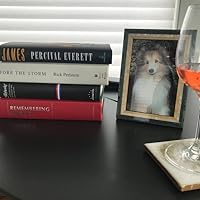
April 24, 2022
“I think we should be all women,” Bernadette suggested next. “The dynamic changes with men. They pontificate rather than communicate. They talk more than their share.”
Jocelyn opened her mouth.
“No one can get a word in,” Bernadette warned her. “Women are too tentative to interrupt, no matter how long someone has gone on.”
Jocelyn cleared her throat.
“Besides, men don’t do book clubs,” Bernadette said. “They see reading as a solitary pleasure. When they read at all.”
Jocelyn closed her mouth.
Two members of the Jane Austen Book Club. (Page 3)
What! Does this author think I am going to leave a good review. I am subtracting stars for that comment.
My wife and I recently watched the movie based on this book. After the movie I mentioned that it might be an interesting book to read. In a short time she found it in her bookcase and laid it on my reading table. When I asked her about it she said “I think you should read it.”
Now as is my habit with any new book I checked GoodReads. It was not pretty. The book has a low rating and lots of negative reviews. Now I had a dilemma. Do I listen to my wife or rely on GoodReads, which has rarely failed me.
I decided to read the book. Domestic Tranquility is priceless.
Whenever Prudie was mentioned I pictured Emily Blunt, and whenever Jocelyn was mentioned I pictured Maria Bello. These were the actresses portraying these characters. This is the problem with watching movies. While reading books you get to imagine what the characters look like and sound like. While watching a movie your brain goes into sponge mode as you soak up the images and sounds. I prefer to use my imagination. Or as the author states “A good book was surprising the first time through … The Movies, as everyone knew, had no respect for this.” (Page 82)
The book was interesting whenever the book club met to discuss a book. Prior to the club having its first meeting one of the members was involved with a divorce. In deciding which book to start with Jocelyn suggested Emma “Because no one has ever read it and wished to be married.” (Page 2) When the club meets to discuss Sense and Sensibility Bernadette says “But let's not focus on the negative. I don’t think there’s anything better in all of Austen than those pages where Fanny Dashwood persuades her husband, step by step by step, not to give his stepmother and sisters any money.” (Pages 43-44) Who doesn’t remember that?
I am sure a Jane Austen scholar could find parallels between the book being discussed and the club member hosting the discussion. For instance, Emma is hosted by Jocelyn who has done some matchmaking similar to the title character.
However, I doubt there are any parallels to the back stories here. The author may have been trying to parallel Austen’s descriptions of early nineteenth century society in England and the members of the book club, but I didn’t see them. Except perhaps for Sylvia and her daughter Allegra, it is difficult to think of any parallels with Austen’s books similar to the sexual escapades of Jocelyn, the religious cult experience of Bernadette, or the nude party involving Griggs.
It pains me to say this but the movie was better than the book.

March 6, 2008
I can’t decide how successful this novel actually was, in storytelling. On the one hand, I genuinely liked all the characters. On the other hand, a good two-thirds of the book is spent in telling backstory. As a way to describe character and motivation, it’s an interesting technique, and kept my attention despite all the narration. On the other hand, there’s very little real-time interaction between the characters. Although what interaction there is, plays out beautifully and believably, it’s also spread between the six main characters, like a series of interconnected vignettes or short stories, rather than a novel. I ended up feeling slightly dissatisfied with the all-too brief glimpses into six fascinating stories.
And, let’s face it. I couldn’t help wishing for more Jane Austen. As is, the book club is nothing more than a framing device, and although the novel concludes by asking “who but Jane could have changed us this way?” I didn’t quite believe in the Power of Jane myself. I mean I do, in real life, but there wasn’t much evidence of it here. A passing musing from the characters here and there, did not do enough to convince me that their lives were truly Changed by Jane, or even that any of them were real Janeites, since the things they talked about were pretty basic (“Oh my gosh, Emma is totally classist!”). The idea that each person’s impressions of Austen influence and intertwine with his or her own life, is a great theme, but could have been explored much more deeply.
I did, however, greatly enjoy the plot parallels with the JA novels, and the Janeite in-jokes and allusions sprinkled gently over the text, as if with a conspiratorial smile.
On the whole, I do recommend the book. It was a fun read, just not as satisfying as I had hoped for. But then, my expectations for anything with “Jane Austen” in the title are probably unreasonably high, so take this with a grain of salt if you wish.
And, let’s face it. I couldn’t help wishing for more Jane Austen. As is, the book club is nothing more than a framing device, and although the novel concludes by asking “who but Jane could have changed us this way?” I didn’t quite believe in the Power of Jane myself. I mean I do, in real life, but there wasn’t much evidence of it here. A passing musing from the characters here and there, did not do enough to convince me that their lives were truly Changed by Jane, or even that any of them were real Janeites, since the things they talked about were pretty basic (“Oh my gosh, Emma is totally classist!”). The idea that each person’s impressions of Austen influence and intertwine with his or her own life, is a great theme, but could have been explored much more deeply.
I did, however, greatly enjoy the plot parallels with the JA novels, and the Janeite in-jokes and allusions sprinkled gently over the text, as if with a conspiratorial smile.
On the whole, I do recommend the book. It was a fun read, just not as satisfying as I had hoped for. But then, my expectations for anything with “Jane Austen” in the title are probably unreasonably high, so take this with a grain of salt if you wish.

July 15, 2013
So disappointed. I wanted to like this but could never get into any of the characters or the stories they told. They are a mismatched bunch who all come together to read Jane Austin. Perhaps there should of been more Austin and less of these characters. Each book was suppose to relate or have particular meaning to one of the present day characters....or at least I think maybe that was the point? I really don't know as I never felt any type of flow. We learned odd stories of each characters past, that I didn't really see made them any more interesting, nor related to who they were in the present. I didn't really get the sense that very many of them connected to each other, nor I to them.
Glad it was a quick read, but not one I would recommend. Rather slow, disjointed and blah! Only went up to a 2 star as some of the Austin comments made me want to read her!
Glad it was a quick read, but not one I would recommend. Rather slow, disjointed and blah! Only went up to a 2 star as some of the Austin comments made me want to read her!

August 7, 2026
"Nos sentamos en círculo en el protegido porche de Jocelyn al anochecer, tomando té frío hecho con sol, envueltos en el olor de sus casi cinco hectáreas de césped California recién cortado. La vista era muy bonita. El crepúsculo había sido un espectacular despliegue púrpura y ahora las montañas Berryessa se sumían en la sombra en el oeste. Recto hacia el sur, en primavera pero no en verano, corría un riachuelo".
Este es comienzo del libro. Desafortunado inicio, desafortunada traducción y prólogo para olvidar.
Página 24 y abandono, récord del año.
Este es comienzo del libro. Desafortunado inicio, desafortunada traducción y prólogo para olvidar.
Página 24 y abandono, récord del año.

July 5, 2012
I've read the (very) negative reviews of this (there are many) and I have to say, I think a lot of people just didn't get this book. They wanted it to be plot-driven and fun (as so many Austen take-offs are), but this book is much more character-driven and contemplative. I learned a lot about Jane Austen from it (especially from the back matter) and it was a great way to continue to explore her work. It's also so gratifying for me to read about people who live for and through literature. The characters all seemed real to me. I enjoyed their back stories, their foibles, the glimpses into their psyches. Though not the most enthralling novel, this contains many little everyday life stories that are memorable and full of meaning.
To explain my favorite part of the book, I'll have to go into spoiler territory.
And, for fun, I decided who each character resembled in the world of Austen:
Prudie = Mrs. Bennet. You're not totally stupid, but you're super annoying and married to someone who's probably too good for you. Also, you are way too interested in young men.
Jocelyn = Elinor Dashwood. You're so together and sensible. But it seems like you're so worried about other people's happiness that you're going to let your own slip by the wayside.
Sylvia = Fanny Price. So annoying. You are not perfect! You try to be good and somehow end up making me really dislike you.
Allegra = Marianne Dashwood. Girl, you crazy. Even though you're the life of the party, you seem bound to end up with a dullsville mate.
Bernadette = Emma. I know Bernadette is old and Emma is young, but they both think they're the queen and we're the sorry people.
Grigg = Henry Tilney. So likable and clever with weird taste in women.
(You will notice only one of the characters from my favorite Austen novels, P&P and Persuasion, made it on the list. That's probably why the book got three stars instead of four.)
To explain my favorite part of the book, I'll have to go into spoiler territory.
And, for fun, I decided who each character resembled in the world of Austen:
Prudie = Mrs. Bennet. You're not totally stupid, but you're super annoying and married to someone who's probably too good for you. Also, you are way too interested in young men.
Jocelyn = Elinor Dashwood. You're so together and sensible. But it seems like you're so worried about other people's happiness that you're going to let your own slip by the wayside.
Sylvia = Fanny Price. So annoying. You are not perfect! You try to be good and somehow end up making me really dislike you.
Allegra = Marianne Dashwood. Girl, you crazy. Even though you're the life of the party, you seem bound to end up with a dullsville mate.
Bernadette = Emma. I know Bernadette is old and Emma is young, but they both think they're the queen and we're the sorry people.
Grigg = Henry Tilney. So likable and clever with weird taste in women.
(You will notice only one of the characters from my favorite Austen novels, P&P and Persuasion, made it on the list. That's probably why the book got three stars instead of four.)

August 1, 2020
نادي كتاب جين أوستن.....كارين جوي فاولر
في البداية انت هتفتكر ان الرواية دي عن مجموعة عجائز بينظموا نادي قراء برجوازي لمناقشة أعمال جين أوستن، لكن تحت الغطاء اللطيف دا بنعيد سردية الحياة من خلال وجهتي نظر، واحدة مكتوبة على يد جين أوستن، ووجهات نظر تانية اما متفقة أو مختلفة معها، وبنلاقي نفسنا في خضم نقاش غاية اللطف، وانسجام مع شخصيات الرواية اللي أغلبها نسائي، وتلاقي ان قيمة الكلاسيكيات محفوظة، وان من خلال كلاسيكيات الأدب زي جين أوستن نقدر في أي وقت نستعيدها، ونعيد تأويلها.
في المطلق أي امرأة هي حكاءة بالفطرة، تقدر تعيد الحكايات وكل مرة تشعر أمامها انها حكاية جديدة، وكل ما حاول الرجال فعله في هذا المضمار هو الاستعانة بخبرات نساءهم في الحكي، سواء كانت أمه أو جدته أو ايا كان منبع حكاياته، دائما ما ستجد امرأة وراءه، وهنا الكاتبة لا تمتعنا فقط بالحكي المتدفق المحافظ على رصانته، والمتناسق تماما مع جو روايات أوستن المتزنة، تمتعنا اكثر الكاتبة بوفرة الشخصيات النسائية، وكلهن مكتوبات بجودة، وكلهن يمتلكن هبة الحكي، وكأنها هبة متأصلة في النساء منذ بدء الخليقة.
ميزة هذه الرواية أنها تضمك لها بكل رقة، كأنها تمسك بيدك وتتجول بك في ثنايا حياة شخصياتها، وتنسجم معهم كأنك عضو مشارك في النقاش، وتتفق أو تختلف معها كأنهم مجموعة من أصدقاءك وليسوا مجرد مجموعة شخصيات مكتوبة باحترافية عالية.
مفاهيم زي الحب والكره، والصداقة والزواج، والارتباط والانفصال، وغيرها من القضايا الحياتية اللي بتشغل حيز كبير في حياتنا، كل دا واكثر بتجده حاضر بقوة في حياة الشخصيات، والأهم انهم بيجدوا متنفس في أدب جين أوستن، وبتقدم لهم أوستن وجبات دسمة من حيوات مختلفة في رواياتها.
أوستن اللي ماتت في بداية عقدها الرابع من اكتر من 200 سنة، ومازالت رواياتها تُطبع وتُترجم وتُباع في كل أنحاء العالم، لتكون أوستن من أهم الروائيات في التاريخ، مش بس لنجاحها في تجاوز زمنها وظروفها وتجد رواياتها الطريق لقلوب ملايين القراء في كل انحاء العالم وبمختلف اللغات، بالاضافة لاعتبارها من الآباء المؤسسين لفن الرواية الحديث، رغم غلبة الطابع الاجتماعي والرومانسي على معظم أعمالها.
رواية جميلة، فيها من رقة الأدب الكثير، وجمال الصداقة أكثر، ودفء العالم المفقود في محيطنا.
في البداية انت هتفتكر ان الرواية دي عن مجموعة عجائز بينظموا نادي قراء برجوازي لمناقشة أعمال جين أوستن، لكن تحت الغطاء اللطيف دا بنعيد سردية الحياة من خلال وجهتي نظر، واحدة مكتوبة على يد جين أوستن، ووجهات نظر تانية اما متفقة أو مختلفة معها، وبنلاقي نفسنا في خضم نقاش غاية اللطف، وانسجام مع شخصيات الرواية اللي أغلبها نسائي، وتلاقي ان قيمة الكلاسيكيات محفوظة، وان من خلال كلاسيكيات الأدب زي جين أوستن نقدر في أي وقت نستعيدها، ونعيد تأويلها.
في المطلق أي امرأة هي حكاءة بالفطرة، تقدر تعيد الحكايات وكل مرة تشعر أمامها انها حكاية جديدة، وكل ما حاول الرجال فعله في هذا المضمار هو الاستعانة بخبرات نساءهم في الحكي، سواء كانت أمه أو جدته أو ايا كان منبع حكاياته، دائما ما ستجد امرأة وراءه، وهنا الكاتبة لا تمتعنا فقط بالحكي المتدفق المحافظ على رصانته، والمتناسق تماما مع جو روايات أوستن المتزنة، تمتعنا اكثر الكاتبة بوفرة الشخصيات النسائية، وكلهن مكتوبات بجودة، وكلهن يمتلكن هبة الحكي، وكأنها هبة متأصلة في النساء منذ بدء الخليقة.
ميزة هذه الرواية أنها تضمك لها بكل رقة، كأنها تمسك بيدك وتتجول بك في ثنايا حياة شخصياتها، وتنسجم معهم كأنك عضو مشارك في النقاش، وتتفق أو تختلف معها كأنهم مجموعة من أصدقاءك وليسوا مجرد مجموعة شخصيات مكتوبة باحترافية عالية.
مفاهيم زي الحب والكره، والصداقة والزواج، والارتباط والانفصال، وغيرها من القضايا الحياتية اللي بتشغل حيز كبير في حياتنا، كل دا واكثر بتجده حاضر بقوة في حياة الشخصيات، والأهم انهم بيجدوا متنفس في أدب جين أوستن، وبتقدم لهم أوستن وجبات دسمة من حيوات مختلفة في رواياتها.
أوستن اللي ماتت في بداية عقدها الرابع من اكتر من 200 سنة، ومازالت رواياتها تُطبع وتُترجم وتُباع في كل أنحاء العالم، لتكون أوستن من أهم الروائيات في التاريخ، مش بس لنجاحها في تجاوز زمنها وظروفها وتجد رواياتها الطريق لقلوب ملايين القراء في كل انحاء العالم وبمختلف اللغات، بالاضافة لاعتبارها من الآباء المؤسسين لفن الرواية الحديث، رغم غلبة الطابع الاجتماعي والرومانسي على معظم أعمالها.
رواية جميلة، فيها من رقة الأدب الكثير، وجمال الصداقة أكثر، ودفء العالم المفقود في محيطنا.

May 15, 2014
I like Jocelyn best, but, if I'm being honest, I'm more like Prudie than I care to admit sometimes.

June 30, 2007
I just finished The Jane Austen Book Club. So good. I'm craving Jane Austen now. I just want to go through each novel in order. I just might. I can't decide. I am a quite reliable multi-tasker...
If you love Jane Austen, I think you will really appreciate the book. Even if you don't love Jane Austen, I think you will appreciate the book and maybe come to appreciate Jane Austen more.
It was really good. Four Hello Kittys.
My favorite Jane Austen book is Pride and Prejudice. I heart Lizzy Bennet and Mr. Darcy. I'm dying to hear what any one else's favorite Austen is. She's such a master with characters and keen observer of relationships. I love her.
One of my favorite classes I took in grad school was on Jane Austen. Besides my poetry classes, it's probably the one class I remember quite vividly and am most fond of. I wrote a great paper on Jane Austen paper dolls.
I finished Fowler's novel this evening by our outdoor fireplace. FD got a really perfect fire going; he used some of our applewood we bought last fall from a local orchard. We smell woodsy and wholesome and happy. Very simply happy.
When the fire got low, our neighbor boy Joe, crept between the pines in our backyards, apologized for interrupting my reading and asked if he and his brother could get me more wood. It was really sweet. I thanked him and told him it was sweet, but we were letting it burn out. He crept back between the trees and continued playing. It was such a small act, but it really made my night.
Tonight has been on those nights where everything feels good and perfect and calm. Everything feels full of love and goodness. We had a hearty meal, a glowing fire, fine reading, quiet conversations, good neighbors. It was one of those precious nights that if you don't record it becomes lost in all the hum-drum of the quick days that slide by. It was an evening worthy to share.
If you love Jane Austen, I think you will really appreciate the book. Even if you don't love Jane Austen, I think you will appreciate the book and maybe come to appreciate Jane Austen more.
It was really good. Four Hello Kittys.
My favorite Jane Austen book is Pride and Prejudice. I heart Lizzy Bennet and Mr. Darcy. I'm dying to hear what any one else's favorite Austen is. She's such a master with characters and keen observer of relationships. I love her.
One of my favorite classes I took in grad school was on Jane Austen. Besides my poetry classes, it's probably the one class I remember quite vividly and am most fond of. I wrote a great paper on Jane Austen paper dolls.
I finished Fowler's novel this evening by our outdoor fireplace. FD got a really perfect fire going; he used some of our applewood we bought last fall from a local orchard. We smell woodsy and wholesome and happy. Very simply happy.
When the fire got low, our neighbor boy Joe, crept between the pines in our backyards, apologized for interrupting my reading and asked if he and his brother could get me more wood. It was really sweet. I thanked him and told him it was sweet, but we were letting it burn out. He crept back between the trees and continued playing. It was such a small act, but it really made my night.
Tonight has been on those nights where everything feels good and perfect and calm. Everything feels full of love and goodness. We had a hearty meal, a glowing fire, fine reading, quiet conversations, good neighbors. It was one of those precious nights that if you don't record it becomes lost in all the hum-drum of the quick days that slide by. It was an evening worthy to share.

March 7, 2016
Although being a rather devoted fan of Karen Joy Fowler, I avoided reading this novel for years because I thought it would be a bit too light and fluffy for me. A good friend of mine with very discriminating taste recommended it to me, and I thought I would give it a go. I was very pleasantly surprised on many levels. This novel had a lot more meat than I expected (kind of ironic to say that being a long-term vegetarian).
I am a huge fan of Jane Austen, finding her to be beyond brilliant as a writer and as a chronicler of the human species and how we interact with each other. I found the Austen connections rather charming, though the development of the various characters of the group were what made this novel for me. It reminded much of the works of Anne Tyler in her development and depiction of character and in the use of her settings to move the plot along. These are real, dynamic and interesting characters that are dealing with life and love in their own ways. All is well in the end (this is the Jane Austen book club for god's sake), and love is essentially the answer to everything.
One thing I found interesting about this novel is how the author handles the narration of the text. It is neither 1st, 2nd or 3rd person, but rather a collective "we" that is the narrator of the book. I at times would wonder which of the characters was the narrator, only to realize the the word "I" is never used in terms of the narrator. It is as if the group is telling the story as a unit. Very unique and interesting way to tell the story, methinks.
I am a huge fan of Jane Austen, finding her to be beyond brilliant as a writer and as a chronicler of the human species and how we interact with each other. I found the Austen connections rather charming, though the development of the various characters of the group were what made this novel for me. It reminded much of the works of Anne Tyler in her development and depiction of character and in the use of her settings to move the plot along. These are real, dynamic and interesting characters that are dealing with life and love in their own ways. All is well in the end (this is the Jane Austen book club for god's sake), and love is essentially the answer to everything.
One thing I found interesting about this novel is how the author handles the narration of the text. It is neither 1st, 2nd or 3rd person, but rather a collective "we" that is the narrator of the book. I at times would wonder which of the characters was the narrator, only to realize the the word "I" is never used in terms of the narrator. It is as if the group is telling the story as a unit. Very unique and interesting way to tell the story, methinks.
September 9, 2007
I was perusing movie trailers on my Mac last weekend and saw a cute title/trailer called The Jane Austen Book Club. The end of trailer announced, "Based on the best selling novel, The Jane Austen Book Club." I thought it would be fun to check out the book since I almost never see a movie until I can watch it via Netflix.
I had hoped it would be a kind of "fun" read, especially since I am a Jane-ite. Unfortunately for me, it wasn't much fun. I actually found it a little tedious and the jumping around from character POV to character POV, but not really getting inside their heads was annoying. Austen does this and does it well....Fowler, not so much.
The story lacked cohesiveness...and there wasn't much of a plot. Of course, one of the book club topics was plot and women writers. Nyuck, nyuck. I suppose I'm not urbane enough at this point in my life to know if this was supposed to be ironically funny.
The non-plot and following several different life stories/character POVs seems to be a modern *thing* a la the movie Magnolia. But you have to be a certain kind of writer to pull this off...Fowler didn't do this for me.
If you're a fellow Jane-ite, it might be fun to read the book and the character's corresponding views on all things Austen...but otherwise, I'd advise you pass on this one.
I had hoped it would be a kind of "fun" read, especially since I am a Jane-ite. Unfortunately for me, it wasn't much fun. I actually found it a little tedious and the jumping around from character POV to character POV, but not really getting inside their heads was annoying. Austen does this and does it well....Fowler, not so much.
The story lacked cohesiveness...and there wasn't much of a plot. Of course, one of the book club topics was plot and women writers. Nyuck, nyuck. I suppose I'm not urbane enough at this point in my life to know if this was supposed to be ironically funny.
The non-plot and following several different life stories/character POVs seems to be a modern *thing* a la the movie Magnolia. But you have to be a certain kind of writer to pull this off...Fowler didn't do this for me.
If you're a fellow Jane-ite, it might be fun to read the book and the character's corresponding views on all things Austen...but otherwise, I'd advise you pass on this one.

November 15, 2007
Underdeveloped plot, and underdeveloped characters - it seemed as though she just threw things in the story line as she wrote it. However there were some good bits - the Jane Austen Magic 8 ball was an original idea for one. I'd buy one.
It was a good plot idea, I'll give her that, but I thought it was poorly executed. I think the thing that put off the most was how it was written - for the most part - in third person, yet there was an annoying constant use of 'we'.
I thought the romance between Grigg and Jocelyn was arbitrary and just thrown in there because Fowler felt the need to include a heterosexual romance. There was nothing to indicate anything between the two of them and I honestly do not feel that they are a good match.
The numerous flashbacks were overdone. I could have skipped over them and not really have missed anything.
The one character story line that I thought was really good was Allegra's. That one was well thought out and well done; the whole stealing her stories and making them stories idea seemed to fit with the theme of the novel somehow. However, I did not like the fact that Allegra and Corrine got back together in the end. If it were me, I would not have forgaven Corrine.
I think I was disappointed because I was expecting it to be more 'book club' than 'flashbacks' - that's how it appeared from the back cover. And the few short paragraphs that were 'book club' scenes were not at all interesting - it appeared that Fowler only included them so she could flaunt the fact that she knows all of Jane Austen's novels rather well.
Which leads me to a parallell in this novel and Pride and Prejudice: In P&P Mary seems like a character that you could simply throw away and nothing would really happen to the other characters or plot. It appears to be the same with Bernadette. She just didn't really do anything.
It was a good plot idea, I'll give her that, but I thought it was poorly executed. I think the thing that put off the most was how it was written - for the most part - in third person, yet there was an annoying constant use of 'we'.
I thought the romance between Grigg and Jocelyn was arbitrary and just thrown in there because Fowler felt the need to include a heterosexual romance. There was nothing to indicate anything between the two of them and I honestly do not feel that they are a good match.
The numerous flashbacks were overdone. I could have skipped over them and not really have missed anything.
The one character story line that I thought was really good was Allegra's. That one was well thought out and well done; the whole stealing her stories and making them stories idea seemed to fit with the theme of the novel somehow. However, I did not like the fact that Allegra and Corrine got back together in the end. If it were me, I would not have forgaven Corrine.
I think I was disappointed because I was expecting it to be more 'book club' than 'flashbacks' - that's how it appeared from the back cover. And the few short paragraphs that were 'book club' scenes were not at all interesting - it appeared that Fowler only included them so she could flaunt the fact that she knows all of Jane Austen's novels rather well.
Which leads me to a parallell in this novel and Pride and Prejudice: In P&P Mary seems like a character that you could simply throw away and nothing would really happen to the other characters or plot. It appears to be the same with Bernadette. She just didn't really do anything.
This entire review has been hidden because of spoilers.

October 20, 2007
I kept looking for fairly literal parallels in each chapter between the book under review and the character with which it was associated. Not a very rewarding approach, although I did find some. Instead, I took this book as an implicit homage to Austen. A gently satirical portrayal of a group of characters bound partly, but not entirely, by a love of Austen's novels. It's all about character; not plot. Not that much actually happens during the course of the book. Nevertheless, we learn a lot about this particular group of people and their relationships to each other. By the end of the book, I cared what happened to each of them. Like Austen, Fowler is slyly funny at times, although I found her observations about the shortcomings of her characters to be a lot less pointed than Austen's. Familiarity with Austen's work is marginally useful to an appreciation of this book, but certainly not necessary. The characters and their stories stand on their own as an entertaining read.
July 16, 2008
I bought this in a train station with the deliberate aim of reading a puff book. I was not expecting a masterpiece, but this was absolute crap. I kept reading on the off chance that it might improve– it did not. The only redeeming quality of this book is that it is a really fast read (since it's fluff).

September 19, 2011
The Jane Austen Book Club is an international best seller which ultimately became a successful film in 2007. I brought my edition late in 2004 and shamefully only just got around to reading it this week.
I picked this up thinking it would be great but like any best seller there were quite a few negative reviews floating around at the time, dispelling all the good press it had received. I stupidly got put off and left it to languish on my bookcase.
I thought about reading it when I saw that a film was being released but at the time I was living far away from my family home where I'd left most of my books in storage so once again it was pushed out of my mind.
Recently I've searched the majority of my books out of storage and placed them back in their rightful position on my shelf. Doing so, I stumbled back across The Jane Austen Book Club and knew that I couldn't delay things any longer.
I am pleased to say, the wait? Totally worth it. I thoroughly enjoyed the reading experience that the talented, Karen Joy Fowler pieced together. I was engaged and entertained from beginning to end and I honestly believe that books come into peoples lives for a reason. If I had of read this when I orginally brought it back when I was 18 I don't think it would have been anywhere near as appealing to me as it was now, reading it when I'm 25.
The story revolves around six main characters and a solely Jane Austen dedicated book club that they've created. The novel is sectioned off into six parts as well. One for each character and the corresponding Jane Austen novel discussion that is to be hosted at their house.
While the book club itself is the main premise of the story and the link that brings all our characters together it is not, in my opinion, the main focus of the novel.
The Jane Austen Book Club is about relationships and people at their core. Who they are, how they relate and how who they are affects how they relate.
I don't want to give too much away for anyone who has yet to read this and now might be inspired to do so, so I'll leave you with one final thought and the reason that made this book so appealing to me -
We as readers shape our own reading experiences. We all have themes and styles we prefer. It's possible for two different people to infer utterly opposing few points from the exact same novel, as I'm sure it is of most things. The thing that The Jane Austen Book Club does; however, is show how a common love can unify. It deals with the way we live with books, how they become a part of our subconscious and shape who we are and what we expect from life. The Jane Austen Book Club reaffirms the power of the novel and if there's one thing I believe in with all of my might, that is it. Long live the written word and the deep and abiding affect it has on all who hold it dear.
I picked this up thinking it would be great but like any best seller there were quite a few negative reviews floating around at the time, dispelling all the good press it had received. I stupidly got put off and left it to languish on my bookcase.
I thought about reading it when I saw that a film was being released but at the time I was living far away from my family home where I'd left most of my books in storage so once again it was pushed out of my mind.
Recently I've searched the majority of my books out of storage and placed them back in their rightful position on my shelf. Doing so, I stumbled back across The Jane Austen Book Club and knew that I couldn't delay things any longer.
I am pleased to say, the wait? Totally worth it. I thoroughly enjoyed the reading experience that the talented, Karen Joy Fowler pieced together. I was engaged and entertained from beginning to end and I honestly believe that books come into peoples lives for a reason. If I had of read this when I orginally brought it back when I was 18 I don't think it would have been anywhere near as appealing to me as it was now, reading it when I'm 25.
The story revolves around six main characters and a solely Jane Austen dedicated book club that they've created. The novel is sectioned off into six parts as well. One for each character and the corresponding Jane Austen novel discussion that is to be hosted at their house.
While the book club itself is the main premise of the story and the link that brings all our characters together it is not, in my opinion, the main focus of the novel.
The Jane Austen Book Club is about relationships and people at their core. Who they are, how they relate and how who they are affects how they relate.
I don't want to give too much away for anyone who has yet to read this and now might be inspired to do so, so I'll leave you with one final thought and the reason that made this book so appealing to me -
We as readers shape our own reading experiences. We all have themes and styles we prefer. It's possible for two different people to infer utterly opposing few points from the exact same novel, as I'm sure it is of most things. The thing that The Jane Austen Book Club does; however, is show how a common love can unify. It deals with the way we live with books, how they become a part of our subconscious and shape who we are and what we expect from life. The Jane Austen Book Club reaffirms the power of the novel and if there's one thing I believe in with all of my might, that is it. Long live the written word and the deep and abiding affect it has on all who hold it dear.

February 23, 2010
There are few books I would call elegant - this is one of them.
I was more than pleasantly surprised by the constructed simplicity of The Jane Austen Book Club. I had seen the movie - which was perfectly enjoyable - and had taken a look at the chick-lit cover, and thought I would be in for a very light-hearted read.
While the book is not a tale of doom and destruction, it is far from simplistic. Joy Fowley manages to fit so much character and emotion into the small novel. We see the characters only at the book club meetings, where they discuss a particular Austen novel while the narrator discusses one of the characters from the book club. Joy Fowley revealed characters of such complexity, I was continually astounded. Although I did not love them all, they all became completely real to me.
The narrative style, however, kept the reader as a slightly detached observer. I was surprised by how much I enjoyed this style. It allowed me to feel all the emotion without getting bogged down by a single character... kinda genius, actually.
Although tied together by Jane Austen's books, I was happy to find that you did not need to be an Austen conneisseur - I've only read Pride and Prejudice - to enjoy the club's discussions. So even if you are an Austen sceptic, you can enjoy this book!
Bottom line? This is a wonderful read that deserves a broad readership. Give it to everyone - including your dad. He might not admit it - but he'll enjoy every second of it!
http://deadbookdarling.blogspot.com/2...
I was more than pleasantly surprised by the constructed simplicity of The Jane Austen Book Club. I had seen the movie - which was perfectly enjoyable - and had taken a look at the chick-lit cover, and thought I would be in for a very light-hearted read.
While the book is not a tale of doom and destruction, it is far from simplistic. Joy Fowley manages to fit so much character and emotion into the small novel. We see the characters only at the book club meetings, where they discuss a particular Austen novel while the narrator discusses one of the characters from the book club. Joy Fowley revealed characters of such complexity, I was continually astounded. Although I did not love them all, they all became completely real to me.
The narrative style, however, kept the reader as a slightly detached observer. I was surprised by how much I enjoyed this style. It allowed me to feel all the emotion without getting bogged down by a single character... kinda genius, actually.
Although tied together by Jane Austen's books, I was happy to find that you did not need to be an Austen conneisseur - I've only read Pride and Prejudice - to enjoy the club's discussions. So even if you are an Austen sceptic, you can enjoy this book!
Bottom line? This is a wonderful read that deserves a broad readership. Give it to everyone - including your dad. He might not admit it - but he'll enjoy every second of it!
http://deadbookdarling.blogspot.com/2...

July 11, 2017
نقل از کتاب:
"هر کدام از ما جین آستینِ خودمان را داریم.
آستینِ جوسلین رمان های فوق العاده ای در مورد عشق و عاشقی نوشته، اما خودش هرگز ازدواج نکرده است.
آستینِ برنادت یک نابغه ی طناز است.
آستینِ سیلویا می تواند عاشقانه دوست بدارد و دوست داشته شود، اما این عشق جلوی چشم هایش را نمی گیرد و قضاوتش را مخدوش نمی کند.
آستینِ آلگرا در مورد تأثیر مسائل اقتصادی و نیاز مالی بر زندگی عشقی زن ها می نوشت. اگر الگرا در کتابفروشی کار می کرد احتمالاً آستین را در ققسه ی کتاب های ترسناک قرار می داد.
آستین پرودی، آستینی بود که هربار کتاب هایش را می خواندی با قبل فرق داشت، بنابراین یک سال همه ی کتاب هایش عاشقانه بود و سال بعد یک باره متوجه نثر خوشایند و طعنه آمیزش می شدی. "
آستینِ من، شبیه آستینِ پرودی ست. هر بار کتاب هایش را می خوانم با دفعه ی قبل فرق دارد و هر بار بیشتر دوستش دارم.
اما در مورد کتاب:
پنج خانم و یک آقا، قرار می گذارند در شش ماه، شش رمان جین آستین را بخوانند و در موردشان صحبت کنند. با اِما شروع می کنند و با ترغیب تمام. شش فصل دارد. هر فصل علاوه بر جلسات کتابخوانی، در مورد یکی از اعضای باشگاه است؛ همان کسی که قرار است جلسه ی کتابخوانی در خانه اش برگزار شود.
من در مورد کتاب ها، خیلی سخت گیر نیستم. همین که یک متن روان داشته باشد و یک داستان خوب، برایم کافیست. و این کتاب، یک متن روان دارد و شش داستان خوب. ماجرای چندانی در کتاب اتفاق نمی افتد، به همین خاطر شاید زمین گذاشتنش راحت باشد و تمام کردنش سخت، اما شخصیت های جالبی دارد. تنها نقطه ضعف کتاب، جلسات کتابخوانی هستند. وقتی در مورد کتاب ها و شخصیت های آستین صحبت می کردند، سخت بود باور کنم که هر دو یک کتاب را خوانده ایم. شاید به این خاطر که زمان زیادی از آخرین باری که خواندمشان گذشته.
در کل دوستش داشتم.
"هر کدام از ما جین آستینِ خودمان را داریم.
آستینِ جوسلین رمان های فوق العاده ای در مورد عشق و عاشقی نوشته، اما خودش هرگز ازدواج نکرده است.
آستینِ برنادت یک نابغه ی طناز است.
آستینِ سیلویا می تواند عاشقانه دوست بدارد و دوست داشته شود، اما این عشق جلوی چشم هایش را نمی گیرد و قضاوتش را مخدوش نمی کند.
آستینِ آلگرا در مورد تأثیر مسائل اقتصادی و نیاز مالی بر زندگی عشقی زن ها می نوشت. اگر الگرا در کتابفروشی کار می کرد احتمالاً آستین را در ققسه ی کتاب های ترسناک قرار می داد.
آستین پرودی، آستینی بود که هربار کتاب هایش را می خواندی با قبل فرق داشت، بنابراین یک سال همه ی کتاب هایش عاشقانه بود و سال بعد یک باره متوجه نثر خوشایند و طعنه آمیزش می شدی. "
آستینِ من، شبیه آستینِ پرودی ست. هر بار کتاب هایش را می خوانم با دفعه ی قبل فرق دارد و هر بار بیشتر دوستش دارم.
اما در مورد کتاب:
پنج خانم و یک آقا، قرار می گذارند در شش ماه، شش رمان جین آستین را بخوانند و در موردشان صحبت کنند. با اِما شروع می کنند و با ترغیب تمام. شش فصل دارد. هر فصل علاوه بر جلسات کتابخوانی، در مورد یکی از اعضای باشگاه است؛ همان کسی که قرار است جلسه ی کتابخوانی در خانه اش برگزار شود.
من در مورد کتاب ها، خیلی سخت گیر نیستم. همین که یک متن روان داشته باشد و یک داستان خوب، برایم کافیست. و این کتاب، یک متن روان دارد و شش داستان خوب. ماجرای چندانی در کتاب اتفاق نمی افتد، به همین خاطر شاید زمین گذاشتنش راحت باشد و تمام کردنش سخت، اما شخصیت های جالبی دارد. تنها نقطه ضعف کتاب، جلسات کتابخوانی هستند. وقتی در مورد کتاب ها و شخصیت های آستین صحبت می کردند، سخت بود باور کنم که هر دو یک کتاب را خوانده ایم. شاید به این خاطر که زمان زیادی از آخرین باری که خواندمشان گذشته.
در کل دوستش داشتم.

September 29, 2007
This book was really a disappointment to me. After all the hype I thought this would be a really great book. And its not. Its an ok book, but not a great book.
If you are looking for a great book about friends and book clubs, then you should read "Angry Housewives Eating Bon-Bons: A Novel (by Lorna Landvik). That is so funny and sad and poignant and touching. Everything this book was not.
My husband is reading this book as well(He is a TRUE Jane Austen fan) and he asked me last night if ALL women were as catty and nasty as the women in this book can be!!!
And when I thought about it last night, I couldn't even remember what most of the book was about and I HAD JUST FINISHED IT!!!!
It was a quick read and that was about it for me. It had some good moments, but it mostly fell flat for me and the end...well, the end was SO...well....I don't even have words to describe it.
If you are looking for a great book about friends and book clubs, then you should read "Angry Housewives Eating Bon-Bons: A Novel (by Lorna Landvik). That is so funny and sad and poignant and touching. Everything this book was not.
My husband is reading this book as well(He is a TRUE Jane Austen fan) and he asked me last night if ALL women were as catty and nasty as the women in this book can be!!!
And when I thought about it last night, I couldn't even remember what most of the book was about and I HAD JUST FINISHED IT!!!!
It was a quick read and that was about it for me. It had some good moments, but it mostly fell flat for me and the end...well, the end was SO...well....I don't even have words to describe it.

October 22, 2014
Read as part of my challenge to read my way around the world.
http://highlanddrive.blogspot.com/201...
I'd seen the movie a while back so I thought this book would more of the same. Was I surprised! The movie seemed to only have a passing familiarity with this book. There was so much more in this book. I especially liked the flashbacks of all the lives in the book.
The mystery author and the description of the riot at the girls reform school that has to be put down by the National Guard were especially delightful.
This is only the second Karen Joy Fowler I've read. It makes me want to dig up her entire works and read them all!
http://highlanddrive.blogspot.com/201...
I'd seen the movie a while back so I thought this book would more of the same. Was I surprised! The movie seemed to only have a passing familiarity with this book. There was so much more in this book. I especially liked the flashbacks of all the lives in the book.
The mystery author and the description of the riot at the girls reform school that has to be put down by the National Guard were especially delightful.
This is only the second Karen Joy Fowler I've read. It makes me want to dig up her entire works and read them all!

August 21, 2021
A woman brings together a group of friends and acquaintances to form a bookclub that will focus on Jane Austen's six complete novels. Each meeting brings revelations about the background and current circumstances of the host for the meeting and the group thoughts their latest Austen read.
I've meant to read The Jane Austen Book Club since I delighted in the movie years ago and just never got around to it. But, for a fun readathon that asks challengers to read a book and watch a movie, I was motivated to reach for this one and finally give it a go.
Turned out it was right book for the right time. I'm not sure it would have worked when I was in any other mood, but I was ready to read about the lives of six people and those connected with them and enjoy how the themes and elements of Jane Austen's novels could be found and also influence their lives. The writing style felt disjointed to me, at first, as I got used to the way the author dropped me into the story, then bounced around between the present and flashbacks. There was also head-hopping which added to the challenge of concentrating. By chapter two, I was used to all this and was able to settle in. This is good because each chapter flipped to a different (main) point of view and a different character's background and life.
First up was Jocelyn, the mover and shaker of the group who brought the club together and started the club with Emma. Not unlike the matchmaking Emma, Jocelyn, a dog breeder and confident single gal is happy to observe and arrange everyone else's life.
Allegra got Sense & Sensibility. Allegra is one of the two younger members and likes to make it clear she is a clear-eyed analytic, bold adventurer, and yet keeps to herself that her heart is bruised over a betrayal from her girlfriend that sends her back to living with her mom for the time being.
Next comes Prudie with Mansfield Park. Prudie is a high school French teacher with a passion for all things France though she never actually wishes to visit which her handsome and wonderful husband Dean doesn't seem to get. Her night ends in a shocking phone call.
Following this is the mysterious only male member of the group, Grig, for Northanger Abbey. Until now, Grig was unknown to any of the group save Jocelyn and she doesn't seem to know him well. Grig loves to read, but shocks the group because he doesn't see Austen as the best, but only a good author among many- and, he loves sci-fi? The women are all a flutter and not necessarily in a good way when it comes to one of them.
Moving into the home stretch is oldest member, Bernadette's turn, with Pride & Prejudice. Talk about a saucy life for the eccentric and always chattering woman. Austen's influence is starting to be felt by all the members and they are startled by how real life seems to be paralleled in the books. And, their own minds have gone to relationships. An Austen Magic Eight ball lives up the discussion.
At last, Sylvia hosts the Persuasion discussion and the members reflect back and look around at all the changes a half a year has wrought. One among them gets a letter of remorse and desire for a second chance and will that member give it? While another member is also faced with offering a second chance.
The Jane Austen Book Club was a mixed feeling read for me. Some lives were fascinating to explore while others were a drudge for me to wade through. But, I appreciated that aspect, too, because the author wrote six different points of view and really pulled off the variety in their personalities and lives. This was an interesting look into many different lives. I found Jocelyn and Prudie the toughest to connect with, Grigg was a fun surprise, Allegra was challenging, and Sylvia was a kindred spirit in many ways, but their group was engaging and I enjoyed when they interacted.
So, all in all, it was a nice reading interlude and I was glad to get to the book at last. Yay that it was set in my home town environs! Those who enjoy women's fic and general fiction will be the target group for this one and now I'm off to revisit the movie adaption.
I've meant to read The Jane Austen Book Club since I delighted in the movie years ago and just never got around to it. But, for a fun readathon that asks challengers to read a book and watch a movie, I was motivated to reach for this one and finally give it a go.
Turned out it was right book for the right time. I'm not sure it would have worked when I was in any other mood, but I was ready to read about the lives of six people and those connected with them and enjoy how the themes and elements of Jane Austen's novels could be found and also influence their lives. The writing style felt disjointed to me, at first, as I got used to the way the author dropped me into the story, then bounced around between the present and flashbacks. There was also head-hopping which added to the challenge of concentrating. By chapter two, I was used to all this and was able to settle in. This is good because each chapter flipped to a different (main) point of view and a different character's background and life.
First up was Jocelyn, the mover and shaker of the group who brought the club together and started the club with Emma. Not unlike the matchmaking Emma, Jocelyn, a dog breeder and confident single gal is happy to observe and arrange everyone else's life.
Allegra got Sense & Sensibility. Allegra is one of the two younger members and likes to make it clear she is a clear-eyed analytic, bold adventurer, and yet keeps to herself that her heart is bruised over a betrayal from her girlfriend that sends her back to living with her mom for the time being.
Next comes Prudie with Mansfield Park. Prudie is a high school French teacher with a passion for all things France though she never actually wishes to visit which her handsome and wonderful husband Dean doesn't seem to get. Her night ends in a shocking phone call.
Following this is the mysterious only male member of the group, Grig, for Northanger Abbey. Until now, Grig was unknown to any of the group save Jocelyn and she doesn't seem to know him well. Grig loves to read, but shocks the group because he doesn't see Austen as the best, but only a good author among many- and, he loves sci-fi? The women are all a flutter and not necessarily in a good way when it comes to one of them.
Moving into the home stretch is oldest member, Bernadette's turn, with Pride & Prejudice. Talk about a saucy life for the eccentric and always chattering woman. Austen's influence is starting to be felt by all the members and they are startled by how real life seems to be paralleled in the books. And, their own minds have gone to relationships. An Austen Magic Eight ball lives up the discussion.
At last, Sylvia hosts the Persuasion discussion and the members reflect back and look around at all the changes a half a year has wrought. One among them gets a letter of remorse and desire for a second chance and will that member give it? While another member is also faced with offering a second chance.
The Jane Austen Book Club was a mixed feeling read for me. Some lives were fascinating to explore while others were a drudge for me to wade through. But, I appreciated that aspect, too, because the author wrote six different points of view and really pulled off the variety in their personalities and lives. This was an interesting look into many different lives. I found Jocelyn and Prudie the toughest to connect with, Grigg was a fun surprise, Allegra was challenging, and Sylvia was a kindred spirit in many ways, but their group was engaging and I enjoyed when they interacted.
So, all in all, it was a nice reading interlude and I was glad to get to the book at last. Yay that it was set in my home town environs! Those who enjoy women's fic and general fiction will be the target group for this one and now I'm off to revisit the movie adaption.

Read
October 18, 2008I do love Fowler's work. But I have to say I found this book a disappointment.
The story concerns the members of a Jane Austen book club--five women and one man--who meet to discuss the books. The structure is thus roughly divided into six months, and each month one of the people leads the discussion while Fowler interweaves that person's life story into the discussion, often punctuated by quotes from Austen's books. The prose is good, with a few eye-blinks (My favorite line, from the Jocelyn section: "We are not the saints dogs are, but mothers are expected to come a close second." One of the eye-blinks, during Prudie's section: "Lisa was a sweet girl who wanted to be liked by everyone. With luck she would survive until college, when being likable became a plausible path to that." To what?)--but the tone, overall, stays the same.
Kelly Link is acknowledged as a beta-reader; when I read the third section, and found yet again the tone was still the same, I realized the tone, the structural weaving, all made me feel like this story was somehow channeling Kelly Link. There are times when Link, at least to my eye, seems to impose a monotone voice on her wonderful structural experiments.
The real problem, I realized, was arrived at during that same Prudie section, when we had quotes from Mansfield Park interspersed through the text. Sometimes the quote seemed to echo back from the text, most of the time it didn't, but either way, every single quote, all of them known so very well I could peg them immediately, forced my mind back into the far more vivid imagery, characters, varying tone, of Austen's work. These constant plunges back into MP finally unmoored me from this story and I kept struggling against the urge to put this book down and reread MP; I realized, after yet again consciously disengaging myself from MP and resolutely finding my place on the page that the club people had yet to come to life for me, subsumed as they were by Austen's novels constantly reinvoked.
Was it that sameness of tone? Was it the fact that we get glimpses, and only glimpses, into the subsidiary women far more than the men? Was it that I was unable to perceive a meta-structure, a direction? I don't know, but finally it felt as if this book was cleverly following the patterns of fireflies while a glorious fire snapped and fooshed and radiated heat right behind them, constantly engaging not just my eye but all my senses while I tried to keep my eye on the fireflies.
I did enjoy the book discussions, but always found them far too brief, and that suggests to me that maybe I would have liked this book a lot more if I hadn't been so familiar with Austen. If, say, this had been The Virginia Woolf Book Club as it's been years since I read Woolf's fiction, preferring as I do her essays. The book discussions gradually became more interesting to me than the backstories, and I found myself wanting to argue with the characters instead of read their backgrounds. I could see that Fowler was trying to show us how their backgrounds informed their opinions of Austen.
She gives us a heads-up on her theme right with the very first line: Each of us has a private Austen, echoing Martin Amis's wonderful quote: Jane Austen is weirdly capable of keeping everybody busy. The moralists, the Eros-and-Agape people, the Marxists, the Freudians, the Jungians, the semioticians, the deconstructors--all find an adventure playground in six samey novels about middle-class provincials. And for every generation of critics, and readers, her fiction effortlessly renews itself . . .
Ah, the quotes. Finally, these were the best part of the book for me.
At the end, Fowler gives a precis of the novels (leaving out Lady Susan which I found odd, as Northanger and Persuasion were also unpublished by Austen during her lifetime, so that can't be her criteria) and those, frankly, drove me nuts. In that playful tone she reduces complexities to bald statements. Henry then falls in love with shy Fanny. She refuses the advantageous match and, as punishment, is sent back to her parents. "As punishment." No, that's not right. Not even remotely right, it skews the story and reduces Fanny to a mere victim and the Mansfield family into mere villains. Blech.
Fowler includes some of the responses to the novels recorded by Jane in her own time, which are all given at the back of one of the Chapman edition books. But then she provides those quotes from prominent people through the years since the books were published--all of them interesting, even if I have no idea who David Andrew Graves or Susan M. Korba are. Doesn't matter. Their opinions don't make me want to know anything more about them, but are interesting in the sense of showing how different people react differently to the books. Like Mark Twain's brutal dismissal (Every time I read "Pride and Prejudice" I want to dig her up and hit her over the skull with her own shin-bone.) The last quote is a lovely one by J.K. Rowling.
The best of a lot of good quotes, for me, was that by Rebecca West, published in 1928 according to Fowler. And it kind of sums up the problem I've blundered about in this literary China shop in my attempts to formulate above. I will type it all out here:
Really, it is time this comic patronage of Jane Austen ceased. To believe her limited in range because she was harmonious in method is as sensible as to imagine that when the Atlantic Ocean is as smooth as a mill-pond it shrinks to the size of a mill-pond. There are those who are deluded by the decorousness of her manner, by the fact that her virgins are so virginal that they are unaware of their virginity, into thinking that she is ignorant of passion. But look through the lattice-work of her neat sentences, joined together with the bright nails of craftsmanship, painted with the gay varnish of wit, and you will see women haggard with desire or triumphant with love, whose delicate reactions to men make the heroines of all our later novelists seem merely to turn signs, "Stop" or "Go" toward the advancing male.
The story concerns the members of a Jane Austen book club--five women and one man--who meet to discuss the books. The structure is thus roughly divided into six months, and each month one of the people leads the discussion while Fowler interweaves that person's life story into the discussion, often punctuated by quotes from Austen's books. The prose is good, with a few eye-blinks (My favorite line, from the Jocelyn section: "We are not the saints dogs are, but mothers are expected to come a close second." One of the eye-blinks, during Prudie's section: "Lisa was a sweet girl who wanted to be liked by everyone. With luck she would survive until college, when being likable became a plausible path to that." To what?)--but the tone, overall, stays the same.
Kelly Link is acknowledged as a beta-reader; when I read the third section, and found yet again the tone was still the same, I realized the tone, the structural weaving, all made me feel like this story was somehow channeling Kelly Link. There are times when Link, at least to my eye, seems to impose a monotone voice on her wonderful structural experiments.
The real problem, I realized, was arrived at during that same Prudie section, when we had quotes from Mansfield Park interspersed through the text. Sometimes the quote seemed to echo back from the text, most of the time it didn't, but either way, every single quote, all of them known so very well I could peg them immediately, forced my mind back into the far more vivid imagery, characters, varying tone, of Austen's work. These constant plunges back into MP finally unmoored me from this story and I kept struggling against the urge to put this book down and reread MP; I realized, after yet again consciously disengaging myself from MP and resolutely finding my place on the page that the club people had yet to come to life for me, subsumed as they were by Austen's novels constantly reinvoked.
Was it that sameness of tone? Was it the fact that we get glimpses, and only glimpses, into the subsidiary women far more than the men? Was it that I was unable to perceive a meta-structure, a direction? I don't know, but finally it felt as if this book was cleverly following the patterns of fireflies while a glorious fire snapped and fooshed and radiated heat right behind them, constantly engaging not just my eye but all my senses while I tried to keep my eye on the fireflies.
I did enjoy the book discussions, but always found them far too brief, and that suggests to me that maybe I would have liked this book a lot more if I hadn't been so familiar with Austen. If, say, this had been The Virginia Woolf Book Club as it's been years since I read Woolf's fiction, preferring as I do her essays. The book discussions gradually became more interesting to me than the backstories, and I found myself wanting to argue with the characters instead of read their backgrounds. I could see that Fowler was trying to show us how their backgrounds informed their opinions of Austen.
She gives us a heads-up on her theme right with the very first line: Each of us has a private Austen, echoing Martin Amis's wonderful quote: Jane Austen is weirdly capable of keeping everybody busy. The moralists, the Eros-and-Agape people, the Marxists, the Freudians, the Jungians, the semioticians, the deconstructors--all find an adventure playground in six samey novels about middle-class provincials. And for every generation of critics, and readers, her fiction effortlessly renews itself . . .
Ah, the quotes. Finally, these were the best part of the book for me.
At the end, Fowler gives a precis of the novels (leaving out Lady Susan which I found odd, as Northanger and Persuasion were also unpublished by Austen during her lifetime, so that can't be her criteria) and those, frankly, drove me nuts. In that playful tone she reduces complexities to bald statements. Henry then falls in love with shy Fanny. She refuses the advantageous match and, as punishment, is sent back to her parents. "As punishment." No, that's not right. Not even remotely right, it skews the story and reduces Fanny to a mere victim and the Mansfield family into mere villains. Blech.
Fowler includes some of the responses to the novels recorded by Jane in her own time, which are all given at the back of one of the Chapman edition books. But then she provides those quotes from prominent people through the years since the books were published--all of them interesting, even if I have no idea who David Andrew Graves or Susan M. Korba are. Doesn't matter. Their opinions don't make me want to know anything more about them, but are interesting in the sense of showing how different people react differently to the books. Like Mark Twain's brutal dismissal (Every time I read "Pride and Prejudice" I want to dig her up and hit her over the skull with her own shin-bone.) The last quote is a lovely one by J.K. Rowling.
The best of a lot of good quotes, for me, was that by Rebecca West, published in 1928 according to Fowler. And it kind of sums up the problem I've blundered about in this literary China shop in my attempts to formulate above. I will type it all out here:
Really, it is time this comic patronage of Jane Austen ceased. To believe her limited in range because she was harmonious in method is as sensible as to imagine that when the Atlantic Ocean is as smooth as a mill-pond it shrinks to the size of a mill-pond. There are those who are deluded by the decorousness of her manner, by the fact that her virgins are so virginal that they are unaware of their virginity, into thinking that she is ignorant of passion. But look through the lattice-work of her neat sentences, joined together with the bright nails of craftsmanship, painted with the gay varnish of wit, and you will see women haggard with desire or triumphant with love, whose delicate reactions to men make the heroines of all our later novelists seem merely to turn signs, "Stop" or "Go" toward the advancing male.

August 24, 2012
I've a notion someone told me this was a good book. They must have very different "good book" criteria from mine. I wasn't a bit impressed with it. It read to me like a chick-lit novel that was trying to be all Literary and Intellectual (and failing miserably).
I might have quite liked to have read an unashamed chick-lit novel about some or all of the characters. But this book kept interrupting the interesting bits-about-the-characters (which were, in any case, flashbacks) with random not-very-interesting (or even well-thought-out) chunks of semi-lit-crit-ness. I don't generally read literary criticism, but even I could tell that this wasn't really it. The whole thing was just a mess. I kept hoping that maybe the lit-crit-y bits would make sense at the end and that the whole thing would pull together into a proper story. But they didn't and it didn't.
The writing (on a technical level) was fine; some of the characterisation wasn't half bad...but the plot? What plot? And the structure was a disaster! I'm glad I was lent the book and didn't actually waste money on it.
I might have quite liked to have read an unashamed chick-lit novel about some or all of the characters. But this book kept interrupting the interesting bits-about-the-characters (which were, in any case, flashbacks) with random not-very-interesting (or even well-thought-out) chunks of semi-lit-crit-ness. I don't generally read literary criticism, but even I could tell that this wasn't really it. The whole thing was just a mess. I kept hoping that maybe the lit-crit-y bits would make sense at the end and that the whole thing would pull together into a proper story. But they didn't and it didn't.
The writing (on a technical level) was fine; some of the characterisation wasn't half bad...but the plot? What plot? And the structure was a disaster! I'm glad I was lent the book and didn't actually waste money on it.

November 11, 2018
I wanted to like this, because Jane Austen, but sadly it was almost painfully boring.

September 28, 2008
Well, I'm very disappointed with this book... I had known before I read it that this book wouldn't be all about Jane Austen, but rather of the lives of the members of Jane Austen book club. However, the thing that disappoints me so much is that this book seemed to only use the name "Jane Austen" to make her fans interested and want to read the book... Well, I kinda feel tricked into reading it actually =)
Well,at first i was quite satisfied with the beginning... because it argues about Jane Austen's book and still shows the personality of the character quite equally... However, the more I read it, I got the impression that the writer kind of forget about Jane Austen, and only write her name or her books just every now and then without anything that goes with it...
Well, that would not be a big problem if the story itself is good and the characters are developed with good care... However, they are just empty characters with good enough background but are not developed well enough... I got the impression that the writer had good ideas of what to make of her characters but maybe because there are just too many characters or what, she failed to express her ideas... Therefore, the characters seem shallow despite the goodness of their backgrounds and personalities...
Well, personally I think this book would have been good had the writer be patient and write the characters with more care... Because it seemed like she was in a hurry to get her book published... I believe that it's the way she wrote it and not the ideas themselves that make it failed to charm me.
Well,at first i was quite satisfied with the beginning... because it argues about Jane Austen's book and still shows the personality of the character quite equally... However, the more I read it, I got the impression that the writer kind of forget about Jane Austen, and only write her name or her books just every now and then without anything that goes with it...
Well, that would not be a big problem if the story itself is good and the characters are developed with good care... However, they are just empty characters with good enough background but are not developed well enough... I got the impression that the writer had good ideas of what to make of her characters but maybe because there are just too many characters or what, she failed to express her ideas... Therefore, the characters seem shallow despite the goodness of their backgrounds and personalities...
Well, personally I think this book would have been good had the writer be patient and write the characters with more care... Because it seemed like she was in a hurry to get her book published... I believe that it's the way she wrote it and not the ideas themselves that make it failed to charm me.
Displaying 1 - 30 of 5,337 reviews