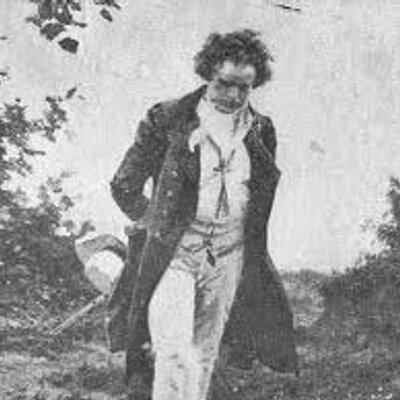
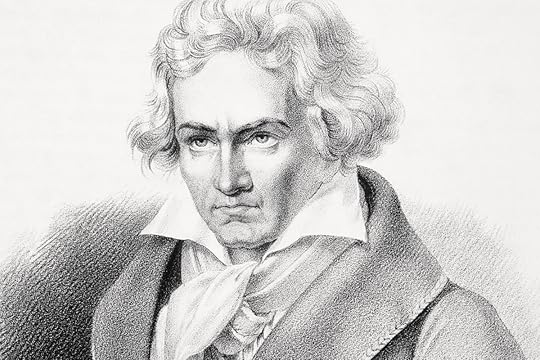
Bashful with women and a stranger to romance, Beethoven was an abrasive, egotistical, and unsightly little man. Yet he was also a musical genius whose greatest works flowed from his deepest woes. His raging alcoholism and brooding psychosis seemed to stimulate not stifle his muse. But it wasn't until he lost the precious gift of hearing that he composed masterpieces whose grandeur and beauty tower above all others.
Librarian Note: There is more than one author in the Goodreads database with this name
Edmund Morris was a writer best known for his biographies of United States presidents Theodore Roosevelt and Ronald Reagan. Morris received his early education in Kenya after which he attended Rhodes University in South Africa. He worked as an advertising copywriter in London before emigrating to the United States in 1968.
His biography The Rise of Theodore Roosevelt won the Pulitzer Prize and National Book Award in 1980. After spending 14 years as President Reagan's authorized biographer, he published the national bestseller Dutch: A Memoir of Ronald Reagan in 1999.
Morris's other books include Theodore Rex, the second in a projected three-volume chronicle of the life of Theodore Roosevelt, and Beethoven: The Universal Composer. Mr. Morris wrote extensively on travel and the arts for such publications as The New Yorker, the New York Times, and Harper's Magazine.
Edmund Morris lived in New York City and Kent, Connecticut with his wife and fellow biographer, Sylvia Jukes Morris.
Morris died on May 24, 2019 at a hospital in Kent, from a stroke at the age of 78.
For most listeners, myself, included Ludwig van Beethoven (1770 -- 1827) remains the greatest of composers. Edmund Morris's highly readable brief biography, "Beethoven: The Universal Composer" tries, in a straightforward way, to explain the sources of the inspiration that listeners have found and continue to find in Beethoven's music. Morris's book is part of a series. titled "Eminent Lives" of short biographies of famous people written for non-specialist readers. Morris has written biographies of Theodore Roosevelt and Ronald Reagan, but he is, enviably, also a pianist and an amateur music scholar.
What is the source of Beethoven's appeal? An answer that Morris offers at the outset is that Beethoven, in many of his works, did not compose only for people with great musical knowledge or sophistication. He wrote, for the most part, as Morris says, "for the human community he embraced as 'Freunde' [friends] in the last movement of his Ninth Symphony." Referring to the people from all over the world who make pilgrimages to see Beethoven's residences in Vienna, Morris observes further: "[w]hat draws them is Beethoven's universality, his ability to embrace the whole range of human emotion, from dread of death to love of life -- and to the metaphysics beyond -- reconciling all doubts and conflicts in a catharsis of sound." Later in his book Morris discusses the tension and contrasts that pervade Beethoven's music: "he fought for a balance -- often precarious yet always managed -- between the rush of ideas and the constraints of intellect, between hyperactivity and ill health, gregariousness and misanthropy, ethics and mendacity, humor and depression, and other absolutes of character or fate. His very music ... consisted of a clash of opposites ... all was tension, everything had to be resolved." Even Bach and Mozart, the composers most often considered on the same level as Beethoven, lack Beethoven's stylistic variety, and emotional depth and range.
Morris's book focuses on Beethoven's life rather than on a detailed discussion of the music. He does not consider all Beethoven's important works, but what he says is frequently fresh and insightful. Even those who know Beethoven's music well may read this book with pleasure. Morris gives considerable discussion to Beethoven's youthful "Cantata on the Death of Emperor Joseph II". He names a chapter after Beethoven's infrequently-heard ballet "The Creatures of Prometheus", and he offers short but good insights on the song-cycle "An die Ferne Geliebte", the Razomovsky quartets, the "Les Adieux" piano sonata and many other works. He also considers Beethoven's failures -- including "Wellington's Victory" and the cantata "The Glorious Moment." The musical discussion rekindled my desire to rehear Beethoven.
In considering the life, Morris finds that "Beethoven struggled against epic odds and prevailed with enormous courage." The two chief obstacles Beethoven faced, for Morris, were his ill-health, including his ultimate deafness and many other ailments, and his loneliness. In particular, Morris describes Beethoven's lifelong sexual frustration and failure to marry. As do most biographers, Morris focuses on two extraordinary testaments Beethoven wrote that were discovered only after his death: the first written in 1802 the "Heilingestadt Testament" in which Beethoven expresses his intention to persevere upon discovering his growing deafness, and the 1812 letter to his "Immortal Beloved". Maynard Solomon has identified a married woman, Antonie Bretano, as Beethoven's "Immortal Beloved, but this conclusion remains controversial.
Beethoven was a difficult man, and Morris stays far from the hero-worship of some of the literature on Beethoven. He describes in detail Beethoven's pettiness, manipulativeness and propensity to violence. He devotes great space to Beethoven's relationship with his nephew Karl and to his struggle for custody of Karl of many years with his sister-in-law. Beethoven's behavior verged on the psychotic in his later years. But while Morris is not a hero-worshiper, he avoids the equally unjustified modern tendency to deflate. Beethoven emerges as a larger-than-life highly troubled person who composed sublime music.
Morris's short biography is obviously indebted to larger and more recent scholarly studies, including books by Solomon, Cooper, and Lockwood, as well as the standard biography by Thayer. But it would be unfair to consider Morris's book as purely derivative. He writes well and to the point and offers a valuable perspective on Beethoven in his own right. Beethoven's music and life are broad enough to encompass many approaches and points of view.
This book has much to offer to those who know a great deal about Beethoven. But its primary appeal will be to the new listener or to readers who want a short introduction to this great, universal composer. Whatever your prior knowledge of Beethoven, I hope this book will inspire you to delve more deeply into his music.
Edmund Morris' three-volume work on Theodore Roosevelt is, in my view, one of the very great works of biography ever written. So I was happy to stumble across this biography of Beethoven in a used book store. I opened it as I was reading Alejo Carpentier's 'The Chase' which deals with the Eroica symphony. And I couldn't put it down.
Now, this is a life story I already knew fairly well; and there's nothing new in this rendering, although Morris writes with authority on such controversies as exist. What I did not know is that Morris is a "private scholar of music" and a trained classical pianist. So I read this mainly for Morris' insights into the music. Real musicians might find fault with his interpretation, but it read like a sublime gibberish to my untrained ear.
For example:
A dominant seventh's desire to resolve onto the tonic is the most powerful force in Western music: to prevent it from doing so amounts to coitus interruptus.
Yes, I forgot to mention that Morris can be smugly glib, and more so here than in his larger works. I mean, he dismisses Mahler with one word: masturbatory. But, really, I offer in Mahler's defense, aren't we all?
I like to listen to the music when reading a book about music. What I found though, if this helps understand the hurried lightness of the book, is that I would put on a piece, say the Second Razumovsky String Quartet, and before the first movement was half-way through, Morris would be talking about Moonlight Sonata and I'd have to get up and change the CD.
But now that I've finished the book I can go at my own unhurried pace, enjoying the string trios as I write this.
"صفقوا يا أصدقاء فقد إنتهت الكوميديا " وكور قبضته ورفعها ،ونظر نحو السماء بغضب شديد وبصق فسقطت بصقته على ثيابه و سقط صريعًا ودوي من
السماء صوت رعد .. ________________________________________ هل سمع صاحب السيمفونية التاسعة السيمفونية التاسعة ؟
نحن لا نسأل مثل تلك الأسئلة لكن الضرورة تُبيح ان نتأمل فن بيتهوفن لوهلة قليلة ، ربّما وصلنا إلى فكرة جديدة عن بروميثيوس الذي سرق الحقيقة الكبرى من الآلهة ووهبها للبشر ،مما أثار غضب الآلهة فقاموا بتعذيبه وفقًا للاسطورة اليونانية ..
قالوا لنا إن نظرية فيثاغورث ساعدت هذا البيتهوفن كثيرًا علي صياغة ألحانه
بيتهوفن المتمرد الأكبر في تاريخ الموسيقى الذي اتهمته الكنيسة بأنه أفسد الموسيقى ، وأن موسيقاه بها عنصر شيطاني ..
صاحب التاسعة كان مُصابا بالصمم ، في أول أداء السيمفونية التاسعة كان بيتهوفن جالسًا أمام الأوركسترا و بعدما انتهت من العزف ،و أخذت الجماهير تصييح و تصفق ،كان واقفًا في منتهى الهدوء أمام الأوركسترا لولا أن أحد الواقفات بجواره وكزته على كتفه و أشارت إلى الخلف فرأى حجم الضجة و الانبهار على وجوه الجمهور فحياهم ..
بيتهوفن الذي شيّد هذا الصرح العملاق المُسمى بالسيمفونية التاسعة رأى الإله سلبي ليس له أي دور ، و تصاعدت آمال الإنسانية المهشمة و صراعات الإنسان مع القدر و الإله حتى استطاع الإنسان الانتصار على القدر ، وجاء الانتصار هنا في قصيدة فريدريش شيللر الشهيرة التي تُنادي بوحدة البشرية .. التي اعتبرها البعض رسالة نبيلة ، من الغريب أن صاحب هذا الصراع المتمرد كان مؤمنا بالله من الأساس .. ___________________ إن السيمفونية التاسعة حقًا جديرة بتجلي السيد المسيح فوق العالم ، __________________________
أما لو نظرنا لجبل بيتهوفن الآخر المعروف بالسيمفونية الخامسة لوجدنا جزء كامل مسمى بضربات القدر و كالعادة يتحاكي بيتهوفن عن الصراع بين الإنسان و القدر و الله ، وينتهي العمل الملحمي بانتصار الإنسان .. ____________________________________ هكذا كان صراع بيتهوفن ، اسمحوا لي أن أقول أن فن بيتهوفن قد انتصر على القدر ،أما بيتهوفن الإنسان قد سحقته يد القدر ..
____________________________________ قال أحدهم بيتهوفن أفسد تاريخ الموسيقى ..
وقال آخر لقد خلق الله الكون ليعزف بيتهوفن السيمفونية التاسعة ..
و لكن العجيب ان بيتهوفن نفسه حين قالوا له " أن موتسارت أفضل منك " فكان رد بيتهوفن " لا تُقارنني بأحد فأنا بيتهوفن " ___________________________________________ في رحلتي مع السيمفونية التاسعة التي إقتربت من العشرة أعوام ، دائمًا أتساءل هل كان صمم بيتهوفن رحمة لنا ؟ هل لو لم يكن كذلك هل كان سيحب تلك المعزوفة التاسعة ؟ هل كان بيتهوفن يقصد فعلا الألحان التي كان يكتبها أم بسبب صممه كان يسمعها بطريقة أخري ؟؟ هل كان يفهمها حسب وقوعها علي الطبيعة و الكون من حوله؟؟ ______________________________ هل سيشعر بيتهوفن بالرضا عن موسيقاه حين يسمعها في النهاية ؟ _______________________________ قال أحد حضور حفل السيمفونية الثالثة : هذه الموسيقي خطيرة فقال له آخر :لا تقلق فمثل هذه الموسيقي لا يعزفها الكثيرون !! ________________________ شخصية جديرة حقًا بالدراسة ، ما جدوي أن تقتل نفسك مقابل فنًا أو مبدأ أ, حتي لحنًا لن تسمع تصفيق الجماهير له ، في مقابل فقط تنفيذ قناعتك الداخلية ..؟؟؟؟ __________________________________________
قُبلة بيتهوفن للبشرية ، تدعو للوحدة و الحب و الإخوة و الصداقة لأن هناك إله رحيم .. أعتقد أن رسالة بيتهوفن و فريدريش شيللر إنتصرت علي مدعي السلام .. لو أن هذا اللحن عُزف في ميدان معركة أعتقد أ،ن اطلاق النار سيتوقف ____________________________________ يقول بيتهوفن أن الموسيقي هي أقوي الفنون علي الإطلاق ، أتفق معه هنا ففي أوروبا مثلا قد تبكي خين تستمع إلي متسول يعزف الكمان بينما هنا قد تسب لعجوز تتسول و معها أطفال مُشردين ، لأن السبب هو أن الفن يلمس الروح مُباشرة .. ______________________________________
اتمني أ، أكون قد ألقيت حجرًا في بُحيرة بيتهوفن و ليسامحني كل من سيختلف معي في الفكر و الرأي لكن دعونا نتفق علي أن بيتهوفن هو الرجل الذي حرر الموسيقي ______________________________
استمتعت بقراءة سيرته ، خصوصاً لأن قراءتي للكتاب تزامنت مع رسمة سريالية لبيتهوفين وكنت ارسم واقرأ على أنغام سمفونياته .. كائن مليء بالتضاد و المعاناة .. وكان لذلك سبب رئيسي في صناعة اسطورته !! الكتاب يتحدث قليلاً عن بعض العظماء الذين تواجدوا في نفس عصر بيتهوفين . كالشاعر جوته و الفرنسي نابليون و الموسيقار هايدين .. و تعرفت على البعض من عمق التكوين الموسيقي للسمفونيات ،، تجربة جميلة ستثري الجانب الفني لدى اي فنان مهما كان تخصصه الفني ! الفنون كلها تكمل بعضها بعضاً !!
Interesting and disappointing. Interesting, because Beethoven's life was pretty interesting. Disappointing, in that it's a pretty shallow look into his life. No new scholarship; it doesn't even bring up the new thoughts about what killed Ludwig (lead poisoning). Disappointing, too, in that I remembered who Edmund Morris is. He's the guy who wrote Dutch, the bio on Reagan that's part fiction. Makes we wonder what he added to Beethoven's life, although he got the skeleton right, from what I know about the composer.
And this opening exchange really set me on edge:
The British playwright Enid Bagnold once asked a feminist what advice she would give to a twenty-three-year-old housewife who, having lost four children, found herself pregnant again by an abusive, alcoholic husband. "I would urge her to terminate the pregnancy," the feminist replied. "Then," said Ms. Bagnold, [wait for it] you would have aborted Beethoven."
ARGH!!! So, a rightwing sycophant had to inject his politics into a biography in which they didn't belong. Fortunately, that's the last he brings anything like that up, but it was still annoying.
They say you shouldn't meet your heroes, and while I wouldn't really call Beethoven my hero, I do admire his works, particularly the 5th and 9th symphonies. (Admitting that to real classical music lovers probably marks me as basically a philistine.) While Beethoven was indeed a genius, he wasn't often a very nice person according to Mr. Morris. It may have had something to do with his chronic health problems and growing deafness, or it may have been a result of his own upbringing with an overbearing father or his outsider status. It might even have been because he was... well, ugly.
Edmund Morris has written a very nice and fairly short biography about this musical giant. He covers the facts of his life mostly as it relates to his music. Philistine that I am, I wish it had dwelt more on the symphonies (that's basically where my familiarity with Beethoven lies) but it made me realize that Beethoven is more than just grand musical compositions on a large scale, but on a smaller scale as well. And I've added several more works to my "classical" playlist (okay, most of them are symphonies, but they're ones I didn't previously appreciate). So maybe he wasn't a very nice guy (maybe some people don't like me, either) but he made beautiful music that we can all still appreciate. 3.5 stars rounded up.
This biography of Ludwig von Beethoven is much too condensed, compact, and oversimplified, and therefore is lacking in terms of engrossment and depth of coverage in the topic of music from the German-born symphony meister. While it may give you an overall outlook on the timeline of important events in the maestro's extraordinary life, it failed to bring out any novelty to the table. The thing is, when you are authoring a book for an exclusively segmented niche market as this, and you are not a musician yourself, or at the very least, have a shred of genial musical knowledge or insights, but only an arrant fanatic listener of Beethoven, it becomes clear that your mastery of the subject at hand leans a little bit towards the shallow side, though, I must also say that the writing voice and the language with which Mr. Edmund deliver the sleek volume is lyrical and aesthetic, perhaps even worthy of a prestigious literary award in its own merit value. If only I haven't perused any other biographies of the mad genius wight, for instance, one from Mr. Jan Swafford in particular, a composer himself, the rating should get higher. Inclusively, when all is said and done, if you only want to get to know Beethoven casually, do yourself a favor and pick up the book. However, when you finally decided to study Beethoven on a more serious note, please look somewhere else.
"لم يعد لك نصيب في السعادة إلا مع نفسك وفي فنك. وارباه! هب لي القوة لكي أتغلب على نفسي، لا بد ألا يعيقني شيء عن الحياة." كيف لا تقرأ سيرة من قال هذه الكلمات؟ سيرة بيتهوفن غريبة جداً، لأنك أحيانًا تتعاطف معه بشدّة، وأحيانًا تقول: ما هذا الأبله؟ مزاجي ولكن صاحب موهبة عبقرية، وكما ذكر إدموند موريس نقلاً عن من عاصروا بيتهوفن ذلك الوقت، يحمل شخصيتين مختلفتين، فعلى سبيل الموهبة مذهل جداً، وعلى سبيل شخصه نفسه، فحالته مزرية وحزينة. ولا تعلم فأحيانًا تقول أن السبب هو فقدان سمعه بعدما كتب تلك الرسالة التي تدمي القلب لأخويه عن فقدانه لسمعه وهي أشد ما كان يحتاجه. وأحيانًا تقول السبب في إيمانه بمعتقداته مثل مخالفته للبرجوازيين، ولذلك دائمًا ما يخرج بلبس مهترئ وقبيح! سيرة غتية من شخصيات مثل نابليون وعلاقته ببيتهوفن رغم عدم لقاء الشخصيتين ببعض، إلا أن لها تأثير عجيب، أيضاً ظهور جوته في حياة بيتهوفن ورأي كلٌ منهما بالآخر. حاجة بيتهوفن للزوجة وعلاقاته الحزينة الفاشلة مع النساء. رسالته المشهورة لتلك الفتاة التي لم يعرف حتى اليوم من هي؟ .. الخ كتاب غني جداً، وسيستمتع بعدها القارئ بما يسمع من سيمفونيات ومقطوعات من تأليف بيتهوفن لأنه ملك خلفية عن العازف وعن السيمفونية أيضاً. كتاب ممتع جداً.
لك أن تتخيل فقط أنه في أعظم أعماله الأخيرة كان يعزف على البيانو قارعاً للمفاتيح في يأسٍ -بعد إصابته بالصمم- حتى قيل عنه : الجلبة الكامنة في الجانب الاخر من الصمت من يصدق أن من كان بارعاً في المعمار الموسيقي كان مصاباً بعسر القراءة ويربكه فن الحساب؟ من يصدق ان عازفاً عبقرياً ذاع صيته في الأرض صبياً كان ابناً لأب سكيِّر فقير وأم كئيبة معدمة ؟
سيرة موجزة وممتعة ولكن لتستمتع أكثر لابد ان تكون لديك خلفية فنية لا بأس بها عن المصطلحات والالات الموسيقية
Morris is a superb writer who, when given the opportunity to write out of the box, is as good as it gets. The epilogue to this great little biography of Beethoven is perfect.
A concise look into the life of a paranoid, unhygienic, erratic, and delusional genius. There was just enough musical analysis to help me understand the power of certain pieces without losing me. I appreciated the conversational tone of the writing style, but I would have liked more dramatic stories and less long lists of every musical piece Beethoven wrote in a certain amount of time. There are so many of them that I’d rather there be a timeline at the back and brief mentions of pieces that were significant in his life at the time, rather than being forced to skim half a page of numbered sonatas.
The British playwright Enid Bagnold once asked a feminist what advice she would give to a twenty-three-year-old housewife who, having lost four children, found herself pregnant again by an abusive, alcoholic husband. "I would urge her to terminate the pregnancy," the feminist replied. "Then," said Ms. Bagnold, you would have aborted Beethoven.” Anyone who thinks our recent male ancestors lived their lives in easy privilege should consider the life of Beethoven. It's quite remarkable that his life (1770-1827) overlapped almost completely perfectly with that of Napoleon (1769-1821). These were very tumultuous times right across Europe. Beethoven suffered physically from chronic illnesses such as diarrhea and also tragically went completely deaf by the time he was 30. His talent for music was genius, but that genius carried with it the all so common baggage of mental illness and a deep profound sadness. Despite his fame and the admoration of his music, he was unlucky in love throughout his life. The story of Beethoven claiming his brothers son as his own and the misery this created for the boy’s mother, and the later tragic insecurity of the nephew is very sad. What possessed Beethoven to be this cruel. This leaves us with his music. The book points out many of Beethoven’s great creations in the context of what was going on at the time. Just try listening to 6th symthony in F Major as one example. Why is the beauty of this music timeless? There are connections in there that don’t seem to appear in any sense in modern music. What was this golden age of music? Why has it ceased to exist and why is there virtually no creativity in the arts in our modern age? I read this book because I so much loved reading Edmund Morris's trilogy of biography on Theodore Roosevelt. Sadly this book on Beethoven is not in the same class, but it still served as a good introduction to the life in context to the music. The next time I watch the 'A Clockwork Orange' I hope to have a much better understanding of the protagonist viewpoint on 'Ludwig van'.
Edmund Morris appears to state the facts about Beethoven, as opposed to Marcia Davenport's lush, deeply personal "Mozart" in which she does state that her story is not a text-book. Morris does give us more of a "text-book" than Davenport, but I was deeply drawn in to the last days of Beethoven. I knew of his deafness, but not about the other, and very serious, savages to his body and mind. And the fight for custody over a child, also new to me, is the product of the very sick mind of Beethoven. I enjoyed this book, but I actually liked Davenport's "Mozart" better even though she romanticizes (in the traditional sense) his life while Morris leans toward brutal truths. On the other hand, Morris "proves", to me at least, Beethoven's musical achievements far outweigh Mozart's. While Mozart's music is in general light/happy, Beethoven reaches so much further and creates massive depths and heights. I'm not a big fan of violin music on it's on, but a late Beethoven violin symphony is one of the most beautiful pieces of music I've ever heard, and "Moonlight" has been my "comfort" music for going on forty or so years now. And even in Beethoven's first symphony, there are odd moments when the counterpoint is no where in sync with the theme, sort of like some of Beyoncé's vocals are off the "beat". (I am not a musician but did play the first movement of"Moonlight" once in a recital and I was a church pianist for years.) I don't recall Mozart experimenting as such. But I digress. This book is a good, well-researched, and solid recount of Beethoven's life and music. Is he truly one of the three geniuses of music along with Bach and Haydn? I'd like to hear other's thoughts.
moved 80 times, deaf in 30’s, 1778 Cologne first performance, Dec 16 1770, alcoholic dad when teenager, after 4 children lost, main squeeze descriptor of leaders, German power center in Vienna (Austria-Hungary), flog and lock in cellar, piano and violin lessons devoid of creativity regiment by father, genius creativity frightening in proximity to madness, unteachable gift of perfect pitch—12 tone scale, daily mass, Bonn at 16, short latin temper scowl eccentric deep thought orchestra exposure nervous colic absentmindedness augmentative and reductive at home in his head, enjoyed loud blasts of pipe organ, 900 miles to Vienna with Mozart for 2 weeks interrupted by Mother’s death of consumption, 93 France dominance made for strange alliances, 40 minute cantatas, new pieces sold 6-7 times over as trademark for one year, girl of 16 when 30, composed different each decade of life, bark implants for deafness, pay 4 rents at once, Napoleon dead in 21, 32 piano sonatas 135 opus 9 symphonies, alternate rage of hate love with Carl and suicide 7 year custody battle for nephew Carl, March 1827 applaud friends the comedy is over, perhaps typhus caused hearing loss, Shubert buried close by year later.
This is my second attempt at a Beethoven biography (couldn't bare to finish the bizarre Suchet's attempt). I was largely disappointed in the Morris biography and it is my opinion that one would be better served reading Beethoven's three-page entry in your World Book Encyclopedia. Morris focuses mainly on Beethoven the man, mostly using his correspondence as guide. His music and its place in history are treated hardly at all. One comes away from this particular book with a fairly negative idea of Beethoven the man.
بالرغم من قدرة الكاتب على إبراز شخصية معقدة مثل بيتهوفن وتوضيح سلوكياته التى جعلت من العظيم بيتهوفن غريب الأطوار فى زمانه . إلا إن الكتاب ملئ بشرح للنوتات الموسيقية التى تحتاج إلى متخصصين فى الموسيقى الكلاسيكية وغير مناسبة للقارئ البسيط المحب الموسيقي الكلاسيكية زى حلاتى.
Beethoven has always been a favorite of mine. I play piano, own a piano, and have many of his works. All I knew of the man going into this was that he was...temperamental, for lack of a better word. This book definitely confirms that, and adds alot of color. Though its not the most coherent biography I've ever read, by a long shot.
The historical setting and cast of characters are well established. Various wars, mostly having to do with Napolean, are mentioned when they affected Beethoven or his work. There are fun little anecdotes about Haydn, like the part where Beethoven essentially was cheating him out of a sizeable chunk of money. The author includes a lengthy discussion about the 'Immortal Beloved,' presumably Antonie Brentano. There is considerable exposition on their correspondence, various meetings and insights into Beethoven's forbidden love for her. I wish more of these sorts of details had been present throughout the book.
Likewise, the author covers the various musical compositions well. You get a good sense of the chronology and development of his musical style. One part I found intriguing was the description of his struggle with creating an opera. Sorry, Beethoven old man, you were just not meant for opera. This information is juxtaposed with discussions about his constant health problems and his reputation.
There is worth in reading this book, if you can make it through the somewhat tedious and uneven narrative. But I have to think there is a better biography out there somewhere.
This biography is fairly short, and Edmund Morris is a Beethoven fan. It is through that lens that one sees Beethoven and his work. Morris provides intellectual assessments of a wide variety of compositions of the genius artist with incredibly flowery language. But he is not really a music critic, and so understanding this, I give the biography 3 stars. If you want a detailed read that gives a lot of wonderful information, this is a book for you. The biography is sequential rather than one focusing on themes of the composer/performer's life. I would like now to read a biography written by a music critic who can help me digest really what Beethoven means in the span of history--not simply the time period in which he lived and relative to the greats of his time. Morris doesn't do this, and I doubt that he has the expertise. The glasses of the enthusiast, however, don't keep the author from offering Beethoven's failings. But just as the people of Beethoven's time gave him the benefit of the doubt due to his genius, so Morris also fails to hold really anyone accountable for enabling the eccentricities "for art's sake," all the while the composer lived in isolation, mentally ill, and destroying the lives' of family members. Was it all worth it? For us now, Morris seems to be saying Yes! The music is so profoundly fantastical. But I am left to wonder whether the people who called him brother, father, and son would agree.
''Morris shares something of Beethoven’s sheer verbal bluntness: anyone who can, like Morris in his prologue, dismiss Mahler with the single superb epithet “masturbatory” possesses an obvious scorn for fads. There is also in Morris something of Beethoven’s astounding compressive gifts. In fewer than 250 widely-spaced pages of actual text, Morris conveys Beethoven’s depth with a skill that eludes many a dissertation twice as long. Here is no mere sketch, no dumbed-down Cliff’s Notes-style résumé for airheads. One finishes Morris’s homage not only with the sorrow involved in farewelling a musical genius but with the sense of an epic journey now finished.'
I picked this up because I’ve read some of Morris’s other stuff. He is a great historian, and I like Beethoven’s music, so it seemed worth a read. It was. This book is short enough – 229 little pages – to not blog down, and long enough to give a good feel for his life. As you would expect from an eminent historian, Morris does a really good job of explaining Beethoven’s life and the culture and politics that surrounded him. He also does a wonderful job of explaining the music – what came before, how Beethoven mastered the past and pushed music forward. As a layperson that enjoys music, I found it understandable and enriching. He also shows the personality behind it all. He was kind of a jerk, but at least this book helps to explain why. Now I need to look for comparable biographies of Handel and Bach.
This is a very interesting account of the life of Beethoven. Its really a pretty short biography (about 225 pages, and the pages are pretty small). You do need to have some musical understanding to enjoy this book. There is a very helpful glossary in the back of musical terms. But he talks about the absurdity of Beethoven switching form C major to C mnor to the key of E back to C major. So, if that doesn't mean anything at all to you, you won't enjoy this book. Having said all of that: Beethoven is ridiculous and I gained a huge appreciation of him through this book. Edmund Morris is obviously a great author and this book is very enjoyable.
كتاب مهم للباحثين في حياة بتهوفن والمهتمين في الموسيقى ككل .... رغم الصور المؤلمة عن حياة هذا العبقري الذي لن يتكرر ... محطات جميلة ومؤلمة من طفولته الى يوم مماته ومعاناته مع المرض والألم والوحدة هذا المبدع الذي لن تموت موسيقاه طالما هناك حياة على هذه الأرض .... و سوف أردد ما ردده الماغوط : انني كلما استمعت إلى السيمفونية التاسعة لبتهوفن أخرج حافيا إلى الطرقات و أعانق المارة و دموع الفرح تفيض من عيني...
An interesting and good short biography of one of my favorite composers. A very fast and lively read, as I've come to expect from Edmund Morris. Helpful to have some recordings on hand as you read in case you want to listen to a piece as you're reading about it. Recommended.
The life of Beethoven is fascinating, but leaves me feeling as though I now need to go study his repertoire so that I can better understand the book...
There was an abundance of interesting facts about Beethoven that I really stuck to me. His intense music lessons by his father as a young child were probably a major influence to his greatness or at least him expressing himself with notes as opposed to words. That also might to do with a mild learning disability as he wasn't very good at working or math. There was also lots of misinformation about his birthdate because of other children born before him of his mother, that died as babies with the same name. Another reason is that they always made him out to be younger than the was to emphasize his talent with the constant contemporary comparison to Mozart. He could also never write as fast as Mozart. His mother died fairly young of consumption when Beethoven was in twenties, his father wasn't a kind father either but no major resentment was ever recorded. His primary instruments were piano and violin, with each one focusing more on opposite side hands. I also didn't know how Latin Beethoven looked although he was German. Dark Brown, police skin, hairy hands, short with wide shoulders. He spent most of his life in Vienna, it being a central hub in Europe at the time and looked to improve his music career. He did have quite a difficult relationship with his teacher heiden, who didn't do as much as Beethoven wanted and the relationship didn't end well despite Beethoven's success. As I suspected, Beethoven was a rather cranky fellow with not many real romantic relationships at this age. Even a genius also had his failures with Fidelio. I was surprised actually on how young he was when he started losing his hearing. I assume only someone who was so good at expressing himself with notes as opposed to words could possibly even continue a career in composing music. This affected him deeply which added to his moods but he never openly expressed his grief on this. Fascinating was Beethoven's desire to somehow meet or impress Napoleon who was growing in power in Europe. Something that didn't come into fruition. I found it hard in the book to relate to the descriptions of some of the music of Beethoven as I wasn't familiar with most of his music. To my surprise again, he has overwhelmingly large amount of music. Impossible for a person to know all of it so I have up on the quest to know everything the book mentioned. More in regards to his personal life was his whole affair with getting custody of his nephew after his brothers death. A rather nasty matter because he wouldn't let the boy see mother and did all could to smear mother's reputation and ruin her finances. Granted that she or her dead husband weren't good parents in the first place. I gather at this point that he might have been a musical genius but he definitely was an asswhole of a man. Especially as he got older and more deaf. This apparently fuelled his paranoia and made him quick to anger or violence and impulsive decisions. He eventually won the terrible the custody battle himself as it was evident he wasn't fit guardianship either. He plagued his nephew Carl with possessiveness and stress that eventually lead him to attempt suicide. Unbelievably his music became even more complex and rich with his deafness as he composed his famous 9th symphony which pleased the masses. In his 50s his health was abysmal with all sorts of different ailments and he died leaving everything to his nephew. Towards the end of his life he said that the greatest composer to ever live was Handel. A successful but depressing life that was plagued by all sorts of social, mental, physical and financial issues. I guess even the greatest among us are also completely human like the rest us.
Beethoven: The Universal Composer is part of the Eminent Lives series: short (a couple of hundred pages) biographies of important people in politics, the arts, the sciences, and the humanities. They provide good overviews of the life and achievements of the subject, enough to give a reader an understanding of the person's life without the depth of detail and incident found in biographies that are often 3, 4, or even 5 times the size.
Beethoven was not only the greatest composer of all time (if such a subjective term indeed makes sense) but also the most revolutionary. It's hard for modern listeners, steeped in all the musical innovations of the past 200 plus years, can appreciate -- really hear -- how shocking, for example, the Third Symphony (my choice for the most ground breaking piece of music) was. The classical audience of the time was steeped in Mozart and Haydn, and had a feel for exactly what a symphony is like, what the rules were, if you will. Beethoven took the current styles, but drastically modified them as he needed to achieve his creative ends. (To get an idea, spend a few days listening to the symphonies of Haydn and maybe a few by Mozart, then listen to the Beethoven Third or the Beethoven Fifth.)
Beethoven, like Mozart, was a child prodigy (though not quite to Mozart's level). He was a great piano player, and also played the violin. But he was also an incredibly gifted composer, who worked very hard at it, often working 14 hour days. He had several incredible spurts of activity in his career, and often worked on multiple pieces simultaneously. And all along, he pushed the boundaries of music, coming up with new forms, new harmonies, new structures.
His personal life, on the other hand, was a mixed bag. He was one of those people who loved humanity but had a hard time getting along with people. And as he aged and as his health declined -- not only did he lose his hearing, but he suffered from chronic diarrhea, as well as a number of other physical ailments -- he became more and more misanthropic and by his last decade often paranoid. Yet when he died, even those who he had wronged were shaken and joined most of Vienna in his funeral.
Edmund Morris does a good job of detailing Beethoven's life. He also provides some insight into his work, at mostly a layman's/listener's level (though he does provide a glossary of musical terms for those who need them). One comes away both admiring Beethoven but also feeling that he would not have been a good person to be close to.
Morris does a good job covering all the major moments in Beethoven's life and does a good job structuring the biography around major parts of Beethoven's life. Nonetheless, for someone as important and as well known during and after his life as Beethoven I wanted much more. The main details are never explored in depth.
Morris also does some things that put me off a bit. First, he sometimes uses extra embellishments (vocabulary choices in most cases) in his writing that don't seem to fit the cursory and encyclopedic structure of the work as a whole. Secondly, the biggest gripe I had was the extra commentary and obvious opinions the author inserted. Morris often explicitly voiced judgements about attitudes, motivations, or other people in Beethoven's life which I felt were unnecessary. Lastly, For those coming from a musical background, there isn't much insight to his music that you wouldn't have already known about from other sources.
This book was informative and would be a good introduction to Beethoven. I already knew a lot about Beethoven and I did learned a few things after reading this book, but I will be turning to other Beethoven scholars/biographers in the future.
(Audiobook) This concise, yet informative work, offers a good balance of personal insight and professional analysis of the works of one of the most brilliant musicians to ever walk the Earth. Beethoven is regarded as one of the greats, and for good reason. Yet, the story behind the man is as complex as his works. Morris discusses his life, noting his upbringings, his early musical works, how his life and music evolved, how he handled his crippling deafness and how he handled his relations with his family. Beethoven is presented as a talented genius, but also a man with many demons. The man could be a bastard, but he could also produce such work. Morris does appear to offer an answer to the question surrounding the Immortal Beloved, but he can't answer all of the questions about the man. Still, for anyone who wants to learn something of the man, and doesn't quite have the time for a long, definitive tome, this work is a great place to start. Audio or hard/e-copy format will rate the same.
The late Kenyan-born British American Writer Edmund Morris published a biography of Ludwig van Beethoven in 2004. Morris’s biography is entitled Beethoven: The Universal Composer. I read the book on Kindle. Morris’s biography of Beethoven has a “Glossary of Musical Terms” (231). The book does not have an index. Morris’s biography of Beethoven is written for both a musical and non-musical audience. On page 172, Morris put one of Beethoven’s musical notations on the page. Morris lived in Danbury, Connecticut, for the late part of his life (Stout 2011). The fact that Morris lives in New England is important because Morris begins the biography with a story of the use of Beethoven’s music in a blizzard in Boston, Massachusetts, in 1978 (Morris 1-2), and Morris ends the biography with a performance of Beethoven’s last quartet by Shanghai String Quartet in Connecticut in 2004 (Morris 228-230). Morris also wrote biographies of President Theodore Roosevelt, President Ronald Reagan, and Thomas Edison. Morris was a pianist who considered himself a “private scholar of music” (Morris 243). In the “Epilogue” (Morris 225) Morris writes briefly about his trips to Beethoven’s sites in Austria and Germany (Morris 227-228). Morris’s Biography, Beethoven: The Universal Composer is an excellent introduction or overview of the life of Ludwig Van Beethoven. Works Cited: Stout, David. 2019. “Edmund Morris, Reagan Biographer Who Upset Conventions, Dies at 78.” New York Times. May 19. Edmund Morris, Reagan Biographer Who Upset Conventions, Dies at 78 - The New York Times (nytimes.com)