

What do you think?

The Past
The “supremely perceptive writer of formidable skill and intelligence (New York Times Book Review) turns her astute eye to a dramatic family reunion, where simmering tensions and secrets come to a head over three long, hot summer weeks.
“A novel so evocative of summer and adolescence that to read it is to reexperience the deep languor and longing of those days.” — Tayari Jones, O Magazine
“Exquisite. . . . For anyone who cherishes Anne Tyler and Alice Munro, the book offers similar deep pleasures.” — Ron Charles, Washington Post
Winner of the Windham Campbell Prize • A Washington Post Best Book of the Year • A Time Best Book of the Year • A San Francisco Chronicle Top 10 Book of the Year • A Huffington Post Best Fiction Book of the Year • A New York Times Editors’ Choice
Three sisters and a brother, complete with children, a new wife, and an ex-boyfriend’s son, descend on their grandparents’ dilapidated old home in the Somerset countryside for a final summer holiday. The house is full of memories of their childhood and their past—their mother took them there to live when she left their father—but now, they may have to sell it. And beneath the idyllic pastoral surface lie tensions. As the family’s stories and silences intertwine over the course of three long, hot weeks, small disturbances build into familial crises, and a way of life—bourgeois, literate, ritualized, Anglican—winds down to its inevitable end.
“A novel so evocative of summer and adolescence that to read it is to reexperience the deep languor and longing of those days.” — Tayari Jones, O Magazine
“Exquisite. . . . For anyone who cherishes Anne Tyler and Alice Munro, the book offers similar deep pleasures.” — Ron Charles, Washington Post
Winner of the Windham Campbell Prize • A Washington Post Best Book of the Year • A Time Best Book of the Year • A San Francisco Chronicle Top 10 Book of the Year • A Huffington Post Best Fiction Book of the Year • A New York Times Editors’ Choice
Three sisters and a brother, complete with children, a new wife, and an ex-boyfriend’s son, descend on their grandparents’ dilapidated old home in the Somerset countryside for a final summer holiday. The house is full of memories of their childhood and their past—their mother took them there to live when she left their father—but now, they may have to sell it. And beneath the idyllic pastoral surface lie tensions. As the family’s stories and silences intertwine over the course of three long, hot weeks, small disturbances build into familial crises, and a way of life—bourgeois, literate, ritualized, Anglican—winds down to its inevitable end.
370 pages, Kindle Edition
First published September 3, 2015
About the author
Tessa Hadley
70 books1,007 followersTessa Hadley is the author of Sunstroke and Other Stories, and the novels The Past, Late in the Day and Clever Girl. She lives in Cardiff, Wales, and teaches literature and creative writing at Bath Spa University.
Ratings & Reviews
Friends & Following
Create a free account to discover what your friends think of this book!
Community Reviews
Displaying 1 - 30 of 1,396 reviews

March 13, 2017
5 "intricate, numinous, feminine, hilarious" stars !!!
8th Favorite Read of 2017
I will start off by saying...this book is both beautiful and genius. This is my first read of Ms. Hadley and I am so moved, impressed and delighted. Ms. Hadley has the insight of both Elizabeth Bowen and Anita Brookner with the intelligent humor of Iris Murdoch and yes I am going to say it....the quiet and delicious passion of my queen and empress Dame A. S. Byatt !! This is the real McCoy !!
3 sisters, 1 brother, one spouse, a nosy neighbour, wicked and delightful children as well as two young lovers converge on a family country home to decide what to do with the ancestral home. In the meantime, rivalries, alliances and dalliances play out. Ms. Hadley is masterful at depicting without boundaries both interior lives and social living. There is both light and darkness in equal measure and the book is so infused with life and variations in British Middle Class Living.
Not much happens in this book except that each character transforms in a matter of weeks and discovers aspects of themselves that do not present themselves in their lives away from each other.
Nostalgia is so very sweet and so very sad in this book and the desire to love and be loved far outweighs our more aggressive impulses to hurt and destroy.
The prose is elegant, insightful and at times downright funny. The book acknowledges, respects and thrives on our ability to be noble but also in equal measure petty and yes so very ridiculous.
Ms. Hadley writes:
" Both sisters managed to be offended. They sulked for five minutes and couldn't forgive each other, until they forgot about it and went back to their gossip, which circled eternally. All the siblings felt sometimes, as the days of their holiday passed, the sheer irritation and perplexity of family coexistence: how it fretted away the love and attachment which were notheless intense and enduring when they were apart. They knew one another so well, all too well, and yet they were continually surprised by the forgotten difficult twists and turns of one another's personalities, so familiar as soon as they appeared..."
This book is a lovely and quiet chamber masterpiece !
8th Favorite Read of 2017
I will start off by saying...this book is both beautiful and genius. This is my first read of Ms. Hadley and I am so moved, impressed and delighted. Ms. Hadley has the insight of both Elizabeth Bowen and Anita Brookner with the intelligent humor of Iris Murdoch and yes I am going to say it....the quiet and delicious passion of my queen and empress Dame A. S. Byatt !! This is the real McCoy !!
3 sisters, 1 brother, one spouse, a nosy neighbour, wicked and delightful children as well as two young lovers converge on a family country home to decide what to do with the ancestral home. In the meantime, rivalries, alliances and dalliances play out. Ms. Hadley is masterful at depicting without boundaries both interior lives and social living. There is both light and darkness in equal measure and the book is so infused with life and variations in British Middle Class Living.
Not much happens in this book except that each character transforms in a matter of weeks and discovers aspects of themselves that do not present themselves in their lives away from each other.
Nostalgia is so very sweet and so very sad in this book and the desire to love and be loved far outweighs our more aggressive impulses to hurt and destroy.
The prose is elegant, insightful and at times downright funny. The book acknowledges, respects and thrives on our ability to be noble but also in equal measure petty and yes so very ridiculous.
Ms. Hadley writes:
" Both sisters managed to be offended. They sulked for five minutes and couldn't forgive each other, until they forgot about it and went back to their gossip, which circled eternally. All the siblings felt sometimes, as the days of their holiday passed, the sheer irritation and perplexity of family coexistence: how it fretted away the love and attachment which were notheless intense and enduring when they were apart. They knew one another so well, all too well, and yet they were continually surprised by the forgotten difficult twists and turns of one another's personalities, so familiar as soon as they appeared..."
This book is a lovely and quiet chamber masterpiece !

July 26, 2015
Have read almost 50% of this novel and am putting it aside. The writing is wonderful which is why I am giving this two stars and is also why I kept reading so long. My problem is I just don't care about any of these characters, not that I dislike them, I just don't feel anything at all. Could be my mood, these introspective novels are usually a hit with me, but I just have to give up.

August 18, 2022
VITE DI CARTA
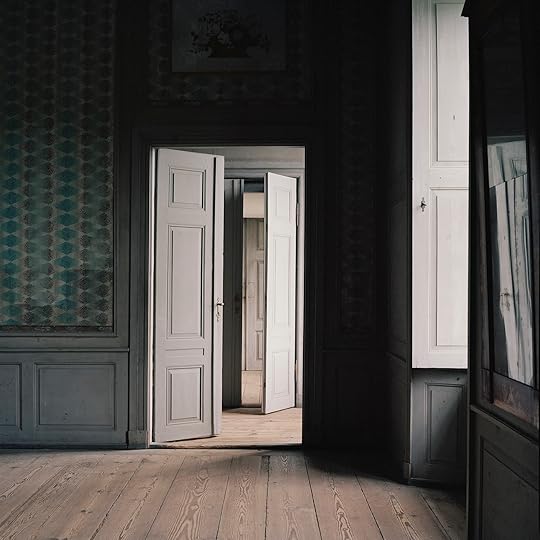
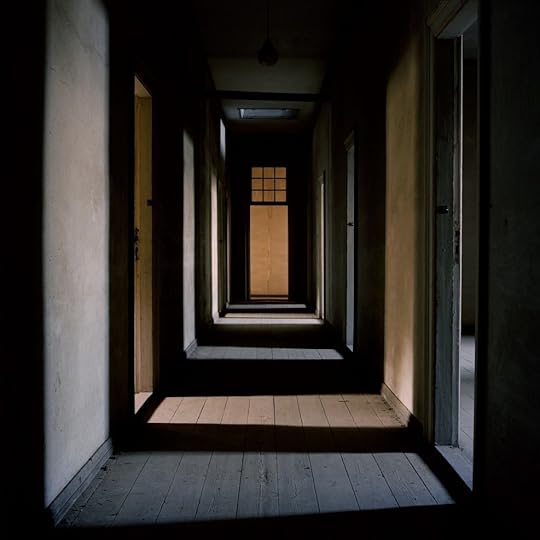
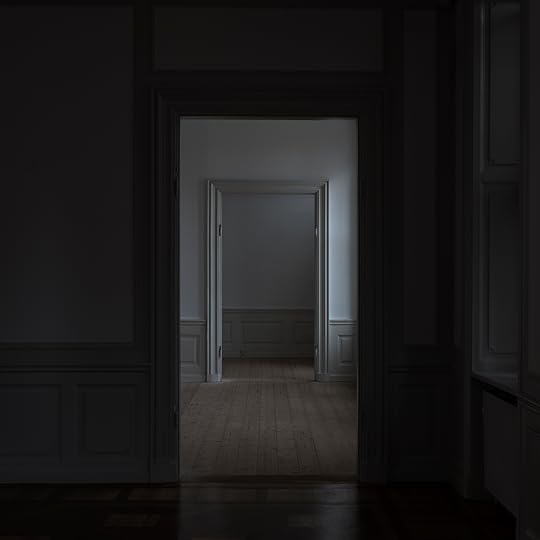
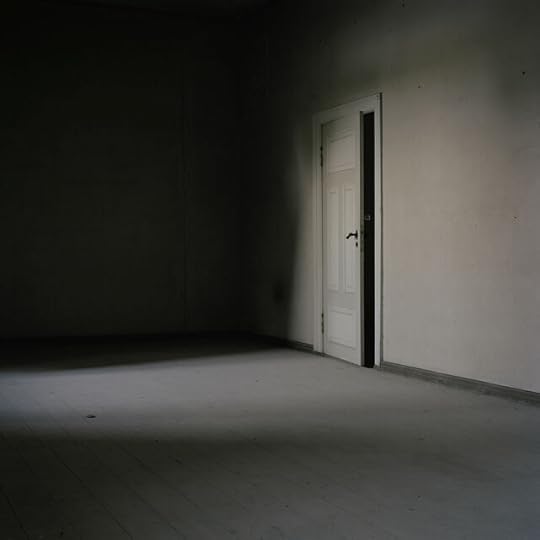
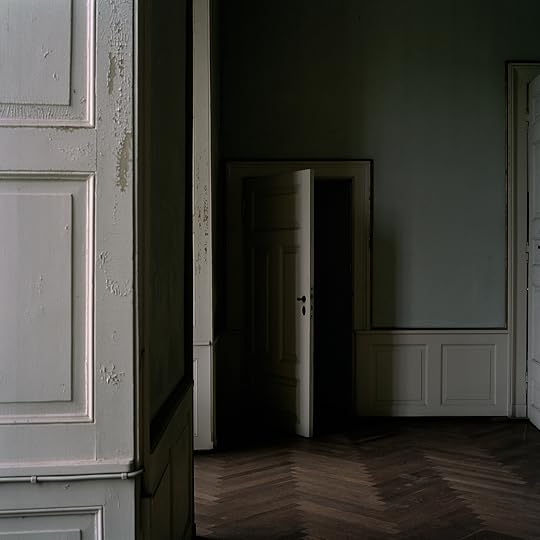
Fotografie di Trine Søndergaard, autrice dello scatto usato nella copertina.
Man mano che i giorni della vacanza passavano, tutti e quattro i fratelli avvertivano ogni tanto il fastidio assoluto e la difficoltà della convivenza in famiglia: era incredibile quanto logorassero l’amore e l’affetto reciproci, che pure erano intensi e duraturi quando loro erano lontani. Si conoscevano così bene, sin troppo, eppure tutti si lasciavano sorprendere di continuo dai complicati, imprevedibile meandri delle rispettive personalità, che malgrado li avessero dimenticati, apparivano loro così familiari non appena si ridestavano.
In realtà non c’è nulla di incredibile. Tutt’altro: è uno dei meccanismi più risaputi e diffusi. Le family reunion sono micidiali e deleterie: ci si vuole bene, e non ci si sopporta – si è cresciuti a stretto contatto, ma in un passato lontano, mentre da tanto ognuno vive per sé e da sé, con mogli, mariti, amanti, figli, nipoti. E genitori vivi anziani, o morti, come in questo caso.
Sono un topos cinematografico più ancora che letterario. E sono un incidente di percorso nella vita di molti di noi: seducenti, allettanti, invitanti – finché le si aspetta, le si guarda da lontano – insopportabili, facilmente dolorose, quando non rabbiose, appena sono in atto.
Tessa Hadley, pur con un soggetto così risaputo, si esibisce in un incipit di notevole abilità, che cattura, dove i nomi e le personalità di tutti si memorizzano e imparano a riconoscere con facilità (non succede quasi mai).
La scrittura è pregevole, il che non guasta mai.
Ma poi, troppo presto, succede qualcosa che ancora non sono riuscito a mettere a fuoco.
Hadley segue tutti i personaggi, e forse i personaggi sono troppi. O forse io avrei preferito che si concentrasse su quelli per me principali, i quattro fratelli (tre sorelle e un fratello), che devono decidere cosa fare della vecchia casa di campagna che appartiene alla famiglia da generazioni: invece Hadley dedica molto spazio ai due bambini e ai due adolescenti, quattro personaggi di nessun interesse e nessuno spessore, tutti e quattro piuttosto capricciosi, bizzosi, viziati, irritanti.
Ma forse è che la grande lezione carveriana qui rimane disattesa: viva l’ordinario, questo sì, ma se lo si sa trasformare in straordinario.
Invece Hadley rimane piatta, ground zero, ordinaria e quotidiana, banale, senza spunti, noiosa oltre ogni dire.
Forse si solleva un pochettino la parte centrale intitolata “Il passato”, ma è sensazione che dura poco: anche qui Hadley sembra produrre più fumo che arrosto.
Andando avanti e avvicinandosi alla fine, nelle ultime decine di pagine i colpi di scena si susseguono, ne ho contati almeno quattro, uno va perfino a scomodare i desaparecidos e davvero non se ne sentiva la necessità.
Ma comunque, anche introducendo momenti ed episodi fuori dall’ordinario, Hadley non sa mai, sottolineo mai, avvicinarsi allo straordinario.
Difficile un altro incontro dopo una prima esperienza così deludente.
Ascoltava i sermoni del marito solo a metà. Non perché non fosse interessata. Ma parte della stranezza del matrimonio, pensava, risiedeva nel fatto che era imprudente prestare troppo attenzione all’altro. era il contrario di ciò che aveva ingenuamente immaginato da ragazza. A chi non era sposato, sembrava che in una coppia ognuno dovesse essere intimamente, costantemente esposto all’altro – ma in realtà, una cosa del genere non era sopportabile. Perché l’amore sopravvivesse, dovevi chiuderti in una certa misura in te stesso.
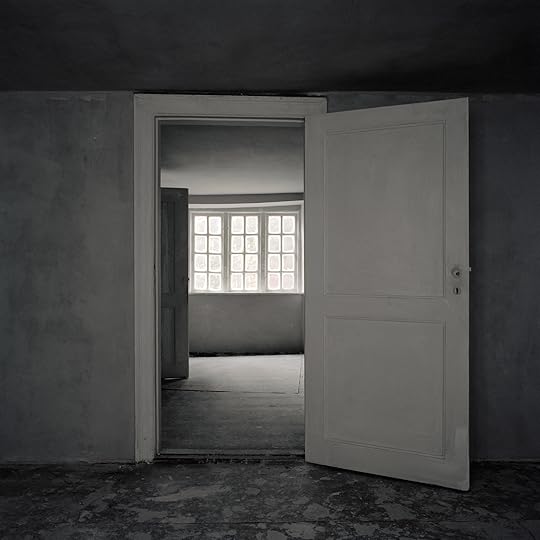
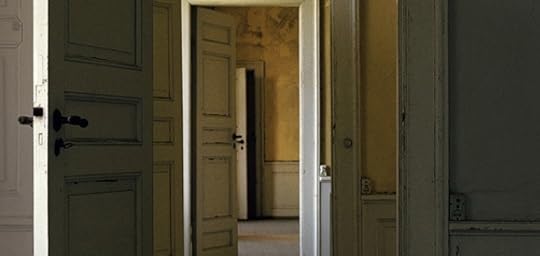
Fotografie di Trine Søndergaard, autrice dello scatto usato nella copertina.
Man mano che i giorni della vacanza passavano, tutti e quattro i fratelli avvertivano ogni tanto il fastidio assoluto e la difficoltà della convivenza in famiglia: era incredibile quanto logorassero l’amore e l’affetto reciproci, che pure erano intensi e duraturi quando loro erano lontani. Si conoscevano così bene, sin troppo, eppure tutti si lasciavano sorprendere di continuo dai complicati, imprevedibile meandri delle rispettive personalità, che malgrado li avessero dimenticati, apparivano loro così familiari non appena si ridestavano.
In realtà non c’è nulla di incredibile. Tutt’altro: è uno dei meccanismi più risaputi e diffusi. Le family reunion sono micidiali e deleterie: ci si vuole bene, e non ci si sopporta – si è cresciuti a stretto contatto, ma in un passato lontano, mentre da tanto ognuno vive per sé e da sé, con mogli, mariti, amanti, figli, nipoti. E genitori vivi anziani, o morti, come in questo caso.
Sono un topos cinematografico più ancora che letterario. E sono un incidente di percorso nella vita di molti di noi: seducenti, allettanti, invitanti – finché le si aspetta, le si guarda da lontano – insopportabili, facilmente dolorose, quando non rabbiose, appena sono in atto.
Tessa Hadley, pur con un soggetto così risaputo, si esibisce in un incipit di notevole abilità, che cattura, dove i nomi e le personalità di tutti si memorizzano e imparano a riconoscere con facilità (non succede quasi mai).
La scrittura è pregevole, il che non guasta mai.
Ma poi, troppo presto, succede qualcosa che ancora non sono riuscito a mettere a fuoco.
Hadley segue tutti i personaggi, e forse i personaggi sono troppi. O forse io avrei preferito che si concentrasse su quelli per me principali, i quattro fratelli (tre sorelle e un fratello), che devono decidere cosa fare della vecchia casa di campagna che appartiene alla famiglia da generazioni: invece Hadley dedica molto spazio ai due bambini e ai due adolescenti, quattro personaggi di nessun interesse e nessuno spessore, tutti e quattro piuttosto capricciosi, bizzosi, viziati, irritanti.
Ma forse è che la grande lezione carveriana qui rimane disattesa: viva l’ordinario, questo sì, ma se lo si sa trasformare in straordinario.
Invece Hadley rimane piatta, ground zero, ordinaria e quotidiana, banale, senza spunti, noiosa oltre ogni dire.
Forse si solleva un pochettino la parte centrale intitolata “Il passato”, ma è sensazione che dura poco: anche qui Hadley sembra produrre più fumo che arrosto.
Andando avanti e avvicinandosi alla fine, nelle ultime decine di pagine i colpi di scena si susseguono, ne ho contati almeno quattro, uno va perfino a scomodare i desaparecidos e davvero non se ne sentiva la necessità.
Ma comunque, anche introducendo momenti ed episodi fuori dall’ordinario, Hadley non sa mai, sottolineo mai, avvicinarsi allo straordinario.
Difficile un altro incontro dopo una prima esperienza così deludente.
Ascoltava i sermoni del marito solo a metà. Non perché non fosse interessata. Ma parte della stranezza del matrimonio, pensava, risiedeva nel fatto che era imprudente prestare troppo attenzione all’altro. era il contrario di ciò che aveva ingenuamente immaginato da ragazza. A chi non era sposato, sembrava che in una coppia ognuno dovesse essere intimamente, costantemente esposto all’altro – ma in realtà, una cosa del genere non era sopportabile. Perché l’amore sopravvivesse, dovevi chiuderti in una certa misura in te stesso.

October 31, 2017
Update - 2nd time around...
Three sisters, (Harriet, Alice, and Fran), and one brother, ( Roland), and their children return home to their country home.
They are filled with resentments and secrets.
Their mother died of Cancer at a young age - and their father was a run-away parent - physically and emotionally.
Roland is successful - but his sisters could squash him like mushing a marshmallow. It’s funny!
He brings his 3rd wife - whom his sisters meet for the first time.
Funny parts around this too! At least for me.
We learn about each of these middle age siblings - their jobs, personality, their quirks- their inner voice and the voice they manifest. The contrast is obvious and interesting.
We get to know the younger generation and the drama going on in their lives too.
Patterns & history have a way of repeating themselves.
The English house ( which belonged to their grandmother - but the kids moved in with their mother after grandma died), needs repair work - ( a decision to sell it or not is a joint issue)....
It’s not just the house that needs repairing.....or attention to the garden...
but relationships between them do too.
Flipping back and forth between the present- past and the present -
We see how the past colors their present.
There are fun moments - both in their present moments of being together- and in looking back at the past. There are those painful ones, too.
This isn’t my visit with ‘The Past’. I gave it 1 star the first time.
I’m moving it up to 3.5 stars this time.
I appreciate the psychological insights and wisdom among the characters - (but this book is not a page turner).
I ‘did’ get more value from reading it - than from the Audiobook.
I appreciate the details of elaborate descriptions-
but I still think it was embellished too much.
I’m reminded of Ann Packer’s novel, “The Children’s Crusade”....
....both involving adult children - decisions - secrets - resentments - family history -
BOTH authors write with lovely prose....
BOTH authors have a wise eye for understanding many shades of people -
But I enjoyed Ann Packer’s book more than this one.
At the same time - I’m looking forward to reading
Tessa Hardly’s new book:
“Late in the Day”.
FIRST TIME AROUND:
As an audiobook -- This is just dull!!!!!!!!!!!!!!
I saw this book on sale at my local book store for $3.99 --I almost bought it then --
But... instead ....I checked my overdrive...
And.....the Audiobook was available --so I downloaded it instead. (mistake) .....
Perhaps I'll revisit this book --(READ IT) -- but after a few different days --a few invested hours of listening -- and too many other books to read or listen to -- (and my big day coming up Friday) --haha -- Happy Halloween today -- I get to be in face costume all month...........
I'll just pass!
I'm old enough now --aren't I? -- that I can 'can' a few?/! In the audiobook can it goes!!
Three sisters, (Harriet, Alice, and Fran), and one brother, ( Roland), and their children return home to their country home.
They are filled with resentments and secrets.
Their mother died of Cancer at a young age - and their father was a run-away parent - physically and emotionally.
Roland is successful - but his sisters could squash him like mushing a marshmallow. It’s funny!
He brings his 3rd wife - whom his sisters meet for the first time.
Funny parts around this too! At least for me.
We learn about each of these middle age siblings - their jobs, personality, their quirks- their inner voice and the voice they manifest. The contrast is obvious and interesting.
We get to know the younger generation and the drama going on in their lives too.
Patterns & history have a way of repeating themselves.
The English house ( which belonged to their grandmother - but the kids moved in with their mother after grandma died), needs repair work - ( a decision to sell it or not is a joint issue)....
It’s not just the house that needs repairing.....or attention to the garden...
but relationships between them do too.
Flipping back and forth between the present- past and the present -
We see how the past colors their present.
There are fun moments - both in their present moments of being together- and in looking back at the past. There are those painful ones, too.
This isn’t my visit with ‘The Past’. I gave it 1 star the first time.
I’m moving it up to 3.5 stars this time.
I appreciate the psychological insights and wisdom among the characters - (but this book is not a page turner).
I ‘did’ get more value from reading it - than from the Audiobook.
I appreciate the details of elaborate descriptions-
but I still think it was embellished too much.
I’m reminded of Ann Packer’s novel, “The Children’s Crusade”....
....both involving adult children - decisions - secrets - resentments - family history -
BOTH authors write with lovely prose....
BOTH authors have a wise eye for understanding many shades of people -
But I enjoyed Ann Packer’s book more than this one.
At the same time - I’m looking forward to reading
Tessa Hardly’s new book:
“Late in the Day”.
FIRST TIME AROUND:
As an audiobook -- This is just dull!!!!!!!!!!!!!!
I saw this book on sale at my local book store for $3.99 --I almost bought it then --
But... instead ....I checked my overdrive...
And.....the Audiobook was available --so I downloaded it instead. (mistake) .....
Perhaps I'll revisit this book --(READ IT) -- but after a few different days --a few invested hours of listening -- and too many other books to read or listen to -- (and my big day coming up Friday) --haha -- Happy Halloween today -- I get to be in face costume all month...........
I'll just pass!
I'm old enough now --aren't I? -- that I can 'can' a few?/! In the audiobook can it goes!!

May 25, 2016
I picked this up on the strength of a few friend reviews - my first experience of Tessa Hadley, and very unlikely to be the last. This is not a book that will add to the diversity of my reading - it is a subtle family story set among the English middle class, full of quiet pleasures.
In a sense this reminded me of another book I read recently - How It All Began by Penelope Lively. Both are full of the sort of events that threaten more significance than what actually happens, but both are focused on the psychology of the characters and their interactions, and in both cases I felt that the writer liked her characters too much to do anything very nasty to them.
This story falls into three sections. The first and last are set in the present, as four adult siblings spend what may be their last holiday at their grandparents' old house in South West England in a small village near the coast. The middle section is set many years earlier at a time when their mother took the first three of them to the same house while considering whether to leave the father.
The story is full of humour and perceptive detail, and it flows in a very readable way. The setting is vividly described and the relationships and contrasting characters are finely drawn.
In a sense this reminded me of another book I read recently - How It All Began by Penelope Lively. Both are full of the sort of events that threaten more significance than what actually happens, but both are focused on the psychology of the characters and their interactions, and in both cases I felt that the writer liked her characters too much to do anything very nasty to them.
This story falls into three sections. The first and last are set in the present, as four adult siblings spend what may be their last holiday at their grandparents' old house in South West England in a small village near the coast. The middle section is set many years earlier at a time when their mother took the first three of them to the same house while considering whether to leave the father.
The story is full of humour and perceptive detail, and it flows in a very readable way. The setting is vividly described and the relationships and contrasting characters are finely drawn.

January 2, 2016
While "The Past" has no plot to speak of, even so I stayed up until 1 a.m. last night to finish it. I've rarely felt this invested in characters, or felt so tenderly toward fictional beings. Hadley moves freely from one character's interior thoughts and feelings to the next. We never learn the full story of any one character. And yet. What we do learn is so apt, so human, that I feel very close to these people. Where the novel soars is in its exploration of private pain, of the essential loneliness of being inside a body, apart from others, thinking thoughts and having feelings that can never be fully known by another. The people in this story are rarely alone, but they're always alone. The point of view most prevalent throughout the novel is being inside the head of a person who is feeling their flaws and isolation from others, feeling these things as a private grief, even when they know they are in the midst of people who love them. This novel is not an unhappy novel, though. It's full of buoyant light, and hope, that even though each of us is frail and flawed, other people find a way to love us.

August 14, 2023
I "discovered" Tessa Hadley a while ago, on The New Yorker Fiction podcast. This podcast features writers who have had stories published in The New Yorker magazine, and these writers select a story from the magazine's archives to read and discuss. Hadley's pick was "New York Girl" by John Updike. Her admiration for the story and writer were so on point and so well articulated, she seemed like a kindred spirit, and I knew I'd have to read her one day. (BTW if you haven't read "New York Girl" please do yourself a favour and....)
It took me some time to get to her, but oh, what an absolute gift this reading was. I have NO idea what all these "reviewers" on Goodreads are complaining about. Don't even get me started. Seriously. I can't.
It's a gorgeous book - subtly rendered, full of fine observations about human relationships and interactions. Hadley's characters are incredibly real, and though there's a certain density in her elegant writing that made me slow down a little, I didn't mind a bit. I didn't mind because I loved being with this group of people. I cared.
I initially bridled when the narrative jumped back a generation (I was comfortable where I was, thank you very much!), but that was only a momentary resistance. I loved what she did in "the past" as well. Each character full and interesting, the backstory was just as fascinating as what had preceded it.
In this story about grown up siblings who convene in their family's beloved but crumbling country home, Hadley refuses to provide artificial drama. There's plenty of the real stuff in minute-to-minute life, friends. No wonder she understands John Updike so well. BRAVO.
It took me some time to get to her, but oh, what an absolute gift this reading was. I have NO idea what all these "reviewers" on Goodreads are complaining about. Don't even get me started. Seriously. I can't.
It's a gorgeous book - subtly rendered, full of fine observations about human relationships and interactions. Hadley's characters are incredibly real, and though there's a certain density in her elegant writing that made me slow down a little, I didn't mind a bit. I didn't mind because I loved being with this group of people. I cared.
I initially bridled when the narrative jumped back a generation (I was comfortable where I was, thank you very much!), but that was only a momentary resistance. I loved what she did in "the past" as well. Each character full and interesting, the backstory was just as fascinating as what had preceded it.
In this story about grown up siblings who convene in their family's beloved but crumbling country home, Hadley refuses to provide artificial drama. There's plenty of the real stuff in minute-to-minute life, friends. No wonder she understands John Updike so well. BRAVO.

July 13, 2023
A extremely slow paced book but it just felt so magicalll 4.75

February 20, 2021
4 αδέρφια (3 γυναίκες και ένας άνδρας) συναντιουνται στο πατρικό τους σπίτι όπου έχουν αποφασίσει να μείνουν για 3 εβδομάδες και να αποφασίσουν εάν θα το πουλήσουν ή όχι. Μαζί τους ο καθένας φέρνει παιδιά, θετα παιδιά, τρίτες συζύγους και φυσικά το παρελθόν του.. Αυτό το σπίτι λειτουργεί σαν πυρήνας που ενώνει 4 ανθρώπους που η ζωή τους οδήγησε σε πολύ διαφορετικά σημεία, τόσο μεταφορικά όσο και κυριολεκτικά, που ενώνει το παρελθόν με το παρόν αποκαλύπτοντας - τουλάχιστον στον αναγνώστη - μυστικά και λάθη των πρωταγωνιστων που ξεκίνησαν στο παρελθόν, ακόμη και πριν γεννηθούν και φυσικά θα επηρεάσουν ακόμη και το μέλλον τους..
Το βιβλίο αυτό μιλά για τους οικογενειακό δεσμούς, πλέκει τις σχέσεις των 4 αδελφών και όχι μόνο, σκιαγραφεί απίστευτους χαρακτήρες με τρομερές λεπτομέρειες και με έκανε να το ρουφηξω σε πολύ μικρό χρονικό διάστημα, αναλογικά με το μέγεθος του. Η γραφή της Hadley μου φάνηκε εθιστική και το βιβλίο αποτελεί για μένα ένα τρανό παράδειγμα αυτών των βιβλίων που χωρίς να έχουν ένα πολύ τρανταχτό στόρι, ωστόσο κρατούν αμείωτο το ενδιαφέρον του αναγνώστη ως την τελευταια σελίδα.
"είναι τρομερό να μένει κανείς" είπε η Αλις. "είναι πάντα πιο ωραίος ο ρόλος αυτού που φεύγει."
Το βιβλίο αυτό μιλά για τους οικογενειακό δεσμούς, πλέκει τις σχέσεις των 4 αδελφών και όχι μόνο, σκιαγραφεί απίστευτους χαρακτήρες με τρομερές λεπτομέρειες και με έκανε να το ρουφηξω σε πολύ μικρό χρονικό διάστημα, αναλογικά με το μέγεθος του. Η γραφή της Hadley μου φάνηκε εθιστική και το βιβλίο αποτελεί για μένα ένα τρανό παράδειγμα αυτών των βιβλίων που χωρίς να έχουν ένα πολύ τρανταχτό στόρι, ωστόσο κρατούν αμείωτο το ενδιαφέρον του αναγνώστη ως την τελευταια σελίδα.
"είναι τρομερό να μένει κανείς" είπε η Αλις. "είναι πάντα πιο ωραίος ο ρόλος αυτού που φεύγει."

November 12, 2015
Earlier this year, the British writer Tessa Hadley described “The Past” as “more plotty” than her previous novels. “It has a stronger narrative curve,” she explained, “which drives us from the first pages to the last.” That’s both hilarious and entirely apt because, in one sense, “The Past” couldn’t be more placid. Yet these elegant pages are so preternaturally gripping that they countenance no interruption.
Unfortunately, “The Past” is one of those books that. . . .
To read the rest of this review, go to The Washington Post:
https://www.washingtonpost.com/entert...
Unfortunately, “The Past” is one of those books that. . . .
To read the rest of this review, go to The Washington Post:
https://www.washingtonpost.com/entert...

January 2, 2016
Another work of quiet brilliance by Hadley! As Ron Charles, book editor of The Washington Post, says in his review “The Past” is one of those books that withers in summary. It is hard to describe this and other Hadley novels and stories without them sounding a little like watching paint drying. But in The Past, Hadley captures with beautiful words the story of a reunion of four adult siblings, two children and a couple of teenagers, at their ancestral home of their Grandparents. Will the 3-week holiday they've decided on be the last time they gather here? They have come together to ultimately decide whether it's time to sell the house that stands empty, used only for holidays.
Hadley introduces us to the family members in the first part of the book, The Present, and then takes us back to 1968 when they were children staying with their Grandparents with their mother in part two of the book, The Past. We see the basis of their personalities and their relationships here, which play out in the last part of the book where she returns to The Present. Hadley tells their story with humor and amazing clarity and insight to human nature. The portrayals of the children, the teens and the adults are spot on, potentially causing the reader to recognize themselves in the characters, their musings and actions.
In an interview in the NY Times By the Book feature, Hadley replied when asked what moves her most in a novel that it's the words. She goes on to say:
It’s in the arrangements of the language that the intelligence and the taste show up. Are those words, in that sequence, clumsy? Banal? Hyped-up, or showing off? And then, if not, if the book’s good, you settle into trusting it. If the book’s good, each successive sentence adds something you’ve never known before.
This belief about books and writing shows up beautifully in The Past.
Here's Ron Charles's review: https://www.goodreads.com/review/show...
And the NY Times interview: http://www.nytimes.com/2016/01/03/boo...
And this interview shared with me by a fellow Goodreader is wonderful!
https://lareviewofbooks.org/interview...
Hadley introduces us to the family members in the first part of the book, The Present, and then takes us back to 1968 when they were children staying with their Grandparents with their mother in part two of the book, The Past. We see the basis of their personalities and their relationships here, which play out in the last part of the book where she returns to The Present. Hadley tells their story with humor and amazing clarity and insight to human nature. The portrayals of the children, the teens and the adults are spot on, potentially causing the reader to recognize themselves in the characters, their musings and actions.
In an interview in the NY Times By the Book feature, Hadley replied when asked what moves her most in a novel that it's the words. She goes on to say:
It’s in the arrangements of the language that the intelligence and the taste show up. Are those words, in that sequence, clumsy? Banal? Hyped-up, or showing off? And then, if not, if the book’s good, you settle into trusting it. If the book’s good, each successive sentence adds something you’ve never known before.
This belief about books and writing shows up beautifully in The Past.
Here's Ron Charles's review: https://www.goodreads.com/review/show...
And the NY Times interview: http://www.nytimes.com/2016/01/03/boo...
And this interview shared with me by a fellow Goodreader is wonderful!
https://lareviewofbooks.org/interview...

January 20, 2024
After reading Tessa Hadley’s Late in the Day I came to this book - The Past, full of high expectations, very high expectations. Alas, I was a tad disappointed.
Set in a dreamy village in South West UK, sisters Harriet, Alice, Fran, and their brother Roland meet up for their annual summer sojourn at their deceased grandparents’ cottage. The place is old and in need of renovations, they must decide if they keep the house or sell it. Hadley paints a vivid picture of a home full of golden memories. Her wonderful writing also describes the local countryside, with it’s overgrown vegetation, winding paths to nowhere, long grass and forests and wildlife – I felt like I was there.
Fran brings her two little kids – Arthur and Ivy, and Roland has in tow his new third wife, Pilar. A beautiful Argentinian woman, sexy, professional, and polished. She’s yet to meet the three sisters, tough gig hey? Roland has also brought along his sixteen-year-old daughter Molly who hangs around, perhaps a bit too much, with Alice’s ex-boyfriend’s son – Kasim. This young man, is absolutely cock sure of himself.
This three-week holiday is full of simmering discontent and conflict. Naturally, old resentments erupt among the siblings, and the unexpected guests add a lighter fuel to the mix.
I was on a five-star roll initially with this, as the suspense sucked me in totally – I was trying to figure who was going to fight with who, how Pilar and Kasim were going to fit in, all while learning about the siblings’ relationships and resentments.
BUT – halfway through I started to find certain aspects a little tiresome. The author spent considerable time following little Ivy and Arthur around as they explored the landscape, including a dilapidated cottage near to the house. Even though the dilapidated cottage added mystery to the story, I found the whole ‘kid-thing’ tiresome, there was a lot of it. I also didn’t really have any feelings towards the characters, despite the excellent writing I just wanted them all to go home, so I could get on to my next book. That’s never a good sign. Oh, I did have some feelings towards Kasim – I thought he was a self-assured Muppet.
Hadley’s beautiful writing is still on display though. Perhaps my high expectations ruined this for me a bit.
3.5 Stars – rounded down to 3 Stars
Set in a dreamy village in South West UK, sisters Harriet, Alice, Fran, and their brother Roland meet up for their annual summer sojourn at their deceased grandparents’ cottage. The place is old and in need of renovations, they must decide if they keep the house or sell it. Hadley paints a vivid picture of a home full of golden memories. Her wonderful writing also describes the local countryside, with it’s overgrown vegetation, winding paths to nowhere, long grass and forests and wildlife – I felt like I was there.
Fran brings her two little kids – Arthur and Ivy, and Roland has in tow his new third wife, Pilar. A beautiful Argentinian woman, sexy, professional, and polished. She’s yet to meet the three sisters, tough gig hey? Roland has also brought along his sixteen-year-old daughter Molly who hangs around, perhaps a bit too much, with Alice’s ex-boyfriend’s son – Kasim. This young man, is absolutely cock sure of himself.
This three-week holiday is full of simmering discontent and conflict. Naturally, old resentments erupt among the siblings, and the unexpected guests add a lighter fuel to the mix.
I was on a five-star roll initially with this, as the suspense sucked me in totally – I was trying to figure who was going to fight with who, how Pilar and Kasim were going to fit in, all while learning about the siblings’ relationships and resentments.
BUT – halfway through I started to find certain aspects a little tiresome. The author spent considerable time following little Ivy and Arthur around as they explored the landscape, including a dilapidated cottage near to the house. Even though the dilapidated cottage added mystery to the story, I found the whole ‘kid-thing’ tiresome, there was a lot of it. I also didn’t really have any feelings towards the characters, despite the excellent writing I just wanted them all to go home, so I could get on to my next book. That’s never a good sign. Oh, I did have some feelings towards Kasim – I thought he was a self-assured Muppet.
Hadley’s beautiful writing is still on display though. Perhaps my high expectations ruined this for me a bit.
3.5 Stars – rounded down to 3 Stars

August 28, 2016
"The knew one another so well, all too well, and yet they were all continually surprised by the forgotten difficult twists and turns of one another's personalities, so familiar as soon as they appeared."
Four grown siblings inherit their grandparents' rectory in the English countryside and spend three summer weeks there before deciding what to do it. Alice arrives first. A flighty and romantic soul, she brings along Kasim, an economics student with a high opinion of himself. Roland, a guarded intellectual, comes with his glamorous new Argentinian wife and teenage daughter. Fran is a schoolteacher and the most sensible member of the clan. She has her two excitable and highly-strung children to contend with. And Harriet, the eldest, is a shy and thoughtful former revolutionary who is beginning to lament some of her life choices. Over the course of the holiday, tensions will simmer, old wounds will open and passions will erupt.
Though the Crane family have grown up and lead lives of their own, they are forever linked by the shared experiences of their childhood. This holiday is an attempt to recapture the some of their happiest memories and a chance to take a break from their current troubles:
And like many families they bicker constantly, but they are so comfortable in each others' company that any squabbles are quickly dismissed:
Hadley has written this absorbing tale with real psychological insight. The interior lives of these fascinating characters are richly imagined and their complex relationships are deftly depicted. The middle section of the book is an ingenious flashback to when the Cranes were kids and we discover how the past has shaped them into the people they are today. The story is also an insightful exploration into the passage of time, from Alice's fond nostalgia to Harriet's torturous regrets. But above all, this supremely intelligent novel is a masterful examination of family life.
Four grown siblings inherit their grandparents' rectory in the English countryside and spend three summer weeks there before deciding what to do it. Alice arrives first. A flighty and romantic soul, she brings along Kasim, an economics student with a high opinion of himself. Roland, a guarded intellectual, comes with his glamorous new Argentinian wife and teenage daughter. Fran is a schoolteacher and the most sensible member of the clan. She has her two excitable and highly-strung children to contend with. And Harriet, the eldest, is a shy and thoughtful former revolutionary who is beginning to lament some of her life choices. Over the course of the holiday, tensions will simmer, old wounds will open and passions will erupt.
Though the Crane family have grown up and lead lives of their own, they are forever linked by the shared experiences of their childhood. This holiday is an attempt to recapture the some of their happiest memories and a chance to take a break from their current troubles:
"Alice had told her therapist that she dreamed about this house all the time. Every other house she'd lived in seemed, beside this one, only a stage set for a performance."
And like many families they bicker constantly, but they are so comfortable in each others' company that any squabbles are quickly dismissed:
“Both sisters managed to be offended. They sulked for five minutes and couldn’t forgive each other, until they forgot about it and worked back to their gossip, which circled eternally.”
Hadley has written this absorbing tale with real psychological insight. The interior lives of these fascinating characters are richly imagined and their complex relationships are deftly depicted. The middle section of the book is an ingenious flashback to when the Cranes were kids and we discover how the past has shaped them into the people they are today. The story is also an insightful exploration into the passage of time, from Alice's fond nostalgia to Harriet's torturous regrets. But above all, this supremely intelligent novel is a masterful examination of family life.

December 17, 2017
Just remember: three stars mean I liked it.
"Placid" comes to mind when I think back on this book of four siblings coming together in their old family home to make an important decision about its future. As usual they come with memories and baggage as well as children who must carry on their legacy.
The American blurb reads like a cheap premonition of a porn storm: With uncanny precision and extraordinary sympathy, Tessa Hadley charts the squalls of lust and envy disrupting this ill-assorted house party, as well as the consolations of memory and affection, the beauty of the natural world, the shifting of history under the social surface. From the first page the reader is absorbed and enthralled, watching a superb craftsperson unfold the lives of these unforgettable siblings.
Instinctively an experienced reader should up and run. To turn the dullness of a somber bucolic landscape into a passionate play of words, is permissible, but dishonest. Trying to turn ordinary into extraordinary with a few sales gimmicks is really sad. This book in all its splendorous mediocrity had me constantly, for months, considering turning my back on it and watch paint dry on the walls as alternative form of excitement. Yet, I did not do it. I came back. Again and again.
Ok, so that's my gripe. And it's the only one.
Otherwise the very well-written story, perhaps a little character-driven and only hot on stream of consciousness movement, did manage to tell the story of a ordinary British family struggling with life's challenges and the memories of the life they used to enjoy and love. It was like being nostalgic again about a landscape in which they could not embed themselves again as participants in it. They were out of it for too many years. The three sisters were like a seraglio of Fate. So the same, yet so different, with a bond that eventually would prove to be stronger than destiny. Their last reunion in the old home, being a typical British pastoral as pastiche, brought more than just a last effort to be a united family, drenched in old traditions and values.
Pilar, Roland's third wife, subconsciously triggered the changes to come. In almost three weeks of isolated, bucolic bliss, which Pilar despised, she loved cities and excitement, the three sisters would be forced to perform their family life for her scrutiny, with each scene lathered with pretentiousness. It felt false. Their actions, their words, their meanings. One by one the threads of their lives would loosen itself and lay bare the real people behind the performance. Pilar was the Gorgon in their midst. The stranger who walked into the narrative and changed the plots of their lives without them realizing what was happening. A pilar? Mmmm ...
Harriet, Alice, Fran and Roland would walk out and close the doors of Kington, liberated from themselves and everything that kept them chained to their own limitations. There was enough time left for new beginnings.
I tried many times to get into this book. It was just so dull. In the end I just grabbed it and got on with it. A good read. Not overly exciting, or breaking any glass ceilings of any new discoveries, but a relaxing realistic experience. A quiet, graceful story. There is a lot to the book. A Creative Writing marvel for those who thrive on it. In that sense it is recommendable. In any other way it lacked the magic needed to steam up the windows and boil the blood. It simply wasn't there, for me at least.
Another stranger walked into the plot and change the ending considerably, perhaps not for the family, but for the reader for sure.
A good family saga.
"Placid" comes to mind when I think back on this book of four siblings coming together in their old family home to make an important decision about its future. As usual they come with memories and baggage as well as children who must carry on their legacy.
The American blurb reads like a cheap premonition of a porn storm: With uncanny precision and extraordinary sympathy, Tessa Hadley charts the squalls of lust and envy disrupting this ill-assorted house party, as well as the consolations of memory and affection, the beauty of the natural world, the shifting of history under the social surface. From the first page the reader is absorbed and enthralled, watching a superb craftsperson unfold the lives of these unforgettable siblings.
Instinctively an experienced reader should up and run. To turn the dullness of a somber bucolic landscape into a passionate play of words, is permissible, but dishonest. Trying to turn ordinary into extraordinary with a few sales gimmicks is really sad. This book in all its splendorous mediocrity had me constantly, for months, considering turning my back on it and watch paint dry on the walls as alternative form of excitement. Yet, I did not do it. I came back. Again and again.
Ok, so that's my gripe. And it's the only one.
Otherwise the very well-written story, perhaps a little character-driven and only hot on stream of consciousness movement, did manage to tell the story of a ordinary British family struggling with life's challenges and the memories of the life they used to enjoy and love. It was like being nostalgic again about a landscape in which they could not embed themselves again as participants in it. They were out of it for too many years. The three sisters were like a seraglio of Fate. So the same, yet so different, with a bond that eventually would prove to be stronger than destiny. Their last reunion in the old home, being a typical British pastoral as pastiche, brought more than just a last effort to be a united family, drenched in old traditions and values.
Pilar, Roland's third wife, subconsciously triggered the changes to come. In almost three weeks of isolated, bucolic bliss, which Pilar despised, she loved cities and excitement, the three sisters would be forced to perform their family life for her scrutiny, with each scene lathered with pretentiousness. It felt false. Their actions, their words, their meanings. One by one the threads of their lives would loosen itself and lay bare the real people behind the performance. Pilar was the Gorgon in their midst. The stranger who walked into the narrative and changed the plots of their lives without them realizing what was happening. A pilar? Mmmm ...
Harriet, Alice, Fran and Roland would walk out and close the doors of Kington, liberated from themselves and everything that kept them chained to their own limitations. There was enough time left for new beginnings.
I tried many times to get into this book. It was just so dull. In the end I just grabbed it and got on with it. A good read. Not overly exciting, or breaking any glass ceilings of any new discoveries, but a relaxing realistic experience. A quiet, graceful story. There is a lot to the book. A Creative Writing marvel for those who thrive on it. In that sense it is recommendable. In any other way it lacked the magic needed to steam up the windows and boil the blood. It simply wasn't there, for me at least.
Another stranger walked into the plot and change the ending considerably, perhaps not for the family, but for the reader for sure.
A good family saga.

July 11, 2023
Tomorrow’s almost over,
Today went by so fast,
It’s the only thing to look forward to – the past
You would have to be of a certain age and from the UK to recognise that reference. This is the first novel I have read by Hadley and it does have a Chekovian feel to it. The plot is simple and involves a family holiday. Four siblings spend three weeks in the home of their late parents in the country. There is Roland, his new wife Pilar (from Argentina) and his teenage daughter Molly. Then there are three sisters, Fran, Harriet and Alice, all in their forties. Harriet is a former left wing radical starting to mellow, Fran brings her two children, Ivy and Arthur (between eight and twelve): Alice is on a break between lovers and brings Kasim the son of an ex-lover who is in his late teens/early twenties. Take a family home, add some plentiful family dynamics, a bit of tension, some reminiscing, a couple of mischievous children, some horny teens and stick them in the middle of the countryside and see what happens.
“They knew one another well, all too well, and yet they were all continually surprised by the forgotten difficult twists and turns of one another’s personalities, so familiar as soon as they appeared.”
The book is split into three sections. Two present day sections with a middle section going back to 1968.
As there is no real plotline the novel flows along with the interactions and the reflections of the characters on life and each other:
“part of the oddity of marriage, she thought, was in how unwise it was to attend too intently to the other person. This was the opposite to what she had naively imagined, as a girl. To the unmarried, it seemed that a couple must be intimately, perpetually exposed to each other – but actually, that wasn’t bearable”
There are plenty of contrasts between middle age and youth as you would expect and doses of longing, wistfulness and wasted youth. The writing about childhood is also pretty well written. It’s skilfully woven together and it becomes obvious that Hadley is influenced by Elizabeth Bowen. The descriptions of the landscape and weather are evocative and effective. This is middle class angst at its best. That may put a few people off, but Hadley does inject some psychological subtlety and personal dysfunction. The switching between characters does work in this case.
There are shades of Woolf’s To The Lighthouse in the ebb and flows, but for me it’s not in that league, although it held my interest and I enjoyed it.
“New growth sprouted livid green, the tan mulch under the pines in a plantation had darkened to ox blood, unripe blackberreies were fuzzy with grey mould. Beside a path a bank had sheared away ina smear of red mud; skirting around it they saw into the raw root-gape, like flung arms, of a tree upended, its deep hole whiskery with torn roots.”
Today went by so fast,
It’s the only thing to look forward to – the past
You would have to be of a certain age and from the UK to recognise that reference. This is the first novel I have read by Hadley and it does have a Chekovian feel to it. The plot is simple and involves a family holiday. Four siblings spend three weeks in the home of their late parents in the country. There is Roland, his new wife Pilar (from Argentina) and his teenage daughter Molly. Then there are three sisters, Fran, Harriet and Alice, all in their forties. Harriet is a former left wing radical starting to mellow, Fran brings her two children, Ivy and Arthur (between eight and twelve): Alice is on a break between lovers and brings Kasim the son of an ex-lover who is in his late teens/early twenties. Take a family home, add some plentiful family dynamics, a bit of tension, some reminiscing, a couple of mischievous children, some horny teens and stick them in the middle of the countryside and see what happens.
“They knew one another well, all too well, and yet they were all continually surprised by the forgotten difficult twists and turns of one another’s personalities, so familiar as soon as they appeared.”
The book is split into three sections. Two present day sections with a middle section going back to 1968.
As there is no real plotline the novel flows along with the interactions and the reflections of the characters on life and each other:
“part of the oddity of marriage, she thought, was in how unwise it was to attend too intently to the other person. This was the opposite to what she had naively imagined, as a girl. To the unmarried, it seemed that a couple must be intimately, perpetually exposed to each other – but actually, that wasn’t bearable”
There are plenty of contrasts between middle age and youth as you would expect and doses of longing, wistfulness and wasted youth. The writing about childhood is also pretty well written. It’s skilfully woven together and it becomes obvious that Hadley is influenced by Elizabeth Bowen. The descriptions of the landscape and weather are evocative and effective. This is middle class angst at its best. That may put a few people off, but Hadley does inject some psychological subtlety and personal dysfunction. The switching between characters does work in this case.
There are shades of Woolf’s To The Lighthouse in the ebb and flows, but for me it’s not in that league, although it held my interest and I enjoyed it.
“New growth sprouted livid green, the tan mulch under the pines in a plantation had darkened to ox blood, unripe blackberreies were fuzzy with grey mould. Beside a path a bank had sheared away ina smear of red mud; skirting around it they saw into the raw root-gape, like flung arms, of a tree upended, its deep hole whiskery with torn roots.”

May 30, 2017
This was a good story and especially perfect for reading during the summer, since it takes place over three weeks in a summer cottage. Four siblings and their children go back to this cottage every now and then in order to reunite and forget everything about their everyday lives. This time is a little bit different, though, as they're also there to discuss whether to keep the cottage in their family or let it go.
I liked how Tessa Hadley played with the narrative structure and added more depth to our understanding of the characters. I also loved how she was able to portray the dryness and laziness of summer. That being said, the story was somewhat too straight-forward for my taste, and while it wasn't boring, I was also able to predict some of the things happening, and I sometimes found myself less intrigued by the characters and their stories than to begin with.
I liked how Tessa Hadley played with the narrative structure and added more depth to our understanding of the characters. I also loved how she was able to portray the dryness and laziness of summer. That being said, the story was somewhat too straight-forward for my taste, and while it wasn't boring, I was also able to predict some of the things happening, and I sometimes found myself less intrigued by the characters and their stories than to begin with.

January 10, 2016
This was not a pleasant reading experience for me, to say the least. Hadley's prose is so, so unnecessarily wordy, I had to wonder if she were being paid by the adjective. Really tedious plot, dull characters, action at a snail's pace, strange wandering subplots, and writing that was overly descriptive to the point of distraction. Next!
March 31, 2016
“Elegant, witty, understated, quiet” are adjectives I’d use to describe author Tessa Hadley’s writing. I read “The Past” for the pure pleasure of reading. It’s a novel that one wants to reread passages because the writing is so elegant.
That said, it’s a long narrative. There’s not much action and fast-paced scenes. It’s a story of four adult siblings coming to their late grandparent’s home in England for a three week vacation. One sister is flighty, a washed up actress. One sister is the tired, sensitive, and sensible sibling. The third sister is married and brings her two young children (thank God because they are comic relief). And finally, there is the adored son, who brings his third wife and daughter from his second marriage. Each character is finely developed.
Yes, family dramas can be old and tired stories. Yes, you need to be in the mood for reading it. And if you are in the mood to read a beautifully written novel with understated wit, read this one.
That said, it’s a long narrative. There’s not much action and fast-paced scenes. It’s a story of four adult siblings coming to their late grandparent’s home in England for a three week vacation. One sister is flighty, a washed up actress. One sister is the tired, sensitive, and sensible sibling. The third sister is married and brings her two young children (thank God because they are comic relief). And finally, there is the adored son, who brings his third wife and daughter from his second marriage. Each character is finely developed.
Yes, family dramas can be old and tired stories. Yes, you need to be in the mood for reading it. And if you are in the mood to read a beautifully written novel with understated wit, read this one.

February 4, 2024
‘El pasado’ tiene todo lo que me gusta: una forma de escribir preciosa, una trama sobre una familia que se enfrenta a un cambio, una aproximación intimista, donde el lugar donde transcurre todo es un personaje más, un libro que quedaría en el esqueleto sin borraras la naturaleza y dónde la construcción de los personajes y cómo cambian (o no) en unas semanas es el pilar del libro, no lo que pasa. Porque pasar, pasar… no pasa mucho, ya aviso, por si no te gustan ese tipo de novelas.
Cuatro hermanos se reúnen un verano más en la casa que heredaron de sus abuelos. Un lugar que por mucho que me dijeran las reformas que necesita, para mí era lo más parecido al paraíso que me puede venir a la mente. Pero lo cierto es que ya no van tanto y es el momento de decidir si vender la propiedad. Y claro… este es un gran elefante en mitad de la habitación que todos fingen no ver para evitar conflictos y disfrutar juntos de la que puede ser su última estancia allí.
Así, página a página iremos conociendo a las diferentes personas que conforman esta familia en el presente, tres hermanas, de ellas, una acude con sus dos hijos pequeños en plena crisis matrimonial; y un hermano, con su esposa, y su hija adolescente del primer matrimonio. Entre otros personajes porque con una segunda línea temporal y a partir de sus ausencias, conoceremos a los miembros de cuatro generaciones y algunos vecinos un poco pesados. Personajes que según el momento quieres dar un abrazo, gritar o poner una bandera roja gigante delante de sus ojos a ver si los abren.
Por muchos que parezcan están tan bien dibujados, cada uno con su vida, personalidad y arco, que es imposible liarse. Personajes que conviven y que se conocen perfectamente pero que deciden pasar sus pesares en soledad ¡No es un libro de hacerse un croquis! Es un libro para dejarse mecer por la lectura, trasladarse a ese verano en el rural inglés y disfrutar del placer de la lectura.
Reconozco que esperé que en la línea temporal que da nombre al libro hubiera algún giro puesto que hay pequeños misterios, pero no, el camino por el que quiere llevarnos la autora va por otros derroteros, no el de dejarte con la boca abierta por algo que no venías venir.
No puedo no destacar una de las cosas que más he disfrutado junto con las descripciones de la naturaleza y su incidencia en los personajes, y es como la autora muestra el ‘mundo de los niños’. Ojalá leáis el libro y Ivy y Arthur os den tanto como me han dado a mí, volver vivir los juegos, temores y creencias que surgen de los secretos que solo se dan en la infancia.
‘El pasado’ está lleno de pequeños secretos que marcaron vidas, de renuncias, de insatisfacciones ocultas, de amor. De personas que no quieren mirarse al espejo por miedo a lo que pueden encontrar, que se esconden tras una sonrisa, una mentira, un diario o una pareja. También de primeras veces, y de últimas. Pero dentro de tanta cotidianidad, veremos como el contexto externo (o no tanto) a esta familia también cobra peso en sus vidas, como las consecuencias de la dictadura militar argentina o el mayo del 68 francés.
Una historia sobre la memoria familiar que habla sobre cómo hay tantas formas de enfrentarse a una misma situación como personas, sobre cómo nos aferramos a los lugares cuando las personas que queremos ya no están, sobre lo difícil que es dejar ir los lugares donde fuimos felices, sobre como eso también es duelo.
Conmovedor, bellísimamente escrito, con una historia contada sin prisa. No sé, he sentido este libro como un sueño en el que he vivido en sus páginas. No puedo imaginarme veraneando lejos de esa casa, esos campos, esa cascada que aparece y desaparece… ni pensar que ya no voy a estar dentro de la cabeza de estos personajes y saber qué les pasara a partir de ahora. Espero que estén todos bien.
Cuatro hermanos se reúnen un verano más en la casa que heredaron de sus abuelos. Un lugar que por mucho que me dijeran las reformas que necesita, para mí era lo más parecido al paraíso que me puede venir a la mente. Pero lo cierto es que ya no van tanto y es el momento de decidir si vender la propiedad. Y claro… este es un gran elefante en mitad de la habitación que todos fingen no ver para evitar conflictos y disfrutar juntos de la que puede ser su última estancia allí.
Así, página a página iremos conociendo a las diferentes personas que conforman esta familia en el presente, tres hermanas, de ellas, una acude con sus dos hijos pequeños en plena crisis matrimonial; y un hermano, con su esposa, y su hija adolescente del primer matrimonio. Entre otros personajes porque con una segunda línea temporal y a partir de sus ausencias, conoceremos a los miembros de cuatro generaciones y algunos vecinos un poco pesados. Personajes que según el momento quieres dar un abrazo, gritar o poner una bandera roja gigante delante de sus ojos a ver si los abren.
Por muchos que parezcan están tan bien dibujados, cada uno con su vida, personalidad y arco, que es imposible liarse. Personajes que conviven y que se conocen perfectamente pero que deciden pasar sus pesares en soledad ¡No es un libro de hacerse un croquis! Es un libro para dejarse mecer por la lectura, trasladarse a ese verano en el rural inglés y disfrutar del placer de la lectura.
Reconozco que esperé que en la línea temporal que da nombre al libro hubiera algún giro puesto que hay pequeños misterios, pero no, el camino por el que quiere llevarnos la autora va por otros derroteros, no el de dejarte con la boca abierta por algo que no venías venir.
No puedo no destacar una de las cosas que más he disfrutado junto con las descripciones de la naturaleza y su incidencia en los personajes, y es como la autora muestra el ‘mundo de los niños’. Ojalá leáis el libro y Ivy y Arthur os den tanto como me han dado a mí, volver vivir los juegos, temores y creencias que surgen de los secretos que solo se dan en la infancia.
‘El pasado’ está lleno de pequeños secretos que marcaron vidas, de renuncias, de insatisfacciones ocultas, de amor. De personas que no quieren mirarse al espejo por miedo a lo que pueden encontrar, que se esconden tras una sonrisa, una mentira, un diario o una pareja. También de primeras veces, y de últimas. Pero dentro de tanta cotidianidad, veremos como el contexto externo (o no tanto) a esta familia también cobra peso en sus vidas, como las consecuencias de la dictadura militar argentina o el mayo del 68 francés.
Una historia sobre la memoria familiar que habla sobre cómo hay tantas formas de enfrentarse a una misma situación como personas, sobre cómo nos aferramos a los lugares cuando las personas que queremos ya no están, sobre lo difícil que es dejar ir los lugares donde fuimos felices, sobre como eso también es duelo.
Conmovedor, bellísimamente escrito, con una historia contada sin prisa. No sé, he sentido este libro como un sueño en el que he vivido en sus páginas. No puedo imaginarme veraneando lejos de esa casa, esos campos, esa cascada que aparece y desaparece… ni pensar que ya no voy a estar dentro de la cabeza de estos personajes y saber qué les pasara a partir de ahora. Espero que estén todos bien.

September 28, 2015
My problem with this novel is that it is just so ordinary. Four siblings meet at the old family house to discuss what to do with it. Inevitably there are disagreements. Lots of time to reminisce and see who remembers most clearly. Troubled relationships. Hasn’t this all been done before? It’s a tried and tested storyline to which Hadley adds nothing of interest. Plus she brings in some extraneous material that jars. The son of the family is on his third wife and she’s Argentinian. Cue a sub-plot about the children who were snatched form their birth parents in Argentina and her search for her true identity. Why do we need this? Well, actually we don’t. And the sister who most wants this family reunion decides to bring along her ex-boyfriend’s son – for no good reason that I can see, as an outsider is bound to make the reunion more difficult. There are many false notes in this saga, and I was disappointed by it. I’ve seen comparisons to Henry James and Jane Austen. Really? I don’t think so. It’s not a bad book, but it sure isn’t a very good one.

July 26, 2015
Four adult siblings gather at their grandfather’s Devon vicarage for one last summer holiday before the house is sold. Their interactions, past and present, skirt the edges of tragedy and show the secrets and psychological intricacies any family harbors. Hadley writes beautifully subtle stories of English family life. Here she channels Elizabeth Bowen with a setup borrowed from The House in Paris: the novel is divided into three parts, titled “The Present,” “The Past,” and “The Present.” That structure allows for a deeper look at what the house and a neighboring cottage have meant to the central family. Hadley writes great descriptive prose and has such insight into family dynamics.
See my full review at The Bookbag.
See my full review at The Bookbag.

September 7, 2023
Roland's academic position was as a philosopher, but he had also published a couple of popularising books, which didn't popularise too far on philosophy and film, and now he wrote and reviewed for the national papers. The surprising white suit must be the new wife's influence, Harriet thought, and made him appear worldly and gilded. He was saying that British film had always been limited by its lack of pastoral. - Unlike Italian films, or Iranian, we can only do the pastoral as pastiche. We only know how to be nostalgic about landscape, we don't know how to imagine ourselves inside it.
The quote above comes near the beginning of Hadley's book, page 40, and is a scene of the family gathered around the lunch table, enjoying each other's company; it is the start of a summer holiday in the family's old home in Exmoor.
As I read from beginning to end, those two sentences about us English unable to actually live in the landscape without viewing it romantically stuck in my head - and I considered that the whole book is written as a refutation of Roland's statement above. I enjoyed my reading experience - there is very little plot as other reviewers have mentioned but what charmed me the most was that I suddenly and vividly recalled a trip I had made to the area almost 34 years ago. It's quite easy to work out that the local town is Minehead, where the family visit occasionally for essential shopping.
I think Hadley's talents reside in her ability to conjure up the English landscape - in all its weathers. In fact her descriptions are so pin point perfect that I easily found an old white house, set near to a church close to Cutcombe wood that she mentions, on Google Maps.
Because she couldn't get inside the house, Alice felt obliged to go on showing things to Kasim. She took him into the churchyard through a keyhole gap in a stone wall in the back garden. Her grandfather had been the minister here. The house and the church stood together on the rim of a bowl of air scooped deep between the surrounding hills, and buzzards floated on thermals in the air below them. The ancient stubby tower of the church, blind without windows, seemed sunk in the red earth; the nave was disproportionately all window by contrast, and the clear old quavering glass made its stone walls appear weightless - you saw straight through to the green of trees on the far side. In the churchyard the earth was upheaved as turbulently as a sea by all the burials in it, and overgrown at one end with tall hogweed and rusty dock.
I really felt this was a lovesong perhaps to some wonderful place where Hadley had stayed or known well - and yes as one other reviewer put it - her characters are pretty awful and I thought yes, we could have done without them and just enjoyed the house, church and landscape.
The quote above comes near the beginning of Hadley's book, page 40, and is a scene of the family gathered around the lunch table, enjoying each other's company; it is the start of a summer holiday in the family's old home in Exmoor.
As I read from beginning to end, those two sentences about us English unable to actually live in the landscape without viewing it romantically stuck in my head - and I considered that the whole book is written as a refutation of Roland's statement above. I enjoyed my reading experience - there is very little plot as other reviewers have mentioned but what charmed me the most was that I suddenly and vividly recalled a trip I had made to the area almost 34 years ago. It's quite easy to work out that the local town is Minehead, where the family visit occasionally for essential shopping.
I think Hadley's talents reside in her ability to conjure up the English landscape - in all its weathers. In fact her descriptions are so pin point perfect that I easily found an old white house, set near to a church close to Cutcombe wood that she mentions, on Google Maps.
Because she couldn't get inside the house, Alice felt obliged to go on showing things to Kasim. She took him into the churchyard through a keyhole gap in a stone wall in the back garden. Her grandfather had been the minister here. The house and the church stood together on the rim of a bowl of air scooped deep between the surrounding hills, and buzzards floated on thermals in the air below them. The ancient stubby tower of the church, blind without windows, seemed sunk in the red earth; the nave was disproportionately all window by contrast, and the clear old quavering glass made its stone walls appear weightless - you saw straight through to the green of trees on the far side. In the churchyard the earth was upheaved as turbulently as a sea by all the burials in it, and overgrown at one end with tall hogweed and rusty dock.
I really felt this was a lovesong perhaps to some wonderful place where Hadley had stayed or known well - and yes as one other reviewer put it - her characters are pretty awful and I thought yes, we could have done without them and just enjoyed the house, church and landscape.

September 2, 2020
Este livro chamou logo a minha atenção pelo título. Após ler a sinopse e ver que se tratava de um livro familiar ainda fiquei mais curiosa.
Adoro livros familiares, aquecem-me o coração e transmitem uma sensação maravilhosa, nostalgia.
No início do livro entramos logo na mansão familiar, e como todas as casas, esta também tem a sua história.
Este livro vai alternando entre o passado e o presente onde dá-nos a conhecer cada personagem intimamente.
Os irmãos combinam juntar-se na casa, a casa dos avós onde passaram parte da sua infância. A partir daqui vão surgindo várias memórias passadas de todos os membros que habitaram a casa.
Cada um lembra-se da sua história naquela casa onde cresceram. Cada um tem uma história para contar.
E nalgumas dessas histórias também há segredos que não foram desvendados e que podem ser agora.
E é a partir deste momento que o passado de funde com o presente. Onde cada um vai descobrir certas problemáticas.
Um livro familiar com alguma tensão, indicado para todos os que gostam de histórias familiares com os seus dramas e, onde, há uma junção do passado e do presente que nos permite conhecer melhor cada personagem, as suas lutas e segredos.
Adoro livros familiares, aquecem-me o coração e transmitem uma sensação maravilhosa, nostalgia.
No início do livro entramos logo na mansão familiar, e como todas as casas, esta também tem a sua história.
Este livro vai alternando entre o passado e o presente onde dá-nos a conhecer cada personagem intimamente.
Os irmãos combinam juntar-se na casa, a casa dos avós onde passaram parte da sua infância. A partir daqui vão surgindo várias memórias passadas de todos os membros que habitaram a casa.
Cada um lembra-se da sua história naquela casa onde cresceram. Cada um tem uma história para contar.
E nalgumas dessas histórias também há segredos que não foram desvendados e que podem ser agora.
E é a partir deste momento que o passado de funde com o presente. Onde cada um vai descobrir certas problemáticas.
Um livro familiar com alguma tensão, indicado para todos os que gostam de histórias familiares com os seus dramas e, onde, há uma junção do passado e do presente que nos permite conhecer melhor cada personagem, as suas lutas e segredos.

March 27, 2016
I admit it. I could NOT finish this book. It's hard to believe that this woman teaches literature and creative writing and yet she refuses to use quotation marks (which were added to grammar for a reason, btw). She preferred establishing dialogue like this:
(Chapter one excerpt)
-Oh, well, it didn't matter. We've been in the churchyard together, visiting graves.
-Who's we?
She was so sure she'd mentioned bringing Kasim. -Dani's son. You'll really like him. I left him meditating on a tomb or something.
-But Alice! You're the one who said only family.
(End excerpt)
Did you notice she uses a single dash in place of quotation marks? I cannot tell you how the story flowed because this abomination of a writing style (and just think, she's *teaching* creative writing!) kept slowing me down and chopping the flow of what may or may not have been a decent story. I'm not sure if she's trying to start a trend but just in case, I want to beg all my favorite authors (too many of you to name!) PLEASE for the love of gods, keep using quotation marks in your dialogue.
(Chapter one excerpt)
-Oh, well, it didn't matter. We've been in the churchyard together, visiting graves.
-Who's we?
She was so sure she'd mentioned bringing Kasim. -Dani's son. You'll really like him. I left him meditating on a tomb or something.
-But Alice! You're the one who said only family.
(End excerpt)
Did you notice she uses a single dash in place of quotation marks? I cannot tell you how the story flowed because this abomination of a writing style (and just think, she's *teaching* creative writing!) kept slowing me down and chopping the flow of what may or may not have been a decent story. I'm not sure if she's trying to start a trend but just in case, I want to beg all my favorite authors (too many of you to name!) PLEASE for the love of gods, keep using quotation marks in your dialogue.

January 31, 2021
Ένα βιβλίο που μου άρεσε πολύ πολύ! Είναι από εκείνα τα βιβλία που περισσότερο στέκονται στους χαρακτήρες, παρά στην ίδια τη πλοκή, που εμένα όμως με μάγεψε. Από αυτά τα μυθιστορήματα που εντέλει προτιμώ, ειδικά όταν είναι τόσο καλά γραμμένα όσο ετούτο εδώ. Άλλη μία καταπληκτική επιλογή στην φανταστική συλλογή της Aldina.

September 2, 2015
Are houses as set pieces or centerpieces the trend in literature recently? Or perhaps they just keep crossing my reading path, so I am inclined to compare them in some way (and they mostly seem to be British!). One similarity between Hadley and, say, Sarah Waters, THE PAYING GUESTS, or Rebecca Makkai’s THE HUNDRED YEAR HOUSE, is that all three novels are divided into three parts. I even titled my review of Makkai’s book “A generational triptych.” Hadley’s story is also a triptych, divided by “The Present,” “The Past,” and back to “The Present.” The three sections of Hadley’s book are bonded through family bonds, family secrets, marriage, and, of course, the house. The above titles are all very different books, but are all vested in family. And, Hadley, in THE PAST, demonstrates her chops in mastering the family drama and a flair for making her set piece come alive:
“…the under-earth smell of imprisoned air, something plaintive in the thin light of the hall with its grey and white tiled floor…There was always a moment of adjustment as the shabby, needy actuality of the place settled over their too-hopeful idea of it.”
At issue here is the house in the English countryside that may need to be sold, one that is rarely used. It has been in the Crane family for a while, but costs a small fortune to upkeep. Gathering there for three weeks together to discuss this uncomfortable and tension-mounting topic are the three middle-age sisters, Harriet, Alice, and Fran (only Fran is married, but her husband is not here with her children, and one wonders if there is some strain there), and the brother, Roland, with his third wife, a stunning, young, and intimidating Argentinian lawyer, Pilar, who makes the women feel quite dowdy in comparison. Alice also brings Kasim, the 20-year-old son of an ex-boyfriend, which is a feisty friction to upset the balance of sibling-ness, and to create frisson between Kasim and Roland’s teenage daughter, Molly. Moreover, the young and beautiful have brought pheromones into the house, which invariably provokes the envy and frustration of the sisters, some more than others. Too, the blossoming of young lust is igniting Harriet’s secrets, which she tries to keep hidden in a diary. She is almost acting like a teenager herself.
The past provides substance and subtext for the present, and, in the second section, the reader is transported into 1968. This is probably my favorite section, and the now dead matriarch—the siblings’ mother, Jill, is the main character. I think that she is the most contoured and organically dimensional character in the novel, and this section’s events never seem forced. Even the children, who are often stylized in novels, have their own distinct and arresting personalities. In the throes of a 60’s revolution in Paris, Jill’s philandering husband has gone to participate and left her with three young children to care for. Although Jill has an Oxford education, her role is defined by unfair male standards. It is never heavy-handed as the imbalance is placed into sharp relief.
“They had set out to have children as lightly as if they were playing house, and now her…domestic life bored him…The imbalance was fated, built into their biology.” “Tom had said once that anyone could do motherhood: in fact, he added, the less complicated you were, the better mother you would make. This was probably true, but not consoling.”
Jill returns to her parent’s house—the house that is the set piece of the story—to initiate independence from her husband. She possesses a combination of pluck, cunning, and vulnerability, as she wrestles with both the youthful age she is soon leaving and the onslaught of middle age. And, in this section, the children demonstrate the seeds of who they will be as adults.
As the novel spans generations, it also intertwines concepts of heredity. Although a subplot--of Pilar’s possible origins related to the Argentine “Dirty War,” is partly peripheral, and only briefly explored, it also serves as a metaphor for the meaning of family, bloodlines, and the curse of the outlier, or to have competing loyalties. Also, it resonates with the pain of shameful secrets.
My complaints are few. Hadley, who satisfied me with quiet, nuanced strokes—I didn’t need a dramatic plotline—tried to add drama with a few of the climactic events that were just a bit contrived to me. Hadley also occasionally forced lift-off where none felt organically present. And, the sudden presence of a late-coming chracter seemed a bit too symbolically “meaningful.”
Hadley’s confident prose is an instrument of quiet ferocity. She commands the page in almost every sentence, which made reading a pleasure. The more elegant her prose, the more interior the reader goes into the human condition.
Thinks Alice at age 46, about never having children: “All those little eggs which were inside her when she was born: Alice imagined them like clusters of tiny pearly teeth, and the idea of them washing away one by one was a relief as well as a regret.” Eloquent and memorable.
“…the under-earth smell of imprisoned air, something plaintive in the thin light of the hall with its grey and white tiled floor…There was always a moment of adjustment as the shabby, needy actuality of the place settled over their too-hopeful idea of it.”
At issue here is the house in the English countryside that may need to be sold, one that is rarely used. It has been in the Crane family for a while, but costs a small fortune to upkeep. Gathering there for three weeks together to discuss this uncomfortable and tension-mounting topic are the three middle-age sisters, Harriet, Alice, and Fran (only Fran is married, but her husband is not here with her children, and one wonders if there is some strain there), and the brother, Roland, with his third wife, a stunning, young, and intimidating Argentinian lawyer, Pilar, who makes the women feel quite dowdy in comparison. Alice also brings Kasim, the 20-year-old son of an ex-boyfriend, which is a feisty friction to upset the balance of sibling-ness, and to create frisson between Kasim and Roland’s teenage daughter, Molly. Moreover, the young and beautiful have brought pheromones into the house, which invariably provokes the envy and frustration of the sisters, some more than others. Too, the blossoming of young lust is igniting Harriet’s secrets, which she tries to keep hidden in a diary. She is almost acting like a teenager herself.
The past provides substance and subtext for the present, and, in the second section, the reader is transported into 1968. This is probably my favorite section, and the now dead matriarch—the siblings’ mother, Jill, is the main character. I think that she is the most contoured and organically dimensional character in the novel, and this section’s events never seem forced. Even the children, who are often stylized in novels, have their own distinct and arresting personalities. In the throes of a 60’s revolution in Paris, Jill’s philandering husband has gone to participate and left her with three young children to care for. Although Jill has an Oxford education, her role is defined by unfair male standards. It is never heavy-handed as the imbalance is placed into sharp relief.
“They had set out to have children as lightly as if they were playing house, and now her…domestic life bored him…The imbalance was fated, built into their biology.” “Tom had said once that anyone could do motherhood: in fact, he added, the less complicated you were, the better mother you would make. This was probably true, but not consoling.”
Jill returns to her parent’s house—the house that is the set piece of the story—to initiate independence from her husband. She possesses a combination of pluck, cunning, and vulnerability, as she wrestles with both the youthful age she is soon leaving and the onslaught of middle age. And, in this section, the children demonstrate the seeds of who they will be as adults.
As the novel spans generations, it also intertwines concepts of heredity. Although a subplot--of Pilar’s possible origins related to the Argentine “Dirty War,” is partly peripheral, and only briefly explored, it also serves as a metaphor for the meaning of family, bloodlines, and the curse of the outlier, or to have competing loyalties. Also, it resonates with the pain of shameful secrets.
My complaints are few. Hadley, who satisfied me with quiet, nuanced strokes—I didn’t need a dramatic plotline—tried to add drama with a few of the climactic events that were just a bit contrived to me. Hadley also occasionally forced lift-off where none felt organically present. And, the sudden presence of a late-coming chracter seemed a bit too symbolically “meaningful.”
Hadley’s confident prose is an instrument of quiet ferocity. She commands the page in almost every sentence, which made reading a pleasure. The more elegant her prose, the more interior the reader goes into the human condition.
Thinks Alice at age 46, about never having children: “All those little eggs which were inside her when she was born: Alice imagined them like clusters of tiny pearly teeth, and the idea of them washing away one by one was a relief as well as a regret.” Eloquent and memorable.

February 7, 2016
I would probably not have read this had it not been for a recent Goodreads group I joined, where it was selected for our first group read.
The novel starts with a group of grown siblings and other relatives, gathering together at a house for a vacation. The story is kind of slow to start and some of the characters seem redundant until you get to know them. I was surprised when the story suddenly went into the past, but I suppose I shouldn't have been considering the title. I wonder if a different way of organizing the timeline wouldn't have pulled me in more quickly because I really didn't feel invested at all until I understood more of the back story. This is probably because there was not a lot to make me interested in Hattie or Alice at the beginning.
I liked some of the deeper ruminations on relationships and marriage, and marked a few that I wasn't sure I agreed with at all (sometimes those are even better than the words you agree with.)
I would try another book by this author but I'm starting to fear that what I call "domestic novels" are just not my favorite thing. And even when they are acclaimed, I don't particularly enjoy them as much as other types of novels. I'm still happy to read inside a community of intelligent and insightful readers.
On sisters, coming back together as adults:
"Both sisters managed to be offended. They sulked for five minutes and couldn't forgive each other, until they forgot about it and went back to their gossip, which circled eternally. All the siblings felt sometimes, as the days of their holiday passed, the sheer irritation and perplexity of family coexistence: how it fretted away at the love and attachment which were nonetheless intense and enduring when they were apart. They knew one another so well, all too well, and yet they were all continually surprised by the forgotten difficult twists and turns of one another's personalities, so familiar as soon as they appeared."
On the burden of children:
"Roland had hardly been tested with Molly, who was a docile pudding of a baby, whereas Ivy was a traitor knotted in her mother's chest, devouring her."
On marriage:
"She loved poems but easily forgot them, and she only half-listened to her husband's sermons anyway. This wasn't exactly because she wasn't interested. But part of the oddity of marriage, she thought, was in how unwise it was to attend too intently to the other person. This was the opposite to what she had naively imagined, as a girl. To the unmarried, it seemed that a couple must be intimately, perpetually exposed to each other - but actually, that wasn't bearable. In order for love to survive, you had to close yourself off to a certain extent."
The novel starts with a group of grown siblings and other relatives, gathering together at a house for a vacation. The story is kind of slow to start and some of the characters seem redundant until you get to know them. I was surprised when the story suddenly went into the past, but I suppose I shouldn't have been considering the title. I wonder if a different way of organizing the timeline wouldn't have pulled me in more quickly because I really didn't feel invested at all until I understood more of the back story. This is probably because there was not a lot to make me interested in Hattie or Alice at the beginning.
I liked some of the deeper ruminations on relationships and marriage, and marked a few that I wasn't sure I agreed with at all (sometimes those are even better than the words you agree with.)
I would try another book by this author but I'm starting to fear that what I call "domestic novels" are just not my favorite thing. And even when they are acclaimed, I don't particularly enjoy them as much as other types of novels. I'm still happy to read inside a community of intelligent and insightful readers.
On sisters, coming back together as adults:
"Both sisters managed to be offended. They sulked for five minutes and couldn't forgive each other, until they forgot about it and went back to their gossip, which circled eternally. All the siblings felt sometimes, as the days of their holiday passed, the sheer irritation and perplexity of family coexistence: how it fretted away at the love and attachment which were nonetheless intense and enduring when they were apart. They knew one another so well, all too well, and yet they were all continually surprised by the forgotten difficult twists and turns of one another's personalities, so familiar as soon as they appeared."
On the burden of children:
"Roland had hardly been tested with Molly, who was a docile pudding of a baby, whereas Ivy was a traitor knotted in her mother's chest, devouring her."
On marriage:
"She loved poems but easily forgot them, and she only half-listened to her husband's sermons anyway. This wasn't exactly because she wasn't interested. But part of the oddity of marriage, she thought, was in how unwise it was to attend too intently to the other person. This was the opposite to what she had naively imagined, as a girl. To the unmarried, it seemed that a couple must be intimately, perpetually exposed to each other - but actually, that wasn't bearable. In order for love to survive, you had to close yourself off to a certain extent."

May 7, 2016
One of the ways I like to nerd out as a reader is to read several novels that basically tell the same story in different ways. Then I compare and contrast in my mind about the various books.
The Past falls into that group of novels in which a family of adult siblings get together in the home where they grew up for a last reunion before that home must be sold. I think we are drawn to such stories because they examine at least three generations, because all families have their quirks and issues, sorrows and joys, and because we can see how the passing of almost one hundred years affects the way life is for each generation.
Literary fiction, by which I mean fiction with skillful writing and deeper thoughts about life than so-called mainstream, commercial, or popular fiction, is my reading preference. I totally get it that it is not for everyone. The Past is highly literary. Set in a small British town, it moves at a slow pace with plenty of description of weather and place as well as a look at the inner lives of the characters. There is however plenty of tension in the story that builds to an unexpected climax.
I liked it. It got me to look again at my own family and the ways in which our shared life unites us while our different personalities create friction. I realized that every family has a sort of myth about itself which is just that; a myth, not the truth.
This year as I was following The Tournament of Books, I became impressed by one of the many people who comment on each day's winners and losers. When the above mentioned person started a new group on Goodreads, I joined. We read and discuss new literary fiction. Our first group read was The Past and that is how I came to read it.
I don't actually enjoy on-line book discussions because they are too disjointed for me. I get worked up about some of the vitriol people express about the book. I much more enjoy book discussions in real life where the dialogue is immediate and we can respond to each other in real time. But I am intrigued by the books this group intends to read.
So I lurk and don't comment often. The group's creator and moderator is conscientious, thoughtful, and kind. That helps. I am glad to have read Tessa Hadley and will probably seek out other novels by her.
Books I have also enjoyed on this theme:
The Green Road, by Anne Enright
Wish You Were Here, by Stewart O'Nan
Can you recommend others I might like?
Do you participate in on-line book discussions? If so, what makes them work for you?
The Past falls into that group of novels in which a family of adult siblings get together in the home where they grew up for a last reunion before that home must be sold. I think we are drawn to such stories because they examine at least three generations, because all families have their quirks and issues, sorrows and joys, and because we can see how the passing of almost one hundred years affects the way life is for each generation.
Literary fiction, by which I mean fiction with skillful writing and deeper thoughts about life than so-called mainstream, commercial, or popular fiction, is my reading preference. I totally get it that it is not for everyone. The Past is highly literary. Set in a small British town, it moves at a slow pace with plenty of description of weather and place as well as a look at the inner lives of the characters. There is however plenty of tension in the story that builds to an unexpected climax.
I liked it. It got me to look again at my own family and the ways in which our shared life unites us while our different personalities create friction. I realized that every family has a sort of myth about itself which is just that; a myth, not the truth.
This year as I was following The Tournament of Books, I became impressed by one of the many people who comment on each day's winners and losers. When the above mentioned person started a new group on Goodreads, I joined. We read and discuss new literary fiction. Our first group read was The Past and that is how I came to read it.
I don't actually enjoy on-line book discussions because they are too disjointed for me. I get worked up about some of the vitriol people express about the book. I much more enjoy book discussions in real life where the dialogue is immediate and we can respond to each other in real time. But I am intrigued by the books this group intends to read.
So I lurk and don't comment often. The group's creator and moderator is conscientious, thoughtful, and kind. That helps. I am glad to have read Tessa Hadley and will probably seek out other novels by her.
Books I have also enjoyed on this theme:
The Green Road, by Anne Enright
Wish You Were Here, by Stewart O'Nan
Can you recommend others I might like?
Do you participate in on-line book discussions? If so, what makes them work for you?

December 21, 2015
Siblings Harriet, Roland, Alice, and Fran are to spend three weeks vacationing at the family home in Kington while they decide what to do with the place. After years of holding onto the abode and all the memories it holds, they finally have to face the fact that the upkeep is just too much.
Harriet arrives alone, Alice brings her ex's college-age son Kasim, Fran's husband is suspiciously absent but her two children Ivy and Arthur are in tow and desperate for an adventure. Roland arrives late with his brand new bride and his own teenage daughter, Molly. From the start everyone is a bit on edge and quick to take umbrage with their fellow housemates' actions and comments. It'll be a tense visit, but one that the siblings have vowed to see through to the end.
The Past wasn't quite my cup of tea. Tessa Hadley has a beautiful writing style, one that definitely puts the reader right smack dab in the middle of the crumbling house and its surroundings, not to mention the family drama. Fans of character-driven stories will no doubt love that aspect and gobble up this book - especially fans of somewhat dysfunctional family stories.
I admit, though, that I need a bit more plot to really get excited about a story. The actual book's description (I've linked the Goodreads page via the cover art here) promises "...hidden passions, devastating secrets, and dangerous hostilities..." And yes, those are present, to an extent, just not to the extent that I'd hoped.
I wanted drama, I wanted awkward moments, I wanted the secrets to be devastating. All in all I just wanted the book to be more exciting than it really was.
Again, I've no doubt that fans of more quiet novels and character studies will love The Past. Fans of Tessa Hadley's work will likely be pleased as well (I've not read her prior to this one). Newcomers with expectations in line with my own will probably, sadly, walk away with the same meh response I had.
Harriet arrives alone, Alice brings her ex's college-age son Kasim, Fran's husband is suspiciously absent but her two children Ivy and Arthur are in tow and desperate for an adventure. Roland arrives late with his brand new bride and his own teenage daughter, Molly. From the start everyone is a bit on edge and quick to take umbrage with their fellow housemates' actions and comments. It'll be a tense visit, but one that the siblings have vowed to see through to the end.
The Past wasn't quite my cup of tea. Tessa Hadley has a beautiful writing style, one that definitely puts the reader right smack dab in the middle of the crumbling house and its surroundings, not to mention the family drama. Fans of character-driven stories will no doubt love that aspect and gobble up this book - especially fans of somewhat dysfunctional family stories.
I admit, though, that I need a bit more plot to really get excited about a story. The actual book's description (I've linked the Goodreads page via the cover art here) promises "...hidden passions, devastating secrets, and dangerous hostilities..." And yes, those are present, to an extent, just not to the extent that I'd hoped.
I wanted drama, I wanted awkward moments, I wanted the secrets to be devastating. All in all I just wanted the book to be more exciting than it really was.
Again, I've no doubt that fans of more quiet novels and character studies will love The Past. Fans of Tessa Hadley's work will likely be pleased as well (I've not read her prior to this one). Newcomers with expectations in line with my own will probably, sadly, walk away with the same meh response I had.

March 6, 2016
We've all been there: the family reunion that's looked forward to but also dreaded. In Tessa Hadley's latest novel, THE PAST, she reunites four siblings at the ancestral home of their grandparents in the English countryside. The plan is to spend three relaxing weeks together while ultimately deciding what to do with the house which is badly in need of repairs.
Naturally, trouble arises in the form of old jealousies and new ones. Wedged between two sections entitled, "The Present," is a journey into "The Past," which focuses on the siblings' mother as she flees her husband and journeys back to the home she grew up in.
Few writers handle families and the emotions their reunions evoke like Hadley. In THE PAST she's especially adept at describing the inner emotions and outward actions of children. Exhibit One has to be Ivy, a child with a spectacular imagination and a flair for drama.
Four and a half stars. I felt Hadley's ending was a bit rushed and several plot points were dispatched too hastily. Still, I remain a fan. Recommended especially for fans of Alice Munro, Alice McDermott and those who enjoyed A GOOD HOUSE by Bonnie Burnard.
Naturally, trouble arises in the form of old jealousies and new ones. Wedged between two sections entitled, "The Present," is a journey into "The Past," which focuses on the siblings' mother as she flees her husband and journeys back to the home she grew up in.
Few writers handle families and the emotions their reunions evoke like Hadley. In THE PAST she's especially adept at describing the inner emotions and outward actions of children. Exhibit One has to be Ivy, a child with a spectacular imagination and a flair for drama.
Four and a half stars. I felt Hadley's ending was a bit rushed and several plot points were dispatched too hastily. Still, I remain a fan. Recommended especially for fans of Alice Munro, Alice McDermott and those who enjoyed A GOOD HOUSE by Bonnie Burnard.
Displaying 1 - 30 of 1,396 reviews