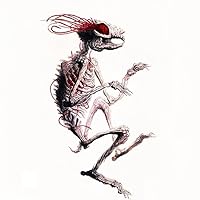
The volume surveys works by Norwegian painter Lars Elling (born 1966) from 2008 to the present. Elling's paintings are layered narratives told in a fragmented visual language that incorporate allusions to film and photography, sometimes also invoking nostalgia with references to private photo albums.
Eisnein's No.21 Favorite Artist/Artbook. Check Out No.22 Right HERE. Go Back to No.1 HERE.
'Lucid Dreaming' is the perfect title for this retrospective of Norwegian painter Lars Elling, and a good term for describing the strain of 'Neo-Surrealism' that is thriving in Europe. Leipzig, Germany has become a capital of sorts for this melding of Symbolism and Surrealism, mostly thanks to Neo Rauch, who technically isn't the 'Neo' in 'Neo-Surrealism', but still its most popular proponent. Unlike the automatic drawing described by Breton, the work of Rauch -- and Elling -- is somewhere between dream and film, with the artist playing director.
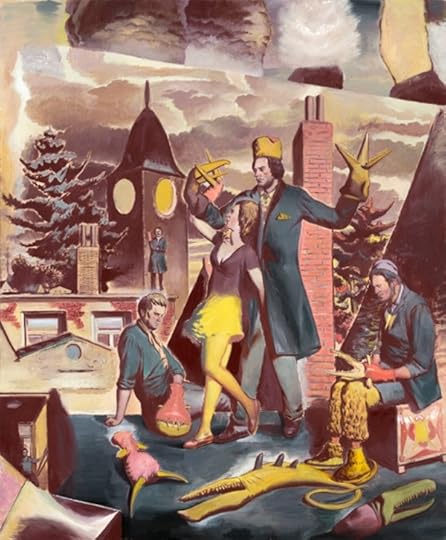
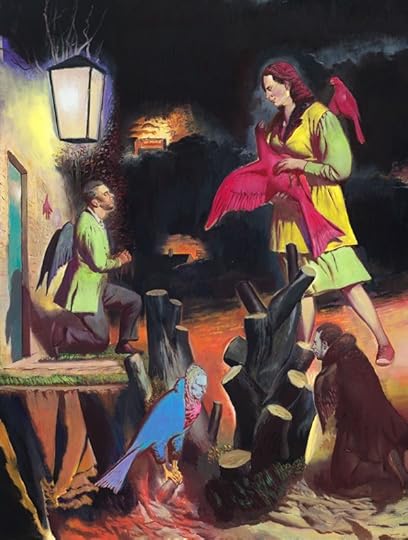
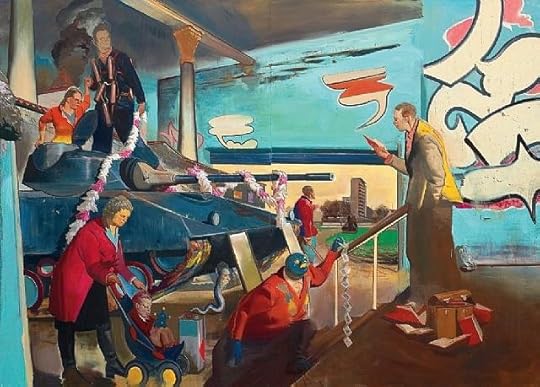
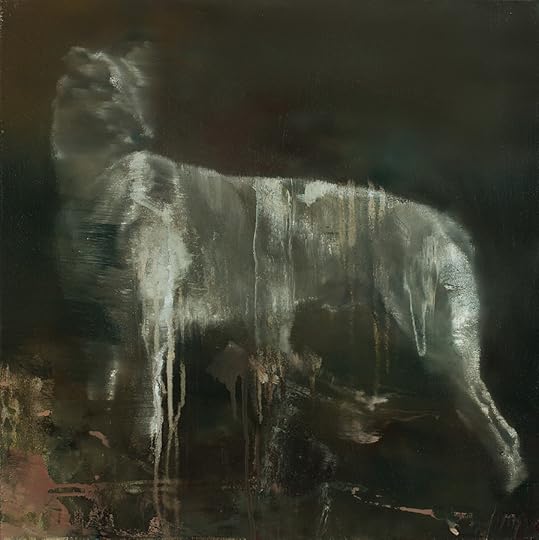
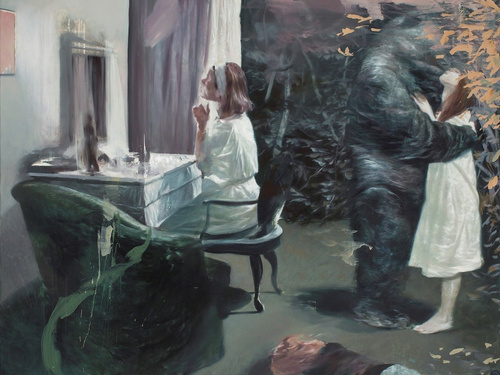
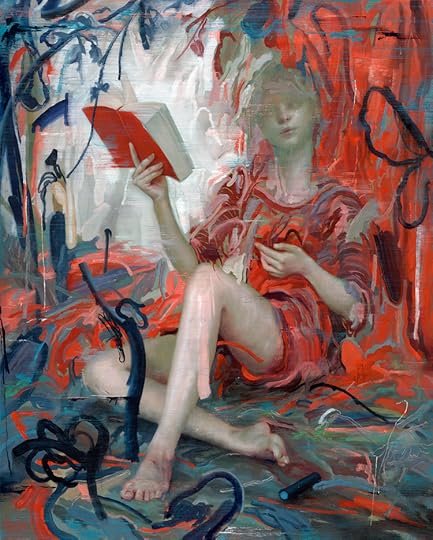
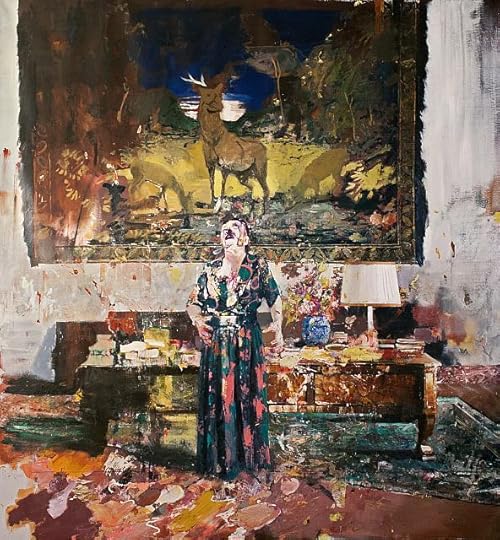
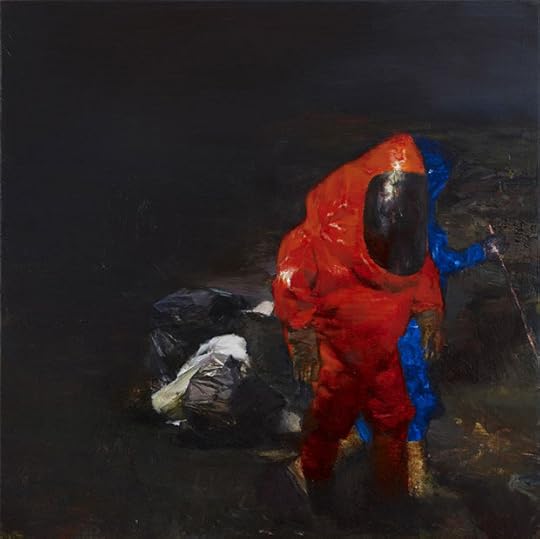
These three paintings are by Neo Rauch, the painter most responsible for the new approach to Surrealism, incorporating Symbolist elements in a manner approximating 'lucid dreaming':
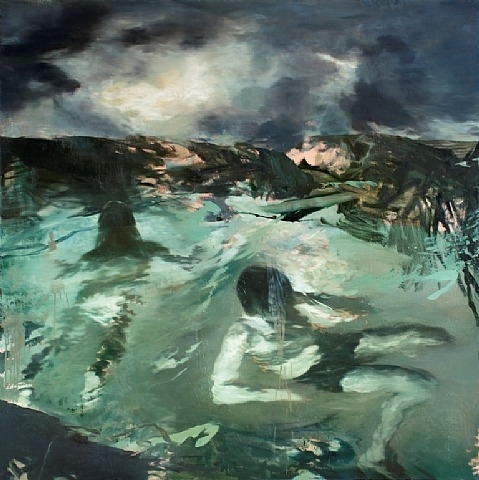
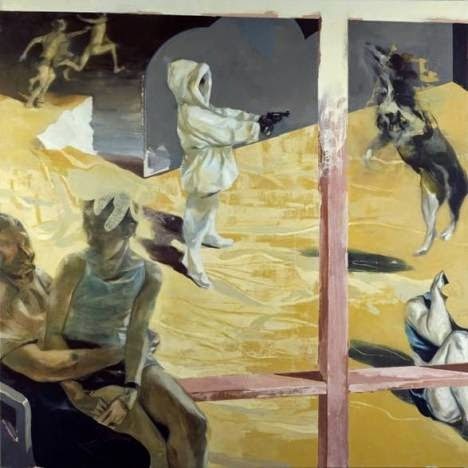
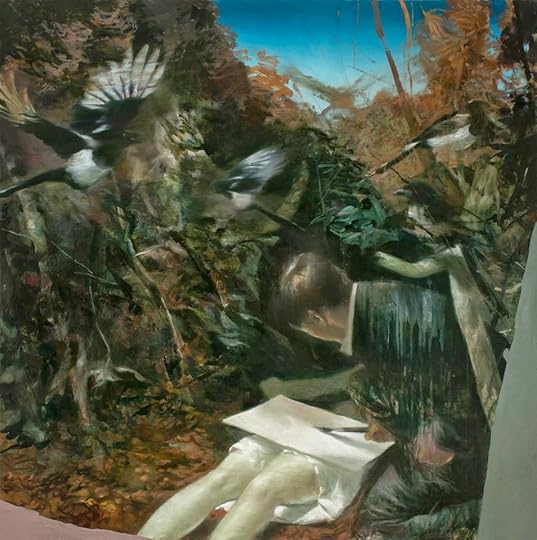
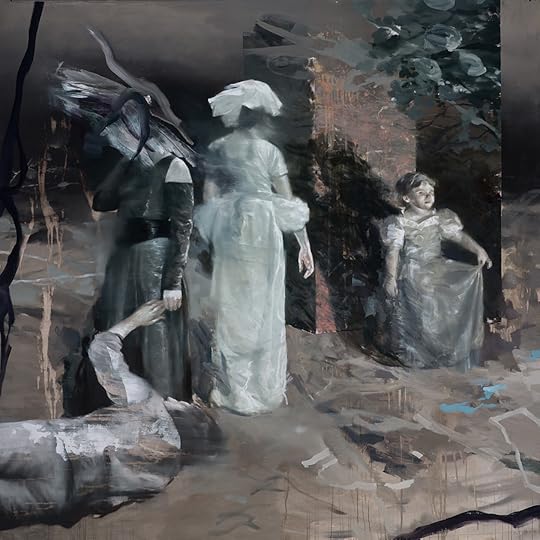
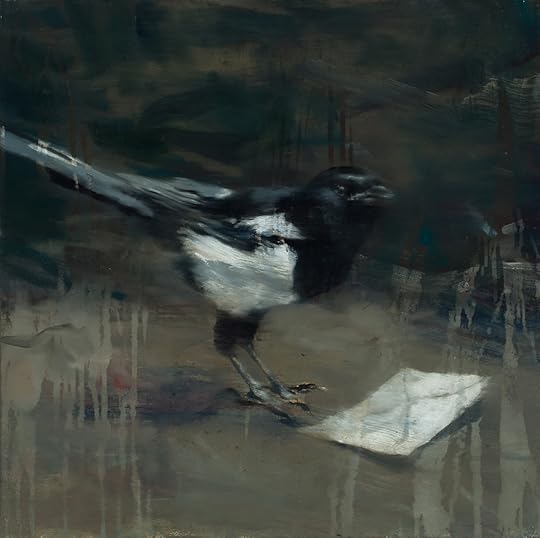
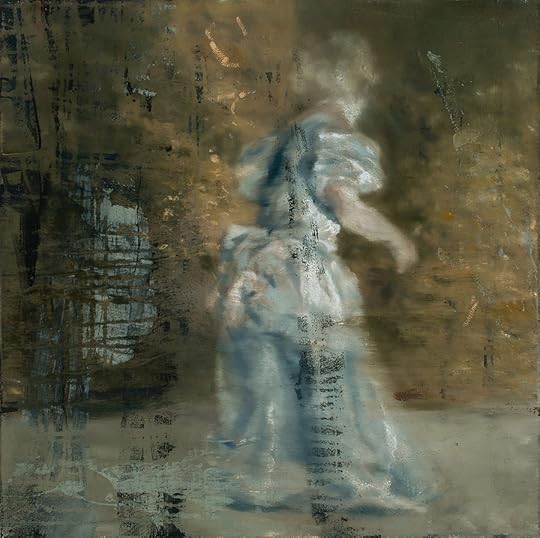
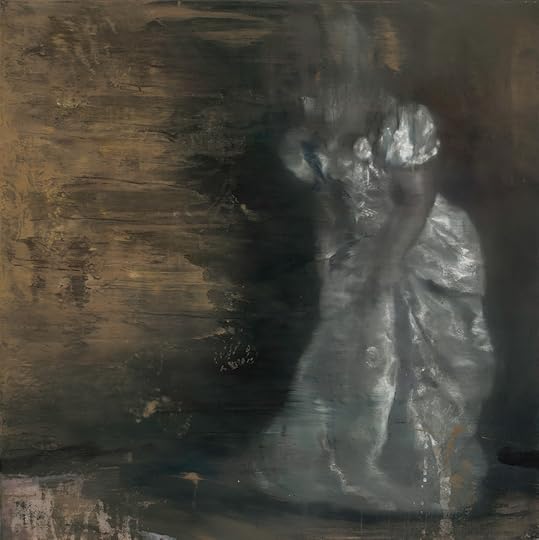
Paintings below are from Lars Elling's 'Lucid Dreaming': Personal and archetypal imagery is dredged from the unconscious, and assembled into a cryptic diorama interpreted with oils on canvas... very similar to lucid dreaming, in which the dreamer is aware they're dreaming, and able to manipulate events, figures and settings within the subconscious narrative. This synthesis of consciously derived symbolism and surrealist imagery has been approached in a similar way by Rauch's German contemporaries Ruprecht Von Kaufmann, Jonas Burgert and Michael Triegel, as well as Belgian master Michael Borremans, Romanian painters Adrien Ghenie and Daniel Pitin, and Brit Justin Mortimer. Elling's Scandinavian brand of 'lucid dreaming' is like a stylistic and thematic amalgam of Rauch, Pitin and American James Jean...
These paintings are by contemporaries of Elling from different corners of the globe; James Jean is often considered part of the 'Pop Surrealism' limb of the Surrealism family tree, but his art and illustration is too broadly spread for easy labelling... the similarity to Elling is apparent here (Top); Adrien Ghenie is one of the luminaries of the Romanian Cluj school, which is more closely linked to a Richter-type collision of Realism and Abstract Expressionism, but the relationship to Surrealism seems clear (Center); Justin Mortimer's works often feature a familiar obliteration of face and form that is common amongst the Leipzig and Cluj schools, and seems more explicitly dreamlike than anything the original Surrealists produced (Bottom):
Paintings below and following are from Lars Elling's 'Lucid Dreaming': Elling takes inspiration from Baroque master Diego Velazquez in his 'Infanta' series, and his 'Fragonard Study' beautifully approximates the rich, over-sweet tones of the decadent Rococo painter; but while dream-like and realistic depictions play out in the background, automatic and expressionistic brushstrokes claim the foreground, negating the trompe l'oeil illusions he so meticulously creates. Gerhard Richter has been blending realism and abstraction for decades, perhaps providing the origin of this blending of surrealism and abstraction that Elling has made his own. I didn't like the cover Elling settled on, a photograph which spells out the meaning of the title in a glaringly literal way that wasn't necessary, but that's a very minor qualm. I'd been searching for one of his previous monographs, which were sold out and fetching ridiculous prices on the secondary market, so I'm happy Forlaget Press put this well-constructed and densely illustrated retrospective together. In English, even. Nice.
Eisnein's No.21 Favorite Artist/Artbook. Check Out No.22 Right HERE. Go Back to No.1 HERE.