

What do you think?

الطوق الأحمر
في الطوق الأحمر، يعيدنا الكاتب إلى أساليب المدرسة الواقعية الفرنسية القياسية، بأسلوب بوليسي لا يخلو من تشويق، ويدعونا لإعادة النظر في انتماءاتنا واصطفافاتنا السياسية، على اختلافها وتباينها، والتدقيق في منشئها ودوافعها، كما يطرح علينا مجدداً الأسئلة الكبيرة حول قضايا الحرب والموت والوطنية والوفاء، من خلال قصة جرت أحداثها بعيد الحرب العالمية الثانية في ناحية بيري الفرنسية، حيث يتم إلقاء القبض على بطل من المحاربين القدامى. واحتجازه في زنزانة كانت ثكنة عسكرية، ينبح كلب هزيل على بابها ليل نهار.
غير بعيد عنها، تعيش امرأة شابة، حياة فلاحة لم تخلق من أجلها، على أمل الانتظار.
ويحقق قاض ارستقراطي شاب في قضية المحتجز، بعد أن قامت الحرب بتجريده من مثالياته وقيمه.
ويربط بين هذه الشخصيات، كلب يحمل مفاتيح القصة.
غير بعيد عنها، تعيش امرأة شابة، حياة فلاحة لم تخلق من أجلها، على أمل الانتظار.
ويحقق قاض ارستقراطي شاب في قضية المحتجز، بعد أن قامت الحرب بتجريده من مثالياته وقيمه.
ويربط بين هذه الشخصيات، كلب يحمل مفاتيح القصة.
142 pages, Kindle Edition
First published February 27, 2014
About the author
Jean-Christophe Rufin
94 books327 followersJean-Christophe Rufin is a French doctor and novelist. He is the president of Action Against Hunger and one of the founders of Médecins Sans Frontières (Doctors without borders). He was Ambassador of France in Senegal from 2007 to June 2010.
Rufin was born in Bourges, Cher in 1952. An only child, he was raised by his grandparents, because his father had left the family and his mother worked in Paris. His grandfather, a doctor and member of the French Resistance during World War II, had been imprisoned for two years at Buchenwald.
In 1977, after medical school, Rufin went to Tunisia as a volunteer doctor. He led his first humanitarian mission in Eritrea,where he met Azeb, who became his second wife.
A graduate of the Institut d'études politiques de Paris (Political Sciences) in 1986, he became advisor to the Secretary of State for Human Rights and published his first book, Le Piège humanitaire (The Humanitarian Trap), an essay on the political stakes of humanitarian action.
As a doctor, he has led numerous missions in eastern Africa and Latin America. He is former vice-president of Médecins Sans Frontières and former president of the non-governmental organization Action Against Hunger.
Rufin was born in Bourges, Cher in 1952. An only child, he was raised by his grandparents, because his father had left the family and his mother worked in Paris. His grandfather, a doctor and member of the French Resistance during World War II, had been imprisoned for two years at Buchenwald.
In 1977, after medical school, Rufin went to Tunisia as a volunteer doctor. He led his first humanitarian mission in Eritrea,where he met Azeb, who became his second wife.
A graduate of the Institut d'études politiques de Paris (Political Sciences) in 1986, he became advisor to the Secretary of State for Human Rights and published his first book, Le Piège humanitaire (The Humanitarian Trap), an essay on the political stakes of humanitarian action.
As a doctor, he has led numerous missions in eastern Africa and Latin America. He is former vice-president of Médecins Sans Frontières and former president of the non-governmental organization Action Against Hunger.
Ratings & Reviews
Friends & Following
Create a free account to discover what your friends think of this book!
Community Reviews
Displaying 1 - 30 of 318 reviews

March 26, 2015
PARABOLA SULLA FEDELTÀ
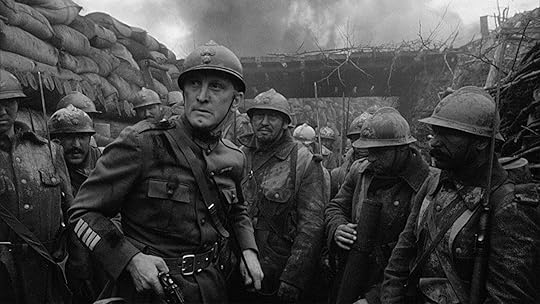
Tra i miei film preferiti sulla Prima Guerra Mondiale: “Orizzonti di gloria” di Stanley Kubrick, 1957.
Jean-Christophe Rufin è medico e viaggiatore (anche a piedi), è stato diplomatico (ambasciatore di Francia in Senegal e Gambia, ma si è dimesso dopo tre anni): membro dell'Académie Française, è il presidente di Action contre la faim e uno dei fondatori di MSF (eppure, ce lo riesco a vedere poco interagire con un Bernard Kouchner, altro fondatore della mitica associazione).
Nel 2001 ha vinto il Premio Goncourt, è stato pubblicato in Italia da Dalai, Bompiani e Ponte Alle Grazie prima di approdare in E/O dove sembra che resterà (due romanzi pubblicati e un terzo in traduzione).

Tra i miei film preferiti sulla Prima Guerra Mondiale: “La grande illusione” di Jean Renoir, 1937.
Questo ‘Il collare rosso’ è snello e asciutto, scritto con eleganza, e leggerezza, e poesia, e semplicità, e linearità, sfaccettando tutti i personaggi con piccoli tocchi, rendendoli umani autentici credibili, e racconta una storia che riassumo così: nella torrida estate del 1919, alla fine di quella guerra passata alla storia come Grande, il gendarme Dujeux non riesce a dormire, ma neppure a riposare per un secondo, perché nella piazza davanti all’ex caserma, in cui fa la guardia da solo all’unico prigioniero, Morlac, decorato con la Legion d’Onore, il cane molto malandato del prigioniero abbaia senza sosta da giorni, aspetta il padrone, all’ombra ma anche al sole, mangiando quando capita e bevendo anche meno.
Un maggiore giudice militare arriva per interrogare il prigioniero, redigere il verbale e emettere sentenza.
La colpa di Morlac si scopre in sottofinale. Ben prima si scopre che tipo di esperienza sia stata per il giovane contadino la guerra e la trincea, e si scopre che legame ci sia con la giovane Valentine che abita in campagna insieme a un bambino di tre anni.
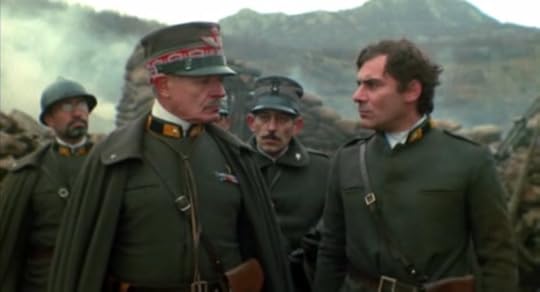
Tra i miei film preferiti sulla Prima Guerra Mondiale: “Uomini contro” di Francesco Rosi, 1970.
È un libro su come possa cambiare la vita leggere libri? Sì, anche.
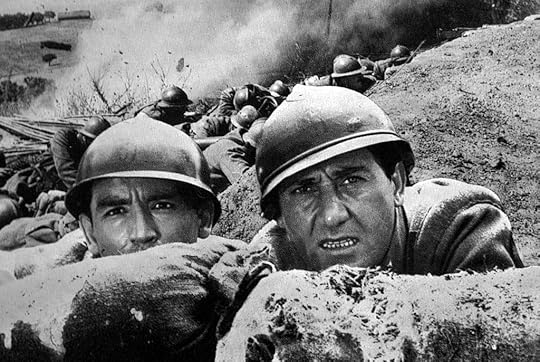
Tra i miei film preferiti sulla Prima Guerra Mondiale: “La Grande Guerra” di Mario Monicelli, 1959.
È una riflessione sulla guerra, la violenza, la pace, le differenze di classe sociale, la trincea invalicabile che divise gli ufficiali dai soldati, più che i popoli e le razze …? Sì, anche.

Tra i miei film preferiti sulla Prima Guerra Mondiale: “E Johnny prese il fucile” di Dalton Trumbo, 1971.
È un romanzo sulla difficoltà di esprimere i sentimenti? Sì, anche questo.

Tra i miei film preferiti sulla Prima Guerra Mondiale: “Gallipoli-Gli anni spezzati” di Peter Weir, 1981.
È soprattutto, senza la minima retorica, una riflessione sulla fedeltà e la lealtà: quella dell’uomo verso gli altri uomini, amicizia o solidarietà che sia; quella di un soldato alla propria divisa e alla propria patria; quella dell’uomo alla donna, quella della donna all’uomo, e di un padre verso un figlio; quella dei cani ai loro padroni.
Anche di questo cane, Kaiser ma anche Kirou, che di padroni ne ha avuti più di uno, e a tutti è stato fedele. Così fedele da cambiarli.
Il finale è una sorpresa. Dolce, leggera, divertente. Un sollievo.

Tra i miei film preferiti sulla Prima Guerra Mondiale: “King & Country – Per il re e per la patria” di Joseph Losey, 1964.
Tra i miei film preferiti sulla Prima Guerra Mondiale: “Orizzonti di gloria” di Stanley Kubrick, 1957.
Jean-Christophe Rufin è medico e viaggiatore (anche a piedi), è stato diplomatico (ambasciatore di Francia in Senegal e Gambia, ma si è dimesso dopo tre anni): membro dell'Académie Française, è il presidente di Action contre la faim e uno dei fondatori di MSF (eppure, ce lo riesco a vedere poco interagire con un Bernard Kouchner, altro fondatore della mitica associazione).
Nel 2001 ha vinto il Premio Goncourt, è stato pubblicato in Italia da Dalai, Bompiani e Ponte Alle Grazie prima di approdare in E/O dove sembra che resterà (due romanzi pubblicati e un terzo in traduzione).
Tra i miei film preferiti sulla Prima Guerra Mondiale: “La grande illusione” di Jean Renoir, 1937.
Questo ‘Il collare rosso’ è snello e asciutto, scritto con eleganza, e leggerezza, e poesia, e semplicità, e linearità, sfaccettando tutti i personaggi con piccoli tocchi, rendendoli umani autentici credibili, e racconta una storia che riassumo così: nella torrida estate del 1919, alla fine di quella guerra passata alla storia come Grande, il gendarme Dujeux non riesce a dormire, ma neppure a riposare per un secondo, perché nella piazza davanti all’ex caserma, in cui fa la guardia da solo all’unico prigioniero, Morlac, decorato con la Legion d’Onore, il cane molto malandato del prigioniero abbaia senza sosta da giorni, aspetta il padrone, all’ombra ma anche al sole, mangiando quando capita e bevendo anche meno.
Un maggiore giudice militare arriva per interrogare il prigioniero, redigere il verbale e emettere sentenza.
La colpa di Morlac si scopre in sottofinale. Ben prima si scopre che tipo di esperienza sia stata per il giovane contadino la guerra e la trincea, e si scopre che legame ci sia con la giovane Valentine che abita in campagna insieme a un bambino di tre anni.
Tra i miei film preferiti sulla Prima Guerra Mondiale: “Uomini contro” di Francesco Rosi, 1970.
È un libro su come possa cambiare la vita leggere libri? Sì, anche.
Tra i miei film preferiti sulla Prima Guerra Mondiale: “La Grande Guerra” di Mario Monicelli, 1959.
È una riflessione sulla guerra, la violenza, la pace, le differenze di classe sociale, la trincea invalicabile che divise gli ufficiali dai soldati, più che i popoli e le razze …? Sì, anche.
Tra i miei film preferiti sulla Prima Guerra Mondiale: “E Johnny prese il fucile” di Dalton Trumbo, 1971.
È un romanzo sulla difficoltà di esprimere i sentimenti? Sì, anche questo.
Tra i miei film preferiti sulla Prima Guerra Mondiale: “Gallipoli-Gli anni spezzati” di Peter Weir, 1981.
È soprattutto, senza la minima retorica, una riflessione sulla fedeltà e la lealtà: quella dell’uomo verso gli altri uomini, amicizia o solidarietà che sia; quella di un soldato alla propria divisa e alla propria patria; quella dell’uomo alla donna, quella della donna all’uomo, e di un padre verso un figlio; quella dei cani ai loro padroni.
Anche di questo cane, Kaiser ma anche Kirou, che di padroni ne ha avuti più di uno, e a tutti è stato fedele. Così fedele da cambiarli.
Il finale è una sorpresa. Dolce, leggera, divertente. Un sollievo.
Tra i miei film preferiti sulla Prima Guerra Mondiale: “King & Country – Per il re e per la patria” di Joseph Losey, 1964.

April 10, 2015
No more parades

The Great War enduringly excites literary imagination, ever growing the abundant library of books with WWI as main stage or décor. Apart from the few history books I read on it, Céline’s Journey to the End of the Night and Ford Madox Ford’s Parade's End, both masterpieces inspired by the Great War, significantly colored the ideas and images on it in my mind, as did Tardi’s stunning but gruesome graphic novel It Was the War of the Trenches.
Although I am well aware I still have to read almost the whole pile of the WWI literary canon (Barbusse, Graves, Remarque, Jünger, And Quiet Flows the Don by Sholokhov…), it is sheer impossible to ignore entirely the flood of more contemporary novels and not to try a few of the most recent ones, cunningly published in the wake of the 100th anniversary of the outbreak of WWI in 2014.
From the more contemporary novels, Grey Souls by Philippe Claudel and Courrier des tranchées by the Flemish writer Stefan Brijs (recently translated into French) were memorable stories. A recent fairly good, be it rather traditional read was the debut novel Woesten by Kris van Steenberge (translated into German and Spanish). The graphic novel Terrorist: Gavrilo Princip, the Assassin Who Ignited World War I by Henrik Rehr was worthwhile too. I missed out the discussion session in my ’real life’ reading group when Stefan Hertmans’s prizewinning WWI novel War and Turpentine published in 2013, was scheduled.
I frowned at Sebastians Faulks’s Birdsong . 14 by Jean Echenoz was a nice read, but didn’t really sink in.
Rufin has to be lauded for his luminous idea to stay out of the well-known trenches and moving his war scenes to a lesser known front and a lesser known part of war history. This time, the setting is not the Western Front - the Somme, the Marne, Verdun or Ypres – which is refreshing. We are thrown into the Salonika Campaign, at the Eastern Front, the Balkan, where the Allies sent French and English troops to assist the Serbs ( together with the Russians, Romanians, Greeks and Italians) to fight the Bulgarians and the other Central powers - an episode of WWI which was of vital importance to the final outcome of the war (fact I was not sufficiently aware of).
Rufin’s novel also encourages to commemorate the suffering of the masses of animals which served in the war, for transport, logistics and communications , which reminded me of a poignant, horrible battlefield scene in Flaubert’s Salammbô [recalling the elephant shrieking all night because a spear got stuck in his eye, while no warrior could get near to the animal to put him out of his misery]. Of the 16 million animal soldiers on both sides, dogs, horses, carrier pigeons, mules, donkeys, camels, 9 million died.
(Coming to the content of the book, a small warning: please do not take a look at the jacket of this short novel if you consider reading it (I do not understand what was eating the publishers giving away such a key element of the plot before one can even open the book)).
Post WW I France, Summer, 1919, the Berry region. The central storyline is about Jacques Morlac, a young decorated war hero, taken in custody. What did he do, and why does he almost insist on his conviction, even risking the death penalty? The nature of his crime and his motives are unraveled in dribs and drabs through the novel, in the careful pace of the investigation by the interrogating judge, Hughes Lantier du Grez, a military officer working on his last case before finally returning home after years of absence due to military service. Both, prisoner and investigator, are demobilized soldiers, returning to what is left of ‘normal’ civilian life in the aftermath of the bloody massacre of WWI. Morlac is an angry and disillusioned man, a farmer who’s political awareness was awakened by reading anarchist and communist books, but mostly by love. Slowly, in the huis clos atmosphere of the former barracks, lively dialogues between the two veterans reveal their innermost thoughts, their own precious beliefs and observations on their war experiences. And outside there is the scruffy dog, Morlac’s loyal companion, barking incessantly, who had followed Morlac throughout the whole war, eventually treated as a mascot by Morlac’s regiment, injured and furrowed by the battles, but completely disregarded by Morlac.
Jean-Christophe Rufin, a founder of Médecins sans frontières and former winner of the Goncourt, wrote a charming story, gracefully constructed around a true life anecdote. His limpid, spare prose wonderfully accords with his excellent psychological portraiture of the characters.
A film adaptation of this novel was released in March 2018 (by the French director Jean Becker).
As a unadulterated cat person, I am fairly sure this novel probably would appeal more to dog lovers, or bipetual persons. Perhaps because of my shortcomings in basic canine psychology, Rufin’s exploration of the parallels in human and animal loyalty, relating this to at times conflicting human values like integrity and fraternity transcending blind obedience of orders, didn’t wholly resonate with me. (And frankly, the old pasionaria in me grumbled at Rufin’s ruthless demystifying of revolutionary zeal, reducing it a little facile to petty personal motives underlying people’s actions and behavior.)

The Great War enduringly excites literary imagination, ever growing the abundant library of books with WWI as main stage or décor. Apart from the few history books I read on it, Céline’s Journey to the End of the Night and Ford Madox Ford’s Parade's End, both masterpieces inspired by the Great War, significantly colored the ideas and images on it in my mind, as did Tardi’s stunning but gruesome graphic novel It Was the War of the Trenches.
Although I am well aware I still have to read almost the whole pile of the WWI literary canon (Barbusse, Graves, Remarque, Jünger, And Quiet Flows the Don by Sholokhov…), it is sheer impossible to ignore entirely the flood of more contemporary novels and not to try a few of the most recent ones, cunningly published in the wake of the 100th anniversary of the outbreak of WWI in 2014.
From the more contemporary novels, Grey Souls by Philippe Claudel and Courrier des tranchées by the Flemish writer Stefan Brijs (recently translated into French) were memorable stories. A recent fairly good, be it rather traditional read was the debut novel Woesten by Kris van Steenberge (translated into German and Spanish). The graphic novel Terrorist: Gavrilo Princip, the Assassin Who Ignited World War I by Henrik Rehr was worthwhile too. I missed out the discussion session in my ’real life’ reading group when Stefan Hertmans’s prizewinning WWI novel War and Turpentine published in 2013, was scheduled.
I frowned at Sebastians Faulks’s Birdsong . 14 by Jean Echenoz was a nice read, but didn’t really sink in.
Rufin has to be lauded for his luminous idea to stay out of the well-known trenches and moving his war scenes to a lesser known front and a lesser known part of war history. This time, the setting is not the Western Front - the Somme, the Marne, Verdun or Ypres – which is refreshing. We are thrown into the Salonika Campaign, at the Eastern Front, the Balkan, where the Allies sent French and English troops to assist the Serbs ( together with the Russians, Romanians, Greeks and Italians) to fight the Bulgarians and the other Central powers - an episode of WWI which was of vital importance to the final outcome of the war (fact I was not sufficiently aware of).
Rufin’s novel also encourages to commemorate the suffering of the masses of animals which served in the war, for transport, logistics and communications , which reminded me of a poignant, horrible battlefield scene in Flaubert’s Salammbô [recalling the elephant shrieking all night because a spear got stuck in his eye, while no warrior could get near to the animal to put him out of his misery]. Of the 16 million animal soldiers on both sides, dogs, horses, carrier pigeons, mules, donkeys, camels, 9 million died.
(Coming to the content of the book, a small warning: please do not take a look at the jacket of this short novel if you consider reading it (I do not understand what was eating the publishers giving away such a key element of the plot before one can even open the book)).
Post WW I France, Summer, 1919, the Berry region. The central storyline is about Jacques Morlac, a young decorated war hero, taken in custody. What did he do, and why does he almost insist on his conviction, even risking the death penalty? The nature of his crime and his motives are unraveled in dribs and drabs through the novel, in the careful pace of the investigation by the interrogating judge, Hughes Lantier du Grez, a military officer working on his last case before finally returning home after years of absence due to military service. Both, prisoner and investigator, are demobilized soldiers, returning to what is left of ‘normal’ civilian life in the aftermath of the bloody massacre of WWI. Morlac is an angry and disillusioned man, a farmer who’s political awareness was awakened by reading anarchist and communist books, but mostly by love. Slowly, in the huis clos atmosphere of the former barracks, lively dialogues between the two veterans reveal their innermost thoughts, their own precious beliefs and observations on their war experiences. And outside there is the scruffy dog, Morlac’s loyal companion, barking incessantly, who had followed Morlac throughout the whole war, eventually treated as a mascot by Morlac’s regiment, injured and furrowed by the battles, but completely disregarded by Morlac.
Jean-Christophe Rufin, a founder of Médecins sans frontières and former winner of the Goncourt, wrote a charming story, gracefully constructed around a true life anecdote. His limpid, spare prose wonderfully accords with his excellent psychological portraiture of the characters.
A film adaptation of this novel was released in March 2018 (by the French director Jean Becker).
As a unadulterated cat person, I am fairly sure this novel probably would appeal more to dog lovers, or bipetual persons. Perhaps because of my shortcomings in basic canine psychology, Rufin’s exploration of the parallels in human and animal loyalty, relating this to at times conflicting human values like integrity and fraternity transcending blind obedience of orders, didn’t wholly resonate with me. (And frankly, the old pasionaria in me grumbled at Rufin’s ruthless demystifying of revolutionary zeal, reducing it a little facile to petty personal motives underlying people’s actions and behavior.)

March 5, 2019
لا أحد عاش تلك الحرب، وظل مؤمنًا أن للفرد أية قيمة
ــــــــــــــــــــــــــ
الرواية مختلفة
أقر لها بذلك
فهي تضفر التاريخ بالتشويق والإثارة
وبالتالي يمكن أن تصنف كرواية تاريخية بوليسية
ولكنها أكبر من مجرد رواية إثارة وتشويق
الحكاية أكبر من مجرد فلاح شاب يشارك في الحرب مضطرا
ويعود بطلا أمام الناس ..
وضيعا في نظر نفسه
الكلاب تطيع لأن تلك طبيعتها
أما البشر فما عذرهم؟
سأل نفسه في مناسبة أو مناسبتين
ما إن كانت معاناتهم أجدر بالإحترام من القيم التي تمت تعبئتهم باسمها
ــــــــــــــــــــــــــ
لا يجب أن يكرموه هو على كل نفس أزهق روحها مضطرا..
يجب أن يُمنح كلبه وسام الشرف لا هو
ولذا يقدم الجندي وسامه إلى كلبه
فيزج به في السجن لعدم احترامه التقاليد العسكرية
النصر الوحيد الذي يستحق الاحتفاء هو الانتصار على الحرب ومن أشعلوها
هنا قد يستحق البشر التكريم
أما كل هذه الرتب والألقاب فهي عار على أصحابها
هؤلاء الذين يعتبروا مجرمي حرب في نظر الدولة الأخرى
إنهم المقاتلين الصناديد في بلادهم
والقتلة سفاكي الدماء في بلاد الأعداء
فإذا اعتبرت حكومتك دولة ما عدوة لها
فما الذي يعنيه ذلك بالنسبة لك؟
لما قد تقتل شخصا لا تعرفه لأن حكومتك أخبرتك بذلك؟؟
!
من أجل أصحاب الرتب
من أجل رجال السياسة والمستفيدين وكل الحمقى الذين يتبعونهم
من أجل الذين يرسلون الآخرين إلى الحرب
ومن يذهبون إليها بأنفسهم
فعلت ذلك من أجل الذين
يؤمنون بهذا الهراء
البطولة! الشجاعة! الوطنية!
ــــــــــــــــــــــــــ
الثلاث نجوم أمنحها لمهارة الكاتب
وللمبادئ التي بثها عبر روايته
أما الرواية نفسها فللأسف لم أحبها كثيرا
...

July 24, 2025
قلاده ی سرخ کتابی است از ژانکریستف روفن نویسنده فرانسوی . او در داستان کوتاه خود کوشیده نکبت جنگ را از زاویه ای دیگر نگاه کند . کتاب او بر خلاف بیشتر کتاب های جنگی ، کاری به خط مقدم و جریان جنگ و سربازان درگیر جنگ ندارد . در کتاب او جنگ در خاطرهها جریان دارد و نبرد واقعی، درون آدمهاست .
قلاده ی سرخ روایت سه صدای متفاوت است: یک قاضی نظامی، یک سرباز زندانی، و سگی که با زوزههای مداوم، گویی چیزی را فریاد می زند ، شاید حقیقتی فراموششده .
در قلب داستان، سربازی قرار دارد که بهخاطر اقدامی نمادین زندانی شده. عملی که از نظر نظامیها توهینآمیز بوده، اما از نگاه انسانی او، اعتراض به فراموشی وجدان در بحبوحهٔ جنگ است. این حرکت، مضمون اصلی رمان را شکل میدهد: چقدر می توان در جنگ اخلاق گرا بود ؟
نقش سگ را در داستان باید کلیدی دانست ، سگ با زوزه های پشت سر هم و بدون وقفه ، روان شهروندان و قاضی را چنان خراش می دهد که گویی حیوان نسبت به عدالت انسانی اعتراض دارد . سگ هم نماد وفاداری است و هم شاهدیست بیادعا . کسی که حقیقت را نه با کلمات، بلکه با حضورش فریاد میزند. او در برابر زندان ایستاده، شاید برای یادآوری اینکه گاهی، تنها یک حیوان میتواند شان انسان را به او بازگرداند.
در پایان ، روفن کوشیده نگاهی متفاوت داشته باشد ، هم دربارهٔ جنگ و هم دربارهٔ مقام انسان. دربارهٔ اینکه حقیقت همیشه در دادگاه یا مقررات تعریف نمیشود ، گاهی در زوزهٔ یک سگ ، یا سکوت یک زندانی، یا قضاوت یک وجدان خسته می توان آنرا یافت .
قلاده ی سرخ روایت سه صدای متفاوت است: یک قاضی نظامی، یک سرباز زندانی، و سگی که با زوزههای مداوم، گویی چیزی را فریاد می زند ، شاید حقیقتی فراموششده .
در قلب داستان، سربازی قرار دارد که بهخاطر اقدامی نمادین زندانی شده. عملی که از نظر نظامیها توهینآمیز بوده، اما از نگاه انسانی او، اعتراض به فراموشی وجدان در بحبوحهٔ جنگ است. این حرکت، مضمون اصلی رمان را شکل میدهد: چقدر می توان در جنگ اخلاق گرا بود ؟
نقش سگ را در داستان باید کلیدی دانست ، سگ با زوزه های پشت سر هم و بدون وقفه ، روان شهروندان و قاضی را چنان خراش می دهد که گویی حیوان نسبت به عدالت انسانی اعتراض دارد . سگ هم نماد وفاداری است و هم شاهدیست بیادعا . کسی که حقیقت را نه با کلمات، بلکه با حضورش فریاد میزند. او در برابر زندان ایستاده، شاید برای یادآوری اینکه گاهی، تنها یک حیوان میتواند شان انسان را به او بازگرداند.
در پایان ، روفن کوشیده نگاهی متفاوت داشته باشد ، هم دربارهٔ جنگ و هم دربارهٔ مقام انسان. دربارهٔ اینکه حقیقت همیشه در دادگاه یا مقررات تعریف نمیشود ، گاهی در زوزهٔ یک سگ ، یا سکوت یک زندانی، یا قضاوت یک وجدان خسته می توان آنرا یافت .

August 8, 2016
رواية الطوق الأحمر
الكاتب جان كريستوف روفان
رواية صغيرة تقع في 132صفحة لكنها تحوي الكثير من عمق المعاني حيث يدين الكاتب الحروب والرُتب التي تُمنح للمقاتل والتي يعتبرها الكاتب على لسان بطل القصة عار على الإنسانية.
استلهم الكاتب الرواية من صديقه المصوّر “بونوا” عندما أرسلته مجلة أسبوعية في عام 2011 إلى الأردن لمراقبة الربيع العربي فحكى له صديقه المصوّر عدّة نوادر اختار واحدة منها وكتب هذه الرواية ولكن الموت اختار المصوّر قبل أن يتم الكاتب الرواية، وهي قصة كان جدّ المصوّر بطلها، إذ قلّد كلبه أثناء احتفال رسمي وتحت تأثير الخمر وسام شرف كان قد ناله في الحرب.
رواية ممتعة تستحق القراءة لمعرفة معاناة الذين يخوضون الحروب وما ينتابهم من مشاعر مؤلمة من هول ما يشاهدون من دماء وعنف وخوف من المجهول .. يسخر الكاتب من خلال الحوار الذي تمّ بين القاضي والمتهم من جدوى تقليد صدور المحاربين بالنياشين .. هل بإمكان النياشين أن تمحو ذاكرة المقاتل المشوشة بمشاهد موت أخيه الإنسان؟ هل بإمكان النياشين إعادة جسد المقاتل المشوّه بالدماء والإعاقة؟ من المستفيد من إشعال الحروب؟
---
مقتطفات من الرواية
من أجل من؟ من أجلك، من أجل أصحاب الرتب، من أجل رجال السياسة، والمستفيدين وكل الحمقى الذين يتبعونهم. من أجل الذين يرسلون الآخرين إلى الحرب، ومن يذهبون إليها بأنفسهم، فعلت ذلك من أجل الذين
يؤمنون بهذا الهراء: البطولة! الشجاعة! الوطنية! ..
كان يقدس الوطن واضعاً إياه في المقدمة، ومعه جميع الأفكار الكبرى كالشرف والعائلة والتقاليد. مؤمناً أن على الأفراد الخضوع لها، بما في ذلك مصالحهم الشخصية الرثة، إلى أن احتك بأولئك الأفراد في الخنادق، وكان أحياناً في صفهم. لدرجة أنه سأل نفسه في مناسبة أو مناسبتين، ما إن كانت معاناتهم أجدر بالإحترام من القيم التي تمت تعبئتهم باسمها.
لقد انخرط في الجيش للدفاع عن النظام ضد الهمجية. وأصبح عسكرياً من أجل خدمة الإنسان، كان في الأمر سوء فهم، فلم يطل المطاف حتى بيّنت له الحرب عكس ما كان يعتقده، وأن البشر هم وقود النظام، وأنه يستهلكهم ويطحنهم.
دب الخلاف بين جميع من كانوا يشكّلون جيش الشرق، فلا يخفى على أحد أنهم كانوا حلفاء شكلياً، إلا أن كلاً منهم كانت لديه مصالحه الخاصة.
العسكر؟ بالطبع، كل العصابة، الجنرالات، الشرطة التي في خدمتهم وتجار السلاح. كل الذين يرسلون أولئك الرجال الصغار في هذه البلاد إلى الموت.
التجلي الوحيد للإنسانية، هو نشر التآخي بين الأعداء وإعلان الإضراب في الحرب، لإجبار الحكومات على السلام.
كل ما يزيد من كراهية الحرب لدى الناس هو جيّد بالنسبة إلى القضية التي يحارب من أجلها، كما قلت. إن رفض الأبطال المزعومون التكريم الدنيء من الذين نظموا هذه المجزرة، فسيتوقّف الاحتفال بالنصر المزعوم. النصر الوحيد الذي يستحقّ الاحتفال هو النصر على الحرب وعلى الذين أشعلوها.
الكاتب جان كريستوف روفان
رواية صغيرة تقع في 132صفحة لكنها تحوي الكثير من عمق المعاني حيث يدين الكاتب الحروب والرُتب التي تُمنح للمقاتل والتي يعتبرها الكاتب على لسان بطل القصة عار على الإنسانية.
استلهم الكاتب الرواية من صديقه المصوّر “بونوا” عندما أرسلته مجلة أسبوعية في عام 2011 إلى الأردن لمراقبة الربيع العربي فحكى له صديقه المصوّر عدّة نوادر اختار واحدة منها وكتب هذه الرواية ولكن الموت اختار المصوّر قبل أن يتم الكاتب الرواية، وهي قصة كان جدّ المصوّر بطلها، إذ قلّد كلبه أثناء احتفال رسمي وتحت تأثير الخمر وسام شرف كان قد ناله في الحرب.
رواية ممتعة تستحق القراءة لمعرفة معاناة الذين يخوضون الحروب وما ينتابهم من مشاعر مؤلمة من هول ما يشاهدون من دماء وعنف وخوف من المجهول .. يسخر الكاتب من خلال الحوار الذي تمّ بين القاضي والمتهم من جدوى تقليد صدور المحاربين بالنياشين .. هل بإمكان النياشين أن تمحو ذاكرة المقاتل المشوشة بمشاهد موت أخيه الإنسان؟ هل بإمكان النياشين إعادة جسد المقاتل المشوّه بالدماء والإعاقة؟ من المستفيد من إشعال الحروب؟
---
مقتطفات من الرواية
من أجل من؟ من أجلك، من أجل أصحاب الرتب، من أجل رجال السياسة، والمستفيدين وكل الحمقى الذين يتبعونهم. من أجل الذين يرسلون الآخرين إلى الحرب، ومن يذهبون إليها بأنفسهم، فعلت ذلك من أجل الذين
يؤمنون بهذا الهراء: البطولة! الشجاعة! الوطنية! ..
كان يقدس الوطن واضعاً إياه في المقدمة، ومعه جميع الأفكار الكبرى كالشرف والعائلة والتقاليد. مؤمناً أن على الأفراد الخضوع لها، بما في ذلك مصالحهم الشخصية الرثة، إلى أن احتك بأولئك الأفراد في الخنادق، وكان أحياناً في صفهم. لدرجة أنه سأل نفسه في مناسبة أو مناسبتين، ما إن كانت معاناتهم أجدر بالإحترام من القيم التي تمت تعبئتهم باسمها.
لقد انخرط في الجيش للدفاع عن النظام ضد الهمجية. وأصبح عسكرياً من أجل خدمة الإنسان، كان في الأمر سوء فهم، فلم يطل المطاف حتى بيّنت له الحرب عكس ما كان يعتقده، وأن البشر هم وقود النظام، وأنه يستهلكهم ويطحنهم.
دب الخلاف بين جميع من كانوا يشكّلون جيش الشرق، فلا يخفى على أحد أنهم كانوا حلفاء شكلياً، إلا أن كلاً منهم كانت لديه مصالحه الخاصة.
العسكر؟ بالطبع، كل العصابة، الجنرالات، الشرطة التي في خدمتهم وتجار السلاح. كل الذين يرسلون أولئك الرجال الصغار في هذه البلاد إلى الموت.
التجلي الوحيد للإنسانية، هو نشر التآخي بين الأعداء وإعلان الإضراب في الحرب، لإجبار الحكومات على السلام.
كل ما يزيد من كراهية الحرب لدى الناس هو جيّد بالنسبة إلى القضية التي يحارب من أجلها، كما قلت. إن رفض الأبطال المزعومون التكريم الدنيء من الذين نظموا هذه المجزرة، فسيتوقّف الاحتفال بالنصر المزعوم. النصر الوحيد الذي يستحقّ الاحتفال هو النصر على الحرب وعلى الذين أشعلوها.

December 12, 2018
“ Aveva ubbidito alla sua natura, e la sua natura non era umana.
Questo lo scusava.
Mentre quelli che ci mandavano a massacrare il prossimo non avevano scuse.”
Ecco come l’apparenza inganna:
prendi in mano questo libro e lo chiameresti “libricino” per il suo essere esiguo.
La copertina attira per essere dominata dall’immagine di un cane.
Un’immagine quasi totalmente in bianco e nero se non fosse per il titolo in rosso e qualcosa di colorato intorno al collo dell’animale:
un collare da cui pende una medaglia militare…

E’ la torrida estate del 1919 e siamo in un paesino del Berry, una regione della Francia centrale.
Tracce:
un cane fermo che davanti alla prigione del paese abbaia senza interruzione;
un eroe di guerra che è misteriosamente imprigionato;
una donna;
un bambino e tanti libri.
Questi gli elementi che costruiscono la storia raccontata da un aristocratico magistrato a cui è stato affidato il caso.
Lantier è stato un uomo sicuro dei suoi valori reazionari fino a che non ha masticato l’acre sapore della guerra e da allora c’è qualcosa che gli ronza in testa.
Un sibilo che dapprima non riconosce e non capisce.
Può il latrare di un cane risvegliare una coscienza?
Leggendo questo lungo racconto (forse chiamarlo romanzo è eccessivo) vi accorgerete che chiamarlo “libricino” è sbagliato.
E’ una storia coinvolgente con parole che pesano.
L’autore stesso è uomo di grande caratura.
Jean-Cristophe Rufin, oltre che scrittore, è medico ed ambasciatore.
Del tutto attivo in materia di diritti umani e tra i fondatori di Medici senza frontiere.
Consigliato!!
” «Credo che la vera differenza tra noi e gli animali non sia la fedeltà» continuò il giudice. «Il tratto più propriamente umano, quello che agli animali manca del tutto, è un altro, è un sentimento che del resto lei ha ben radicato».
«Quale sarebbe?».
«L’orgoglio». “
Questo lo scusava.
Mentre quelli che ci mandavano a massacrare il prossimo non avevano scuse.”
Ecco come l’apparenza inganna:
prendi in mano questo libro e lo chiameresti “libricino” per il suo essere esiguo.
La copertina attira per essere dominata dall’immagine di un cane.
Un’immagine quasi totalmente in bianco e nero se non fosse per il titolo in rosso e qualcosa di colorato intorno al collo dell’animale:
un collare da cui pende una medaglia militare…
E’ la torrida estate del 1919 e siamo in un paesino del Berry, una regione della Francia centrale.
Tracce:
un cane fermo che davanti alla prigione del paese abbaia senza interruzione;
un eroe di guerra che è misteriosamente imprigionato;
una donna;
un bambino e tanti libri.
Questi gli elementi che costruiscono la storia raccontata da un aristocratico magistrato a cui è stato affidato il caso.
Lantier è stato un uomo sicuro dei suoi valori reazionari fino a che non ha masticato l’acre sapore della guerra e da allora c’è qualcosa che gli ronza in testa.
Un sibilo che dapprima non riconosce e non capisce.
Può il latrare di un cane risvegliare una coscienza?
Leggendo questo lungo racconto (forse chiamarlo romanzo è eccessivo) vi accorgerete che chiamarlo “libricino” è sbagliato.
E’ una storia coinvolgente con parole che pesano.
L’autore stesso è uomo di grande caratura.
Jean-Cristophe Rufin, oltre che scrittore, è medico ed ambasciatore.
Del tutto attivo in materia di diritti umani e tra i fondatori di Medici senza frontiere.
Consigliato!!
” «Credo che la vera differenza tra noi e gli animali non sia la fedeltà» continuò il giudice. «Il tratto più propriamente umano, quello che agli animali manca del tutto, è un altro, è un sentimento che del resto lei ha ben radicato».
«Quale sarebbe?».
«L’orgoglio». “
June 4, 2017
الطوق الأحمر ..
رواية من قصة حقيقية وقت الحرب العالمية الأولى.. تتجلى فيها الإنسانية، الدفاع عن الأفكار، كم معقد هذا الإنسان بكل ما فيه وما يعتقد أنه يؤمن به، الأثر البالغ للحب على تصرفات الإنسان وعقلانيته.
جميلة .. لم أكن أتوقع أنها ستعجبني بصراحة قرأتها فضولا عن ما يمكن أن تحتويه، لكنها أعجبتني وترجمتها بالغة الجمال والقوة.. لغتها متينة
أحببتها وإن كانت بسيطة ولم تدخل كثيرا في أعماق الإنسان لكن الموقف وحده كاف :)
رواية من قصة حقيقية وقت الحرب العالمية الأولى.. تتجلى فيها الإنسانية، الدفاع عن الأفكار، كم معقد هذا الإنسان بكل ما فيه وما يعتقد أنه يؤمن به، الأثر البالغ للحب على تصرفات الإنسان وعقلانيته.
جميلة .. لم أكن أتوقع أنها ستعجبني بصراحة قرأتها فضولا عن ما يمكن أن تحتويه، لكنها أعجبتني وترجمتها بالغة الجمال والقوة.. لغتها متينة
أحببتها وإن كانت بسيطة ولم تدخل كثيرا في أعماق الإنسان لكن الموقف وحده كاف :)
July 24, 2024
بعد از پایان جنگ جهانی توی فرانسه یک زندان که در زمان جنگ فعال بوده، حالا فقط یک زندانبان و یک زندانی داره. افسری مامور میشه تا به این پرونده رسیدگی کنه و با این زندانی صحبت کنه.
اگر به آثار ضد جنگ علاقه دارید این کتاب برای شماست. نویسنده به خوبی از طریق بیان جزئیات به شخصیت میرسه. توصیفاتی از سیگار کشیدن زندانی میده که مال یک سرباز جنگیه نه هر کارکتر دیگه ای. سایهی جنگ روی تمام کتاب هست حتی توی توصیفاتی که از طبیعت میشه. مثلا: "آفتاب از سنگر ابر گذر کرد" و از این دست چیزها، که از هوشمندی روفن میاد.
یه کم من رو یاد قصهی سگ از اشمیت انداخت ولی چندان ربطی به هم ندارن.
در آخر، کتاب بسیار خوندنیه و ترجمهی خوب کتاب هم اون رو خوندنی تر کرده.
اگر به آثار ضد جنگ علاقه دارید این کتاب برای شماست. نویسنده به خوبی از طریق بیان جزئیات به شخصیت میرسه. توصیفاتی از سیگار کشیدن زندانی میده که مال یک سرباز جنگیه نه هر کارکتر دیگه ای. سایهی جنگ روی تمام کتاب هست حتی توی توصیفاتی که از طبیعت میشه. مثلا: "آفتاب از سنگر ابر گذر کرد" و از این دست چیزها، که از هوشمندی روفن میاد.
یه کم من رو یاد قصهی سگ از اشمیت انداخت ولی چندان ربطی به هم ندارن.
در آخر، کتاب بسیار خوندنیه و ترجمهی خوب کتاب هم اون رو خوندنی تر کرده.

April 8, 2020
Très délicat. Un chien et un accusé après guerre 14-18.
Rappelé que déjà lu il y a quelques années, dès les premières pages... mais je n'ai pas résisté à la relecture. Superbe, je me suis de nouveau délecté par cette histoire du héros allergique à la guerre, qui, cette guerre terminée, en plein défilé, osa un geste sacrilège symbolique.
Récit de l'interrogatoire du prévenu dans sa cellule par un juge militaire qui n'a aucune envie de condamner ce soldat qui s'acharne à ne pas regretter son geste. En arrière-plan, le chien fidéle et une jeune paysane intelligente et douce, qui a donné un fils au soldat accusé. Une espèce de huis clos empreint de délicatesse, de finesse, de simplicité. Une pépite...
Rappelé que déjà lu il y a quelques années, dès les premières pages... mais je n'ai pas résisté à la relecture. Superbe, je me suis de nouveau délecté par cette histoire du héros allergique à la guerre, qui, cette guerre terminée, en plein défilé, osa un geste sacrilège symbolique.
Récit de l'interrogatoire du prévenu dans sa cellule par un juge militaire qui n'a aucune envie de condamner ce soldat qui s'acharne à ne pas regretter son geste. En arrière-plan, le chien fidéle et une jeune paysane intelligente et douce, qui a donné un fils au soldat accusé. Une espèce de huis clos empreint de délicatesse, de finesse, de simplicité. Une pépite...

August 21, 2020
رواية فرنسية عن الحروب وجدواها، وهل يعوض التكريم ندوب المحاربين وما يحدث لهم من اهوال؟
اجواء حزينة ملهمة لا تخلو من بعض التشويق.
اجواء حزينة ملهمة لا تخلو من بعض التشويق.

June 8, 2017
جلس كريستوف رافن كاتب الرواية مع صديق له مصور خلال زيارتهم الى الأردن لمراقبة الربيع العربي فحكي له صديقه عن جده الذي عاد بطل من حرب العالمية الأولي وحاز علي وسام شرف ثم قام تحت تأثير الخمر بعمل لا يصدق خلال تلك الحقبة وكان يجب محاكمته واعتقاله على أثرها.... من هنا جاءت للكاتب فكرة تلك الرواية
لا اريد حرق الرواية ولا نهايتها لاصدقائى على الجود لأنها فعلا رواية تستحق القراءة لذلك لن اقوم بسرد التفاصيل
تحكي عن بطل فرنسي فى الحرب العالمية الأولي كان فلاح ريفي لا يهتم الا بأرضه وأخته وأمه ومن سيهتم بهم وبالأرض بعدما جاء الجنود ليجبرونه على الانضمام الى الحرب فيذهب مضطرا ويعود بطلا ويتم سجنه .. يتم محاكمته من قبل قاضي عسكري شاب عن شئ مشين قام به ولا يريد ذلك البطل ان ينكر الفعل او حتي ان يقول انه كان تحت تأثير السُكر . ولكنه مشين من وجهة النظر القادة ولكن فى الأصل هو عمل بطولي وأهم مما قام به البطل فى الحرب.
خلال التحقيق مع ذلك البطل تقرأ عن معاناة الجنود في الحرب..وإذا كان جندي أو اي شخص ضد الحرب فأنه خائن..وإذا حاول الجندي الهروب لأنه لا يريد ان يقتل اشخاص لا يعرفهم او أن يُقتل يتم حبسه وإعدامه..تقرأ عن القيم والمبادئ والتي يملئون عقل الجنود بها عن الوطنية والشرف حتي يخلقوا عذراً لغزو او قتال شعب اخر وأن الجنود هم وقود النظام وان النظام يستهلكهم ويطحنهم.. أن النصر الوحيد الذي يستحقّ الاحتفال هو النصر على الحرب وعلى الرأسماليين الذين أشعلوها.. عن الحب والتضحية والكبرياء..عن وفاء كلب البطل الذي يعتبر بطل اخر في الرواية.
الرواية رائعة ولكني كنت أتمني نهاية مختلفة عن سبب قيام البطل بذلك العمل الذي تسبب في حبسه ..
لا اريد حرق الرواية ولا نهايتها لاصدقائى على الجود لأنها فعلا رواية تستحق القراءة لذلك لن اقوم بسرد التفاصيل
تحكي عن بطل فرنسي فى الحرب العالمية الأولي كان فلاح ريفي لا يهتم الا بأرضه وأخته وأمه ومن سيهتم بهم وبالأرض بعدما جاء الجنود ليجبرونه على الانضمام الى الحرب فيذهب مضطرا ويعود بطلا ويتم سجنه .. يتم محاكمته من قبل قاضي عسكري شاب عن شئ مشين قام به ولا يريد ذلك البطل ان ينكر الفعل او حتي ان يقول انه كان تحت تأثير السُكر . ولكنه مشين من وجهة النظر القادة ولكن فى الأصل هو عمل بطولي وأهم مما قام به البطل فى الحرب.
خلال التحقيق مع ذلك البطل تقرأ عن معاناة الجنود في الحرب..وإذا كان جندي أو اي شخص ضد الحرب فأنه خائن..وإذا حاول الجندي الهروب لأنه لا يريد ان يقتل اشخاص لا يعرفهم او أن يُقتل يتم حبسه وإعدامه..تقرأ عن القيم والمبادئ والتي يملئون عقل الجنود بها عن الوطنية والشرف حتي يخلقوا عذراً لغزو او قتال شعب اخر وأن الجنود هم وقود النظام وان النظام يستهلكهم ويطحنهم.. أن النصر الوحيد الذي يستحقّ الاحتفال هو النصر على الحرب وعلى الرأسماليين الذين أشعلوها.. عن الحب والتضحية والكبرياء..عن وفاء كلب البطل الذي يعتبر بطل اخر في الرواية.
الرواية رائعة ولكني كنت أتمني نهاية مختلفة عن سبب قيام البطل بذلك العمل الذي تسبب في حبسه ..
فعلت ذلك من أجل من؟ من أجلك ، من أجل أصحاب الرتب، من أجل رجال السياسة والمستفيدين وكل الحمقى الذين يتبعونهم ..من أجل الذين يرسلون الآخرين إلى الحرب، ومن يذهبون إليها بأنفسهم، فعلت ذلك من أجل الذين يؤمنون بهذا الهراء: البطولة! الشجاعة! الوطنية!

December 1, 2024
گیوم عزیزم...گیوم وفادار..کهنه سرباز پیر با قلاده سرخ..

May 21, 2024
" - No - disse. - Non ero ubriaco. E non mi pento di niente -."
È con questa affermazione laconica che la storia prende il via.
Un romanzo breve, nato dal ricordo di un episodio di guerra, una vicenda che resta nella mente e nel cuore.
Lo stesso autore lo racconta: " Eppure, di tutte le avventure che mi ha raccontato in quei giorni pigri ne ho trattenuta una sola. Era un aneddoto semplice e breve, ma ho subito sentito che costituiva uno dei rari piccoli cristalli di vita a partire dai quali è possibile costruire un edificio narrativo."
È con questa affermazione laconica che la storia prende il via.
Un romanzo breve, nato dal ricordo di un episodio di guerra, una vicenda che resta nella mente e nel cuore.
Lo stesso autore lo racconta: " Eppure, di tutte le avventure che mi ha raccontato in quei giorni pigri ne ho trattenuta una sola. Era un aneddoto semplice e breve, ma ho subito sentito che costituiva uno dei rari piccoli cristalli di vita a partire dai quali è possibile costruire un edificio narrativo."

December 20, 2015
Senza frontiere.
Una bella storia di dignità e integrità morale in epoca post bellica, questa raccontata da Jean-Christophe Rufin, che si svolge in un piccolo paese della provincia francese all'indomani della fine della Grande Guerra.
Il protagonista e il suo giudice, militari entrambi, come in un romanzo di Simenon (come non pensare a La Camera azzurra?) si fronteggiano in un duello simbolico nel caldo torrido di un'estate in cui sembrano esserci solo loro ad affrontarsi, così come sembrano essere rimasti, soli a fronteggiarsi, la giustizia e le leggi degli uomini da una parte e il rigore morale e la coerenza degli uomini stessi dall'altra.
Una coerenza e un'integrità, quelle del protagonista, che sembrano misurarsi attraverso la cieca abnegazione del (suo) cane, che abbaia incessantemente fuori dal carcere dov'è rinchiuso il suo padrone, e la certezza che la lealtà degli uomini non si misuri solo attraverso la cieca obbedienza agli ordini e al colore delle proprie divise o dalla nazionalità, ma anche in maniera trasversale attraverso cuore e intelletto, che possono e devono andare al di là degli ordini ricevuti.
Una bella storia, dicevo, questa scritta da J.C. Rufin con stile limpido ed essenziale, che non a caso, a proposito di cuore, intelletto, nazionalità e trasversalità, è stato uno fra i fondatori di Medici Senza Frontiere.
Senza frontiere, appunto, un po' come questa storia.
Una bella storia di dignità e integrità morale in epoca post bellica, questa raccontata da Jean-Christophe Rufin, che si svolge in un piccolo paese della provincia francese all'indomani della fine della Grande Guerra.
Il protagonista e il suo giudice, militari entrambi, come in un romanzo di Simenon (come non pensare a La Camera azzurra?) si fronteggiano in un duello simbolico nel caldo torrido di un'estate in cui sembrano esserci solo loro ad affrontarsi, così come sembrano essere rimasti, soli a fronteggiarsi, la giustizia e le leggi degli uomini da una parte e il rigore morale e la coerenza degli uomini stessi dall'altra.
Una coerenza e un'integrità, quelle del protagonista, che sembrano misurarsi attraverso la cieca abnegazione del (suo) cane, che abbaia incessantemente fuori dal carcere dov'è rinchiuso il suo padrone, e la certezza che la lealtà degli uomini non si misuri solo attraverso la cieca obbedienza agli ordini e al colore delle proprie divise o dalla nazionalità, ma anche in maniera trasversale attraverso cuore e intelletto, che possono e devono andare al di là degli ordini ricevuti.
Una bella storia, dicevo, questa scritta da J.C. Rufin con stile limpido ed essenziale, che non a caso, a proposito di cuore, intelletto, nazionalità e trasversalità, è stato uno fra i fondatori di Medici Senza Frontiere.
Senza frontiere, appunto, un po' come questa storia.

October 19, 2018
نوفيلا رائعة التهمتها في جلسة واحدة، مشوقة إلى أقصى حد.

March 10, 2020
رواية خفيفة و جميلة ، استمتعت بقرأتها.
عن الجنود والحرب ، خياراتهم بين القتال و السلم.
و ما بعدها. هل ستختلف حياة الناجيين منهم..!
عن الجنود والحرب ، خياراتهم بين القتال و السلم.
و ما بعدها. هل ستختلف حياة الناجيين منهم..!

December 22, 2019
22/12/2019 (***)
Romanzo breve, ma molto intenso e - pur nella sua rapidità - di grande intelligenza e profondità.
Un giudice militare francese, di vedute progressiste ma imbevuto di retorica nazionalista e patriottica, svolge la sua ultima indagine prima di ritornare alla vita civile (siamo nel 1919). In una prigione ormai vuota (i condannati sono stati tutti precettati in guerra, e lì consumati) della sonnacchiosa provincia francese, si trova un detenuto, arrestato per uno strano e clamoroso episodio di vilipendio alla nazione; a complicare le cose, c'è che il detenuto è un eroe di guerra, un ex caporale decorato addirittura con la Legion d'onore. Fuori, nella calura estiva, un vecchio cane abbaia continuamente, disperato in attesa del ritorno del suo padrone (il detenuto).
Sembra, pur nella sue varie sfaccettature e particolarità, un caso banale e privo di significato, tipico del clima di avvelenato rancore che quattro anni di massacri spaventosi avevano lasciato in eredità.
Invece, addentrandosi nel caso, il maggiore Lantier scopre che le cose sono più complicate e più nascoste di quanto l'istruttoria iniziale lasciasse intendere, andando a interessare le fondamenta culturali su cui si basa la sua visione delle cose, le stesse su cui si fonda la narrazione (termine molto attuale, ma assolutamente adatto anche a quell'epoca) fatta da tutte le grandi potenze della Grande Guerra, delle sue cause e della successiva vittoria (o sconfitta, a seconda dei casi).
Narrazione che era figlia dei tempi, dello smaccato e aggressivo nazionalismo competitivo che fu la causa prima del conflitto e che derivava dall'ambiente borghese che quel mondo aveva così trasformato, ricevendolo in eredità dall'ormai esausta classe aristocratica.
Dall'altro lato delle sbarre c'è Morlac, il detenuto, il contadino che va ingenuamente in guerra e ne torna sconvolto, arrabbiato, affamato di quella conoscenza che si rende conto essere fondamentale per cercare di capire come diavolo sia potuto succedere tutto ciò, e perché stia avvenendo in quel modo. Lo aiuterà in questo la donna amata, figlia di un pacifista socialista, che è il terzo personaggio attorno a cui ruota la trama.
Ce ne sarebbe un quarto, che alla fine è il più importante di tutti insieme al giudice Lantier, e cioè il cane, che ulula fino a sfinirsi nella piazza fuori dalla prigione. Cane che è fondamentale non solo per l'economia della trama, ma anche per la metafora che suggerisce, brillantemente esposta dal caporale Morlac, su come la bestiale guerra combattuta avesse trasformato gli uomini in animali, privandoli di tutte quelle caratteristiche che li distinguono più propriamente dagli animali stessi (prima fra tutti, la capacità di pensare, giudicare e agire con coscienza e con spirito critico).
Il dialogo a più puntate con Morlac scuote la coscienza di Lantier e, anche se la conclusione del caso e i motivi del gesto del reduce alla fine si rivelano assai meno universali di quanto egli stesso avesse fatto inizialmente credere, il giudice ne rimane irrimediabilmente segnato, così come la guerra ha irrimediabilmente colpito tutta l'architettura statale borghese e occidentale della quale egli è parte e simbolo.
Alla fine tutte le grandi costruzioni ideali umane (borghesi, nazionaliste, socialiste) si stemperano nel più meschino ma genuino individualismo, e prendono il sopravvento le più basilari emozioni: fedeltà, amore, orgoglio, nostalgia, indifferenza, gelosia, crudeltà. Che sono anche le uniche reali.
Consigliato per un bel pomeriggio di lettura.
Romanzo breve, ma molto intenso e - pur nella sua rapidità - di grande intelligenza e profondità.
Un giudice militare francese, di vedute progressiste ma imbevuto di retorica nazionalista e patriottica, svolge la sua ultima indagine prima di ritornare alla vita civile (siamo nel 1919). In una prigione ormai vuota (i condannati sono stati tutti precettati in guerra, e lì consumati) della sonnacchiosa provincia francese, si trova un detenuto, arrestato per uno strano e clamoroso episodio di vilipendio alla nazione; a complicare le cose, c'è che il detenuto è un eroe di guerra, un ex caporale decorato addirittura con la Legion d'onore. Fuori, nella calura estiva, un vecchio cane abbaia continuamente, disperato in attesa del ritorno del suo padrone (il detenuto).
Sembra, pur nella sue varie sfaccettature e particolarità, un caso banale e privo di significato, tipico del clima di avvelenato rancore che quattro anni di massacri spaventosi avevano lasciato in eredità.
Invece, addentrandosi nel caso, il maggiore Lantier scopre che le cose sono più complicate e più nascoste di quanto l'istruttoria iniziale lasciasse intendere, andando a interessare le fondamenta culturali su cui si basa la sua visione delle cose, le stesse su cui si fonda la narrazione (termine molto attuale, ma assolutamente adatto anche a quell'epoca) fatta da tutte le grandi potenze della Grande Guerra, delle sue cause e della successiva vittoria (o sconfitta, a seconda dei casi).
Narrazione che era figlia dei tempi, dello smaccato e aggressivo nazionalismo competitivo che fu la causa prima del conflitto e che derivava dall'ambiente borghese che quel mondo aveva così trasformato, ricevendolo in eredità dall'ormai esausta classe aristocratica.
Dall'altro lato delle sbarre c'è Morlac, il detenuto, il contadino che va ingenuamente in guerra e ne torna sconvolto, arrabbiato, affamato di quella conoscenza che si rende conto essere fondamentale per cercare di capire come diavolo sia potuto succedere tutto ciò, e perché stia avvenendo in quel modo. Lo aiuterà in questo la donna amata, figlia di un pacifista socialista, che è il terzo personaggio attorno a cui ruota la trama.
Ce ne sarebbe un quarto, che alla fine è il più importante di tutti insieme al giudice Lantier, e cioè il cane, che ulula fino a sfinirsi nella piazza fuori dalla prigione. Cane che è fondamentale non solo per l'economia della trama, ma anche per la metafora che suggerisce, brillantemente esposta dal caporale Morlac, su come la bestiale guerra combattuta avesse trasformato gli uomini in animali, privandoli di tutte quelle caratteristiche che li distinguono più propriamente dagli animali stessi (prima fra tutti, la capacità di pensare, giudicare e agire con coscienza e con spirito critico).
Il dialogo a più puntate con Morlac scuote la coscienza di Lantier e, anche se la conclusione del caso e i motivi del gesto del reduce alla fine si rivelano assai meno universali di quanto egli stesso avesse fatto inizialmente credere, il giudice ne rimane irrimediabilmente segnato, così come la guerra ha irrimediabilmente colpito tutta l'architettura statale borghese e occidentale della quale egli è parte e simbolo.
Alla fine tutte le grandi costruzioni ideali umane (borghesi, nazionaliste, socialiste) si stemperano nel più meschino ma genuino individualismo, e prendono il sopravvento le più basilari emozioni: fedeltà, amore, orgoglio, nostalgia, indifferenza, gelosia, crudeltà. Che sono anche le uniche reali.
Consigliato per un bel pomeriggio di lettura.

March 27, 2019
The Red Collar: A Novel by Jean-Christophe Rufin, translated from the French by Adriana Hunter, is a novella with a straightforward plot and few characters.
The year is 1919 in a small town in France. A young man is in a military prison for committing an unspecified crime after the end of the war. His mangy, battle-scarred dog is outside, barking incessantly for his master. Along comes a military lawyer who is tasked with investigating the man’s crime and determining his fate. Added to the mix is the young man’s former lover and the father of his young child.
In the sweltering heat, the lawyer questions the prisoner and slowly unravels the story of his participation in the different campaigns during the war. We learn of the prisoner’s increasing disenchantment with the war, of the incompetence of military commanders, of the sheer drudgery and apparent futility of troop movements, and of the nascent stirrings of communism within the ranks. We learn the dog never leaves his master’s side and witnesses and/or actively participates in the some of the campaigns. He is loyal to his master and singularly focused on saving his life.
As the narrative unravels, we learn about the prisoner’s commendation as a hero of the war. We learn of the role the dog played in a crucial campaign. And, finally, we learn of the “crime” for which the prisoner faces the death sentence. The plot is simple, simply told, and with few characters. But what emerges from this simple narrative is a moving illustration of the meaning of love, loyalty, integrity, and sacrifice in times of crisis.
Rufin, a founder of the humanitarian organization, Doctors Without Borders, and winner of the 1997 Goncourt Prize for a debut novel, has constructed a poignant novella based on a true-life anecdote revealed to him by a former colleague. He turns his lens away from the trenches of World War I to the women, children, and animals who suffer during a war. He reminds us of the indiscriminate impact of war. It is not just the men, women, and animals serving on the battle lines who are indelibly scarred by war. War also scars those who are left behind to pick up the pieces and who struggle with whatever semblance of normalcy they can salvage after the devastating loss of loved ones.
Highly recommended for the simplicity and subtlety with which it conveys the enduring aftermath of war.
The year is 1919 in a small town in France. A young man is in a military prison for committing an unspecified crime after the end of the war. His mangy, battle-scarred dog is outside, barking incessantly for his master. Along comes a military lawyer who is tasked with investigating the man’s crime and determining his fate. Added to the mix is the young man’s former lover and the father of his young child.
In the sweltering heat, the lawyer questions the prisoner and slowly unravels the story of his participation in the different campaigns during the war. We learn of the prisoner’s increasing disenchantment with the war, of the incompetence of military commanders, of the sheer drudgery and apparent futility of troop movements, and of the nascent stirrings of communism within the ranks. We learn the dog never leaves his master’s side and witnesses and/or actively participates in the some of the campaigns. He is loyal to his master and singularly focused on saving his life.
As the narrative unravels, we learn about the prisoner’s commendation as a hero of the war. We learn of the role the dog played in a crucial campaign. And, finally, we learn of the “crime” for which the prisoner faces the death sentence. The plot is simple, simply told, and with few characters. But what emerges from this simple narrative is a moving illustration of the meaning of love, loyalty, integrity, and sacrifice in times of crisis.
Rufin, a founder of the humanitarian organization, Doctors Without Borders, and winner of the 1997 Goncourt Prize for a debut novel, has constructed a poignant novella based on a true-life anecdote revealed to him by a former colleague. He turns his lens away from the trenches of World War I to the women, children, and animals who suffer during a war. He reminds us of the indiscriminate impact of war. It is not just the men, women, and animals serving on the battle lines who are indelibly scarred by war. War also scars those who are left behind to pick up the pieces and who struggle with whatever semblance of normalcy they can salvage after the devastating loss of loved ones.
Highly recommended for the simplicity and subtlety with which it conveys the enduring aftermath of war.

December 20, 2019
Πότε κυκλοφόρησε στα ελληνικά, πότε το αγόρασα, πότε το διάβασα, ούτε που κατάλαβα. Έτυχε να το ξεκινήσω βράδυ και έτσι το πήγα σερί, από την πρώτη μέχρι την τελευταία σελίδα, χωρίς ούτε μια διακοπή. Το άφησα κάτω μόλις διάβασα και την τελευταία λέξη. Το συγκεκριμένο μυθιστόρημα είναι από αυτά με το μικρό μέγεθος, που όμως έχουν να πουν τόσα πολλά και που καταφέρνουν να δημιουργήσουν κάθε είδους εικόνες και συναισθήματα. Τα σκηνικά της ιστορίας είναι απλά και οι χαρακτήρες ουσιαστικά μετρημένοι στα δάκτυλα του ενός χεριού, συμπεριλαμβανομένου και του σκύλου, που παίζει σημαντικό ρόλο στο όλο δράμα. Επίσης ο συγγραφέας δημιουργεί και ένα μυστήριο γύρω από το "έγκλημα" που έκανε ο νεαρός φυλακισμένος της ιστορίας, έτσι μέχρι ενός σημείου καταφέρνει να φτιάξει και μια κάποια αγωνιώδη ατμόσφαιρα. Η γραφή είναι πολύ ωραία, καθαρή και στρωτή, σίγουρα βοηθάει στη γρήγορη και ξεκούραστη ανάγνωση του βιβλίου. Γενικά είναι ένα πολύ καλό ιστορικό μυθιστόρημα για τον Α' Παγκόσμιο Πόλεμο, το οποίο μεταξύ άλλων μιλάει για την πίστη και την αφοσίωση.

June 19, 2017
ما هي العدالة الإنسانية؟
هذا العمل يثير هذا التساؤل تحديداً..
هذا العمل يثير هذا التساؤل تحديداً..

August 5, 2024
لعنت به جنگ!
ژان-کریستوف این رمان کوتاه را در سال ۲۰۱۸ و به یاد صدمین سال پایان جنگ جهانی اول منتشر کرده است.
قصه روایت کشمکش میانِ دو کهنهسرباز جنگ است که یکی در مقام بازپرس و دیگری در مقام متهم رویاروی یکدیگر قرار گرفتهاند. «مورلاک» که جنگ یارای ابراز عواطف شیرینی چون شادی یا لذت را از او گرفته و در عوض توان ابراز خشم و حتی نفرت را آشکارا دوچندان ساخته است، به هر ترتیبی میکوشد تا دستِ بازپرساش را که روزگاری نهچندان دور در جبهههای جنگ برای یک هدف مشترک جنگیدهاند را، پس بزند؛ تا مورد بخشش قرار نگیرد و مجازات شود.
در این میان «گیوم» سگِ متهم نیز حضور تاثیرگذاری در طول قصه دارد و تصمیمگیری در رابطه با پرونده را برای بازپرس تا حدودی دشوار میکند.
📚 از متن کتاب:
«آیا رنجهای این آدمها محترمتر از آرمانهایی نیست که به نامشان چنین رنجهایی بر آنها روا داشته میشود؟»
پینوشت:
در جنگی که بین ادبیات فرانسه و روسیه، در سرم جریان دارد؛ بیشتر اوقات ادبیات فرانسه پیروز میشود. نویسندههای فرانسوی قلبم را چنگ میزنند و مچاله میکنند.
ژان-کریستوف این رمان کوتاه را در سال ۲۰۱۸ و به یاد صدمین سال پایان جنگ جهانی اول منتشر کرده است.
قصه روایت کشمکش میانِ دو کهنهسرباز جنگ است که یکی در مقام بازپرس و دیگری در مقام متهم رویاروی یکدیگر قرار گرفتهاند. «مورلاک» که جنگ یارای ابراز عواطف شیرینی چون شادی یا لذت را از او گرفته و در عوض توان ابراز خشم و حتی نفرت را آشکارا دوچندان ساخته است، به هر ترتیبی میکوشد تا دستِ بازپرساش را که روزگاری نهچندان دور در جبهههای جنگ برای یک هدف مشترک جنگیدهاند را، پس بزند؛ تا مورد بخشش قرار نگیرد و مجازات شود.
در این میان «گیوم» سگِ متهم نیز حضور تاثیرگذاری در طول قصه دارد و تصمیمگیری در رابطه با پرونده را برای بازپرس تا حدودی دشوار میکند.
📚 از متن کتاب:
«آیا رنجهای این آدمها محترمتر از آرمانهایی نیست که به نامشان چنین رنجهایی بر آنها روا داشته میشود؟»
پینوشت:
در جنگی که بین ادبیات فرانسه و روسیه، در سرم جریان دارد؛ بیشتر اوقات ادبیات فرانسه پیروز میشود. نویسندههای فرانسوی قلبم را چنگ میزنند و مچاله میکنند.

August 15, 2025
روايةٌ صغيرة بحجمها، كبيرةٌ بعمقها — كقنديلٍ مضاء في شارعٍ مهجور. تقرأها وكأنك تلمس ورقةً رطبةً من تاريخٍ شخصي، حيث الحرب لا تُسرد فقط بأحداثها، بل تُحشر بين ضلوع الإنسان لتصبح موقفًا من الوجود نفسه. جان كريستوف رافان لا يقدّم رأياً ؛ بل يقدم مواقف إنسانية، كل واحدة منها لوحتها الصغيرة من الحزن والحنان والغضب المذبوح...
الرواية تتعامل مع الحرب مثل طيفٍ يتجاوز الحدث العسكري ليصبح حالة داخلية: لا حاجة لمدافع أو لافتات، فالحرب هنا في العيون المتعبة، في الصمت الذي لا يهوّن، في السؤال الذي يبقى معلّقًا فوق مائدة التحقيق. الحرب تختبر الأجساد والضمائر على حدّ سواء، وتكشف أن الانتصار قد يكمن أحيانًا في غياب الخسارة الأخلاقية أكثر من غياب الخسارة البدنية..
في قلب الرواية ينبض الوفاء: ليس وفاءً شعائريًا بل وفاءً يوميًّا، صامتًا، مقاومًا. الكلب الذي ينتظر، الرجل الذي يرفض التسليم، المرأة العاشقة الوفية التي تحفظ صمتها كقضية — كلها أشكالٌ مختلفة لوفاءٍ واحد: رفض الخضوع لفرصةٍ سهلة للخيانة. هذا الوفاء يصبح مقياسًا للكرامة أكثر منه شعورًا رومانسيًا سطحيا ومستهلكاً ، وبذلك يتحوّل إلى فعلٍ أخلاقي صغير يغير مآلات الأشياء ويصبح جوهر الرواية وربما فلسفة روفان بشكل عام ..
الحب هنا هادئٌ جداً؛ حبٌّ لا جرأةً فيه بل ثباتًا واعيا . لا تجد على صفحاتها هتافاتٍ أو اعترافاتٍ درامية، بل لمساتٍ بسيطة، تبادل نظرات، ووعودٍ تُحفظ في الأفعال لا في الكلام. الحب يقاوم الحرب والموت ليس كخلاصٍ خارق، بل كقوةٍ تمنح المعنى لباقي عناصر الحياة: الوفاء يستمد طاقته من الحب، والخوف يخفّ بوجوده..
رواية قصيرة لكنها مدهشة وعميقة الاحساس، تشعر ان كل كلمة فيها مكتوبة بعناية وبلا زوائد اضافية تثقل الرواية، كل سطر يخدم قضية الرواية، متعطش حقا لمثل هذه الرواية التي أعشق نوعيتها وفي ذات الوقت فهي لا تثقلني بحوارات طويلة او سرد كثيف، هنا رواية انسانية تمجد الحياة وتعزف لحن الوفاء على اوتار زمن غابر كان فيه روح الانسان رخيصا جدا ، وللأسف ما زال كذلك وان اختلفت الوسائل والحيل..
من الرواية التي لن تندم على ترشيحها لأحد ..
الرواية تتعامل مع الحرب مثل طيفٍ يتجاوز الحدث العسكري ليصبح حالة داخلية: لا حاجة لمدافع أو لافتات، فالحرب هنا في العيون المتعبة، في الصمت الذي لا يهوّن، في السؤال الذي يبقى معلّقًا فوق مائدة التحقيق. الحرب تختبر الأجساد والضمائر على حدّ سواء، وتكشف أن الانتصار قد يكمن أحيانًا في غياب الخسارة الأخلاقية أكثر من غياب الخسارة البدنية..
في قلب الرواية ينبض الوفاء: ليس وفاءً شعائريًا بل وفاءً يوميًّا، صامتًا، مقاومًا. الكلب الذي ينتظر، الرجل الذي يرفض التسليم، المرأة العاشقة الوفية التي تحفظ صمتها كقضية — كلها أشكالٌ مختلفة لوفاءٍ واحد: رفض الخضوع لفرصةٍ سهلة للخيانة. هذا الوفاء يصبح مقياسًا للكرامة أكثر منه شعورًا رومانسيًا سطحيا ومستهلكاً ، وبذلك يتحوّل إلى فعلٍ أخلاقي صغير يغير مآلات الأشياء ويصبح جوهر الرواية وربما فلسفة روفان بشكل عام ..
الحب هنا هادئٌ جداً؛ حبٌّ لا جرأةً فيه بل ثباتًا واعيا . لا تجد على صفحاتها هتافاتٍ أو اعترافاتٍ درامية، بل لمساتٍ بسيطة، تبادل نظرات، ووعودٍ تُحفظ في الأفعال لا في الكلام. الحب يقاوم الحرب والموت ليس كخلاصٍ خارق، بل كقوةٍ تمنح المعنى لباقي عناصر الحياة: الوفاء يستمد طاقته من الحب، والخوف يخفّ بوجوده..
رواية قصيرة لكنها مدهشة وعميقة الاحساس، تشعر ان كل كلمة فيها مكتوبة بعناية وبلا زوائد اضافية تثقل الرواية، كل سطر يخدم قضية الرواية، متعطش حقا لمثل هذه الرواية التي أعشق نوعيتها وفي ذات الوقت فهي لا تثقلني بحوارات طويلة او سرد كثيف، هنا رواية انسانية تمجد الحياة وتعزف لحن الوفاء على اوتار زمن غابر كان فيه روح الانسان رخيصا جدا ، وللأسف ما زال كذلك وان اختلفت الوسائل والحيل..
من الرواية التي لن تندم على ترشيحها لأحد ..

July 11, 2016
What Happened on Bastille Day?
We know it is serious; there is talk of the death penalty. Lantier is prepared to be lenient, but Morlac will not compromise; he is proud of whatever he has done, and does not wish it whitewashed over. Lantier, one of the most attractive characters I have encountered for some time, is a patient and gentle man. In the course of his interrogations over the next few days, he will follow Morlac's career from farm boy to decorated veteran on the Eastern Front (Northern Greece and the Dardanelles), touching some of the darker aspects that Bastille Day patriotism would prefer to remain hidden: the incompetence of the French command, senseless slaughter, disintegration of army morale, and the first stirrings of Communism. I have encountered these themes before in other French novels about the aftermath of the 14–18 War— Fear by Gabriel Chevalier and Au revoir là-haut by Pierre Lemaitre—but never with the succinct compression shown by Rufin. He is also unique in tying it so beautifully to the rural setting, the France for which they were all fighting. In between interviews, Lantier will go out into the countryside, meeting people who knew Morlac before he was conscripted. And he will see more of that battle-scarred dog, who has followed his master ever since he was snatched away from the fields he loved.
The photo of the sad-eyed mutt on the cover made me feel that this would be a sentimental animal book. But Rufin knows better than that. As the winner of the Goncourt Prize for a debut novel, he certainly has the writing chops, and as one of the founders of Médecins sans frontières (Doctors Without Borders), his humanity is tempered with hard practicality. The further I went into the book, the more I was amazed by Rufin's clear-headedness. But eventually we do need to learn the details of Morlac's crime, and once we do, the motor of the story no longer runs. In the last dozen pages, I felt a softness creep in for the first time. Though it had little to do with that dog, it was enough to keep me (just) from giving five stars to a novella which up to then had been quite extraordinary. Yet it may be exactly the ending that is needed to make the book a popular success.
"Do you know he's in prison?"A nice serendipity to be reviewing this fascinating French novella on Bastille Day itself! I sensed this was something special from the moment I opened it. It is one of those lovely Europa Editions that feels good in the hand and is set so generously on the page. It is a simple story with only two main characters, both warmly developed. The setting is an almost empty prison in a small French town, in the dog days of 1919, yet I had the growing sense that the book dealt with themes of great importance—a sense that increased until almost the very end. And all this in prose, smoothly translated by Adriana Hunter, that is as straightforward yet evocative as a novel by Simenon; here is how it begins:
"No. What's he done?"
"Something stupid, on Bastille Day."
At one o'clock in the afternoon, with the crushing heat over the town. the dog's howling was unbearable. The animal had been there on the Place Michelet for two days, and for two days it had barked. It was a big, brown, shorthaired dog with no collar and a torn ear. It wailed methodically, more or less once every three seconds, making a deep sound that was enough to drive you mad.I won't say much about the plot, for this is a mystery of a kind. Only not a whodunnit; the who is perfectly obvious. This is a military prison and there is only one remaining prisoner, Jacques Pierre Marcel Morlac, corporal, aged 28. His investigating officer, Hugues Lantier de Grez, is hardly much older. After a career as military lawyer during the war, he is about to retire to private practice, but he just has this one crime to tidy up first. Only for almost the entire length of the book, we are not told what it was. This is a very unusual kind of mystery: not a whodunnit but a whatwasit.
We know it is serious; there is talk of the death penalty. Lantier is prepared to be lenient, but Morlac will not compromise; he is proud of whatever he has done, and does not wish it whitewashed over. Lantier, one of the most attractive characters I have encountered for some time, is a patient and gentle man. In the course of his interrogations over the next few days, he will follow Morlac's career from farm boy to decorated veteran on the Eastern Front (Northern Greece and the Dardanelles), touching some of the darker aspects that Bastille Day patriotism would prefer to remain hidden: the incompetence of the French command, senseless slaughter, disintegration of army morale, and the first stirrings of Communism. I have encountered these themes before in other French novels about the aftermath of the 14–18 War— Fear by Gabriel Chevalier and Au revoir là-haut by Pierre Lemaitre—but never with the succinct compression shown by Rufin. He is also unique in tying it so beautifully to the rural setting, the France for which they were all fighting. In between interviews, Lantier will go out into the countryside, meeting people who knew Morlac before he was conscripted. And he will see more of that battle-scarred dog, who has followed his master ever since he was snatched away from the fields he loved.
The photo of the sad-eyed mutt on the cover made me feel that this would be a sentimental animal book. But Rufin knows better than that. As the winner of the Goncourt Prize for a debut novel, he certainly has the writing chops, and as one of the founders of Médecins sans frontières (Doctors Without Borders), his humanity is tempered with hard practicality. The further I went into the book, the more I was amazed by Rufin's clear-headedness. But eventually we do need to learn the details of Morlac's crime, and once we do, the motor of the story no longer runs. In the last dozen pages, I felt a softness creep in for the first time. Though it had little to do with that dog, it was enough to keep me (just) from giving five stars to a novella which up to then had been quite extraordinary. Yet it may be exactly the ending that is needed to make the book a popular success.

July 26, 2018
هناك أفكار مهمة في هذه الرواية أولها أنه لا وجود لشر مطلق و لا لخير مطلق ؛ الإنسان كائن معقد يختلط فيه الطيب بالقبيح ..
في الحرب بطل قومي في دولة يعتبر قاتلا و مجرما في نظر الدولة المعادية .. فقط زاوية النظر تختلف .
من الممكن أن يصبح الأعداء أصدقاء بسبب كلب مرح و من الممكن أن يتحولوا إلى أعداء مجددا لأن نفس الكلب نبح في الوقت غير المناسب .. عبثية القيم .
الحياة كالحرب كل شيء فيها نسبي حتى الحقائق تفقد مصداقيتها حالما تصدق البحث عن الدوافع ..
البطل القومي قد لا يستحق نياشينه ، و المجرم قد لا يستحق الإدانة ... و كلاهما قد يكون نفس الشخص .
الحب قد يجعلك بطلا و قد يحولك إلى عدو للدولة .. أيما الطريقين إخترت فقط أصدق نفسك و أبحث عن دافعك الحقيقي .
رواية خفيفة، سهلة القراءة أنصح بقراءتها.
في الحرب بطل قومي في دولة يعتبر قاتلا و مجرما في نظر الدولة المعادية .. فقط زاوية النظر تختلف .
من الممكن أن يصبح الأعداء أصدقاء بسبب كلب مرح و من الممكن أن يتحولوا إلى أعداء مجددا لأن نفس الكلب نبح في الوقت غير المناسب .. عبثية القيم .
الحياة كالحرب كل شيء فيها نسبي حتى الحقائق تفقد مصداقيتها حالما تصدق البحث عن الدوافع ..
البطل القومي قد لا يستحق نياشينه ، و المجرم قد لا يستحق الإدانة ... و كلاهما قد يكون نفس الشخص .
الحب قد يجعلك بطلا و قد يحولك إلى عدو للدولة .. أيما الطريقين إخترت فقط أصدق نفسك و أبحث عن دافعك الحقيقي .
رواية خفيفة، سهلة القراءة أنصح بقراءتها.


January 22, 2020
This was a gift from a French friend and I needed my Android as a dictionary.
It turned out not to be a sentimental story about a dog (though there was a dog and plenty of sentiment). It was very French in that it also dealt with ideas - set, as it was, in a time of war and social upheaval. To mention another theme (also very French!) would be to give away the ending.
It turned out not to be a sentimental story about a dog (though there was a dog and plenty of sentiment). It was very French in that it also dealt with ideas - set, as it was, in a time of war and social upheaval. To mention another theme (also very French!) would be to give away the ending.

December 21, 2017
Coinvolgente sin dalle prime pagine, lo stile del racconto mi faceva nascere una curiosità e fantasticare sull’evolversi della vicenda, per volgere ad un finale che non mi aspettavo, e che ho amato.
Una perla,
preziosa.
Una perla,
preziosa.

September 9, 2022
جميلة جدا

August 25, 2020
von Menschlichkeit, Treue und Stolz
Eine französische Kleinstadt im Sommer 1919 ist Schauplatz dieser kleinen und doch so großen Geschichte. Ausgerechnet der ausgezeichnete Kriegsheld Jacques Morlac sitzt als einiziger Gefangener hier in Haft. Sein Vergehen: Er hat den ihm verliehenen Tapferkeitsorden seinem treuen Hund, der ihm in den Krieg gefolgt ist, ans Halsband geheftet, statt ihn selbst zu tragen. Ein Affront gegen die Obrigkeit, der hart bestraft werden kann. Offizier Lantier soll über ihn richten und verhört Morlac vor Ort. Beide Männer sind kriegsmüde, doch während Lantier dem Soldaten gern ein mildes Urteil zusprechen möchte, lehnt dieser jegliche Entschuldigung und Reue als Bedingung dafür ab. Und da ist noch der Hund selbst, der trotz der sengenden Hitze tagein tagaus vor dem Gefängnis sitzt und herzerweichend bellt. Was steckt hinter alldem und gelingt es Lantier, die Motive Morlacs zu durchdringen und ihn so vor der harten Strafe zu bewahren?
Jean-Christophe Rufin benötigt gerade einmal 176 Seiten, um eine beinahe philosophische Kriegsgeschichte mit Wärme zu erzählen. Kein Wort ist zu viel, die Botschaft ist klar. Ein wenig Historie und Einzelschicksale werden mühelos miteinander verwoben, Kritik am Krieg geäußert. Seinen öffentlichen Widerstand erklärt Morlac gegenüber seinem Richter so:
»Nicht ich war der Held, sondern er. Das habe ich gedacht, verstehen Sie? Nicht nur weil er mir an die Front gefolgt und verwundet worden war. Nein, das war etwas viel Tieferes, Radikaleres. Er besaß alle Eigenschaften, die man von einem Soldaten erwartete. Er war treu bis in den Tod, tapfer und ohne Mitgefühl für den Feind. Für ihn bestand die Welt aus guten und bösen Menschen. Es gab ein Wort, um das auszudrücken: Er besaß keinerlei Menschlichkeit. Natürlich, er war ja ein Hund … Aber wir waren keine Hunde, und von uns verlangte man das Gleiche. Die Auszeichnungen, die Orden, die öffentlichen Belobigungen, die Beförderungen, all das diente dazu, Handlungen von Tieren zu belohnen.«
Der Soldat als unmenschliches Tier, alles andere als heldenhaft. Und trotz dieser vermeintlich ehrenwerten Beweggründe soll Morlac jetzt hart bestraft werden. Wie kann das sein? Es ist vor allem diese Frage, die den Leser durch die Seiten treibt. Doch da ist noch etwas anderes, das nicht so recht passen will, denn Morlac ist alles andere als ein ehrenhafter Sympathieträger, er ist Opfer und Täter zugleich. Seinen Hund kann er nicht besonders gut leiden, seine Frau will er nicht sehen. Viele Ungereimtheiten und Fragen, die Lantiers Interesse geweckt haben und die ihn (und den Leser) umtreiben. Wie und ob sich am Ende alles zusammenfügt, das muss man sich selbst erlesen.
»Das rote Halsband« ist ein ruhig erzählter Roman, der von bedingungsloser Treue, Liebe, Menschlichkeit und Stolz berichtet, dabei aber stets beide Seiten jeder Medaille beleuchtet. Ganz ist der Funke bei mir jedoch nicht übergesprungen, und dabei kann ich gar nicht genau sagen, woran es gelegen hat. Vielleicht fehlte es mir ein wenig an Authentizität bei Morlac, nicht immer konnte ich sein Handeln und Denken nachvollziehen. Nichtsdestotrotz eine lohnenswerte Lektüre, die zum Nachdenken anregt und dabei wunderbar unterhält.
– 3.5 / 5 Sterne –
Eine französische Kleinstadt im Sommer 1919 ist Schauplatz dieser kleinen und doch so großen Geschichte. Ausgerechnet der ausgezeichnete Kriegsheld Jacques Morlac sitzt als einiziger Gefangener hier in Haft. Sein Vergehen: Er hat den ihm verliehenen Tapferkeitsorden seinem treuen Hund, der ihm in den Krieg gefolgt ist, ans Halsband geheftet, statt ihn selbst zu tragen. Ein Affront gegen die Obrigkeit, der hart bestraft werden kann. Offizier Lantier soll über ihn richten und verhört Morlac vor Ort. Beide Männer sind kriegsmüde, doch während Lantier dem Soldaten gern ein mildes Urteil zusprechen möchte, lehnt dieser jegliche Entschuldigung und Reue als Bedingung dafür ab. Und da ist noch der Hund selbst, der trotz der sengenden Hitze tagein tagaus vor dem Gefängnis sitzt und herzerweichend bellt. Was steckt hinter alldem und gelingt es Lantier, die Motive Morlacs zu durchdringen und ihn so vor der harten Strafe zu bewahren?
Jean-Christophe Rufin benötigt gerade einmal 176 Seiten, um eine beinahe philosophische Kriegsgeschichte mit Wärme zu erzählen. Kein Wort ist zu viel, die Botschaft ist klar. Ein wenig Historie und Einzelschicksale werden mühelos miteinander verwoben, Kritik am Krieg geäußert. Seinen öffentlichen Widerstand erklärt Morlac gegenüber seinem Richter so:
»Nicht ich war der Held, sondern er. Das habe ich gedacht, verstehen Sie? Nicht nur weil er mir an die Front gefolgt und verwundet worden war. Nein, das war etwas viel Tieferes, Radikaleres. Er besaß alle Eigenschaften, die man von einem Soldaten erwartete. Er war treu bis in den Tod, tapfer und ohne Mitgefühl für den Feind. Für ihn bestand die Welt aus guten und bösen Menschen. Es gab ein Wort, um das auszudrücken: Er besaß keinerlei Menschlichkeit. Natürlich, er war ja ein Hund … Aber wir waren keine Hunde, und von uns verlangte man das Gleiche. Die Auszeichnungen, die Orden, die öffentlichen Belobigungen, die Beförderungen, all das diente dazu, Handlungen von Tieren zu belohnen.«
Der Soldat als unmenschliches Tier, alles andere als heldenhaft. Und trotz dieser vermeintlich ehrenwerten Beweggründe soll Morlac jetzt hart bestraft werden. Wie kann das sein? Es ist vor allem diese Frage, die den Leser durch die Seiten treibt. Doch da ist noch etwas anderes, das nicht so recht passen will, denn Morlac ist alles andere als ein ehrenhafter Sympathieträger, er ist Opfer und Täter zugleich. Seinen Hund kann er nicht besonders gut leiden, seine Frau will er nicht sehen. Viele Ungereimtheiten und Fragen, die Lantiers Interesse geweckt haben und die ihn (und den Leser) umtreiben. Wie und ob sich am Ende alles zusammenfügt, das muss man sich selbst erlesen.
»Das rote Halsband« ist ein ruhig erzählter Roman, der von bedingungsloser Treue, Liebe, Menschlichkeit und Stolz berichtet, dabei aber stets beide Seiten jeder Medaille beleuchtet. Ganz ist der Funke bei mir jedoch nicht übergesprungen, und dabei kann ich gar nicht genau sagen, woran es gelegen hat. Vielleicht fehlte es mir ein wenig an Authentizität bei Morlac, nicht immer konnte ich sein Handeln und Denken nachvollziehen. Nichtsdestotrotz eine lohnenswerte Lektüre, die zum Nachdenken anregt und dabei wunderbar unterhält.
– 3.5 / 5 Sterne –

July 22, 2020
لعبة الوفاء والكبرياء والمسؤلية والعائلة والحرب في صفحات قليلة يمزج جان كريستوف روفان وصفات إنسانية ليخرج بعمل أدبي مرموق
Displaying 1 - 30 of 318 reviews