

What do you think?
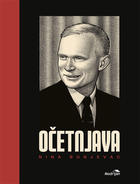
Očetnjava
28. avgusta 1977 je v neki garaži v Torontu eksplodirala bomba in ubila tri moške, člane srbske teroristične skupine, ki je načrtovala bombne napade na domove simpatizerjev jugoslovanskega predsednika Tita in jugoslovanska predstavništva v več mestih v Kanadi in ZDA. Eden izmed njih je bil enainštiridesetletni jugoslovanski Kanadčan Petar Bunjevac. Njegova žena Sally je takrat že skoraj dve leti s hčerkama Saro in Nino živela v Jugoslaviji, njun prvorojenec Petey je živel z očetom v Wellandu v Kanadi. Mlajša hči Nina je bila ob Petrovi smrti stara štiri leta, očeta je komajda poznala.
Nina Bunjevac se je leta 1990, tik pred razpadom Jugoslavije, iz domovine svojih staršev vrnila v Kanado, kjer se je rodila, in sedem let pozneje na ontarijski univerzi za umetnost in oblikovanje (OCAD) diplomirala iz grafike in slikarstva. Nekaj let se je posvečala slikarstvu, kiparstvu in poučevanju, nazadnje pa svoj umetniški izraz našla v stripu. In ta jo je pripeljal k očetu.
Roman v stripu Očetnjava (Fatherland) je življenjska zgodba, kakršno bi bil malokdo pripravljen priklicati iz spomina in jo deliti z drugimi. Nina Bunjevac malone dokumentarno, brez olepševanja in patosa, opisuje splet osebnih in zgodovinskih okoliščin, ki so njenega očeta pognale v emigrantstvo in ga pripeljale v vrste nacionalističnih skrajnežev, ki so po osvoboditvi ostali zvesti kralju Petru II. in četniškemu vodji Draži Mihajloviću, v skupino ekstremistov, ki ga ni več izpustila iz svojih krempljev, in nazadnje v prezgodnjo smrt. Pripoveduje o očetu teroristu in o trpljenju, ki ga je povzročil tistim, ki jih je najbolj ljubil ...
Nina Bunjevac je tako v podobi kakor besedi neizprosno natančna in neposredna, njeno Očetnjavo je mogoče zato brez zadržkov postaviti ob bok stripom, ki sta jih ustvarila Marjane Satrapi in Joe Sacco; to potrjujejo tudi številni prevodi in kanadska nagrada za najboljši strip The Doug Wright Award, ki jo je prejela maja 2015.
Nina Bunjevac se je leta 1990, tik pred razpadom Jugoslavije, iz domovine svojih staršev vrnila v Kanado, kjer se je rodila, in sedem let pozneje na ontarijski univerzi za umetnost in oblikovanje (OCAD) diplomirala iz grafike in slikarstva. Nekaj let se je posvečala slikarstvu, kiparstvu in poučevanju, nazadnje pa svoj umetniški izraz našla v stripu. In ta jo je pripeljal k očetu.
Roman v stripu Očetnjava (Fatherland) je življenjska zgodba, kakršno bi bil malokdo pripravljen priklicati iz spomina in jo deliti z drugimi. Nina Bunjevac malone dokumentarno, brez olepševanja in patosa, opisuje splet osebnih in zgodovinskih okoliščin, ki so njenega očeta pognale v emigrantstvo in ga pripeljale v vrste nacionalističnih skrajnežev, ki so po osvoboditvi ostali zvesti kralju Petru II. in četniškemu vodji Draži Mihajloviću, v skupino ekstremistov, ki ga ni več izpustila iz svojih krempljev, in nazadnje v prezgodnjo smrt. Pripoveduje o očetu teroristu in o trpljenju, ki ga je povzročil tistim, ki jih je najbolj ljubil ...
Nina Bunjevac je tako v podobi kakor besedi neizprosno natančna in neposredna, njeno Očetnjavo je mogoče zato brez zadržkov postaviti ob bok stripom, ki sta jih ustvarila Marjane Satrapi in Joe Sacco; to potrjujejo tudi številni prevodi in kanadska nagrada za najboljši strip The Doug Wright Award, ki jo je prejela maja 2015.
160 pages, Hardcover
First published August 28, 2014
About the author
Nina Bunjevac
19 books77 followersAlthough Canadian born, Nina Bunjevac spent her formative years in Yugoslavia, where she began her art education before returning to Canada at onset of the war of the 1990s. She continued her education in graphic design at the iconic Art Centre of Central Technical School in Toronto, subsequently graduating from the Drawing and Painting department at OCAD. After a decade of drawing and painting she discovered the passion for the narrative through sculpture installation work, eventually returning to her childhood passion for comics.
Nina’s comics have been published in a number of international periodicals and anthologies, including The National Post, Le Monde Diplomatique, ArtReview and Best American Comics. Her first book Heartless (2012, Conundrum Press, Nova Scotia) won a Doug Wright Award in Best Debut category. Her second book, Fatherland (2014, Jonathan Cape, London) has reached international acclaim, appearing on the New York Times best-seller list and receiving a Doug Wright Award in Best Book category; it was also shortlisted for PACA Regional Literary Award in France. Bezimena (2018, Ici Même, Nantes; 2019, Fantagraphics, Seattle), Nina’s third book, made the official selection at Angoulême International Comics Festival 2019, won Artemisia prize in the category of Best Drawing in France, and was awarded Best Book Jury Prize at 2019 Lucca Comics and Games in Lucca, Italy.
Her artwork has been included in a number of exhibitions, both in Canada and internationally. Notable exhibits include the 2014 installation Out of Fatherland, at Art Gallery of Ontario, commissioned mural pieces for The Idea of North, and Galerie Martel in Paris, France.
She lives in Toronto where she divides her time between comics, illustration, teaching and fine arts.
Nina’s comics have been published in a number of international periodicals and anthologies, including The National Post, Le Monde Diplomatique, ArtReview and Best American Comics. Her first book Heartless (2012, Conundrum Press, Nova Scotia) won a Doug Wright Award in Best Debut category. Her second book, Fatherland (2014, Jonathan Cape, London) has reached international acclaim, appearing on the New York Times best-seller list and receiving a Doug Wright Award in Best Book category; it was also shortlisted for PACA Regional Literary Award in France. Bezimena (2018, Ici Même, Nantes; 2019, Fantagraphics, Seattle), Nina’s third book, made the official selection at Angoulême International Comics Festival 2019, won Artemisia prize in the category of Best Drawing in France, and was awarded Best Book Jury Prize at 2019 Lucca Comics and Games in Lucca, Italy.
Her artwork has been included in a number of exhibitions, both in Canada and internationally. Notable exhibits include the 2014 installation Out of Fatherland, at Art Gallery of Ontario, commissioned mural pieces for The Idea of North, and Galerie Martel in Paris, France.
She lives in Toronto where she divides her time between comics, illustration, teaching and fine arts.
Ratings & Reviews
Friends & Following
Create a free account to discover what your friends think of this book!
Community Reviews
Displaying 1 - 30 of 240 reviews

March 12, 2015
The Repercussions of War
Like Marjane Satrapi’s Persepolis, Nina Bunjevac’s Fatherland: A Family History tells the story of a family deeply affected by war and political turmoil. It is the kind of family history that requires the author to discuss personal experiences in broader historical context - not an easy task. One of the greatest strengths of Persepolis is the way in which it seamlessly integrates historical information, hinting at broader developments from the protagonist’s necessarily limited perspective while never straying too far from her personal concerns. Persepolis does not ignore the bigger picture, but at the same time it wisely does not attempt to provide anything as ambitious as a complete history of the Iranian Revolution. It is firmly centered around a relatable protagonist, allowing the reader to explore unfamiliar events and worldviews through her eyes.
Unfortunately, Fatherland does not pull off this balancing act between the micro- and the macro-level quite as convincingly. It works well as long as it puts the spotlight on the author’s immediate environment, that is, on the refugee experience and the long-term repercussions of war and violence for the people around her. Feelings of dislocation, deprivation, alienation, depression and paranoia are conveyed not only through body language and facial expression, but also in ways that may at first glance appear clumsy and inept - through rigid panel arrangements and clunky pacing. However, the story does not spend enough time with its main characters for the reader to really become attached, losing sight of them while aiming to provide nothing less than an in-depth analysis of the roots of the Yugoslav Wars – an endeavor that is as admirably ambitious as it is misguided within the limitations of a relatively brief “family history.” The reader’s lack of attachment to the characters becomes particularly problematic at the story’s end, when a surreal and tragic turn of events does not have the desired devastating or at least thought-provoking effect, but merely leaves the reader bewildered.
Despite its shortcomings, Fatherland certainly deserves credit for tackling important and difficult topics. There is a lot of potential here! Nina Bunjevac’s ability to capture complex emotions is astounding, especially considering this is only her second book, and her first attempt at a longer narrative. I’ll definitely check out her next one!
Like Marjane Satrapi’s Persepolis, Nina Bunjevac’s Fatherland: A Family History tells the story of a family deeply affected by war and political turmoil. It is the kind of family history that requires the author to discuss personal experiences in broader historical context - not an easy task. One of the greatest strengths of Persepolis is the way in which it seamlessly integrates historical information, hinting at broader developments from the protagonist’s necessarily limited perspective while never straying too far from her personal concerns. Persepolis does not ignore the bigger picture, but at the same time it wisely does not attempt to provide anything as ambitious as a complete history of the Iranian Revolution. It is firmly centered around a relatable protagonist, allowing the reader to explore unfamiliar events and worldviews through her eyes.
Unfortunately, Fatherland does not pull off this balancing act between the micro- and the macro-level quite as convincingly. It works well as long as it puts the spotlight on the author’s immediate environment, that is, on the refugee experience and the long-term repercussions of war and violence for the people around her. Feelings of dislocation, deprivation, alienation, depression and paranoia are conveyed not only through body language and facial expression, but also in ways that may at first glance appear clumsy and inept - through rigid panel arrangements and clunky pacing. However, the story does not spend enough time with its main characters for the reader to really become attached, losing sight of them while aiming to provide nothing less than an in-depth analysis of the roots of the Yugoslav Wars – an endeavor that is as admirably ambitious as it is misguided within the limitations of a relatively brief “family history.” The reader’s lack of attachment to the characters becomes particularly problematic at the story’s end, when a surreal and tragic turn of events does not have the desired devastating or at least thought-provoking effect, but merely leaves the reader bewildered.
Despite its shortcomings, Fatherland certainly deserves credit for tackling important and difficult topics. There is a lot of potential here! Nina Bunjevac’s ability to capture complex emotions is astounding, especially considering this is only her second book, and her first attempt at a longer narrative. I’ll definitely check out her next one!

December 16, 2021
In Fatherland, Canadian cartoonist Nina Bunjevac relates the short, sad biography of her father, Peter (the Paul Bettany-looking chap on the cover), a Serbian terrorist who made and sent bombs to enemies of his nationalist group, before perishing in 1977 when a bomb he was working on went off and killed him and two collaborators.
It was a decent comic - I liked the main story of Peter, his hard and loveless childhood leading to the major red flag of murdering small animals, before becoming radicalised into Freedom for the Serbian Fatherland. Bunjevac’s black and white hatching artwork is immensely skillful too, creating a lot of 3D depth on the page, even producing portraits that look photo-realistic at times.
What slowed the story down immensely and really bored me was the convoluted and uninteresting story of Yugoslavia and its pointless enmities between the Serbs and Croats (even Bunjevac, who thoroughly researched this area of history, concludes that no-one knows why the two sides hate each other so much).
There’s so much dreariness about what this leader said and did leading to another leader who said and did other things, sides and bitterness growing - even if I did care, I’d still have a hard time keeping up with what was going on over the many years of conflict that blighted this region. And the end result today is that Yugoslavia no longer exists - the country has been carved up into numerous countries: Croatia, Serbia, Bosnia Herzegovina, and more.
I can see why Bunjevac needed to include all of this material - to show readers why her dad did what he did - but I still came away from this book feeling depressed at how petty and stupid we humans can be about basically nothing and let that lead to decades of needless pain and suffering for countless people.
The parts about Nina’s father and her art throughout are really good, but you’ve also gotta wade through a lengthy, dreary history lesson on a relatively obscure part of the world to enjoy it. Fatherland is still worth a look if you’re a nonfiction comics fan, particularly if you like the work of Joe Sacco.
It was a decent comic - I liked the main story of Peter, his hard and loveless childhood leading to the major red flag of murdering small animals, before becoming radicalised into Freedom for the Serbian Fatherland. Bunjevac’s black and white hatching artwork is immensely skillful too, creating a lot of 3D depth on the page, even producing portraits that look photo-realistic at times.
What slowed the story down immensely and really bored me was the convoluted and uninteresting story of Yugoslavia and its pointless enmities between the Serbs and Croats (even Bunjevac, who thoroughly researched this area of history, concludes that no-one knows why the two sides hate each other so much).
There’s so much dreariness about what this leader said and did leading to another leader who said and did other things, sides and bitterness growing - even if I did care, I’d still have a hard time keeping up with what was going on over the many years of conflict that blighted this region. And the end result today is that Yugoslavia no longer exists - the country has been carved up into numerous countries: Croatia, Serbia, Bosnia Herzegovina, and more.
I can see why Bunjevac needed to include all of this material - to show readers why her dad did what he did - but I still came away from this book feeling depressed at how petty and stupid we humans can be about basically nothing and let that lead to decades of needless pain and suffering for countless people.
The parts about Nina’s father and her art throughout are really good, but you’ve also gotta wade through a lengthy, dreary history lesson on a relatively obscure part of the world to enjoy it. Fatherland is still worth a look if you’re a nonfiction comics fan, particularly if you like the work of Joe Sacco.

August 28, 2016
A lot of people are comparing this book to other graphic memoirs about family entanglements with war and political turmoil, and I can understand these comparisons, but in a way Fatherland is a book that is tough to compare to either graphic histories or graphic memoirs because it is trying to be both at once, but in jarring, fragmentary ways. I agree with other reviewers that there isn't a graceful synthesis of the two, but I'm not sure if that necessarily makes the book less powerful. It certainly makes it more frustrating, but it also gives it a sense of authenticity. Memory is fragmented. We revise our narratives of people, places and things in order to create for ourselves a livable present. And to a degree, the narrator is showing that act of twisting a narrative.
In the opening sequence the narrator's (the author as she represents herself in the book) mother shows up unannounced. Bunjevac can tell it's her mother by the way that she knocks and is stressed out by the visit and deals with her failure to hide her discomfort by pretending her shoulder hurts. It's a little funny, but the book doesn't seem to allow for much humor. Or, I'm not always sure how to read the tone. One example of the many ways in which this book makes me a little uncomfortable.
Bunjevac offers information in this opening which is never explained. Her mother asks where Jacob is. Who is Jacob? I guess is her kid, or her spouse/partner? Bunjevac says Jacob is away for the weekend. Her mother says "Oh. I forgot...It's Friday." We never know why Jacob is gone, nor do we know who he is. But as the book is dedicated to Jacob, among other people, he must be someone of importance. WE are left to fill in the blanks.
Next Bunjevac shows her mother a photo of their old house in Welland (Ontario) and waits to see how her mother will handle this jolt from the past. It seems a bit harsh. She seems to know that her mother survives by, to some degree, willfully forgetting so much of their family history. On the other hand, maybe she believes that she can create some deeper sense of peacefulness in the family by bringing the skeletons out of the closet, as they say. Or maybe she just really wants to know about her past and is trying in different ways to try to get her mother to help her fill in the blanks. (So, maybe she is trying to tell us we all do our best to complete narratives with incomplete information?)
This photograph of the old house is the conceit that allows us to travel back in time. In this time-travel (back and forth), we are invited into a family narrative that is sometimes personal, and sometimes more broadly historical, but always with a feeing of distance and kind of jumpy movements. A lot of the story seems an attempt to try to make sense of the life and death of Bunjevac's father, whose representation varies throughout the book.
The art is neat, textured, architectural, photographic, a bit eerie in its coolness, It's not warm and inviting. This is not a "let's sit around the fire and tell stories" kind of story. There's a rawness to it, in that Bunjevac seems to be trying to make sense of the loss and violence in her family's history -- to understand it in layered familial contexts, national and international wars, and deep historical tensions. I get the feeling as I'm reading that she's trying to find a structure that can hold this painful history and that what she found was, at best, a way to hold all these different pieces in one artifact, this book, which is fairly big and weighty, though not terribly long.
I don't know quite how to rate this book because I think Bunjevac is doing something interesting and important, shifting away from the clearer structure and more consistently intimate (?) narratives in graphic memoirs that strive to address similar fractured relationships between place and time (narratives of families and family histories affected by war and fighting.) So, I'm giving it a four as a way of honoring a book about an important history of familial and regional conflict that is stylistically and narratively a bit off the beaten path.
In the opening sequence the narrator's (the author as she represents herself in the book) mother shows up unannounced. Bunjevac can tell it's her mother by the way that she knocks and is stressed out by the visit and deals with her failure to hide her discomfort by pretending her shoulder hurts. It's a little funny, but the book doesn't seem to allow for much humor. Or, I'm not always sure how to read the tone. One example of the many ways in which this book makes me a little uncomfortable.
Bunjevac offers information in this opening which is never explained. Her mother asks where Jacob is. Who is Jacob? I guess is her kid, or her spouse/partner? Bunjevac says Jacob is away for the weekend. Her mother says "Oh. I forgot...It's Friday." We never know why Jacob is gone, nor do we know who he is. But as the book is dedicated to Jacob, among other people, he must be someone of importance. WE are left to fill in the blanks.
Next Bunjevac shows her mother a photo of their old house in Welland (Ontario) and waits to see how her mother will handle this jolt from the past. It seems a bit harsh. She seems to know that her mother survives by, to some degree, willfully forgetting so much of their family history. On the other hand, maybe she believes that she can create some deeper sense of peacefulness in the family by bringing the skeletons out of the closet, as they say. Or maybe she just really wants to know about her past and is trying in different ways to try to get her mother to help her fill in the blanks. (So, maybe she is trying to tell us we all do our best to complete narratives with incomplete information?)
This photograph of the old house is the conceit that allows us to travel back in time. In this time-travel (back and forth), we are invited into a family narrative that is sometimes personal, and sometimes more broadly historical, but always with a feeing of distance and kind of jumpy movements. A lot of the story seems an attempt to try to make sense of the life and death of Bunjevac's father, whose representation varies throughout the book.
The art is neat, textured, architectural, photographic, a bit eerie in its coolness, It's not warm and inviting. This is not a "let's sit around the fire and tell stories" kind of story. There's a rawness to it, in that Bunjevac seems to be trying to make sense of the loss and violence in her family's history -- to understand it in layered familial contexts, national and international wars, and deep historical tensions. I get the feeling as I'm reading that she's trying to find a structure that can hold this painful history and that what she found was, at best, a way to hold all these different pieces in one artifact, this book, which is fairly big and weighty, though not terribly long.
I don't know quite how to rate this book because I think Bunjevac is doing something interesting and important, shifting away from the clearer structure and more consistently intimate (?) narratives in graphic memoirs that strive to address similar fractured relationships between place and time (narratives of families and family histories affected by war and fighting.) So, I'm giving it a four as a way of honoring a book about an important history of familial and regional conflict that is stylistically and narratively a bit off the beaten path.

March 13, 2015
A graphic memoir/family history as it relates to historical events such as Satrapi's Persepolis or Spiegelman's Maus. This one looks at the (long, historical) "conflict" in the Balkans, with a focus in her family history on Tito and Yugoslavia, where it's Royalists vs. Communists. Bunjevac focuses on her Dad's radicalization in the sixties and seventies in this struggle, his imprisonment, his escape to Canada and his being part of a terrorist cell with the purpose, his marrying the author's mother, their having three kids.. and the mother's escape back to Yugoslavia with two of the kids from her abusive, drunken, radicalized husband (whom his daughter, the author, is also convinced deeply loved his family, but we don't see much of this side of him, really; she's not that convincing that he is a good guy in many respects--he's a violent, angry, unhappy man, as I see it).
The larger political scene is addressed, for sure; we get maps and dates and detailed analyses, but this complicated background doesn't mesh well with the family story, in my opinion. It's a pretty interesting family story, and beautifully drawn in a kind of (often) pointillist fashion, a really interesting pen and ink style, and I want to see more of her drawing. There's a kind of a distancing effect for me in the art and story, as I don't think we get to know any of the people all that well. But I still liked this, her first major work (after a collection of stories I still haven't read). I just think she didn't bring all the elements together in the way I had hoped.
The larger political scene is addressed, for sure; we get maps and dates and detailed analyses, but this complicated background doesn't mesh well with the family story, in my opinion. It's a pretty interesting family story, and beautifully drawn in a kind of (often) pointillist fashion, a really interesting pen and ink style, and I want to see more of her drawing. There's a kind of a distancing effect for me in the art and story, as I don't think we get to know any of the people all that well. But I still liked this, her first major work (after a collection of stories I still haven't read). I just think she didn't bring all the elements together in the way I had hoped.

June 5, 2021
Друк мальописів від Видавництво «Видавництво» я чекаю з особливим нетерпінням. Але не через те, що вони друкують якісь кращі комікси, аніж інші, а через те, що вони націлені на соціальні теми, які для мене, зокрема цікаві. Просто саме в коміксах мені ці теми сприймаються легше в порівнянні із читанням літератури в цьому ж жанрі.
Мальопис «Батьківщина» Ніни Бунєвац — це графічні мемуари, оскільки він розповідає історію власної сім’ї, так само, як «Персеполіс» Маржан Сатрапі, «Маус» Арта Шпіґельмана чи «Палестина» Джо Сакко. «Батьківщина» дивиться в бік давнього конфлікту на Балканах на фоні якого відбувається розлучення сім’ї через радикальний націоналізм батька авторки, фанатизм якого постійно зростав, навіть після того, як він у 1950-х роках був змушений втекти на інший континент, де продовжив будь-яким способом боротися за вільну Югославію. Тому мати вирішила втекти від нього та залишити Канаду, забравши маленьку Ніну та її сестру назад до Югославії, залишивши в Канаді свого сина.
«Батьківщина» намагається одночасно бути й історичною розповіддю та мемуарами, але, на мою думку, якось не дуже впевнено, навіть фрагментарно. Хоча ця фрагментарність якраз додає історії справжності, бо ці епізоди виглядають, як уривки із минулого авторки, які виринають у її пам’яті. Бунєвац звертається тут також до політичної сцени, ми отримуємо карти, дати, якоюсь мірою навіть аналіз подій. Але чи працює воно, як розповідь історичного періоду із відповідними деталями? Вважаю, узагалі ні, воно задає просто правильний фон, щоби ми краще розбиралися в періодах життя родини авторки. Але цих усіх деталей мені було забагато.
А ось наратив, який мені подобається, якраз створює емоційна частина мемуарів, де Бунєвац намагається зрозуміти втрати та насильство в історії своєї сім’ї, розібрати це все в багатошаровому родинному контексті, міжнародних та національних війнах, які мають глибоку історичну й сімейну емоційну напруженість. Шкода тільки, що здебільшого ми бачимо тільки сторону матері й бабусі на всю цю ситуацію, без ґрунтовного аналізу від самої Ніни. Безумовно, емоційний стан її матері, тяжкий вибір між радикальною в’язницею чоловіка в Канаді та авторитарною в’язницею бабусі в Югославії, рішення залишити одну свою дитину, щоби врятувати двох інших дітей, намагання втриматися на плаву посеред постійних повчань інших задля майбутнього доньок — це надзвичайно важливі аспекти для цього мальопису, особливо коли авторка намагається зрозуміти свою матір. Але мені особисто бракувало Ніни Бунєвац, і, які емоції переживає саме вона в тій чи іншій ситуації.
Продовжуючи говорити по емоції, але саме емоції, які викликає мальопис під час читання, то позитивних відчуттів ви тут не знайдете, як, для прикладу, у «Персеполісі» Сатрапі. Переживання, сум, страх чи жаль — це основні супутники під час читання. Хоча на початку оповіді, коли мати Ніни Бунєвац з’являється у дверях її квартири, ми бачимо, як авторка відчуває стрес від візиту і, щоби приховати дискомфорту вона вдає, що її болить плече. Це навіть трохи смішно, але далі ти розумієш, що комікс не дозволяє гумору узагалі. І потім, після прочитання, ця емоція, яка виникла на початку, стає трохи незручною, ба навіть соромно за неї певним чином.
Щодо малюнку, то стиль «ручки й чорнила» виглядає досить цікаво, нагадуючи чимось пуантилістичний стиль у живописі. Малюнок акуратний, фактурний, фотографічний, я б сказав моторошний у своїй прохолоді, через що узагалі не привабливий. І певен, що це якраз те, що створює ту атмосферу, той емоційний фон, який потрібен цій важкій історії.
Важко оцінити цей мальопис, тут не всі елементи спрацювали, як слід, особливо постійні й сухі історичні пояснення всіх подій, але з іншого боку авторка робить щось важливе, вшановує історію сімейних та регіональних конфліктів. Та переконаний, що після прочитання в кожного ця історія відгукнеться чимось близьким, адже кожна сім’я має свої власні скелети в шафі, які не хочеться виносити назовні.
Підуписуйтеся на Телеґрам канал про комікси і не тільки https://t.me/tripwithbook
Мальопис «Батьківщина» Ніни Бунєвац — це графічні мемуари, оскільки він розповідає історію власної сім’ї, так само, як «Персеполіс» Маржан Сатрапі, «Маус» Арта Шпіґельмана чи «Палестина» Джо Сакко. «Батьківщина» дивиться в бік давнього конфлікту на Балканах на фоні якого відбувається розлучення сім’ї через радикальний націоналізм батька авторки, фанатизм якого постійно зростав, навіть після того, як він у 1950-х роках був змушений втекти на інший континент, де продовжив будь-яким способом боротися за вільну Югославію. Тому мати вирішила втекти від нього та залишити Канаду, забравши маленьку Ніну та її сестру назад до Югославії, залишивши в Канаді свого сина.
«Батьківщина» намагається одночасно бути й історичною розповіддю та мемуарами, але, на мою думку, якось не дуже впевнено, навіть фрагментарно. Хоча ця фрагментарність якраз додає історії справжності, бо ці епізоди виглядають, як уривки із минулого авторки, які виринають у її пам’яті. Бунєвац звертається тут також до політичної сцени, ми отримуємо карти, дати, якоюсь мірою навіть аналіз подій. Але чи працює воно, як розповідь історичного періоду із відповідними деталями? Вважаю, узагалі ні, воно задає просто правильний фон, щоби ми краще розбиралися в періодах життя родини авторки. Але цих усіх деталей мені було забагато.
А ось наратив, який мені подобається, якраз створює емоційна частина мемуарів, де Бунєвац намагається зрозуміти втрати та насильство в історії своєї сім’ї, розібрати це все в багатошаровому родинному контексті, міжнародних та національних війнах, які мають глибоку історичну й сімейну емоційну напруженість. Шкода тільки, що здебільшого ми бачимо тільки сторону матері й бабусі на всю цю ситуацію, без ґрунтовного аналізу від самої Ніни. Безумовно, емоційний стан її матері, тяжкий вибір між радикальною в’язницею чоловіка в Канаді та авторитарною в’язницею бабусі в Югославії, рішення залишити одну свою дитину, щоби врятувати двох інших дітей, намагання втриматися на плаву посеред постійних повчань інших задля майбутнього доньок — це надзвичайно важливі аспекти для цього мальопису, особливо коли авторка намагається зрозуміти свою матір. Але мені особисто бракувало Ніни Бунєвац, і, які емоції переживає саме вона в тій чи іншій ситуації.
Продовжуючи говорити по емоції, але саме емоції, які викликає мальопис під час читання, то позитивних відчуттів ви тут не знайдете, як, для прикладу, у «Персеполісі» Сатрапі. Переживання, сум, страх чи жаль — це основні супутники під час читання. Хоча на початку оповіді, коли мати Ніни Бунєвац з’являється у дверях її квартири, ми бачимо, як авторка відчуває стрес від візиту і, щоби приховати дискомфорту вона вдає, що її болить плече. Це навіть трохи смішно, але далі ти розумієш, що комікс не дозволяє гумору узагалі. І потім, після прочитання, ця емоція, яка виникла на початку, стає трохи незручною, ба навіть соромно за неї певним чином.
Щодо малюнку, то стиль «ручки й чорнила» виглядає досить цікаво, нагадуючи чимось пуантилістичний стиль у живописі. Малюнок акуратний, фактурний, фотографічний, я б сказав моторошний у своїй прохолоді, через що узагалі не привабливий. І певен, що це якраз те, що створює ту атмосферу, той емоційний фон, який потрібен цій важкій історії.
Важко оцінити цей мальопис, тут не всі елементи спрацювали, як слід, особливо постійні й сухі історичні пояснення всіх подій, але з іншого боку авторка робить щось важливе, вшановує історію сімейних та регіональних конфліктів. Та переконаний, що після прочитання в кожного ця історія відгукнеться чимось близьким, адже кожна сім’я має свої власні скелети в шафі, які не хочеться виносити назовні.
Підуписуйтеся на Телеґрам канал про комікси і не тільки https://t.me/tripwithbook

July 23, 2021
у цій книжці багато всього, але, дочитавши, я можу думати тільки про маленького хлопчика, мама якого пообіцяла, що повернеться за два тижні, і не повернулася.

August 23, 2016
Inace padam na autobiografske stripove, a za stvaranje ovakvog trebala je nevjerojatna snaga i hrabrost, sto se i vidi iz svake ilustracije. Neke su cak toliko mocne da se najezim. Autorica u stripu pokusava sloziti pricu o ocu koji je u svijetu u kojem ona zivi terorist, dok u njenom svijetu pokusava naci svoje mjesto. Otac je to o kojem se ne prica i radi kojeg se emocija tuge potiskuje. On je i ishodisna tocka svih obiteljskih kompleksnih odnosa koje pobuduje ljubav, a ponekad u potrebi da se zastiti, postaje zastrasujuca. Uz malo fotografija i stavljanja oca u politicki kontekst nekako ga shvaca, ali ne opravdava, zali ali ne daj boze suosjeca. Ipak je to tata prije svake druge definicije i dati sebe tako otvorenog srca zasluzuje samo moj osjecaj divljenja. Nitko ne bi trebao prolaziti kroz takve moralne dileme.

September 22, 2016
The history of the Balkans is a complicated maze of political ideologies. This book puts you in the middle of that maze; and then you understand how hard it is for the people of this region to find a way out. I really like GN like this that give you a perspective from someone who has lived through a traumatic experience. Will look for more works by Nina Bunjevac.

March 5, 2015
In Fatherland, Nina Bunjevac explores the difficult history of her family and their home country of Yugoslavia. The first part of the book focuses on her immediate family. They lived a seemingly normal life in Canada, with a lot happening just below the surface (like her father's abuse and alcoholism). In the late 70's, her mother took Nina and her sister to live their grandparents in Yugoslavia. Devastatingly, her mother was forced to leave her brother behind. The second part traces her father's life, the events that shaped him, and the political-turned-terrorist activities that ultimately led to his death.
For me personal narratives are always the best way to get into something about which I know nothing. I don't think I've ever read anything about Yugoslavia, and Bunjevac does a nice job of focusing on her father and her family while providing enough background and history of the region. The story definitely is pretty heavy, but so poignant.
Nina Bunjevac's art was truly astonishing. So much detail on every single page, in every frame. The narrative is really difficult at times, but the art is always breathtaking. I really enjoyed immersing myself in her drawing, and I want more!
For me personal narratives are always the best way to get into something about which I know nothing. I don't think I've ever read anything about Yugoslavia, and Bunjevac does a nice job of focusing on her father and her family while providing enough background and history of the region. The story definitely is pretty heavy, but so poignant.
Nina Bunjevac's art was truly astonishing. So much detail on every single page, in every frame. The narrative is really difficult at times, but the art is always breathtaking. I really enjoyed immersing myself in her drawing, and I want more!

August 31, 2021
Малюнок, що естестично відвертає від історії, та потім сам наратив перетягує на себе ковдру, адже тут про те, як історичні події і вибір членів твоєї родини приводить тебе саме в ту точку, де ти є зараз.

January 8, 2022
Knjiga je izšla pri založbi Modrijan, v moje roke pa je prišla prek akcije založbe @vigevageknjige_ ki je ob nakupu Bezimene iste avtorice poklonila še to delo. Avtoričin slog je tako likovno, kot tudi vsebinsko izredno temačen, gost in direkten, zato sem med njenimi deli morala malce predihati, a vendarle je prišel čas za branje tudi te mojstrovine.
Nina Bunjevac je Kanadčanka srbskega rodu, ki je sicer rojena v Kanadi preživela dobršen del svojega otroštva v Jugoslaviji. Tja je prebežala z mamo in sestro, oče in brat pa sta ostala v Kanadi. Oče je namreč zapadel v kroge rojalističnih skrajnežev, ki so se pod podobo Draže Mihajlovića združili v želji strmoglaviti komunistično oblast pod vodstvom Josipa Broza Tita in ponovno vzpostaviti kraljevino. To so v izgnanstvu počeli predvsem s ter orističnimi napadi na jugoslovanska predstavništva v ZDA in Kanadi. Ninina mama je pod slutnjo očetovega početja, katerega ji sicer nikdar ni izdal, s hčerkama prebežala nazaj v Jugoslavijo in njene slutnje so se kmalu potrdile. Med izdelavo bombe so namreč umrli Petar Bunjevac in še dva pajdaša.
Očetnjava je delo, ki že z izjemno likovno podobo, uporabo prispodob in na drugi strani povsem konkretnih upodobitev zgodovinskih dogodkov, oriše dogajanje po drugi svetovni vojni. Avtorica nam razloži marsikaj, kar v vrtincu zgodovine včasih ostane malce nejasno - od hrvaško-srbskega spora dalje - poleg tega pa nadene človeške obraze ljudem, ki bi jih najraje pozabili ali enostavno označili za kriminalce. Kot v spremnem govoru pravi Goran Vojnović, je težko pogledati resnici v oči in si priznati, da so tudi ter oristi ljudje - očetje, bratje, sosedje. In mnogokrat so ravno ti ljudje v svojem življenju doživeli nemalo hudega.
Brez opravičevanja njegovega početja nam avtorica opiše neznosno otroštvo svojega očeta in dokaj ironično, glede na likovno podobo risoromana, zopet spoznamo, da nobena zgodba ni črnobela.
Nina Bunjevac je spet naredila tisto, kar najbolje zna - s kruto realnostjo je dregnila v našo zavest in nas prisilila v razmislek o stvareh, o katerih smo si že ustvarili mnenje.
Nina Bunjevac je Kanadčanka srbskega rodu, ki je sicer rojena v Kanadi preživela dobršen del svojega otroštva v Jugoslaviji. Tja je prebežala z mamo in sestro, oče in brat pa sta ostala v Kanadi. Oče je namreč zapadel v kroge rojalističnih skrajnežev, ki so se pod podobo Draže Mihajlovića združili v želji strmoglaviti komunistično oblast pod vodstvom Josipa Broza Tita in ponovno vzpostaviti kraljevino. To so v izgnanstvu počeli predvsem s ter orističnimi napadi na jugoslovanska predstavništva v ZDA in Kanadi. Ninina mama je pod slutnjo očetovega početja, katerega ji sicer nikdar ni izdal, s hčerkama prebežala nazaj v Jugoslavijo in njene slutnje so se kmalu potrdile. Med izdelavo bombe so namreč umrli Petar Bunjevac in še dva pajdaša.
Očetnjava je delo, ki že z izjemno likovno podobo, uporabo prispodob in na drugi strani povsem konkretnih upodobitev zgodovinskih dogodkov, oriše dogajanje po drugi svetovni vojni. Avtorica nam razloži marsikaj, kar v vrtincu zgodovine včasih ostane malce nejasno - od hrvaško-srbskega spora dalje - poleg tega pa nadene človeške obraze ljudem, ki bi jih najraje pozabili ali enostavno označili za kriminalce. Kot v spremnem govoru pravi Goran Vojnović, je težko pogledati resnici v oči in si priznati, da so tudi ter oristi ljudje - očetje, bratje, sosedje. In mnogokrat so ravno ti ljudje v svojem življenju doživeli nemalo hudega.
Brez opravičevanja njegovega početja nam avtorica opiše neznosno otroštvo svojega očeta in dokaj ironično, glede na likovno podobo risoromana, zopet spoznamo, da nobena zgodba ni črnobela.
Nina Bunjevac je spet naredila tisto, kar najbolje zna - s kruto realnostjo je dregnila v našo zavest in nas prisilila v razmislek o stvareh, o katerih smo si že ustvarili mnenje.

December 22, 2017
The artwork was beautifully done, I liked the style very much. Bunjevac retraces her family's history in Yugoslavia, and their immigration to Canada in the 1970s. The story structure and pacing started strong, when it was told from her perspective. However, when she changed the focus to her father, the pacing faltered, and the book seemed out of order.

November 30, 2015
This is a story of the author's father, a Serbian nationalist. In the scenes of his childhood you see his reaction to loss is small acts of violence. As he gets older, his life has little joy. He drinks and becomes more violent.
While I'd have liked this to be a more personal book, the story is told in reportorial fashion. You learn how the author's parents met and married. You learn the history of their region. You see the steps by which her father became a terrorist.
I selected this after having seen these drawings at an art museum in Toronto. While the story is a only sketch, the pictures are not. They are beautifully done.
The book leaves the reader with too many unanswered questions.
While I'd have liked this to be a more personal book, the story is told in reportorial fashion. You learn how the author's parents met and married. You learn the history of their region. You see the steps by which her father became a terrorist.
I selected this after having seen these drawings at an art museum in Toronto. While the story is a only sketch, the pictures are not. They are beautifully done.
The book leaves the reader with too many unanswered questions.

April 20, 2023
Сімейна історія сербської родини на тлі еміграції, воєн і політичних протистоянь, але історія тут ніби водночас і визначальний чинник, що впливає на стосунки в родині, і просто тло, бо увага саме на стосунках між героями і героїнями.
Цікаво, але мені дуже бракувало сюжету, і було відчуття, ніби це фото, а не історія.
Цікаво, але мені дуже бракувало сюжету, і було відчуття, ніби це фото, а не історія.

July 29, 2019
A memoir exploring the family history, and world history, that triggered her father to become a terrorist. The combination of her personal history and the stories from the past are not perfectly meshed, but it is still a strong story.
I knew very little about the history of Yugoslavia in the 20th century. It was messy, and often very ugly. Learning about it with a focus on one single family really brought it to life. The author's father did awful things. The awful things that happened around him while growing up don't excuse his behavior, but there was more than enough there to have pushed almost anyone over the edge.
For me, it is hard to understand anyone trying to bring back monarchy in his country. Why would anyone want that? But on the other hand, the groups that replaced that monarchy weren't the saints they pretended to be. It is another reminder of the age-old problem of leaders doing one thing before they have power and then something quite different once they get it.
I knew very little about the history of Yugoslavia in the 20th century. It was messy, and often very ugly. Learning about it with a focus on one single family really brought it to life. The author's father did awful things. The awful things that happened around him while growing up don't excuse his behavior, but there was more than enough there to have pushed almost anyone over the edge.
For me, it is hard to understand anyone trying to bring back monarchy in his country. Why would anyone want that? But on the other hand, the groups that replaced that monarchy weren't the saints they pretended to be. It is another reminder of the age-old problem of leaders doing one thing before they have power and then something quite different once they get it.
June 2, 2023
Esta es una novela gráfica que habla de política; la política como un medio de enajenación y destrucción de núcleos familiares. Nina Bunjevac logra transmitir la carga emocional deseada en cada una de sus viñetas a través de trazos que demuestran maestría en el dibujo. Fue interesante para mí el aprender acerca de la historia de Yugoslavia y Serbia, así como los conflictos entre ambas regiones. Sin duda es un texto imperdible para los lectores interesados en la literatura de la memoria y la novela gráfica contemporánea.

May 23, 2021
Відгук від 23.05.2021
Якби не графічні романи та мальописи, я би либонь ніколи в житті не перетнув позначки у п'ятдесят книг, прочитаних від початку року, а може це просто один з проявів пандемії, від руйнівного впливу якої з усіх задоволень мені залишилося тільки читання.
"Батьківщину" я замовив, бо вже прочитав "Персеполіс" Марджан Сатрапі раніше і з одного графічного роману дізнався про Іран, Ірак та весь мусульманський Близький Схід більше, ніж за всі тридцять сім прожитих років до того.
На Балканах з давніх-давен "все складно". Усі всіх встигли повбивати, зненавидіти, декілька раз зліпитися в більше державне утворення і зрештою остаточно розпастися на цілу купу дрібніших. Окрім крутого етнічного варива, там вистачає і релігійної напруги, а питання помсти ніколи не втрачає актуальності, бо Батьківщина сидить у серцях багатьох так глибоко, наче гарпун, і не відпускає, хай у який далекі світи з неї вивтікати.
Трагічна історія цілого регіону розгортається тут з вузької перспективи розірваної через пів світу сім'ї та на фоні історичних подій, котрі завжди відбуваються без жодних сподівань на порятунок для окремих особистостей.
Якби не графічні романи та мальописи, я би либонь ніколи в житті не перетнув позначки у п'ятдесят книг, прочитаних від початку року, а може це просто один з проявів пандемії, від руйнівного впливу якої з усіх задоволень мені залишилося тільки читання.
"Батьківщину" я замовив, бо вже прочитав "Персеполіс" Марджан Сатрапі раніше і з одного графічного роману дізнався про Іран, Ірак та весь мусульманський Близький Схід більше, ніж за всі тридцять сім прожитих років до того.
На Балканах з давніх-давен "все складно". Усі всіх встигли повбивати, зненавидіти, декілька раз зліпитися в більше державне утворення і зрештою остаточно розпастися на цілу купу дрібніших. Окрім крутого етнічного варива, там вистачає і релігійної напруги, а питання помсти ніколи не втрачає актуальності, бо Батьківщина сидить у серцях багатьох так глибоко, наче гарпун, і не відпускає, хай у який далекі світи з неї вивтікати.
Трагічна історія цілого регіону розгортається тут з вузької перспективи розірваної через пів світу сім'ї та на фоні історичних подій, котрі завжди відбуваються без жодних сподівань на порятунок для окремих особистостей.

October 10, 2016
Family histories are often complicated, and in this one a daughter tries to make sense of the choices made by her parents. Mom flees Canada and her abusive husband, returns to Yugoslavia and moves in with her parents. She takes along her two younger daughters, but is forced to leave her son behind. Press rewind, and we meet Dad before he met Mom, and get more insight into his life experiences. There are really troubling scenes depicted, and I actually cringed several times. Flash forward to Dad who has joined a terrorist organization, and we circle back to the beginning, and things that Mom did start to make more sense.
Children are so often the causalities of adult wars, and this graphic memoir is the family history of one family set against the politics of the Serbian Wars. I really liked the black and white art, and learned some history in the process. However, I don't think the author was able to mesh the two narratives really well, and so much seemed to simply be skimmed over. Still, this is a worthwhile read if you are unfamiliar with the history of that part of the world.
Children are so often the causalities of adult wars, and this graphic memoir is the family history of one family set against the politics of the Serbian Wars. I really liked the black and white art, and learned some history in the process. However, I don't think the author was able to mesh the two narratives really well, and so much seemed to simply be skimmed over. Still, this is a worthwhile read if you are unfamiliar with the history of that part of the world.

December 16, 2014
Wow, I am surprised this hasn't been reviewed more! It's kind of fantastic! I mean, it's heavy stuff, hard family secrets painfully brought to light, but it's well done, compassionate even, for a father who ended up being a radical Serbian Nationalist in Canada, and ultimately getting himself killed. It's also the story of his family, her childhood, and a partial history of the complexities of the Balkan conflict. AND it's sober, static, and haunting illustrations set the perfect tone for the heavy, powerful story. Good, unexpected stuff that gets under your skin..

September 21, 2022
Očetnjava je presunljivo in tragično družinsko branje v obliki risoromana.
Ko je bila Nina stara štiri leta (1977), je njen oče umrl med izdelovanjem bombe za nov teroristični napad na jugoslovanska diplomatska predstavništva v Kanadi in ZDA.
V stripu avtorica predstavi očeta, njegovo otroštvo, bojevanje v vojni, deportacijo v Jasenovac, zapor in pobeg v Kanado leta 1959. Ko se Petar vključi v srbsko osvobodilno gibanje Očetnjava, trpljenje njegove žene postaja vse huje zaradi njegovega nasilja in ekstremizma, dokler leta 1975 ne spakira kovčkov, vzame hčerki s sabo (sin ostane pri očetu) ter odide k svoji mami v Jugoslavijo na varno.
Ko je bila Nina stara štiri leta (1977), je njen oče umrl med izdelovanjem bombe za nov teroristični napad na jugoslovanska diplomatska predstavništva v Kanadi in ZDA.
V stripu avtorica predstavi očeta, njegovo otroštvo, bojevanje v vojni, deportacijo v Jasenovac, zapor in pobeg v Kanado leta 1959. Ko se Petar vključi v srbsko osvobodilno gibanje Očetnjava, trpljenje njegove žene postaja vse huje zaradi njegovega nasilja in ekstremizma, dokler leta 1975 ne spakira kovčkov, vzame hčerki s sabo (sin ostane pri očetu) ter odide k svoji mami v Jugoslavijo na varno.

March 6, 2018
Uno spaccato sulla storia novecentesca dell'Ex-Jugoslavia, a partire dal racconto di una storia familiare che attraversa più generazioni e mette in luce rapporti familiari molto complessi. Allo stesso tempo si cerca di intraprendere un'analisi, che si può ampliare dal particolare al generale, sulle motivazioni e le condizioni di vita che possono portare una persona a intraprendere atti terroristici, stando però lontani dal giustificazionismo.

August 22, 2017
I'm not super into graphic novels, but this was a very interesting story. It really left me wanting to learn much more about the history of the former Yugoslavia.

August 30, 2026
A Nini Bunjevac hvala na novim bolovima. <3

April 8, 2021
Es cierto que el intento de explicar las raíces del conflicto de la antigua Yugoslavia se queda corto (nada extraño por otro lado, dada la complejidad del asunto) y que en ocasiones la obra se pierde en los vericuetos de la genealogía de la propia familia de la autora. Aun así, el arte y sobretodo la capacidad de transmitir el dolor de una familia rota a través de lo que se muestra sin decir y de una impactante serie de viñetas al final de la obra, merecen todo el reconocimiento hacia este trabajo de Nina Bunjevac.

November 13, 2022
An interesting dive into the life of the authors father. I always felt lucky because my dad is awesome- but to see how this man handled his depressing life makes sense and is a cycle I’m sure people have fallen into for years and years. I also learned a little about Eastern Europe history.

October 14, 2014
Beautifully drawn, excellently told. This is a compelling personal story of a family's history which also contextualizes the Balkan conflict concisely.

Read
May 23, 2015Nina Bunjavac nije razočarala. "Otadžbina" je odličan roman u stripu, autobiografsko delo koje dostojanstveno i precizno prikazuje život jedne porodice u vrtlogu istorije.

December 26, 2019
This is an autobiographical graphic novel about the tragic circumstances that ripped apart the author's family - stemming back to the Second World War and the stark, irreconcilable political divisions in Yugoslavia: The monarchy capitulated to the Axis powers, but mass demonstrations resulted in a military coup, after which a new prince was installed as head of state, who then announced Yugoslavia was not going to capitulate after all. That triggered the invasion of Yugoslavia by the Axis powers and the formation of partisan factions - pro-royalist, and pro-communist. Puppets were installed by the Nazis, and Yugoslavia went through a genocide of Jews, communists, as well as a genocide of nationalities eliminating other Yugoslavian ethnic groups (for example, Croats eliminating Serbs living in Croatia). The intricacies of these ethnic and religious divisions and factions and the complexity of alignments are described in the book. The fascist vs. communist conflict took on a terroristic character. In the end, Tito won the conflict - pledging equality. He managed to hold the disparate ethnic groups together while he was still alive but once he died, the country split apart and ethnic inter-communal fighting resumed.
Once Tito took over, however, those who resented communism decided to organize opposition to the communist regime abroad. The author's father was a member of an anti-Tito terrorist cell in Canada -an affiliation that essentially destroyed his family, most of whom fled back to Yugoslavia when he would not give up his clandestine activities. To say more about the plot would be to spoil the very interesting book.
The drawing style is certainly unique; simplified, black and white, possibly reminiscent of lino-cuts or woodcuts. Yet it's quite effective - in that much of the book consists of recollections of past events, domestic scenes, recollections of war events. Parenthetically, I also remember heated arguments in my childhood between relatives who split between left and right wing views of the events in Greece when it was invaded by the Nazis, and similar left and right (or monarchist) wing partisan groups that fought the Nazis. The same incessant replay of the events and arguments at home for years because I too had relatives who were on both sides of the Greek partisan resistance to the Nazis - monarchist, helped by the British; and left-wing. Luckily they survived the war and managed to emigrate to North America/USA.
This is a powerful graphic novel - with an ending that embodies the disintegration of the author's family and poignantly refers back to the beginning of the book, and the struggle to survive trauma psychologically even if one has survived physically.
Once Tito took over, however, those who resented communism decided to organize opposition to the communist regime abroad. The author's father was a member of an anti-Tito terrorist cell in Canada -an affiliation that essentially destroyed his family, most of whom fled back to Yugoslavia when he would not give up his clandestine activities. To say more about the plot would be to spoil the very interesting book.
The drawing style is certainly unique; simplified, black and white, possibly reminiscent of lino-cuts or woodcuts. Yet it's quite effective - in that much of the book consists of recollections of past events, domestic scenes, recollections of war events. Parenthetically, I also remember heated arguments in my childhood between relatives who split between left and right wing views of the events in Greece when it was invaded by the Nazis, and similar left and right (or monarchist) wing partisan groups that fought the Nazis. The same incessant replay of the events and arguments at home for years because I too had relatives who were on both sides of the Greek partisan resistance to the Nazis - monarchist, helped by the British; and left-wing. Luckily they survived the war and managed to emigrate to North America/USA.
This is a powerful graphic novel - with an ending that embodies the disintegration of the author's family and poignantly refers back to the beginning of the book, and the struggle to survive trauma psychologically even if one has survived physically.

August 14, 2017
My first graphic novel. A quick and very moving read about the author's father, his tragic upbringing in former Yugoslavia, and the detrimental effects from this upbringing on his family in Canada. Pleasantly, a lot of the work is focused on unraveling the history of former Yugoslavia, especially in the decade or two post-WWII. This fellow Serb definitely appreciated the history lesson, and I'm positive that any reader interested in Balkan history would as well.

August 15, 2026
4,25 🌟
Displaying 1 - 30 of 240 reviews