»Die vier maßgebenden Menschen haben eine geschichtliche Wirkung von unvergleichlichem Umfang und Tiefengang gehabt. Andere Menschen hohen Ranges mögen für kleinere Kreise von gleich starker Bedeutung gewesen sein. Aber der Abstand an nachhaltiger und umfassender Wirkung in Jahrtausenden ist so gewaltig, daß das Herausheben jener vier zur Klarheit welthistorischen Bewußtseins gehört.«
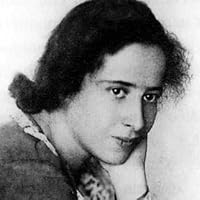
Jaspers was born in Oldenburg in 1883 to a mother from a local farming community, and a jurist father. He showed an early interest in philosophy, but his father's experience with the legal system undoubtedly influenced his decision to study law at university. It soon became clear that Jaspers did not particularly enjoy law, and he switched to studying medicine in 1902.
Jaspers graduated from medical school in 1909 and began work at a psychiatric hospital in Heidelberg where Emil Kraepelin had worked some years earlier. Jaspers became dissatisfied with the way the medical community of the time approached the study of mental illness and set himself the task of improving the psychiatric approach. In 1913 Jaspers gained a temporary post as a psychology teacher at Heidelberg University. The post later became permanent, and Jaspers never returned to clinical practice.
At the age of 40 Jaspers turned from psychology to philosophy, expanding on themes he had developed in his psychiatric works. He became a renowned philosopher, well respected in Germany and Europe. In 1948 Jaspers moved to the University of Basel in Switzerland. He remained prominent in the philosophical community until his death in Basel in 1969.
Jaspers' dissatisfaction with the popular understanding of mental illness led him to question both the diagnostic criteria and the methods of clinical psychiatry. He published a revolutionary paper in 1910 in which he addressed the problem of whether paranoia was an aspect of personality or the result of biological changes. Whilst not broaching new ideas, this article introduced a new method of study. Jaspers studied several patients in detail, giving biographical information on the people concerned as well as providing notes on how the patients themselves felt about their symptoms. This has become known as the biographical method and now forms the mainstay of modern psychiatric practice. Jaspers set about writing his views on mental illness in a book which he published in 1913 as General Psychopathology. The two volumes which make up this work have become a classic in the psychiatric literature and many modern diagnostic criteria stem from ideas contained within them. Of particular importance, Jaspers believed that psychiatrists should diagnose symptoms (particularly of psychosis) by their form rather than by their content. For example, in diagnosing a hallucination, the fact that a person experiences visual phenomena when no sensory stimuli account for it (form) assumes more importance than what the patient sees (content).
Jaspers felt that psychiatrists could also diagnose delusions in the same way. He argued that clinicians should not consider a belief delusional based on the content of the belief, but only based on the way in which a patient holds such a belief (see delusion for further discussion). Jaspers also distinguished between primary and secondary delusions. He defined primary delusions as autochthonous meaning arising without apparent cause, appearing incomprehensible in terms of normal mental processes. (This is a distinctly different use of the term autochthonous than its usual medical or sociological meaning of indigenous.) Secondary delusions, on the other hand, he classified as influenced by the person's background, current situation or mental state.
Jaspers considered primary delusions as ultimately 'un-understandable,' as he believed no coherent reasoning process existed behind their formation. This view has caused some controversy, and the likes of R. D. Laing and Richard Bentall have criticised it, stressing that taking this stance can lead therapists into the complacency of assuming that because they do not understand a patient, the patient is deluded and further investigation on the part of the therapist will have no effect.
Most commentators associate Jaspers with the philosophy of existentialism, in part because he draws largely upon the existentialist roots of Nietzsche and Kierk
I was really hoping this book would be paradigm-shattering, as the rest of Jaspers stuff is for me. He is so good with analyzing the history of philosophy and placing the modern era on the grid, but this book was kind-of a letdown honestly. I liked some of it, especially his summary and interpretation of the essence of each major figure of religious history, but as short as the book is, I feel he could have probably cut out a few chapters and still have gotten his point across.
The premise of the book is really Jaspers’ appreciation of world religions, despite his own preference for Christianity. He believes all religions, every idea in fact, whether it be ordered by the intellect or painted by the passions, to be a springboard for one’s personal journey, and as such contains truths and practical tools for one’s future progress. “Every idea, every ethos, every faith, even those of the most primitive religions, was a possible preliminary stage, a jumping-off place, indispensable as such, but not a goal.” No one is born without some truth; nor is anyone born into absolute Truth, but must journey towards it and be continually transformed by it. Jasper’s intention in this book is to discover those starting points, and possibly to reveal their ultimate shortcomings. Jesus himself expressed the shortcomings of his own culture’s doctrines, even the shortcomings of doctrine itself. Life and truth in the great teachings were always more than creeds, they were suggestions for one’s personal experience, through which alone one can access truth, “If you know these things, blessed are you if you do them.” One author reminds us of this same truth, “[Action] is truth of the will, and therefore truth of the whole being.” Truth cannot be fully expressed doctrinally in any system.
The section on Jesus portrayed him as a prophet of the coming universal Kingdom of God, which Jaspers believes Jesus expected would arrive in his own lifetime. Jesus believed the Kingdom to be so close at hand, he could almost taste it. He had no qualms in urging everyone to prepare for the coming of the Kingdom, and to dash aside all barriers and temptations of the world that would inhibit their participation in it. The societal outcasts and physically/morally ill were foremost in Christ’s focus because “their souls [were already] shaken and ready for the new faith.” Jaspers believes that, though the Kingdom was never manifested physically, the church became the carrier of the dream and the representation of God’s presence and rule.
I cringe to admit that I think some parts of this book felt a little far-fetched. Jaspers makes a point of saying that we can’t trust all traditional accounts of these persons’ lives, but he’s too precise and narrow in what he deems to be authentic, historical accounts. Higher criticism and form criticism certainly have their place in literary evaluation as far as I’m concerned, but we need to be careful not to think we can completely demythologize documents that were written before our lifetime. History, in my estimation, is a discipline that includes drinking some of the bath water to save the baby. We ought to be careful not to be overly dogmatic in our avoidance of dogmatism.
A lot of it was repetitive. The section on Confucius and Buddha dragged like a towed corpse. The author seemed to wrestle to understand, or to get the reader to understand, eastern religious roots. I think he was at least clear in saying that the western mind can hardly come to understand, or appreciate, eastern belief because it does not easily lend itself to rationale dissection. “To participate in the essence of [another religion’s] truth, we should have to cease to be what we are. The difference lies not in rational positions, but in the whole view of life and manner of thinking.” However, there is some value in trying to glean some principles from other religions that may help to explain our own values and/or deficiencies: “The remoteness of [other religions] need not make us forget that we are all men, all facing the same questions of human existence.”
I think the final chapter in which Jaspers synthesized the major teachings of the ‘big four’ was most enlightening. He believed that these key religious figures all had something in common: the attempt to express and demonstrate the unexplainable. “In order to understand them, one must experience some sort of transformation, a rebirth, a new awareness of reality, an illumination.” And their manner in dealing with death inspired confidence in their followers. “[They] looked death so straight in the eye that it lost its significance.” And maybe most importantly, they all had in common “Originality and a life at their own risk.”
Karl Jaspers je jedan od značajnijih mislilaca dvadesetog veka, ne zato što je posebno originalan, ne zato što je ostvario posebno veliki uticaj na sledeće generacije, već zato što je, manje-više uporedo, sa još nekolicinom umova raštrkanih diljem sveta, došao do shvatanja koje je iz dubine skrhalo celu vladajuću paradigmu poslednjih vekova - prvo čovek, a onda opšte; prvo jedan pa sve; prvo religija, pa politika.
Njegov ceo pristup temi velikana filozofije je na tim linijama. U podugačkom uvodu, od nekih 250, malkic preko 100 stranica otpada upravo na uvodne reči, Jaspers na možda ne baš posebno interesantan način razglaba uopšte o mogućnosti veličine kod čoveka i činjenici da smo u doba opšte nivelacije svega došli do toga da u veličinu i ne verujemo. I veličina je samo reč, tako da nije posebno bitna, možda je ipak čudnovato da sam Jaspers ne vidi u svojoj filozofiji, jedan od svojih ključnih pojmova kao ipak više odgovarajući - granični slučajevi. Pre bi se reklo da su Konfučije, Isus, Buda i Sokrat upravo to - ekstremi. Veliko i malo su ipak tek vrednosni sudovi, baš kako Hamvaš, a pod uticajem Karla Jaspersa, piše. Dalje, diskutuje se o mogućnosti grupacije filozofa u sisteme i škole, o opštoj ideji istorije filozofije, razvoju filozofije i čudnovate ideje da je filozof tek delić sveukupne istorije misli, da je on tu da tek doprinese, a ne da u sopstvenoj egzistenciji, tu i sada, otkrije sve, celinu, Jedinstvo. Za Jaspersa je filozofija put promene i razumevanja, ostvarivanja pune egzistencije i kada pokušamo filozofa da svedemo na nivo stručnjaka, nekog virusologa koji će život posvetiti razumevanju, jelte, tek virusa ili bilo kog drugog naučnika koji se specijalizovao za neku stvar, činimo krajnji greh prema filozofiji. Zaključujemo da takve specijalizacije u filozofiji ne može zaista biti - filozof etike, filozof nauke, filozof prava, filozof istorije, filozof umetnosti... možda i postoje ali niti je to filozofija, niti su oni filozofi. Takođe, kada je filozofija pitanje egzistencije na putu, dakle čoveka koji saznaje, ona nije razdvojiva od samog čoveka, ličnosti, sa svim manama i vrlinama, osobenostima. Filozofi nisu tek crtice u opštem, eteričnom duhu istorije, nisu alatke u razvoju i rastu tog duha, već su ljudi, koje u živom dijalogu možemo dodirnuti, zajedno sa njima, na putu razumevanja, izaći iz istorije, naći se u transcedentnom i nadrasti taj ubogi duh vremena i istorije.
Izbor ova četiri mislilaca, genija je ipak na kraju, naravno, subjektivan. Možemo i površnim poznavanjem Jaspersove misli razumeti zašto baš oni, čak i bez ranijeg poznavanja njegovog dela, iz ove knjige se to nazire - oni nisu bili ljudi koji su davali gotove stvari, nisu bili predavači, nisu bili mudraci koji su došli za gotovim znanjem. To su bili ljudi koji su pozivali na put, na promenu, na dramu, na susret, na dijalog. Sve ono što je i Karl Jaspers pokušavao da radi većinom druge polovine svog života.
Okvirno oko četrdesetak strana je posvećeno svakom od njih, možda i manje. U kratkim crtama je rečeno sve najbitnije što je moglo biti rečeno o njima, ono malo što se istorije zna, ono više što se naslućuje, i dovoljno jasno su predstavljene misli i ideje tih ljudi. Poziv na radikalnu sumnju Sokrata, Isusova apsolutna predaja u veri, Budin put napuštanja života i Konfučijev pogled u prošlost. Upravo je potonji mislilac onaj o kome najmanje znam, uglavnom tek u često prenaglašenoj suprotstavljenosti sa Lao Ceom i Taoizmom. I dok je ta netrpeljivost izražena u naslednicima oba genija, ona na izvoru nije tako jaka. Čak je i nebitna istorijska pozadina, kada gledamo te ideje, dolazimo do sličnog zaključka kao kod suprotstavljenosti samkhje i vedante u Indiji ili nauke i duhovnika na zapadu - suprotstavljenost ne postoji, već je tek pitanje granica do kojih određena misao stiže. Samkhja ne može da dobaci do apsolutnog jedinstva i najviših metafizičkih spoznaja vedante, ali je to ne čini ni nebitnom ni pogrešnom. Nauka udara u zid pojavnosti i ne može dalje (i svaki je zid pojavnosti do kog su naučnici došli vodio u nešto što već nauka nije, da li najdublja psihološka analiza ili krajnja razgradnja pojavnog sveta u kvantnoj fizici), ali je suštinski ne čini suprotstavljenu metafizici, sve dok se ne počne tvrditi da je taj zid kraj svega. Konfučije ne zna mnogo o Tao, o putu, ali ga ni ne negira, bavi se samo praktičnim pitanjima, no primedba Lao Cea da bez Tao-a, bez najdublje unutrašnje promene čoveka, ne može biti ni pouzdane i valjane spoljašnje promene. Čovek se ne uči apsolutnoj moralnosti, ona može tek doći kao posledica spoznaje apsoluta. Da su svi ovi učitelji čovečanstva bili učitelji puta, preuzimanja odgovornosti za sebe je jasno, koliko god se razlikovali, tu se sastaju. Čak i onaj gde je ta činjenica najviše zamagljena - Isus Hrist, je to. Da, vera u živog, ličnog, aktivnog boga je kod njega apsolutna, ali ono što čini odgovornost i slobodu čoveka jeste odluka da ima to apsolutno poverenje. Poverenje je zaista ključna reč hrišćanstva, ne vera. Vera još ostavlja sumnju u postojanje Boga. Takve sumnje ne sme biti. Ne, ono gde se koplje lomi je poverenje i nepoverenje, hoditi s Bogom ili protivu njega, otvorenost ili zatvorenost ka Bogu. Kako jedan od otaca vere kaže, biti vosak ili biti glina pod Suncem, predati se i istopiti u ljubavi ili se pod njom skameniti i sasušiti.
Zajednička crta ovih graničnih slučajeva ljudske egzistencije je i pored ogromnog uticaja na pokolenja, takođe i krajnji neuspeh njihovog učenja i njihovih poziva. Pre ili kasnije, svi, sem Sokrata, su obogtvoreni. Dok je Isus učio oj ednom, jedinom Bogu, njega su u boga pretvorili, dok je Buda učio apsolutnoj odgovornosti samog čoveka da se sam izbavi, mukotrpnim radom, vežbama, učenjem, i dok nije negirao postojanje bogova, za njega su oni kao i ljudi - u krugu patnje, željni oslobođenja, bogovima nisu potrebne molitve, već pomoć, na posletku i sam je postao idol kome se mole. Čak je i Konfučije obogotvoren.
Kako ovi učitelji nisu učili gotovom znanju, tako to ni ova knjiga ne čini. I sam Jaspers mudro tvrdi da se filozof može upoznati samo na izvoru, nikada u redakciji, u prikazu, u istoriji filozofije. To i nije cilj ovde, tek da ukratko predstavi velike umove čovečanstva i da pozove ljude da ih upoznaju, da sednu sa njima i povedu dijalog.
چندان کتاب را نپسندیدم. دیپاچهی ۱۳۸ صفحهای کتاب ضعیفترین بخشِ آن بود. امّا فصلِ عیسی حقیقتاً خواندنی بود، بهتر که همین یک بخش را بخوانید. ضمناً در بازار از مترجمی دیگر برخی—شاید هم همهی—فصول را از جمله عیسی در قالبِ کتابهایی مستقل منتشر شده.
بیاطلاعی از دنیا و حالوهوای دیگریِ باورمند و مذهبی برای اشخاصِ بیباور بسیار معمول است. عموماً تمامِ تلاش غیرباورمندان معطوف به نفی و تخریب و در صورتِ امکان حذف باورمندان است نه شناختِ آنها. هدف همه هم از این تقابل خیر است! خواندنِ بخشِ مربوط به عیسیِ این کتاب به شناختِ دیگری باورمند کمک میکند، فاصلهها را کم، درک ایجاد میکند.
عیسیِ یاسپرس زمینی است. عیسیِ تاریخی هم زمینی بود، او چون گویی تماماً از محبت نبود، ابعاد گونهگون داشت. یاسپرس مینویسد که عیسیِ مسیحیت با مرگِ عیسای ناصری از دلِ پولس رسول و مسیحیان و کلیسا زاده شد، آنها که مرگِ دردناکِ عیسی را مبدل کردند به قربانیِ مقدسی برای بخششِ گناهانِ انسان. عیسی در سودای صدورِ اصولِ مشخصی نبود و رنج را به هیچ گرفت و چنان ایمان ورزید و زیست که هیچ کس نورزیده و نزیسته بود. زیست و مرگِ عیسی خود به تنهایی هم منحصر بود و نیازی به مسیحیت نداشت.
صفحاتی از دیپاچه اختصاص دارد به بحثی در مفهومِ عظمت و فیلسوفانِ عظیم. آن بخشها تا حدی خواندنی و جذاب بودند.
مشکلِ اصلیام با کتاب به خصوص دیباچه روندِ سستِ استدلالهاست. کتاب در مجموع بیش از آنکه بتواند اثری فلسفه باشد ادبی است.
صرفاً برای آشناییِ مقدماتی با شخصیتهایی که در این اثر هر کدام فصلی دارند سراغِ این مجلد نروید. یاسپرس فیلسوفی اصالتِ وجودی (اگزیستانسیالیست) است و از منظرِ مشخصِ عقایدش این اشخاص را میکاود. گرچه از این رهگذر فرصتِ آشنایی هم مهیا میشود و یاسپرس از اطلاعات زندگینامهای میآغازد امّا اگر هدف آشناییِ ابتدایی صرف است به گمانم کتبِ بهتری باید موجود باشند.
حوصله نکردم و این گمان هم که احتمالاً چیز دندانگیر و چندان تازهای ندارد هم بیتأثیر نبود که بخشِ سقراط را نخوانده رها کردم.
كتيب قيم و غير تقليدي في تناوله للشخصيات الأربعة بوصفهم مثال للإنسان الذي يتفوق على إمكاناته لدرجة يصعب معها تجاهلهم و تجاهل ٱثارهم ، حتى لو كانت هذه الٱثار شذرات تفتقر إلى اليقين ، إلا أن حياتهم الاعتبارية التي قاومت الزمن دليل يدمغ وجودهم الفارق ، ذلك الوجود الذي بقى حيا في وجدان الناس ، في أفكارهم ، ٱلامهم و أحلامهم . الترجمة مأساة .
What a strange little book. I ordered this from the local library, thinking it was about comparative religion/mythology/history. Not even close. I read the summary chapter first, as I often do. I should say - I tried to read it. Very little made any sense. I looked again at the name of the author and then it came to me. I know that name. Karl Jaspers, influenced by Kierkegaard and Nietzsche and their philosophy of existentialism.
He says of Socrates, Buddha, Confucius & Jesus: "In order to understand them, one must experience some sort of transformation, a rebirth, a new awareness of reality, an illumination." Huh? And - "By the challenge of their death and the manner of their dying, Socrates and Jesus are answers to the question of death." What? "The universal themes of myth - existence is suffering, activity is the conquest of suffering, but all great activity is doomed to failure - were embodied in Socrates and Jesus." Doomed to failure? "Socrates and Confucius looked death so straight in the eyes that it lost significance."
And why Socrates? Aristotle is considered by many to be the most brilliant mind, ever and his influence is perhaps second only to Jesus. Socrates contribution is important, without question, but he is not in the same league as Aristotle.
In short, don't waste your time with this book unless you are looking for "transformation, a rebirth, a new awareness of reality, an illumination" and a complete rejection of reason.
• كارل ثيودور ياسبرز (1883 - 1969) طبيباً نفسياً وفيلسوفًا ألمانياً-سويسريًا وكان له تأثير قوي على اللاهوت الحديث والطب النفسي والفلسفة، وكان بينتمي للفلسفة الوجودية المؤمنة على عكس سارتر.
• عنوان الكتاب يعتبر شرح وافي لمضمونة، هنا كارل ياسبرز بيناقش 4 من أعظم الرجال في العالم اللي غيّروا ملامح البشرية وتأثيرهم لازال قائم حتى يومنا هذا، بيناقشهم من زاوية إنهم بشر مش آلهة ولا أنبياء زي ما الناس حوّلتهم بعد سنين من موتهم.
الكتاب يعتبر تحفة فلسفية، ياسبرز بيناقش كل جوانب الرجال الأربعة، مميزاتهم، عيوبهم، فلسفتهم، تأثيرهم، إزاي تم تحريف تعاليمهم، إزاي تم تحويلهم من مجرد عظماء لآلهة -ما عدا سقراط-، كل ده ياسبرز عمله بشكل عميق، موضوعي، شبه شامل وفي نفس الوقت بشكل بسيط من غير تعقيد قوي. وفي نهاية الكتاب ياسبرز عامل زي مقارنة ما بينهم بشكل مباشر.
حد من صحابي قال إن ياسبرز مسيحي بالمعنى الدارج للكلمة، بس بعد اللي قريته؛ أشكّ إن تكون المعلومة دي صحيحة، ولكن لو كانت صحيحة؛ فده معناه إنه شخص عظيم إنه قدر يقدم كل العظماء دول بالشكل الموضوعي ده من غير ما يميل لشخص معين، وإنه قدر يقدم كل العيوب والإنتقاد ده لشخصية يسوع وبولس بالشكل المباشر ده.
• هل أنا أنصح به لكل الناس؟ لأ، هل أنصح به كمدخل؟ أجزاء وأجزاء، أجزاء تصلح كمدخل وأجزاء فلسفة بحتة، الكتاب مكثّف جدًا ومحتاج مجهود وحد مهتم فعلاً ويقف كذا مرة في كذا سطر يفكر في الكلام اللي مكتوب، وعلى الرغم من كل ده فأنا قرأته في فترة اعتبرت نفسي فيها معنديش قدرة على قراءة أي شيء معقد! بس هو كتاب لذيذ فعلاً لو أنت مهتم وحابب تعمل مجهود.
• الشيء الوحيد اللي ممكن أعيب عليه في الكتاب هو الترجمة، ليست سيئة لدرجة أنك ستترك الكتاب، ولكن ممكن علشان المترجم مش مصري، ولكن كان بالإمكان أن تكون أفضل من كده.
• أنا كنت عامل مخطط إني أقرأ لفلاسفة كتير السنة دي علشان أحدد مين هقرأله تاني ومين لأ، وكارل ياسبرز أكيد بعد الكتاب ده هقراله حاجة تاني.
• إقتباس: ❞إنهم يريدون من الفلسفة أن تقدم لهم ما لا تستطيع تقديمه، ثم يعربون عن خيبة أملهم. يطالبون بإدراك الحقيقة كما يرجون إستلام سلعة من السلع، والحقيقة لا تدرك إدراكاً أصيلاً إلا بنشاط داخلي خاص بالفكر نفسه.❝
هؤلاء الأربعة الذين كانوا الأعمق تأثيراً في ثقافات بشرية واسعة و كانت حياتهم غامضة إذ وصلتنا وراء روايات غلبت عليها هالة المطلق , كانوا أيضاً بشراً البحث عن هذا الإنسان , كان همّ ياسبرز , إضافةً لبحثه عن أساس دعوتهم : ما بين أقصى هدوء اللا-المعرفة و طمأنينة اللا-مبالاة , إلى جدّ التعلّم الدؤوب و مغامرة الثائر الإلهي .
Karl Jaspers was a 20th-century German philosopher now known for coining the term "Axial Age," in reference to the pivotal changes and developments in religion and philosophy that took place in human history thanks to the subjects of this book. It is an abridged version of the first volume of his "Great Philosophers" series, which he never completed.
In terms of content, there isn't much here that you probably haven't read or learned about in a history or philosophy 101 class. It is an excellent overview however, and its value is more in the big-picture analysis and comparison of these individuals. Jaspers was fascinated by the almost simultaneous emergence of their movements (three of the four--Socrates, Buddha, and Confucius--lived at roughly the same time). Why and how did this happen? He does not offer a direct answer, and I suppose there could be many depending on your perspective. One of these can be found in the book "Debt" by David Graeber, which references Jaspers and the the idea of the Axial Age, if you are interested in an economic explanation.
So why these four then? In addition to living at approximately the same time, they have several other interesting points in common. None of them wrote anything, or wrote very little. The majority of what is attributed to them today was collected long after their deaths. Myth and legend surround their historical lives, making any analysis of them from this angle difficult or impossible. And, of course, all of them continue to influence the world today.
Socrates: The most famous Greek philosopher in the Western tradition. Inspired countless other thinkers and philosophers despite never formally teaching anyone or leaving behind any written work. His method of question and answer (the "Socratic dialogue") was a major influence on the study of knowledge and how we acquire it (epistemology). A foundational element of this thought is that all that can be known is ultimately within us already; we just don't know it. Socrates found this logical, because how can you seek to know something if you don't already have some knowledge of it to begin with? If you have zero knowledge of it, you wouldn't even know where to start. You must begin with what you DO know and start from there. This is the philosophy of non-knowledge, and it shaped who Socrates was and how he lived. It's not a school, but a perspective, which is why everyone who came after him, those who did form schools, reference him. He is the root of their wisdom.
The Buddha: He did not actually create an entirely new way of approaching the world. The Buddha did not use the word "Buddhist," and neither did his early followers. In the context of Hindu India (another two words which did not exist in his time), he was one of countless "srmanas," or "wisdom seekers," those who renounced worldly possessions and embraced an ascetic lifestyle in pursuit of truth. The Jains were doing this long before him, and with much more severity in execution. What set the Buddha's life and teaching apart from these others was how he stripped down and recontextualized this format. It was no longer about crushing the physical body to enhance the spirit, or devotion to a deity under a Vedic cosmology. It was about freeing the mind and body from any and all illusions that hold us back from true attainment. Like Socrates, he taught that the seed of this goal was already within you. Working toward this goal is profoundly personal and varies from individual to individual, which is why he often said nothing at all to his followers. The "holy silence" of the Buddha is famous, but it was a crucial element of his method--it created the same kind of loyalty among his disciples as in a personality cult, only without personality. "Buddha appears as a type, not a personality." As a result, all the Buddha's followers are little Buddhas (hence the later use of the word Buddhist). "It is the power of personality without the Western or Chinese consciousness of individuality."
Confucius: The original classical conservative; forget about Burke. "What he advocates is not imitation of the past but repetition of the eternally true." Confucius lived in a time of great upheaval within Chinese society. Old empires and orders were falling, and corrupt rulers were ubiquitous. Confucius was the itinerant sage traveling through and observing this disorder, desperately seeking good men to accept his wisdom and preserve society. To achieve this, he pointed to an idealized (and probably mythological) past in Chinese history in which people were governed by virtuous "li," or custom. What is li? Anything that maintains peace and order. As such, li, while rooted in the past, can evolve. A virtuous ruler recognizes li and promotes it as an example to his people, not with force, but by following it himself. This generates confidence among the people. Of the three most crucial things a government must do--maintain the army, maintain food supplies, and maintain national confidence--this is the most vital. The other two will not matter if the people are afraid and uncertain.
Graeber, in his book "Debt" noted that of the major Axial Age philosophies, only Confucianism successfully married itself to an empire long-term. Christianity via Roman rule eventually collapsed, and Buddhism only had Ashoka's reign to highlight. This came with a cost however: the Confucianism that followed Confucius, known for its rigidity and dogmatism, is actually not what Confucius taught, exactly.
Jesus: As with the Buddha, Jesus did not establish anything. Christianity began with Paul, not Jesus. There is Jesus, and then there is Christ. The first was an itinerant preacher, who again like the Buddha, was remarkably unexceptional in summary. There were many self-proclaimed teachers and prophets roaming the cities and countryside of Greco-Roman Palestine. Some of them may have said they were God, or spoke for him, or set up orders and religions. Jesus was not one of those. What set him apart was his unflinchingly apocalyptic message. The world was about to end--therefore make yourself right with God. This was the core of his teaching.
Apocalyptic pronouncements were also not new in his day, but again, the key was recontextualization. Previous Jewish prophets usually made such predictions in the Hebrew scriptures within the framework of a Jewish state or kingdom, and only in a vaguely general or "far-off" way. The world would end, but not now. Jesus brought the apocalypse to the forefront, and made it imminent. We overlook this 2,000 years later, but it's hard to overstate just how radical this was at the time. Jaspers says:
"It is terrifying to see how this was done by Jesus in the certainty of his faith in God. Anyone who can read this in the synoptic Gospels and yet remain easy in his mind, content with existence and caught up in its routines, is blind. Jesus broke free from every practical order in the world. He saw that all orders and habits had become pharisaical; he points to the source in which they melt to nothingness. All earthly reality is deprived of its foundation, absolutely and definitively. All orders whatsoever, the bonds of piety, of law, of reasonable custom, collapse. Beside the commandment to follow God into the kingdom of heaven, all other tasks--the earning of bread, the oath before the law, the claims of justice and property--become meaningless. To die at the hands of the powers of this world, in suffering, persecution, abuse, degradation, that is what befits the believer."
Jesus really was a revolutionary, which is exactly why he was seen as dangerous by many in his time. For this reason, despite not being a Christian, I have little doubt that Jesus was a historical person who was executed by the Roman state. Jesus actually expected his followers to behave like the world was about to end. Today, when a small cult does this we tend to laugh at or scorn them, but how would we react if their views started to catch on? Everything would stop. No more business. No more states. No more churches, or laws, or culture, or politics, or any standard by which we evaluate our times. Terrifying indeed. This is why Jaspers called Jesus "the world's crisis."
Christ, on the other hand, is what emerged once it became clear the End was not imminent. This was a significant problem for the followers of Jesus, which is why he had to be transformed into something else, something eternal and lasting. "In practice, the place of the expected kingdom was taken by the Church. Jesus, the herald of the end, became the institutor of the sacrament. But once the kingdom of God that would end history was drawn into history, its whole character inevitably changed." Thus Christianity was born.
This is also why historical facts or realities are irrelevant to Christianity as a religion, and why Protestants and evangelicals err in their obsession with Biblical texts and proofs. Early Christians, post-Paul, did not really care about having a "canon" of Scripture beyond the Gospels, and their concern over the historical facts of Jesus' life are limited to two events: his birth and his death. There is a reason these are the only temporal incidents referred to in the Apostle's Creed, one of the earliest on record within the Church.
این کتاب در حقیقت بخش نخستِ جلد اول کتابی از کارل یاسپرس در شناخت تاریخ فلسفه است. در واقع نام فرعی این کتاب در نظر یاسپرس« انسان هایی که نقش تعیین کننده داشته اند: سقراط،بودا،کنفوسیوس،عیسی» نام دارد. دیباچه ی کتاب در واقع دیباچه ی کل ۳ جلد است و درباره ی عظمت انسان های بزرگ و اینکه پس از چند قرن انسانهای بزرگ به اشتباه تا مرتبه ی خدایی بالا کشیدن میشوند و آفات چنین اتفاقی سخن می گوید. کارل یاسپرس در این کتاب ، به عنوان استادی بزرگ در فلسفه، به نیکی نگرش خود راجع به فلسفه و چگونگی یادگیری و به کارگیری آن را با ما سهیم می شود. اینکه به راستی ما از فلسفه چه بهره ای میتوانیم ببریم؟ چگونه و با چه هدفی باید فلسفه خواند؟ او سوالاتی در ذهن ما می آفریند و به ما می آموزد چگونه اندیشیدن را در خود تعالی ببخشیم. سه قسمت از کتاب برای هر کس که دل در گرو فلسفه دارد بسیار سودمند است،پیشگفتار،دیباچه و فصل پایانی . در سایر فصول یاسپرس به بررسی زندگانی و تفکرات سقراط،بودا،کنفوسیوس و عیسی می پردازد و لایه های افسانه را که پیرامون این انسان های بزرگ ساخته شده تا حد توان و با اذعان به اینکه قطعیت جز در مواردی اندک حاصل نمی شود، کنار میزند. در حقیقت من شخصا علاقه ای به بودا یا کنفوسیوس نداشته ام و بعد از این کتاب هم گمان نکنم به مطالعه زیادی راجع به آنان بپردازم ولی چیزی که برای من شخصا ارزشمند بود طرز تفکر یاسپرس بود. اما شاید اگر این مطالب را زودتر میدانستم به خواندن دیباچه و پیشگفتار و بخش پایانی و فصل مربوط به سقراط کفایت میکردم،هرچند همنشینی با یاسپرس در فصول دیگر هم بسیار آموزنده و سازنده بود.
This was a fascinating read on who Karl Jaspers refers to as the “four paradigmatic individuals,” whose influence on the world is unmatched. Jaspers simply devotes one chapter to each paradigmatic individual, explaining what is known through history about each of these men, the philosophies and ideals that they promoted and subsequently, the influence that their lives have had on humanity. To begin with, I thought that Jaspers was very fair in his treatment of each individual. He seems to have a great deal of admiration for each and there is very little bias in his explanations. His search for the truth of who these men really were is authentic. What makes this book so enjoyable is that it attempts to remove the the mythical “noise” surrounding each character and stripped it down to the man himself. In other words, through years and years of storytelling and deification, it can be hard to seperate what is historically true with what has been integrated into the personhood of the historical character at hand. It is interesting to remember that although these names have gone down in legend, almost like fairy tale characters, there almost certainly were four men who walked this Earth named Socrates, Buddha, Confucius and Jesus. They were made of flesh and bone. They ate, they slept, they walked, they breathed and they got tired. I say all this to point to what I found most valuable about this book: elucidating the truths of the men themselves. For the sake of brevity and to further my own understanding, I will give a brief summary of each paradigmatic individual.
Let’s begin with the Greek philosopher, Socrates. We are all most likely familiar with the tried-and-true Socratic method, in which we answer questions by asking more questions. This dialectic method embodies who Socrates was; an astute questioner and thinker. Socrates was known for his undying pursuit of knowledge. Often known to stop in his tracks and stare into the distance for hours as if receiving divine revelation, Socrates was a man that was seen as wise and thoughtful. He was eventually charged with “corrupting the youth” with his method of dialectic and was tried and sentenced to death by hemlock poisoning. Jaspers draws the parallel between Socrates’s peace and lack of self-defense to the men of Athens during his trial, and Jesus’ refusal to defend himself in front of the Sanhedrin. For more reading on Socrates, I highly recommend reading Plato’s Five Dialogues in which the personality of Socrates can be ascertained through humorous dialogue. You will see that Socrates questions unremittingly, and therefore, is able to gain knowledge through rational discourse. Oh, and I might add, he is a bit of a smart ass. There is a reason I have a poster of him hanging in my bedroom. To sum Socrates up, one of his most well-known quotes is, “I know that I know nothing.” He is truly a paradigmatic, and I might add, an enigmatic individual.
Next, we move to Siddhartha Gautama, more commonly known as the Buddha. A member of a noble Hindu family, Gautama enjoyed a life of luxury, but was troubled to observe the seemingly inescapable old age, sickness and death prevalent in the world around him. He is subsequently enlightened that life is suffering and we cannot overcome it by mere asceticism or by indulging in worldly pleasures. Rather, Gautama posits that by embarking on the eightfold path and living by the four noble truths, we can extinguish all desire and reach Nirvana. When this point is reached, even the concept of self will become illusory. This begs the question, for who is the Nirvanic state being attained if when reached, the self ceases to be existent? Buddhism does not address this glaring question, but rather focuses on how one can lead a life of inner peace and overall, what I would describe as an overwhelming passivity towards the world. This can be achieved through the process of meditation. As a whole, Buddhism is not a radically original idea, borrowing greatly from Hindu philosophy. However, Gautama rejected the caste system, and whereas Hinduism believes that behind all the clutter lies what is ultimately real, Buddhism posits that behind all the illusory clutter lies absolutely nothing. The cessation of self and the absorption into a divine oneness is the ultimate goal of the Buddhist. The doctrine contains striking philosophical holes that are a topic for another time, but one has a hard time not feeling a special sense of awe when observing the mystical serenity of Buddhism. In our day and age, new-age spirituality is becoming more and more ubiquitous by the day, a clear example of our Western fascination with Eastern mysticism. These new age teachers such as Eckhart Tolle are no more than teachers of a Westernized, personalized Buddhism/Hinduism.
From here, we move to the Chinese philosopher and politician, Confucius. Understanding Confucius was enjoyable because prior to reading Jaspers book, I had no knowledge of Confucius outside of the childish “Confucius Say…” jokes that my friends and I used to tell as kids. I have come to find out that these childhood jokes seriously undermine the complexity of the historical Confucius! Confucius was a politician as much as he was a philosopher. The central idea of Confucius’s philosophy is the renewal of antiquity. This concept has value in today’s society and it has been a recurring theme in history, which is why Jaspers chose Confucius as one of his 4 paradigmatic individuals. In essence, where everyone is trying to find the next cutting-edge ideology or methodology to achieve a goal, Confucius looks to the past to find what works for society. He is the archetypal traditionalist, "not trying to make something outwardly identical” but “distinguishing between the good and the bad, selecting facts that are worth remembering as models to be emulated or examples to be avoided.” In other words, Confucius is a lover of old, choosing those ideas which are beneficial and leaving behind those that are less than. This is not to say that Confucius is a obstinate conservative, shunning innovation, but rather, someone who wants to innovate and create using core ingredients from the past. Jaspers explains Confucius as one who “points the way to a conservative form of life, made dynamic by a liberal open-mindedness.”
Finally, we move to Jesus, with whom I can assume we are the most familiar with in Western culture. However, for that very reason, it is important that we observe him through an Eastern lens. Jesus, the Bible and Christianity, contrary to popular belief, are of eastern origin. We often consume a westernized image of Jesus, (take a look at one photo of him for example) but we fail to recognize that Christianity is an eastern religion. Jaspers touches on some of the key historic components of Jesus, his mission and what he may have been like. To begin with, Jesus warns of an imminent end of the world, reaching thousands with the message of the coming Kingdom of God and the end of all things. Secondly, Jesus preaches an indifference towards worldly things and a fixation on that which is eternal. Jesus does not come with a political banner or an enthusiastic activism, but rather urges his followers to have a transformation of the heart from worldly evil to heavenly purity. Jesus vehemently opposes legalism as seen by his confrontations with the Pharisees. Underpinning his entire ministry is a call to faith. Faith is regarded as an indispensable aspect of communion with God, and faith must be received as a free gift as opposed to something earned. Jaspers explains that “he was not a philosopher who reflects methodically and systematically orders his ideas…he was not a social reformer…he was not a political leader aiming to overthrow one state and found another.” When it all boils down, we can be almost certain of a few historical facts about who he was. Jesus was a man who lived on the margin of the Hellenistic-Roman world, he was the leader of a popular movement, he headed to Jerusalem during passover and was given a grand entry, he was crucified and subsequently, the small, esoteric Christian movement turned on a dime and exploded into the largest religion the world has ever seen. Jaspers explains the Christian view of how the faith spread so rapidly because “they had seen Jesus risen from the dead.” Jaspers refutes this explanation and holds that the reason for the explosion of Christianity after the crucifixion was “the direct impact of his personality on those who were close to him.” I would challenge Jaspers because he proposes weak grounds to believe that 11 out of 12 disciples would continue propagating this message to the point of their deaths if it was solely based off of Jesus being a really good friend. I love my friends, and I can honestly say that I would die for them. However, if I gathered 10 more of my friends, I can hardly expect all 10 of them to feel the same way about me and be willing to not just die, but die brutally for my sake. This is a conversation for another time (see my review of Cold Case Christianity: A Homicide Detective Investigates the Claims of the Gospels).
In conclusion, Jaspers claims that the historicity of these four individuals is hard to distinguish from the years of tradition and mysticism that have compounded together to form what we know of them today. Despite this uncertainty, Jaspers concludes that there must be a vestige of historical truth inside of our modern-day conceptions of these men, and that they must have been truly remarkable to have had this monumental effect on the rest of history.
I would recommend this book because Jaspers makes the effort at a task that many would shy away from, aiming to clear away the clouds of tradition and revisionist history, and find out what is at the very bottom of each of these four men’s lives.
I’ve been wanting to read Jaspers for a while. This wasn’t the one to start with, being a summary of four fine fellows and not Jaspers’ own philosophy. He does have some interesting takes on these guys that everyone knows, but nothing mind blowing here.
Buoni spinti e aneddoti sulle vite dei quattro personaggi prescelti e relative dottrine. Meno convincenti, o perlomeno non del tutto condivisibili per il mio sentire, le conclusioni cui giunge l'autore. Una lettura comunque piacevole.
“Their concern was not mere knowledge, but a transtormation in men's, thinking and inward action. But how does one reach the innermost soul of other men? The answer of the four to this question is not theoretical but practical All four knew that they were speaking to the profound inwardness that precedes all action.”
In an effort to be very fair, I will review this book for what it is, and not what I wanted it to be. What is it? A highly serviceable introduction to the lives, thought, and influence of the four titular historical personages. I cannot stress the word “introduction” enough here. Unless you have had no exposure to the figure that you are curious about, you will be hard-pressed in learning anything new about him. This, however, wasn’t my first encounter with any of the four figures.
What did I want this book to be? Considering the reputation of Jaspers, I was expecting something more scholarly, yet I should have known better from the length of the book (just under 100 pages, not including the endnotes and bibliography). Considering he is mostly known for his “Philosophy and Existence,” I thought that he might try to take a syncretic approach, blending his own brand of thought with these paradigmatic figures of the past. No such luck. I also thought that it might have had something other than strictly a “summary” type of feel that it did. It reads like lecture notes in that it’s somewhat disjointed, a lot of the thoughts he explores do not go fully developed, and you are left wanting more.
Unfortunately, much of the stuff here is derivative and fails to shed any new light on the material it covers. Since this series pulled together from a variety of different sources in Jaspers’ own writing (edited by his mentee, Hannah Arendt), it is difficult to tell whether or not this is the way he intended it to be. However, as I mentioned above, the book is not without its audience. It would be very suitable ancillary material for an introductory course in world religions.
i was well into this (slim) little tome when i had to go and look at the date it was written. 1957. well, sure. The author's name should have been a tip-off to me, but i confess, i didn't pay much attention to who he was so much as who the subjects are. This is a swell little book, with concise, pre-sound byte chunks that represent these cats pretty well. i think the fact that the author is an unwilling member of the existentialism tribe actually aids in making this an objective, but not blustery or even pub-pandering read. Which is to say that there's, not surprisingly , not any new info in here for anyone who may be attracted to it, either by the title, or the author's name. It is, however, a conversation-level bit of comparison., and easy to pick up and put down. i've long been irritated at Socrates. flirted with Buddha, been pretty coy with Confucius, and had a very very complicated relationship with Jesus. It was kinda nice to sit down with each of them and not be buried in the blankets of overthink, marketing rodeo catchwords, and underjudgement that too many authors attach to this low-hanging fruit of subject matter. It gives these four guys a bit of personality to go with their light ( and shade), and does it almost deftly, if not too casually for a 50's Philosopher to convey. i think it enjoys a healthy dose of propagandaless history peppered in the work as well. These fellas are undeniable world-shakers, regardless of whatever other flag gets hung on them, and this almost lets 'em be folk. As i understand it, this was just part of a much larger chunk of words that Jaspers never quite finished. Meh. Well worth my $6, and the effort to tote it about for my lack-a-daisy reading habit.
Karl Jaspers examines the lives of seven great philosophers in this book. The first four are "paradigmatic individuals." They are Socrates, Buddha, Confucius, and Jesus. While three of the four left no writings, they changed the world with their influence. The other three are seminal founders of philosophical thought; Plato, Augustine, and Immanuel Kant.
The book includes the life and times of each man, or at least what can be verified. It explores their thought and discusses the major points of their philosophical positions. Furthermore, it examines the influence that they possess on modern people circa 1962.
The book is thorough and easy to understand. I want to find the other volumes of this, but I don't think my library has them.
Ich gebe zu, ich hatte meine liebe Mühe. Wenn man eine gewisse Vorbildung in der Philosophie der Antike hat, sich ausgeschlafen hinsetzt und konzentriert ( eine positive Einstellung zu einem etwas professoralen Sprachstil der 50er Jahre hilft ) dann lernt man Interessantes über die Biographie, Lehre und Wirkung von Buddha, Konfuzius, Jesus und Sokrates. Ich glaube das Buch werde ich irgendwann noch einmal lesen – schließlich ist es von dem großen Karl Jaspers.
A nice little distillation of four world views. Written in 1957, it's a remarkable work of "pre-internet" scholarship that takes a vast scope of thought and can serve as a reference point for further study.
A moderately pleasant, albeit highly informative book for people interested in learning about these religious and intellectual stalwarts. Unfortunately, for people acquainted with the words, actions and ethics of Socrates, Buddha, Confucius and Jesus, the work might be taken with limited interest, as it seldom brings any novel interpretations or information.
The text can be somewhat derivative and plodding at times, where a more succint approach would be better suitable. Indeed, it often resembles a collection of preparatory or study notes taken as reference for a more elaborate dissertation, this being said without any disrespect towards Jaspers, a philosopher that I admire for the eloquence of his speech and clearness of his thought.
Perhaps the expectations built beforehand might have negatively influenced the perception of the work, as prior to getting into it, I believed it dealt more profusely with the possible relations or indirect influence on the intellectual discourse, similarities and differences between these wise men, akin to an intertextual research. To a degree this is what happens and is successfully achieved and discussed on the last chapter, being admittedly the most stimulating section of the entire work, even if much too short.
Despite these problems, the work still has its value and should be considered as a fine introduction to the wisdom and thinking of these great men and may work as a catalyst for further investigation and study, for people who have not had the time yet to delve into the subject.
Socrates "like the Prophets, has was certain of his calling; unlike them he had nothing to proclaim...conversation, dialogue, is necessary for the truth itself, which by its very nature opens up to an individual only in dialogue with another individual." 6 "Socrates believed in the traditional gods; he sacrificed to them, obeyed the authority of Delphi, took part in the festivals." p. 9 Buddha: " True to its origin, Buddhism has never known a cleavage between philosophy and theology, between free reason and religious authority." p. 39 Confucius (551-479 BCE) "The spirit of community is formed by the music it hears; in music the individual finds the themes that order his life. Hence the government must encourage one kind of music and forbid another." 46 Confucius speaks "disparagingly of women"... p. 47 "Confucius shared in the traditional religious conceptions." p. 54 Jesus: crucial to the message of Jesus which was created after his death, was the end of the world and the kingdom of heaven. Faith is absolutely necessary for admission to the kingdom of heaven. "The Christian canon, including the books of the Old Testament, is so rich in contradictory themes that there is no justification for trying to find anywhere in it the key to the Gospels, to the message of Jesus, to the Biblical religion." p. 84
Jasper đã chọn ra 4 nhân vật tiêu biểu nhất trong lịch sử tư tưởng của Nhân loại. Với Socrate và Jesus là ảnh hưởng của họ lên đời sống tư tưởng của phương Tây thông qua triết học cổ đại Hy lạp và tín ngưỡng Cơ đốc giáo. Với Thích Ca và Khổng tử là ảnh hưởng đến đời sống văn hóa của Á đông qua Phật giáo và Nho giáo. Theo Jasper bốn nhân vât tỏ rõ giá trị tột cùng của con người này đã tác động cả về bề rộng lẫn chiều sâu mà “về tầm ảnh hưởng trong không gian và thời gian là quá lớn đến nỗi nó thuộc về ý thức phổ quát của lịch sử”. Một tác phẩm nhập môn xuấc sắc cho người yêu triết học.
"El anhelo que en nosotros pugna por liberarnos de lo mezquino busca hombres superiores (...) Al cobrar conciencia de nuestra propia pequeñez y experimentar simultáneamente por mediación de los grandes aquel impulso ensanchamos los límites de nuestra condición humana posible.(...) Únicamente la existencia de los grandes es una especie de garantía contra la nada."
There were a number of discrepancies between other references I have read about Socrates and certainly Jesus. Jaspers is not a Christian and his approach to philosophy is colored, but there is no doubt he brings much depth to the subjects.
When you are young and idealistic and want to be a world changer and one of the greats, what do you do but read an existentialists take on four of history's most famous figures. He saved Jesus for last if I remember correctly.
Quattro personalità decisive analizzate da uno dei maggiori filosofi e psichiatri del '900. Quattro messaggi rivoluzionari e radicali, ma anche duraturi, per quanto spesso falsificati o male interpretati.
Ich habe einiges gelernt. Der Text hätte schon kürzer und einfacher geschrieben sein, allerdings handelt es sich um Teile eines deutlich größeren Werks (Die großen Philosophen). Da werde ich auch noch reinlesen
I wanted to get into Karl Jaspers so I picked up the only work I had of him on my shelf. Little did I know that this volume contains none of his philosophy lol. It was nice to read a few Encyclopedia articles though, I guess.
Um verdadeiro compêndio do conhecimento dis grandes mestres. Karl Jaspers nunca desilude. A abordagem que faz à filosofia é límpida, sem nenhuma pretensão de complicar o Saber. Vale a pena.