

What do you think?

The King's Revenge
When Charles I was executed, his son Charles II made it his role to seek out retribution, producing the biggest manhunt Britain had ever seen, one that would span Europe and America and would last for thirty years.
"We shall pursue and bring to their due punishment those bloody traitors who were either actors or contrivers of that unparalleled and inhuman murder."
So vowed the nineteen-year-old Prince of Wales, following the beheading of his father Charles I in January 1649. From exile, he instigated what became the biggest manhunt the nation had ever seen, spreading out across Europe and America and lasting for over thirty years. When he ascended to the throne in 1660 as Charles II, his search for revenge intensified, with show trials in London and assassination squads scouring foreign countries.
Many of the most senior figures in England were hanged, drawn and quartered; imprisoned for life; or consigned to a self-imposed exile, in constant fear of the assassin's bullet.
History has painted the regicides and their supporters as fanatics, but among them were exceptional men, including John Milton, poetic genius and political propagandist; Oliver Cromwell's steely son-in-law, Henry Ireton; and the errant son of an earl, Algernon Sidney, whose writings helped inspire the founders of the American Revolution. Cromwell himself was subjected to the most bizarre symbolic revenge when—though long-dead—his body was disinterred and beheaded.
Set in an age of intrigue and betrayal, The King's Revenge brings these remarkable figures vividly to life in an engrossing tale of ambition, double agents, and espionage.
"We shall pursue and bring to their due punishment those bloody traitors who were either actors or contrivers of that unparalleled and inhuman murder."
So vowed the nineteen-year-old Prince of Wales, following the beheading of his father Charles I in January 1649. From exile, he instigated what became the biggest manhunt the nation had ever seen, spreading out across Europe and America and lasting for over thirty years. When he ascended to the throne in 1660 as Charles II, his search for revenge intensified, with show trials in London and assassination squads scouring foreign countries.
Many of the most senior figures in England were hanged, drawn and quartered; imprisoned for life; or consigned to a self-imposed exile, in constant fear of the assassin's bullet.
History has painted the regicides and their supporters as fanatics, but among them were exceptional men, including John Milton, poetic genius and political propagandist; Oliver Cromwell's steely son-in-law, Henry Ireton; and the errant son of an earl, Algernon Sidney, whose writings helped inspire the founders of the American Revolution. Cromwell himself was subjected to the most bizarre symbolic revenge when—though long-dead—his body was disinterred and beheaded.
Set in an age of intrigue and betrayal, The King's Revenge brings these remarkable figures vividly to life in an engrossing tale of ambition, double agents, and espionage.
400 pages, Hardcover
First published August 1, 2012
Ratings & Reviews
Friends & Following
Create a free account to discover what your friends think of this book!
Community Reviews
Displaying 1 - 30 of 60 reviews

November 14, 2024
The old English proverb, “Revenge is a dish best served cold,” first appeared in England in a 19th century novel and was later adopted by both The Godfather and the Klingons. But during the reign of Charles II, the sentiment for this proverb was on full display, with royalists literally hunting down radical Puritans not just in the UK and continental Europe, but also in the American colonies.
After having watched the BBC’s 2003 four-episode drama series, “Charles II: The Power and the Passion,” I found myself drawn to the fates of the numerous regicides of Charles I. The series focused more on Charles II, so in order to learn more about the regicides, I purchased “The Kings Revenge: Charles II and the Greatest Manhunt in British History,” written by Don Jordan and Michael Walsh.
This well written and expertly researched book answered all of the questions that I had while watching the biographical drama, and then some. The authors included two appendixes, with Appendix I: Regicides and Their Fate, providing a brief explanation for each one.
This book is heavily cited using endnotes and I particularly loved the Illustrations section where, among other items, a copy of Charles I’s death warrant is included. However, despite the incredible endnotes, the Bibliography was almost shameful in comparison. Despite the paucity of the bibliography, the authors used jargonless text, which made reading this book a pure joy.
Although I adore British history, I am by no means an expert in it; in reality, I am far from it. I learned a lot from reading this book and thoroughly enjoyed it. This book is just not about British history, but about American history as well, and I encourage others to read it.
After having watched the BBC’s 2003 four-episode drama series, “Charles II: The Power and the Passion,” I found myself drawn to the fates of the numerous regicides of Charles I. The series focused more on Charles II, so in order to learn more about the regicides, I purchased “The Kings Revenge: Charles II and the Greatest Manhunt in British History,” written by Don Jordan and Michael Walsh.
This well written and expertly researched book answered all of the questions that I had while watching the biographical drama, and then some. The authors included two appendixes, with Appendix I: Regicides and Their Fate, providing a brief explanation for each one.
This book is heavily cited using endnotes and I particularly loved the Illustrations section where, among other items, a copy of Charles I’s death warrant is included. However, despite the incredible endnotes, the Bibliography was almost shameful in comparison. Despite the paucity of the bibliography, the authors used jargonless text, which made reading this book a pure joy.
Although I adore British history, I am by no means an expert in it; in reality, I am far from it. I learned a lot from reading this book and thoroughly enjoyed it. This book is just not about British history, but about American history as well, and I encourage others to read it.

May 13, 2014
Of all the non-fiction I've read thus far this year, this book, "THE KING'S REVENGE", has given me a full and complete education about the events surrounding both the trial and execution of Charles I of England in 1649 and the 1660 Restoration with his son Charles II as King.
Charles I was one of the last European monarchs who believed in the notion of the 'divine right of Kings' and sought to rule as an autocrat without having to answer to Parliament. This proved to be his undoing and led to 2 Civil Wars being fought between 1642 and 1648, pitting the Royalists against the Parliamentarians (who were also known as the 'Roundheads' for their rather austere hairstyle and decidedly sober and strict religious beliefs and lifestyle). This book goes on to present the reader with views of England during its decade without a monarch (from 1649 to 1660) under a republican form of government --- first as a Commonwealth and then a Protectorate. This was a time during which Charles II, living in exile in Europe, struggled to keep the royalist cause alive. There were a number of plots hatched, both within England and from Europe to kill republican leaders who had a direct hand in the trial and execution of Charles I. By and large, these plots came to naught. But following the Restoration, it was interesting to learn about the extensive efforts made by Charles II and various members of his government to put on trial those 'regicides' (i.e. those persons who could be directly implicated in having tried for treason and killed Charles I) who remained in England --- as well as launching attempts to capture, kidnap, or assassinate the ones that got away, either to Europe or America.
Prior to reading this book, I had formed the impression that the Restoration had taken place with no blood being spilled, that the English people were dissatisfied with living under republican rule and were eager (following the death in 1658 of Oliver Cromwell, the Lord Protector and great military leader of the Parliamentary New Model Army) to have the monarchy restored. Well, in reality it wasn't quite like that, though royalist sentiment remained strong in the country throughout the 1650s. So, even after Charles II returned to England as King, he was fearful of being overthrown and spent the first decade of his rule bringing to justice as many people as possible who were associated directly or indirectly (sometimes, he went a bit too far in his pursuit of "justice" and netted persons who were, in truth, innocent) with his father's trial and execution.
For anyone with an interest in general history or the British monarchy, this is the book for you.
Charles I was one of the last European monarchs who believed in the notion of the 'divine right of Kings' and sought to rule as an autocrat without having to answer to Parliament. This proved to be his undoing and led to 2 Civil Wars being fought between 1642 and 1648, pitting the Royalists against the Parliamentarians (who were also known as the 'Roundheads' for their rather austere hairstyle and decidedly sober and strict religious beliefs and lifestyle). This book goes on to present the reader with views of England during its decade without a monarch (from 1649 to 1660) under a republican form of government --- first as a Commonwealth and then a Protectorate. This was a time during which Charles II, living in exile in Europe, struggled to keep the royalist cause alive. There were a number of plots hatched, both within England and from Europe to kill republican leaders who had a direct hand in the trial and execution of Charles I. By and large, these plots came to naught. But following the Restoration, it was interesting to learn about the extensive efforts made by Charles II and various members of his government to put on trial those 'regicides' (i.e. those persons who could be directly implicated in having tried for treason and killed Charles I) who remained in England --- as well as launching attempts to capture, kidnap, or assassinate the ones that got away, either to Europe or America.
Prior to reading this book, I had formed the impression that the Restoration had taken place with no blood being spilled, that the English people were dissatisfied with living under republican rule and were eager (following the death in 1658 of Oliver Cromwell, the Lord Protector and great military leader of the Parliamentary New Model Army) to have the monarchy restored. Well, in reality it wasn't quite like that, though royalist sentiment remained strong in the country throughout the 1650s. So, even after Charles II returned to England as King, he was fearful of being overthrown and spent the first decade of his rule bringing to justice as many people as possible who were associated directly or indirectly (sometimes, he went a bit too far in his pursuit of "justice" and netted persons who were, in truth, innocent) with his father's trial and execution.
For anyone with an interest in general history or the British monarchy, this is the book for you.

November 20, 2013
After 800+ years of kings and queens, the English had enough. Following two civil wars between “republicans” and royalists, they put their king on trial, the first “war crimes” trial. Convicted of crimes against his subjects, Charles I was beheaded, the House of Lords was ignored and a “Rump” Parliament ruled, having barred any supporters of the monarchy from sitting. Four years later, the rump Parliament was replaced by the Protectorate, with Oliver Cromwell as Lord Protector. Not quite a king but pretty close. After Cromwell dies, the power vacuum results in confusion, tumult and eventual restoration of the monarchy. Charles II, having professed humility and mercy while in exile, sets out to avenge his father. This book concentrates on the men who overthrew the king, signed his death warrant and attempted to establish a republic. They were hunted all over the world after the restoration and many died horribly . Those who died before the king could kill them were pulled from the grave or crypt, beheaded and then buried in mass graves. Now that is vengeance.
I do not know enough of English history and this book gets 4 Stars for galvanizing me to learn more. About half the book is the history of Charles I and what happened from his death in 1649 to 1660 when Charles II returned. The rest of the book is about the hunt for the leaders of the revolution. What really stood out for me was the fight for liberties we take for granted today and some foreshadowing of the American Revolution. This captures the main theme of the book:
If Britain did have a ‘Glorious Revolution’, it took place not in 1688—9 but forty years earlier in 1649. On that date, the rule of an absolutist king was ended and the supremacy of Parliament was established. At the same time, the rule of law was confirmed and wider social freedoms than ever before granted, censorship lifted and relative freedom of worship assured. Despite a generally bad press, the regicides were men of principle who stood for many of the liberties that today we take for granted. The Glorious Revolution merely restored some of what the men who judged Charles I had achieved. Modern Britain has much to thank them for.
The trial of Charles I grew out of the exasperation of men who wanted his powers to be tempered by a representative Parliament that could make laws and raise taxes. This was the constitutional monarchy drawn up by John Lambert and Henry Ireton in 1647 and turned down flat by the king. Due to Charles’s desire to raise taxes as he wished and to rule without Parliament (‘Call no Parliaments’, his father James I had advised), two bruising wars were fought…
And what of the king’s revenge? As British history is habitually told via the stories of kings and queens, tales of Charles II and his wonderfully corrupt and licentious court have unfairly obscured the histories of the men who killed a king in order to let freedom live. As John Cook wrote shortly before he was executed: ‘We fought for public good and would have enfranchised the people and secured the welfare of the whole groaning creation if the nation had not more delighted in servitude than in freedom.’
Some of the areas touched on in the book include: Trial by a jury of peers, Puritans, Calvinists, Presbyterians, Anglicans, Roundheads, Fifth Monarchists, Levellers, espionage, propaganda, codebreaking, assassination, universal suffrage, executive vs legislative powers, written constitution, and many more.
So many well and lesser-known characters show up in the narrative. For instance, a famous poet--John Milton:
Milton survived the king’s revenge to write “Paradise Lost”.
No conditions were imposed on Charles II before he regained the throne, although many wanted the Parliament to control the army, taxes and appointment of council members, judges and other official positions. The king was restored in full. In the opinion of Edmund Burke:
Sir George Downing, a Dublin-born, American-raised, former Roundhead and convinced republican Puritan…becomes Charles II’s agent in capturing regecides who are living in Europe, specifically Holland. Downing would gain a reputation as an odious, treacherous turncoat. :
Oh, by the way, Sir George is given a large plot of land as a reward for his service to Charles II. We know it today as...Downing Street.
Highly recommended for lovers of English and American history.
I do not know enough of English history and this book gets 4 Stars for galvanizing me to learn more. About half the book is the history of Charles I and what happened from his death in 1649 to 1660 when Charles II returned. The rest of the book is about the hunt for the leaders of the revolution. What really stood out for me was the fight for liberties we take for granted today and some foreshadowing of the American Revolution. This captures the main theme of the book:
If Britain did have a ‘Glorious Revolution’, it took place not in 1688—9 but forty years earlier in 1649. On that date, the rule of an absolutist king was ended and the supremacy of Parliament was established. At the same time, the rule of law was confirmed and wider social freedoms than ever before granted, censorship lifted and relative freedom of worship assured. Despite a generally bad press, the regicides were men of principle who stood for many of the liberties that today we take for granted. The Glorious Revolution merely restored some of what the men who judged Charles I had achieved. Modern Britain has much to thank them for.
The trial of Charles I grew out of the exasperation of men who wanted his powers to be tempered by a representative Parliament that could make laws and raise taxes. This was the constitutional monarchy drawn up by John Lambert and Henry Ireton in 1647 and turned down flat by the king. Due to Charles’s desire to raise taxes as he wished and to rule without Parliament (‘Call no Parliaments’, his father James I had advised), two bruising wars were fought…
And what of the king’s revenge? As British history is habitually told via the stories of kings and queens, tales of Charles II and his wonderfully corrupt and licentious court have unfairly obscured the histories of the men who killed a king in order to let freedom live. As John Cook wrote shortly before he was executed: ‘We fought for public good and would have enfranchised the people and secured the welfare of the whole groaning creation if the nation had not more delighted in servitude than in freedom.’
Some of the areas touched on in the book include: Trial by a jury of peers, Puritans, Calvinists, Presbyterians, Anglicans, Roundheads, Fifth Monarchists, Levellers, espionage, propaganda, codebreaking, assassination, universal suffrage, executive vs legislative powers, written constitution, and many more.
So many well and lesser-known characters show up in the narrative. For instance, a famous poet--John Milton:
Milton survived the king’s revenge to write “Paradise Lost”.
No conditions were imposed on Charles II before he regained the throne, although many wanted the Parliament to control the army, taxes and appointment of council members, judges and other official positions. The king was restored in full. In the opinion of Edmund Burke:
Sir George Downing, a Dublin-born, American-raised, former Roundhead and convinced republican Puritan…becomes Charles II’s agent in capturing regecides who are living in Europe, specifically Holland. Downing would gain a reputation as an odious, treacherous turncoat. :
Oh, by the way, Sir George is given a large plot of land as a reward for his service to Charles II. We know it today as...Downing Street.
Highly recommended for lovers of English and American history.

August 28, 2012
If you did not know this was a factual history book, it would be easy to believe it was a historical novel - so full of espionage, plots, assassinations and excitement, it is almost hard to credit that it happened. Yet, it did. This book tells the fate of the men who dared to sit in judgement upon King Charles I, known simply as the regicides. After the death of his father, his eldest son, later Charles II, vowed vengeance of those he blamed for the execution of Charles I. When he was invited, in 1660, to return and take up his throne, he unleashed an unrelenting manhunt for all who had signed the death warrant, and even some who were involved in lesser ways.
This interesting and well written read begins with the capture of Charles I, his trial and execution. It is fair to say that even while the country was in the throes of Civil War and rebellion, many of those called to take part in the trial had decided that it was unwise to be involved and either refused to participate or made excuses why they could not attend. They were the lucky ones. For those either involved out of choice, or forced to participate, the manhunt which followed was relentless. While Cromwell was still in power he faced plots, dissent and hastily arranged assassination attempts. These included one in which an assassin had organised a fast horse for a quick getaway, only to find himself beckoned over by Cromwell, who was impressed by his mount. Too stunned to shoot, the nonplussed assassin made polite conversation, his nerves broken down by the encounter.
When Cromwell died in 1658, fifteen of the sixty nine judges responsible for the fate of Charles I were already dead. After his death, London was plunged into chaos and, when the monarchy was restored, everyone was eager to prove their loyalty to the new King. The first man who had sat in judgement of Charles I was arrested as early as April 1660 and there was a frightening time ahead for the men associated with the execution of the former king. Their properties were seized and, at first seven of the judges were selected for execution. The list should have stopped there, the amount agreed by Parliament to bear the guilt of the king's death. It didn't... First there were four more chosen for the fateful list, then twenty more and the list grew to include men who had been involved with the trial, but who had not sat in judgement on the king. Those on the list scattered abroad, went into hiding or were arrested and given show trials. The first series of trials and executions lasted only ten days and left ten men executed and thirty two indicted.
This then is another side to the story of a king best known for his many mistresses and carefree life. Charles II was relentless in his pursuit and his thirst for revenge. He unleashed his bloodhounds across the country, throughout Europe and even as far as the United States. It is a tale of early espionage, entrapment, bribery, assassination attempts and kidnapping. It is about men, such as Sir George Downing, a former Roundhead who turned traitor and wormed his way back into royal favour by arresting former comrades; and also of immense bravery, as men died for what they believed in. Later, revenge against republicans seemed to have nothing to do with the trial of the King, such as when three judges were dragged through the streets on the anniversary of the day the death sentence was passed on Charles I, none of whom had signed the death warrant or been present at the sentencing. Overall, this is a really readable account of this turbulent and exciting time. The authors complete the book with details of what happened to all the regicides and their fate and, also, it applauds what those men achieved. Yes, they were responsible for the death of a king, but they also brought about reform and provided a blueprint of today's political system. Lastly, I read the kindle version of this book and it contained illustrations at the end of the book.
This interesting and well written read begins with the capture of Charles I, his trial and execution. It is fair to say that even while the country was in the throes of Civil War and rebellion, many of those called to take part in the trial had decided that it was unwise to be involved and either refused to participate or made excuses why they could not attend. They were the lucky ones. For those either involved out of choice, or forced to participate, the manhunt which followed was relentless. While Cromwell was still in power he faced plots, dissent and hastily arranged assassination attempts. These included one in which an assassin had organised a fast horse for a quick getaway, only to find himself beckoned over by Cromwell, who was impressed by his mount. Too stunned to shoot, the nonplussed assassin made polite conversation, his nerves broken down by the encounter.
When Cromwell died in 1658, fifteen of the sixty nine judges responsible for the fate of Charles I were already dead. After his death, London was plunged into chaos and, when the monarchy was restored, everyone was eager to prove their loyalty to the new King. The first man who had sat in judgement of Charles I was arrested as early as April 1660 and there was a frightening time ahead for the men associated with the execution of the former king. Their properties were seized and, at first seven of the judges were selected for execution. The list should have stopped there, the amount agreed by Parliament to bear the guilt of the king's death. It didn't... First there were four more chosen for the fateful list, then twenty more and the list grew to include men who had been involved with the trial, but who had not sat in judgement on the king. Those on the list scattered abroad, went into hiding or were arrested and given show trials. The first series of trials and executions lasted only ten days and left ten men executed and thirty two indicted.
This then is another side to the story of a king best known for his many mistresses and carefree life. Charles II was relentless in his pursuit and his thirst for revenge. He unleashed his bloodhounds across the country, throughout Europe and even as far as the United States. It is a tale of early espionage, entrapment, bribery, assassination attempts and kidnapping. It is about men, such as Sir George Downing, a former Roundhead who turned traitor and wormed his way back into royal favour by arresting former comrades; and also of immense bravery, as men died for what they believed in. Later, revenge against republicans seemed to have nothing to do with the trial of the King, such as when three judges were dragged through the streets on the anniversary of the day the death sentence was passed on Charles I, none of whom had signed the death warrant or been present at the sentencing. Overall, this is a really readable account of this turbulent and exciting time. The authors complete the book with details of what happened to all the regicides and their fate and, also, it applauds what those men achieved. Yes, they were responsible for the death of a king, but they also brought about reform and provided a blueprint of today's political system. Lastly, I read the kindle version of this book and it contained illustrations at the end of the book.

April 9, 2017
It doesn’t matter who you are or where you live; any child would spend their life avenging those who killed his/her parent. Now, imagine if the parent was a king and the child a prince in-line for the throne. This was precisely the scenario with Charles Stuart (King Charles II) and the regicide of his father, King Charles I. Don Jordan and Michael Walsh portrait the punishment and vengeance Charles II sought for those who arranged the beheading of his father in, “The King’s Revenge: Charles II and the Greatest Manhaunt in British History”.
Jordan and Walsh published “The King’s Revenge” a mere five months after “The King’s Bed” (showcasing the intimate life of King Charles II) and more than likely penned it during the same time frame. Yet, “The King’s Revenge” is a step-up from the former work and the authors seemed to abolish some of the issues that were previously present. In “The King’s Revenge”, the co-authors aim to highlight the killing of Charles I, the figures involves, subsequent plots, and the punishments debited out by Charles II once he ascended the throne.
In “The King’s Bed”, it was quite obvious that the authors alternated chapters which lead to an absence of cohesive writing, much choppiness, and repetition. Luckily, this doesn’t seem to be as much of in issue in “The King’s Revenge”. The writing is much smoother, more attentive to the thesis, and appears to have received a proper editing job. Jordan and Walsh successfully combined their voices, making “The King’s Revenge” a stronger piece than expected.
The first ten chapters (slightly shy of the first 200 pages) focuses on the death of Charles I and the plots, machinations, and back-and-forth struggles for political power between Royalists, Rumps, Presbyterians, etc; before Charles II is finally restored to his rightful place on the throne with a scepter in hand. It’s clear that the authors conducted an ample amount of research and the text is truly illuminating and revealing. In fact, “The King’s Revenge” contains many facts and revelations that are new even to those familiar with the topic. There are fewer speculative statements than within the “The King’s Bed” (which was rife with them); making the pages more credible.
Jordan and Walsh’s prose is not overly scholarly and therefore isn’t too dry and, in fact, often has a storytelling narrative which sets the events and environment in a fairly illustrative manner (the authors would be great at penning a historical-fiction piece). This makes “The King’s Revenge” easy-to-read but don’t fret that the pages are dummied down because the work is still academic-enough.
“The King’s Revenge” does run the risk of overwhelming the reader as it showcases a lot of information, happenings, and figures making it slightly difficult to keep track of all of the names of those involved and the events that occurred. Despite this potential roadblock, the reader bypasses this because the material is truly captivating and therefore ‘worth it’.
Once “The King’s Revenge” addresses the actual man haunt and trials of the men guilty of executing Charles I; Jordan and Walsh revert to their clumsy and inconsistent writing style. The content isn’t clear, is jumbled and highly repetitive indicating the alternating authors penning the text. Often times, for example, a figure is discussed – including his jury outcome and punishment meted—and then is discussed again several times afterwards as though he is alive; leaving the reader thinking, “We’ve already been over this”. This noticeably diminishes the value of the “The King’s Revenge” and makes it less compelling and confusing to read.
The concluding chapters highlight the intriguing topic of the flight of some of the regicides including those who lived a life on the run in the New Colonies. Jordan and Walsh present a titillating angle/topic which isn’t regularly discussed elsewhere along with some investigative approaches. However, the authors continue to express jumbled thoughts, jump back-and-forth chronologically, and endorse repetition. Not to mention, the authors employ too many speculative statements and flourishes about emotions or thoughts which are not backed by any credible sources.
If you seek a rushed finality; then you will be pleased with what you find in “The King’s Revenge”. Jordan and Walsh are abrupt and very superficial in their wrapping up of the text. This isn’t meaty or memorable. Luckily, a strong ‘Epilogue’ follows which has a bit of a redeeming quality.
Unlike the delightful appendices in “The King’s Bed”; the two appendices in “The King’s Revenge” (which list the regicides and their fates plus a list of key figures) don’t add any oomph or pizzazz to the text which is disappointing to those readers expecting more. The authors also include ‘Notes’ (not annotated) and a Bibliography. “The King’s Revenge” also includes a section of black-and-white photo plates.
“The King’s Revenge” can certainly be described as a ‘romp’ in the topic of the assignation of Charles I and the punishments of the regicides. However, the text is convoluted, jumbled, repetitive, and ‘messy’ although better in many ways than “The King’s Bed”. It is suggested to read “The King’s Revenge” side-by-side with Killers of the King: The Men Who Dared to Execute Charles I as they work wonderfully together and can answer each others’ questions. “The King’s Revenge” is suggested for Stuart aficionados whom seek to read everything there is about Charles I and II… But, expect a manuscript with faults, confusion, and a rough flow.
Jordan and Walsh published “The King’s Revenge” a mere five months after “The King’s Bed” (showcasing the intimate life of King Charles II) and more than likely penned it during the same time frame. Yet, “The King’s Revenge” is a step-up from the former work and the authors seemed to abolish some of the issues that were previously present. In “The King’s Revenge”, the co-authors aim to highlight the killing of Charles I, the figures involves, subsequent plots, and the punishments debited out by Charles II once he ascended the throne.
In “The King’s Bed”, it was quite obvious that the authors alternated chapters which lead to an absence of cohesive writing, much choppiness, and repetition. Luckily, this doesn’t seem to be as much of in issue in “The King’s Revenge”. The writing is much smoother, more attentive to the thesis, and appears to have received a proper editing job. Jordan and Walsh successfully combined their voices, making “The King’s Revenge” a stronger piece than expected.
The first ten chapters (slightly shy of the first 200 pages) focuses on the death of Charles I and the plots, machinations, and back-and-forth struggles for political power between Royalists, Rumps, Presbyterians, etc; before Charles II is finally restored to his rightful place on the throne with a scepter in hand. It’s clear that the authors conducted an ample amount of research and the text is truly illuminating and revealing. In fact, “The King’s Revenge” contains many facts and revelations that are new even to those familiar with the topic. There are fewer speculative statements than within the “The King’s Bed” (which was rife with them); making the pages more credible.
Jordan and Walsh’s prose is not overly scholarly and therefore isn’t too dry and, in fact, often has a storytelling narrative which sets the events and environment in a fairly illustrative manner (the authors would be great at penning a historical-fiction piece). This makes “The King’s Revenge” easy-to-read but don’t fret that the pages are dummied down because the work is still academic-enough.
“The King’s Revenge” does run the risk of overwhelming the reader as it showcases a lot of information, happenings, and figures making it slightly difficult to keep track of all of the names of those involved and the events that occurred. Despite this potential roadblock, the reader bypasses this because the material is truly captivating and therefore ‘worth it’.
Once “The King’s Revenge” addresses the actual man haunt and trials of the men guilty of executing Charles I; Jordan and Walsh revert to their clumsy and inconsistent writing style. The content isn’t clear, is jumbled and highly repetitive indicating the alternating authors penning the text. Often times, for example, a figure is discussed – including his jury outcome and punishment meted—and then is discussed again several times afterwards as though he is alive; leaving the reader thinking, “We’ve already been over this”. This noticeably diminishes the value of the “The King’s Revenge” and makes it less compelling and confusing to read.
The concluding chapters highlight the intriguing topic of the flight of some of the regicides including those who lived a life on the run in the New Colonies. Jordan and Walsh present a titillating angle/topic which isn’t regularly discussed elsewhere along with some investigative approaches. However, the authors continue to express jumbled thoughts, jump back-and-forth chronologically, and endorse repetition. Not to mention, the authors employ too many speculative statements and flourishes about emotions or thoughts which are not backed by any credible sources.
If you seek a rushed finality; then you will be pleased with what you find in “The King’s Revenge”. Jordan and Walsh are abrupt and very superficial in their wrapping up of the text. This isn’t meaty or memorable. Luckily, a strong ‘Epilogue’ follows which has a bit of a redeeming quality.
Unlike the delightful appendices in “The King’s Bed”; the two appendices in “The King’s Revenge” (which list the regicides and their fates plus a list of key figures) don’t add any oomph or pizzazz to the text which is disappointing to those readers expecting more. The authors also include ‘Notes’ (not annotated) and a Bibliography. “The King’s Revenge” also includes a section of black-and-white photo plates.
“The King’s Revenge” can certainly be described as a ‘romp’ in the topic of the assignation of Charles I and the punishments of the regicides. However, the text is convoluted, jumbled, repetitive, and ‘messy’ although better in many ways than “The King’s Bed”. It is suggested to read “The King’s Revenge” side-by-side with Killers of the King: The Men Who Dared to Execute Charles I as they work wonderfully together and can answer each others’ questions. “The King’s Revenge” is suggested for Stuart aficionados whom seek to read everything there is about Charles I and II… But, expect a manuscript with faults, confusion, and a rough flow.

April 20, 2023
"To conclude, you are now to enquire of blood, of royal blood, of sacred blood, of blood like that of saints under the altar... This blood cries for vengeance and it will not be appeased without a bloody sacrifice."

April 30, 2016
An intriguing and vivid tale of the fate of Charles I’s luckless regicides. Jordan tells the tale of how Charles II was allowed to take the throne and how he hunted down those he knew and felt were responsible for his father’s death.
Jordan begins with the capture, trial and execution of Charles I. He notes how many of trial officials refused to participate or made excuses to avoid being there. These men would turn out to be the lucky ones. Jordan then covers the chaos following Cromwell’s death and various people were accused of participation in the regicide and executed, and Charles II’s relentless pursuit of the remainder even to Europe and North America.
The book is not always terribly gripping and can be a bit dry and repetitive. Charles often comes off as wild, vengeful and lazy even though there were more sides to him. The author’s treatment of General Monck is decidedly unsympathetic. Also, the authors argue that Charles II was the driving force behind the pursuit of the regicides; unfortunately, they don’t always differentiate between Charles’s rhetoric and his desire to appease the English people on his return. They also suggest that treason trials of the regicides were rigged, without much elaboration. The writing can also get a bit breezy, and the bibliography seems skimpy.
An accessible and interesting work.
Jordan begins with the capture, trial and execution of Charles I. He notes how many of trial officials refused to participate or made excuses to avoid being there. These men would turn out to be the lucky ones. Jordan then covers the chaos following Cromwell’s death and various people were accused of participation in the regicide and executed, and Charles II’s relentless pursuit of the remainder even to Europe and North America.
The book is not always terribly gripping and can be a bit dry and repetitive. Charles often comes off as wild, vengeful and lazy even though there were more sides to him. The author’s treatment of General Monck is decidedly unsympathetic. Also, the authors argue that Charles II was the driving force behind the pursuit of the regicides; unfortunately, they don’t always differentiate between Charles’s rhetoric and his desire to appease the English people on his return. They also suggest that treason trials of the regicides were rigged, without much elaboration. The writing can also get a bit breezy, and the bibliography seems skimpy.
An accessible and interesting work.

August 3, 2025
A well written account of the high drama of King Charles trial, his execution, and his son's bloody revenge.
The authors clear away the pro-royalist muck that has been thrown on the English Revolution, revealing a whole cast of intelligent and heroic characters who fought against the tyranny of the feudal system. Yet after the failure of Cromwell to be anything more than a dictator for the embryonic capitalist class, we are thrown into the horror of counter revolution.
The baseness and inhumanity of Charles II and his clique of hangers on and republican turncoats is brought to full light. As with every defeated revolution, the victors pursued a vicious policy of murder, torture and imprisonment; they calculated to drown the Revolution in blood.
There are a number of regicides I plan to read more about in the future after this: Harrison and Vane's speeches before they were tortured to death; Ludlow's memoirs of the Revolution and its aftermath; Cook's proposals for legal aid and a universal health service; Milton's writings defending the execution of King Charles.
The only drawback is the authors analysis centers on the key players actions, and does not really touch on the wider social processes that drove the two sides. Perhaps a bit much to ask from a short book, but I think something more could have been said to give context to the struggles the book covers so well.
The authors clear away the pro-royalist muck that has been thrown on the English Revolution, revealing a whole cast of intelligent and heroic characters who fought against the tyranny of the feudal system. Yet after the failure of Cromwell to be anything more than a dictator for the embryonic capitalist class, we are thrown into the horror of counter revolution.
The baseness and inhumanity of Charles II and his clique of hangers on and republican turncoats is brought to full light. As with every defeated revolution, the victors pursued a vicious policy of murder, torture and imprisonment; they calculated to drown the Revolution in blood.
There are a number of regicides I plan to read more about in the future after this: Harrison and Vane's speeches before they were tortured to death; Ludlow's memoirs of the Revolution and its aftermath; Cook's proposals for legal aid and a universal health service; Milton's writings defending the execution of King Charles.
The only drawback is the authors analysis centers on the key players actions, and does not really touch on the wider social processes that drove the two sides. Perhaps a bit much to ask from a short book, but I think something more could have been said to give context to the struggles the book covers so well.

June 9, 2022
So I bought this book purely because a very enthusiastic National Trust Guide inspired me.
It’s a bit embarrassing but here we are.
This is a very entertaining read, Charles II was a very … versatile man. His story is fascinating, full of suspense and intrigue. I do think he would have benefited from a significant amount of therapy but hey, wouldn’t we all?
As a novel I expected a more storybook approach. While it was laid out in chapters, scenes etc etc the writing was very text book. Full of information which, while well written, lacked the emotion I so love in books. Admittedly I skimmed a good chunk of this book but … I read a lot of it too!
It’s a bit embarrassing but here we are.
This is a very entertaining read, Charles II was a very … versatile man. His story is fascinating, full of suspense and intrigue. I do think he would have benefited from a significant amount of therapy but hey, wouldn’t we all?
As a novel I expected a more storybook approach. While it was laid out in chapters, scenes etc etc the writing was very text book. Full of information which, while well written, lacked the emotion I so love in books. Admittedly I skimmed a good chunk of this book but … I read a lot of it too!

March 31, 2019
A sensational title that denigrates the scope of the book, which is essentially about the transition from the protectorate back to the monarchy. Informative and interesting; somewhat pedestrian in the telling.

August 8, 2016
My brain, alas! Is it my age? The environment? Or just a large number of names that I can't keep quite straight? Whatever the reason, I did have a hard time with this account. Having read "A Coffin for King Charles" with my daughter for school, I was intrigued by the idea of hearing the next part of history: Charles II regains the throne and wreaks revenge on the regicides. But the regicides sort of merged into a murky group of men with little distinguishing features, apart from a few stand-outs. Nonetheless, it was shocking to see how times change, with Charles I beheaded and his monuments torn own, to Cromwell being exhumed and his head put on a pole atop Westminster Hall. "And there the Protector's head remained for at least a century," the author observes.
With Charles II's passion for avenging his father's execution, it would be easy to forget that Charles I was a bad ruler and should have been removed (maybe not in such a bloody way?!?). The authors do a good job of noting that and keeping things unbiased, reminding us of the reality of Charles I's rule.
The last chapter is lovely, an epilogue of the legacy of the regicides that honors their efforts.
With Charles II's passion for avenging his father's execution, it would be easy to forget that Charles I was a bad ruler and should have been removed (maybe not in such a bloody way?!?). The authors do a good job of noting that and keeping things unbiased, reminding us of the reality of Charles I's rule.
The last chapter is lovely, an epilogue of the legacy of the regicides that honors their efforts.

September 26, 2018
This was overall a very interesting book, absolutely full of facts and history that I thought I knew well. It’s exhaustively researched, and covers the entire period from the Stuart’s succession to the throne in 1603, through to the Glorious Revolution of 1688. The main focus of course is on the Commonwealth, Cromwell’s Protectorate, and the Restoration. I especially liked the fact that the big guns like Charles II and Cromwell are mere background figures to the many many other bit players. It’s great historical research, written in a very accessible way.
My only gripe is that the author is clearly pro-Parliament, painting the Monarchy in a completely bad light and Parliament and Cromwell as the heroes. Fact is, both sides had good and bad qualities. Cromwell essentially established a military dictatorship and authorised the mass killings in Ireland that still resonate to this day, yet none of this is mentioned. Some more balance may have been appropriate.
That said, the sheer amount of detail and information win the day here. Recommended.
My only gripe is that the author is clearly pro-Parliament, painting the Monarchy in a completely bad light and Parliament and Cromwell as the heroes. Fact is, both sides had good and bad qualities. Cromwell essentially established a military dictatorship and authorised the mass killings in Ireland that still resonate to this day, yet none of this is mentioned. Some more balance may have been appropriate.
That said, the sheer amount of detail and information win the day here. Recommended.

June 21, 2015
Very enjoyable and easy to read narrative of the aftermath of the execution of King Charles I and the decades long attempt to bring his killers to justice.
The authors start with a general background to the beginnings of the English civil war and the subsequent execution of the King, and proceed to introduce all the main players on both sides of the conflict and their motives.
The narrative then focuses on the obsessively zealous determination of Charles II to hunt down and execute all the regicides who fled to Europe and America after the restoration.
I knew the basics of the English civil war before reading this book but was unaware of some of the main characters involved and the lengths the incoming King went to in order to avenge his fathers death.
Recommended for anyone interested in the English civil war and its immediate aftermath or anybody interested in history in general.
The authors start with a general background to the beginnings of the English civil war and the subsequent execution of the King, and proceed to introduce all the main players on both sides of the conflict and their motives.
The narrative then focuses on the obsessively zealous determination of Charles II to hunt down and execute all the regicides who fled to Europe and America after the restoration.
I knew the basics of the English civil war before reading this book but was unaware of some of the main characters involved and the lengths the incoming King went to in order to avenge his fathers death.
Recommended for anyone interested in the English civil war and its immediate aftermath or anybody interested in history in general.
May 21, 2014
A book based on the tyranny and injustice of a king and a monarchy, this book does a brilliant job of giving the reader an insight into the politics of the time, as well as giving the reader the stories of the regicides.
One would be forgiven for mistaking this book for a fiction, it is such an interesting story, it feels like it almost has to have been manufactured.
All in all, this is a very good book and I would recommend it to anyone who has an interest in history, politics or all round good story telling
One would be forgiven for mistaking this book for a fiction, it is such an interesting story, it feels like it almost has to have been manufactured.
All in all, this is a very good book and I would recommend it to anyone who has an interest in history, politics or all round good story telling

February 3, 2020
If you touch a king, you had better kill a king. And if you kill a king, you had better make sure that the dynasty does not return to power. These are dark lessons in politics, indeed, but they should not be surprising lessons for anyone. The Bible itself, for example, contains numerous examples within the books of 1 and 2 Kings where the death of a ruler meant the death of their entire dynasties, and while that might seem overly harsh to many people, this story is the reason why such behavior was done. When you overthrew a wicked tyrant like Charles I was, you had better make sure that your regime is not going to be overturned where anyone who was remotely involved in the trial and execution of the former king will be subject to the new king's revenge. And that is precisely what happened here. The thought that mere commoners could subject a king to a trial and judicial execution was so abhorrent to Charles II that when he became king thanks to some machinations after the death of Oliver Cromwell he sought to avenge himself against the living and dead people who were labeled as regicides and were subject to a massive international manhunt that went on for decades and spread across at least two continents.
This book is nineteen chapters long and almost 350 pages of reading material. After a preface that talks about how the authors came across this story while writing another history, the book begins with a discussion of Charles II and Edmund Ludlow and how they were crossed in history (1) as well as the struggles of Charles I to resist parliamentary power after his defeat and imprisonment (2) as well as the attempts to free him (3) and his execution (4). The authors discuss the early efforts at royalist propaganda and assassination (5) and the way that some of the early victims of Charles II's revenge considered it an honor to die for freedom (6), and the uncertain period that followed the death of Cromwell but before the return of the Stuarts (7). The author discusses Monck as an invader (8) and the beginning of the round-up of republicans (9) that followed. After that comes a discussion of the early exodus (10) of those on the death list (11) who knew that they were subject to the fury of the King. After that comes a discussion of the bloodguilt that was accused to the republicans (12) as well as their feeling of being trapped (13). The authors discuss the disinterring of the dead regicides (14) and the search for those who had fled "justice" (15). The authors discuss the cruel fate of those who relied on the word of a king (16) as well as the tightening net of surveillance (17) and the hopes that were dashed for those republicans who managed to survive for decades (18), as well as their legacy (19), after which the book ends with an appendix discussing the fate of every regicide (i), one on various people involved in the story (ii), as well as notes, a bibliography, acknowledgements, and index.
In reading this book, I felt a lot less positively about Charles II. To be sure, it is not easy to face the death of one's father, but a wise person reflects on whether or not that death was deserved. Charles I's death was deserved as he simply refused to give up his quest to either rule or ruin England as he saw fit. And if Charles II was by no means as tyrannical a ruler as his father was, he certainly did not care for the sort of politics that involved the rise of the gentry that the English Civil War (and later the Glorious Revolution) would put into place. This book shows Charles II at his worst, as a paranoid ruler afraid of the freedom and power that his people had acquired over the past couple of decades and if unable and unwilling to try to turn back the clock to an imagined previous age of royal absolutism, he certainly wanted to set an example that those who overthrew monarchs were going to be treated with the utmost severity and a complete absence of mercy. This was a lesson that was learned slowly by those who were subject to the manhunt and one that would have later consequences of importance to the well-being of the British empire that would be established even as Charles II was trying to hunt his father's judges and executioners to their destruction.
This book is nineteen chapters long and almost 350 pages of reading material. After a preface that talks about how the authors came across this story while writing another history, the book begins with a discussion of Charles II and Edmund Ludlow and how they were crossed in history (1) as well as the struggles of Charles I to resist parliamentary power after his defeat and imprisonment (2) as well as the attempts to free him (3) and his execution (4). The authors discuss the early efforts at royalist propaganda and assassination (5) and the way that some of the early victims of Charles II's revenge considered it an honor to die for freedom (6), and the uncertain period that followed the death of Cromwell but before the return of the Stuarts (7). The author discusses Monck as an invader (8) and the beginning of the round-up of republicans (9) that followed. After that comes a discussion of the early exodus (10) of those on the death list (11) who knew that they were subject to the fury of the King. After that comes a discussion of the bloodguilt that was accused to the republicans (12) as well as their feeling of being trapped (13). The authors discuss the disinterring of the dead regicides (14) and the search for those who had fled "justice" (15). The authors discuss the cruel fate of those who relied on the word of a king (16) as well as the tightening net of surveillance (17) and the hopes that were dashed for those republicans who managed to survive for decades (18), as well as their legacy (19), after which the book ends with an appendix discussing the fate of every regicide (i), one on various people involved in the story (ii), as well as notes, a bibliography, acknowledgements, and index.
In reading this book, I felt a lot less positively about Charles II. To be sure, it is not easy to face the death of one's father, but a wise person reflects on whether or not that death was deserved. Charles I's death was deserved as he simply refused to give up his quest to either rule or ruin England as he saw fit. And if Charles II was by no means as tyrannical a ruler as his father was, he certainly did not care for the sort of politics that involved the rise of the gentry that the English Civil War (and later the Glorious Revolution) would put into place. This book shows Charles II at his worst, as a paranoid ruler afraid of the freedom and power that his people had acquired over the past couple of decades and if unable and unwilling to try to turn back the clock to an imagined previous age of royal absolutism, he certainly wanted to set an example that those who overthrew monarchs were going to be treated with the utmost severity and a complete absence of mercy. This was a lesson that was learned slowly by those who were subject to the manhunt and one that would have later consequences of importance to the well-being of the British empire that would be established even as Charles II was trying to hunt his father's judges and executioners to their destruction.
April 5, 2019
Interesting But Absurdly Partial
Jordan and Walsh Give an interesting account of the trial and condemnation of Charles I, and the eleven years that followed. I was especially fascinated by the chaotic interval between the death of Oliver Cromwell and the return of Charles II. This bit would be dismissed as absurd if it were part of a novel, yet it all really happened.
So far, so good – hence the three stars. But once they get onto the Restoration itself, their partiality verges on the absurd. They make a big deal of the grisly details of hanging, drawing and quartering, and of the fact that regicides awaiting trial were denied legal representation. Yet they pass over in silence the fact that this was normal procedure in the 17C, and barely mention that only two years before, royalist rebels against Cromwell's regime had been dealt with in precisely the same manner. Was it only wrong when Charles II did it?
The King was, indeed, ruthless in hunting down those regicides who fled abroad, having them extradited where possible, but if all else failed assassinated. Harsh indeed, but he could hardly be expected to leave his father's killers to live happily ever after. In the 17C, murdering a king was pretty certain to have consequences. And he was nowhere near as bloodthirsty as he could have been. Of thirty men condemned to death at the Restoration, only eleven were executed. Anyone told, in January 1660, that within six months there would be a peaceful Restoration with only a handful of deaths, would have considered the prediction absurdly optimistic.
The authors don't hide their dislike of General Monk, for his part in the King's restoration, but what was he supposed to do? The Protectorate had collapsed with a few months of Oliver's death, and there was no reason to suppose that a similar regime under himself or Lambert would be any more durable. And when the Army Council tried to run the country themselves, all they did was provoke a taxpayers’ strike that left their troops unpaid, not to mention a blockade of the Thames by a mutinous navy. And the Rump, as its name implied, was only a pathetic “parsons nose” of Charles I's last Parliament, most of whose members had been purged on one excuse or another, and was respected by no one, to the point where even apprentice boys were insulting each other with “Kiss my Parliament” rather than “Kiss my arse.” In such circumstances, what was any sensible person to do other than what Monk did, ie to stand guard while a new Parliament was elected?
They are also rather sniffy about the 1688 revolution, apparently viewing the regicides' career as being the “real” one, despite its having ended in total failure, to the point where forty years on Charles I's sons were ruling as absolutely as their father ever had, leaving the men of 1688 to do the job all over again. And this they did, building so well that no further change was needed until well into the 19C, and that even then the reforms could all be done peacefully and legally. Given their eminent good sense, it is little wonder that when Edmund Ludlow, last surviving regicide, turned up in England, they sent him packing without delay. A wise decision.
Jordan and Walsh, I'm afraid, belong to that tiresome school of British historiography which prefers romantic failure to humdrum success. I'm surprised they aren't both in the Richard III Society, where they would be right at home.
This attitude reaches its ultimate conclusion with their quote from regicide John Cook, to the effect that “We - - - would have enfranchised the people and secured the welfare of the whole groaning creation, if the nation had not more delighted in servitude than in freedom.” In other words, they would happily have given people the vote, if only said people had been willing to vote for them. Sorry mate, but that ain’t quite what democracy means. Yet the authors quote this with a perfectly straight face, and seem (as Cook himself presumably did) to totally miss the joke. I didn't know whether to laugh or cry.
In short it’s not a bad read, but treat it with the utmost caution.
Jordan and Walsh Give an interesting account of the trial and condemnation of Charles I, and the eleven years that followed. I was especially fascinated by the chaotic interval between the death of Oliver Cromwell and the return of Charles II. This bit would be dismissed as absurd if it were part of a novel, yet it all really happened.
So far, so good – hence the three stars. But once they get onto the Restoration itself, their partiality verges on the absurd. They make a big deal of the grisly details of hanging, drawing and quartering, and of the fact that regicides awaiting trial were denied legal representation. Yet they pass over in silence the fact that this was normal procedure in the 17C, and barely mention that only two years before, royalist rebels against Cromwell's regime had been dealt with in precisely the same manner. Was it only wrong when Charles II did it?
The King was, indeed, ruthless in hunting down those regicides who fled abroad, having them extradited where possible, but if all else failed assassinated. Harsh indeed, but he could hardly be expected to leave his father's killers to live happily ever after. In the 17C, murdering a king was pretty certain to have consequences. And he was nowhere near as bloodthirsty as he could have been. Of thirty men condemned to death at the Restoration, only eleven were executed. Anyone told, in January 1660, that within six months there would be a peaceful Restoration with only a handful of deaths, would have considered the prediction absurdly optimistic.
The authors don't hide their dislike of General Monk, for his part in the King's restoration, but what was he supposed to do? The Protectorate had collapsed with a few months of Oliver's death, and there was no reason to suppose that a similar regime under himself or Lambert would be any more durable. And when the Army Council tried to run the country themselves, all they did was provoke a taxpayers’ strike that left their troops unpaid, not to mention a blockade of the Thames by a mutinous navy. And the Rump, as its name implied, was only a pathetic “parsons nose” of Charles I's last Parliament, most of whose members had been purged on one excuse or another, and was respected by no one, to the point where even apprentice boys were insulting each other with “Kiss my Parliament” rather than “Kiss my arse.” In such circumstances, what was any sensible person to do other than what Monk did, ie to stand guard while a new Parliament was elected?
They are also rather sniffy about the 1688 revolution, apparently viewing the regicides' career as being the “real” one, despite its having ended in total failure, to the point where forty years on Charles I's sons were ruling as absolutely as their father ever had, leaving the men of 1688 to do the job all over again. And this they did, building so well that no further change was needed until well into the 19C, and that even then the reforms could all be done peacefully and legally. Given their eminent good sense, it is little wonder that when Edmund Ludlow, last surviving regicide, turned up in England, they sent him packing without delay. A wise decision.
Jordan and Walsh, I'm afraid, belong to that tiresome school of British historiography which prefers romantic failure to humdrum success. I'm surprised they aren't both in the Richard III Society, where they would be right at home.
This attitude reaches its ultimate conclusion with their quote from regicide John Cook, to the effect that “We - - - would have enfranchised the people and secured the welfare of the whole groaning creation, if the nation had not more delighted in servitude than in freedom.” In other words, they would happily have given people the vote, if only said people had been willing to vote for them. Sorry mate, but that ain’t quite what democracy means. Yet the authors quote this with a perfectly straight face, and seem (as Cook himself presumably did) to totally miss the joke. I didn't know whether to laugh or cry.
In short it’s not a bad read, but treat it with the utmost caution.
December 7, 2024
[07 Dec 2024] An authoritative account of the political intrigue around the Civil War and the development of the political philosophy that would eventually lead to revolution, execution of a King and the creation of the short-lived republic. It then jumps on to the collapse of this experiment and the restoration of the monarchy. It follows the attempts at tracking down each and everyone of the 'regicides' those who signed Charles I's death warrant and some of those who were just there, but not actively involved. It is well written, extremely well researched and has pace, and a strong narrative. It seems to focus more on those who escaped to Europe as opposed to the few that made it to New England. What was not clear was whether Charles II was totally committed to the policy carried out in his name.
It is historical, but not referenced and although tries to create suspense and peril, it is a history book, not a thriller. If you want suspense read Robert Harris's novel 'Act of Oblivion,' which for drama cannot be beaten.
The political conclusion reflect one suspects the authors politics and the time it was written in 2012, A lot has changed since then. In terms of freedom of speech, (many people have been 'cancelled' or 'silenced with threats' because of 'non-approved' views) the supremacy of Parliament/ the people (the Brexit vote suggest millions did not think that was true) and the battle of control between the judiciary and legislature suggests the elite still seeking control over the people's representatives. Police arriving on doorsteps threatening people with 'non-crime hate incidents' (NCHIs) while withholding evidence suggest some of the ideals of the Glorious Revolution and Civil War may have slipped since. A fascinating, interesting, informative and enjoyable read.
It is historical, but not referenced and although tries to create suspense and peril, it is a history book, not a thriller. If you want suspense read Robert Harris's novel 'Act of Oblivion,' which for drama cannot be beaten.
The political conclusion reflect one suspects the authors politics and the time it was written in 2012, A lot has changed since then. In terms of freedom of speech, (many people have been 'cancelled' or 'silenced with threats' because of 'non-approved' views) the supremacy of Parliament/ the people (the Brexit vote suggest millions did not think that was true) and the battle of control between the judiciary and legislature suggests the elite still seeking control over the people's representatives. Police arriving on doorsteps threatening people with 'non-crime hate incidents' (NCHIs) while withholding evidence suggest some of the ideals of the Glorious Revolution and Civil War may have slipped since. A fascinating, interesting, informative and enjoyable read.
October 10, 2023
Not really a review, just wanted to say how much I enjoyed this intriguing book. Having learned the rote timeline of kings, queens and governments at school, it never occurred to me to think about what happened to those who held power during the interregnum, once Charles II had returned. I was simply taught a deal was done and back he came. So when I heard about this book it was the first time I'd thought about perhaps the natural human things that would follow - consequences, if you like. Retribution, revenge, dire consequences for the perpetrators; rewarding your own side and those who changed sides. Everything as complicated and nuanced as human affairs always are.
Two things stick in my mind most. The first is the theatricality of the actual trials, reinforcing something I didn't understand until late in life, that certain areas of public life are for show, always have been. Not just the obvious, the pomp and circumstance (in the UK), it's much wider than that. Further, it's this theatricality which has bled into so many aspects of ordinary life over the last 25 years thanks to the widening reach of the media, especially the internet/social media. I find so much of life performative today, and if you're not into that (shout out to introverts), things can be difficult.
The second is the fact that those who stood trial did so because they gave themselves up having been promised leniency. They didn't get it. Their deaths were violent and brutal. I think the intention must always have been, 'We have to make an example of these people to prevent anyone else trying this in the future.' Seems it worked.
A smashing book, it was readable, easy to follow, very detailed (agreeably so).
Two things stick in my mind most. The first is the theatricality of the actual trials, reinforcing something I didn't understand until late in life, that certain areas of public life are for show, always have been. Not just the obvious, the pomp and circumstance (in the UK), it's much wider than that. Further, it's this theatricality which has bled into so many aspects of ordinary life over the last 25 years thanks to the widening reach of the media, especially the internet/social media. I find so much of life performative today, and if you're not into that (shout out to introverts), things can be difficult.
The second is the fact that those who stood trial did so because they gave themselves up having been promised leniency. They didn't get it. Their deaths were violent and brutal. I think the intention must always have been, 'We have to make an example of these people to prevent anyone else trying this in the future.' Seems it worked.
A smashing book, it was readable, easy to follow, very detailed (agreeably so).
October 27, 2021
Very well-written, highly researched account of the death of King Charles I and the subsequent re-acquiring of the throne by his son, Charles Stuart, King Charles II. The revenge and retribution wrought on the 'regicides' - those who had tried and then signed the death warrant of Charles I - was chilling in its determined use by any means to kidnap/assassinate/execute those who were captured in the 1660s. Craven betrayals featured heavily and Charles II was sickeningly fixated on revenge and power.
No country was safe from the 'bloodhound' teams that set off to track these once powerful men, now fugitives. The American colonies, Germany, Switzerland, France were all backdrops for appalling murders, kidnappings, extraditions and arrests.
That century's proliferation of newspapers, pamphlets and books created an information highway full of propaganda, prejudice and power, as monarchists fought anti-monarchists in a post Civil War battle for the mind of the people. Interesting that even poet John Milton weighed into the debate, arguing that kings were not there by divine right, because they had in ancient times been chosen by their people as the one man with the integrity and power to lead them - therefore kings were chosen by the people and could be deposed by the people.
No country was safe from the 'bloodhound' teams that set off to track these once powerful men, now fugitives. The American colonies, Germany, Switzerland, France were all backdrops for appalling murders, kidnappings, extraditions and arrests.
That century's proliferation of newspapers, pamphlets and books created an information highway full of propaganda, prejudice and power, as monarchists fought anti-monarchists in a post Civil War battle for the mind of the people. Interesting that even poet John Milton weighed into the debate, arguing that kings were not there by divine right, because they had in ancient times been chosen by their people as the one man with the integrity and power to lead them - therefore kings were chosen by the people and could be deposed by the people.

May 15, 2024
Although neither is a historian, Jordan and Walsh have used the historical record meticulously, and too often, to exhausting ends. The 'regicides' who Charles II pursued and brought to gruesome deaths are given long passages in which they essentially repeat the same justifications for the murder of Charles I as those tried before them. It can all be quite tiresome and repetitive. Like Leanda deLisle's "The White King", the brutality of 17th century Britain is hard to stomach, and Jordan and Walsh seem to enjoy the opportunity to describe in great detail the horrible deaths of the people who initiated the English civil wars. Unlike deLisle, though, Jordan and Walsh present the republican plotters as visionaries who laid the groundwork for the modern British state. That conclusion seems a bit of a stretch in light of the centuries of colonization, subjugation, and misery inflicted on other countries by the British that follow the "Glorious Revolution". Jordan and Walsh are also less critical of the religious forces influencing the regicides and their persecution of Catholics during the reign of Charles I. Religious tolerance may have come to fruition in the aftermath of the civil wars, but only as a result of a century or more of Calvinist instigation and insurrection.

May 10, 2022
This is a great book. it brings together in one place all the stories and anecdotes about the fates of the regicides who had a hand in the execution of King Charles I.
There are some great characters in this book. The obvious ones - Cromwell, Monck, Ireton, Fairfax - are all there, but the book also covers a host of lesser known characters. The splendidly named Hercules Hunck pops in and out, as do several others including the Angel of Hadley, John Cook and Edward Dendy. The way that some regicides escaped with their lives - by fleeing or changing sides - are covered in detail as are the gruesome fates of those tracked down by the authorities.
My only quibble with this book is that they don't take the trouble to explain some things to the reader that really do need explaining. For instance, the book several times talks about people going to Tangiers, but does not explain that at this date Tangiers was an English colony - which rather explains why people keep going there.
But I quibble. This is fascinating.
There are some great characters in this book. The obvious ones - Cromwell, Monck, Ireton, Fairfax - are all there, but the book also covers a host of lesser known characters. The splendidly named Hercules Hunck pops in and out, as do several others including the Angel of Hadley, John Cook and Edward Dendy. The way that some regicides escaped with their lives - by fleeing or changing sides - are covered in detail as are the gruesome fates of those tracked down by the authorities.
My only quibble with this book is that they don't take the trouble to explain some things to the reader that really do need explaining. For instance, the book several times talks about people going to Tangiers, but does not explain that at this date Tangiers was an English colony - which rather explains why people keep going there.
But I quibble. This is fascinating.

December 4, 2021
The title and the prominent axe displayed on the front cover make this book look like it belongs to a slightly dubious fantasy series and that's rather unfortunate, as this is a pretty good book.
It deals with the revenge of Charles II upon those who had executed his father. Or were connected with it and had no one well enough positioned to intercede upon their behalf. It's not a very edifying tale, with Charles II coming out of it particularly badly. However, it is an interesting story. It rattles along at a fair old pace and I'm glad I read it.
I've now got to try and remove a sticker from the front. I think nuking it from orbit is the only way to be sure.
It deals with the revenge of Charles II upon those who had executed his father. Or were connected with it and had no one well enough positioned to intercede upon their behalf. It's not a very edifying tale, with Charles II coming out of it particularly badly. However, it is an interesting story. It rattles along at a fair old pace and I'm glad I read it.
I've now got to try and remove a sticker from the front. I think nuking it from orbit is the only way to be sure.

March 27, 2020
Well researched and interesting subject, but quite biased towards the parliamentarians especially towards the end. For all partisans of this conflict it should still be sobering to see what good men would do to each other. The epilogue is a ridiculous speculation on what the regicide would think of modern Britain that holds traitors up as heroes, I suggest skipping that portion altogether.
Full of interesting stories and written in a compelling style, should merely be read with a grain of salt for its biases.
Full of interesting stories and written in a compelling style, should merely be read with a grain of salt for its biases.
November 6, 2022
Regicides and Royalists
I learned a great deal that I had never known previously about this period of history. The book was a fascinating read and kept my attention throughout. In the final analysis Cromwell and the Parliamentarians and the Stuart's and Regicides were equally nasty. The execution of Charles did not resolve all the issues of the time so it was probably unnecessary and secure detention would have been sufficient "punishment." Chopping off his head only interrupted the monarchy for less than a decade and at what cost?
I learned a great deal that I had never known previously about this period of history. The book was a fascinating read and kept my attention throughout. In the final analysis Cromwell and the Parliamentarians and the Stuart's and Regicides were equally nasty. The execution of Charles did not resolve all the issues of the time so it was probably unnecessary and secure detention would have been sufficient "punishment." Chopping off his head only interrupted the monarchy for less than a decade and at what cost?
September 21, 2024
The King's Revenge provides solid depth to both the story and major characters of the Civil Wars period. It’s well worth reading, though the style may feel somewhat disjointed due to the joint authorship, which isn’t my preference. The book seems sympathetic to the republican cause, casting King Charles I and II as difficult figures who lacked concern for the country’s best interests. While engaging, there are other books that delve more deeply and vividly into these events. Nonetheless, I still recommend it for anyone interested in this era.
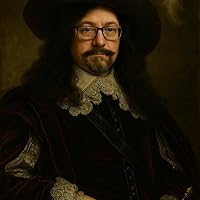
September 24, 2025
Wow what a book, loved this,i have learnt a great deal from this on many levels, many questions answered and one or two raised, included, was Richard Brandon the man who executed the King? He confessed on his deathbed but....
it also drew me right in, I wanted the regicides caught and punished, they who dared to kill our King, but I am a true Royalist.
this book goes into great detail the chasing, capturing and end to many who played there part.
very well written and a book I will at some point read again.
God Save the King 🤴
it also drew me right in, I wanted the regicides caught and punished, they who dared to kill our King, but I am a true Royalist.
this book goes into great detail the chasing, capturing and end to many who played there part.
very well written and a book I will at some point read again.
God Save the King 🤴
October 31, 2022
Good well researched
Starts well telling the story of Charles I and how he came to be executed. Only touched on the idea that he accepted his fate. Told how he wanted a good death. Missing his chance to escape. Details the confusion and lack of leadership after the death of Cromwell. Charles II invited to return and restore the monarchy. The subsequent pursuit of the Regicides.
Starts well telling the story of Charles I and how he came to be executed. Only touched on the idea that he accepted his fate. Told how he wanted a good death. Missing his chance to escape. Details the confusion and lack of leadership after the death of Cromwell. Charles II invited to return and restore the monarchy. The subsequent pursuit of the Regicides.

August 20, 2017
I enjoyed reading this book, as I have enjoyed reading previous works by Don Jordan and Michael Walsh. The topic is interesting and the narrative reads like a story. The topic of The king's revenge was not quite as juicy as The king's bed, but it is still an enjoyable and recommended read. A great narrative on a tumultuous time in English history.

June 11, 2019
Great read!
Fascinating history about a time and era many are ignorant of. Charles II's assassination squads sent to hunt down the regicides remind me of the story of the Israeli secret service (Mossad) tracking down the Munich bombers. Exciting tale and quite readable. I highly recommend.
Fascinating history about a time and era many are ignorant of. Charles II's assassination squads sent to hunt down the regicides remind me of the story of the Israeli secret service (Mossad) tracking down the Munich bombers. Exciting tale and quite readable. I highly recommend.

December 30, 2017
This was an entertaining historical read. I would have liked for some of the religious influences of the time to be a bit less caricatured, but overall, this is a vibrant, action-packed account of Cromwell, Restoration England, and the reign of Charles II.
Displaying 1 - 30 of 60 reviews