Во второй том собрания сочинений включены произведения, написанные в период с 1960 по 1962 годы: «Полдень. XXII век», «Стажеры», рассказы.Том дополняют комментарии Б. Стругацкого и отрывки из критики того времени.
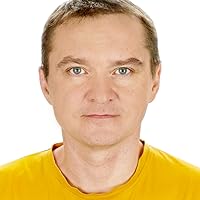
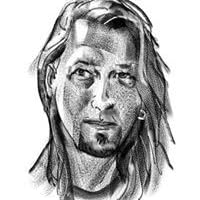
The brothers Arkady Strugatsky [Russian: Аркадий Стругацкий] and Boris Strugatsky [Russian: Борис Стругацкий] were Soviet-Russian science fiction authors who collaborated through most of their careers.
Arkady Strugatsky was born 25 August 1925 in Batumi; the family later moved to Leningrad. In January 1942, Arkady and his father were evacuated from the Siege of Leningrad, but Arkady was the only survivor in his train car; his father died upon reaching Vologda. Arkady was drafted into the Soviet army in 1943. He trained first at the artillery school in Aktyubinsk and later at the Military Institute of Foreign Languages in Moscow, from which he graduated in 1949 as an interpreter of English and Japanese. He worked as a teacher and interpreter for the military until 1955. In 1955, he began working as an editor and writer.
In 1958, he began collaborating with his brother Boris, a collaboration that lasted until Arkady's death on 12 October 1991. Arkady Strugatsky became a member of the Union of Soviet Writers in 1964. In addition to his own writing, he translated Japanese language short stories and novels, as well as some English works with his brother.
Повесть «Полдень, XXII век» представляет собой собрание поверхностно связанных рассказов, объединенных персонажами главных героев. Интересных среди нет практически нет. Читать было утомительно. Повесть «Стажеры» продолжает тему приключений героев «Страны багровых туч» и «Пути на Амальтею» Быкова и Юрковского. Данная повесть еще не идеал, но уже заметно лучше предыдущих произведений. Авторы постепенно набирают силу, чтобы через пару лет выдать свои самые лучшие произведения.
Strugatsky brothers' moto was always "evolve or die" This second volume contains two books from their "Noon World" utopian saga. It connects with Strugatskies first works (see my previous review) by several characters, but a lot of things has changed. But what this "Noon World" is? Here are several main features:
- XXII century - There are no money or borders, only jobs. To eat equals to breathe, there are no problems or pay checks connected with that - System of "teachers" is in effect. Childs are taken from their parents at 5-6 and raised by professioals, whose goal is to determine each person calling. Teachers are the most respected people in the world - by that, the highest moral standards are achived across the globe. all people are good. - It's a global technocracy world, where everything is decided in accordance with the Science goals. - Mankind are moving to the deepest parts of our galaxy on their starships, several humanoid races found but the Contact is hard to make (intersting part in that area: wild Pandora planet is being colonized by our Earth, it's a wildlife planet, jungle-like, full of predators and one humanoid race. There are flying dragons on Pandora and a lot of other similarities with you know what - hello, mr. Cameron)
First "Noon World" book in this volume is "Comeback. Noon. XXII century". it's a mosaic book, there are a lot of plotlines in there, small stories etc. For example: asronaunts who were laucnhed into deepest space 150 years are coming. They've visited dozens of planet systems, they've lost some of their friends, but now they come back only to learn that everything they've discovered already discovered, their spaceship and science machines they used are pieces of junk and all they can do is to change their profession. Or this one: story told about four friends being raised by of the Teachers. They dreamed about the stars and battles, but basically became ordinary people with normal professions. Only one of them became a hunter and travels different planets to hunt special animals (hello Pandora again at this part). Once he shoots at something that he thinks is an animal and the back of that something explodes. Later it turnes out that oxygen bag exploded on the back of that "animal" and it was a spacemam of another humanoid race.
Another novel in this volume is less interesting, it's called "Trainee". In this one Strugatskies are killing off their main characters of Noon World or sending them to be on pension. Since I've read all the books to follow about 15 years ago, I know that Noon World saga will continue with new characters in other books, but not as utopia but rather as a serie of disptopias or sci-fi dramas.
Generally, Strugatskies became more dramatic and sophisticated in literature sense by that time (beggining of the 60s), but still dawdled around common good and morale notations.